Zonos (Steveeeeeeen)
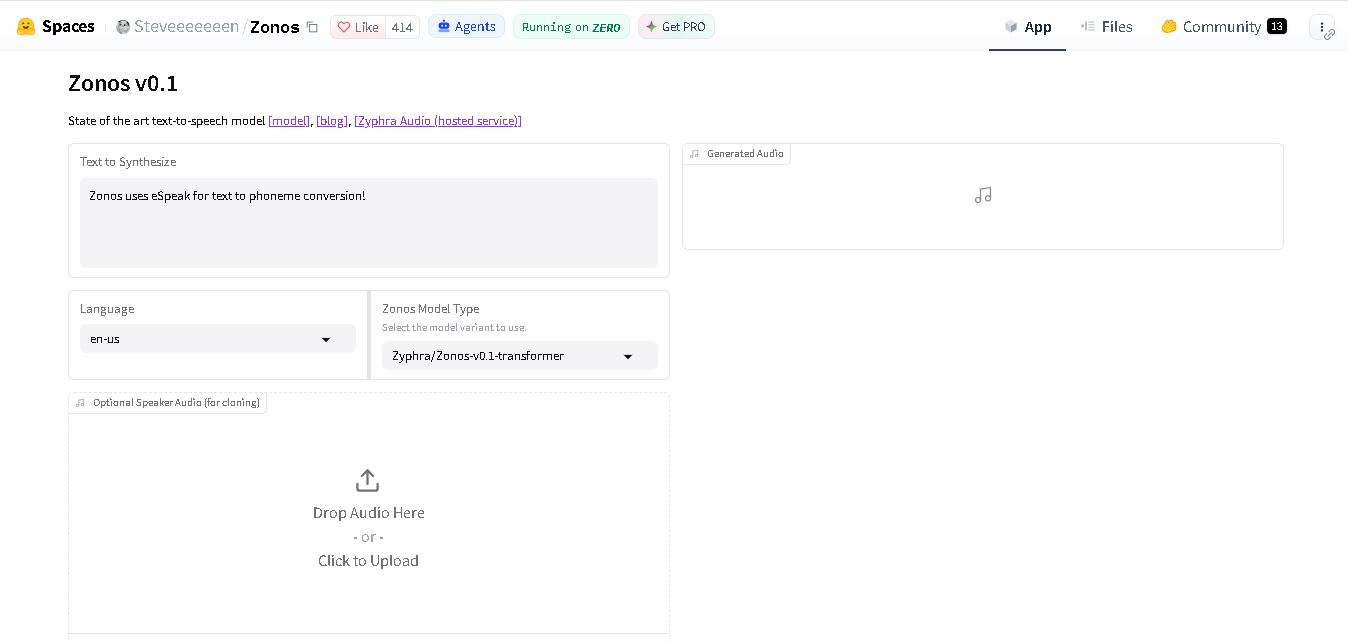
Zonos is a multilingual text-to-speech model for generating expressive, natural-sounding audio from written text. It supports short-sample voice cloning and lets users adjust speech characteristics such as pitch, speed, and emotion. Available through model releases and demonstration interfaces, Zonos can support narration, voiceover experiments, and speech-focused development projects and prototyping.
What is Zonos?
Zonos is a text-to-speech (TTS) model that converts written text into natural-sounding speech while offering voice cloning and expressive audio generation. Developed by Zyphra, Zonos-v0.1 supports multiple languages and lets users adjust speaking speed, pitch, and emotional tone. It can generate speech using a short reference audio clip, making it useful for voiceovers, audiobooks, video narration, and conversational applications. The model is available through open-weight releases and compatible demonstration interfaces.
Zonos-v0.1 is an open-weight speech-generation model developed by Zyphra and trained on more than 200,000 hours of varied speech data. It supports 5 languages: English, Japanese, Chinese, French, and German. The model accepts a 10–30-second reference audio sample for voice cloning and produces audio at a native 44.1 kHz sampling rate. On an NVIDIA RTX 4090, its reported generation speed is approximately 2 times real time. Zonos also offers controls for pitch, speaking rate, audio quality, and emotional expression.
- Author / Maintainer: Steveeeeeeen (Hugging Face Space maintainer) & Zyphra AI (Zonos Model Creators)
- Framework & Hosting: Hugging Face Spaces (ZeroGPU / Gradio WebUI)
Use Cases:
- Performing zero-shot voice cloning using 10- to 30-second speaker reference audio samples
- Controlling explicit vocal emotions, including happiness, anger, sadness, fear, and neutral tones
- Eliciting subtle vocal behaviors (such as whispering) via audio prefix conditioning inputs
- Evaluating multilingual speech synthesis across English, Japanese, Chinese, French, and German
Technology:
- Zonos hybrid transformer / Mamba backbone paired with eSpeak-ng G2P text phonemization
- Descript Audio Codec (DAC) neural vocoder producing native 44 kHz audio output
- ECAPA-TDNN and ResNet speaker embedding models for zero-shot speaker conditioning
- Hugging Face ZeroGPU cloud acceleration with the Gradio web interface
Target Users:
- Voice AI engineers and researchers testing open-weight zero-shot voice cloning architectures
- Indie game developers and audio producers creating emotional character dialog tracks
- Content creators using writing tools to draft video scripts, narrations, and audio transcripts
Corporate / Community Entity: Open-Source Hugging Face Community Space (Steveeeeeeen / Zyphra)

Key features of Zonos
Zonos's key features are
- Zero-Shot Voice Cloning: Input target text alongside a short 10–30 second speaker audio clip to replicate voice timbre without model fine-tuning.
- Fine-Grained Emotion & Quality Conditioning: Adjust discrete sliders for happiness, sadness, fear, anger, audio quality score, and maximum frequency response.
- Audio Prefix Input Matching: Provide audio prefixes to elicit distinct speech behaviors such as whispering, shouting, or conversational pacing.
- High-Definition 44 kHz Output: Generates crisp, full-bandwidth audio via neural Descript Audio Codec (DAC) autoencoders.
- Multilingual Support: Synthesizes fluent speech in English, Mandarin Chinese, Japanese, French, and German.
- ZeroGPU Accelerated Execution: Free browser-based processing powered by Hugging Face ZeroGPU dynamic hardware allocation.
Zonos Pricing
Zonos is 100% free to access via Hugging Face Spaces, supported by community ZeroGPU hosting and Zyphra's open-weight model releases.
Free Hugging Face Space:
- $0 / Free forever
- Unlimited web testing via Hugging Face ZeroGPU queue
Self-Hosted / Open-Source (Zyphra Zonos Weights):
- 100% Free / Open-Weight Model Code & Checkpoints
- Available on GitHub/Hugging Face for local execution on NVIDIA GPUs or cloud instances (runs ~2x real-time on RTX 4090)
Disclaimer: Public Hugging Face Spaces share ZeroGPU hardware capacity and may experience short queue wait times during peak community usage. For high-throughput API hosting, Zyphra offers dedicated cloud endpoints or local Docker deployment options.
Who is using Zonos?
Zonos is designed for AI audio researchers, developers, and content creators, including
- AI Speech Engineers: Evaluating hybrid transformer-Mamba voice cloning architectures and emotion controls
- Indie Game & Narrative Developers: Generating dynamic character dialog with explicit emotional parameters
- Audiobook & Video Producers: Creating localized voiceovers with natural speech cadence and high sample rates
- Content Creators: Using writing tools to draft script outlines, promotional voice tracks, and audio dubbing guides
Best Zonos Alternatives
Some of the top Zonos alternatives include
- F5-TTS
- Kokoro-TTS
- ElevenLabs
- ChatTTS
- XTTS v2 (Coqui)
- OpenVoice (MyShell)
Pros and Cons of Zonos
Pros
- Superior 44 kHz audio quality combined with deep emotion and acoustic quality controls
- Zero-shot voice cloning capabilities using short 10–30 second reference audio files
- Supports audio prefix inputs for hard-to-clone speech styles like whispering
- Free interactive web testing backed by Hugging Face ZeroGPU hardware
Cons
- Public Hugging Face Space queues may result in short wait times during high traffic periods
- Native local execution requires dedicated NVIDIA GPUs and CUDA environments (eSpeak-ng system dependency)
- Full emotional conditioning requires fine-tuning parameter values to avoid extreme prosody shifts
Why Choose Zonos?
Zonos is an ideal platform for developers and creators seeking state-of-the-art open-weight speech synthesis with unrivaled emotional and acoustic conditioning control.
- Combines zero-shot voice cloning with explicit emotional controls (happiness, sadness, anger, fear)
- Outputs broadcast-quality 44 kHz audio natively via Descript Audio Codec (DAC)
- Instant, free browser access without local CUDA setup or API subscriptions
- Backed by Zyphra's open-weight model weights for seamless self-hosted production scaling
Zonos vs. Competitors
The main difference between Zonos, F5-TTS, ElevenLabs, and Kokoro-TTS is that Zonos offers extensive multi-parameter conditioning (emotion, pitch, audio quality score, and audio prefixes) alongside 44 kHz DAC tokenization, whereas F5-TTS relies on Flow Matching DiTs for zero-shot cloning, Kokoro-TTS focuses on an ultra-compact 82M model footprint, and ElevenLabs is a closed-source commercial cloud service. Zonos excels at providing multi-dimensional acoustic and emotional control in an open-weight model.
| Feature / Tool | Zonos (Steveeeeeeen Space) | F5-TTS | Kokoro-TTS | ElevenLabs |
|---|---|---|---|---|
| Core Focus | Expressive Open-Weight TTS & Emotion Control | Flow-Matching Zero-Shot Voice Cloning | Ultra-Lightweight Open TTS Engine | Commercial Cloud Voice AI Platform |
| Audio Quality / Sample Rate | 44 kHz (Descript Audio Codec) | 24 kHz (Vocos / BigVGAN) | 24kHz (iSTFTNet) | 44.1kHz High-Fidelity Cloud |
| Emotional & Quality Controls | Yes (Happiness, Sadness, Anger, Fear, Pitch) | Moderate (Speed & Prompt Style) | Basic (Speed & Voice Presets) | Yes (Voice Settings & Prompting) |
| Open-Source License | Yes (Open Weights) | Yes (Open Code & Model) | Yes (Apache 2.0) | No (Proprietary SaaS) |
| Starting Price Range | Free / Open-Source Self-Hosting | Free open-source | Free open-source | Free tier / $5–$330+ per month |
| Best For | Highly customizable 44kHz emotional speech generation | Fast zero-shot voice cloning from short audio | Low-latency CPU/GPU speech synthesis | Turnkey commercial voice cloning and dubbing |
How do we rate Zonos?
| Parameter | Rating (out of 5) |
|---|---|
| Voice Quality & 44kHz Audio Fidelity | 4.9 |
| Emotion & Acoustic Control Granularity | 4.9 |
| Zero-Shot Voice Cloning Accuracy | 4.8 |
| ZeroGPU Interface Ergonomics | 4.7 |
| Value for Money | 5.0 |
| Overall Score | 4.86 |
Zonos Review
Zonos on Hugging Face represents a top-tier open-source speech generation tool. By bringing Zyphra's 200k-hour multilingual model into a web interface on ZeroGPU, maintainer Steveeeeeeen provides an accessible testbed for voice cloning and fine-grained emotional synthesis. The ability to fine-tune quality, pitch, speaking rate, and explicit emotional sliders sets Zonos apart from simpler TTS spaces. For AI developers, voice actors, and creators seeking high-resolution 44kHz voice output without cloud subscription fees, Zonos is an indispensable open-source platform in 2026.
Conclusion
Zonos is worth exploring if you need flexible text-to-speech generation, voice cloning, and expressive narration without relying entirely on a closed commercial service. Its multilingual support and adjustable speech characteristics make it useful for creators and developers testing audio workflows. However, output quality, language coverage, performance, and access can vary by model version and hosting setup. Review the relevant license, use consented voice samples, and test generated audio before using it in public or commercial projects.
FAQ
What can you do with Zonos?
You can use Zonos to turn written scripts into spoken audio, create voiceovers, experiment with voice cloning, and generate expressive narration. It is suitable for creators, developers, and researchers who need customizable speech. Your results depend on the selected model, reference recording quality, language support, and available computing resources locally.
Which languages does Zonos support?
The original Zonos-v0.1 model supports English, Japanese, Chinese, French, and German, giving users five language options. Do not assume every Zonos version or community Space offers identical language coverage. Before creating multilingual audio, check the selected model's documentation and interface, especially if your script includes pronunciation, names, or specialized vocabulary.
Can Zonos clone a person's voice?
Yes, Zonos-v0.1 supports zero-shot voice cloning using a short reference recording, typically around 10–30 seconds. Upload audio you have permission to use, then provide the text you want spoken. Similarity and clarity can vary with recording quality, background noise, language, and settings, so review generated audio before publishing or sharing.
Can you control emotions and speaking styles in Zonos?
Zonos includes controls for expressive speech, including speaking rate, pitch, audio quality, and emotions such as happiness, sadness, anger, and fear. These options help tailor narration to creative needs. However, emotional controls do not guarantee acting quality, and users should listen to samples to confirm the tone fits their intended audience.
Is the Zonos Hugging Face Space free to use?
The linked Hugging Face Space is a demonstration interface, but access and usage limits may depend on its hosting configuration and availability. Zonos model weights are open-weight, which is different from guaranteed free, unlimited use. Check the Space page for status, queue limits, and usage instructions before relying on it.
Who should use Zonos?
Zonos can help creators produce narration for videos, podcasts, audiobooks, presentations, and prototypes that require spoken dialogue. Developers can explore its speech-generation capabilities in applications, while researchers can test voice synthesis and expressive controls. For commercial projects, review the model's license, platform terms, and consent requirements before distributing generated voices.
User Reviews
No reviews yet for Zonos (Steveeeeeeen).
Featured Tools
Featured AI tools from TechShark
Melody Genie
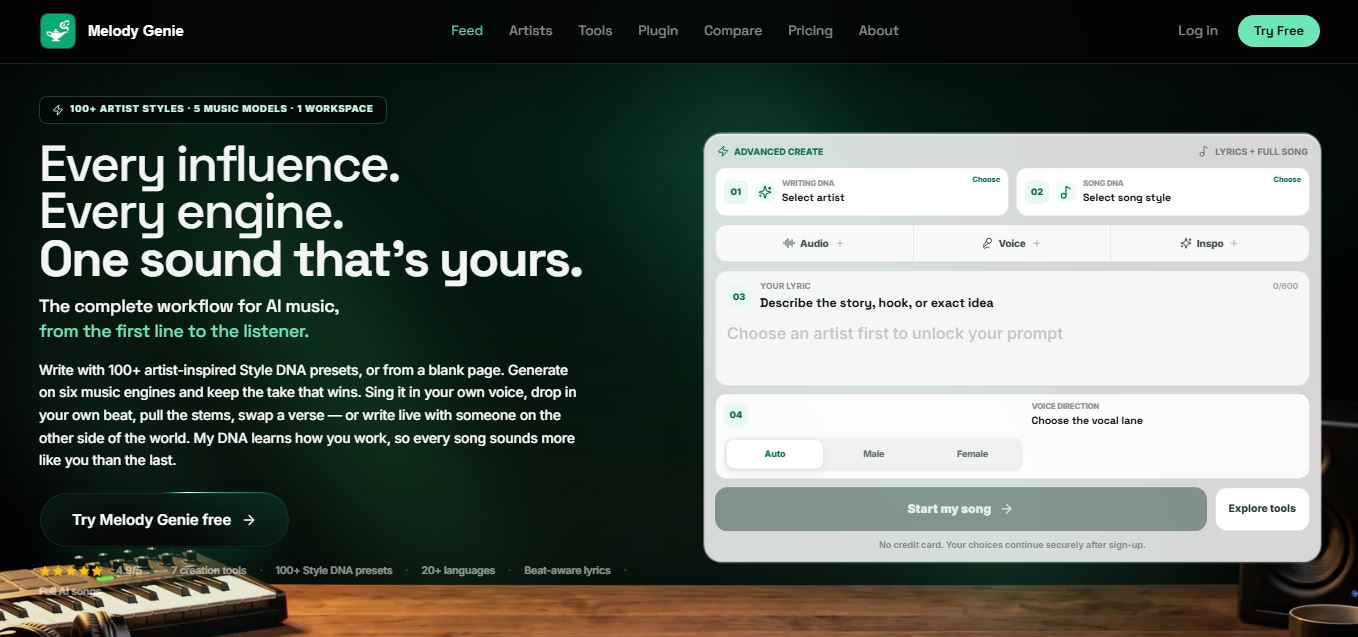
MelodyGenie is an AI-powered music generator that creates original songs from simple text prompts. Users can choose styles, moods, and genres, then instantly generate melodies and full tracks, making it easy for creators, marketers, and hobbyists to produce custom music without musical expertise.
Freemium
Kimi AI
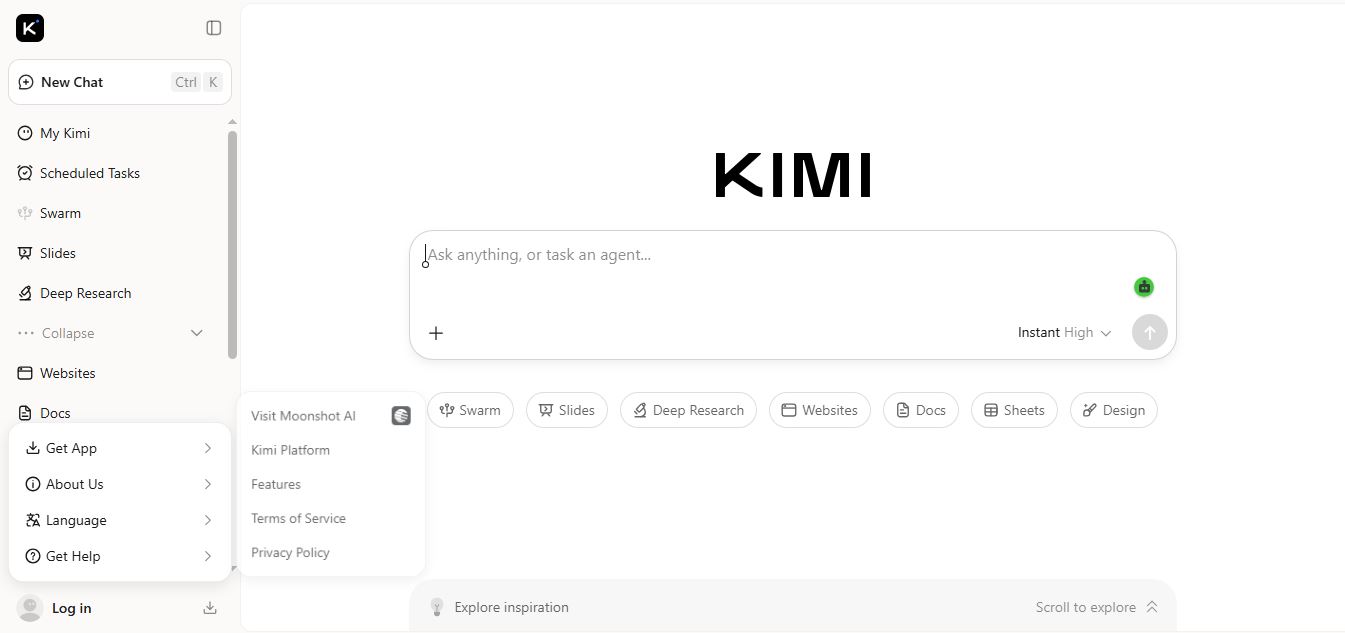
Kimi AI is an advanced AI assistant developed by Moonshot AI that helps you chat, research, write, code, and automate tasks in one place. It supports web search, file analysis, and multimodal inputs, and can even run autonomous “agent” workflows to complete complex tasks end-to-end.
Freemium

Fashion Diffusion AI
Fashion Diffusion is an AI-powered fashion design platform that helps brands and designers create clothing designs, virtual try-ons, AI models, product photos, and marketing visuals faster and cost-effectively.
Paid
Veo 4
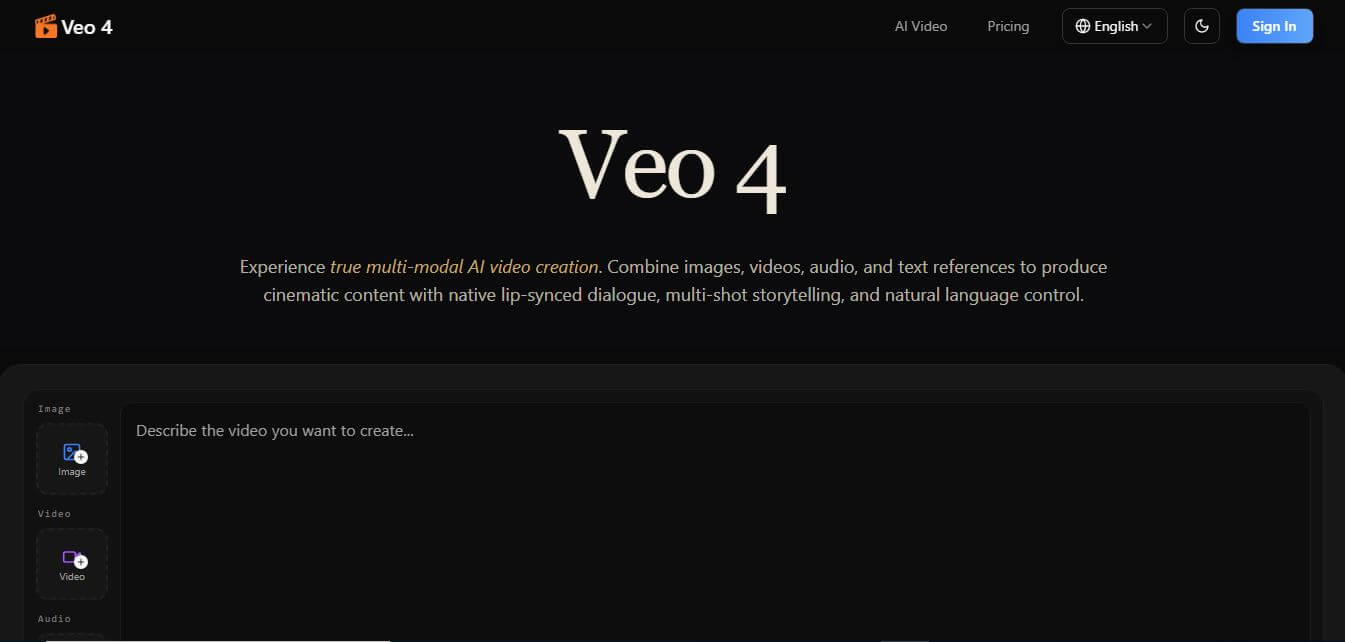
Veo 4 AI is an AI video creation platform that generates dramatic videos from text, images, audio, and video prompts using realistic motion and synchronized sound.
Paid
Alternatives
Alternatives to Zonos (Steveeeeeeen)
The best Zonos alternatives include F5-TTS, Kokoro-TTS, ElevenLabs, ChatTTS, XTTS v2, and OpenVoice. These tools offer text-to-speech synthesis and zero-shot voice cloning across open-source frameworks and commercial cloud platforms. While Zonos excels at native 44kHz audio generation with explicit emotional conditioning, alternatives like F5-TTS utilize Flow Matching Diffusion Transformers, Kokoro-TTS provides an ultra-lightweight 82M model, and ElevenLabs offers turnkey commercial APIs.
 4.9
4.9KittenTTS Web
Text-to-Speech
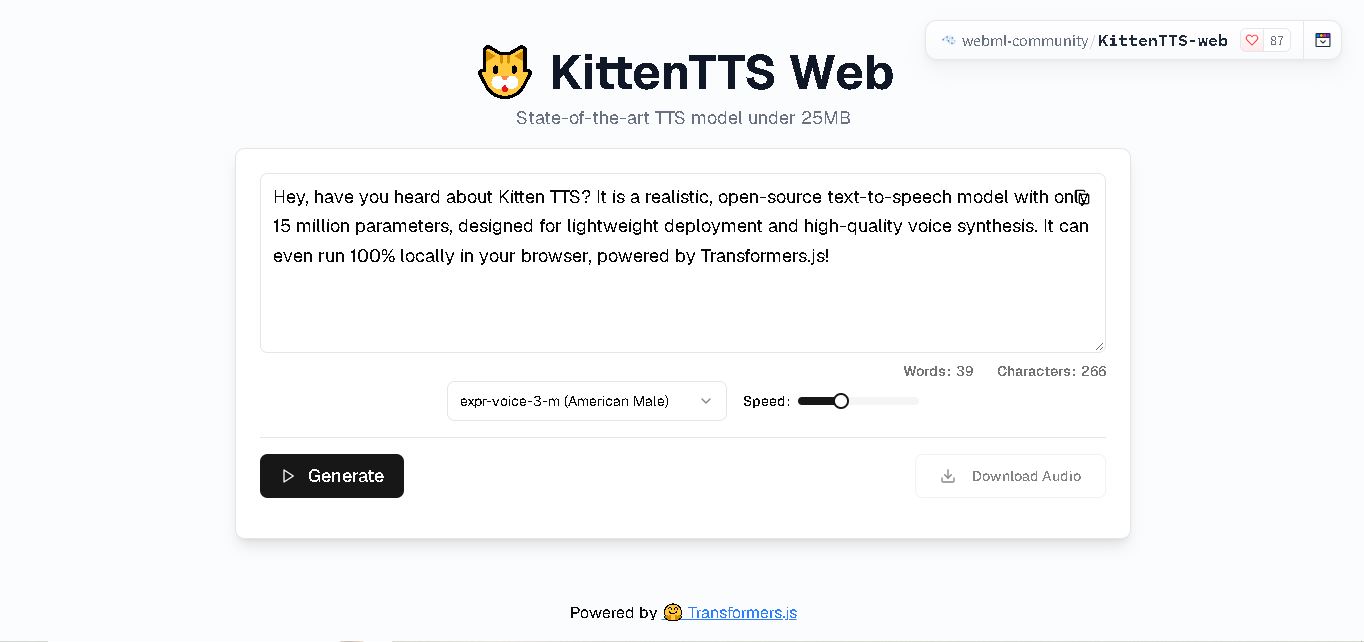
KittenTTS Web is a lightweight text-to-speech demo hosted on Hugging Face Spaces. It helps users explore how written text can be transformed into spoken audio using neural voice synthesis. The project is particularly relevant to developers, content creators, and accessibility-focused users interested in experimenting with compact speech generation technology directly through a web browser.
 4.9
4.9Parler-TTS
Text-to-Speech
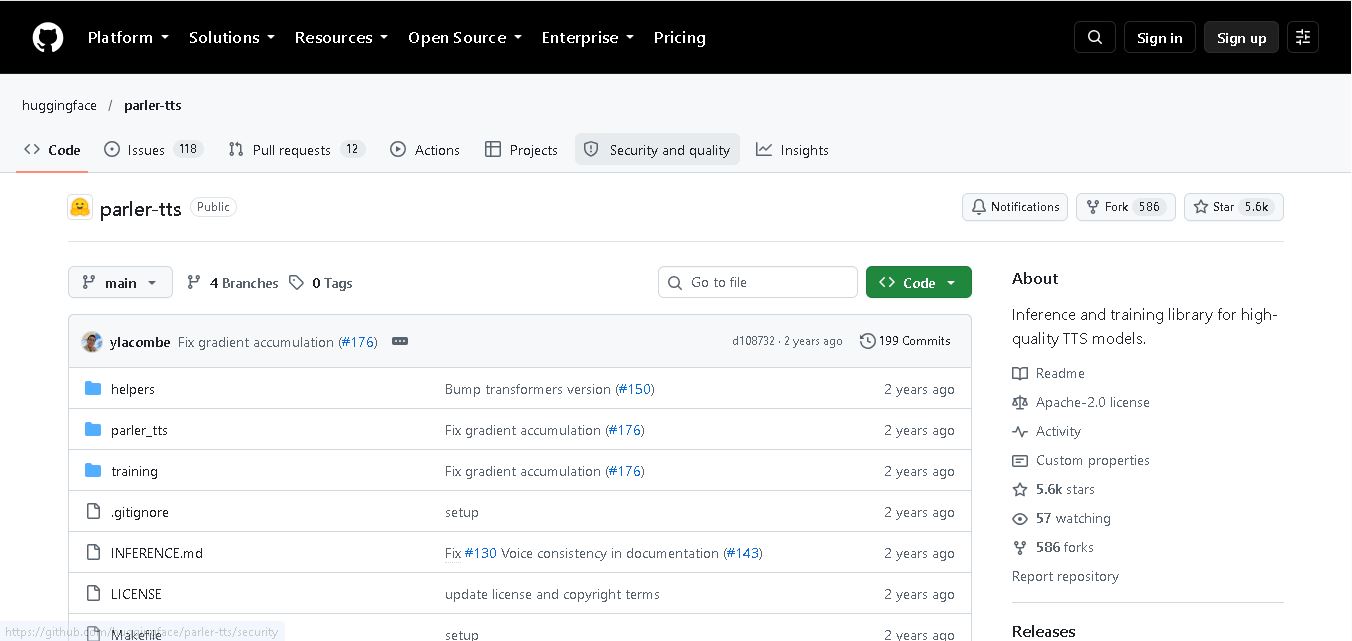
Parler-TTS is an open-source text-to-speech tool that transforms written content into natural-sounding audio. It lets developers describe voice characteristics using natural language, including pitch, speaking speed, and recording quality. With publicly available model weights, training resources, and customizable checkpoints, it supports experimentation, research, and tailored speech-generation applications across projects.
 4.9
4.9IMS Toucan
Text-to-Speech
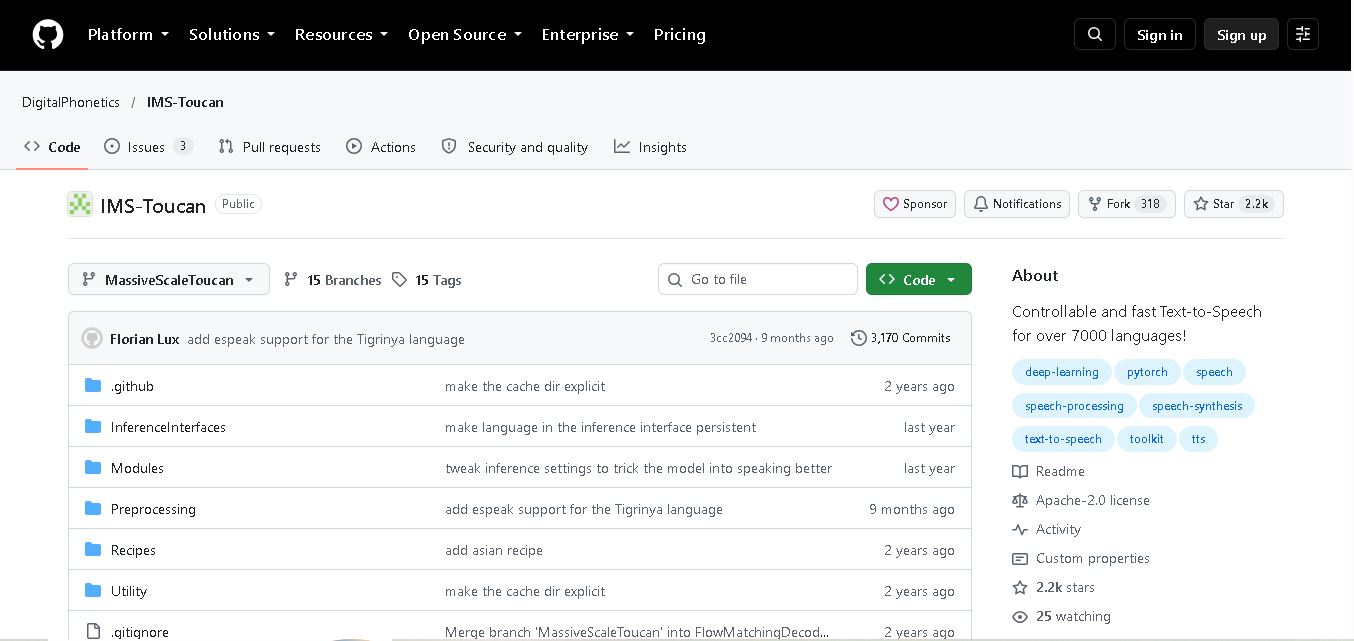
IMS Toucan is an open-source text-to-speech toolkit from the University of Stuttgart designed for multilingual speech generation. It converts text into audio and provides tools for inference, voice and prosody control, and model training. Supporting more than 7,000 languages, it serves developers and researchers exploring technology across linguistic contexts.
 4.6
4.6Speechelo
Text-to-Speech
Speechelo is a text-to-speech tool designed to help creators turn written scripts into voiceovers. It offers different voices, languages, tones, and audio adjustments for creating narration. Video creators, educators, marketers, and content teams can use it to produce audio for tutorials, presentations, promotional videos, and other digital content projects.
 4.7
4.7Leelo AI
Text-to-Speech
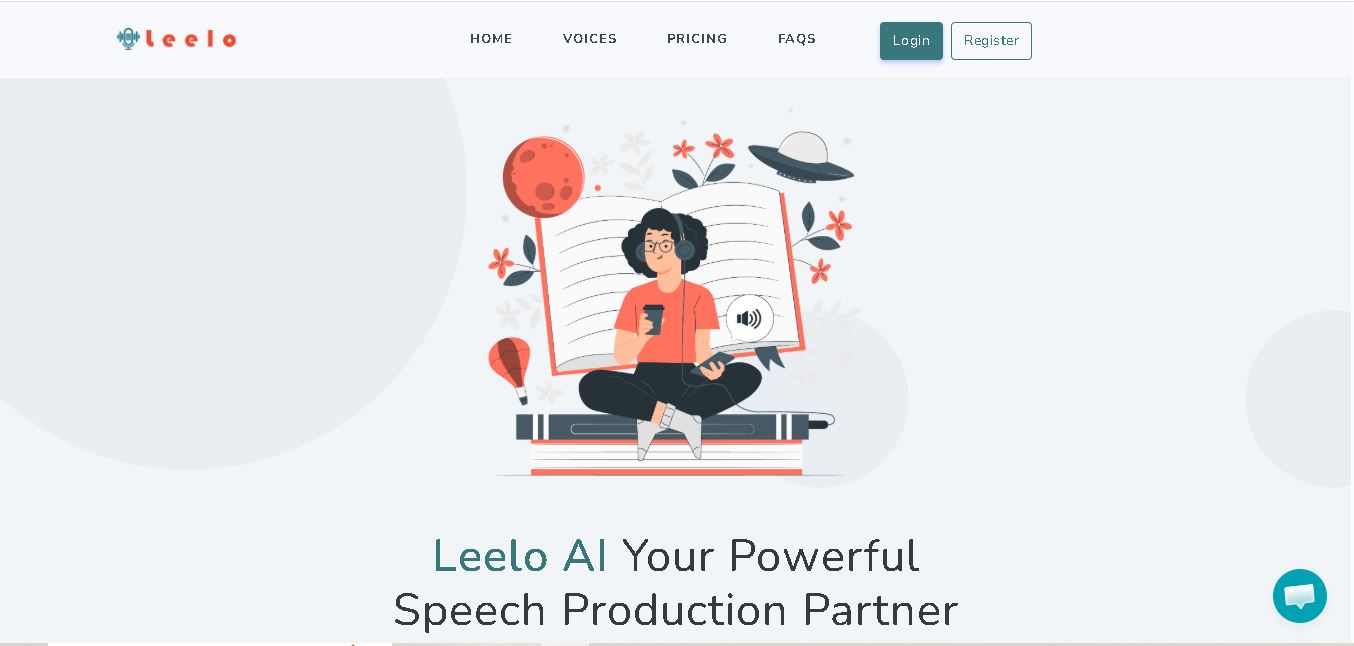
Leelo AI helps you turn written content into natural-sounding speech without recording your own voice. You can choose from 800+ voices across 142 languages and accents, adjust available voice settings, generate audio, store files in the cloud, export recordings, and use generated speech commercially for different content and communication needs.
 4.7
4.7MyVocal AI
Text-to-Speech
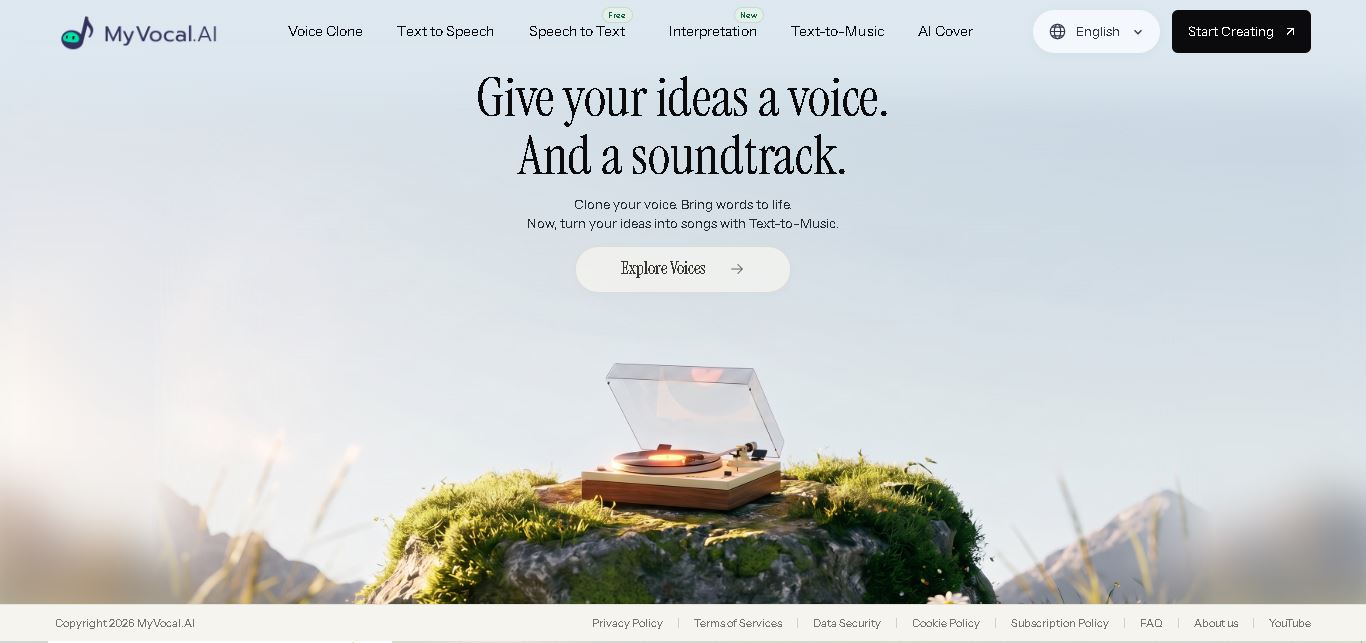
MyVocal AI helps creators turn written content and voice recordings into natural-sounding audio. Users can clone voices, generate multilingual speech, create AI song covers, transcribe recordings, and produce music from text. Its combination of voice customization, emotion control, and multilingual generation makes it useful for content, narration, music, products, and interactive experiences.
 4.8
4.8Article Audio
Text-to-Speech
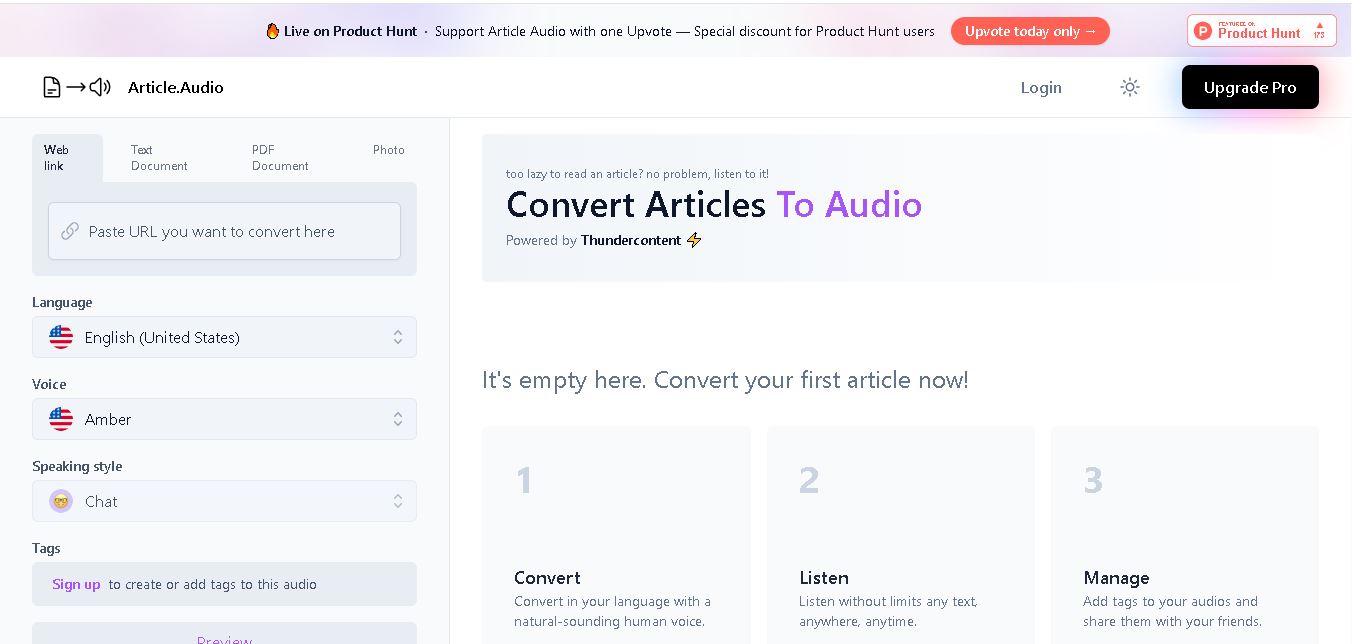
Article.Audio turns online articles into listenable audio from a simple web link. You can choose a language, voice, and speaking style to create a more personalized listening experience. It is useful for readers who want to consume articles while commuting, exercising, working, or handling other activities.
 4.8
4.8Google Cloud Speech-to-Text
Text-to-Speech
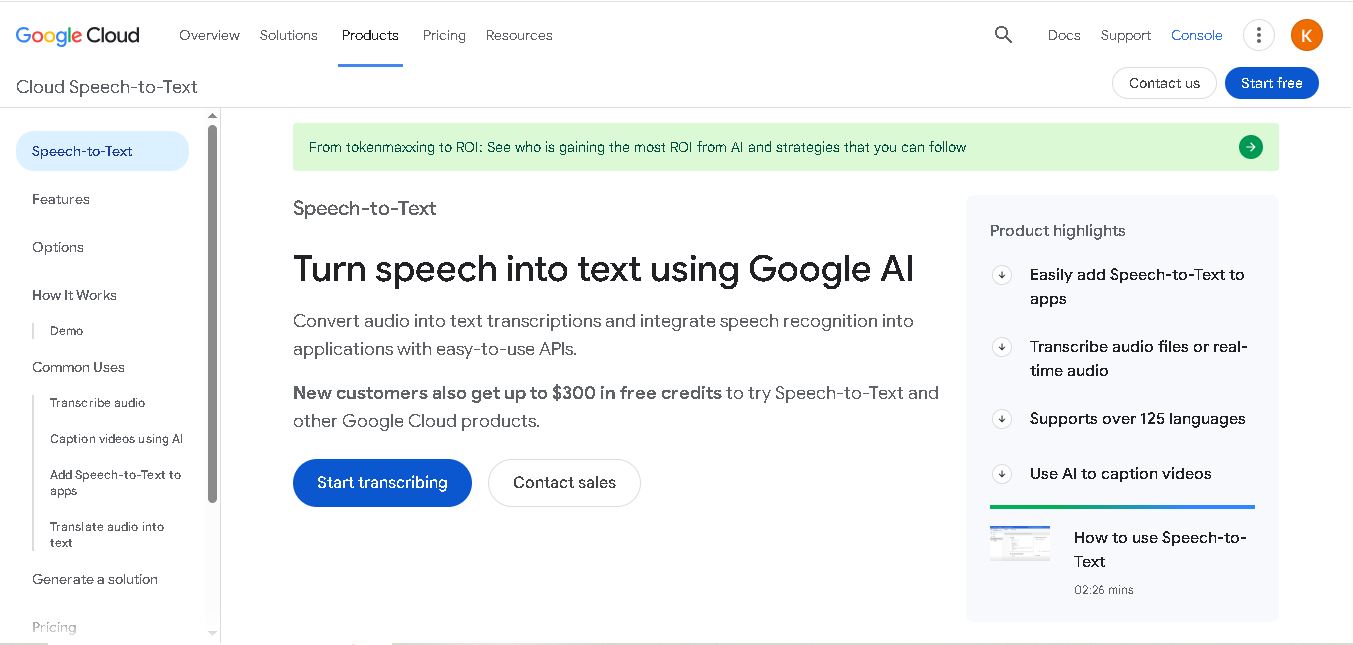
Google Cloud Speech-to-Text helps developers turn spoken audio into text for applications, captions, voice commands, meetings, calls, and searchable content. With streaming recognition, multilingual support, model adaptation, speaker diarization, and multiple transcription methods, it provides speech recognition capabilities for applications and enterprise workflows. It fits teams seeking integrated transcription workflows.
 4.8
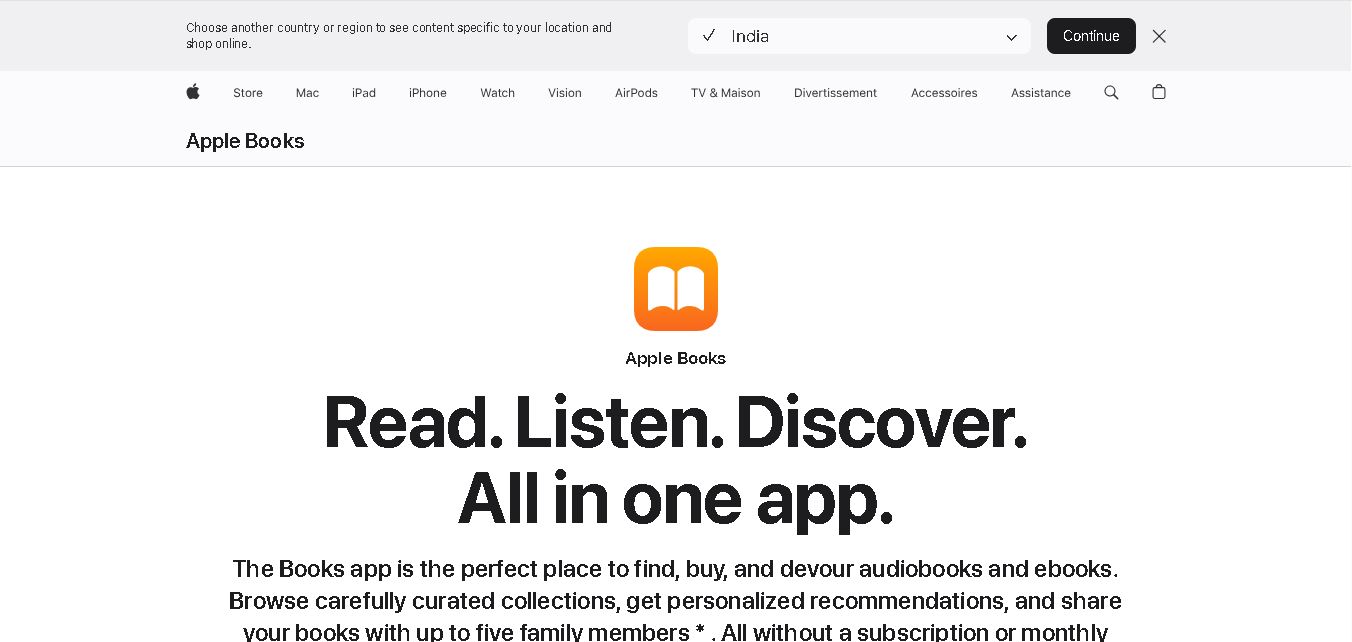
4.8Apple Books
Text-to-Speech
Apple Books is a digital bookstore and reading app for ebooks and audiobooks. It combines millions of titles, personalized recommendations, curated collections, reading goals, offline downloads, and cross-device synchronization. Users can purchase individual books without a monthly subscription and continue reading or listening across compatible Apple devices.