IMS Toucan
IMS Toucan (github.com/DigitalPhonetics/IMS-Toucan) is an open-source, toolkit for speech synthesis, voice cloning, and multilingual text-to-speech built by the Institute for Natural Language Processing (IMS) at the University of Stuttgart.
What is IMS Toucan?
IMS Toucan (github.com/DigitalPhonetics/IMS-Toucan) is an open-source, Python-based toolkit for text-to-speech (TTS) synthesis, expressive voice cloning, and speech processing. Developed by the Institute for Natural Language Processing (IMS) at the University of Stuttgart (Digital Phonetics group), IMS Toucan is designed for speech researchers, AI developers, computational linguists, and open-source contributors. Built on PyTorch, the toolkit provides end-to-end neural speech pipelines that support zero-shot voice cloning, articulatory phoneme features, emotion control, and rapid multi-speaker fine-tuning across low-resource languages.
Engineered to advance academic research and open-source speech AI accessibility, IMS Toucan bridges deep learning speech models with phonetic science. By utilizing human-interpretable articulatory feature vectors (PanPhon) instead of generic phoneme IDs, IMS Toucan enables zero-shot cross-lingual speech synthesis and voice cloning for languages with limited training data.
- Developer / Institution: Institute for Natural Language Processing (IMS), University of Stuttgart
- License: MIT License (Open-Source GitHub Repository)
- Core Focus: Open-Source Text-to-Speech (TTS), Articulatory Feature Synthesis, Zero-Shot Voice Cloning, & Multilingual Speech Research
Use Cases:
- Training, fine-tuning, and evaluating neural speech synthesis models on custom multi-speaker datasets
- Performing zero-shot voice cloning and cross-lingual speech transfer using short reference audio samples
- Developing text-to-speech models for low-resource, endangered, or dialectal languages using shared articulatory features
- Controlling speech emotion, pitch prosody, and speaking rate for interactive AI voice agents and research benchmarks
Technology:
- PyTorch-based speech synthesis framework supporting FastSpeech 2, ToucanTTS, HiFi-GAN, and Vocoder architectures
- Articulatory phoneme representation pipeline integrating PanPhon vectors for language-agnostic phonetic mapping
- Controllable prosody and style embedding modules for emotion and speaker transfer
Target Users:
- Speech AI researchers, computational linguists, and PhD candidates experimenting with neural speech synthesis
- Open-source software engineers and AI developers building self-hosted, privacy-focused text-to-speech solutions
- Linguists and developers working on low-resource language preservation and voice generation
- Content creators using writing tools to draft technical documentation, research scripts, and open-source tutorials
Corporate / Academic Entity: University of Stuttgart (IMS / Digital Phonetics Group)

Key features of IMS Toucan
IMS Toucan's key features are
- Open-Source Python & PyTorch Framework: Fully customizable codebase hosted on GitHub under the permissive MIT open-source license.
- Articulatory Feature Representation: Uses PanPhon articulatory feature vectors to map speech sounds based on phonetic characteristics rather than language-specific phoneme tables.
- Zero-Shot Voice Cloning: Extracts speaker embeddings from brief reference audio files to replicate voice timber without full model retraining.
- Low-Resource Language Support: Shared articulatory space allows effective speech synthesis for under-represented languages with minimal audio data.
- Controllable Prosody & Emotion: Fine-tunes speech pitch, duration, energy, and emotional delivery parameters via interactive controls.
- Pre-Trained Pipeline Models: Includes ready-to-use pre-trained checkpoints for multi-speaker, multi-lingual TTS inference.
- Command-Line & Web UI Demo: Offers CLI scripts and Gradio-based Web UI demos for local model testing and inference.
IMS Toucan Pricing
IMS Toucan is a 100% free, open-source software project distributed under the permissive MIT License.
Open-Source Access:
- $0 / Completely free and open-source
- Full source code, pretrained weights, and training scripts available via GitHub under the MIT License for academic, personal, and commercial usage
Disclaimer: Hosting, training, and running inference with IMS Toucan models require local GPU hardware compute resources (e.g., NVIDIA CUDA-enabled GPUs) or cloud GPU instances. For code and documentation, visit github.com/DigitalPhonetics/IMS-Toucan.
Who is using IMS Toucan?
IMS Toucan is designed for academic researchers, software engineers, and linguists, including
- Academic Speech Researchers: Benchmarking neural speech models, prosody control, and phonology algorithms
- Open-Source AI Developers: Building self-hosted text-to-speech tools and localized voice applications
- Computational Linguists: Training speech synthesis systems for low-resource and regional dialectal languages
- Content Creators: Using writing tools to draft technical documentation, research scripts, and open-source tutorials
Best IMS Toucan Alternatives
Some of the strongest IMS Toucan alternatives include
- Coqui TTS
- Bark (Suno AI)
- XTTS v2
- Piper TTS
- eSpeak NG
- ESPnet
Pros and Cons of IMS Toucan
Pros
- Completely free and open-source under the MIT License with no commercial licensing restrictions
- Innovative use of articulatory features (PanPhon) allows effective cross-lingual synthesis and low-resource language support
- Supports zero-shot voice cloning and fine-grained prosody/emotion control
- Clean, modular PyTorch codebase designed for easy academic research experimentation
- Includes pre-trained models and local Gradio Web UI demos
Cons
- Requires technical proficiency in Python, PyTorch, and command-line environments to install and run
- Requires local GPU hardware or cloud server compute infrastructure for fast training and low-latency inference
- Lacks a managed SaaS cloud web application interface for non-technical commercial users
Why Choose IMS Toucan?
IMS Toucan is an exceptional choice for researchers and developers seeking an open-source, phonetically-grounded speech synthesis toolkit capable of handling low-resource languages and voice cloning.
- 100% free and open-source under the permissive MIT License
- Uses articulatory feature vectors to bridge speech synthesis across under-represented global languages
- Enables zero-shot voice cloning and prosody tuning without expensive commercial API lock-in
- Provides a fully transparent PyTorch research codebase for custom model development
- Developed and maintained by speech synthesis experts at the University of Stuttgart
IMS Toucan vs. Competitors
The main difference between IMS Toucan, Coqui TTS, Bark, and Piper TTS is that IMS Toucan relies on articulatory phoneme features (PanPhon) for cross-lingual speech synthesis and low-resource research, whereas Coqui TTS and Bark emphasize multi-modal deep learning architectures for commercial SaaS integration, and Piper TTS focuses on lightweight, fast CPU-optimized local speech synthesis for embedded hardware.
| Feature / Tool | IMS Toucan (GitHub) | Coqui TTS | Bark (Suno AI) | Piper TTS |
|---|---|---|---|---|
| Core Focus | Articulatory Research & Low-Resource TTS | Open-Source Multi-Model Deep Learning TTS | Transformer-Based Generative Audio & Effects | Fast CPU-Optimized Local Speech Synthesis |
| Phonetic Representation | PanPhon Articulatory Feature Vectors | Phoneme Tables & Character Embeddings | Semantic Token Generation | Phoneme-based Neural Models |
| License | MIT License (100% Free Open-Source) | MPL 2.0 / Open-Source | MIT License | MIT License |
| Zero-Shot Voice Cloning | Yes (Reference audio embedding) | Yes (XTTS model support) | Yes (Prompt-based) | No (Single/Multi-speaker fixed models) |
| Pricing | $0 / Open-Source | $0 / Open-Source | $0 / Open-Source | $0 / Open-Source |
| Best For | Speech AI researchers, linguists, & low-resource TTS projects | Developers needing production-ready open-source voice models | Experimental generative audio with background noise & laughter | Low-power devices (Raspberry Pi, local smart home servers) |
How do we rate IMS Toucan?
| Parameter | Rating (out of 5) |
|---|---|
| Academic Innovation & Phonetic Design | 4.9 |
| Low-Resource Language & Zero-Shot Capabilities | 4.8 |
| Open-Source Codebase & License Freedom | 5.0 |
| Prosody & Emotion Control Features | 4.7 |
| Value for Money | 5.0 |
| Overall Score | 4.88 |
IMS Toucan Review
IMS Toucan stands out as an exceptional open-source toolkit for speech synthesis and voice cloning research. Built by the University of Stuttgart's Institute for Natural Language Processing, its core innovation lies in using articulatory features (PanPhon) rather than traditional phoneme IDs, enabling high-quality cross-lingual synthesis and zero-shot voice cloning for low-resource languages. Distributed under the permissive MIT License, IMS Toucan provides speech AI researchers and developer teams with a transparent, highly customizable PyTorch codebase for building open-source voice systems in 2026.
Conclusion
IMS Toucan is a powerful open-source text-to-speech and voice cloning toolkit that advances phonetic speech AI research. Featuring articulatory feature synthesis, zero-shot voice cloning, low-resource language mapping, and an MIT open-source license, it serves as a valuable resource for computational linguists, developers, and speech researchers in 2026.
User Reviews
No reviews yet for IMS Toucan.
Featured Tools
Featured AI tools from TechShark
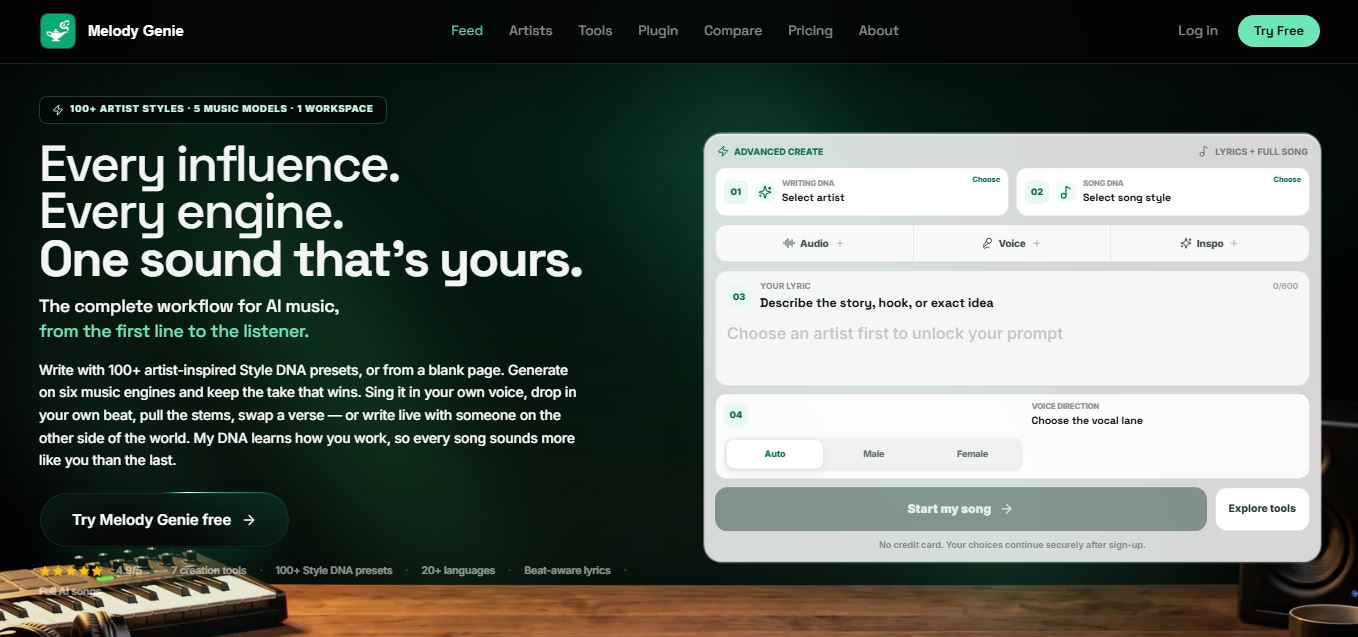
Melody Genie
MelodyGenie is an AI-powered music generator that creates original songs from simple text prompts. Users can choose styles, moods, and genres, then instantly generate melodies and full tracks, making it easy for creators, marketers, and hobbyists to produce custom music without musical expertise.
Freemium
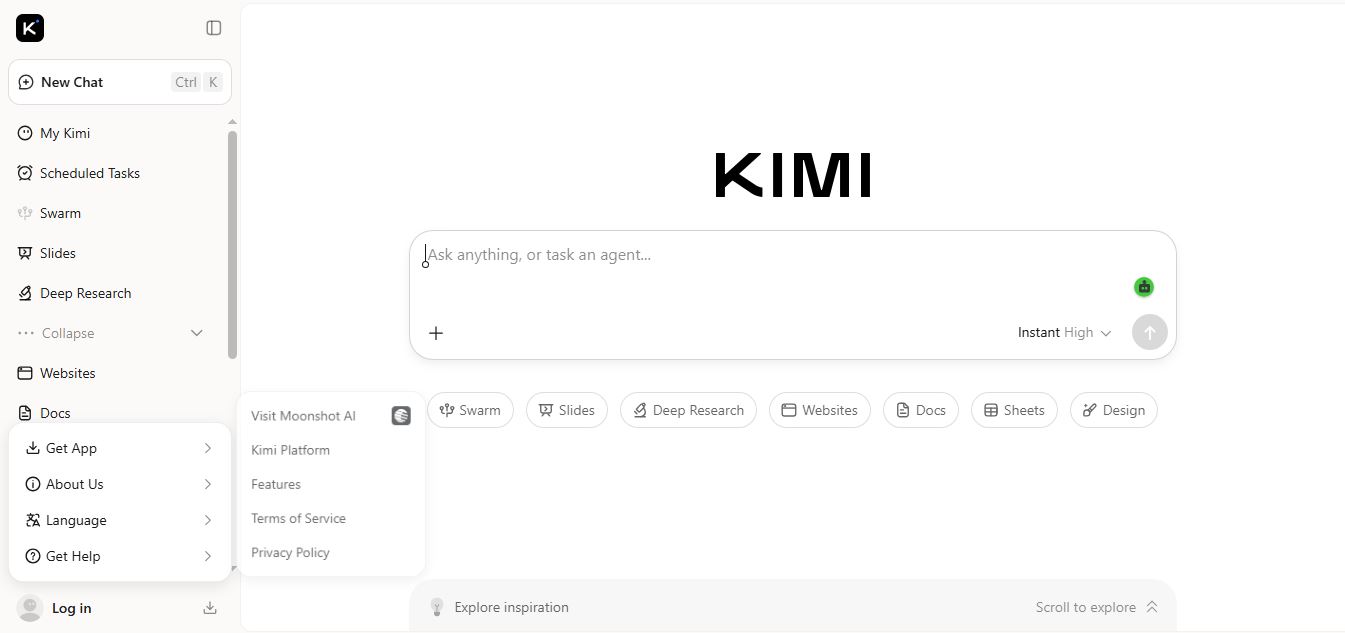
Kimi AI
Kimi AI is an advanced AI assistant developed by Moonshot AI that helps you chat, research, write, code, and automate tasks in one place. It supports web search, file analysis, and multimodal inputs, and can even run autonomous “agent” workflows to complete complex tasks end-to-end.
Freemium
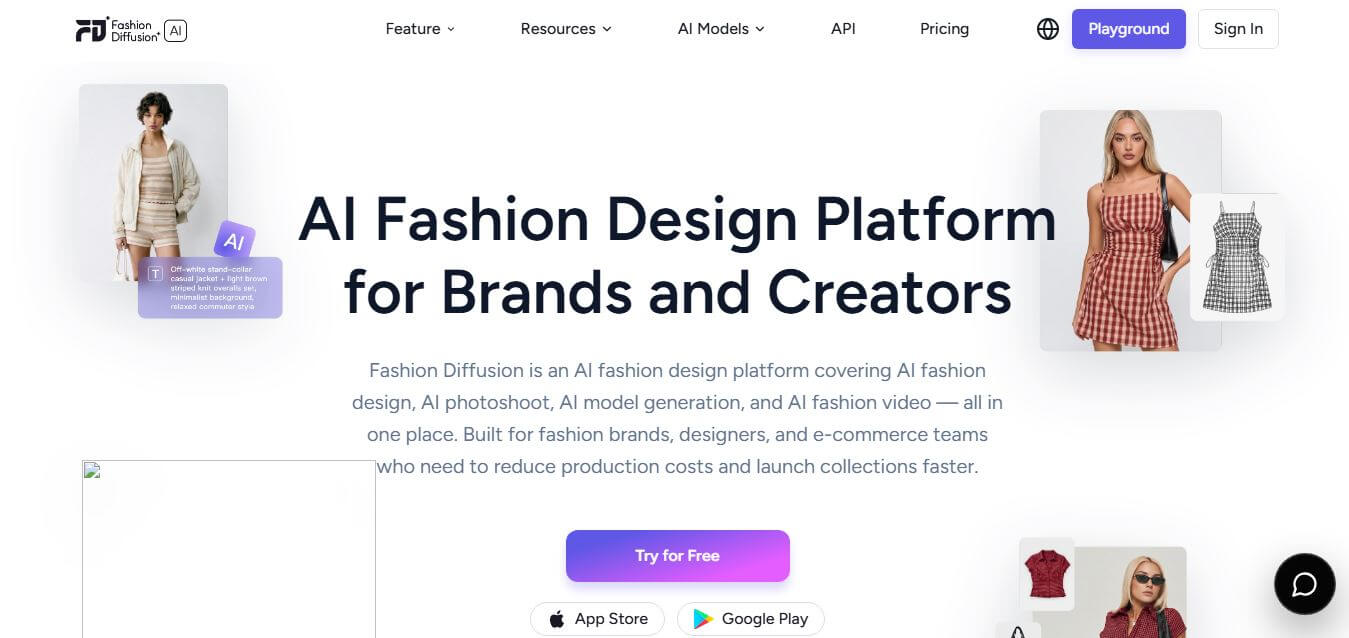
Fashion Diffusion AI
Fashion Diffusion is an AI-powered fashion design platform that helps brands and designers create clothing designs, virtual try-ons, AI models, product photos, and marketing visuals faster and cost-effectively.
Paid
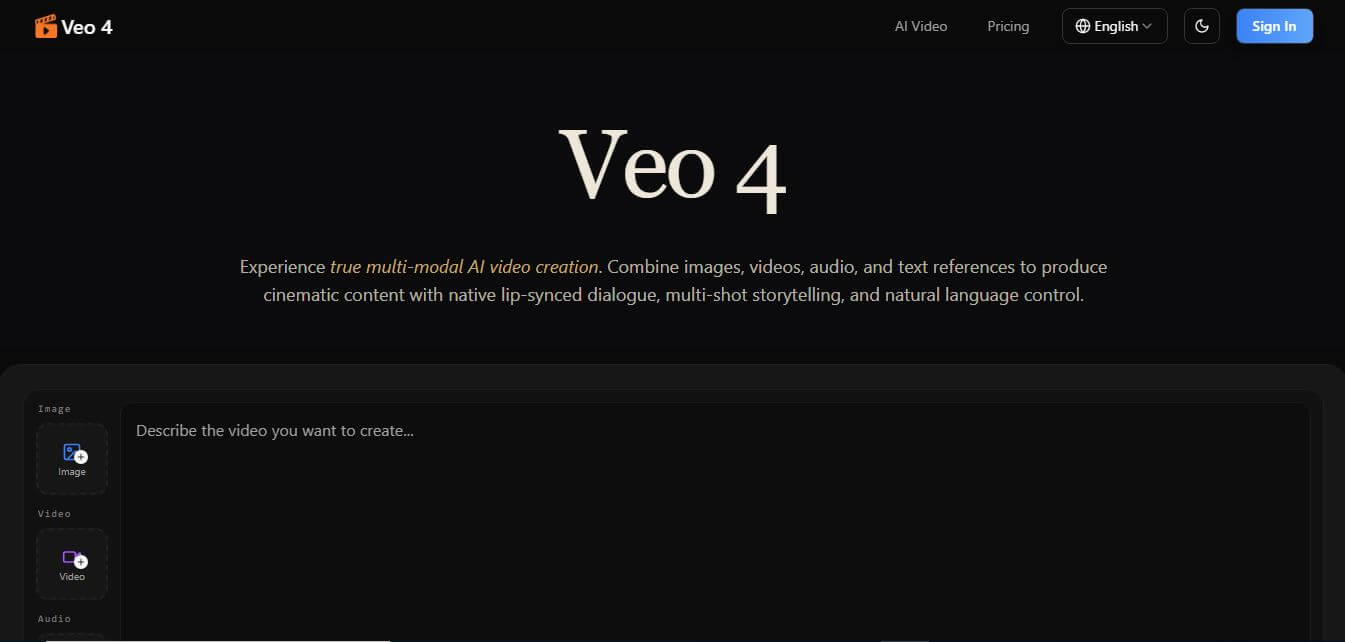
Veo 4
Veo 4 AI is an AI video creation platform that generates dramatic videos from text, images, audio, and video prompts using realistic motion and synchronized sound.
Paid
Alternatives
Alternatives to IMS Toucan
The best IMS Toucan alternatives include Coqui TTS, Bark (Suno AI), XTTS v2, Piper TTS, eSpeak NG, and ESPnet. These open-source toolkits provide text-to-speech synthesis, neural voice cloning, and audio generation. While IMS Toucan excels with articulatory feature representations (PanPhon) for low-resource language synthesis and academic research, alternatives like Coqui TTS offer broad production-ready deep learning models, and Piper TTS specializes in fast local CPU synthesis.
Parler-TTS
AI Agent
Parler-TTS (github.com/huggingface/parler-tts) is an open-source, lightweight text-to-speech framework developed by Hugging Face that generates natural-sounding speech controllable via natural language prompts describing speaker gender, accent, tone, pitch, and background acoustics.
Verbatik
AI Agent
Verbatik (verbatik.com) is an AI-powered text-to-speech, AI voice cloning, and audio generator platform that converts written scripts, articles, and documents into human-like speech across 600+ neural voices and 142 languages.
Narration Box
AI Agent
Narration Box (narrationbox.com) is an AI text-to-speech platform, voice generator, and digital narration studio that converts written text, scripts, and audiobooks into natural, human-like voiceovers across 700+ voices and 70+ languages.
AudioBot
AI Agent
AudioBot (audio-bot.com) is an AI-powered text-to-speech platform designed to convert written scripts into natural, professional-sounding spoken audio with a strong specialization in localized Spanish accents across Latin America and Spain.
Audie AI
AI Agent
Audie AI (audie.ai) is an AI-powered text-to-speech, voice generation, and audio production studio that converts written text, scripts, and documents into human-sounding voiceovers across global languages.
 4.7
4.7Halcyon
AI Agent
Halcyon is an AI energy intelligence platform that helps professionals search regulatory filings, analyze energy-market information, monitor developments, and access structured datasets. It combines document search, natural-language queries, AI-powered alerts, and specialized data subscriptions to turn fragmented energy information into actionable intelligence for research, monitoring, planning, and faster decision-making.
F5-TTS
AI Agent
F5-TTS (github.com/SWivid/F5-TTS) is an open-source, non-autoregressive text-to-speech (TTS) and zero-shot voice cloning framework powered by Flow Matching and Diffusion Transformer (DiT) architecture.
Qwen TTS Demo
AI Agent
Qwen TTS Demo is an interactive Hugging Face Space by Qwen demonstrating multimodal text-to-speech synthesis, expressive voice design, and multi-language speech generation powered by Alibaba Cloud's Qwen audio models.
 4.5
4.5Enhancv
AI Agent
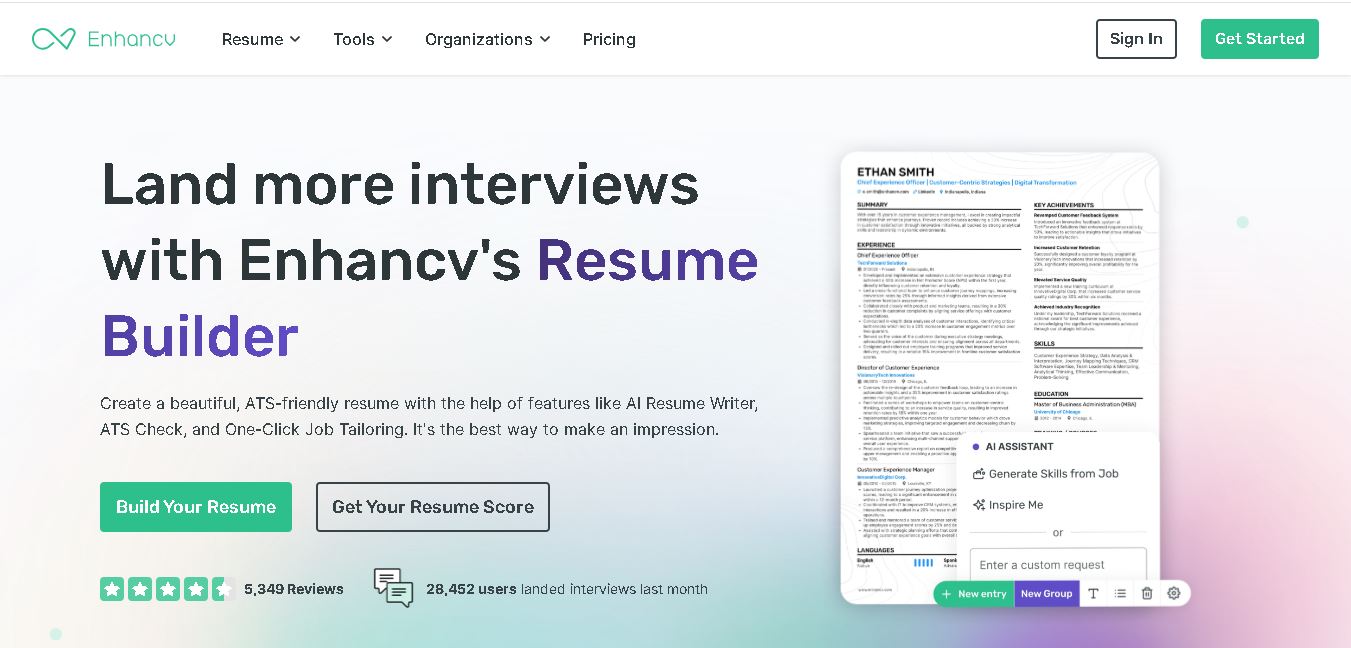
Enhancv helps job seekers build ATS-friendly resumes using customizable templates, AI writing assistance, resume checking, and job-specific tailoring. It also supports cover letters, application tracking, interview preparation, and resume translation. The platform is designed for candidates who want a polished application while keeping control over their experience, wording, and presentation.