
Perplexity AI
Perplexity is an AI-powered answer engine that searches the web in real time and delivers clear, cited responses instead of just links. It combines conversational AI with live data, helping users research topics, compare information, and get reliable insights quickly with verifiable sources.
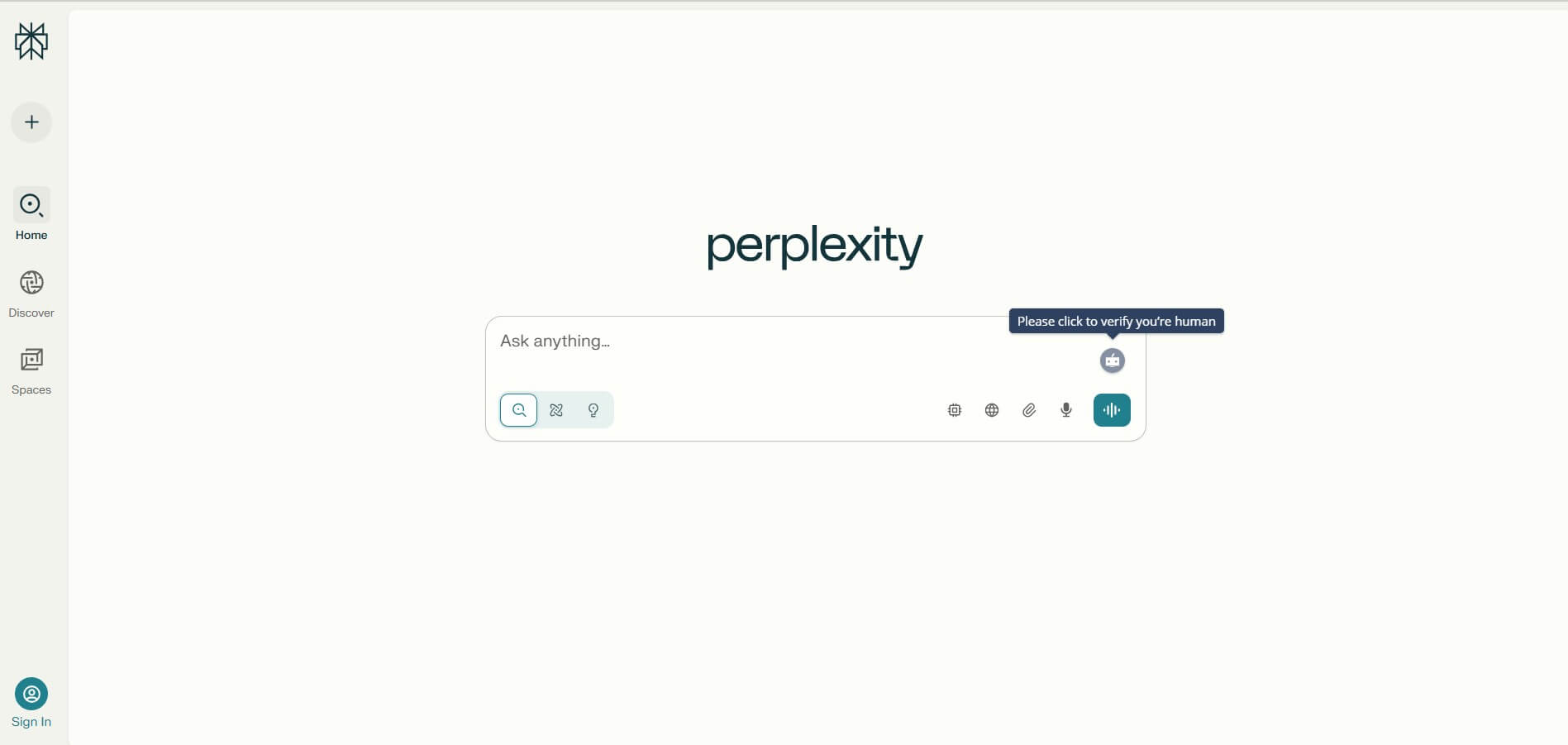
What is Perplexity AI?
Perplexity AI is an AI-powered search and research platform that combines a chatbot with a real-time web search engine to deliver clear, conversational answers backed by citations. Instead of showing a list of links like traditional search engines, it searches the internet, analyzes multiple sources, and summarizes the information into a single, easy-to-understand response with references you can verify. It also supports follow-up questions, file analysis, and multiple AI models, making it useful for research, learning, and decision-making tasks.
Founded in August 2022 by former OpenAI researcher Aravind Srinivas, Meta AI research scientist Denis Yarats, Databricks co-founder Andy Konwinski, and competitive programming champion Johnny Ho in San Francisco, California, Perplexity AI has raised over $1.7 billion in funding, achieving a valuation exceeding $20 billion. Backed by top-tier venture firms and technology leaders including NVIDIA, Jeff Bezos (Bezos Expeditions), SoftBank Vision Fund, IVP, NEA, and Accel, Perplexity serves over 100 million monthly active users. Handling tens of millions of complex multi-turn search queries daily, the platform has emerged as the premier independent conversational challenger to legacy search engines.
- Founder / Leadership: Aravind Srinivas (Co-founder & CEO), Denis Yarats (Co-founder & CTO), Andy Konwinski, and Johnny Ho
- Launch Year: 2022 (Answer engine launch in December 2022; expanded Comet browser and Enterprise Pro through 2024–2026)
Use Cases:
- Conducting deep academic, scientific, and technical research backed by real-time citations and peer-reviewed paper filtering
- Extracting real-time corporate earnings data, stock trends, and financial fundamentals via the integrated Perplexity Finance portal
- Publishing curated, multi-section research dossiers and public knowledge hubs using Perplexity Pages
- Executing multi-step autonomous web searches that break complex inquiries into logical sub-queries using Pro Search
Technology:
- Proprietary real-time search indexing and retrieval-augmented generation (RAG) pipeline querying hundreds of sources in sub-seconds
- Multi-LLM inference orchestrator allowing Pro subscribers to switch between Sonar, GPT-4o, Claude 3.5 Sonnet, and reasoning models
- Perplexity Sonar foundation models fine-tuned specifically for grounded factual extraction and minimal hallucination rates
Target Users:
- Knowledge professionals, corporate strategists, and equity research analysts requiring verifiable sources for executive briefs
- Software engineers and developers debugging documentation, API references, and technical code libraries
- University researchers and students compiling bibliographies, literature reviews, and thesis citations
- Content creators using writing tools to draft referenced whitepapers, industry deep dives, newsletters, and investigative reports
Corporate Entity: Operates as Perplexity AI, Inc. (San Francisco, CA, USA & Global)

Key features of Perplexity AI
Perplexity AI's key features are
- Interactive Cited Answers: Every factual claim is footnoted with clickable, verifiable web source citations, eliminating hallucination ambiguity.
- Pro Search (Iterative Deep Search): Multi-step reasoning search that asks clarifying questions, executes multiple sequential searches, and synthesizes complex topics.
- Model Switching Flexibility: Pro users can freely switch their underlying AI engine between OpenAI (GPT-4o/o1), Anthropic (Claude 3.5 Sonnet), and Perplexity Sonar.
- Focus Modes: Narrow research down to specific domains including Academic (peer-reviewed papers), Writing (text generation without search), Wolfram|Alpha (computational math), YouTube, and Reddit.
- Perplexity Collections & Spaces: Organize searches, research threads, and uploaded reference files into collaborative project folders with custom system prompts.
- Perplexity Pages: Convert conversational research threads into structured, beautifully formatted articles and knowledge guides with a single click.
- File & Document Analysis: Upload PDFs, spreadsheets, and source code files to parse data, cross-reference contents against the live web, and generate summaries.
- Sonar Developer API: High-throughput, search-augmented REST API endpoints allowing developers to integrate real-time web-grounded LLM answers into third-party software.
Perplexity AI Pricing
Perplexity AI operates on a freemium model, offering robust free search access alongside Pro consumer subscriptions, Enterprise tiers, and pay-as-you-go developer API tokens.
Free Plan:
- $0 / Free forever
- Includes unlimited standard Quick searches, standard AI model answers with live web citations, basic document uploads, and access to focus modes
Perplexity Pro:
- $20.00 / month (or $200.00 / year billed annually – save ~17%)
- Includes 300+ Pro Searches per day, model switching (Claude 3.5 Sonnet, GPT-4o, Sonar Large), unlimited file and PDF uploads, image generation credits, and early access to new beta tools
Enterprise Pro:
- $40.00 / seat / month (or $400.00 / seat / year)
- Includes SOC 2 Type II compliance, single sign-on (SSO), centralized billing, administrative user management, enhanced data privacy (zero customer data retention for model training), and internal knowledge base search
Disclaimer: Perplexity Pro is also frequently bundled through global telecom, device, and browser partnerships. Real-time API pricing is billed on token consumption via the Sonar API portal. Visit perplexity.ai/pro for active pricing plans.
Who is using Perplexity AI?
Perplexity AI is designed for active researchers, professionals, and curious learners, including
- Equity Analysts & Venture Investors: Gathering market intelligence, competitor landscape overviews, and quarterly earnings data with verifiable citations
- Academic Scholars & University Students: Searching scientific literature and analyzing peer-reviewed research papers without commercial ad clutter
- Software Engineers & Technical Leads: Sourcing code snippets, troubleshooting runtime errors, and referencing official developer documentation
- Journalists & Investigative Writers: Fact-checking claims, finding primary sources, and cross-referencing news developments across international outlets
- Content Creators: Using writing tools to draft referenced whitepapers, industry deep dives, newsletters, and investigative reports
- Enterprise Teams: Searching both internal uploaded company files and the open web concurrently within SOC 2-compliant Enterprise Spaces
Best Perplexity AI Alternatives
Some of the strongest Perplexity AI alternatives include
- Google Search (AI Overviews)
- OpenAI ChatGPT (SearchGPT)
- Grok (by xAI)
- Microsoft Copilot
- Consensus (for academic research)
- Genspark
Pros and Cons of Perplexity AI
Pros
- Transparent inline citations allow instant verification of source materials, drastically cutting hallucination risk
- Pro Search handles complex multi-layered research questions that would normally require a dozen separate search queries
- Freedom to switch between premier frontier models (Claude 3.5 Sonnet, GPT-4o, Sonar) within a single subscription
- Perplexity Pages creates clean, shareable public research articles with embedded media and sources in seconds
- Clean, distraction-free search interface free from sponsored blue links and cluttered display ad banners
Cons
- Occasional web scraping friction or paywalled sources can result in incomplete summaries for niche subscription-only publications
- Creative writing, long-form fiction, and persona-driven conversational banter are less emphasized than factual research
- The 300+ daily limit on Pro Search queries, while generous, can be exhausted by heavy quantitative and research power users
- Document parsing on massive multi-hundred-page technical PDFs can occasionally miss isolated footnotes or tables
Why Choose Perplexity AI?
Perplexity AI is the premier choice for users who want to find accurate, factual answers quickly without clicking through advertisements, sponsored results, and SEO-bloated articles.
- Delivers direct, synthesized answers backed by clickable, authoritative sources
- Conducts autonomous multi-step research through iterative Pro Search
- Gives you access to the world's best AI models (Claude, GPT-4o, Sonar) in one account
- Turns research threads into polished, publishable articles with Perplexity Pages
- Trusted by over 100 million active monthly users and backed by NVIDIA and Jeff Bezos
Perplexity AI vs. Competitors
The main difference between Perplexity AI, Google Search (AI Overviews), ChatGPT Search, and Grok is that Perplexity is an answer engine architected from day one around citation transparency, multi-step Pro Search, and multi-model flexibility, whereas Google's core revenue remains rooted in traditional click-based advertising links, ChatGPT Search is an integrated mode within a broad generalist conversational chatbot, and Grok focuses heavily on real-time social data streaming from X. Perplexity stands out for its research rigor, focus modes, and model choice.
| Feature / Tool | Perplexity AI (perplexity.ai) | Google Search | ChatGPT Search | Grok (xAI) |
|---|---|---|---|---|
| Core Focus | Cited Answer Engine & Deep Research | Web Indexing & Advertising Portal | Generalist AI Chat & Search Mode | Real-Time X Streams & Frontier AI |
| Citation Architecture | Every Sentence Footnoted with Sources | Collapsible AI Overview Source Links | Inline Sidebar Web Citations | X Post Links & Live Web Sources |
| Multi-Model Selection | Yes (Sonar, Claude, GPT-4o, o1) | Google Gemini Only | OpenAI Models Only | xAI Grok Models Only |
| Focus Modes | Academic, Writing, Wolfram, Reddit | Tabs (Images, News, Videos) | General Web / Canvas | Think Mode / Normal Mode |
| Starting Paid Price | $20.00/month (Perplexity Pro) | Free (Ad-Supported) / Google One AI | $20.00/month (ChatGPT Plus) | $30.00/month (SuperGrok) |
| Best For | In-Depth Research & Fact Verification | Everyday Lookups, Local & Navigational | Conversational Productivity & Tasks | Breaking News, Sentiment & Coding |
How do we rate Perplexity AI?
| Parameter | Rating (out of 5) |
|---|---|
| Source Citation Quality & Transparency | 5.0 |
| Pro Search Autonomous Reasoning | 5.0 |
| Model Switching Flexibility (Claude, GPT, Sonar) | 5.0 |
| Interface Cleanliness & Search Ergonomics | 4.9 |
| Value for Money | 4.9 |
| Overall Score | 4.96 |
Perplexity AI Review
Perplexity AI represents the most fundamental advancement in information retrieval since the birth of the modern search engine. For over twenty years, search engines prioritized revenue models based on advertising impressions, requiring users to navigate ad links and SEO articles just to find simple facts. Perplexity inverted this paradigm by focusing entirely on the answer. Its indexing engine reads relevant web pages in milliseconds and provides clear, cited summaries where every statement links to its original source. The Pro Search feature transforms research workflows, allowing users to ask complex questions that the system decomposes and verifies across multiple search rounds. For analysts, researchers, builders, and professionals who prioritize truth, speed, and citation rigor, Perplexity AI is an indispensable daily tool.
Conclusion
Perplexity AI is a groundbreaking AI answer engine that redefines how humanity searches, discovers, and synthesizes information on the internet. By uniting real-time web indexing, transparent inline citations, multi-model flexibility, and iterative Pro Search into an intuitive, ad-free interface, it delivers an institutional-grade research companion to over 100 million users. While creative fiction writers will pair it with specialized generation models, Perplexity AI’s factual accuracy, source transparency, and research velocity make it an essential search platform.
FAQ
What is Perplexity AI and how does it work?
Perplexity AI is an AI-powered search and answer engine that combines large language models with real-time web search to deliver direct, cited answers instead of traditional search results. It works by processing your query, retrieving relevant sources from the web, and generating a summarized response with citations, allowing users to verify information quickly without clicking multiple links.
What problems does Perplexity AI solve?
Perplexity solves the problem of information overload and fragmented search results. Instead of browsing multiple websites to find answers, users get concise, reliable summaries with sources included. This significantly reduces research time and improves decision-making, especially for professionals, students, and researchers who need quick and accurate insights.
What features does Perplexity AI offer?
Perplexity offers features such as real-time web search, AI-generated answers with citations, follow-up question support, file uploads for analysis, and “Copilot mode” for deeper research. It also supports multi-step reasoning, conversational queries, and the ability to explore topics interactively, making it more dynamic than traditional search engines.
How is Perplexity AI different from Google?
Perplexity differs from Google by focusing on direct answers rather than link-based search results. While Google shows a list of websites, Perplexity summarizes information into a single response with sources attached. This makes it faster for users who want answers immediately, though Google still offers broader discovery and indexing capabilities.
How does Perplexity AI use AI in search?
Perplexity uses AI models to understand user intent, retrieve relevant web data, and generate accurate summaries. It combines natural language processing with retrieval-augmented generation (RAG), ensuring that answers are both contextually relevant and backed by real-time information from trusted sources.
How much does Perplexity AI cost?
Perplexity offers a freemium pricing model, where the free version provides basic search capabilities with limited advanced queries. The Pro plan costs around $20/month, offering access to more powerful AI models, higher usage limits, file uploads, and advanced features like Copilot for deeper research tasks.
Who should use Perplexity AI?
Perplexity is ideal for students, researchers, marketers, founders, and knowledge workers who need quick, reliable answers with sources. It is especially valuable for users who frequently perform research or want an alternative to traditional search engines that provides more direct and contextual results.
User Reviews
No reviews yet for Perplexity AI.
Featured Tools
Featured AI tools from TechShark
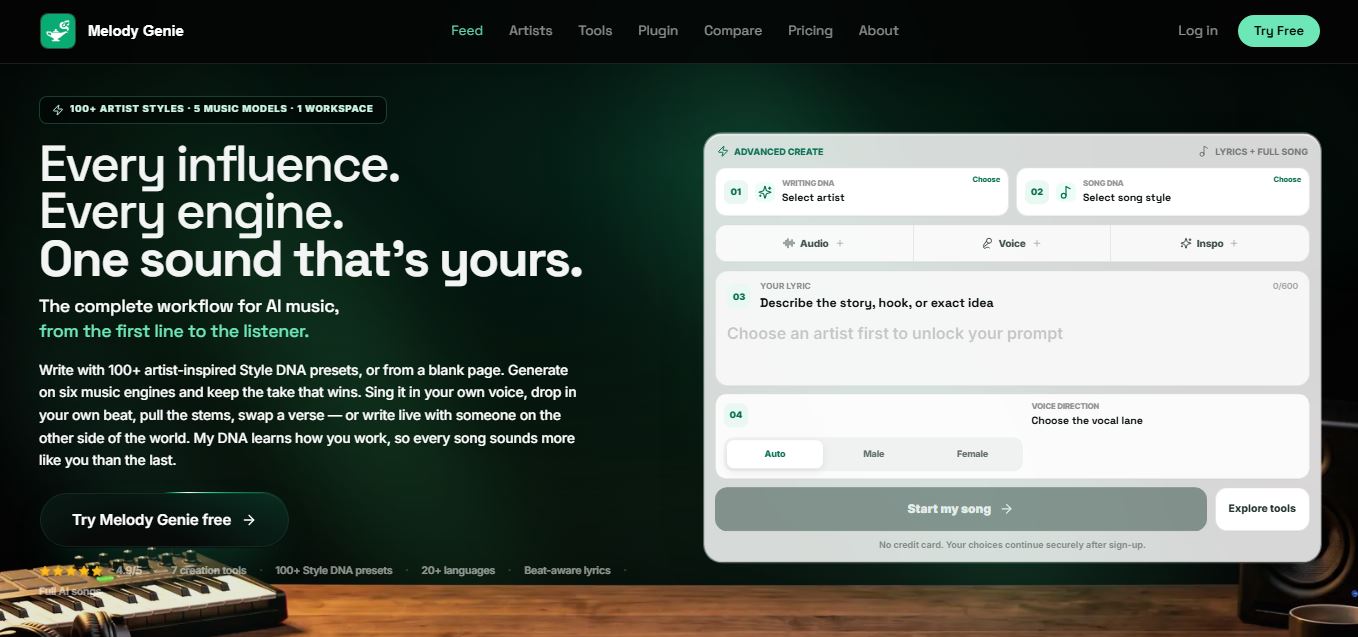
Melody Genie
MelodyGenie is an AI-powered music generator that creates original songs from simple text prompts. Users can choose styles, moods, and genres, then instantly generate melodies and full tracks, making it easy for creators, marketers, and hobbyists to produce custom music without musical expertise.
Freemium
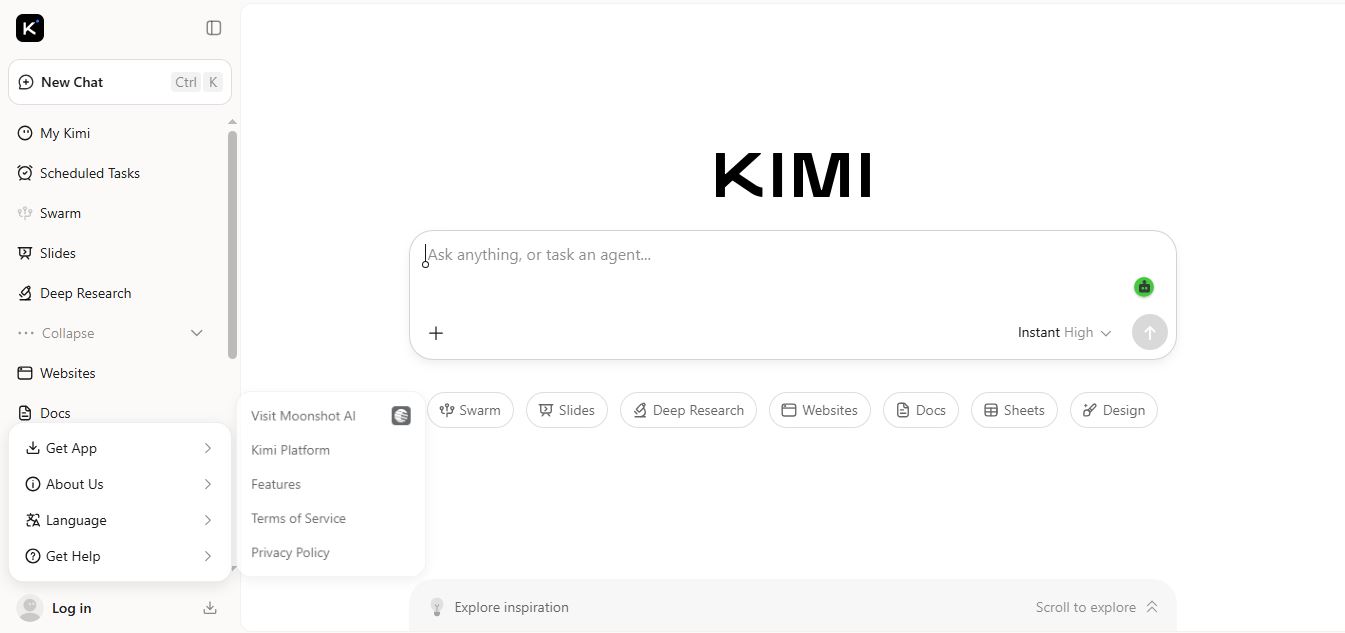
Kimi AI
Kimi AI is an advanced AI assistant developed by Moonshot AI that helps you chat, research, write, code, and automate tasks in one place. It supports web search, file analysis, and multimodal inputs, and can even run autonomous “agent” workflows to complete complex tasks end-to-end.
Freemium
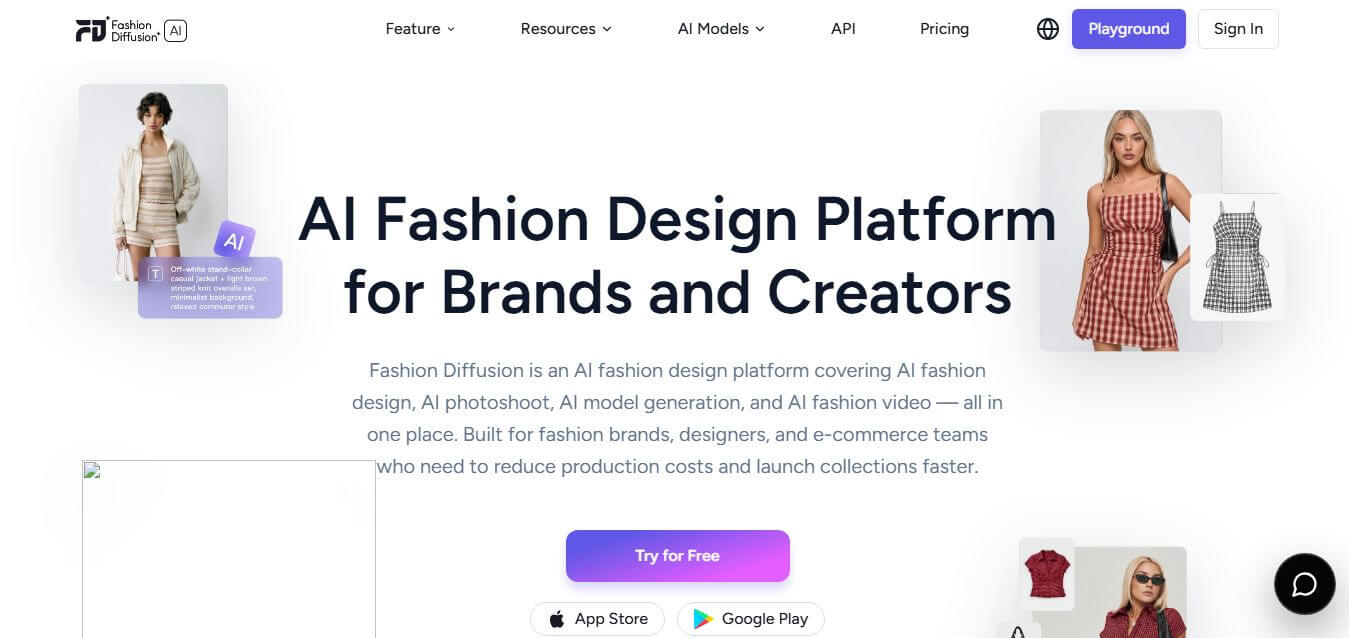
Fashion Diffusion AI
Fashion Diffusion is an AI-powered fashion design platform that helps brands and designers create clothing designs, virtual try-ons, AI models, product photos, and marketing visuals faster and cost-effectively.
Paid
Veo 4
Veo 4 AI is an AI video creation platform that generates dramatic videos from text, images, audio, and video prompts using realistic motion and synchronized sound.
Paid
Alternatives
Alternatives to Perplexity AI
The best Perplexity AI alternatives include Google Search (AI Overviews), OpenAI ChatGPT (SearchGPT), Grok (by xAI), Microsoft Copilot, Consensus, and Genspark. These platforms provide AI search, conversational information synthesis, and web research assistance. While Perplexity AI specializes in an answer engine design with inline citations, multi-step Pro Search reasoning, and the ability to switch between Claude, GPT-4o, and Sonar models, alternatives like Google Search focus on traditional ad-supported web indexing, ChatGPT functions as a conversational assistant with web search mode, and Grok specializes in real-time social data from X. Choosing the right tool depends on whether you require academic-grade source citation, general chat productivity, or real-time social streams.
 4.9
Cradle
Research
Cradle helps biotechnology researchers design, engineer, and optimize proteins using artificial intelligence and laboratory data. Its capabilities include protein sequence generation, multi-property optimization, candidate scoring, and experimental learning. The platform supports pharmaceutical, agricultural, and industrial biotechnology research, helping scientific teams explore promising molecules while reducing unnecessary experimental cycles and improving research workflows.
 4.8
Summate.it
Research
Summate.it is a web-based AI article summarizer that helps users understand lengthy online content quickly. It extracts article text and uses OpenAI to generate concise summaries highlighting essential information. Students, researchers, marketers, and professionals can use it to review online articles efficiently, save reading time, and simplify everyday information gathering.
 4.9
Iris.ai
Research
Iris.ai helps enterprises and research teams organize complex information, analyze scientific literature, and build AI workflows using organizational knowledge. Its solutions support document extraction, contextual search, data processing, and AI response evaluation. The platform is particularly relevant to research-intensive businesses seeking better information retrieval, reliable answers, and controlled enterprise AI applications.
 4.8
Lightmatter
Research
Lightmatter develops photonic computing technologies that help AI data centers connect processors and transfer information more efficiently. Its products include Passage optical interconnects, Guide light engines, and Envise photonic AI computing technology. The company aims to address bandwidth and power constraints affecting large-scale AI training, inference, and high-performance computing infrastructure.
 4.8
FigEditor
Research
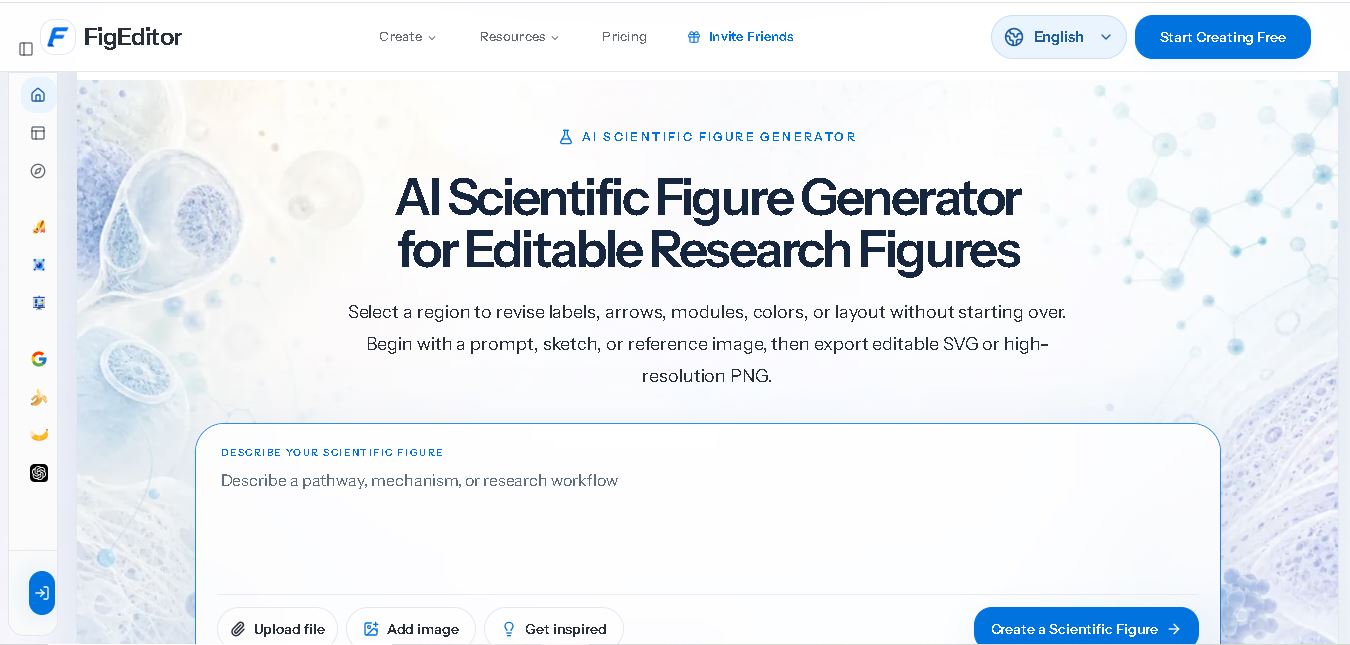
FigEditor AI helps researchers create scientific illustrations, flowcharts, graphical abstracts, and academic diagrams from text prompts, sketches, or reference images. Its editing and vectorization features simplify visual revisions, while SVG and high-resolution PNG exports support different research workflows. It is useful for students, scientists, educators, and research professionals preparing visual materials.
 4.8
GoMim
Research
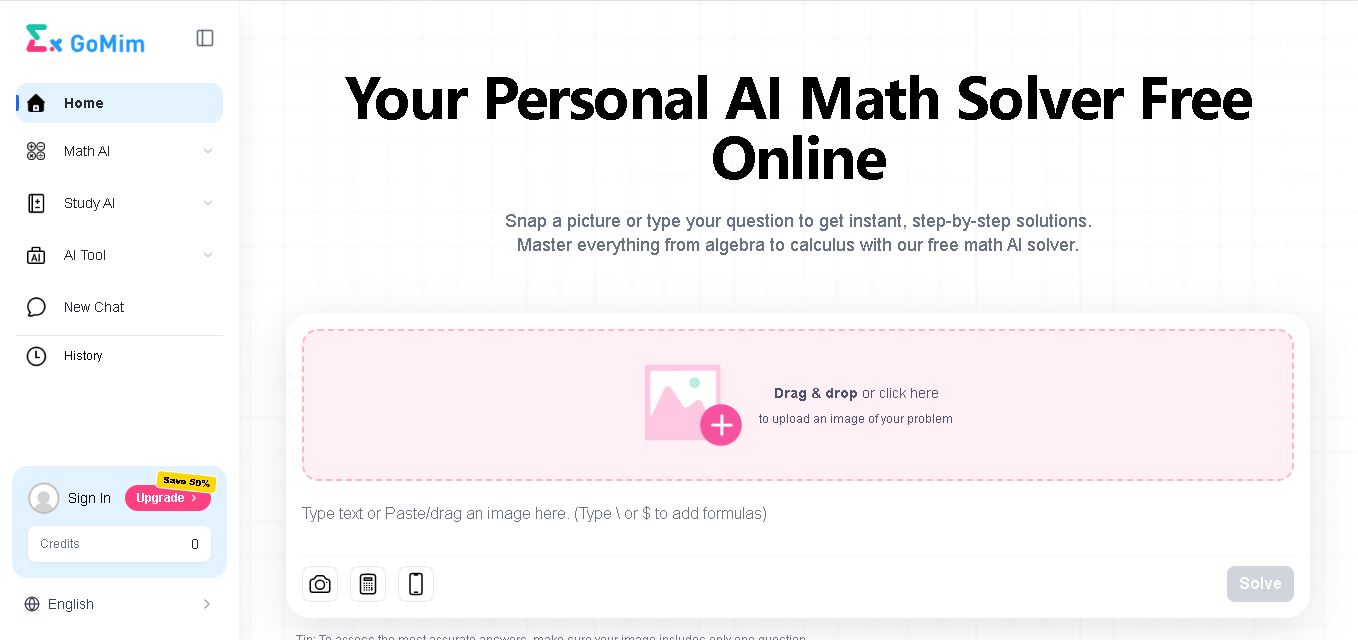
GoMim is an AI math solver that helps students understand mathematical concepts through step-by-step solutions. It supports typed questions, image uploads, and subjects including algebra, geometry, and calculus. With an interactive AI tutor, question history, and free and paid plans, GoMim makes homework assistance and independent study more accessible.
 4.8
AlphaResearch
Research
AlphaResearch helps investors, financial analysts, and corporate strategists research companies using financial documents, earnings transcripts, market data, and sentiment analysis. Its features include document search, filing alerts, stock screening, institutional ownership tracking, and research notes. The platform simplifies financial information discovery, helping users investigate companies and support informed investment research decisions.
 4.8
Gatsbi
Research
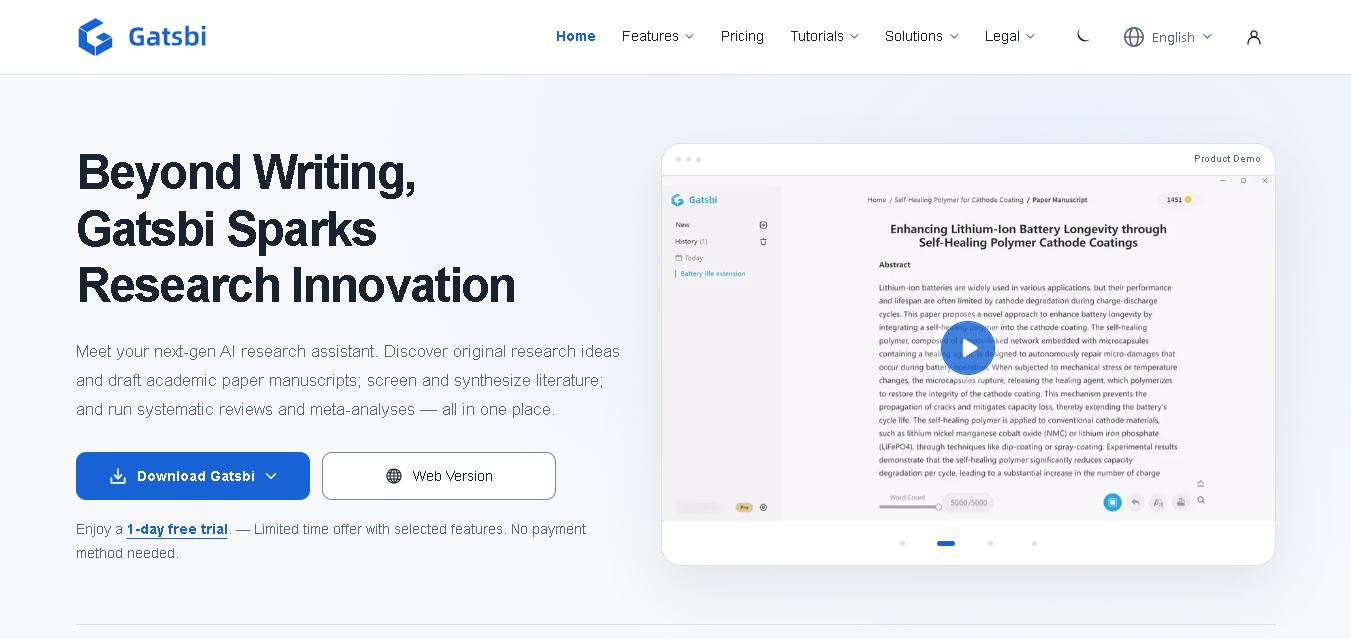
Gatsbi is an AI research assistant that helps researchers discover ideas, draft academic papers, review scientific literature, and prepare patent disclosures. It combines research discovery, manuscript generation, and evidence synthesis in one workflow. The tool is useful for academics, scientists, engineers, and innovation teams seeking to streamline complex research tasks.
 4.9
Metagene-1
Research
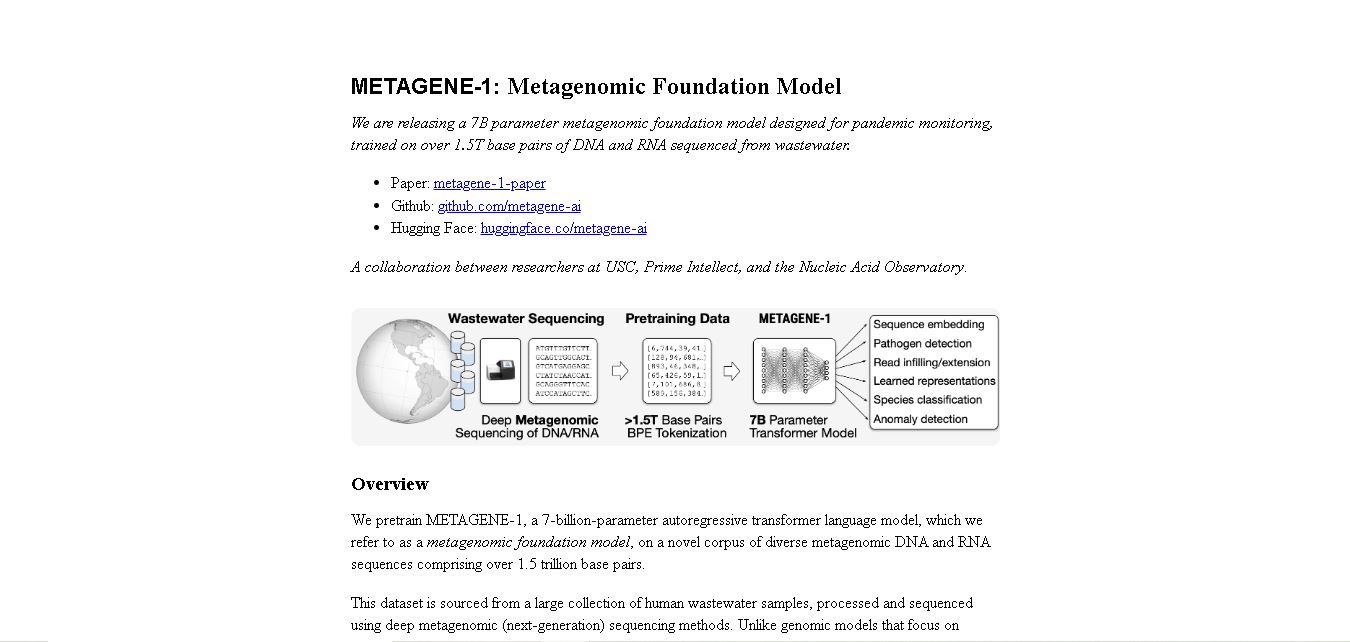
METAGENE-1 is a metagenomic foundation model designed to help researchers analyze DNA and RNA sequences. Trained on extensive wastewater sequencing data, it supports genomic embedding, pathogen detection research, biosurveillance, and pandemic monitoring. The model provides researchers with an AI-based approach to studying microbial diversity and identifying patterns in complex metagenomic datasets.