
Chat Recall
Chat Recall is a unified AI coding chat history search, intelligence, and Model Context Protocol (MCP) memory platform that indexes past conversations across multiple AI coding assistants, strips exposed API secrets locally, and gives coding agents persistent shared memory.
What is Chat Recall?
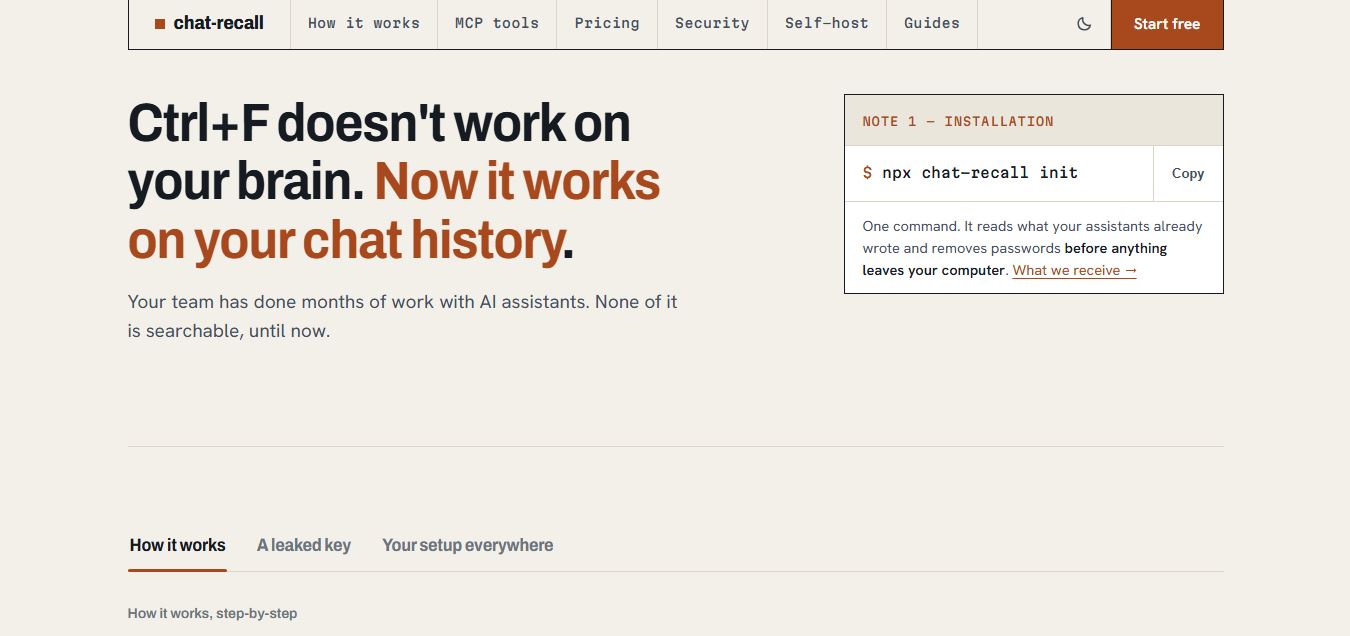
Chat-Recall is a centralized search engine, secret-auditing utility, and persistent cross-tool memory layer built for developers and engineering teams who code with multiple AI assistants. Initialized via a single command (npx chat-recall init), it scans local disk storage to index conversations, task lists, and architectural plans created across different AI coding environments, transforming fragmented chat logs into a unified, searchable developer knowledge base.
Designed around the concept of turning forgotten AI coding sessions into a searchable second brain and shared agent memory, chat-recall bridges isolated assistant silos. Instead of losing debugging breakthroughs, setup instructions, and code decisions inside closed tool histories, chat-recall aggregates conversations across major AI coding tools, strips out leaked credentials on your local machine before any sync occurs, and exposes past findings back to active agents through standard Model Context Protocol (MCP) tools.
- Platform Role: AI Coding Chat History Search, Secret Leak Detector & Cross-Assistant MCP Memory Server
- Supported Ecosystems: Multi-assistant support indexing conversations across five major AI coding tools, CLI agents, and developer environments
- Installation & Protocol: Node CLI (
npx chat-recall init), Model Context Protocol (MCP) server integration, and open self-hosting
Use Cases:
- Searching through months of past AI coding conversations, technical decisions, and bug-fix recipes across multiple tools in one place
- Detecting and auditing leaked API tokens, database passwords, and secret keys across chat logs with on-device redaction
- Connecting active AI agents (e.g., in Claude or Cursor) to past project findings via MCP tools so they recall historical context automatically
- Synchronizing AI tool configurations, custom rules, and installed skills across multiple development laptops without manual copying
- Self-hosting a complete, private AI chat search and memory server for individual or corporate compliance requirements
Technology:
- Local on-device parsing engine that extracts raw chat transcripts and plans stored on local disk by AI coding utilities
- Client-side credential masking pipeline that redacts API keys (e.g., OpenAI, Anthropic, AWS tokens) before network transmission
- Model Context Protocol (MCP) server interface allowing AI assistants to query past transcripts and tasks programmatically
- Self-hostable architecture enabling complete offline deployment where chat data never leaves your infrastructure
Target Users:
- Software engineers and vibe coders switching between multiple AI coding assistants, IDEs, and CLI tools
- Engineering leads auditing AI chat logs for accidental API secret leaks and security vulnerabilities
- Developers setting up new workstations who want instant access to previous AI troubleshooting histories
- Privacy-conscious teams requiring local or self-hosted indexing for proprietary code discussions
Acquisition: Developer CLI tool and hosted platform
What are the key features of chat-recall?
chat-recall's key platform features are
- One-Command Installation: Run
npx chat-recall initto index existing transcripts, detect installed AI tools, and register MCP servers automatically. - Universal Chat Search: Fast, full-text search across all your past AI conversations, debugging sessions, and architectural plans.
- Client-Side Secret Masking: Automatically identifies and redacts API keys and credentials on your machine before data leaves your computer.
- Leaked Key Security Dashboard: Audits leaked keys by rule, checks if exposed credentials are still active, and shows affected conversations.
- MCP Server Integration: Exposes memory and past project findings directly to AI coding agents via standard Model Context Protocol tools.
- Cross-Machine Setup Sync: Keeps rules, skills, and chat histories synchronized across multiple development machines.
- Full Self-Hosting Option: Run the complete platform on your own hardware for zero cost and maximum data privacy.
How much does chat-recall cost?
chat-recall offers a fully featured free tier for individual developers alongside self-hosting options, with hosted Solo, Team, and Enterprise plans for centralized organizational sync.
Pricing Plans:
- Self-Hosted ($0): 100% free forever for one person. Access all core features, local parsing, MCP server tools, and search on your own infrastructure with zero fees.
- Free Cloud Tier ($0): Free individual starter access on the hosted cloud service to test multi-tool indexing and basic search.
- Solo Cloud: Paid subscription for individual developers wanting managed cloud backup, multi-device sync, and unmetered transcript search without self-hosting overhead.
- Team & Enterprise: Organizational plans providing multi-seat licenses, team-wide leaked secret alerts, centralized project knowledge sharing, and enterprise SSO.
Disclaimer: Transcripts live primarily on your local disk; running `chat-recall sync --full` reconciles data with the server at any time. Review chatrecall.dev/pricing for active plan terms.
Who should use chat-recall?
chat-recall is designed for software developers and technical security teams, including
- Multi-Tool AI Developers: Searching for past code snippets without remembering whether they were generated in Cursor, Claude, or a terminal agent.
- Security-Conscious Engineers: Preventing exposed production API keys and database credentials from lingering in unmonitored AI chat caches.
- Agentic Workflow Builders: Giving active AI coding agents access to past project context and architectural decisions via MCP.
- DevOps & Platform Leads: Standardizing developer agent rules and configuration across distributed engineering teams.
What are the best alternatives to chat-recall?
Some of the strongest chat-recall alternatives include
- Mem0
- Zengram
- GitGuardian
- TruffleHog
- ChatHop
- TypingMind
What are the pros and cons of chat-recall?
What are the pros of chat-recall?
- Eliminates fragmented chat silos across multiple AI coding assistants with one command
- Crucial security layer: strips API keys and credentials locally on your own machine before transmission
- Standard Model Context Protocol (MCP) server integration lets current AI agents read past solutions
- 100% free self-hosting option provides full features for solo developers without vendor lock-in
- Automates workstation migration by making your entire AI history available on new machines
What are the cons of chat recall?
- Tailored specifically for AI coding assistants and developers rather than general-purpose web chatbots
- Requires command-line setup (Node.js/npx) to initialize and manage local transcript indexing
- Custom internal proprietary secret patterns require manual pattern configuration to detect
Why should you choose chat-recall?
As software engineers adopt multiple AI coding assistants, they scatter valuable architectural discussions, debugging breakthroughs, and task lists across isolated databases and hidden local folders. Even worse, developers frequently paste production API keys directly into prompts, creating invisible security liabilities. Chat-recall addresses both problems at once. By indexing your entire AI coding history, redacting secrets locally before sync, and serving past solutions back to active coding assistants via MCP, chat-recall turns disconnected chat logs into a secure, searchable asset for your engineering workflow.
- Search all past AI coding sessions, decisions, and transcripts in a single location
- Safeguard sensitive credentials with automatic, client-side secret detection and redaction
- Empower active AI agents to recall previous project context using standard MCP tools
- Run it completely free on your own infrastructure with open self-hosting
How does chat-recall compare to competitors?
While GitGuardian and TruffleHog focus purely on scanning code repositories for leaked secrets, and Mem0 functions as a general agent memory API, chat-recall uniquely unifies local AI coding transcript search, secret auditing, and MCP memory into a single developer tool.
| Feature / Platform | chat-recall | Mem0 | GitGuardian | ChatHop |
|---|---|---|---|---|
| Primary Focus | AI coding chat search & MCP memory | Universal agent memory layer | Git repository secret scanning | Browser chat context migration |
| Local Transcript Parsing | Yes (Across 5 AI coding tools) | No (API-driven key-value memory) | No (Git commits & repos) | No (Browser DOM context transfer) |
| Client-Side Secret Masking | Yes (Redacts keys on-device) | No | Yes (Pre-commit hooks) | No |
| MCP Server Integration | Yes (Native MCP tools for agents) | Yes (MCP server available) | No | No |
| Self-Hosting Availability | Yes (Full product, 100% free) | Open-source core available | Enterprise self-hosted | No (Browser extension) |
| Pricing Structure | Free self-host / Free tier / Paid plans | Free tier / Paid from $19/mo | Free for small teams / Enterprise | Free (20 uses/mo) / Paid Pro |
| Best For | Developers managing multi-tool AI histories | Building long-term memory for custom LLM apps | Automated CI/CD secret scanning | Hopping between web chatbots mid-thought |
How do we rate chat-recall?
| Parameter | Rating (out of 5) |
|---|---|
| Chat Search & Indexing Speed | 4.9 |
| Secret Masking & Local Security | 4.9 |
| MCP Server Integration & Agent Usability | 4.8 |
| Developer Experience & CLI Setup | 4.8 |
| Value for Money | 4.9 |
| Overall Score | 4.86 |
What is our review and verdict on chat-recall?
ChatRecall tackles two of the biggest blind spots in AI-assisted software engineering: conversational memory loss and secret sprawl. By transforming unindexed chat transcripts into a unified, searchable knowledge base with local client-side redaction, it restores visibility and control over developer workflows. With native Model Context Protocol (MCP) support that lets current agents read past solutions, alongside an open, full-featured self-hosting model, chat-recall is an essential tool for any engineer building software with AI assistants.
Conclusion
ChatRecall solves the problem of lost conversations by turning chat history into a searchable, structured knowledge base. Instead of scrolling endlessly to find past information, users can quickly retrieve key insights and context with AI. This makes it especially useful for heavy chat users and teams managing ongoing discussions. Overall, ChatRecall improves organization, saves time, and helps users get more value from their conversations by making information easy to access and reuse.
User Reviews
No reviews yet for Chat Recall.
Featured Tools
Featured AI tools from TechShark
Melody Genie
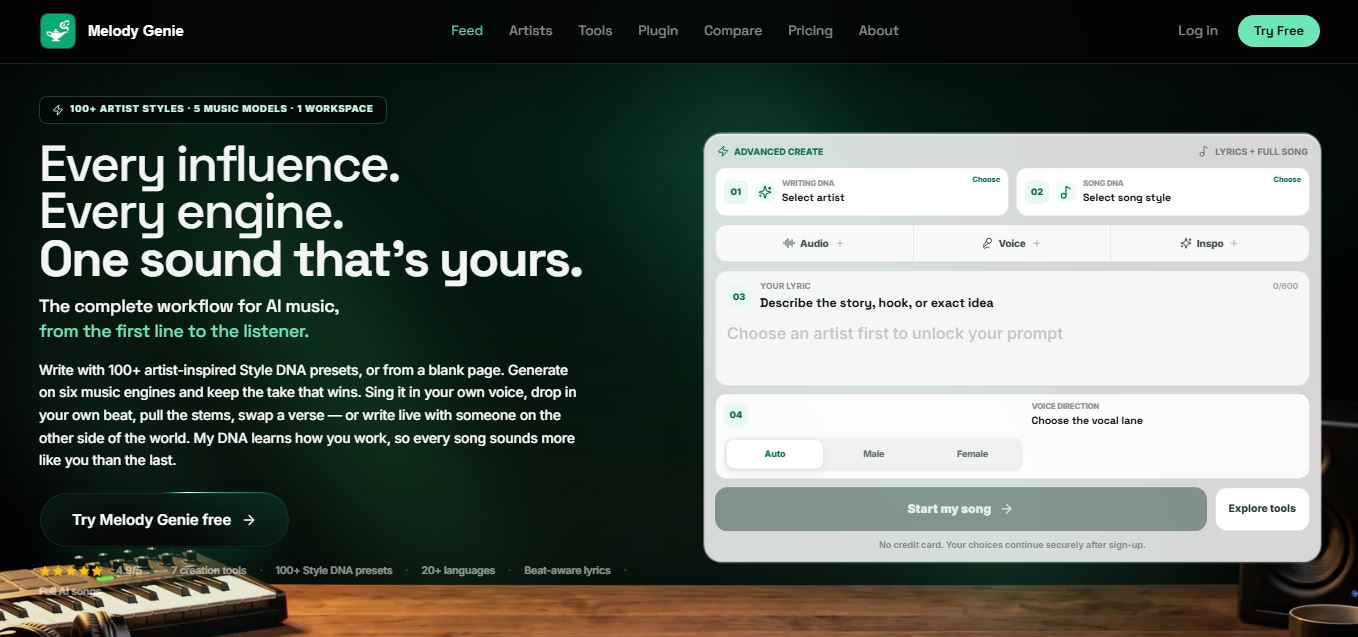
MelodyGenie is an AI-powered music generator that creates original songs from simple text prompts. Users can choose styles, moods, and genres, then instantly generate melodies and full tracks, making it easy for creators, marketers, and hobbyists to produce custom music without musical expertise.
Freemium
Kimi AI
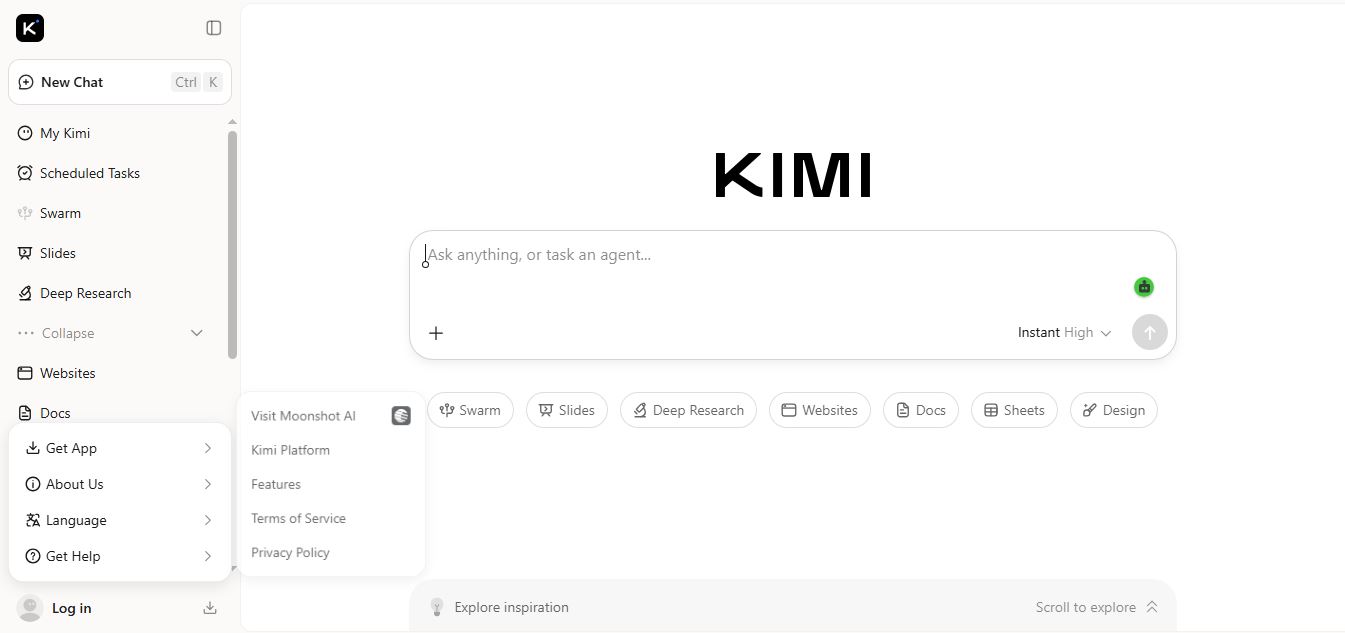
Kimi AI is an advanced AI assistant developed by Moonshot AI that helps you chat, research, write, code, and automate tasks in one place. It supports web search, file analysis, and multimodal inputs, and can even run autonomous “agent” workflows to complete complex tasks end-to-end.
Freemium

Fashion Diffusion AI
Fashion Diffusion is an AI-powered fashion design platform that helps brands and designers create clothing designs, virtual try-ons, AI models, product photos, and marketing visuals faster and cost-effectively.
Paid
Veo 4
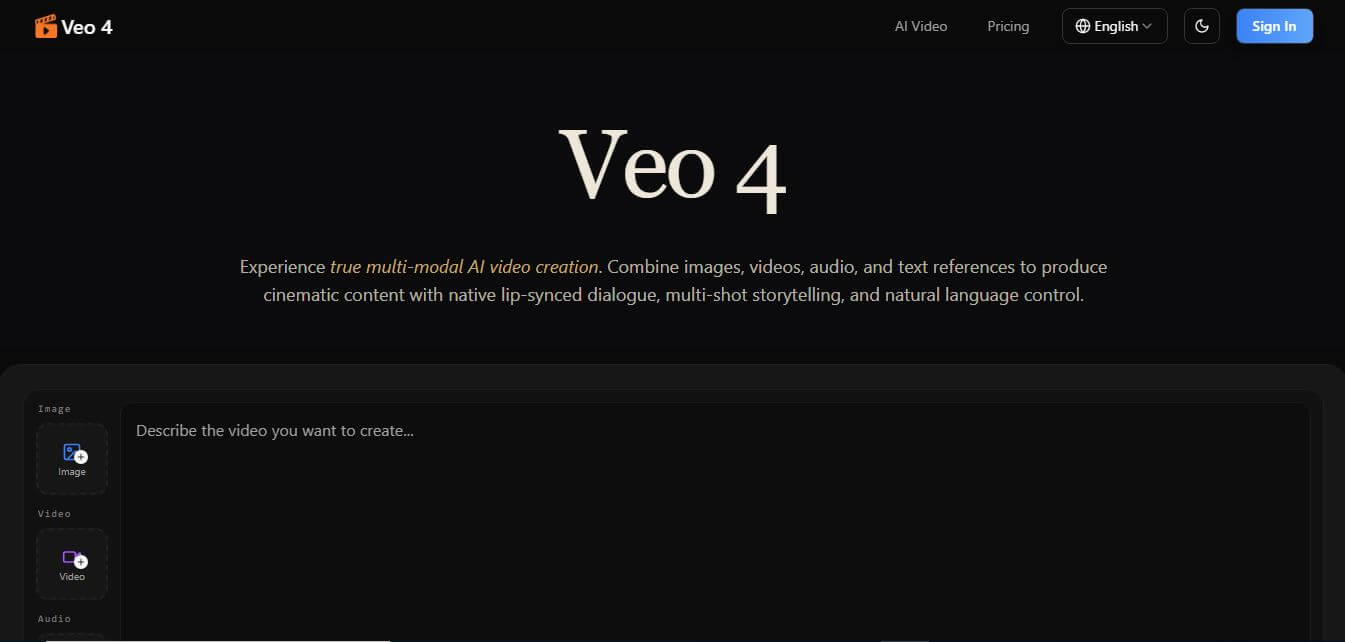
Veo 4 AI is an AI video creation platform that generates dramatic videos from text, images, audio, and video prompts using realistic motion and synchronized sound.
Paid
Alternatives
Alternatives to Chat Recall
The best chat-recall alternatives include Mem0, Zengram, GitGuardian, and TruffleHog. While chat-recall indexes past transcripts across multiple AI coding assistants, redacts leaked secrets locally on-device, and connects historical context back to active agents via native Model Context Protocol (MCP) servers with 100% free self-hosting, alternatives like Mem0 focus on general LLM memory APIs and GitGuardian specializes in code repository secret scanning.
 4.9
4.9Xano
No Code
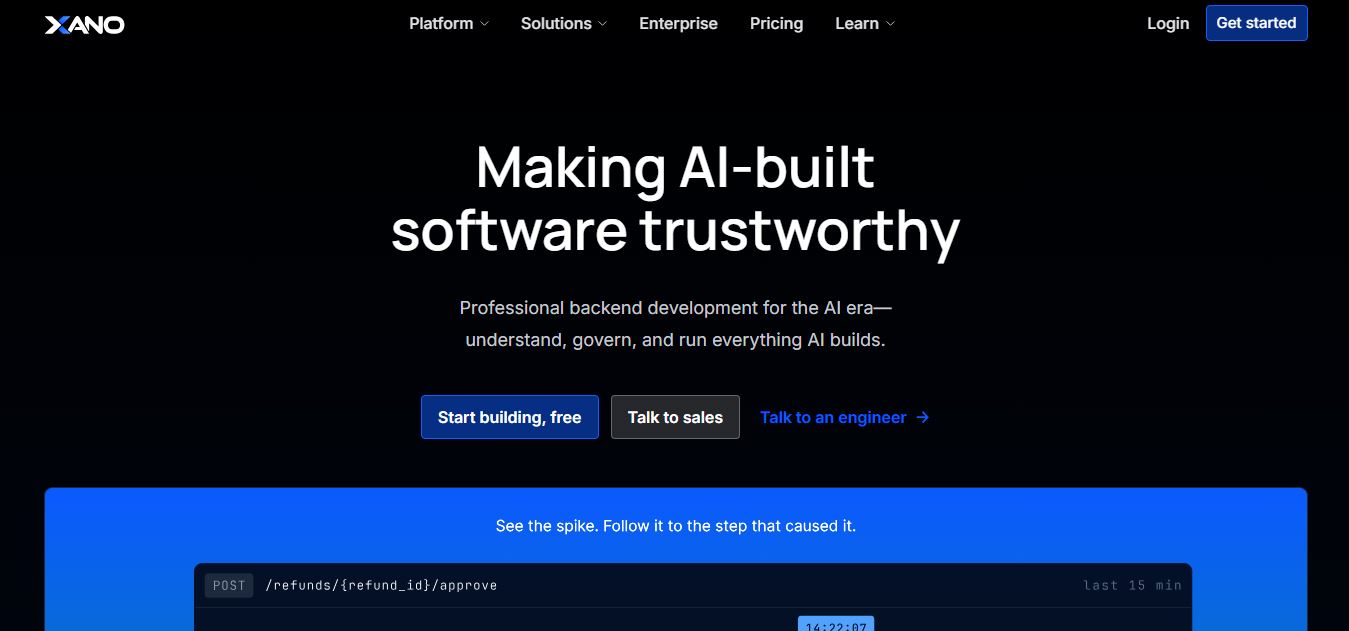
Xano is a no-code backend platform that lets users build scalable APIs, databases, and business logic without writing code. It provides a powerful server-side infrastructure, enabling developers and no-code creators to connect frontends, manage data, and launch applications quickly and efficiently.
 4.9
4.9Brainboard
Developer AI Tools
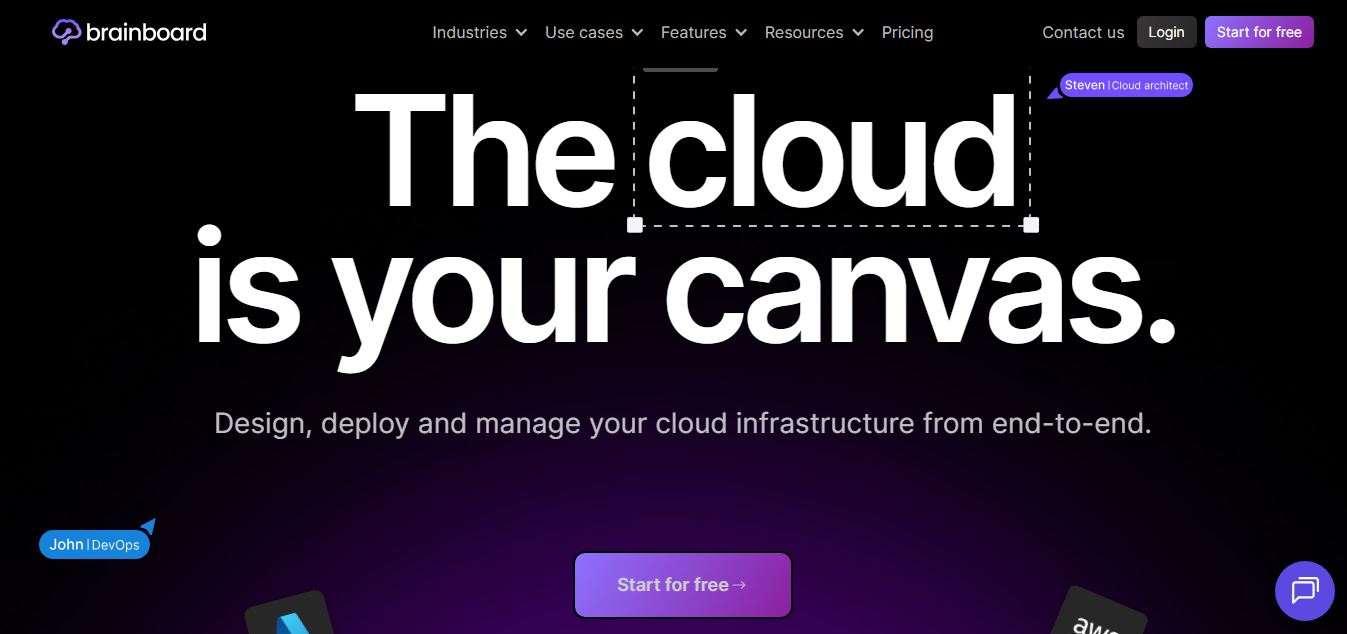
Brainboard is a visual cloud architecture and Infrastructure as Code (IaC) design platform that transforms interactive cloud diagrams into clean, production-ready Terraform code, complete with integrated visual CI/CD deployment pipelines, drift detection, and cost estimation.
 4.9
4.9Pulumi
Developer AI Tools
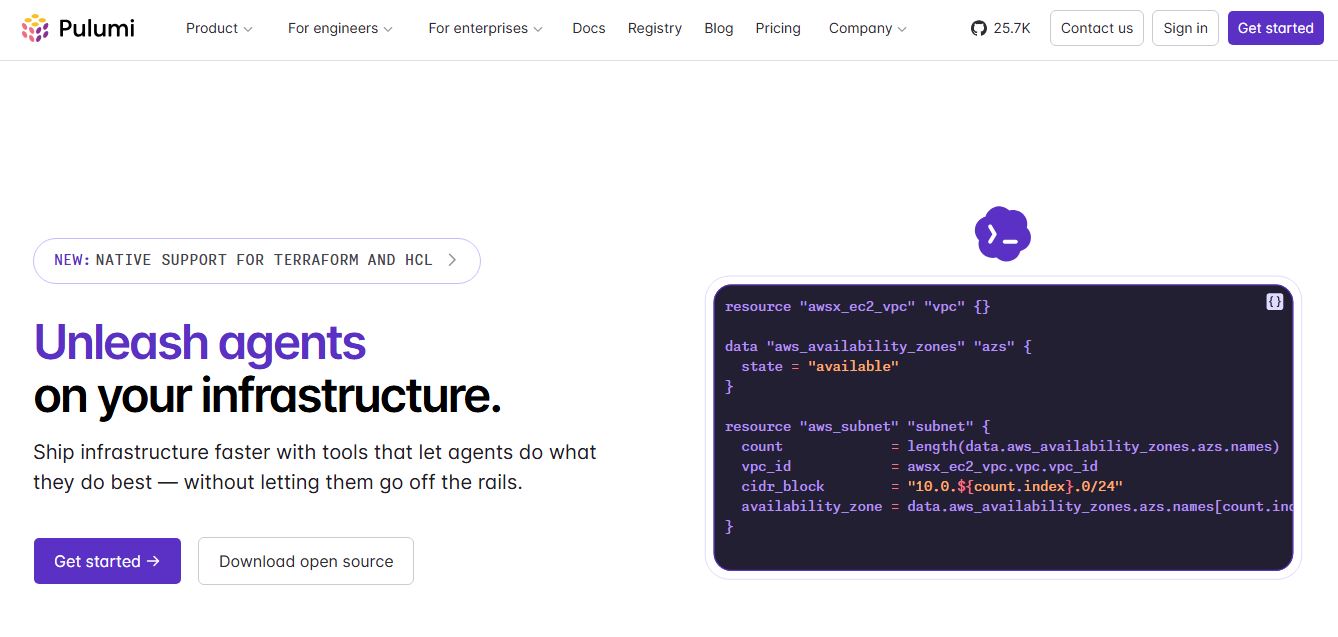
Pulumi is an open-source Infrastructure as Code (IaC) and cloud engineering platform that lets developers provision and manage multi-cloud infrastructure, Kubernetes clusters, and secrets using real programming languages like TypeScript, Python, Go, Java, and C#.
 4.9
4.9Meta Muse Code
Developer AI Tools
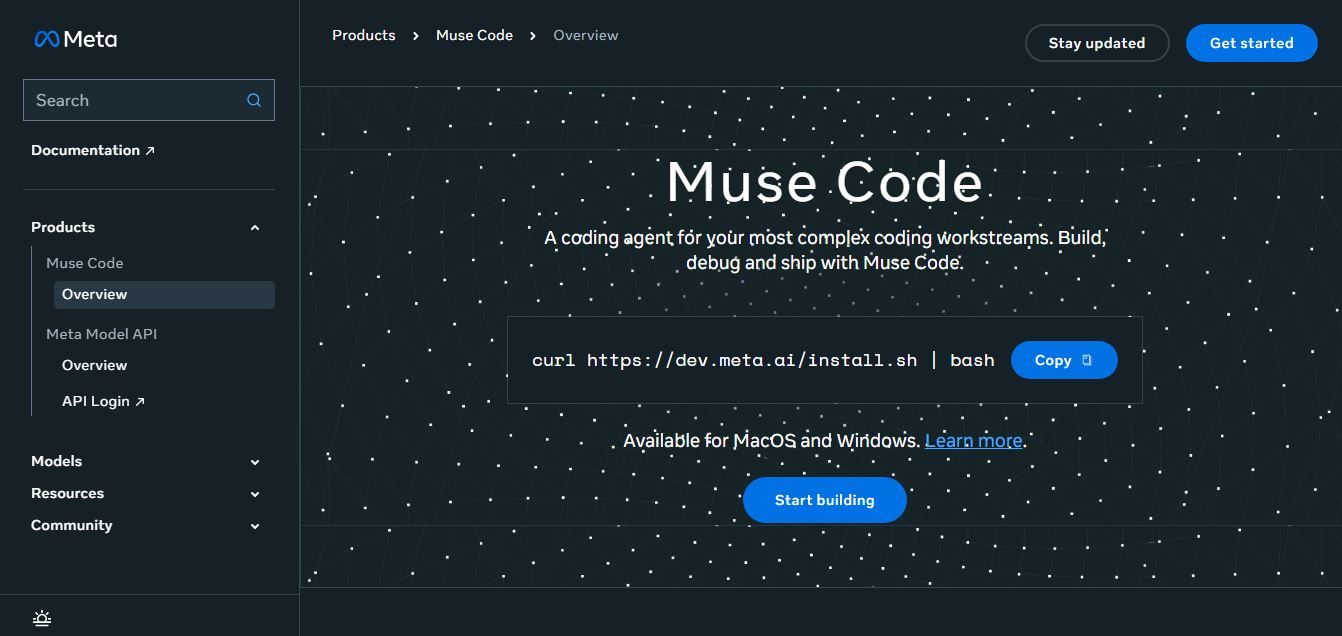
Meta Muse Code is a terminal-native AI coding agent powered by Meta’s Muse Spark models that plans, writes, audits, and executes multi-file software engineering tasks directly in developer CLI environments with multi-agent orchestration and 1M token context.
 4.9
4.9LiveKit
Developer AI Tools
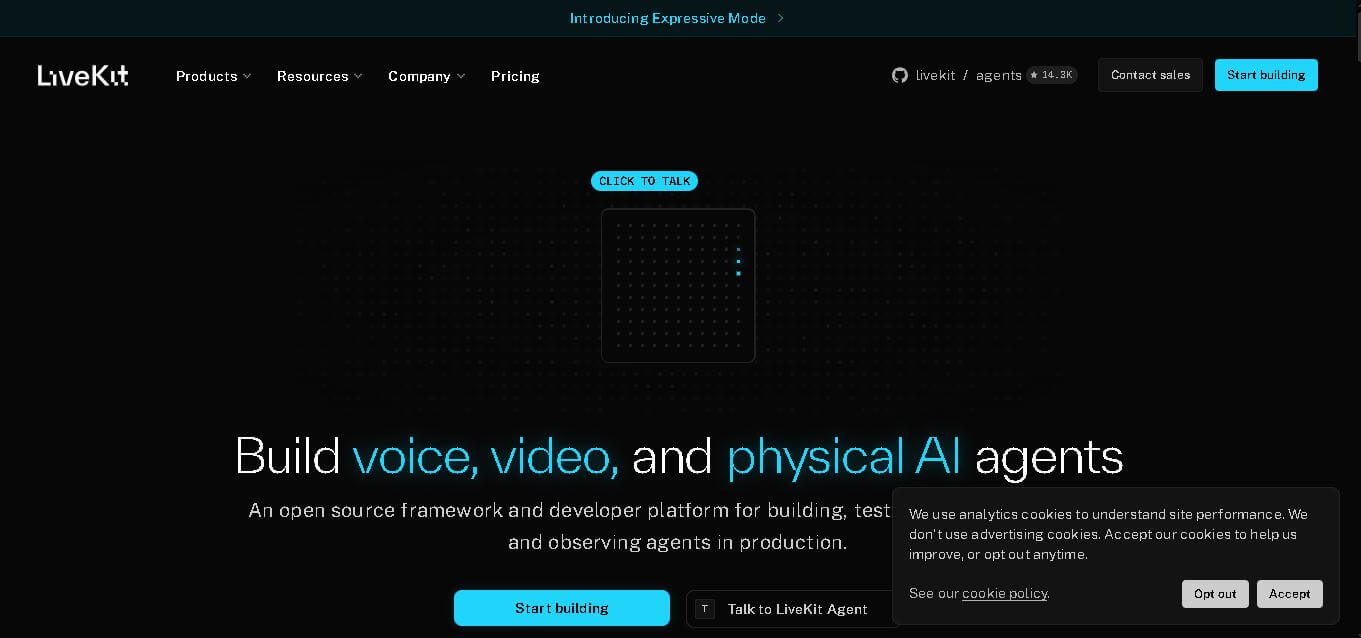
LiveKit is a real-time communication and AI agent development platform designed for developers building voice, video, and multimodal applications. It combines open-source infrastructure, WebRTC communication, AI agent tools, telephony integrations, model connectivity, cloud deployment, and observability, helping teams create responsive applications that can operate across browsers, mobile apps, and phone calls.
 4.8
4.8RTutor AI
Developer AI Tools
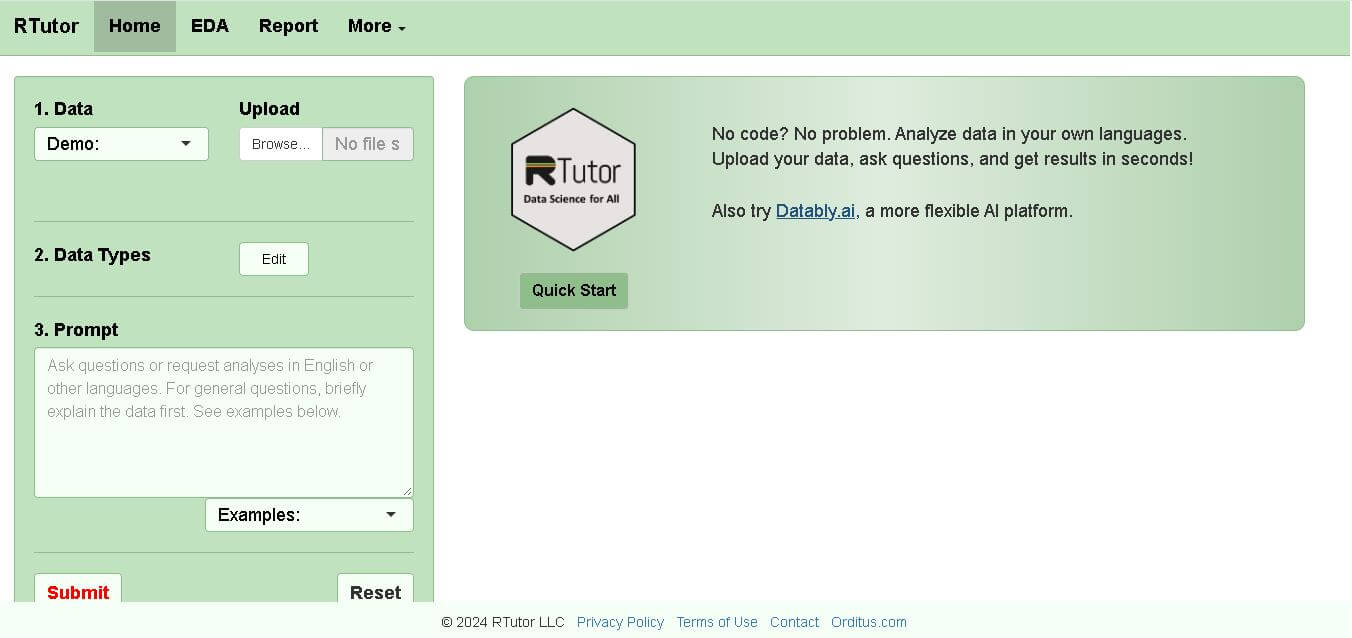
RTutor makes statistical data analysis easier by allowing users to describe what they want in natural language. It converts requests into R or Python code, executes the analysis, displays results, and supports charts and reports. Researchers, students, analysts, and beginners can use it to explore datasets without writing every command manually.
 4.9
4.9Cortex Docs
Developer AI Tools
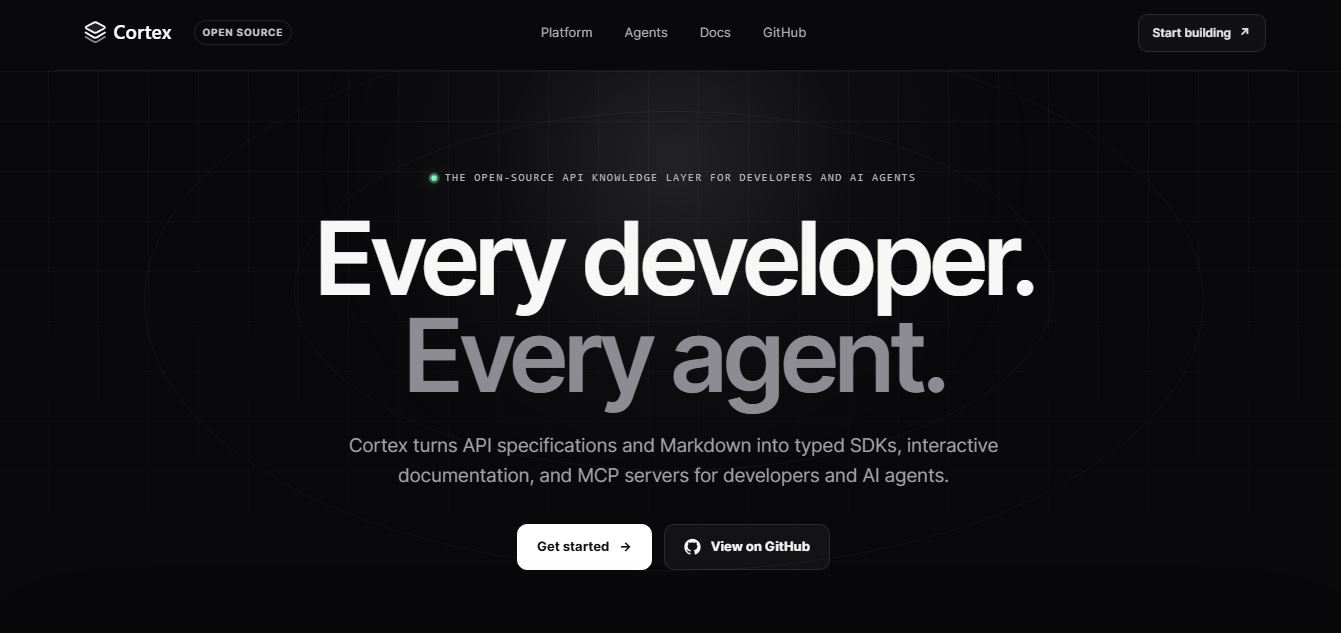
Cortex Docs is an open-source, MIT-licensed API knowledge layer and code generation toolchain that transforms API specifications into interactive documentation sites, typed SDKs in 11 languages, and Model Context Protocol (MCP) servers.
 4.9
4.9Stackness
Developer AI Tools
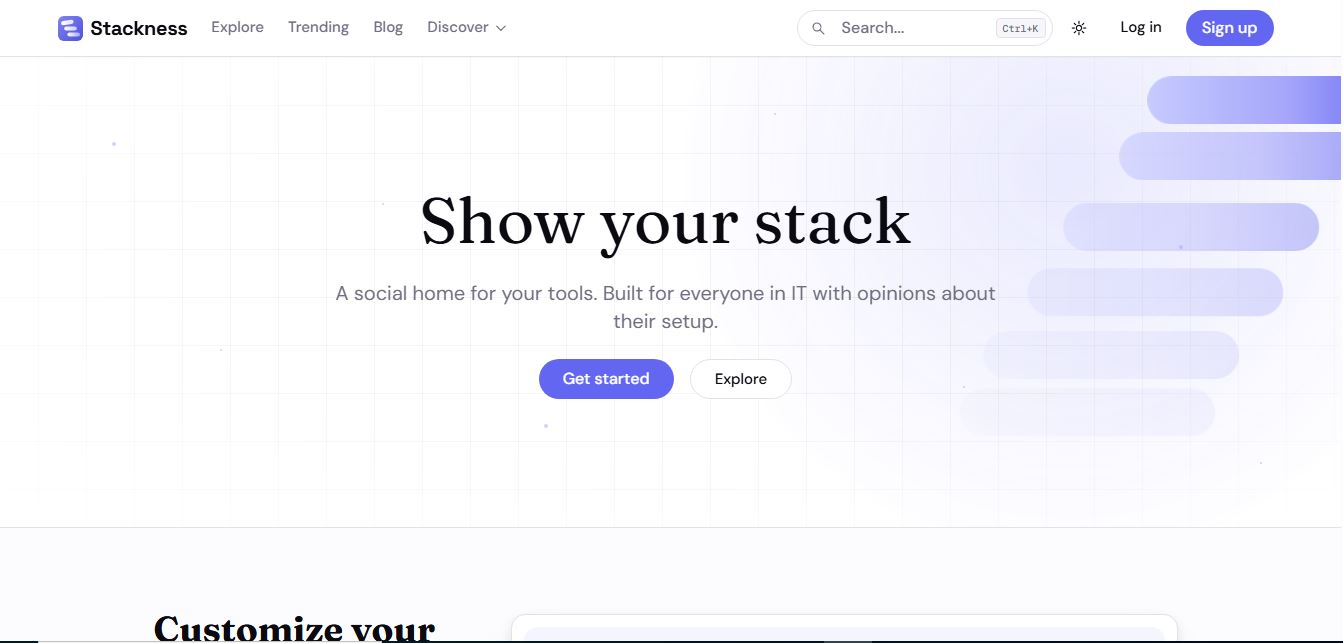
Stackness is a developer-focused social portfolio and tech stack discovery platform where engineers, designers, and tech teams showcase their daily drivers, document workflow 'Moves', explore software trend telemetry, and arrange their tooling profiles as customizable bento grids.
 4.8
4.8Nscale
Developer AI Tools
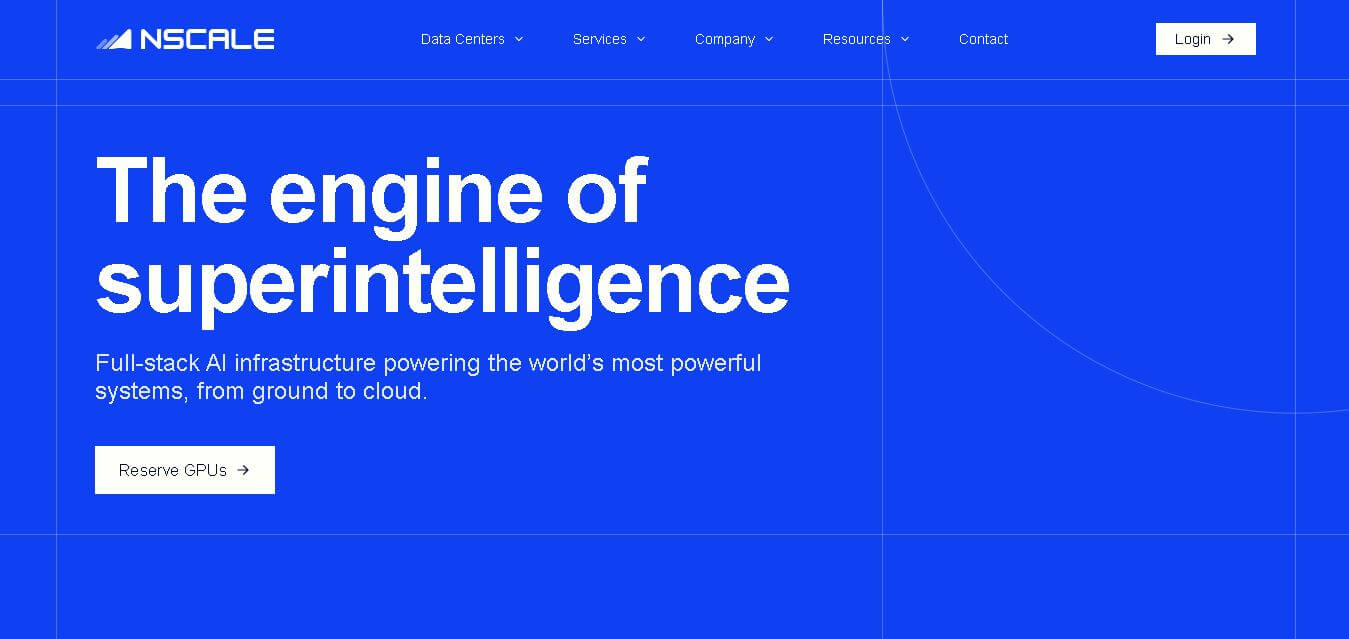
Nscale is a full-stack AI cloud provider offering GPU compute, inference, training, fine-tuning, Kubernetes, Slurm, networking, storage, and dedicated AI infrastructure. It helps AI teams and enterprises scale demanding workloads while reducing infrastructure complexity and improving performance, efficiency, and deployment speed through purpose-built AI data centers and integrated cloud services.