
Pulumi
Pulumi is an open-source Infrastructure as Code (IaC) and cloud engineering platform that lets developers provision and manage multi-cloud infrastructure, Kubernetes clusters, and secrets using real programming languages like TypeScript, Python, Go, Java, and C#.
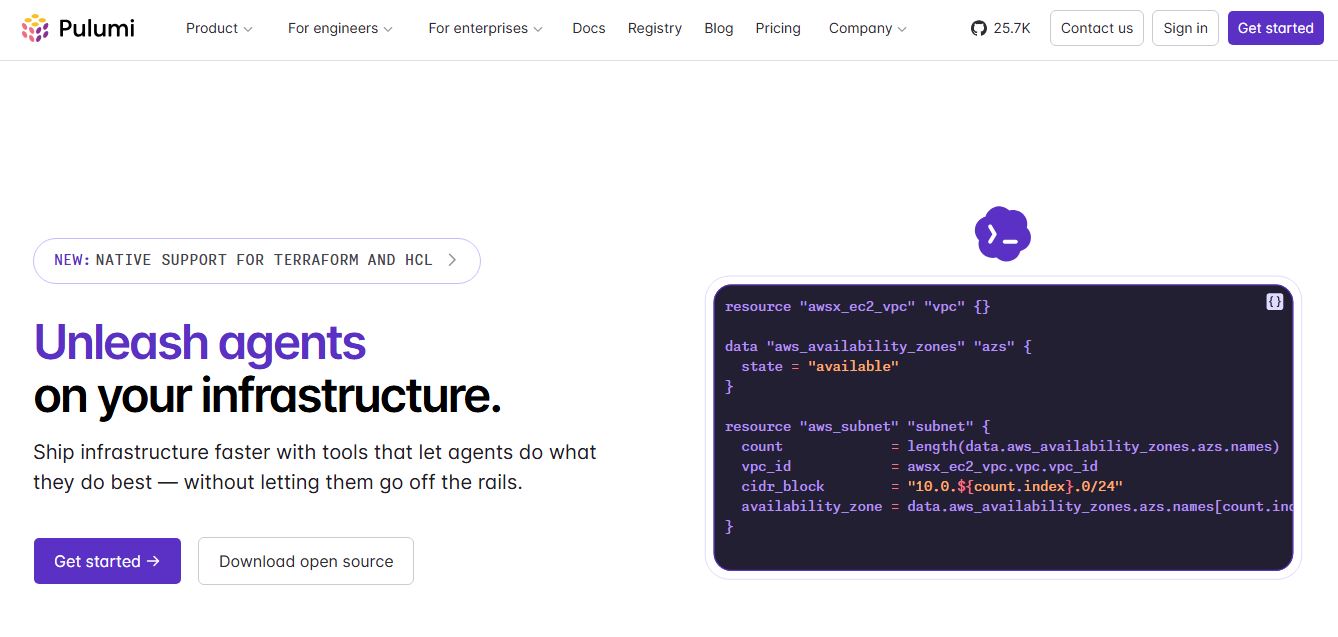
What is Pulumi?
Pulumi is a modern infrastructure as code (IaC) platform that allows developers to build, deploy, and manage cloud infrastructure using familiar programming languages like Python, JavaScript, Go, and more. Instead of using complex templates, it treats infrastructure like software, enabling teams to use real code, automation, and testing. Pulumi supports multiple cloud providers such as AWS, Azure, and Google Cloud, helping organizations automate deployments, maintain consistency, and scale infrastructure efficiently.
Pulumi is an open-source infrastructure-as-code (IaC) platform founded in 2017 that allows developers to define, deploy, and manage cloud infrastructure using general-purpose programming languages like Python, TypeScript, Go, Java, and .NET instead of traditional templates. It supports AWS, Azure, Google Cloud, Kubernetes, and hundreds of providers, enabling teams to manage multi-cloud environments with a single codebase. Pulumi is used by 4,000+ companies, offers built-in features like state management, policy enforcement, and AI-assisted workflows, and treats infrastructure as software—allowing testing, reuse, and automation at scale.
- Founder / Leadership: Joe Duffy (Co-founder & CEO) and Eric Rudder (Co-founder & Executive Chairman)
- Launch Year: 2017
Use Cases:
- Authoring multi-cloud infrastructure definitions using standard programming languages with native type safety
- Building internal developer platforms (IDP) and embedding provisioning into custom CLIs with Automation API
- Deploying and managing production Kubernetes clusters, CRDs, and Helm charts programmatically
- Centralizing environment configuration and managing dynamic secrets across services with Pulumi ESC
Technology:
- Multi-language client SDK runtime (TypeScript/JavaScript, Python, Go, C# .NET, Java, and YAML)
- Desired-state deployment engine communicating with cloud resource providers over gRPC
- Managed state storage backend with drift detection, automated state locking, and CrossGuard policy enforcement
Target Users:
- Full-stack software engineers and application developers managing cloud backends
- DevOps engineers, Site Reliability Engineers (SREs), and platform leads
- Cloud architects designing multi-cloud architectures across AWS, Azure, and Google Cloud
- Engineering organizations seeking to eliminate custom domain-specific languages like HCL
Corporate Entity: Operates as an independent developer infrastructure company

Key features of Pulumi
Pulumi's key features are
- Multi-Language Code Support: Author infrastructure using TypeScript, JavaScript, Python, Go, C#, Java, or YAML with full IDE autocompletion, type-checking, and refactoring.
- Desired State Engine & Declarative Execution: Reconciles desired infrastructure states with real-world cloud environments, detecting drift and calculating exact update diffs before deployment.
- Pulumi Automation API: Embed infrastructure deployment and teardown logic directly into applications, CLI tools, and microservices as an executable code library.
- CrossGuard Policy as Code: Enforce security, networking, and compliance guardrails across infrastructure deployments using familiar programming logic (advisory or mandatory modes).
- Pulumi ESC (Environments, Secrets & Configuration): Centralize, encrypt, and orchestrate environment variables and secrets with dynamic cloud OIDC credentials.
- Pulumi Cloud State & Concurrency: Fully managed SaaS backend providing automatic state storage, concurrency locks, audit logs, and drift detection without managing S3 buckets or DynamoDB locks.
- Component Resources & Packaging: Package complex cloud architectures into clean, reusable modules and publish them across standard internal package managers (npm, PyPI, NuGet).
- Native Kubernetes & Helm Support: Deploy, manage, and validate Kubernetes manifests, Custom Resource Definitions (CRDs), and Helm charts with strongly typed language schemas.
Pulumi Pricing
Pulumi provides an open-source CLI with self-managed state options alongside a tiered Pulumi Cloud managed platform.
Individual Plan:
- $0/month (Always Free)
- 1 user, unlimited stacks, automatic state management, 500 deployment minutes/month, and 25 free ESC secrets
Team Plan:
- $40/month
- Up to 10 users, 500 managed IaC resources, 3,000 deployment minutes/month, 5 concurrent deployments, and basic policy enforcement
- Additional resource overage at $0.1825/resource/month
Enterprise Plan:
- Starts at approximately $400/month (annual contracts available via AWS/Azure Marketplace)
- Unlimited users, 2,000 managed resources, SAML/SSO, Role-Based Access Control (RBAC), drift detection, and advanced audit logs
Business Critical Plan:
- Custom quote
- Self-hosted runners, air-gapped on-premise deployments, custom compliance packs, and 24/7 support with private Slack channels
Disclaimer: For the latest feature updates and resource calculator details, please visit the official Pulumi website at pulumi.com/pricing.
Who is using Pulumi?
Pulumi is designed for a broad range of cloud engineers and software developers, including
- Software Engineers: Deploying cloud backends using the same programming language as their application code
- DevOps & Platform Teams: Building internal developer portals and automated provisioning workflows
- Startups & Scale-Ups: Managing multi-cloud Kubernetes clusters across AWS, Azure, and Google Cloud
- Security & Compliance Leads: Enforcing corporate cloud standards and tagging policies using CrossGuard
- Cloud Operations Engineers: Consolidating fragmented secrets and environment variables across multi-repo services using Pulumi ESC
Best Pulumi Alternatives
Some of the strongest Pulumi alternatives include
- Terraform (HashiCorp / OpenTofu)
- AWS Cloud Development Kit (AWS CDK)
- Spacelift
- Crossplane (Open Source)
- Google Cloud Deployment Manager
- Ansible
Pros and Cons of Pulumi
Pros
- Uses real programming languages (TypeScript, Python, Go) with full type-safety and refactoring support
- Eliminates the need to learn and maintain proprietary domain-specific languages like HCL
- Automation API enables embedding cloud infrastructure provisioning into software applications
- Pulumi ESC centralizes secrets and dynamic credentials without secrets sprawl
- Free tier offers full individual state management and 500 deployment minutes per month
Cons
- Team tier enforces a hard cap of 10 users, requiring an upgrade to Enterprise ($400/mo) for an 11th user
- Open-source ecosystem of community modules is smaller compared to Terraform’s massive registry
- Imperative programming languages require code discipline to avoid complex anti-patterns in declarative state
- Managing resource overages and deployment minutes requires monitoring on high-velocity teams
Why Choose Pulumi?
Pulumi is the premier choice for modern engineering teams and developers who want to write infrastructure with the tools, testing, and languages they already know and love.
- Replaces clunky configuration files with real code in TypeScript, Python, and Go
- Tests infrastructure with standard software testing libraries (Jest, PyTest, Go test)
- Unifies multi-cloud infrastructure, Kubernetes, and secrets management in one platform
- Embeds infrastructure logic directly into software applications via Automation API
- Backed by an active open-source community and reliable enterprise cloud state management
Pulumi vs. Competitors
The main difference between Pulumi, Terraform (HCP/OpenTofu), AWS CDK, and Spacelift is that Pulumi uses standard general-purpose programming languages across multi-cloud environments with a dedicated state engine and Automation API, whereas Terraform relies on its proprietary HCL language, AWS CDK compiles only to CloudFormation for AWS resources, and Spacelift acts as an orchestration wrapper on top of existing IaC frameworks. Pulumi stands out for true multi-language, multi-cloud versatility and native programmatic execution.
| Feature / Tool | Pulumi (pulumi.com) | Terraform (OpenTofu) | AWS CDK | Spacelift |
|---|---|---|---|---|
| Primary Language | TypeScript, Python, Go, C#, Java | HCL (Declarative DSL) | TypeScript, Python, Java | Wrapper on IaC Tools |
| Multi-Cloud Support | AWS, Azure, GCP, K8s (150+ Providers) | Multi-Cloud (Universal) | AWS Only (CloudFormation) | Multi-Cloud Orchestrator |
| Automation API (Embedded) | Yes (Code Library) | CLI / Terraform Exec | No (Synth to CloudFormation) | API / Worker Pools |
| Secrets Management | Pulumi ESC (Native) | HashiCorp Vault Separate | AWS Secrets Manager | Contexts & Env Vars |
| Starting Paid Price | $40/month (Team) | Usage / HCP Tiers | Free (AWS Resources Billed) | $250 – $350+/month |
| Best For | Developers & Platform Engineering | Traditional DevOps Teams | AWS-Centric Developers | Enterprise IaC Governance |
How do we rate Pulumi?
| Parameter | Rating (out of 5) |
|---|---|
| Multi-Language Developer Ergonomics | 5.0 |
| Multi-Cloud & Kubernetes Capabilities | 4.9 |
| Automation API & Programmability | 5.0 |
| Secrets Management (Pulumi ESC) & Security | 4.8 |
| Value for Money | 4.8 |
| Overall Score | 4.90 |
Pulumi Review
Pulumi represents the natural and necessary evolution of infrastructure as code. By breaking free from the constraints of domain-specific languages and bringing cloud infrastructure into the mainstream software engineering workflow, it transforms how teams build and operate modern platforms. Developers no longer have to struggle with awkward DSL hacks or maintain disconnected template files; they can apply object-oriented design, modular packaging, and automated unit testing directly to their cloud architectures. For software developers, platform engineering teams, and enterprises seeking to bridge the gap between application code and cloud infrastructure, Pulumi is an exceptional platform.
Conclusion
Pulumi is a standout Infrastructure as Code platform that redefines cloud engineering through general-purpose programming languages, modular component architecture, and seamless cloud state management. By combining native multi-cloud provisioning, programmatic automation APIs, CrossGuard policy guardrails, and centralized secrets governance into an integrated platform, it eliminates the limitations of legacy declarative configuration files. While teams crossing 10 users must plan for enterprise licensing, Pulumi’s flexibility, developer-first ergonomics, and open-source foundation make it an indispensable DevOps tool.
FAQ
What is Pulumi and how does it work?
Pulumi is an open-source Infrastructure as Code (IaC) platform that allows developers to define, deploy, and manage cloud infrastructure using general-purpose programming languages like Python, TypeScript, Go, and Java. Instead of using a limited configuration language, Pulumi lets you write real code to describe your infrastructure, and its deployment engine automatically provisions and updates resources across cloud providers while maintaining state and handling dependencies.
What makes Pulumi different from Terraform?
Pulumi differs from tools like Terraform by allowing developers to use full programming languages instead of a domain-specific language like HCL. This means you can use functions, loops, classes, and existing libraries to create reusable and dynamic infrastructure code. It also supports Terraform compatibility, giving teams flexibility to adopt Pulumi without abandoning existing setups.
Which cloud providers does Pulumi support?
Pulumi supports all major cloud platforms including AWS, Microsoft Azure, Google Cloud, and Kubernetes, along with hundreds of other providers. A single Pulumi project can manage infrastructure across multiple clouds simultaneously, allowing teams to build and deploy multi-cloud or hybrid environments from a unified codebase.
Is Pulumi free to use?
Yes, Pulumi’s core CLI, SDKs, and providers are free and open source. Developers can use it without any cost for local or self-managed deployments. Pulumi also offers a managed service called Pulumi Cloud with a free tier and paid plans that include collaboration, governance, and advanced features for teams.
What features does Pulumi offer?
Pulumi provides a wide range of features including infrastructure provisioning, state management, secrets management, policy as code, CI/CD integrations, and AI-assisted automation. It also includes capabilities like drift detection, audit logs, and reusable components, helping teams build, test, and manage infrastructure efficiently at scale.
How does Pulumi use AI in infrastructure management?
Pulumi integrates AI through tools like Pulumi Neo, an AI-powered assistant that helps automate infrastructure tasks such as generating code, debugging deployments, and enforcing best practices. It can understand your infrastructure context, plan changes, and execute workflows while respecting security and governance policies, making infrastructure management faster and more intelligent.
Can Pulumi be used for enterprise-scale infrastructure?
Yes, Pulumi is designed to scale from individual developers to large enterprises. It offers enterprise-grade features such as role-based access control (RBAC), policy enforcement, audit logging, and compliance frameworks. Organizations can also use self-hosted deployments and advanced governance tools to manage large-scale infrastructure securely.
How does Pulumi handle security and compliance?
Pulumi includes built-in security features like encrypted secrets management, policy enforcement, audit trails, and compliance controls. Teams can define policies as code to enforce security standards automatically and track all infrastructure changes, ensuring that deployments meet organizational and regulatory requirements.
User Reviews
No reviews yet for Pulumi.
Featured Tools
Featured AI tools from TechShark
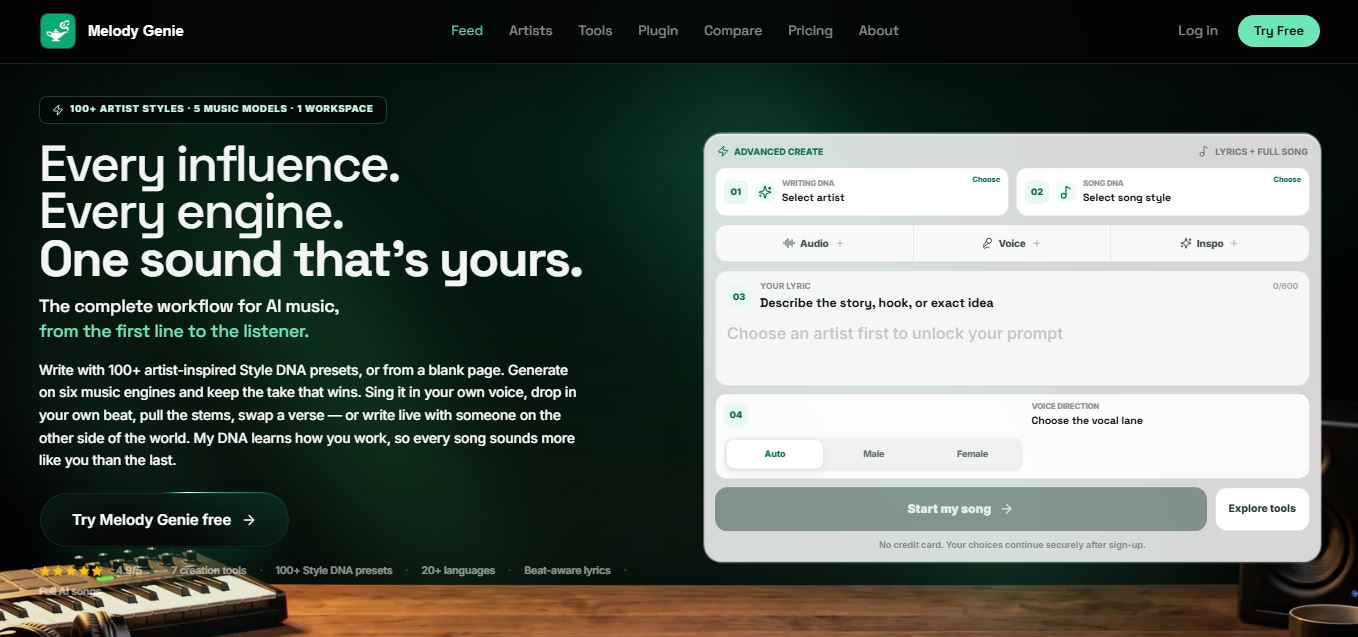
Melody Genie
MelodyGenie is an AI-powered music generator that creates original songs from simple text prompts. Users can choose styles, moods, and genres, then instantly generate melodies and full tracks, making it easy for creators, marketers, and hobbyists to produce custom music without musical expertise.
Freemium
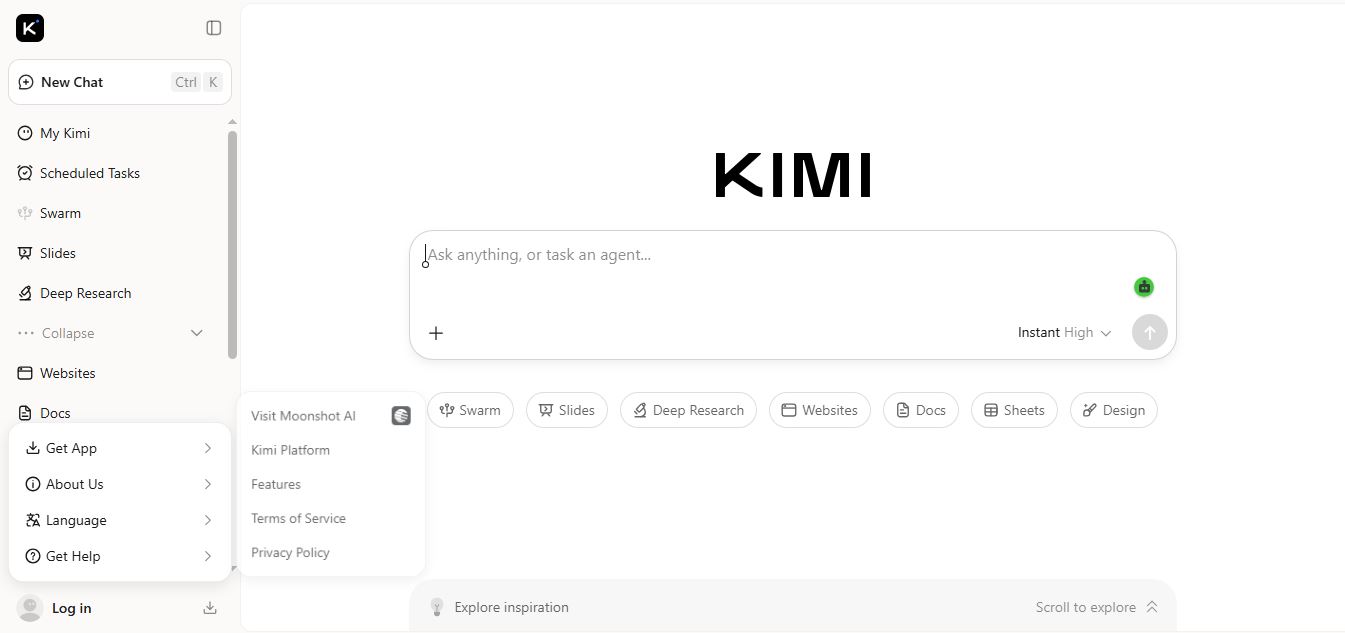
Kimi AI
Kimi AI is an advanced AI assistant developed by Moonshot AI that helps you chat, research, write, code, and automate tasks in one place. It supports web search, file analysis, and multimodal inputs, and can even run autonomous “agent” workflows to complete complex tasks end-to-end.
Freemium

Fashion Diffusion AI
Fashion Diffusion is an AI-powered fashion design platform that helps brands and designers create clothing designs, virtual try-ons, AI models, product photos, and marketing visuals faster and cost-effectively.
Paid
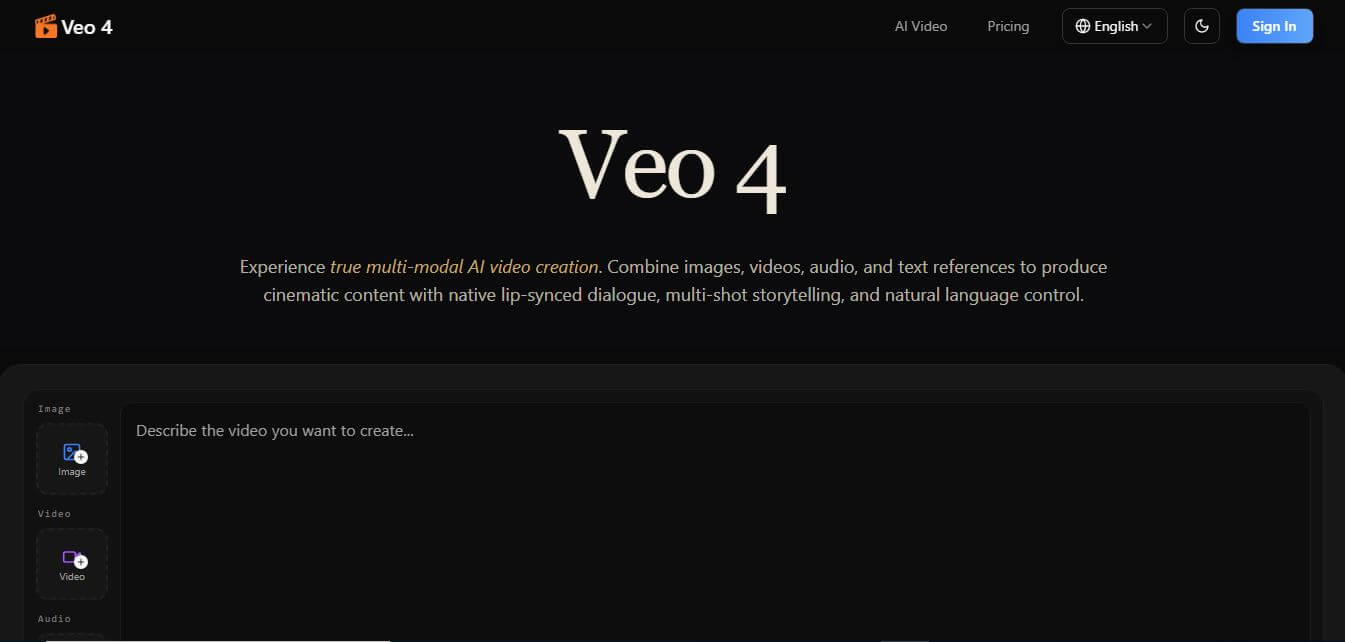
Veo 4
Veo 4 AI is an AI video creation platform that generates dramatic videos from text, images, audio, and video prompts using realistic motion and synchronized sound.
Paid
Alternatives
Alternatives to Pulumi
The best Pulumi alternatives include Terraform (HashiCorp / OpenTofu), AWS Cloud Development Kit (AWS CDK), Spacelift, Crossplane, Google Cloud Deployment Manager, and Ansible. These platforms provide infrastructure provisioning, configuration management, and cloud orchestration services. While Pulumi specializes in multi-cloud infrastructure using real programming languages, Automation APIs, and native secrets management, alternatives like Terraform focus on declarative HCL templates, and AWS CDK specializes in AWS-only CloudFormation deployments. Choosing the right platform depends on whether you require general-purpose programming language flexibility, strict HCL declarative files, or AWS-native tooling.
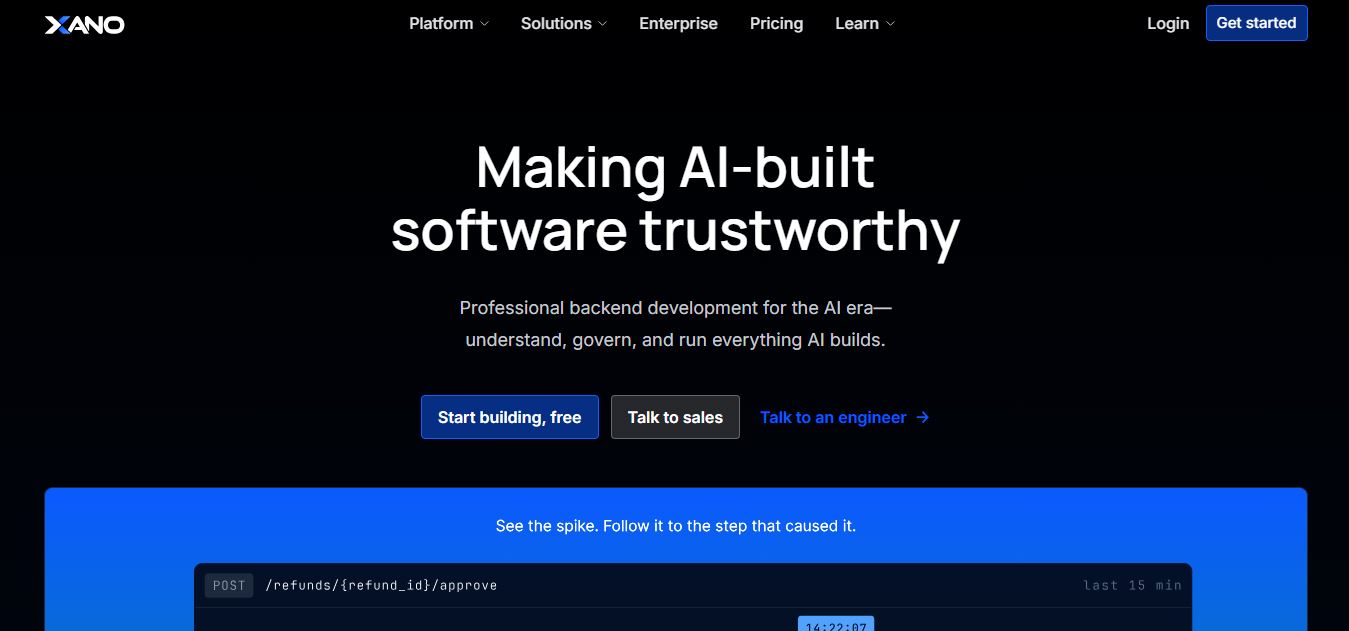 4.9
4.9Xano
No Code
Xano is a no-code backend platform that lets users build scalable APIs, databases, and business logic without writing code. It provides a powerful server-side infrastructure, enabling developers and no-code creators to connect frontends, manage data, and launch applications quickly and efficiently.
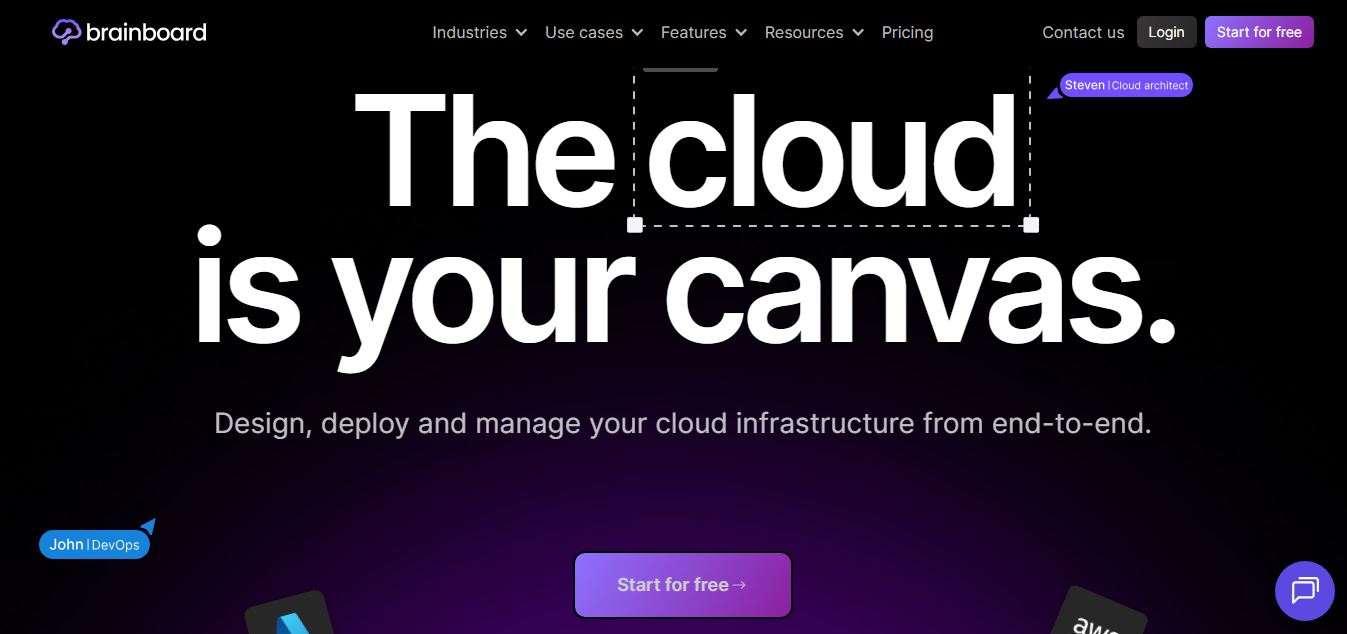 4.9
4.9Brainboard
Developer AI Tools
Brainboard is a visual cloud architecture and Infrastructure as Code (IaC) design platform that transforms interactive cloud diagrams into clean, production-ready Terraform code, complete with integrated visual CI/CD deployment pipelines, drift detection, and cost estimation.
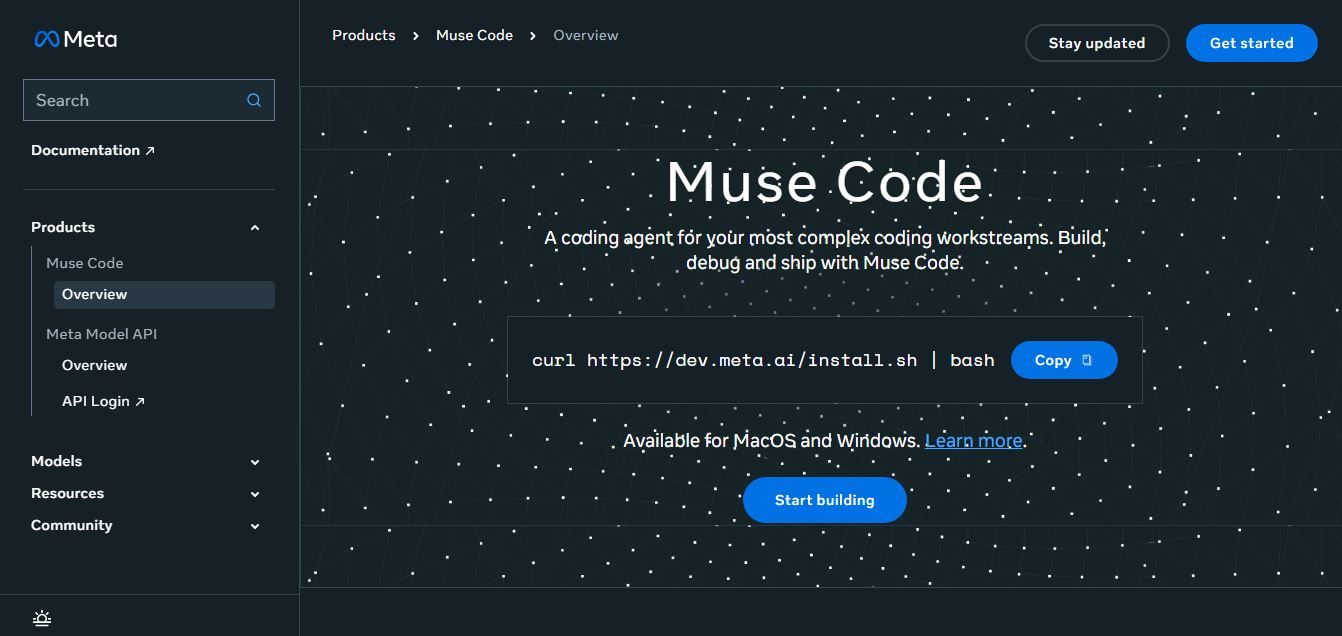 4.9
4.9Meta Muse Code
Developer AI Tools
Meta Muse Code is a terminal-native AI coding agent powered by Meta’s Muse Spark models that plans, writes, audits, and executes multi-file software engineering tasks directly in developer CLI environments with multi-agent orchestration and 1M token context.
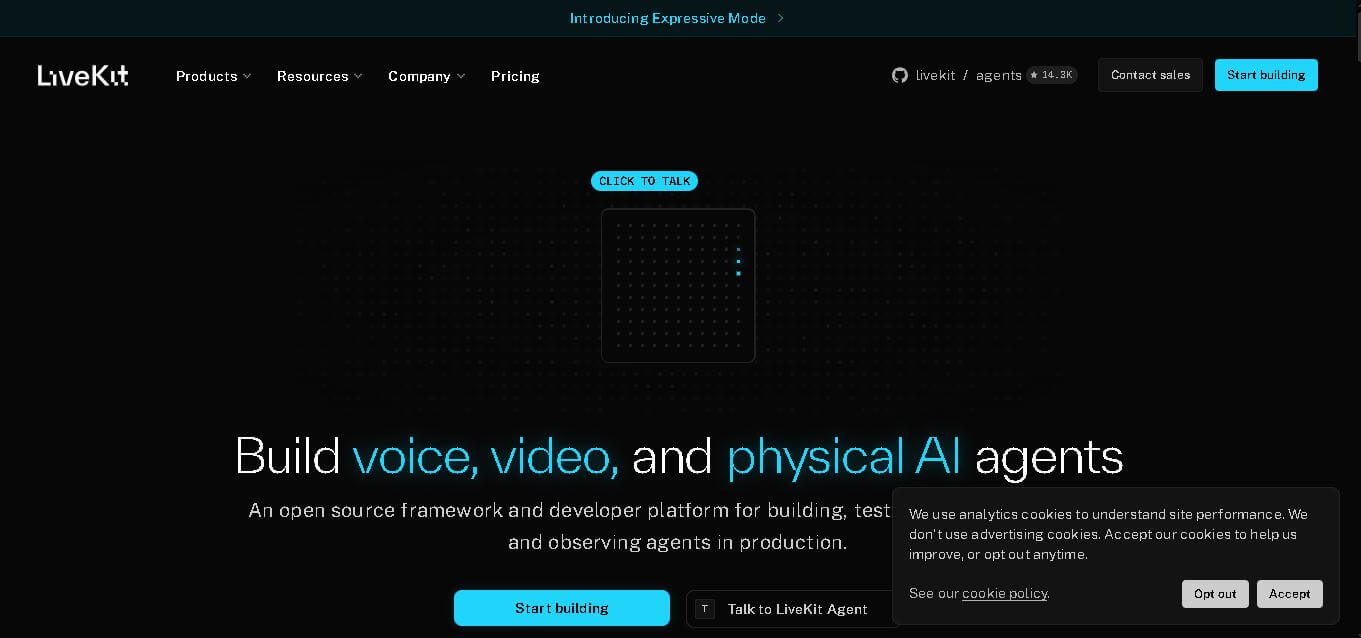 4.9
4.9LiveKit
Developer AI Tools
LiveKit is a real-time communication and AI agent development platform designed for developers building voice, video, and multimodal applications. It combines open-source infrastructure, WebRTC communication, AI agent tools, telephony integrations, model connectivity, cloud deployment, and observability, helping teams create responsive applications that can operate across browsers, mobile apps, and phone calls.
 4.8
4.8RTutor AI
Developer AI Tools
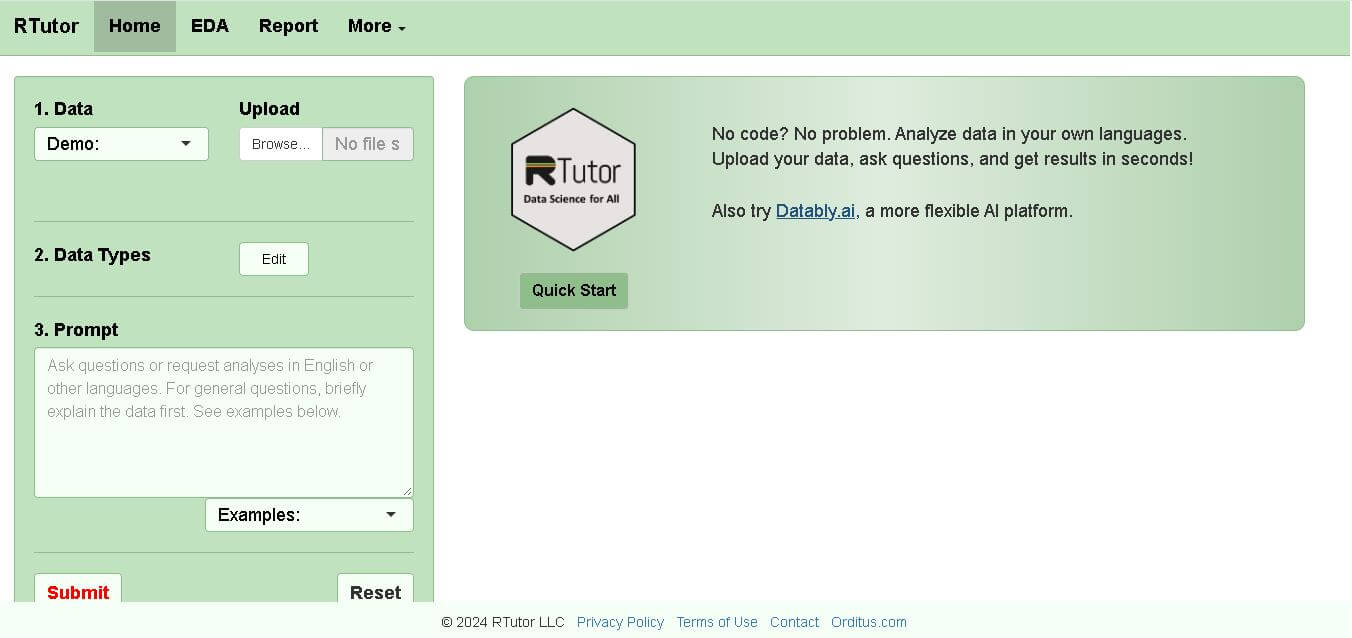
RTutor makes statistical data analysis easier by allowing users to describe what they want in natural language. It converts requests into R or Python code, executes the analysis, displays results, and supports charts and reports. Researchers, students, analysts, and beginners can use it to explore datasets without writing every command manually.
 4.9
4.9Chat Recall
Developer AI Tools
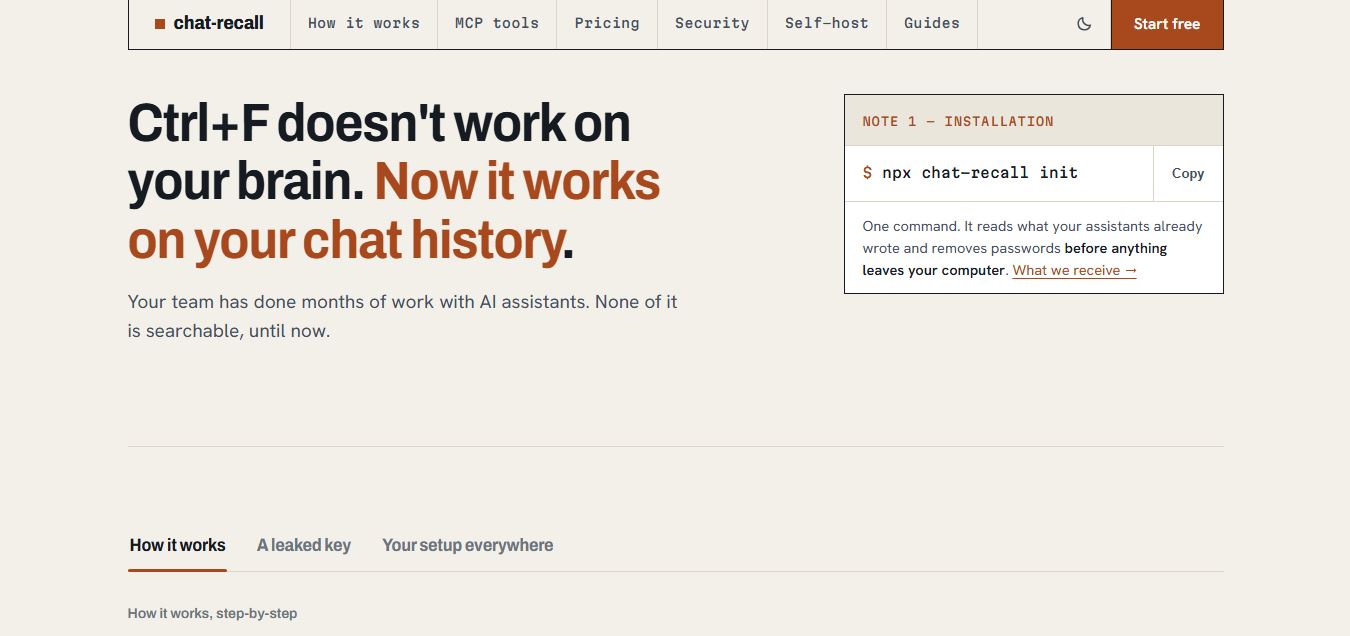
Chat Recall is a unified AI coding chat history search, intelligence, and Model Context Protocol (MCP) memory platform that indexes past conversations across multiple AI coding assistants, strips exposed API secrets locally, and gives coding agents persistent shared memory.
 4.9
4.9Cortex Docs
Developer AI Tools
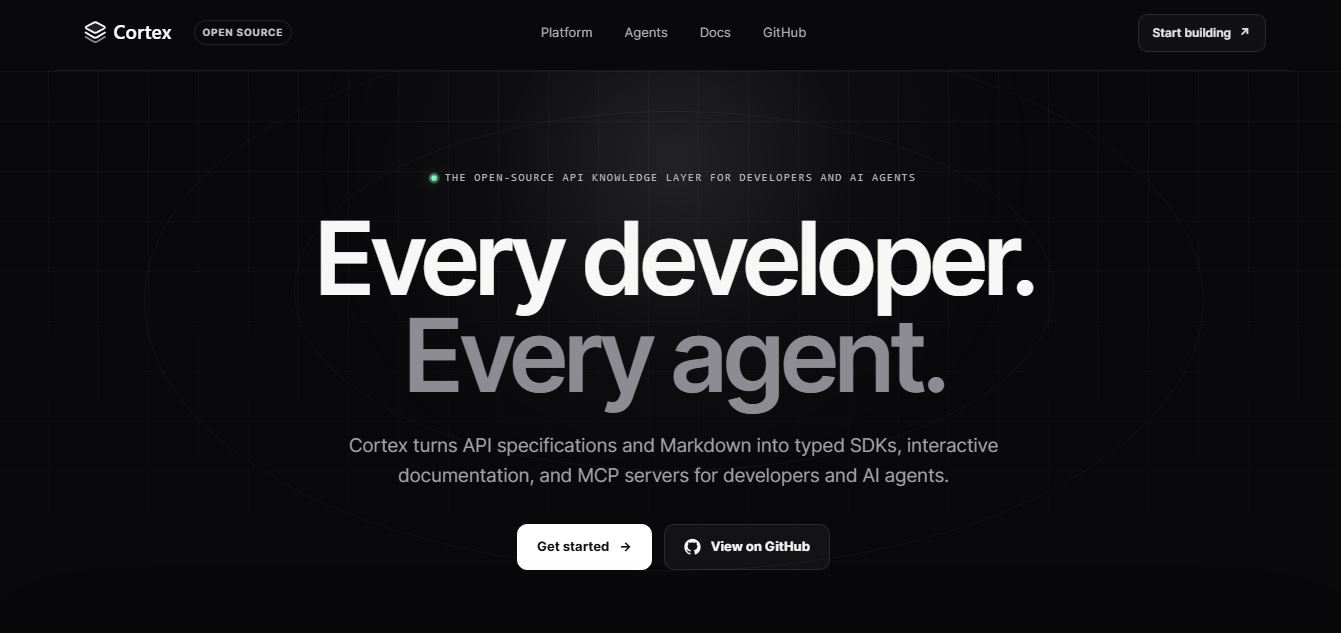
Cortex Docs is an open-source, MIT-licensed API knowledge layer and code generation toolchain that transforms API specifications into interactive documentation sites, typed SDKs in 11 languages, and Model Context Protocol (MCP) servers.
 4.9
4.9Stackness
Developer AI Tools
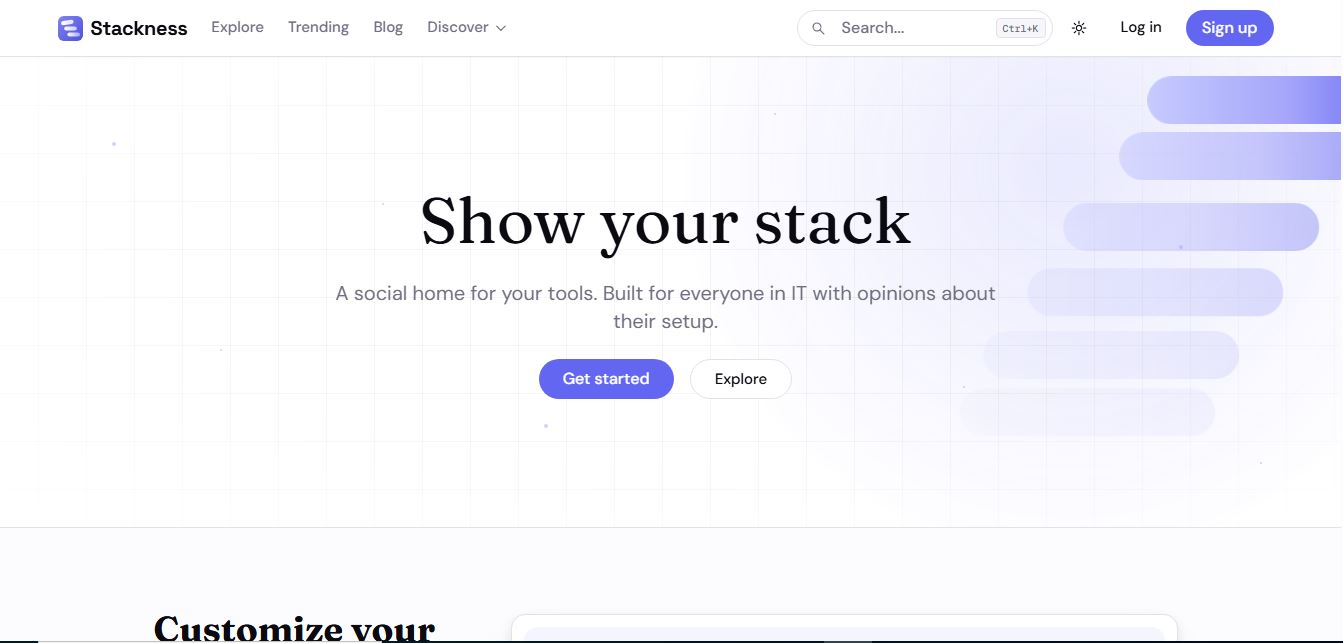
Stackness is a developer-focused social portfolio and tech stack discovery platform where engineers, designers, and tech teams showcase their daily drivers, document workflow 'Moves', explore software trend telemetry, and arrange their tooling profiles as customizable bento grids.
 4.8
4.8Nscale
Developer AI Tools
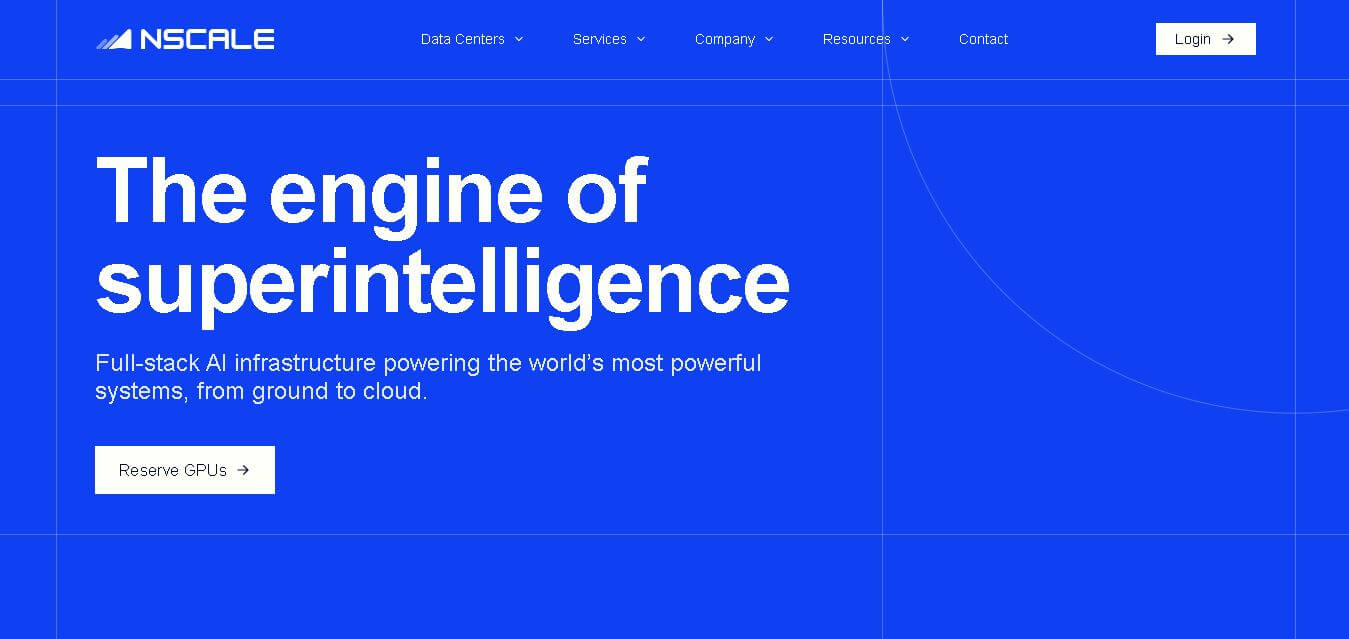
Nscale is a full-stack AI cloud provider offering GPU compute, inference, training, fine-tuning, Kubernetes, Slurm, networking, storage, and dedicated AI infrastructure. It helps AI teams and enterprises scale demanding workloads while reducing infrastructure complexity and improving performance, efficiency, and deployment speed through purpose-built AI data centers and integrated cloud services.