
RunPod
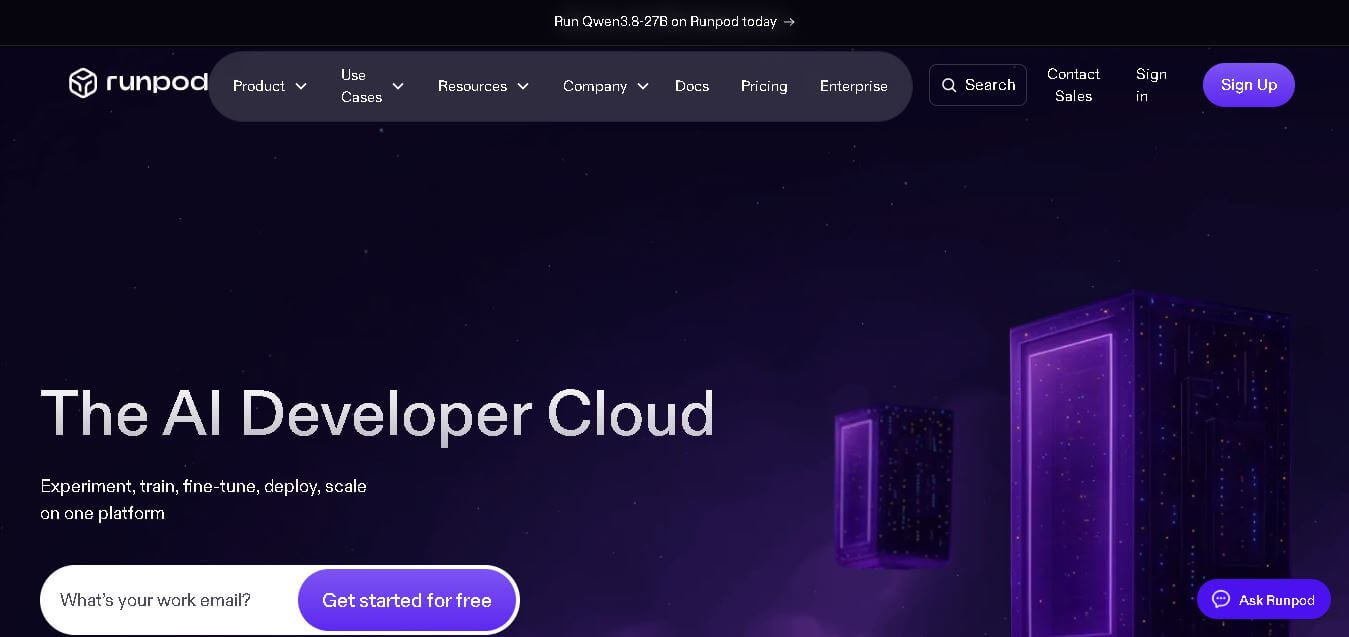
Runpod helps you access high-performance GPUs without purchasing physical hardware. You can launch GPU Pods for development, use Serverless for request-based AI inference, or deploy Clusters for distributed workloads. Its pay-as-you-go model, broad GPU selection, global regions, and autoscaling make it practical for developers, startups, researchers, and growing AI teams.
What is RunPod?
Runpod is a cloud infrastructure service that gives developers on-demand access to GPUs, storage, networking, and scalable compute for building, training, fine-tuning, and deploying AI applications. It combines Pods, serverless endpoints, and clusters in one environment, letting you move from experimentation to production without managing physical GPU hardware or operating a traditional data center yourself.
Runpod currently supports more than 30 GPU SKUs across 31 global regions and says it is trusted by more than 1 million developers. Its serverless offering can scale from zero to thousands of workers, with sub-200 ms cold starts thanks to FlashBoot. Pod and serverless workloads use pay-per-second billing, while current serverless GPU rates range from $0.58 per hour for 16GB-class GPUs to $9.98 for B300. Clusters can scale to 64 GPUs for supported configurations, helping teams handle larger distributed workloads efficiently.
- Founders: Zhen Lu, Justin Mattson
- Launch Year: 2021
Use Cases:
- Large Language Model (LLM) fine-tuning and distributed training
- Deploying low-latency AI inference endpoints (vLLM, TGI, Whisper)
- Image and video diffusion generation (Stable Diffusion, ComfyUI, Flux)
- Automated batch processing and AI agent orchestration
Technology:
- Containerized Docker environment with pre-configured CUDA/PyTorch templates
- Scale-to-zero serverless architecture with rapid cold-start optimizations
- High-speed persistent network volumes and multi-region deployment infrastructure
Target Users:
- AI engineers and machine learning researchers requiring fast GPU access
- SaaS startups scaling LLM and media generation backends
- Independent developers and indie hackers building AI microservices
Ecosystem: Features an active template hub, GitHub CI/CD integration, CLI/SDK toolkits, and dynamic worker autoscaling.

Key features of RunPod
RunPod's key features are
- Dedicated GPU Pods: On-demand virtual machines equipped with root SSH access, custom Docker images, Jupyter Notebooks, and web terminals.
- Serverless GPU Endpoints: Auto-scaling worker infrastructure that bills per second of execution time and scales down to zero when idle.
- Per-Second Billing & Zero Egress Fees: Pay strictly for compute duration without bandwidth transfer markups or hidden network penalties.
- Secure & Community Cloud Tiers: Choose between enterprise-grade TIER III+ data centers or cost-effective peer Community Cloud hosts.
- 30+ GPU Architectures: Wide access to modern hardware, including NVIDIA Blackwell B200/B300, H100 SXM, H200, L40S, and RTX 4090.
- Persistent Storage & Network Volumes: Scalable network disks accessible across multiple pods simultaneously without data loss upon instance shutdown.
RunPod Pricing
RunPod operates on a flexible pay-as-you-go model with per-second billing across its GPU tiers.
Community Cloud Pods:
- Starting from $0.16/hour for entry-level GPUs (e.g., RTX A5000) up to $6.94/hour for top-tier instances
- Ideal for cost-sensitive testing, hobby projects, and non-critical batch jobs
Secure Cloud Pods:
- Starting from $0.27/hour (RTX A5000) to $2.89/hour (H100 PCIe) and $7.89/hour (B300 288GB)
- Enterprise compliance in SOC2/HIPAA-verified data center environments
Serverless GPU Endpoints:
- Billed strictly per second of active execution starting at $0.58/hour equivalent for 16GB VRAM instances up to $9.98/hour for high-throughput B300 workers
Disclaimer: For the latest and most accurate pricing information, please visit the official RunPod AI website.
Is RunPod Worth It?
RunPod is exceptionally worth it for AI engineers, startups, and enterprises seeking high-density GPU compute without the massive overhead of AWS, Azure, or Google Cloud. Its combination of 30-second instance deployment, scale-to-zero serverless worker pools, and transparent per-second billing makes it very cost-effective for AI model training and inference.
Real-World Use Cases
- Hosting Custom LLM APIs: Teams deploy open-source models like Llama, Qwen, or Mistral on serverless GPU endpoints using vLLM engines.
- Media & Image Generation Pipelines: Creators run Stable Diffusion, Flux, and SDXL pipelines inside custom ComfyUI container pods.
- Fine-Tuning Domain Models: Developers rent multi-GPU A100/H100 pods for LoRA fine-tuning sessions without ongoing server commitments.
- Automated Speech Recognition: Businesses process thousands of audio hours via high-throughput Whisper serverless deployments.
Who is using RunPod?
RunPod is designed for a broad spectrum of AI builders, including
- AI Engineers & Researchers: Specialists testing complex model architectures and deep learning pipelines
- SaaS Startup Founders: Companies building commercial AI products requiring scalable inference backends
- Independent Developers: Creators renting short-term GPUs for fine-tuning open-source models
- Enterprise Dev Teams: Organizations seeking SOC2-compliant secure cloud GPU infrastructure
Best RunPod Alternatives
Some of the strongest RunPod alternatives include
- Vast.ai
- Lambda Labs
- CoreWeave
- Replicate
- Modal
Pros and Cons of RunPod
Pros
- Per-second billing with zero bandwidth data egress charges
- 30-second instance spin-up with extensive pre-built AI Docker templates
- Serverless architecture with scale-to-zero capability to eliminate idle costs
- Diverse hardware selection spanning consumer GPUs to top-tier enterprise chips
- Full root access, SSH key support, and CLI/API developer tooling
Cons
- Community Cloud instances may experience occasional hardware reliability variances
- Requires basic familiarity with Docker containers and Linux command-line tools
- Persistent volume storage incurs small monthly maintenance costs while stopped
Why Choose RunPod?
RunPod eliminates the friction, high prices, and lengthy verification queues typical of traditional cloud providers. Its dual offering of full-control GPU Pods and scale-to-zero serverless endpoints gives developers maximum operational flexibility.
- Cuts GPU compute expenses by up to 70% compared to legacy cloud hyperscalers
- Provides instantaneous access to high-demand cards like H100, H200, and RTX 4090
- Ensures zero egress fees for seamless data ingress and export
- Offers fully automated SDK and RESTful API endpoints for CI/CD integration
How RunPod Works
- Select Deployment Type: Choose between dedicated GPU Pods for interactive work or serverless endpoints for automated API calls.
- Pick Hardware & Region: Select your desired GPU model, VRAM capacity, and preferred server region.
- Choose Template or Container: Load standard templates (PyTorch, Automatic1111, vLLM) or import your custom Docker container.
- Launch & Scale: Connect via SSH, Web Terminal, or HTTP REST API and scale resources up or down dynamically.
RunPod vs. Competitors
The key distinction between RunPod, Lambda Labs, and Vast.ai lies in RunPod's combined support for both managed container Pods and serverless scale-to-zero endpoints under one unified platform. While Lambda Labs focuses strictly on dedicated cloud instances and Vast.ai operates as an unmanaged peer-to-peer marketplace, RunPod offers curated secure hardware, flexible serverless APIs, and zero data transfer fees.
| Feature | RunPod | Lambda Labs | Vast.ai |
|---|---|---|---|
| Primary Focus | GPU Pods & Serverless AI | Dedicated GPU Cloud | P2P GPU Marketplace |
| Serverless Endpoints | Yes (Scale-to-Zero) | No | No |
| Billing Granularity | Per-Second Billing | Hourly Billing | Hourly / Per-Second |
| Data Egress Fees | $0 (Free) | $0 (Free) | Varies by host |
| Starting Price | From $0.16 / hour | From $0.50 / hour | From $0.10 / hour |
How do we rate RunPod?
| Parameter | Rating (out of 5) |
|---|---|
| Ease of Use | 4.7 |
| Performance & Reliability | 4.8 |
| Feature Set | 4.9 |
| Value for Money | 4.9 |
| Developer Experience | 4.8 |
| Overall Score | 4.8 |
RunPod Review
RunPod has established itself as an essential cloud compute tool for AI builders worldwide. By offering both containerized GPU instances and serverless execution with per-second billing, it removes typical operational headaches and massive cloud bills. Its commitment to transparent pricing and zero egress charges makes it a premier choice for scaling modern AI applications.
Conclusion
Runpod is a strong choice if your work depends on flexible GPU access, rapid experimentation, or scalable AI inference. Its Pods, Serverless, and Clusters cover different stages of an AI workflow, while per-second billing can help you control compute spending. For you, it can be especially useful when publishing or testing AI tools that need GPU infrastructure without owning expensive hardware. Start small, measure usage, then scale the GPU type, workers, or infrastructure as your project grows and traffic increases.
FAQ
Is Runpod suitable for me if I am building AI tools or applications?
Yes. If you need GPU compute without buying or maintaining expensive hardware, Runpod can fit perfectly. Start with a pod for development, move to serverless when your application needs API-based inference, and use clusters for distributed workloads. This makes it useful for individual developers, startups, and growing AI teams today.
How much does Runpod cost for GPU computing?
Runpod uses workload-based pricing, so your cost depends on the GPU and service you choose. Pods are billed by the second, while serverless uses per-second worker billing. Current serverless rates start around $0.58 per hour for 16GB-class GPUs, with premium GPUs costing more. Storage can also add to your bill.
Which Runpod option should I choose for my project?
Choose Pods when you want a GPU environment for development, experiments, or long-running workloads. Choose serverless when requests are variable and you want automatic scaling with minimal idle cost. Choose Clusters when training or inference requires multiple GPUs working together. For beginners, starting with a pod is the simplest option.
Can I use Runpod for AI model training and fine-tuning?
Yes. Runpod supports GPU environments suitable for model training, fine-tuning, data processing, and experimentation. You can select GPUs based on memory and performance requirements, then configure your preferred container, framework, and code. For larger distributed training jobs, clusters provide multi-GPU infrastructure designed for demanding workloads and scalable, highly efficient compute.
Is Runpod useful for deploying AI models through an API?
Yes. Runpod Serverless is designed for request-driven inference. You deploy your containerized model behind an API, and workers can scale according to incoming demand. Flex workers can scale to zero when idle, helping reduce unnecessary compute costs. This makes Serverless particularly useful for AI applications with unpredictable or bursty traffic.
Does Runpod work well for beginners?
Runpod can be beginner-friendly if you start with a straightforward pod and use an environment. However, you still need knowledge of GPUs, containers, Linux, and your AI framework. If you are new to cloud GPUs, begin with a small workload, monitor usage carefully, and learn the deployment workflow before scaling.
What makes Runpod different from traditional cloud providers?
Runpod focuses heavily on accessible GPU infrastructure for AI workloads, with dedicated Pods, serverless inference, and multi-GPU Clusters. Its model emphasizes flexible GPU access, per-second billing, and rapid deployment. For AI developers, this can make experimentation and scaling more straightforward than purchasing hardware or managing a traditional cloud infrastructure stack.
User Reviews
No reviews yet for RunPod.
Featured Tools
Featured AI tools from TechShark
Melody Genie
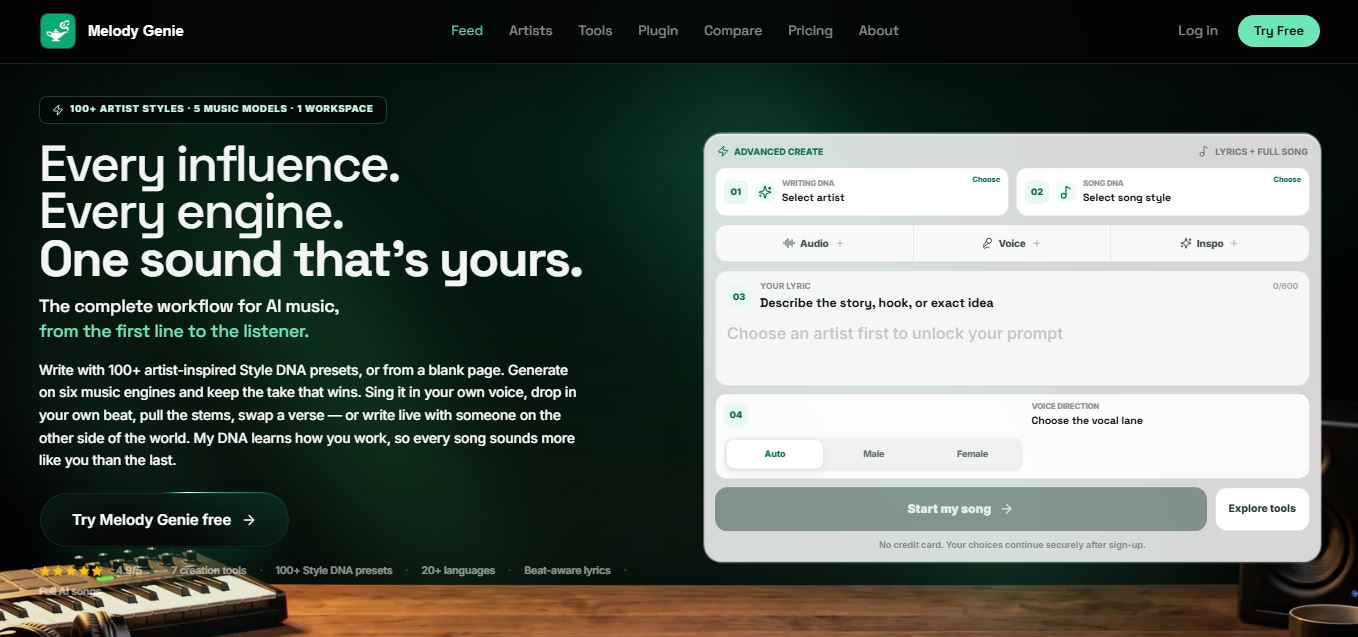
MelodyGenie is an AI-powered music generator that creates original songs from simple text prompts. Users can choose styles, moods, and genres, then instantly generate melodies and full tracks, making it easy for creators, marketers, and hobbyists to produce custom music without musical expertise.
Freemium
Kimi AI
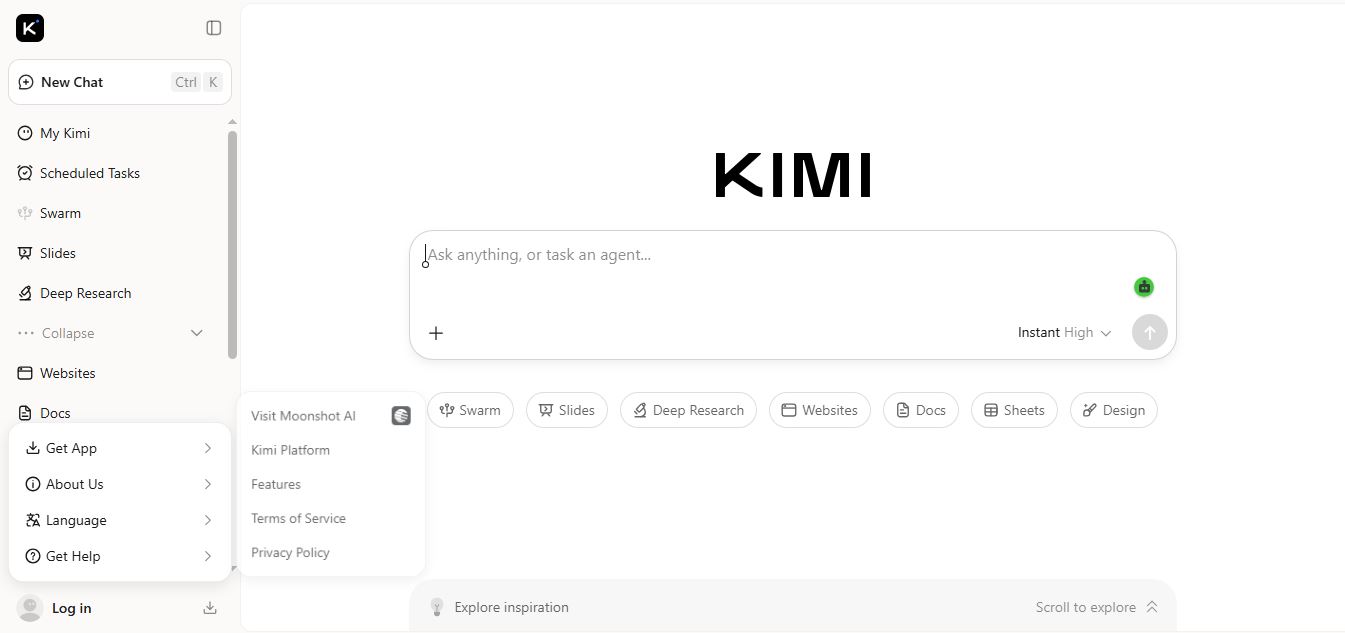
Kimi AI is an advanced AI assistant developed by Moonshot AI that helps you chat, research, write, code, and automate tasks in one place. It supports web search, file analysis, and multimodal inputs, and can even run autonomous “agent” workflows to complete complex tasks end-to-end.
Freemium
Fashion Diffusion AI
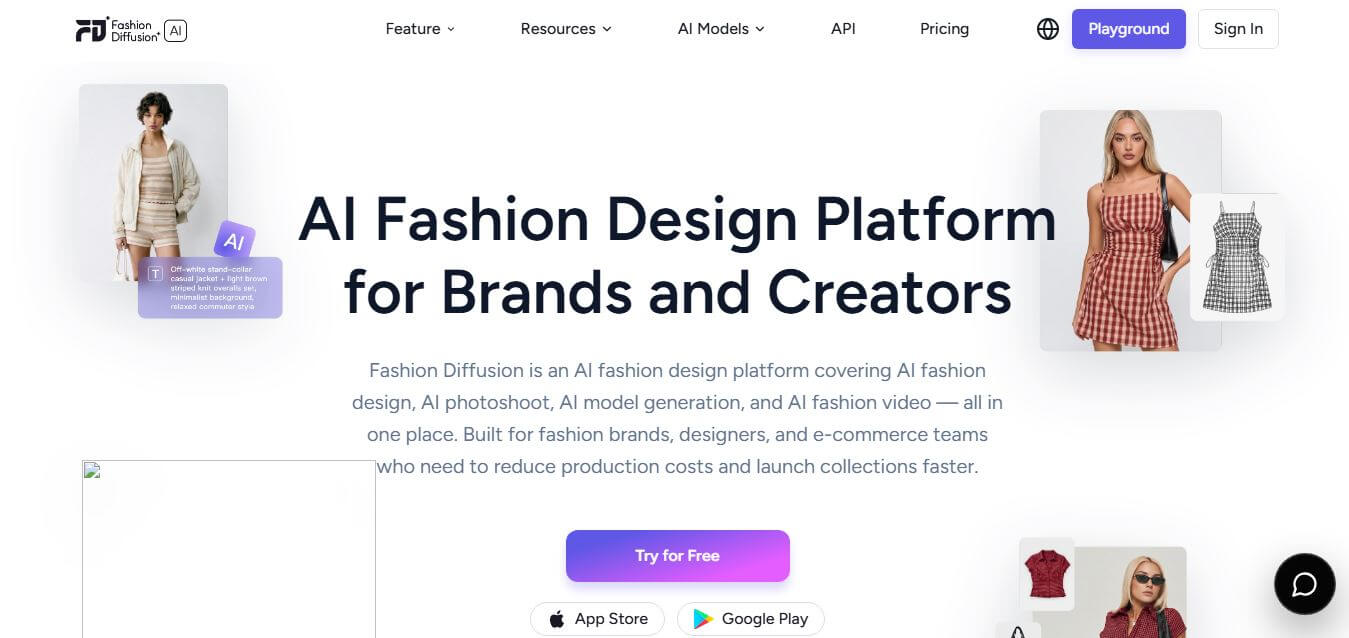
Fashion Diffusion is an AI-powered fashion design platform that helps brands and designers create clothing designs, virtual try-ons, AI models, product photos, and marketing visuals faster and cost-effectively.
Paid
Veo 4
Veo 4 AI is an AI video creation platform that generates dramatic videos from text, images, audio, and video prompts using realistic motion and synchronized sound.
Paid
Alternatives
Alternatives to RunPod
The best RunPod alternatives include Vast.ai, Lambda Labs, CoreWeave, Replicate, and Modal. Vast.ai offers peer-to-peer affordable GPU rentals. Lambda Labs provides dedicated cloud GPU instances tailored for deep learning teams. CoreWeave specializes in high-density enterprise GPU clusters, while Replicate and Modal offer developer-focused serverless environments for deploying AI models effortlessly.
 4.9
4.9Xano
No Code
Xano is a no-code backend platform that lets users build scalable APIs, databases, and business logic without writing code. It provides a powerful server-side infrastructure, enabling developers and no-code creators to connect frontends, manage data, and launch applications quickly and efficiently.
 4.9
4.9Brainboard
Developer AI Tools
Brainboard is a visual cloud architecture and Infrastructure as Code (IaC) design platform that transforms interactive cloud diagrams into clean, production-ready Terraform code, complete with integrated visual CI/CD deployment pipelines, drift detection, and cost estimation.
 4.9
4.9Pulumi
Developer AI Tools
Pulumi is an open-source Infrastructure as Code (IaC) and cloud engineering platform that lets developers provision and manage multi-cloud infrastructure, Kubernetes clusters, and secrets using real programming languages like TypeScript, Python, Go, Java, and C#.
 4.9
4.9Meta Muse Code
Developer AI Tools
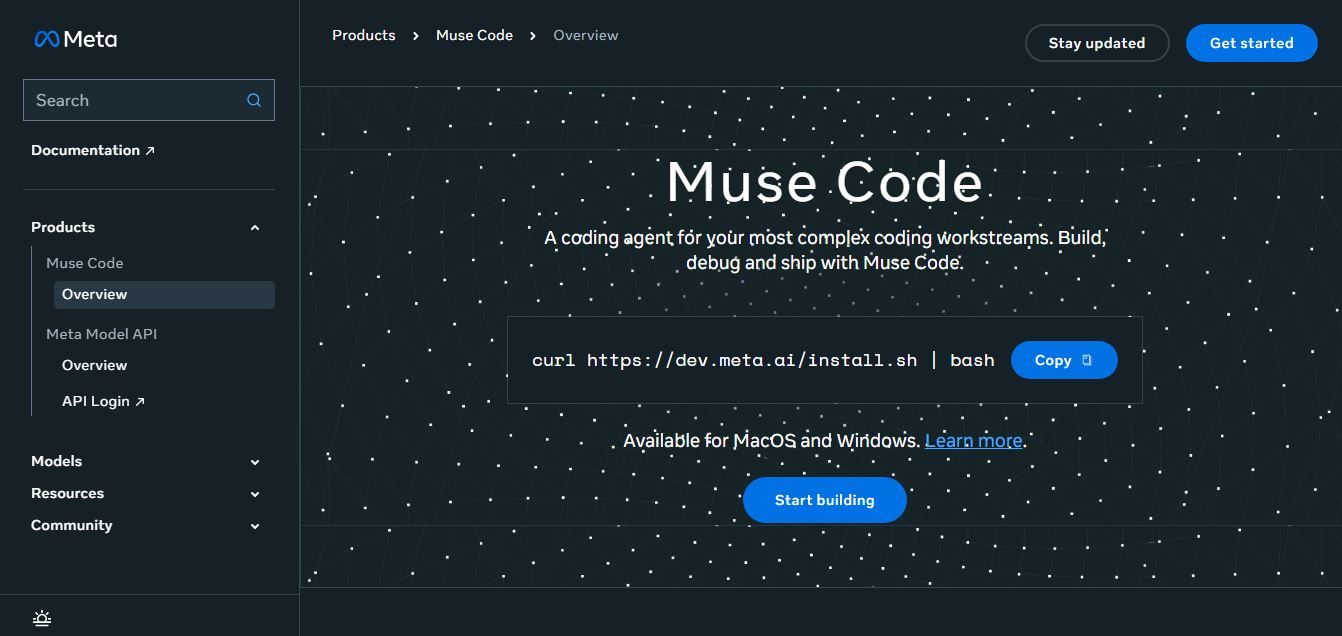
Meta Muse Code is a terminal-native AI coding agent powered by Meta’s Muse Spark models that plans, writes, audits, and executes multi-file software engineering tasks directly in developer CLI environments with multi-agent orchestration and 1M token context.
 4.9
4.9LiveKit
Developer AI Tools
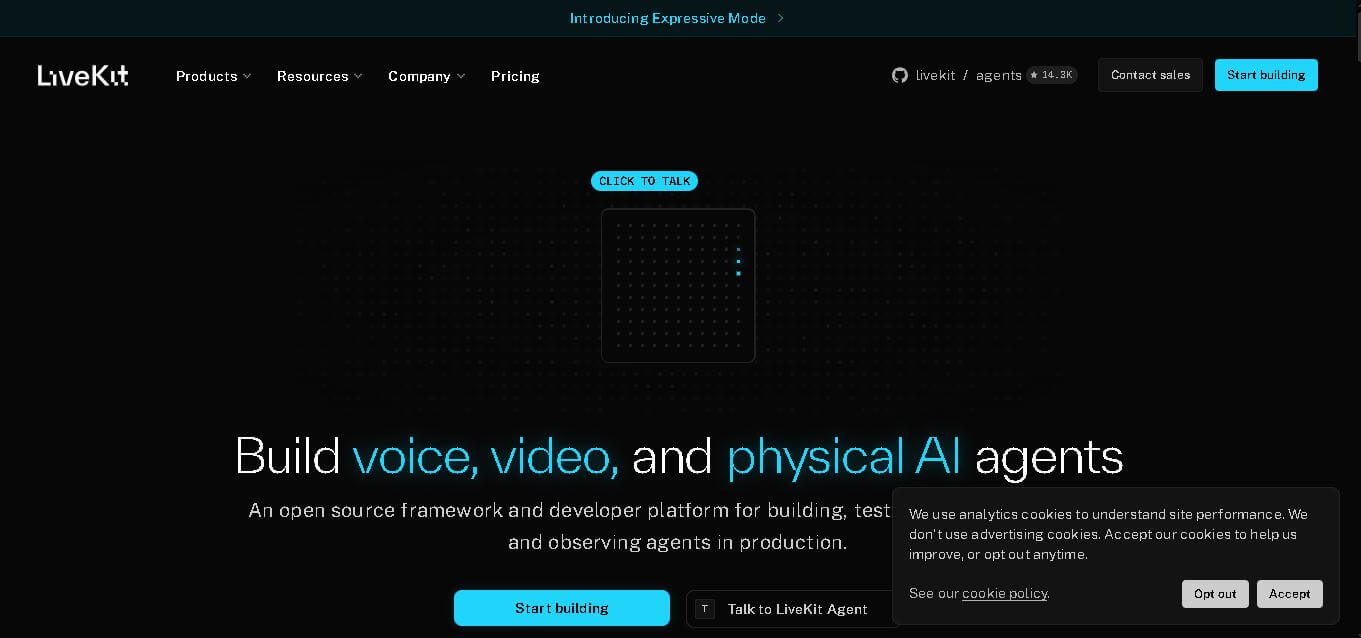
LiveKit is a real-time communication and AI agent development platform designed for developers building voice, video, and multimodal applications. It combines open-source infrastructure, WebRTC communication, AI agent tools, telephony integrations, model connectivity, cloud deployment, and observability, helping teams create responsive applications that can operate across browsers, mobile apps, and phone calls.
 4.8
4.8RTutor AI
Developer AI Tools
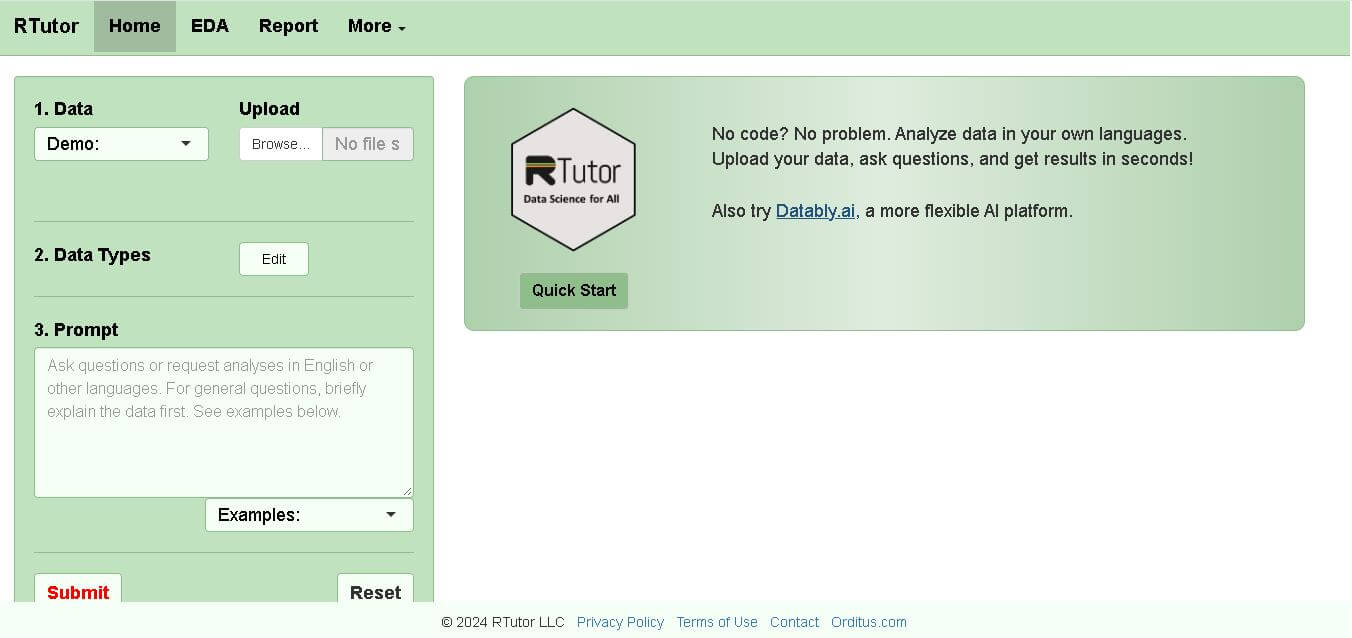
RTutor makes statistical data analysis easier by allowing users to describe what they want in natural language. It converts requests into R or Python code, executes the analysis, displays results, and supports charts and reports. Researchers, students, analysts, and beginners can use it to explore datasets without writing every command manually.
 4.9
4.9Chat Recall
Developer AI Tools
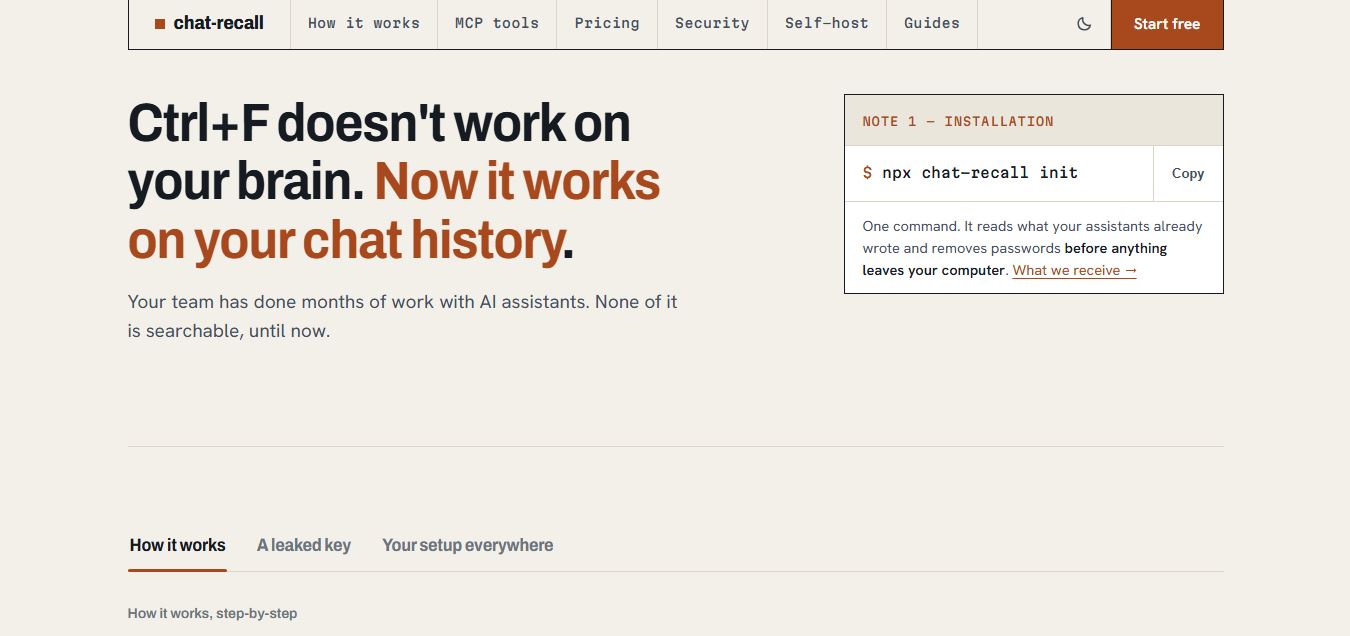
Chat Recall is a unified AI coding chat history search, intelligence, and Model Context Protocol (MCP) memory platform that indexes past conversations across multiple AI coding assistants, strips exposed API secrets locally, and gives coding agents persistent shared memory.
 4.9
4.9Cortex Docs
Developer AI Tools
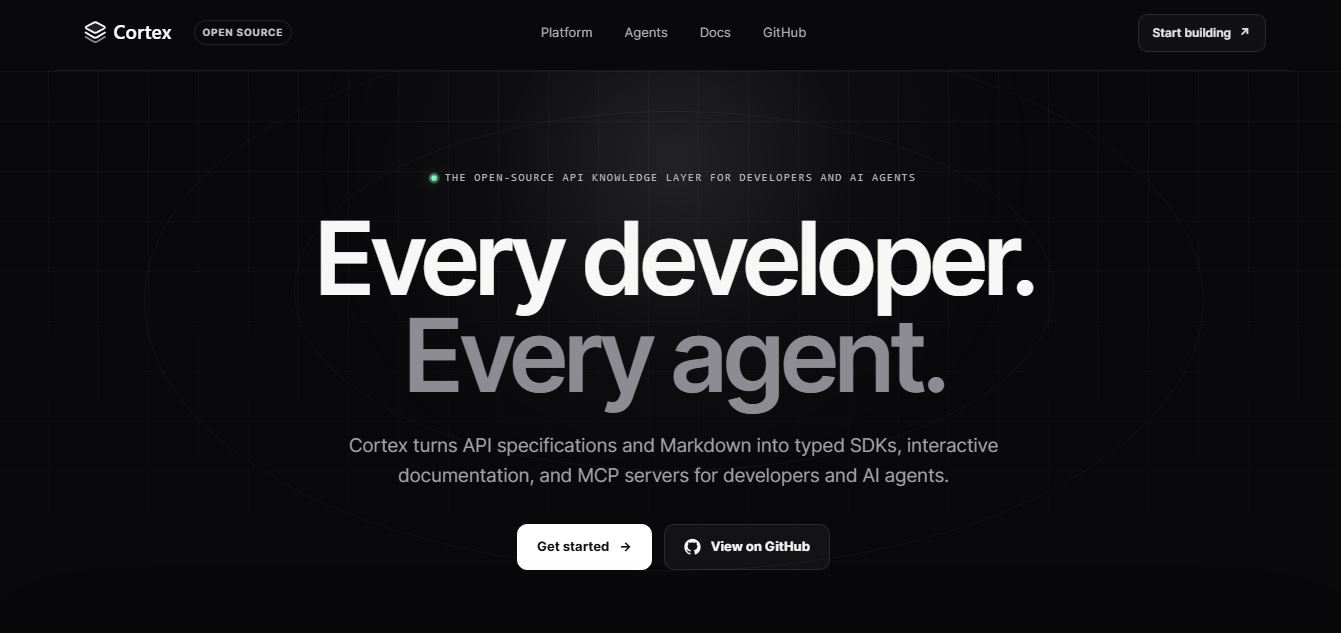
Cortex Docs is an open-source, MIT-licensed API knowledge layer and code generation toolchain that transforms API specifications into interactive documentation sites, typed SDKs in 11 languages, and Model Context Protocol (MCP) servers.
 4.9
4.9Stackness
Developer AI Tools
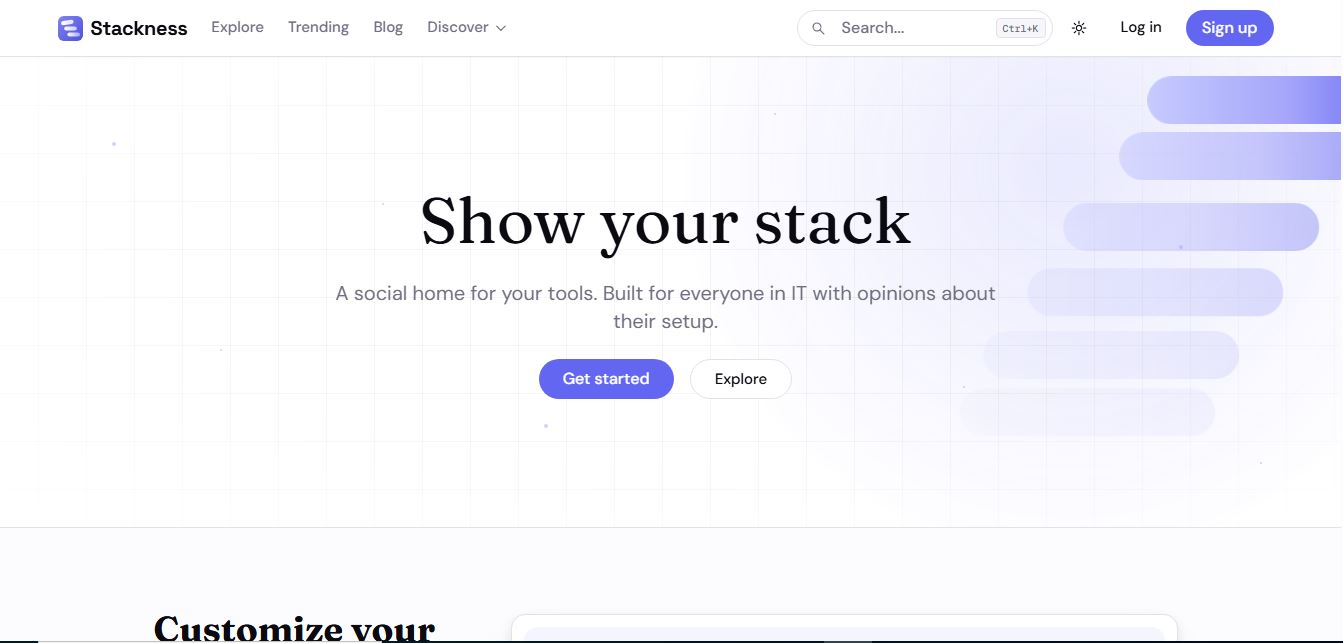
Stackness is a developer-focused social portfolio and tech stack discovery platform where engineers, designers, and tech teams showcase their daily drivers, document workflow 'Moves', explore software trend telemetry, and arrange their tooling profiles as customizable bento grids.