
OpenAI Sora
OpenAI Sora is a flagship diffusion-transformer text-to-video and image-to-video generation model developed by OpenAI, capable of simulating complex real-world physical dynamics, camera movement, synchronized audio, and multi-shot cinematic video sequences up to 1080p resolution.
What is OpenAI Sora?
OpenAI Sora is a state-of-the-art text-to-video and image-to-video foundation model engineered by OpenAI. Designed to understand and simulate physical world dynamics in motion, Sora transforms natural language prompts or reference still images into photorealistic and stylized video sequences complete with synchronized audio, complex lighting, and cinematic camera trajectories.
Built around the mission to “Teach AI to understand and simulate the physical world in motion,” Sora represents a fundamental leap beyond traditional frame-interpolation generators. By utilizing a diffusion transformer architecture operating on spacetime visual patches, Sora models 3D spatial consistency, object persistence, character interactions, and multi-shot storytelling natively across standard widescreen, square, and vertical mobile aspect ratios.
- Platform Role: Generative Video Foundation Model, Cinematic Storyboard Engine & Visual World Simulator
- Developer & Organization: OpenAI (San Francisco, California)
- Platform Access: Web application (sora.chatgpt.com / sora.com), ChatGPT Plus/Pro integrations, and OpenAI API developer endpoints
Use Cases:
- Directing cinematic video sequences, trailers, and short films with smooth camera pans, tracking shots, and depth of field
- Transforming still conceptual photographs or digital art into fluid video animations while preserving character likeness and scene styling
- Producing high-impact advertising concepts, social media reels, and product demonstrations in vertical and widescreen formats
- Remixing and extending video footage forward or backward in time, seamlessly blending two disparate scenes together
- Generating realistic physical simulations and lighting environments for visual effects (VFX) pre-visualization
Technology:
- Diffusion Transformer (DiT) architecture: scales visual modeling by treating video and image frames as discrete spacetime latent patches
- Native synchronized audio generation: synthesizes ambient environmental sound effects, Foley textures, and tonal music alongside video generation
- Deep prompt adherence powered by re-captioning models that accurately translate complex descriptive narratives into visual actions
- Advanced safety classifiers and provenance watermarking adhering to C2PA metadata standards to verify AI-generated origins
Target Users:
- Filmmakers, cinematographers, and animators creating digital storyboards, concept pre-visualizations, and experimental shorts
- Advertising agencies and creative directors producing multi-scene commercial prototypes and social video ad variations
- Content creators, streamers, and video editors producing high-definition background footage, cutscenes, and social video clips
- Creative technologists and developers integrating video generation pipelines via the OpenAI API
Acquisition: Generative AI media software operated by OpenAI

What are the key features of OpenAI Sora?
OpenAI Sora's key platform features are
- High-Fidelity Text-to-Video: Generates fluid video sequences in resolutions ranging from 480p up to 1080p HD based strictly on written descriptive prompts.
- Image-to-Video Animation: Takes any input image and animates its contents with accurate physics, plausible lighting changes, and camera movement.
- Synchronized Native Audio: Produces matching sound effects, atmospheric background noise, and musical scoring generated simultaneously with the visuals.
- Spacetime Visual Consistency: Maintains character appearance, background integrity, and physical object continuity across complex multi-shot cuts.
- Video Remix & Blend Tools: Combines two distinct videos into an interpolated hybrid or modifies styles and elements within an existing generation.
- Temporal Video Extension: Extends existing clips forward or backward in time to flesh out narrative context and pacing.
- Multi-Format Output Control: Supports cinematic widescreen (16:9), social mobile vertical (9:16), and square (1:1) aspect ratios.
- C2PA Provenance Integration: Automatically embeds tamper-evident digital metadata verifying the asset's origin and AI generation chain.
How much does OpenAI Sora cost?
Sora is accessed primarily through ChatGPT subscription tiers, with developer API pricing billed per generated video second.
ChatGPT Subscription Plans:
- ChatGPT Plus ($20 / month): Includes standard access to Sora with monthly generation quotas (e.g., up to 50 priority video generations per month at 480p/720p resolution and up to 5-second durations).
- ChatGPT Pro ($200 / month): Designed for heavy creators, unlocking up to 500 priority generations per month, higher resolution outputs up to 1080p, extended video clip durations (up to 20 seconds), faster processing priority, and watermark-free downloads.
OpenAI Developer API:
- Pay-Per-Second API Access: Video generation endpoints priced per output second based on resolution (e.g., ~$0.10 - $0.30/sec for 720p, up to ~$0.50 - $0.70/sec for 1080p high-fidelity generation).
Disclaimer: Sora web access requires an active ChatGPT Plus or Pro subscription. Video generation allowances, resolutions, and credit pools scale with subscription tiers. Check openai.com/pricing for active details.
Who should use OpenAI Sora?
OpenAI Sora is designed for visual storytellers, filmmakers, and digital agencies, including
- Independent Filmmakers & Directors: Rapidly prototyping visual styles, camera choreography, and multi-scene sequences before shooting.
- Creative Ad Agencies: Testing dozens of conceptual video ad pitches, visual hooks, and campaign mood boards without physical production costs.
- Visual Effects Artists: Generating dynamic environmental plates, surreal background simulations, and atmospheric video textures.
- Social Media Content Creators: Crafting eye-catching video clips and animated visual loops tailored for TikTok, Instagram Reels, and YouTube Shorts.
What are the best alternatives to OpenAI Sora?
Some of the strongest OpenAI Sora alternatives include
What are the pros and cons of OpenAI Sora?
What are the pros of OpenAI Sora?
- Exceptional simulation of real-world physics, reflective lighting, and complex camera movements
- Deep prompt adherence captures intricate, layered instructions accurately without dropping details
- Native integrated audio produces synchronized Foley sound effects and atmospheric musical scoring
- Strong object and character persistence across multi-shot cuts and video blends
- Seamless integration into the ChatGPT ecosystem and OpenAI API developer workflows
What are the cons of OpenAI Sora?
- No standalone free tier; requires a paid ChatGPT Plus ($20/mo) or Pro ($200/mo) subscription
- Complex physical interactions (such as eating food or complex mechanical collisions) can still produce occasional morphing glitches
- Rendering long, high-resolution 1080p clips can be compute-intensive and subject to strict generation credit caps
Why should you choose OpenAI Sora?
Many early generative video models feel like animated paintings—stiff, looping GIFs that fail as soon as characters walk behind objects or the camera turns a corner. OpenAI Sora overcomes this by functioning as a true world simulator. By training diffusion transformers on vast spacetime patches, Sora understands how objects, light, and perspective interact in physical space, delivering cinematic video generations with natural continuity and matching audio.
- Create cinematic video scenes with complex camera pans and spatial continuity from simple prompts
- Bring still photos and concept designs to life with dynamic image-to-video animation
- Generate synchronized audio, Foley textures, and sound design natively with your footage
- Export in full 1080p resolution across landscape, square, and vertical mobile formats
How does OpenAI Sora compare to competitors?
The primary distinctions between OpenAI Sora, Runway Gen-3, Google Veo, and Kling AI center around world simulation physics, prompt interpretation, and audio integration. While Runway excels in granular cinematic motion brush controls and Kling provides stylized motion dynamics, Sora stands out for its deep semantic comprehension of complex narratives, object persistence across camera angles, and native synchronized audio design.
| Feature / Platform | OpenAI Sora | Runway (Gen-3 Alpha) | Google Veo | Kling AI |
|---|---|---|---|---|
| Core Focus | Physics World Simulation & Cinematic Video | Creative Motion Design & Video Editing Tools | High-Fidelity Cinematic AI Video & Dialogue | High-Motion Realism & Anime Stylization |
| Max Resolution | Up to 1080p HD | Up to 4K (via upscaling) | 1080p and 4K (Veo 2/3) | Up to 1080p HD |
| Audio Integration | Native synchronized audio & sound effects | Lip-sync & background audio generator | Native audio & dialogue generation | Native audio & sound design support |
| Motion Control Tools | Remix, Blend, Storyboard & Time Extensions | Motion Brush, Camera Control & Keyframing | Prompt-based visual camera directives | Camera trajectory & motion sliders |
| Pricing Access | ChatGPT Plus ($20/mo) / Pro ($200/mo) | Free trial / Plans from $12/mo | Google Workspace / Vertex AI tiers | Free daily credits / Paid from $10/mo |
| Best For | Photorealistic world simulation and complex storytelling | Granular post-production VFX and motion brush edits | Cinematic narrative video inside Google ecosystem | Dynamic character movements and stylized animations |
How do we rate OpenAI Sora?
| Parameter | Rating (out of 5) |
|---|---|
| Physics Realism & Visual Fidelity | 5.0 |
| Prompt Comprehension & Adherence | 4.9 |
| Synchronized Audio Quality | 4.8 |
| Camera Motion & Perspective Control | 4.9 |
| Value for Money | 4.7 |
| Overall Score | 4.86 |
What is our review and verdict on OpenAI Sora?
OpenAI Sora represents a transformative milestone in the evolution of generative artificial intelligence. By advancing past simple video generation into true physical world modeling, Sora sets an unprecedented benchmark for realistic camera movement, spatial awareness, and lighting coherence. For filmmakers, creative agencies, and content studios looking to visualize high-concept narratives in seconds, Sora offers a glimpse into the future of digital cinema.
What is the final conclusion on OpenAI Sora?
OpenAI Sora marks the arrival of practical, high-definition AI video production. With its sophisticated diffusion transformer architecture, native synchronized sound design, versatile aspect ratio handling, and deep prompt fidelity, Sora stands as an industry-defining tool for visual creators worldwide.
FAQ
What is Sora and what does it actually do?
Sora was an advanced AI text-to-video model developed by OpenAI that could generate realistic video clips from simple text prompts, images, or existing videos. It was designed to simulate real-world motion, lighting, and scenes, allowing users to create cinematic-quality videos without cameras or editing tools.
Can you still use Sora at sora.chatgpt.com?
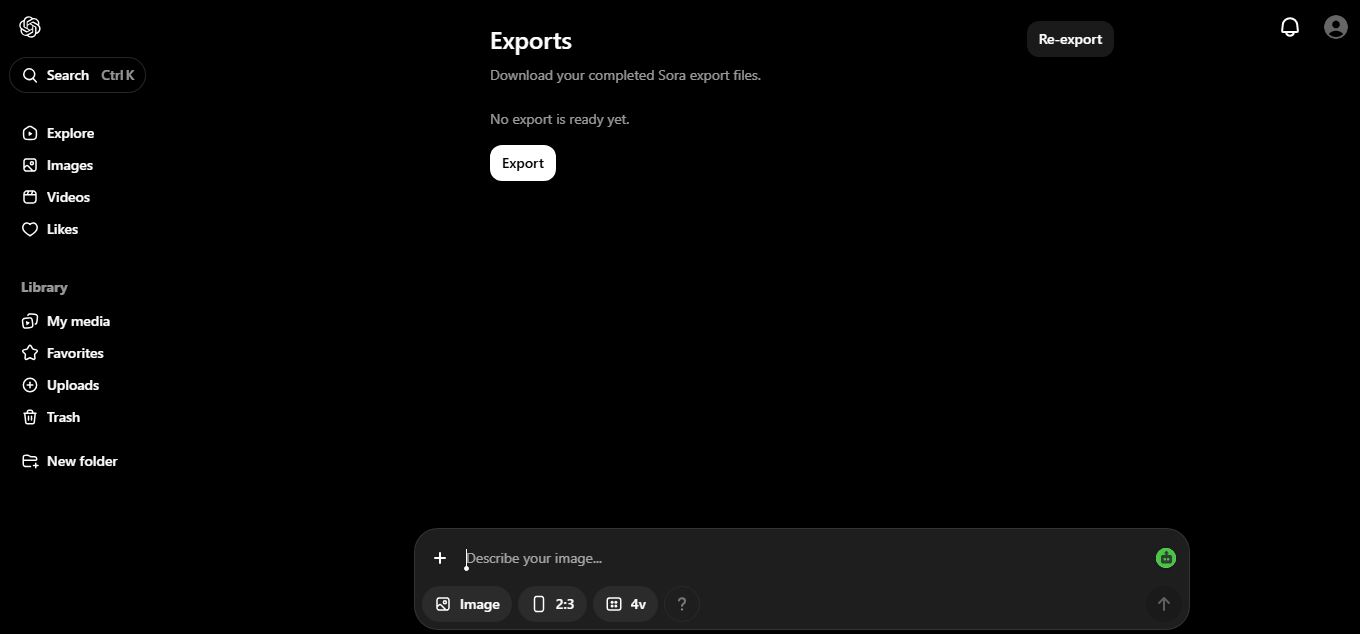
No, the Sora web app and product experience were officially discontinued on April 26, 2026. Users can no longer generate new videos through the platform, although a temporary export option was provided for previously created content.
Why was Sora discontinued?
Sora was shut down as part of a strategic shift by OpenAI to focus on other core AI products and enterprise offerings. Reports suggest factors like high computational costs, competition, and evolving priorities contributed to the decision to discontinue the consumer-facing video app.
Was Sora ever integrated into ChatGPT?
Although there were plans and early discussions about integrating Sora into ChatGPT, there is no confirmed evidence that a full video-generation feature was ever released inside ChatGPT for general users. The product remained separate and was later discontinued before such integration materialized.
What could Sora do when it was active?
Sora could generate short, high-quality videos (up to around a minute in early versions) based on prompts, animate still images, extend existing videos, and maintain scene consistency across frames. It used diffusion and transformer-based models to simulate realistic environments and motion.
Can you export your old Sora projects?
Yes, after the shutdown announcement, OpenAI allowed users to export their previously generated content through a dedicated “sunset” page. However, after the final export window, associated data may be permanently deleted.
What should you use instead of Sora now?
Since Sora is no longer available, users typically rely on alternative AI video or creative tools like RunDiffusion, OpenArt, or other generative platforms. Additionally, ChatGPT now focuses more on image generation and multimodal capabilities rather than standalone video creation through Sora.
User Reviews
No reviews yet for OpenAI Sora.
Featured Tools
Featured AI tools from TechShark

Melody Genie
MelodyGenie is an AI-powered music generator that creates original songs from simple text prompts. Users can choose styles, moods, and genres, then instantly generate melodies and full tracks, making it easy for creators, marketers, and hobbyists to produce custom music without musical expertise.
Freemium
Kimi AI
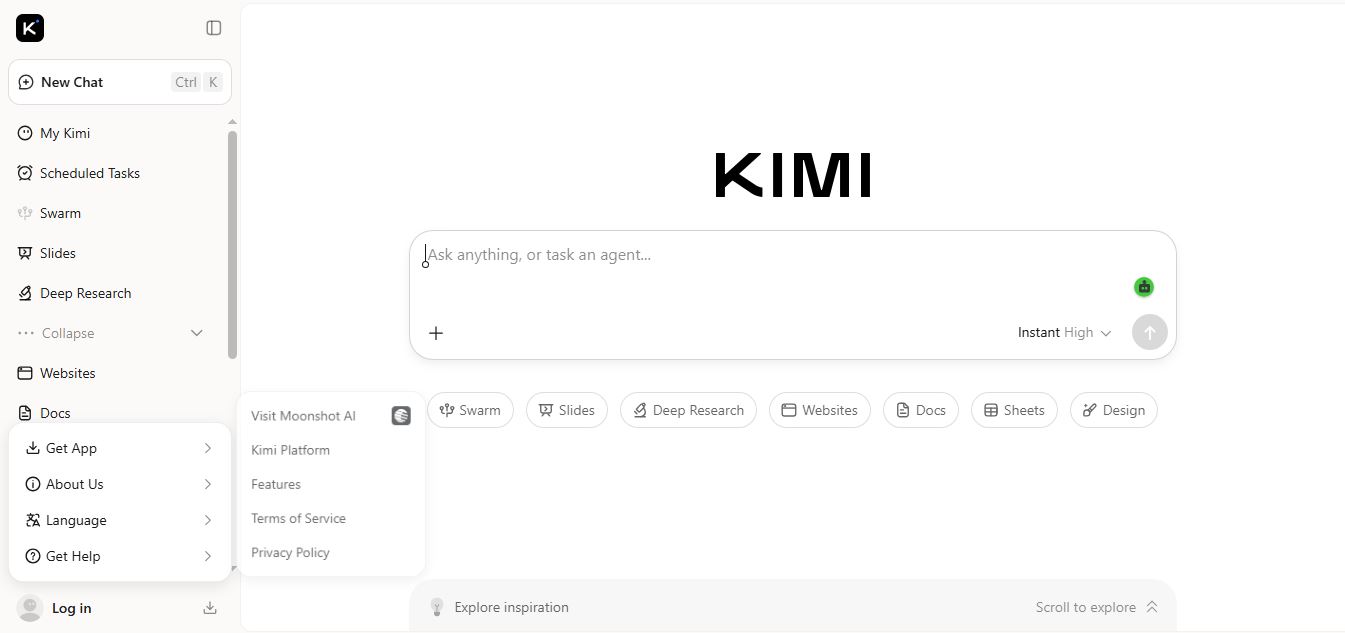
Kimi AI is an advanced AI assistant developed by Moonshot AI that helps you chat, research, write, code, and automate tasks in one place. It supports web search, file analysis, and multimodal inputs, and can even run autonomous “agent” workflows to complete complex tasks end-to-end.
Freemium

Fashion Diffusion AI
Fashion Diffusion is an AI-powered fashion design platform that helps brands and designers create clothing designs, virtual try-ons, AI models, product photos, and marketing visuals faster and cost-effectively.
Paid
Veo 4
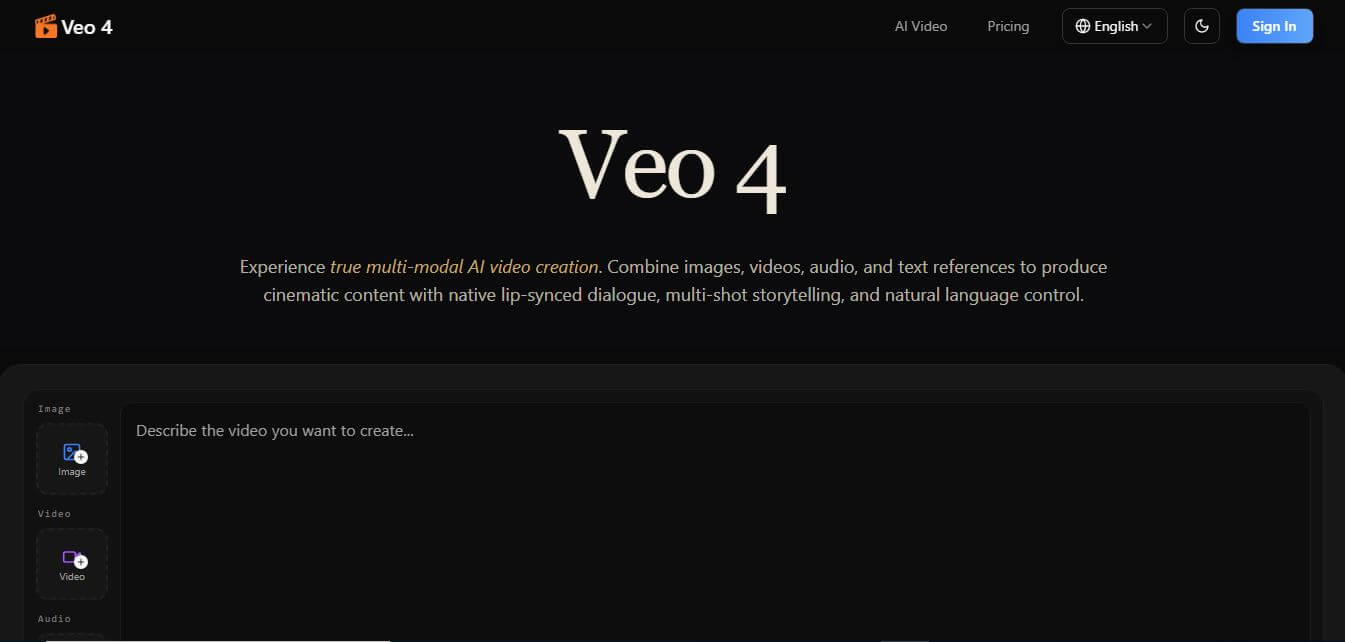
Veo 4 AI is an AI video creation platform that generates dramatic videos from text, images, audio, and video prompts using realistic motion and synchronized sound.
Paid
Alternatives
Alternatives to OpenAI Sora
The best OpenAI Sora alternatives include Runway (Gen-3/Gen-4), Google Veo, Kling AI, Luma Dream Machine, and Hailuo AI. While OpenAI Sora excels in real-world physics simulation, deep multi-paragraph prompt comprehension, and native synchronized audio, alternatives like Runway provide granular motion brush and camera control tools, and Kling AI offers specialized anime and stylized character dynamics.
 4.8
4.8Airbrush AI
Image
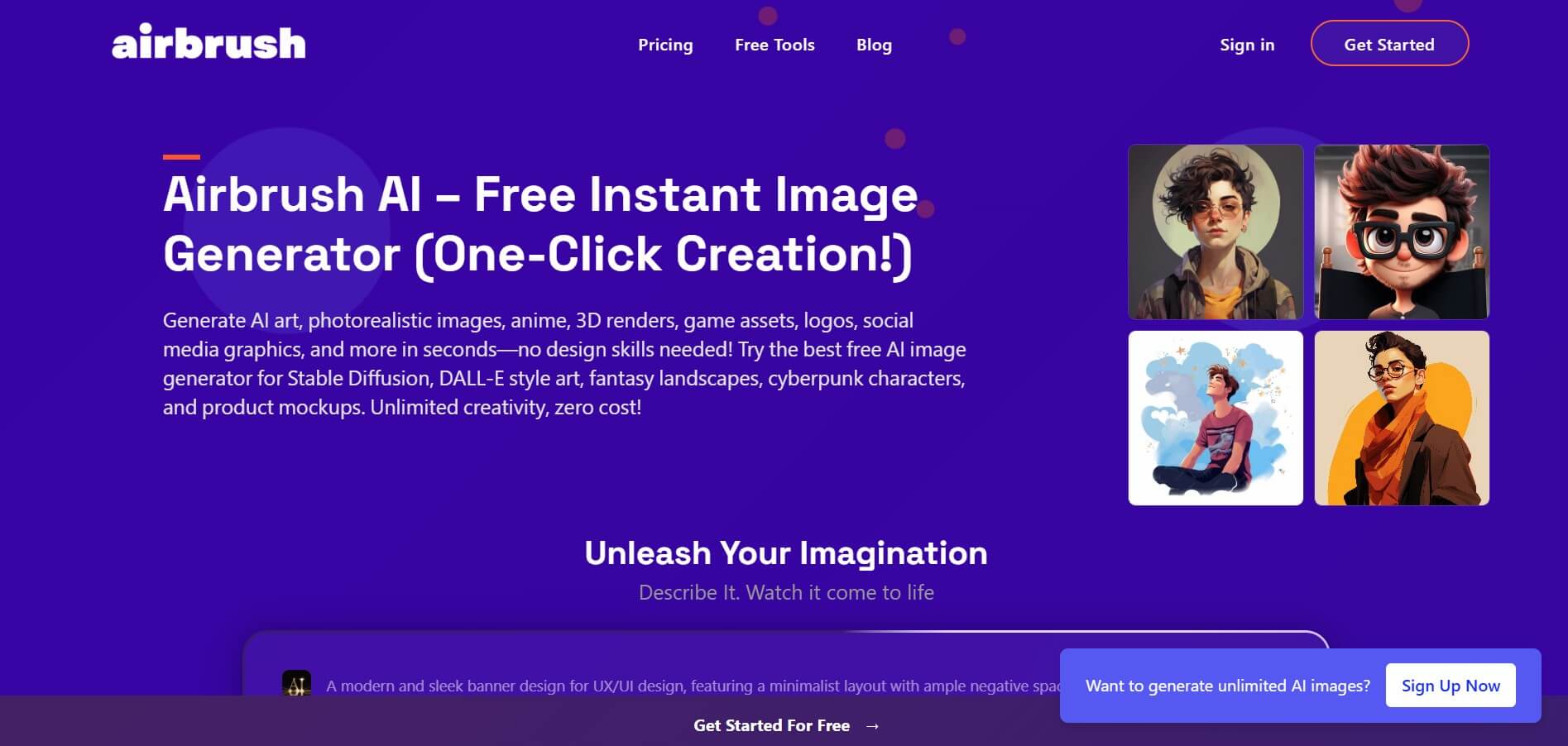
Airbrush is an AI-powered image generation and editing platform that helps users create, enhance, and customize visuals from simple text prompts. It supports multiple AI models and styles, enabling creators to generate artwork, marketing assets, and realistic images quickly without advanced design skills.
 4.8
4.8AliveAI
Image
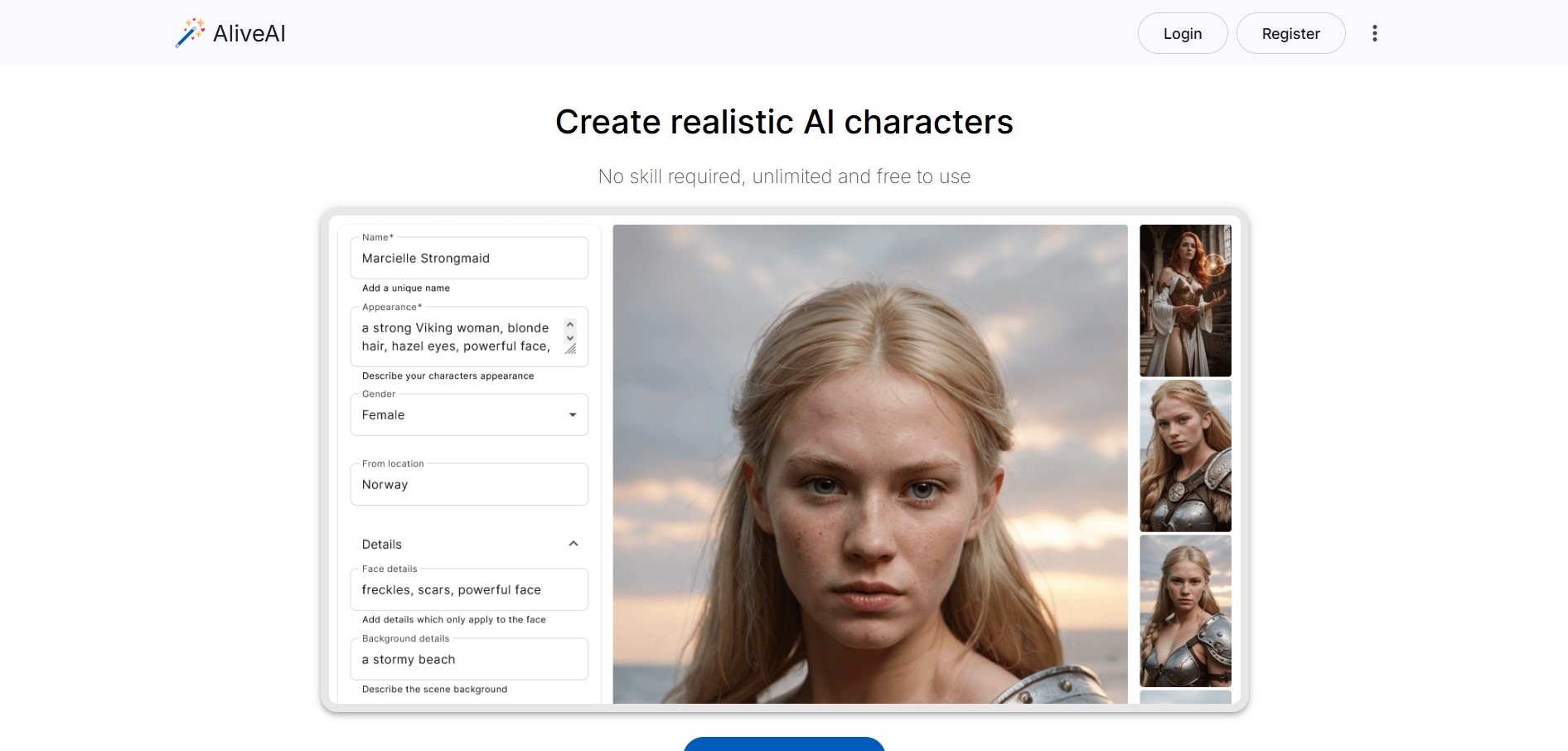
Alive AI is an AI content generation platform that lets users create realistic images, videos, and characters from simple text prompts. It supports multiple styles like realistic and anime, offers editing tools, and even enables interactive character chat, making it useful for creators and apps.
 4.9
4.9iPic Ai
Image
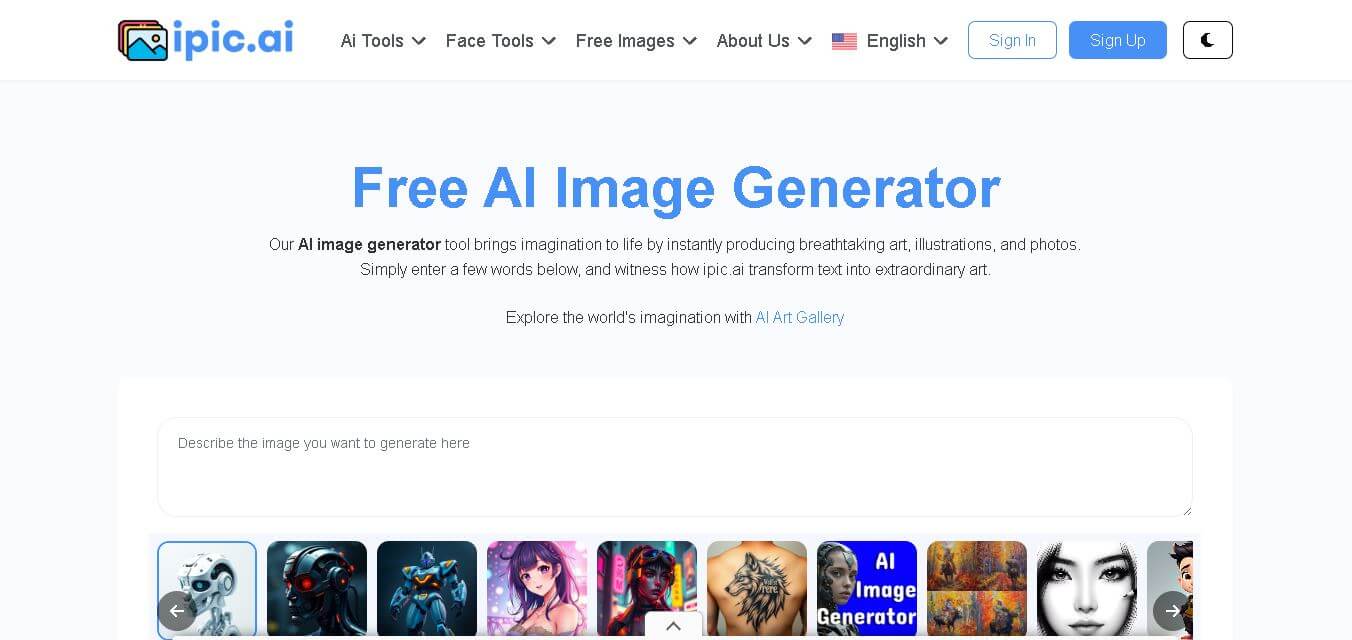
iPic is an AI-powered image generation and editing platform that lets users create visuals from text prompts and enhance photos with tools like background removal, upscaling, and style filters. It’s designed for quick, creative image creation for marketing, social media, and design needs.
Photoleap
Image
Photoleap is an AI-powered photo editing app that helps users create and enhance images with tools like background removal, AI image generation, effects, and retouching. It’s designed for both beginners and creators to easily transform photos into professional-looking visuals and creative designs.
 4.8
4.8Facewow
Image
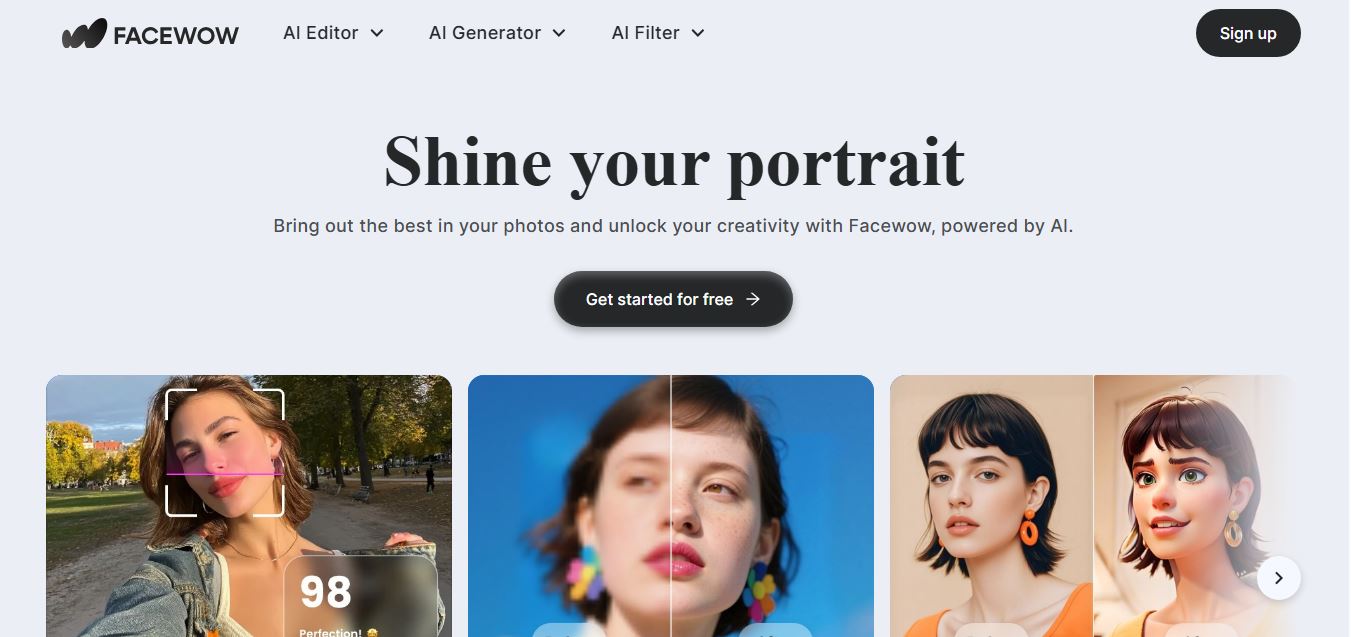
Facewow is an AI-powered photo enhancement tool that helps users improve portraits with features like face retouching, background editing, and image upscaling. It automatically enhances facial details and overall quality, making photos look clearer, more polished, and ready for social media or professional use.
 4.8
4.8Getimg AI
Image
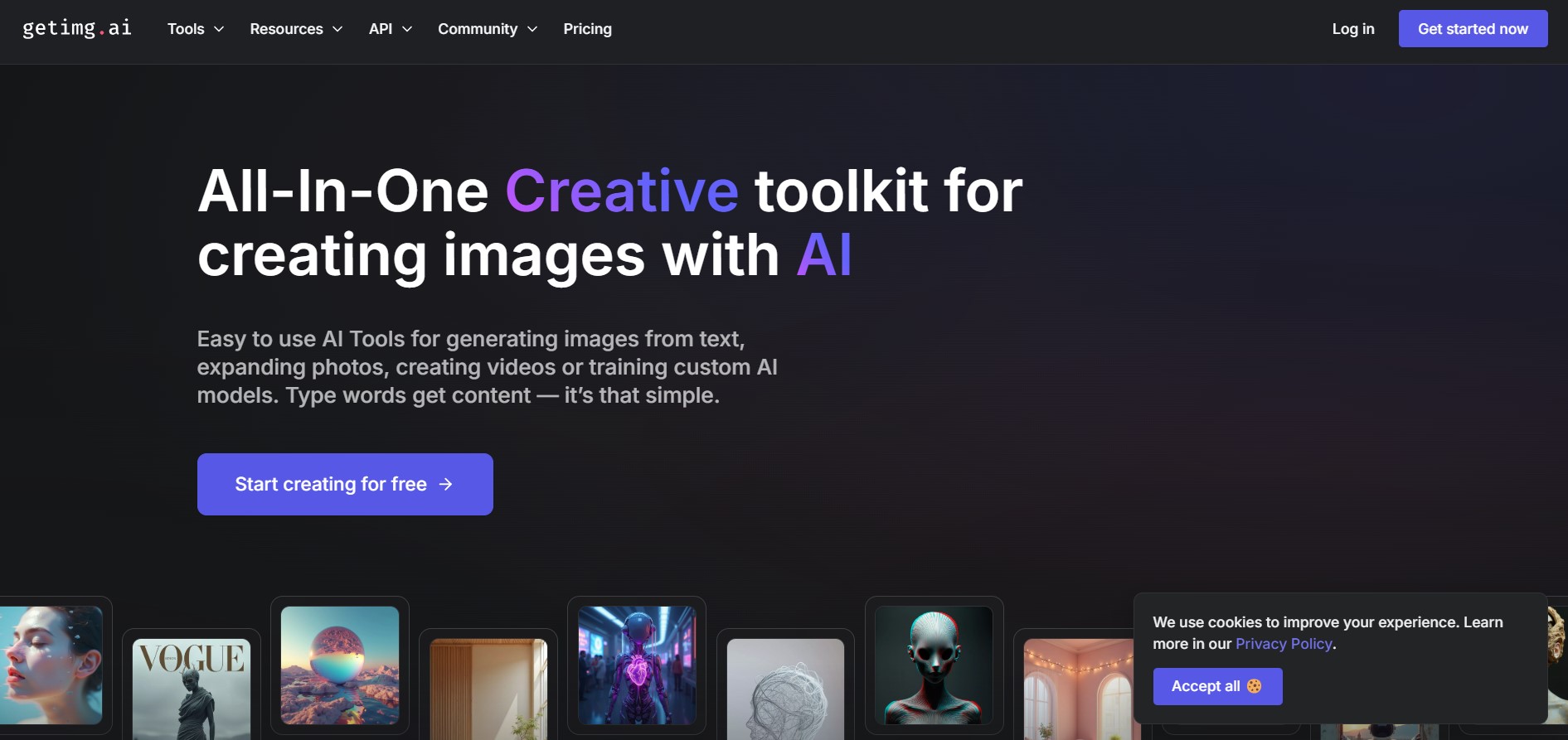
Getimg AI is an all-in-one AI creative studio and API platform that consolidates 20+ foundation models (including FLUX, Google Veo, Kling, Sora, Seedream, and Wan) across text-to-image, video generation, audio synthesis, and canvas editing under a unified credit balance.
 4.9
4.9Civitai
Image
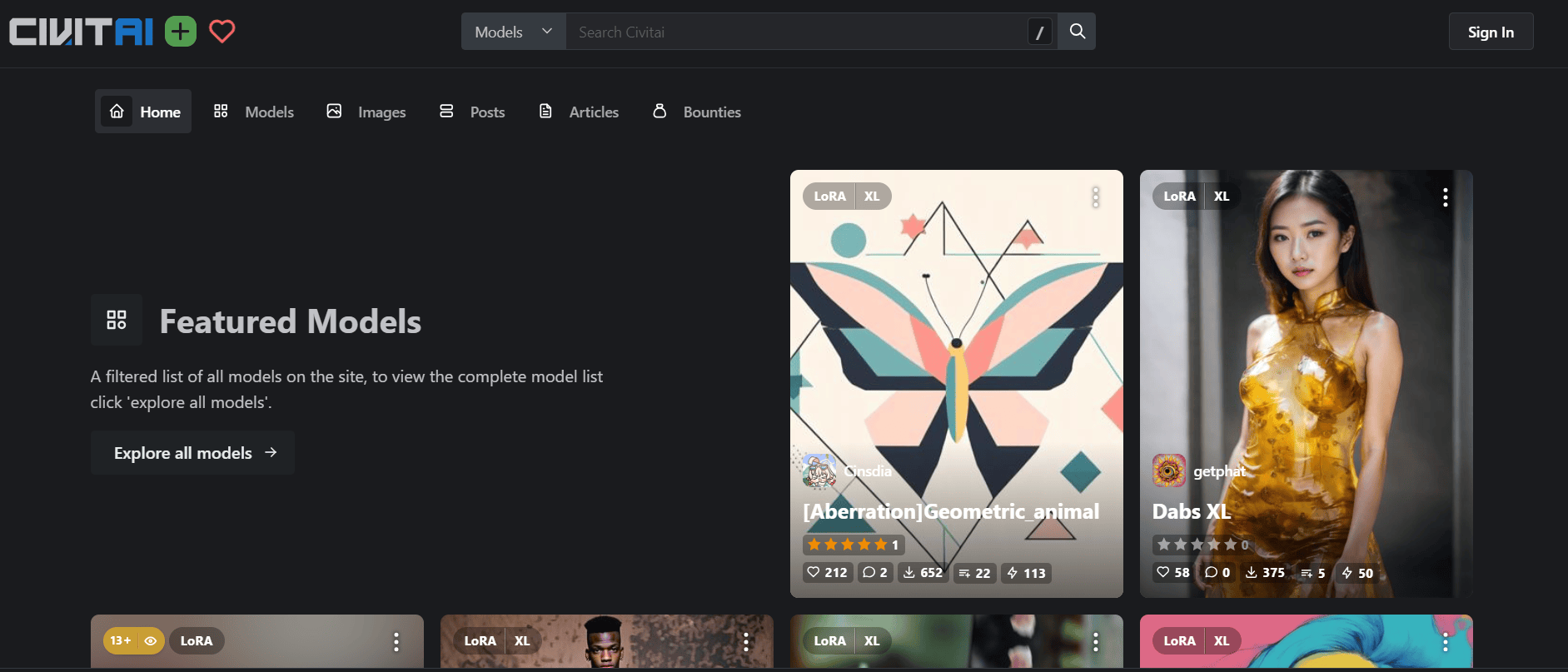
Civitai is the world's largest open-source generative AI model repository and creative community platform, hosting hundreds of thousands of checkpoints, LoRAs, and embeddings across SD 1.5, SDXL, Pony, Illustrious, and FLUX.1 with integrated cloud generation, LoRA training, and creator monetization.
 4.9
4.9Leonardo AI
Design
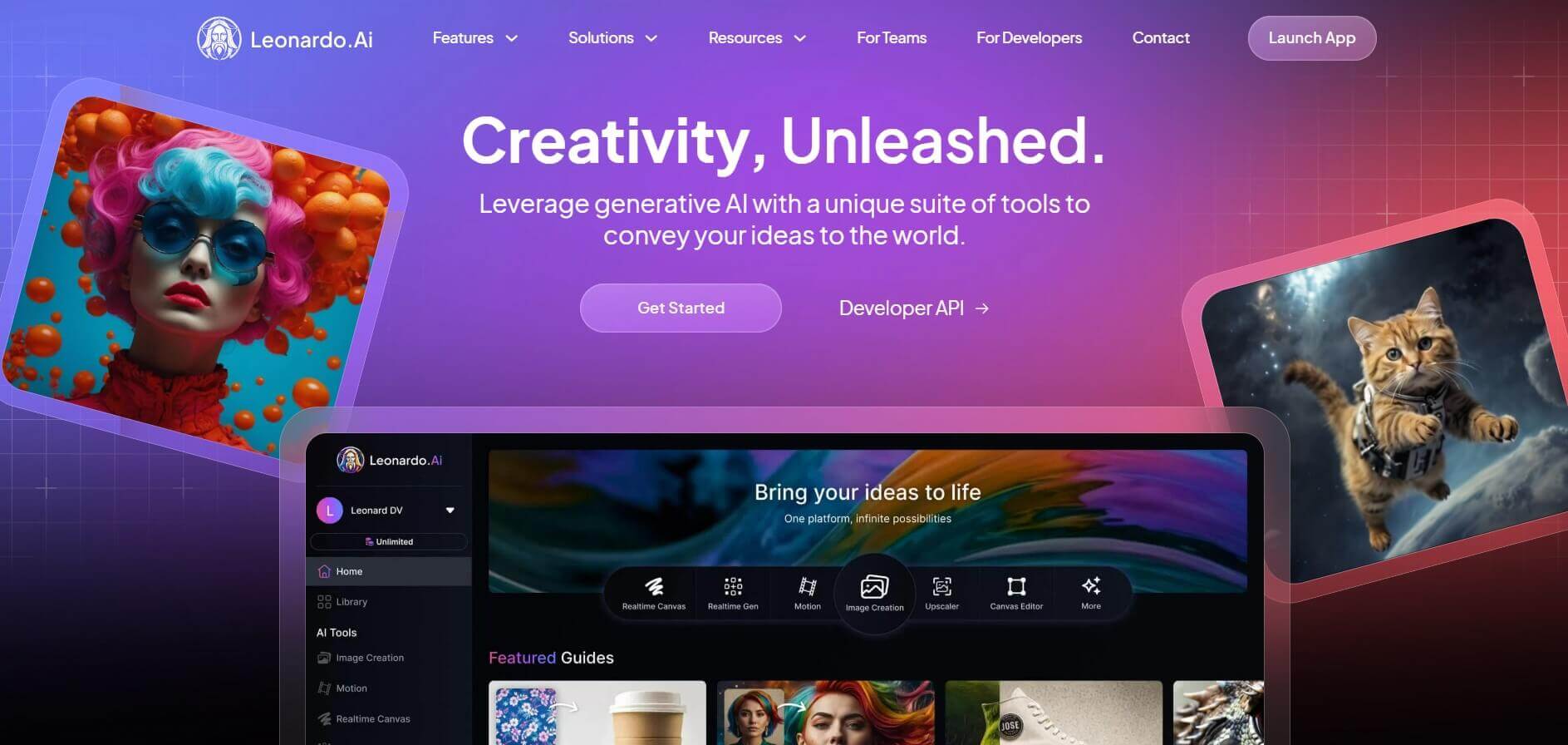
Leonardo is an advanced generative AI platform for image and video creation, featuring custom model fine-tuning (LoRA training), Real-Time Canvas, Real-Time Generation, and multi-model support across proprietary Phoenix, Lucid, and FLUX architectures.
 4.9
4.9Pixlr
Image
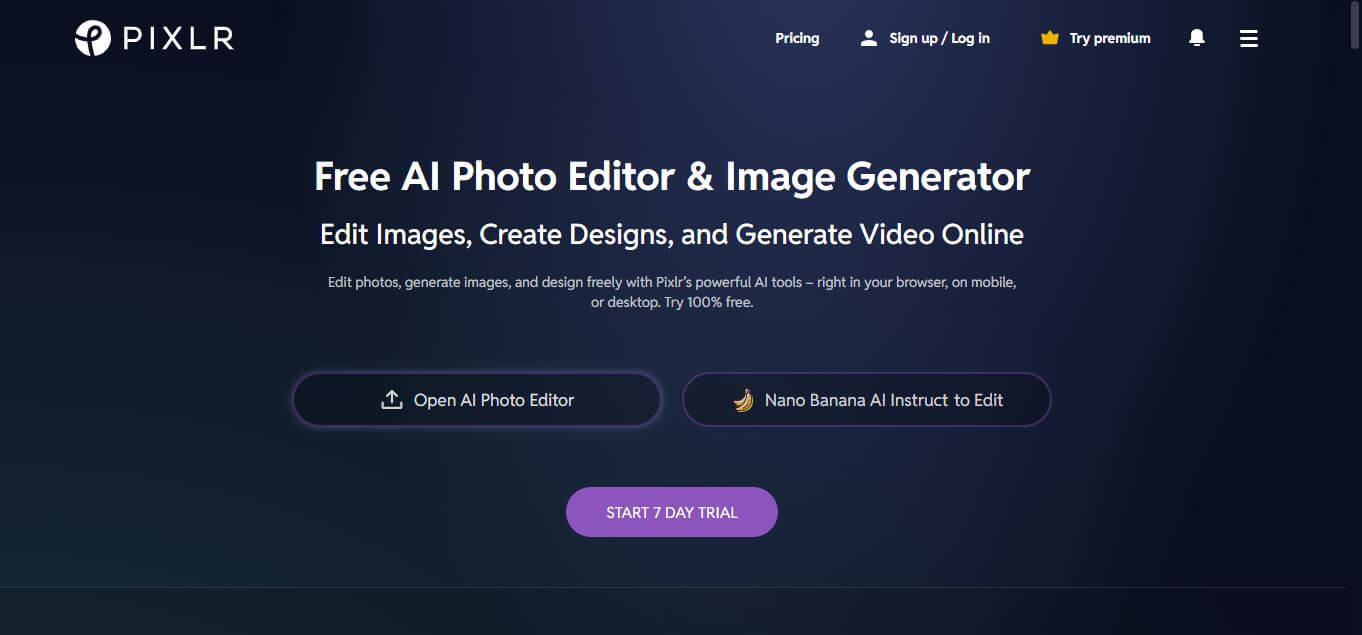
Pixlr is a browser-based AI photo editor and graphic design suite that combines layer-based photo retouching (Pixlr E), template-driven social design (Pixlr X), and generative AI tools like generative fill, background removal, and AI image generation.