
Iris.ai
Iris.ai helps enterprises and research teams organize complex information, analyze scientific literature, and build AI workflows using organizational knowledge. Its solutions support document extraction, contextual search, data processing, and AI response evaluation. The platform is particularly relevant to research-intensive businesses seeking better information retrieval, reliable answers, and controlled enterprise AI applications.
What is Iris.ai?
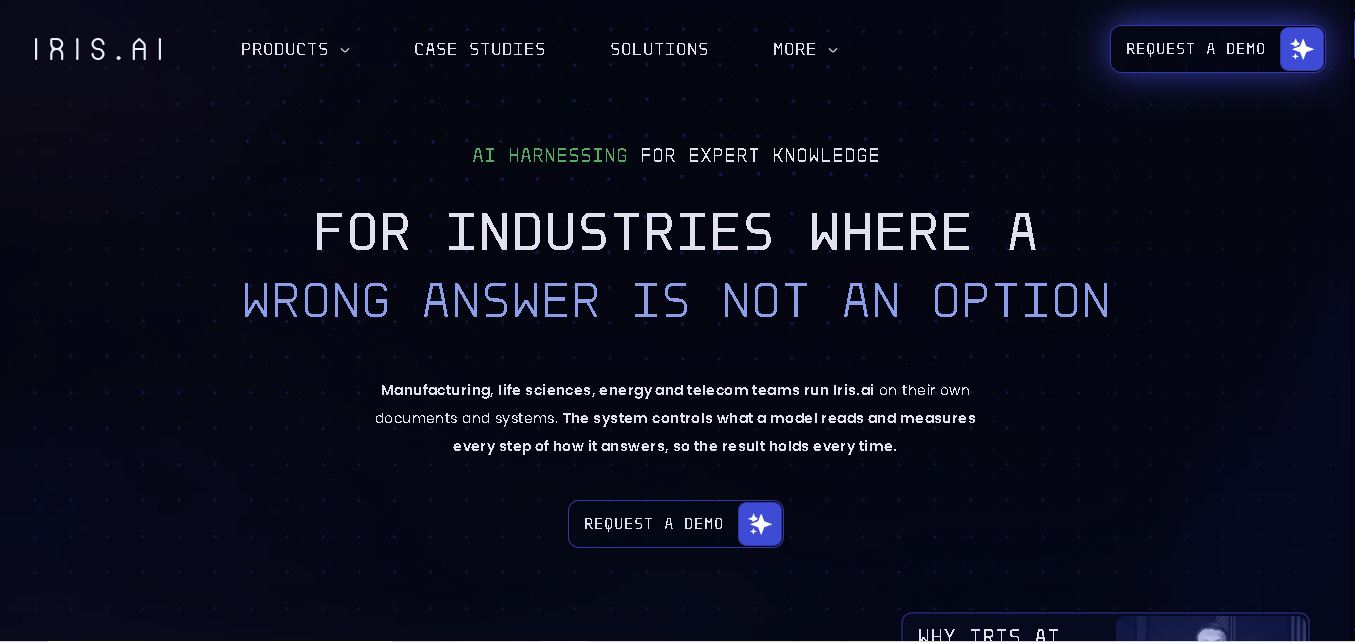
Iris.ai is an enterprise AI technology platform that helps organizations transform complex documents and internal data into reliable, usable knowledge. Its solutions support document processing, contextual information retrieval, scientific literature analysis, and AI workflow development. Researchers and businesses can use its technology to organize technical information, retrieve relevant evidence, and evaluate AI-generated responses. Iris.ai focuses on accuracy, traceability, and controlled AI deployment for industries where dependable information is essential.
Iris.ai was founded in 2015 by Anita Schjøll Abildgaard and Victor Botev, focusing initially on artificial intelligence for scientific research. Its current solutions include Axion for knowledge extraction, Neuralith for AI workflow orchestration, and RSpace for scientific literature search and analysis. In May 2024, the company announced a €7.64 million Series A funding round, bringing its reported total funding to €16 million. No single public pricing figure covers every deployment; enterprise costs depend on requirements, integrations, and implementation scope.
- Platform Focus: AI research workbench, enterprise knowledge synthesis, scientific literature mapping, patent landscape analysis, and systematic literature review
- Developer / Entity: Iris.ai AS
- Launch Year: 2016
Use Cases:
- Mapping complex cross-disciplinary research domains and building visual topic maps across millions of academic papers
- Conducting automated patent landscape analysis across English, Chinese, and Japanese patent databases
- Organizing proprietary enterprise documentation, technical standards, and clinical trial records into structured knowledge graphs
- Executing systematic literature screening, evidence extraction, and summary reporting for regulated life sciences research
- Reducing LLM token usage costs while ensuring 100% traceable, auditable reasoning paths for enterprise decision-making
Technology:
- Neuralith™ and Axion™ engines providing neural topic extraction, semantic concept mapping, and enterprise knowledge graph building
- Model-agnostic AI layer integrating dense vector retrieval with fine-tuned LLM evaluation and domain guardrails
- RSpace™ research environment offering custom dataset integration, multi-lingual translation, and automated document synthesis
Target Users:
- R&D scientists, material engineers, and innovation leaders at industrial manufacturing firms (e.g., ArcelorMittal)
- Biotech and pharmaceutical researchers managing scientific literature and clinical submissions
- Patent attorneys, IP specialists, and public sector research analysts navigating crisis-driven research
Corporate Entity: Operates as Iris.ai AS / iris.ai

Key features of Iris.ai
Iris.ai's key features are
- Enterprise Knowledge Graph (Neuralith™): Automatically maps semantic relationships across internal and external technical documents to ground AI outputs.
- Axion™ Data Intelligence: Ingests structured and unstructured files to build auditable context layers for R&D teams.
- RSpace™ Research Workspace: Precision intelligence suite enabling team collaboration, systematic review screening, and multi-lingual patent analysis.
- 100% Traceability & Guardrails: Eliminates hallucinations by tying every generated synthesis back to exact source passages and metrics.
- Multi-Lingual Patent Processing: Cross-references global patent filings across multiple languages (including English, Chinese, and Japanese) in a single workflow.
- Model-Agnostic Infrastructure: Flexible AI layer compatible with AWS, enterprise clouds, and custom LLMs without vendor lock-in.
Iris.ai Pricing
Iris.ai operates on an enterprise software subscription and custom deployment model tailored for research teams and industrial clients.
Enterprise & Team Licenses:
- Custom enterprise contracts based on organization size, data ingestion scale, deployment architecture (AWS cloud or on-premise), and product module access (Axion™, Neuralith™, RSpace™)
- Includes dedicated onboarding, proof-of-value pilots, and enterprise SLA support
Who is using Iris.ai?
Iris.ai is trusted by global industrial leaders and public sector institutes, including
- Industrial & Manufacturing Giants: ArcelorMittal (IP and patent evaluation) and global food manufacturers
- Public Sector & Life Sciences Institutions: Senior public health researchers and academic crisis-response teams
- Telecommunications & Energy Enterprises: Managing decades of engineering standards and asset documentation
Best Iris.ai Alternatives
Some of the strongest Iris.ai alternatives include
Pros and Cons of Iris.ai
Pros
- Transforms unstructured technical papers and patent databases into structured, auditable knowledge graphs
- Dramatically cuts research landscape mapping timelines from weeks down to a few days
- Fully model-agnostic platform with strict domain guardrails preventing AI hallucinations
- Cross-references multi-lingual patents (including Asian language filings) alongside scientific papers
Cons
- Enterprise subscription model is gated behind sales consultations rather than self-serve individual tiers
- Requires initial setup and onboarding for custom enterprise knowledge graph alignment
- Optimized for deep technical and regulated research rather than simple essay writing
Why Choose Iris.ai?
Iris.ai is the ideal choice for enterprise R&D teams and life sciences organizations that require a domain-grounded AI knowledge platform to navigate massive scientific literature and patent databases with absolute traceability.
- Organizes internal and external data into structured, versioned knowledge graphs
- Provides 100% auditable source paths for regulated industries where wrong answers carry high risks
- Accelerates technology landscape and patent search workflows by over 80%
- Delivers multi-lingual cross-analysis across global research repositories
Iris.ai vs. Competitors
The main difference between Iris.ai, Elicit, SciSpace, and PatSnap Eureka is that Iris.ai provides an enterprise-wide AI Knowledge Foundation (Axion™/Neuralith™) that ingests proprietary internal documents alongside global literature to build auditable knowledge graphs, whereas Elicit focuses on automated literature review matrices for academic papers, SciSpace emphasizes interactive PDF copilot reading, and PatSnap Eureka specializes in enterprise legal patent drafting. Iris.ai stands out for its enterprise knowledge graph grounding and auditable AI pipeline.
| Feature / Tool | Iris.ai (iris.ai) | Elicit | SciSpace | PatSnap Eureka |
|---|---|---|---|---|
| Core Focus | Enterprise AI Knowledge Graph & R&D Research Workbench | Automated Literature Review Matrix & Data Extraction | Academic Search & Interactive PDF Copilot | AI R&D Workspace & IP Patent Drafting Agent |
| Proprietary Data Ingestion & Graphs | Yes (Neuralith™ Knowledge Graphs) | Limited (PDF Uploads) | PDF Uploads | Enterprise Workspace |
| Multi-Lingual Patent Analysis | Yes (English, Chinese, Japanese Cross-Analysis) | No (Academic Papers Focus) | No (Academic Papers Focus) | Yes (Global Patent Databases) |
| Pricing Model | Custom Enterprise Subscription | Freemium SaaS Subscription | Freemium SaaS Subscription | Enterprise Custom Subscription |
| Best For | Enterprise R&D, Industrial Material Mapping & Auditable AI | Automated Paper Screening & Evidence Extraction | Exploratory Reading & Multi-Language Reader Copilot | Enterprise Patent Drafting & FTO Searches |
How do we rate Iris.ai?
| Parameter | Rating (out of 5) |
|---|---|
| Enterprise Knowledge Graph & Data Grounding | 4.9 |
| Literature Mapping & Patent Cross-Analysis | 4.9 |
| Traceability & Guardrails (Zero Hallucination) | 5.0 |
| Multi-Lingual Processing & Speed | 4.8 |
| Value for Money (Enterprise Scale) | 4.7 |
| Overall Score | 4.86 |
Iris.ai Review
Iris.ai is a powerhouse platform for enterprise R&D and scientific intelligence. By bridging proprietary document repos with global academic and patent literature into structured, auditable knowledge graphs (Neuralith™), it eliminates the risk of AI hallucinations while dramatically accelerating technology mapping timelines. Its ability to cross-reference multi-lingual patents alongside peer-reviewed literature makes it an invaluable asset for industrial, life sciences, and manufacturing leaders.
Conclusion
Iris.ai is a premier AI knowledge foundation and research workbench that redefines scientific discovery. By turning fragmented enterprise data and global research into auditable, contextualized intelligence, it empowers R&D teams to innovate faster with complete confidence.
FAQ
What can you use Iris.ai for?
Iris.ai can help you find relevant scientific information, process complex documents, and organize organizational knowledge. If you work in research, manufacturing, pharmaceuticals, or another technical field, its tools can support information discovery and AI-powered workflows. Its enterprise solutions are designed to improve access to knowledge while maintaining greater control over generated answers.
How does Iris.ai help researchers?
Iris.ai helps researchers explore scientific literature, identify relevant documents, and analyze technical information more efficiently. Instead of relying exclusively on exact keyword matches, its research technology supports contextual discovery across related subjects. This can help you investigate unfamiliar research areas, organize findings, and identify useful connections before conducting deeper analysis or preparing literature reviews.
Is Iris.ai suitable for businesses?
Yes, Iris.ai is designed for enterprises that need reliable access to complex internal information. Organizations can use its technology to process documents, connect knowledge sources, and develop controlled AI workflows. It is particularly relevant to research-intensive industries where accuracy, traceability, data governance, and consistent responses matter more than simply generating quick answers.
What are the main features of Iris.ai?
Iris.ai offers capabilities for knowledge extraction, contextual information retrieval, AI workflow orchestration, and response evaluation. Its Axion solution structures information from enterprise documents, Neuralith coordinates AI workflows, and RSpace supports scientific literature research. Together, these capabilities help organizations convert scattered information into usable knowledge and develop AI applications with stronger evaluation and control mechanisms.
Does Iris.ai support scientific literature analysis?
Yes, Iris.ai has a history of developing tools for scientific literature discovery and analysis. Its RSpace solution helps research and development teams search scientific and technical literature. These capabilities can support literature reviews, research exploration, and evidence gathering, although researchers should still verify original publications and assess the quality of relevant findings before drawing conclusions.
Can Iris.ai process internal company documents?
Yes, Iris.ai's enterprise technology is designed to work with organizational knowledge, including unstructured documents and complex data sources. Its Axion solution helps transform information from formats such as PDFs, reports, patents, images, and tables into structured knowledge. This can make internal information easier for AI systems to retrieve, interpret, and use in business workflows.
User Reviews
No reviews yet for Iris.ai.
Featured Tools
Featured AI tools from TechShark

Klap
Klap is an AI-powered video editing tool that turns long videos into engaging short clips for TikTok, Instagram Reels, and YouTube Shorts. It automatically finds the best moments, adds captions, and resizes videos, helping creators save time and create more content with less effort.
Free

Melody Genie
MelodyGenie is an AI-powered music generator that creates original songs from simple text prompts. Users can choose styles, moods, and genres, then instantly generate melodies and full tracks, making it easy for creators, marketers, and hobbyists to produce custom music without musical expertise.
Freemium

Fashion Diffusion AI
Fashion Diffusion is an AI-powered fashion design platform that helps brands and designers create clothing designs, virtual try-ons, AI models, product photos, and marketing visuals faster and cost-effectively.
Paid
Veo 4
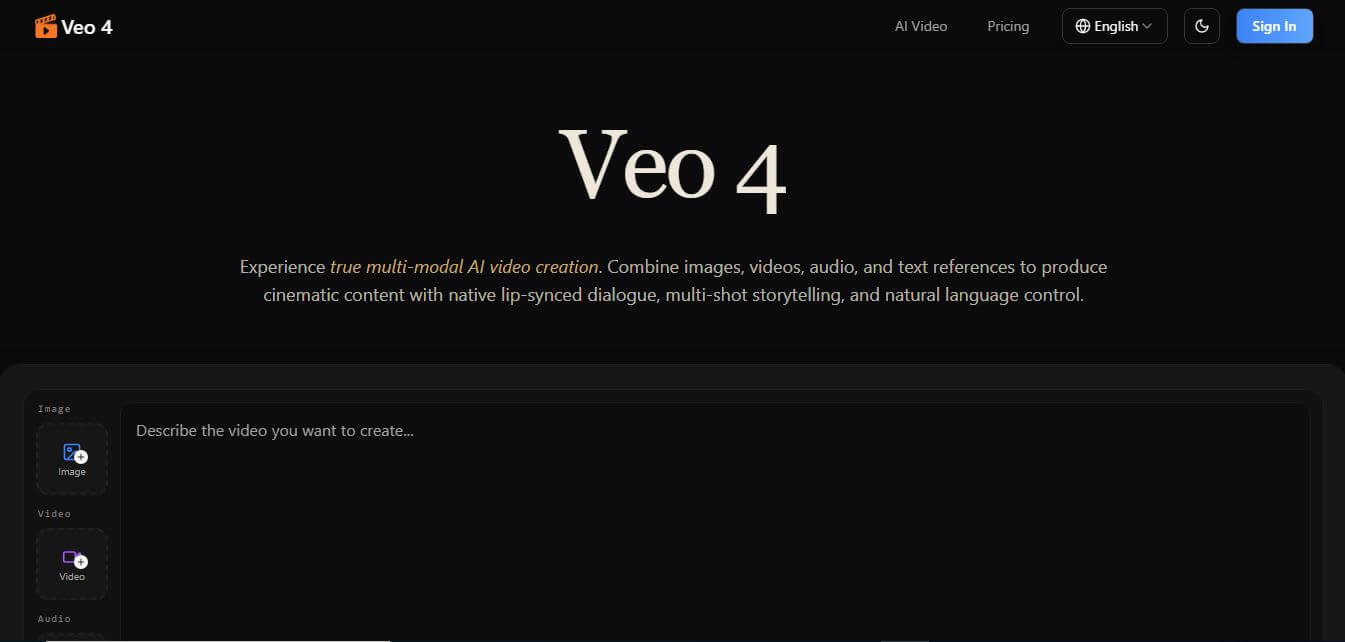
Veo 4 AI is an AI video creation platform that generates dramatic videos from text, images, audio, and video prompts using realistic motion and synchronized sound.
Paid
Alternatives
Alternatives to Iris.ai
The best Iris.ai alternatives include Elicit, SciSpace, Nested Knowledge, PatSnap Eureka, Perplexity Patents, and ResearchRabbit. These tools offer academic search, literature extraction, and IP research. While Iris.ai specializes in building enterprise-grade knowledge graphs (Neuralith™) and auditable multi-lingual research workbenches for R&D teams, alternatives like Elicit focus on literature review matrix extractions.
 4.8
Summate.it
Research
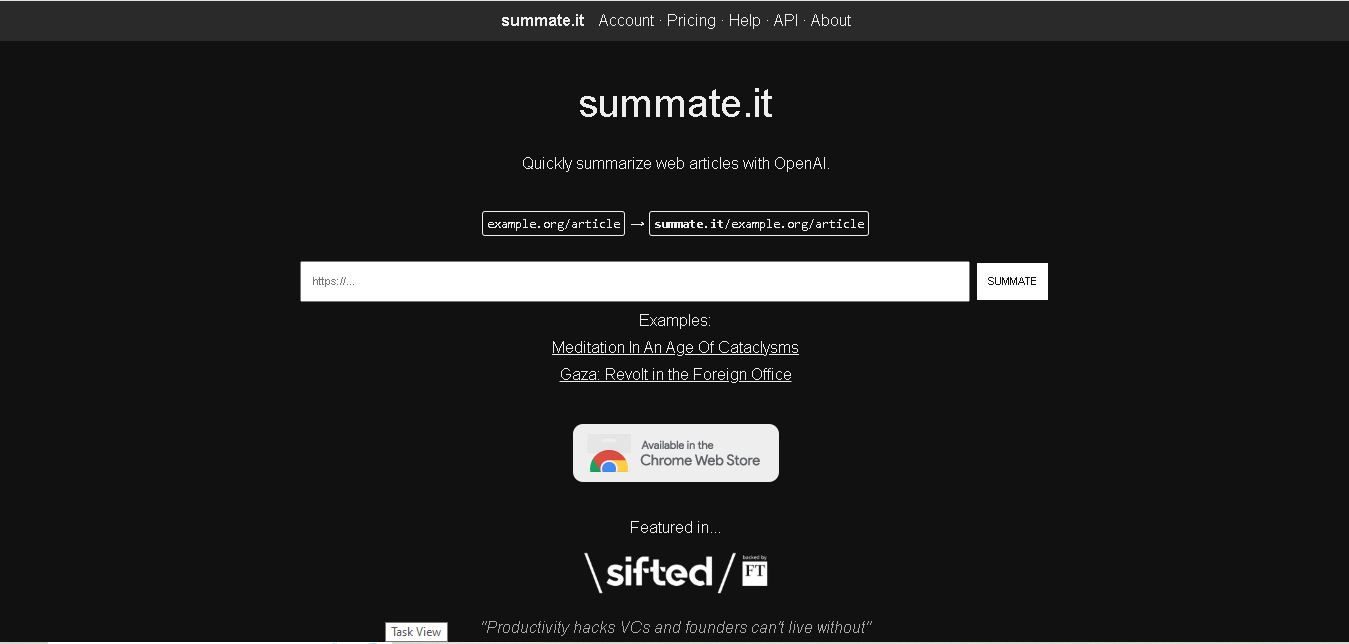
Summate.it is a web-based AI article summarizer that helps users understand lengthy online content quickly. It extracts article text and uses OpenAI to generate concise summaries highlighting essential information. Students, researchers, marketers, and professionals can use it to review online articles efficiently, save reading time, and simplify everyday information gathering.
 4.9
Cradle
Research
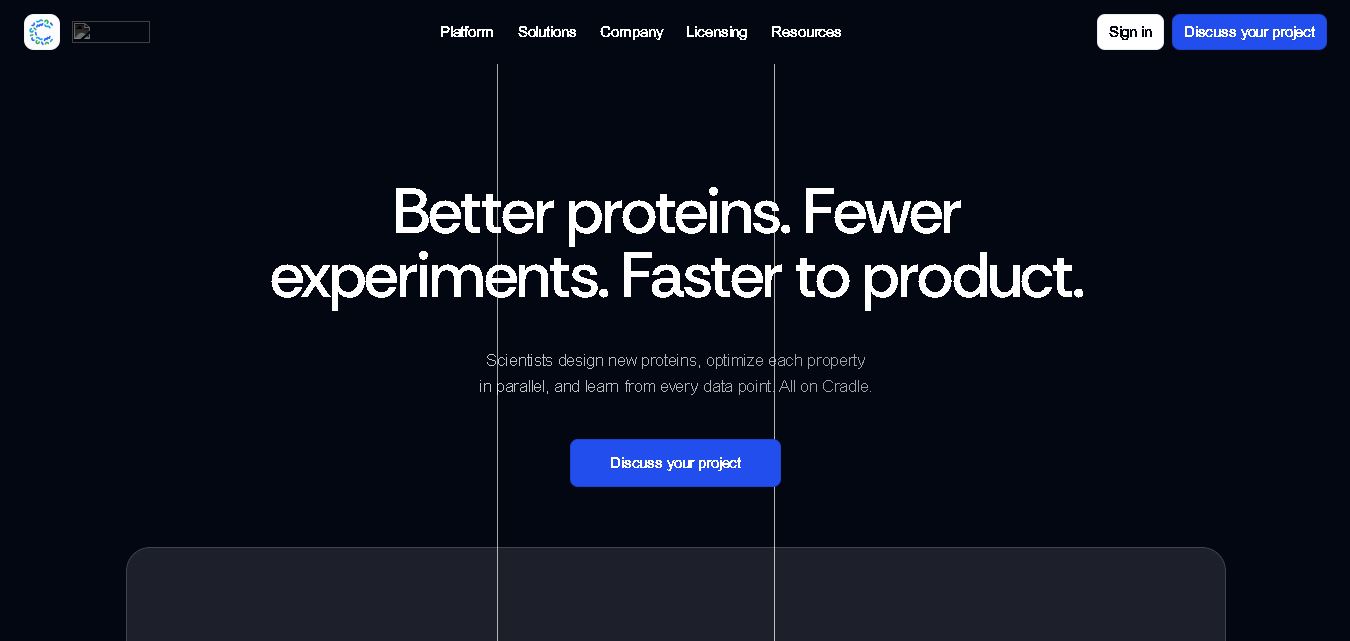
Cradle helps biotechnology researchers design, engineer, and optimize proteins using artificial intelligence and laboratory data. Its capabilities include protein sequence generation, multi-property optimization, candidate scoring, and experimental learning. The platform supports pharmaceutical, agricultural, and industrial biotechnology research, helping scientific teams explore promising molecules while reducing unnecessary experimental cycles and improving research workflows.
 4.8
Lightmatter
Research
Lightmatter develops photonic computing technologies that help AI data centers connect processors and transfer information more efficiently. Its products include Passage optical interconnects, Guide light engines, and Envise photonic AI computing technology. The company aims to address bandwidth and power constraints affecting large-scale AI training, inference, and high-performance computing infrastructure.
 4.8
FigEditor
Research
FigEditor AI helps researchers create scientific illustrations, flowcharts, graphical abstracts, and academic diagrams from text prompts, sketches, or reference images. Its editing and vectorization features simplify visual revisions, while SVG and high-resolution PNG exports support different research workflows. It is useful for students, scientists, educators, and research professionals preparing visual materials.
 4.8
GoMim
Research
GoMim is an AI math solver that helps students understand mathematical concepts through step-by-step solutions. It supports typed questions, image uploads, and subjects including algebra, geometry, and calculus. With an interactive AI tutor, question history, and free and paid plans, GoMim makes homework assistance and independent study more accessible.
 4.8
AlphaResearch
Research
AlphaResearch helps investors, financial analysts, and corporate strategists research companies using financial documents, earnings transcripts, market data, and sentiment analysis. Its features include document search, filing alerts, stock screening, institutional ownership tracking, and research notes. The platform simplifies financial information discovery, helping users investigate companies and support informed investment research decisions.
 4.8
Gatsbi
Research
Gatsbi is an AI research assistant that helps researchers discover ideas, draft academic papers, review scientific literature, and prepare patent disclosures. It combines research discovery, manuscript generation, and evidence synthesis in one workflow. The tool is useful for academics, scientists, engineers, and innovation teams seeking to streamline complex research tasks.
 4.9
Metagene-1
Research
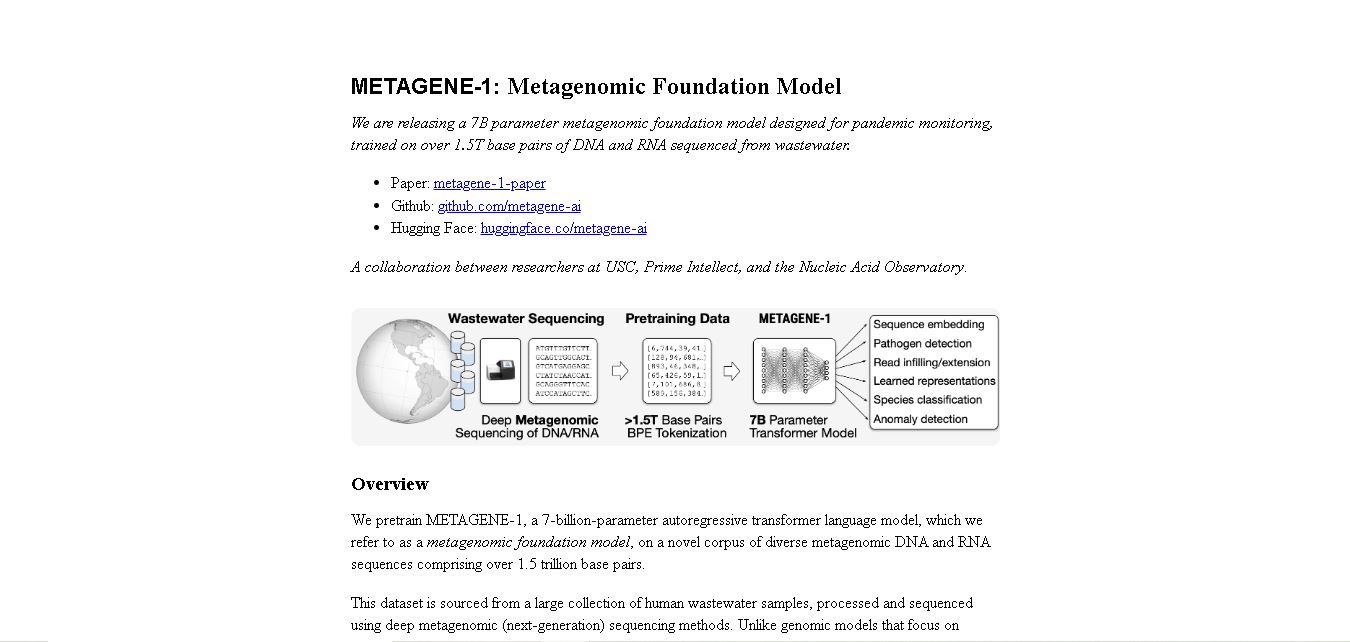
METAGENE-1 is a metagenomic foundation model designed to help researchers analyze DNA and RNA sequences. Trained on extensive wastewater sequencing data, it supports genomic embedding, pathogen detection research, biosurveillance, and pandemic monitoring. The model provides researchers with an AI-based approach to studying microbial diversity and identifying patterns in complex metagenomic datasets.
 4.8
WisPaper
Research
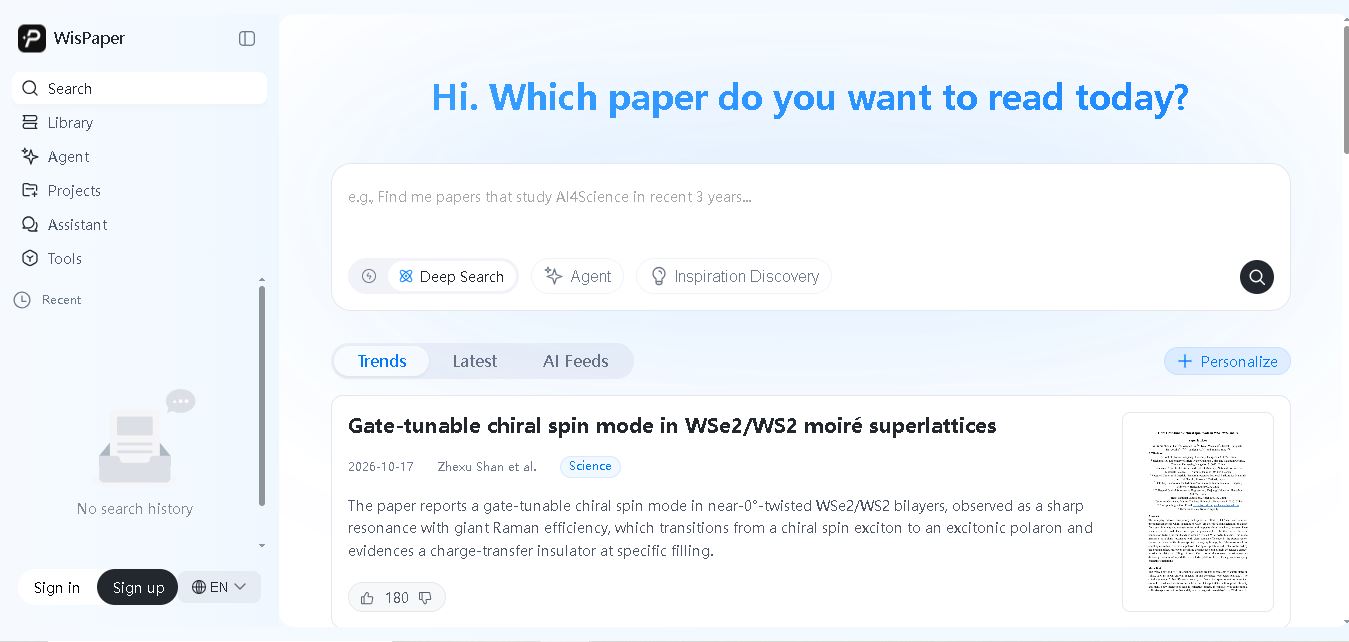
WisPaper AI helps students, academics, and researchers search scientific literature, explore research questions, and organize academic papers. Its features include AI-powered search, paper summaries, library-based question answering, research assistance, and personalized literature updates. It simplifies literature discovery and supports evidence-based research while allowing users to review sources and verify findings.