
Cradle
Cradle helps biotechnology researchers design, engineer, and optimize proteins using artificial intelligence and laboratory data. Its capabilities include protein sequence generation, multi-property optimization, candidate scoring, and experimental learning. The platform supports pharmaceutical, agricultural, and industrial biotechnology research, helping scientific teams explore promising molecules while reducing unnecessary experimental cycles and improving research workflows.
What is Cradle?
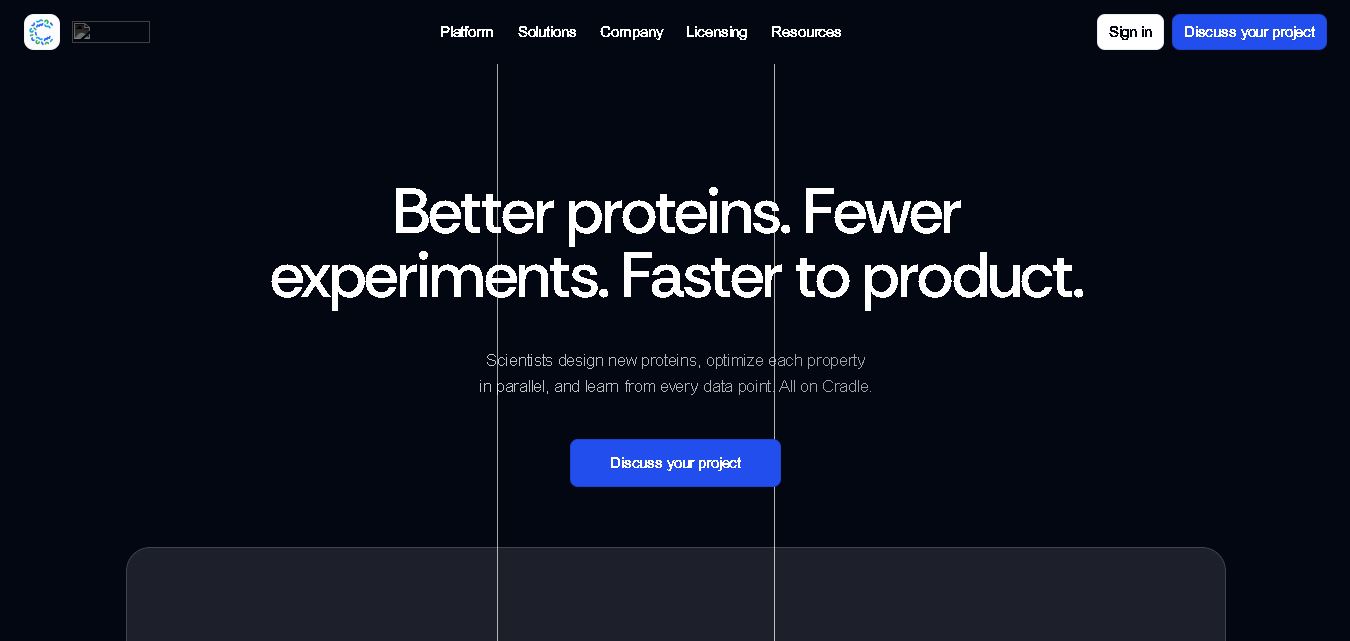
Cradle is a protein design and engineering tool that helps scientists develop and optimize proteins using machine learning, generative AI, and experimental data. It supports research involving antibodies, enzymes, peptides, vaccines, and other biological molecules. Researchers can generate candidate protein sequences, improve multiple properties simultaneously, and refine subsequent designs using laboratory results. By connecting computational predictions with experimental validation, Cradle helps biotechnology teams explore protein designs more efficiently.
Cradle was founded in 2021 and is headquartered in Amsterdam, with offices in Zurich and Boston. In November 2024, the company announced $73 million in Series B funding, bringing its total funding to over $100 million. By December 2025, Cradle reported more than 50 projects and partnerships with six of the top 25 pharmaceutical companies. Its technology supports protein design, optimization, and drug discovery. No public self-service pricing is listed; interested organizations can contact Cradle for enterprise access.
- Platform Focus: AI protein engineering, multi-objective protein design, directed evolution acceleration, and custom ML assay learning
- Developer / Entity: Cradle Bio
- Launch Year: AI-Assisted Protein Design Platform
Use Cases:
- Accelerating antibody discovery, affinity maturation, and early liability mitigation (thermostability, expression, and developability)
- Optimizing industrial enzymes for heightened catalytic activity, yield, and resistance to harsh operational conditions
- Designing and stabilizing viral antigens and vaccine candidates to maintain structural integrity outside the lab
- Engineering specialized therapeutic peptides under strict sequence and property constraints
- Forecasting round hit rates and scoring candidate variant plates before committing wet-lab budget
Technology:
- Customizable machine learning models trained iteratively on proprietary experimental assay data and fitness landscapes
- Multi-objective parallel optimization engine handling trade-offs across competing targets (e.g., activity vs. expression)
- Flexible deployment via user-friendly web interfaces and programmatic APIs for computational teams
- Enterprise-grade security infrastructure (ISO 27001 and SOC 2 Type II certified with data isolation)
Target Users:
- Biologists and wet-lab bench scientists conducting protein expression and screening assays
- Computational biologists and bioinformaticians integrating custom APIs into R&D pipelines
- Biopharma enterprises, agricultural biotech innovators, and industrial enzyme developers
Corporate Entity: Operates as Cradle Bio / cradle.bio

Key features of Cradle
Cradle's key features are
- Iterative Active Learning: Trains project-specific AI models on your wet-lab assay data to map individual protein fitness landscapes.
- Simultaneous Multi-Property Optimization: Optimizes all target specifications (activity, stability, yield, developability) in parallel across design rounds.
- Round Forecasting & Scoring: Predicts hit rates, score distributions, and remaining headroom on candidate plates before committing lab spend.
- Assay Agnostic Ingestion: Ingests diverse experimental data formats including NGS from FACS screening, ELISAs, and chromatography readouts.
- Precision Mutation Control: Direct models to introduce mutations freely or restrict changes to specific active sites, loops, or antibody CDRs.
- Actionable Analytics & Reports: Clear data visualizations and mutation comparisons to guide the next round of laboratory experiments.
Cradle Pricing
Cradle operates on a commercial software license model tailored for biotechnology companies and research institutes.
Enterprise & Team Licenses:
- Custom enterprise software licensing providing platform access, API integration, and private isolated data environments (No royalties or milestone fees)
Who is using Cradle?
Cradle is trusted by global biopharma leaders and bio-based innovators, including
- Global Biopharma Leaders: Bayer (Drug Discovery Sciences), Novonesis, and top-50 pharmaceutical R&D teams
- Agricultural & Industrial Biotech: Corteva Catalyst and sustainable material enterprises
- Academic & Research Groups: University labs engineering novel binders and enzymes
Best Cradle Alternatives
Some of the strongest AI protein engineering and design alternatives include
- Profluent
- EvolutionaryScale (ESM)
- Ginkgo Bioworks
- AlphaFold (Google DeepMind)
- Absci
- Insempra
Pros and Cons of Cradle
Pros
- Drastically cuts R&D turnaround times and wet-lab iteration cycles (up to 2–12x faster)
- Simultaneous multi-objective optimization prevents gains in one property from degrading another
- User-friendly interface allows bench scientists to harness machine learning without deep coding experience
- Privacy-first architecture ensures client assay data is strictly used for proprietary model training
Cons
- Requires wet-lab assay data or a starting sequence to power effective active-learning cycles
- Enterprise pricing is gated behind custom sales consultations rather than self-serve public tiers
- Complex biological targets may still require iterative physical screening and empirical validation
Why Choose Cradle?
Cradle is an essential platform for biotechnology and biopharma teams looking to transcend traditional trial-and-error protein engineering by combining generative AI, active learning, and multi-objective optimization into an intuitive workspace.
- Accelerates protein discovery timelines by learning directly from your assay data
- Handles complex multi-property profiles for antibodies, enzymes, and peptides
- Provides seamless collaboration tools alongside robust enterprise security (SOC 2 Type II)
- Offers transparent forecasting to optimize wet-lab spending and de-risk pipelines
Cradle vs. Competitors
The main difference between Cradle, EvolutionaryScale, Profluent, and AlphaFold is that Cradle provides an interactive, scientist-centric software platform focused on active learning and multi-objective optimization from proprietary user assays, whereas AlphaFold predicts static 3D structures, and models like ESM or Profluent focus primarily on zero-shot foundational generative sequence design. Cradle stands out for its end-to-end directed evolution loop.
r r r r r
| Feature / Tool | Cradle (cradle.bio) | EvolutionaryScale (ESM) | AlphaFold | Absci |
|---|---|---|---|---|
| Core Focus | AI Protein Engineering & Active Learning Optimization | Foundational Biological Language Modeling | Protein Structure Prediction & Folding | Integrated Generative AI & Wet-Lab Antibody Discovery |
| Custom Assay Learning | Yes (Iterative Project-Specific Fine-Tuning) | Pre-trained Models | Structure Prediction Focus | Proprietary Wet-Lab Screening Platform |
| Multi-Objective Optimization | Yes (Parallel Property Trade-Off Management) | Sequence Generation | Structure Focus | Wet-Lab Validated Binders |
| Pricing Model | Enterprise Software License | Research / API Tiers | Open Source / Free Tools | Partner & Service Partnerships |
| Best For | Engineering Better Proteins & Directed Evolution Rounds | Large-Scale Sequence Generation & Biology AI | Predicting 3D Atomic Coordinates from Sequence | End-to-End De Novo Antibody Discovery |
How do we rate Cradle?
| Parameter | Rating (out of 5) |
|---|---|
| AI Protein Optimization & Active Learning | 4.9 |
| Multi-Objective Capability | 4.9 |
| User Interface & Scientist Workflows | 4.8 |
| Enterprise Security & Data Privacy | 4.9 |
| Value for R&D ROI | 4.8 |
| Overall Score | 4.86 |
Cradle Review
Cradle is a phenomenal platform that bridges the gap between machine learning and wet-lab protein engineering. By providing an active-learning workspace where scientists can optimize multiple properties simultaneously and forecast plate hit rates, it removes much of the guesswork from directed evolution. Backed by major pharma partners like Bayer, Cradle represents the cutting edge of AI-assisted biotechnology.
Conclusion
Cradle is a specialized protein engineering solution that combines generative AI, machine learning, and experimental data to support biotechnology research. Its capabilities can help pharmaceutical companies, research laboratories, and industrial biotechnology teams design promising proteins and optimize multiple properties. The platform is particularly relevant for organizations working on biologics, enzymes, and sustainable biological products. Before adopting Cradle, evaluate your scientific objectives, data readiness, security requirements, and commercial terms to determine whether it fits your research workflow.
FAQ
What can you use Cradle for?
Cradle helps you design and optimize proteins for scientific research and biotechnology development. You can explore applications involving antibodies, enzymes, peptides, and vaccines while improving properties such as stability, activity, and binding affinity. It is particularly useful for pharmaceutical companies, biotech startups, and research teams developing new biological products.
How does Cradle use AI for protein engineering?
Cradle uses machine learning and generative AI to suggest protein sequences with desired characteristics. Researchers can train project-specific models using experimental data, evaluate candidate sequences, and refine designs after laboratory testing. This iterative approach helps your team learn from previous experiments and prioritize promising candidates instead of relying exclusively on traditional trial-and-error methods.
Is Cradle suitable for pharmaceutical companies?
Yes, Cradle is designed to support pharmaceutical research and biologics development. Teams can use it to optimize therapeutic proteins, including antibodies and peptides, against multiple performance criteria. Its reported adoption includes major pharmaceutical organizations. If your company develops biologic medicines, Cradle may help streamline candidate discovery, although experimental validation remains essential before advancing potential treatments.
Can Cradle help researchers develop better enzymes?
Cradle supports enzyme engineering by helping researchers identify protein variants with improved activity, stability, and other desired characteristics. You can use experimental results to guide subsequent design rounds and assess promising candidates. This capability may benefit industrial biotechnology, sustainable manufacturing, and chemical production, where engineered enzymes can improve biological processes. Laboratory testing is still necessary to confirm performance.
Does Cradle offer free access or public pricing?
Cradle primarily serves organizations conducting professional biotechnology research through its enterprise-oriented platform. Its official website does not display a standard public subscription price for general self-service access. If you want to evaluate the software, you can contact the Cradle team to discuss your project, technical requirements, access options, and commercial terms before making a commitment.
Can Cradle optimize multiple protein properties simultaneously?
Yes, Cradle is designed to optimize several protein properties together rather than improving each characteristic separately. Depending on your research goals, you can consider factors such as activity, stability, specificity, expression, and developability. This approach helps researchers evaluate trade-offs between competing objectives and prioritize candidates that better match their desired target profile.
User Reviews
No reviews yet for Cradle.
Featured Tools
Featured AI tools from TechShark

Klap
Klap is an AI video clipping platform that transforms long videos into short-form social media content. It automatically identifies highlights, creates captions, reframes speakers, and schedules clips, helping creators, podcasters, and marketing teams repurpose existing videos with less manual editing.
Free
Melody Genie
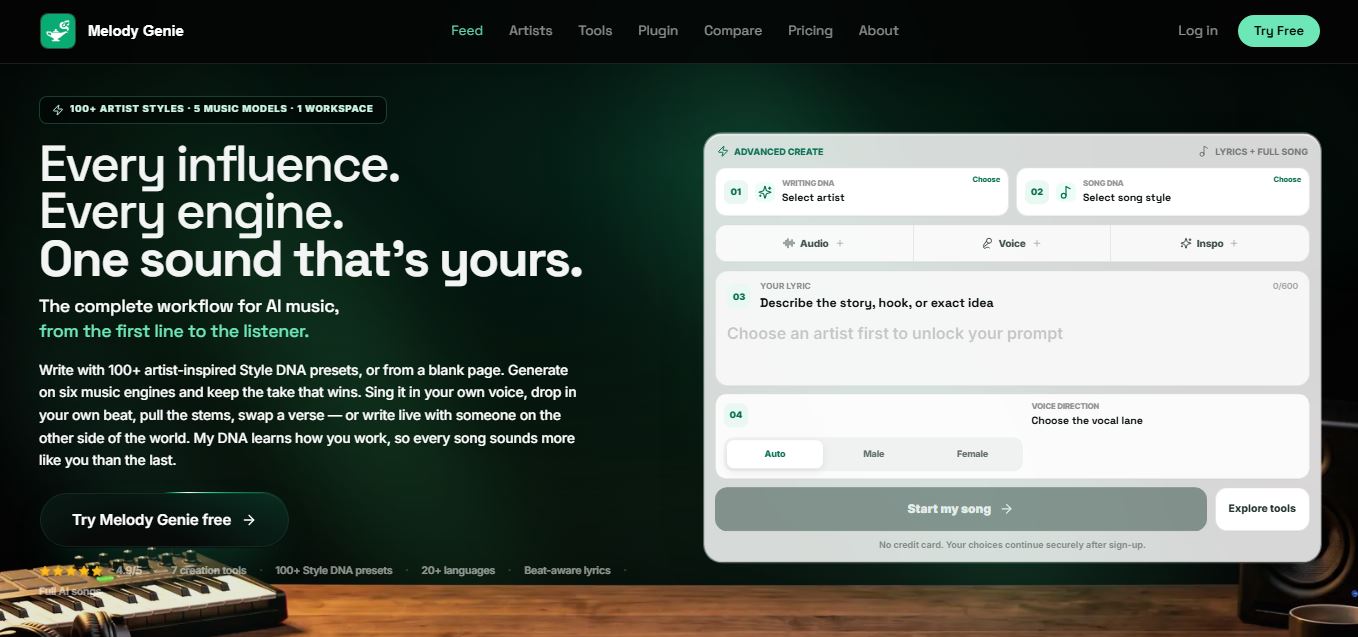
MelodyGenie is an AI-powered music generator that creates original songs from simple text prompts. Users can choose styles, moods, and genres, then instantly generate melodies and full tracks, making it easy for creators, marketers, and hobbyists to produce custom music without musical expertise.
Freemium
Fashion Diffusion AI
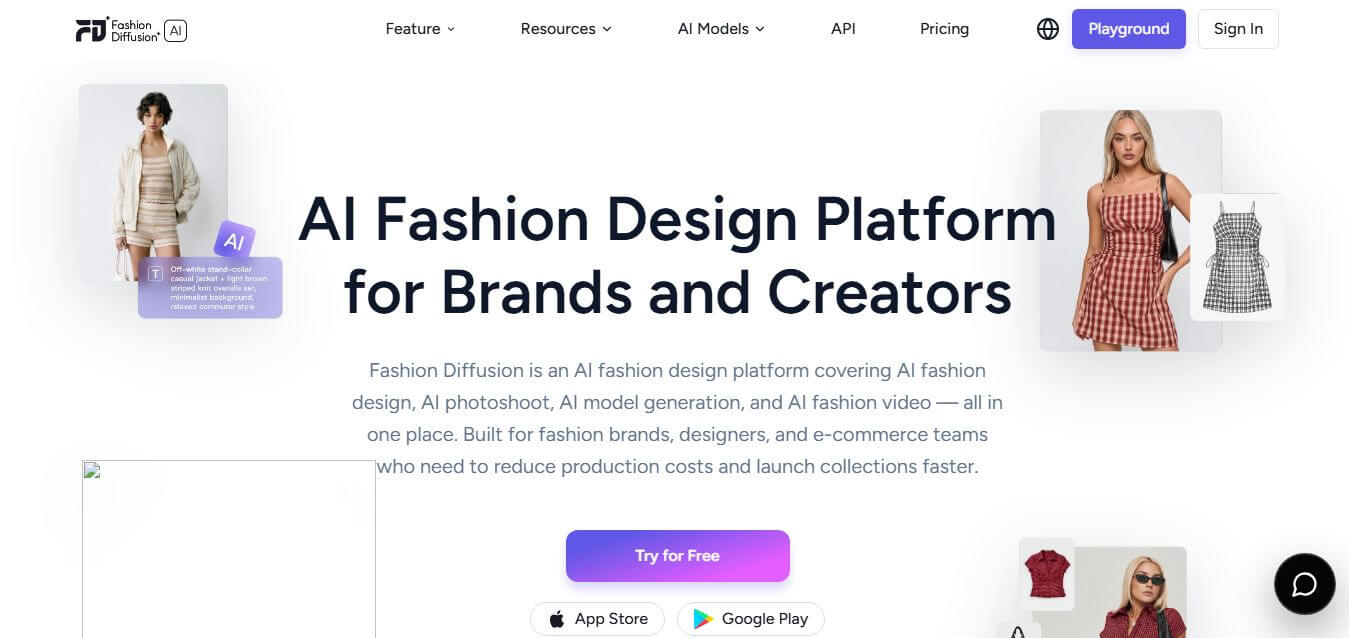
Fashion Diffusion is an AI-powered fashion design platform that helps brands and designers create clothing designs, virtual try-ons, AI models, product photos, and marketing visuals faster and cost-effectively.
Paid
Veo 4
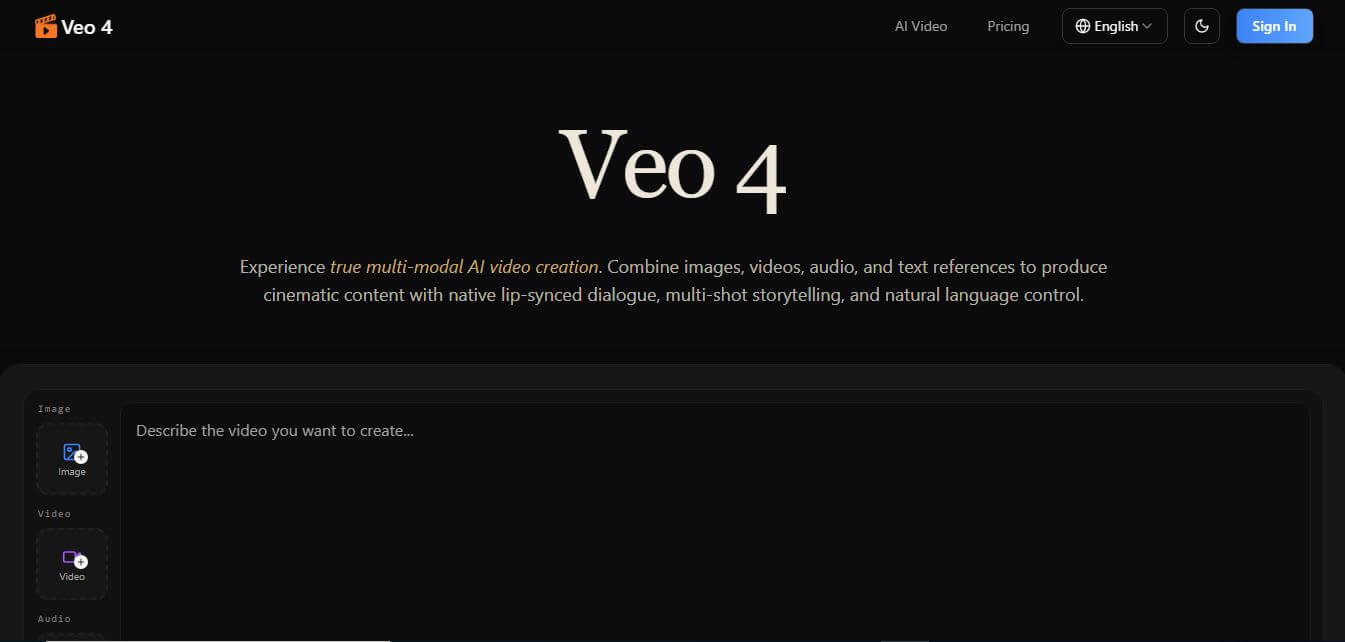
Veo 4 AI is an AI video creation platform that generates dramatic videos from text, images, audio, and video prompts using realistic motion and synchronized sound.
Paid
Alternatives
Alternatives to Cradle
The best Cradle alternatives include Profluent, EvolutionaryScale (ESM), AlphaFold, Ginkgo Bioworks, and Absci. These platforms offer protein design and biological AI tools. While Cradle specializes in an active-learning workspace that trains custom models on user assay data for simultaneous multi-objective protein optimization, alternatives like AlphaFold focus on 3D structure prediction.
 4.8
Summate.it
Research
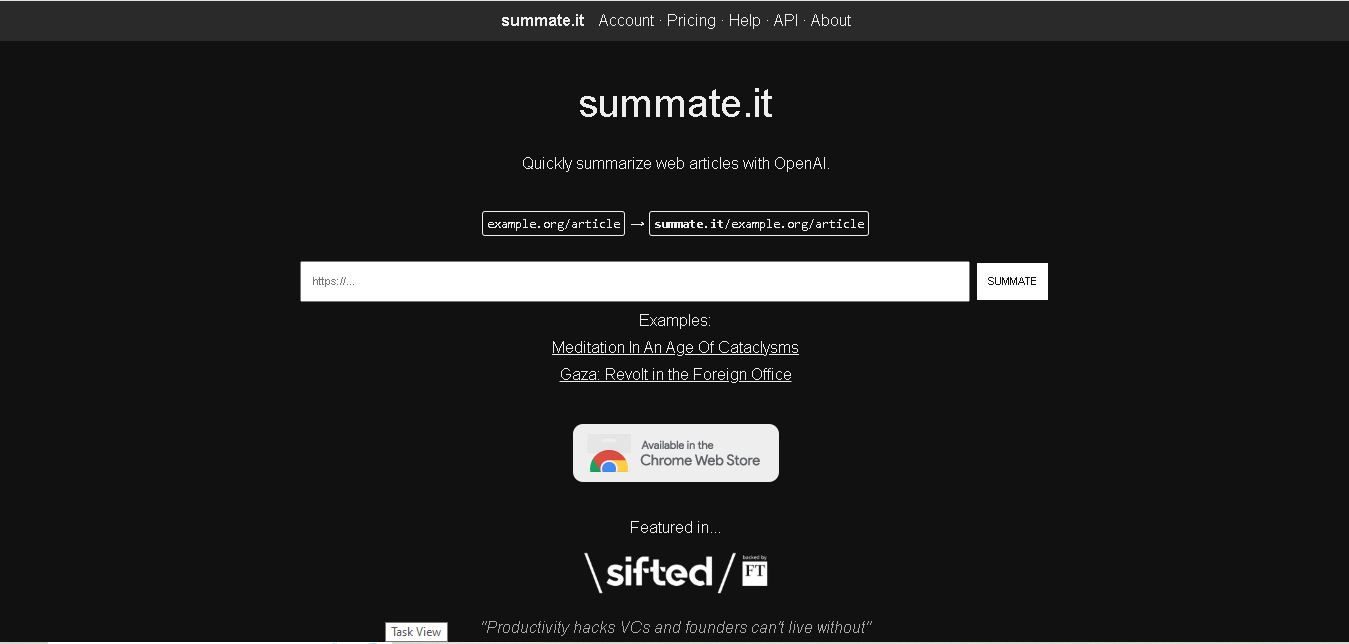
Summate.it is a web-based AI article summarizer that helps users understand lengthy online content quickly. It extracts article text and uses OpenAI to generate concise summaries highlighting essential information. Students, researchers, marketers, and professionals can use it to review online articles efficiently, save reading time, and simplify everyday information gathering.
 4.9
Iris.ai
Research
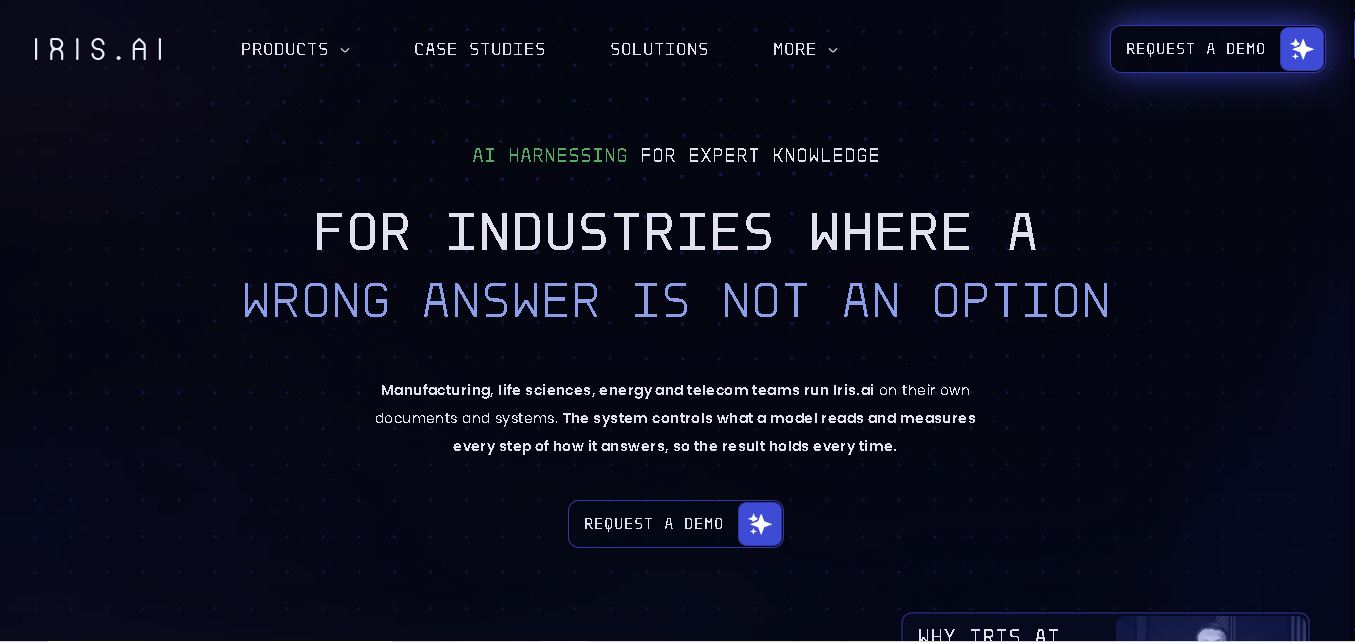
Iris.ai helps enterprises and research teams organize complex information, analyze scientific literature, and build AI workflows using organizational knowledge. Its solutions support document extraction, contextual search, data processing, and AI response evaluation. The platform is particularly relevant to research-intensive businesses seeking better information retrieval, reliable answers, and controlled enterprise AI applications.
 4.8
Lightmatter
Research
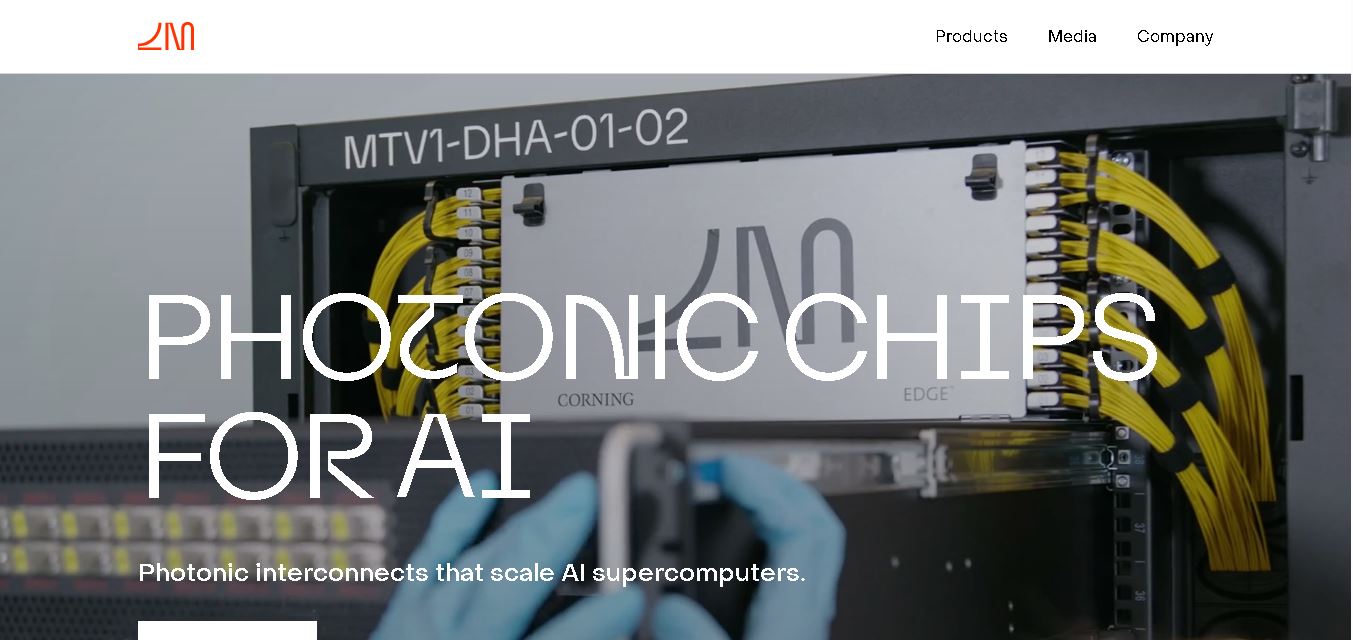
Lightmatter develops photonic computing technologies that help AI data centers connect processors and transfer information more efficiently. Its products include Passage optical interconnects, Guide light engines, and Envise photonic AI computing technology. The company aims to address bandwidth and power constraints affecting large-scale AI training, inference, and high-performance computing infrastructure.
 4.8
FigEditor
Research
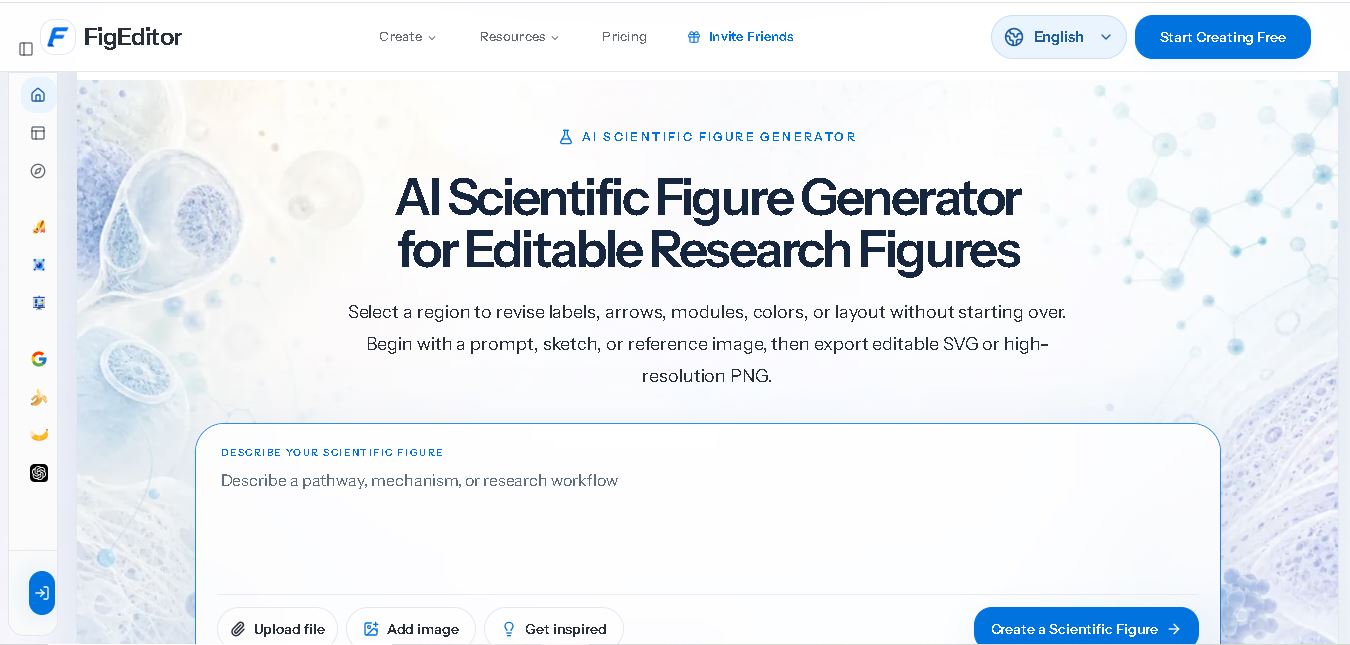
FigEditor AI helps researchers create scientific illustrations, flowcharts, graphical abstracts, and academic diagrams from text prompts, sketches, or reference images. Its editing and vectorization features simplify visual revisions, while SVG and high-resolution PNG exports support different research workflows. It is useful for students, scientists, educators, and research professionals preparing visual materials.
 4.8
GoMim
Research
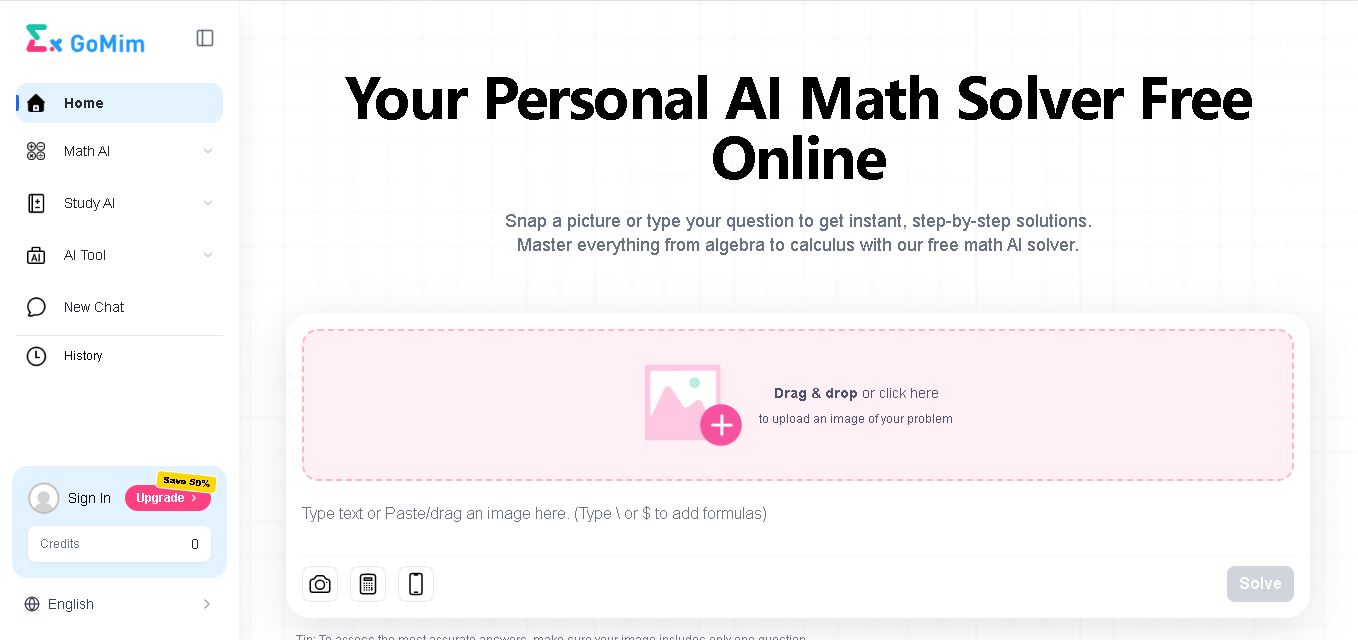
GoMim is an AI math solver that helps students understand mathematical concepts through step-by-step solutions. It supports typed questions, image uploads, and subjects including algebra, geometry, and calculus. With an interactive AI tutor, question history, and free and paid plans, GoMim makes homework assistance and independent study more accessible.
 4.8
AlphaResearch
Research
AlphaResearch helps investors, financial analysts, and corporate strategists research companies using financial documents, earnings transcripts, market data, and sentiment analysis. Its features include document search, filing alerts, stock screening, institutional ownership tracking, and research notes. The platform simplifies financial information discovery, helping users investigate companies and support informed investment research decisions.
 4.8
Gatsbi
Research
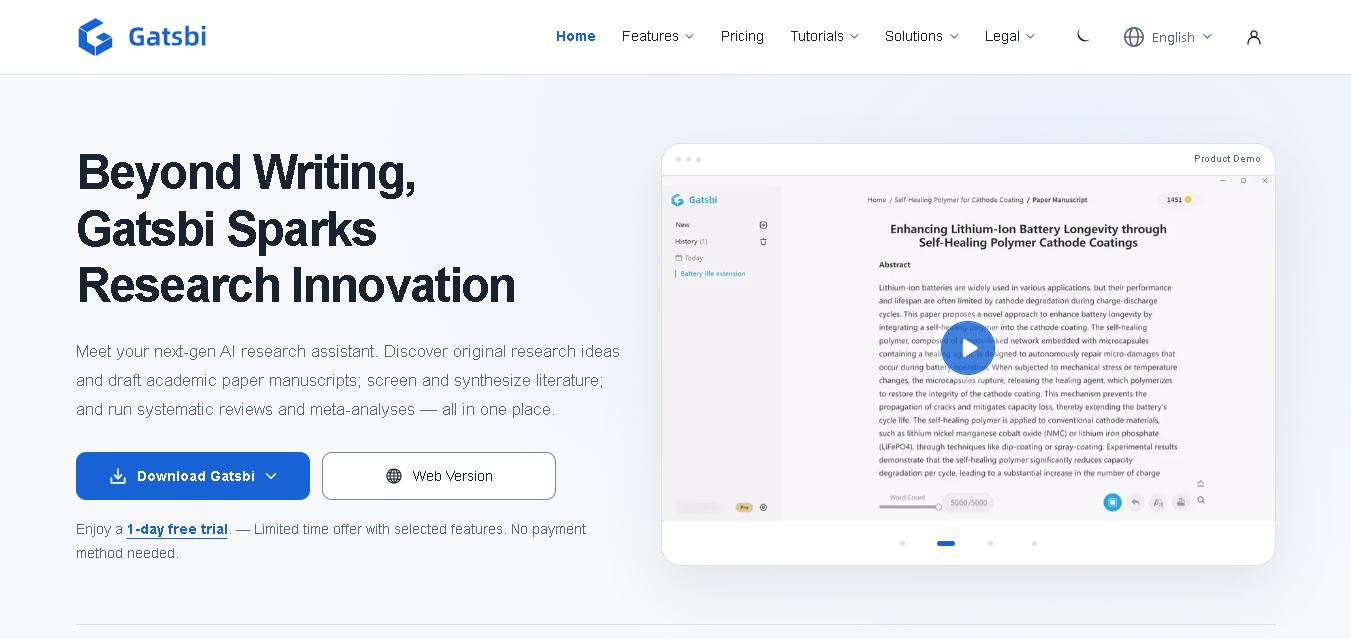
Gatsbi is an AI research assistant that helps researchers discover ideas, draft academic papers, review scientific literature, and prepare patent disclosures. It combines research discovery, manuscript generation, and evidence synthesis in one workflow. The tool is useful for academics, scientists, engineers, and innovation teams seeking to streamline complex research tasks.
 4.9
Metagene-1
Research
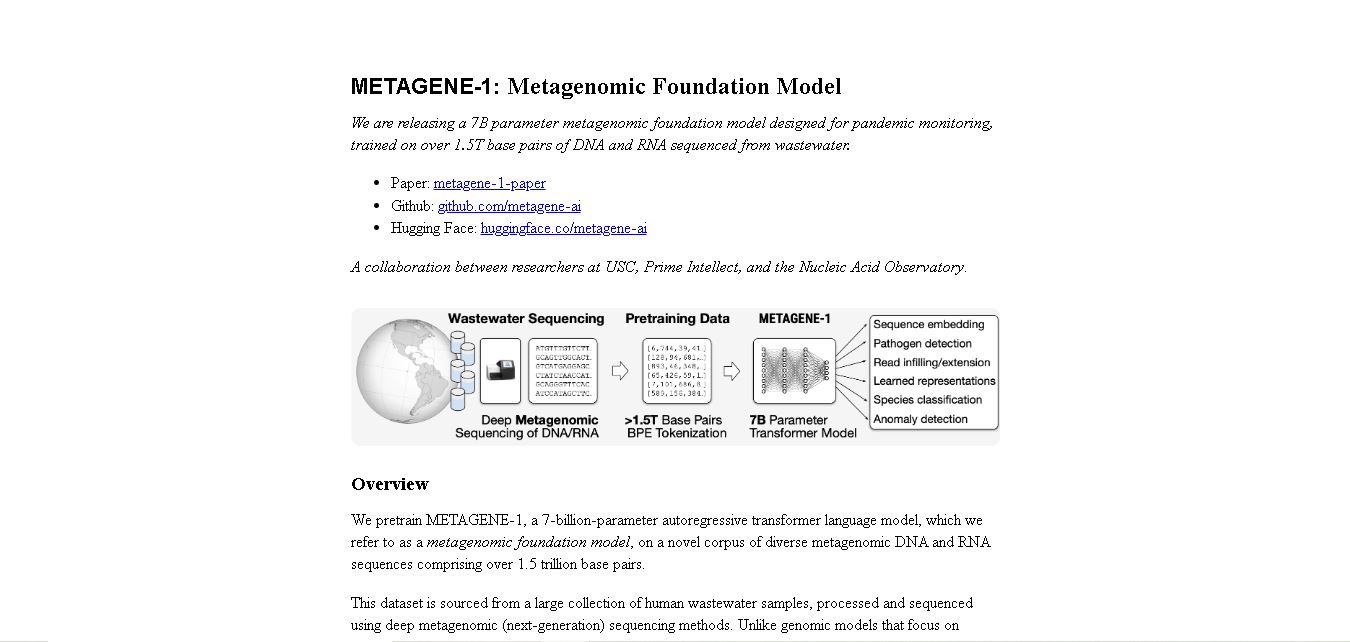
METAGENE-1 is a metagenomic foundation model designed to help researchers analyze DNA and RNA sequences. Trained on extensive wastewater sequencing data, it supports genomic embedding, pathogen detection research, biosurveillance, and pandemic monitoring. The model provides researchers with an AI-based approach to studying microbial diversity and identifying patterns in complex metagenomic datasets.
 4.8
WisPaper
Research
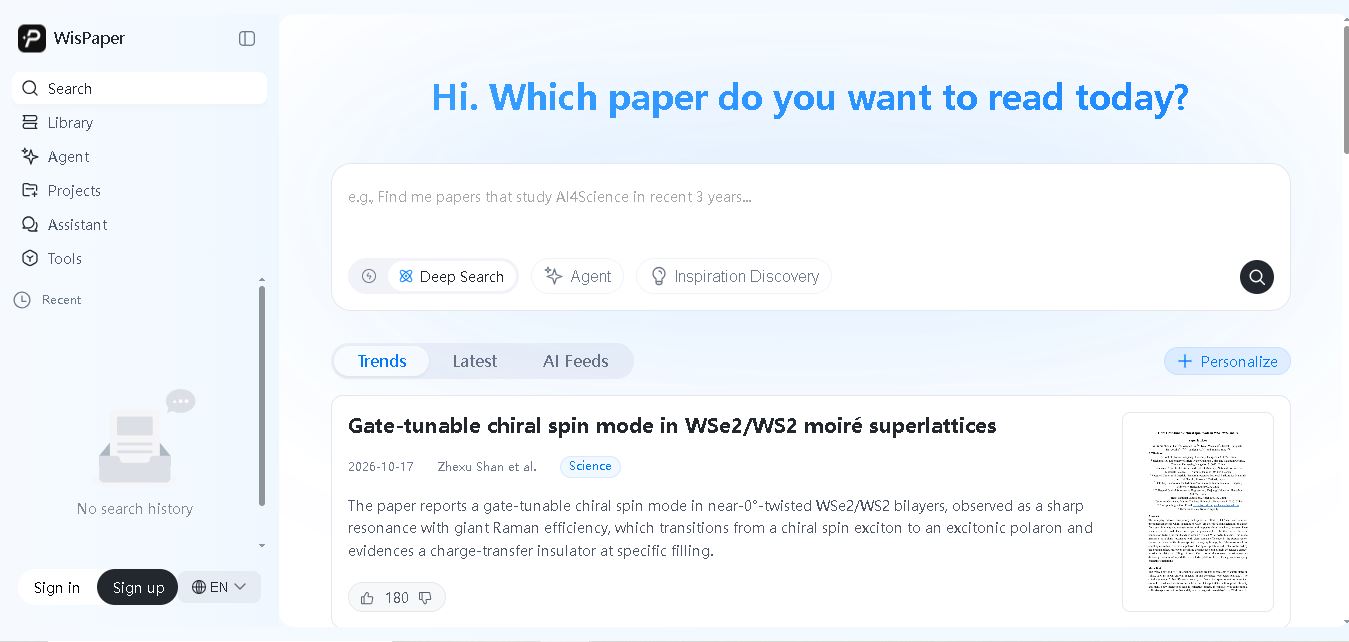
WisPaper AI helps students, academics, and researchers search scientific literature, explore research questions, and organize academic papers. Its features include AI-powered search, paper summaries, library-based question answering, research assistance, and personalized literature updates. It simplifies literature discovery and supports evidence-based research while allowing users to review sources and verify findings.