
Metagene-1
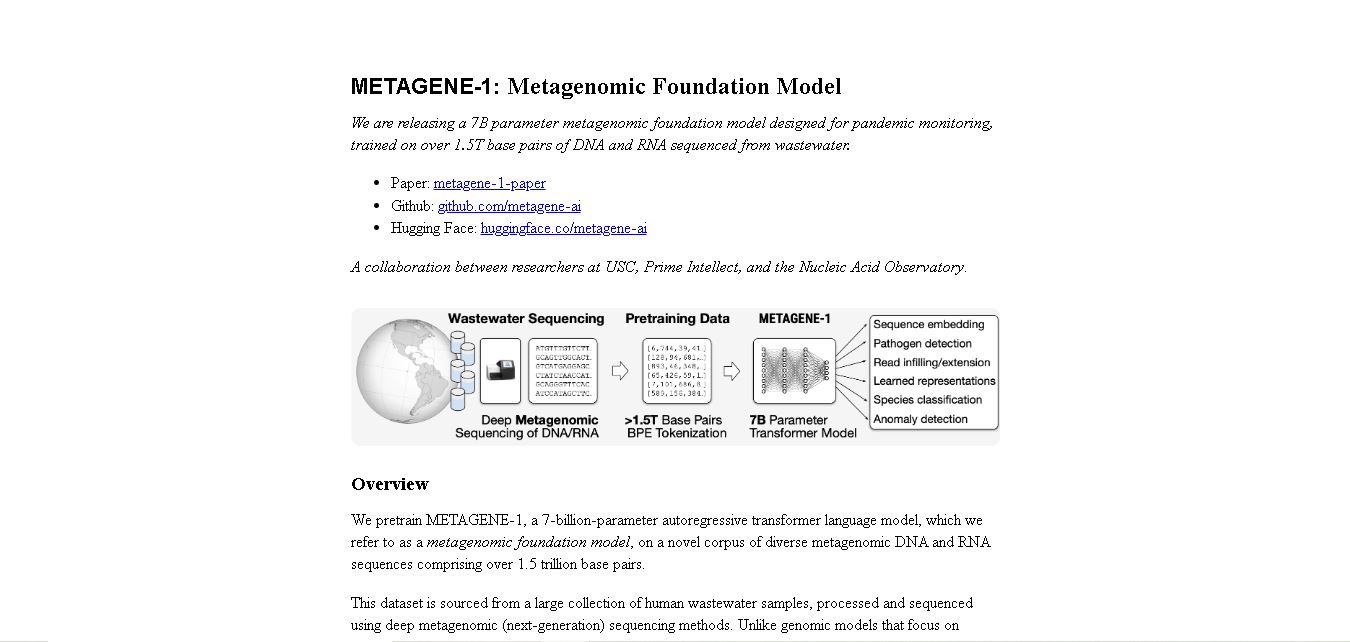
METAGENE-1 is a metagenomic foundation model designed to help researchers analyze DNA and RNA sequences. Trained on extensive wastewater sequencing data, it supports genomic embedding, pathogen detection research, biosurveillance, and pandemic monitoring. The model provides researchers with an AI-based approach to studying microbial diversity and identifying patterns in complex metagenomic datasets.
What is Metagene-1?
METAGENE-1 is a genomic AI model developed to analyze metagenomic DNA and RNA sequences for applications such as pathogen detection, biosurveillance, and pandemic monitoring. It learns patterns from genetic material collected from environmental samples, including wastewater, to support research into microbial communities and potential health threats. Researchers can explore its published model, research paper, and code to investigate genomic sequence representation and public-health surveillance applications.
METAGENE-1 is a 7-billion-parameter metagenomic foundation model developed for genomic sequence analysis and pandemic monitoring. It was trained on more than 1.5 trillion base pairs of DNA and RNA obtained from wastewater metagenomic sequencing. The model supports pathogen detection research, biosurveillance, and genomic embedding tasks. Its research paper was published in January 2025, and model resources are available through Hugging Face and GitHub. No single AI model can independently replace laboratory testing, epidemiological investigation, or expert interpretation of genomic findings.
- Platform Focus: Metagenomic foundation model, pathogen detection, wastewater biosurveillance, and genomic language modeling
- Developers / Collaborators: Researchers from USC, Prime Intellect, and the Nucleic Acid Observatory
- Launch Year: 2025 / 2026
Use Cases:
- Early detection of emerging pathogen outbreaks and anomalies in municipal wastewater samples
- Processing short metagenomic read sequences (100–300 bp) for biosurveillance and public health monitoring
- Generating high-performance genomic embeddings for downstream classification and anomaly detection tasks
- Advancing open-science research in scientific foundation models and metagenomic data analysis
Technology:
- 7-billion-parameter autoregressive transformer architecture optimized for nucleotide sequence modeling
- Custom byte-pair encoding (BPE) tokenization tailored specifically for metagenomic DNA and RNA fragments
- 512-token context length designed specifically for short-read sequencing data while mitigating synthetic biology misuse risks
Target Users:
- Computational biologists, bioinformaticians, and public health epidemiologists
- Academic researchers studying microbial genomics and wastewater-based epidemiology
- Biosurveillance agencies and national health monitoring organizations
Corporate Entity: Developed by USC, Prime Intellect, and Nucleic Acid Observatory / metagene.ai

Key features of Metagene-1
Metagene-1's key features are
- 7B Parameter Metagenomic Scale: Autoregressive transformer pretrained on a massive corpus of 1.5 trillion base pairs of wastewater metagenomic data.
- Wastewater-Driven Diversity: Captures the full distribution of microbial, viral, and bacterial genetic material across tens of thousands of organisms.
- State-of-the-Art Pathogen Detection: Outperforms baseline models on anomaly detection, pathogen identification, and genomic embedding benchmarks.
- Safety-Optimized Architecture: Engineered with a 512-token context length optimized for short reads (100–300 bp) to provide biosurveillance utility while minimizing synthetic biology risks.
- Open-Source Access: Fully open model weights available on Hugging Face alongside technical reports and GitHub repositories.
Metagene-1 Pricing
Metagene-1 is provided as a 100% free open-source research model for the scientific community.
Open-Source Access:
- $0 / Open Weights
- Model weights freely available via Hugging Face and GitHub for academic and public health research
Who is using Metagene-1?
Metagene-1 is utilized by bioinformatics researchers and public health teams, including
- Academic Genomics Labs: University researchers studying microbiome dynamics and pathogen surveillance at USC and partner institutions
- Public Health Bioinformaticians: Monitoring wastewater influent for emerging viral and bacterial threats
- Scientific Foundation Model Developers: Exploring specialized tokenization and architecture for biological LLMs
Best Metagene-1 Alternatives
Some of the strongest genomic foundation model alternatives include
- Nucleotide Transformer
- DNABERT-2
- Evo
- AlphaFold
- GenSLM
- NT-v2
Pros and Cons of Metagene-1
Pros
- First major foundation model trained specifically on complex metagenomic wastewater mixtures rather than single species
- Massive scale (1.5T base pairs, 7B parameters) delivering state-of-the-art pathogen detection accuracy
- Thoughtfully designed safety posture restricting context length to short reads to prevent misuse
- Fully open-source model weights and code released on Hugging Face and GitHub
Cons
- Optimized primarily for short-read metagenomic anomaly detection rather than long-sequence protein design
- Requires computational infrastructure capable of hosting a 7-billion parameter transformer model
- Specialized domain focus limits general-purpose consumer utility outside bioinformatics
Why Choose Metagene-1?
Metagene-1 is the premier choice for bioinformaticians and public health researchers looking for an open-source, large-scale foundation model specifically trained to detect pathogens and anomalies in complex wastewater metagenomic data.
- Trained on 1.5T+ base pairs of diverse wastewater genetic material
- Delivers superior performance on pathogen detection and biosurveillance benchmarks
- Balances powerful public health utility with responsible safety-engineered design
- Available as a free open-source release for the global research community
Metagene-1 vs. Competitors
The main difference between Metagene-1, Nucleotide Transformer, and Evo is that Metagene-1 is specifically trained on complex wastewater metagenomic mixtures for pathogen detection and biosurveillance, whereas models like Evo and Nucleotide Transformer focus on whole genomes, viral design, or single-species evolutionary biology. Metagene-1 stands out for its metagenomic wastewater focus and open biosurveillance architecture.
| Feature / Tool | Metagene-1 (metagene.ai) | Nucleotide Transformer | Evo (Arc Institute) | DNABERT-2 |
|---|---|---|---|---|
| Core Focus | Metagenomic Wastewater Surveillance & Pathogen Detection | General Genomic Variant & Sequence Modeling | Prokaryotic & Phage Genome Design (Long Context) | Genomic Embedding & Natural Language DNA Processing |
| Training Corpus | 1.5T+ Base Pairs from Human Wastewater Metagenomes | Multi-Species Genomic Databases | Prokaryotic & Viral Genomes | Multi-Species DNA Reference Genomes |
| Model Scale | 7 Billion Parameters | Varies (Up to 500M+) | 7 Billion Parameters | Base Transformer Scale |
| Pricing Model | Open-Source Weights ($0) | Open-Source Weights ($0) | Open-Source Weights ($0) | Open-Source Weights ($0) |
| Best For | Wastewater Pathogen Monitoring & Biosurveillance | Genomic Variant Effect Prediction | Long-Context Biological Design & CRISPR Mining | DNA Sentence Embeddings & Classification |
How do we rate Metagene-1?
| Parameter | Rating (out of 5) |
|---|---|
| Metagenomic Innovation & Data Scope | 4.9 |
| Pathogen Detection & Biosurveillance Utility | 4.9 |
| Safety & Architecture Considerations | 4.8 |
| Open-Source Availability & Reproducibility | 5.0 |
| Value for Money | 5.0 |
| Overall Score | 4.92 |
Metagene-1 Review
Metagene-1 is an extraordinary contribution to computational biology and public health biosurveillance. By training a massive 7-billion parameter model on real-world wastewater metagenomes rather than isolated reference genomes, it bridges a critical gap in early pandemic detection and pathogen monitoring. Its open-source release on Hugging Face, paired with responsible safety considerations around short-read contexts, makes it an exemplary scientific foundation model.
Conclusion
METAGENE-1 is a specialized genomic AI model with potential applications in pathogen detection research, biosurveillance, and pandemic monitoring. Its training on more than 1.5 trillion base pairs of DNA and RNA makes it a notable resource for exploring metagenomic foundation models. Researchers can investigate its public code, model resources, and research paper to understand its capabilities. However, meaningful results depend on data quality, scientific validation, and expert interpretation rather than relying on AI predictions alone.
FAQ
What is METAGENE-1 used for?
METAGENE-1 helps researchers analyze complex DNA and RNA sequences from metagenomic samples. You can explore its potential for pathogen detection, pandemic monitoring, and biosurveillance research. Rather than functioning as a general-purpose chatbot, it focuses on genomic data, making it relevant to computational biologists, bioinformatics specialists, and public-health researchers studying microbial populations.
How was METAGENE-1 trained?
METAGENE-1 was trained on more than 1.5 trillion base pairs of DNA and RNA obtained from wastewater metagenomic sequencing. Its 7-billion-parameter architecture learns patterns from large collections of genetic sequences. This training approach helps researchers investigate genomic representations and explore how foundation models can support microbial analysis and pathogen detection research.
Can METAGENE-1 help detect pathogens?
METAGENE-1 was developed to support research into pathogen detection using metagenomic data. Researchers can investigate genetic patterns that may be relevant to identifying microorganisms and monitoring potential health threats. However, the model should not be treated as a standalone diagnostic system. Reliable conclusions require appropriate validation, laboratory evidence, and expert interpretation of results.
Is METAGENE-1 useful for pandemic monitoring?
Yes, pandemic monitoring is one of METAGENE-1's intended research applications. By learning from wastewater-derived metagenomic sequences, the model can support investigations into microbial diversity and potential pathogen surveillance methods. Public-health teams may find this research direction valuable, but practical monitoring requires validated analytical workflows, representative sampling, and additional epidemiological evidence before drawing conclusions.
Is METAGENE-1 open source?
METAGENE provides public research resources through its GitHub organization and Hugging Face profile. These include model-related repositories, pretrained model resources, and research materials. If you plan to use the model, review the specific repository's license, hardware requirements, dependencies, and usage instructions first. Public availability does not automatically mean every component has identical licensing conditions.
Who should use METAGENE-1?
METAGENE-1 is most relevant to computational biologists, bioinformatics researchers, genomic data scientists, and public-health research teams. If you work with metagenomic sequencing data, it may provide a useful foundation for experiments involving sequence embeddings and pathogen surveillance. Users without genomics or machine-learning experience may need technical guidance to prepare data and interpret model outputs.
User Reviews
No reviews yet for Metagene-1.
Featured Tools
Featured AI tools from TechShark

Klap
Klap is an AI-powered video editing tool that turns long videos into engaging short clips for TikTok, Instagram Reels, and YouTube Shorts. It automatically finds the best moments, adds captions, and resizes videos, helping creators save time and create more content with less effort.
Free

Melody Genie
MelodyGenie is an AI-powered music generator that creates original songs from simple text prompts. Users can choose styles, moods, and genres, then instantly generate melodies and full tracks, making it easy for creators, marketers, and hobbyists to produce custom music without musical expertise.
Freemium
Fashion Diffusion AI
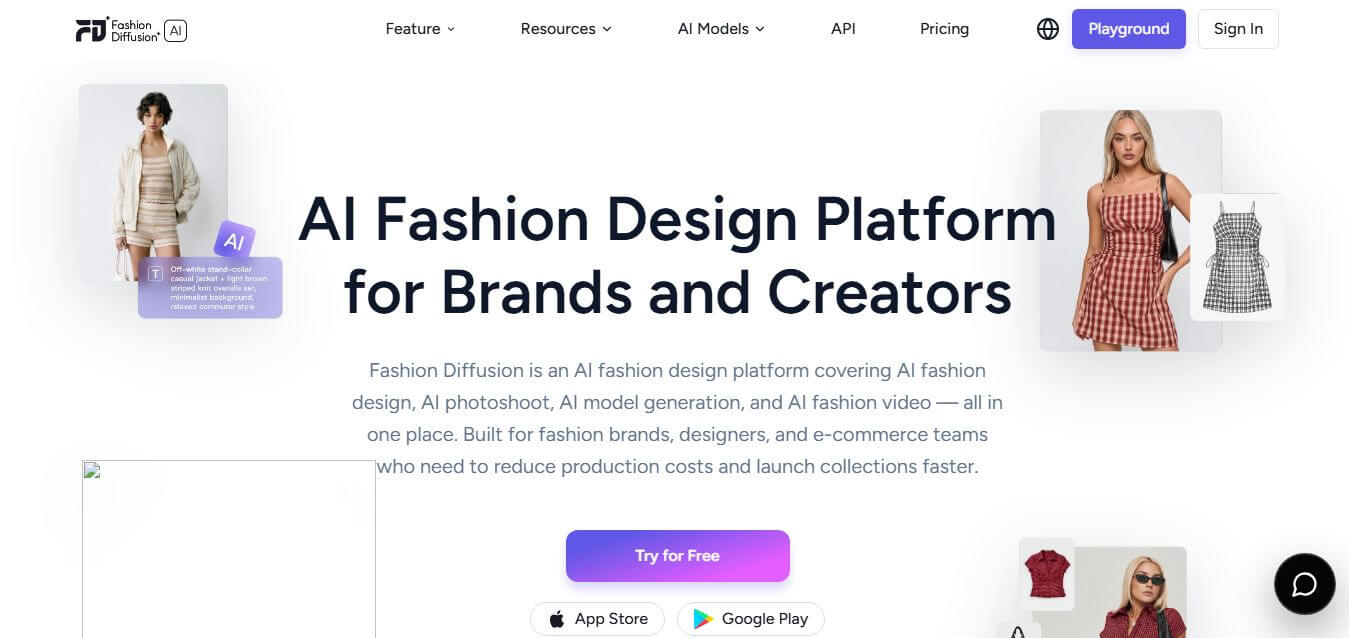
Fashion Diffusion is an AI-powered fashion design platform that helps brands and designers create clothing designs, virtual try-ons, AI models, product photos, and marketing visuals faster and cost-effectively.
Paid
Veo 4
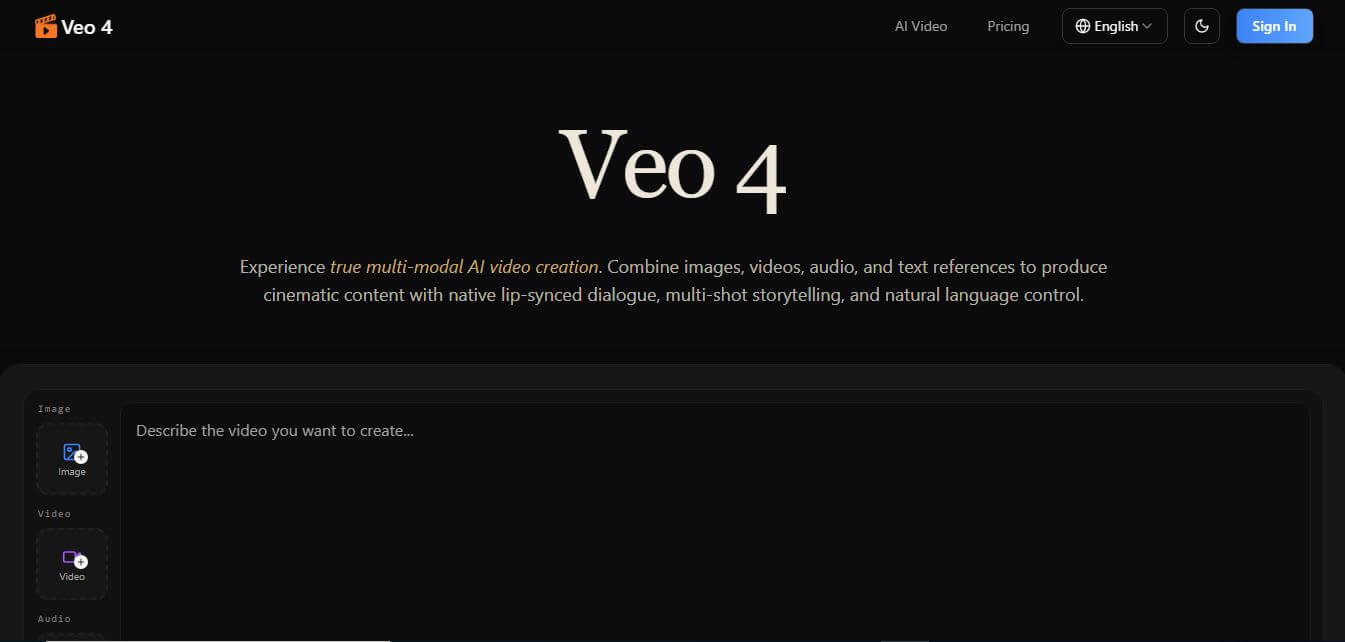
Veo 4 AI is an AI video creation platform that generates dramatic videos from text, images, audio, and video prompts using realistic motion and synchronized sound.
Paid
Alternatives
Alternatives to Metagene-1
The best Metagene-1 alternatives include Nucleotide Transformer, DNABERT-2, Evo, GenSLM, and NT-v2. These platforms offer genomic foundation models and biological sequence analysis tools. While Metagene-1 specializes in a 7-billion-parameter model trained on complex human wastewater metagenomes for pathogen biosurveillance, alternatives like Evo focus on prokaryotic long-context genome design.
 4.8
Summate.it
Research
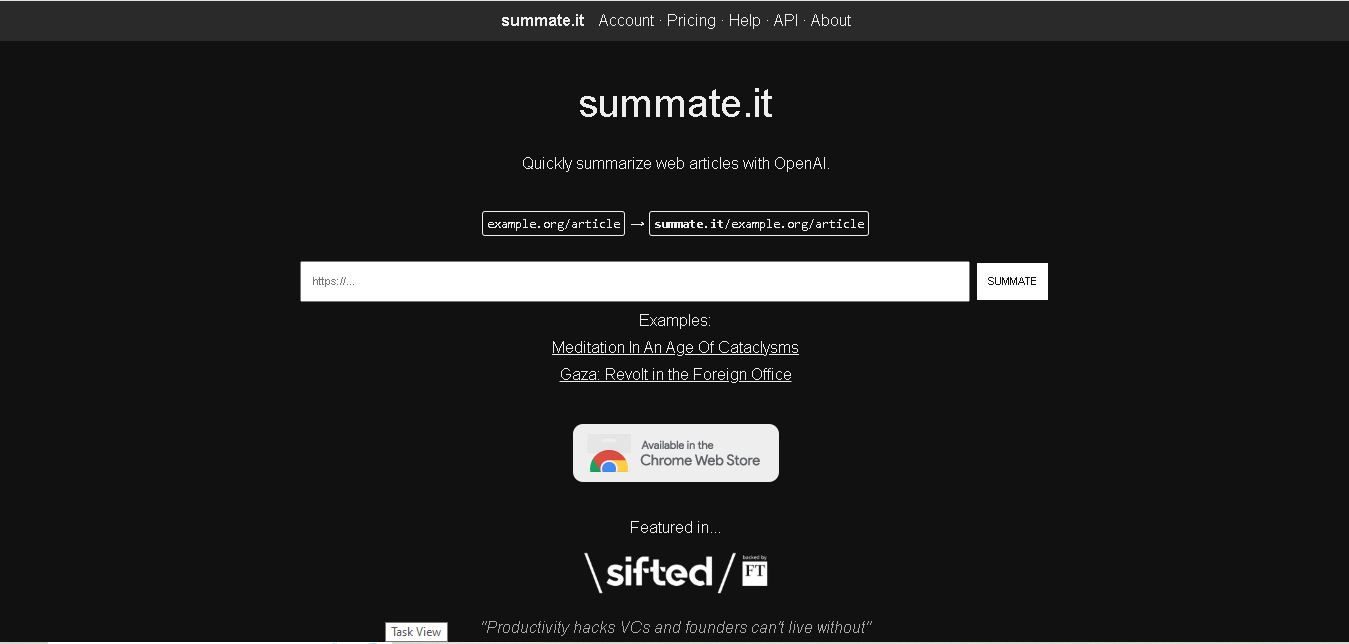
Summate.it is a web-based AI article summarizer that helps users understand lengthy online content quickly. It extracts article text and uses OpenAI to generate concise summaries highlighting essential information. Students, researchers, marketers, and professionals can use it to review online articles efficiently, save reading time, and simplify everyday information gathering.
 4.9
Cradle
Research
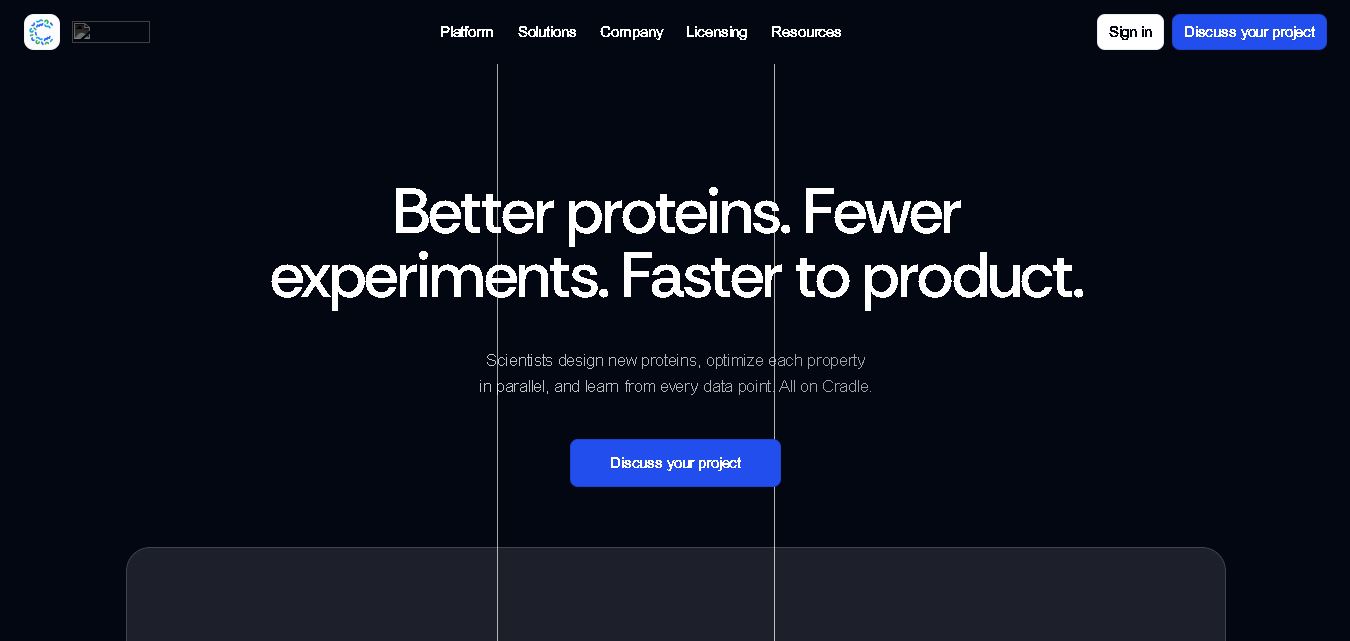
Cradle helps biotechnology researchers design, engineer, and optimize proteins using artificial intelligence and laboratory data. Its capabilities include protein sequence generation, multi-property optimization, candidate scoring, and experimental learning. The platform supports pharmaceutical, agricultural, and industrial biotechnology research, helping scientific teams explore promising molecules while reducing unnecessary experimental cycles and improving research workflows.
 4.9
Iris.ai
Research
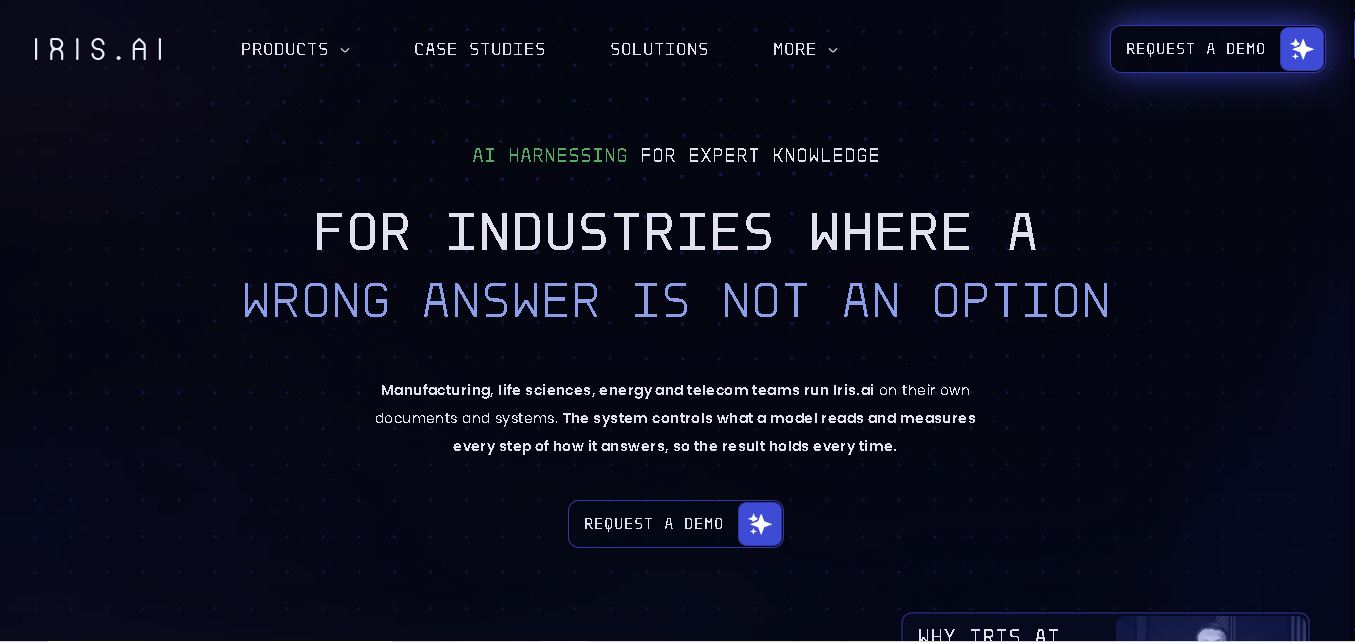
Iris.ai helps enterprises and research teams organize complex information, analyze scientific literature, and build AI workflows using organizational knowledge. Its solutions support document extraction, contextual search, data processing, and AI response evaluation. The platform is particularly relevant to research-intensive businesses seeking better information retrieval, reliable answers, and controlled enterprise AI applications.
 4.8
Lightmatter
Research
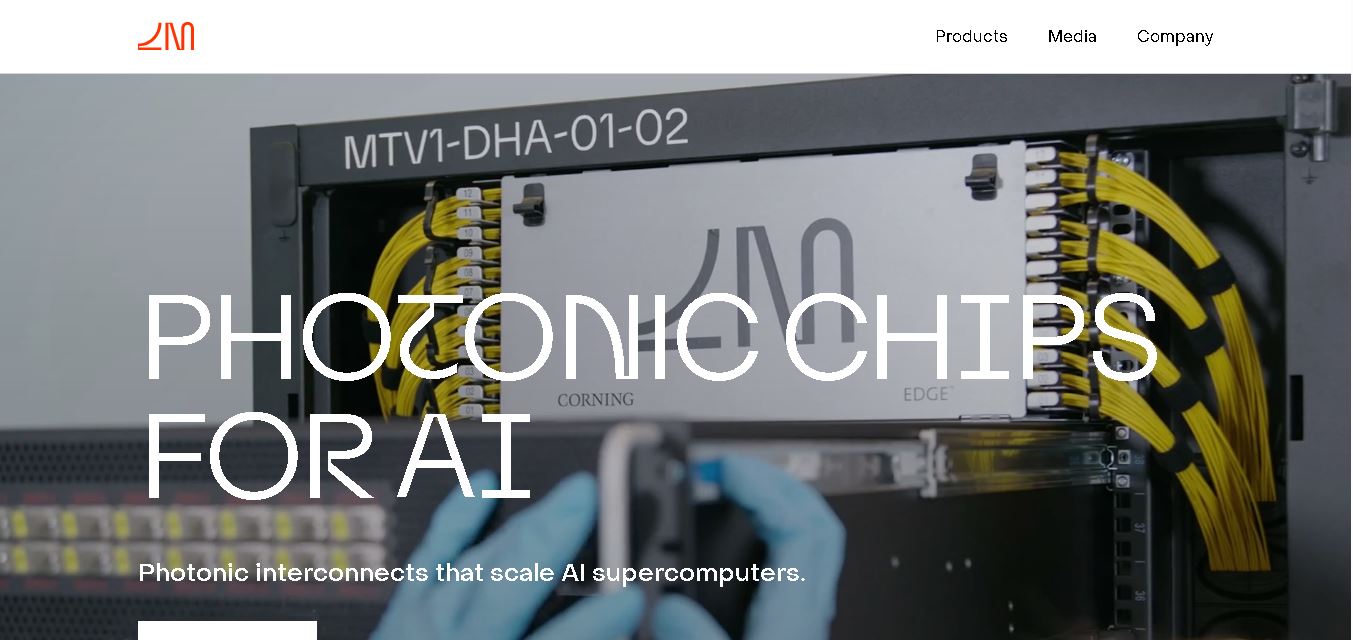
Lightmatter develops photonic computing technologies that help AI data centers connect processors and transfer information more efficiently. Its products include Passage optical interconnects, Guide light engines, and Envise photonic AI computing technology. The company aims to address bandwidth and power constraints affecting large-scale AI training, inference, and high-performance computing infrastructure.
 4.8
FigEditor
Research
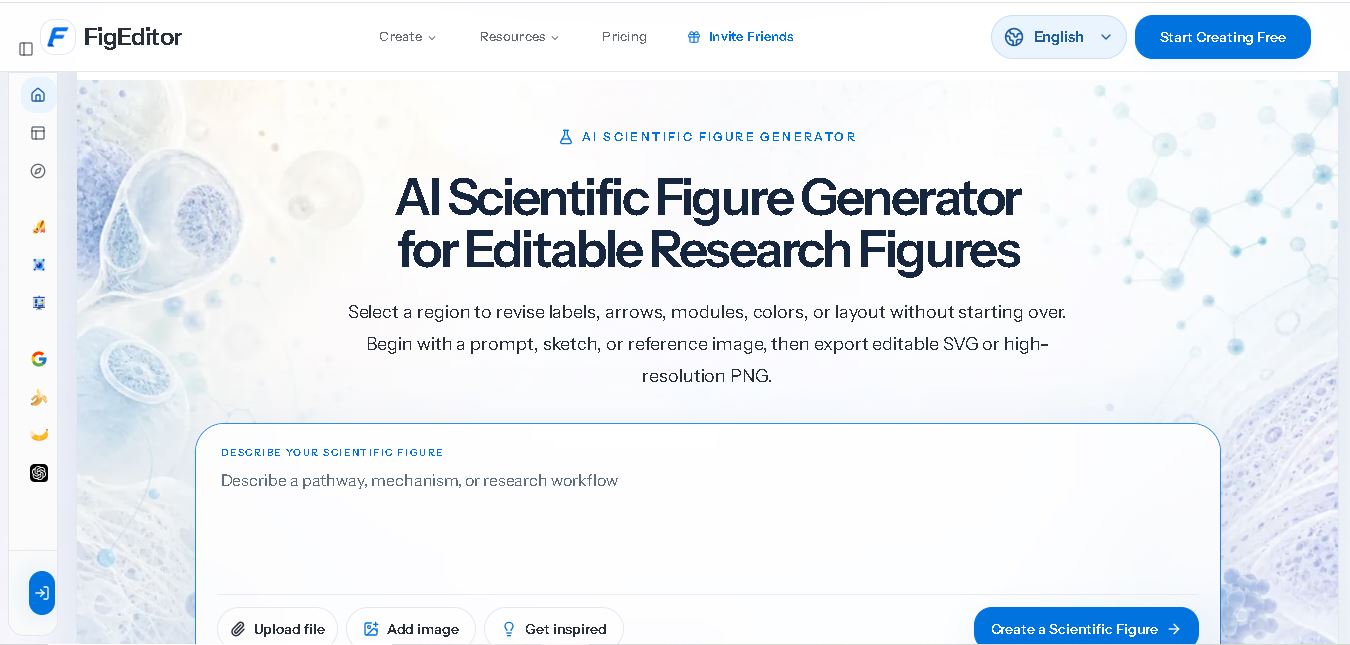
FigEditor AI helps researchers create scientific illustrations, flowcharts, graphical abstracts, and academic diagrams from text prompts, sketches, or reference images. Its editing and vectorization features simplify visual revisions, while SVG and high-resolution PNG exports support different research workflows. It is useful for students, scientists, educators, and research professionals preparing visual materials.
 4.8
GoMim
Research
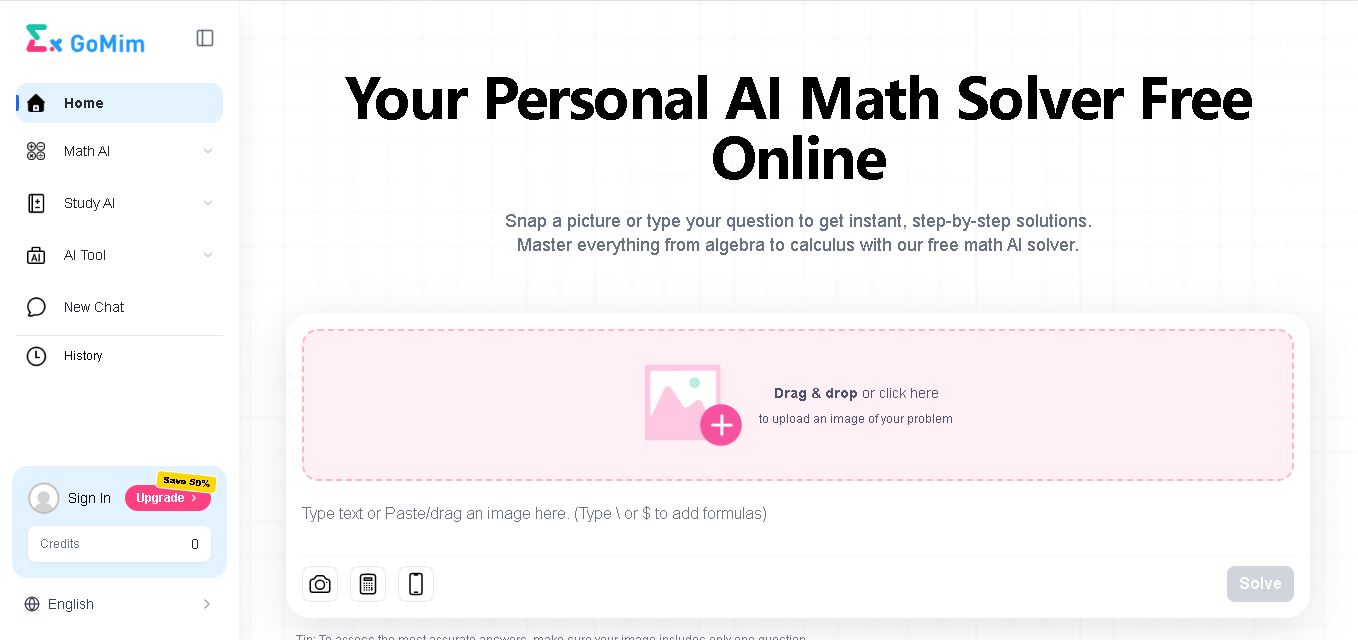
GoMim is an AI math solver that helps students understand mathematical concepts through step-by-step solutions. It supports typed questions, image uploads, and subjects including algebra, geometry, and calculus. With an interactive AI tutor, question history, and free and paid plans, GoMim makes homework assistance and independent study more accessible.
 4.8
AlphaResearch
Research
AlphaResearch helps investors, financial analysts, and corporate strategists research companies using financial documents, earnings transcripts, market data, and sentiment analysis. Its features include document search, filing alerts, stock screening, institutional ownership tracking, and research notes. The platform simplifies financial information discovery, helping users investigate companies and support informed investment research decisions.
 4.8
Gatsbi
Research
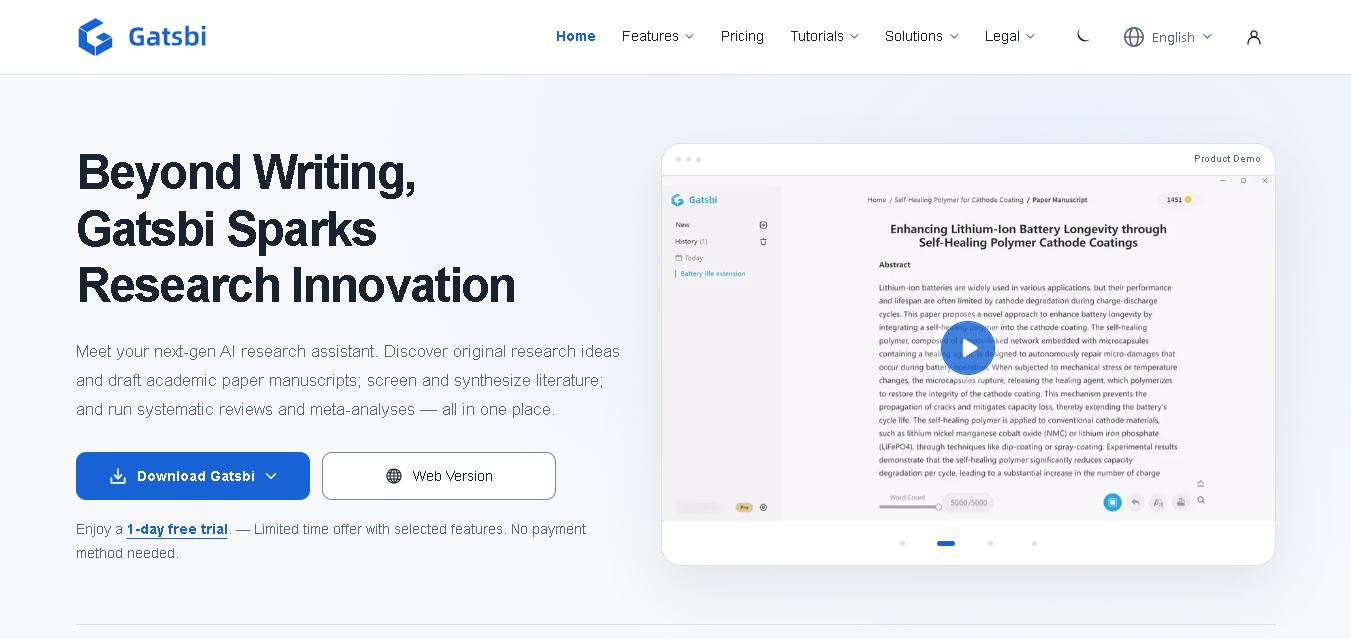
Gatsbi is an AI research assistant that helps researchers discover ideas, draft academic papers, review scientific literature, and prepare patent disclosures. It combines research discovery, manuscript generation, and evidence synthesis in one workflow. The tool is useful for academics, scientists, engineers, and innovation teams seeking to streamline complex research tasks.
 4.8
WisPaper
Research
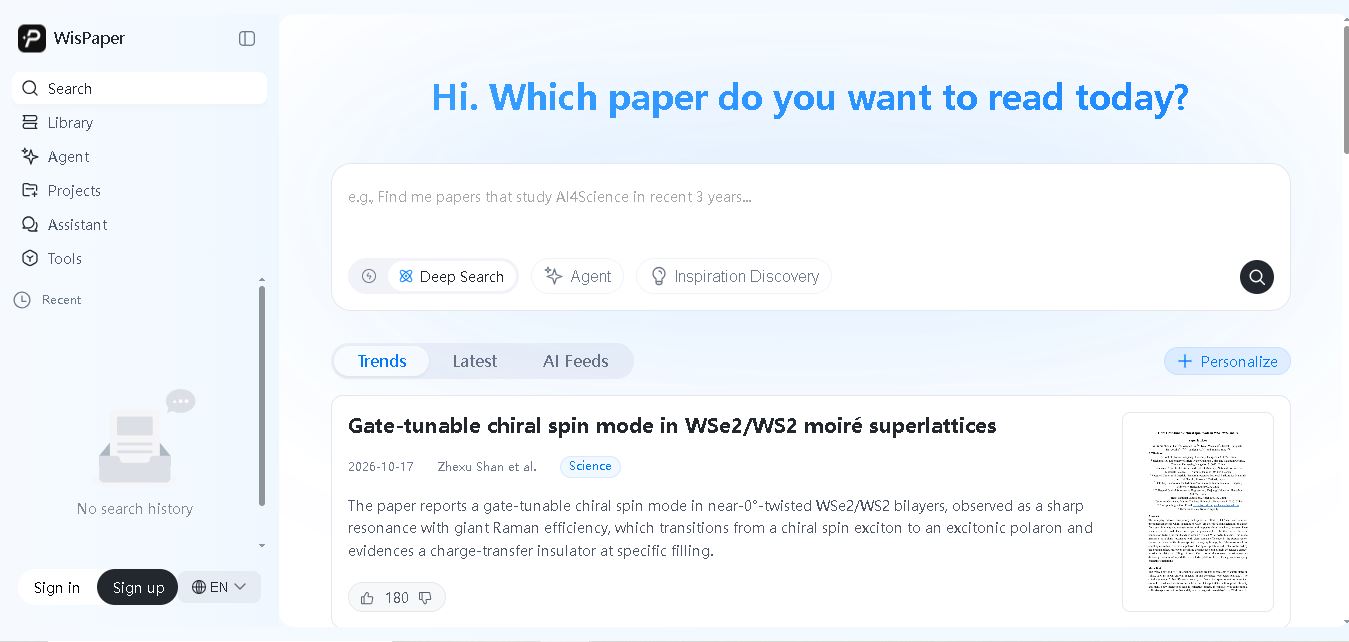
WisPaper AI helps students, academics, and researchers search scientific literature, explore research questions, and organize academic papers. Its features include AI-powered search, paper summaries, library-based question answering, research assistance, and personalized literature updates. It simplifies literature discovery and supports evidence-based research while allowing users to review sources and verify findings.