
ResearchRabbit
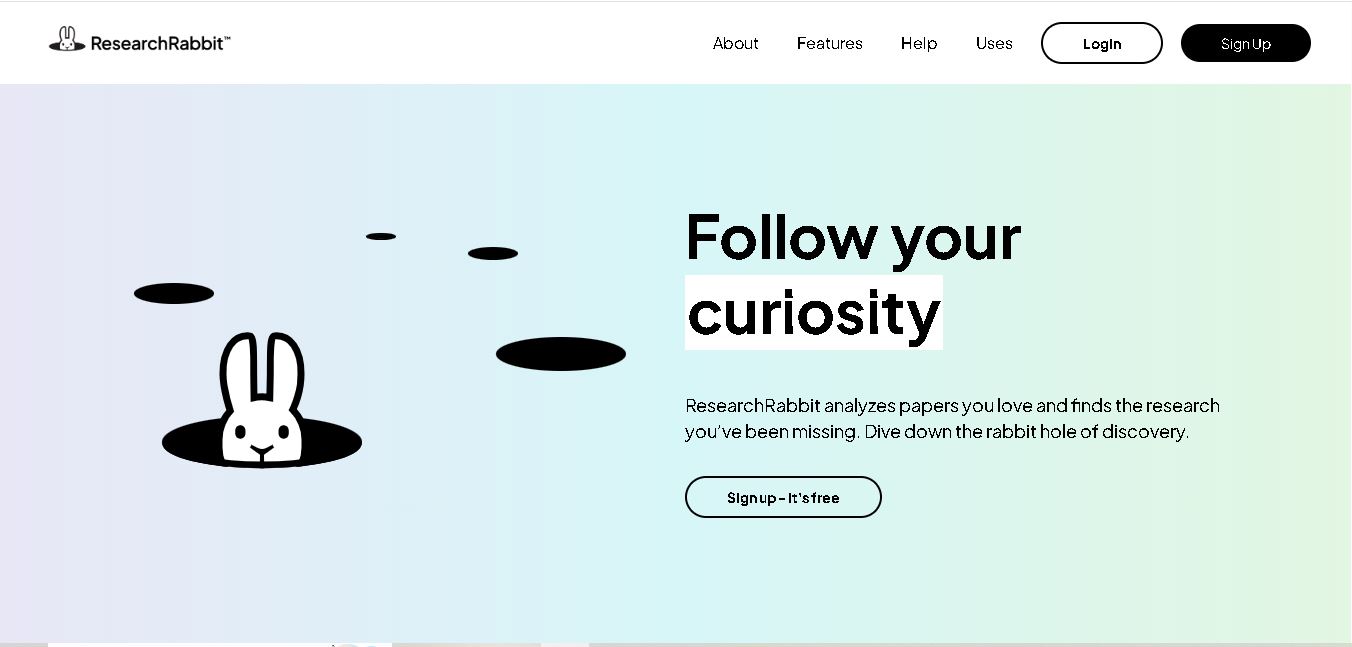
ResearchRabbit helps researchers discover academic papers, explore citation networks, and organize literature for research projects. Its interactive visualizations reveal connections between publications and authors, while personalized recommendations support further discovery. With collections, collaboration, and Zotero integration, it helps students and academics manage sources and develop more organized, comprehensive literature reviews efficiently.
What is ResearchRabbit?
ResearchRabbit is a research discovery tool that helps students, academics, and researchers find relevant scholarly papers and understand how publications connect. Users can begin with a known article, explore its citations and references, discover related authors, and visualize research networks. Its collection management and collaboration features support literature reviews, dissertations, and research projects, making it easier to organize academic sources and identify relevant studies across a research topic.
ResearchRabbit is an academic literature discovery tool used by more than 1 million researchers worldwide, according to its official website. Its database covers over 310 million academic papers, helping users explore publications, citations, references, and authors. The free plan supports unlimited searches and collections, with up to 50 seed articles per search. ResearchRabbit+ expands this limit to 300 seed articles and adds advanced search controls and multiple projects. No paid subscription is required to access its core research discovery features.
- Platform Focus: Visual citation mapping, AI paper recommendations, literature discovery, and team collection sharing
- Launch Year: 2021
Use Cases:
- Mapping out comprehensive literature reviews for dissertations, theses, and grant applications
- Visualizing backward citations and forward cited-by networks to spot research gaps
- Following key academic authors and receiving automated email alerts for newly published papers
- Collaborating live with research lab team members and co-authors on shared reference collections
- Syncing reference libraries directly with external tools like Zotero
Technology:
- Citation graph rendering engine mapping paper relationships through citations, co-citations, and author networks
- AI recommendation algorithm updating suggestions based on user-curated paper collections
- Bi-directional API integrations supporting Zotero reference sync and Semantic Scholar bibliographic metadata
Target Users:
- Graduate and PhD students structuring systematically mapped literature reviews
- University professors and principal investigators organizing course reading lists and research projects
- Research labs collaborating on centralized topic collections
Corporate Entity: Operates as ResearchRabbit (researchrabbit.ai)

Key features of ResearchRabbit
ResearchRabbit's key features are
- Interactive Citation Graphs: Visualizes connections between seed papers, references, and future citations in dynamic network maps.
- Personalized Paper Collections: Create Spotify-style playlists of academic papers categorized by project or chapter.
- AI Recommendation Engine: Suggests highly relevant papers based on the overall composition of your saved collections.
- Zotero Integration: Syncs collections seamlessly with Zotero for easy citation formatting and PDF library management.
- Author Network Tracking: Follow prolific researchers to view their broader publication networks and collaboration histories.
- Live Team Collaboration: Share collections with co-authors and lab members for real-time collaborative curation.
ResearchRabbit Pricing
ResearchRabbit is free to use for researchers, students, and academic institutions.
Free Access:
- $0 / Completely Free
- Includes unlimited collections, interactive citation graphing, Zotero syncing, team collaboration, and paper alerts
Who is using ResearchRabbit?
ResearchRabbit is designed for researchers and academic teams, including
- PhD Candidates & Thesis Writers: Discovering foundational papers and building initial literature reviews
- Academic Researchers & Professors: Tracking ongoing developments across research fields and following key authors
- Collaborative Research Labs: Building shared bibliographies for multi-author journal publications
Best ResearchRabbit Alternatives
Some of the strongest ResearchRabbit alternatives include
Pros and Cons of ResearchRabbit
Pros
- Completely free access with unlimited collections and team collaboration
- Graph-based visual mapping makes exploring citation webs intuitive
- Two-way synchronization with Zotero simplifies citation workflows
- Multi-paper collections yield smarter AI recommendations than single-paper search tools
Cons
- Does not store or manage full-text PDF files directly (requires Zotero or external managers)
- Requires an active internet connection as there is no offline desktop client
- Does not extract or synthesize data tables directly like Elicit
Why Choose ResearchRabbit?
ResearchRabbit is an ideal choice for scholars and students who want a visual, non-linear way to navigate academic literature, discover connected papers, and organize research projects collaboratively without paywalls.
- Maps literature networks visually based on multi-paper seed collections
- Eliminates manual citation hunting with AI-driven paper alerts
- Integrates two-way synchronization with Zotero for reference management
- Supports live team collaboration for lab co-authors
ResearchRabbit vs. Competitors
The main difference between ResearchRabbit, Connected Papers, Litmaps, and Inciteful is that ResearchRabbit bases its AI recommendations on dynamic, multi-paper collection playlists and supports two-way Zotero sync and real-time team collaboration, whereas Connected Papers builds single-paper graphs, Litmaps focuses on timeline-based visual mapping, and Inciteful specializes in quick seed-paper citation network generation. ResearchRabbit stands out for its collection-level recommendation engine and collaborative workspace features.
| Feature / Tool | ResearchRabbit (researchrabbit.ai) | Connected Papers | Litmaps | Inciteful |
|---|---|---|---|---|
| Core Focus | Multi-Paper Collection Discovery & Graphing | Single-Paper Similarity Graph Visualizer | Timeline Citation Mapping & Tracking | Open-Source Citation Network Analysis |
| Graph Input Basis | Entire Collections (Playlists) | Single Seed Paper | Seed Paper / Collections | Seed Papers |
| Zotero Integration | Yes (Bi-Directional Sync) | Basic Export | Yes | BIB/RIS Export |
| Pricing Model | Completely Free | Freemium / ~$3 to $10/mo | Freemium / ~$10/mo | Free / Open Source |
| Best For | Comprehensive Literature Reviews & Teams | Quick Single-Paper Citation Lookups | Chronological Paper Timelines | Deep Graph Network Analysis |
How do we rate ResearchRabbit?
| Parameter | Rating (out of 5) |
|---|---|
| Visual Citation Graphing | 4.9 |
| AI Recommendation Engine Quality | 4.8 |
| Zotero & Integration Ecosystem | 4.9 |
| User Interface & Collaboration UX | 4.8 |
| Value for Money | 5.0 |
| Overall Score | 4.88 |
ResearchRabbit Review
ResearchRabbit provides an exceptional, highly innovative solution for academic research. By shifting literature search from static keyword queries to dynamic, collection-based visual graphs, it makes discovering connected studies intuitive and enjoyable. Its seamless Zotero integration, collaborative collection tools, and completely free model make it an indispensable asset for researchers and academic labs worldwide.
Conclusion
ResearchRabbit is a valuable research discovery tool for students, academics, and professionals who want to explore scholarly literature more efficiently. Its citation mapping, related-paper recommendations, author discovery, and collection management features make it useful for literature reviews and academic projects. The free plan provides substantial functionality, while ResearchRabbit+ supports larger research workflows. For the best results, combine its discovery features with critical reading, reliable academic databases, and careful source verification to build a strong, evidence-based literature review.
FAQ
What can you use ResearchRabbit for?
You can use ResearchRabbit to find relevant academic papers, explore citations, discover influential authors, and organize sources for your literature review. If you're preparing a dissertation, thesis, or research paper, start with an article you already trust. ResearchRabbit can help you uncover connected studies and expand your understanding of the topic.
Is ResearchRabbit free to use?
Yes, ResearchRabbit offers a free plan that includes unlimited searches, unlimited collections, collaboration, and access to core discovery features. You can use up to 50 seed articles to explore related research. If you need larger searches and advanced controls, ResearchRabbit+ offers additional features through a paid subscription.
How does ResearchRabbit find relevant research papers?
ResearchRabbit uses citation networks and relationships between academic publications to recommend related studies. Start with a known paper, and it explores connected references, citations, shared citations, and author relationships. As you add relevant articles, you can continue discovering related work. This iterative approach helps you explore beyond ordinary keyword searches.
Can ResearchRabbit help with a literature review?
Yes, ResearchRabbit is particularly useful when you're conducting a literature review for a thesis, dissertation, or academic publication. It helps you discover relevant papers, trace research connections, and organize sources into collections. You can also share collections with collaborators. However, you should independently evaluate study quality and follow your institution's review methodology.
Does ResearchRabbit use artificial intelligence?
ResearchRabbit uses algorithms to recommend research based on citation and authorship relationships. Its official documentation clarifies that large language models do not power its core recommendation algorithms. Instead, it emphasizes scholarly connections and network-based discovery. This approach helps researchers find relevant publications without relying on AI-generated summaries as the primary discovery method.
Can you connect ResearchRabbit with Zotero?
Yes, ResearchRabbit supports Zotero integration, allowing you to bring your reference library into your research workflow. You can organize relevant papers, build collections, and explore connected literature more efficiently. If you already use Zotero to manage citations, this integration can help reduce repetitive organization and make academic research easier to manage.
User Reviews
No reviews yet for ResearchRabbit.
Featured Tools
Featured AI tools from TechShark
Klap
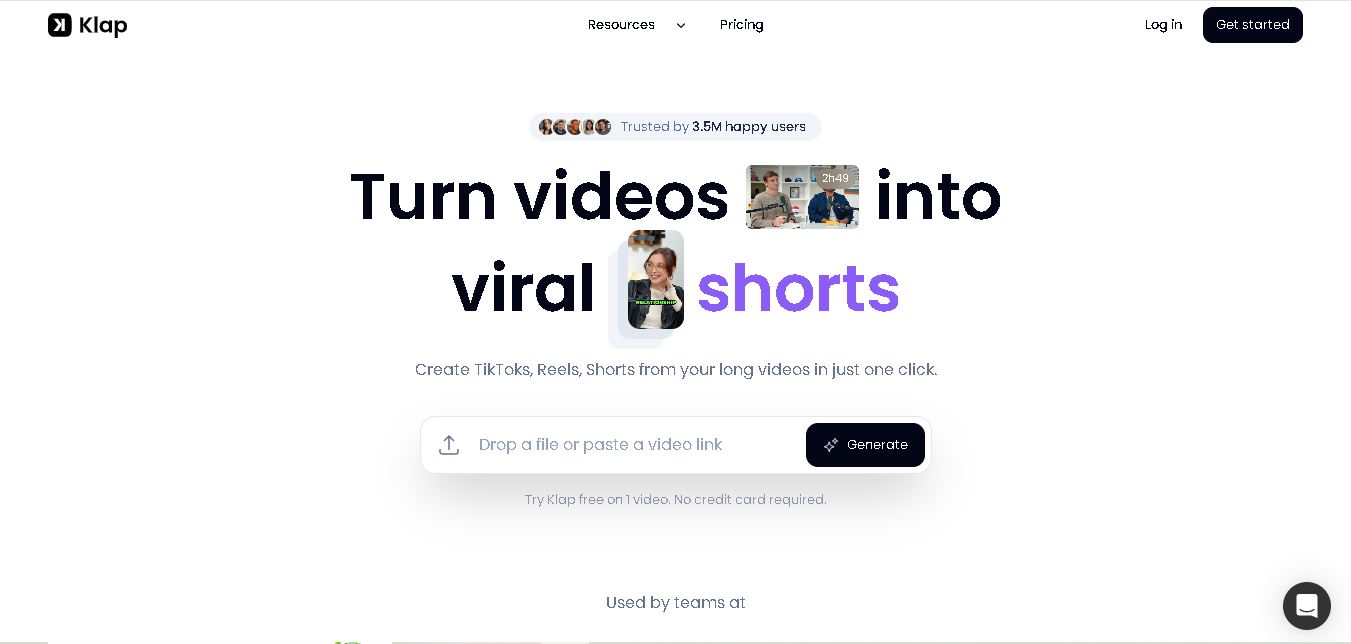
Klap is an AI-powered video editing tool that turns long videos into engaging short clips for TikTok, Instagram Reels, and YouTube Shorts. It automatically finds the best moments, adds captions, and resizes videos, helping creators save time and create more content with less effort.
Free
Melody Genie
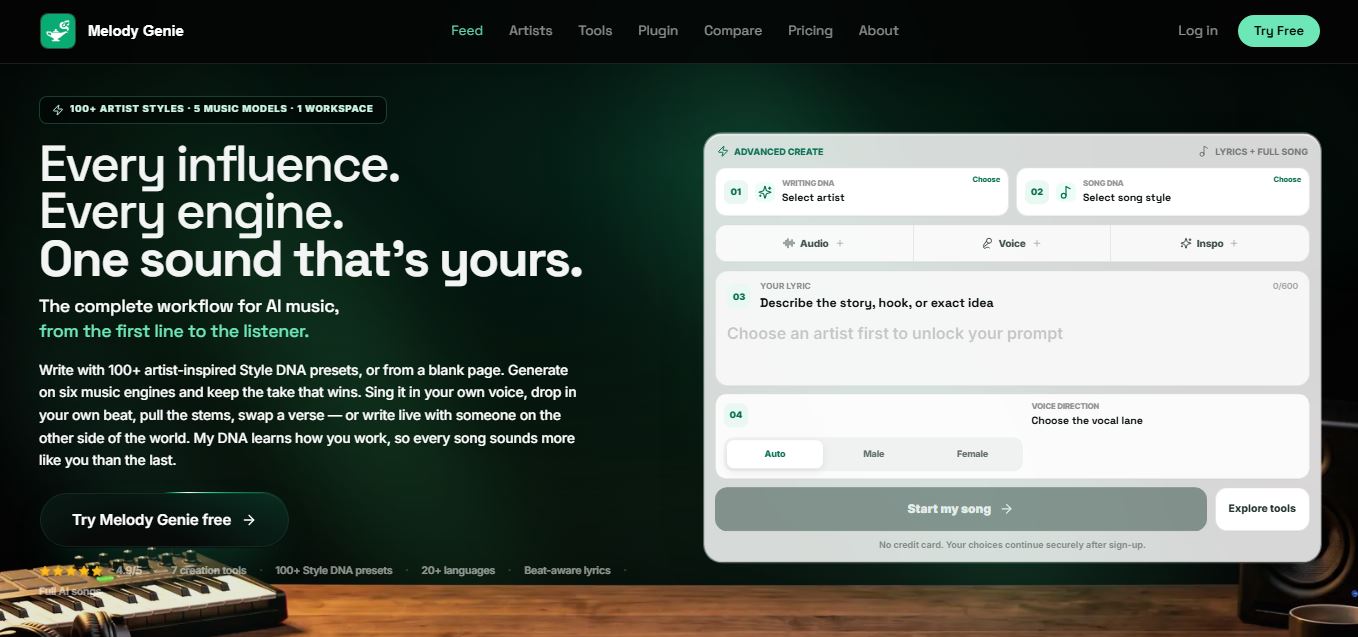
MelodyGenie is an AI-powered music generator that creates original songs from simple text prompts. Users can choose styles, moods, and genres, then instantly generate melodies and full tracks, making it easy for creators, marketers, and hobbyists to produce custom music without musical expertise.
Freemium

Fashion Diffusion AI
Fashion Diffusion is an AI-powered fashion design platform that helps brands and designers create clothing designs, virtual try-ons, AI models, product photos, and marketing visuals faster and cost-effectively.
Paid
Veo 4
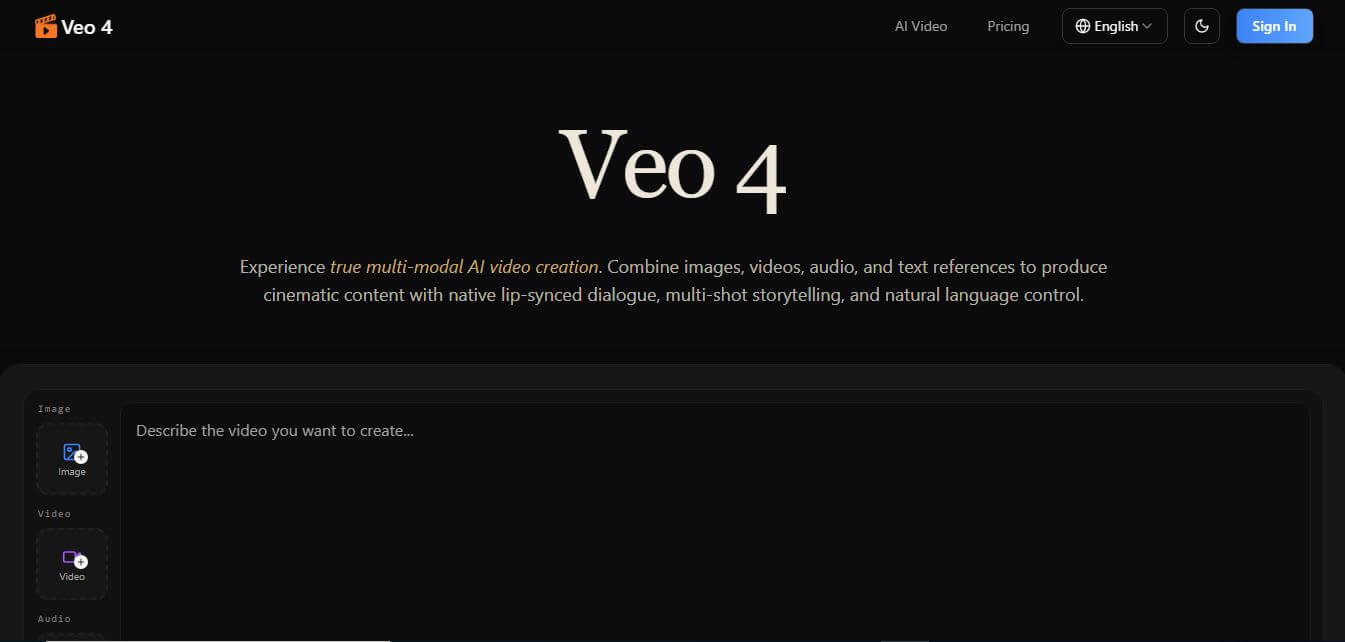
Veo 4 AI is an AI video creation platform that generates dramatic videos from text, images, audio, and video prompts using realistic motion and synchronized sound.
Paid
Alternatives
Alternatives to ResearchRabbit
The best ResearchRabbit alternatives include Connected Papers, Litmaps, Inciteful, Semantic Scholar Feeds, Elicit, and Scite.ai. These platforms offer visual literature discovery, citation mapping, and paper recommendations. While ResearchRabbit specializes in free collection-based citation graphing, bi-directional Zotero synchronization, and team collaboration, alternatives like Connected Papers focus on single-paper similarity graphs, and Litmaps provides timeline-based mapping.
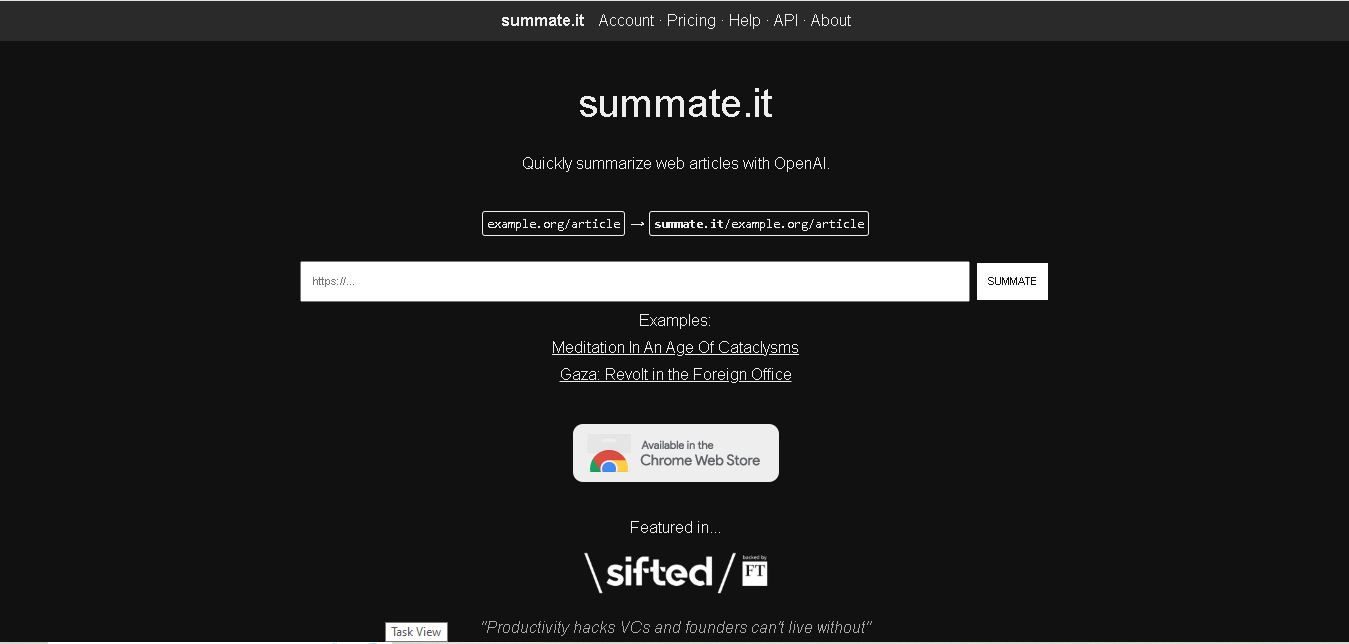 4.8
Summate.it
Research
Summate.it is a web-based AI article summarizer that helps users understand lengthy online content quickly. It extracts article text and uses OpenAI to generate concise summaries highlighting essential information. Students, researchers, marketers, and professionals can use it to review online articles efficiently, save reading time, and simplify everyday information gathering.
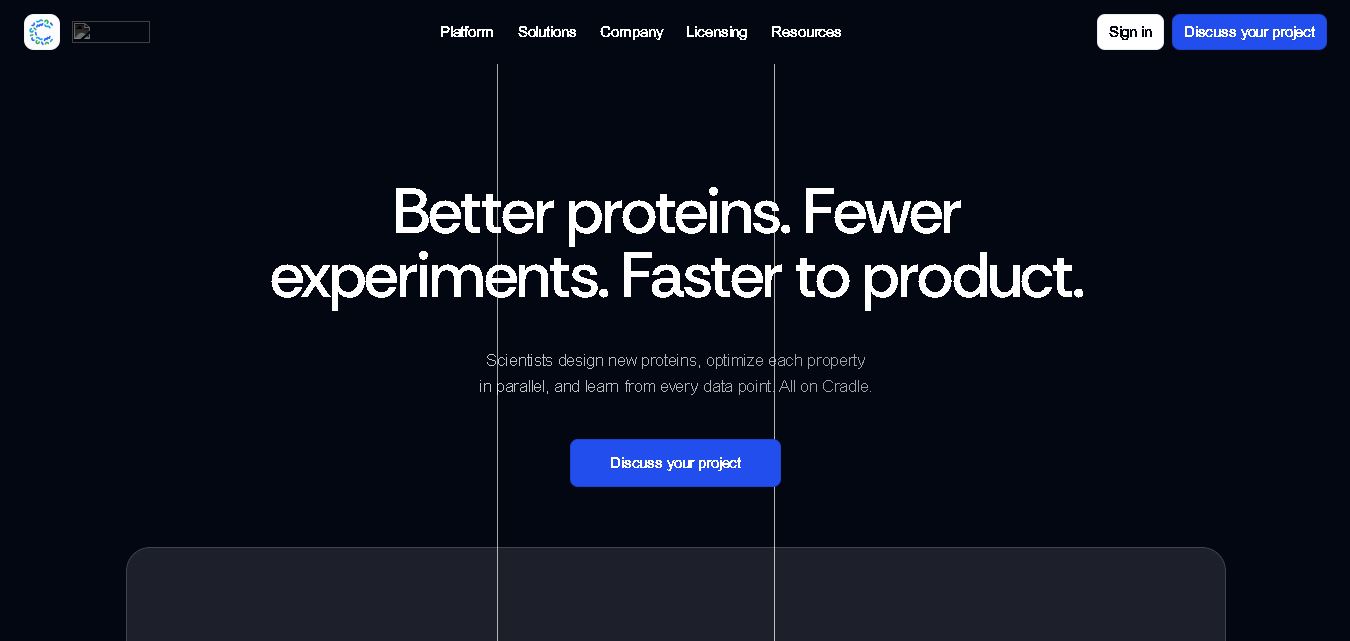 4.9
Cradle
Research
Cradle helps biotechnology researchers design, engineer, and optimize proteins using artificial intelligence and laboratory data. Its capabilities include protein sequence generation, multi-property optimization, candidate scoring, and experimental learning. The platform supports pharmaceutical, agricultural, and industrial biotechnology research, helping scientific teams explore promising molecules while reducing unnecessary experimental cycles and improving research workflows.
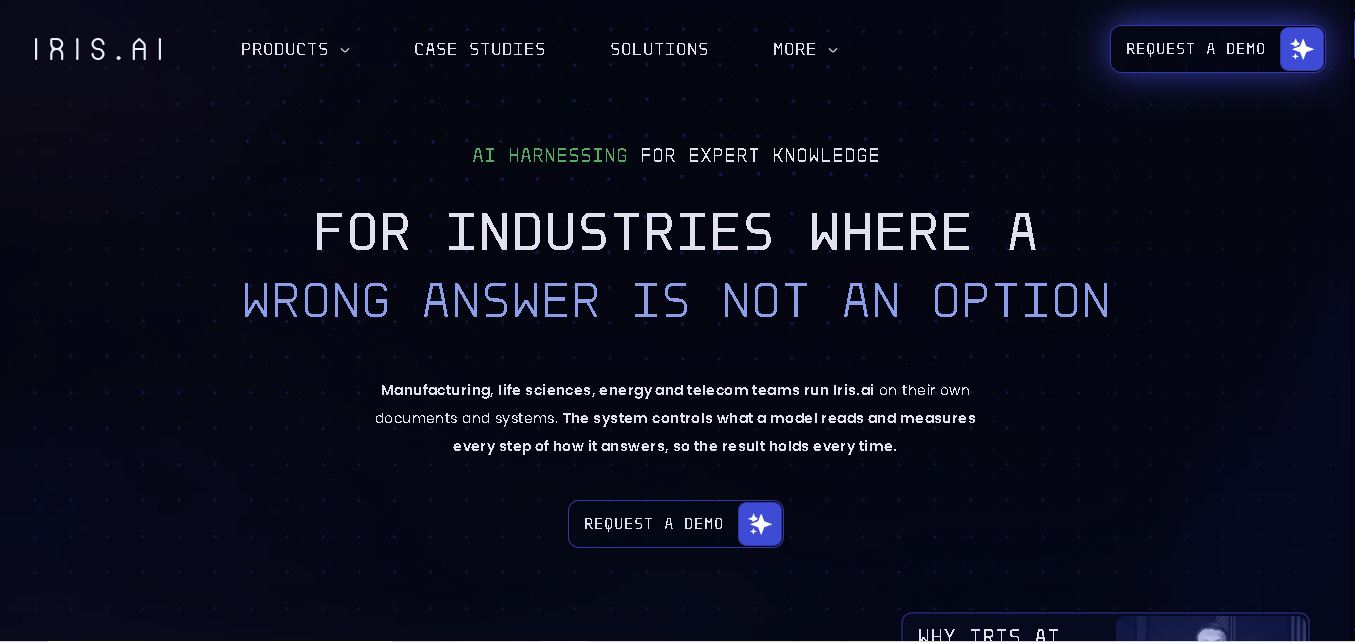 4.9
Iris.ai
Research
Iris.ai helps enterprises and research teams organize complex information, analyze scientific literature, and build AI workflows using organizational knowledge. Its solutions support document extraction, contextual search, data processing, and AI response evaluation. The platform is particularly relevant to research-intensive businesses seeking better information retrieval, reliable answers, and controlled enterprise AI applications.
 4.8
Lightmatter
Research
Lightmatter develops photonic computing technologies that help AI data centers connect processors and transfer information more efficiently. Its products include Passage optical interconnects, Guide light engines, and Envise photonic AI computing technology. The company aims to address bandwidth and power constraints affecting large-scale AI training, inference, and high-performance computing infrastructure.
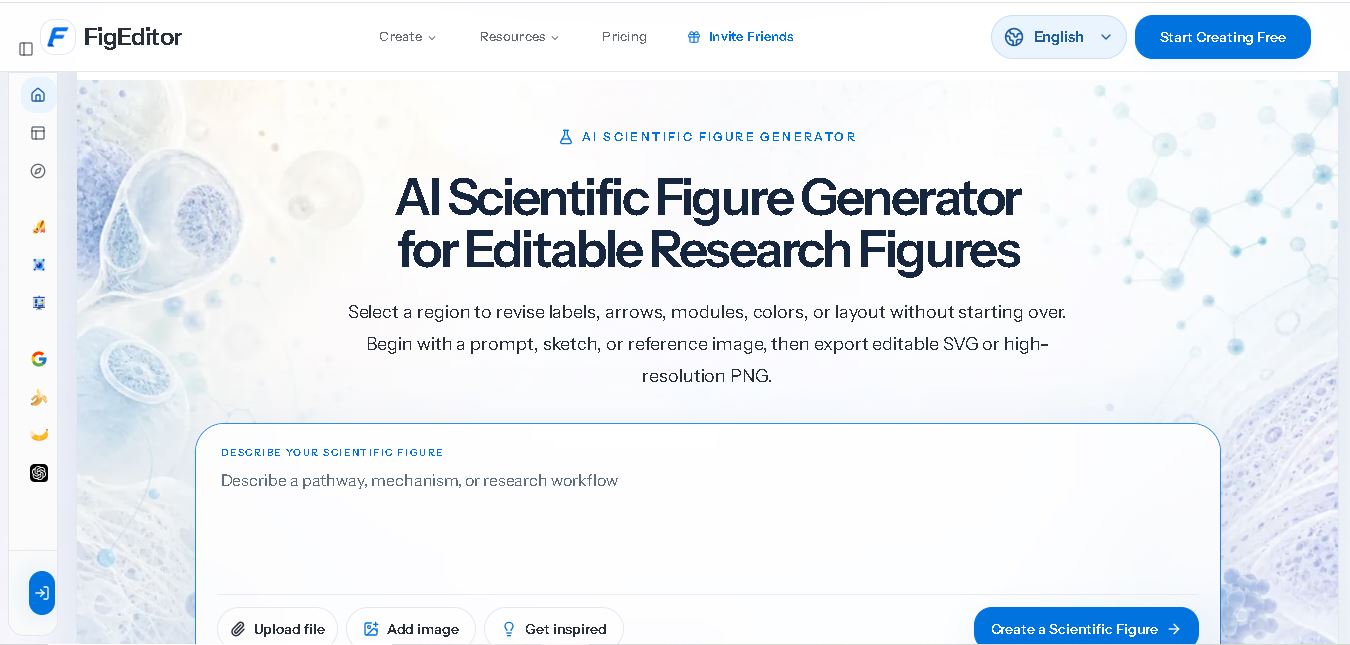 4.8
FigEditor
Research
FigEditor AI helps researchers create scientific illustrations, flowcharts, graphical abstracts, and academic diagrams from text prompts, sketches, or reference images. Its editing and vectorization features simplify visual revisions, while SVG and high-resolution PNG exports support different research workflows. It is useful for students, scientists, educators, and research professionals preparing visual materials.
 4.8
GoMim
Research
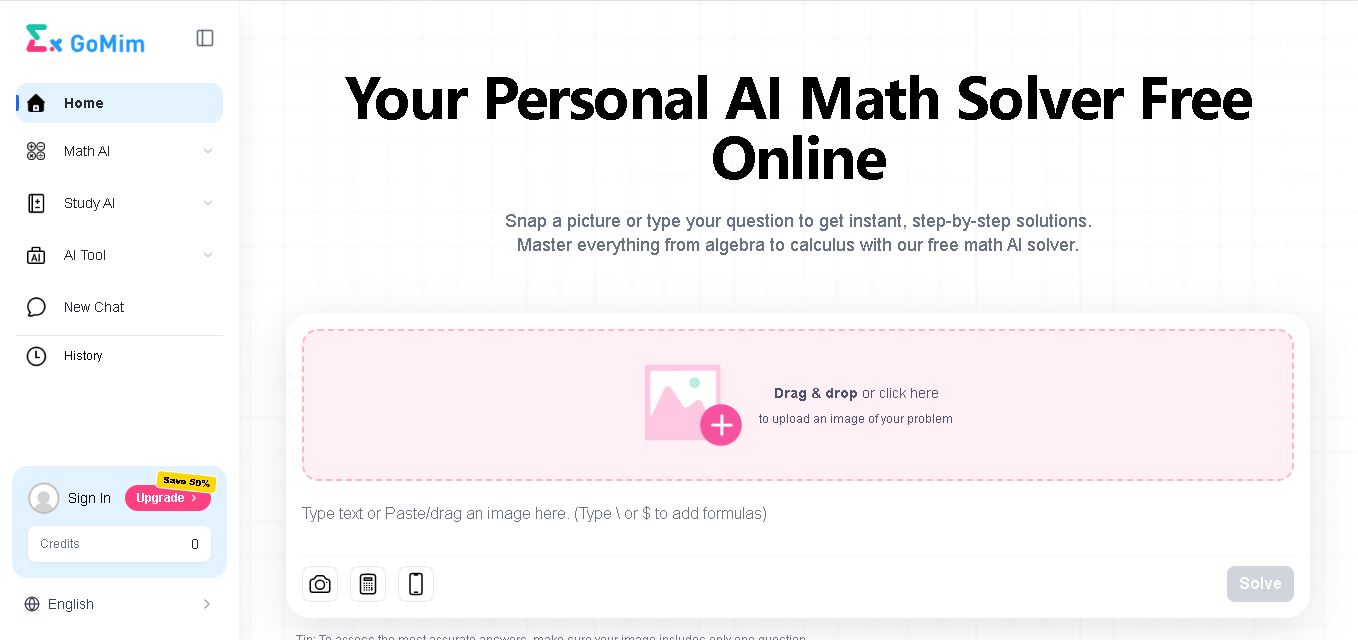
GoMim is an AI math solver that helps students understand mathematical concepts through step-by-step solutions. It supports typed questions, image uploads, and subjects including algebra, geometry, and calculus. With an interactive AI tutor, question history, and free and paid plans, GoMim makes homework assistance and independent study more accessible.
 4.8
AlphaResearch
Research
AlphaResearch helps investors, financial analysts, and corporate strategists research companies using financial documents, earnings transcripts, market data, and sentiment analysis. Its features include document search, filing alerts, stock screening, institutional ownership tracking, and research notes. The platform simplifies financial information discovery, helping users investigate companies and support informed investment research decisions.
 4.8
Gatsbi
Research
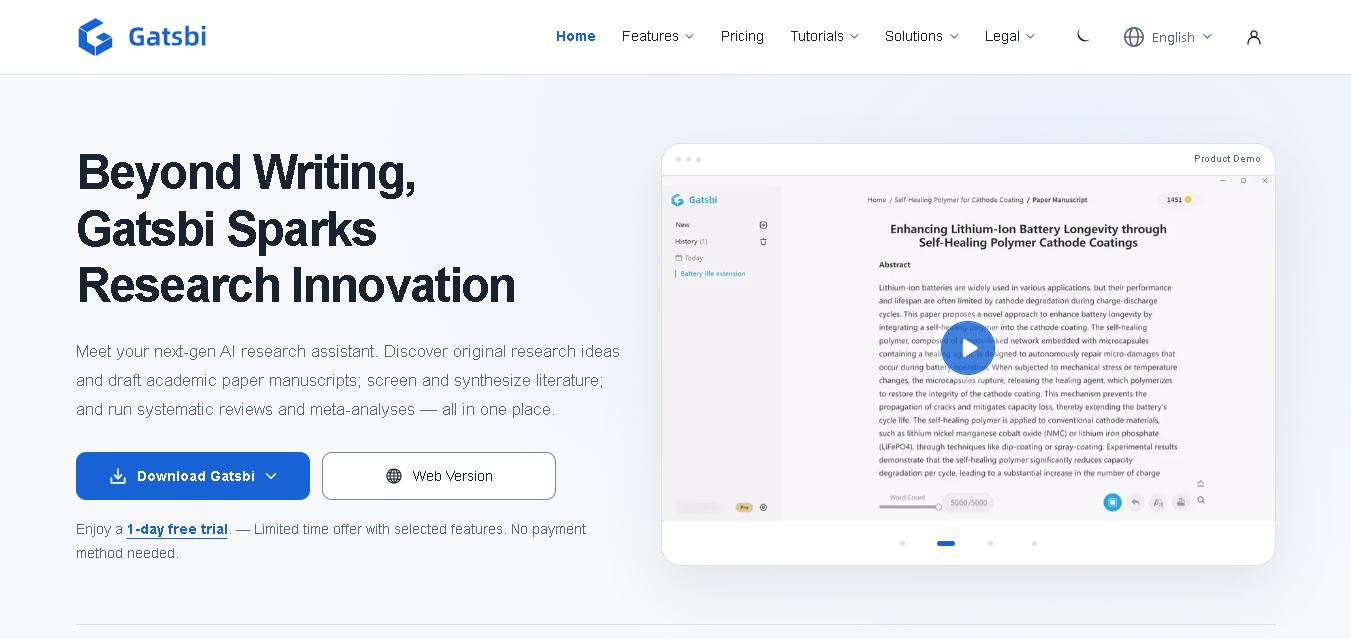
Gatsbi is an AI research assistant that helps researchers discover ideas, draft academic papers, review scientific literature, and prepare patent disclosures. It combines research discovery, manuscript generation, and evidence synthesis in one workflow. The tool is useful for academics, scientists, engineers, and innovation teams seeking to streamline complex research tasks.
 4.9
Metagene-1
Research
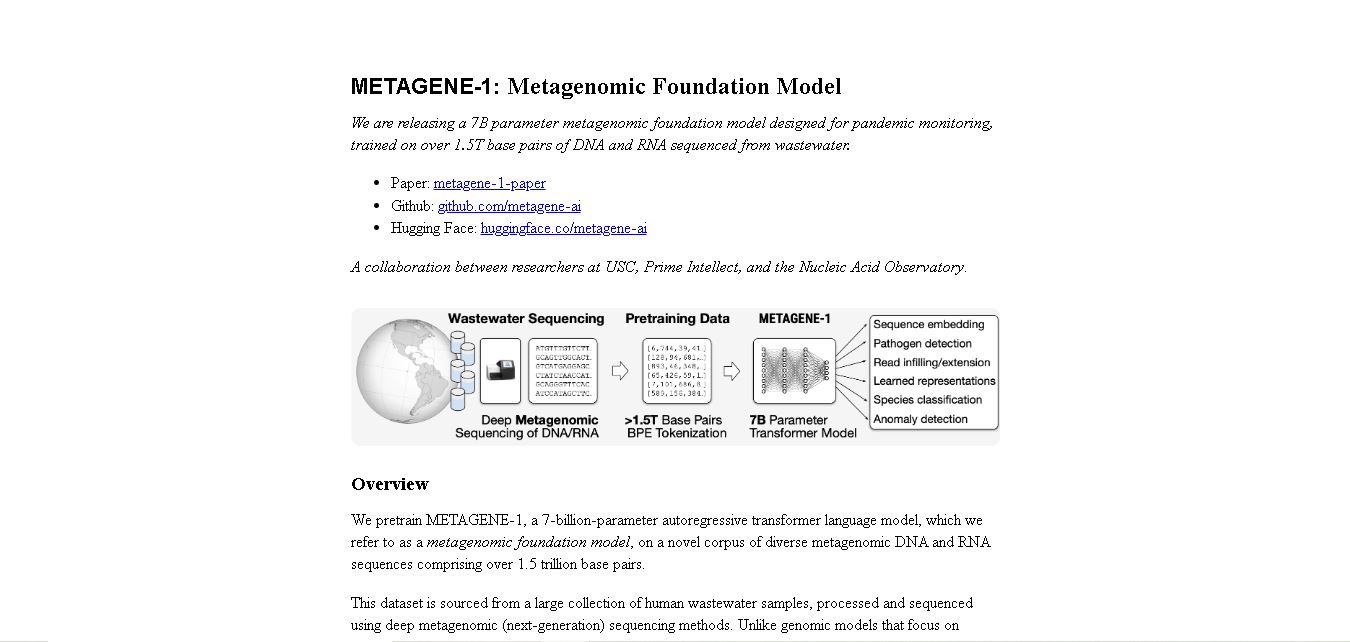
METAGENE-1 is a metagenomic foundation model designed to help researchers analyze DNA and RNA sequences. Trained on extensive wastewater sequencing data, it supports genomic embedding, pathogen detection research, biosurveillance, and pandemic monitoring. The model provides researchers with an AI-based approach to studying microbial diversity and identifying patterns in complex metagenomic datasets.