
Explainpaper
Explainpaper helps students, researchers, and professionals understand complicated academic papers through clear, AI-generated explanations. Users can highlight difficult passages, ask questions about uploaded documents, and explore important findings. Its features include multilingual explanations, paper summaries, smart outlines, and research insights, making technical reading more accessible and efficient for different experience levels.
What is Explainpaper?
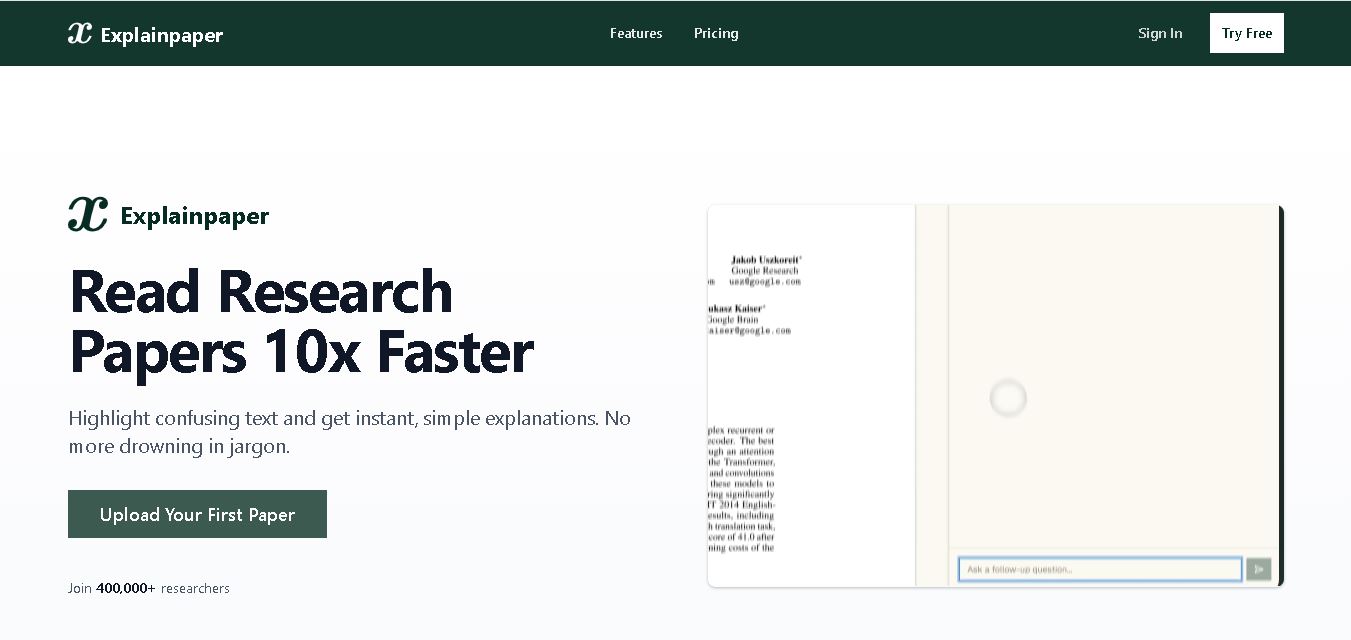
Explainpaper is a research assistant that helps students, academics, and professionals understand complex scientific papers in simpler language. Users can upload a research paper, highlight confusing sentences or technical passages, and receive context-aware explanations. It also supports document-based questions, follow-up conversations, paper summaries, and key insight extraction. With adjustable explanation complexity and support for more than 50 languages, Explainpaper helps readers navigate technical research more efficiently.
Explainpaper was launched in 2022 to simplify academic research and help readers understand complex scientific literature. The platform reports serving more than 400,000 researchers. It supports explanations in over 50 languages, adjustable complexity levels, document-based questions, and research summaries. Its Free plan costs $0 per month and includes unlimited highlight explanations, while Pro costs $16 per month according to its listed pricing. No research assistant can guarantee perfect interpretations, so users should verify important claims, equations, and findings against original papers.
- Platform Focus: Interactive PDF reading, highlight-to-explain AI, academic jargon translation, and research document chat
- Founders: Aman Jha & Jade Bowler
- Launch Year: 2022
Use Cases:
- Highlighting dense mathematical formulations, statistics, or discipline-specific acronyms for instant breakdown
- Asking follow-up questions to probe deeply into specific methodology or result sections within a paper
- Reading cross-disciplinary research papers outside one's primary field of expertise
- Summarizing key findings and extracting primary conclusions from lengthy academic PDFs
Technology:
- Context-aware large language model (LLM) orchestration for targeted text passage explanations
- PDF rendering engine with precise coordinate text selection and side-by-side chat overlays
- Retrieval-Augmented Generation (RAG) for localized document Q&A and section summarization
Target Users:
- Undergraduate and graduate students tackling dense academic course readings and research literature
- PhD candidates and academic researchers exploring unfamiliar sub-disciplines
- Science journalists, industry analysts, and curious readers digesting technical whitepapers
Corporate Entity: Operates as Explainpaper / explainpaper.com

Key features of Explainpaper
Explainpaper's key features are
- Highlight-for-Explanation: Select any text, passage, or jargon in an uploaded PDF to get an immediate, simplified explanation in the side panel.
- Custom Explanation Complexity: Adjust the target explanation level (e.g., Explain like I'm 5, High School, Undergraduate, Expert) to fit your background knowledge.
- Follow-Up Document Chat: Ask nested questions based on the generated explanation to drill deeper into complex concepts.
- PDF Summarizer & Key Takeaways: Automatically generate high-level overviews of full papers or specific sections.
- Interactive PDF Viewer: Side-by-side reader interface that keeps original paper formatting, figures, and references intact.
Explainpaper Pricing
Explainpaper operates on a freemium pricing model offering a free tier alongside recurring monthly Pro plans for expanded usage.
Free Plan:
- $0 / Free
- Includes basic PDF uploads, standard highlight explanations, and limited daily AI questions
Pro Plan:
- ~$12 to $16 / month (billed monthly or annually)
- Includes unlimited paper uploads, higher file size caps, access to advanced LLM models (e.g., GPT-4 class models), and priority processing speed
Who is using Explainpaper?
Explainpaper is designed for academic readers and research students, including
- University Students: Reading assigned journal articles and understanding complex course literature
- Cross-Disciplinary Researchers: Quickly grasping unfamiliar terminology when reading outside their main field
- Technical Professionals: Reviewing scientific whitepapers and preprints efficiently
Best Explainpaper Alternatives
Some of the strongest Explainpaper alternatives include
- SciSpace
- ChatPDF
- AskYourPDF
- Scholarcy
- Unriddle
- Paperguide
Pros and Cons of Explainpaper
Pros
- Targeted highlight selection provides instant explanations without cluttering the full page
- Adjustable explanation complexity tailors technical answers to the user's expertise level
- Clean side-by-side interface keeps reading and explanation in one focused workspace
- Free tier allows quick testing and casual PDF reading without a subscription
Cons
- Focuses primarily on single PDF interaction rather than multi-document matrix extraction or citation graph analysis
- Free tier imposes limits on file sizes and daily query volume
- Lacks built-in reference manager integrations like direct Zotero synchronization
Why Choose Explainpaper?
Explainpaper is an ideal choice for students and researchers who want a minimalist, highlight-first PDF reading assistant that turns confusing scientific text into clear, plain-English explanations on demand.
- Translates highlighted academic text and math directly into plain language
- Allows users to adjust reading levels from beginner to expert
- Provides a side-by-side interactive PDF reader workspace
- Offers an easy-to-use free entry plan
Explainpaper vs. Competitors
The main difference between Explainpaper, SciSpace, ChatPDF, and Scholarcy is that Explainpaper specializes in targeted text-highlight explanations and inline passage breakdowns within a side-by-side reader, whereas SciSpace offers a full academic discovery suite with global database search, ChatPDF provides general document Q&A chat, and Scholarcy generates structured summary flashcards. Explainpaper stands out for its streamlined highlight-to-explain user experience.
| Feature / Tool | Explainpaper (explainpaper.com) | SciSpace | ChatPDF | Scholarcy |
|---|---|---|---|---|
| Core Focus | Highlight-Based PDF Explanation & Reading Assistant | Academic Search, PDF Co-Pilot & Synthesis | General Conversational PDF Chat | AI Flashcard & Summary Extractions |
| Highlight Text Explanation | Yes (Core Feature Overlay) | Yes (Copilot Selection) | No (Full Document Chat Focus) | No (Flashcard Focus) |
| Reading Level Adjustment | Yes (Custom Reading Levels) | Yes | No | No |
| Starting Price Range | Free tier / ~$12 to $16/mo Pro | Freemium / ~$12/mo | Free tier / ~$19.99/mo | Free tier / ~$9.99/mo |
| Best For | Targeted Paragraph & Jargon Explanations | Full Academic Search & Literature Review | Quick Document Summaries & Q&A | Structuring Key Paper Tables & Summaries |
How do we rate Explainpaper?
| Parameter | Rating (out of 5) |
|---|---|
| Highlight Explanation Quality & Clarity | 4.8 |
| Reader Interface & UX Simplicity | 4.9 |
| Follow-Up Document Chat Accuracy | 4.7 |
| Accessibility for Beginners | 4.9 |
| Value for Money | 4.7 |
| Overall Score | 4.80 |
Explainpaper Review
Explainpaper provides a delightfully straightforward solution for anyone struggling with dense academic prose. By letting users highlight specific confusing sentences or technical formulas and receive instant, simplified explanations, it removes the intimidation factor from reading research papers. Its intuitive side-by-side design and adjustable reading complexity make it an essential reading companion for students and scholars alike.
Conclusion
Explainpaper is a useful research assistant for students, academics, and professionals who want to understand complicated scientific papers more efficiently. Its passage explanations, document-based chat, multilingual support, and research summaries can simplify demanding reading tasks. The free plan offers a practical starting point, while Pro provides additional research features. For reliable academic work, always verify AI-generated explanations against the original evidence. Overall, Explainpaper can complement your research workflow and support more informed learning and analysis.
FAQ
What is Explainpaper used for?
Explainpaper helps you understand research papers without struggling through every technical term independently. You can upload a paper, highlight confusing sentences, and receive simpler explanations. It is especially useful for university students, researchers, and professionals reviewing scientific literature, learning unfamiliar concepts, preparing assignments, or exploring new research topics more efficiently.
How does Explainpaper work?
Explainpaper works by analyzing the research document you upload and explaining selected passages in simpler language. Highlight a confusing sentence, review the generated explanation, and ask follow-up questions when necessary. This interactive process helps you understand unfamiliar terminology, scientific arguments, and research methods while keeping your attention on the original paper.
Is Explainpaper free to use?
Yes, Explainpaper offers a Free plan costing $0 per month. It includes unlimited highlight explanations, follow-up questions, and access to basic AI models. The Pro plan is listed at $16 per month and adds advanced models, full-paper summaries, saved explanations, and mathematical formula assistance. Verify current pricing before subscribing.
Can Explainpaper summarize research papers?
Yes, Explainpaper offers full-paper summaries through its Pro plan. These summaries help you identify important findings, central arguments, and major research conclusions without initially reading every section in detail. You can also use smart outlines and extracted key points to navigate lengthy academic documents and decide which sections deserve closer examination.
Who should use Explainpaper?
Explainpaper is suitable for undergraduate students, postgraduate researchers, educators, and professionals who regularly read technical documents. If you find scientific terminology, complicated methodologies, or unfamiliar equations difficult, the tool can provide useful explanations. It is particularly helpful during literature reviews, research preparation, independent learning, and the initial evaluation of academic publications.
Does Explainpaper support multiple languages?
Yes, Explainpaper advertises support for more than 50 languages, allowing users to request explanations in a language they understand comfortably. You can adjust explanation complexity from beginner to expert level, depending on your background knowledge. This flexibility helps international students and researchers approach technical literature more confidently, although translation accuracy may vary.
User Reviews
No reviews yet for Explainpaper.
Featured Tools
Featured AI tools from TechShark

Klap
Klap is an AI-powered video editing tool that turns long videos into engaging short clips for TikTok, Instagram Reels, and YouTube Shorts. It automatically finds the best moments, adds captions, and resizes videos, helping creators save time and create more content with less effort.
Free
Melody Genie
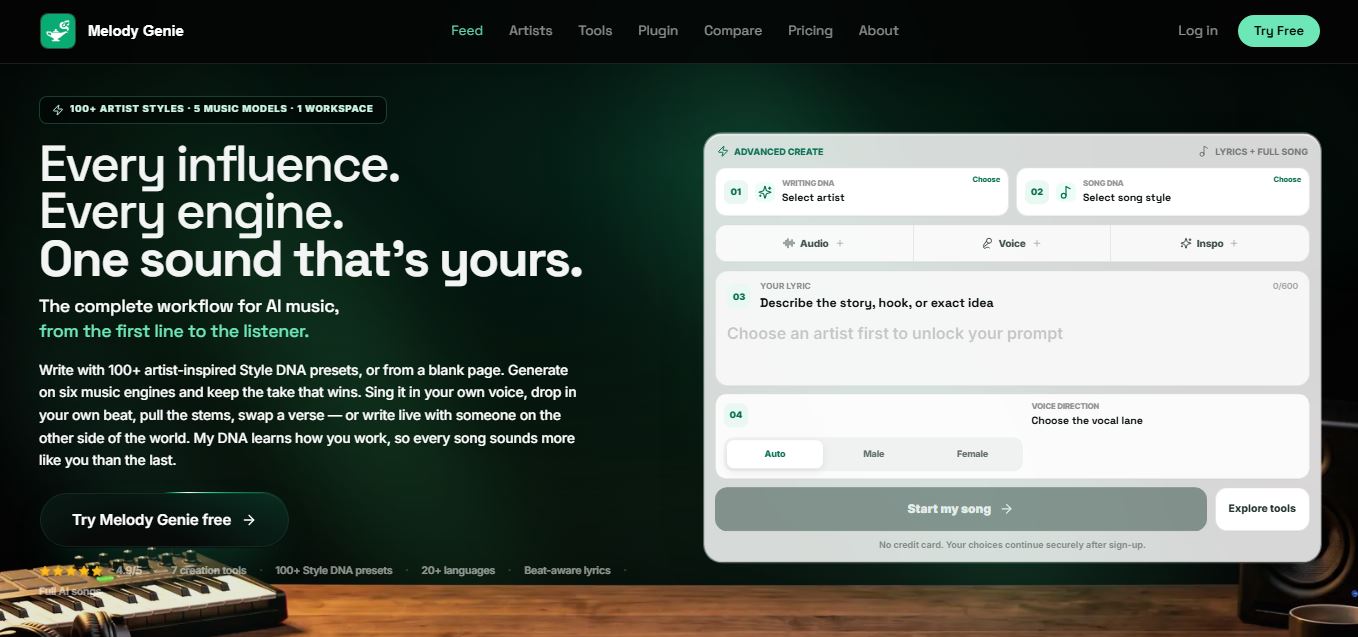
MelodyGenie is an AI-powered music generator that creates original songs from simple text prompts. Users can choose styles, moods, and genres, then instantly generate melodies and full tracks, making it easy for creators, marketers, and hobbyists to produce custom music without musical expertise.
Freemium

Fashion Diffusion AI
Fashion Diffusion is an AI-powered fashion design platform that helps brands and designers create clothing designs, virtual try-ons, AI models, product photos, and marketing visuals faster and cost-effectively.
Paid
Veo 4
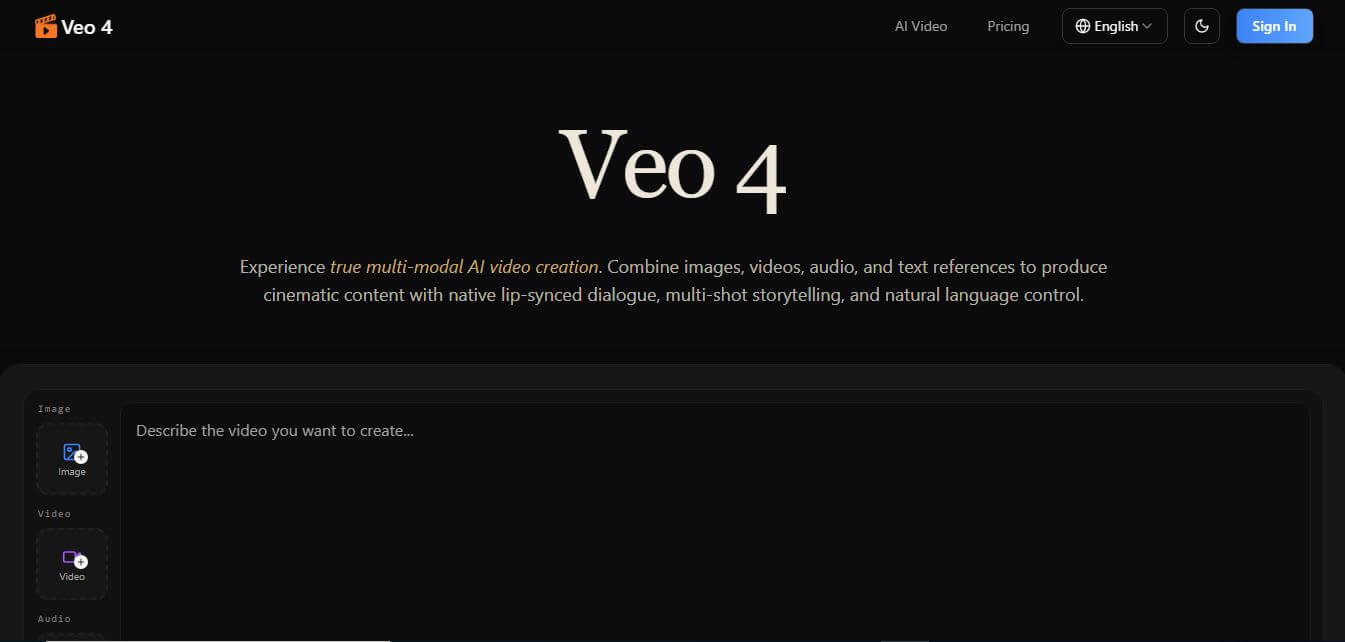
Veo 4 AI is an AI video creation platform that generates dramatic videos from text, images, audio, and video prompts using realistic motion and synchronized sound.
Paid
Alternatives
Alternatives to Explainpaper
The best Explainpaper alternatives include SciSpace, ChatPDF, AskYourPDF, Scholarcy, Unriddle, and Paperguide. These tools offer AI document reading, summarization, and PDF Q&A features. While Explainpaper specializes in targeted highlight-to-explain passage breakdowns and adjustable reading complexity levels within a side-by-side viewer, alternatives like SciSpace provide broader literature search and Elicit excels at structured data extraction.
 4.8
Summate.it
Research
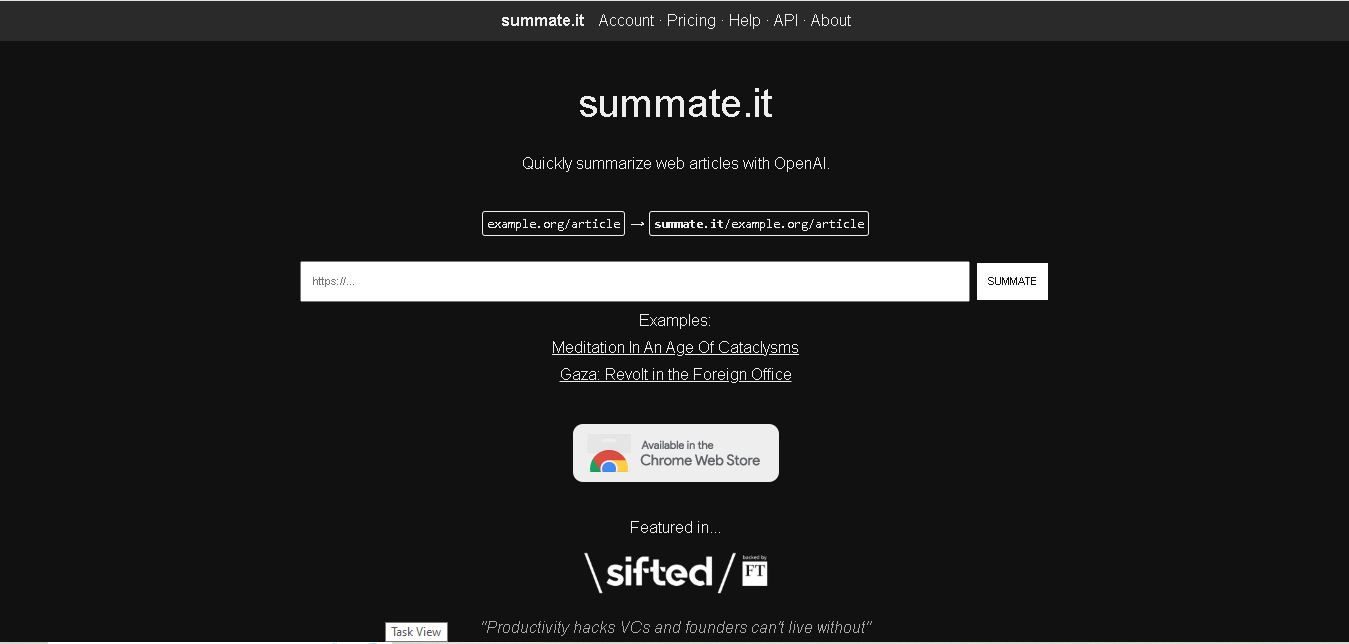
Summate.it is a web-based AI article summarizer that helps users understand lengthy online content quickly. It extracts article text and uses OpenAI to generate concise summaries highlighting essential information. Students, researchers, marketers, and professionals can use it to review online articles efficiently, save reading time, and simplify everyday information gathering.
 4.9
Cradle
Research
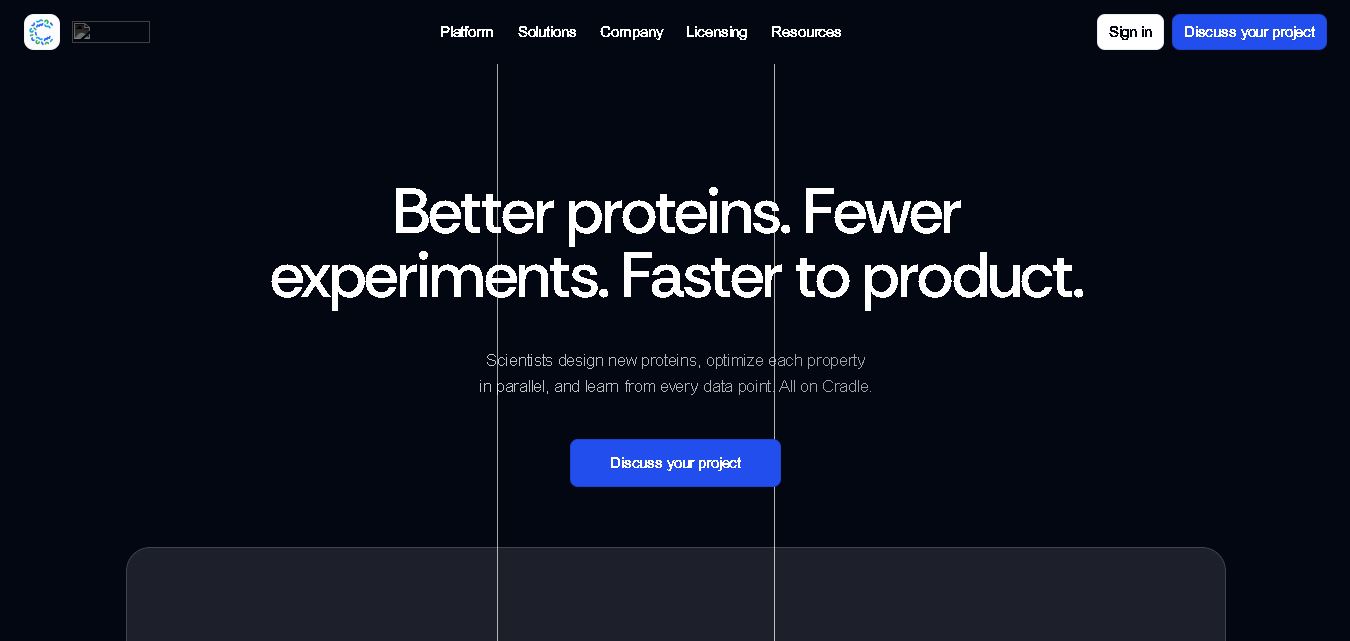
Cradle helps biotechnology researchers design, engineer, and optimize proteins using artificial intelligence and laboratory data. Its capabilities include protein sequence generation, multi-property optimization, candidate scoring, and experimental learning. The platform supports pharmaceutical, agricultural, and industrial biotechnology research, helping scientific teams explore promising molecules while reducing unnecessary experimental cycles and improving research workflows.
 4.9
Iris.ai
Research
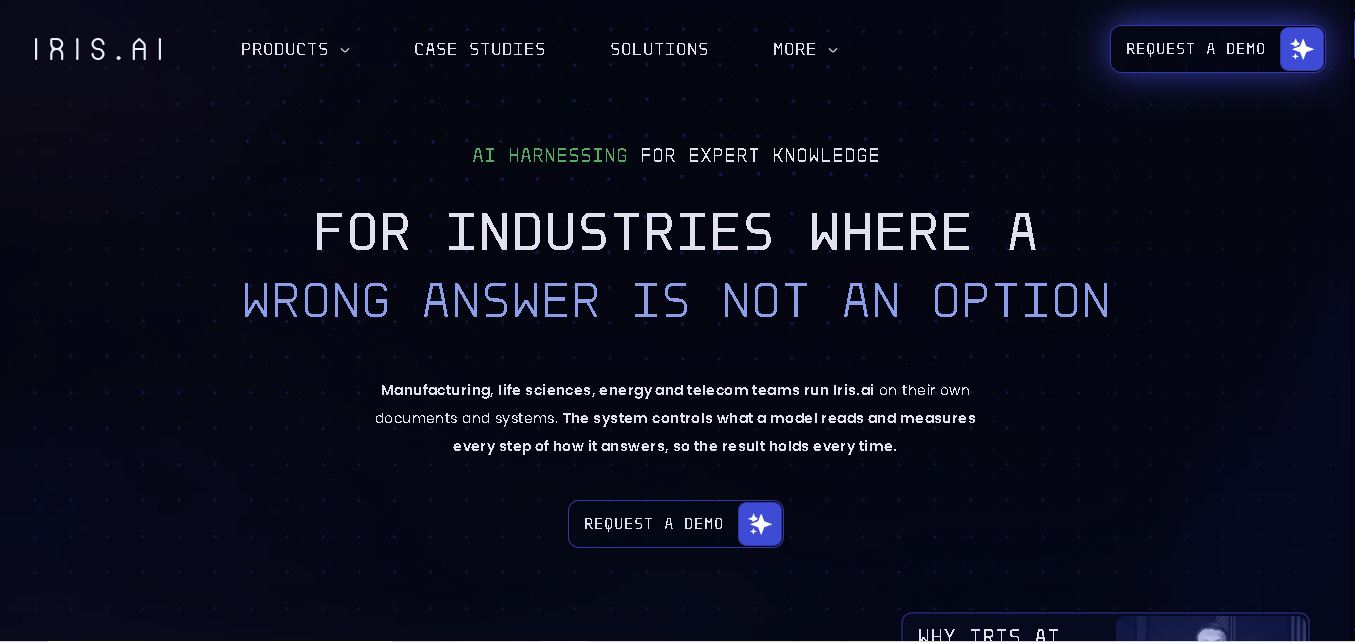
Iris.ai helps enterprises and research teams organize complex information, analyze scientific literature, and build AI workflows using organizational knowledge. Its solutions support document extraction, contextual search, data processing, and AI response evaluation. The platform is particularly relevant to research-intensive businesses seeking better information retrieval, reliable answers, and controlled enterprise AI applications.
 4.8
Lightmatter
Research
Lightmatter develops photonic computing technologies that help AI data centers connect processors and transfer information more efficiently. Its products include Passage optical interconnects, Guide light engines, and Envise photonic AI computing technology. The company aims to address bandwidth and power constraints affecting large-scale AI training, inference, and high-performance computing infrastructure.
 4.8
FigEditor
Research
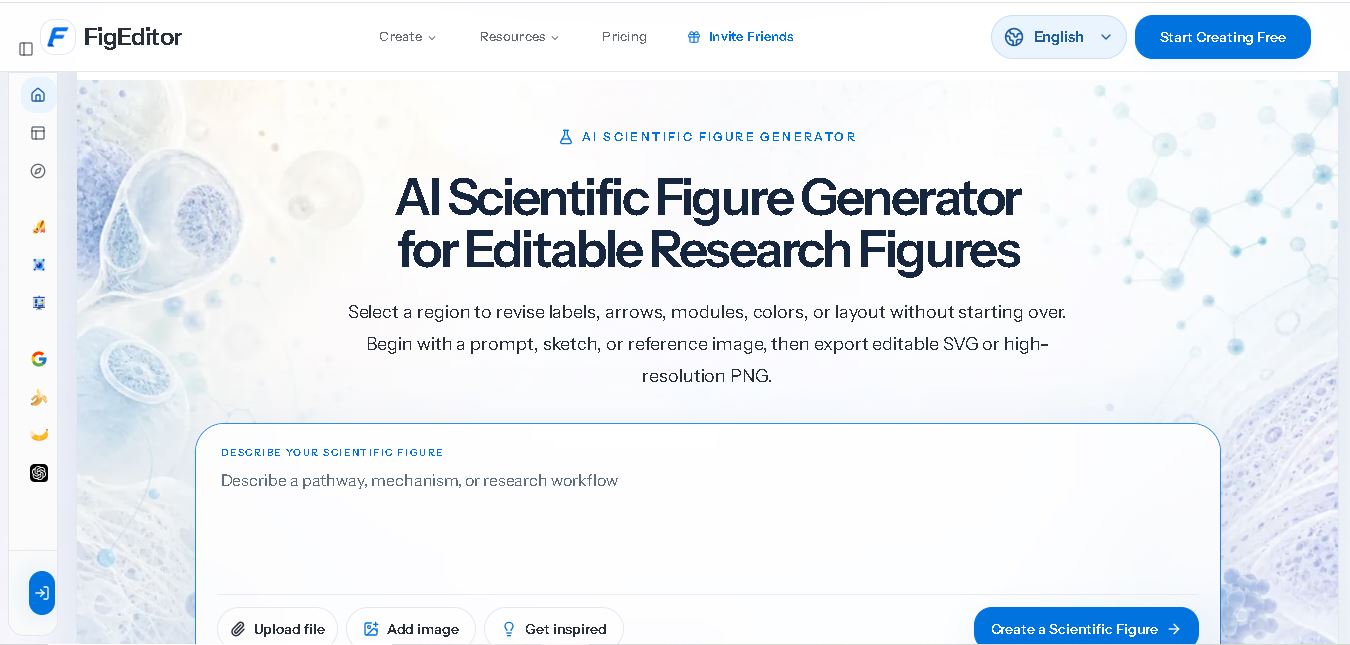
FigEditor AI helps researchers create scientific illustrations, flowcharts, graphical abstracts, and academic diagrams from text prompts, sketches, or reference images. Its editing and vectorization features simplify visual revisions, while SVG and high-resolution PNG exports support different research workflows. It is useful for students, scientists, educators, and research professionals preparing visual materials.
 4.8
GoMim
Research
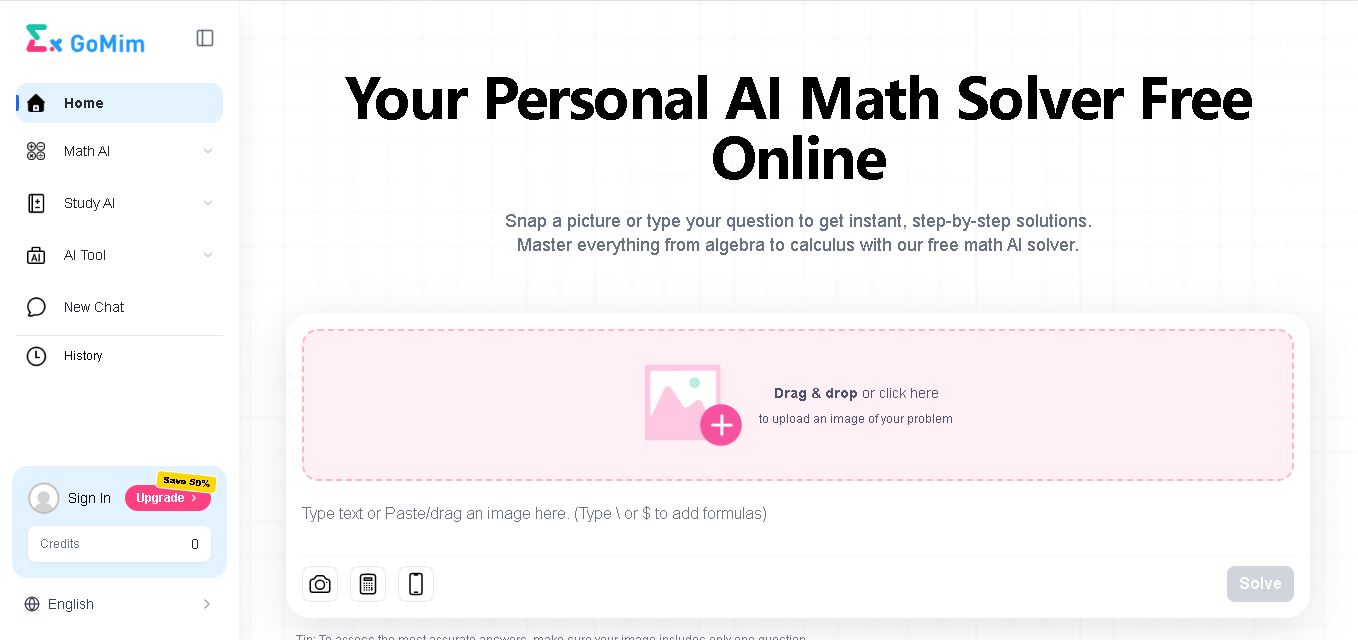
GoMim is an AI math solver that helps students understand mathematical concepts through step-by-step solutions. It supports typed questions, image uploads, and subjects including algebra, geometry, and calculus. With an interactive AI tutor, question history, and free and paid plans, GoMim makes homework assistance and independent study more accessible.
 4.8
AlphaResearch
Research
AlphaResearch helps investors, financial analysts, and corporate strategists research companies using financial documents, earnings transcripts, market data, and sentiment analysis. Its features include document search, filing alerts, stock screening, institutional ownership tracking, and research notes. The platform simplifies financial information discovery, helping users investigate companies and support informed investment research decisions.
 4.8
Gatsbi
Research
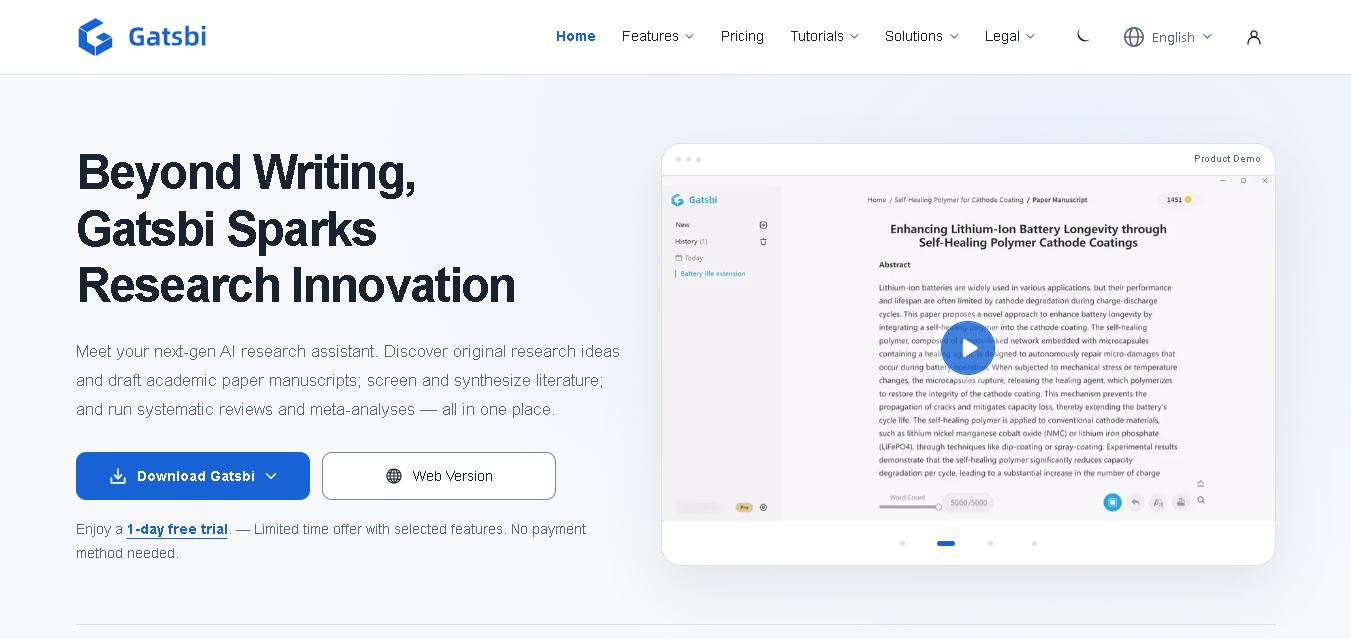
Gatsbi is an AI research assistant that helps researchers discover ideas, draft academic papers, review scientific literature, and prepare patent disclosures. It combines research discovery, manuscript generation, and evidence synthesis in one workflow. The tool is useful for academics, scientists, engineers, and innovation teams seeking to streamline complex research tasks.
 4.9
Metagene-1
Research
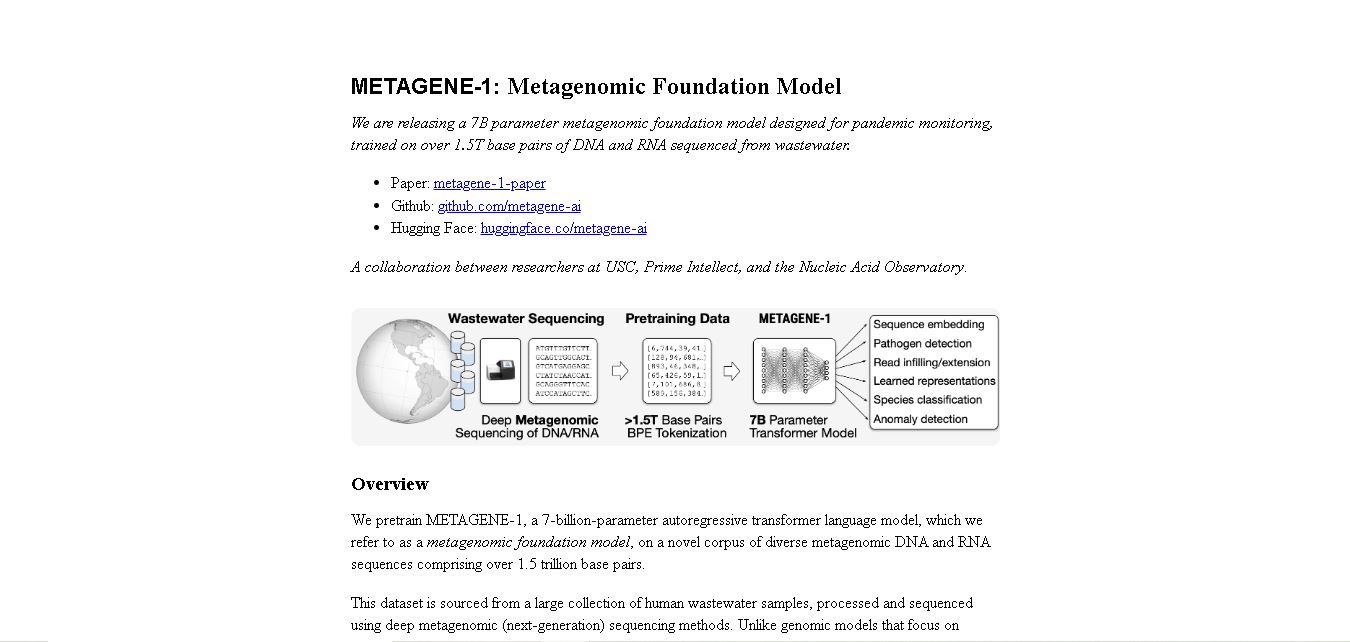
METAGENE-1 is a metagenomic foundation model designed to help researchers analyze DNA and RNA sequences. Trained on extensive wastewater sequencing data, it supports genomic embedding, pathogen detection research, biosurveillance, and pandemic monitoring. The model provides researchers with an AI-based approach to studying microbial diversity and identifying patterns in complex metagenomic datasets.