
Scholarcy
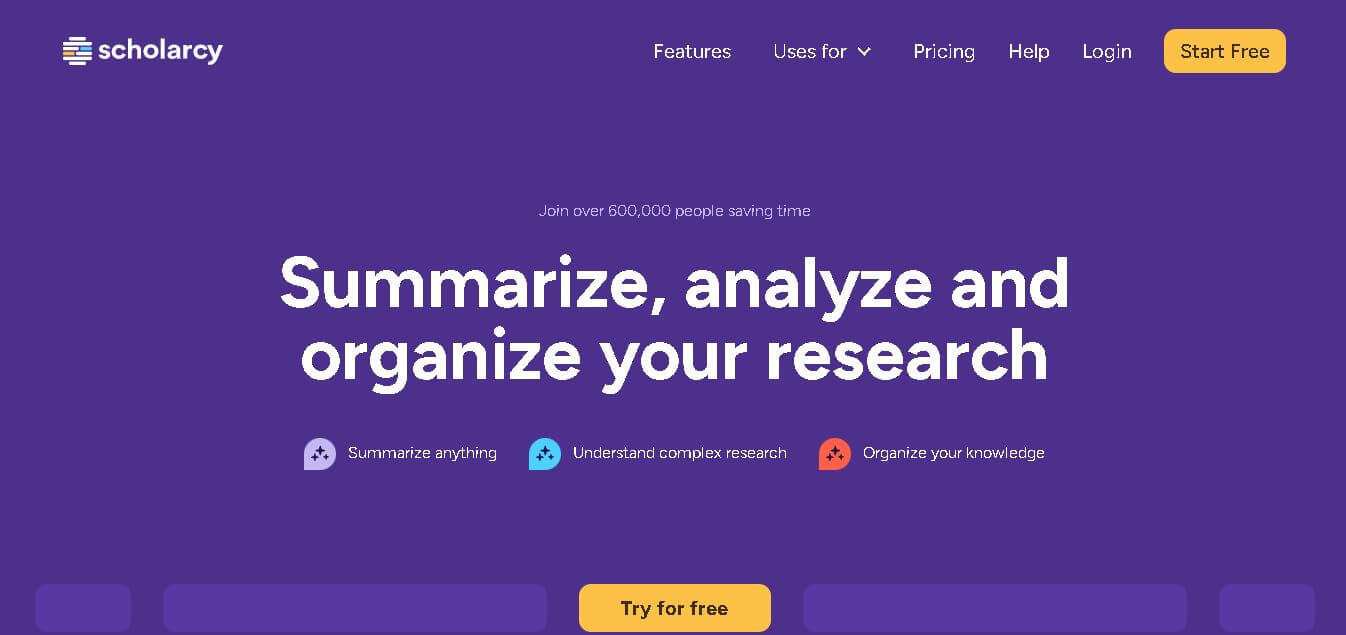
Scholarcy is an AI-powered research assistant that helps students and researchers summarize, analyze, and organize academic papers. It turns complex documents into structured flashcards with key findings, concepts, and references, enabling faster reading, better understanding, and efficient literature review workflows.
What is Scholarcy?
Scholarcy is an AI-powered research and summarization tool designed to help students, researchers, and professionals quickly understand complex academic papers and reports. It automatically breaks down documents into structured summaries, highlighting key findings, methods, limitations, and references. The platform can also extract tables, figures, and citations, making it easier to review and compare research efficiently. With browser extensions and integrations, Scholarcy helps users save time, improve comprehension, and stay focused on the most important insights from long, technical content.
Founded in 2018 by computer scientist Phil Gooch in London, United Kingdom (and now part of the Texthelp Group), Scholarcy was developed to eliminate the overwhelming reading backlogs that stall academic research. By combining natural language processing with document structure analysis, Scholarcy automatically extracts core concepts, pulls referenced tables and figures directly from PDFs, links citations to open-access repositories, and generates comparative Literature Matrices to accelerate literature reviews and meta-analyses.
- Founder / Leadership: Phil Gooch (Founder); operating under Texthelp Group
- Launch Year: 2018 (Expanded with Literature Matrix generation, institutional libraries, and enhanced reference parsing through 2024–2026)
Use Cases:
- Rapidly screening dozens of academic journal articles during dissertation, thesis, and literature review phases
- Building comparative literature review matrices to benchmark methodologies, participant sizes, and findings across multiple papers
- Extracting clean tables, charts, figures, and underlying datasets directly from locked PDF files
- Assisting neurodivergent researchers and students (including those with dyslexia or ADHD) with structured, distraction-free reading formats
Technology:
- Proprietary academic document parsing engine trained specifically on scientific publication layouts and research structures
- Automated reference resolution pipeline linking citations directly to open-access PDF sources via Unpaywall and CrossRef
- Web browser extensions for Chrome and Edge enabling one-click research paper summarization directly on journal publishers' sites
Target Users:
- Postgraduate students, PhD candidates, and postdocs conducting comprehensive literature reviews
- University professors, peer reviewers, and journal editors assessing paper submissions and novel methodologies
- R&D scientists, medical researchers, and corporate analysts tracking emerging industry discoveries
- Content creators using writing tools to summarize scientific studies, extract factual data, and draft evidence-based articles
Corporate Entity: Operates as Scholarcy Ltd / Texthelp Group (London, UK & Global)

Key features of Scholarcy
Scholarcy's key features are
- Interactive Summary Flashcards: Converts complex PDFs and Word documents into structured flashcard modules detailing study objectives, methods, results, and conclusions.
- Literature Matrix Generator: Export comparative matrices directly into Microsoft Excel or CSV format to evaluate findings and methodologies across multiple studies side-by-side.
- Figure & Table Extraction: Automatically isolates high-resolution images, data tables, and figures from research papers, enabling immediate download and review.
- One-Click Reference Linking: Identifies referenced studies within the text and links them directly to free open-access full-text PDFs via CrossRef and Unpaywall.
- Personal Flashcard Library: Save, categorize, tag, and search your personal repository of summary flashcards across multiple desktop and mobile devices.
- Reference Manager Export: Sync summaries and citations directly with reference management tools including Zotero, Mendeley, EndNote, and Notion.
- Browser Extensions: Generate summaries directly on publisher pages (e.g., ScienceDirect, Springer, Nature, arXiv) using Chrome and Edge extensions.
- Robo-Highlighter: Automatically highlights crucial sentences and quantitative findings within the source document to eliminate reading fatigue.
Scholarcy Pricing
Scholarcy offers a free tier for casual summarization alongside a paid subscription for researchers requiring unlimited flashcard generation and literature review tools.
Free Summarizer Plan:
- $0 / Free forever
- Includes up to 10 summaries in the web app, 1 daily browser extension summary, standard file format imports, and single-card export
Scholarcy Plus (Monthly Subscription):
- $9.99 / month (includes a 7-day free trial)
- Includes unlimited summarization, cloud flashcard storage, note-taking and text editing, Literature Matrix creation, batch export of up to 100 flashcards, and one-click bibliographies
Scholarcy Plus (Yearly Subscription):
- $90.00 / year (approximately $7.50 / month billed annually; 25% discount)
- Includes all Plus features, unlimited summaries, and full academic research library synchronization
Disclaimer: Prices are listed in USD. Institutional and university site licenses are available upon direct request. Visit scholarcy.com/pricing for active plans.
Who is using Scholarcy?
Scholarcy is designed for research-focused academics, students, and analysts, including
- PhD Candidates & Postgraduate Students: Synthesizing hundreds of papers to assemble structured literature review chapters
- Academic Researchers & Faculty: Staying current with domain literature and reviewing manuscripts without reading fatigue
- Clinical & Medical Professionals: Reviewing trial methodologies, study sample sizes, and clinical outcomes across medical journals
- Policy Analysts & Think Tanks: Condensing technical policy whitepapers and economic reports into executive briefs
- Content Creators: Using writing tools to summarize scientific studies, extract factual data, and draft evidence-based articles
- Neurodivergent Academics: Leveraging structured flashcards and automated highlighting to manage ADHD or dyslexia while studying
Best Scholarcy Alternatives
Some of the strongest Scholarcy alternatives include
Pros and Cons of Scholarcy
Pros
- Specialized parsing engine built specifically for academic papers, avoiding the generic prose of broad conversational chatbots
- Literature Matrix feature saves significant time when organizing cross-paper comparative analyses in Excel
- Extracts tables and figures directly from PDF files for separate viewing and downloading
- Direct integration with reference managers like Zotero, Mendeley, and EndNote streamlines bibliographic workflows
- One-click reference linking connects citations directly to open-access full-text PDFs
Cons
- Free plan is limited to 10 lifetime summaries in the web app and 1 daily extension summary
- Complex multi-column or non-standard PDF formats can occasionally cause table extraction misalignment
- Focused exclusively on summarizing existing research rather than searching the wider web for new papers
- Batch flashcard exports and cloud library management require an active paid Plus subscription
Why Choose Scholarcy?
Scholarcy is the premier choice for researchers and students who want a structured, academic-focused reading tool that extracts factual findings and generates literature review matrices without AI hallucinations.
- Converts dense research papers into clear, structured Summary Flashcards
- Generates comparative Literature Matrices for effortless side-by-side paper analysis
- Extracts data tables, figures, and full-text open-access citations automatically
- Syncs seamlessly with reference managers like Zotero, Mendeley, and EndNote
- Trusted by researchers and academic institutions worldwide
Scholarcy vs. Competitors
The main difference between Scholarcy, Consensus, Resoomer, and SciSpace is that Scholarcy specializes in deep document-level parsing—converting individual PDFs into structured flashcards and comparative literature review matrices—whereas Consensus is a search engine answering questions with academic claims, Resoomer provides general text summarization with audio TTS, and SciSpace offers conversational paper interaction. Scholarcy stands out for its structural breakdown of methodologies, table extraction, and exportable literature matrices.
| Feature / Tool | Scholarcy (scholarcy.com) | Consensus | Resoomer | SciSpace |
|---|---|---|---|---|
| Core Focus | Document Flashcards & Literature Matrices | Academic Search & Consensus Meter | General Text & Document Summaries | Interactive Paper Reading & Chat |
| Primary Input | Uploaded PDF / Word / URL | Research Question / Keyword Query | Pasted Text / PDF / EPUB | Uploaded Paper / Journal Search |
| Literature Matrix Export | Yes (Excel / CSV Side-by-Side) | Synthesized Table View | No Matrix Export | Custom Matrix Columns |
| Figure & Table Extraction | Yes (Automated Image/Table Rip) | Paper Snippet Only | Text Extraction Only | Explain Table Feature |
| Starting Paid Price | $9.99/mo (or $90/year) | Free tier / Premium ~$9-$12/mo | Free / Pro from ~$9.00/mo | Free tier / Premium ~$12/mo |
| Best For | Literature Reviews & Structured Flashcards | Evidence Synthesis & Claim Validation | Quick Document Reading & Audio TTS | Conversational Paper Deep-Dives |
How do we rate Scholarcy?
| Parameter | Rating (out of 5) |
|---|---|
| Academic Document Parsing & Accuracy | 4.9 |
| Literature Matrix & Synthesis Tools | 4.9 |
| Table & Figure Extraction Quality | 4.8 |
| Reference Manager Integration | 4.8 |
| Value for Money | 4.8 |
| Overall Score | 4.84 |
Scholarcy Review
Scholarcy provides an indispensable reading and synthesis environment tailored to the realities of academic research. General-purpose AI models often miss critical nuances, confuse sample sizes, or fabricate non-existent citations. Scholarcy avoids these issues by grounding its processing in the structural components of the source document itself. Its ability to convert full-length journal articles into organized flashcards—highlighting study participants, methodology, findings, and limitations—drastically cuts down paper screening time. The Literature Matrix generator is particularly beneficial for thesis writers, allowing them to export multi-paper comparisons directly into spreadsheets. For researchers, students, and academics tackling heavy literature reviews, Scholarcy is a reliable productivity tool.
Conclusion
Scholarcy is an industry-leading academic research assistant that transforms how researchers read, synthesize, and organize scholarly literature. By pairing automated document summarization with table extraction, open-access citation linking, reference manager syncing, and Literature Matrix exports, it provides a comprehensive workflow for academic discovery. While researchers seeking initial paper discovery will pair it with search engines like Consensus, Scholarcy’s document parsing depth and flashcard organization make it an essential academic research companion.
FAQ
What is Scholarcy and how does it work?
Scholarcy is an AI-powered research paper summarizer designed to help users quickly understand complex academic content. It works by analyzing PDFs, articles, or URLs and converting them into structured “flashcard summaries” that highlight key points, findings, methods, and references. Instead of reading entire papers, users can scan these summaries to grasp the main ideas in minutes.
What problems does Scholarcy solve?
Scholarcy solves the problem of time-consuming academic reading and information overload. Researchers, students, and professionals often spend hours skimming papers, but Scholarcy extracts the most important insights instantly, reducing reading time significantly and helping users focus only on relevant information.
What features does Scholarcy offer?
Scholarcy offers features like AI summarization, flashcard-style outputs, document import (PDF, Word, URLs), note-taking, highlighting, and bibliography generation. It also includes advanced tools such as literature comparison matrices, research quality indicators, and integrations with reference managers like Zotero, making it a complete research workflow tool.
How is Scholarcy different from other AI summarizers?
Scholarcy stands out because it is built specifically for academic and research content, not general text. It doesn’t just summarize—it extracts structured insights like methodology, results, citations, and comparisons between studies, which makes it far more useful for research, thesis work, and literature reviews.
Can Scholarcy summarize PDFs, research papers, and articles?
Yes, Scholarcy can summarize multiple formats including PDFs, book chapters, research papers, web articles, and even YouTube content. Users can upload files, paste text, or import from tools like Zotero, making it flexible for different research workflows.
Is Scholarcy free to use?
Scholarcy offers a free plan with limited usage, allowing a small number of summaries per day or up to around 10 summaries total depending on the tool version. Paid plans unlock unlimited summarization, advanced analysis features, and the ability to save and organize summaries in a personal library.
How much does Scholarcy cost?
Scholarcy uses a subscription-based pricing model with a free tier and paid plans (Scholarcy Plus). Paid plans include unlimited summaries, flashcard storage, bulk export, and advanced research tools like literature matrices and one-click bibliographies, with a free trial available before billing begins.
Who should use Scholarcy?
Scholarcy is ideal for students, researchers, PhD candidates, analysts, and knowledge workers who regularly read academic or long-form content. It is especially useful for literature reviews, thesis writing, exam preparation, and staying updated with research in a specific field.
User Reviews
No reviews yet for Scholarcy.
Featured Tools
Featured AI tools from TechShark
Melody Genie
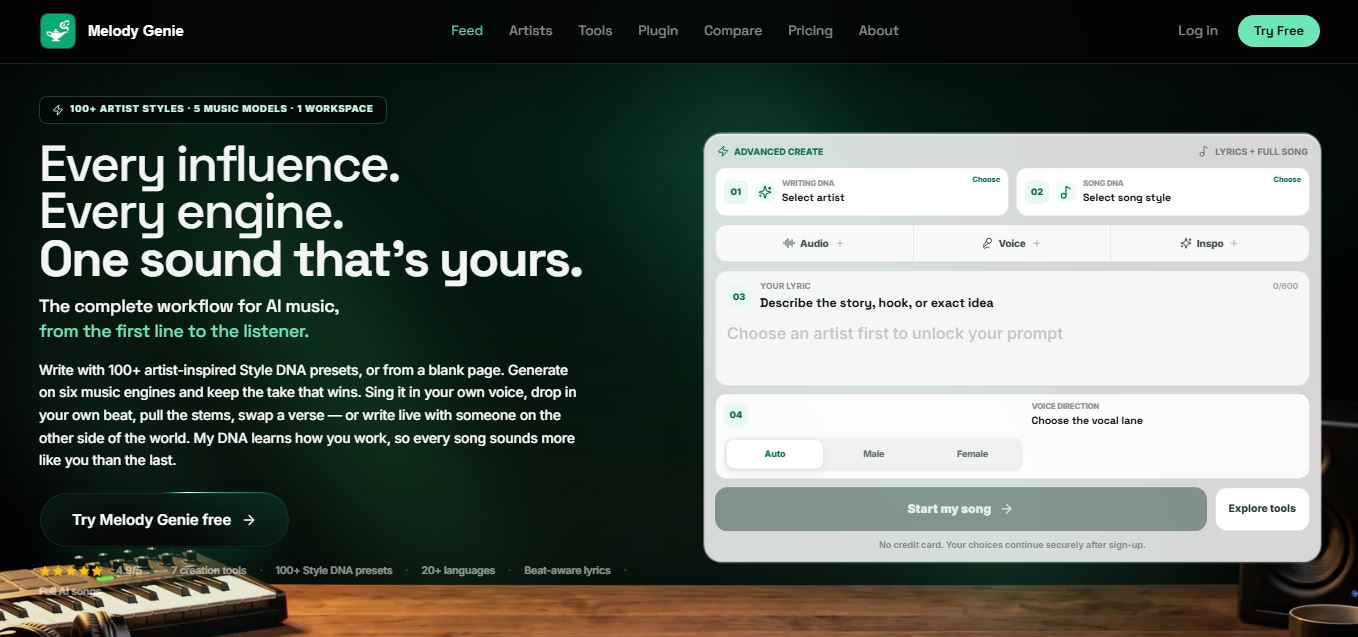
MelodyGenie is an AI-powered music generator that creates original songs from simple text prompts. Users can choose styles, moods, and genres, then instantly generate melodies and full tracks, making it easy for creators, marketers, and hobbyists to produce custom music without musical expertise.
Freemium
Kimi AI
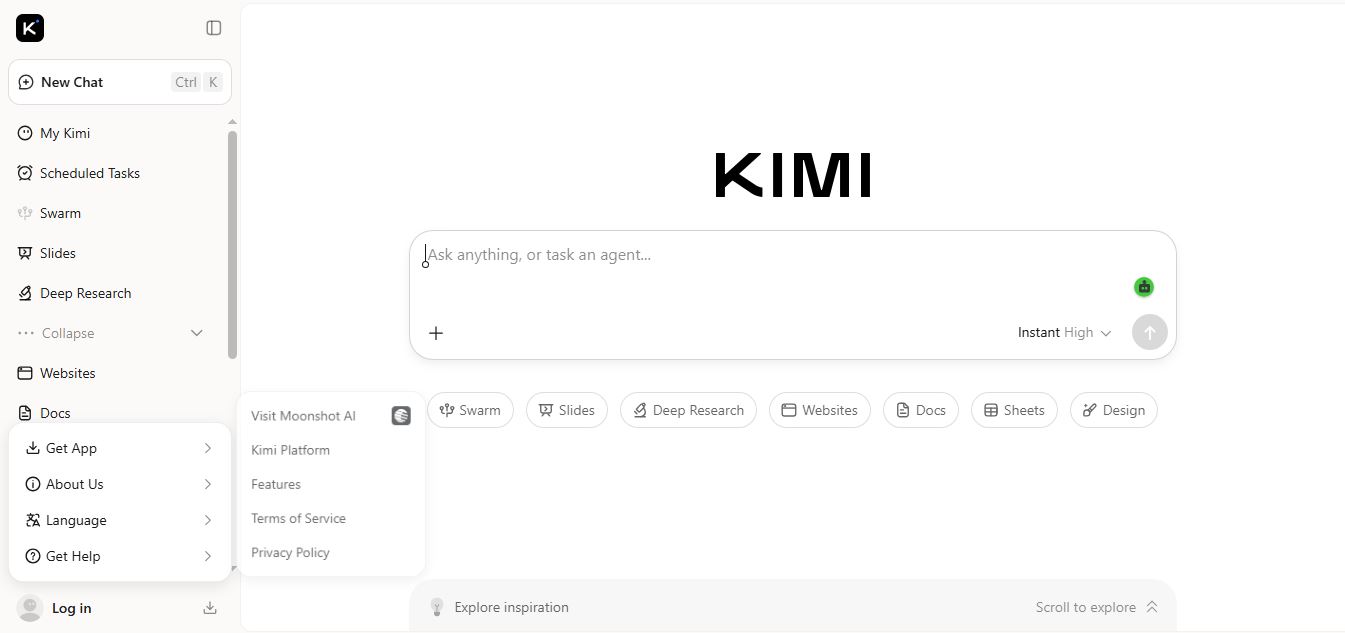
Kimi AI is an advanced AI assistant developed by Moonshot AI that helps you chat, research, write, code, and automate tasks in one place. It supports web search, file analysis, and multimodal inputs, and can even run autonomous “agent” workflows to complete complex tasks end-to-end.
Freemium

Fashion Diffusion AI
Fashion Diffusion is an AI-powered fashion design platform that helps brands and designers create clothing designs, virtual try-ons, AI models, product photos, and marketing visuals faster and cost-effectively.
Paid
Veo 4
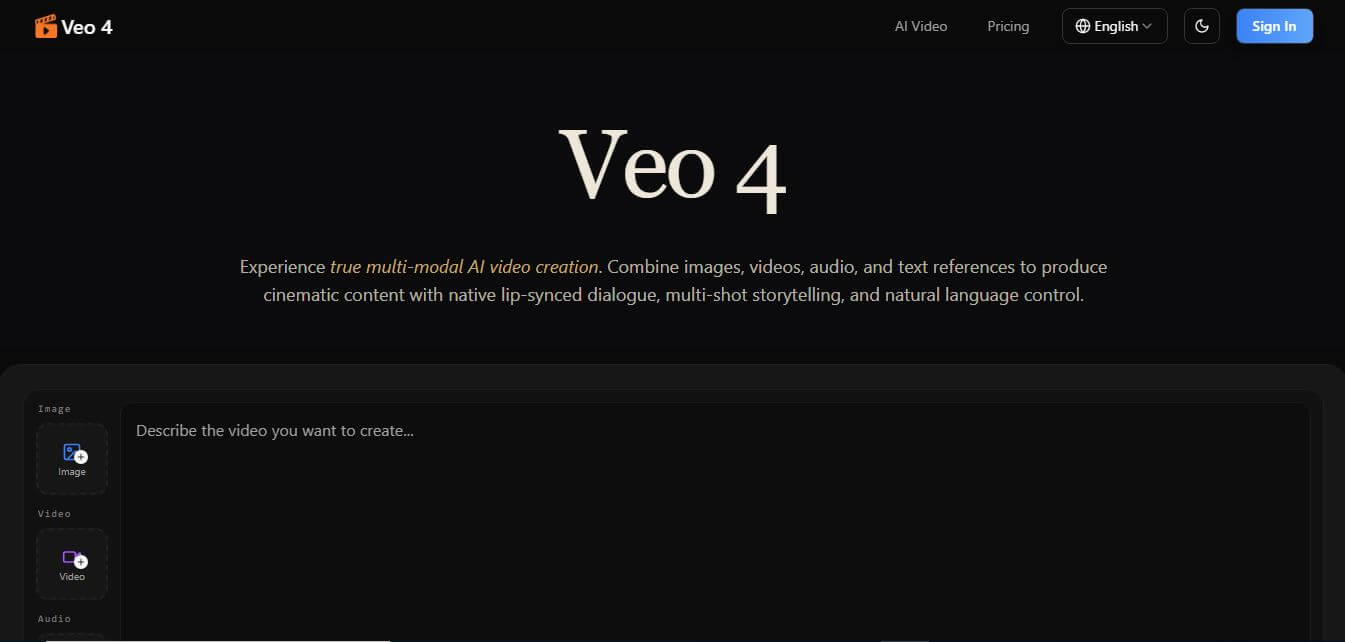
Veo 4 AI is an AI video creation platform that generates dramatic videos from text, images, audio, and video prompts using realistic motion and synchronized sound.
Paid
Alternatives
Alternatives to Scholarcy
The best Scholarcy alternatives include Consensus, Genspark, Resoomer, SciSpace (Typeset), Elicit, and ChatPDF. These platforms provide AI-powered academic paper analysis, summarization, and research synthesis. While Scholarcy specializes in structured document parsing—converting individual PDFs into modular Summary Flashcards, extracting figures and tables, and compiling exportable Literature Matrices—alternatives like Consensus function as academic search engines synthesizing consensus claims across multiple papers, and Resoomer provides accessible general text summarization with synchronized audio playback. Choosing the right tool depends on whether you require document-level flashcard breakdowns, search-driven paper discovery, or conversational document deep-dives.
 4.9
4.9Edubrain AI
Education
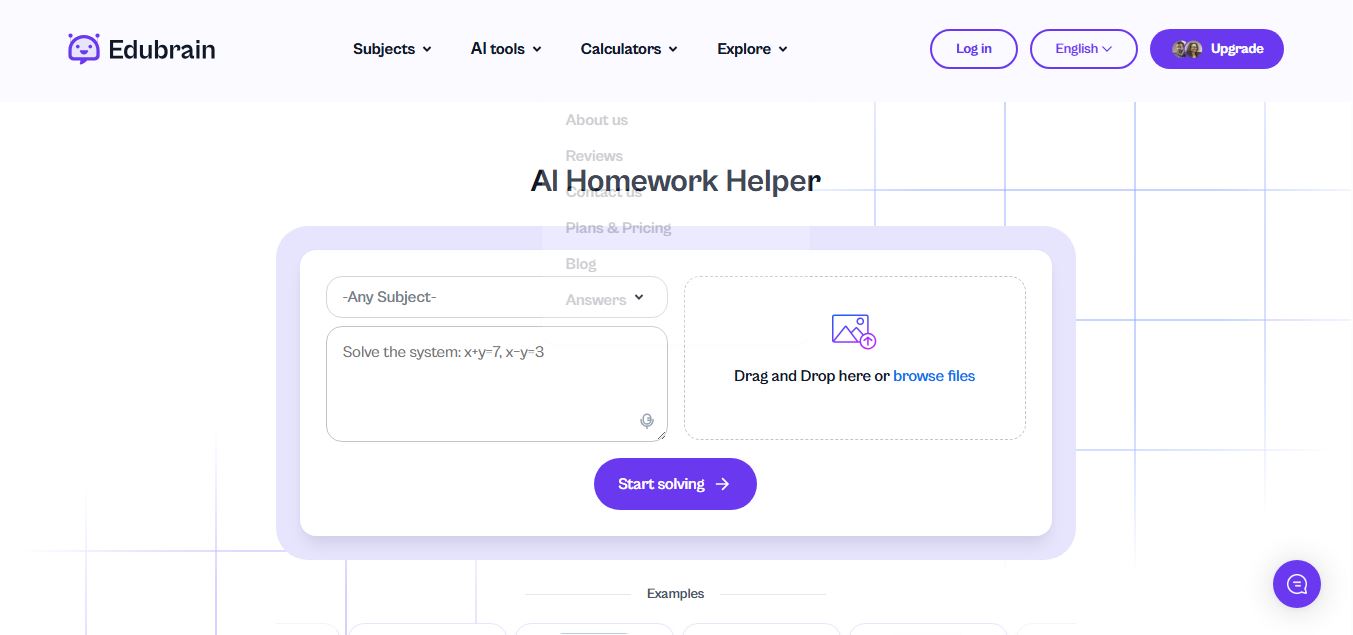
Edubrain is an AI-powered homework assistant that helps students solve questions across 90+ subjects using text, images, PDFs, or audio. It provides step-by-step explanations, adapts to learning styles, and works without sign-up, enabling faster understanding, exam prep, and personalized study support.
 4.8
4.8Math AI
Education
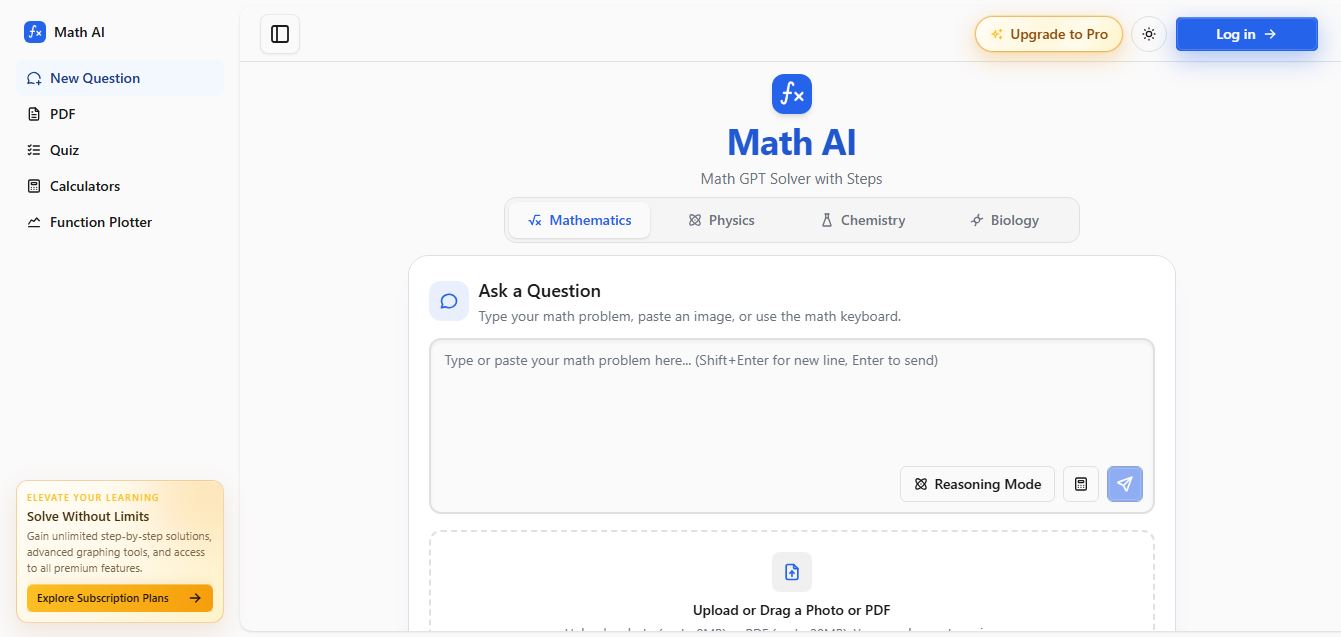
Math AI is an AI-powered math learning platform that helps users solve problems using text or images with step-by-step explanations. It supports algebra, calculus, and more, offering quizzes, graphs, and personalized tutoring to improve understanding and make studying, homework, and exam preparation easier.
 4.9
4.9ThetaWise
Education
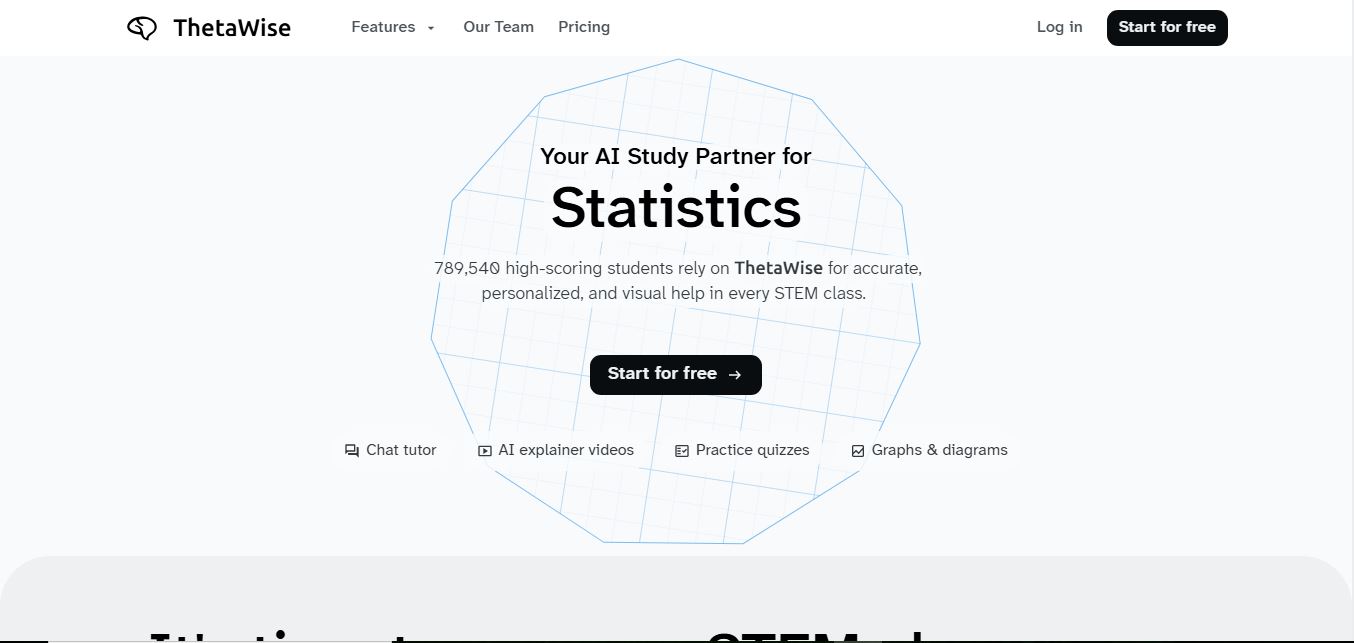
ThetaWise is an AI-powered STEM learning platform that helps students solve math and science problems with step-by-step explanations, video lessons, and practice quizzes. It acts like a 24/7 tutor, adapting to learning styles and improving understanding, test performance, and concept mastery.
 4.9
4.9Mathos AI
Education
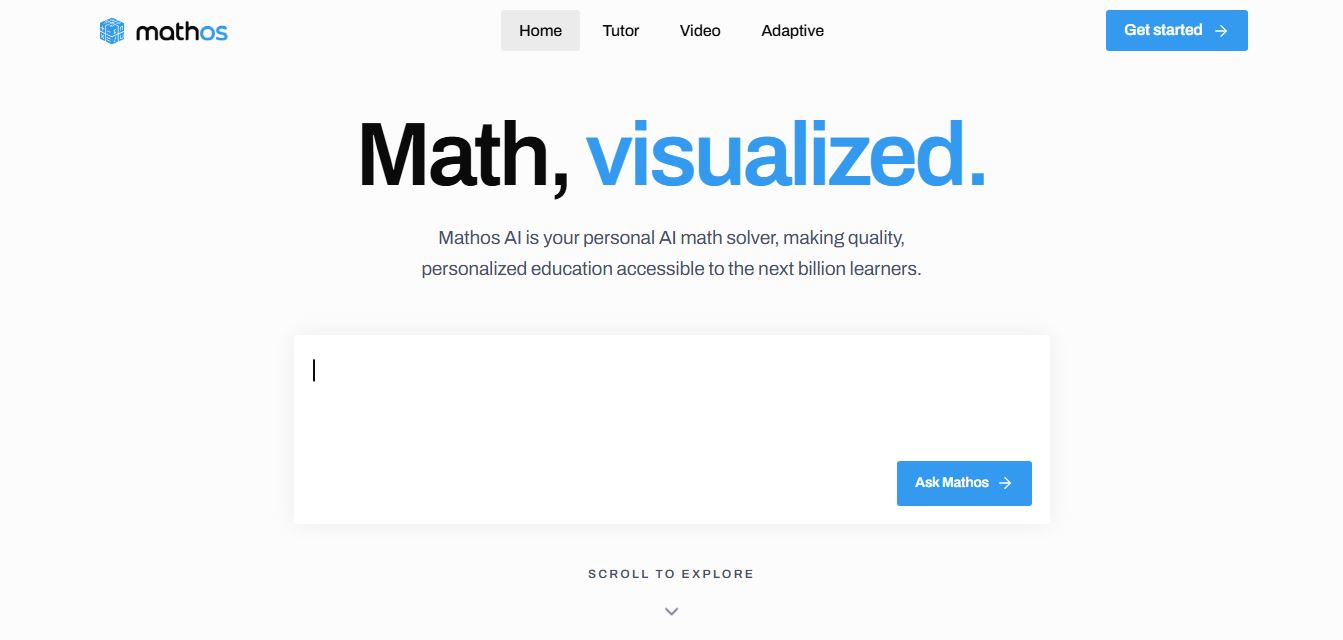
Mathos AI is an AI-powered math solver and tutor that helps students solve problems with step-by-step explanations and personalized guidance. It turns questions into lessons, generates quizzes, flashcards, and videos, and adapts to mistakes, enabling deeper understanding instead of just providing answers.
 4.8
4.8Brainly
Education
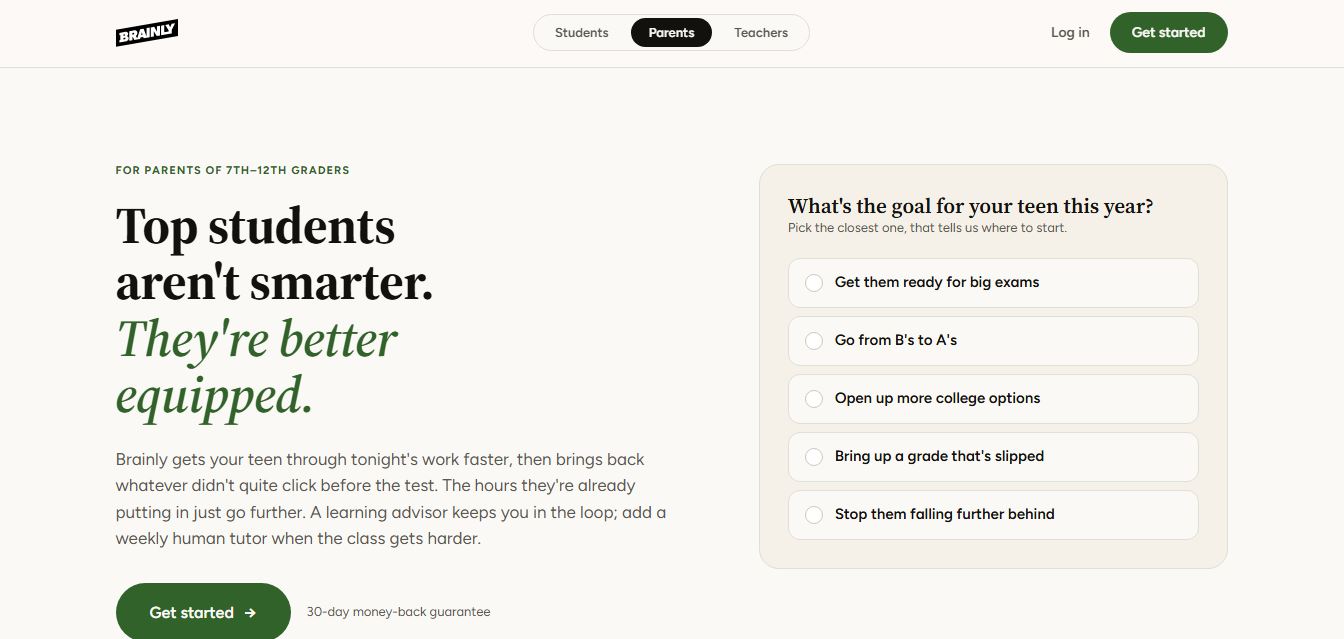
Brainly is an AI-powered learning platform that helps students solve homework, study concepts, and prepare for exams with step-by-step explanations. It combines AI guidance with a global community of experts, turning questions into personalized learning and helping students understand—not just complete—their schoolwork.
 4.8
4.8Gauth
Education
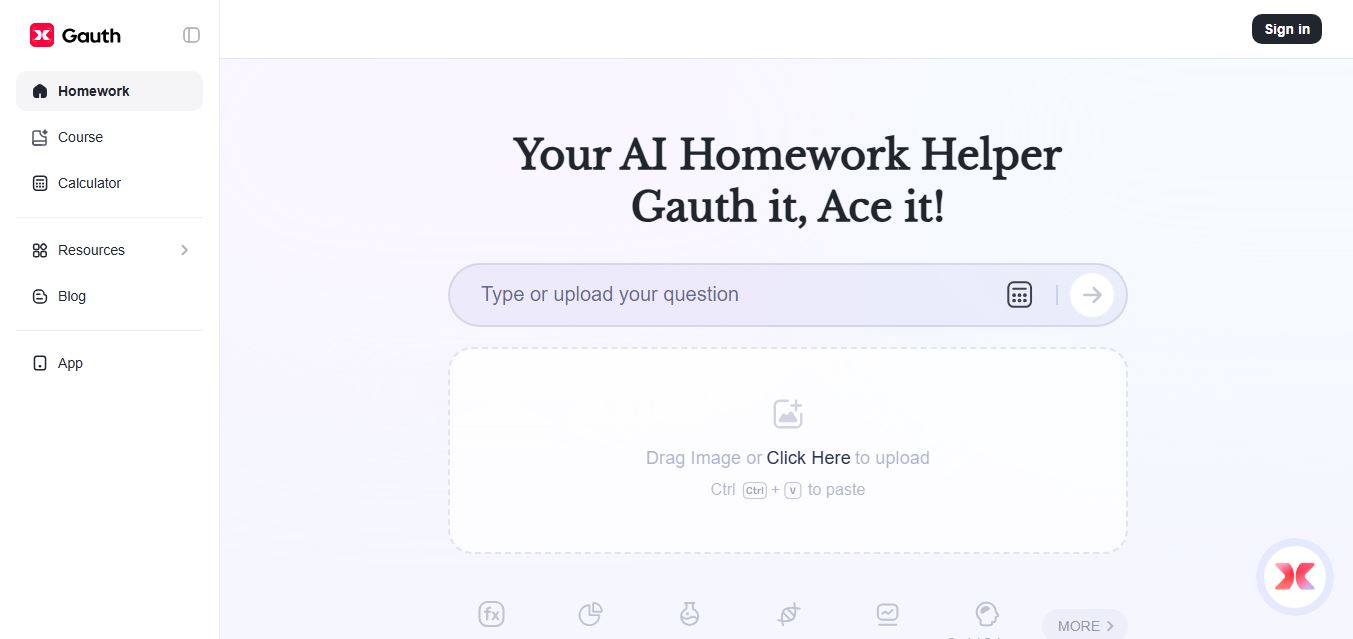
Gauth (formerly Gauthmath) is an AI-powered homework helper that lets students solve problems by typing or snapping a photo. It delivers step-by-step explanations across math and other subjects, combines AI with live tutor support, and helps users understand concepts, complete homework, and prepare for exams.
 4.7
4.7AI Math Solver
Education
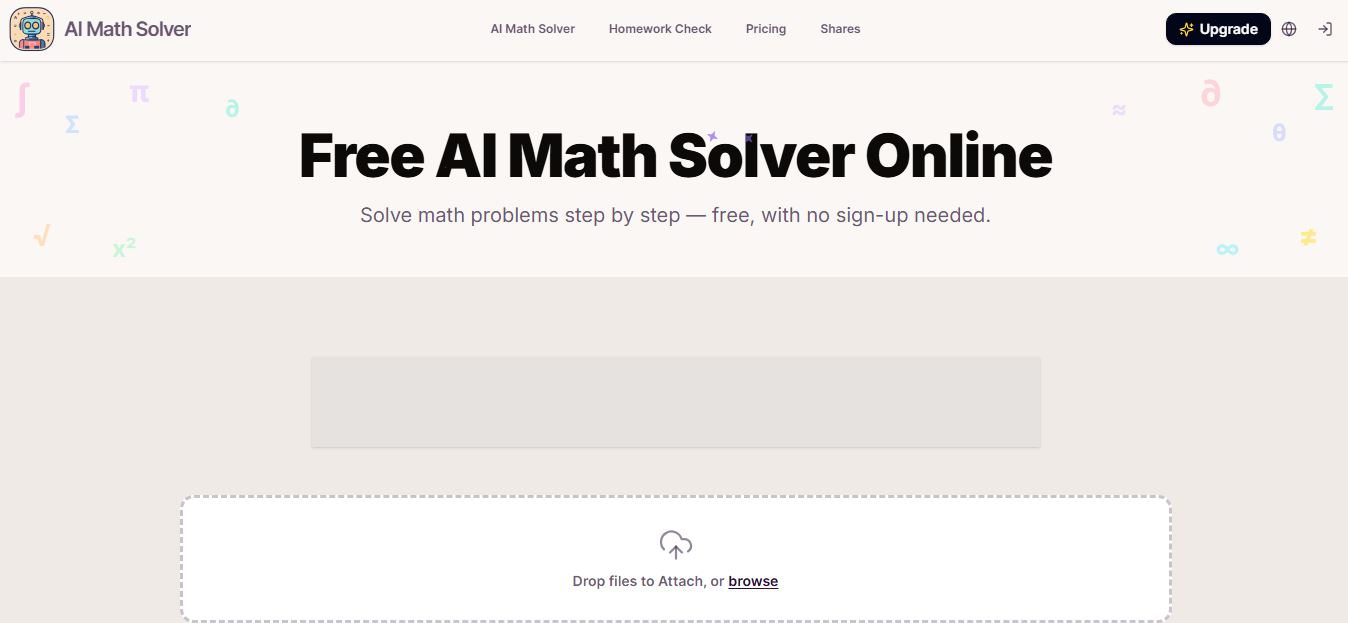
AIMathSolve is an AI-powered math solver that helps users solve problems across algebra, calculus, geometry, and more using text or image input. It generates step-by-step explanations, recognizes handwritten equations, and improves understanding, making it useful for homework, learning, and exam preparation.
 4.9
4.9Brilliant
Education
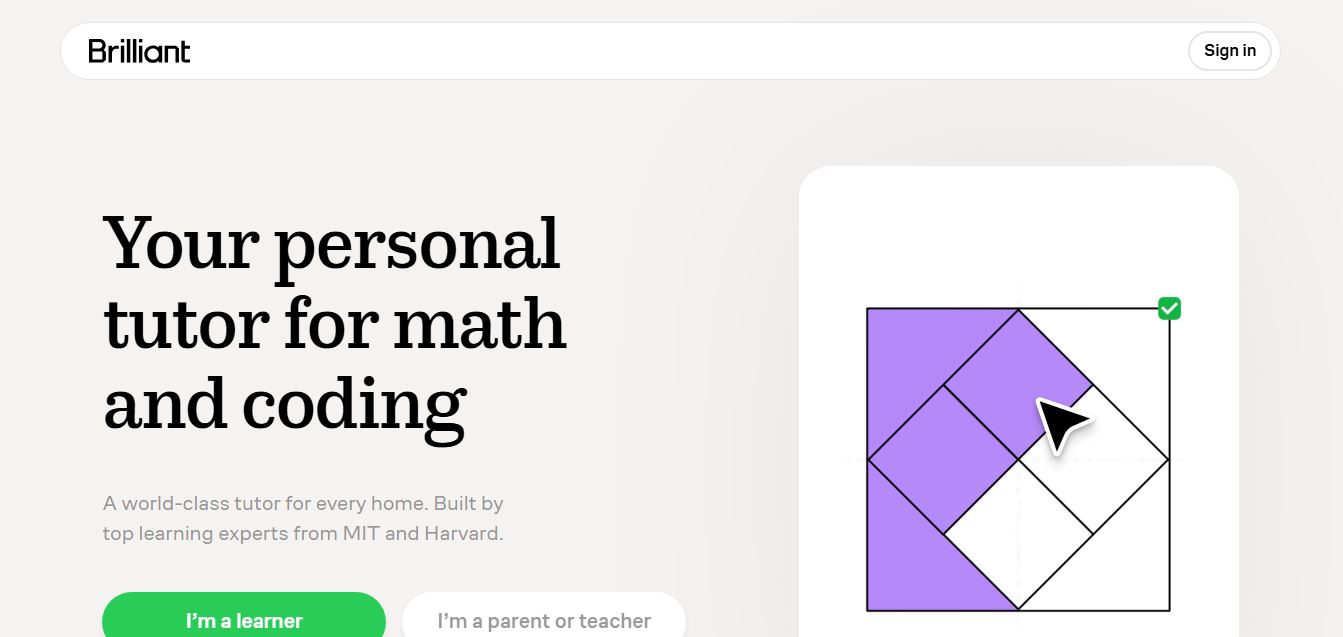
Brilliant is an interactive online learning platform that helps users build math, coding, and problem-solving skills through hands-on lessons. It uses visual explanations, real-time feedback, and a personal AI tutor to guide learning, enabling deeper understanding compared to passive video-based courses.
 5.0
5.0Desmos
Education
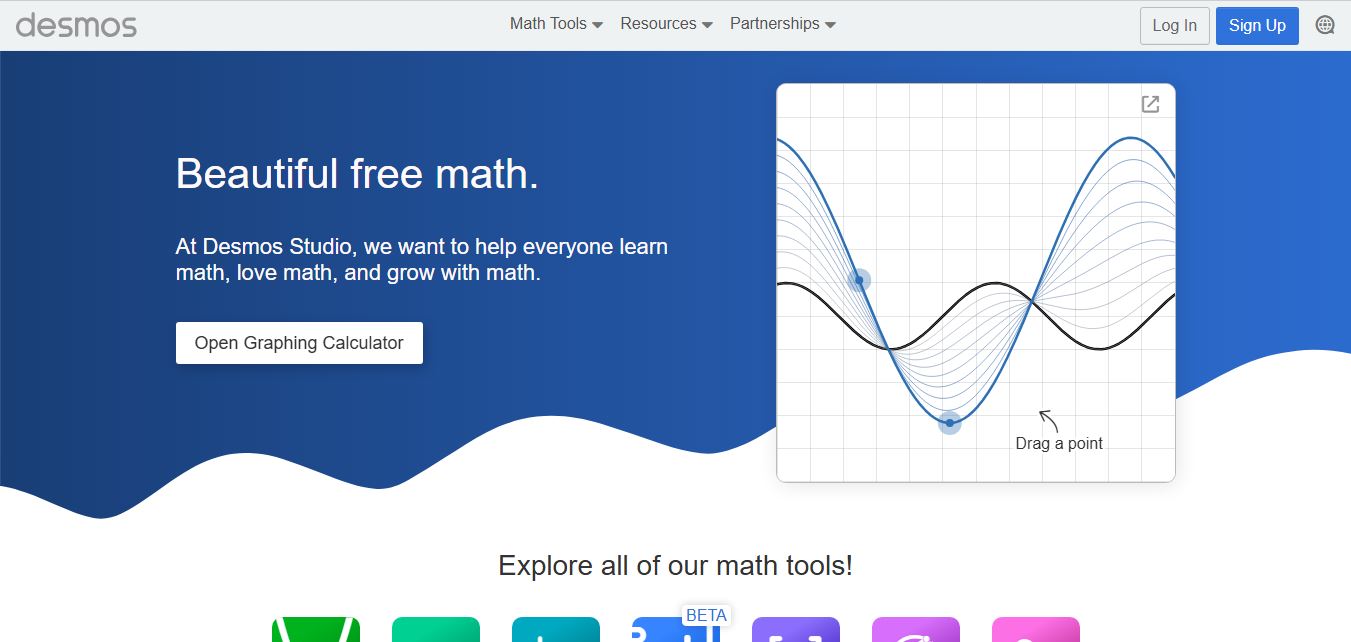
Desmos is an interactive math platform that helps students and teachers visualize concepts through graphing calculators, activities, and classroom tools. It enables real-time exploration of equations, functions, and data, making math more intuitive, engaging, and accessible across algebra, geometry, and advanced topics.