
Litmaps
Litmaps helps researchers discover academic papers, visualize citation relationships, and organize literature reviews through interactive research maps. It offers paper recommendations, collaboration, reference management, and publication alerts. Students, PhD candidates, academics, and research professionals can use Litmaps to identify influential studies, explore emerging research connections, and monitor new publications relevant to their work.
What is Litmaps?
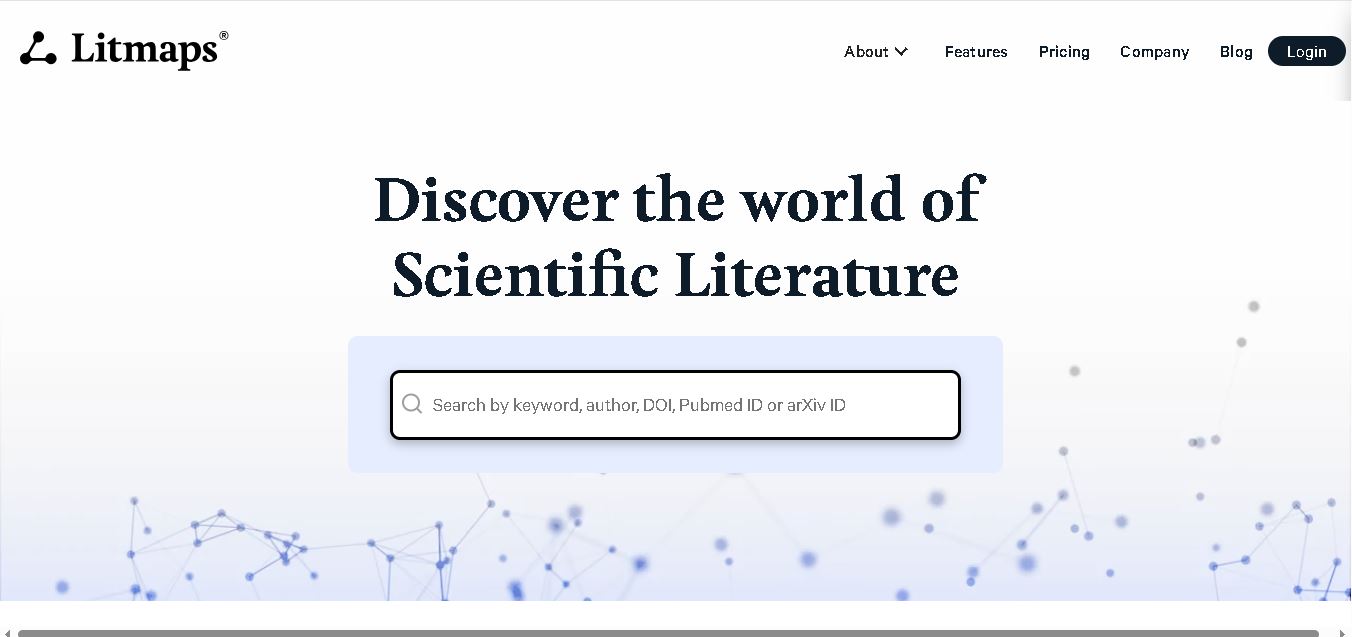
Litmaps is a research tool that helps students, academics, and professionals discover relevant scientific papers and understand how existing studies connect. It creates visual literature maps using citation and reference relationships, making it easier to explore a research topic beyond traditional keyword searches. Users can organize articles, share research maps, export references, and receive alerts about new publications, helping them conduct literature reviews more systematically.
Litmaps is a literature discovery and citation mapping tool used by researchers across more than 150 countries. Its official website reports a database of over 270 million academic papers and a community of more than 900,000 researchers. Key features include citation mapping, article discovery, visual timelines, collaboration, Zotero integration, and automated publication alerts. A free plan is available, while paid plans provide expanded research capabilities. No research tool replaces critical evaluation, so users should verify sources, assess study quality, and confirm findings before citing them.
- Platform Focus: Chronological citation mapping, literature review monitoring, visual paper discovery, and automated research alerts
- Launch Year: Visual Literature Discovery & Mapping Suite
Use Cases:
- Building comprehensive chronological literature maps for systematic reviews, theses, and grant proposals
- Tracking how a foundational scientific theory evolved and splintered over time across multiple decades
- Setting up automated monitoring alerts to receive notifications whenever a paper in your map receives new citations or when related new papers are published
- Importing existing reference libraries from Zotero or Mendeley to visualize your personal bibliography
- Collaborating with co-authors and lab members on shared literature maps
Technology:
- Chronological timeline and network graph rendering engine indexing millions of global scientific articles
- Automated bibliographic matching and citation link extraction across multidisciplinary databases
- Real-time alert notification pipeline syncing with user project libraries
Target Users:
- PhD candidates and academic researchers structuring systematic literature reviews
- University professors and research directors managing lab reading lists
- Corporate R&D scientists and patent researchers tracking emerging prior art
Corporate Entity: Operates as Litmaps / litmaps.com
Key features of Litmaps
Litmaps's key features are
- Chronological Citation Map: Visualizes papers across a timeline (X-axis) and citation connectivity scale (Y-axis) to see how research developed.
- Seed Paper & DOI Discovery: Input any seed paper, keyword, or DOI to instantly generate an interconnected literature map.
- Automated Literature Alerts: Receive periodic email updates when new papers cite your map or match your tracked research queries.
- Reference Manager Sync: Import and export bibliographies seamlessly with Zotero, Mendeley, and BibTeX files.
- Discover Feed: AI-powered recommendations suggesting relevant newly published papers based on the structure of your active maps.
- Team Collaboration: Share interactive Litmaps projects with colleagues and co-authors for collaborative reviews.
Litmaps Pricing
Litmaps operates on a freemium pricing model with free basic tools and paid subscription tiers for advanced mapping limits and automated alerts.
Free Plan:
- $0 / Free
- Includes basic map generation, up to 20 seed papers per map, reference imports, and core visualization tools
Pro / Researcher Plan:
- Starting around ~$10 to $15 / month (with annual discounts)
- Includes unlimited maps, unlimited seed papers, automated new paper alerts, advanced discovery feeds, and priority support
Team & Institutional Tiers:
- Custom pricing / ~$30+ / month per seat
- Includes multi-user collaboration workspaces, team sharing permissions, and institutional administrative controls
Who is using Litmaps?
Litmaps is designed for academic scholars and scientific researchers, including
- Graduate Students: Structuring thesis literature chapters chronologically
- Systematic Reviewers: Ensuring no critical papers were missed during literature screening
- Industry Scientists: Monitoring competitor patent and research publications over time
Best Litmaps Alternatives
Some of the strongest Litmaps alternatives include
- Connected Papers
- ResearchRabbit
- Inciteful
- Semantic Scholar
- Elicit
- Scite.ai
Pros and Cons of Litmaps
Pros
- Chronological timeline view makes it uniquely easy to see the historical evolution of a research field
- Automated literature alerts Keep you updated on new citations without manual searching
- Smooth import/export compatibility with Zotero and reference managers
- Clean, interactive user interface suitable for complex multi-paper reviews
Cons
- Free tier has caps on seed paper limits and advanced monitoring features
- Lacks built-in AI conversational Q&A or data table synthesis found in tools like Elicit
- Complex maps with hundreds of nodes can require zooming and filtering to digest
Why Choose Litmaps?
Litmaps is an ideal choice for researchers who want to visualize how academic literature connects across a timeline and need automated alerts to track ongoing publications in their field.
- Visualizes research evolution across a clear publication timeline
- Automates literature tracking with email alerts for new citations
- Integrates smoothly with Zotero and reference management workflows
- Offers an intuitive alternative to static keyword search databases
Litmaps vs. Competitors
The main difference between Litmaps, Connected Papers, ResearchRabbit, and Inciteful is that Litmaps specializes in chronological timeline-based citation mapping combined with automated ongoing paper tracking alerts, whereas Connected Papers focuses on static force-directed similarity clusters, ResearchRabbit provides playlist-style multi-paper recommendations, and Inciteful offers open-source network tables. Litmaps stands out for its timeline visualization and active alert monitoring.
| Feature / Tool | Litmaps (litmaps.com) | Connected Papers | ResearchRabbit | Inciteful |
|---|---|---|---|---|
| Core Focus | Chronological Timeline Maps & Research Alerts | Force-Directed Similarity Graphs & Prior/Derivative Works | Collection-Based Playlist Mapping & AI Discovery | Open-Source Citation Network Analysis |
| Timeline Axis View | Yes (Dedicated Publication Year X-Axis) | No (Similarity Space) | No (Network Graph) | No (Network Tables) |
| Automated New Paper Alerts | Yes (Active Citation & Feed Tracking) | No | Yes (Email Recommendations) | No |
| Starting Price Range | Free tier / ~$10 to $15/mo Pro | Free tier / ~$6/mo Academic | Completely Free | Free / Open Source |
| Best For | Chronological Evolution & Ongoing Literature Tracking | Fast Single-Paper Visual Exploration | Long-term Collaborative Bibliographies | Deep Bibliometric Graph Analysis |
How do we rate Litmaps?
| Parameter | Rating (out of 5) |
|---|---|
| Chronological Mapping & Timeline UX | 4.8 |
| Automated Alerts & Discovery Feeds | 4.8 |
| Reference Manager Integration | 4.7 |
| Ease of Use & Onboarding | 4.8 |
| Value for Money | 4.7 |
| Overall Score | 4.76 |
Litmaps Review
Litmaps delivers a powerful, unique approach to literature discovery by mapping academic papers across a chronological timeline. By combining interactive citation graphs with automated new paper alerts, it ensures researchers never miss crucial developments in their fields. While heavy users will benefit from upgrading to the Pro plan, its timeline visualization makes it an invaluable addition to any researcher's toolkit.
Conclusion
Litmaps is a valuable research tool for students, academics, and professionals who want to discover relevant papers and organize literature reviews more efficiently. Its visual citation maps, paper recommendations, publication alerts, and reference management capabilities help users understand how research evolves over time. Although it can streamline literature discovery, it should complement rather than replace academic databases and critical evaluation. By combining Litmaps with careful reading and reliable research practices, you can develop a more comprehensive understanding of your subject.
FAQ
What can you use Litmaps for?
You can use Litmaps to discover relevant academic papers, organize sources, and understand how studies connect through citations and references. If you are preparing a thesis, dissertation, or research article, its visual maps can help you explore influential publications, identify related studies, and build a clearer foundation for your literature review.
How does Litmaps help with literature reviews?
Litmaps supports literature reviews by finding related studies and displaying their citation relationships visually. You can start with a relevant paper, explore connected publications, and save useful sources for further reading. This approach helps you organize research more efficiently, although you must still evaluate each paper and synthesize the evidence yourself.
Is Litmaps free to use?
Yes, Litmaps offers a free plan for researchers who want to explore its core literature discovery features. Free accounts have limits on searches, maps, and articles, while paid plans provide expanded capabilities. Check the official pricing page before subscribing because plan limits, prices, and included features may change over time.
Can Litmaps help you find research papers?
Yes, Litmaps helps you discover academic papers through citation connections, references, and related research. You can begin with a known article or search for a topic, then explore suggested publications that may otherwise be difficult to find. Combining these results with database searches can improve the coverage of your research.
Is Litmaps useful for PhD students?
Litmaps can be especially useful for PhD students managing extensive reading lists and developing their research questions. Visual maps help reveal connections between foundational studies and newer publications. You can also monitor developments in your field. However, you should independently assess research quality and follow your university's literature review requirements.
Can Litmaps identify research gaps?
Litmaps can help you investigate potential research gaps by showing connections among existing studies and highlighting areas that may deserve further investigation. You might notice underexplored relationships or limited coverage of a topic. However, an apparent gap on a map is not proof that no relevant research exists, so conduct additional searches before drawing conclusions.
User Reviews
No reviews yet for Litmaps.
Featured Tools
Featured AI tools from TechShark
Melody Genie
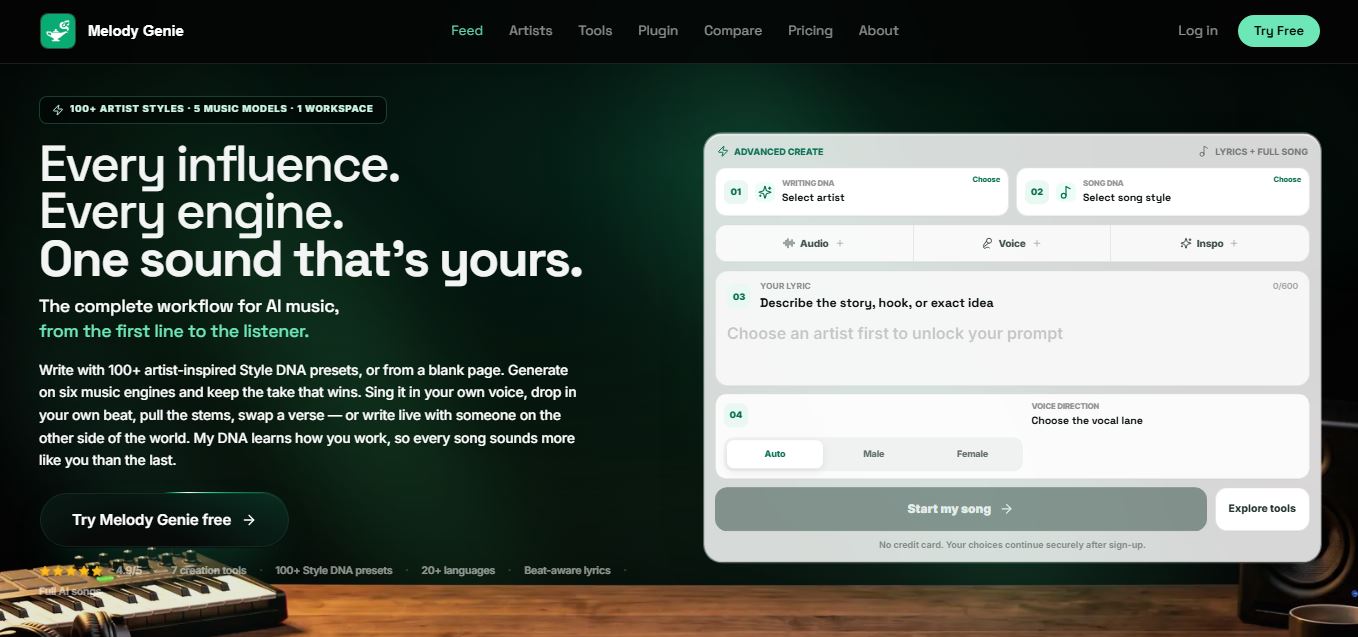
MelodyGenie is an AI-powered music generator that creates original songs from simple text prompts. Users can choose styles, moods, and genres, then instantly generate melodies and full tracks, making it easy for creators, marketers, and hobbyists to produce custom music without musical expertise.
Freemium
Kimi AI
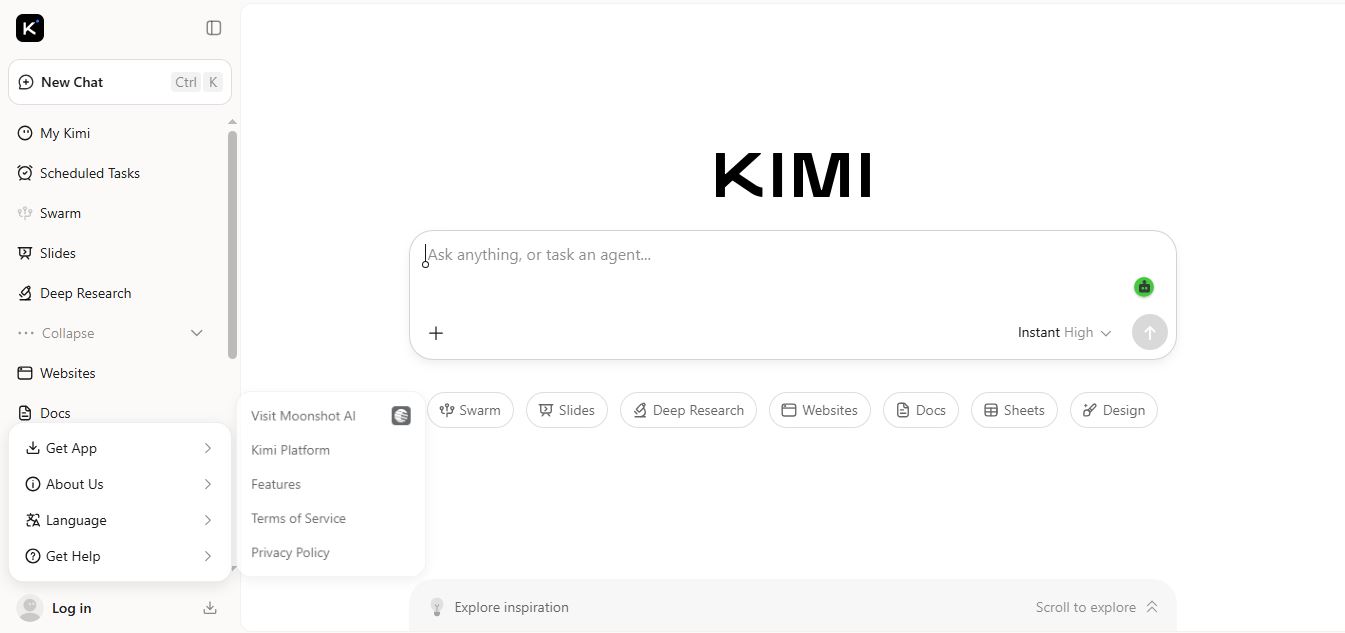
Kimi AI is an advanced AI assistant developed by Moonshot AI that helps you chat, research, write, code, and automate tasks in one place. It supports web search, file analysis, and multimodal inputs, and can even run autonomous “agent” workflows to complete complex tasks end-to-end.
Freemium
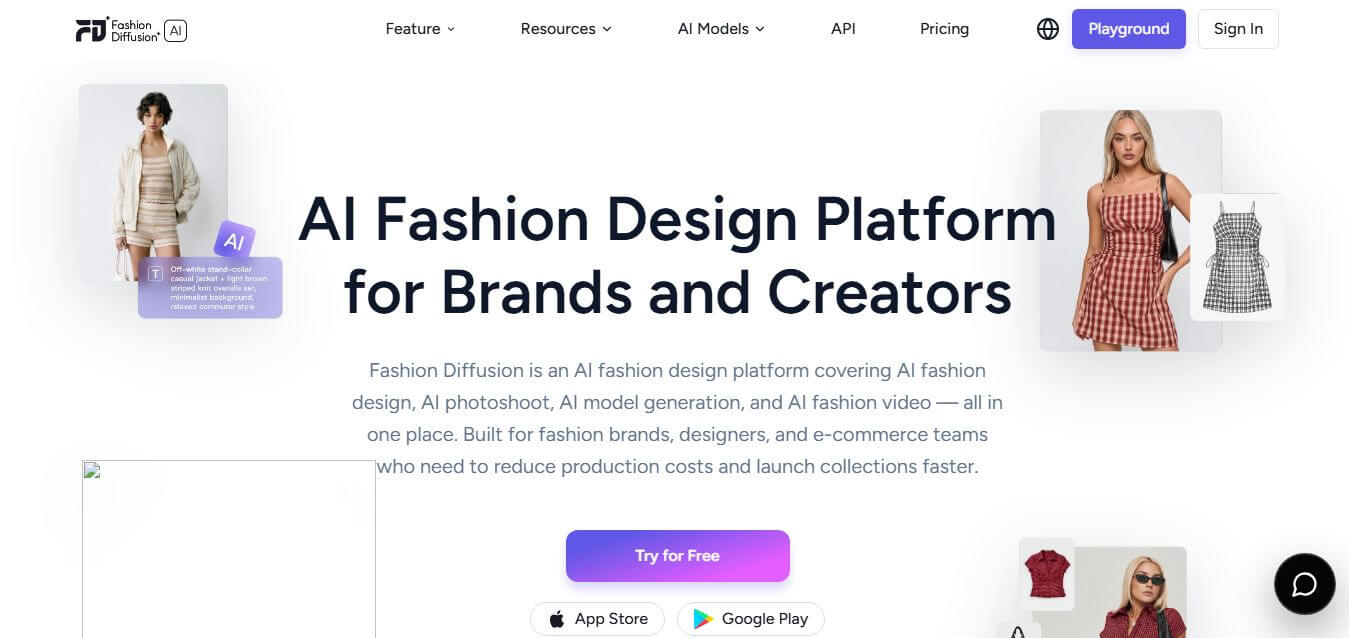
Fashion Diffusion AI
Fashion Diffusion is an AI-powered fashion design platform that helps brands and designers create clothing designs, virtual try-ons, AI models, product photos, and marketing visuals faster and cost-effectively.
Paid
Veo 4
Veo 4 AI is an AI video creation platform that generates dramatic videos from text, images, audio, and video prompts using realistic motion and synchronized sound.
Paid
Alternatives
Alternatives to Litmaps
The best Litmaps alternatives include Connected Papers, ResearchRabbit, Inciteful, Semantic Scholar, Elicit, and Scite.ai. These platforms offer visual literature discovery, citation graphing, and paper recommendations. While Litmaps specializes in chronological timeline mapping and automated citation alerts, alternatives like Connected Papers focus on static similarity clusters, and ResearchRabbit provides multi-paper collection recommendations.
 4.8
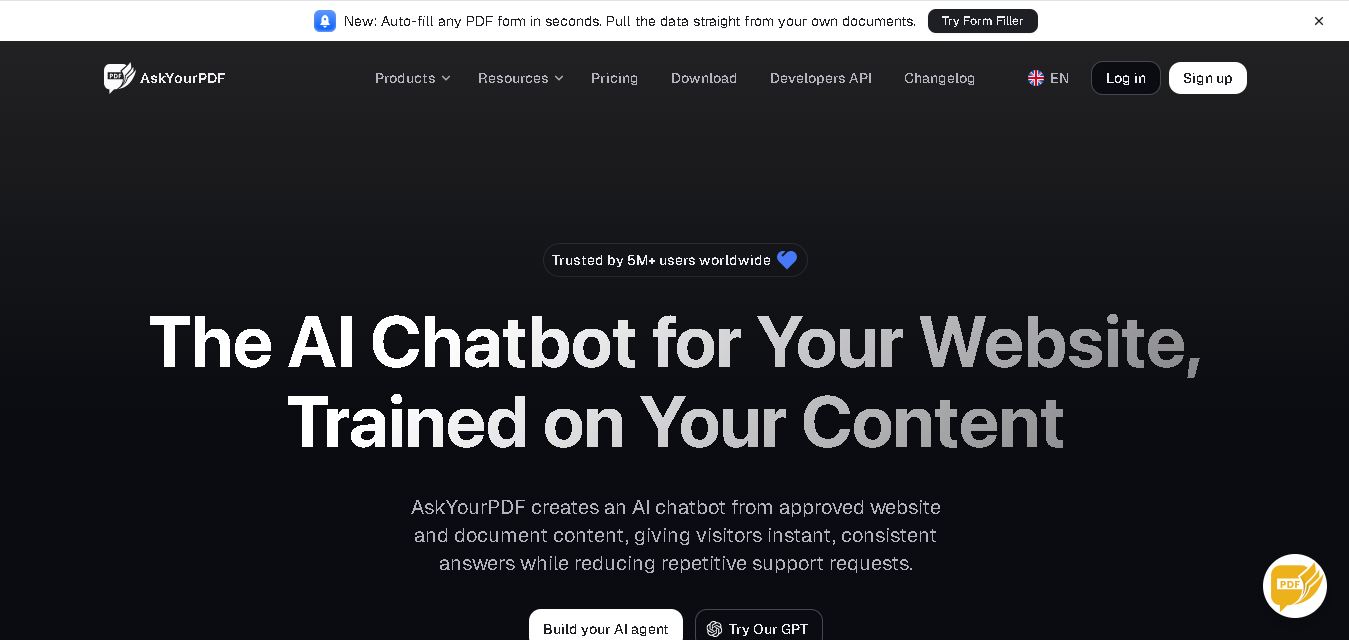
AskYourPDF
Research
AskYourPDF helps users understand documents through AI-powered conversations, summaries, and information extraction. You can upload files, ask questions in natural language, and locate relevant information without reading every page manually. It supports research, studying, professional document review, and business workflows, with additional features available through paid plans and integrations.
 4.8
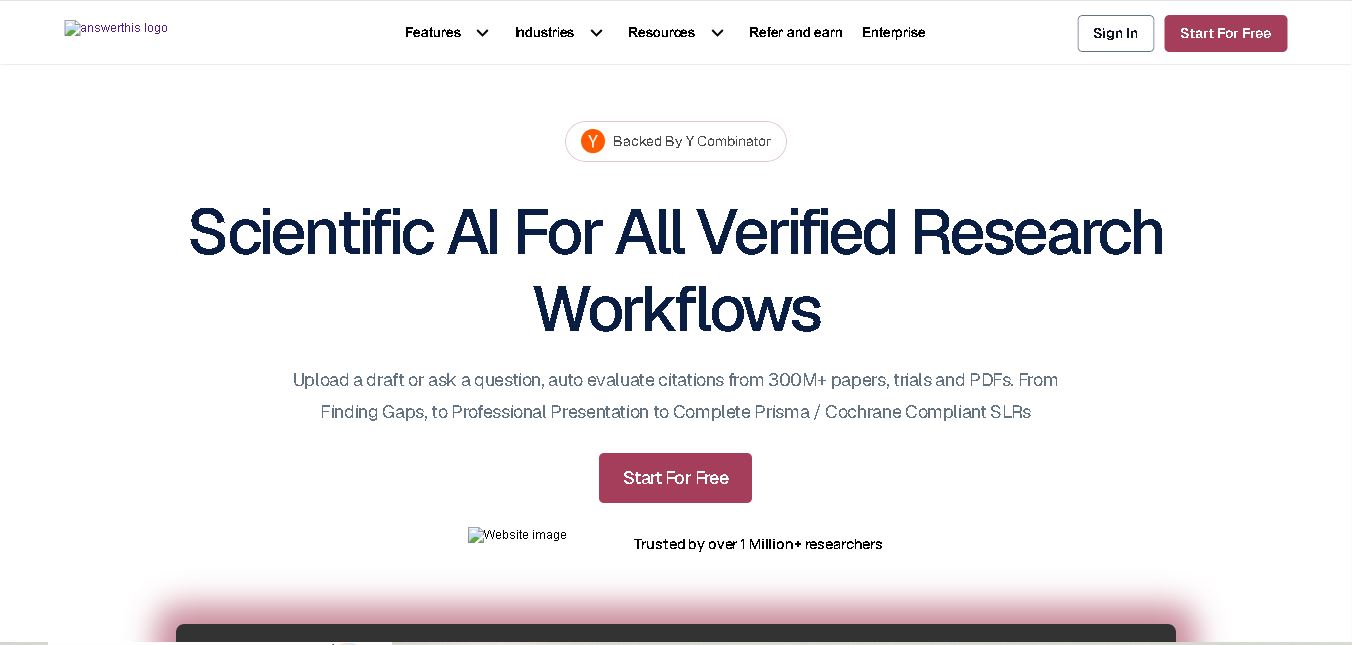
AnswerThis
Research
AnswerThis helps researchers discover academic papers, summarize studies, analyze PDFs, and write literature reviews with source-backed citations. Its features include AI research search, academic writing, reference management, and collaborative workspaces. Suitable for students, researchers, and scientific teams, it streamlines research workflows while helping users organize evidence and prepare clearer academic documents.
 4.9
ResearchRabbit
Research
ResearchRabbit helps researchers discover academic papers, explore citation networks, and organize literature for research projects. Its interactive visualizations reveal connections between publications and authors, while personalized recommendations support further discovery. With collections, collaboration, and Zotero integration, it helps students and academics manage sources and develop more organized, comprehensive literature reviews efficiently.
 4.9
Semantic Scholar
Research
Semantic Scholar helps students, researchers, and academics discover scientific papers using AI-powered search and research tools. It provides paper summaries, citation information, related studies, personalized research recommendations, and alerts for new publications. Its free search experience makes academic literature easier to explore, organize, and evaluate across numerous scientific disciplines worldwide.
 4.9
Manifold
Research
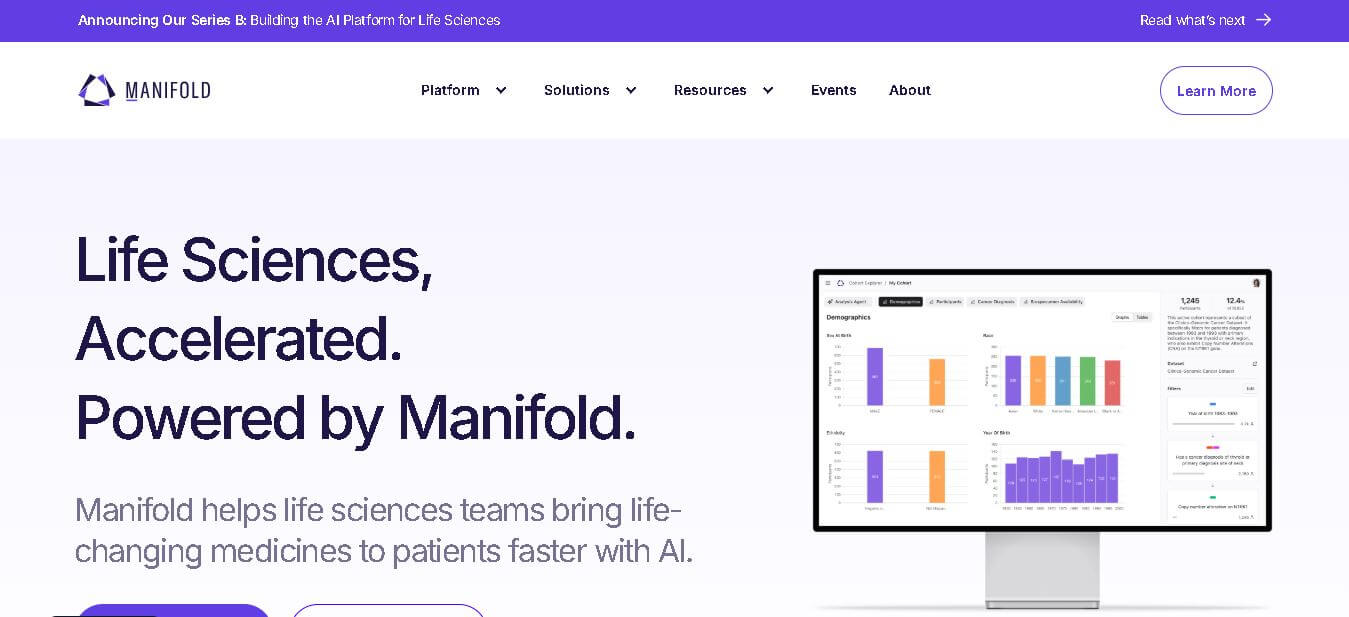
Manifold helps life sciences organizations turn complex clinical, genomic, and real-world data into governed, self-service insights. Its specialist agents support natural-language queries, cohort building, bioinformatics, statistical analysis, data partnerships, and evidence generation. Teams can keep sensitive data within their cloud while controlling access, auditing activity, and scaling research workflows securely.
 5.0
Rayyan
Research
Rayyan is an AI-powered systematic review and literature review platform that helps researchers organize references, remove duplicates, screen studies, extract data, assess risk of bias, and generate PRISMA reports. Its AI features assist with relevance ranking, article screening, and structured data extraction while keeping researchers in control.
 4.9
EvidenceHunt
Research
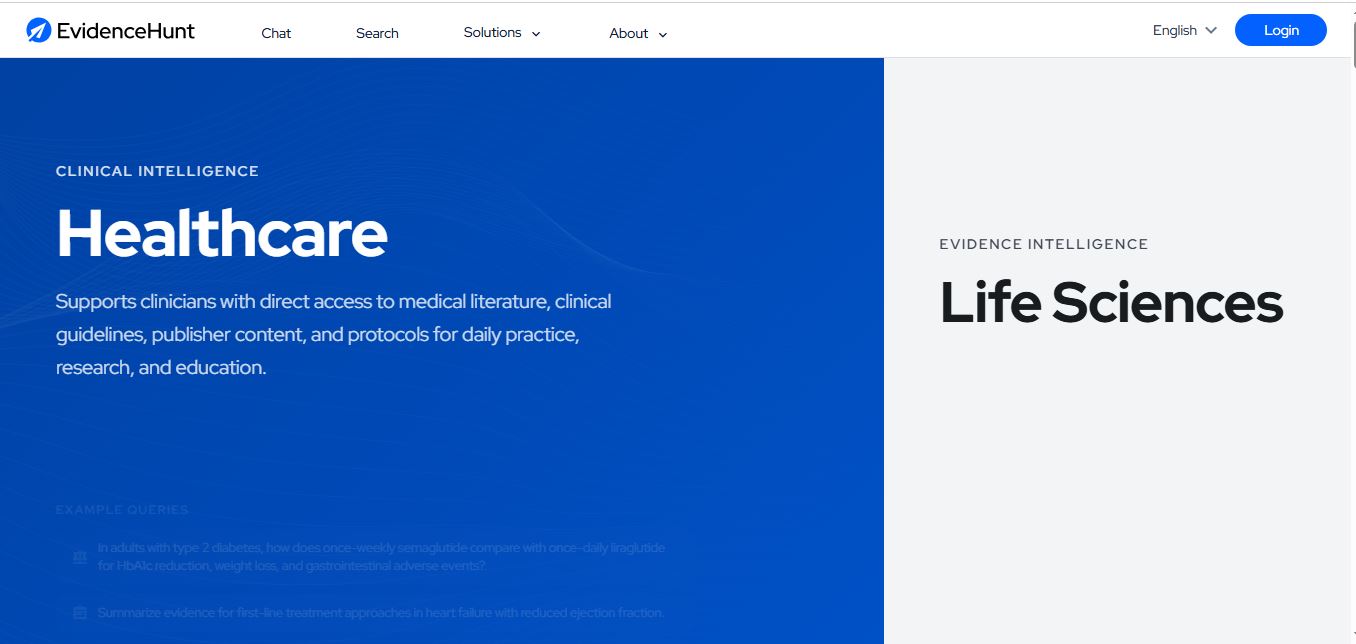
EvidenceHunt is an AI-powered medical research platform that helps clinicians, researchers, and life science teams find and analyze scientific evidence. It searches medical literature, guidelines, and internal documents, then generates citation-grounded answers, evidence tables, systematic reviews, and traceable insights for faster, evidence-based research.
 4.9
Elicit
Research
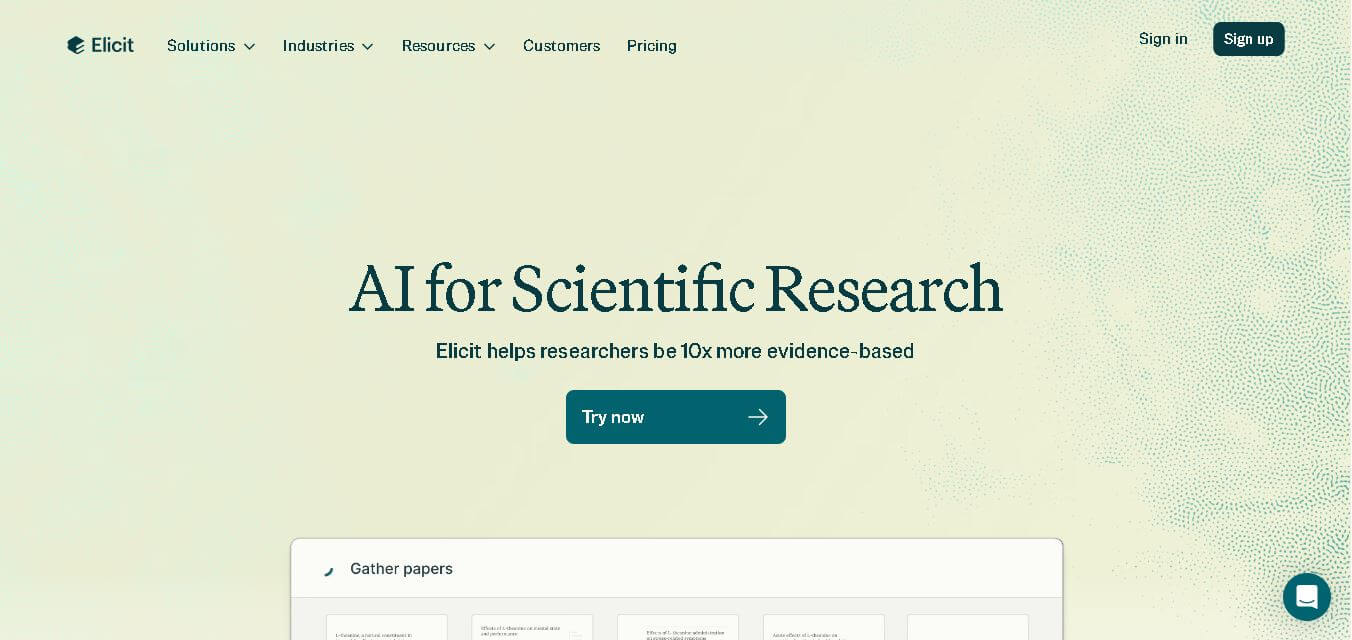
Elicit is an AI-powered research assistant that helps users find, summarize, and analyze academic papers at scale. It searches millions of studies, extracts key data, and generates evidence-backed reports, enabling researchers to conduct literature reviews, compare findings, and make informed decisions faster.
 4.8
Scholarcy
Research
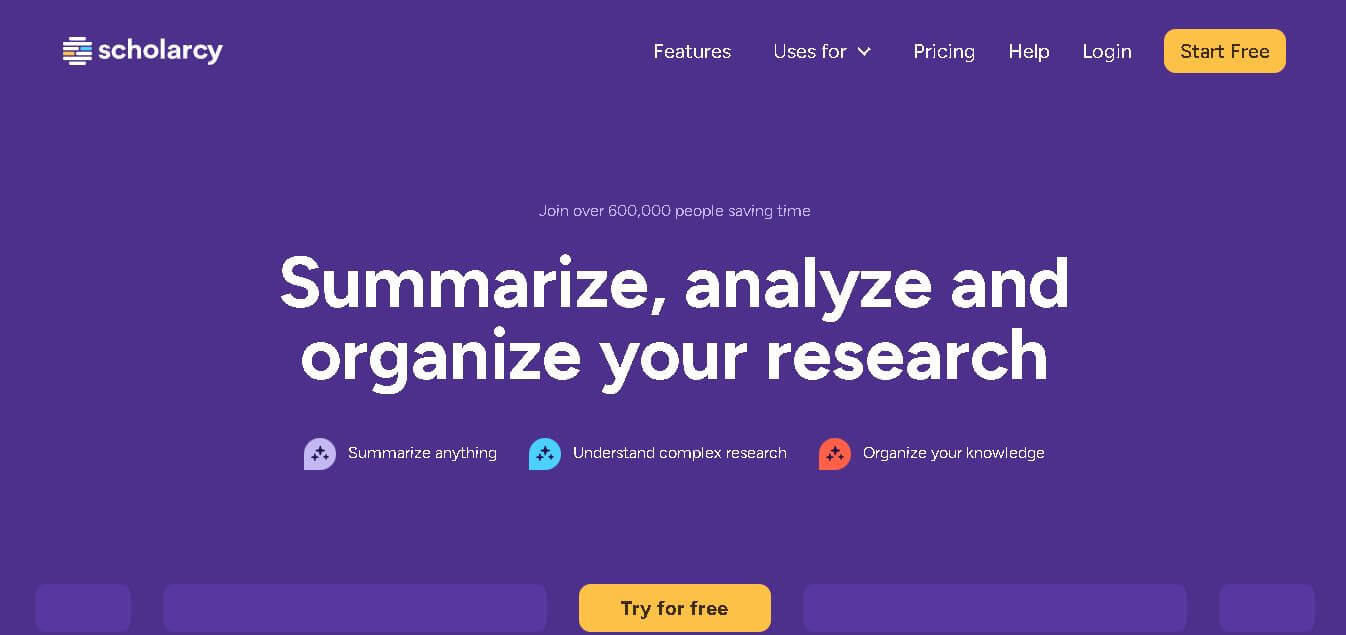
Scholarcy is an AI-powered research assistant that helps students and researchers summarize, analyze, and organize academic papers. It turns complex documents into structured flashcards with key findings, concepts, and references, enabling faster reading, better understanding, and efficient literature review workflows.