
Productboard
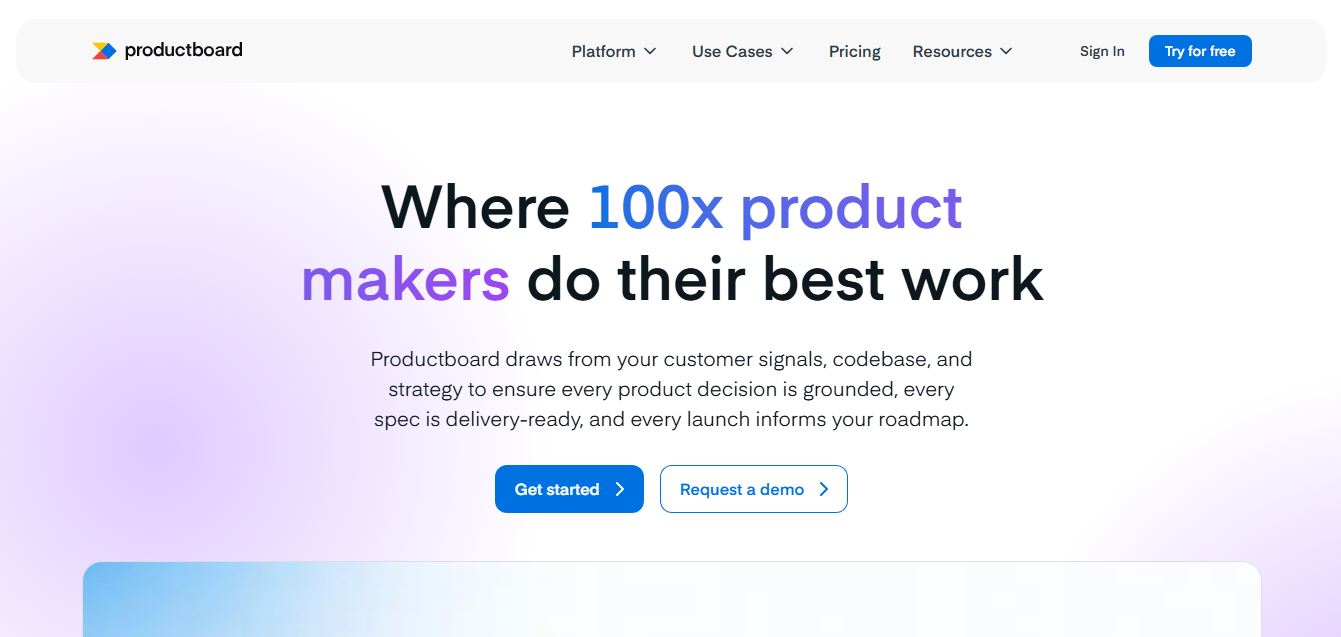
Productboard is a product management platform that helps teams collect user feedback, prioritize features, and plan roadmaps. It centralizes customer insights and aligns teams around what to build next, enabling companies to create products that better meet user needs.
What is Productboard?
Productboard is a customer-centric product management platform that helps teams understand user needs, prioritize features, and align everyone around a clear product roadmap. It centralizes customer feedback, research, and ideas into one system, allowing product managers to identify trends and make data-driven decisions. Teams can plan releases, visualize roadmaps, and collaborate across departments while integrating with tools like Jira. By connecting insights, strategy, and execution, Productboard helps organizations build the right products faster and deliver more value to customers.
Founded in 2014 by Hubert Palan and Daniel Hejl in San Francisco and Prague, Productboard has raised over $260 million in venture funding from premier investors including Sequoia Capital, Bessemer Venture Partners, Kleiner Perkins, and Tiger Global, achieving a unicorn valuation of $1.725 billion. Serving over 6,000 product-led companies worldwide—including Microsoft, Zoom, UiPath, Disney, and JPMorgan Chase—Productboard processes millions of customer feedback data points monthly. Product teams deploying Productboard report cutting feature research time by up to 50% while significantly boosting delivery alignment between customer needs and engineering sprints.
- Founder / Leadership: Hubert Palan (Co-founder & CEO) and Daniel Hejl (Co-founder & CTO)
- Launch Year: 2014
Use Cases:
- Aggregating qualitative user feedback from support tickets, sales calls, email inboxes, and surveys into a central repository
- Standardizing feature prioritization using transparent frameworks based on user impact, customer segment revenue, and effort
- Creating dynamic, interactive roadmaps tailored for executive boards, sales teams, and customer-facing portals
- Drafting comprehensive product requirement documents (PRDs) and user story specs automatically using Spark AI
Technology:
- Spark AI agentic intelligence engine for automated feedback clustering, trend extraction, and PRD drafting
- Two-way bi-directional synchronization with Jira, GitHub, Azure DevOps, Pivotal Tracker, and Trello
- Unified feedback ingestion pipeline integrating with Slack, Zendesk, Intercom, Salesforce, Amplitude, and Mixpanel
Target Users:
- Chief Product Officers (CPOs), VPs of Product, and directors establishing structured product governance
- Technical Product Managers (TPMs) and Scrum Product Owners writing detailed engineering specifications
- Customer Experience (CX) and Product Operations (ProdOps) leaders closing customer feedback loops
- Content creators using writing tools to draft product requirement documents, release notes, and sprint briefing memos
Corporate Entity: Operates as Productboard, Inc.

Key features of Productboard
Productboard's key features are
- Unified Customer Feedback Insights: Centralize qualitative feedback from Zendesk, Intercom, Gong, Slack, and email into an searchable repository with automatic customer attribution.
- Spark AI Product Assistant: Automatically clusters incoming feedback topics, identifies trending customer pain points, and drafts complete product specifications in seconds.
- Dynamic Prioritization Matrices: Evaluate feature requests using weighted scoring systems, strategic drivers, custom user segments, and revenue data imported from Salesforce.
- Audience-Specific Roadmaps: Build customizable Kanban, timeline, or sprint-based roadmaps that share context with leadership, development pods, or external customers.
- Interactive Product Portals: Launch public or private customer-facing portals where end-users can submit feature ideas, vote on planned initiatives, and review released features.
- Two-Way Jira & DevOps Sync: Push prioritized feature requirements directly into Jira or Azure DevOps issues with bi-directional status updates across engineering sprints.
- Customer Segmentation & ARR Weighting: Filter feedback by specific customer personas, company tiers, and contract values to prioritize features that move the needle on churn and expansion.
- Enterprise Governance & Security: SOC 2 Type II certified, ISO 27001 compliant, with SAML SSO, SCIM user provisioning, custom roles, and fine-grained teamspaces.
Productboard Pricing
Productboard is priced based on the number of 'Makers' (product leaders who create and edit roadmaps), while 'Contributors' who submit feedback and view roadmaps are free up to tier limits.
Free Plan:
- $0/month (1 Maker minimum)
- Full access to Spark AI agent, unlimited roadmaps & prioritization, 500 feedback notes, 25 contributors, 1 Teamspace, 1 Product Portal, and 50 AI credits/month
Plus Plan:
- $19/maker/month (billed annually) or $25/maker/month (billed monthly)
- Includes everything in Free plus 250 AI credits/maker/month, manual & dynamic customer segments, feedback loop closing, and product analytics integrations (Amplitude, Mixpanel)
Business Plan:
- $59/maker/month (billed annually, 2-maker minimum = $118/mo) or $75/maker/month (monthly, 2-maker minimum = $150/mo)
- Includes everything in Plus plus 500 AI credits/maker/month, unlimited feedback notes, unlimited teamspaces, shared skills library, 2 Product Portals, and a 14-day free trial
Enterprise Tier:
- Custom quote (5-maker minimum; typically $70,000 to $100,000/year for enterprise deployments)
- Includes unlimited contributors, SAML SSO, SCIM provisioning, custom roles, Salesforce integration, dedicated CSM, and 800+ AI credits/maker/month
Disclaimer: For current maker licensing tiers, enterprise volume discounts, and 14-day evaluation trial terms, please visit the official Productboard pricing page at productboard.com/pricing.
Who is using Productboard?
Productboard is designed for modern product-led organizations and cross-functional teams, including
- Enterprise CPOs & Product Directors: Standardizing feature prioritization criteria and aligning multi-product roadmaps across global teams
- B2B SaaS Product Managers: Connecting qualitative user requests from sales calls and support tickets directly to Jira sprint backlogs
- Product Operations (ProdOps) Teams: Streamlining feedback triage and closing the communication loop with customer success representatives
- Engineering Leads & Scrum Masters: Reviewing customer-grounded feature context and PRD requirements before initiating technical estimation
- Content Creators: Using writing tools to draft product requirement documents, release notes, and sprint briefing memos
- Customer Success & Sales Leaders: Tracking when requested prospect features transition from discovery to delivery to unblock deals
Best Productboard Alternatives
Some of the strongest Productboard alternatives include
- Roadmunk
- Craft.io
- Airfocus
- UserVoice
- Featurebase
Pros and Cons of Productboard
Pros
- Industry benchmark for connecting customer feedback directly to roadmap items and engineering epics
- Spark AI automates the heavy lifting of summarization, customer sentiment clustering, and draft PRD writing
- Makers-only pricing model allows non-product contributors to submit feedback and view roadmaps without maker costs
- Flexible roadmapping views accommodate different audiences—from high-level board timelines to granular sprint boards
- Deep two-way integrations with Jira, Azure DevOps, Salesforce, Zendesk, and Amplitude
Cons
- Business tier carries a mandatory 2-maker minimum ($118/mo annual floor) and Enterprise requires a 5-maker minimum
- Advanced enterprise security features like SAML SSO and SCIM require moving to custom-quoted Enterprise contracts
- Initial setup requires organizational discipline to route feedback consistently from sales and support channels
- AI generation credits are capped per maker per month, requiring paid bundle add-ons for heavy AI workflows
Why Choose Productboard?
Productboard is the premier choice for product organizations that want to eliminate guesswork and build roadmaps grounded in real customer signal and revenue impact.
- Transforms unstructured customer feedback into prioritized, data-backed development roadmaps
- Accelerates spec writing and trend identification using built-in Spark AI agents
- Keeps engineering aligned with business priorities via robust two-way Jira and Azure DevOps sync
- Provides transparent, audience-specific roadmaps for executives, sales teams, and external users
- Backed by Tier-1 venture funding and trusted by over 6,000 product organizations globally
Productboard vs. Competitors
The main difference between Productboard, Aha! Roadmaps, Airfocus, and Featurebase is that Productboard specializes in customer-driven prioritization and feedback aggregation linked directly to product roadmaps and Jira sprints, whereas Aha! Roadmaps acts as a heavy enterprise strategic planning suite, Airfocus emphasizes modular prioritization algorithms, and Featurebase focuses primarily on public user feedback boards. Productboard stands out for its feedback-to-roadmap workflow, Spark AI features, and CRM customer segmentation.
| Feature / Tool | Productboard (productboard.com) | Aha! Roadmaps | Airfocus | Featurebase |
|---|---|---|---|---|
| Core Focus | Customer-Led Roadmaps & Feedback | Enterprise Strategic Product Suite | Modular Roadmaps & Prioritization | Feedback Boards & Changelogs |
| Feedback Repository | Yes (Multi-Source Customer Inbox) | Yes (Aha! Ideas Module) | Yes (Feedback App) | Yes (Public/Private Boards) |
| AI Copilot / Specs | Yes (Spark AI Included) | Yes (Aha! AI Assistant) | Yes (AI Assist) | Yes (AI Post Summaries) |
| Jira / DevOps Sync | Yes (Two-Way Bi-Directional) | Yes (Advanced Bi-Directional) | Yes (Two-Way Integrations) | Yes (Integrations) |
| Starting Paid Price | $19/maker/mo (Plus) | $59/user/month (Roadmaps) | $19/editor/month (Essential) | $29/seat/month |
| Best For | Customer-Driven SaaS & Scaleups | Large Global Enterprise PM Suites | Modular Custom Scoring Frameworks | Cost-Conscious Feedback Collection |
How do we rate Productboard?
| Parameter | Rating (out of 5) |
|---|---|
| Customer Feedback Aggregation & Insights | 5.0 |
| Prioritization Frameworks & ARR Weighting | 4.9 |
| Roadmapping Flexibility & Portals | 4.9 |
| Spark AI Assistant & Spec Drafting | 4.8 |
| Value for Money | 4.7 |
| Overall Score | 4.86 |
Productboard Review
Productboard has fundamentally transformed modern product management from an exercise in speculative roadmap drawing into an empirical, customer-backed science. By consolidating incoming feedback from sales transcripts, customer service tickets, and user surveys into a structured repository, it ensures product teams never build in an echo chamber. The platform's dynamic roadmaps bridge the gap between engineering backlogs and commercial go-to-market priorities, while Spark AI drastically accelerates spec writing and topic discovery. For software scaleups and established enterprise product teams looking to align their roadmap with customer demand, Productboard is an outstanding platform.
Conclusion
Productboard helps product teams build better products by organizing customer feedback, prioritizing features, and planning roadmaps in one platform. Instead of scattered insights, it centralizes data to guide decision-making. This improves alignment across teams and ensures products meet real user needs. Overall, Productboard streamlines product management, helping teams focus on the right priorities, deliver value faster, and create more user-centric products.
FAQ
What is Productboard and how does it work?
Productboard is an AI-powered product management platform that helps teams collect customer feedback, prioritize features, and build product roadmaps. It works by centralizing insights from multiple sources (customers, sales, support), linking them to feature ideas, and helping teams decide what to build next based on real user needs and business goals.
What can you do with Productboard?
With Productboard, you can collect and analyze customer feedback, prioritize product ideas, create roadmaps, and align stakeholders around your product strategy. It also helps teams track features from idea to launch and measure the impact of what they ship.
What features does Productboard offer?
Productboard includes features like feedback collection (insights boards), prioritization tools, product roadmaps, AI-powered analysis (Spark), collaboration tools, and integrations with platforms like Jira, Slack, and Zendesk. It also offers product portals to collect customer input and share updates.
How does Productboard help with product prioritization?
Productboard helps prioritize features by linking customer feedback directly to ideas and assigning importance scores based on demand. Teams can use filters, custom metrics, and objectives to decide which features will deliver the most value for users and the business.
How is Productboard different from other product management tools?
Productboard stands out because it is customer-centric. Instead of focusing only on task management, it connects customer insights with product decisions, ensuring that every feature is backed by real user demand and aligned with company strategy.
How much does Productboard cost?
Productboard offers a freemium pricing model. Plans start at $0 (Free), with paid plans beginning around $19/month per maker (Plus) and $59/month per maker (Business). Enterprise pricing is custom based on team size and requirements.
Does Productboard integrate with other tools?
Yes, Productboard integrates with tools like Jira, Azure DevOps, Slack, Zendesk, Intercom, and CRM platforms. These integrations help teams sync feedback, manage development workflows, and collaborate across departments without switching tools.
Who should use Productboard?
Productboard is ideal for product managers, SaaS companies, startups, and enterprise teams that want to build customer-driven products. It’s especially useful for teams handling large volumes of feedback and needing a structured way to prioritize features and align stakeholders.
User Reviews
No reviews yet for Productboard.
Featured Tools
Featured AI tools from TechShark
Melody Genie
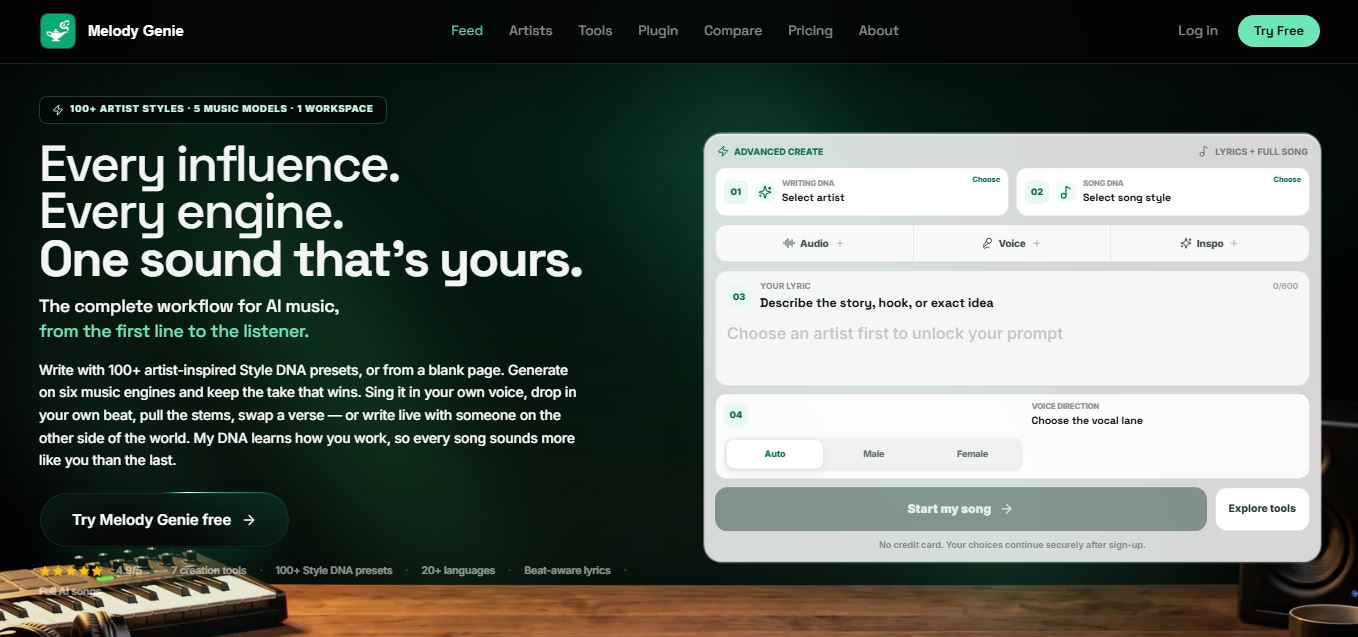
MelodyGenie is an AI-powered music generator that creates original songs from simple text prompts. Users can choose styles, moods, and genres, then instantly generate melodies and full tracks, making it easy for creators, marketers, and hobbyists to produce custom music without musical expertise.
Freemium
Kimi AI
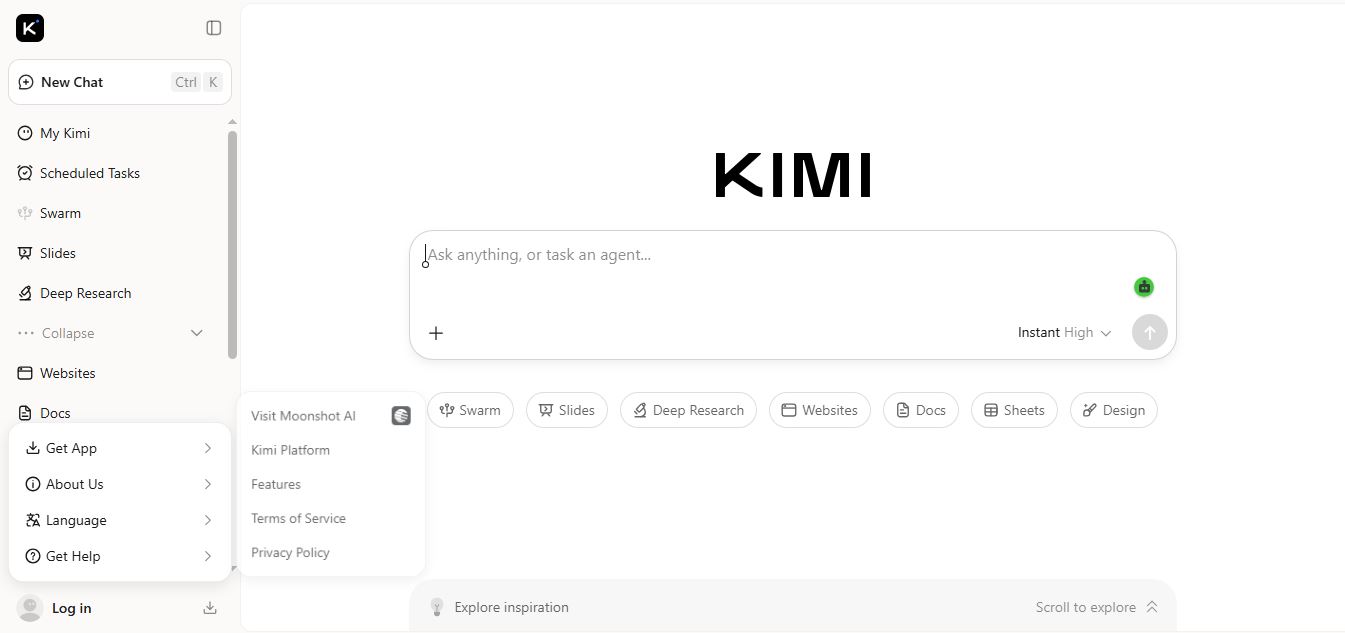
Kimi AI is an advanced AI assistant developed by Moonshot AI that helps you chat, research, write, code, and automate tasks in one place. It supports web search, file analysis, and multimodal inputs, and can even run autonomous “agent” workflows to complete complex tasks end-to-end.
Freemium
Fashion Diffusion AI
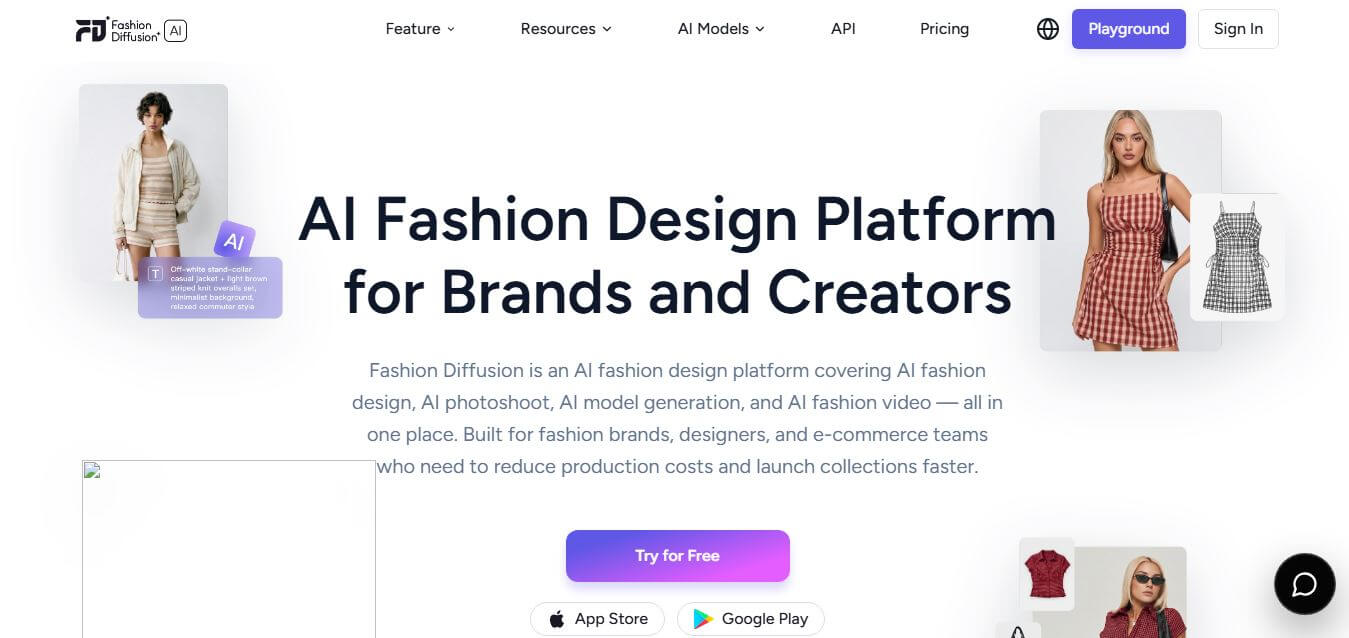
Fashion Diffusion is an AI-powered fashion design platform that helps brands and designers create clothing designs, virtual try-ons, AI models, product photos, and marketing visuals faster and cost-effectively.
Paid
Veo 4
Veo 4 AI is an AI video creation platform that generates dramatic videos from text, images, audio, and video prompts using realistic motion and synchronized sound.
Paid
Alternatives
Alternatives to Productboard
The best Productboard alternatives include Aha! Roadmaps, Roadmunk, Craft.io, Airfocus, UserVoice, and Featurebase. These platforms provide product management, strategic roadmapping, and customer feedback aggregation software. While Productboard specializes in customer-driven feature prioritization, Spark AI spec generation, and two-way Jira synchronization, alternatives like Aha! Roadmaps cater to large enterprise portfolio planning, and Featurebase provides lightweight public voting boards. Choosing the right tool depends on whether you require a customer-grounded product system of record, enterprise portfolio strategy, or simple feedback collection.
 4.9
4.9Mixpanel
Project Management
Mixpanel is a product analytics platform that helps businesses track user behavior, analyze engagement, and measure key metrics across apps and websites. It provides real-time insights, funnels, and cohort analysis, enabling teams to understand user journeys and improve retention, conversion, and overall product performance.
 4.9
4.9Amplitude
Project Management
Amplitude is a digital analytics platform that helps businesses track user behavior, measure product performance, and understand customer journeys. It provides insights into how users interact with apps and websites, enabling teams to optimize experiences, improve retention, and drive growth through data-driven decisions.
Wrike
Project Management
Wrike is a work management and collaboration platform that helps teams plan projects, assign tasks, track progress, and meet deadlines in one place. It offers dashboards, automation, and reporting tools, making it easier for teams to stay organized, collaborate efficiently, and manage complex workflows at scale.
 4.9
4.9Kroolo
Project Management
Kroolo is an AI-powered productivity and project management platform that helps teams plan tasks, track progress, and collaborate in one place. It combines project tracking, document management, and AI assistance to streamline workflows, automate routine work, and improve team efficiency across projects.
 4.7
4.7Morgen
Project Management
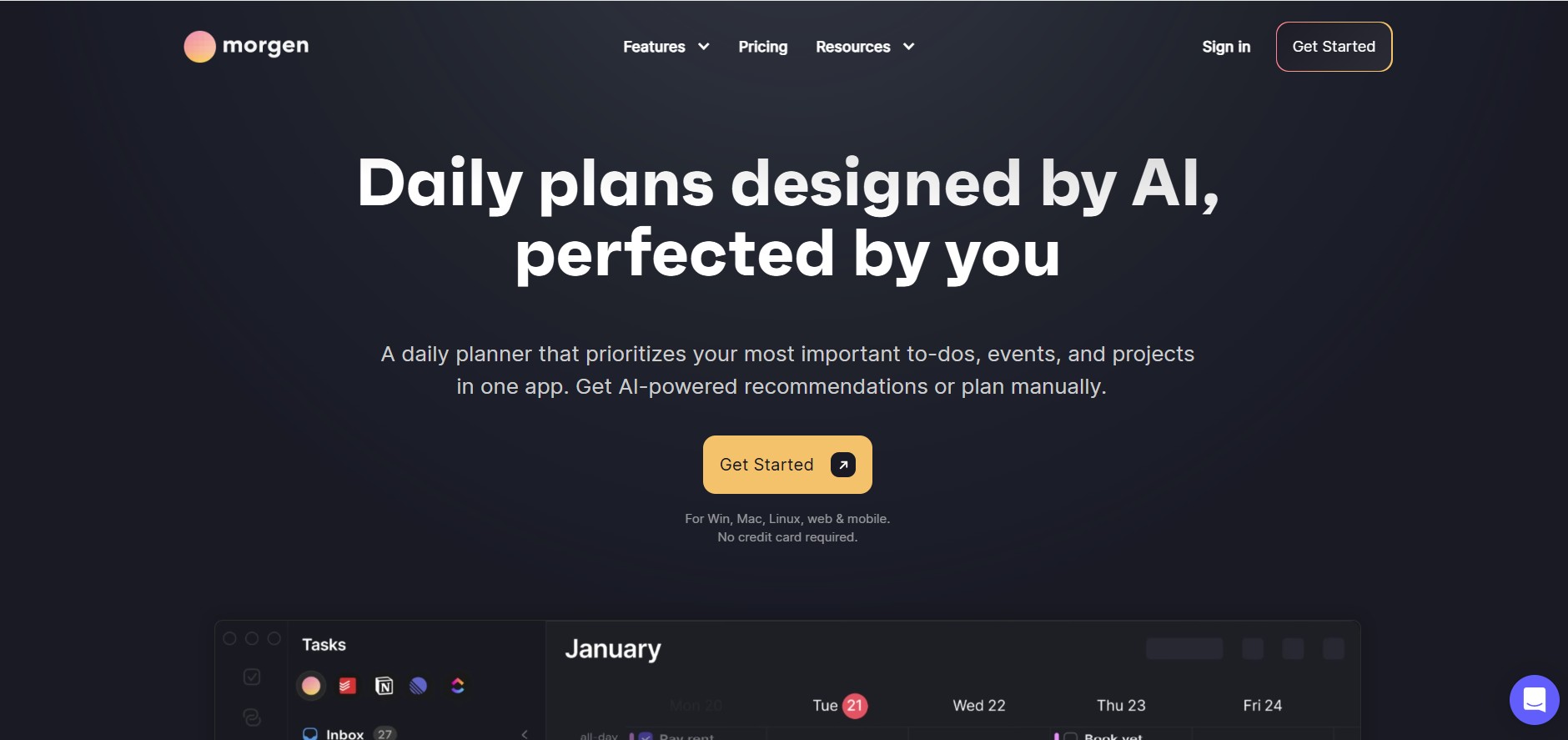
Morgen is a time management desktop and mobile app that unifies multiple calendars, aggregates tasks from third-party tools, and uses AI-driven time-blocking to create structured daily schedules.
 4.9
4.9Todoist
Project Management
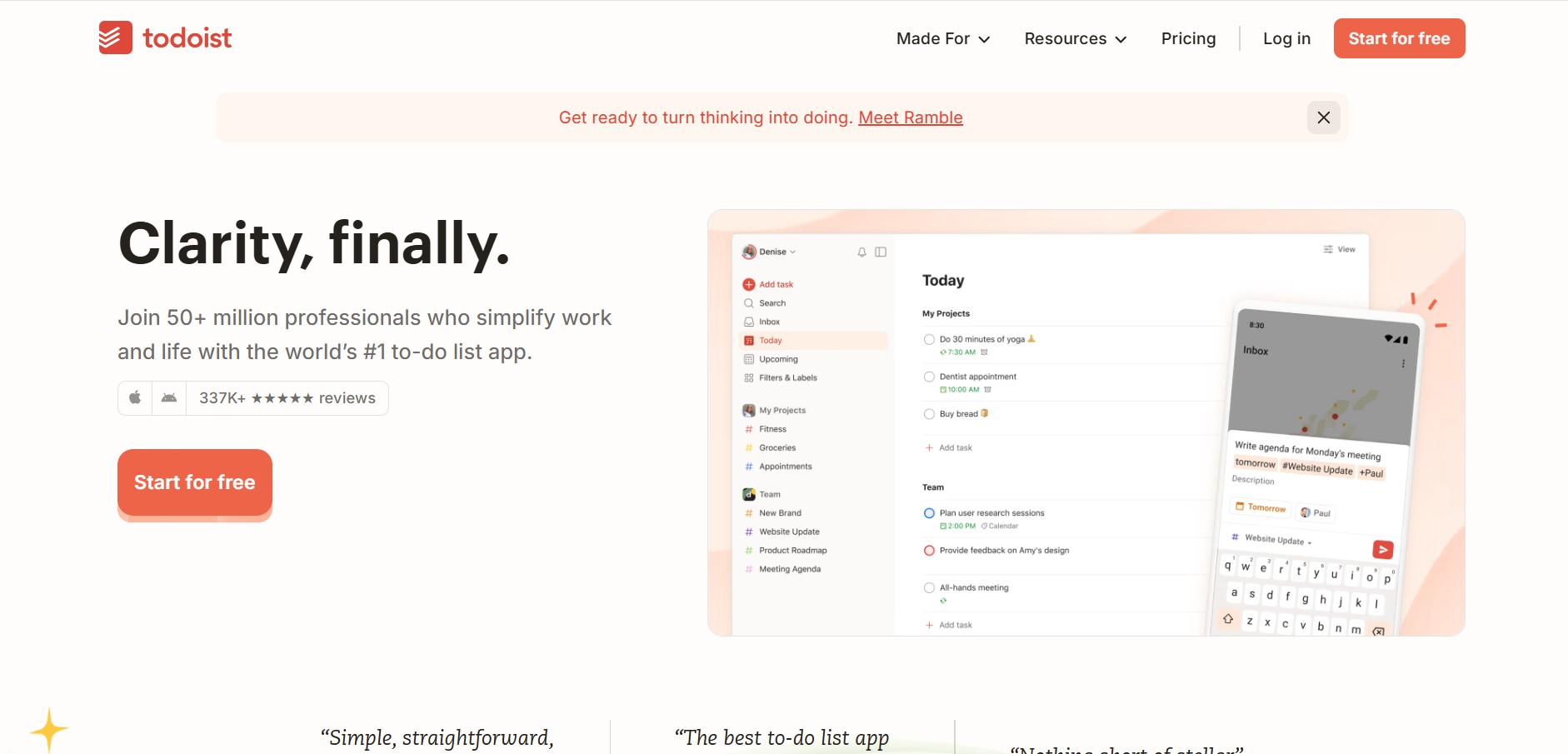
Todoist is a widely popular task management and to-do list application developed by Doist, featuring natural language task creation, sub-tasks, productivity tracking, and multi-platform syncing.
 4.8
4.8Basecamp
Project Management
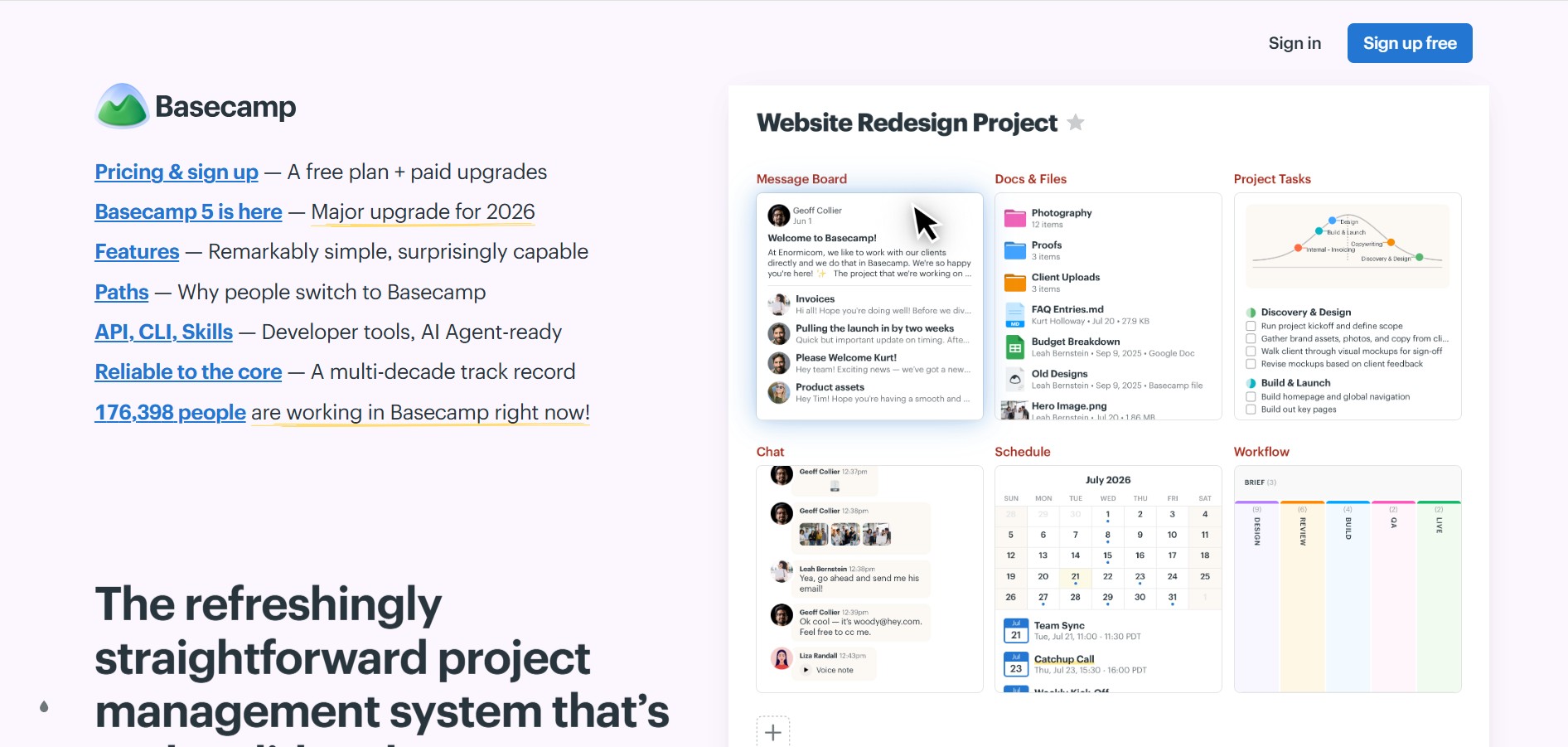
Basecamp is an all-in-one project management and team communication software created by 37signals to organize tasks, discussions, files, and schedules in one centralized platform.
 4.9
4.9Linear
Project Management
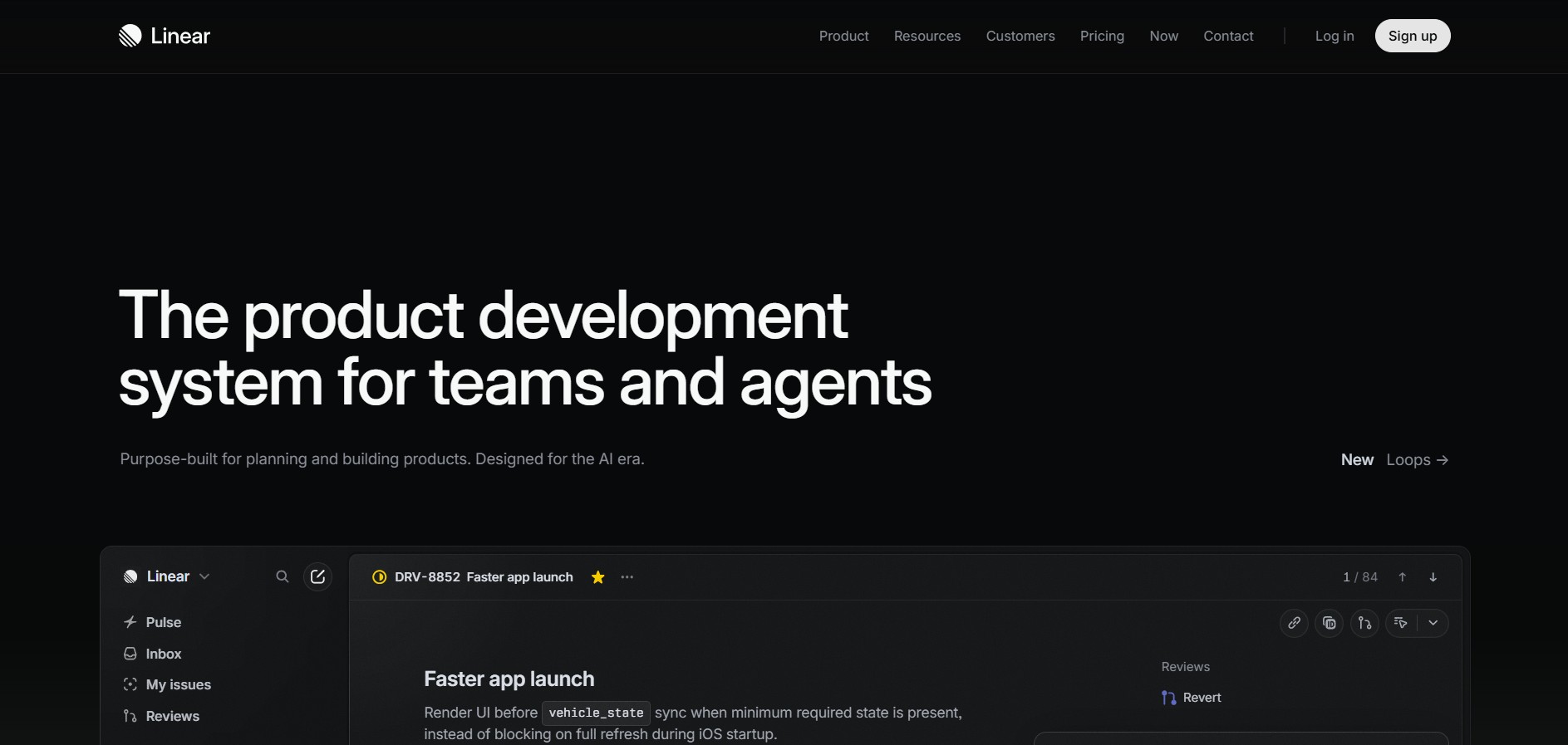
Linear is a high-performance project management and issue tracking software built specifically for software engineering and product development teams.
 4.8
4.8RescueTime
Project Management
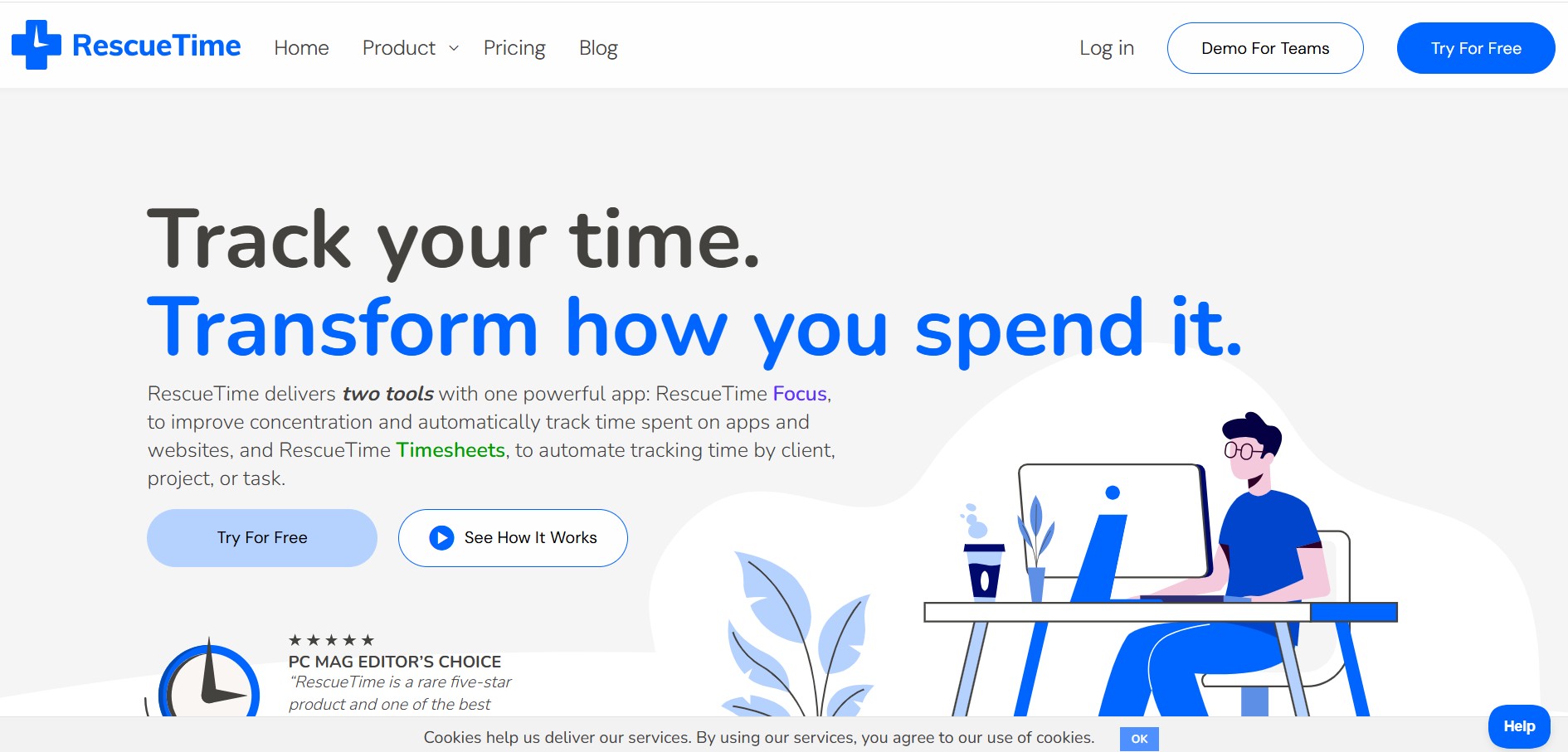
RescueTime is an automatic time tracking, distraction blocking, and personal productivity software that monitors app and website usage in the background to provide detailed activity reports and automated project timesheets.