
Mixpanel
Mixpanel is a product analytics platform that helps businesses track user behavior, analyze engagement, and measure key metrics across apps and websites. It provides real-time insights, funnels, and cohort analysis, enabling teams to understand user journeys and improve retention, conversion, and overall product performance.
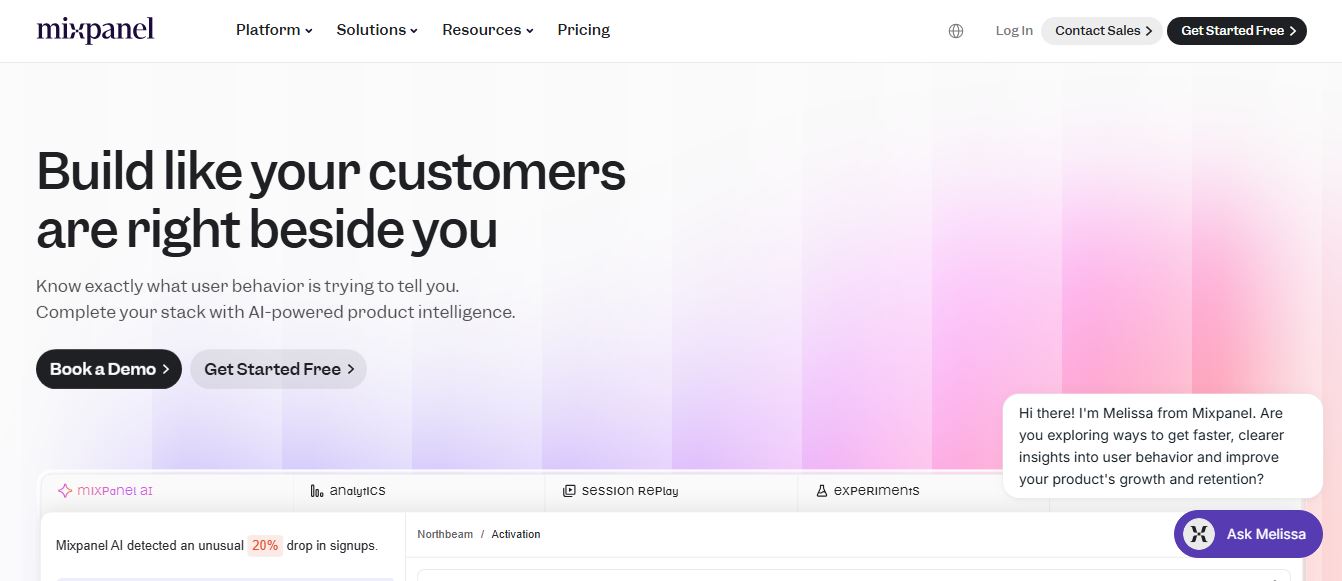
What is Mixpanel?
Mixpanel is a product analytics platform that helps businesses understand how users interact with their websites and apps by tracking event-based actions like clicks, signups, and feature usage. It provides tools such as funnels, cohort analysis, segmentation, and retention tracking to analyze user behavior and identify where users drop off or engage most. With real-time dashboards, session replay, and data integrations, teams can turn raw data into insights, optimize user journeys, and make faster, data-driven decisions to improve growth and product performance.
Founded in 2009 by Suhail Doshi and Tim Trefren out of Y Combinator (S09) in San Francisco, California, and led by CEO Amir Movafaghi, Mixpanel has raised over $275 million in venture funding backed by Andreessen Horowitz, Bain Capital Tech Opportunities, and Sequoia Capital. Today, Mixpanel is trusted by over 29,000 technology companies and enterprise brands globally—including Uber, Pinterest, Yelp, BuzzFeed, Hinge, and Rakuten. Capable of computing complex behavioral queries in under a second and processing trillions of monthly events, Mixpanel helps teams transition from raw data collection to actionable product decisions.
- Founder / Leadership: Suhail Doshi & Tim Trefren (Co-founders); Amir Movafaghi (CEO)
- Launch Year: 2009 (Y Combinator S09)
Use Cases:
- Mapping multi-step conversion funnels to identify where users drop off during onboarding and checkout
- Analyzing user retention curves and cohort behavior to pinpoint the exact product actions that drive long-term stickiness
- Watching correlated session Replays directly alongside quantitative funnel steps to understand why users abandon workflows
- Querying product metrics, creating automated dashboards, and conducting root-cause analysis via conversational Mixpanel AI agents
Technology:
- Proprietary in-memory columnar database architecture (Arb) delivering sub-second ad-hoc queries across billions of event rows
- Mixpanel AI Context Engine and Model Context Protocol (MCP) server integrating directly with Claude, ChatGPT, Cursor, and Slack
- Warehouse connector layer allowing direct synchronization with Snowflake, Google BigQuery, and Databricks
Target Users:
- Product Managers (PMs) and Chief Product Officers (CPOs) monitoring feature adoption and sprint outcomes
- Growth hackers and lifecycle marketers designing segmented re-engagement campaigns and tracking activation milestones
- Software engineers and data architects instrumenting clean event taxonomies and syncing warehouse data
- Content creators using writing tools to draft product requirement documents, release notes, and sprint briefing memos
Corporate Entity: Operates as Mixpanel, Inc. (San Francisco, CA)

Key features of Mixpanel
Mixpanel's key features are
- Conversion Funnels & Conversion Driver Analysis: Trace user paths across multi-step flows, view step conversion rates, and pinpoint which attributes or actions correlate with successful conversions.
- Advanced Retention & Cohort Modeling: Track user cohorts over custom timeframes (daily, weekly, monthly) to measure true product stickiness and discover your 'aha!' moment.
- Mixpanel AI & Autonomous Sub-Agents: Ask questions in natural English to automatically generate executive dashboards, uncover root causes for metric drops, and get experiment recommendations.
- Native Session Replay: Watch session recordings of real user interactions tied directly to event logs and funnel drop-offs with automated privacy masking.
- Model Context Protocol (MCP) Server: Connect Mixpanel directly connects to frontier AI developer environments like Claude, Cursor, and ChatGPT to pull live product metrics into your daily workflows.
- A/B Experiments & Feature Flags: Design, execute, and evaluate product experiments and rollout toggles to measure statistical impact on key revenue metrics.
- Interactive User Flow Diagrams: Visualize dynamic branching paths to discover the most popular navigation journeys users take before and after key product actions.
- Data Pipelines & Warehouse Mirroring: Ingest or export structured event data seamlessly across Snowflake, Google BigQuery, Databricks, and AWS Redshift.
Mixpanel Pricing
Mixpanel provides a self-serve event-based pricing structure featuring an unmetered free tier, scalable pay-as-you-grow options, and enterprise licensing.
Free Plan:
- $0/month (Free forever)
- Up to 1,000,000 events per month, unlimited team seats, core funnels, retention flows, 5 saved reports per seat, 10,000 monthly session replays, and 10 active feature flags
Growth Plan:
- Starts from $0 to approximately $140/month (or $120/month billed annually) depending on event volume slider; scales up to 20,000,000 events/month
- First 1M events free, then metered at ~$0.28 per 1,000 events with volume tier discounts; includes unlimited saved reports, unlimited team seats, 20,000 session replays/mo, 5,000 MEU experiments, data modeling pipelines, and custom alerts
Enterprise Tier:
- Custom quote for global organizations (scales up to 1 trillion events per month)
- Includes everything in Growth plus custom session replay allowances (7 to 365 days retention), advanced automated data governance, SAML SSO, automated SCIM provisioning, dedicated customer success manager, and 99.9% uptime SLA
Disclaimer: Early-stage startups under 5 years old with under $8M in funding may qualify for the Mixpanel Startup Program for a free year of Growth tier. For current event volume calculator rates and custom enterprise quotes, visit mixpanel.com/pricing.
Who is using Mixpanel?
Mixpanel is designed for a broad spectrum of digital product and growth professionals, including
- Product Managers & CPOs: Tracking feature adoption, evaluating user onboarding workflows, and monitoring feature performance post-launch
- Growth Marketers & Acquisition Specialists: Analyzing conversion funnels, tracking signup source attribution, and building re-engagement cohorts
- Software & Data Engineers: Querying behavioral data directly via the Python SDK, MCP servers, and modern cloud data warehouses
- Startup Founders & Early-Stage Teams: Leveraging the generous 1 million monthly event free tier to establish baseline product-market fit
- Content Creators: Using writing tools to draft product requirement documents, release notes, and sprint briefing memos
- Enterprise CX & Support Leaders: Reviewing session replays to diagnose UX frustration points, user rage clicks, and technical checkout errors
Best Mixpanel Alternatives
Some of the strongest Mixpanel alternatives include
- Amplitude
- PostHog
- Heap (Contentsquare)
- Pendo
- Google Analytics 4 (GA4)
- LogRocket
Pros and Cons of Mixpanel
Pros
- Unmatched query speed and user-friendly interface that non-technical team members can master immediately
- Event-volume pricing includes unlimited user seats across all tiers, eliminating per-seat licensing penalties
- Generous free plan offering up to 1 million monthly events, 10,000 session replays, and core funnel reports
- Mixpanel AI and MCP Server allow teams to query data and uncover root causes natively inside Claude, Cursor, and Slack
- Integrated Session Replay and A/B Experiments eliminate the need to purchase separate third-party point solutions
Cons
- Requires disciplined planning to design a clean event tracking taxonomy before writing code
- Lacks full auto-capture capabilities, requiring explicit developer instrumentation for new event tracking
- Overages on the Growth plan scale strictly by event volume (~$0.28/1k events) if event volume spikes unexpectedly
- Complex enterprise multi-touch attribution modeling can be less granular than specialized marketing attribution tools
Why Choose Mixpanel?
Mixpanel is the ideal choice for product and growth teams that want fast, self-serve answers about user behavior without waiting on data engineering backlogs.
- Provides an intuitive, drag-and-drop reporting canvas with lightning-fast query execution
- Includes unlimited team seats on every plan, encouraging cross-departmental data democratization
- Combines quantitative funnels with qualitative Session Replay to reveal the full user story
- Integrates with modern AI workflows via its open Model Context Protocol (MCP) server
- Offers an unmetered free tier covering up to 1 million events per month with zero credit card commitment
Mixpanel vs. Competitors
The main difference between Mixpanel, Amplitude, PostHog, and Heap is that Mixpanel prioritizes rapid, self-serve ad-hoc reporting with unlimited team seats and native MCP AI connectivity, whereas Amplitude specializes in deep behavioral retention cohorts and MTU models, PostHog offers an open-source all-in-one developer platform with self-hosting, and Heap emphasizes automated retroactive event autocapture. Mixpanel stands out for its fast query interface, flexible event pricing, and AI-native workflows.
| Feature / Tool | Mixpanel (mixpanel.com) | Amplitude | PostHog | Heap |
|---|---|---|---|---|
| Core Focus | Self-Serve Product Analytics & AI | Behavioral Retention & PLG | Open-Source Dev Suite & Tools | Autocapture Digital Experience |
| Pricing Metric | Event Volume (Unlimited Seats) | Monthly Tracked Users (MTU) | Usage-Based Events & Replays | Sessions & Annual Contract |
| Free Tier Allowance | Up to 1M Events / Month | Up to 50K MTUs / Month | 1M Events / 5K Replays | 10K Sessions / Month |
| AI & MCP Integration | Yes (Mixpanel AI & MCP Server) | Yes (Ask Amplitude AI) | AI Prompts & SQL AI | Generative Insights |
| Starting Paid Price | From ~$120 – $140/mo (Growth) | Plus from ~$49/mo; Custom Growth | Usage-Based ($0.00031/event) | Custom Annual Pricing |
| Best For | Fast Self-Serve Team Analytics | Deep Behavioral Cohort Retention | Technical Engineers & Self-Host | Retroactive Auto-Tracked Clicks |
How do we rate Mixpanel?
| Parameter | Rating (out of 5) |
|---|---|
| Ad-Hoc Query Speed & Ease of Use | 5.0 |
| Funnels, Retention & Cohort Analysis | 4.9 |
| Mixpanel AI & MCP Server Extensibility | 4.9 |
| Session Replay & Experimentation Integration | 4.8 |
| Value for Money | 4.8 |
| Overall Score | 4.88 |
Mixpanel Review
Mixpanel has long been celebrated for democratizing data access across fast-moving product teams. While traditional business intelligence tools require complex SQL queries and engineering backlogs, Mixpanel enables non-technical product managers, designers, and marketers to build exploratory funnels and retention tables in seconds. Its adoption of an event-volume pricing model with unlimited seats removes the friction of seat-licensing penalties, while its native Session Replay bridges the gap between what users do and why they do it. With cutting-edge developments like the Model Context Protocol (MCP) server and Mixpanel AI, it seamlessly embeds product intelligence into developer workflows like Claude and Cursor. For product-led companies seeking speed, clarity, and cross-team adoption, Mixpanel is an outstanding platform.
Conclusion
Mixpanel helps teams understand how users interact with their products by tracking events, analyzing funnels, and measuring retention. Instead of relying on basic metrics, it provides deeper insights into user behavior and engagement patterns. This enables teams to make smarter, data-driven decisions. Overall, Mixpanel simplifies product analytics, helping businesses improve user experience, increase retention, and drive growth through better understanding of customer actions.
FAQ
What is Mixpanel and how does it work?
Mixpanel is an event-based product analytics platform that helps businesses track and analyze how users interact with their apps or websites. It works by capturing user actions (called events) like clicks, signups, or purchases, and then turning that data into insights such as funnels, retention, and user journeys to improve product decisions.
What can you do with Mixpanel?
With Mixpanel, you can analyze user behavior, track conversion funnels, measure retention, build user cohorts, and identify drop-off points in your product. It also helps teams understand which features drive engagement and optimize onboarding, growth, and retention strategies using real-time data.
What features does Mixpanel offer?
Mixpanel offers features like event tracking, funnel analysis, retention reports, cohort analysis, session replay, feature flags, A/B testing, and AI-driven insights. It also includes dashboards, alerts, and integrations to help teams monitor product performance and make data-driven decisions.
How is Mixpanel different from traditional analytics tools?
Unlike traditional analytics tools that focus on page views and traffic, Mixpanel focuses on user actions and behavior. This event-based model gives deeper insights into how users interact with your product, making it more useful for product teams focused on growth and user experience.
Is Mixpanel free to use?
Yes, Mixpanel offers a free plan that includes up to 1 million events per month, unlimited users, and core analytics features like funnels and retention analysis. This makes it a strong option for startups and early-stage products testing product-market fit.
How much does Mixpanel cost?
Mixpanel uses a usage-based pricing model based on event volume. The Growth plan starts at $0 and scales as your usage increases, while Enterprise pricing is custom for large teams. Costs depend on how many events your product generates rather than the number of users or seats.
Who should use Mixpanel?
Mixpanel is ideal for product managers, growth teams, SaaS companies, mobile app teams, and startups that want to understand user behavior and improve product performance. It’s especially useful for businesses focused on product-led growth and data-driven decision-making.
Can Mixpanel help improve product growth?
Yes, Mixpanel helps improve product growth by identifying which user actions lead to conversions or churn. By analyzing funnels, retention, and behavior patterns, teams can optimize onboarding, improve features, and increase engagement based on real user data.
User Reviews
No reviews yet for Mixpanel.
Featured Tools
Featured AI tools from TechShark
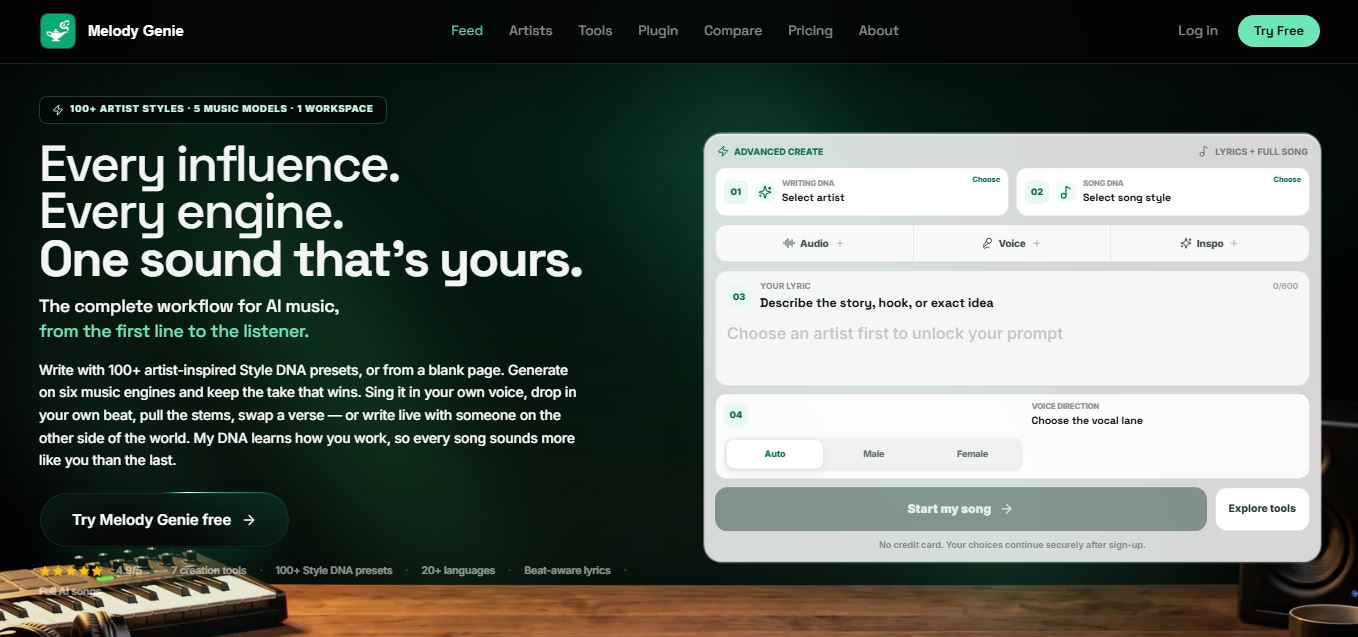
Melody Genie
MelodyGenie is an AI-powered music generator that creates original songs from simple text prompts. Users can choose styles, moods, and genres, then instantly generate melodies and full tracks, making it easy for creators, marketers, and hobbyists to produce custom music without musical expertise.
Freemium
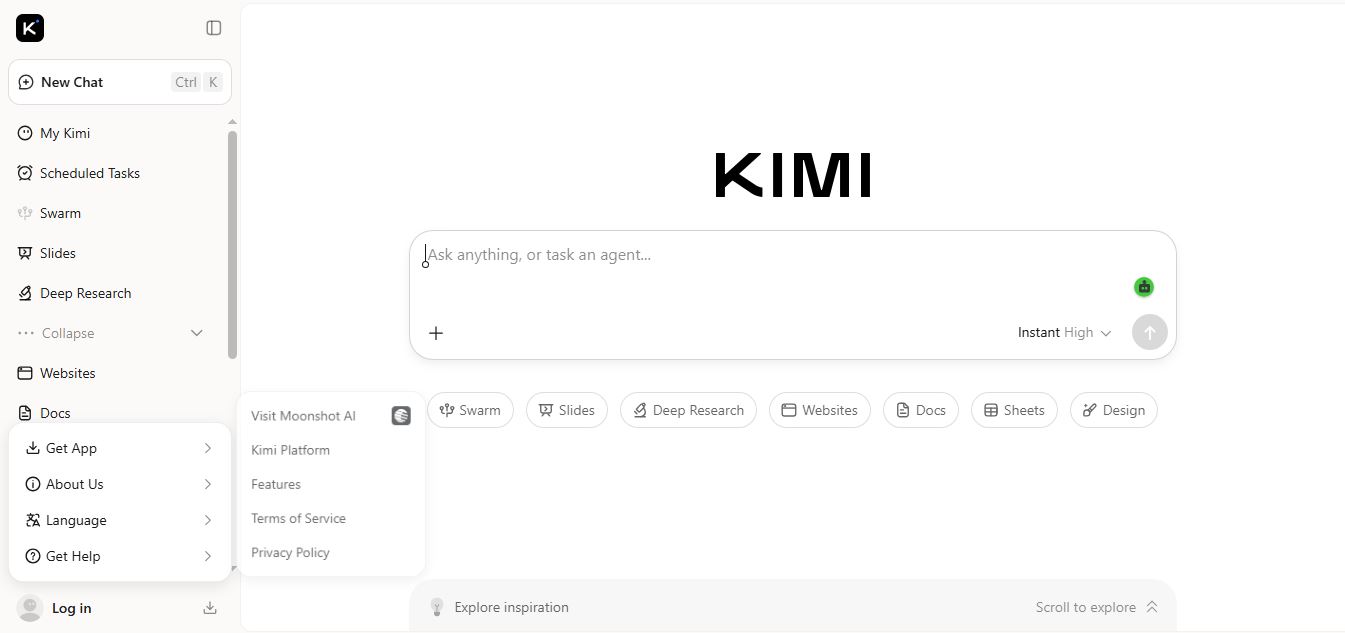
Kimi AI
Kimi AI is an advanced AI assistant developed by Moonshot AI that helps you chat, research, write, code, and automate tasks in one place. It supports web search, file analysis, and multimodal inputs, and can even run autonomous “agent” workflows to complete complex tasks end-to-end.
Freemium

Fashion Diffusion AI
Fashion Diffusion is an AI-powered fashion design platform that helps brands and designers create clothing designs, virtual try-ons, AI models, product photos, and marketing visuals faster and cost-effectively.
Paid
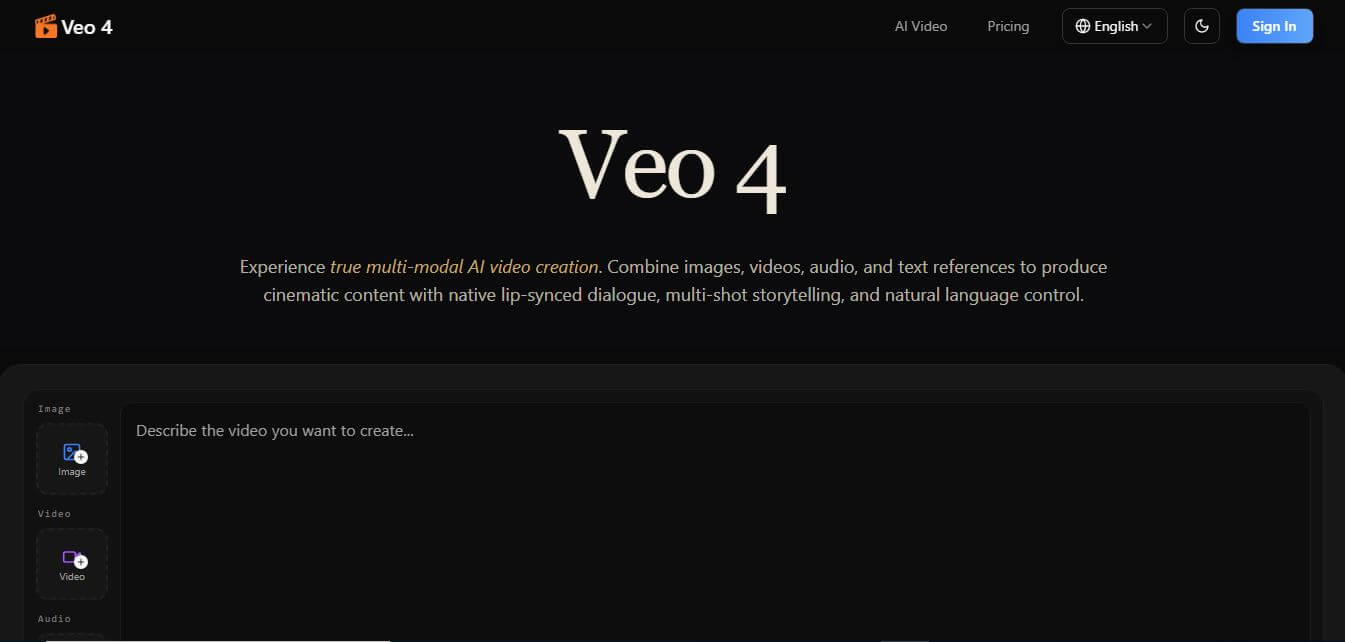
Veo 4
Veo 4 AI is an AI video creation platform that generates dramatic videos from text, images, audio, and video prompts using realistic motion and synchronized sound.
Paid
Alternatives
Alternatives to Mixpanel
The best Mixpanel alternatives include Amplitude, PostHog, Heap (Contentsquare), Pendo, Google Analytics 4, and LogRocket. These platforms provide product analytics, user journey tracking, session replay, and experimentation software. While Mixpanel specializes in fast self-serve ad-hoc reporting with unlimited team seats and native MCP AI connectivity, alternatives like Amplitude emphasize deep behavioral retention modeling, and PostHog provides an open-source all-in-one developer platform with self-hosting. Choosing the right tool depends on whether you require rapid self-serve product reporting, deep behavioral retention analysis, or open-source data ownership.
 4.9
4.9Amplitude
Project Management
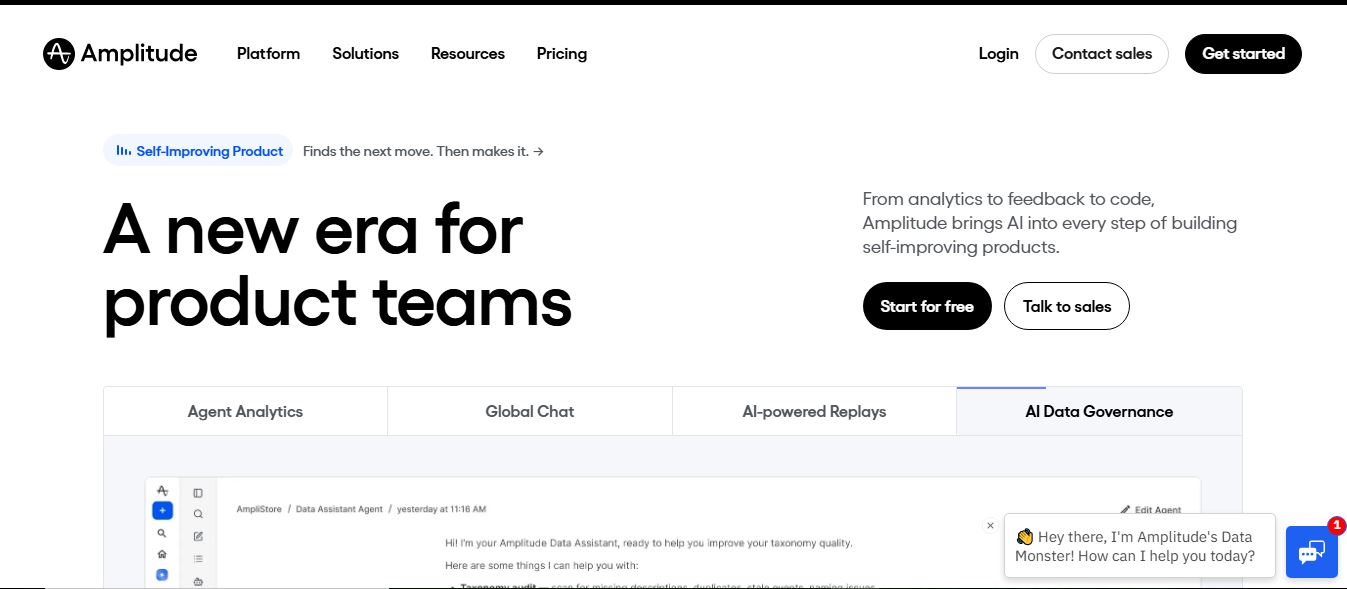
Amplitude is a digital analytics platform that helps businesses track user behavior, measure product performance, and understand customer journeys. It provides insights into how users interact with apps and websites, enabling teams to optimize experiences, improve retention, and drive growth through data-driven decisions.
 4.8
4.8Productboard
Project Management
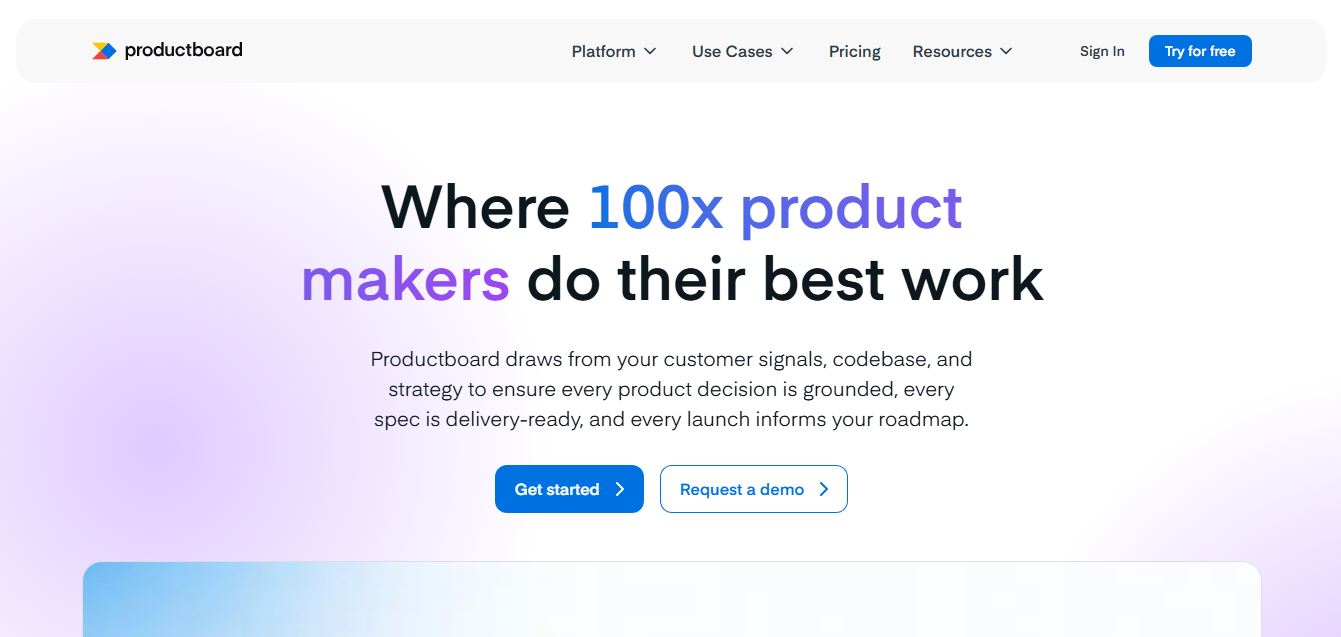
Productboard is a product management platform that helps teams collect user feedback, prioritize features, and plan roadmaps. It centralizes customer insights and aligns teams around what to build next, enabling companies to create products that better meet user needs.
Wrike
Project Management
Wrike is a work management and collaboration platform that helps teams plan projects, assign tasks, track progress, and meet deadlines in one place. It offers dashboards, automation, and reporting tools, making it easier for teams to stay organized, collaborate efficiently, and manage complex workflows at scale.
 4.9
4.9Kroolo
Project Management
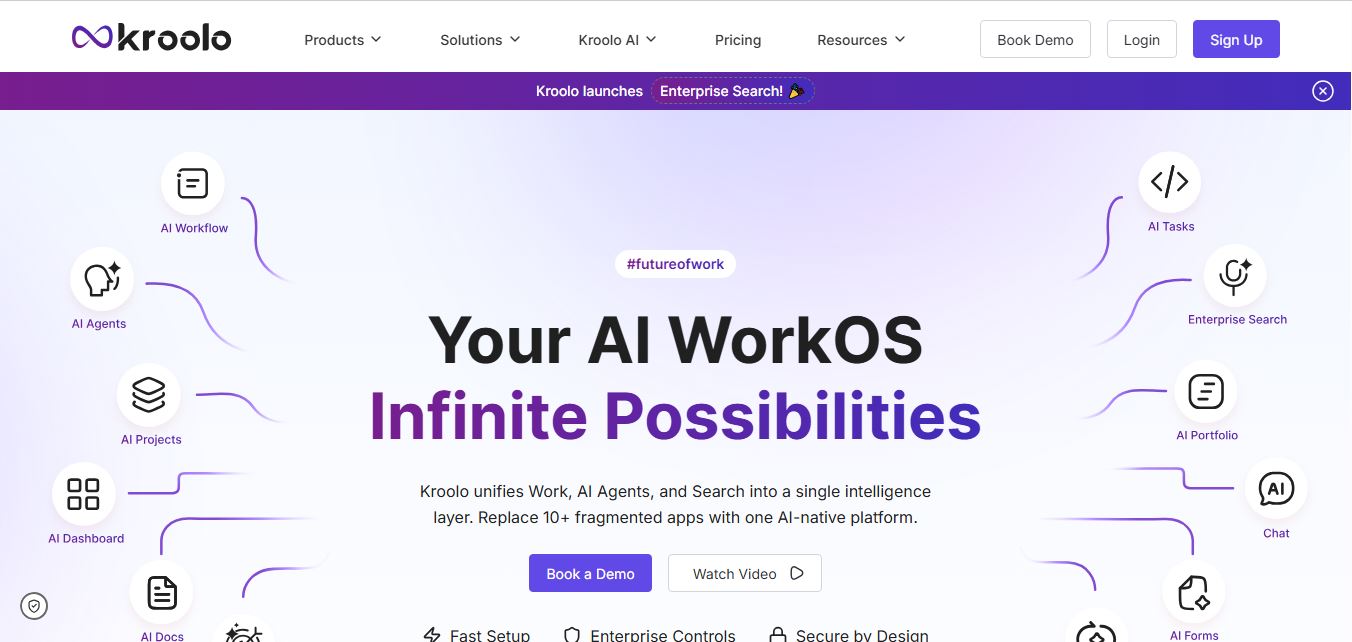
Kroolo is an AI-powered productivity and project management platform that helps teams plan tasks, track progress, and collaborate in one place. It combines project tracking, document management, and AI assistance to streamline workflows, automate routine work, and improve team efficiency across projects.
 4.7
4.7Morgen
Project Management
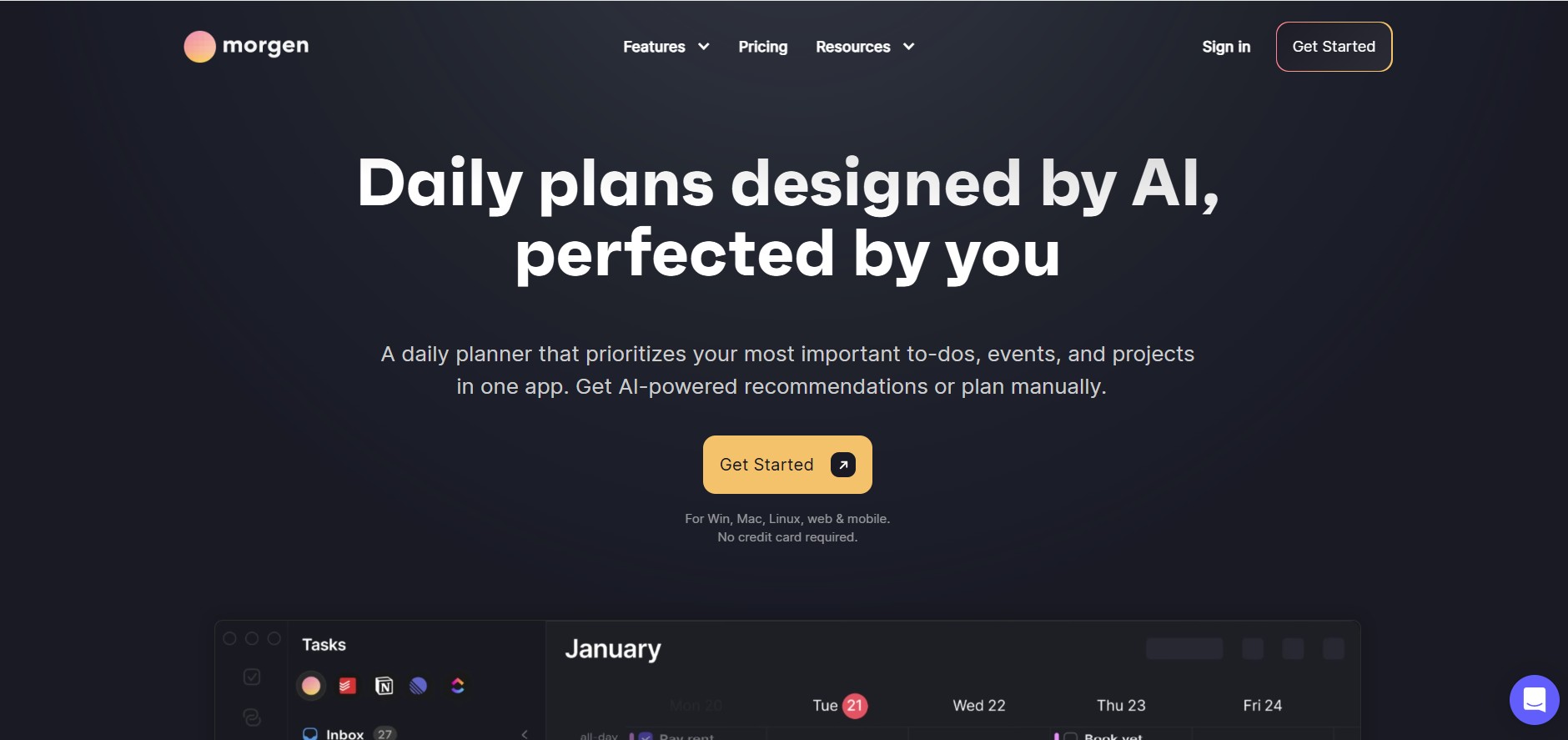
Morgen is a time management desktop and mobile app that unifies multiple calendars, aggregates tasks from third-party tools, and uses AI-driven time-blocking to create structured daily schedules.
 4.9
4.9Todoist
Project Management
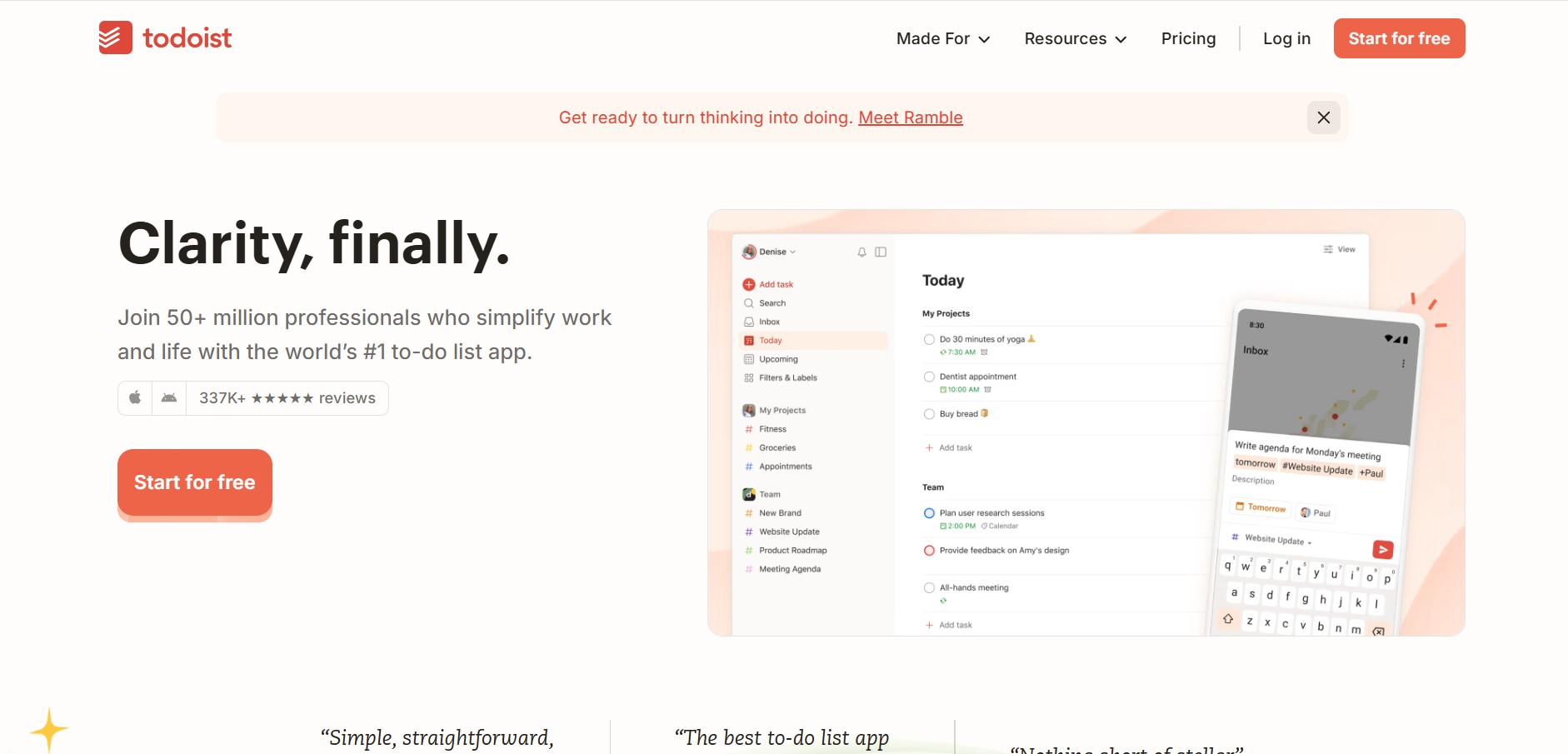
Todoist is a widely popular task management and to-do list application developed by Doist, featuring natural language task creation, sub-tasks, productivity tracking, and multi-platform syncing.
 4.8
4.8Basecamp
Project Management
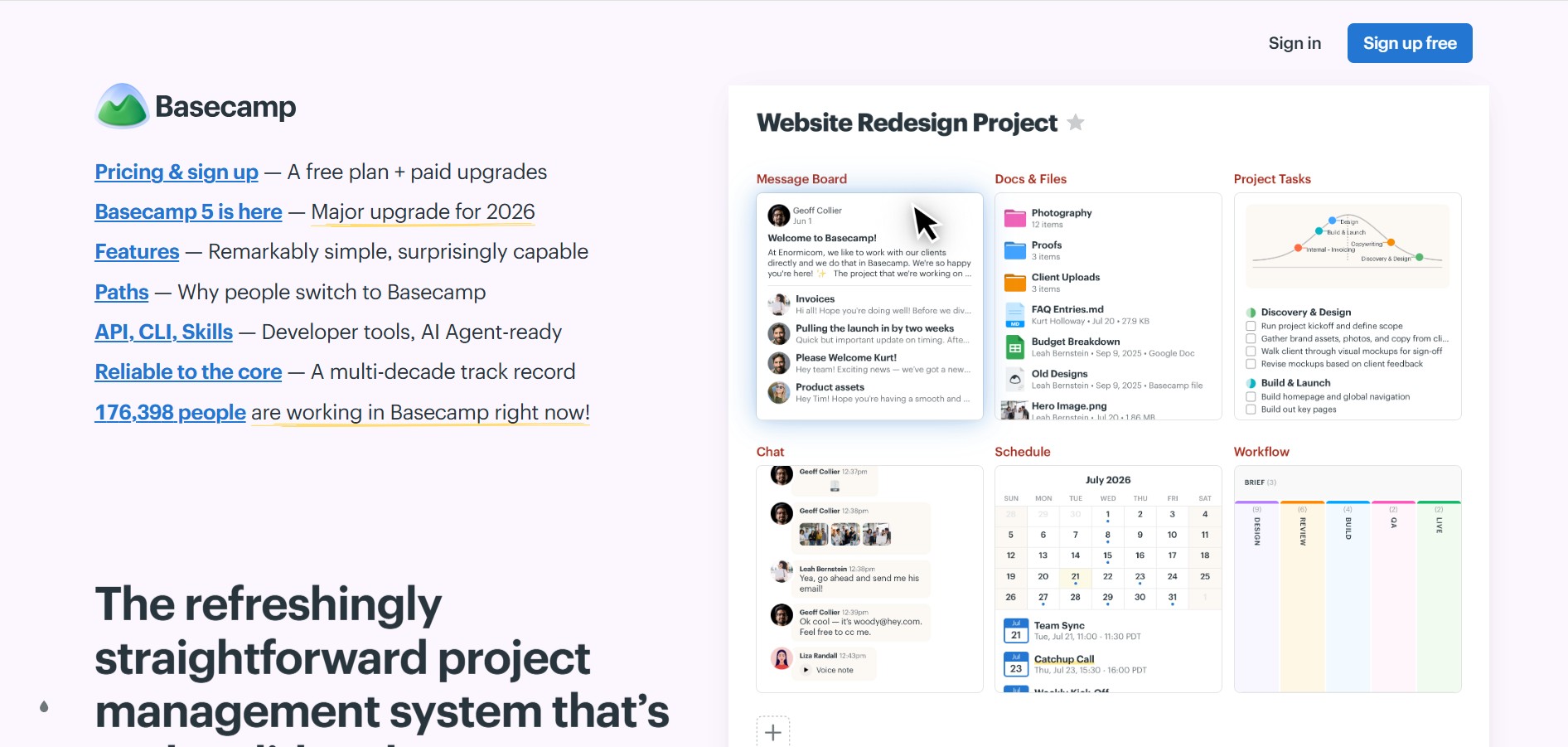
Basecamp is an all-in-one project management and team communication software created by 37signals to organize tasks, discussions, files, and schedules in one centralized platform.
 4.9
4.9Linear
Project Management
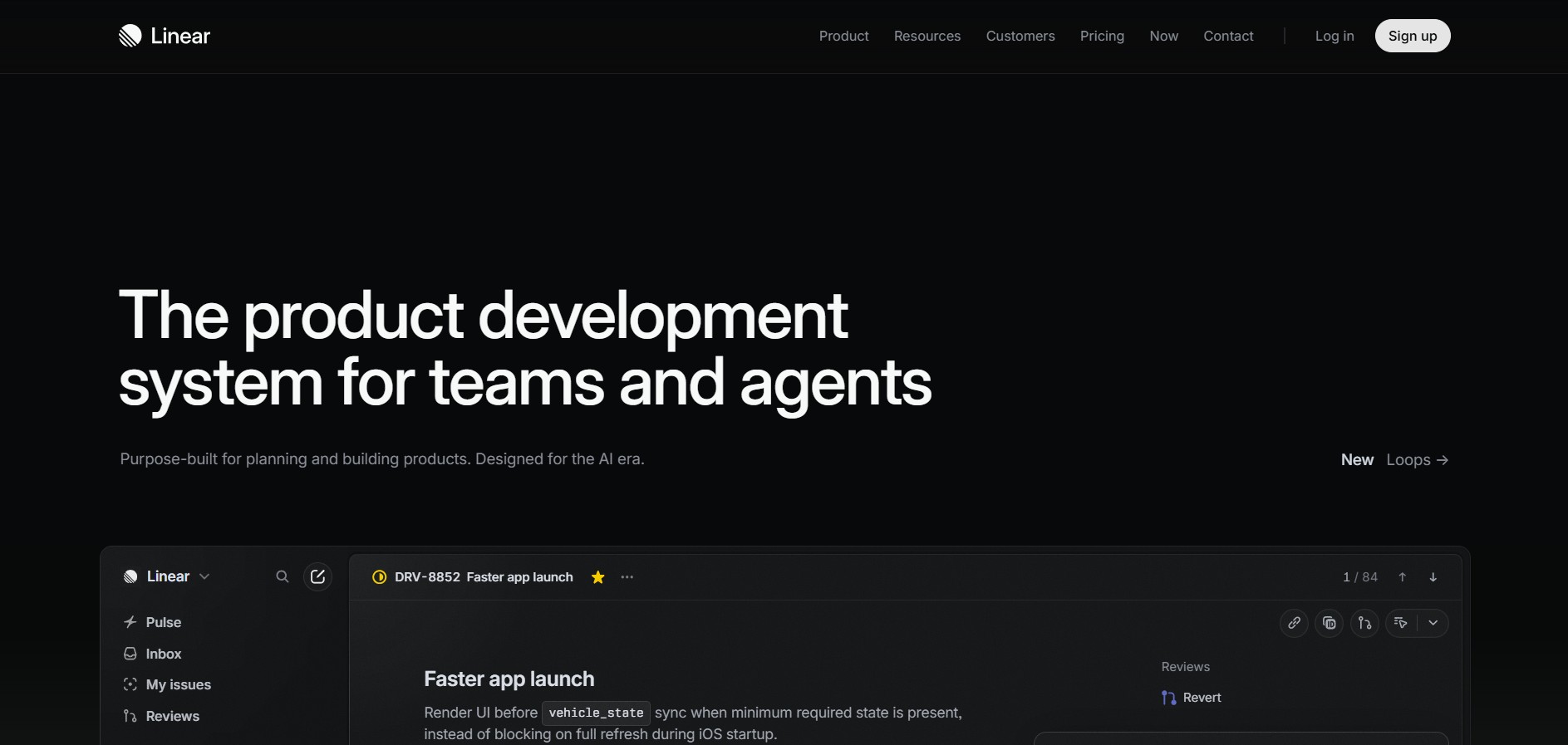
Linear is a high-performance project management and issue tracking software built specifically for software engineering and product development teams.
 4.8
4.8RescueTime
Project Management
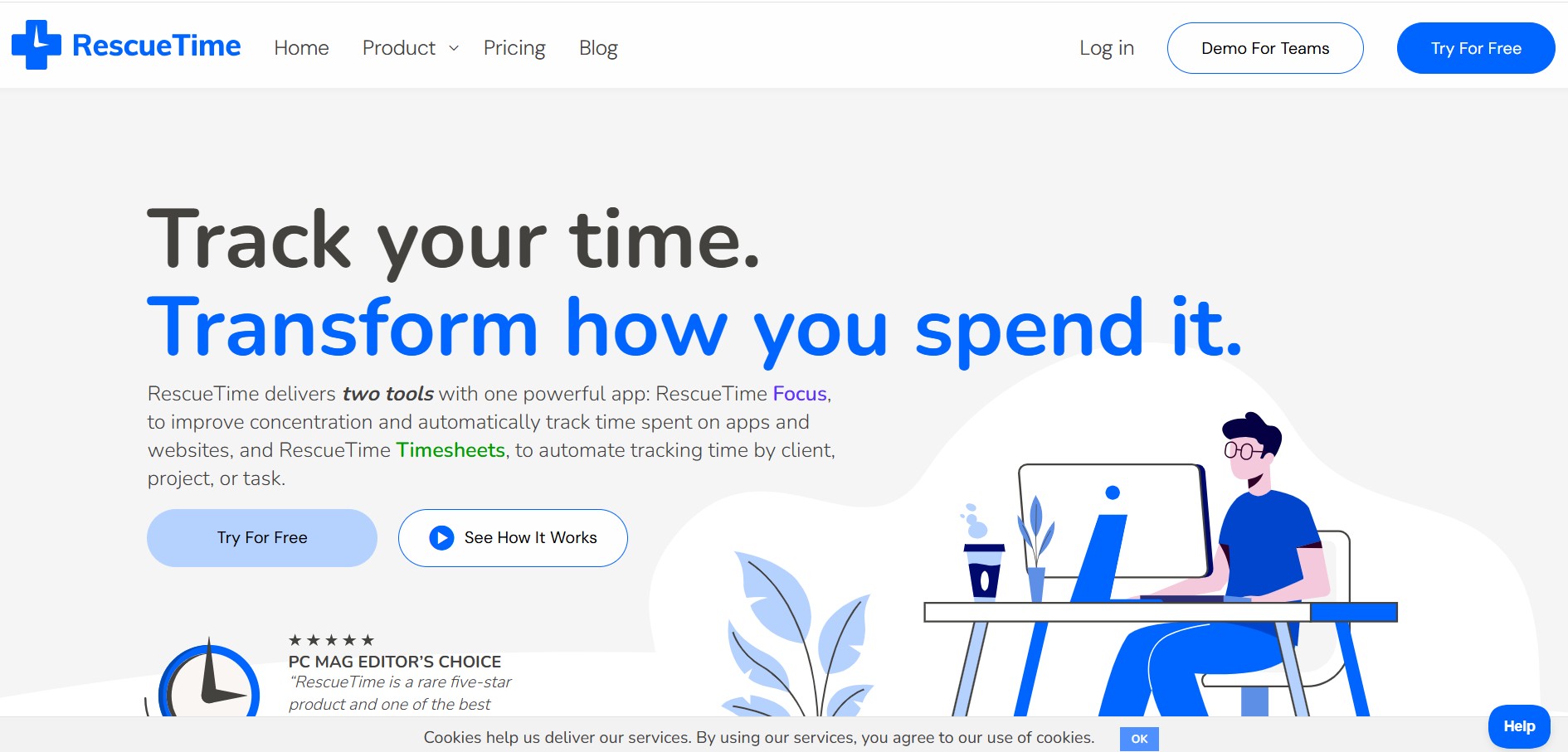
RescueTime is an automatic time tracking, distraction blocking, and personal productivity software that monitors app and website usage in the background to provide detailed activity reports and automated project timesheets.