
Consensus
Consensus is an AI-powered academic search engine that helps users find, understand, and summarize scientific research from over 200 million peer-reviewed papers. It delivers clear, cited answers backed by real studies, making it easier to explore evidence, compare findings, and conduct research faster and more reliably.
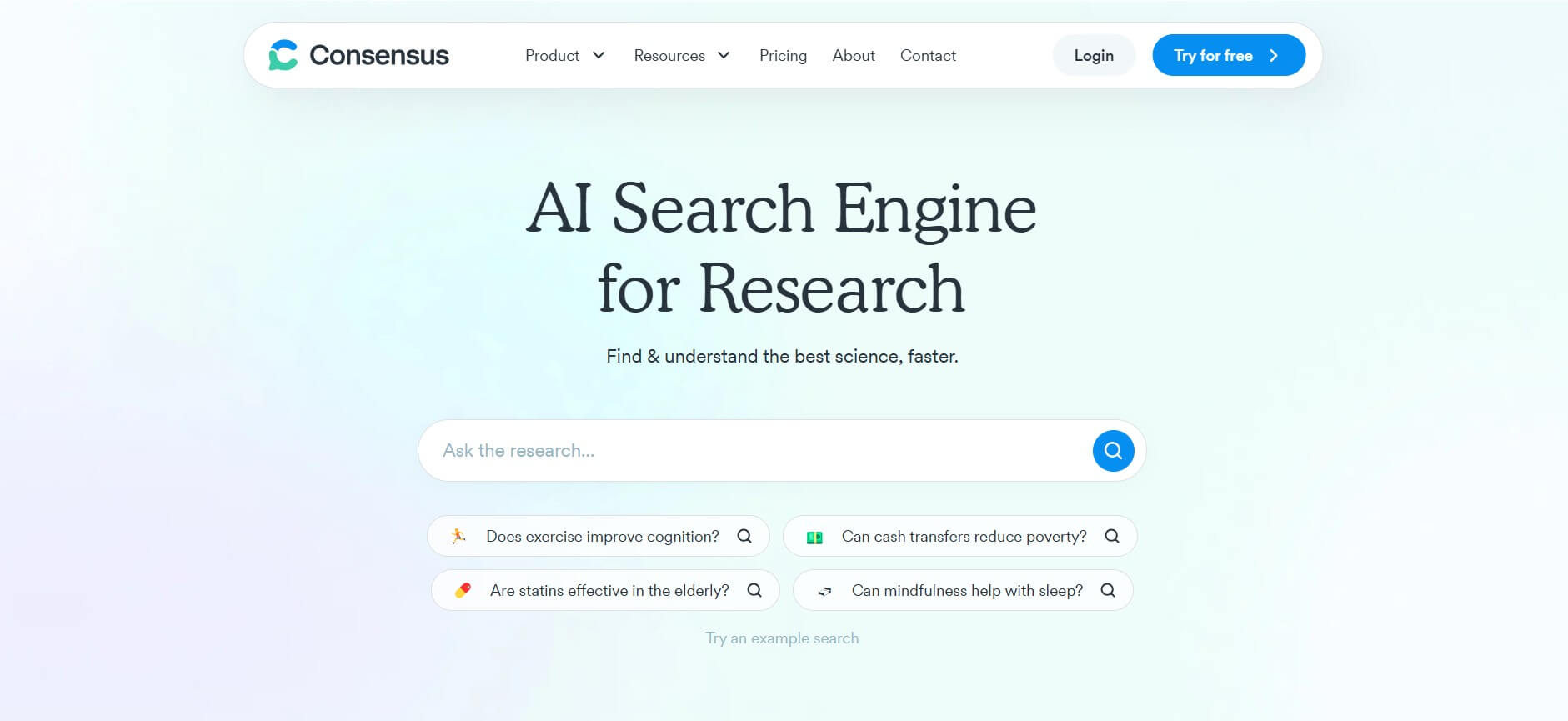
What is Consensus?
Consensus is an AI-powered academic search engine that helps users find, understand, and summarize scientific research from over 200 million peer-reviewed papers. Instead of just listing links, it uses AI to analyze relevant studies and generate clear, evidence-based answers with citations, so every insight is backed by real research. It also includes features like research summaries, advanced filters, and a “Consensus Meter” that shows agreement across studies, making it especially useful for students, researchers, and professionals who want fast, reliable, and source-backed insights.
Founded in 2021 by tech entrepreneur Eric Olson (Co-founder & CEO) and software engineer Christian Specht in Boston, Massachusetts, Consensus has rapidly emerged as an essential discovery platform for the global scientific community. Backed by venture capital and strategic seed investors, Consensus applies large language models to read complex PDFs, evaluate sample sizes, extract study methodologies, and determine whether a scientific paper supports or refutes a specific hypothesis. By providing instantaneous consensus meter summaries and direct links to peer-reviewed sources, Consensus brings academic research rigor to everyday factual inquiries.
- Founder / Leadership: Eric Olson (Co-founder & CEO) and Christian Specht (Co-founder & CTO)
- Launch Year: 2021 (Expanded with Consensus Copilot, PDF synthesis, and GPT-4 integration through 2024–2026)
Use Cases:
- Instantly determining what the scientific community agrees upon regarding health, nutrition, and psychology claims
- Synthesizing literature reviews, identifying research gaps, and building bibliographies for academic papers and grant proposals
- Extracting sample sizes, study types (RCTs vs. observational), and statistical methodologies from complex medical journals
- Uploading academic PDFs to chat, query, and summarize dense research texts directly within the web interface
Technology:
- Specialized academic vector database indexing 200M+ peer-reviewed papers across open-access and scholarly repositories
- Consensus Synthesizer engine analyzing multi-paper results to generate aggregate summaries and "Consensus Meters"
- Frontier LLM integration (GPT-4o and Claude) tailored specifically for accurate scientific text extraction with zero hallucinated citations
Target Users:
- Academic researchers, PhD candidates, and university students conducting literature reviews and meta-analyses
- Medical professionals and clinical researchers looking for rapid evidence-based medical literature summaries
- Science journalists, podcast hosts, and fact-checkers verifying empirical claims before publishing
- Content creators using writing tools to draft scientifically grounded articles, health guides, and research-backed essays
Corporate Entity: Operates as Consensus AI Inc. (Boston, MA, USA & Global)

Key features of Consensus
Consensus's key features are
- Consensus Meter: Automatically analyzes search results to calculate whether scientific studies generally support, negate, or remain neutral on a given hypothesis.
- Study Snapshot & Attribute Extraction: Instantly extracts critical metadata from papers, including sample size, population demographics, study design (e.g., Randomized Controlled Trial), and key findings.
- Consensus Copilot (AI Research Writer): An advanced writing assistant that synthesizes multiple academic papers into structured paragraphs, complete with formal APA/MLA citations.
- PDF Chat & Document Analysis: Upload your own research PDFs to ask questions, query specific experimental results, and generate concise summaries.
- 200M+ Peer-Reviewed Paper Index: Comprehensive search coverage spanning PubMed, Semantic Scholar, arXiv, and multidisciplinary scholarly publications.
- Filter by Study Type & Rigor: Narrow down search results by sample size, human vs. animal studies, citation count, and publication year to ensure high evidentiary standards.
- Exportable Citations & BibTeX: Instantly export selected papers and summaries to reference managers like Zotero, Mendeley, or BibTeX files.
- Synthesis API: Developer API endpoints allowing research institutions and software tools to embed scientific literature synthesis directly into their apps.
Consensus Pricing
Consensus operates on a freemium subscription model, offering a generous free tier alongside professional researcher and team subscription plans.
Free Plan:
- $0 / Free forever
- Includes unlimited standard paper searches, access to basic Consensus summaries, paper attribute extractions, and standard search filters
Consensus Pro (Researchers & Professionals):
- $9.99 to $14.99 / month (billed annually as ~$119/year) or $19.99/month (billed monthly)
- Includes unlimited Consensus Copilot writing generations, advanced GPT-4o synthesis features, unlimited PDF uploads, deeper study attribute filtering, and high-speed priority searches
Teams & Institutional Tiers:
- Custom pricing for university research labs, medical practices, and enterprise analytics teams requiring multi-seat billing, shared libraries, and priority API access
Disclaimer: Prices are listed in USD. Promotional student discounts and annual billing savings are available on consensus.app/pricing.
Who is using Consensus?
Consensus is designed for evidence-based researchers and inquisitive professionals, including
- Academic Researchers & Graduate Students: Conducting rapid literature reviews and synthesizing hundreds of papers for thesis writing
- Medical Doctors & Healthcare Practitioners: Cross-referencing clinical trials and evaluating evidence-based treatment efficacy
- Science Journalists & Fact-Checkers: Verifying scientific claims and finding primary empirical sources before publishing news stories
- Policy Makers & Think Tank Analysts: Gathering objective data and statistical evidence to support public policy reports
- Content Creators: Using writing tools to draft scientifically grounded articles, health guides, and research-backed essays
- Curious Learners: Exploring complex scientific questions with reliable, ad-free academic backing instead of consumer search speculation
Best Consensus Alternatives
Some of the strongest Consensus alternatives include
- Elicit
- Perplexity AI
- ResearchRabbit
- Scite.ai
- Connected Papers
- Google Scholar
Pros and Cons of Consensus
Pros
- Strict focus on peer-reviewed scientific literature eliminates blog SEO spam and commercial bias
- Consensus Meter provides an instant, at-a-glance aggregate verdict on complex scientific questions
- Consensus Copilot makes drafting literature reviews and research summaries remarkably fast and structured
- Transparent citation architecture links every synthesized claim directly to the originating academic paper and DOI
- Affordable Pro pricing (~$9.99–$14.99/mo) makes advanced research AI accessible to students and independent researchers
Cons
- Indexed primarily to academic and scientific papers; less effective for general commercial web searches, breaking news, or pop culture queries
- Some proprietary or paywalled academic journals may require institutional login access for full-text PDF retrieval
- Advanced bibliometric mapping and citation tree visualization are less comprehensive than specialized tools like Connected Papers
- Heavy quantitative data analysis across complex raw datasets requires manual verification of extracted paper metrics
Why Choose Consensus?
Consensus is the premier choice for researchers, professionals, and students who need reliable, peer-reviewed scientific evidence without digging through thousands of individual journal articles.
- Searches 200M+ peer-reviewed papers to provide instant empirical answers
- Calculates scientific agreement instantly using the Consensus Meter
- Drafts structured academic literature reviews effortlessly with Consensus Copilot
- Extracts key study details like sample size and trial type automatically
- Provides verified academic citations with direct DOIs for zero hallucination risk
Consensus vs. Competitors
The main difference between Consensus, Elicit, Perplexity AI, and Google Scholar is that Consensus is purpose-built to extract empirical findings and calculate scientific agreement across 200M+ peer-reviewed papers with its Consensus Meter, whereas Elicit focuses on automated research workflow extraction and table generation, Perplexity AI is a generalist conversational answer engine with an academic focus mode, and Google Scholar is a traditional document indexing search engine without generative AI synthesis. Consensus stands out for its scientific rigor, Consensus Meter summaries, and academic writing copilot.
| Feature / Tool | Consensus (consensus.app) | Elicit | Perplexity AI | Google Scholar |
|---|---|---|---|---|
| Core Focus | Peer-Reviewed Scientific Literature & Meter | AI Research Assistant & Data Extraction Tables | Cited Answer Engine & General Web Research | Traditional Scholarly Document Indexing |
| Scientific Agreement Meter | Yes (Consensus Meter) | No (Extracts Data Tables) | No (General Citations) | No (Manual Reading Required) |
| Database Scope | 200M+ Peer-Reviewed Scholarly Papers | 125M+ Semantic Scholar Papers | Global Web Index + Academic Focus Mode | Broad Scholarly Web Index |
| AI Synthesis Writer | Yes (Consensus Copilot) | Yes (Report Generation) | Yes (Perplexity Pages) | No Synthesis (Search Only) |
| Starting Paid Price | $9.99–$14.99/mo (Pro) | ~$10–$42/mo (Plus/Enterprise) | $20.00/month (Pro) | Free |
| Best For | Literature Reviews & Scientific Consensus | Systematic Reviews & Table Data Extraction | General Multi-Source Fact Checking | Traditional Citation Tracing & PDF Discovery |
How do we rate Consensus?
| Parameter | Rating (out of 5) |
|---|---|
| Scientific Accuracy & Citation Integrity | 5.0 |
| Consensus Meter & Synthesis Quality | 4.9 |
| Consensus Copilot Writing Assistant | 4.8 |
| Database Breadth (200M+ Papers) | 4.9 |
| Value for Money | 4.9 |
| Overall Score | 4.90 |
Consensus Review
Consensus is an invaluable breakthrough for anyone who needs to base their work on real scientific evidence rather than internet speculation. In an era where misinformation spreads rapidly online, finding out what peer-reviewed research actually says about a health, economic, or psychological question used to require hours of manual searching on PubMed and Google Scholar. Consensus automates this heavy lifting, extracting findings across more than 200 million academic papers and calculating an immediate Consensus Meter. Its Consensus Copilot transforms how researchers draft literature reviews, while strict grounding ensures zero hallucinated citations. For academics, medical professionals, and evidence-driven creators, Consensus is an essential research platform.
Conclusion
Consensus is an industry-leading AI academic search engine and research assistant that redefines how scientists, students, and professionals discover and synthesize peer-reviewed evidence. By combining a 200M+ paper repository, automated study attribute extraction, the Consensus Meter, and the Consensus Copilot writing assistant into a clean web interface, it brings unprecedented efficiency to academic research. While general web queries are better suited for tools like Perplexity or Google, Consensus’s strict empirical grounding, academic precision, and affordable Pro tier make it an indispensable research tool.
FAQ
What is Consensus and how does it work?
Consensus is an AI-powered academic search engine designed to help users find, understand, and summarize scientific research. It works by scanning a massive database of over 220 million peer-reviewed papers, selecting the most relevant studies, and then using AI to synthesize insights into clear, cited answers. Unlike general AI tools, every response is grounded in real research and linked back to original papers, making it highly reliable for evidence-based queries.
What problems does Consensus solve?
Consensus solves the problem of time-consuming research and information overload. Instead of manually reading dozens of academic papers, users can get summarized insights across multiple studies in seconds. It also reduces misinformation by prioritizing peer-reviewed sources and showing agreement or disagreement across studies, helping users make informed, data-backed decisions.
What features does Consensus offer?
Consensus offers features like AI-powered research summaries (Pro Analysis), a Consensus Meter that shows agreement across studies, advanced filters for refining results, and Deep Reviews that analyze dozens of papers at once. It also includes tools like Study Snapshots (quick study details), citation tracking, and research agents that can handle multi-step literature reviews, making it a complete research workflow tool.
How is Consensus different from Google Scholar or ChatGPT?
Consensus differs by focusing strictly on peer-reviewed scientific evidence. While Google Scholar lists papers and ChatGPT generates general answers, Consensus combines both by retrieving relevant research and then summarizing it with AI. It also includes citation-backed answers and agreement analysis, which makes it more trustworthy for academic, medical, and data-driven research.
How does Consensus use AI in research?
Consensus uses AI in a structured way: first retrieving relevant papers, then ranking them based on quality signals like citations and recency, and finally synthesizing insights across the top studies. This process ensures that AI outputs are grounded in real evidence rather than generated from scratch, improving accuracy and reliability.
How much does Consensus cost?
Consensus follows a freemium pricing model. The free plan includes basic search, limited AI summaries, and a few deep research queries per month. The Pro plan costs around $20/month or $144/year and unlocks unlimited summaries and more advanced research features, while higher-tier plans like Deep (~$65/month) are designed for heavy users conducting extensive literature reviews.
Is Consensus free to use?
Yes, Consensus offers a free tier that allows users to search papers and access limited AI summaries. However, advanced features like unlimited Pro analysis and deeper literature reviews require a paid subscription, making the free version more suitable for casual or occasional research.
Who should use Consensus?
Consensus is ideal for students, researchers, doctors, analysts, and knowledge workers who rely on scientific evidence. It is particularly useful for academic research, medical queries, market research, and content creation where accuracy and citations are critical, as it significantly speeds up the process of reviewing and understanding complex topics.
User Reviews
No reviews yet for Consensus.
Featured Tools
Featured AI tools from TechShark
Melody Genie
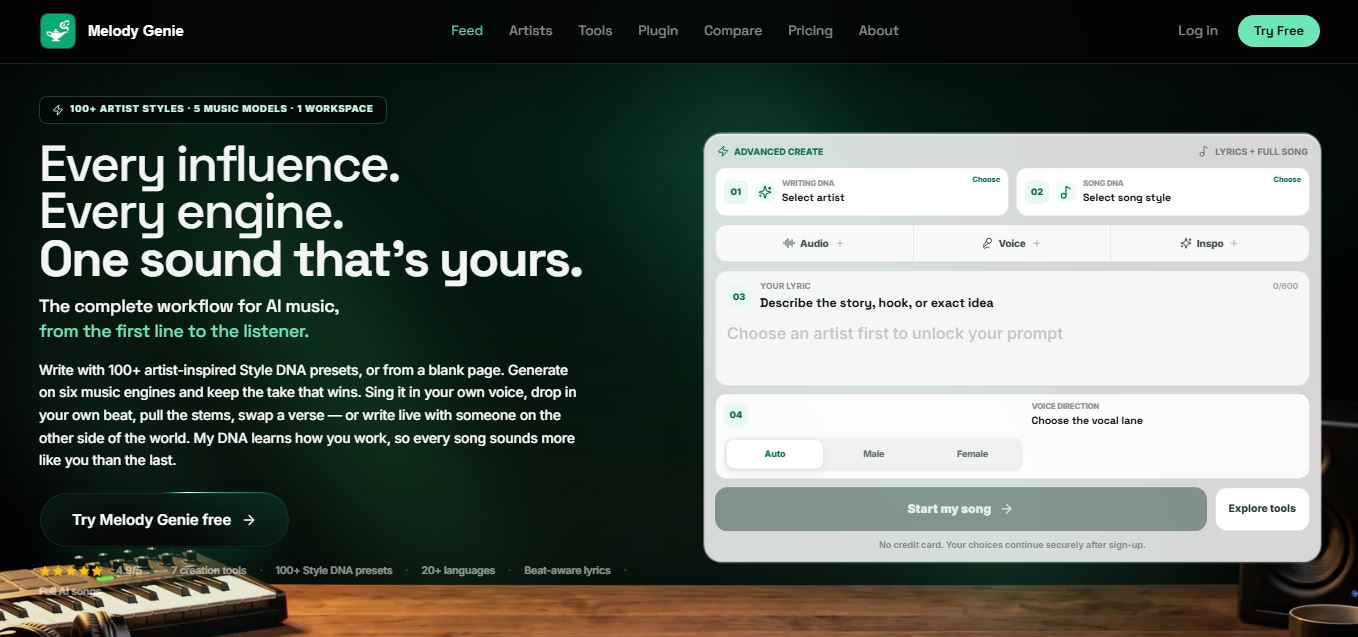
MelodyGenie is an AI-powered music generator that creates original songs from simple text prompts. Users can choose styles, moods, and genres, then instantly generate melodies and full tracks, making it easy for creators, marketers, and hobbyists to produce custom music without musical expertise.
Freemium
Kimi AI
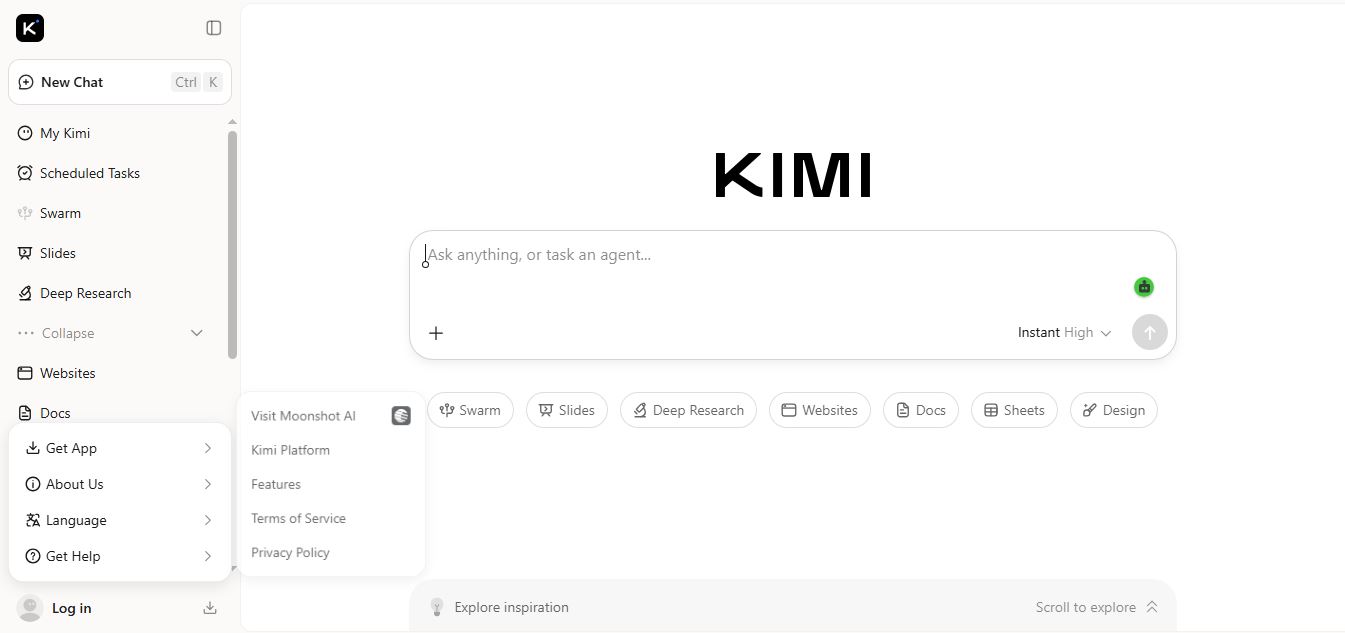
Kimi AI is an advanced AI assistant developed by Moonshot AI that helps you chat, research, write, code, and automate tasks in one place. It supports web search, file analysis, and multimodal inputs, and can even run autonomous “agent” workflows to complete complex tasks end-to-end.
Freemium

Fashion Diffusion AI
Fashion Diffusion is an AI-powered fashion design platform that helps brands and designers create clothing designs, virtual try-ons, AI models, product photos, and marketing visuals faster and cost-effectively.
Paid
Veo 4
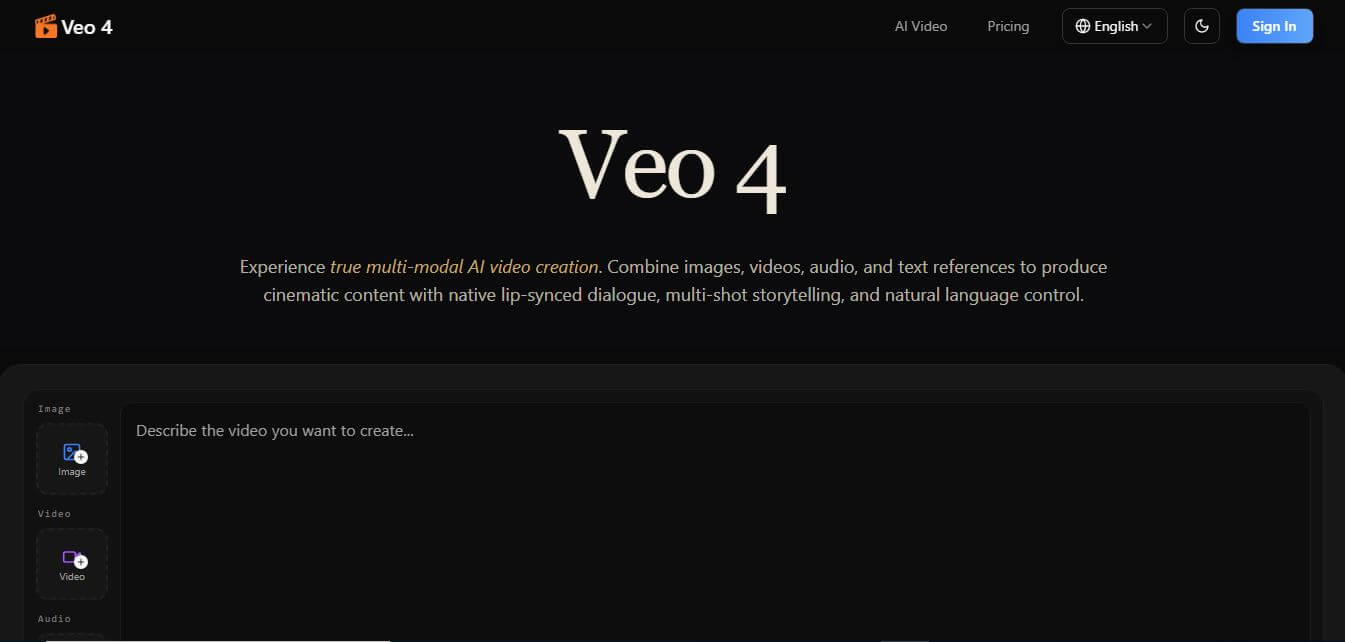
Veo 4 AI is an AI video creation platform that generates dramatic videos from text, images, audio, and video prompts using realistic motion and synchronized sound.
Paid
Alternatives
Alternatives to Consensus
The best Consensus alternatives include Elicit, Perplexity AI (Academic Focus), ResearchRabbit, Scite.ai, Connected Papers, and Google Scholar. These platforms provide academic literature search, citation tracking, and scientific document synthesis. While Consensus specializes in empirical paper extraction across 200 million scholarly sources with its unique Consensus Meter and Consensus Copilot writing assistant, alternatives like Elicit focus on data extraction tables for systematic reviews, and Perplexity AI delivers generalist cited web search. Choosing the right tool depends on whether you require strict peer-reviewed scientific agreement metrics, systematic review data tables, or general multi-source web research.
 4.9
4.9Manifold
Research
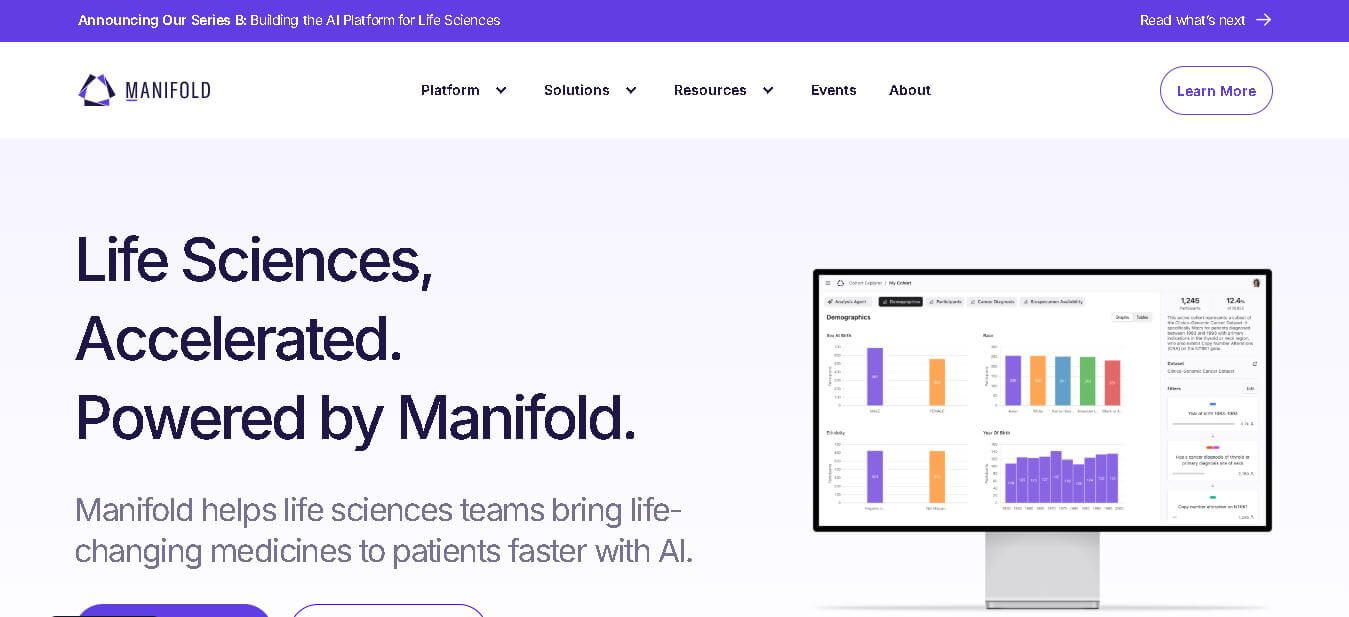
Manifold helps life sciences organizations turn complex clinical, genomic, and real-world data into governed, self-service insights. Its specialist agents support natural-language queries, cohort building, bioinformatics, statistical analysis, data partnerships, and evidence generation. Teams can keep sensitive data within their cloud while controlling access, auditing activity, and scaling research workflows securely.
 5.0
5.0Rayyan
Research
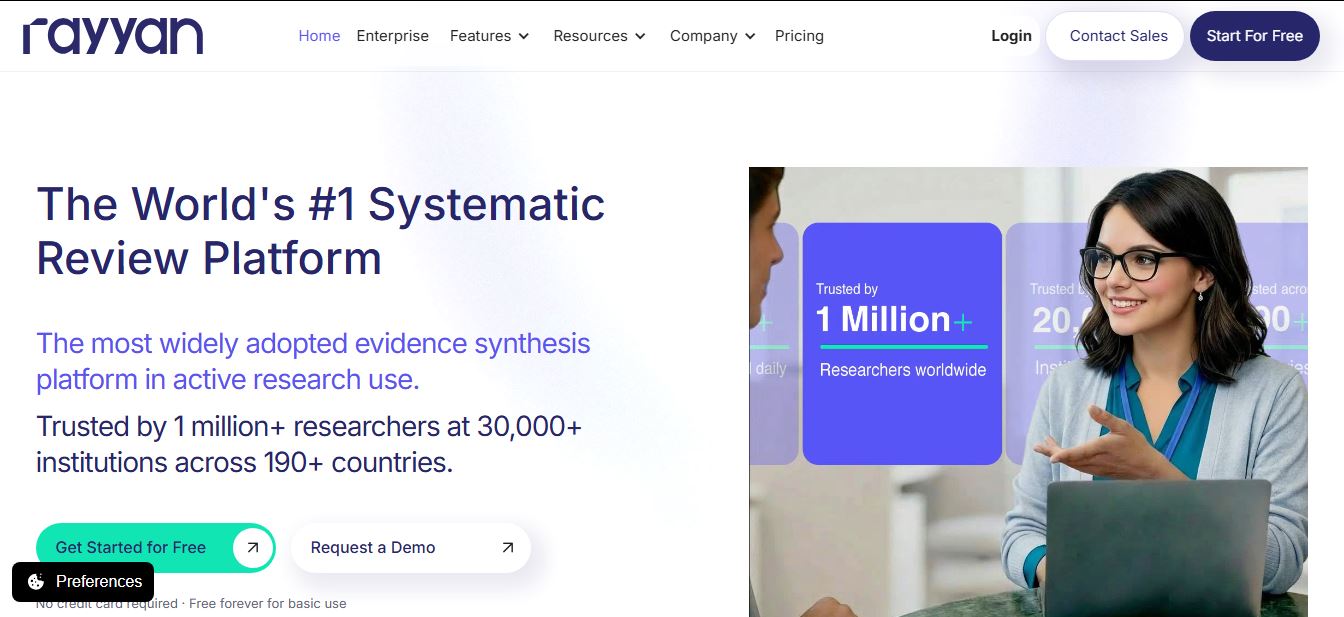
Rayyan is an AI-powered systematic review and literature review platform that helps researchers organize references, remove duplicates, screen studies, extract data, assess risk of bias, and generate PRISMA reports. Its AI features assist with relevance ranking, article screening, and structured data extraction while keeping researchers in control.
 4.9
4.9EvidenceHunt
Research
EvidenceHunt is an AI-powered medical research platform that helps clinicians, researchers, and life science teams find and analyze scientific evidence. It searches medical literature, guidelines, and internal documents, then generates citation-grounded answers, evidence tables, systematic reviews, and traceable insights for faster, evidence-based research.
 4.9
4.9Elicit
Research
Elicit is an AI-powered research assistant that helps users find, summarize, and analyze academic papers at scale. It searches millions of studies, extracts key data, and generates evidence-backed reports, enabling researchers to conduct literature reviews, compare findings, and make informed decisions faster.
 4.8
4.8Scholarcy
Research
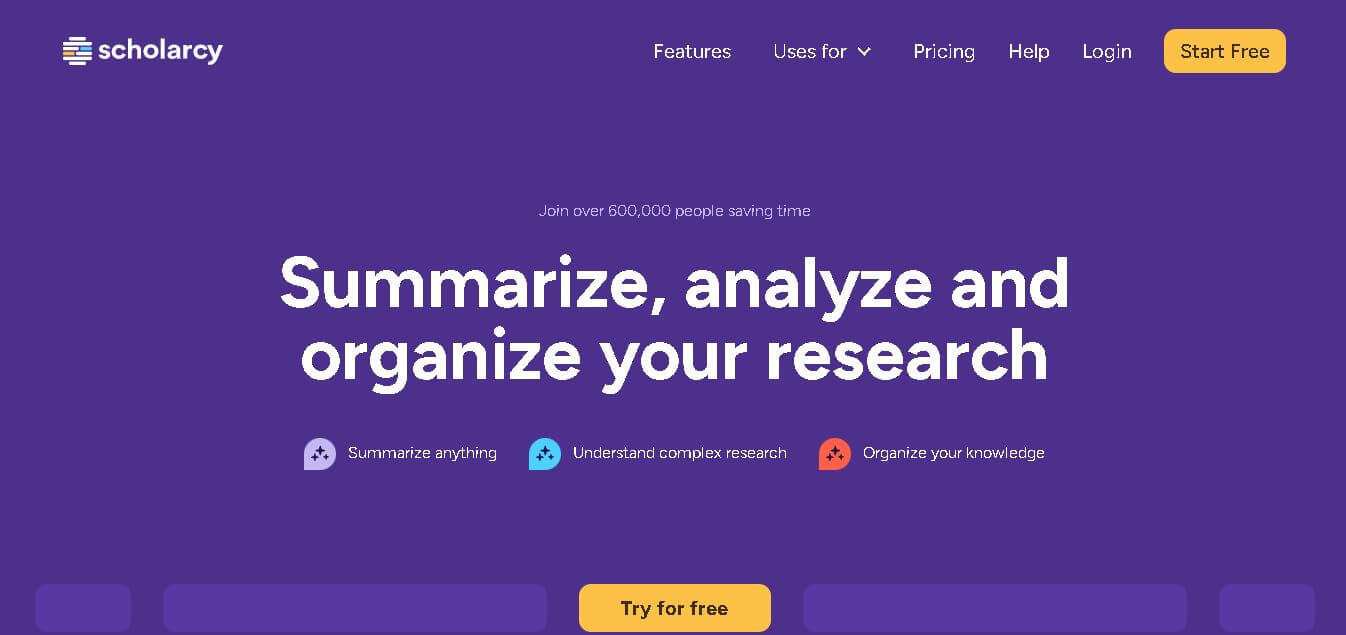
Scholarcy is an AI-powered research assistant that helps students and researchers summarize, analyze, and organize academic papers. It turns complex documents into structured flashcards with key findings, concepts, and references, enabling faster reading, better understanding, and efficient literature review workflows.
 4.9
4.9Resoomer
Research
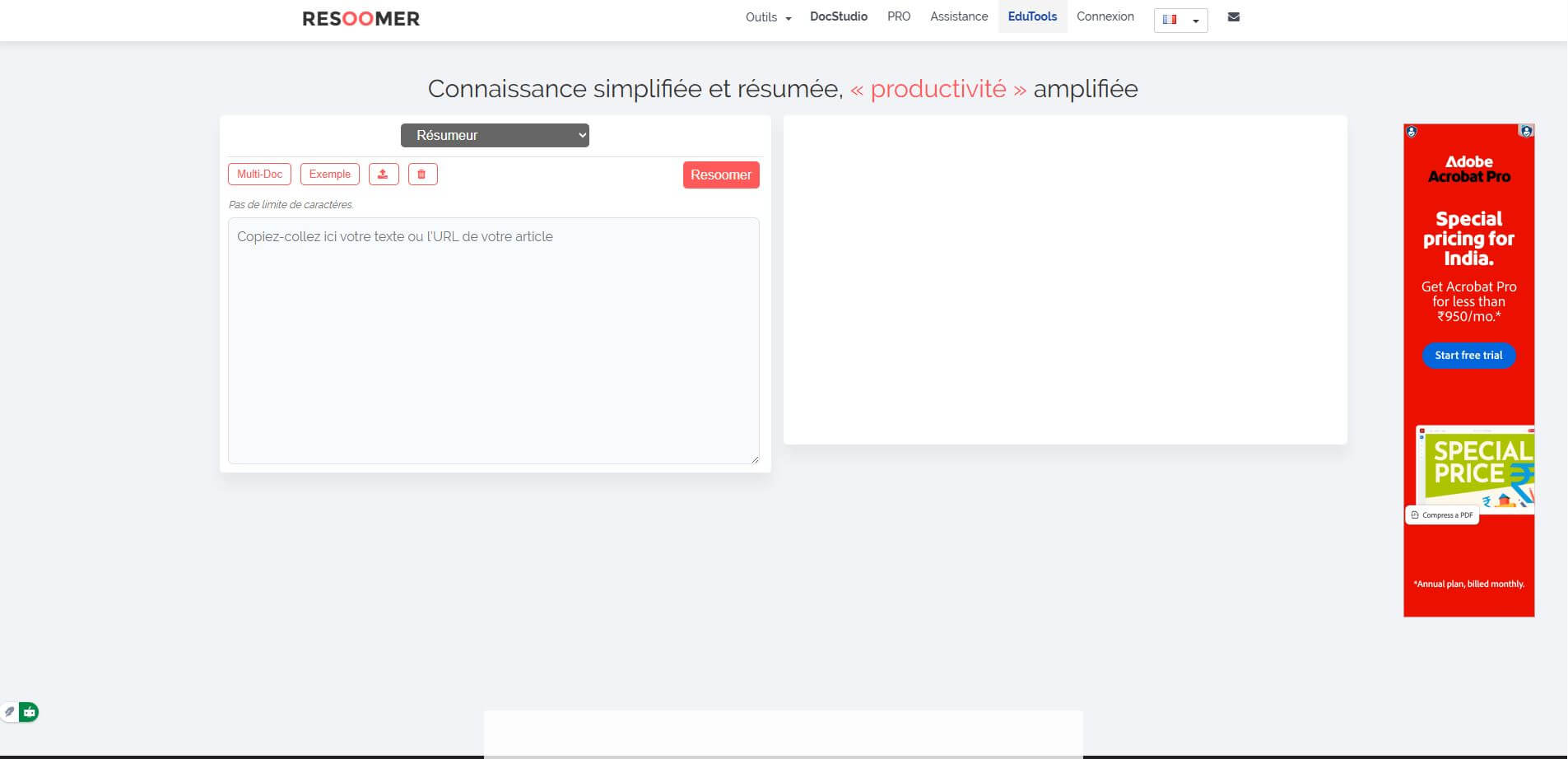
Resoomer is an AI-powered text summarization tool that helps users quickly turn long articles, research papers, and documents into concise summaries. It identifies key ideas, supports multiple formats like PDFs and URLs, and includes tools for paraphrasing, translating, and analyzing content for faster understanding.
 5.0
5.0Perplexity AI
AI Chatbot Tools
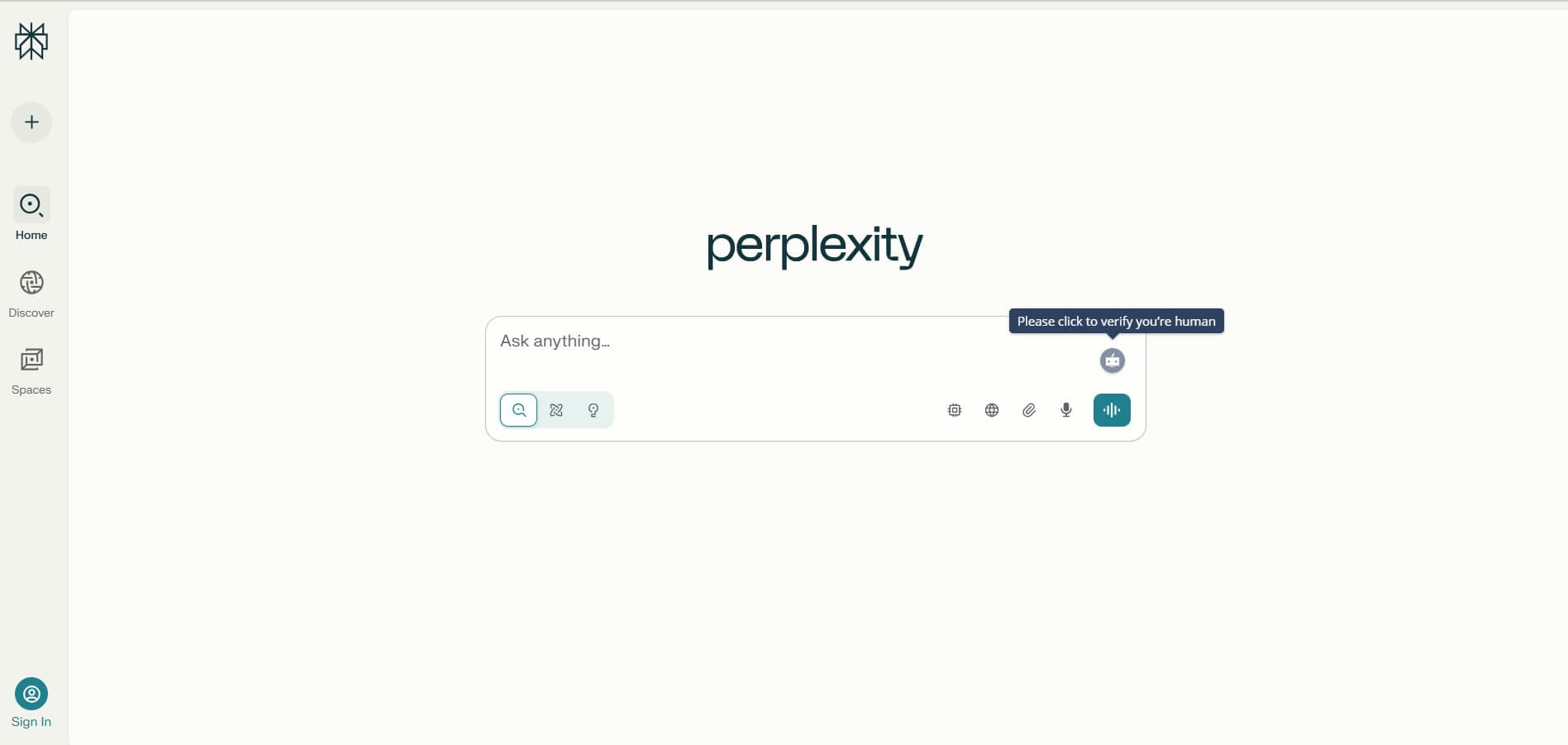
Perplexity is an AI-powered answer engine that searches the web in real time and delivers clear, cited responses instead of just links. It combines conversational AI with live data, helping users research topics, compare information, and get reliable insights quickly with verifiable sources.
OneSearch.bio
Research
OneSearch.bio is an AI-powered bio link and search aggregation platform designed for creators, brands, and digital marketers to consolidate links, social profiles, monetization tools, and searchable content into a single custom hub.
 4.9
4.9NotebookLM
Research
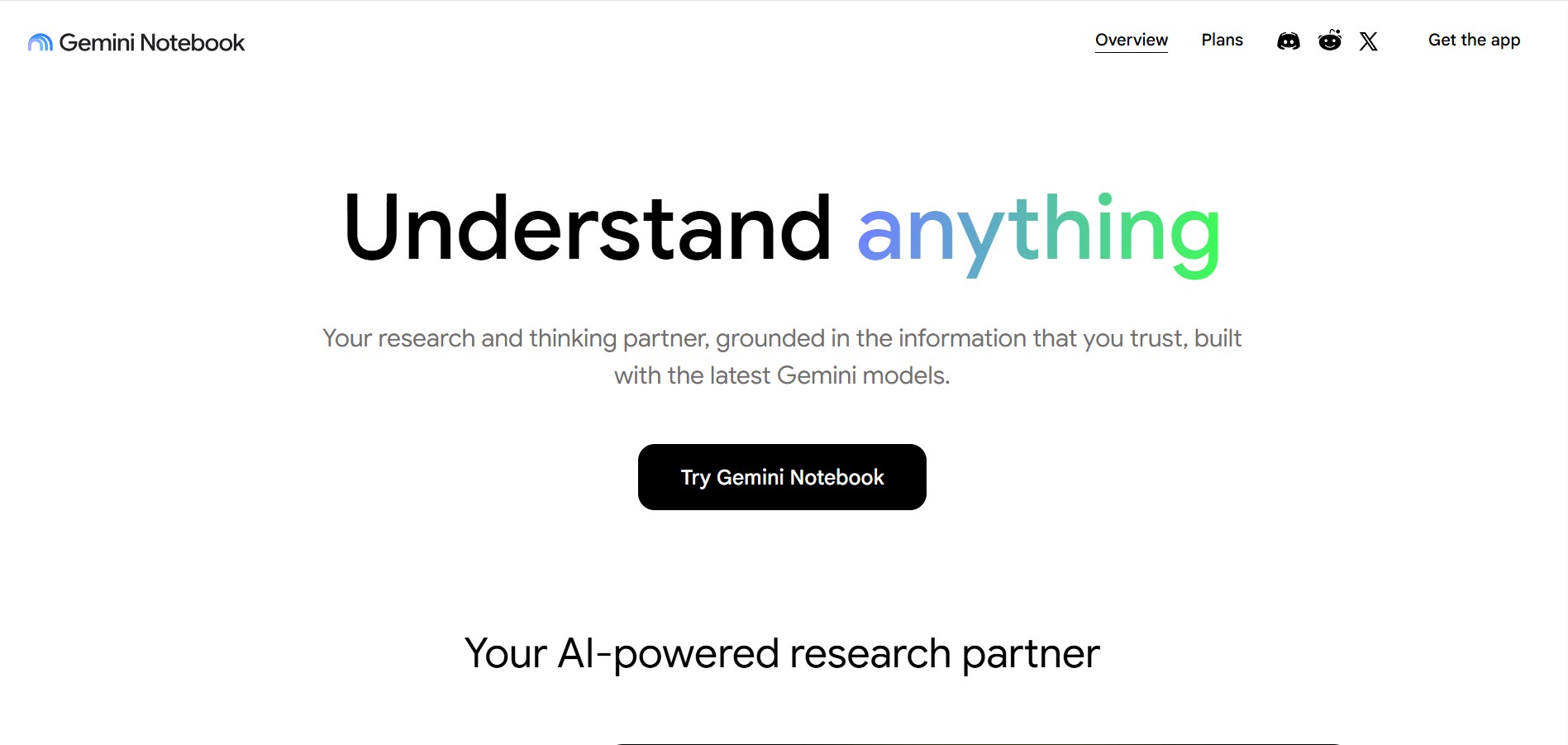
NotebookLM is Google's source-grounded AI research assistant and project workspace powered by Gemini. It acts as an intelligent notebook that synthesizes, answers questions, and transforms user-uploaded documents and web sources with strict citations and near-zero AI hallucination.