
Open Knowledge Maps
Open Knowledge Maps helps researchers and students discover scientific literature through interactive, AI-assisted knowledge maps. It organizes related publications into visual topic clusters, making research easier to explore and understand. Users can identify relevant papers, uncover research themes, and find open-access materials. Its nonprofit mission supports accessible, transparent scientific discovery worldwide.
What is Open Knowledge Maps?
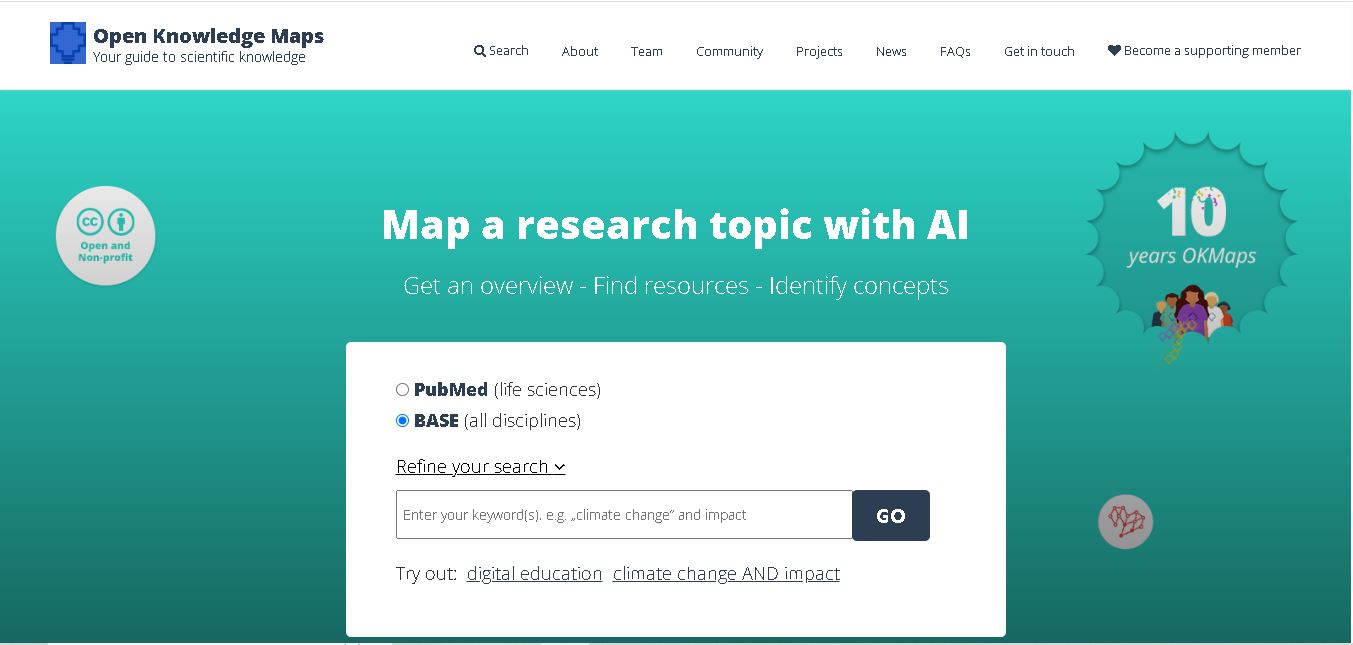
Open Knowledge Maps is a research discovery tool that helps students, researchers, and academics explore scientific literature through interactive visual maps. It groups related research outputs into topic clusters, making it easier to identify important themes, relevant publications, and connections between research areas. Users can search scientific knowledge across disciplines, discover open-access resources, and develop a clearer understanding of unfamiliar subjects. The platform is operated by a charitable nonprofit organization that promotes open science.
Open Knowledge Maps is a nonprofit research discovery platform founded by Peter Kraker in 2015. According to its official website, it provides access to more than 400 million research outputs across over 400 languages and 11,000 sources through BASE. The platform reports serving more than 1 million users worldwide and supporting 25 types of research outputs, including publications, datasets, software, and images. Its AI-assisted technology groups resources by topic similarity, helping users explore scientific literature visually and discover relevant research more efficiently.
- Platform Focus: Visual topic mapping, open-science literature discovery, research clustering, and non-profit open infrastructure
- Organization: Open Knowledge Maps (Charitable Non-Profit Organization based in Austria)
- Launch Year: 2016
Use Cases:
- Getting a quick visual overview of unfamiliar research fields and sub-topics
- Discovering open-access publications, datasets, software, and educational resources
- Identifying key terminology and related concepts to refine academic research queries
- Conducting early-stage literature reviews and exploring cross-disciplinary research clusters
Technology:
- Open-source text similarity and natural language processing (NLP) algorithms
- Integration with global open-access research repositories (BASE and PubMed) indexing 400M+ research outputs
- Hallucination-free visualization engine generating visual maps purely from verified paper metadata
Target Users:
- Academic researchers and graduate students embarking on literature reviews
- University librarians and educators guiding students in open-science research
- Journalists, policymakers, and independent scholars seeking accessible scientific literature
Corporate Entity: Operates as Open Knowledge Maps (Charitable Non-Profit) / openknowledgemaps.org
Key features of Open Knowledge Maps
Open Knowledge Maps's key features are
- Clustered Knowledge Maps: Groups related scientific publications into labeled visual sub-topic bubbles based on content similarity.
- Dual Database Search: Queries across BASE (all academic disciplines) and PubMed (life sciences and medicine).
- Open Access Highlighting: Instantly signals which articles are freely readable and downloadable without paywalls.
- Filter & Metadata Controls: Customize search by date range, document type, and metadata quality threshold.
- Zero Hallucination Guarantee: Operates strictly on indexed bibliographic metadata without generative AI text invention.
- Open Source & Community-Driven: Built as a non-profit open infrastructure supported by university libraries worldwide.
Open Knowledge Maps Pricing
Open Knowledge Maps is a 100% free, non-profit open-science platform with no paid individual tier or subscriptions.
Free Access:
- $0 / Completely Free
- Includes unlimited visual map creation, search across 400M+ research outputs, filtering, and open-access PDF links
Supporting Membership (Institutions):
- Organizational support tier for university libraries, research organizations, and non-profits to co-fund open-science infrastructure
Who is using Open Knowledge Maps?
Open Knowledge Maps is designed for scholars, educators, and open-science advocates, including
- Undergraduate & Graduate Students: Finding a visual entry point into complex or unfamiliar academic fields
- Academic Librarians: Teaching open access discovery and scientific literature navigation
- Independent Researchers & Public Citizens: Accessing non-paywalled scientific literature easily
Best Open Knowledge Maps Alternatives
Some of the strongest Open Knowledge Maps alternatives include
- Connected Papers
- ResearchRabbit
- Litmaps
- Inciteful
- Semantic Scholar
- InfraNodus
Pros and Cons of Open Knowledge Maps
Pros
- 100% free and open source with no commercial paywalls or ad tracking
- Clustered bubble maps make high-level sub-topic categorization immediately clear
- Strong focus on discovering open-access publications and open research outputs
- Direct access to BASE and PubMed corpora covering over 400M outputs
Cons
- Maps are static cluster snapshots based on search terms rather than dynamic citation networks
- Does not offer conversational AI synthesis, paper QA, or table extractions like Elicit or SciSpace
- Processing time to generate new visual maps can take a few seconds compared to standard text search
Why Choose Open Knowledge Maps?
Open Knowledge Maps is an ideal choice for researchers and students who want a non-profit, open-science visual map to explore new academic topics without paywalls or AI hallucinations.
- Transforms complex search results into intuitive, thematic visual clusters
- Indexes over 400M scientific outputs via BASE and PubMed
- Completely free non-profit platform prioritizing open access
- Provides a reliable visual starting point for literature search
Open Knowledge Maps vs. Competitors
The main difference between Open Knowledge Maps, Connected Papers, and ResearchRabbit is that Open Knowledge Maps functions as a non-profit open search engine that clusters papers by text similarity from broader search queries, whereas Connected Papers builds force-directed similarity graphs anchored around a single seed paper, and ResearchRabbit creates collection-level citation networks. Open Knowledge Maps stands out for its non-profit open science infrastructure and topic-level clustering.
| Feature / Tool | Open Knowledge Maps (openknowledgemaps.org) | Connected Papers | ResearchRabbit | Inciteful |
|---|---|---|---|---|
| Core Focus | Visual Open Science Search & Topic Clustering | Single-Paper Force-Directed Graphs | Collection-Based Citation Networks | Open-Source Bibliometric Networks |
| Search Input | Keywords & Research Topics | Single Seed Paper / DOI | Seed Collections / Playlists | Seed Paper DOIs |
| Data Sources | BASE & PubMed (400M+ Outputs) | Semantic Scholar | Semantic Scholar & PubMed | Crossref & OpenAlex |
| Pricing Model | 100% Free Non-Profit | Freemium (~$6/mo) | Free | Free / Open Source |
| Best For | Broad Topic Explorations & Open Access Discovery | Exploring Connected Literature around 1 Paper | Long-Term Collaborative Bibliographies | Deep Graph Network Analysis |
How do we rate Open Knowledge Maps?
| Parameter | Rating (out of 5) |
|---|---|
| Topic Clustering & Visual Clarity | 4.7 |
| Open Access & Database Indexing | 4.8 |
| Ease of Use & Accessibility | 4.8 |
| Open Science & Non-Profit Ethics | 5.0 |
| Value for Money | 5.0 |
| Overall Score | 4.86 |
Open Knowledge Maps Review
Open Knowledge Maps serves as a vital open-science initiative for literature discovery. By converting standard database keyword queries into visual, clustered sub-topic maps across 400M+ research outputs, it eliminates visual clutter and surfaces open-access papers effortlessly. As a completely free, non-profit resource, it is an ideal tool for students, educators, and scholars launching new research projects.
Conclusion
Open Knowledge Maps is a valuable research discovery tool for students, academics, and professionals who want to explore scientific literature more efficiently. Its AI-assisted visual maps simplify the process of identifying relevant publications, understanding research themes, and discovering connections between academic subjects. Free access and its nonprofit commitment to open science make it particularly useful for knowledge exploration. However, researchers should verify sources and supplement their searches to ensure comprehensive coverage and reliable findings for academic projects.
FAQ
What can you use Open Knowledge Maps for?
You can use Open Knowledge Maps to explore academic research without sorting through endless search results. Whether you are preparing an assignment, writing a literature review, or starting a research project, it helps you identify relevant publications, discover related topics, and understand how different research areas connect.
Is Open Knowledge Maps free to use?
Yes, Open Knowledge Maps is free to use, and its services are openly licensed. You can create knowledge maps, explore research topics, and discover relevant scientific publications without purchasing a subscription. Its nonprofit funding model relies on supporting members, donations, and collaborative efforts to maintain accessible research discovery services.
How does Open Knowledge Maps work?
Open Knowledge Maps retrieves relevant research records from sources such as BASE and PubMed, depending on your selected search integration. Its AI pipeline analyzes publication metadata and groups related documents into topic clusters. These visual maps help you identify research themes, explore individual publications, and discover relevant academic resources more efficiently.
Who should use Open Knowledge Maps?
Open Knowledge Maps is useful for university students, academic researchers, librarians, educators, and research professionals. If you are beginning a thesis, preparing a literature review, or investigating an unfamiliar subject, its visual maps can help you identify relevant literature and understand major research themes before exploring individual publications in greater detail.
Can Open Knowledge Maps help with literature reviews?
Yes, Open Knowledge Maps can support the early stages of a literature review by organizing relevant publications into visual topic clusters. You can identify research themes, locate potentially useful papers, and discover connections between subjects. However, you should supplement its results with additional database searches and systematic screening for comprehensive academic reviews.
Does Open Knowledge Maps support open-access research?
Yes, Open Knowledge Maps highlights open-access research and helps users find accessible scientific publications. Depending on the record, you may be able to read the full text directly or follow a link to another source. This makes discovering relevant research easier, although not every publication included in a knowledge map is freely accessible.
User Reviews
No reviews yet for Open Knowledge Maps.
Featured Tools
Featured AI tools from TechShark
Klap
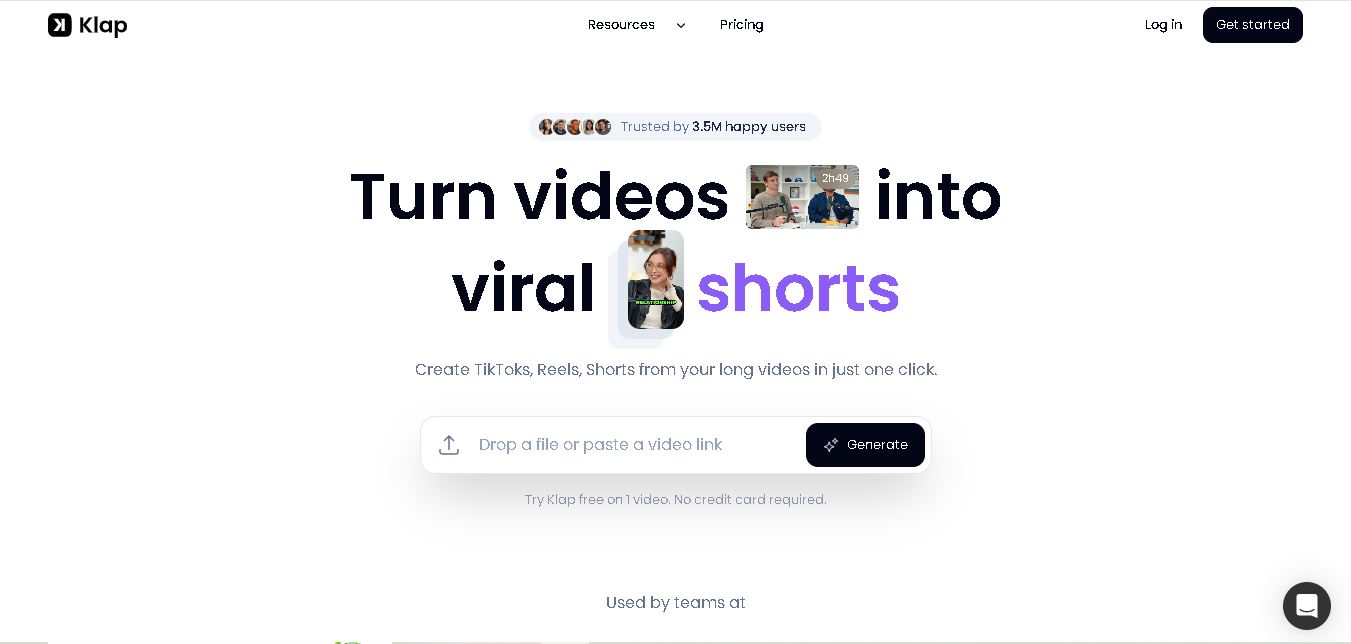
Klap is an AI-powered video editing tool that turns long videos into engaging short clips for TikTok, Instagram Reels, and YouTube Shorts. It automatically finds the best moments, adds captions, and resizes videos, helping creators save time and create more content with less effort.
Free
Melody Genie
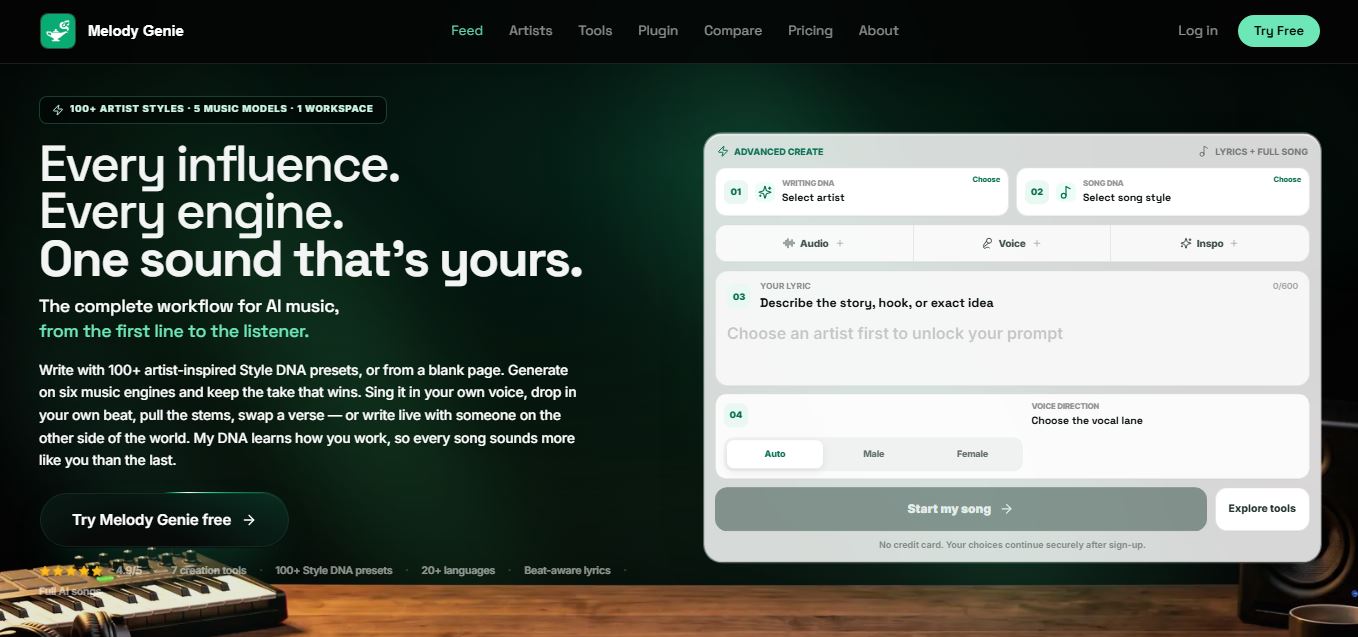
MelodyGenie is an AI-powered music generator that creates original songs from simple text prompts. Users can choose styles, moods, and genres, then instantly generate melodies and full tracks, making it easy for creators, marketers, and hobbyists to produce custom music without musical expertise.
Freemium
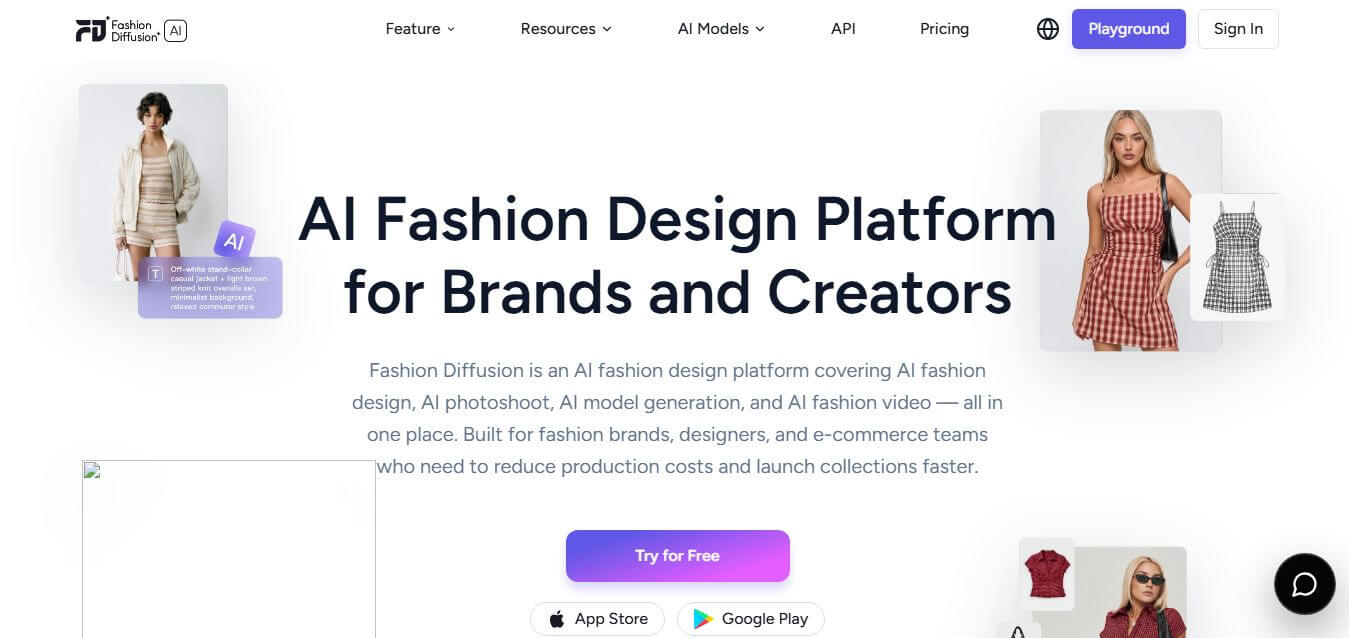
Fashion Diffusion AI
Fashion Diffusion is an AI-powered fashion design platform that helps brands and designers create clothing designs, virtual try-ons, AI models, product photos, and marketing visuals faster and cost-effectively.
Paid
Veo 4
Veo 4 AI is an AI video creation platform that generates dramatic videos from text, images, audio, and video prompts using realistic motion and synchronized sound.
Paid
Alternatives
Alternatives to Open Knowledge Maps
The best Open Knowledge Maps alternatives include Connected Papers, ResearchRabbit, Litmaps, Inciteful, Semantic Scholar, and InfraNodus. These tools offer visual discovery and citation graphing. While Open Knowledge Maps specializes in free, non-profit topic-level clustering across 400M+ outputs via BASE and PubMed, alternatives like Connected Papers focus on single-paper similarity networks, and ResearchRabbit provides multi-paper playlist recommendations.
 4.8
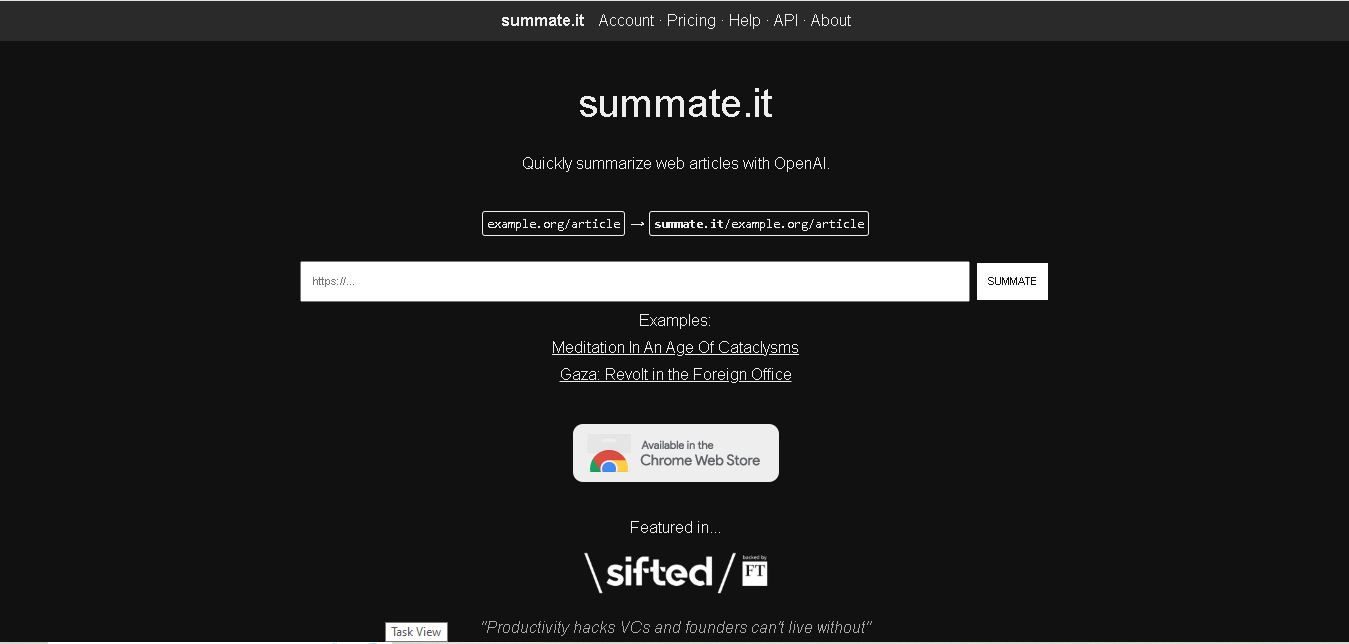
Summate.it
Research
Summate.it is a web-based AI article summarizer that helps users understand lengthy online content quickly. It extracts article text and uses OpenAI to generate concise summaries highlighting essential information. Students, researchers, marketers, and professionals can use it to review online articles efficiently, save reading time, and simplify everyday information gathering.
 4.9
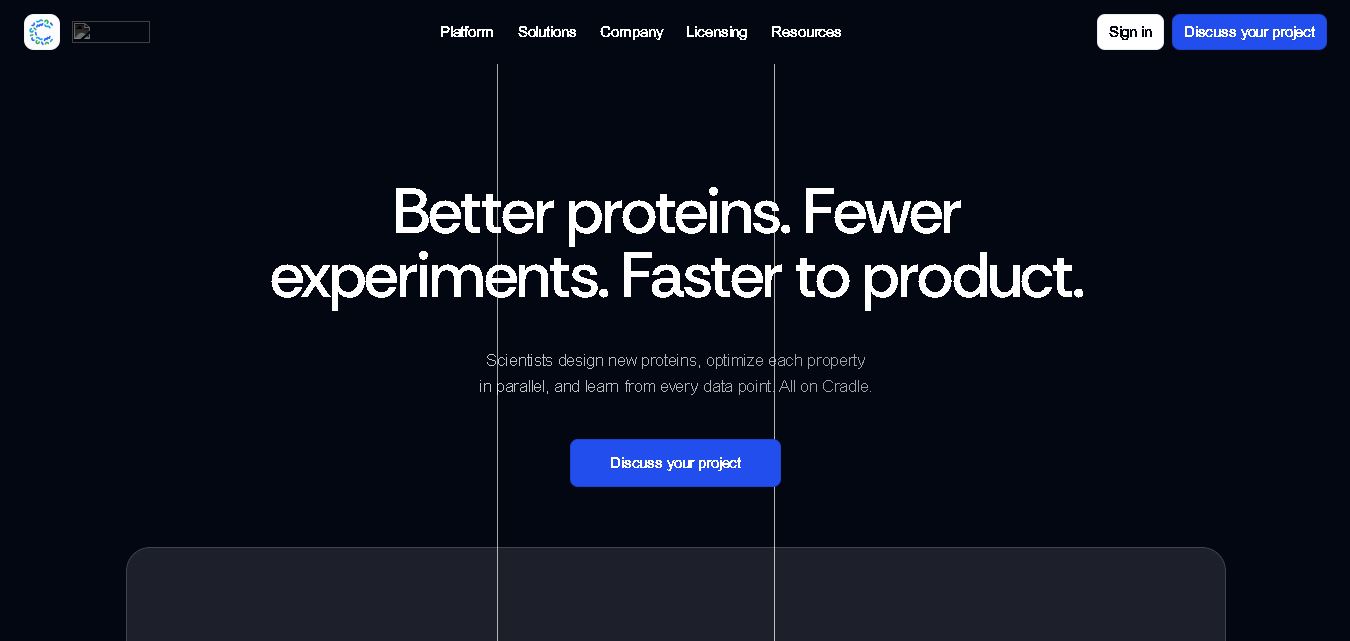
Cradle
Research
Cradle helps biotechnology researchers design, engineer, and optimize proteins using artificial intelligence and laboratory data. Its capabilities include protein sequence generation, multi-property optimization, candidate scoring, and experimental learning. The platform supports pharmaceutical, agricultural, and industrial biotechnology research, helping scientific teams explore promising molecules while reducing unnecessary experimental cycles and improving research workflows.
 4.9
Iris.ai
Research
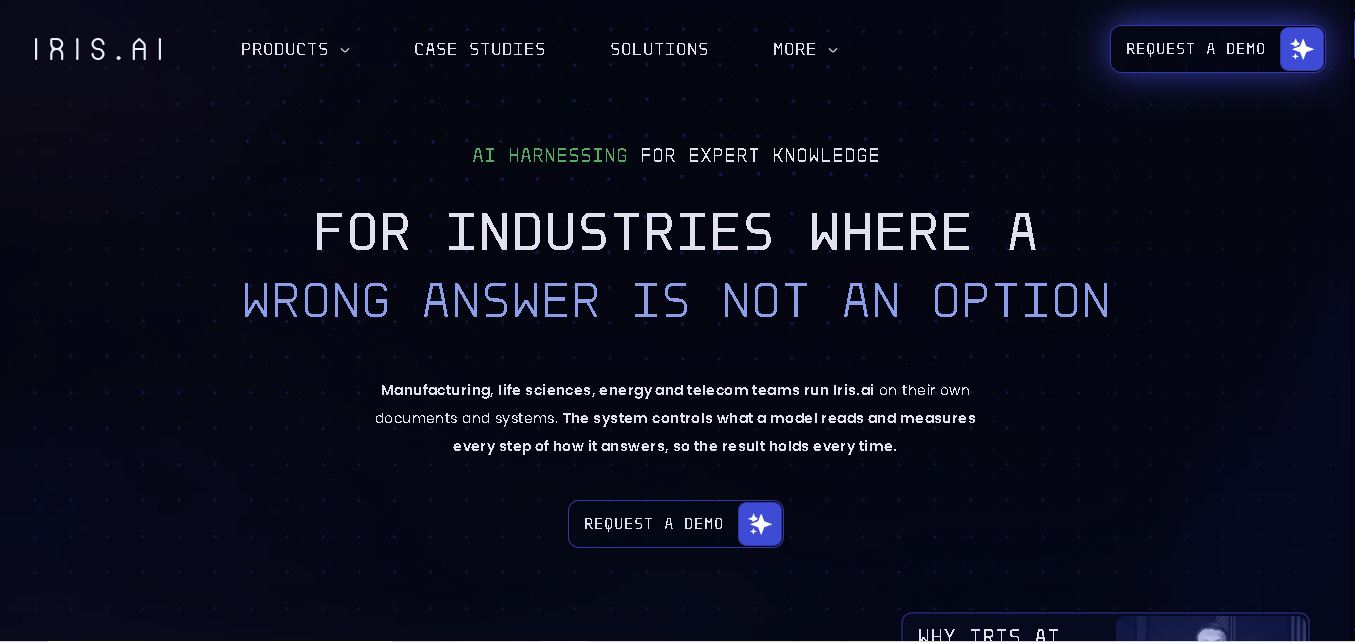
Iris.ai helps enterprises and research teams organize complex information, analyze scientific literature, and build AI workflows using organizational knowledge. Its solutions support document extraction, contextual search, data processing, and AI response evaluation. The platform is particularly relevant to research-intensive businesses seeking better information retrieval, reliable answers, and controlled enterprise AI applications.
 4.8
Lightmatter
Research
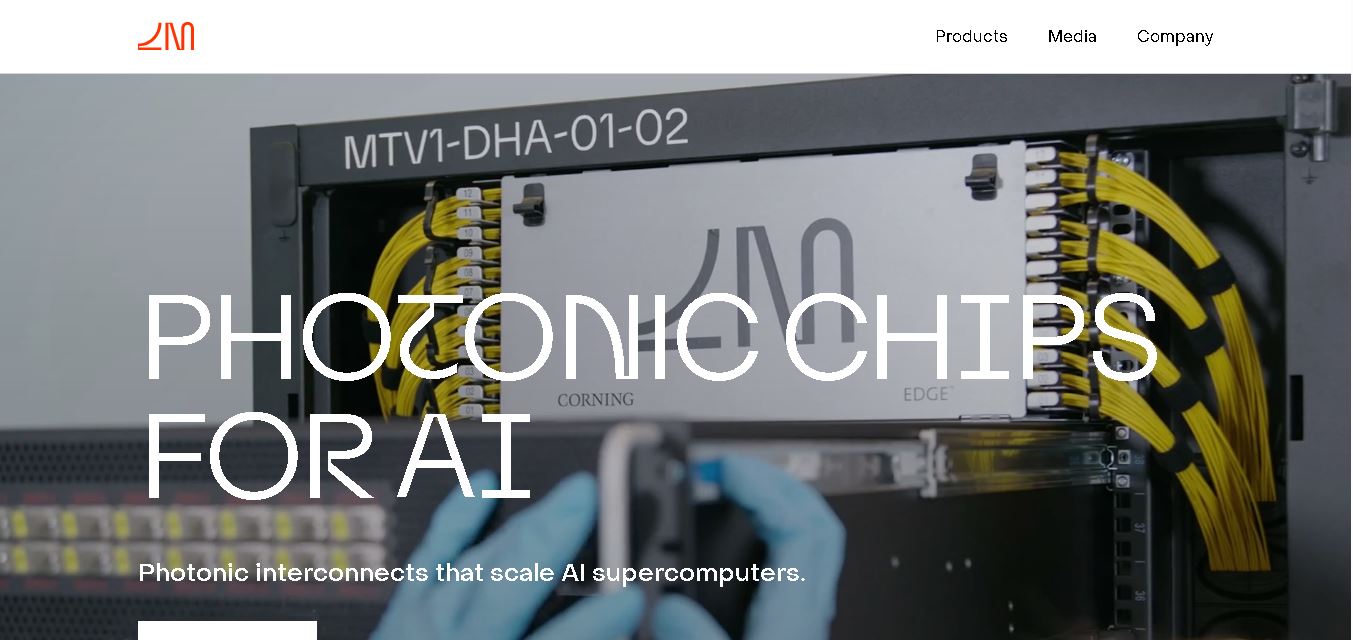
Lightmatter develops photonic computing technologies that help AI data centers connect processors and transfer information more efficiently. Its products include Passage optical interconnects, Guide light engines, and Envise photonic AI computing technology. The company aims to address bandwidth and power constraints affecting large-scale AI training, inference, and high-performance computing infrastructure.
 4.8
FigEditor
Research
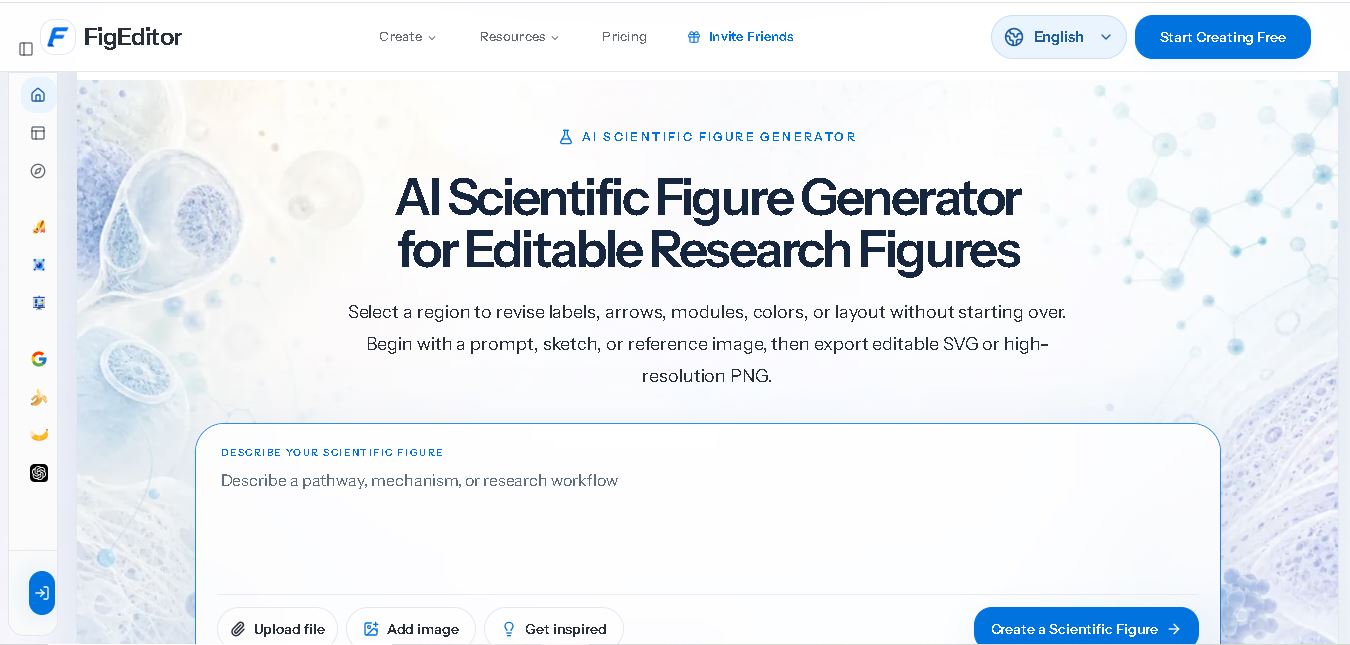
FigEditor AI helps researchers create scientific illustrations, flowcharts, graphical abstracts, and academic diagrams from text prompts, sketches, or reference images. Its editing and vectorization features simplify visual revisions, while SVG and high-resolution PNG exports support different research workflows. It is useful for students, scientists, educators, and research professionals preparing visual materials.
 4.8
GoMim
Research
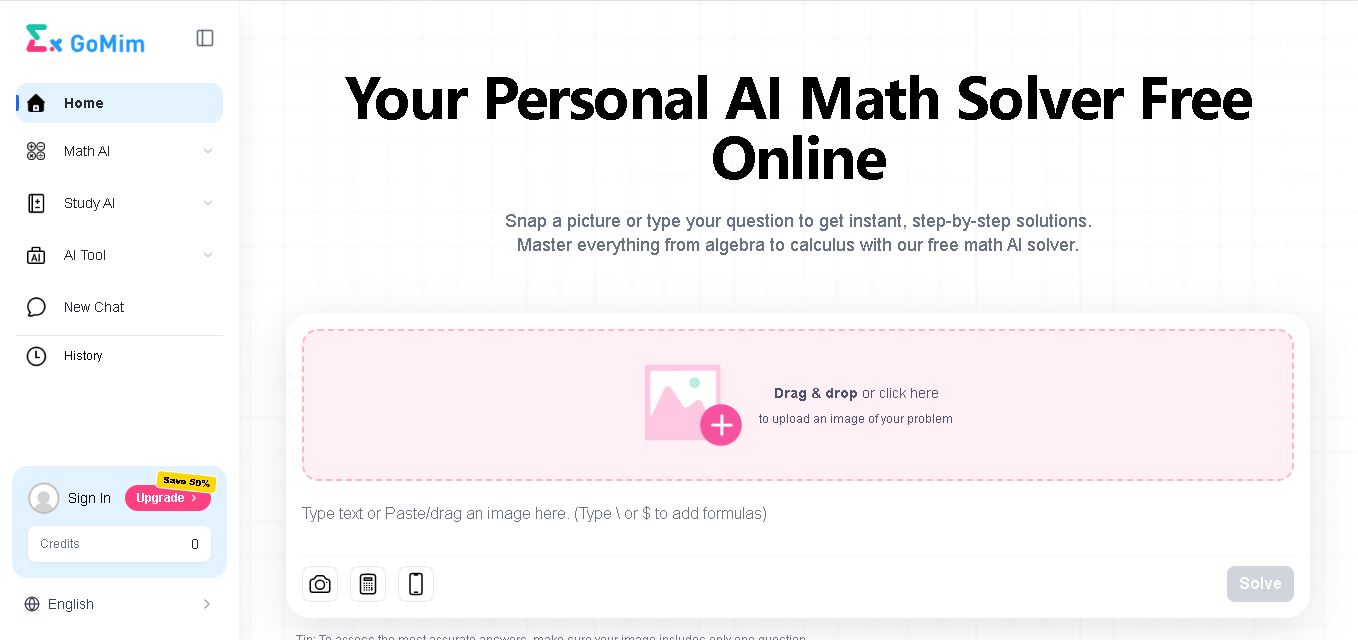
GoMim is an AI math solver that helps students understand mathematical concepts through step-by-step solutions. It supports typed questions, image uploads, and subjects including algebra, geometry, and calculus. With an interactive AI tutor, question history, and free and paid plans, GoMim makes homework assistance and independent study more accessible.
 4.8
AlphaResearch
Research
AlphaResearch helps investors, financial analysts, and corporate strategists research companies using financial documents, earnings transcripts, market data, and sentiment analysis. Its features include document search, filing alerts, stock screening, institutional ownership tracking, and research notes. The platform simplifies financial information discovery, helping users investigate companies and support informed investment research decisions.
 4.8
Gatsbi
Research
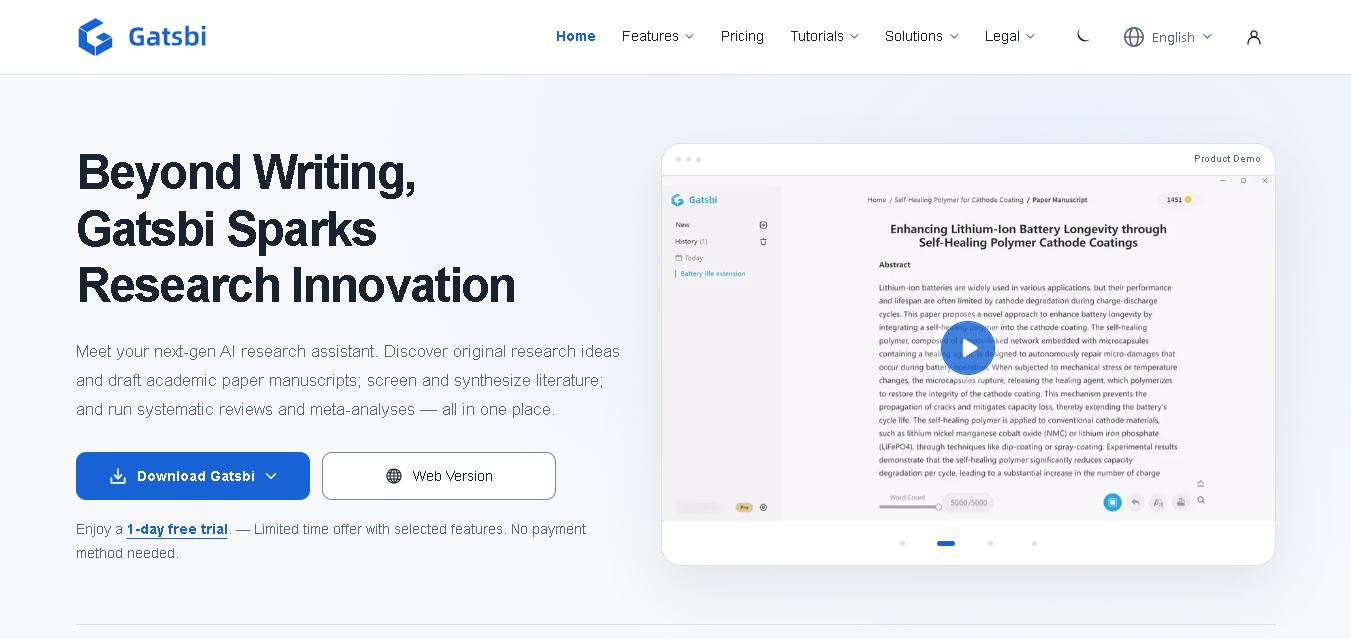
Gatsbi is an AI research assistant that helps researchers discover ideas, draft academic papers, review scientific literature, and prepare patent disclosures. It combines research discovery, manuscript generation, and evidence synthesis in one workflow. The tool is useful for academics, scientists, engineers, and innovation teams seeking to streamline complex research tasks.
 4.9
Metagene-1
Research
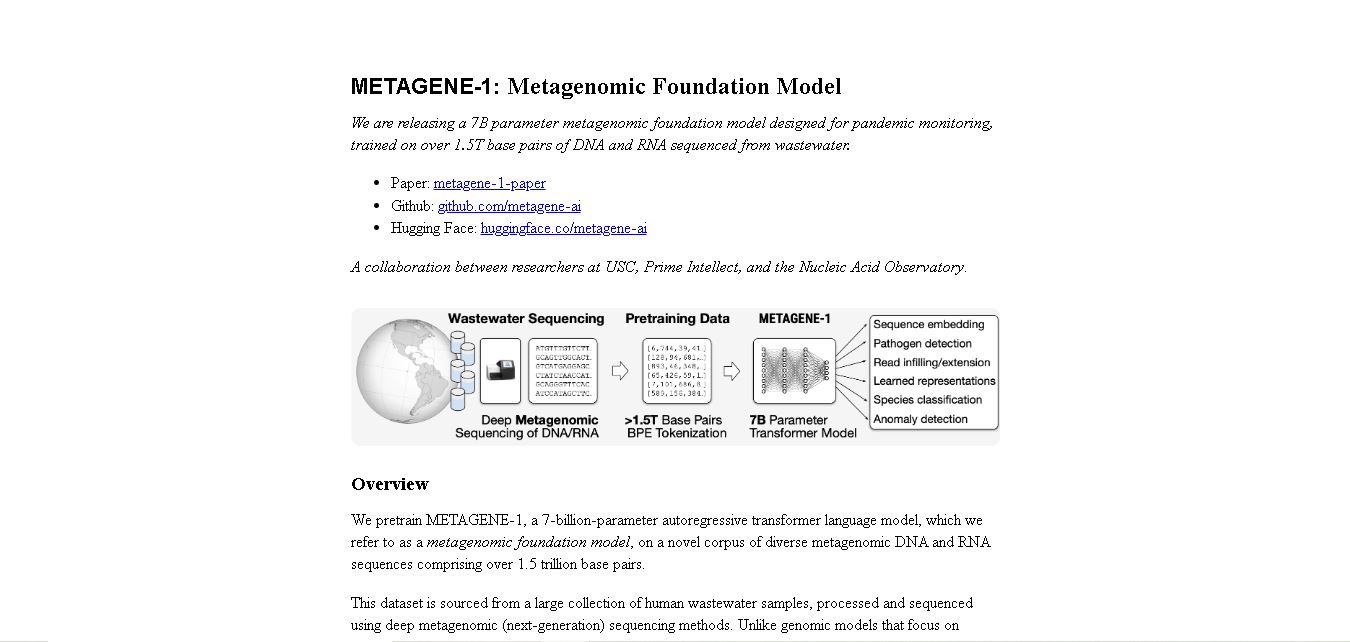
METAGENE-1 is a metagenomic foundation model designed to help researchers analyze DNA and RNA sequences. Trained on extensive wastewater sequencing data, it supports genomic embedding, pathogen detection research, biosurveillance, and pandemic monitoring. The model provides researchers with an AI-based approach to studying microbial diversity and identifying patterns in complex metagenomic datasets.