
OpenHands
OpenHands helps developers automate coding, debugging, software development, and engineering workflows using autonomous AI agents. It supports multiple language models, local and cloud deployment, and integrations with popular development tools. With its open-source foundation, flexible interfaces, and customizable SDK, OpenHands makes complex software development tasks more manageable and efficient.
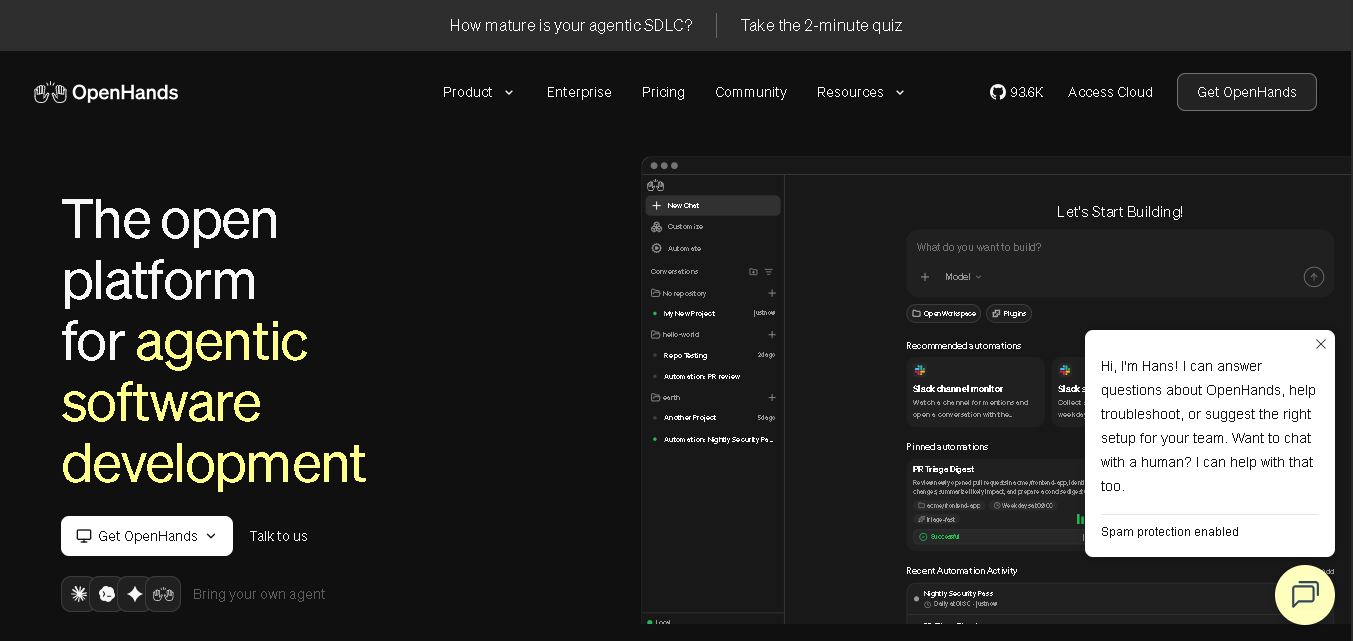
What is OpenHands?
OpenHands is an open-source software development agent platform designed to help developers automate real-world coding tasks. It enables users to build, modify, debug, and test software through autonomous AI agents that interact with codebases and development environments. OpenHands supports multiple language models, flexible deployment options, and developer workflows through its web interface, command-line tools, and SDK. It is suitable for individual developers, engineering teams, and organizations seeking greater development efficiency.
OpenHands has built a strong developer community, with over 94,000 GitHub stars, 500+ open-source contributors, and more than 9 million open-source downloads, according to its official website. The platform supports multiple language models and provides 3 main developer interfaces: Web GUI, CLI, and SDK. It offers free local usage, cloud-based access, and enterprise deployment options. No single AI model is required, allowing developers to choose compatible models. Its integrations support GitHub, GitLab, Jira, Slack, and other development workflows.
- Category: Open-Source Autonomous AI Software Agent, Developer Platform & Coding SDK
- Platforms Supported: Agent Canvas Web UI, Python Agent SDK, CLI, Docker Sandbox, Local/Cloud/VPC Servers, GitHub, GitLab & Bitbucket
Use Cases:
- Automating pull request code reviews, fixing CI/CD pipeline failures, and remediating security vulnerability findings
- Triaging incoming issues and bugs from GitHub, Jira, Linear, and Slack by gathering context and opening draft PRs
- Executing multi-file code generation, refactoring, and automated test suite verification across large codebases
- Running scheduled maintenance routines such as dependency updates and documentation sync passes
- Building custom agent workflows and automations using the modular OpenHands Python SDK
Technology:
- OpenHands V1 Agent SDK and Agent Canvas orchestration frontend
- LiteLLM gateway integration routing across 100+ cloud models and local servers (Ollama, vLLM)
- Sandboxed Docker/Kubernetes execution runtimes with security analyzer action checks
- Event-driven automation engine connecting webhooks, schedules, and team collaboration tools
Target Users:
- Software Engineering & Platform Teams scaling autonomous developer workflows securely
- Open-Source Developers seeking modular, transparent agent frameworks
- Founders and Engineering Leads automating high-volume chores like bug triage and PR reviews
Corporate Entity: All Hands AI (OpenHands)

Key features of OpenHands
OpenHands's key features are
- Repository Understanding & Context Condenser: Inspects full code structures, reads READMEs, follows imports, and condenses long conversation histories to maintain memory across massive tasks.
- Model-Agnostic LLM Routing: Compatible with Claude, GPT, Gemini, and open weights (DeepSeek, Qwen, Kimi) via LiteLLM, supporting both cloud APIs and local execution (Ollama, LM Studio).
- Agent Canvas & Automations: A modern web GUI and service layer that handles scheduled workflows, webhook events, and deep integrations with Slack, GitHub, Linear, and Jira.
- Sandboxed Security Execution: Evaluates all agent tool actions (terminal commands, file edits) through a security analyzer inside isolated Docker containers.
- Python Agent SDK: A clean, modular software development kit for building, customizing, and scaling your own agent harnesses in code.
OpenHands Pricing
OpenHands offers a free open-source core alongside self-hosted team tiers and enterprise agreements.
Agent Canvas (Open Source):
- Priced at $0/month.
- MIT-licensed self-hosted local run (runs on your laptop or shared VM), supporting bring-your-own LLM keys and third-party agents.
Teams Plan:
- Priced at $500/month (includes up to 10 users, with additional seats at $50/mo per seat; capped at 5,000 sessions/month).
- Includes self-hosted deployment, multi-user identity, Role-Based Access Control (RBAC), built-in integrations, budgeting controls, and automations.
Enterprise Plan:
- Custom quote-based pricing.
- Adds unlimited seats, SAML/SSO integration, private VPC deployment options, uncapped usage, and dedicated customer success support.
Disclaimer: Plan pricing, session caps, and feature gates are subject to change. For exact live rate cards, visit openhands.dev/pricing.
Who is using OpenHands?
OpenHands is designed for engineering organizations and developers, including
- Platform & Dev Productivity Teams: Automating CI/CD failure fixes, security patches, and repository maintenance
- Engineering Managers: Triaging incoming Jira and Linear issues and reviewing autonomous pull requests
- Open-Source Builders: Utilizing the modular Python SDK to create custom autonomous agent pipelines
Best OpenHands Alternatives
Some of the strongest OpenHands alternatives include
- Cline
- Aider
- Claude Code
- Devin
- Replit Agent
Pros and Cons of OpenHands
Pros
- MIT-licensed core open-source framework with complete code transparency and SDK modularity
- Extensive enterprise integrations spanning GitHub, GitLab, Bitbucket, Slack, Jira, and Linear
- Unmatched model flexibility supporting any cloud LLM or local open weights via LiteLLM
- Secure sandboxed execution environment ensures code modifications run safely before review
Cons
- Teams tier ($500/mo) and enterprise contracts represent a significant financial jump for smaller independent developers
- Requires technical familiarity with Docker, environment variables, and LLM configuration for local self-hosting
- Autonomous multi-step agents require careful review to prevent hallucinations or unexpected code changes
Why Choose OpenHands?
OpenHands is the premier open-source autonomous software engineering platform for teams that want rigorous control, deep ticket-queue integrations, and modular SDK architecture. By combining local sandboxed execution, multi-model flexibility, and enterprise-grade governance starting with a free open-source core, OpenHands defines modern agentic development in 2026.
- Provides a powerful open-source agent framework under the MIT license
- Automates issue triage, PR reviews, and CI fixes across GitHub, Jira, and Slack
- Offers scalable local, cloud, and private VPC deployment options
OpenHands vs. Competitors
The main difference between OpenHands, Aider, and Cline is that OpenHands is a comprehensive autonomous software engineering platform featuring a web Agent Canvas, Python SDK, and deep ticket integrations (Jira, Linear, Slack) alongside an open-source core, whereas Aider and Cline focus primarily on terminal CLI and IDE extension pair programming. OpenHands stands out for end-to-end repository task automation.
| Feature / Tool | OpenHands | Aider | Cline | Devin |
|---|---|---|---|---|
| Core Focus | Open-Source Autonomous Software Engineering Platform & SDK | Terminal-Native AI Pair Programming & Git CLI | Open-Source Autonomous Coding Agent Extension | Proprietary Autonomous AI Software Engineer |
| Interface Form Factor | Agent Canvas Web UI, Python SDK, CLI & Docker | Terminal Command-Line Interface (CLI) | IDE Extension (VS Code / JetBrains) | Cloud-Hosted Web Dashboard |
| Pricing Model | Free Open Source / Teams ($500/mo) / Enterprise Custom | Free & Open Source (BYOK / Local Ollama) | Free & Open Source (BYOK / Inference) | Enterprise Contract / Subscription |
| Best For | Teams wanting open-source agent infrastructure & workflow automation | Developers wanting terminal AI with git auto-commits | Developers wanting autonomous multi-file IDE edits | Enterprise teams wanting fully managed autonomous engineering |
How do we rate OpenHands?
| Parameter | Rating (out of 5) |
|---|---|
| Open-Source Core & Python SDK Modularity | 4.9 |
| Repository Understanding & Autonomous Task Execution | 4.8 |
| Ecosystem Integrations (GitHub, Jira, Linear, Slack) | 4.8 |
| Model Agnosticism (LiteLLM & Local Ollama Support) | 4.9 |
| Teams Plan Cost ($500/mo) & Setup Complexity | 4.1 |
| Overall Score | 4.66 |
OpenHands Review
OpenHands is a powerhouse open-source autonomous software engineering platform that bridges deep repository inspection, secure Docker sandboxing, and robust workflow integrations (GitHub, Slack, Jira, Linear). Featuring a free MIT-licensed core, a modular Python SDK, and flexible self-hosted or cloud tiers, OpenHands is a top-tier framework for agentic development in 2026.
Conclusion
OpenHands is a flexible option for developers who want AI agents to handle practical software engineering tasks rather than simply generate code suggestions. Its open-source foundation, model flexibility, developer interfaces, and deployment choices make it useful for individuals and engineering teams. While setup and infrastructure may require technical knowledge, careful testing and human review help maintain code quality. For teams exploring autonomous development, OpenHands offers a customizable starting point for automating repetitive work and improving software delivery.
FAQ
How does OpenHands work?
OpenHands receives a development task, explores the relevant codebase, and uses an AI agent to plan and perform changes. It can interact with files, terminals, and development tools, then report its work for review. Developers remain responsible for checking outputs, running tests, and approving important changes before deployment as needed.
Is OpenHands free to use?
Yes, OpenHands offers a free open-source version that can run locally. Its Cloud Individual plan is also listed as free, with bring-your-own-key or at-cost model access. Enterprise pricing is custom. Remember that model usage, hosting, and infrastructure may create separate costs depending on your configuration and provider for local development.
What programming languages does OpenHands support?
OpenHands is designed to work across software repositories rather than being limited to one programming language. Its capabilities depend on the language model, project structure, tools, and runtime environment you configure. It can assist with tasks in many common development stacks, but complex changes should always be tested and frameworks.
Can beginners use OpenHands?
Beginners can explore OpenHands for coding assistance, project explanations, debugging, and learning development workflows. However, setting up models, runtimes, and API keys may require technical knowledge. Start with a small project, provide clear instructions, and review every generated change to understand what the agent has modified at their own pace.
What are the main features of OpenHands?
OpenHands provides autonomous coding agents, a web interface, command-line access, and a software development SDK. It supports different language models, Git integrations, and local or cloud deployment. Developers can use it to modify code, investigate issues, run development tasks, and build customized agent workflows for teams with varied engineering requirements.
Does OpenHands support different AI models?
Yes, OpenHands is model-agnostic and supports bringing your own language-model key. This flexibility lets developers select compatible models based on performance, cost, and availability. Supported options can vary with configuration and provider updates, so check the current documentation before choosing a model for a production workflow when carefully configured locally.
User Reviews
No reviews yet for OpenHands.
Featured Tools
Featured AI tools from TechShark
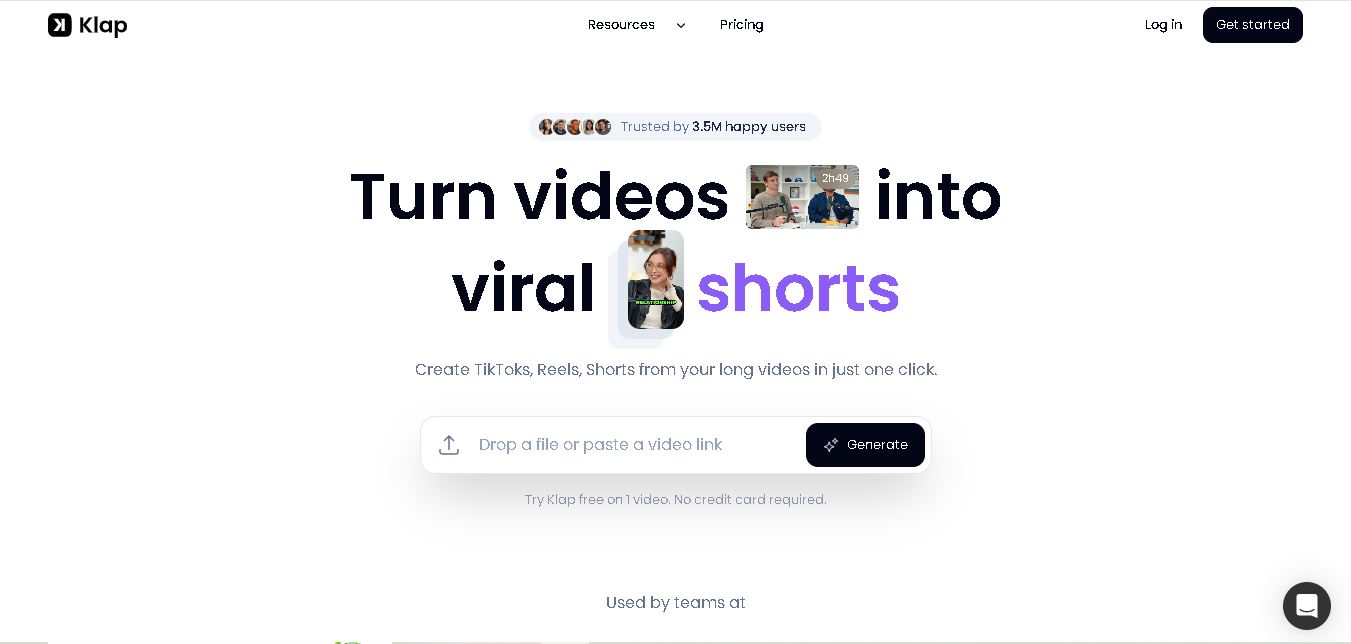
Klap
Klap is an AI video clipping platform that transforms long videos into short-form social media content. It automatically identifies highlights, creates captions, reframes speakers, and schedules clips, helping creators, podcasters, and marketing teams repurpose existing videos with less manual editing.
Free
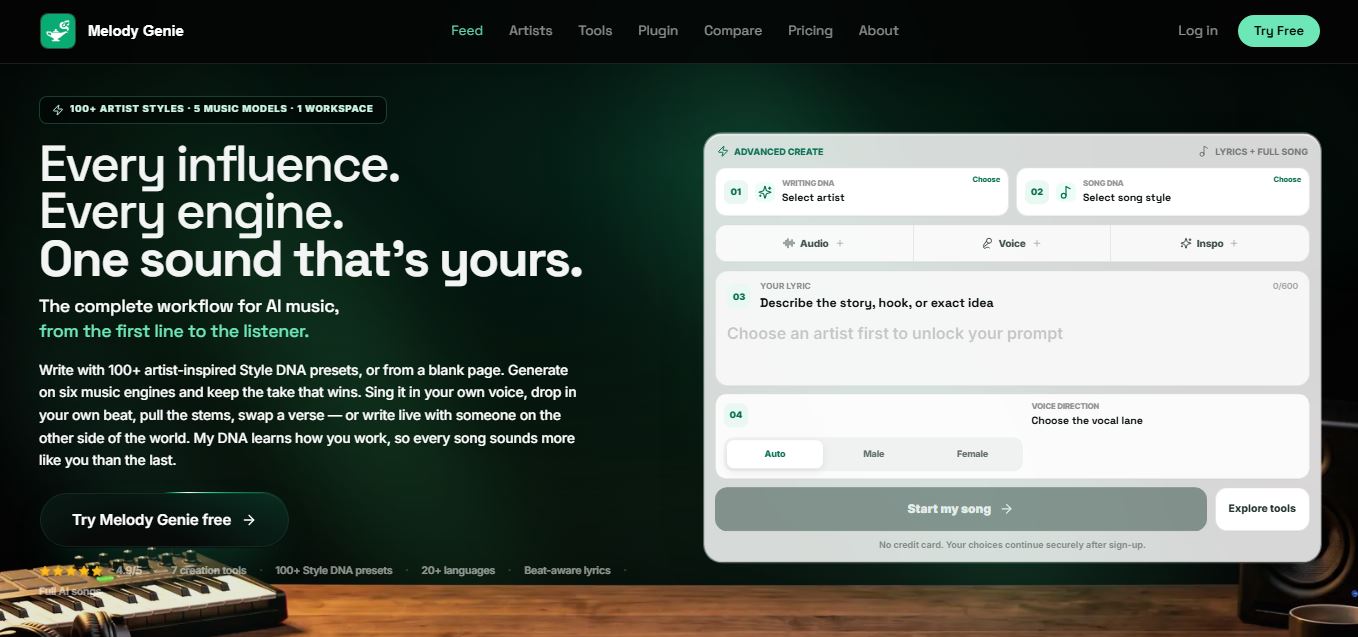
Melody Genie
MelodyGenie is an AI-powered music generator that creates original songs from simple text prompts. Users can choose styles, moods, and genres, then instantly generate melodies and full tracks, making it easy for creators, marketers, and hobbyists to produce custom music without musical expertise.
Freemium
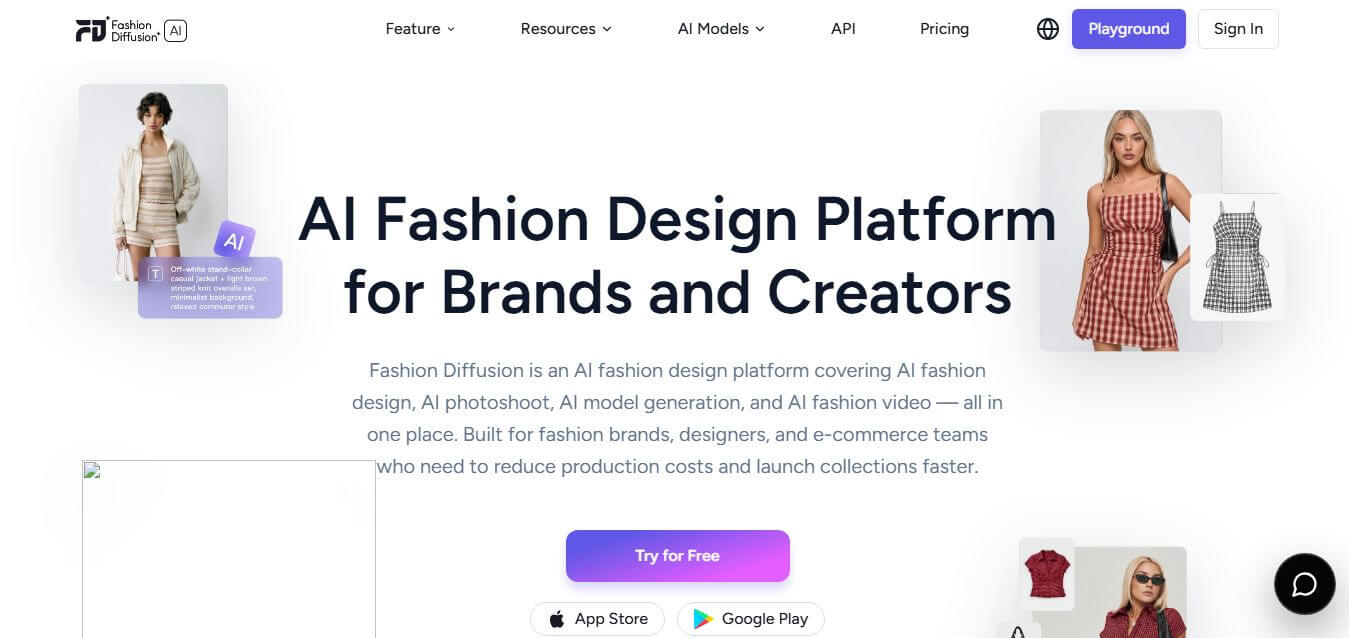
Fashion Diffusion AI
Fashion Diffusion is an AI-powered fashion design platform that helps brands and designers create clothing designs, virtual try-ons, AI models, product photos, and marketing visuals faster and cost-effectively.
Paid
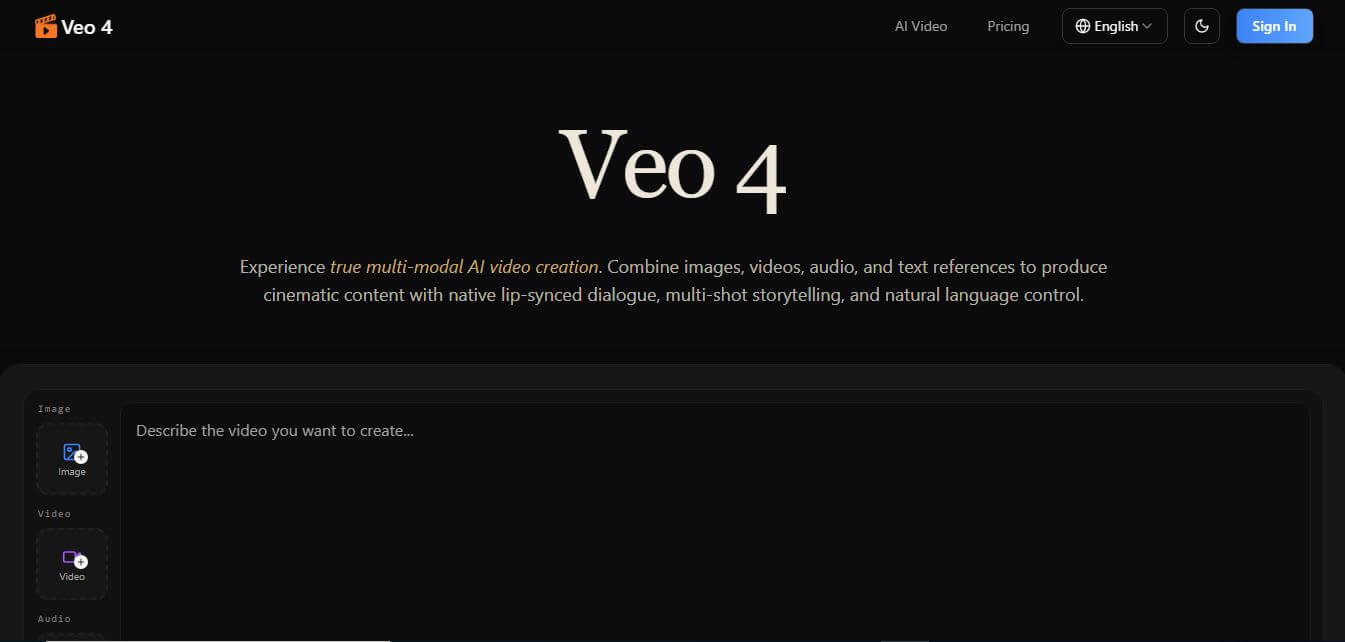
Veo 4
Veo 4 AI is an AI video creation platform that generates dramatic videos from text, images, audio, and video prompts using realistic motion and synchronized sound.
Paid
Alternatives
Alternatives to OpenHands
The best OpenHands alternatives include Cline, Aider, Claude Code, Devin, and Replit Agent. These platforms provide AI-assisted software engineering workflows. While OpenHands stands out as a comprehensive open-source platform with a web Agent Canvas, Python Agent SDK, and deep ticket integrations, alternatives focus on terminal CLI or IDE extension editing.
Augment Code
Vibe Coding
Augment Code helps developers build better software with intelligent AI agents, semantic code search, and deep codebase understanding. It supports coding, debugging, refactoring, and project analysis across popular development environments. Its Context Engine helps engineering teams work efficiently with complex repositories, dependencies, and large-scale software development projects.
JetBrains Air
Vibe Coding
JetBrains Air helps developers work with multiple AI coding agents from JetBrains IDEs, the browser, or the command line. It brings agent sessions, code reviews, parallel tasks, shared team environments, and organization-level controls into one connected system, while allowing users to work with supported agents and their existing provider accounts.
Sourcegraph Cody
Vibe Coding
Sourcegraph Cody helps developers write, understand, and debug software with contextual AI assistance. It provides intelligent code completion, code generation, repository-aware chat, and automated editing. Supporting popular IDEs and multiple repositories, Cody helps development teams reduce repetitive work, explore complex codebases, and improve everyday programming workflows efficiently.
Zed
Vibe Coding
Zed is an open-source code editor built for speed, productivity, and collaborative software development. It combines AI coding assistance, intelligent editing predictions, real-time collaboration, and external agent integrations. Developers can customize their workflows, connect multiple AI models, and build software efficiently within a modern development environment.
 4.7
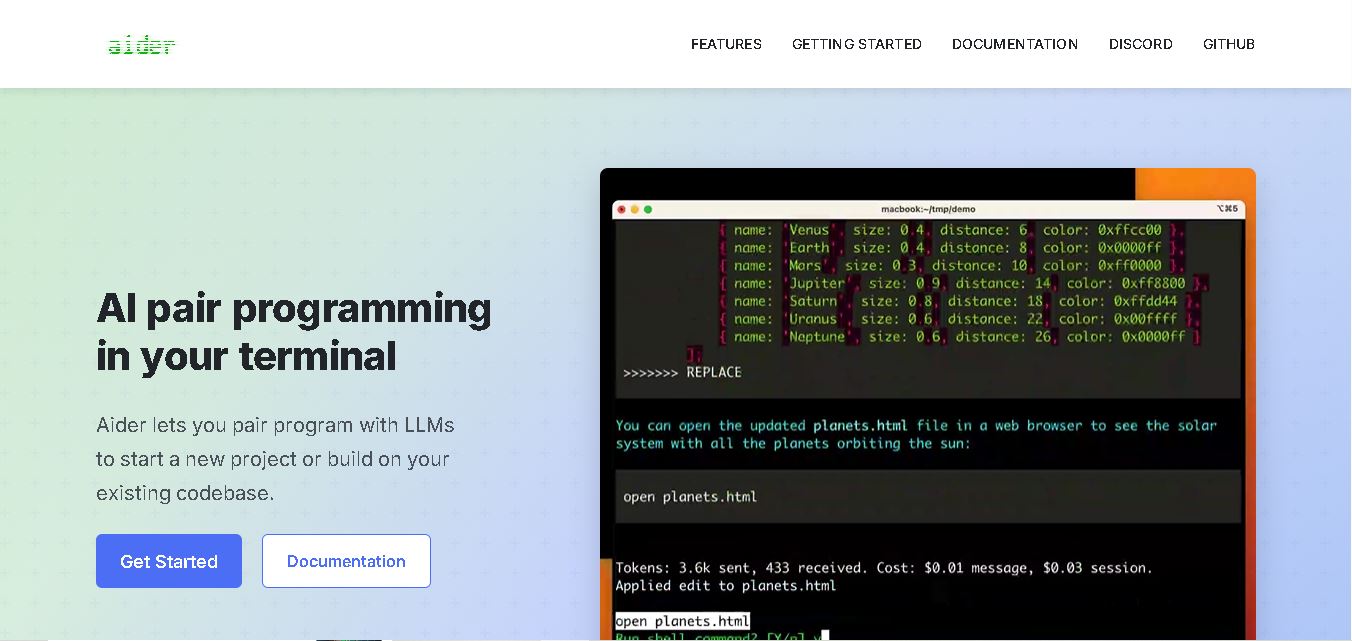
Aider
Vibe Coding
Aider is an AI coding assistant that works directly in your terminal to help developers create, edit, and debug software. It supports multiple LLMs, understands project structures, integrates with Git, and automates code improvements. Its flexible workflow makes AI-assisted programming more practical for individual developers and development teams.
 4.7
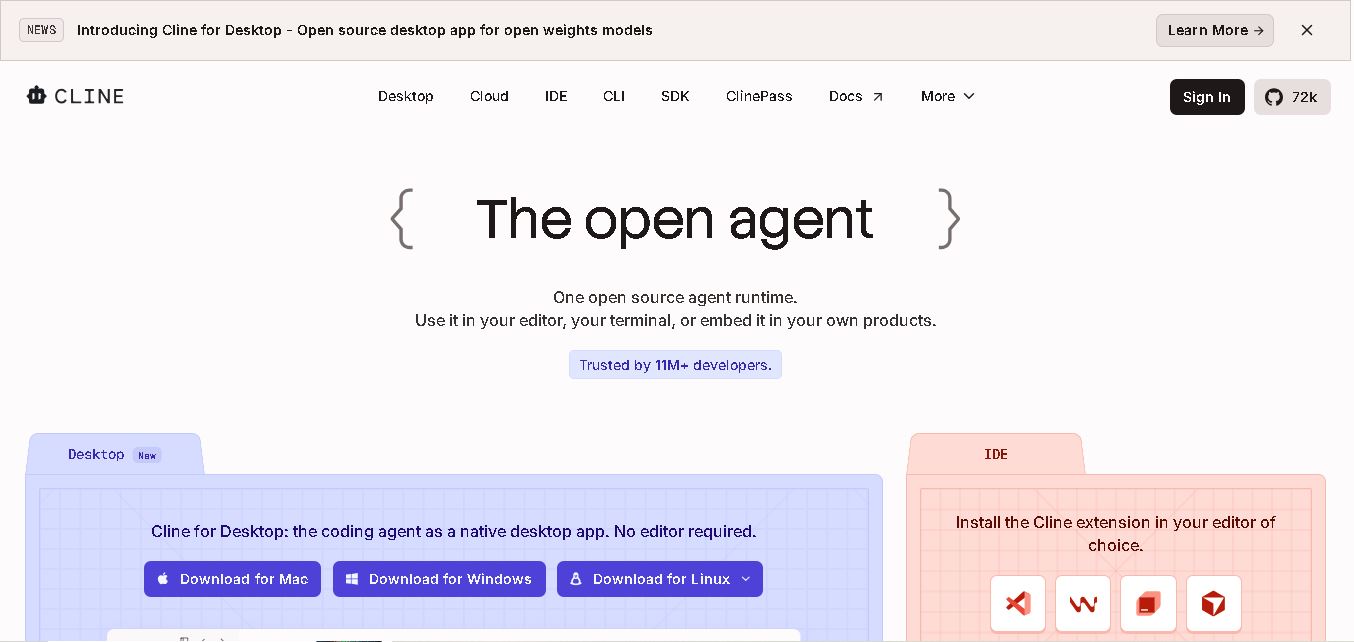
Cline
Vibe Coding
Cline is an open-source coding assistant designed to simplify software development through AI-powered automation. It helps developers generate code, fix bugs, understand existing projects, run commands, and manage complex programming tasks. With model flexibility, tool integrations, and human-controlled approvals, Cline makes AI-assisted coding more accessible and customizable.
 4.7
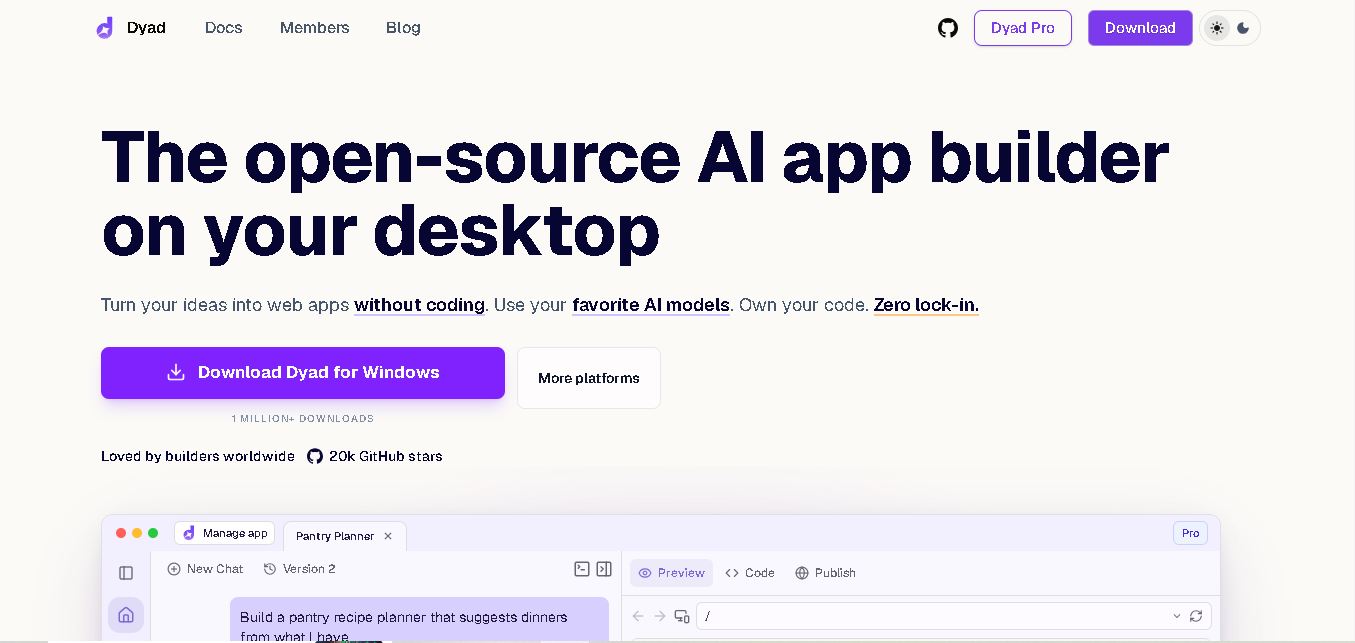
Dyad
Vibe Coding
Dyad helps you create web applications by describing what you want in plain language. This open-source desktop tool runs locally, supports AI model providers, and keeps your source code on your computer. It suits beginners exploring app ideas and developers who want AI assistance without surrendering control of their projects.
 4.6
Rocket.new
Vibe Coding
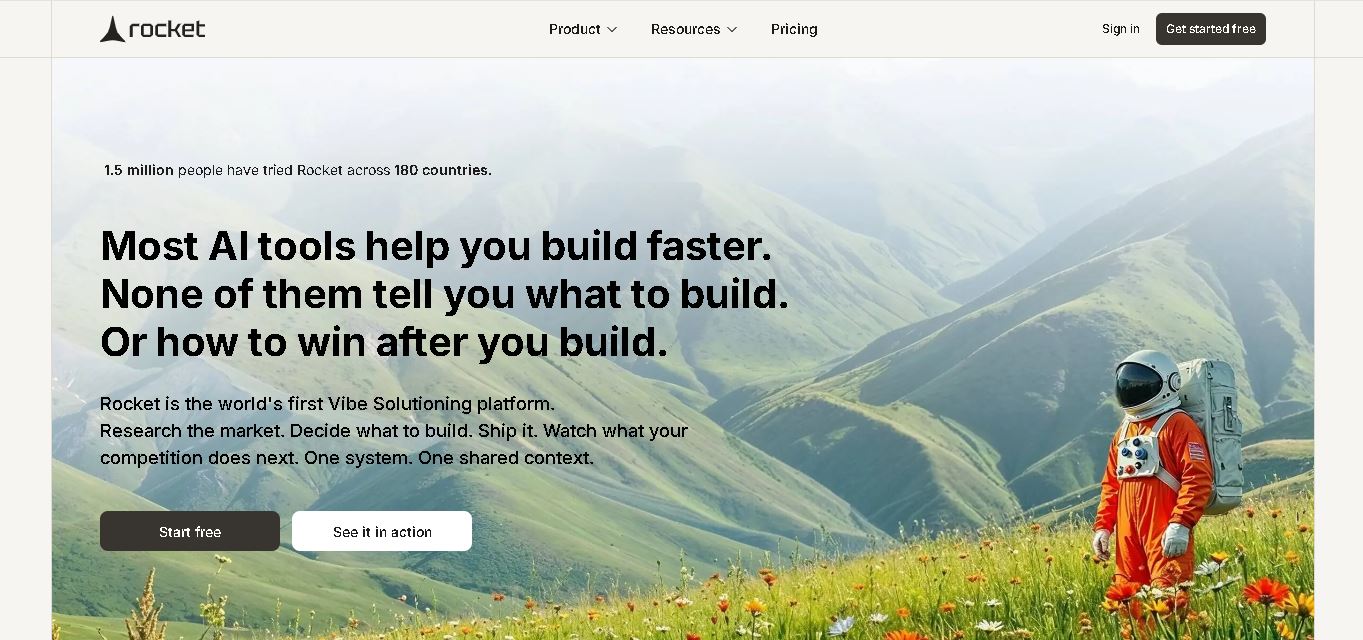
Rocket.new helps users transform ideas into functional websites, mobile applications, and SaaS products through AI-assisted development. It combines market research, application building, and competitor monitoring in one workspace. With natural language prompts, ready-made templates, integrations, and deployment options, it simplifies product development for individuals, startups, and businesses.
 4.6
Macaly
Vibe Coding
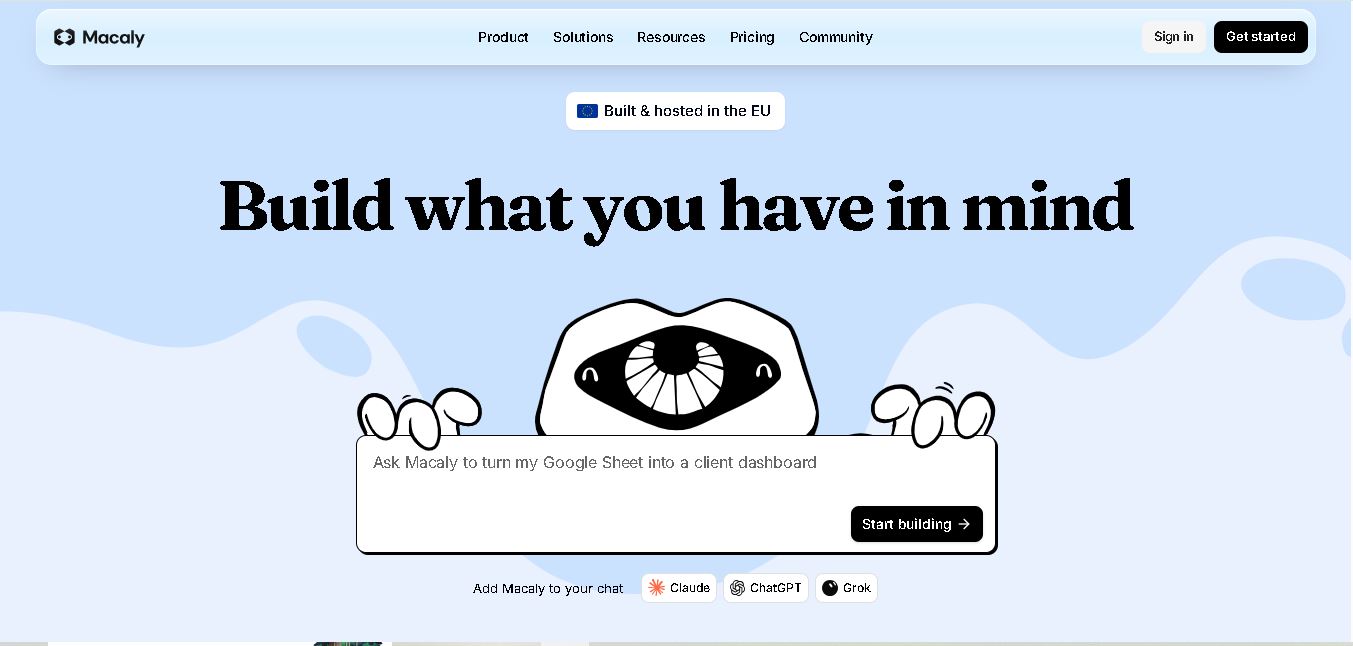
Macaly helps users create professional websites and functional web applications using simple natural-language instructions. It combines AI-assisted development, hosting, databases, authentication, integrations, analytics, and SEO tools. Entrepreneurs, freelancers, and businesses can build, customize, and publish digital projects without managing complicated traditional development processes or infrastructure.