
Dust
Dust helps teams build and run AI agents that work with company knowledge, connected business tools, and people. It supports collaborative workflows across departments, lets teams choose from 20+ AI models, and provides features for agents, skills, Pods, automations, governance, and usage monitoring.
What is Dust?
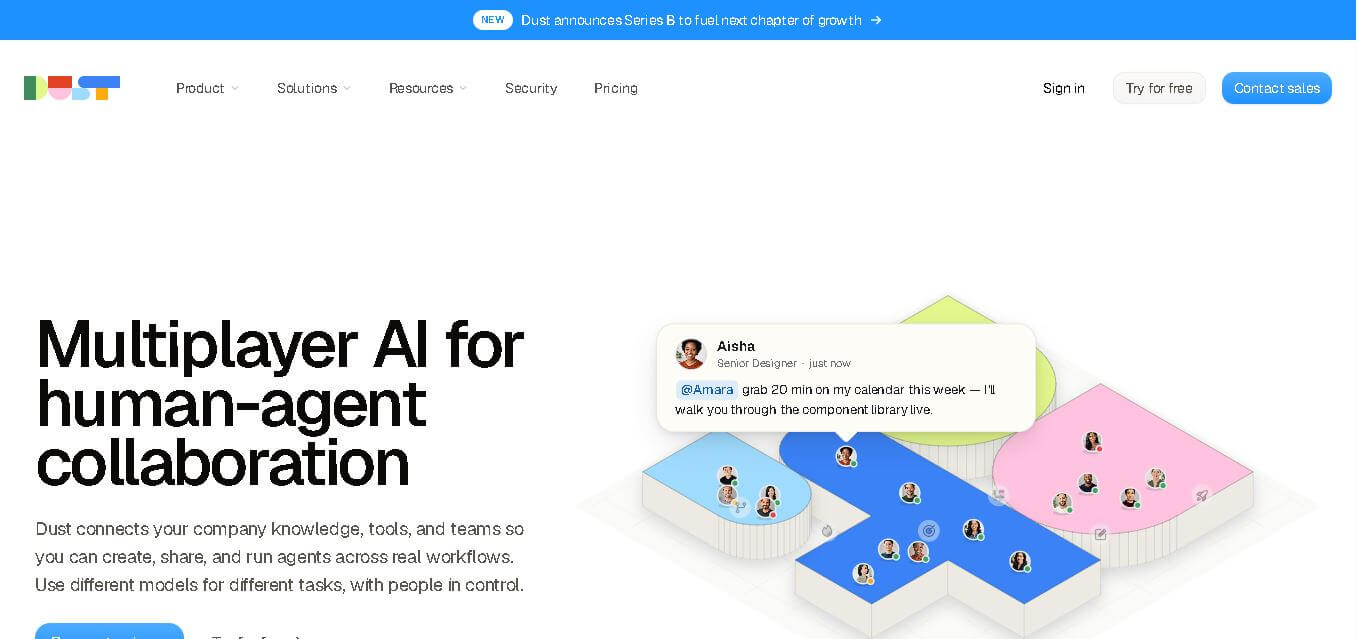
Dust is a collaborative workspace where people and AI agents work together using shared company knowledge, tools, files, and workflows. It lets businesses create customized agents, connect services such as Slack, Notion, Google Drive, GitHub, Salesforce, and Zendesk, and coordinate multi-step tasks. Its Pods provide shared spaces for conversations, files, tasks, and agent collaboration, while its model flexibility allows teams to choose among 20+ models.
Dust currently supports 70+ connectors, 20+ AI models, 300,000+ agents deployed, and 3,000+ teams using the platform. Its connections include widely used business systems such as Slack, Notion, Google Drive, GitHub, Salesforce, and Zendesk. The business plan offers 500 lifetime credits on Free, 8,000 credits per seat/month on Pro, and 40,000 credits per seat/month on Max when billed yearly.
- Founders: Stanislas Polu & Gabriel Hubert
- Launch Year: 2022
Use Cases:
- Building department-specific AI agents (Engineering, Customer Support, HR, Sales)
- Connecting fragmented company knowledge (Notion, Google Drive, GitHub, Slack)
- Automating internal QA, technical specification lookup, and employee onboarding
- Executing scheduled multi-agent workflows and programmatic API requests
Technology:
- Multi-LLM router supporting OpenAI, Claude, Gemini, Mistral, and DeepSeek
- Model Context Protocol (MCP) integrations for custom internal software tools
- SOC 2 Type II certified enterprise infrastructure with EU/US data residency
Target Users:
- Enterprise leadership and operations teams seeking AI workflow automation
- Software development and product engineering teams tracking codebase context
- Growth, customer success, and HR departments managing internal documentation
Ecosystem: Features native integrations with major SaaS tools, an interactive agent studio, Slack/Zendesk bots, and developer APIs.
Key features of Dust
Dust's key features are
- Custom AI Agents & Assistants: Build specialized agents equipped with custom instructions, specific data connectors, and tool-execution abilities.
- Deep Knowledge Base Connectors: Real-time indexing for Google Drive, Notion, GitHub, Slack, Intercom, and Zendesk to keep AI responses strictly aligned with company truth.
- Multi-Model Orchestration: Switch between leading frontier LLMs (GPT-4, Claude 3.5, Gemini 1.5, Mistral) based on cost, reasoning requirements, or context window size.
- Model Context Protocol (MCP) Support: Extend AI agent capabilities by connecting remote or custom MCP servers to execute complex programmatic actions.
- Enterprise Security & Zero Training: Guarantees that internal data is never used to train frontier AI models, featuring SAML SSO, SCIM provisioning, and RBAC.
- Native Workspace Extensions: Bring custom AI agents directly into daily communication channels, including Slack, Zendesk, and Chrome extensions.
Dust Pricing
Dust offers structured per-seat pricing designed for teams of all sizes, along with a 15-day free trial of its Pro tier.
Free Trial Plan:
- $0 (15-day trial)
- Access to core agent creation, standard connectors, and frontier LLM querying
Pro / Business Plan:
- $29 per user / month ($24/mo billed annually)
- Includes custom agents, full data connectors, 8,000 monthly execution credits/seat, and Slack/Chrome integrations
Enterprise Plan:
- Custom pricing (Designed for 100+ seats)
- Adds SSO (Okta, Entra ID), SCIM provisioning, dedicated CSM, US/EU data residency options, and single-tenant deployment
Disclaimer: For the latest and most accurate pricing information, please visit the official Dust AI website.
Is Dust Worth It?
Dust is highly worth it for knowledge-dense organizations, tech startups, and enterprise teams looking to eliminate information silos. Because it indexes internal SaaS applications in real time while maintaining strict zero-data-retention security policies, Dust delivers a strong ROI by saving hundreds of administrative hours across operations, engineering, and support teams.
Real-World Use Cases
- Accelerated Employee Onboarding: New hires ask the Dust AI agent questions about internal policies, architecture, or jargon and get immediate citations to Notion and Drive docs.
- Engineering Knowledge Retrieval: Developers search across historical GitHub pull requests, PRDs, and Slack threads to understand past technical decisions.
- Automated Support Triage: Support reps draft customer responses by querying product knowledge bases directly within Zendesk and Slack.
- Scheduled Multi-Agent Workflows: Operations teams run automated daily research or competitor monitoring agents using connected web search and API triggers.
Who is using Dust?
Dust is designed for a wide range of modern teams and organizations, including
- High-Growth Startups & Scaleups: Companies looking to maintain fast execution speeds without losing track of documentation
- Engineering & Product Teams: Software engineers needing instant context across repos, PRs, and technical roadmaps
- Customer Success & Support Ops: Support agents delivering consistent, documented answers to client inquiries
- Enterprise IT & Security Leaders: Organizations requiring strict SOC 2, HIPAA, and GDPR compliance for enterprise AI usage
Best Dust Alternatives
Some of the strongest Dust alternatives include
- CrewAI
- Relevance AI
- Gumloop
- Chatbase
- Flowise
Pros and Cons of Dust
Pros
- Connects seamlessly to major knowledge tools (Notion, Slack, GitHub, Drive)
- Supports multi-LLM routing across OpenAI, Claude, Gemini, and Mistral
- Zero-data-retention policy guarantees strict enterprise data privacy
- Native Slack and Chrome extension integrations make agents accessible anywhere
- Model Context Protocol (MCP) support allows custom tool and API creation
Cons
- Initial indexing of large Google Drive or Notion workspace folders can take time
- The per-seat pricing model can scale quickly for large, non-technical teams
- No perpetual free tier after the 15-day trial period
Why Choose Dust?
Dust stands out by offering a secure, multi-model AI workspace specifically designed for team collaboration rather than isolated individual usage. Unlike simple wrapper chatbots or rigid single-LLM solutions, Dust synthesizes real-time knowledge from all enterprise software tools under strict security protocols.
- Eliminates duplicate questions and knowledge fragmentation across departments
- Empowers teams to switch models dynamically based on task requirements
- Protects enterprise IP with SOC 2 Type II compliance and zero model training
- Includes developer API endpoints for programmatic workflow automation
How Dust Works
- Connect Data Sources: Link your company's Slack, Notion, GitHub, Google Drive, or custom databases with a few clicks.
- Configure Agents: Define custom instructions, select specialized LLMs, and assign specific data permissions for each agent.
- Deploy Across Workspaces: Invite team members to collaborate in Dust or integrate agents into Slack and web browsers.
- Automate Workflows: Trigger multi-agent routines or query knowledge programmatically via API and Zapier.
Dust vs. Competitors
The primary difference between Dust, CrewAI, and Relevance AI is that Dust is built around a secure team workspace for internal company knowledge retrieval and multi-model agent collaboration. While CrewAI focuses heavily on developer-centric Python agent orchestration and Relevance AI specializes in autonomous sales and marketing workforces, Dust offers an out-of-the-box knowledge hub with deep SaaS data connectors.
| Feature | Dust | CrewAI | Relevance AI |
|---|---|---|---|
| Primary Focus | Enterprise Knowledge & Agents | Multi-Agent Orchestration Framework | No-Code B2B AI Workforce |
| Data Connectors | Slack, Notion, GitHub, Drive | Custom Python Tools | CRM, Email, Web Scrapers |
| Data Security | SOC 2, Zero Data Retention | Self-Hosted Open Source | Standard SaaS Compliance |
| Multi-Model Switching | Native Multi-LLM Router | Developer Configured | Supported |
| Starting Price | $29/user/mo (15-day trial) | Free Open Source / $25/mo | Free tier / $29/mo |
How do we rate Dust?
| Parameter | Rating (out of 5) |
|---|---|
| Ease of Use | 4.7 |
| Data Security & Privacy | 4.9 |
| Feature Set | 4.8 |
| Value for Money | 4.6 |
| Integrations & Connectors | 4.9 |
| Overall Score | 4.8 |
Dust Review
Dust provides one of the most cohesive enterprise AI workspace solutions available today. By solving the problem of internal knowledge fragmentation and offering native integrations into Slack and Google Drive, it transforms company documentation into active, conversational intelligence. Its commitment to enterprise security, SOC 2 compliance, and zero-data retention ensures that teams can deploy custom agents with complete confidence.
Conclusion
Dust is a strong option for organizations that want to move beyond basic AI chat and build agents around real business workflows. Its combination of company knowledge, connected tools, reusable skills, multiple AI models, collaborative Pods, and governance makes it suitable for teams across sales, support, marketing, engineering, and operations. With flexible plans and enterprise controls, Dust can scale from experimentation to broader organizational AI adoption.
FAQ
What can Dust be used for?
Dust can be used to automate and support work across sales, marketing, customer support, engineering, research, and operations. Teams can create agents that search company knowledge, analyze information, draft responses, handle repetitive tasks, update connected systems, and coordinate multi-step workflows while keeping people involved where human judgment is needed.
Is Dust suitable for small teams?
Yes, Dust can work for smaller teams as well as larger organizations. Its business plan includes a free option with 500 lifetime credits, while paid Pro and Max seats provide substantially higher monthly usage. Smaller teams can begin with specific workflows and expand their use as they identify valuable automation opportunities.
Which AI models does Dust support?
Dust provides access to more than 20 frontier and open-source models from providers including OpenAI, Anthropic, Google, Mistral, and DeepSeek. This model flexibility lets teams select models according to workflow requirements rather than tying them to one provider. Different agents can therefore use different models for specific tasks.
Can Dust connect to company data?
Yes. Dust can connect agents to company information through numerous integrations and MCP connections. Officially listed examples include Slack, Notion, Google Drive, GitHub, Salesforce, and Zendesk. These connections allow agents to retrieve relevant organizational context and use it when answering questions or completing workflows instead of relying solely on generic model knowledge.
What are Pods in Dust?
Pods are shared workspaces designed around a particular project, topic, or initiative. They combine conversations, files, tasks, and agents in one place so humans and AI can work from shared context. Teams can use Pods for collaborative projects, knowledge management, task execution, and workflows requiring ongoing interaction between people and agents.
Can Dust agents work without constant human involvement?
Yes. Dust supports workflows where agents can perform tasks with varying levels of human involvement. Agents can create tasks, start work, interact with Pod files and conversations, and complete assigned activities. Scheduled and event-driven workflows can also automate recurring processes, although teams can retain human review for decisions requiring judgment.
Is Dust useful for customer support teams?
Dust can support customer service operations through tasks such as ticket classification, routing, response drafting, and knowledge synthesis. Agents can work with connected company information to provide context for support activities. This can help teams reduce repetitive work while keeping customer-facing responses grounded in their organization's existing knowledge and processes.
User Reviews
No reviews yet for Dust.
Featured Tools
Featured AI tools from TechShark
Melody Genie
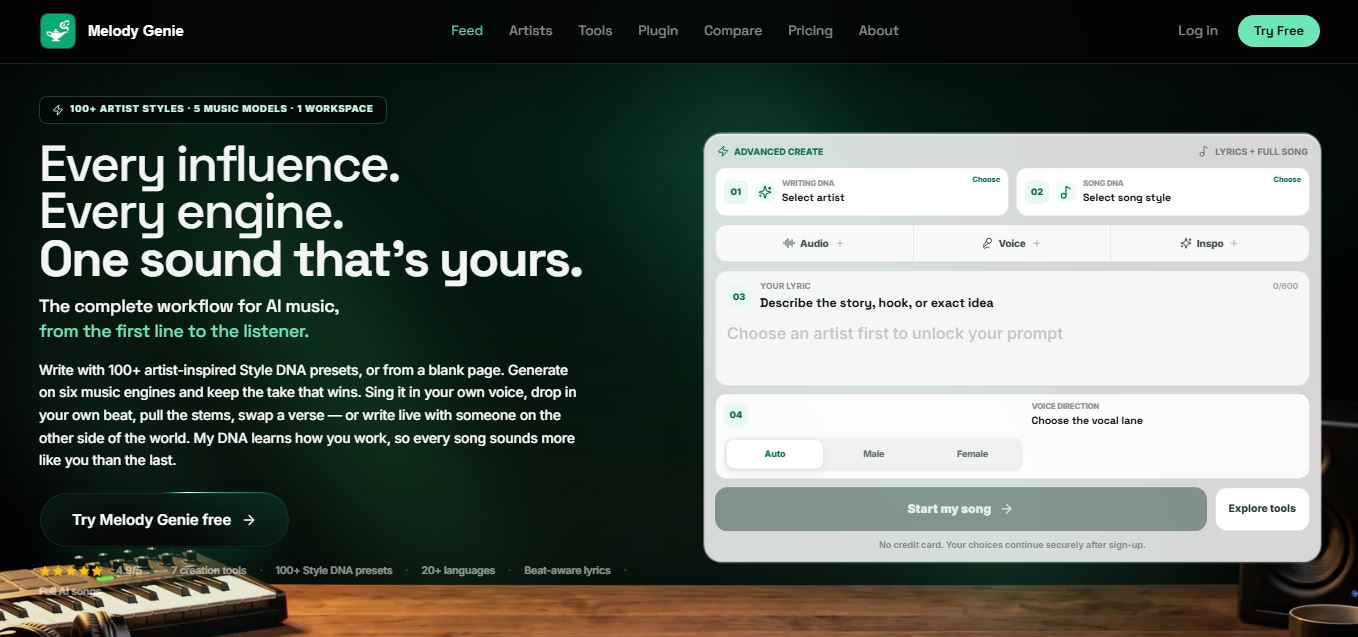
MelodyGenie is an AI-powered music generator that creates original songs from simple text prompts. Users can choose styles, moods, and genres, then instantly generate melodies and full tracks, making it easy for creators, marketers, and hobbyists to produce custom music without musical expertise.
Freemium
Kimi AI
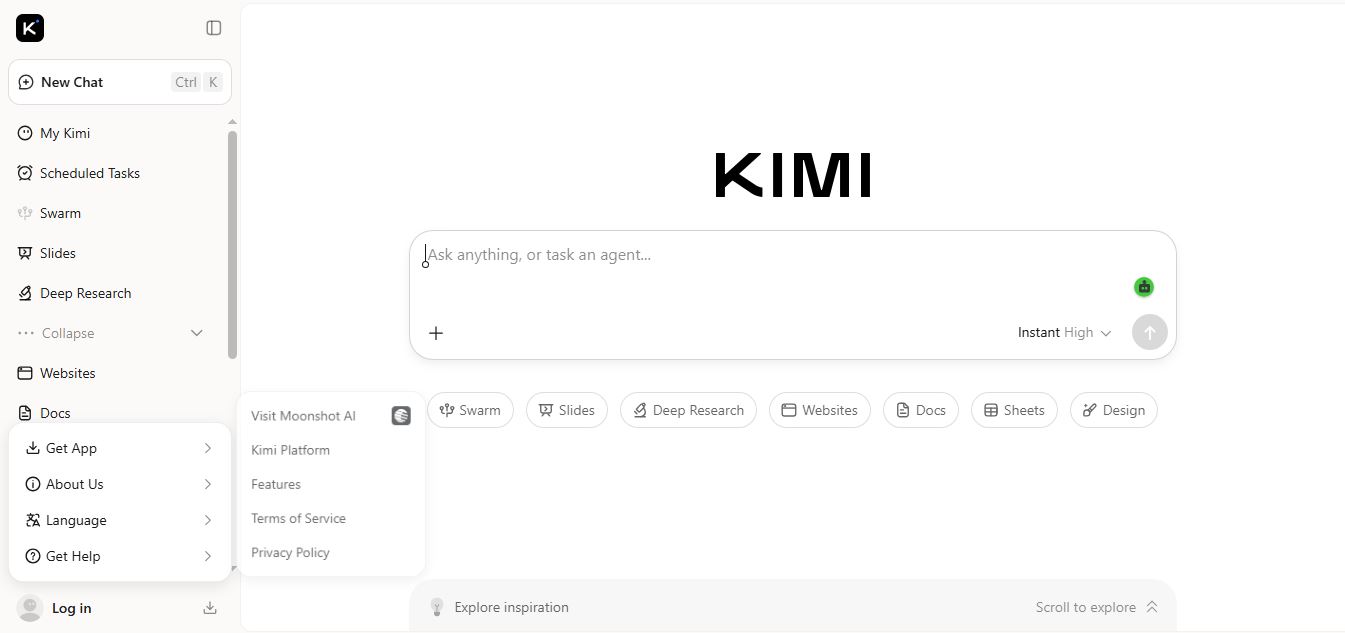
Kimi AI is an advanced AI assistant developed by Moonshot AI that helps you chat, research, write, code, and automate tasks in one place. It supports web search, file analysis, and multimodal inputs, and can even run autonomous “agent” workflows to complete complex tasks end-to-end.
Freemium
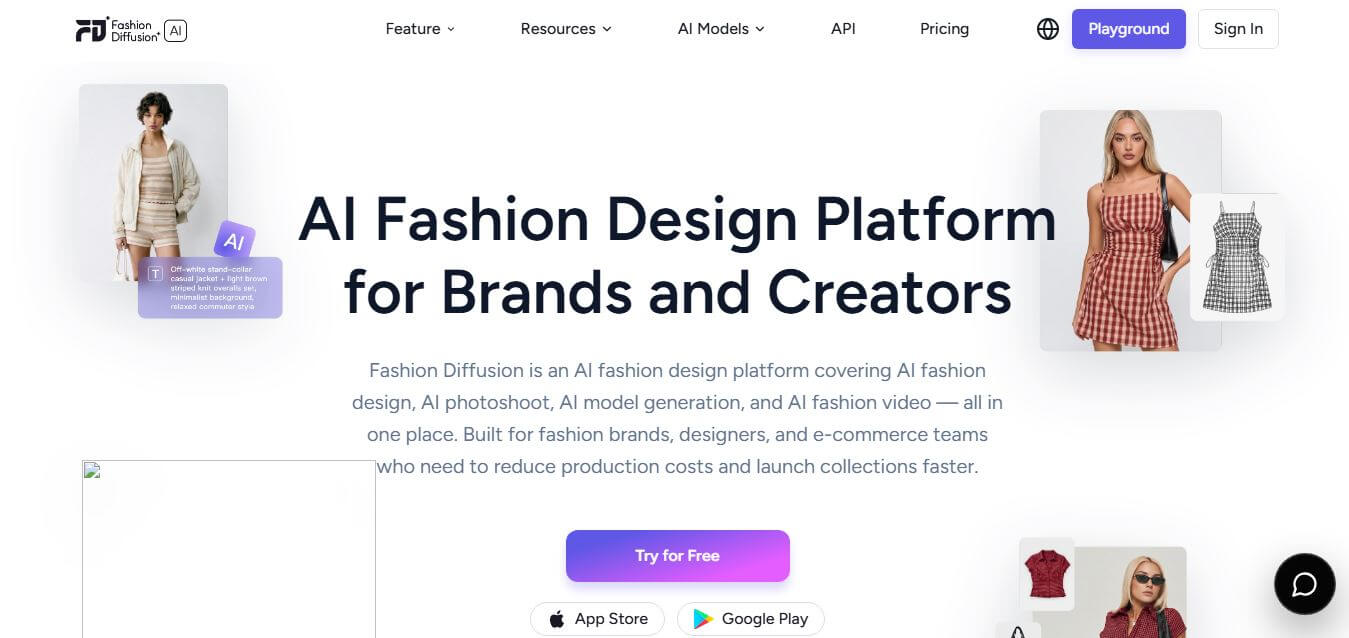
Fashion Diffusion AI
Fashion Diffusion is an AI-powered fashion design platform that helps brands and designers create clothing designs, virtual try-ons, AI models, product photos, and marketing visuals faster and cost-effectively.
Paid
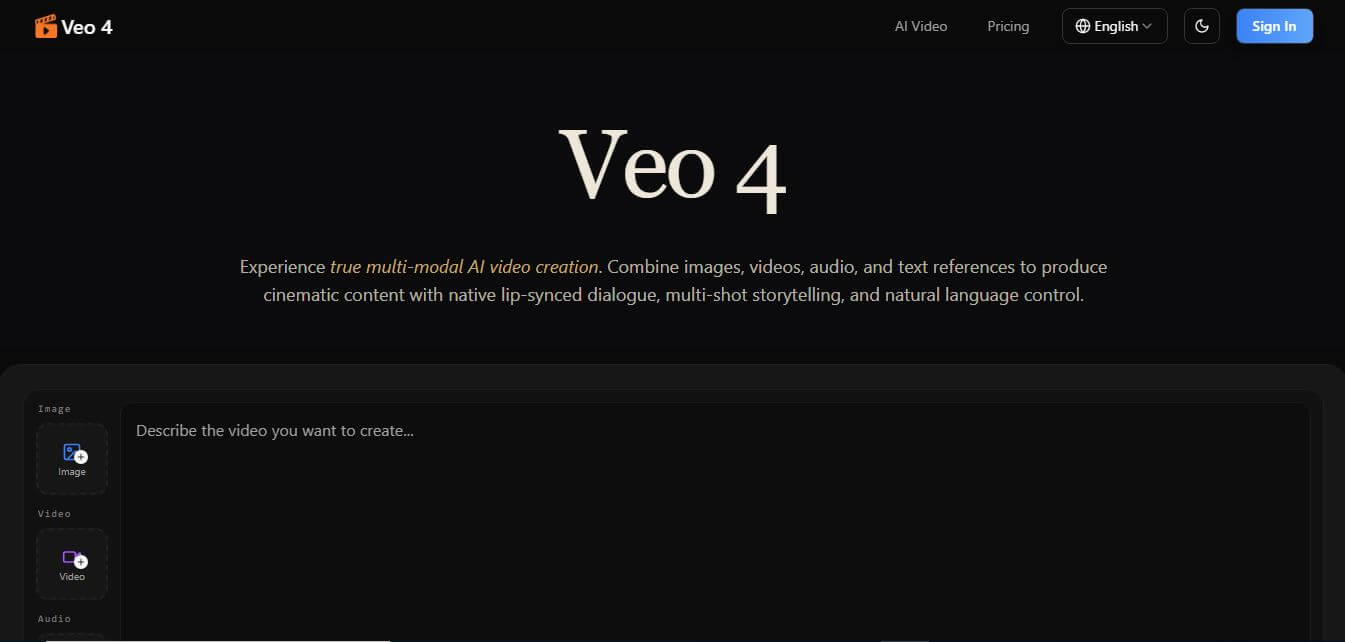
Veo 4
Veo 4 AI is an AI video creation platform that generates dramatic videos from text, images, audio, and video prompts using realistic motion and synchronized sound.
Paid
Alternatives
Alternatives to Dust
The best Dust alternatives include CrewAI, Relevance AI, Gumloop, Chatbase, and Flowise. CrewAI offers an open-source multi-agent orchestration framework for developers. Relevance AI provides a low-code platform for building autonomous AI workforces across sales and operations. Gumloop and Flowise offer visual workflow builders for custom RAG pipelines, while Chatbase specializes in training customer-facing AI chatbots on internal knowledge bases.
 4.9
4.9GPT Engineer
Low-code/No-code
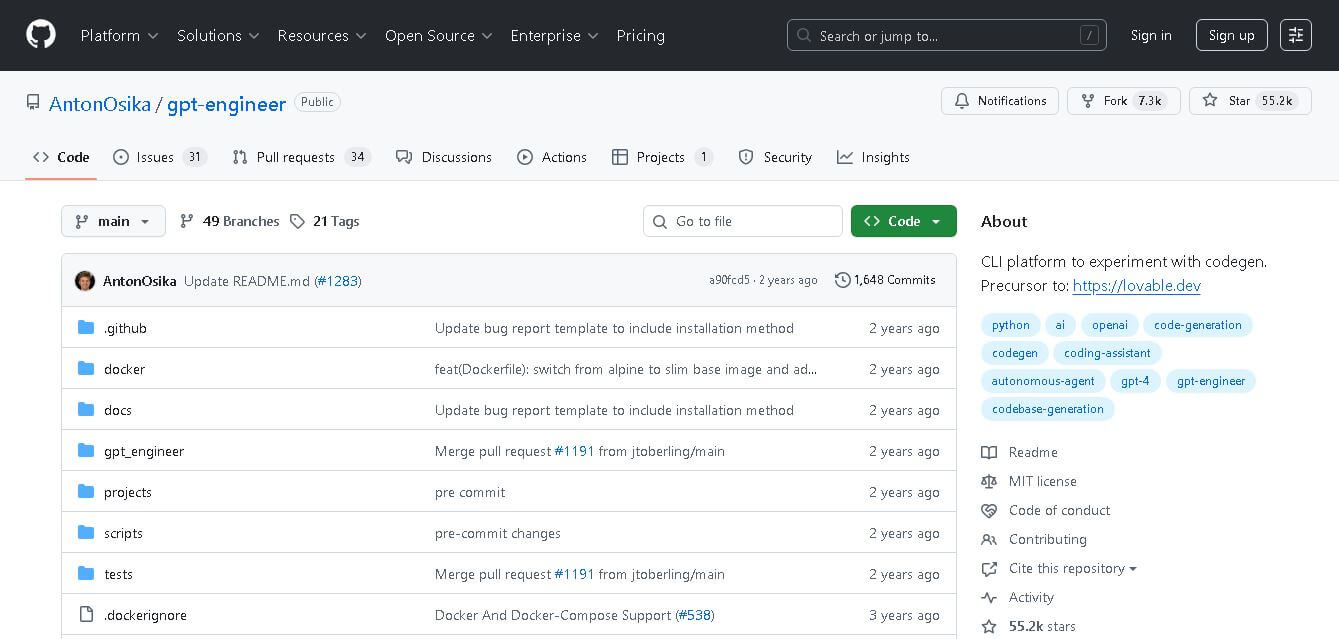
GPT Engineer is an open-source AI coding framework that helps developers generate and improve software from natural-language instructions. It works through a command-line workflow, allowing users to provide project requirements, generate code, execute development steps, and request changes. It also supports customizable prompts, vision-capable models, alternative model providers, Docker, and benchmarking workflows.
Klarent
Low-code/No-code
Klarent (by Fore AI) is an autonomous, AI-powered, no-code QA test automation platform designed to create, execute, and self-heal end-to-end tests for web, native iOS, Android, and cross-platform applications.
 4.8
4.8Glif
Low-code/No-code
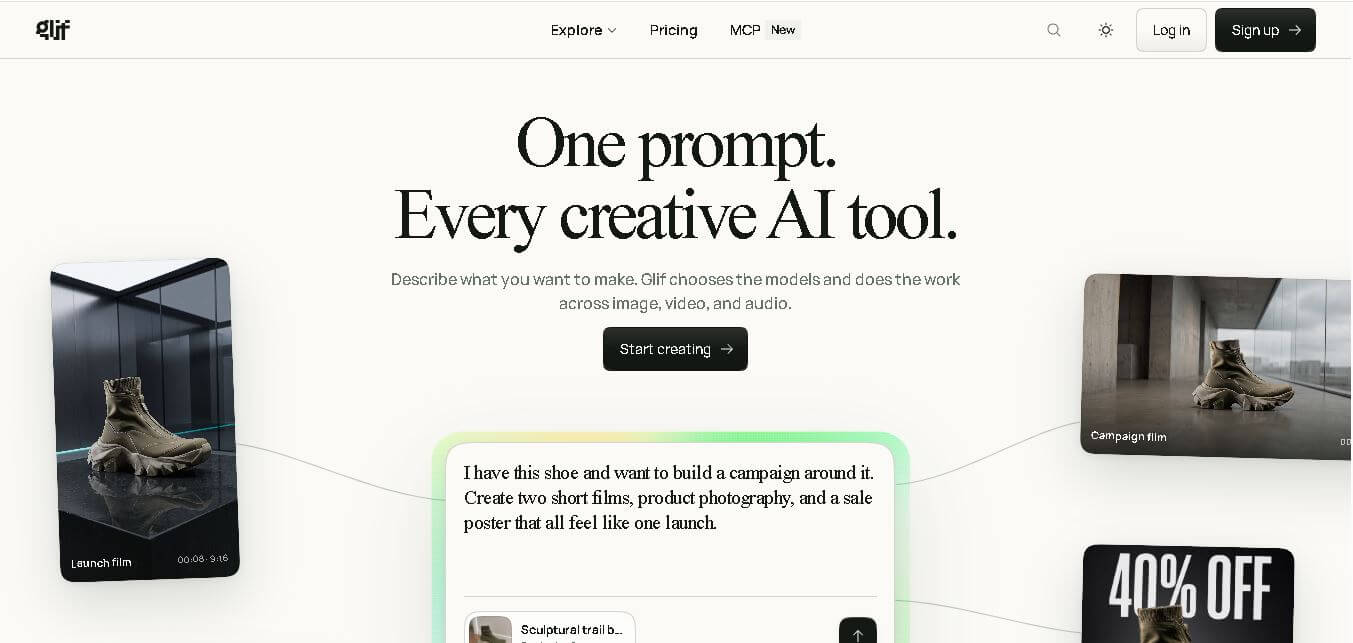
Glif is a conversational creative AI tool for generating images, videos, audio, text, advertisements, product visuals, social media content, and more. It selects suitable AI models and tools based on your request, allowing creators and marketers to develop complete creative projects without manually managing multiple AI platforms or complicated production workflows.
 4.8
4.8Visily AI
Low-code/No-code
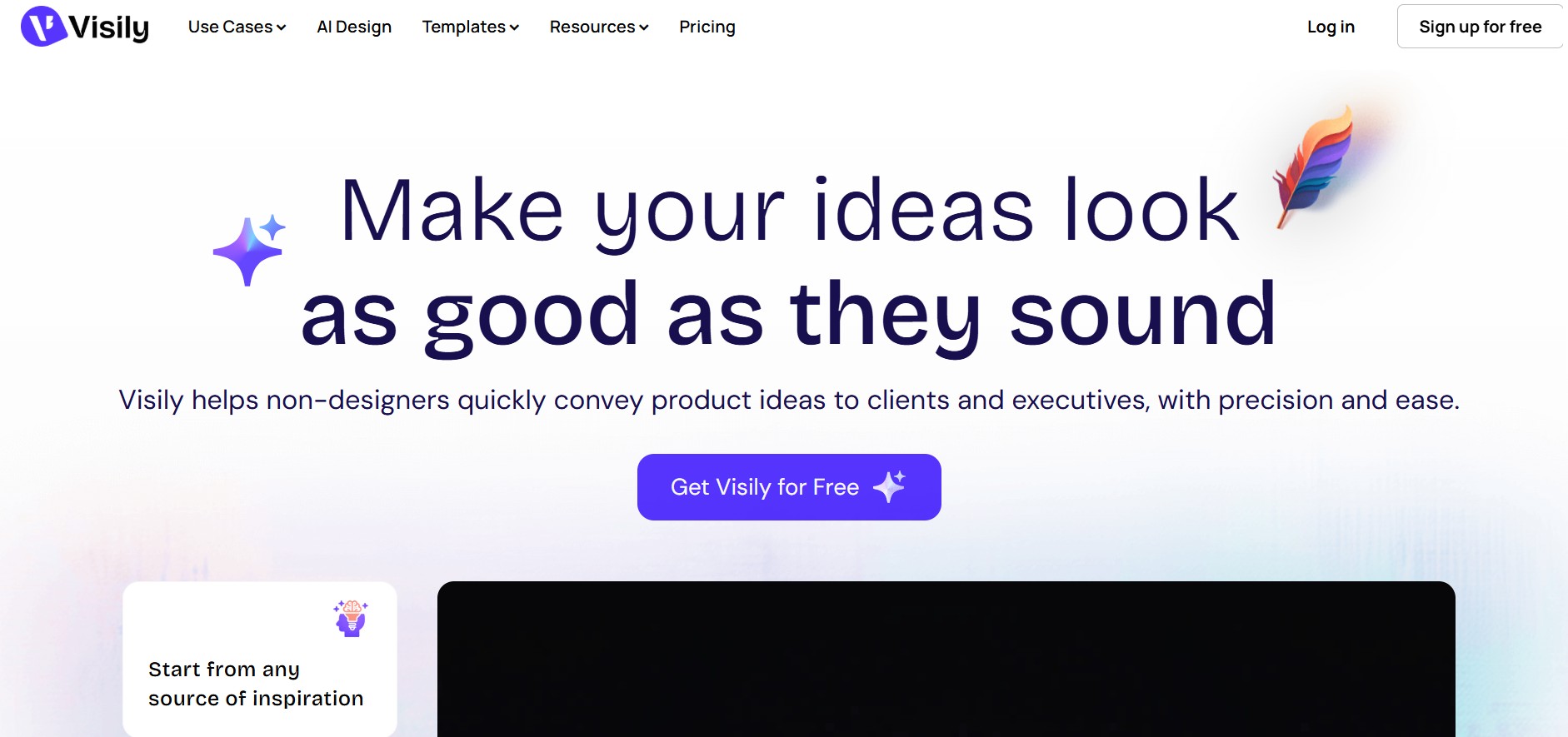
Visily helps teams transform ideas into editable UI designs, wireframes, mockups, diagrams, and prototypes using AI, templates, screenshots, and text prompts. Its collaborative canvas makes it easier for non-designers and product teams to visualize concepts, gather feedback, refine interfaces, and prepare designs for developer or Figma handoff without requiring advanced design skills.
 4.9
4.9Anakin AI
Low-code/No-code
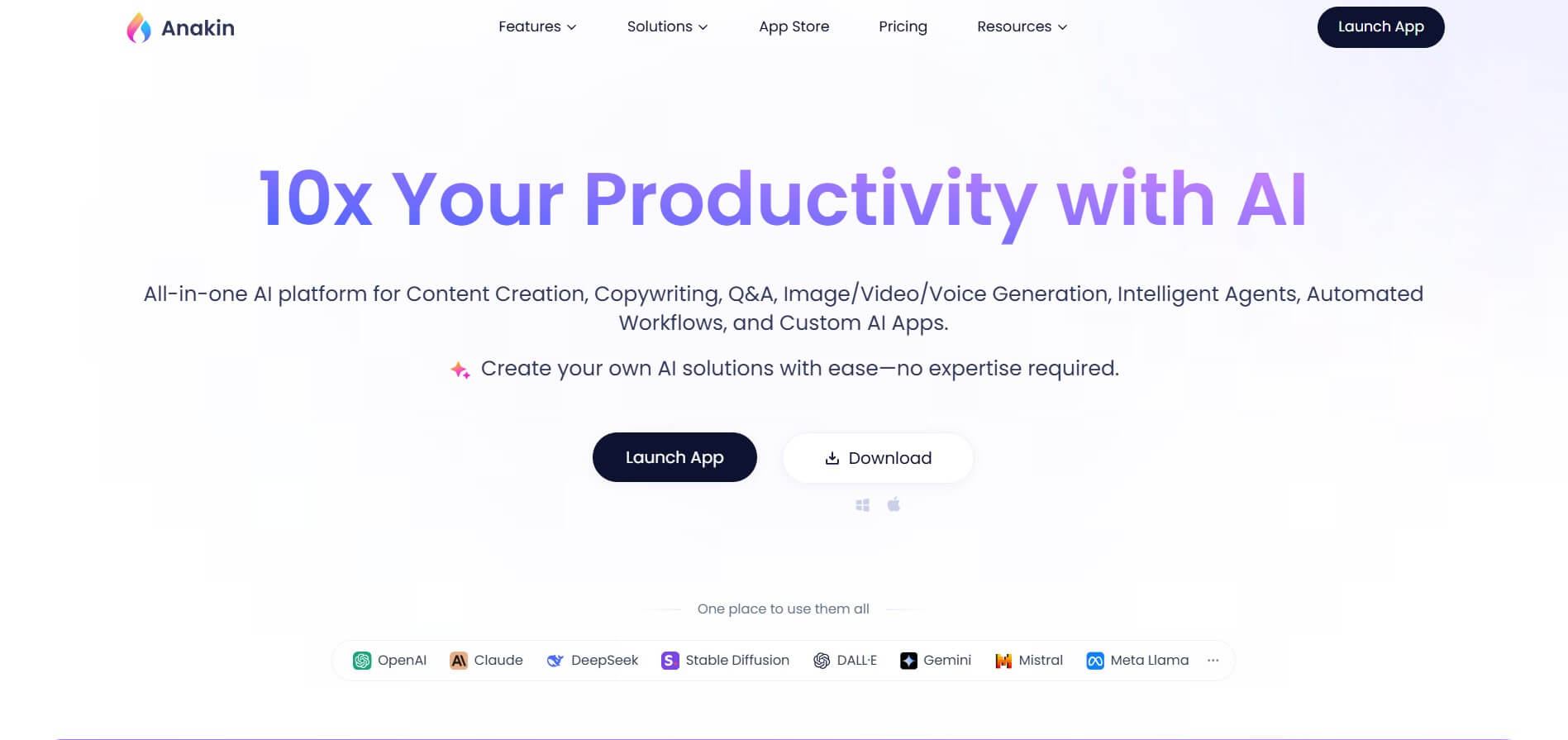
Anakin AI is an all-in-one no-code AI platform and app builder that unifies 1,000+ pre-built AI applications, drag-and-drop workflow automation, batch processing, and multi-model access (OpenAI, Claude, DeepSeek, Gemini, and Grok) under a single interface.
 4.8
4.8Figma Sites
Low-code/No-code
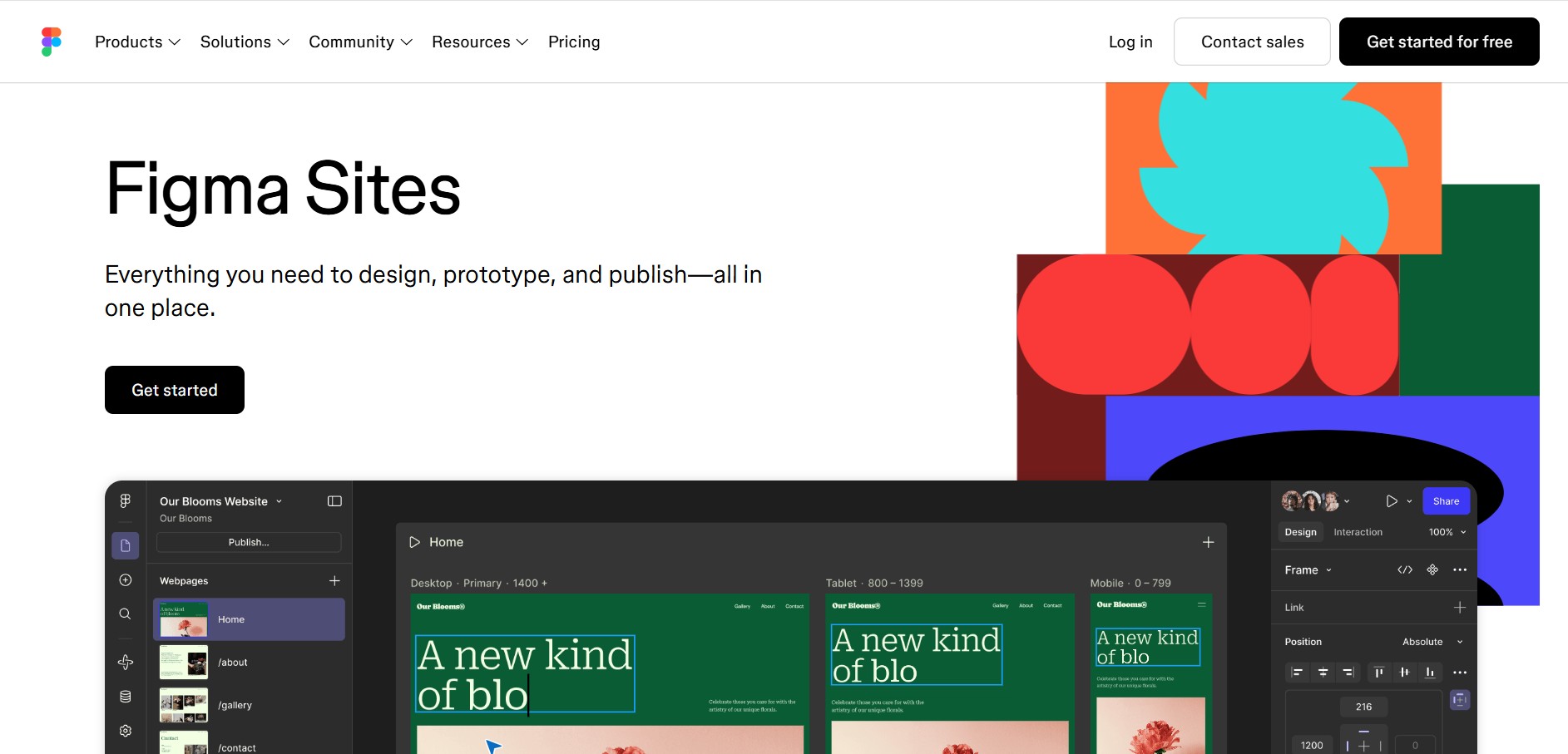
Figma Sites helps designers create, customize, and publish responsive websites directly from the Figma ecosystem. You can reuse existing designs, apply responsive layouts, add interactions, manage website content through CMS, and customize experiences with code or AI. It is especially useful for portfolios, landing pages, business websites, events, and creative projects.
 4.7
4.7Base44 Builder
Low-code/No-code
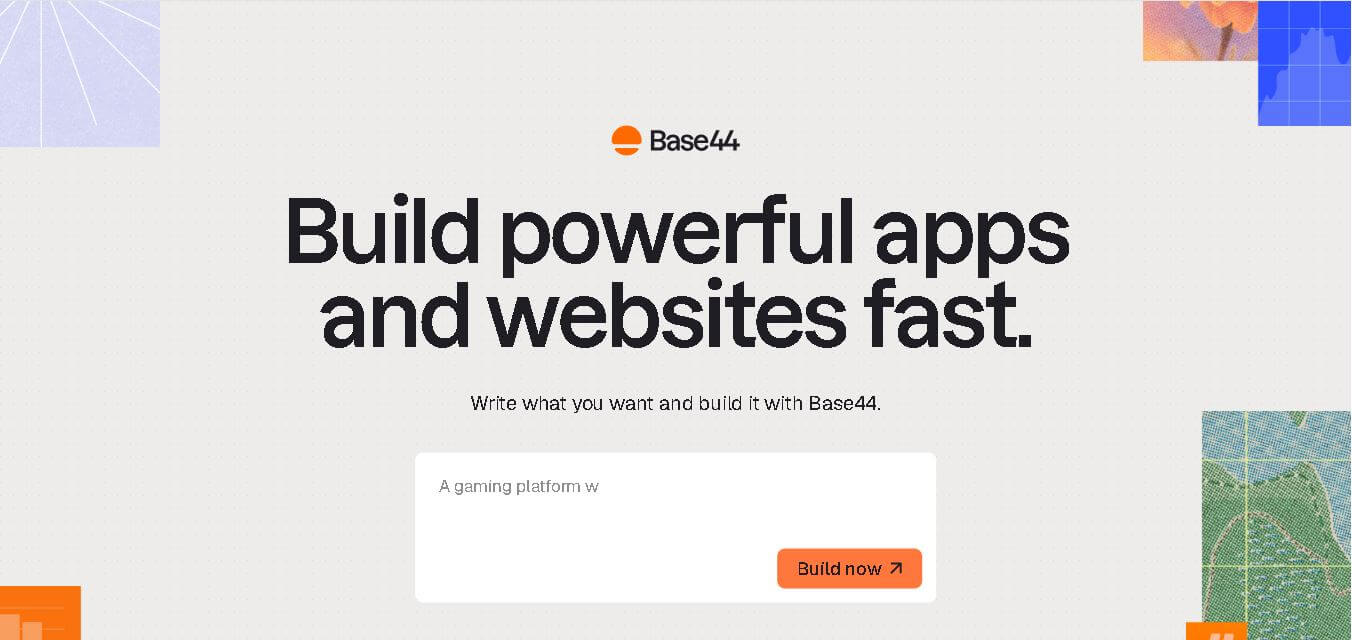
Base44 is a no-code application builder that helps individuals and teams transform ideas into functional apps, websites, and AI agents through simple text prompts. It combines design, hosting, authentication, databases, integrations, and deployment into one workspace, allowing users to build, test, refine, and launch digital products without complex technical setup.
 4.8
4.8WeWeb
Low-code/No-code
WeWeb is a visual web application builder that enables users to create responsive, production-ready applications without extensive coding. It combines drag-and-drop development, AI-assisted workflows, API integrations, and code export, making it suitable for startups, enterprises, agencies, and developers building custom business applications with complete frontend flexibility.
 4.9
4.9Dorik
Website Builders
Dorik is an AI-powered website builder and no-code CMS platform that enables creators, businesses, and agencies to generate responsive websites, landing pages, blogs, and client-billed white-label portals with native Airtable integration.