
Briq
Briq (briq.ai) is an AI-powered financial automation and operations platform for construction companies that orchestrates cash flow forecasting, automates accounts payable and pay applications, and connects legacy ERPs using autonomous digital workers.

What is Briq?
Briq is an AI-driven platform built to transform how construction and infrastructure companies manage their operations, finances, and workflows. At its core, Briq uses intelligent “digital workers” and an AI system called Otto to automate complex tasks like project management, accounting, procurement, and reporting. Instead of relying on multiple disconnected tools, it brings everything into one unified system that can understand, execute, and optimize business processes in real time. The platform is designed to reduce manual work, improve accuracy, and speed up decision-making across teams. By combining automation, data intelligence, and workflow orchestration, Briq helps companies operate more efficiently while allowing human teams to focus on strategic and high-value tasks.
Founded in 2018 by construction technology veterans Bassem Hamdy and Ronen Vengosh, Briq was built to tackle the multi-billion-dollar margin erosion caused by disconnected project data and manual back-office tasks. With SOC 2 Type II compliance and over $12 billion in contract volume managed across North America, Briq bridges the gap between field project management tools and core construction ERP systems.
- Founder / Leadership: Bassem Hamdy (CEO & Co-Founder) and Ronen Vengosh (Co-Founder)
- Launch Year: 2018
- Use Cases:
- Automating construction accounts payable (AP) workflows, multi-way invoice matching, and lien waiver tracking
- Generating accurate, project-level cash flow and margin forecasts based on real-time field progress and historical trends
- Extracting structured data from subcontractor bids, pay applications (AIA G702/G703), and change order documents
- Syncing data bidirectionally between modern platforms (Procore, Autodesk) and legacy on-premise accounting software (Sage, Viewpoint, JobScope)
- Providing CFOs, controllers, and project executives with real-time dashboards to spot cost overruns before month-end close
- Technology:
- Autonomous AI agent orchestration engine (Otto) trained on proprietary construction finance and operational documents
- Hybrid connectivity architecture combining modern REST APIs with RPA screen-level bots for legacy desktop ERPs
- Enterprise-grade data pipeline backed by SOC 2 and SOC 3 certifications with granular role-based security controls
- Target Users:
- General contractors and commercial construction builders
- Specialty trade contractors (electrical, mechanical, civil, concrete)
- Chief Financial Officers, controllers, and accounting directors in construction
- Preconstruction directors and project executives managing complex multi-job budgets
- Acquisition: Operates as an independent venture-backed construction technology company

Key features of Briq
Briq's key features are
- Otto AI Digital Workers: Autonomous software agents that read project documentation, extract line items, route approvals, and update accounting systems without human intervention.
- Automated AP & Invoice Processing: Eliminates manual data entry by extracting invoice headers and line items, matching them against purchase orders and subcontracts, and pushing approved records to your ERP.
- Predictive Cash Flow Forecasting: Combines real-time project billing, labor burn rates, and historical job performance to forecast upcoming cash inflows and outflows accurately.
- Legacy ERP Bridging: Integrates with older on-premise accounting platforms like Sage 300 CRE, Viewpoint Vista, and JobScope using secure screen-level bots where traditional APIs do not exist.
- Genius App Suite: A library of pre-configured workflow modules spanning bid analysis, pay applications, compliance tracking, risk management, and field data capture.
- Custom Financial Dashboards: Consolidates financial metrics across all active jobs into customizable executive dashboards for immediate visibility into margin health.
- Audit Trail & Visual Verification: Captures screenshot proofs and comprehensive logs for every automated action taken by digital bots to maintain strict financial compliance.
Briq Pricing
Briq operates on an enterprise SaaS licensing model tailored to a contractor's annual construction volume (ACV), active ERP systems, and the specific modules deployed.
Enterprise Tier Structure:
- Module-Based Licensing: Scaled according to selected workflows (e.g., AP Automation, Cash Flow Forecasting, Bid Intelligence, or Full ERP Integration)
- Contract Volume Alignment: Annual platform pricing scales predictably with project volume and company size rather than per-seat penalties
- Dedicated Implementation & Bot Tuning: Includes assisted ERP mapping, custom workflow setup, and ongoing customer success support
Disclaimer: For custom quotes, pilot packages, and interactive product walkthroughs, please visit the official Briq website at briq.ai.
Who is using Briq?
Briq is used by leading commercial builders and specialty trade contractors, including
- Commercial General Contractors: Streamlining multi-tier subcontractor billing and keeping job cost forecasts accurate in real time
- Specialty Subcontractors: Automating heavy accounts payable pipelines, tracking material costs, and accelerating pay app submissions
- Construction CFOs & Controllers: Eliminating the traditional 2-3 week month-end financial reporting lag
- Project Managers: Eliminating redundant administrative paperwork so they can focus on site safety and execution
Best Briq Alternatives
Some of the strongest Briq alternatives include
- Foundation Software
- Procore (Financial Management)
- KonstructIQ
- TracFlo
- Autodesk Construction Cloud (Cost Management)
- Sage 300 Construction and Real Estate
Pros and Cons of Briq
Pros
- Trained specifically on construction financial documents, terminology, and workflows
- Bridges difficult legacy on-premise accounting software with modern cloud applications
- Drastically reduces manual data entry and human error in accounts payable and billing
- Provides forward-looking, predictive cash forecasting instead of purely retrospective reporting
- Captures clear audit trails and visual logs for every automated transaction
Cons
- Initial setup and ERP schema mapping require dedicated coordination between IT and accounting
- Custom quote-based enterprise pricing is designed for mid-size to enterprise contractors rather than small handymen
- Automating mission-critical payroll and billing processes requires initial oversight to build organizational trust
Why Choose Briq?
In the construction industry, thin profit margins and delayed job cost data can make or break a business. Briq provides an intelligent financial nervous system that connects field data with back-office accounting.
- Automates repetitive back-office tasks so accounting teams can do more without adding headcount
- Gives project executives clear visibility into profitability and cash flow weeks before traditional reports
- Enables older ERP software to communicate seamlessly with modern cloud platforms
- Delivers measurable ROI by catching billing mistakes, duplicate invoices, and cost leakage early
Briq vs. Competitors
The main difference between Briq, Foundation Software, Procore, and KonstructIQ is that Briq serves as an intelligent automation and integration layer rather than a basic system of record. While Procore focuses primarily on field project management, Foundation Software acts as a standalone accounting system, and KonstructIQ provides niche subcontractor tools, Briq unites existing software through autonomous AI bots that move data, predict financial outcomes, and automate workflows.
| Feature / Tool | Briq (briq.ai) | Procore (Financials) | Foundation Software | KonstructIQ |
|---|---|---|---|---|
| Core Focus | AI Financial Automation & RPA | Field & Project Management Suite | Job Cost Accounting Software | Subcontractor Accounting |
| Autonomous AI Agents (Otto) | Yes (Pre-trained digital workers) | No (Standard workflows) | No | Limited |
| Legacy ERP Bot Sync | Yes (API + Screen RPA) | API Connectors only | Native Core System | API Connectors |
| Predictive Cash Forecasting | Yes (Machine learning models) | Standard budget reporting | Standard financial reports | Basic cash tracking |
| Best For | Mid-to-large GCs & subs modernizing finance | All-in-one field collaboration | Contractors needing standalone ERP | Trade-specific accounting |
How do we rate Briq?
| Parameter | Rating (out of 5) |
|---|---|
| Financial Automation & AP Speed | 4.8 |
| ERP Connectivity & Legacy Bot Sync | 4.9 |
| Cash Flow Forecasting Accuracy | 4.8 |
| Security & Compliance (SOC 2/3) | 5.0 |
| Value for Mid-to-Large Contractors | 4.7 |
| Overall Score | 4.84 |
Briq Review
Briq addresses one of the most persistent challenges in the construction industry: fragmented data trapped inside isolated financial systems and spreadsheet silos. By deploying autonomous AI agents that handle document parsing, pay app reconciliation, and cross-platform ERP updates, Briq turns chaotic back-office processes into streamlined operations. For contractors aiming to scale project volume without bloating administrative overhead, Briq offers a powerful, high-impact solution.
Conclusion
Briq is a powerful AI-first platform designed to transform how construction and infrastructure companies operate by replacing traditional software with autonomous digital workers. Instead of relying on multiple disconnected tools, it uses an AI system—like its “Otto” platform—to manage workflows across sales, project management, and accounting in one unified environment. Its biggest strength lies in automation and orchestration. Briq doesn’t just assist—it actively performs tasks such as data entry, reporting, procurement, and financial operations, reducing manual effort and improving efficiency across teams.
While it requires enterprise-level adoption and oversight, the impact on productivity, cost savings, and workflow simplification is significant. Briq represents the future of “applied AI,” where intelligent systems don’t just support work—they run it end-to-end.
FAQ
What is Briq AI?
Briq AI is an advanced AI-powered platform built for the construction industry that automates business operations using “digital workers.” It helps companies manage finance, projects, and workflows from one system, reducing manual work and improving efficiency.
How does Briq AI work?
Briq uses a combination of technologies like robotic process automation (RPA), machine learning, and large language models to analyze data and automate workflows. Its AI agents can read documents, process data, make decisions, and execute tasks across different business systems.
What can you do with Briq AI?
With Briq AI, you can automate accounting, forecasting, project management, reporting, and financial workflows. It can also generate reports, track cash flow, and handle repetitive tasks like data entry and invoice processing.
Who should use Briq AI?
Briq AI is designed mainly for construction companies, contractors, and enterprises that deal with complex financial and operational workflows. It’s especially useful for teams looking to automate repetitive processes and improve productivity.
What makes Briq AI different from traditional software?
Unlike traditional software that requires manual input, Briq uses AI to actually perform tasks automatically. Instead of just storing data or providing suggestions, it executes workflows and manages processes end-to-end.
Can Briq AI replace multiple tools?
Yes, Briq AI is designed to replace multiple systems like CRM, project management tools, and ERP platforms by combining them into one AI-driven solution. This reduces the need for multiple logins and tools.
User Reviews
No reviews yet for Briq.
Featured Tools
Featured AI tools from TechShark
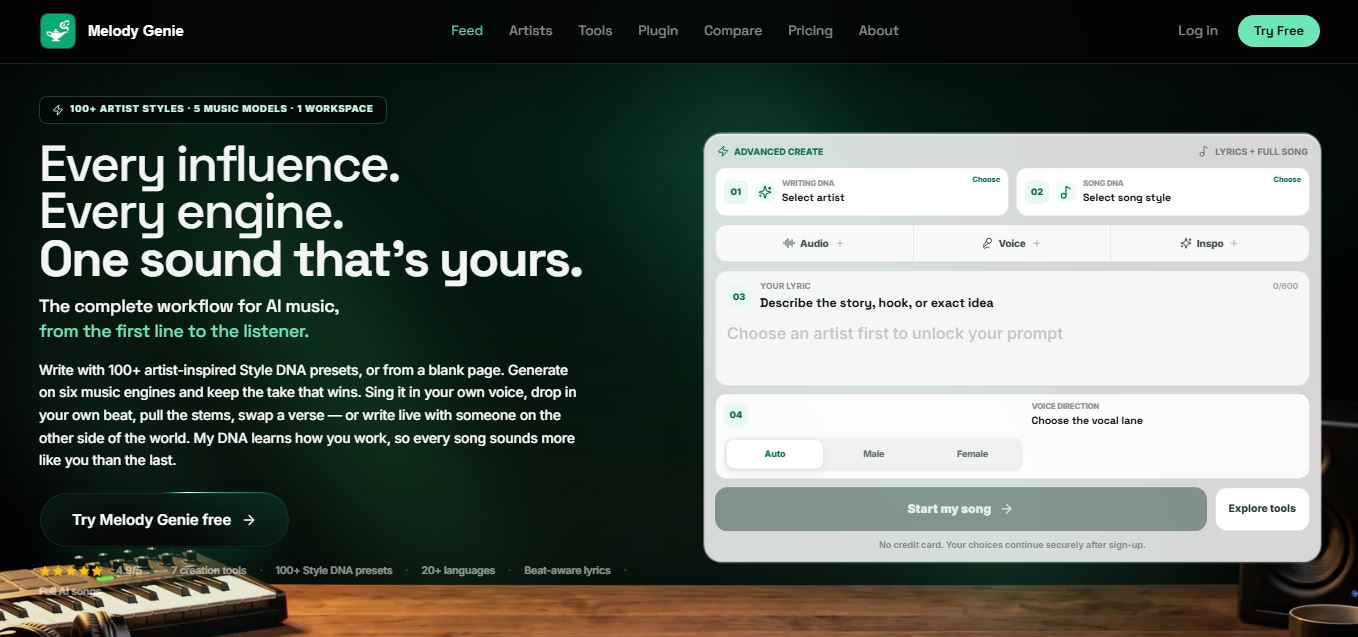
Melody Genie
MelodyGenie is an AI-powered music generator that creates original songs from simple text prompts. Users can choose styles, moods, and genres, then instantly generate melodies and full tracks, making it easy for creators, marketers, and hobbyists to produce custom music without musical expertise.
Freemium
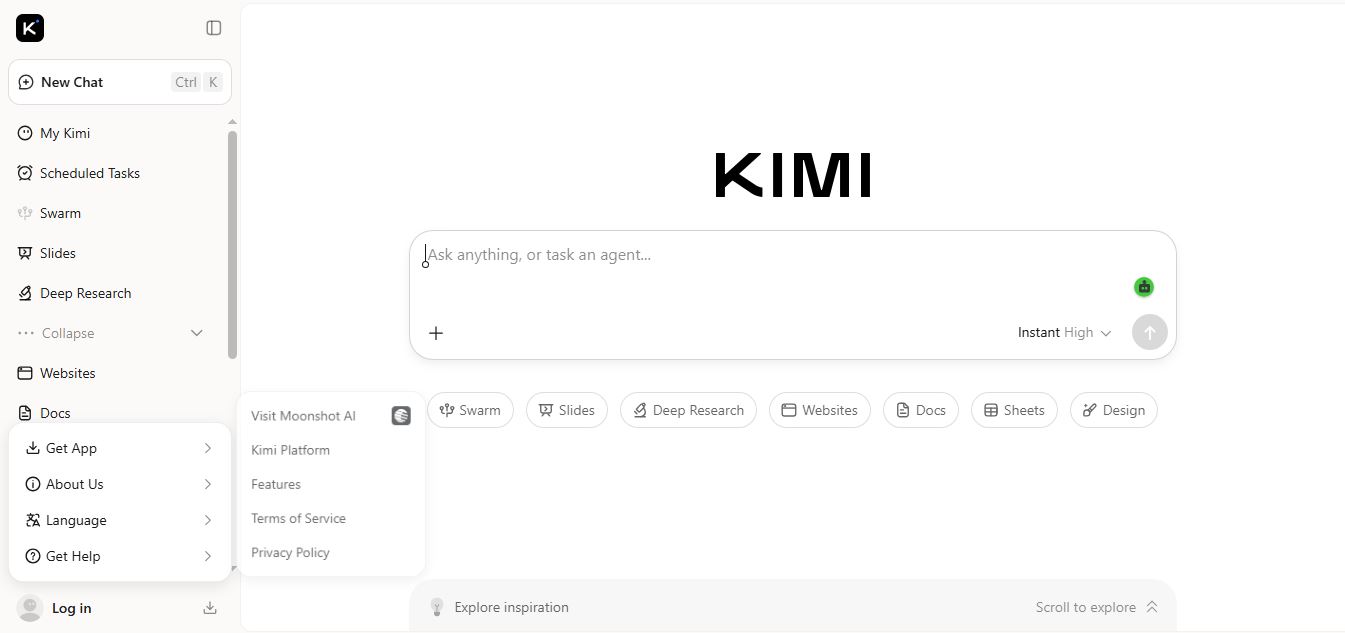
Kimi AI
Kimi AI is an advanced AI assistant developed by Moonshot AI that helps you chat, research, write, code, and automate tasks in one place. It supports web search, file analysis, and multimodal inputs, and can even run autonomous “agent” workflows to complete complex tasks end-to-end.
Freemium

Fashion Diffusion AI
Fashion Diffusion is an AI-powered fashion design platform that helps brands and designers create clothing designs, virtual try-ons, AI models, product photos, and marketing visuals faster and cost-effectively.
Paid
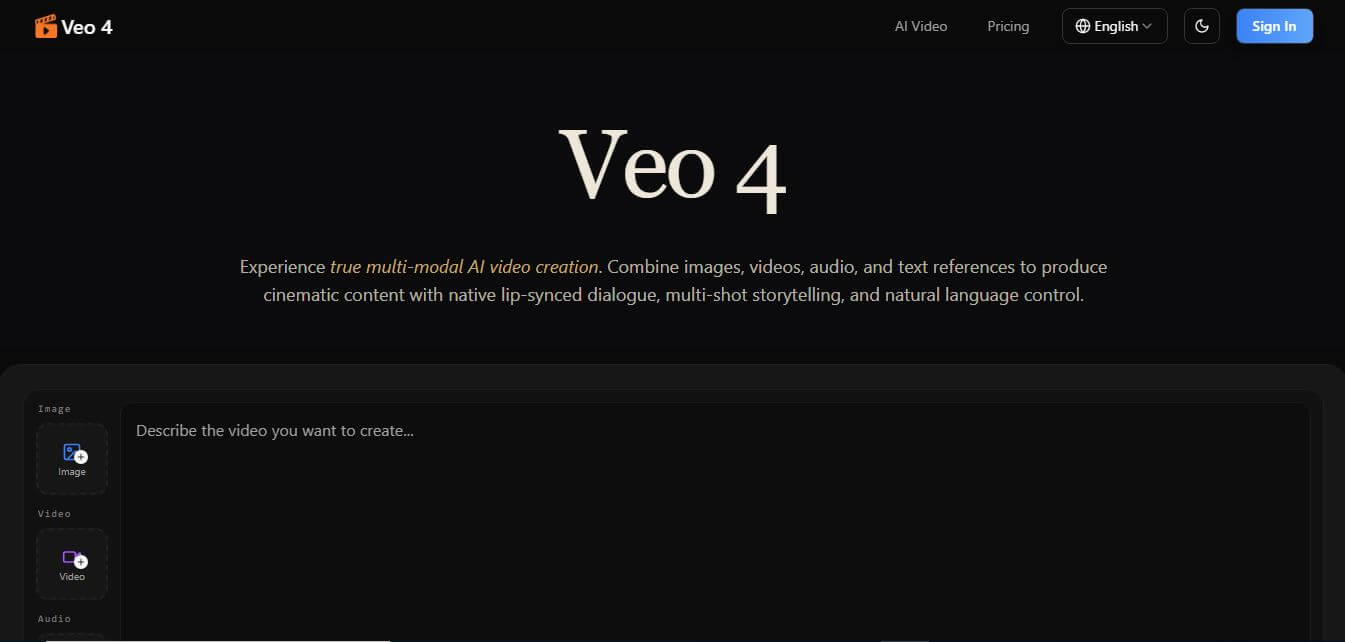
Veo 4
Veo 4 AI is an AI video creation platform that generates dramatic videos from text, images, audio, and video prompts using realistic motion and synchronized sound.
Paid
Alternatives
Alternatives to Briq
The best Briq alternatives include Foundation Software, Procore (Financial Management), KonstructIQ, TracFlo, Autodesk Construction Cloud, and Sage 300 Construction. These platforms provide construction accounting, project management, and cost tracking. While Briq specializes in AI-driven financial orchestration, automated document-to-ERP sync, cash flow forecasting, and custom digital workers (Otto) bridging legacy accounting systems, alternatives like Procore focus broadly on field project management, and Foundation Software provides traditional specialized contractor accounting.
 4.9
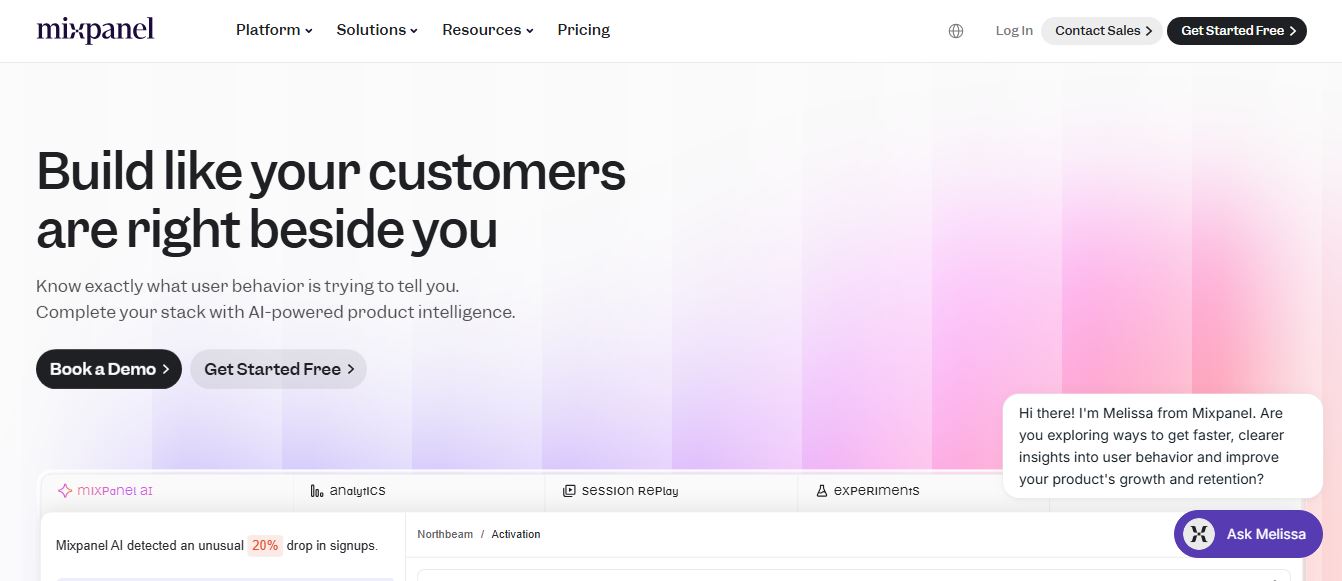
4.9Mixpanel
Project Management
Mixpanel is a product analytics platform that helps businesses track user behavior, analyze engagement, and measure key metrics across apps and websites. It provides real-time insights, funnels, and cohort analysis, enabling teams to understand user journeys and improve retention, conversion, and overall product performance.
 4.9
4.9Amplitude
Project Management
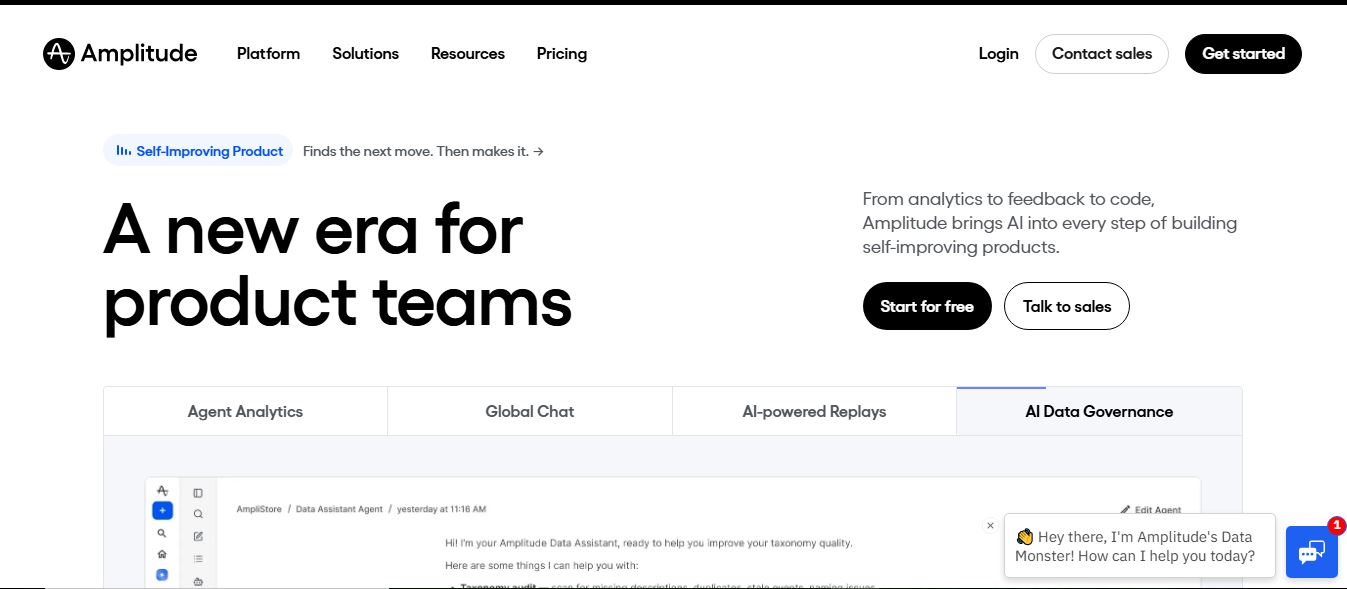
Amplitude is a digital analytics platform that helps businesses track user behavior, measure product performance, and understand customer journeys. It provides insights into how users interact with apps and websites, enabling teams to optimize experiences, improve retention, and drive growth through data-driven decisions.
 4.8
4.8Productboard
Project Management
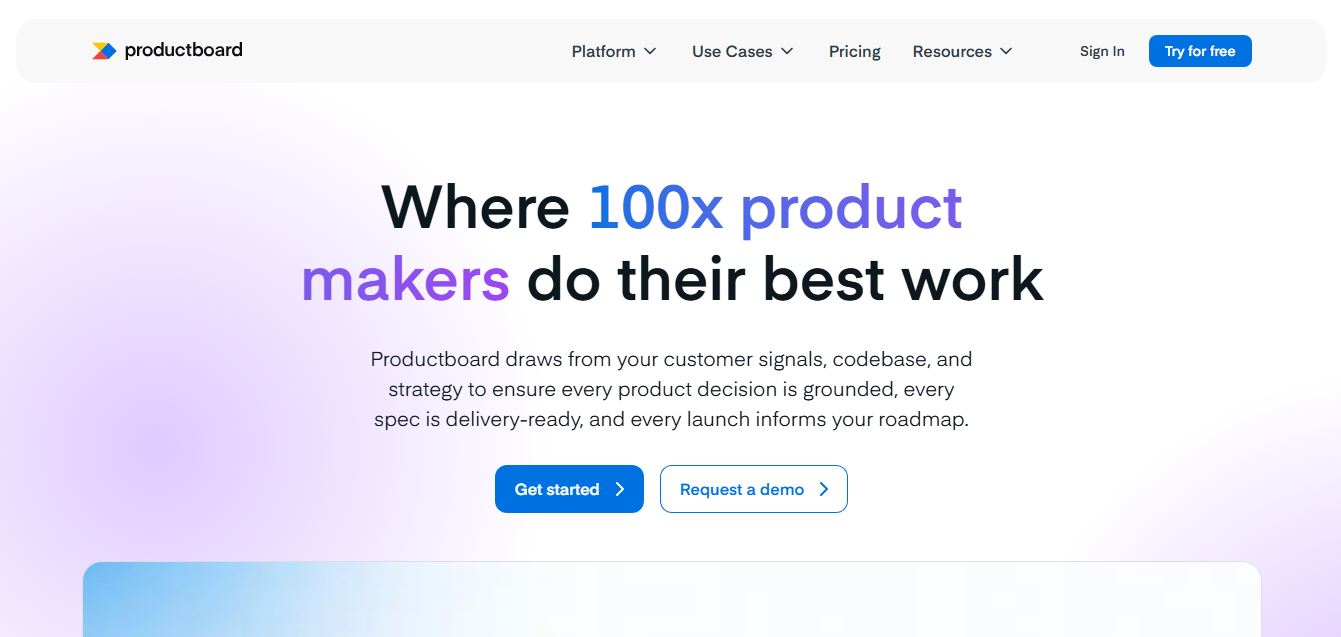
Productboard is a product management platform that helps teams collect user feedback, prioritize features, and plan roadmaps. It centralizes customer insights and aligns teams around what to build next, enabling companies to create products that better meet user needs.
Wrike
Project Management
Wrike is a work management and collaboration platform that helps teams plan projects, assign tasks, track progress, and meet deadlines in one place. It offers dashboards, automation, and reporting tools, making it easier for teams to stay organized, collaborate efficiently, and manage complex workflows at scale.
 4.9
4.9Kroolo
Project Management
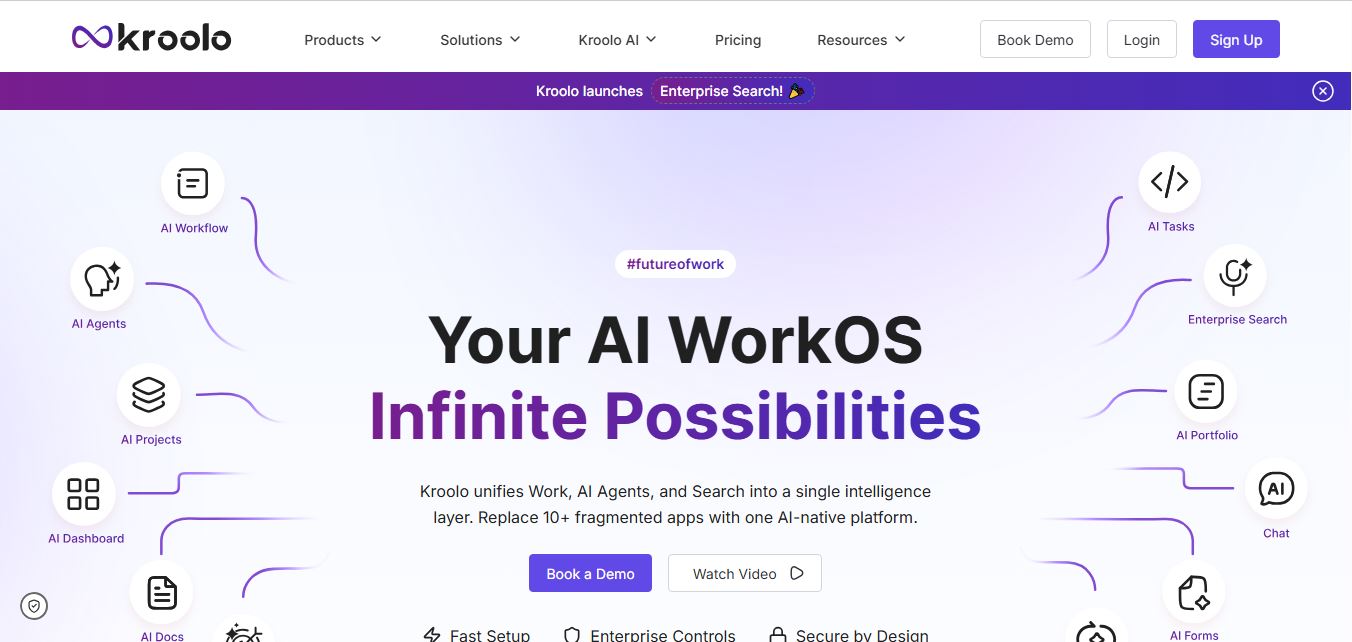
Kroolo is an AI-powered productivity and project management platform that helps teams plan tasks, track progress, and collaborate in one place. It combines project tracking, document management, and AI assistance to streamline workflows, automate routine work, and improve team efficiency across projects.
 4.7
4.7Morgen
Project Management
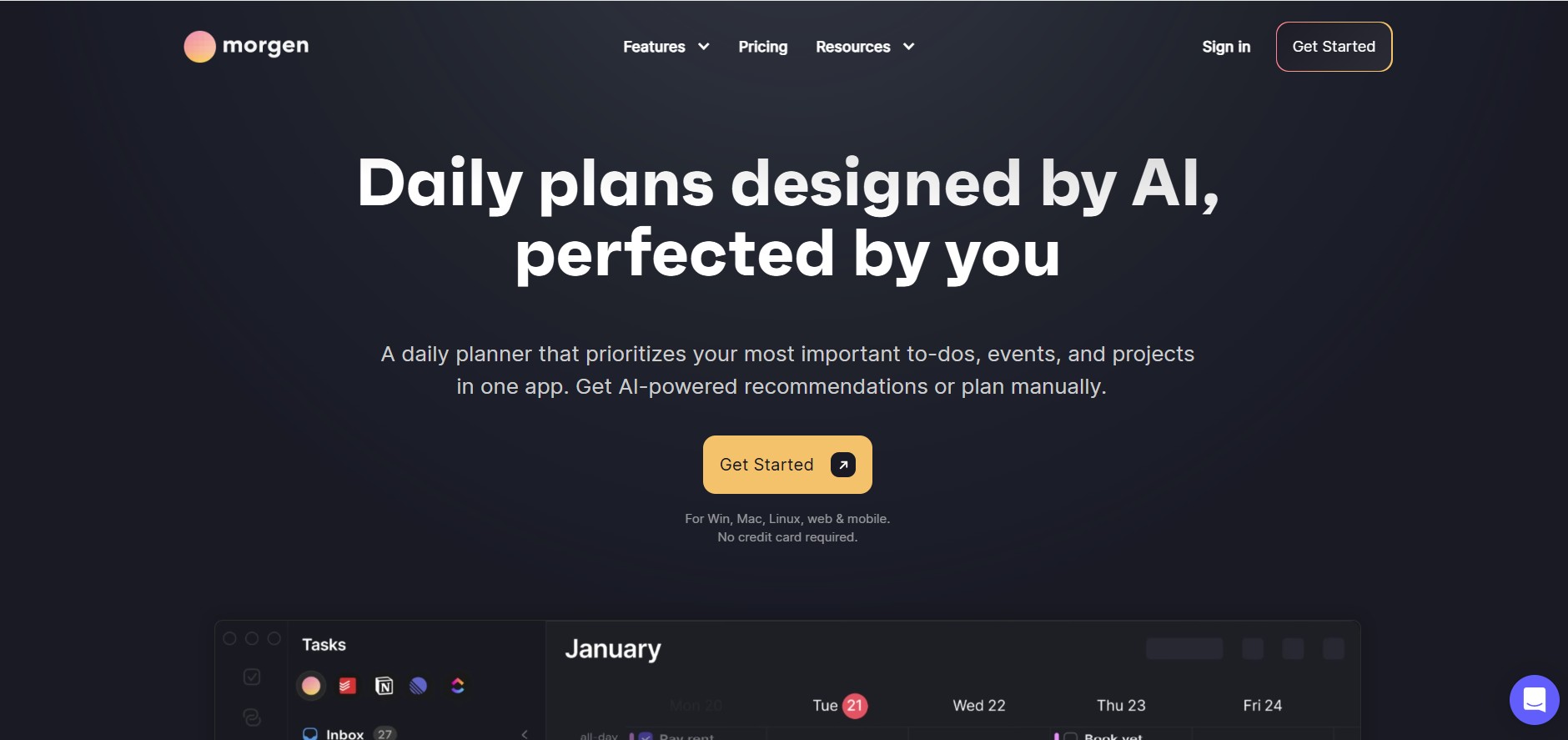
Morgen is a time management desktop and mobile app that unifies multiple calendars, aggregates tasks from third-party tools, and uses AI-driven time-blocking to create structured daily schedules.
 4.9
4.9Todoist
Project Management
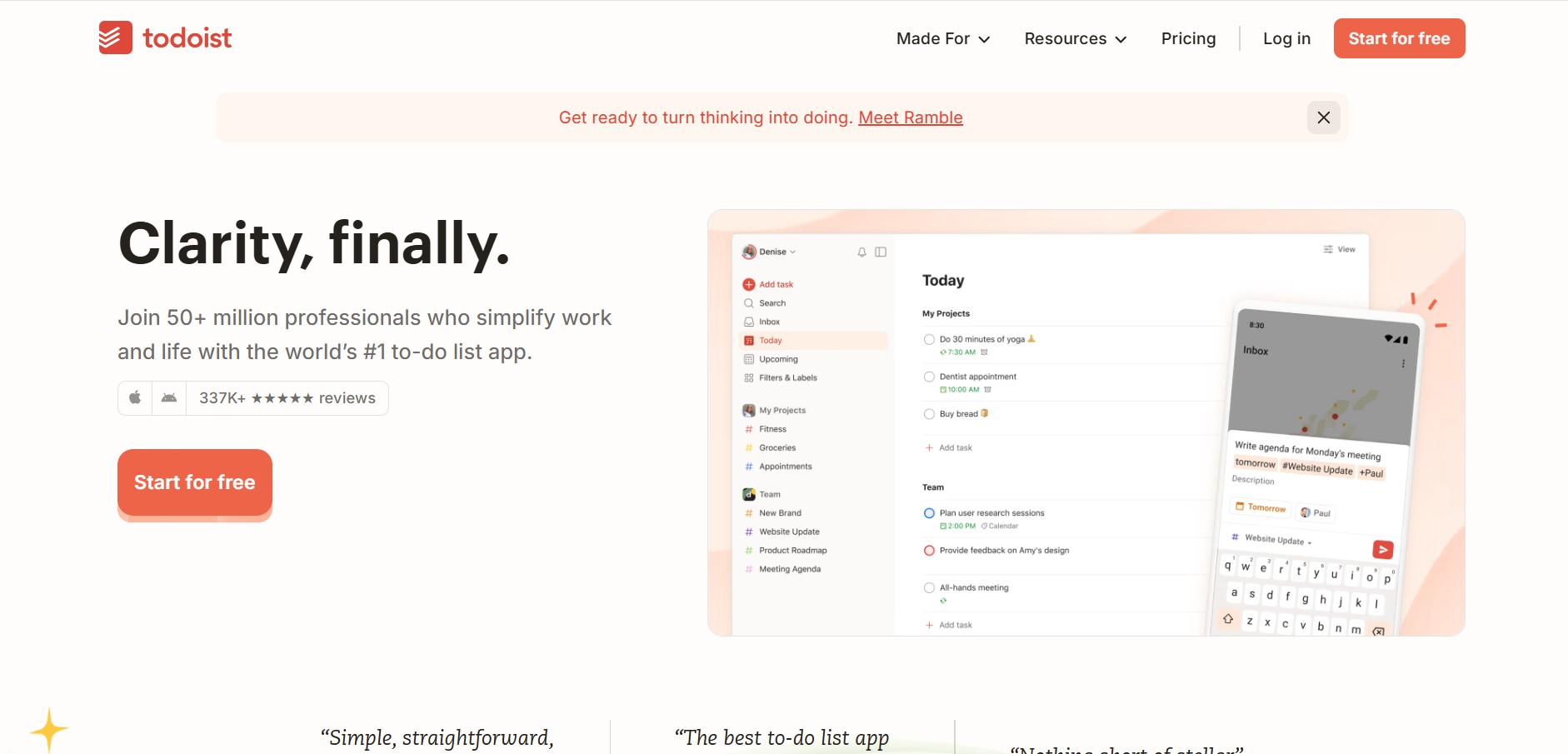
Todoist is a widely popular task management and to-do list application developed by Doist, featuring natural language task creation, sub-tasks, productivity tracking, and multi-platform syncing.
 4.8
4.8Basecamp
Project Management
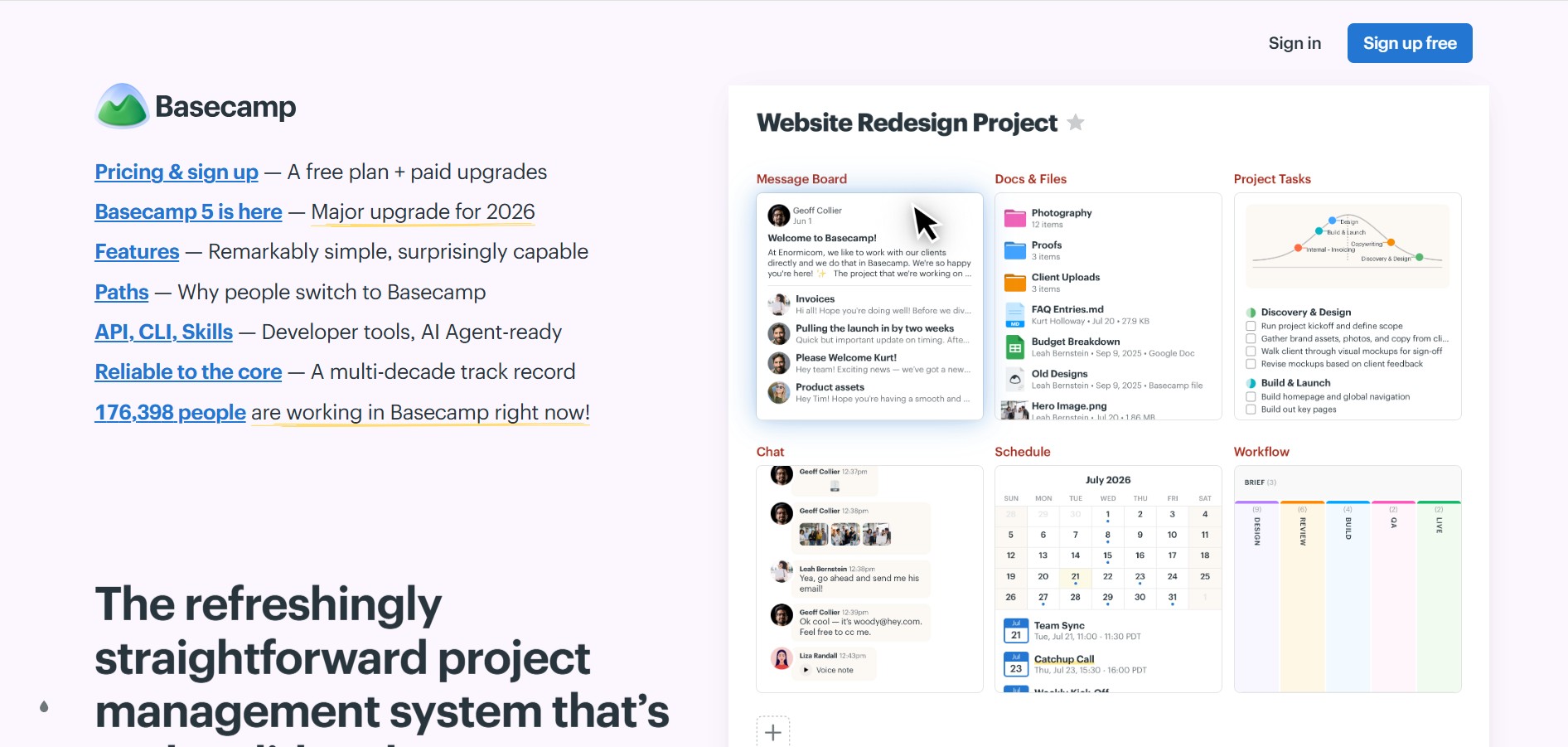
Basecamp is an all-in-one project management and team communication software created by 37signals to organize tasks, discussions, files, and schedules in one centralized platform.
 4.9
4.9Linear
Project Management
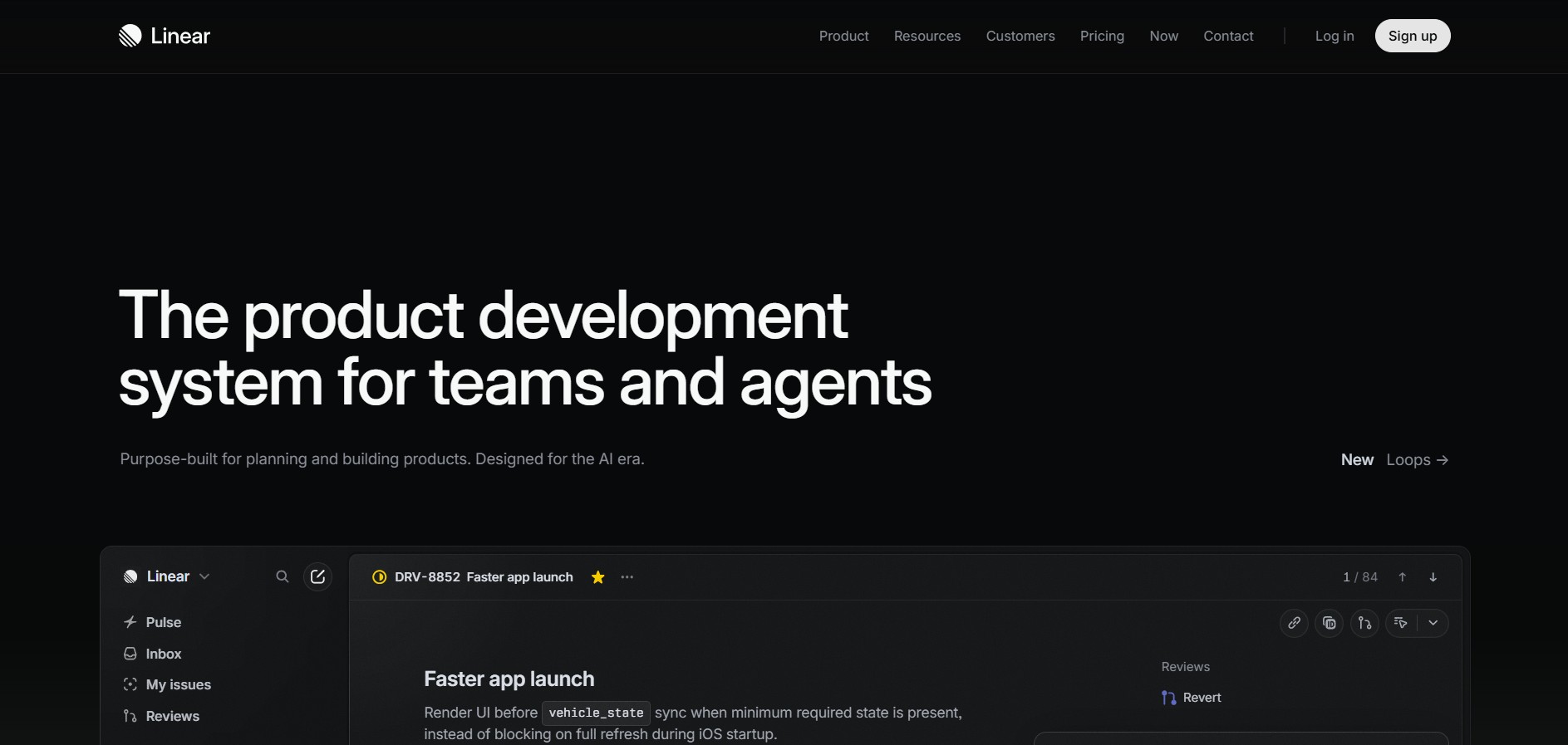
Linear is a high-performance project management and issue tracking software built specifically for software engineering and product development teams.