Appian
Appian is an enterprise AI-powered process orchestration and low-code platform that unifies business process management (BPM), robotic process automation (RPA), intelligent document processing (IDP), data fabric, and autonomous AI agents into an end-to-end automation suite.
What is Appian?
Appian is an enterprise software platform engineered for low-code application development, end-to-end business process orchestration, and intelligent automation. Founded by Matt Calkins, Michael Beckley, Marc Wilson, and Robert Kramer, Appian enables Fortune 500 enterprises, government agencies, and financial institutions to design, automate, and optimize complex mission-critical workflows without the burden of technical debt.
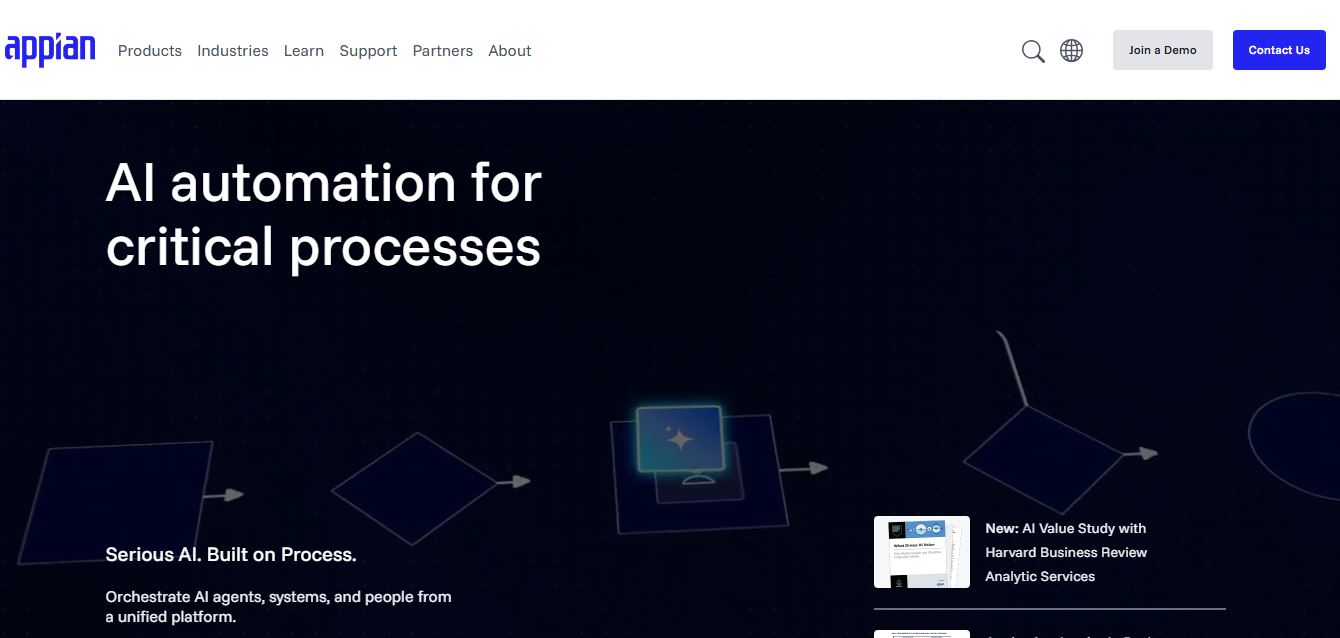
Built around the mission to “Unify AI agents, enterprise systems, and people on a single process orchestration platform,” Appian delivers Business Orchestration and Automation Technologies (BOAT). By pairing a robust enterprise Data Fabric with native Robotic Process Automation (RPA), Intelligent Document Processing (IDP), and generative AI copilots, Appian allows organizations to modernize legacy systems, accelerate digital transformation, and automate complex case management operations.
- Platform Role: Enterprise Low-Code Automation Platform, Business Process Orchestration (BPM/BOAT) & AI Agent Architecture
- Developer & Leadership: Matt Calkins (CEO) & Michael Beckley (CTO), Appian Corporation (McLean, Virginia)
- Deployment Modes: Appian Cloud (AWS-backed), FedRAMP High Cloud, On-Premise, and Hybrid Cloud Deployments
Use Cases:
- Orchestrating end-to-end customer and vendor onboarding workflows across banking, insurance, and supply chain enterprises
- Extracting structured data from invoices, claim forms, and contracts automatically via Intelligent Document Processing (IDP)
- Automating legacy system data transfers with native low-code Robotic Process Automation (RPA) bots and pre-built API integrations
- Deploying specialized AI agents to analyze incoming customer cases, draft responses, and suggest triage workflows under human oversight
- Modernizing public sector procurement, contract writing, and federal acquisition management with compliance-certified frameworks
Technology:
- Patented Appian Data Fabric unifying distributed databases, ERPs, and CRMs into a virtualized, real-time semantic data model without data migration
- Comprehensive BOAT architecture combining BPM, RPA, process mining, rule engines, and API integrations in a single runtime
- Generative AI & Agentic AI orchestration layer supporting private LLMs, automated workflow generation, and AI-assisted development
- Mission-critical security architecture certified under FedRAMP High, HIPAA, SOC 2 Type II, ISO 27001, and PCI DSS
Target Users:
- Enterprise IT leaders and Chief Information Officers (CIOs) modernizing legacy application stacks and reducing technical debt
- Operations and compliance directors in financial services, insurance, and life sciences requiring auditable process automation
- Citizen and professional software developers building multi-experience enterprise applications with visual low-code tools
- Government program managers running secure federal acquisition, eProcurement, and judicial case management operations
Acquisition: Publicly traded global enterprise software company headquartered in McLean, Virginia
What are the key features of Appian?
Appian's key platform features are
- Enterprise Data Fabric: Connects disparate data silos across Salesforce, SAP, Oracle, and internal databases into a unified virtualized view with zero data movement.
- Visual Low-Code Process Modeler: Intuitive drag-and-drop workflow designer complying with BPMN standards to model complex business logic and approvals.
- AI Agents & Generative Copilots: Embeds domain-specific autonomous AI agents to parse unstructured cases, summarize files, and assist in low-code app creation.
- Native Robotic Process Automation (RPA): Automates repetitive manual tasks across legacy desktop software and web interfaces with centralized bot orchestration.
- Appian DocCenter (IDP): AI-powered intelligent document processing classifying forms, extracting key-value pairs, and routing exceptions to human reviewers.
- Process Mining & Intelligence: Discovers process bottlenecks, analyzes real-time organizational performance, and recommends optimization paths.
- Case Management Studio: Modular workspace framework tailored for complex investigation handling, service tickets, and legal proceedings.
- The Appian Guarantee: Dedicated enterprise deployment framework guaranteeing rapid delivery of production-ready projects in just eight weeks.
How much does Appian cost?
Appian operates on an enterprise B2B licensing model with flexible pricing tiers based on deployment scope, user volume, and automation capacity.
Community & Developer Access:
- Appian Community Edition ($0 / Free): Free cloud sandbox environment for developers and architects to learn, design, build, and test low-code applications.
Enterprise Licensing:
- Standard User & Infrequent User Pricing: User-based monthly or annual licensing structured across internal employees, external users, and occasional approval participants.
- Application-Based & Platform Pricing: Custom enterprise proposals scaled by specific business solutions (e.g., Connected Underwriting, Federal Acquisition) or organization-wide unlimited platform access.
- Enterprise Quotes: Requires a direct consultation with Appian sales or certified implementation partners at appian.com/pricing.
Disclaimer: Developers can access free sandboxes via the Appian Community. Production enterprise licensing is tailored to deployment size, user concurrency, and specific industry solution modules.
Who should use Appian?
Appian is designed for enterprise organizations, IT leaders, and government departments, including
- Global Banks & Wealth Managers: Automating KYC/AML checks, loan origination, and transaction dispute routing with full auditability.
- Insurance Providers: Streamlining end-to-end policy underwriting, claim intake, and settlement operations.
- Government & Defense Agencies: Managing military logistics, federal grant awards, and regulatory investigations within secure FedRAMP High cloud environments.
- Healthcare & Life Sciences Organizations: Managing clinical trials, pharmacovigilance reports, and patient onboarding under HIPAA-compliant safeguards.
What are the best alternatives to Appian?
Some of the strongest Appian alternatives include
- Pegasystems (Pega Platform)
- ServiceNow (Now Platform)
- Microsoft Power Apps / Power Automate
- OutSystems
- Mendix (Siemens)
- UiPath (Business Automation Platform)
What are the pros and cons of Appian?
What are the pros of Appian?
- Data Fabric technology allows developers to connect legacy databases and cloud silos without moving underlying records
- Unifies BPM, RPA, IDP, and AI agents into a single cohesive platform rather than requiring multiple disjointed software vendors
- Elite enterprise security credentials, including FedRAMP High authorization, making it suitable for defense and banking
- Rapid deployment speed backed by the Appian Guarantee (first application delivered in 8 weeks)
- High-performance mobile and web user interfaces generated automatically from single visual low-code definitions
What are the cons of Appian?
- Enterprise pricing structure represents a significant investment, making it unfeasible for small businesses or startups
- Initial platform architecture and SAIL expression language require formal training and certified developers to maximize efficiency
- Overkill for simple CRUD utilities or lightweight internal tools better suited for lightweight no-code builders
Why should you choose Appian?
Enterprise digital transformation initiatives frequently stall because organizations attempt to stitch together separate tools for workflow design, RPA bots, OCR scanning, and database reporting. Appian solves this complexity by providing a unified Business Orchestration and Automation Technology (BOAT) ecosystem. By combining people, AI agents, and legacy systems through a virtual Data Fabric, Appian delivers reliable, audit-ready operational efficiency across the entire organization.
- Unify fragmented IT data silos with a high-performance, virtual Data Fabric
- Orchestrate human workers, AI agents, and RPA bots within unified BPMN-compliant workflows
- Automate document processing and invoice ingestion with built-in DocCenter AI models
- Deploy mission-critical applications confidently with world-class FedRAMP and SOC 2 security compliance
How does Appian compare to competitors?
The primary distinction between Appian, Pegasystems, ServiceNow, and Microsoft Power Platform lies in architectural unification and data integration. While Pegasystems focuses on enterprise rule-driven customer engagement and ServiceNow centers around IT service management (ITSM), Appian stands out with its low-code Data Fabric, native fusion of RPA and BPM, and deep public sector compliance credentials.
| Feature / Platform | Appian | Pegasystems (Pega) | ServiceNow | Microsoft Power Platform |
|---|---|---|---|---|
| Core Focus | Process Orchestration, Data Fabric & Low-Code | Enterprise Decisioning, CRM & BPM | Enterprise Service Workflows (ITSM/ESM) | Low-Code Apps & Office 365 Automation |
| Data Integration Tech | Appian Data Fabric (Zero-migration virtualization) | Live Data & Integration Hub | Integration Hub & CMDB | Dataverse & Power Platform Connectors |
| Process Automation (BOAT) | Unified BPM, RPA, IDP & Process Mining | Heavy enterprise rules & case management | IT/HR service process automation | Power Automate flows & desktop RPA |
| Public Sector Security | FedRAMP High & DoD IL5 Cloud Authorizations | FedRAMP Authorized | FedRAMP High / Government Cloud | Azure Government & FedRAMP High |
| Target Market | Global Fortune 500 & Public Sector Enterprises | Global 2000 Financial & Telecom Giants | Mid-to-Large Enterprise Service Desks | SMB to Enterprise Microsoft 365 Users |
| Best For | End-to-end process orchestration and unified data virtualization | Predictive decisioning and complex CRM rules | Standardizing IT, HR, and facility service requests | Rapid citizen development inside Microsoft ecosystems |
How do we rate Appian?
| Parameter | Rating (out of 5) |
|---|---|
| Process Orchestration & BOAT Architecture | 5.0 |
| Enterprise Data Fabric & Silo Unification | 4.9 |
| Security, Governance & Compliance | 5.0 |
| Low-Code Speed & Developer Tooling | 4.8 |
| Value for Enterprise Investment | 4.7 |
| Overall Score | 4.88 |
What is our review and verdict on Appian?
Appian stands as a premier market leader in enterprise low-code development and hyperautomation. By eliminating data integration headaches with its patented Data Fabric and embedding AI agents directly within auditable, BPMN-compliant workflows, Appian provides large enterprises with a reliable foundation for modernization. For organizations needing to orchestrate complex operations, manage regulated casework, and automate document flows at scale, Appian delivers exceptional enterprise value.
Conclusion
Appian successfully redefines enterprise software engineering by uniting low-code development, process automation, and artificial intelligence into a singular operating canvas. With its industry-leading Data Fabric, robust public sector compliance, and comprehensive BOAT capabilities, Appian remains an essential platform for enterprises modernizing for the AI era.
FAQ
What is Appian and what does it actually do?
Appian is an AI-powered process automation platform that helps enterprises design, automate, and optimize complex business workflows. It connects people, systems, and data into a single environment so organizations can streamline operations like onboarding, compliance, procurement, and customer service at scale.
How is Appian different from traditional workflow or RPA tools?
Unlike standalone RPA or workflow tools, Appian combines process orchestration, AI, data integration, and automation into one unified platform. This means businesses don’t need separate tools for automation, analytics, and application development, as everything is managed in a single system with built-in governance and scalability.
What are the key features of Appian?
Appian offers features like process orchestration, low-code app development, AI agents, robotic process automation (RPA), data fabric, and process intelligence. These capabilities allow organizations to automate workflows, unify data across systems, monitor performance, and continuously improve operations from one platform.
How does Appian use AI in business processes?
Appian embeds AI directly into workflows rather than treating it as a separate tool. It uses AI for tasks like document processing, decision support, predictive insights, and automation of complex workflows through AI agents, ensuring that intelligence, automation, and human decisions work together seamlessly.
Can Appian build applications without coding?
Yes, Appian is a low-code platform that allows users to build applications using visual tools and minimal coding. It also includes AI-assisted development features like Composer, which can turn business requirements into working applications, speeding up development and reducing reliance on large engineering teams.
What are the main use cases of Appian?
Appian is widely used in industries like finance, insurance, public sector, and healthcare for use cases such as customer onboarding, compliance (KYC/AML), claims processing, procurement automation, and case management. It is especially suited for complex, regulated processes that require accuracy, transparency, and auditability.
Who should use Appian?
Appian is ideal for large enterprises, government organizations, and teams that need to automate complex workflows across multiple systems. It’s particularly valuable for operations, IT, and compliance teams that want to reduce manual work, improve efficiency, and maintain strict governance over processes.
User Reviews
No reviews yet for Appian.
Featured Tools
Featured AI tools from TechShark
Melody Genie
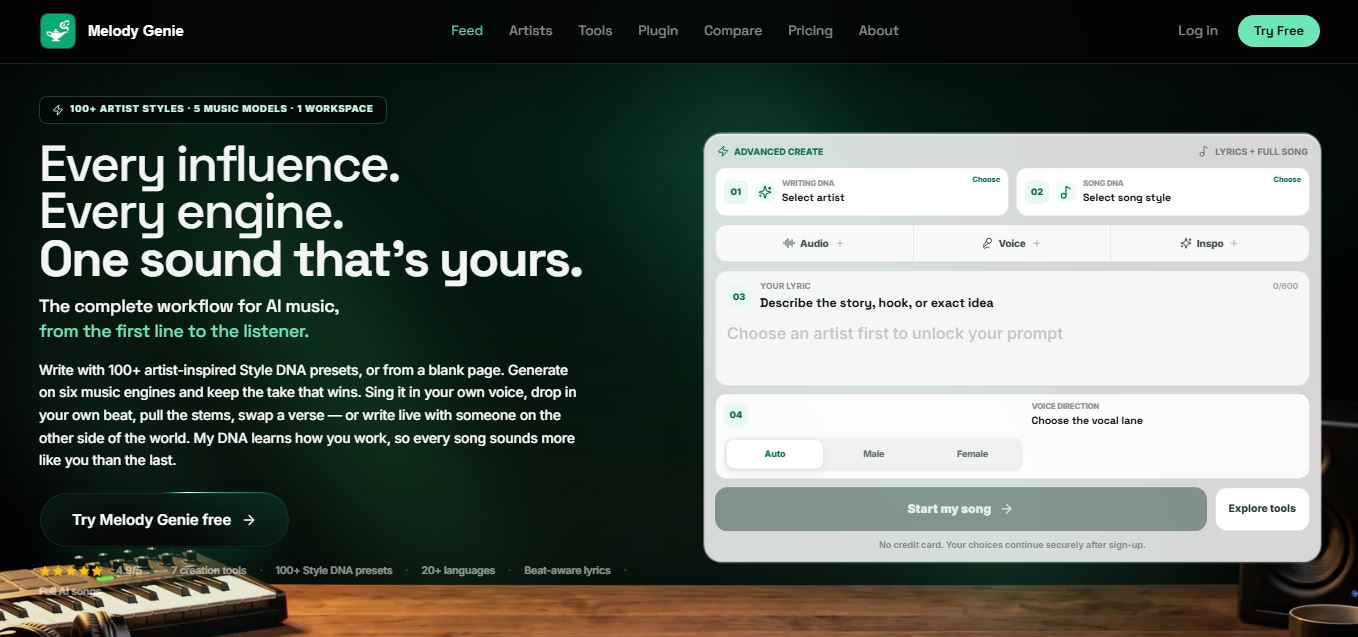
MelodyGenie is an AI-powered music generator that creates original songs from simple text prompts. Users can choose styles, moods, and genres, then instantly generate melodies and full tracks, making it easy for creators, marketers, and hobbyists to produce custom music without musical expertise.
Freemium
Kimi AI
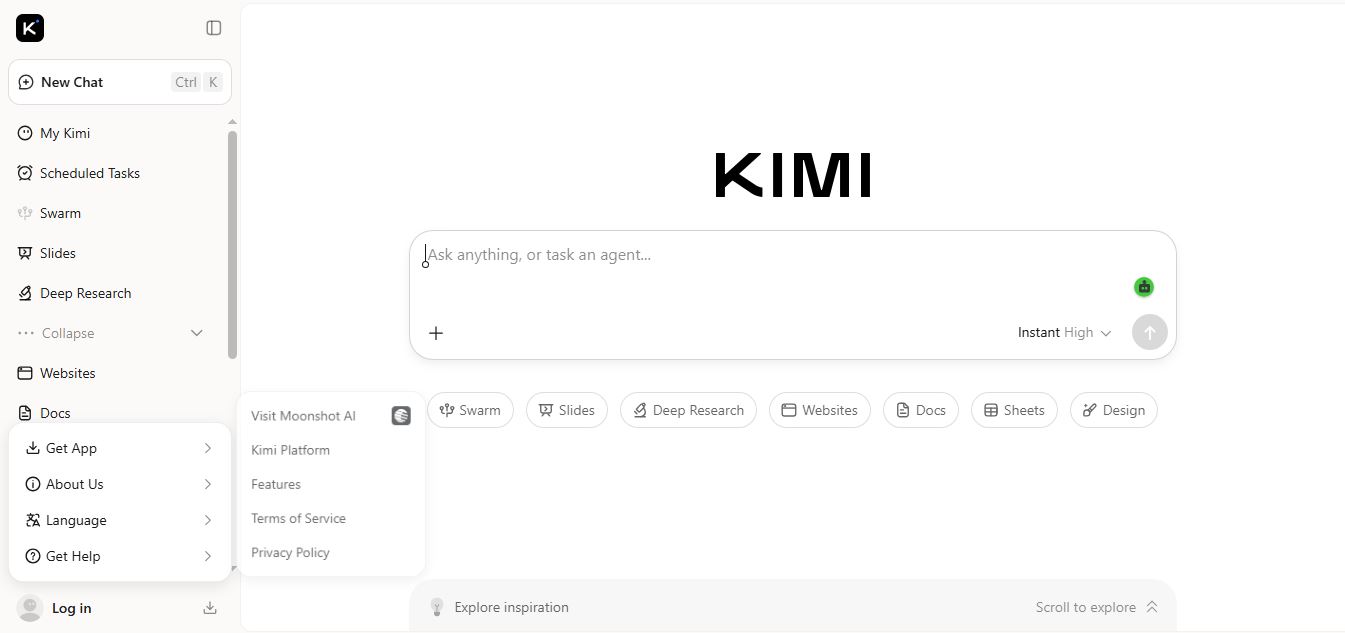
Kimi AI is an advanced AI assistant developed by Moonshot AI that helps you chat, research, write, code, and automate tasks in one place. It supports web search, file analysis, and multimodal inputs, and can even run autonomous “agent” workflows to complete complex tasks end-to-end.
Freemium
Fashion Diffusion AI
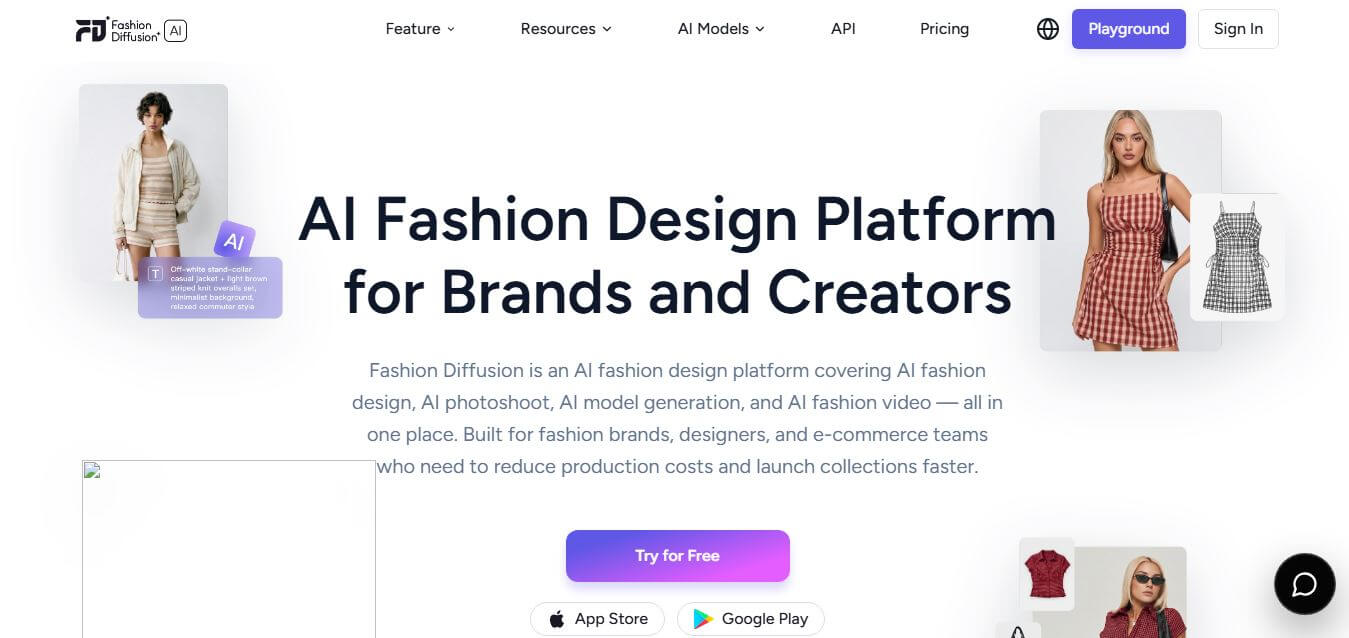
Fashion Diffusion is an AI-powered fashion design platform that helps brands and designers create clothing designs, virtual try-ons, AI models, product photos, and marketing visuals faster and cost-effectively.
Paid
Veo 4
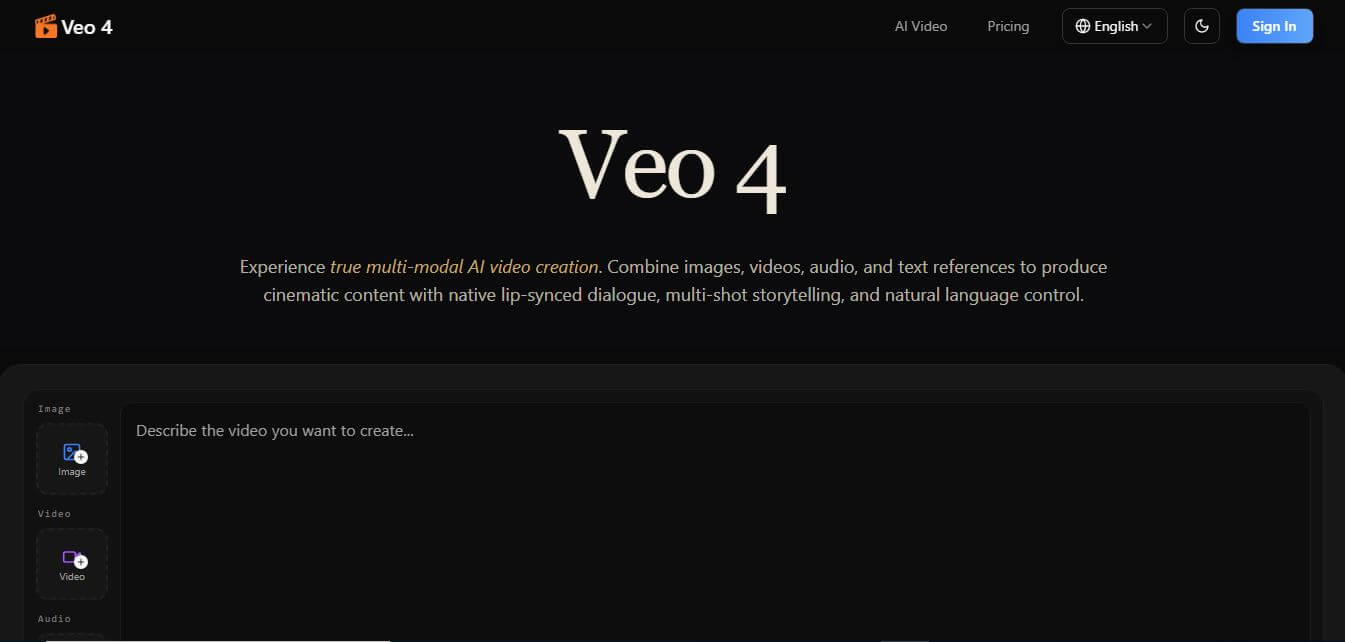
Veo 4 AI is an AI video creation platform that generates dramatic videos from text, images, audio, and video prompts using realistic motion and synchronized sound.
Paid
Alternatives
Alternatives to Appian
The best Appian alternatives include Pegasystems (Pega Platform), ServiceNow, Microsoft Power Apps, OutSystems, and Mendix. While Appian excels in unifying data silos with its patented Data Fabric and combining BPM, RPA, and IDP into a single Business Orchestration and Automation Technology (BOAT) platform with FedRAMP High security, alternatives like ServiceNow focus on IT service desks and Microsoft Power Platform targets Office 365 environments.
 4.9
4.9GPT Engineer
Low-code/No-code
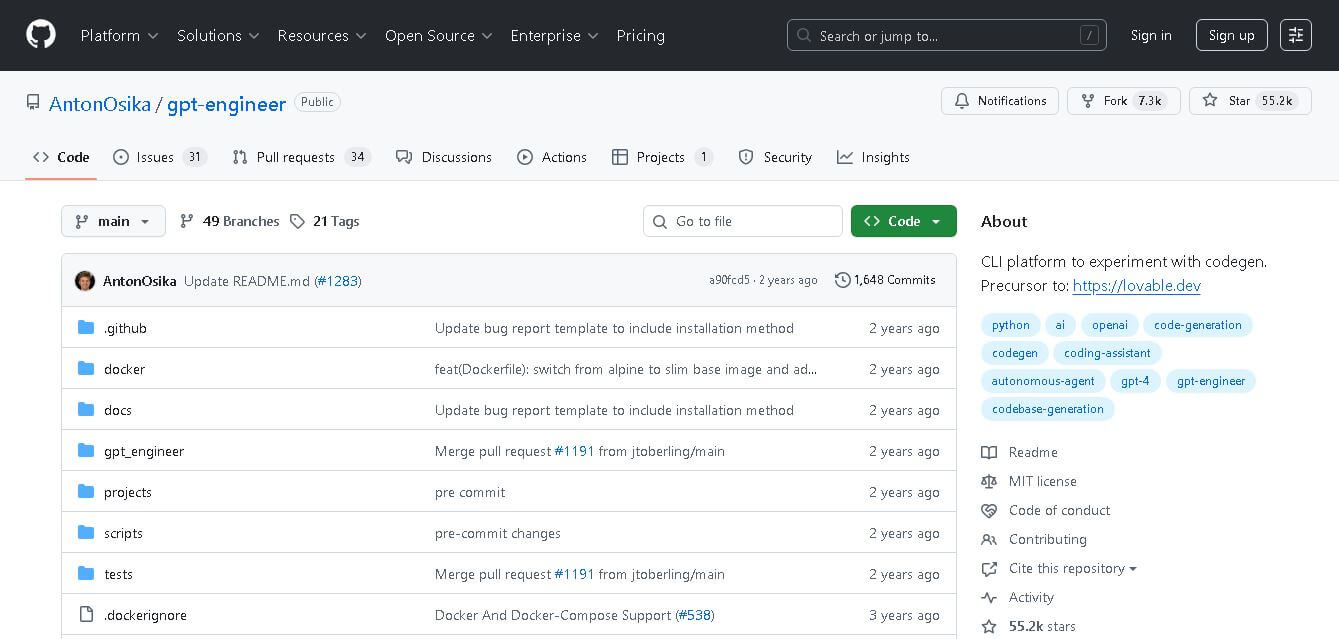
GPT Engineer is an open-source AI coding framework that helps developers generate and improve software from natural-language instructions. It works through a command-line workflow, allowing users to provide project requirements, generate code, execute development steps, and request changes. It also supports customizable prompts, vision-capable models, alternative model providers, Docker, and benchmarking workflows.
Klarent
Low-code/No-code
Klarent (by Fore AI) is an autonomous, AI-powered, no-code QA test automation platform designed to create, execute, and self-heal end-to-end tests for web, native iOS, Android, and cross-platform applications.
 4.8
4.8Glif
Low-code/No-code
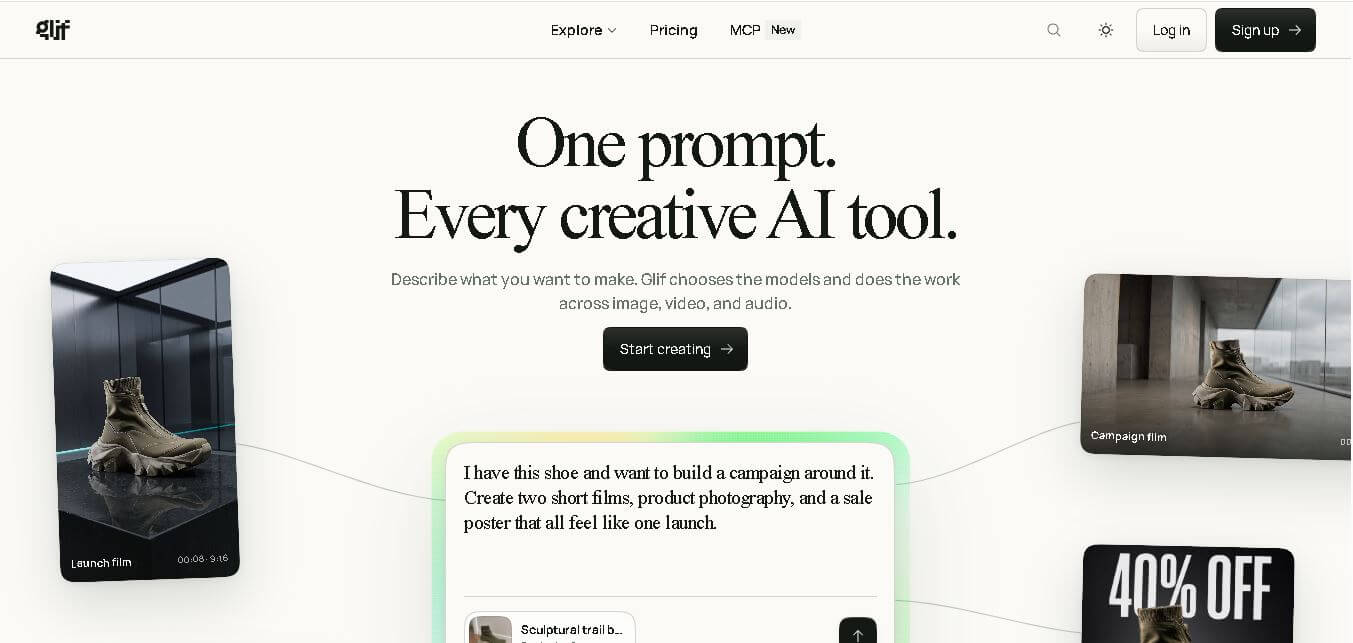
Glif is a conversational creative AI tool for generating images, videos, audio, text, advertisements, product visuals, social media content, and more. It selects suitable AI models and tools based on your request, allowing creators and marketers to develop complete creative projects without manually managing multiple AI platforms or complicated production workflows.
 4.8
4.8Visily AI
Low-code/No-code
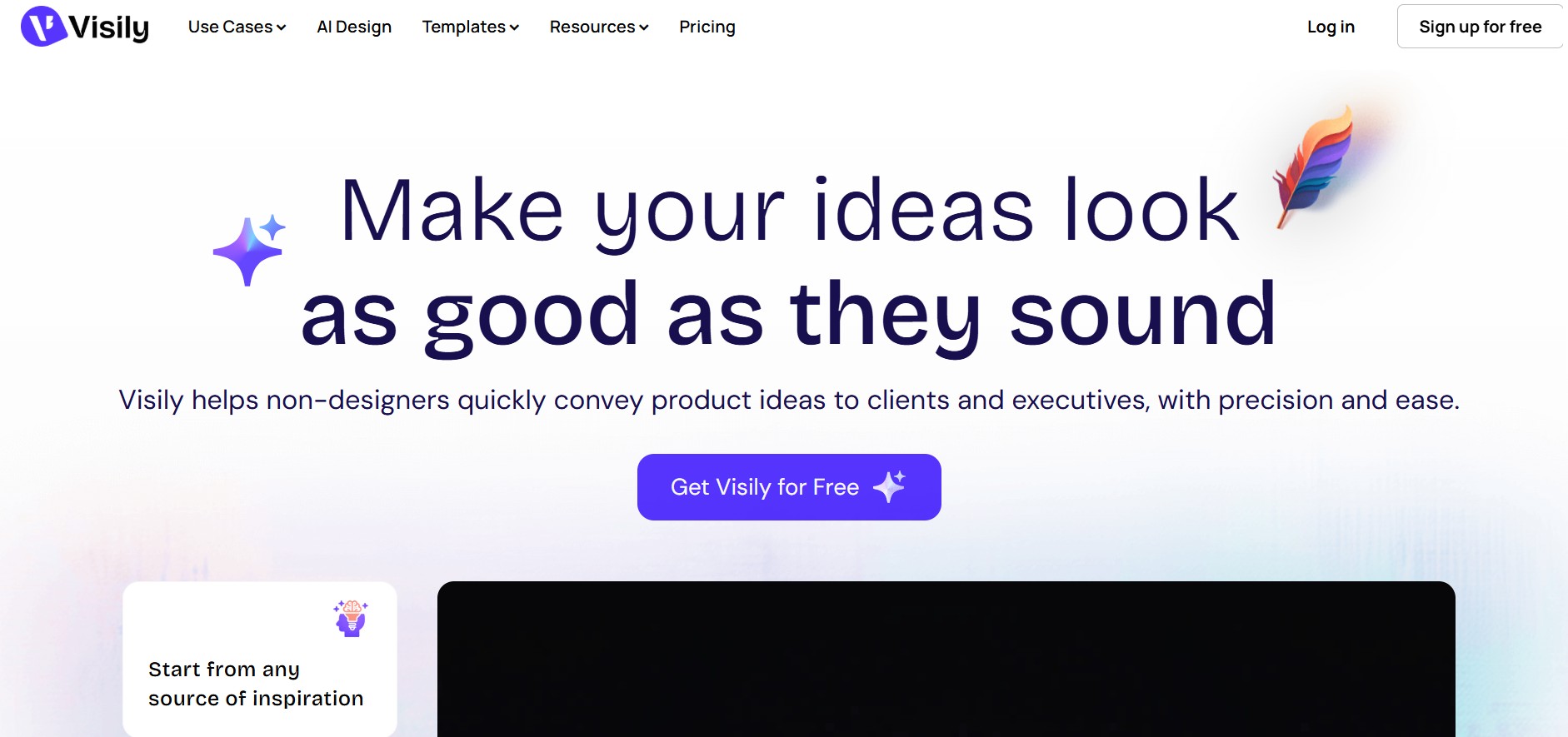
Visily helps teams transform ideas into editable UI designs, wireframes, mockups, diagrams, and prototypes using AI, templates, screenshots, and text prompts. Its collaborative canvas makes it easier for non-designers and product teams to visualize concepts, gather feedback, refine interfaces, and prepare designs for developer or Figma handoff without requiring advanced design skills.
 4.9
4.9Anakin AI
Low-code/No-code
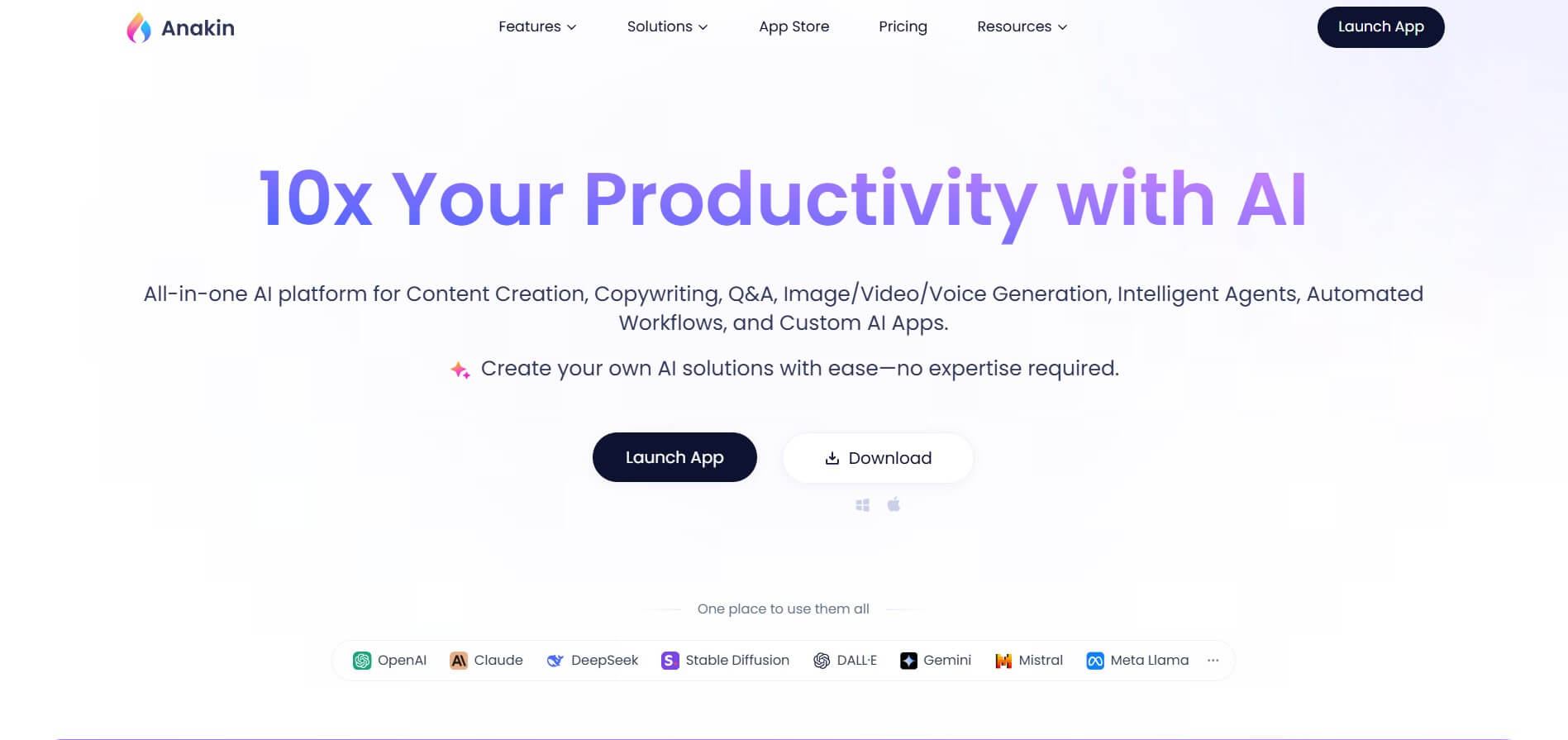
Anakin AI is an all-in-one no-code AI platform and app builder that unifies 1,000+ pre-built AI applications, drag-and-drop workflow automation, batch processing, and multi-model access (OpenAI, Claude, DeepSeek, Gemini, and Grok) under a single interface.
 4.8
4.8Figma Sites
Low-code/No-code
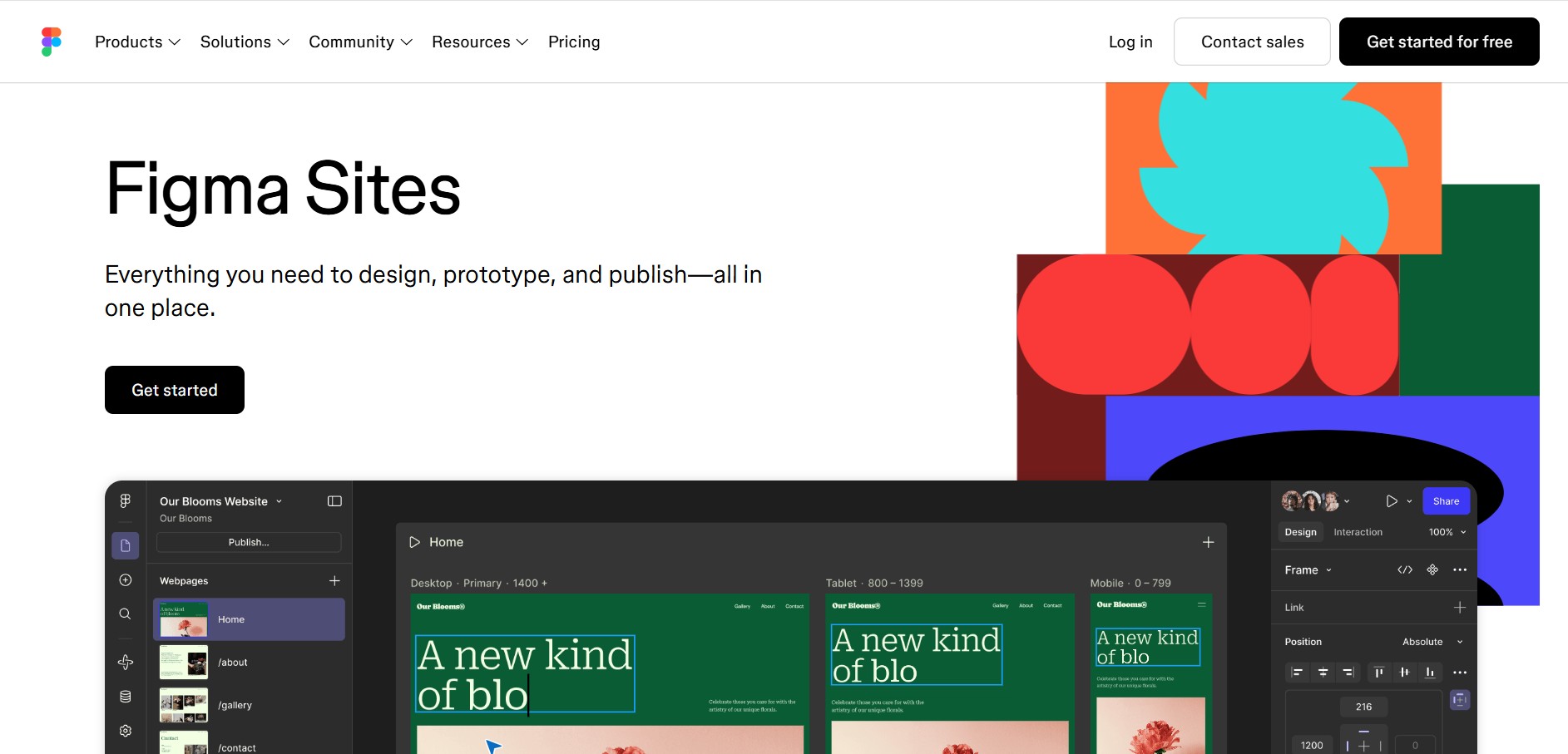
Figma Sites helps designers create, customize, and publish responsive websites directly from the Figma ecosystem. You can reuse existing designs, apply responsive layouts, add interactions, manage website content through CMS, and customize experiences with code or AI. It is especially useful for portfolios, landing pages, business websites, events, and creative projects.
 4.7
4.7Base44 Builder
Low-code/No-code
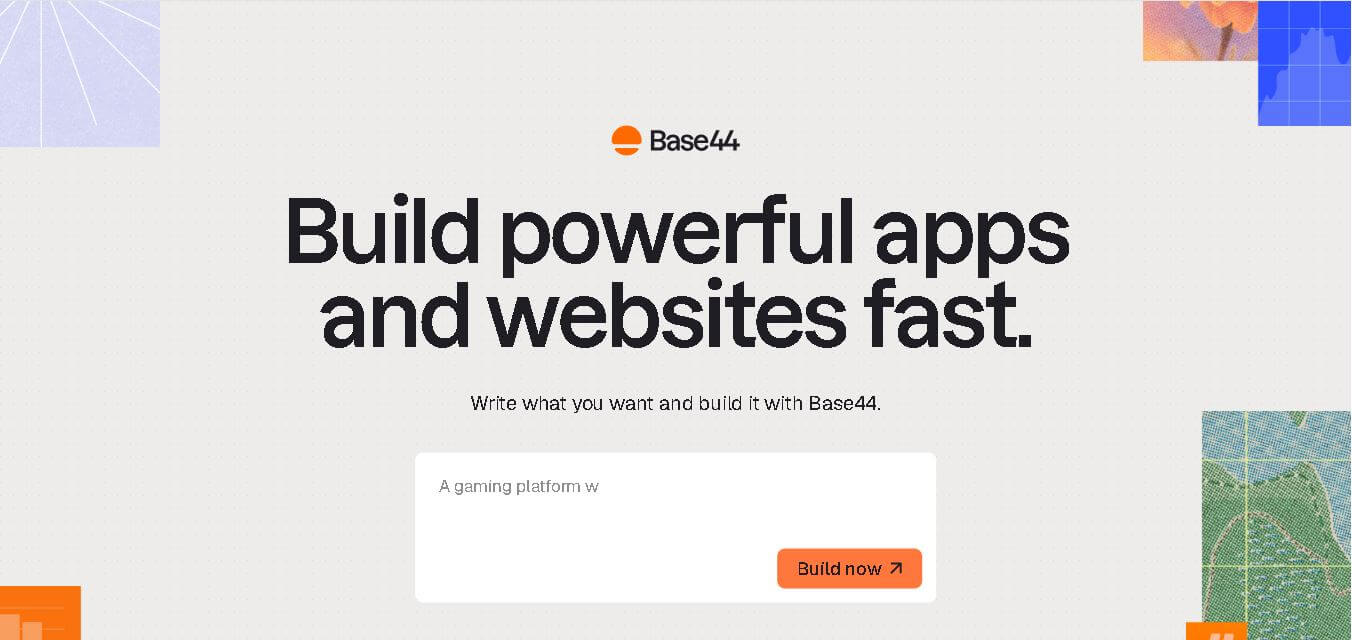
Base44 is a no-code application builder that helps individuals and teams transform ideas into functional apps, websites, and AI agents through simple text prompts. It combines design, hosting, authentication, databases, integrations, and deployment into one workspace, allowing users to build, test, refine, and launch digital products without complex technical setup.
 4.8
4.8WeWeb
Low-code/No-code
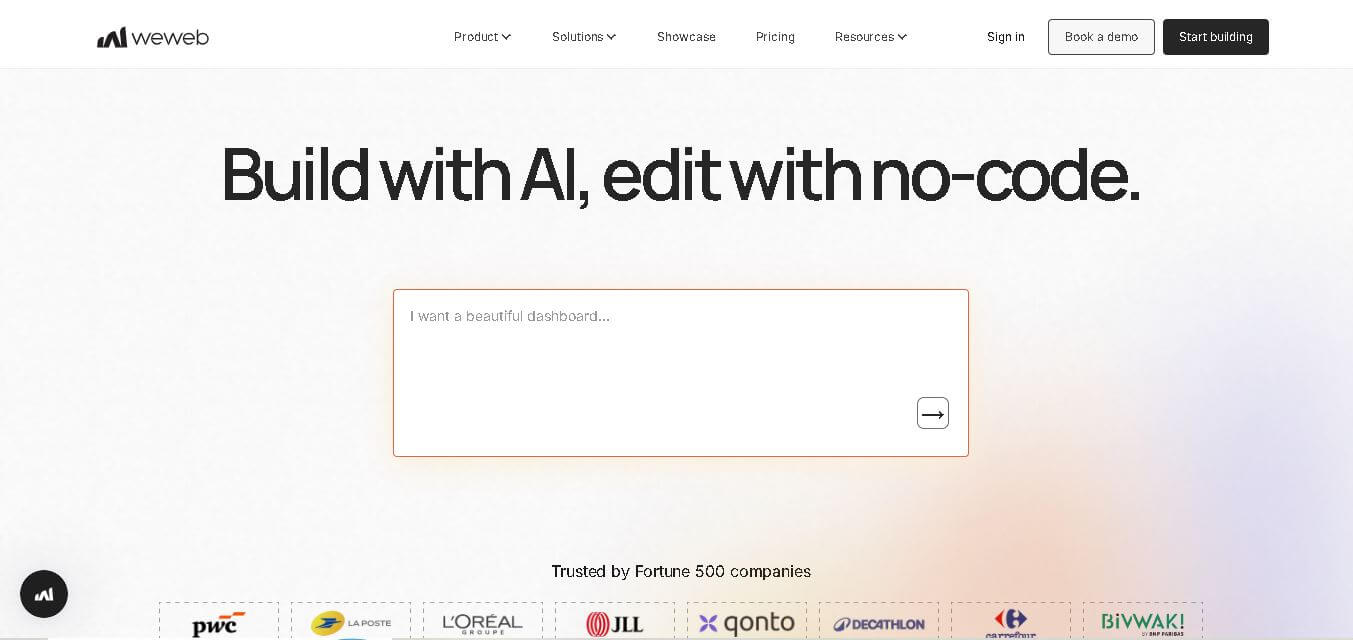
WeWeb is a visual web application builder that enables users to create responsive, production-ready applications without extensive coding. It combines drag-and-drop development, AI-assisted workflows, API integrations, and code export, making it suitable for startups, enterprises, agencies, and developers building custom business applications with complete frontend flexibility.
 4.8
4.8Dust
Low-code/No-code
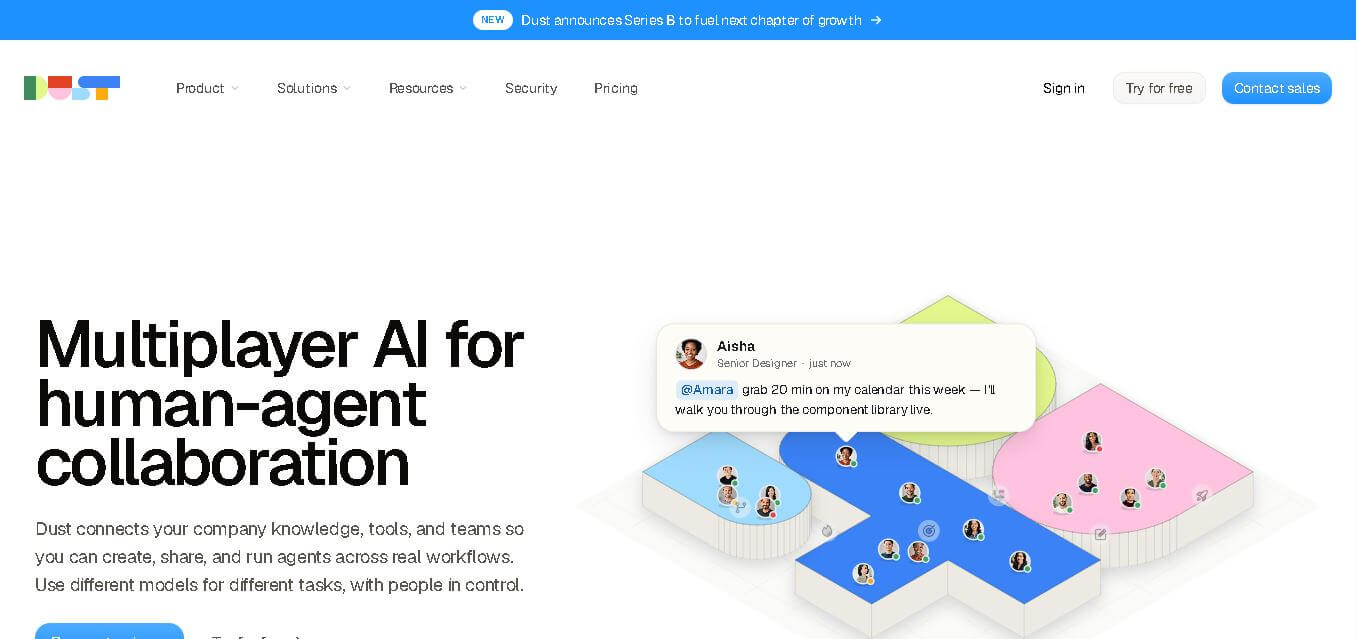
Dust helps teams build and run AI agents that work with company knowledge, connected business tools, and people. It supports collaborative workflows across departments, lets teams choose from 20+ AI models, and provides features for agents, skills, Pods, automations, governance, and usage monitoring.