
The AI Scientist
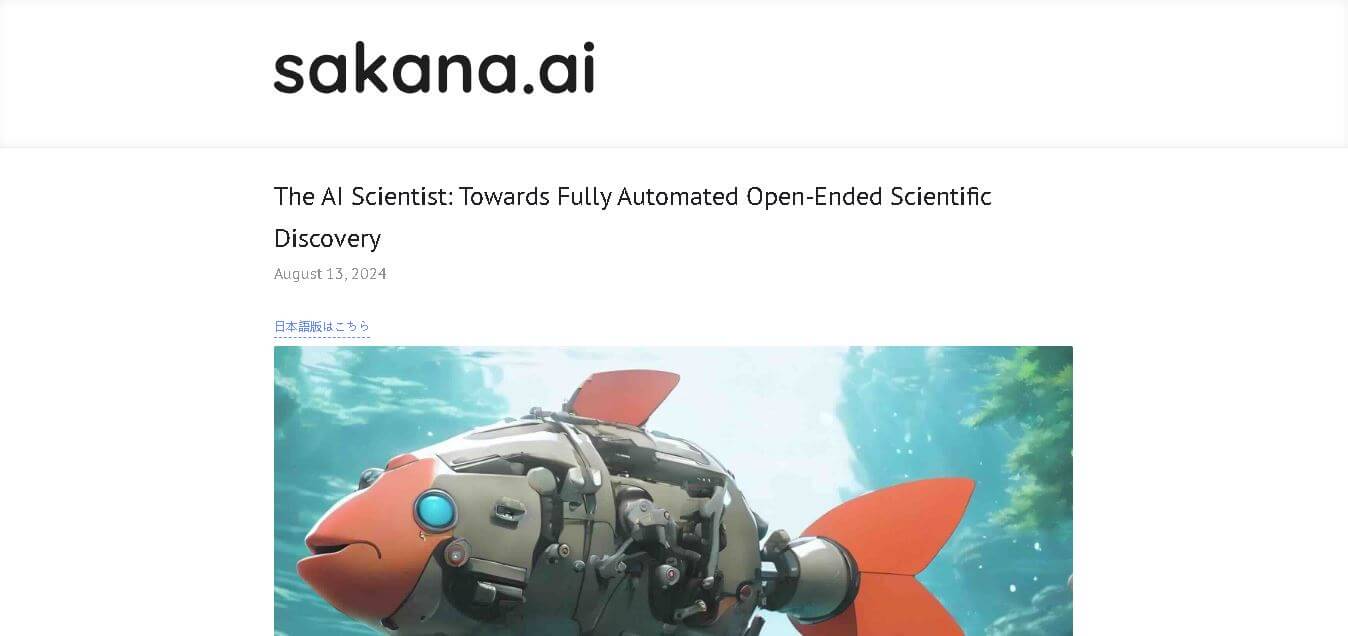
The AI Scientist is an autonomous research system developed by Sakana AI that performs the complete scientific research workflow with minimal human involvement. It generates research ideas, reviews existing literature, writes code, runs experiments, analyzes findings, creates visualizations, and produces research papers, helping researchers accelerate innovation and scientific discovery.
What is The AI Scientist?
The AI Scientist is a fully autonomous scientific research system created by Sakana AI to automate the entire research lifecycle. Instead of assisting with individual research tasks, it independently generates novel ideas, evaluates their originality, conducts literature reviews, writes and executes experimental code, analyzes results, prepares charts and figures, drafts complete scientific papers, and performs AI-based peer reviews. Built for machine learning research, it enables researchers to explore multiple ideas faster while reducing repetitive manual work. The project demonstrates how large language models and autonomous agents can collaborate to support scientific innovation, making advanced research more scalable, efficient, and accessible.
The AI Scientist automates 7 major research stages, including idea generation, literature review, coding, experimentation, visualization, paper writing, and peer review. Its first release explored approximately 50 research ideas per template while generating research papers for three machine learning domains. The average operational cost is around $15 per research paper, making automated research significantly more affordable. The open-source GitHub repository has earned more than 14,000 GitHub stars, reflecting strong interest from the global AI research community.
- Core Focus: Autonomous Scientific Discovery, Automated ML Research, AI Paper Generation & Peer Review
- Launch Year: 2024
Use Cases:
- Automating machine learning hypothesis testing and model architecture experimentation
- Generating full LaTeX scientific papers complete with figures, citations, and quantitative benchmarks
- Running automated peer review critique loops on AI-generated or human-written research drafts
- Rapidly exploring hyperparameter combinations and algorithm tweaks using pre-configured research templates
Technology:
- Agentic iterative research loop combining code generation, GPU execution, and literature search via Semantic Scholar and OpenAlex
- Automated LLM-based peer reviewer trained on conference review guidelines to critique and score generated papers
- Template-driven sandbox architecture supporting PyTorch, NanoGPT, diffusion models, and custom ML codebases
Target Users:
- AI researchers and computer scientists exploring automated pre-visualization and discovery loops
- Academic labs seeking fast baseline generation and exploratory hyperparameter experimentation
- Data scientists prototyping novel machine learning ideas and baseline comparisons
Ecosystem: Open-source GitHub repository, modular template library, Semantic Scholar literature API integration, and automated LaTeX manuscript generator.

Key features of The AI Scientist
The AI Scientist's key features are
- Autonomous Idea Generation: Brainstorms novel research directions starting from a code template and verifies novelty using real-time literature searches.
- Automated Experiment Execution: Modifies code base scripts, executes experiments on GPUs, logs metrics, and generates visualization plots.
- LaTeX Paper Writing: Synthesizes experimental findings, plots, and autonomous academic citations into standard conference proceeding PDFs.
- AI Peer Review System: Evaluates paper drafts with an LLM reviewer based on standard ML conference scoring metrics (ICLR/NeurIPS style).
- Multi-LLM Engine Compatibility: Works with leading foundation models, including Anthropic Claude 3.5 Sonnet, OpenAI GPT-4o, and Google Gemini.
- Extensible Template Architecture: Enables researchers to plug in custom domain codebases, starter ideas, and prompt constraints.
The AI Scientist Pricing
The AI Scientist is free and open-source software, but users incur third-party LLM API expenses when running research pipelines.
Open Source / Free Codebase:
- $0 (Apache-2.0 License)
- Includes full access to the open-source GitHub repository, templates, and agentic research scripts.
API Usage Costs:
- Approximately $15 per complete paper (using Claude 3.5 Sonnet / GPT-4o)
- Varies based on model selected, GPU execution length, literature search depth, and review iteration loops.
Disclaimer: For the latest and most accurate pricing information, please visit the official The AI Scientist website.
Is The AI Scientist Worth It?
The AI Scientist is immensely worth exploring for machine learning researchers, academic computer scientists, and AI developers. By demonstrating how LLM agents can independently ideate, execute code, write paper drafts, and self-review, it offers a fascinating, low-cost glimpse into the future of automated scientific discovery.
Real-World Use Cases
- Automated ML Exploration: Creating new architecture tweaks and training strategies for models like NanoGPT and 2D diffusion networks.
- Rapid Baseline Drafting: Producing initial exploratory papers and figure sets prior to undertaking deeper human-led research projects.
- Automated Peer Reviewing: Screening research manuscripts using the automated LLM reviewer to identify weak methodology or formatting gaps.
- Benchmarking LLM Reasoning: Evaluating the problem-solving and coding skills of frontier LLM models on multi-step research tasks.
Who is using The AI Scientist?
The AI Scientist is designed for a wide range of researchers and AI practitioners, including
- Machine Learning Researchers: Testing agentic capabilities in scientific discovery and literature analysis
- Academic Computer Scientists: Exploring autonomous hypothesis generation and baseline code execution
- AI Engineers & Developers: Building domain-specific research templates for automated experiment pipelines
- Open-Source AI Community: Modifying multi-agent research loops and automated reviewer algorithms
Best The AI Scientist Alternatives
Some of the strongest alternatives and complementary research tools include
Pros and Cons of The AI Scientist
Pros
- 100% open-source framework under Apache-2.0 license
- Automates the entire end-to-end research lifecycle from ideation to peer review
- Low cost per paper generation (approx. $15 or less in API fees)
- Integrates literature verification via Semantic Scholar and OpenAlex APIs
- Supports multi-LLM backends (Anthropic, OpenAI, Google Gemini)
Cons
- Generated research findings can be uneven and require human verification
- Executes LLM-generated code, requiring secure sandboxed environments
- Visual figure generation and deep mathematical proofs remain limited
Why Choose The AI Scientist?
The AI Scientist stands out as the world's first fully open-source comprehensive agent system for end-to-end research. Rather than acting as a simple search or writing assistant, it integrates code execution, experiment plotting, LaTeX paper writing, and peer review into a continuous, autonomous discovery loop.
- Automate repetitive experiment coding and result plotting on GPUs
- Generate complete conference-formatted LaTeX manuscripts autonomously
- Incorporate automated peer review feedback to evaluate research novelty
- Customize research templates for tailored domain exploration
How The AI Scientist Works
- 1. Idea Generation & Literature Search: The AI Scientist brainstorms research ideas starting from a code template and queries Semantic Scholar or OpenAlex to verify novelty.
- 2. Code & Experiment Execution: The agent writes experiment code, runs it on local or cloud GPUs, and logs metrics into structured visual plots.
- 3. LaTeX Manuscript Write-Up: The system synthesizes plots, methodologies, and auto-cited literature into a full LaTeX scientific manuscript.
- 4. Automated Peer Review: An LLM reviewer evaluates the generated manuscript against standard conference rubrics to provide feedback and scoring.
The AI Scientist vs. Competitors
The main difference between The AI Scientist, Elicit, and ChemCrow is that The AI Scientist executes dynamic code experiments on GPUs and writes full papers, whereas Elicit focuses on literature search and synthesis, and ChemCrow focuses specifically on chemistry laboratory tools.
| Feature | The AI Scientist | Elicit | ChemCrow |
|---|---|---|---|
| Primary Focus | Fully Autonomous Research & Paper Drafting | Literature Review & Paper Summarization | Chemistry Experiment & Synthesis Automation |
| Code Execution | Yes (GPU experiment execution) | No | Yes (Chemistry Tools API) |
| Starting Price | Open Source / Free ($15 API/paper) | Free / $12 per month | Open Source / Research |
| Automated Peer Review | Yes (LLM reviewer agent) | No | No |
| Output Format | Full LaTeX Manuscripts & Plots | Literature Tables & Summaries | Chemical Recipes & Execution Logs |
How do we rate The AI Scientist?
| Parameter | Rating (out of 5) |
|---|---|
| Ease of Use | 4.4 |
| Autonomous Innovation | 4.9 |
| Research & Paper Quality | 4.3 |
| Value for Money | 4.8 |
| Feature Depth & Flexibility | 4.7 |
| Overall Score | 4.6 |
The AI Scientist Review
The AI Scientist by Sakana AI is a groundbreaking open-source agent pipeline that demonstrates how foundation models can automate the full research cycle. By combining idea generation, code execution, LaTeX paper writing, and peer review in one loop, it enables new possibilities for automated machine learning discovery.
Conclusion
The AI Scientist represents a major advancement in autonomous scientific research by combining idea generation, coding, experimentation, paper writing, and peer review into a unified workflow. Rather than replacing human expertise, it serves as a powerful research companion that helps scientists explore more ideas in less time while reducing repetitive manual tasks. Its open-source availability, support for multiple foundation models, and growing research community make it an important innovation for AI-driven discovery. As autonomous research systems continue to improve, The AI Scientist is positioned to play a meaningful role in accelerating scientific progress across machine learning and related fields.
FAQ
What makes The AI Scientist different from other AI research tools?
Unlike traditional AI assistants that help with individual tasks, the AI scientist handles the complete research process from start to finish. It brainstorms ideas, checks existing research, writes code, performs experiments, analyzes results, creates visualizations, writes research papers, and even conducts automated peer reviews. This end-to-end workflow significantly reduces manual effort while allowing researchers to focus on evaluating and refining innovative scientific ideas.
Who should use The AI Scientist?
The AI Scientist is designed for AI researchers, machine learning engineers, university students, research laboratories, academic institutions, and organizations exploring autonomous scientific discovery. It is particularly valuable for users who want to accelerate experimentation, validate research ideas quickly, or automate repetitive research workflows while maintaining a structured scientific methodology throughout the project lifecycle.
Can The AI Scientist write complete research papers?
Yes. The AI scientist can generate a complete research manuscript after conducting experiments and analyzing the results. It prepares scientific documentation in a conference-style format, includes figures, explains findings, cites relevant literature, and performs automated peer reviews. However, human researchers should still verify the methodology, conclusions, and factual accuracy before publication.
Does The AI Scientist replace human researchers?
No. The AI scientist is intended to support researchers rather than replace them. It automates repetitive and time-consuming tasks like experimentation and documentation, allowing scientists to spend more time interpreting results, developing creative hypotheses, making strategic decisions, and ensuring ethical, accurate, and meaningful scientific contributions throughout the research process.
What type of research can The AI Scientist perform?
The current version primarily focuses on machine learning research, where it can express experiments through executable code. It has demonstrated capabilities across areas such as diffusion models, transformers, and grokking. Developers can also create custom templates for additional research domains, although broader scientific applications continue to evolve with newer versions.
Is The AI Scientist free to use?
The AI Scientist is available as an open-source project, allowing developers and researchers to access its codebase. Running experiments requires computational resources and access to supported language models, so operational expenses depend on the selected AI models, hardware, and experiment complexity rather than the software itself.
Which AI models are supported by The AI Scientist?
The AI Scientist supports several leading foundation models, including OpenAI, Anthropic Claude, Google Gemini, DeepSeek, OpenRouter-compatible models, and others. Researchers can choose different models based on performance, availability, and budget, enabling flexible experimentation across multiple AI ecosystems for scientific research workflows.
User Reviews
No reviews yet for The AI Scientist.
Featured Tools
Featured AI tools from TechShark
Melody Genie
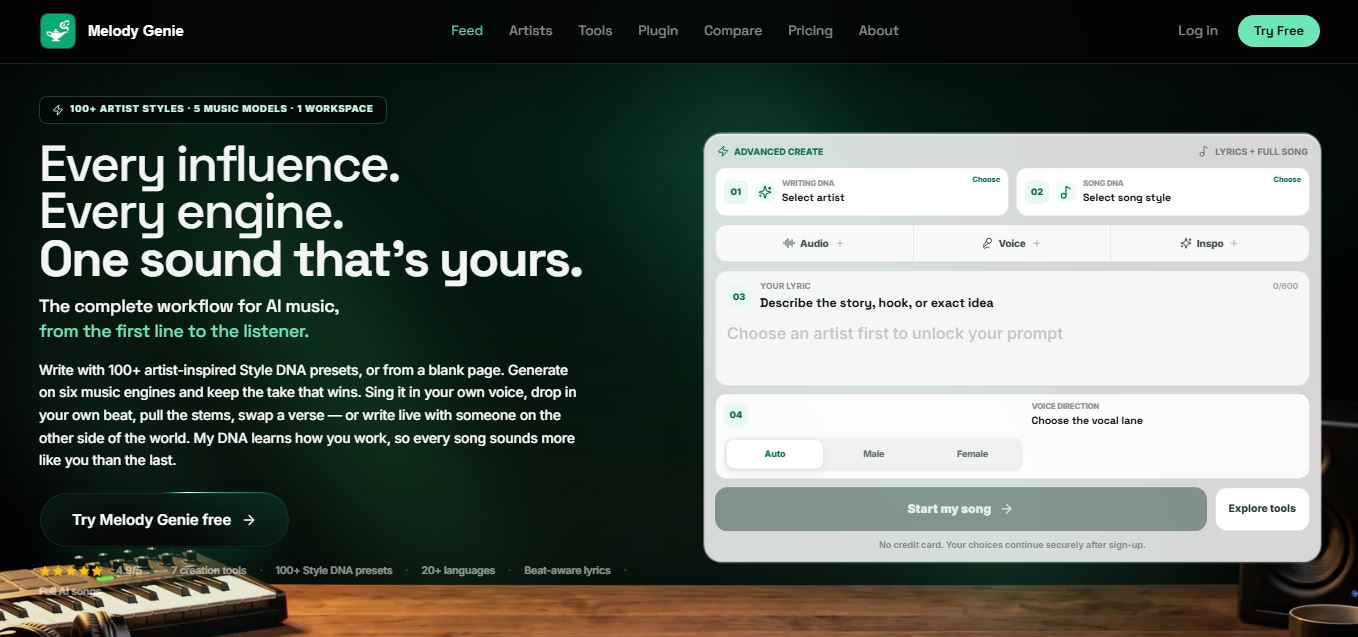
MelodyGenie is an AI-powered music generator that creates original songs from simple text prompts. Users can choose styles, moods, and genres, then instantly generate melodies and full tracks, making it easy for creators, marketers, and hobbyists to produce custom music without musical expertise.
Freemium
Kimi AI
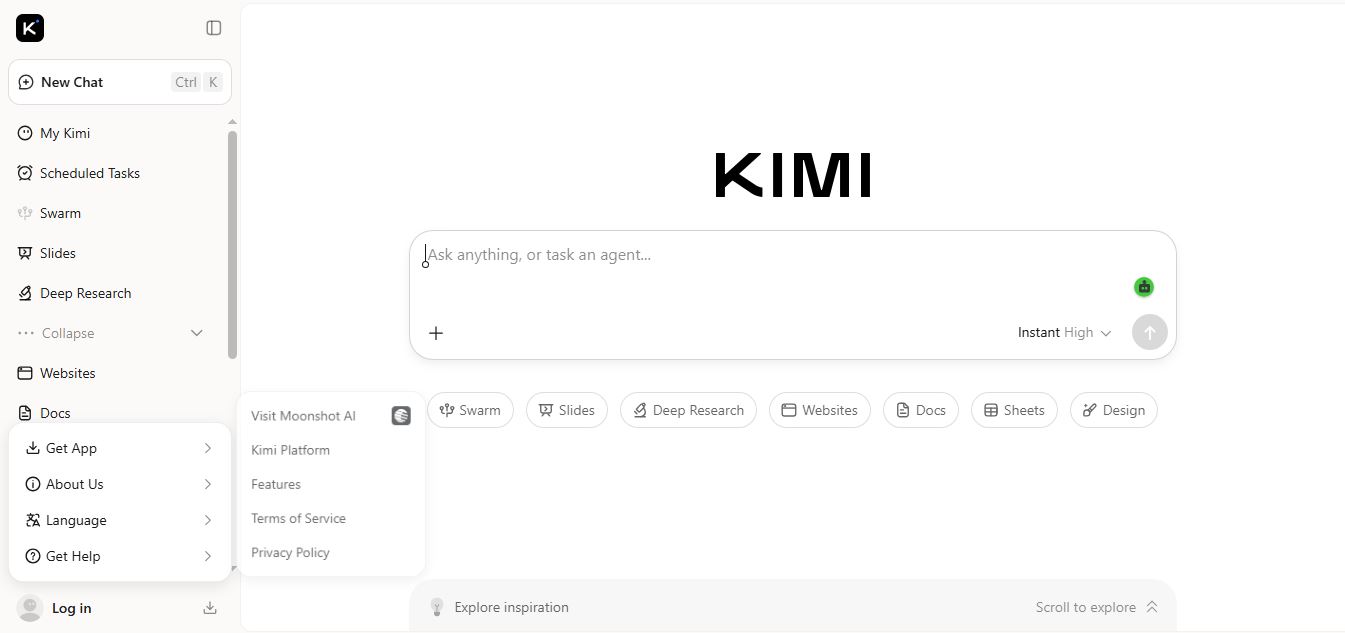
Kimi AI is an advanced AI assistant developed by Moonshot AI that helps you chat, research, write, code, and automate tasks in one place. It supports web search, file analysis, and multimodal inputs, and can even run autonomous “agent” workflows to complete complex tasks end-to-end.
Freemium

Fashion Diffusion AI
Fashion Diffusion is an AI-powered fashion design platform that helps brands and designers create clothing designs, virtual try-ons, AI models, product photos, and marketing visuals faster and cost-effectively.
Paid
Veo 4
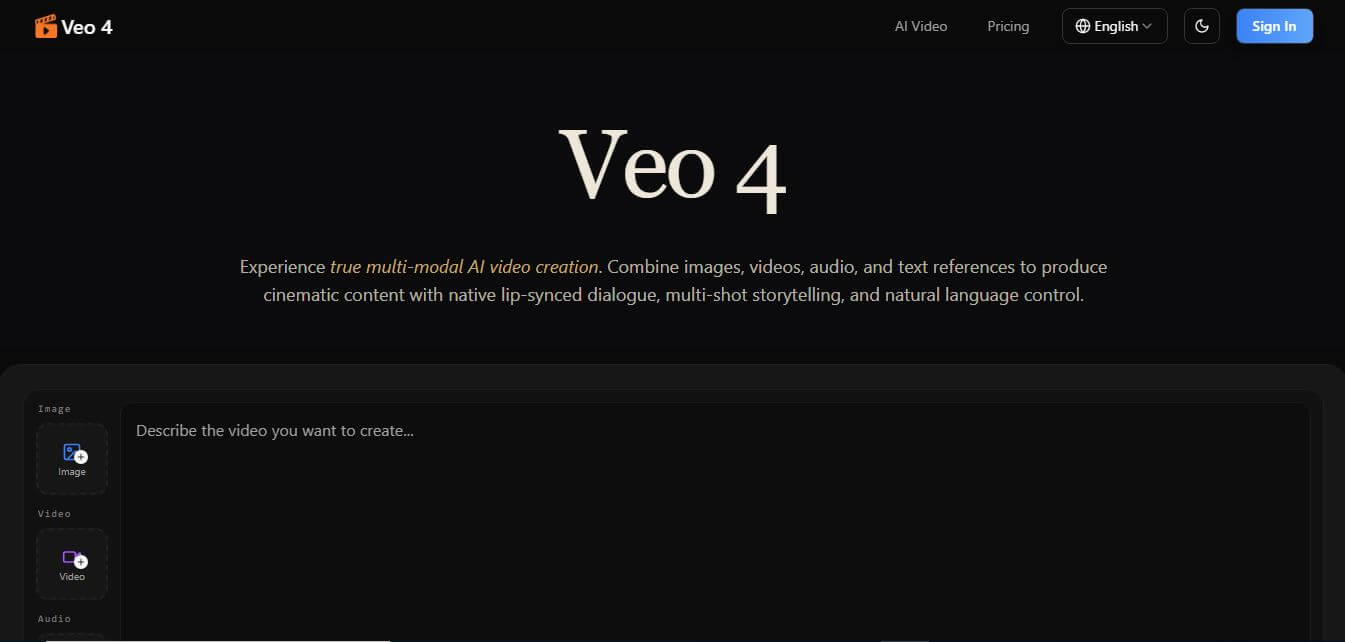
Veo 4 AI is an AI video creation platform that generates dramatic videos from text, images, audio, and video prompts using realistic motion and synchronized sound.
Paid
Alternatives
Alternatives to The AI Scientist
The best AI Scientist alternatives include ChemCrow, Elicit, Consensus, PaperQA, and AutoGPT. ChemCrow specializes in autonomous AI chemistry research and experimental execution. Elicit and Consensus serve as AI-powered research assistants for literature synthesis and evidence extraction. PaperQA focuses on retrieval-augmented paper questioning and citation drafting, while AutoGPT offers general-purpose autonomous task agents.
 4.9
4.9Manifold
Research
Manifold helps life sciences organizations turn complex clinical, genomic, and real-world data into governed, self-service insights. Its specialist agents support natural-language queries, cohort building, bioinformatics, statistical analysis, data partnerships, and evidence generation. Teams can keep sensitive data within their cloud while controlling access, auditing activity, and scaling research workflows securely.
 5.0
5.0Rayyan
Research
Rayyan is an AI-powered systematic review and literature review platform that helps researchers organize references, remove duplicates, screen studies, extract data, assess risk of bias, and generate PRISMA reports. Its AI features assist with relevance ranking, article screening, and structured data extraction while keeping researchers in control.
 4.9
4.9EvidenceHunt
Research
EvidenceHunt is an AI-powered medical research platform that helps clinicians, researchers, and life science teams find and analyze scientific evidence. It searches medical literature, guidelines, and internal documents, then generates citation-grounded answers, evidence tables, systematic reviews, and traceable insights for faster, evidence-based research.
 4.9
4.9Elicit
Research
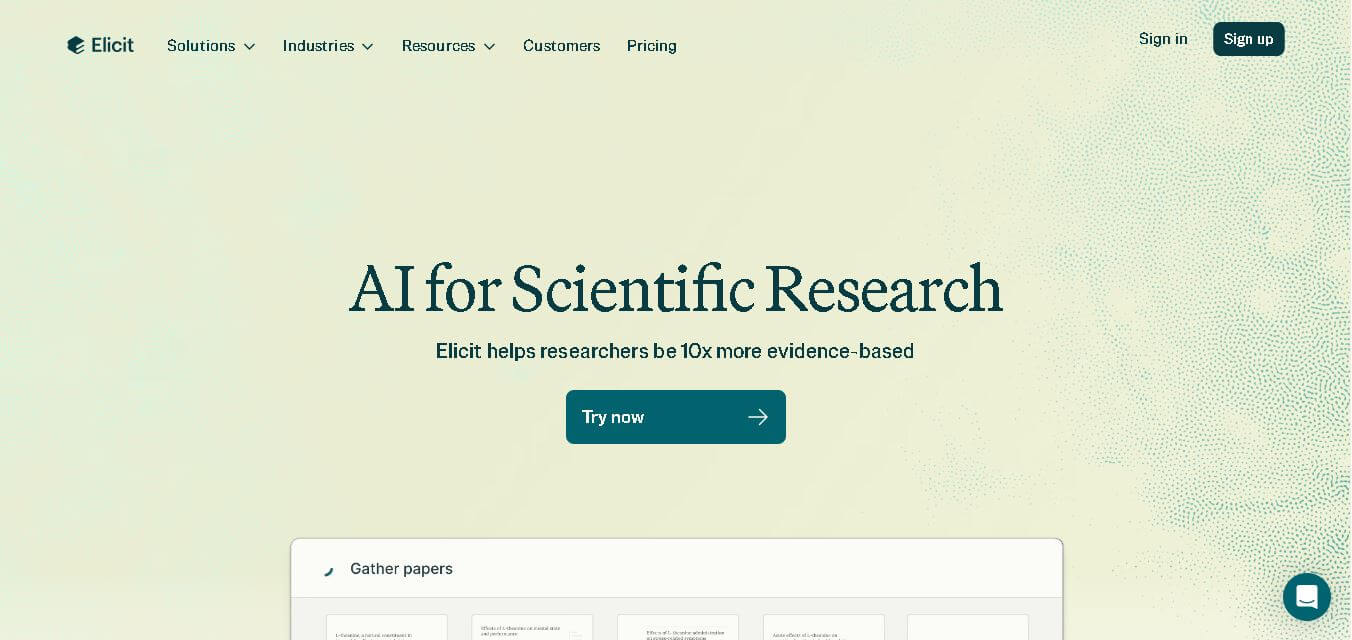
Elicit is an AI-powered research assistant that helps users find, summarize, and analyze academic papers at scale. It searches millions of studies, extracts key data, and generates evidence-backed reports, enabling researchers to conduct literature reviews, compare findings, and make informed decisions faster.
 4.8
4.8Scholarcy
Research
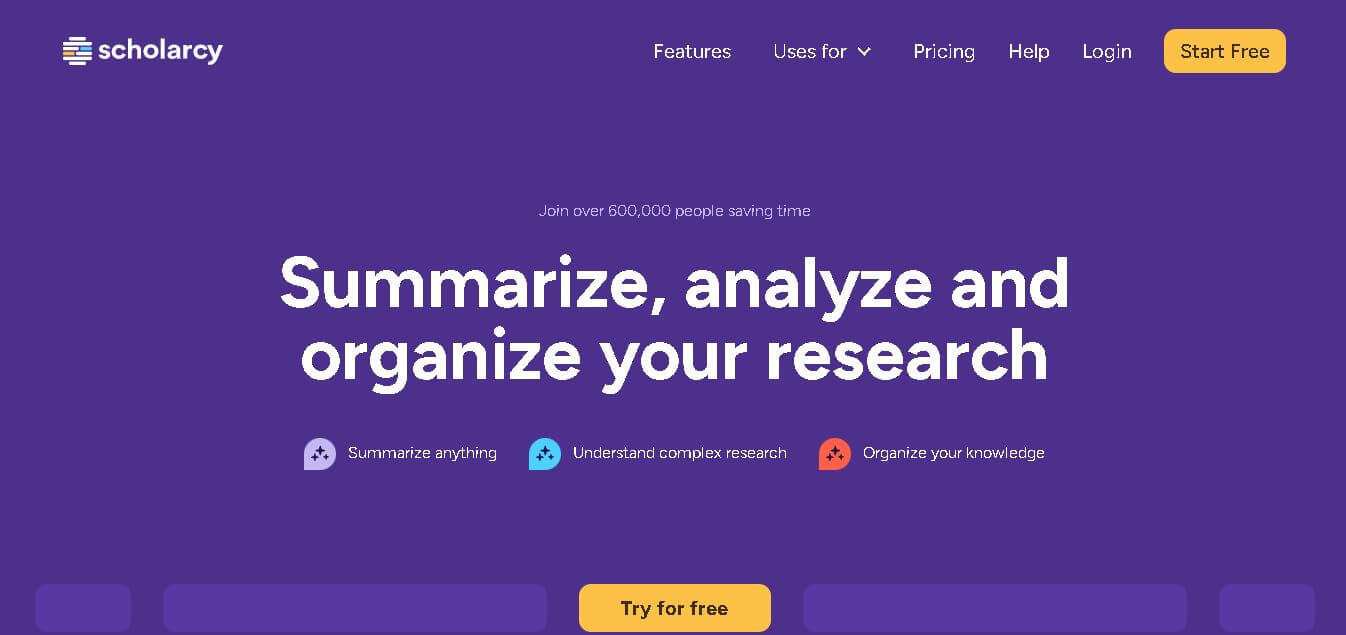
Scholarcy is an AI-powered research assistant that helps students and researchers summarize, analyze, and organize academic papers. It turns complex documents into structured flashcards with key findings, concepts, and references, enabling faster reading, better understanding, and efficient literature review workflows.
 4.9
4.9Resoomer
Research
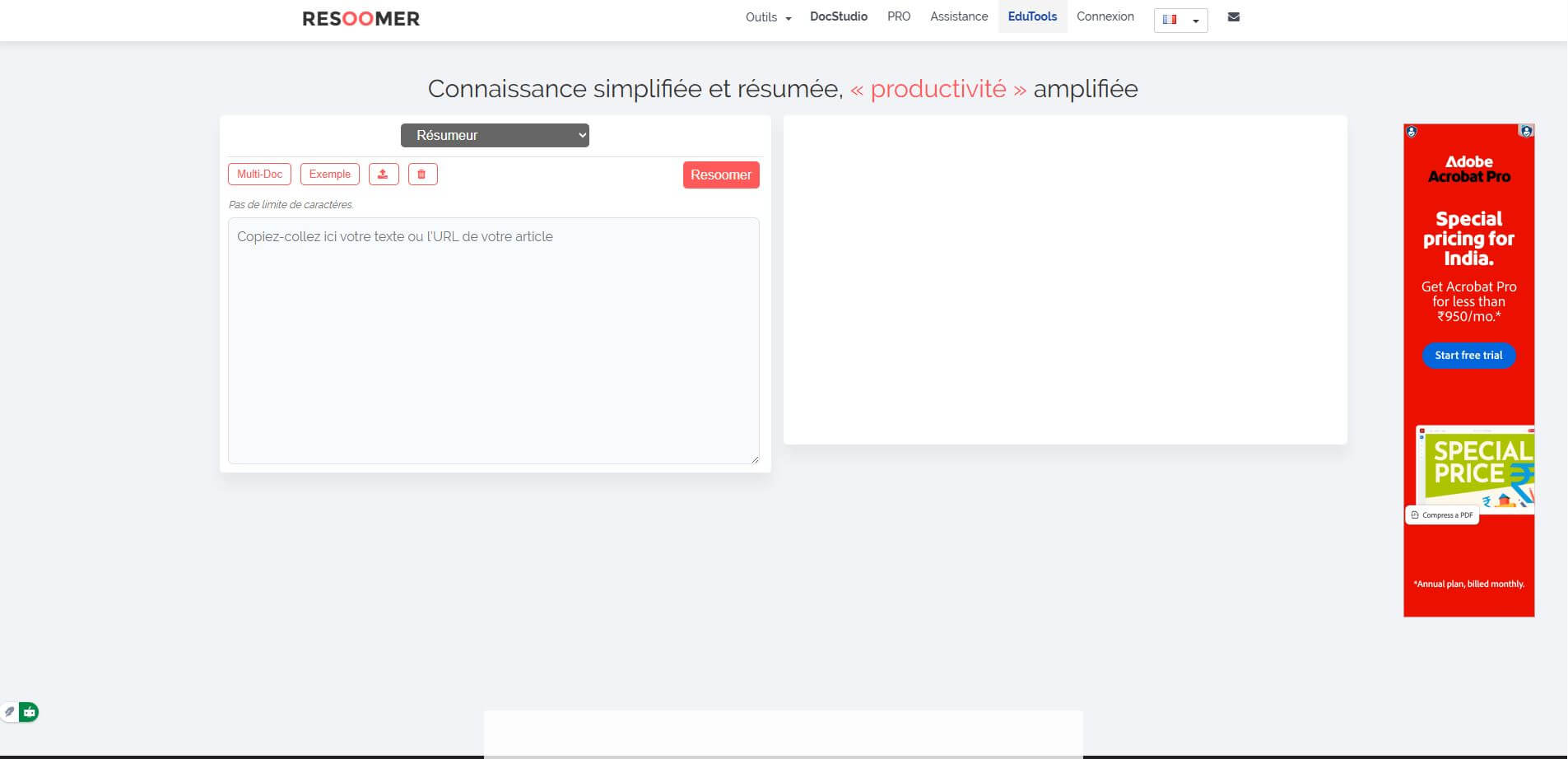
Resoomer is an AI-powered text summarization tool that helps users quickly turn long articles, research papers, and documents into concise summaries. It identifies key ideas, supports multiple formats like PDFs and URLs, and includes tools for paraphrasing, translating, and analyzing content for faster understanding.
 4.9
4.9Consensus
Academic
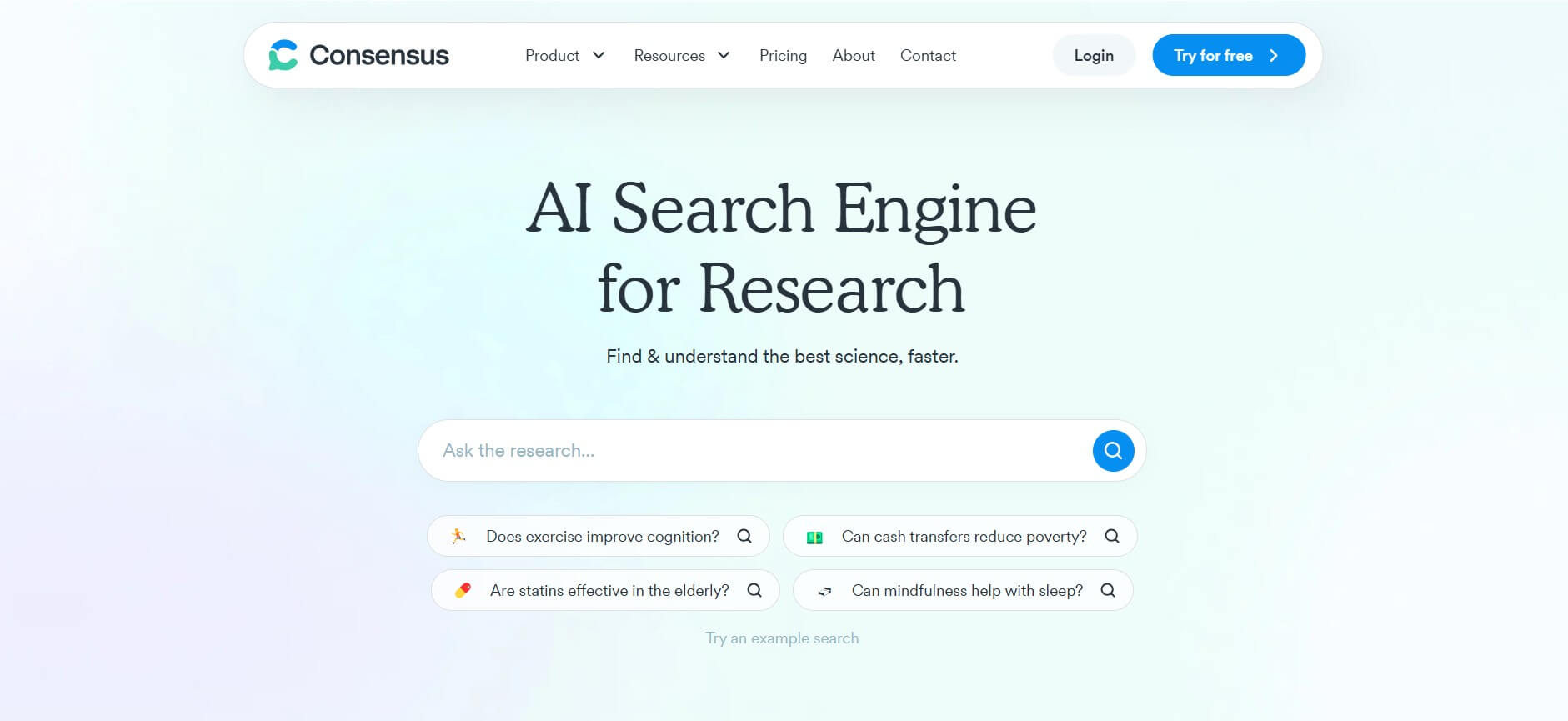
Consensus is an AI-powered academic search engine that helps users find, understand, and summarize scientific research from over 200 million peer-reviewed papers. It delivers clear, cited answers backed by real studies, making it easier to explore evidence, compare findings, and conduct research faster and more reliably.
 5.0
5.0Perplexity AI
AI Chatbot Tools
Perplexity is an AI-powered answer engine that searches the web in real time and delivers clear, cited responses instead of just links. It combines conversational AI with live data, helping users research topics, compare information, and get reliable insights quickly with verifiable sources.
OneSearch.bio
Research
OneSearch.bio is an AI-powered bio link and search aggregation platform designed for creators, brands, and digital marketers to consolidate links, social profiles, monetization tools, and searchable content into a single custom hub.