
World Labs
World Labs is a frontier AI research company building “spatial intelligence” models that can perceive, generate, and interact with 3D worlds. Its technology turns text, images, or video into realistic, navigable environments, enabling applications in robotics, simulation, gaming, and creative production.
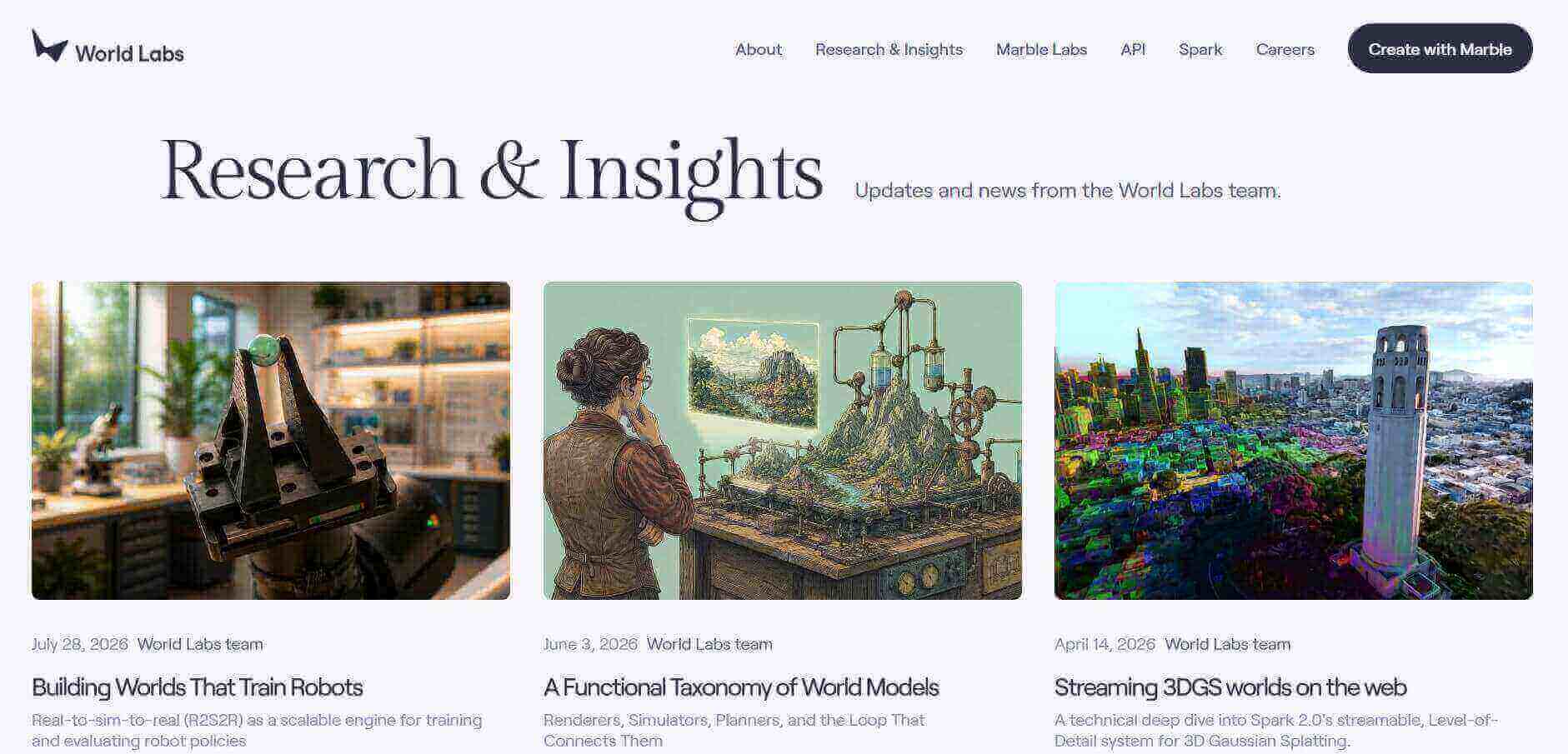
What is World Labs AI?
World Labs AI focuses on creating systems that generate and simulate interactive 3D worlds. Instead of limiting AI to text or images, it expands into spatial intelligence, where machines understand and interact with environments. The platform develops world models that allow users to generate, edit, and explore digital spaces using inputs like text, images, or video. It also connects simulation and real-world applications, especially in robotics and training systems. By combining rendering, simulation, and planning, World Labs aims to build a new layer of AI that operates in physical and virtual environments with deeper contextual awareness.
World Labs has released multiple research updates between 2024 and 2026, focusing on world models, simulation, and robotics. The platform introduced a public World API in 2026 and continues to expand its research pipeline. It integrates technologies like 3D Gaussian splatting, real-time video generation, and multimodal world models. The platform also explores real-to-sim-to-real training for its robotic systems. These advancements highlight its focus on scalable environments and next-generation AI interaction systems.
- Founder: Fei-Fei Li (associated leadership and research direction)
- Launch Year: Around 2024 (early research visibility)
- Use Cases: 3D world generation, robotics training, simulations, immersive environments
- Technology: Multimodal world models, spatial intelligence, 3D rendering, and simulation
- Target Users: AI researchers, robotics engineers, developers, simulation experts
- Acquisition: Acquired SceniX to enhance spatial intelligence capabilities

Key Features of World Labs
World Labs AI key features are
- Real-to-Sim-to-Real Training Engine – World Labs uses a scalable real-to-sim-to-real approach that allows robots and AI systems to train in simulated environments and then apply what they learn in the real world, making training more efficient and safer.
- World Models for Spatial Intelligence—The platform builds advanced world models that help AI understand space, objects, and interactions in 3D environments, which are the basis for spatial intelligence and next-gen AI systems.
- 3D World Generation from Text, Images, and Video—World Labs provides an API that can generate explorable 3D environments using multiple input formats like text prompts, images, and videos, making it highly flexible for developers and creators.
- Multimodal AI Model (Marble) – The platform introduces Marble, a multimodal world model that combines different data types to generate and simulate environments, enabling more realistic and interactive AI experiences.
- Real-Time Interactive World Generation—With innovations like real-time frame models, World Labs allows AI systems to create and update environments dynamically as users interact with them, providing immersive and responsive experiences.
- 3D as a Universal Interface—World Labs promotes the concept of 3D as the next universal interface, allowing humans and AI to generate, edit, simulate, and share virtual worlds collaboratively.
- Streaming 3D Worlds on the Web—The platform supports advanced rendering and streaming of 3D environments with level-of-detail systems, enabling smooth web-based experiences without heavy local computation.
- Advanced World Model Architecture – World Labs develops a structured ecosystem of renderers, simulators, and planners that work together to create and manage complex virtual environments for AI training and interaction.
World Labs AI Pricing
As of now, World Labs does not publicly display fixed pricing plans like most SaaS AI tools.
Instead, the platform follows a research-first and enterprise-oriented approach, which means:
- Pricing is likely custom-based
- Access may be limited or invite-based
- Enterprise or API usage determines cost
- Early users may get experimental access
Disclaimer: For the latest and most accurate pricing information, please visit the official World Labs AI website.
Who is using World Labs AI?
World Labs AI is designed for a broad range of presentation-heavy users, including
- Students and learners who want to summarize study materials, lectures, and research content quickly
- Teachers and educators creating simplified notes, explanations, and learning resources for classes
- Content creators who need fast summaries, scripts, and ideas for videos, blogs, and social media
- Researchers and professionals handling large volumes of information and looking to extract key insights efficiently
- YouTube viewers and online learners who want to convert videos into notes using AI transcription and summarization tools
- Writers and bloggers who need help with drafting, editing, and structuring content
- Teams and organizations using AI tools to improve productivity in documentation, collaboration, and knowledge sharing
- Schools and institutions adopting AI-powered learning tools for better education workflows
Best World Labs AI Alternatives
Some of the strongest World Labs AI alternatives include
- ChatGPT
- NVIDIA Omniverse
- Google DeepMind simulation tools
- Unreal Engine AI tools
- Sora-like world generation platforms
- Luma AI
- Spline AI
- OpenAI Simulation and Environment Tools
Pros and Cons
Pros
- Advanced spatial intelligence capabilities
- Strong research foundation
- Supports real-world robotics training
- Scalable 3D world generation
- API integration for developers
Cons
- Limited public access
- No clear pricing structure
- Requires technical expertise
- Still evolving as a research-focused platform
World Labs AI vs. Competitors
The main difference between World Labs, NVIDIA Omniverse, Unity AI, Unreal Engine, and OpenAI Sora is that World Labs focuses on spatial intelligence and building interactive 3D world models for training robots and AI systems, while competitors mainly specialize in rendering, gaming engines, or media generation. Unlike traditional tools, World Labs connects simulation and real-world learning, making it more suitable for robotics, embodied AI, and next-generation AI environments.
| Tool Name | Core Focus | Key Strength | Limitation |
|---|---|---|---|
| World Labs | Spatial AI and 3D world models | Real-to-sim-to-real training | Still research-heavy |
| NVIDIA Omniverse | 3D simulation and collaboration | Strong enterprise ecosystem | Complex setup |
| Unity AI | Game and simulation engine | Developer-friendly tools | Limited AI-native capabilities |
| Unreal Engine | Real-time 3D rendering | High-quality visuals | Not built for AI training |
| Google DeepMind | General AI research | Advanced AI models | Less focus on 3D world generation |
| OpenAI Sora | Video generation AI | High-quality generative media | Not focused on spatial intelligence |
How We Rate World Labs AI
| Parameter | Rating (Out of 5) |
|---|---|
| Innovation | 4.9 |
| Technology | 4.8 |
| Ease of Use | 3.5 |
| Features | 4.7 |
| Performance | 4.6 |
| Use Case Relevance | 4.5 |
| Value for Developers | 4.6 |
| Overall Rating | 4.6 |
World Labs AI Review
World Labs AI is redefining how artificial intelligence interacts with environments. Unlike traditional AI tools focused on text or images, it introduces a new paradigm where machines understand space and context. The platform’s research-driven approach makes it highly innovative, especially for robotics and simulation. However, its complexity and limited accessibility may restrict casual users. For developers and researchers, it offers a glimpse into the future of AI where digital and physical worlds merge seamlessly.
Conclusion
World Labs AI represents a major shift toward spatial intelligence and world modeling in artificial intelligence. By enabling machines to generate and interact with 3D environments, it opens new possibilities in robotics, simulation, and immersive experiences. While still evolving and primarily targeted at developers and researchers, its innovations signal the next phase of AI development. As the technology matures, it could redefine how humans and machines interact with both digital and real-world environments.
FAQ
What is World Labs AI used for
It is used for generating 3D worlds, simulations, and training AI systems in spatial environments
Is World Labs AI free
Pricing is not publicly disclosed and may depend on API access
Who founded World Labs AI
Fei-Fei Li is associated with its research and leadership
What makes World Labs different
It focuses on spatial intelligence and world models instead of traditional AI outputs
Can developers use World Labs AI
Yes, through APIs and research access
User Reviews
No reviews yet for World Labs.
Featured Tools
Featured AI tools from TechShark
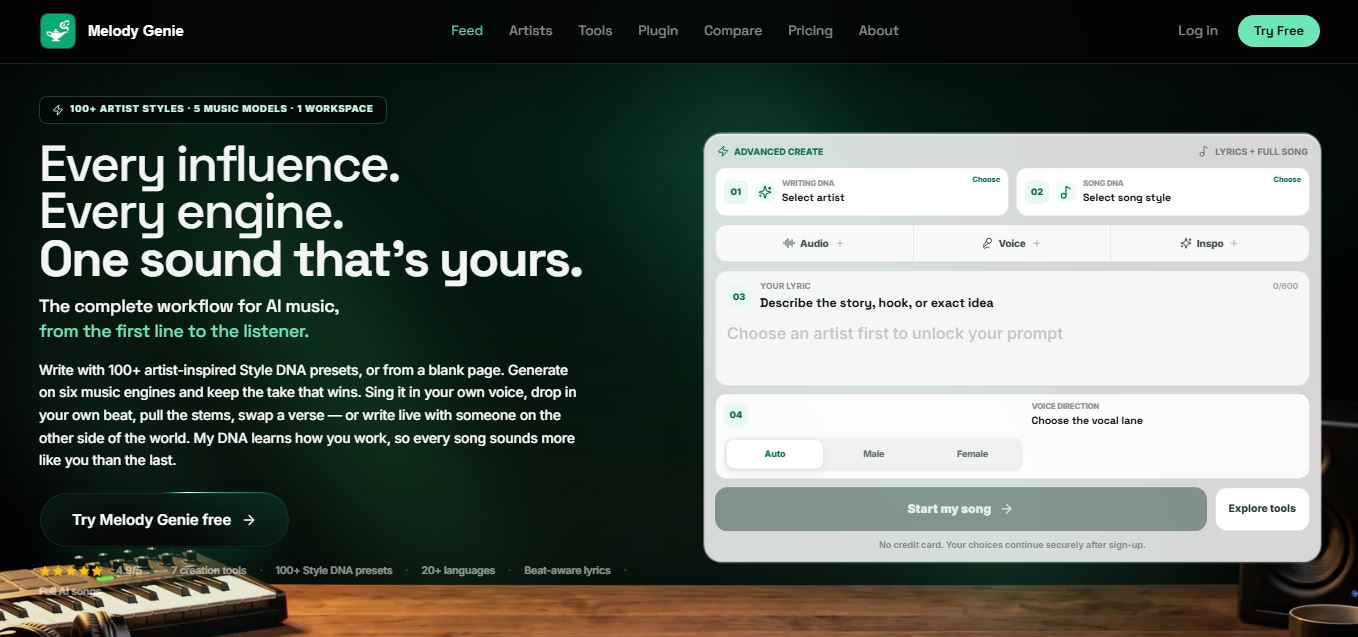
Melody Genie
MelodyGenie is an AI-powered music generator that creates original songs from simple text prompts. Users can choose styles, moods, and genres, then instantly generate melodies and full tracks, making it easy for creators, marketers, and hobbyists to produce custom music without musical expertise.
Freemium
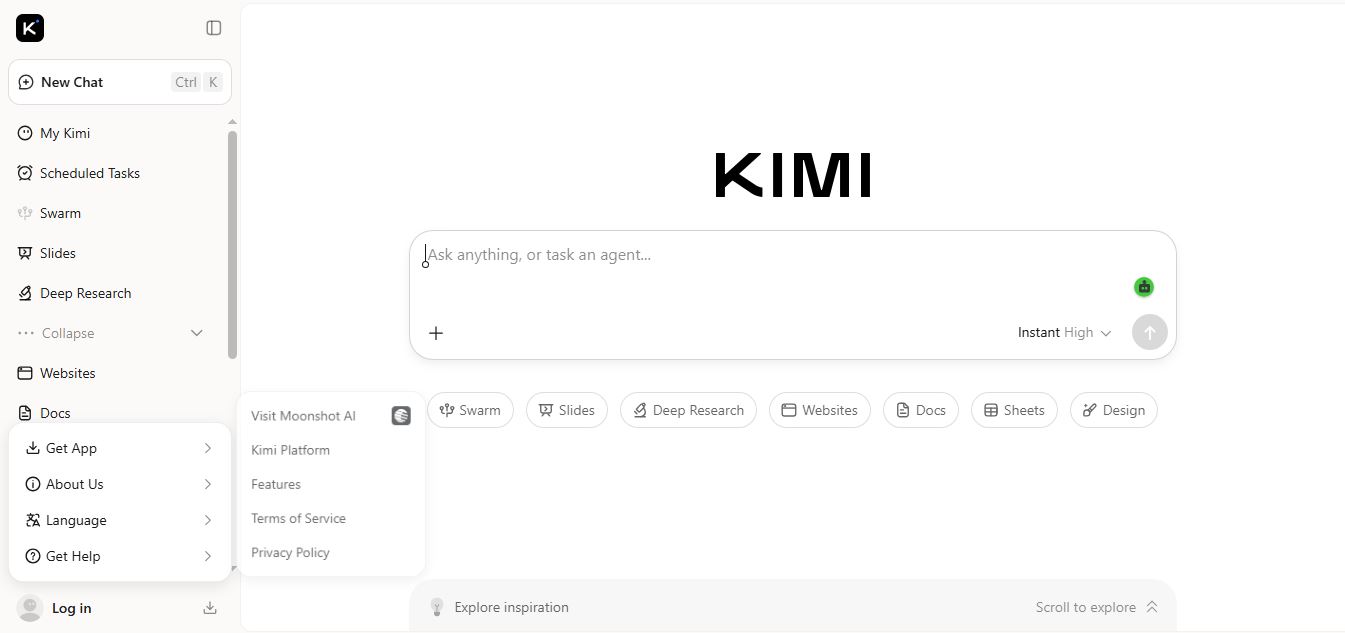
Kimi AI
Kimi AI is an advanced AI assistant developed by Moonshot AI that helps you chat, research, write, code, and automate tasks in one place. It supports web search, file analysis, and multimodal inputs, and can even run autonomous “agent” workflows to complete complex tasks end-to-end.
Freemium
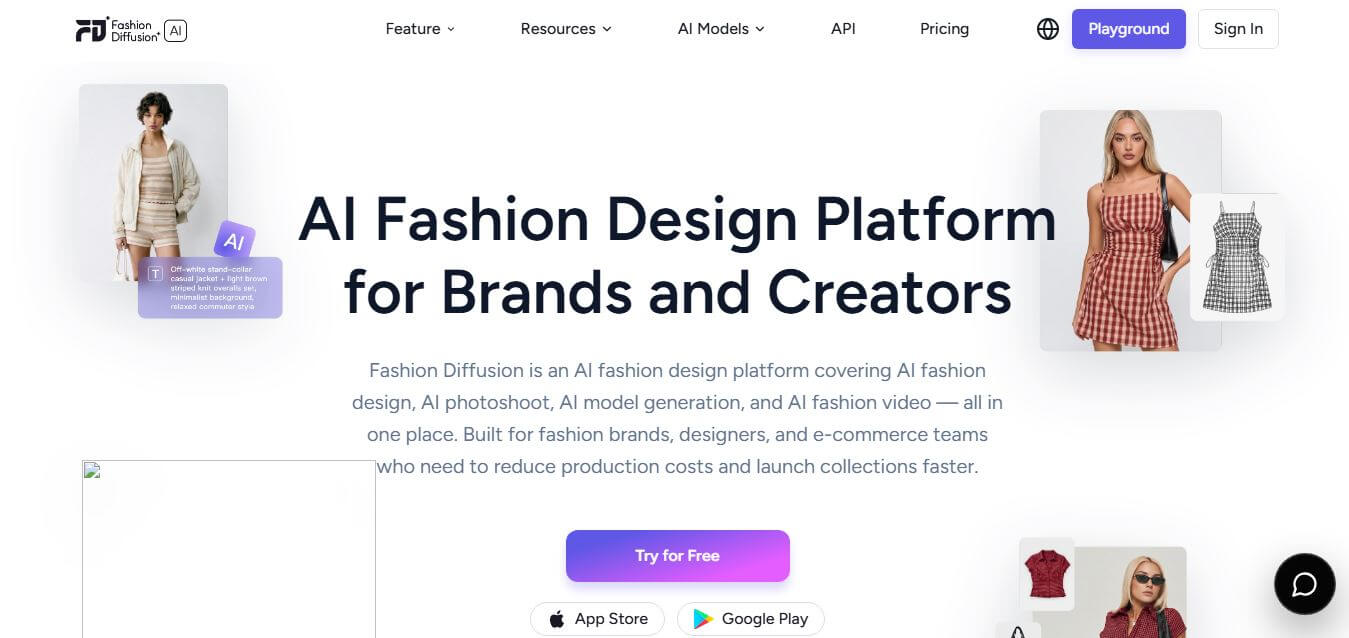
Fashion Diffusion AI
Fashion Diffusion is an AI-powered fashion design platform that helps brands and designers create clothing designs, virtual try-ons, AI models, product photos, and marketing visuals faster and cost-effectively.
Paid
Veo 4
Veo 4 AI is an AI video creation platform that generates dramatic videos from text, images, audio, and video prompts using realistic motion and synchronized sound.
Paid
Alternatives
Alternatives to World Labs
The best World Labs AI alternatives include NVIDIA Omniverse, Unity AI, Unreal Engine AI tools, and DeepMind simulation platforms. These tools offer simulation and environment-building capabilities but differ in focus and accessibility. Some are optimized for game development, while others support industrial simulations or robotics. Depending on your needs, you can choose platforms that provide easier usability or deeper technical capabilities for building interactive and scalable 3D environments.
 5.0
5.0Rayyan
Research
Rayyan is an AI-powered systematic review and literature review platform that helps researchers organize references, remove duplicates, screen studies, extract data, assess risk of bias, and generate PRISMA reports. Its AI features assist with relevance ranking, article screening, and structured data extraction while keeping researchers in control.
 4.9
4.9EvidenceHunt
Research
EvidenceHunt is an AI-powered medical research platform that helps clinicians, researchers, and life science teams find and analyze scientific evidence. It searches medical literature, guidelines, and internal documents, then generates citation-grounded answers, evidence tables, systematic reviews, and traceable insights for faster, evidence-based research.
 4.9
4.9Elicit
Research
Elicit is an AI-powered research assistant that helps users find, summarize, and analyze academic papers at scale. It searches millions of studies, extracts key data, and generates evidence-backed reports, enabling researchers to conduct literature reviews, compare findings, and make informed decisions faster.
 4.8
4.8Scholarcy
Research
Scholarcy is an AI-powered research assistant that helps students and researchers summarize, analyze, and organize academic papers. It turns complex documents into structured flashcards with key findings, concepts, and references, enabling faster reading, better understanding, and efficient literature review workflows.
 4.9
4.9Resoomer
Research
Resoomer is an AI-powered text summarization tool that helps users quickly turn long articles, research papers, and documents into concise summaries. It identifies key ideas, supports multiple formats like PDFs and URLs, and includes tools for paraphrasing, translating, and analyzing content for faster understanding.
 4.9
4.9Consensus
Academic
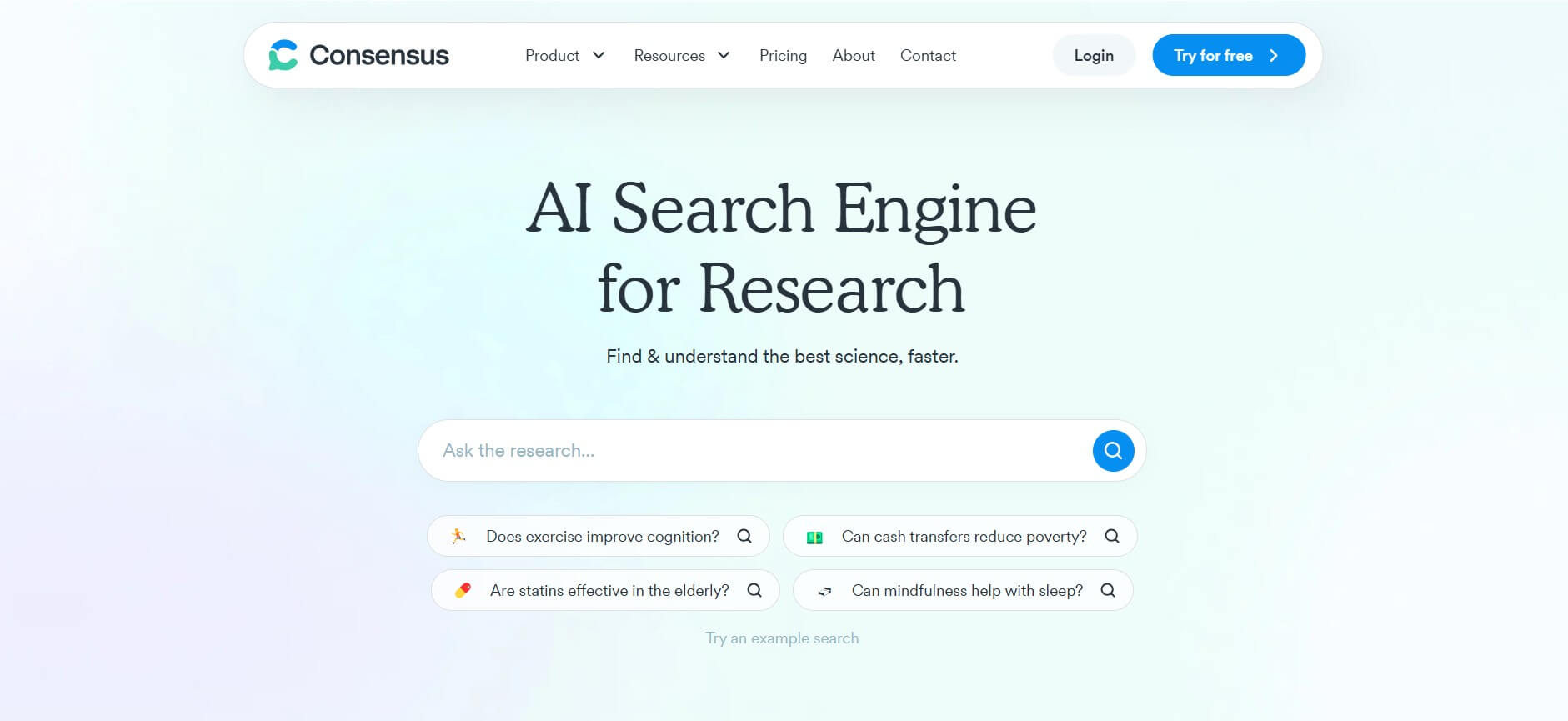
Consensus is an AI-powered academic search engine that helps users find, understand, and summarize scientific research from over 200 million peer-reviewed papers. It delivers clear, cited answers backed by real studies, making it easier to explore evidence, compare findings, and conduct research faster and more reliably.
 5.0
5.0Perplexity AI
AI Chatbot Tools
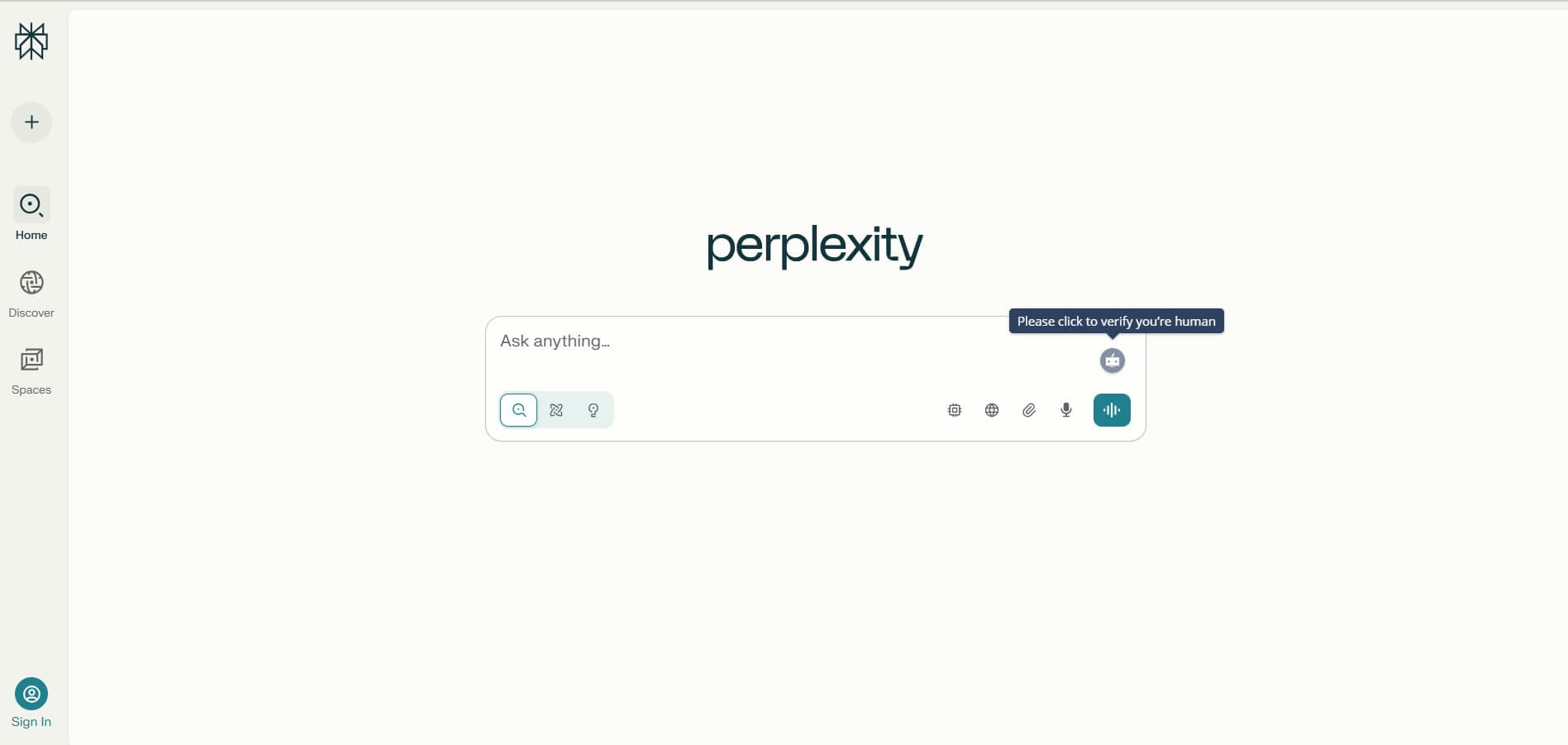
Perplexity is an AI-powered answer engine that searches the web in real time and delivers clear, cited responses instead of just links. It combines conversational AI with live data, helping users research topics, compare information, and get reliable insights quickly with verifiable sources.
OneSearch.bio
Research
OneSearch.bio is an AI-powered bio link and search aggregation platform designed for creators, brands, and digital marketers to consolidate links, social profiles, monetization tools, and searchable content into a single custom hub.
 4.9
4.9NotebookLM
Research
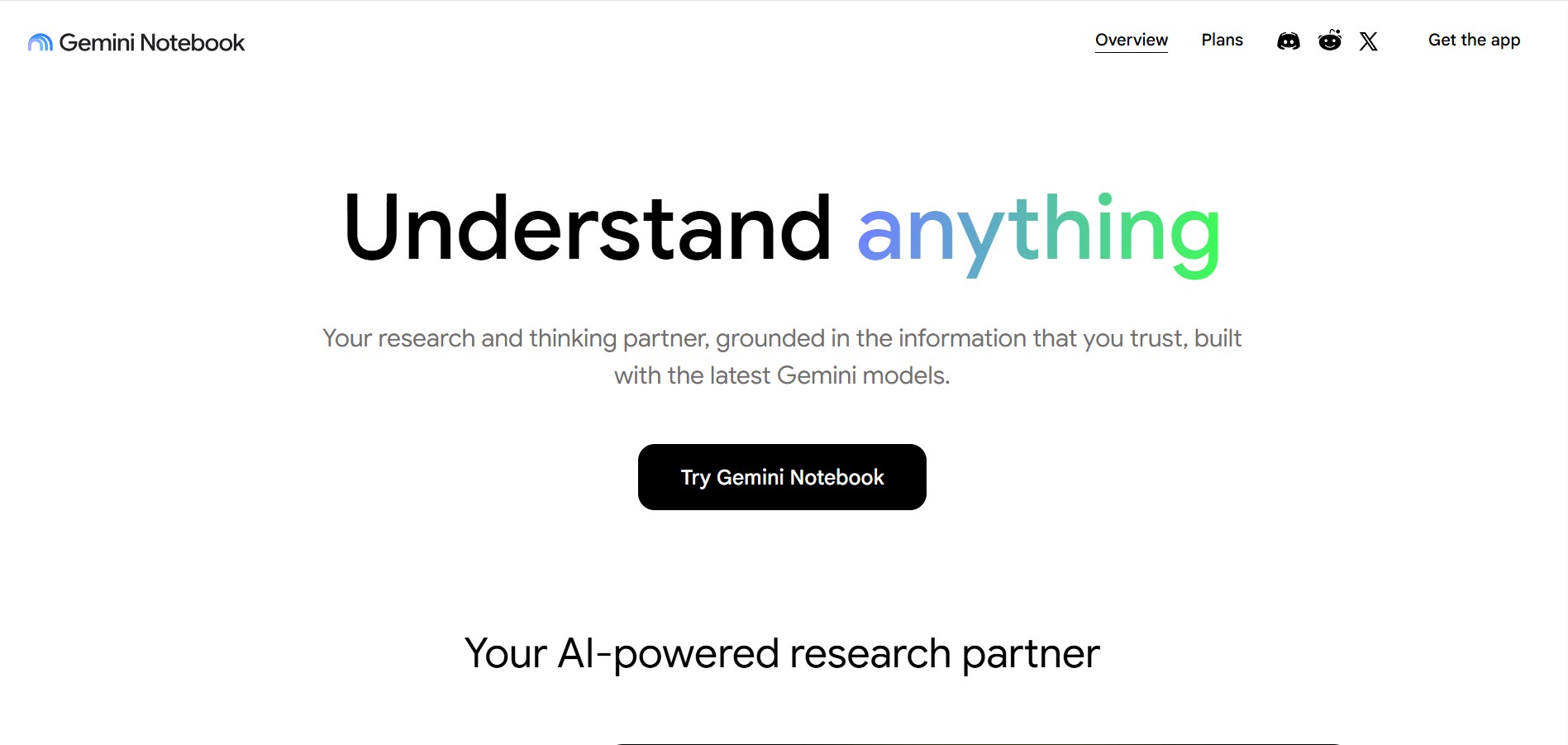
NotebookLM is Google's source-grounded AI research assistant and project workspace powered by Gemini. It acts as an intelligent notebook that synthesizes, answers questions, and transforms user-uploaded documents and web sources with strict citations and near-zero AI hallucination.