Scopus
Scopus is an academic research database that helps users discover scholarly articles, analyze citations, and evaluate research performance. It provides access to bibliographic records, author profiles, journal metrics, and institutional information. Researchers, students, and universities use Scopus to explore literature, identify research trends, compare publications, and support evidence-based academic decisions.
What is Scopus?
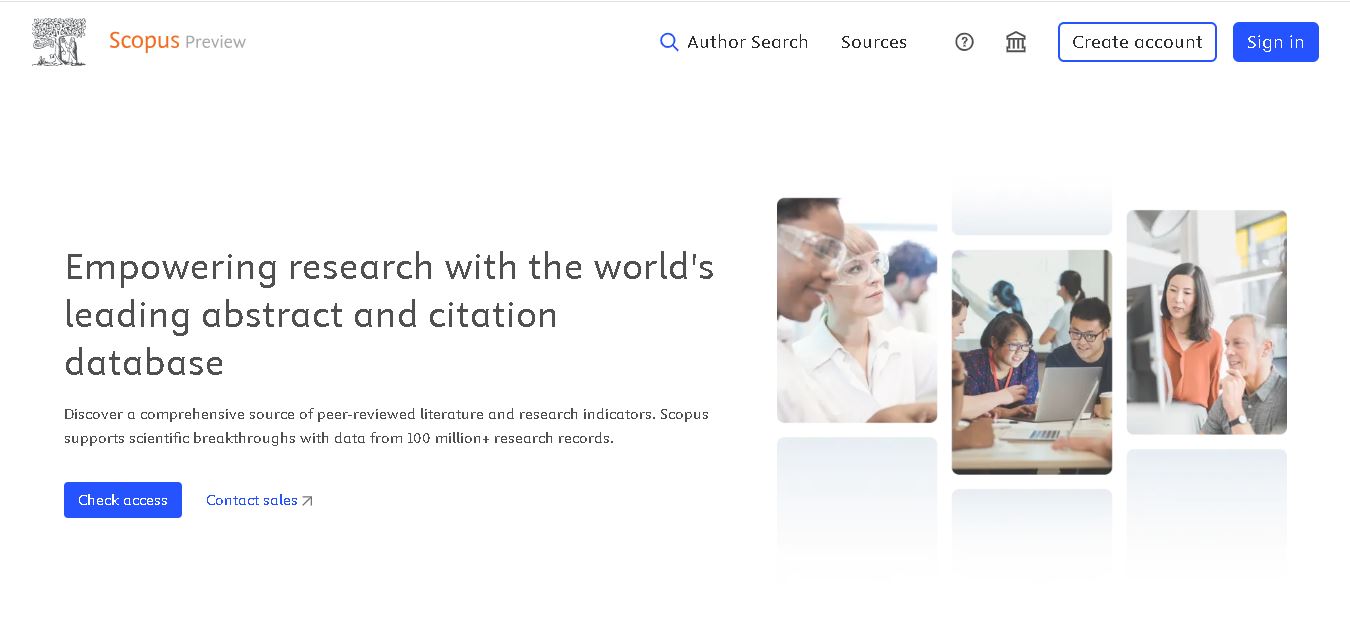
Scopus is a multidisciplinary abstract and citation database developed by Elsevier to help researchers discover scholarly literature and evaluate research impact. It indexes academic journals, conference proceedings, books, and preprints across numerous subject areas. Researchers can use Scopus to explore scientific publications, track citations, review author profiles, compare journal metrics, and identify emerging research trends. It supports students, academics, librarians, and institutions in making informed research and publishing decisions.
Scopus was launched in November 2004 by Elsevier as a multidisciplinary abstract and citation database. According to Elsevier's published figures, it contains over 100 million records, more than 30,000 active serial titles, 404,000 books, and 2.6 million preprints. Its coverage spans 330 disciplines and includes publications from over 7,000 publishers. Scopus also provides more than 19.5 million searchable author profiles. There is no single metric that fully captures research quality, so users should combine citation indicators with qualitative evaluation.
- Platform Focus: Curated citation database, bibliometric intelligence, journal impact metrics (CiteScore), and author profile tracking
- Developer / Entity: Elsevier (RELX Group)
- Launch Year: 2004
Use Cases:
- Executing systematic literature searches and mapping research trends across science, technology, medicine, social sciences, and humanities
- Evaluating journal impact and selecting target publication venues using CiteScore, SJR, and SNIP metrics
- Tracking researcher career output, citation trajectories, and h-index scores via verified Scopus Author Profiles
- Benchmarking institutional research output and collaboration networks for university rankings and grant proposals
- Exporting structured citation data and reference files directly into reference managers like Mendeley and EndNote
Technology:
- Independent Content Selection and Advisory Board (CSAB) rigorous curation and quality screening pipeline
- Algorithmic author and institution disambiguation engine matching ORCID, ROR, and publisher metadata
- Restful Scopus APIs facilitating bulk data extraction and integration into enterprise research analytics systems
Target Users:
- University faculties, PhD candidates, and academic researchers conducting literature reviews
- Research administrators, university deans, and funding agencies evaluating institutional impact and rankings
- Academic librarians and information specialists managing institutional subscriptions and repository collections
Corporate Entity: Operates under Elsevier / RELX Group (scopus.com)

Key features of Scopus
Scopus's key features are
- Curated Content Index: Over 90M+ records indexed across 27,000+ peer-reviewed journals, books, conference proceedings, and patents.
- Proprietary Journal Metrics: Provides CiteScore, SCImago Journal Rank (SJR), and Source Normalised Impact per Paper (SNIP) for objective journal evaluation.
- Scopus Author Profiles: Automatically curated researcher profiles tracking total publications, citation counts, and h-index metrics.
- Institutional Citation Benchmarking: Analyzes research performance, international collaboration metrics, and subject domain strengths across universities.
- Advanced Boolean Search & Filters: Deep search parameters with subject filters, source types, funding sponsors, and open-access categories.
- Developer REST API: Programmatic access to bibliometric metadata and citation counts for enterprise data pipelines.
Scopus Pricing
Scopus operates as a commercial, subscription-only platform for academic and commercial institutions, with limited free public tools.
Free Public Access (Scopus Preview):
- $0 / Free Preview
- Includes basic author profile lookups, CiteScore metrics, and journal source list verification
Institutional / Enterprise Subscription:
- Custom enterprise site license pricing
- Requires annual institutional contract based on university size, research volume, and regional license agreements
Who is using Scopus?
Scopus is used by global universities, research centers, and academic institutions, including
- University Research Offices & Deans: Measuring faculty productivity, h-index benchmarks, and institutional rankings
- Academic Faculty & PhD Scholars: Conducting systematic literature discovery and tracking citation impacts
- Grant Funding Bodies: Evaluating research proposal quality and historical reviewer contributions
Best Scopus Alternatives
Some of the strongest Scopus alternatives include
- Web of Science
- OpenAlex
- Dimensions
- Google Scholar
- Semantic Scholar
- PubMed
Pros and Cons of Scopus
Pros
- Rigorously curated index screened by an independent board to filter out predatory journals
- Comprehensive metric framework including CiteScore, SJR, SNIP, and author h-indexes
- Seamless integration with institutional proxies and Elsevier ecosystem tools like Mendeley
- Broad multi-disciplinary coverage spanning STEM, medicine, social sciences, and humanities
Cons
- Requires expensive institutional subscription for full article search and export features
- Index update cycle can take weeks to reflect newly accepted publications compared to open preprints
- Does not offer built-in generative AI document chat or visual network mapping directly out of the box
Why Choose Scopus?
Scopus is the definitive choice for university libraries, institutional administrators, and scholars who require a vetted, publisher-curated citation database with authoritative bibliometric metrics for tenure, promotion, and systematic review research.
- Indexes 90M+ curated records across 27,000+ high-quality peer-reviewed journals
- Delivers robust journal indicators (CiteScore, SJR, SNIP) and verified author h-indexes
- Enables enterprise institutional performance evaluation and global ranking benchmarks
- Offers REST APIs for institutional research management and data mining
Scopus vs. Competitors
The main difference between Scopus, Web of Science, OpenAlex, and Dimensions is that Scopus is Elsevier's subscription database known for its broad journal coverage and CiteScore metrics, whereas Web of Science offers Clarivate's selective Journal Impact Factor (JIF) index, OpenAlex provides a 100% free CC0 open-science knowledge graph, and Dimensions integrates grant, patent, and clinical trial data into a unified analytics suite. Scopus stands out for its balance between curated quality and broad journal indexing.
| Feature / Tool | Scopus (scopus.com) | Web of Science | OpenAlex | Dimensions |
|---|---|---|---|---|
| Core Focus | Curated Citation Database & Research Intelligence | Selective Peer-Reviewed Citation Indexing & JIF | Open CC0 Bibliographic Knowledge Graph | Linked Research Analytics (Grants, Patents & Papers) |
| Key Journal Metric | CiteScore, SJR, SNIP | Journal Impact Factor (JIF) | Open Citation Metrics & Counts | Field Citation Ratio (FCR), RCR |
| Data Curation | Curated (CSAB Advisory Board) | Highly Selective Curation | Open Aggregation (Crossref, PubMed, etc.) | Algorithmic & Curated Linked Data |
| Pricing Model | Commercial Institutional Subscription | Commercial Institutional Subscription | 100% Free CC0 Data / Free API Tier | Freemium / Commercial Analytics Tier |
| Best For | Comprehensive Curated Search & CiteScore Tracking | High-Impact Journal Search & JIF Benchmarking | Open Science Applications & Free Data Pipelines | Enterprise Research Grants & Industry Impact |
How do we rate Scopus?
| Parameter | Rating (out of 5) |
|---|---|
| Database Scope & Curation Quality | 4.9 |
| Journal Metrics (CiteScore, SJR, SNIP) | 4.9 |
| Author Profile & Disambiguation Accuracy | 4.8 |
| Institutional Analytics & Benchmarking | 4.8 |
| Value for Money | 4.5 |
| Overall Score | 4.78 |
Scopus Review
Scopus is an industry-standard research database for academic institutions worldwide. By offering curated coverage across 27,000+ journals, robust metrics like CiteScore, and automated author profiling, it provides an essential tool for literature reviews, faculty evaluation, and institutional benchmarking. While full access requires an enterprise subscription, its methodological rigor and curation make it an indispensable asset for higher education.
Conclusion
Scopus is a valuable research database for students, academics, librarians, and institutions seeking scholarly literature and citation insights. Its extensive coverage, author profiles, journal metrics, and analytical features support literature reviews, publication planning, and research evaluation. However, indexing and citation counts should not be treated as complete measures of academic quality. By combining Scopus data with critical reading and expert judgment, you can make better-informed research decisions and strengthen your academic workflow.
FAQ
What can you use Scopus for?
You can use Scopus to find academic papers, explore research topics, and discover publications relevant to your studies. It also helps you track citations, examine author profiles, and compare journal performance. If you are preparing a dissertation, literature review, or research proposal, Scopus can help you identify influential studies and understand developments in your field.
Is Scopus free to use?
Scopus offers free access to selected information through Scopus Preview, including journal rankings, source lists, and author profile information. However, comprehensive database access and certain analytical features generally require an institutional or organizational subscription. Before paying, check whether your university or research organization already provides access through its library or institutional login.
How can you check whether a journal is indexed in Scopus?
You can verify journal indexing through the official Scopus Sources page or Elsevier's downloadable source title list. Search using the journal's exact title or ISSN, then review its coverage years and publication details. Check whether coverage is active or discontinued, because a journal's previous inclusion does not guarantee continued indexing.
What is the difference between Scopus and Google Scholar?
Scopus is a curated abstract and citation database that applies defined content selection policies and provides structured research metrics. Google Scholar offers a broader search experience across scholarly materials available from various sources. If you need organized citation analysis and journal metrics, Scopus is useful; Google Scholar can complement it when discovering additional literature.
Does Scopus provide journal impact metrics?
Yes, Scopus provides several journal-level metrics, including CiteScore, SCImago Journal Rank (SJR), and Source-Normalized Impact per Paper (SNIP). These indicators help you examine citation impact and compare publication performance. When choosing a journal, consider its subject area, scope, editorial standards, and relevance alongside metrics rather than relying on one number alone.
Can Scopus help you improve your research visibility?
Scopus can help improve research discoverability through searchable author profiles, publication records, and citation information. You can review your indexed publications, identify collaborators, and monitor citations to your work. If your profile contains missing or incorrect information, use the available author profile correction process to request updates and maintain an accurate academic record.
User Reviews
No reviews yet for Scopus.
Featured Tools
Featured AI tools from TechShark
Klap
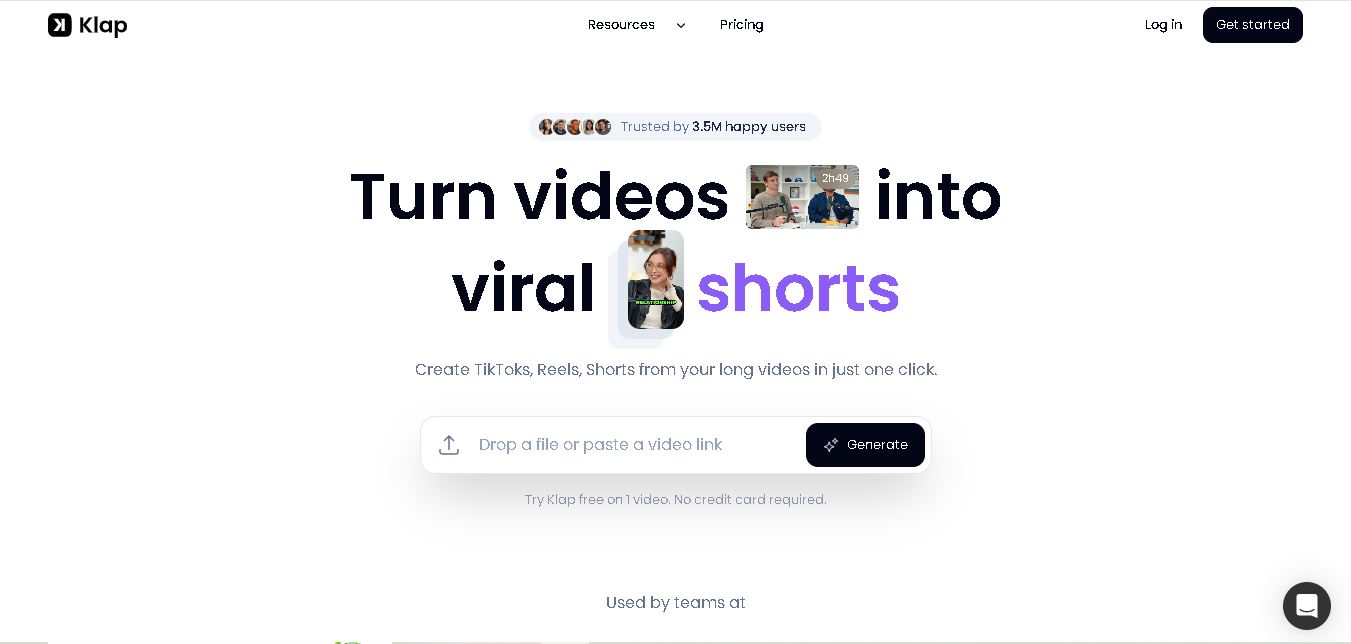
Klap is an AI-powered video editing tool that turns long videos into engaging short clips for TikTok, Instagram Reels, and YouTube Shorts. It automatically finds the best moments, adds captions, and resizes videos, helping creators save time and create more content with less effort.
Free
Melody Genie
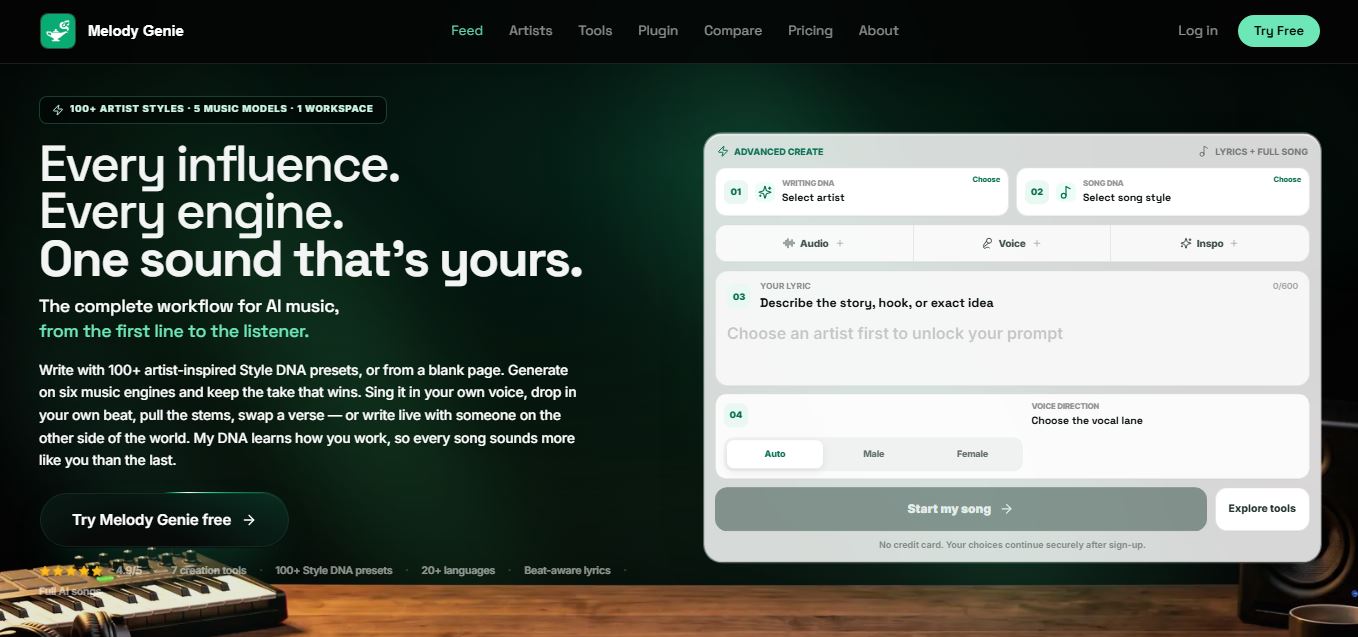
MelodyGenie is an AI-powered music generator that creates original songs from simple text prompts. Users can choose styles, moods, and genres, then instantly generate melodies and full tracks, making it easy for creators, marketers, and hobbyists to produce custom music without musical expertise.
Freemium
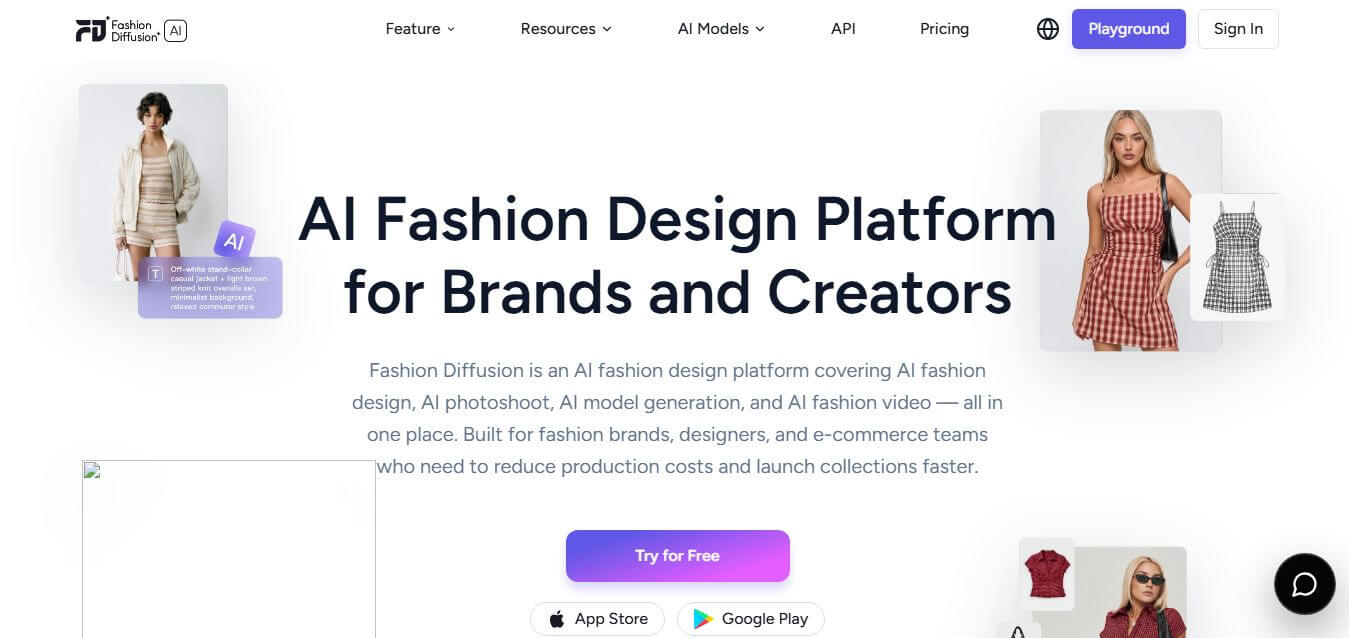
Fashion Diffusion AI
Fashion Diffusion is an AI-powered fashion design platform that helps brands and designers create clothing designs, virtual try-ons, AI models, product photos, and marketing visuals faster and cost-effectively.
Paid
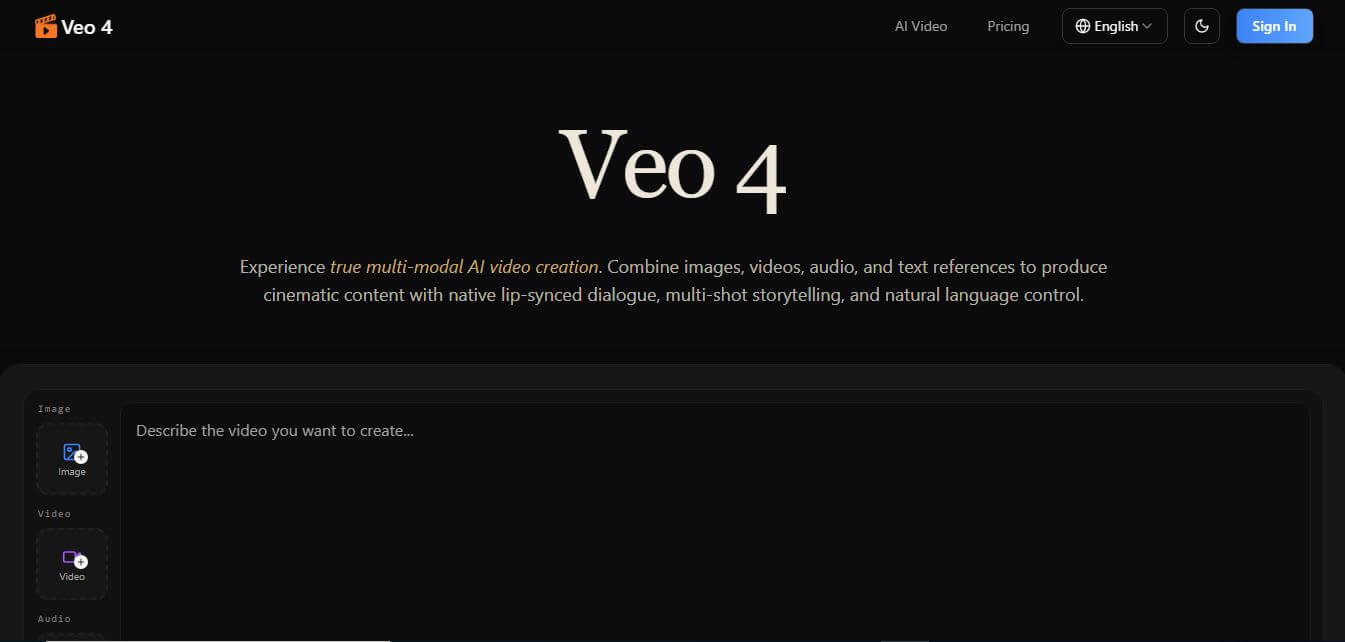
Veo 4
Veo 4 AI is an AI video creation platform that generates dramatic videos from text, images, audio, and video prompts using realistic motion and synchronized sound.
Paid
Alternatives
Alternatives to Scopus
The best Scopus alternatives include Web of Science, OpenAlex, Dimensions, Google Scholar, Semantic Scholar, and PubMed. These platforms offer citation tracking, bibliographic search, and journal metrics. While Scopus specializes in a curated subscription index with proprietary CiteScore indicators, alternatives like OpenAlex offer a 100% free CC0 public domain graph, and Web of Science provides Journal Impact Factor (JIF) analytics.
 4.8
Summate.it
Research
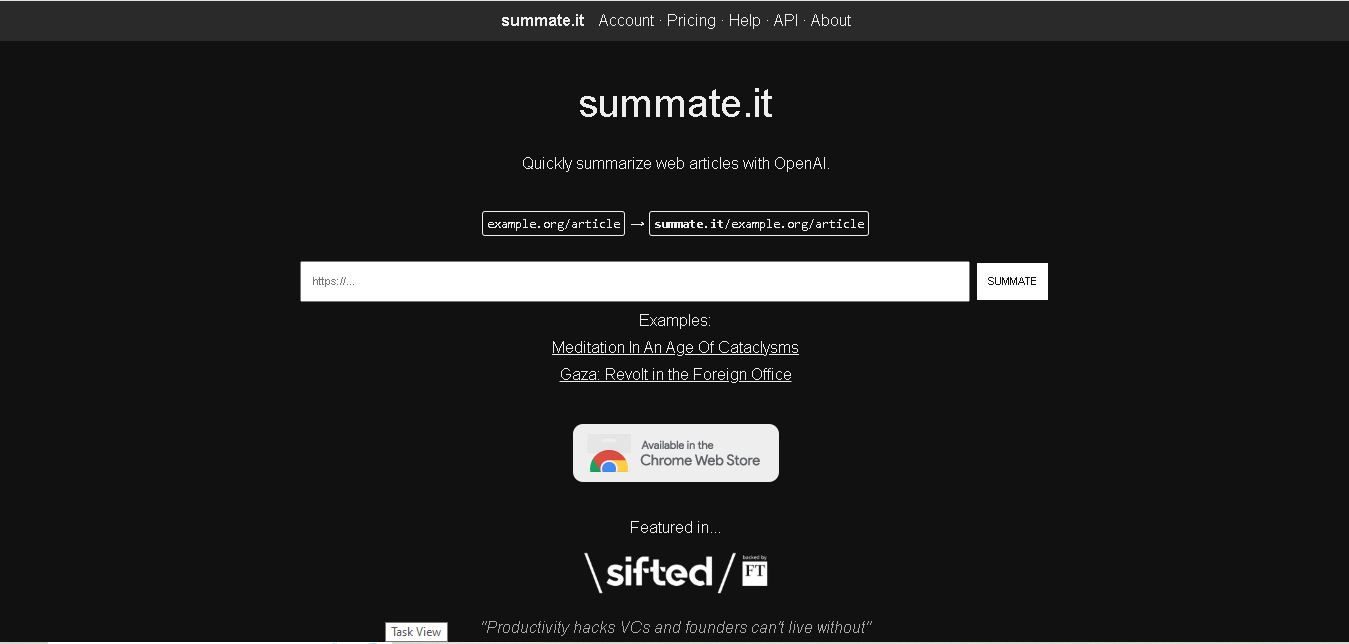
Summate.it is a web-based AI article summarizer that helps users understand lengthy online content quickly. It extracts article text and uses OpenAI to generate concise summaries highlighting essential information. Students, researchers, marketers, and professionals can use it to review online articles efficiently, save reading time, and simplify everyday information gathering.
 4.9
Cradle
Research
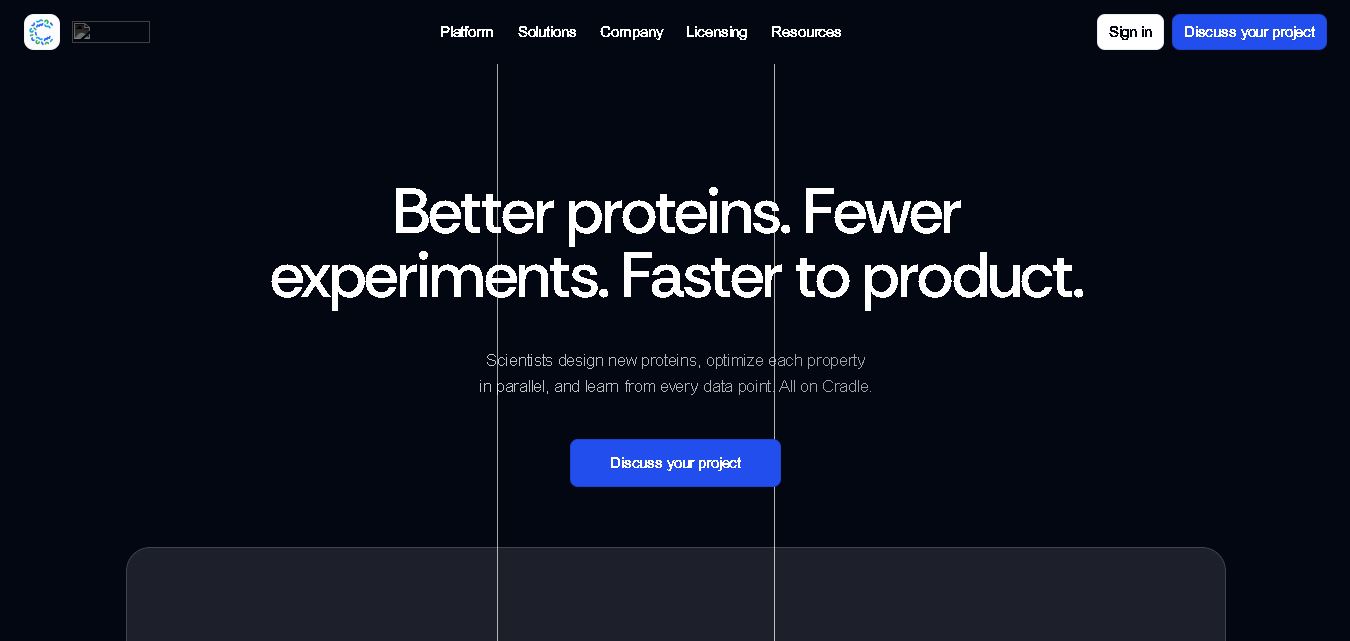
Cradle helps biotechnology researchers design, engineer, and optimize proteins using artificial intelligence and laboratory data. Its capabilities include protein sequence generation, multi-property optimization, candidate scoring, and experimental learning. The platform supports pharmaceutical, agricultural, and industrial biotechnology research, helping scientific teams explore promising molecules while reducing unnecessary experimental cycles and improving research workflows.
 4.9
Iris.ai
Research
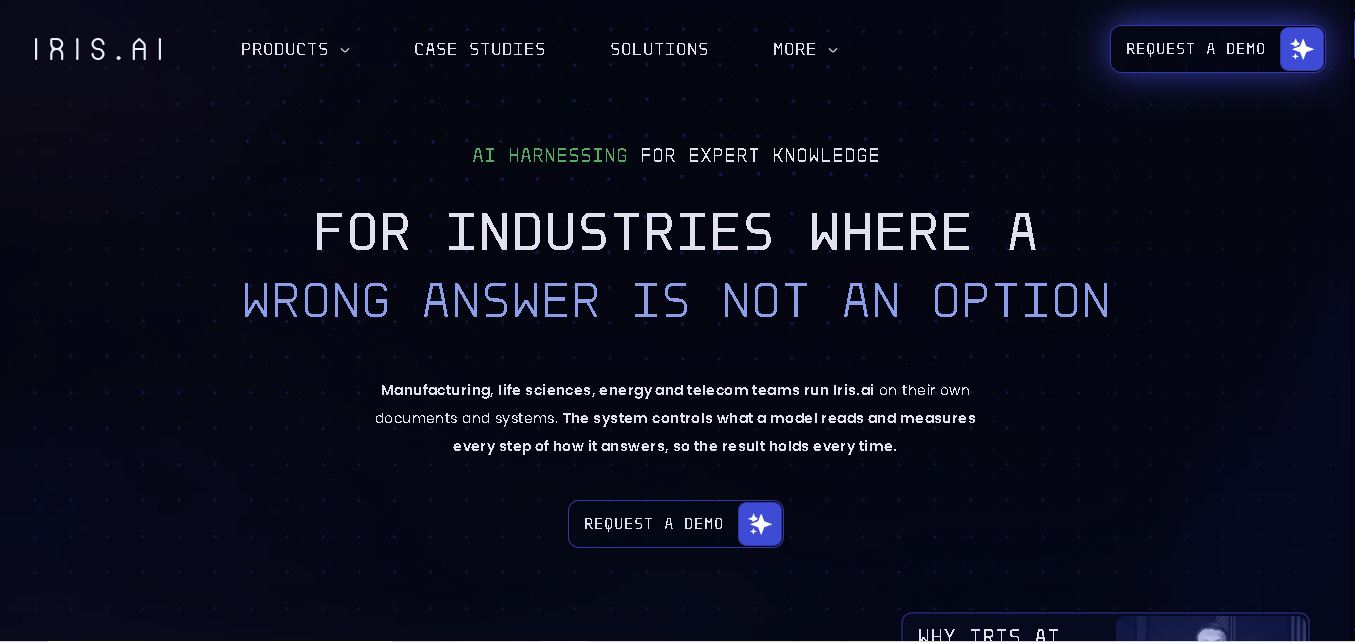
Iris.ai helps enterprises and research teams organize complex information, analyze scientific literature, and build AI workflows using organizational knowledge. Its solutions support document extraction, contextual search, data processing, and AI response evaluation. The platform is particularly relevant to research-intensive businesses seeking better information retrieval, reliable answers, and controlled enterprise AI applications.
 4.8
Lightmatter
Research
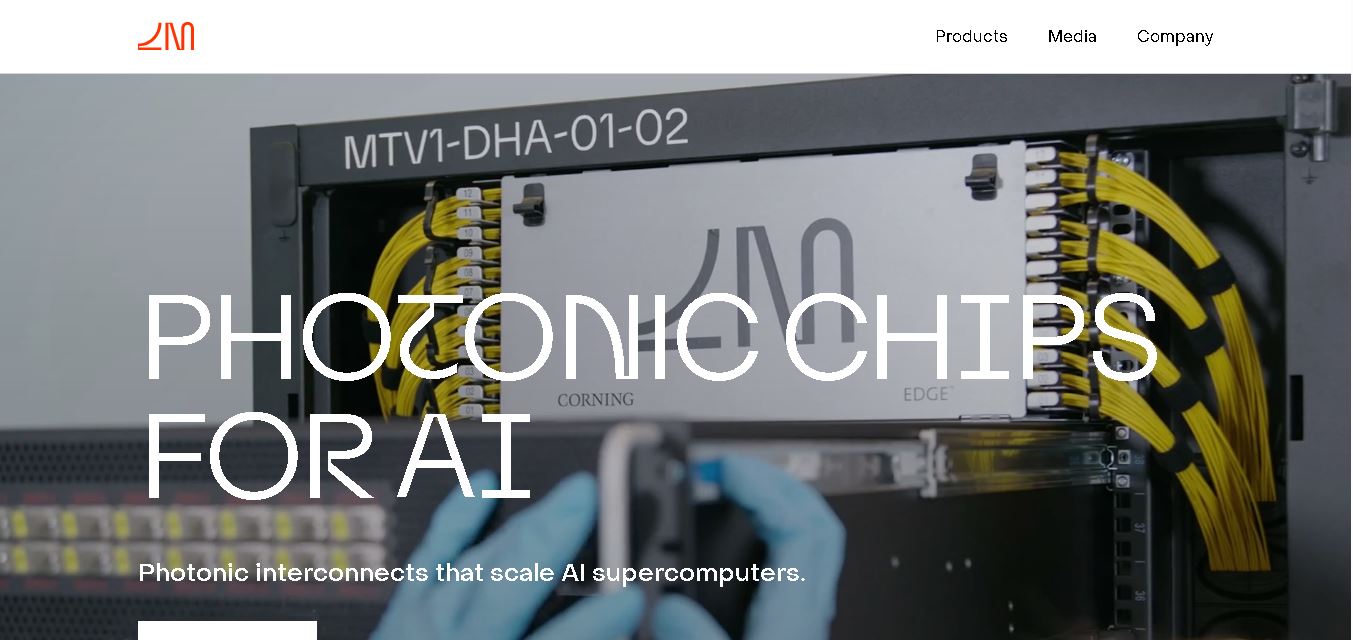
Lightmatter develops photonic computing technologies that help AI data centers connect processors and transfer information more efficiently. Its products include Passage optical interconnects, Guide light engines, and Envise photonic AI computing technology. The company aims to address bandwidth and power constraints affecting large-scale AI training, inference, and high-performance computing infrastructure.
 4.8
FigEditor
Research
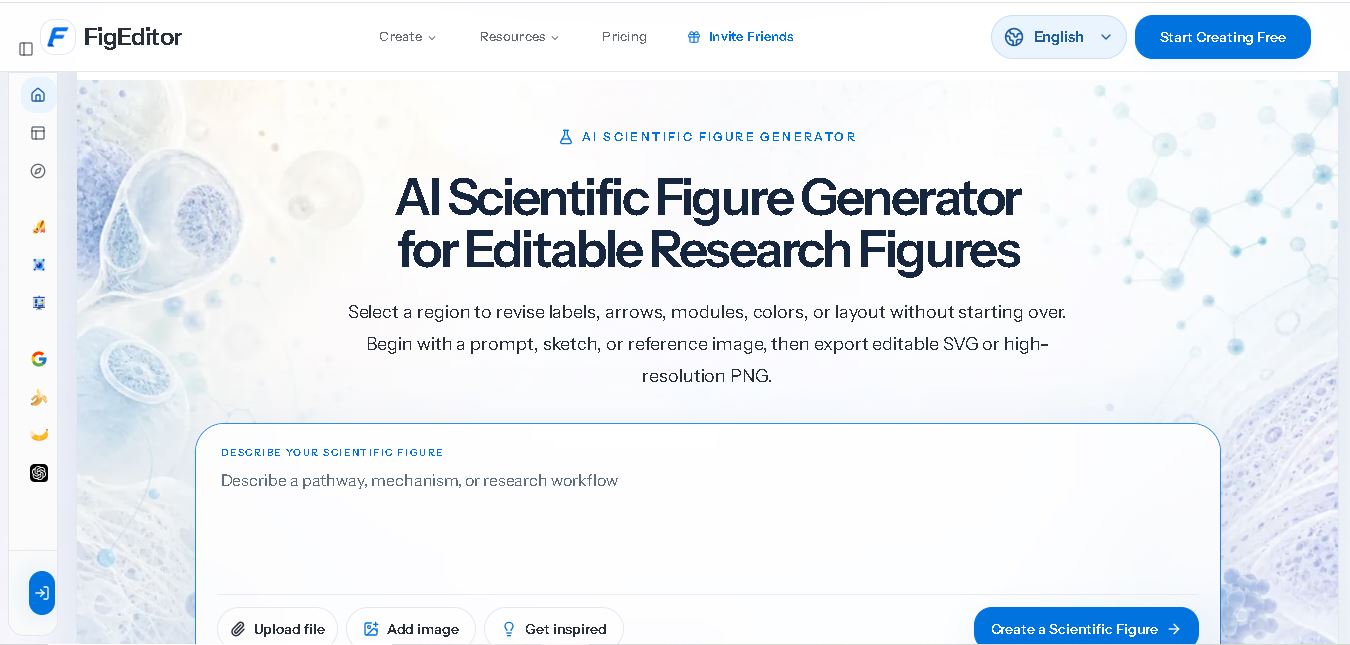
FigEditor AI helps researchers create scientific illustrations, flowcharts, graphical abstracts, and academic diagrams from text prompts, sketches, or reference images. Its editing and vectorization features simplify visual revisions, while SVG and high-resolution PNG exports support different research workflows. It is useful for students, scientists, educators, and research professionals preparing visual materials.
 4.8
GoMim
Research
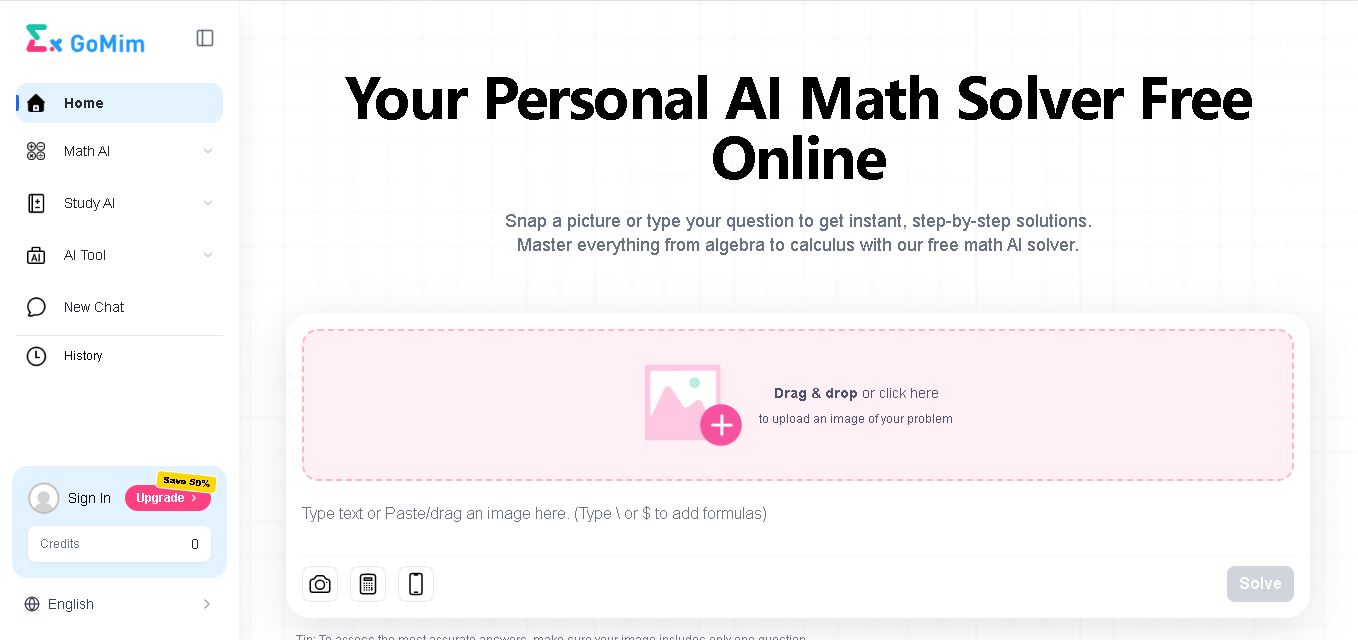
GoMim is an AI math solver that helps students understand mathematical concepts through step-by-step solutions. It supports typed questions, image uploads, and subjects including algebra, geometry, and calculus. With an interactive AI tutor, question history, and free and paid plans, GoMim makes homework assistance and independent study more accessible.
 4.8
AlphaResearch
Research
AlphaResearch helps investors, financial analysts, and corporate strategists research companies using financial documents, earnings transcripts, market data, and sentiment analysis. Its features include document search, filing alerts, stock screening, institutional ownership tracking, and research notes. The platform simplifies financial information discovery, helping users investigate companies and support informed investment research decisions.
 4.8
Gatsbi
Research
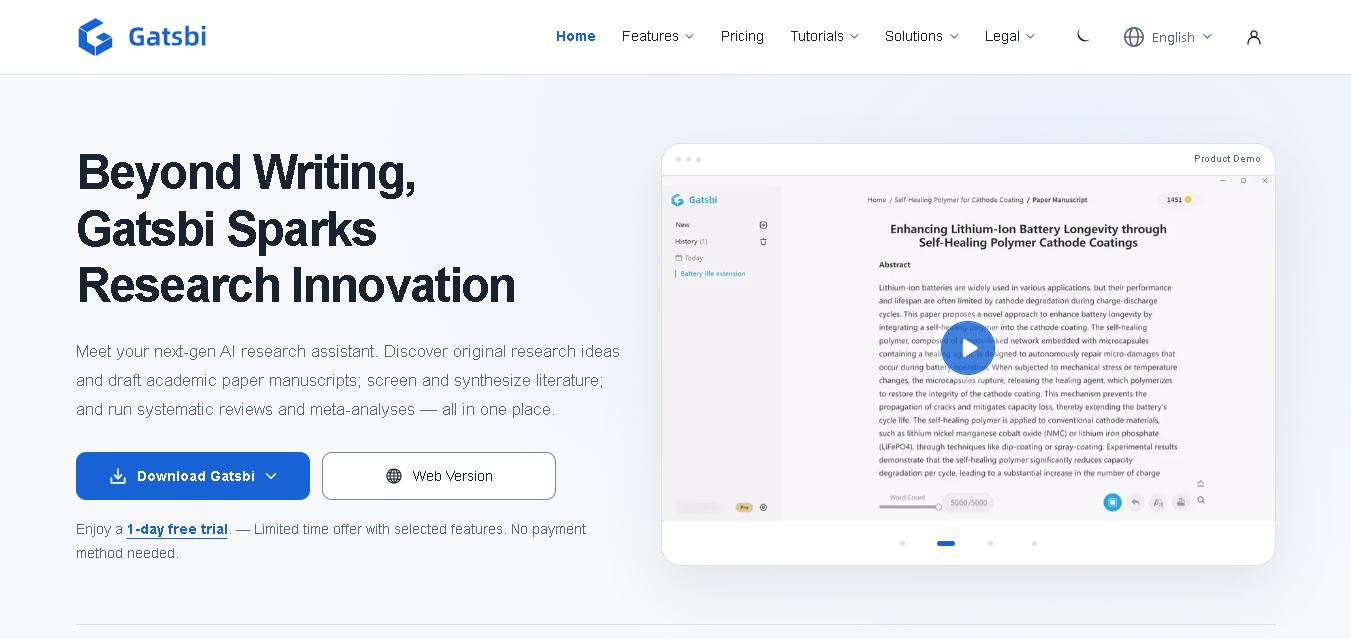
Gatsbi is an AI research assistant that helps researchers discover ideas, draft academic papers, review scientific literature, and prepare patent disclosures. It combines research discovery, manuscript generation, and evidence synthesis in one workflow. The tool is useful for academics, scientists, engineers, and innovation teams seeking to streamline complex research tasks.
 4.9
Metagene-1
Research
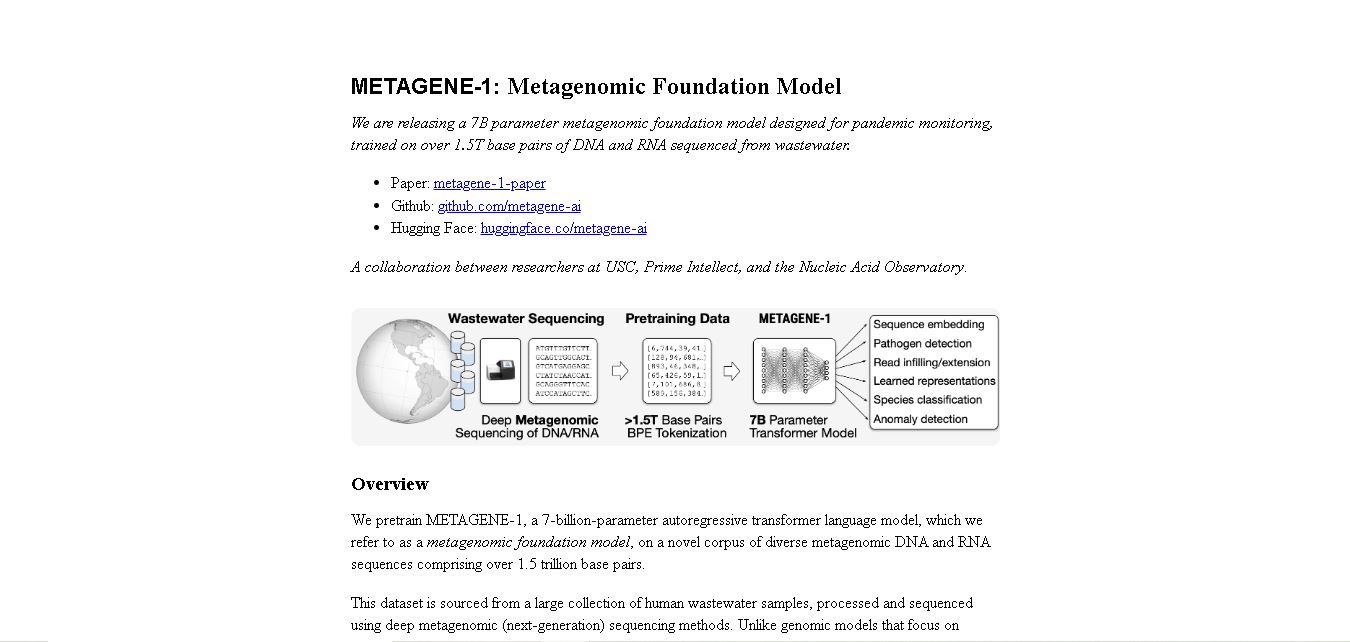
METAGENE-1 is a metagenomic foundation model designed to help researchers analyze DNA and RNA sequences. Trained on extensive wastewater sequencing data, it supports genomic embedding, pathogen detection research, biosurveillance, and pandemic monitoring. The model provides researchers with an AI-based approach to studying microbial diversity and identifying patterns in complex metagenomic datasets.