
OpenAI Prism
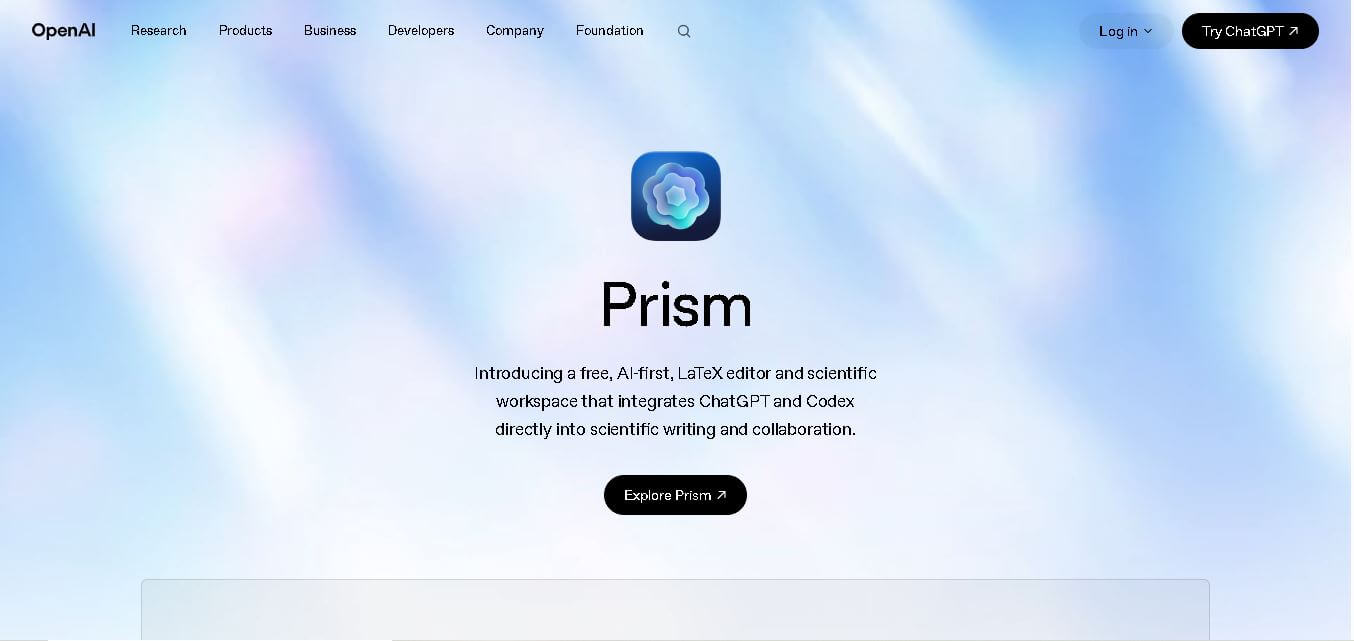
Prism is a scientific writing workspace developed by OpenAI that combines LaTeX editing, AI-assisted writing, literature support, and real-time collaboration in one cloud-based environment. It helps researchers draft, revise, format, and organize research papers faster while reducing manual editing, version conflicts, and document management tasks.
What is OpenAI Prism?
Prism is a cloud-based scientific writing and collaboration workspace designed to simplify how researchers create, edit, and publish academic papers. Instead of relying on separate tools for LaTeX editing, citation management, document review, and AI assistance, Prism brings everything together in one unified environment. Researchers can write manuscripts, collaborate with teammates, manage references, generate equations, proofread content, and search relevant literature without leaving their workspace. Built on LaTeX and integrated with GPT-5.2, Prism understands the context of an entire research project, making it easier to improve writing quality, maintain consistency, and accelerate scientific documentation from draft to publication.
Prism is free for eligible ChatGPT personal account users and supports unlimited projects, unlimited collaborators, unlimited compile time, and unlimited compile speed. It integrates GPT-5.2 directly into scientific writing workflows while offering built-in citation management, LaTeX editing, equation generation, and real-time collaboration. Researchers can also sync with Zotero, convert images into LaTeX code, and use voice-to-code features, reducing time spent on formatting and improving research productivity.
- Developer: OpenAI
- Launch Year: 2026
Use Cases:
- Drafting, typesetting, and rendering academic manuscripts in native LaTeX
- Converting natural language prompts or whiteboard sketches into publication-ready TikZ diagrams
- Searching and managing citations from repositories like arXiv and PubMed directly inside the editor
- Collaborating simultaneously with multi-institutional research teams without version drift
Technology:
- GPT-5.2 Thinking model with full-manuscript context window analysis
- Crixet cloud LaTeX compilation engine with real-time visual preview
- Multimodal vision engine for converting drawings into structured LaTeX code
Target Users:
- Academic researchers, professors, and PhD candidates writing journal papers
- STEM students learning LaTeX syntax and scientific document structure
- R&D scientists and lab teams producing technical reports and grant proposals
Ecosystem: Natively integrated into the ChatGPT account ecosystem, supporting desktop web access and exported LaTeX source packages.

Key features of OpenAI Prism
OpenAI Prism's key features are
- Native LaTeX Engine & Visual Preview: Write directly in LaTeX with instant visual rendering, automated package management, and zero local compiler configuration.
- Context-Aware GPT-5.2 Assistant: The built-in AI maintains complete memory of your manuscript, referencing figures, equations, bibliography items, and preceding sections for precise edits.
- Diagram & Figure Synthesis: Leverages multimodal vision to convert rough hand-drawn sketches or natural language descriptions into professional TikZ LaTeX diagrams.
- Integrated Literature & Citation Search: Search academic databases like arXiv inside the workspace and automatically format BibTeX entries into your manuscript.
- Real-Time Cloud Collaboration: Simultaneous multi-author editing with line-by-line version tracking, inline discussion threads, and permission controls.
- Voice-Based Editing: Hands-free voice prompts for making targeted revisions, reformatting paragraphs, or inserting equations during peer reviews.
OpenAI Prism Pricing
OpenAI provides broad free access to Prism for personal users while scaling enterprise security for institutional deployments.
Free / ChatGPT Personal Tier:
- $0/month (requires a free ChatGPT or OpenAI account)
- Unlimited research projects, full access to GPT-5.2 LaTeX drafting assistance, literature search, and real-time co-author invites
Business & Enterprise Tiers (ChatGPT Team / Edu / Enterprise):
- Integrated into ChatGPT Team, Business, and Education subscriptions
- Includes administrative workspace controls, SSO, HIPAA/SOC-2 compliance, and zero AI model training on internal lab data
Disclaimer: For the latest and most accurate pricing information, please visit the official OpenAI Prism AI website.
Is OpenAI Prism Worth It?
OpenAI Prism is unequivocally worth adopting for anyone involved in STEM research, academic publishing, or technical writing. By combining LaTeX compilation with GPT-5.2 reasoning, it eliminates the tedious mechanical overhead of formatting, citation hunting, and version conflicts without costing a cent for individual researchers.
Real-World Use Cases
- Journal Article Submissions: Research teams draft, cite, and format complex multi-page manuscripts directly for IEEE, Nature, or arXiv publishing standards.
- Grant Proposals & Technical Reports: Lab directors draft collaborative research proposals while using AI to verify internal consistency across sections.
- Teaching & Syllabus Creation: University professors structure advanced coursework, generate problem sets, and render complex mathematical equations effortlessly.
- Handwritten Sketch to LaTeX: Students upload photos of handwritten whiteboard neural networks or physics formulas to convert them into crisp publication figures.
Who is using OpenAI Prism?
OpenAI Prism is designed for a broad academic and technical community, including
- University Professors & Postdocs: Publishing research papers and managing co-author revisions
- Graduate & PhD Students: Learning LaTeX syntax while building literature reviews and dissertations
- Corporate R&D Scientists: Drafting technical whitepapers and institutional patent documentation
- Independent Researchers: Accessing elite AI-powered publication tools at zero cost
Best OpenAI Prism Alternatives
Some of the strongest OpenAI Prism alternatives include
- Overleaf
- Jenni AI
- SciSpace (Typeset.io)
- Elicit
- Notion AI
Pros and Cons of OpenAI Prism
Pros
- Completely free for all individual ChatGPT account holders with unlimited projects
- Deep GPT-5.2 contextual reasoning understands entire manuscripts including equations and citations
- Converts hand-drawn sketches and prompt descriptions into clean TikZ/LaTeX diagrams
- Seamless real-time co-authoring without seat restrictions or file version clutter
- Eliminates local LaTeX environment setups and compiler errors
Cons
- Requires ongoing verification by human authors to prevent hallucinated citations or subtle reasoning errors
- Relies on internet connectivity for cloud compilation and AI generation
- Advanced custom LaTeX macro packages may occasionally require manual adjustments
Why Choose OpenAI Prism?
Unlike traditional web-based LaTeX tools that treat AI as a superficial side-bar plugin, OpenAI Prism was built from the ground up as a unified workspace. GPT-5.2 acts as an editorial co-author that reads the entire structure of your paper, allowing you to focus on scientific ideas while the platform handles formatting, figures, and literature lookup.
- Consolidates writing, literature review, drawing, and LaTeX rendering into one window
- Democratizes publication tools by offering free, enterprise-grade software to researchers worldwide
- Accelerates technical figure creation through AI vision multimodal conversion
- Protects intellectual rigor by placing final approval and editing authority in human hands
How OpenAI Prism Works
- 1. Open Prism Workspace: Visit prism.openai.com and log in with your ChatGPT or OpenAI credentials.
- 2. Create or Import Project: Start a blank LaTeX paper or upload existing .tex source files and BibTeX bibliographies.
- 3. Draft with AI Assistance: Highlight text or prompt GPT-5.2 to refine prose, search arXiv for relevant papers, or turn rough sketches into TikZ diagrams.
- 4. Collaborate & Export: Invite co-authors for live editing and download publication-ready PDF or LaTeX source packages.
OpenAI Prism vs. Competitors
The primary difference between OpenAI Prism, Overleaf, and Jenni AI is that Prism integrates full GPT-5.2 contextual intelligence natively into a cloud LaTeX environment. While Overleaf remains the standard for traditional collaborative LaTeX editing, it lacks deep AI document-level reasoning. Jenni AI focuses primarily on rich text drafting without native LaTeX compilation.
| Feature | OpenAI Prism | Overleaf | Jenni AI |
|---|---|---|---|
| Primary Focus | AI-Native LaTeX Scientific Workspace | Collaborative Cloud LaTeX Editor | AI Academic Writing Assistant |
| AI Model Integration | GPT-5.2 Full Context Reasoning | Limited / Third-party extensions | Proprietary Writing Assistant |
| Native LaTeX Rendering | Yes (Real-time preview) | Yes (Standard compiler) | No (Rich Text output) |
| Diagram Synthesis | Sketch to TikZ LaTeX generation | Manual coding required | Not supported |
| Personal Pricing | 100% Free for ChatGPT users | Freemium ($15-$30/mo for full features) | Freemium ($12-$20/mo) |
How do we rate OpenAI Prism?
| Parameter | Rating (out of 5) |
|---|---|
| Ease of Use | 4.7 |
| LaTeX & Formatting Power | 4.9 |
| AI Contextual Intelligence | 4.9 |
| Value for Money | 5.0 |
| Collaboration Features | 4.7 |
| Overall Score | 4.8 |
OpenAI Prism Review
OpenAI Prism sets a new benchmark for how researchers interact with artificial intelligence. By placing GPT-5.2 inside a complete cloud LaTeX environment, OpenAI has solved the fragmented workflow problem that has long burdened scientific writing. The platform makes generating mathematical equations, searching literature, and formatting complex diagrams intuitive while maintaining rigorous technical standards.
Conclusion
Prism represents a modern approach to scientific writing by combining AI assistance, LaTeX editing, literature support, and real-time collaboration within a single cloud-based workspace. Instead of managing multiple research tools, users can write, revise, format, and collaborate more efficiently while maintaining document quality. Features like unlimited collaboration, integrated GPT-5.2 assistance, citation management, and automated formatting make it valuable for researchers, educators, and students alike. Whether you're preparing your first research paper or managing large collaborative projects, Prism streamlines academic writing and helps you focus more on scientific discovery than on repetitive editing and formatting tasks.
FAQ
What makes Prism different from traditional LaTeX editors?
Prism goes beyond being a standard LaTeX editor by combining writing, collaboration, AI assistance, citation management, and document editing into one workspace. Instead of switching between multiple applications, researchers can draft papers, fix formatting issues, search literature, improve writing, and collaborate with teammates in real time, making scientific writing faster and more organized from beginning to publication.
Who should use Prism?
Prism is ideal for researchers, university students, professors, PhD scholars, scientists, research teams, and academic institutions that regularly prepare technical documents or research papers. It is especially valuable for anyone using LaTeX who wants AI support for writing, proofreading, citations, equations, and collaborative editing without managing multiple software tools simultaneously.
Can Prism help improve the quality of research papers?
Yes. Prism reviews your document with full project context, helping refine clarity, grammar, structure, equations, references, and logical flow. It can also suggest related research, identify writing inconsistencies, and automate repetitive formatting tasks. This allows researchers to spend more time improving scientific ideas rather than manually editing documents.
Does Prism support teamwork on research projects?
Absolutely. Prism allows unlimited collaborators to work together on the same document in real time. Team members can edit manuscripts, leave comments, review revisions, and monitor updates without worrying about version conflicts or file sharing issues. This makes collaborative research much smoother, particularly for teams working across different institutions or countries.
Is Prism free to use?
Yes. Prism is available free for eligible users with a personal ChatGPT account. Users can create unlimited projects, invite unlimited collaborators, and access core writing and collaboration features without paying. OpenAI has also indicated that additional advanced AI capabilities may become available through paid ChatGPT plans over time.
Can Prism replace other academic writing tools?
For many researchers, Prism can significantly reduce the need for separate LaTeX editors, reference managers, proofreading software, and AI writing assistants by bringing these functions together. However, some specialized workflows or external integrations may still require additional tools depending on the research field and institutional requirements.
User Reviews
No reviews yet for OpenAI Prism.
Featured Tools
Featured AI tools from TechShark
Melody Genie
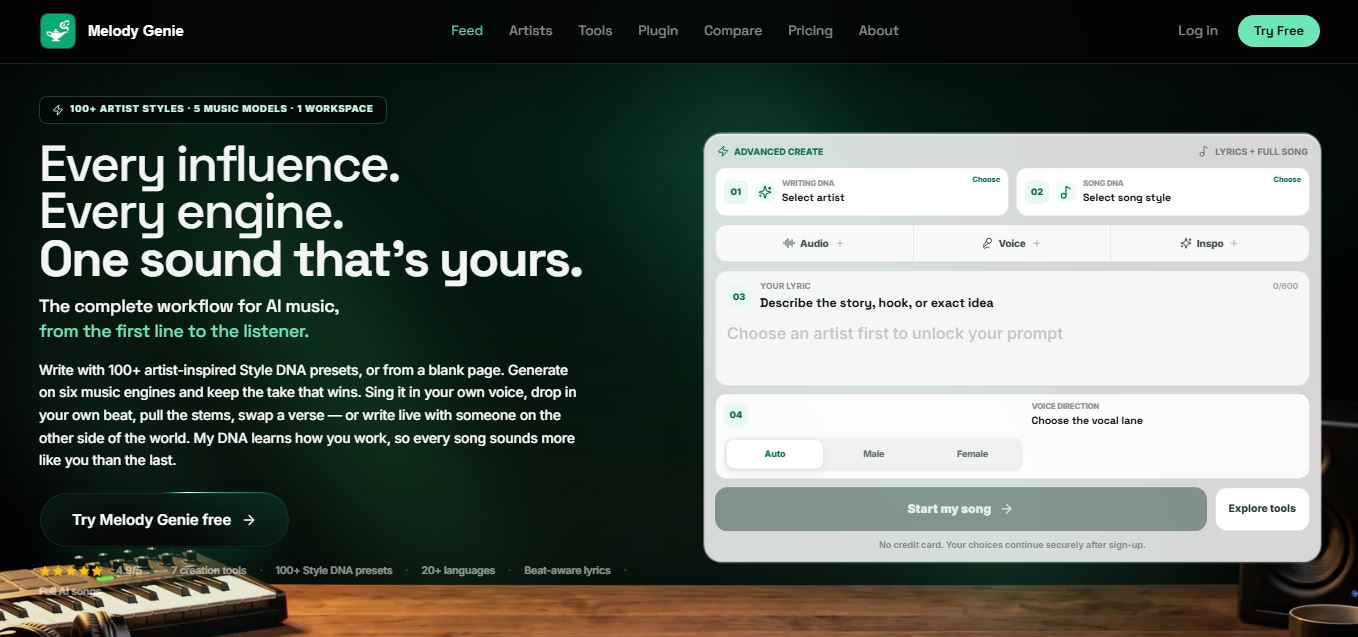
MelodyGenie is an AI-powered music generator that creates original songs from simple text prompts. Users can choose styles, moods, and genres, then instantly generate melodies and full tracks, making it easy for creators, marketers, and hobbyists to produce custom music without musical expertise.
Freemium
Kimi AI
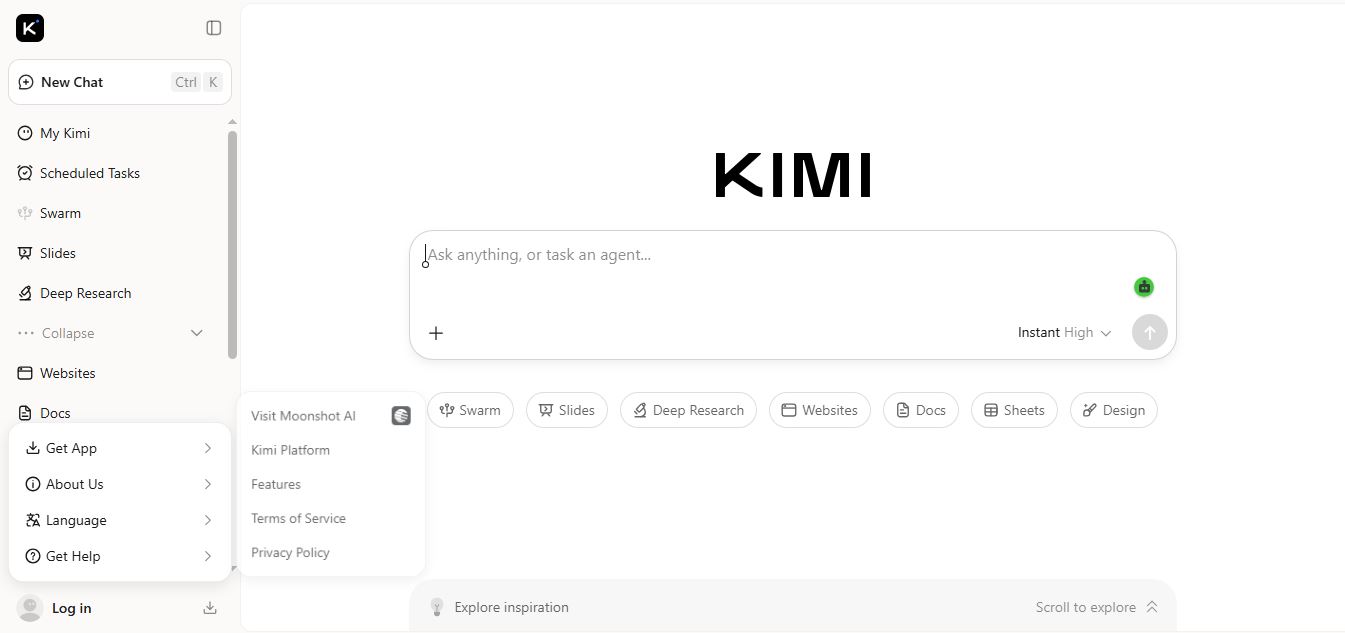
Kimi AI is an advanced AI assistant developed by Moonshot AI that helps you chat, research, write, code, and automate tasks in one place. It supports web search, file analysis, and multimodal inputs, and can even run autonomous “agent” workflows to complete complex tasks end-to-end.
Freemium

Fashion Diffusion AI
Fashion Diffusion is an AI-powered fashion design platform that helps brands and designers create clothing designs, virtual try-ons, AI models, product photos, and marketing visuals faster and cost-effectively.
Paid
Veo 4
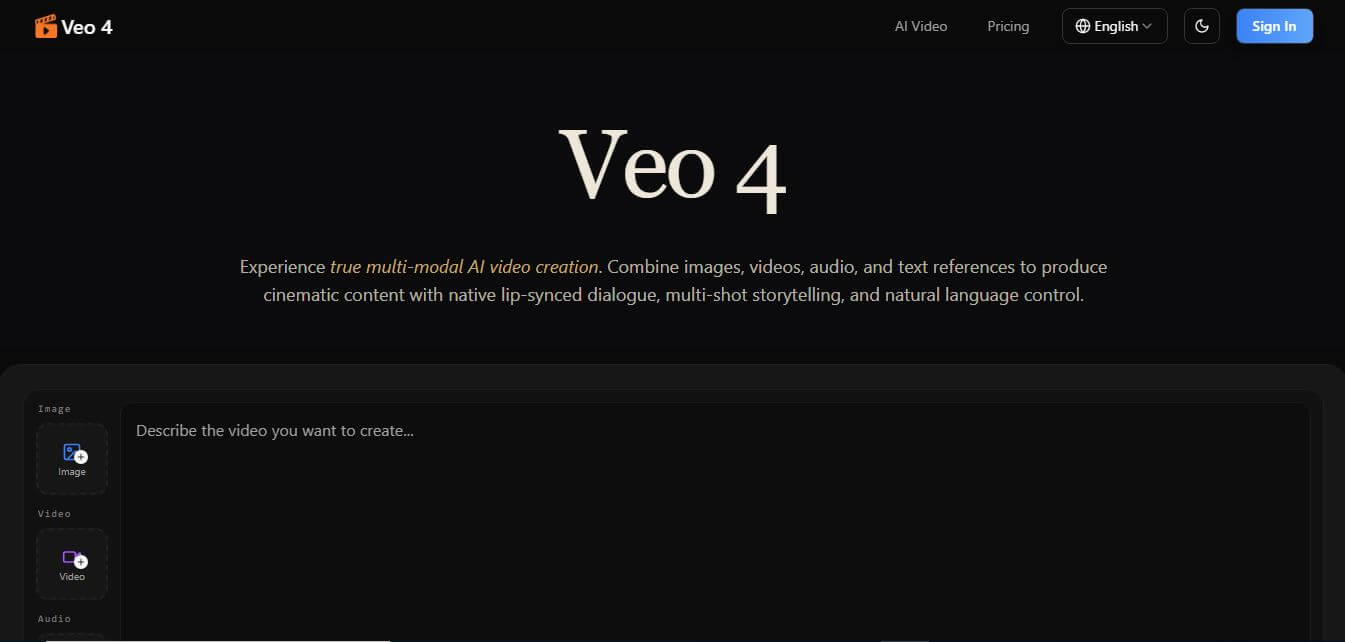
Veo 4 AI is an AI video creation platform that generates dramatic videos from text, images, audio, and video prompts using realistic motion and synchronized sound.
Paid
Alternatives
Alternatives to OpenAI Prism
The best OpenAI Prism alternatives include Overleaf, Jenni AI, SciSpace (Typeset.io), Elicit, and Notion AI. Overleaf is the leading traditional cloud LaTeX editor for collaborative academic papers. Jenni AI and SciSpace offer specialized AI writing assistance and paper comprehension tools. Elicit excels at automated literature reviews and data extraction, while Notion AI offers general note-taking and document creation.
 4.9
4.9Manifold
Research
Manifold helps life sciences organizations turn complex clinical, genomic, and real-world data into governed, self-service insights. Its specialist agents support natural-language queries, cohort building, bioinformatics, statistical analysis, data partnerships, and evidence generation. Teams can keep sensitive data within their cloud while controlling access, auditing activity, and scaling research workflows securely.
 5.0
5.0Rayyan
Research
Rayyan is an AI-powered systematic review and literature review platform that helps researchers organize references, remove duplicates, screen studies, extract data, assess risk of bias, and generate PRISMA reports. Its AI features assist with relevance ranking, article screening, and structured data extraction while keeping researchers in control.
 4.9
4.9EvidenceHunt
Research
EvidenceHunt is an AI-powered medical research platform that helps clinicians, researchers, and life science teams find and analyze scientific evidence. It searches medical literature, guidelines, and internal documents, then generates citation-grounded answers, evidence tables, systematic reviews, and traceable insights for faster, evidence-based research.
 4.9
4.9Elicit
Research
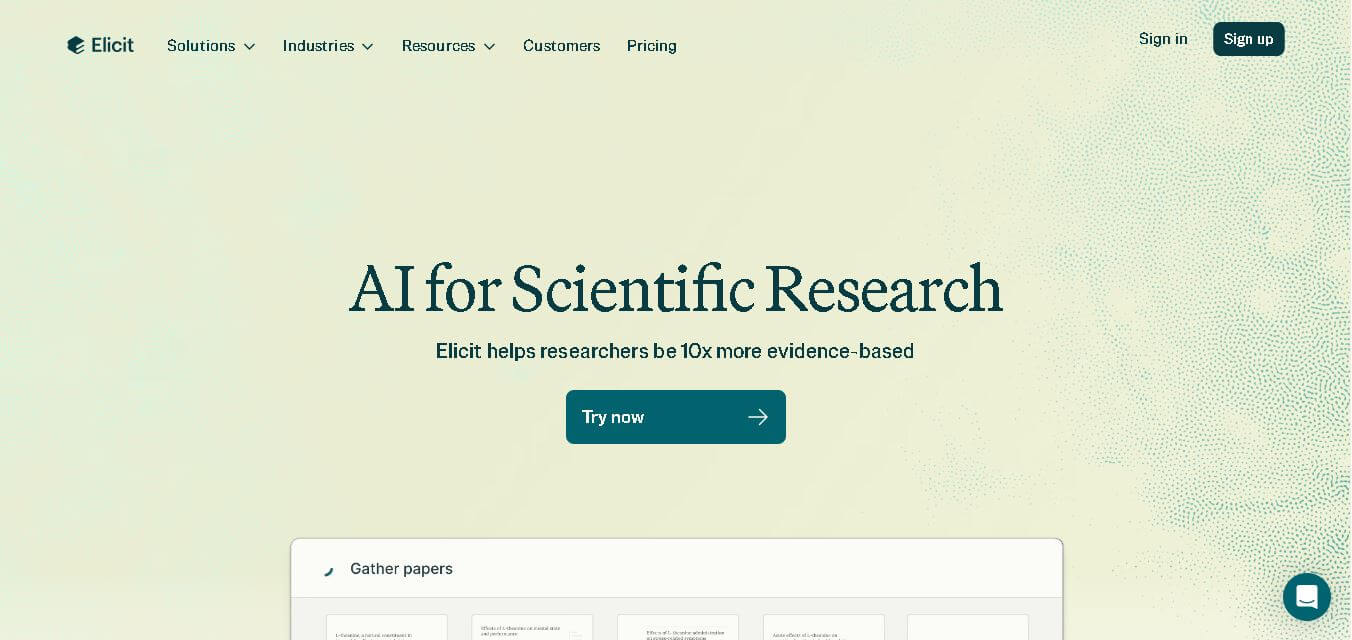
Elicit is an AI-powered research assistant that helps users find, summarize, and analyze academic papers at scale. It searches millions of studies, extracts key data, and generates evidence-backed reports, enabling researchers to conduct literature reviews, compare findings, and make informed decisions faster.
 4.8
4.8Scholarcy
Research
Scholarcy is an AI-powered research assistant that helps students and researchers summarize, analyze, and organize academic papers. It turns complex documents into structured flashcards with key findings, concepts, and references, enabling faster reading, better understanding, and efficient literature review workflows.
 4.9
4.9Resoomer
Research
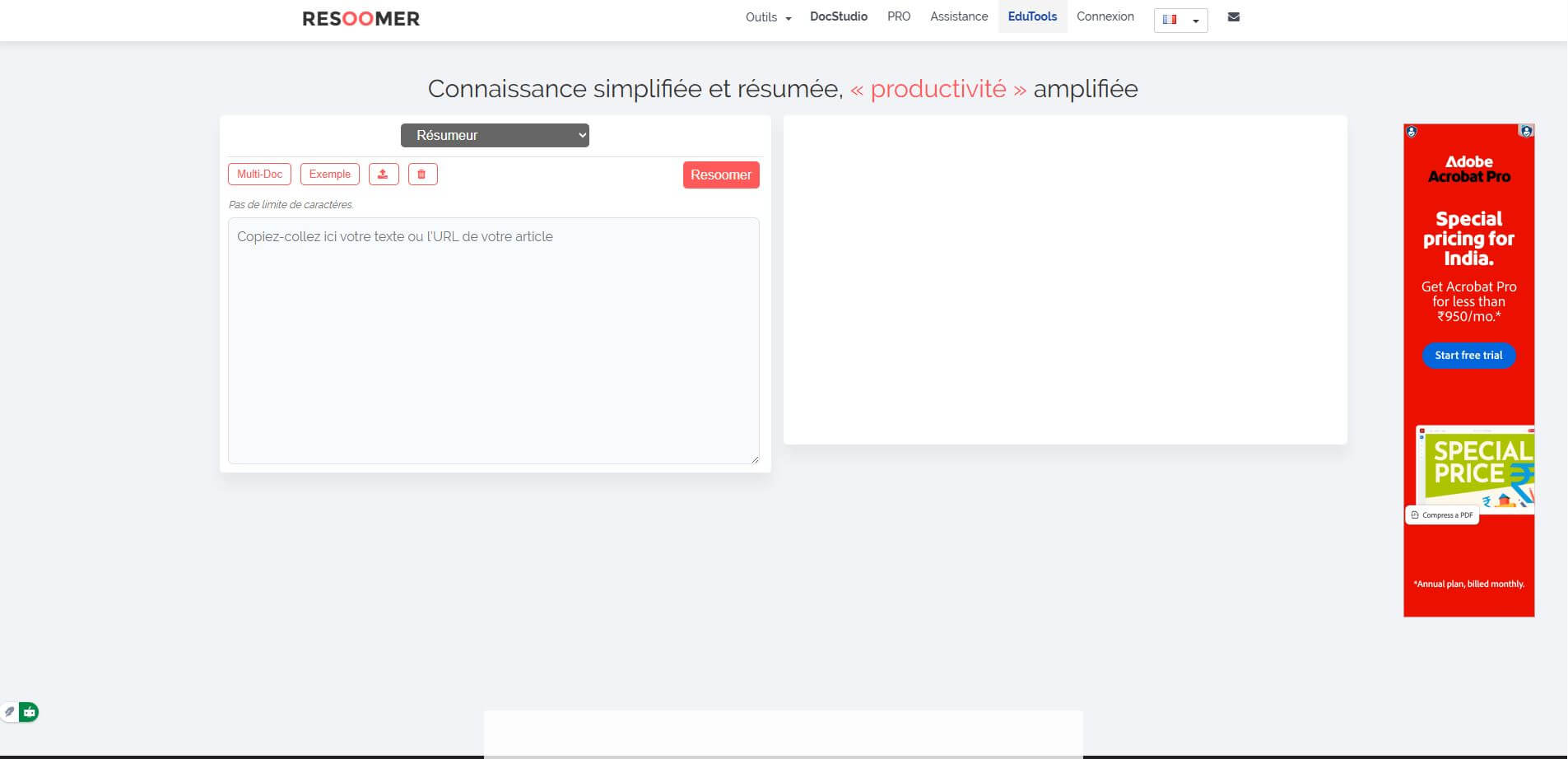
Resoomer is an AI-powered text summarization tool that helps users quickly turn long articles, research papers, and documents into concise summaries. It identifies key ideas, supports multiple formats like PDFs and URLs, and includes tools for paraphrasing, translating, and analyzing content for faster understanding.
 4.9
4.9Consensus
Academic
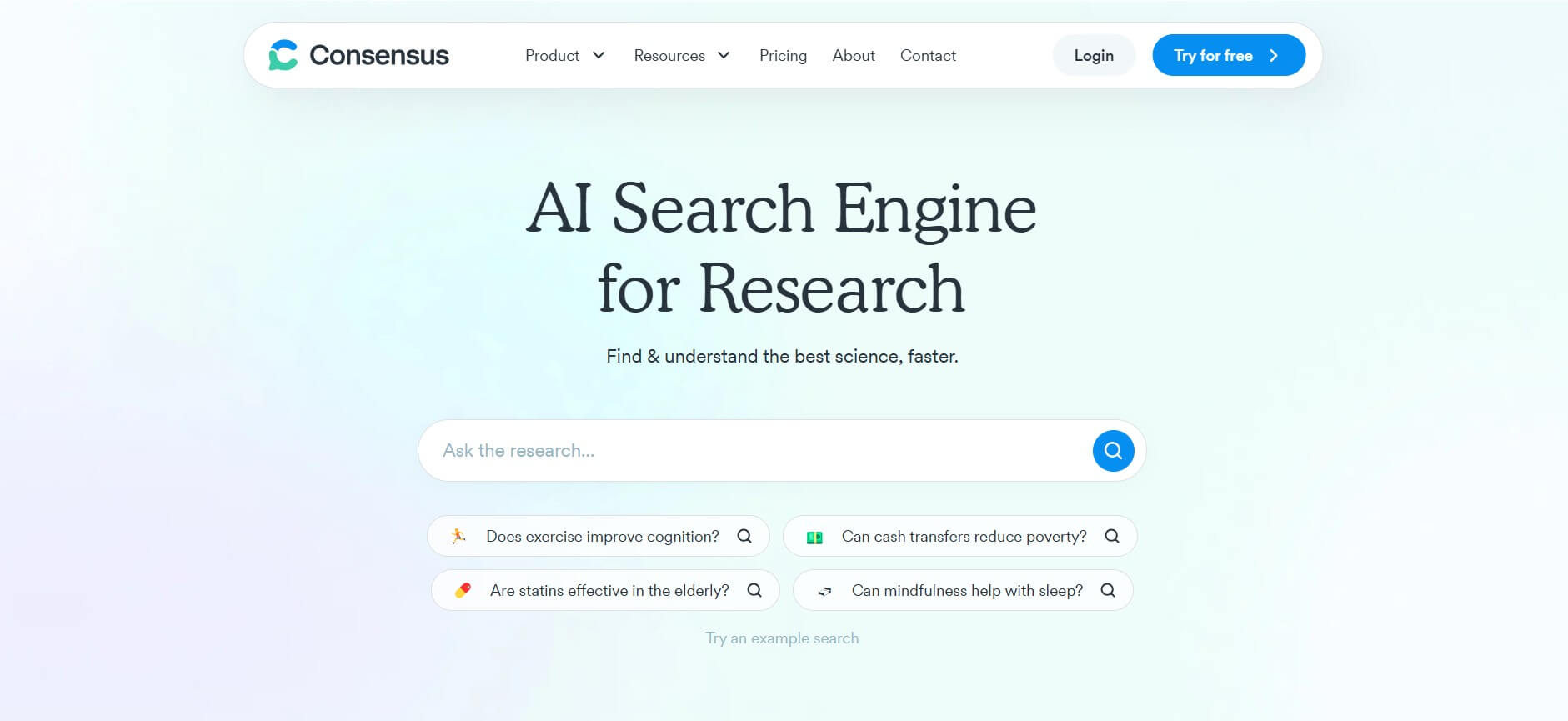
Consensus is an AI-powered academic search engine that helps users find, understand, and summarize scientific research from over 200 million peer-reviewed papers. It delivers clear, cited answers backed by real studies, making it easier to explore evidence, compare findings, and conduct research faster and more reliably.
 5.0
5.0Perplexity AI
AI Chatbot Tools
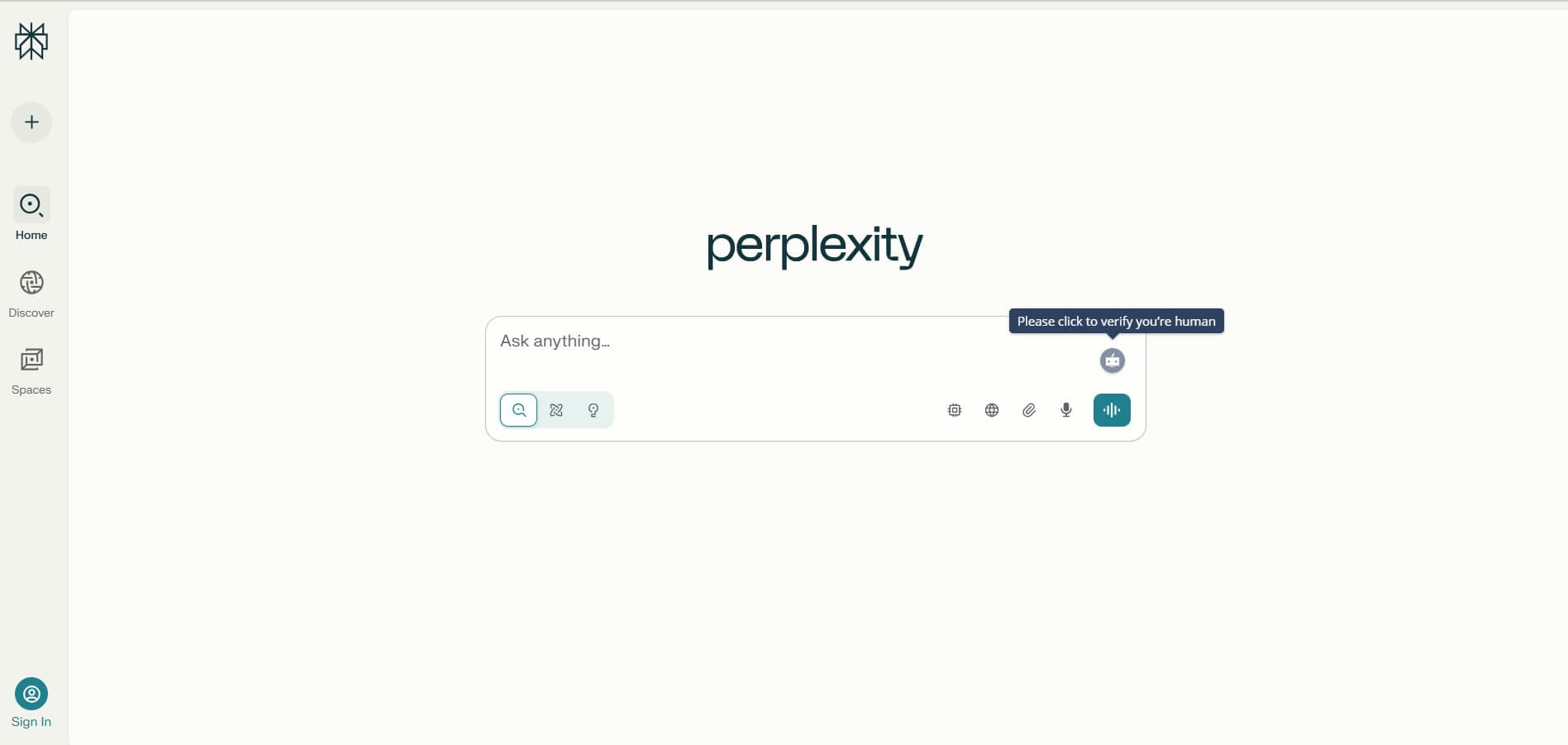
Perplexity is an AI-powered answer engine that searches the web in real time and delivers clear, cited responses instead of just links. It combines conversational AI with live data, helping users research topics, compare information, and get reliable insights quickly with verifiable sources.
OneSearch.bio
Research
OneSearch.bio is an AI-powered bio link and search aggregation platform designed for creators, brands, and digital marketers to consolidate links, social profiles, monetization tools, and searchable content into a single custom hub.