
OpenAI Codex
Codex is an AI coding model developed by OpenAI that can understand natural language and turn it into working code. It powers tools like GitHub Copilot, helping developers write, debug, and explain code across multiple programming languages.
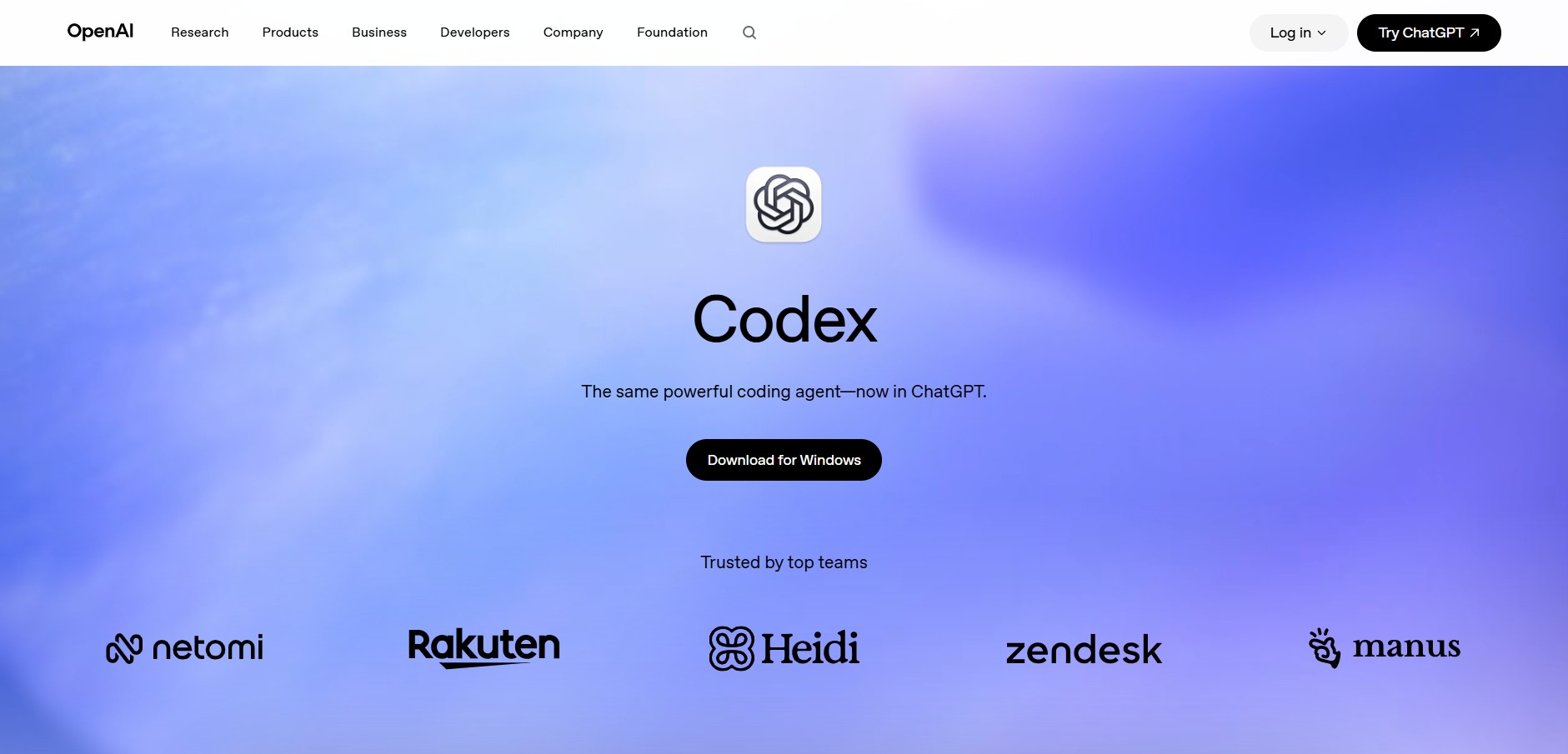
What is OpenAI Codex?
Codex is an AI-powered coding agent developed by OpenAI that helps developers write, debug, and manage code using natural language. Instead of manually building everything, you can describe features, fix bugs, or request changes, and Codex generates and updates code instantly. It can navigate entire codebases, run tests, and automate development tasks, acting like a virtual engineering teammate. Designed to boost productivity, Codex reduces repetitive work and helps developers focus on solving complex problems faster.
Evolving from OpenAI's foundational code generation models that originally powered early AI coding tools, modern OpenAI Codex has been rebuilt as an asynchronous cloud-based software engineering agent. Powered by specialized coding versions of OpenAI's reasoning models (such as codex-1 and frontier GPT-series reasoning models), Codex runs tasks in parallel inside isolated cloud sandboxes or locally via the Codex CLI, accessible through ChatGPT subscriptions, IDE integrations, and standalone desktop apps.
- Developer / Parent Company: OpenAI
- Platform Model: Autonomous Software Engineering Agent, CLI & Multi-Agent Workspace
Use Cases:
- Delegating complete full-stack features, API endpoints, and database migrations from high-level natural language instructions
- Running parallel engineering tasks across multiple git worktrees without causing local machine freezes or branch collisions
- Executing automated test suites, typecheckers, and linters iteratively until all unit and regression tests pass
- Triaging complex repository bugs, refactoring legacy architectures, and resolving technical debt asynchronously
- Performing autonomous front-end verification and QA testing using integrated browser tools and visual mockup parsing
Technology:
- Specialized agentic foundation models trained via reinforcement learning specifically on real-world engineering workflows and pull request conventions
- Isolated cloud sandbox container runtime preloaded with repository trees, language runtimes, and package managers
- Multi-surface client architecture spanning the Codex CLI, native desktop applications, VS Code/JetBrains extensions, and ChatGPT web interfaces
Target Users:
- Full-stack software engineers and technical architects seeking to offload repetitive implementation and boilerplate setup
- Engineering team leads and managers delegating issues and reviewing automated draft pull requests
- Startup founders and indie developers accelerating product velocity through parallel autonomous agent execution
- DevOps and QA automation teams maintaining test coverage and automated codebase health checks
Acquisition: Proprietary flagship developer product developed and operated by OpenAI

Key features of OpenAI Codex
OpenAI Codex's key features are
- Autonomous Multi-File Editing: Analyzes dependency trees across large codebases and makes synchronized edits across multiple files in a single pass.
- Isolated Cloud Sandboxes: Runs tasks within secure, containerized environments preloaded with repository context, keeping development off personal local hardware.
- Parallel Agent Orchestration: Spawns multiple independent agents to tackle separate bugs, features, and test suites concurrently.
- Iterative Self-Verification: Executes terminal test harnesses, linters, and compilers, automatically inspecting error outputs and refactoring until all tests pass cleanly.
- Official Codex CLI: Provides a lightweight, local terminal command-line tool allowing developers to steer autonomous coding workflows directly from their shell.
- Multi-Surface Experience: Switch between the ChatGPT web portal, native desktop apps (macOS and Windows), terminal CLI, and standard IDE extensions (VS Code, JetBrains).
- Visual QA & Browser Verification: Uses browser actuation and multimodal vision to inspect front-end interfaces, verify UI styling against design mockups, and flag visual regressions.
- Pull Request Generation: Formats final code modifications with clean commit messages, architectural summaries, and review-ready pull requests.
OpenAI Codex Pricing
OpenAI Codex is packaged within OpenAI's consumer and enterprise subscription plans alongside usage-based API developer access.
Free / Starter Access:
- $0 / month: Limited trial access to basic coding assistance and lightweight agent requests within ChatGPT
ChatGPT Plus & Pro Tiers:
- ChatGPT Plus ($20 / month): Core access to Codex features, standard agent execution limits, and CLI connectivity
- ChatGPT Pro ($200 / month): High-compute priority allocation for compute-heavy parallel agent runs, extended sandbox execution times, and maximum context windows
Team & Enterprise Tiers:
- Business & Enterprise Pricing: Workspace-wide seat licensing, administrative oversight, dedicated cloud sandbox clusters, zero-data retention on enterprise codebases, and custom GitHub Enterprise integrations
Disclaimer: For current API token rates, rate limits, and enterprise deployment options, please visit the official OpenAI developer portal at openai.com.
Who is using OpenAI Codex?
OpenAI Codex is used by engineering teams and software builders, including
- Product Engineering Squads: Delegating routine bug fixes, dependency upgrades, and unit test generation to background agents
- Full-Stack Developers: Scaffolding APIs, implementing UI components from screenshots, and running CLI commands hands-free
- Technical Leads & Architects: Offloading large-scale architectural refactoring and deprecation migrations across microservices
- Product Managers & Non-Engineers: Making lightweight, verified copy and styling adjustments to codebases without pulling in senior engineers
Best OpenAI Codex Alternatives
Some of the strongest OpenAI Codex alternatives include
- Claude Code (Anthropic CLI)
- Cursor
- Google Antigravity
- GitHub Copilot
- Windsurf (Codeium)
- Replit Agent
Pros and Cons of OpenAI Codex
Pros
- Shifts development from typing autocomplete lines to delegating complete tasks end-to-end
- Runs parallel agents in isolated cloud containers so multiple tasks can execute without draining local computer battery
- Iteratively runs linters and test suites to verify and self-heal code before requesting human review
- Broad multi-surface workflow supporting browser, CLI, desktop app, and IDE extensions
- Integrated multimodal vision allows direct UI comparison against screenshots and design mockups
Cons
- Cloud-isolated sandboxes have restricted internet access during execution to prevent unauthorized network calls
- Highly complex or underspecified tasks may require multiple conversational review cycles to achieve desired architecture
- High-volume parallel agent orchestration requires higher-tier subscriptions or dedicated compute quotas
Why Choose OpenAI Codex?
While traditional coding copilots require you to stay glued to your keyboard to accept or reject ghost-text suggestions, OpenAI Codex functions as a true autonomous coworker.
- Allows developers to act as engineering managers supervising parallel AI agent execution
- Validates its own work by running automated tests in isolated cloud sandboxes before presenting a diff
- Adapts to your preferred workflow whether you work inside terminal CLIs, desktop apps, or VS Code
- Backed by OpenAI's frontier reasoning architectures trained explicitly for real-world software engineering
OpenAI Codex vs. Competitors
The main difference between OpenAI Codex, Claude Code, Cursor, and GitHub Copilot lies in operational autonomy and execution environment. While GitHub Copilot and Cursor excel at in-editor inline completions and active pair programming, and Claude Code operates as a terminal-based CLI agent, OpenAI Codex provides a full cloud-based sandbox runtime capable of running multiple asynchronous tasks in parallel with automated test verification.
| Feature / Tool | OpenAI Codex (openai.com) | Claude Code | Cursor | GitHub Copilot |
|---|---|---|---|---|
| Core Focus | Autonomous Cloud & CLI Coding Agent | Terminal CLI Autonomous Agent | AI-Native Code Editor (IDE) | Everywhere AI Pair Programmer |
| Execution Environment | Cloud Sandboxes, CLI & Desktop | Local Terminal / CLI | Local Desktop IDE | Local IDE & GitHub Web |
| Parallel Multi-Task Agents | Yes (Asynchronous cloud workers) | Single CLI session | Single agent queue | Limited agent tasks |
| Iterative Test & Linter Execution | Yes (Autonomous self-healing) | Yes (Terminal execution) | Terminal integration | Assisted inline checks |
| Pricing Structure | ChatGPT Plus ($20) / Pro ($200) / API | Anthropic API Token Usage | Free / $20/mo (Pro) | Free / $10/mo (Pro) |
| Best For | Delegating complete tasks to cloud agents | Terminal-first power command line devs | Developers wanting deep inline IDE assists | Ecosystem-wide GitHub & enterprise teams |
How do we rate OpenAI Codex?
| Parameter | Rating (out of 5) |
|---|---|
| Autonomous Task Execution & Code Quality | 4.9 |
| Parallel Cloud Sandboxes & Architecture | 4.9 |
| Self-Verification & Test Running | 4.8 |
| Multi-Surface Developer Flexibility (CLI/IDE) | 4.9 |
| Value for Engineering Teams | 4.8 |
| Overall Score | 4.86 |
OpenAI Codex Review
OpenAI Codex represents the defining maturation of generative AI in software engineering. By transitioning from reactive code autocomplete toward an asynchronous, parallelized agent workflow, Codex empowers developers to function as technical directors rather than line-by-line typists. Its isolated cloud sandboxes, automated test execution, and multi-surface adaptability across terminal CLIs, desktop apps, and standard IDEs make it an indispensable platform for modern engineering teams striving for maximum productivity.
Conclusion
Codex is a powerful AI coding agent developed by OpenAI that goes beyond autocomplete to handle real development work end-to-end, including writing features, fixing bugs, refactoring code, running tests, and generating pull requests. Its biggest strength lies in agent-based automation, allowing developers to delegate tasks while it works in isolated environments, executes commands, and returns verifiable results with logs and outputs. This significantly reduces manual effort and accelerates development cycles, especially for repetitive or well-defined tasks. While human oversight is still necessary for quality and decision-making, the productivity gains are clear.
FAQ
What is OpenAI Codex?
OpenAI Codex is an AI model developed by OpenAI that can understand natural language and turn it into code. It powers tools that help developers write, edit, and understand code much faster.
How does Codex work?
Codex is trained on a large dataset of code and natural language. You describe what you want in plain English, and it generates code in languages like Python, JavaScript, and more. It can also explain existing code and suggest improvements.
What can you do with Codex?
You can generate code, debug errors, write scripts, build apps, automate tasks, and even translate code from one language to another. It’s useful for both simple tasks and complex development workflows.
Which programming languages does Codex support?
Codex supports many popular languages including Python, JavaScript, TypeScript, Java, C++, Go, and others. It works best with widely used languages and frameworks.
Is Codex the same as ChatGPT?
Not exactly. Codex is a specialized model focused on coding, while tools like ChatGPT are general-purpose assistants. However, Codex capabilities are often integrated into chat-based tools.
Is Codex free to use?
Codex is typically accessed through APIs or platforms that may have free tiers with limits and paid usage based on requests or tokens.
Who should use OpenAI Codex?
Codex is ideal for developers, startups, students, and teams who want to build faster, automate coding tasks, and improve productivity using AI.
User Reviews
No reviews yet for OpenAI Codex.
Featured Tools
Featured AI tools from TechShark

Melody Genie
MelodyGenie is an AI-powered music generator that creates original songs from simple text prompts. Users can choose styles, moods, and genres, then instantly generate melodies and full tracks, making it easy for creators, marketers, and hobbyists to produce custom music without musical expertise.
Freemium
Kimi AI
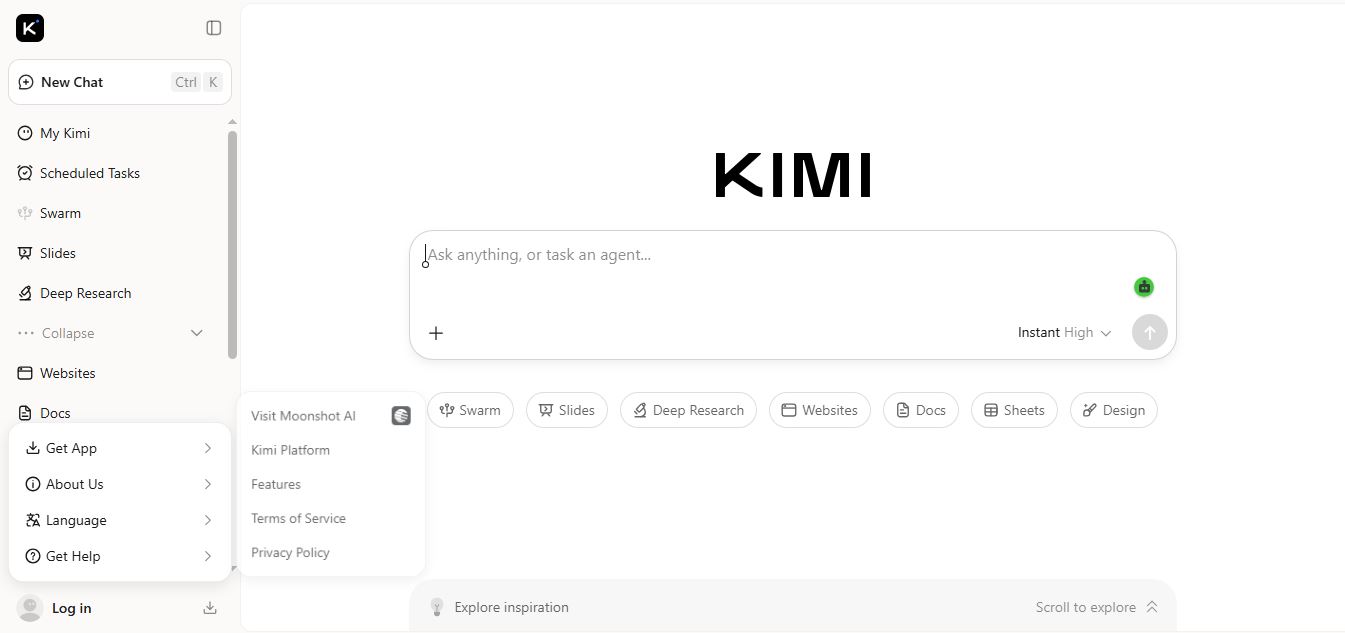
Kimi AI is an advanced AI assistant developed by Moonshot AI that helps you chat, research, write, code, and automate tasks in one place. It supports web search, file analysis, and multimodal inputs, and can even run autonomous “agent” workflows to complete complex tasks end-to-end.
Freemium

Fashion Diffusion AI
Fashion Diffusion is an AI-powered fashion design platform that helps brands and designers create clothing designs, virtual try-ons, AI models, product photos, and marketing visuals faster and cost-effectively.
Paid
Veo 4
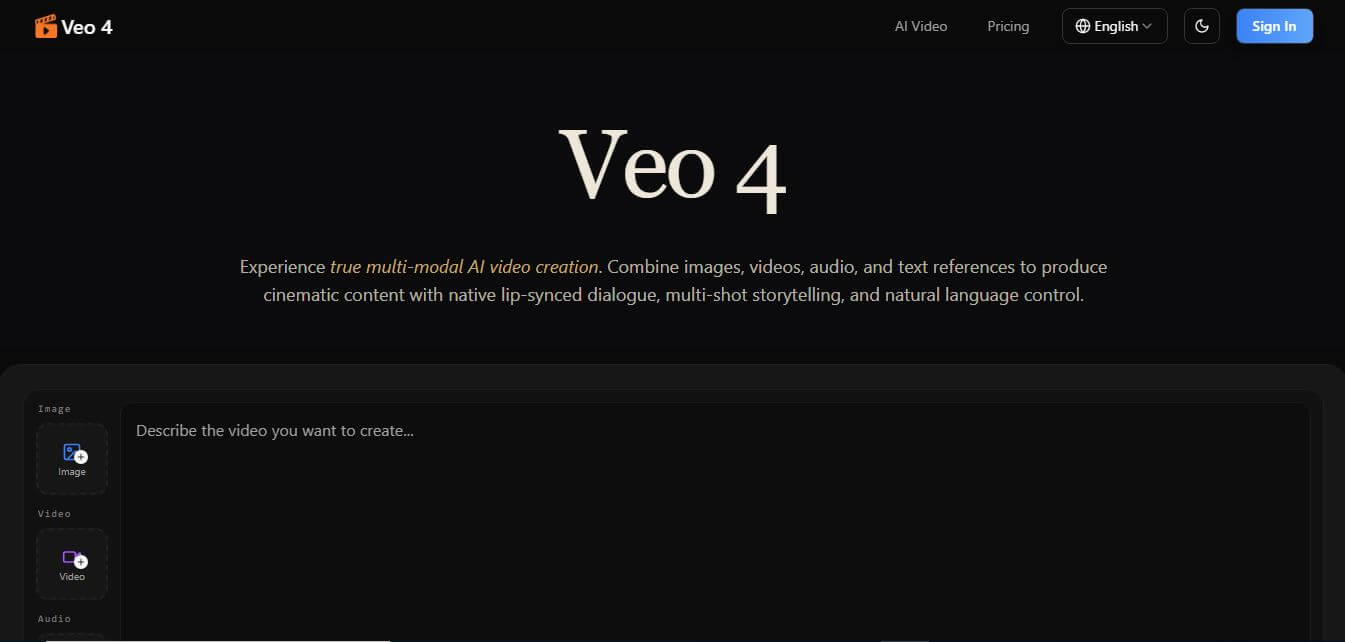
Veo 4 AI is an AI video creation platform that generates dramatic videos from text, images, audio, and video prompts using realistic motion and synchronized sound.
Paid
Alternatives
Alternatives to OpenAI Codex
The best OpenAI Codex alternatives include Claude Code (Anthropic CLI), Cursor, Google Antigravity, GitHub Copilot, Windsurf (Codeium), and Replit Agent. These platforms provide AI coding assistance, code generation, and agentic development workflows. While OpenAI Codex specializes in asynchronous autonomous cloud sandboxes with iterative test running, CLI integration, and parallel multi-task execution, alternatives like Cursor provide deep inline editor assistance, and Claude Code operates as a lightweight terminal-first developer agent.
 4.9
4.9Claudebin
Code Assistant
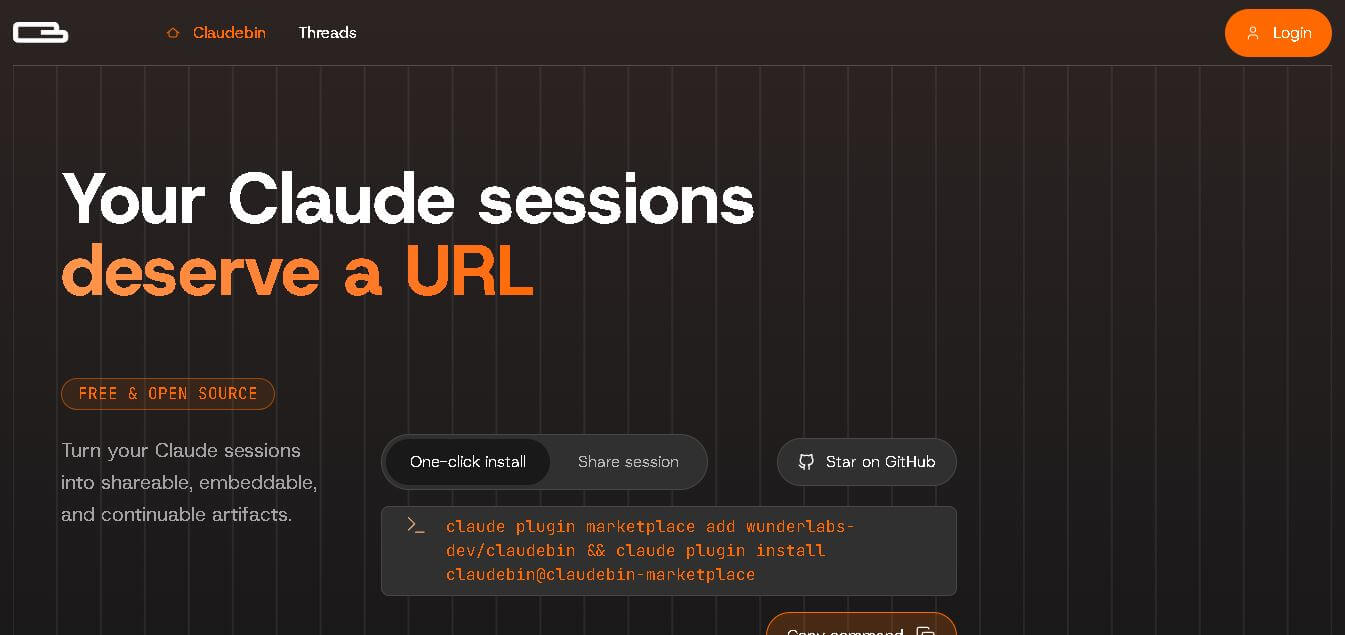
Claudebin is an open-source tool for sharing Claude Code sessions through structured, accessible web links. It captures conversations, file operations, terminal commands, and tool calls, helping developers explain their coding workflows. With session viewing and embedding capabilities, it simplifies technical documentation, collaboration, debugging discussions, and knowledge sharing across development projects.
 4.9
4.9GitFluence
Code Assistant
GitFluence is an AI-powered Git command generator that helps developers turn plain-English instructions into exact Git commands. It eliminates the need to memorize syntax, speeds up version control workflows, and lets users quickly copy accurate commands for tasks like branching, merging, and fixing commits.
 4.9
4.9Kiro
Vibe Coding
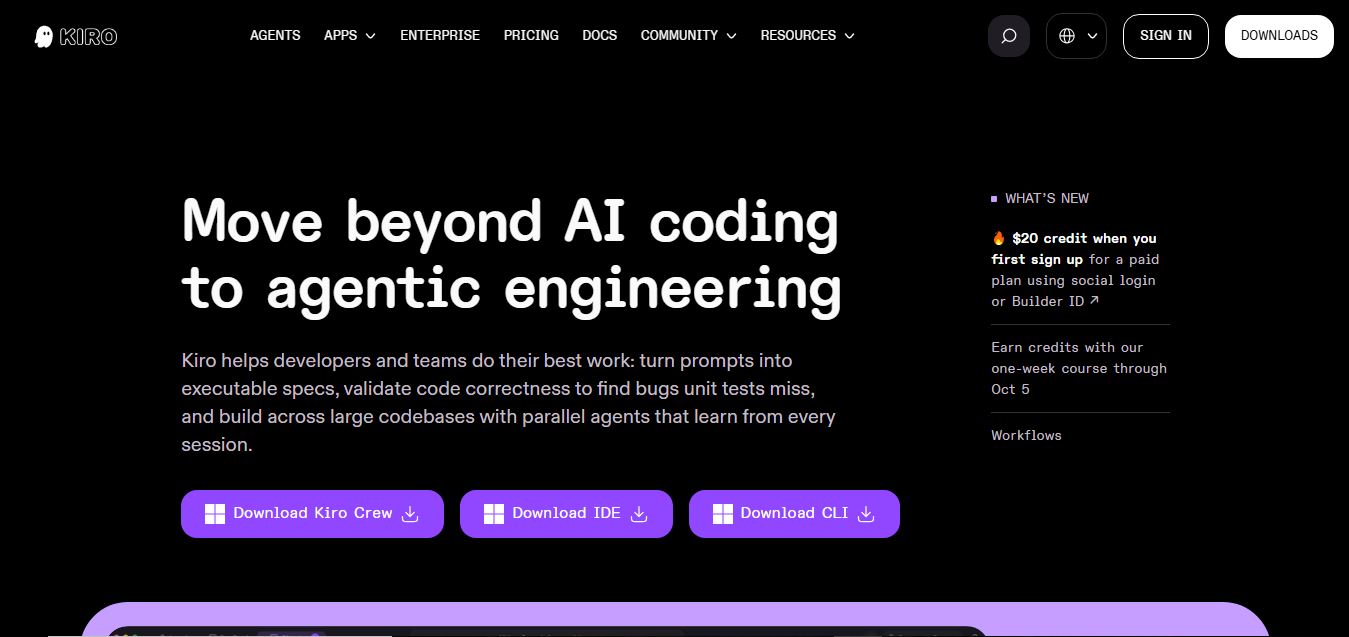
Kiro is an AI-powered developer platform that helps teams plan, build, and ship software using autonomous agents. It turns prompts into structured specs, writes and tests code, and automates workflows across IDE, CLI, and cloud, enabling faster, reliable development from prototype to production.
 4.8
4.8Emergent
Vibe Coding
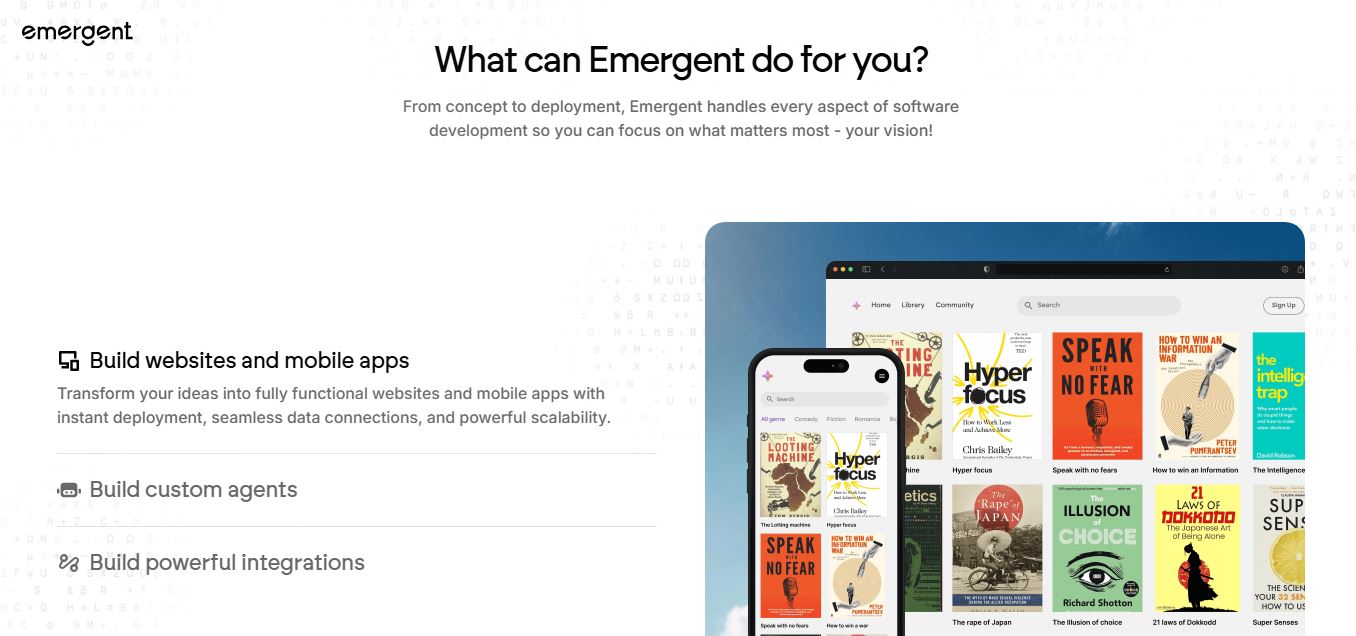
Emergent is an AI-powered app builder that lets users create full-stack web and mobile applications by simply describing their idea. It uses autonomous agents to plan, code, test, and deploy apps, handling everything from backend to hosting without requiring traditional programming skills.
 4.7
4.7Amazon Q Developer
Code Assistant
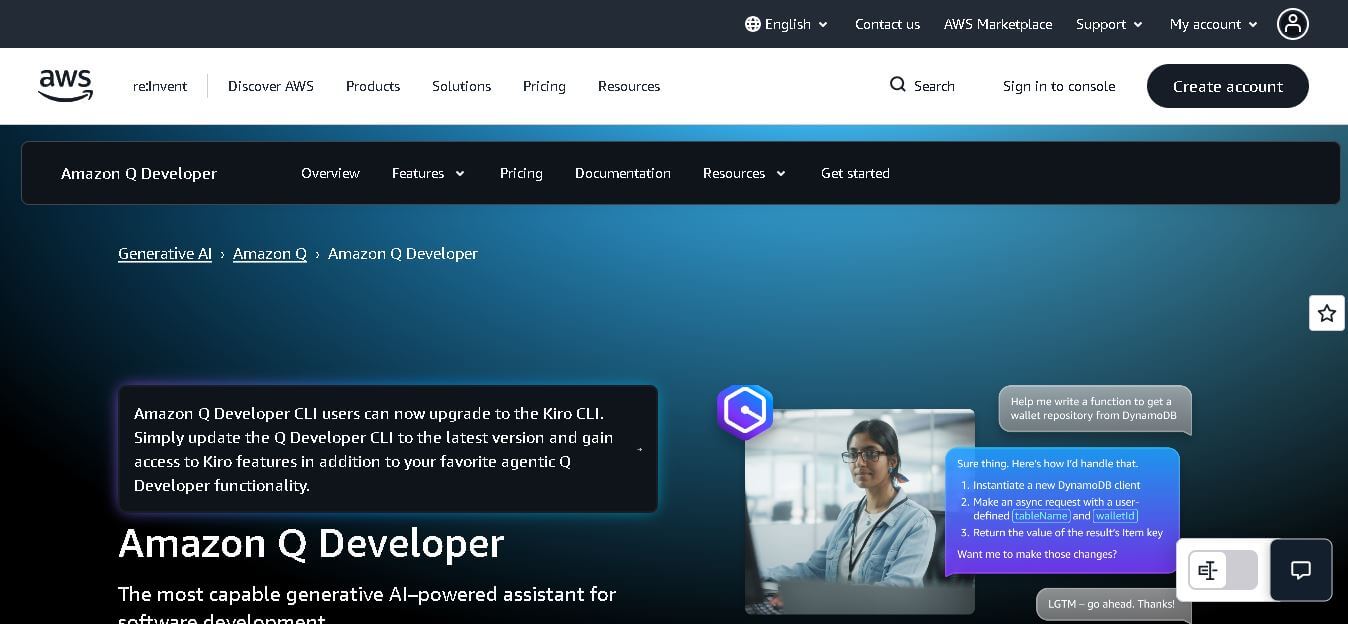
Amazon Q Developer helps developers write, explain, test, refactor, secure, and troubleshoot code while working with AWS services. It provides conversational assistance, inline suggestions, agentic coding, and cloud guidance across supported IDEs, command-line environments, and AWS interfaces. Its goal is to reduce repetitive work and help teams move from ideas to deployable software.
 4.9
4.9GitLab
Code Assistant
GitLab is a DevOps platform that provides a complete suite for planning, coding, testing, and deploying software in one place. It combines version control, CI/CD, security, and collaboration tools, helping teams streamline development workflows and deliver software faster and more efficiently.
 4.9
4.9CodeRabbit
Code Assistant
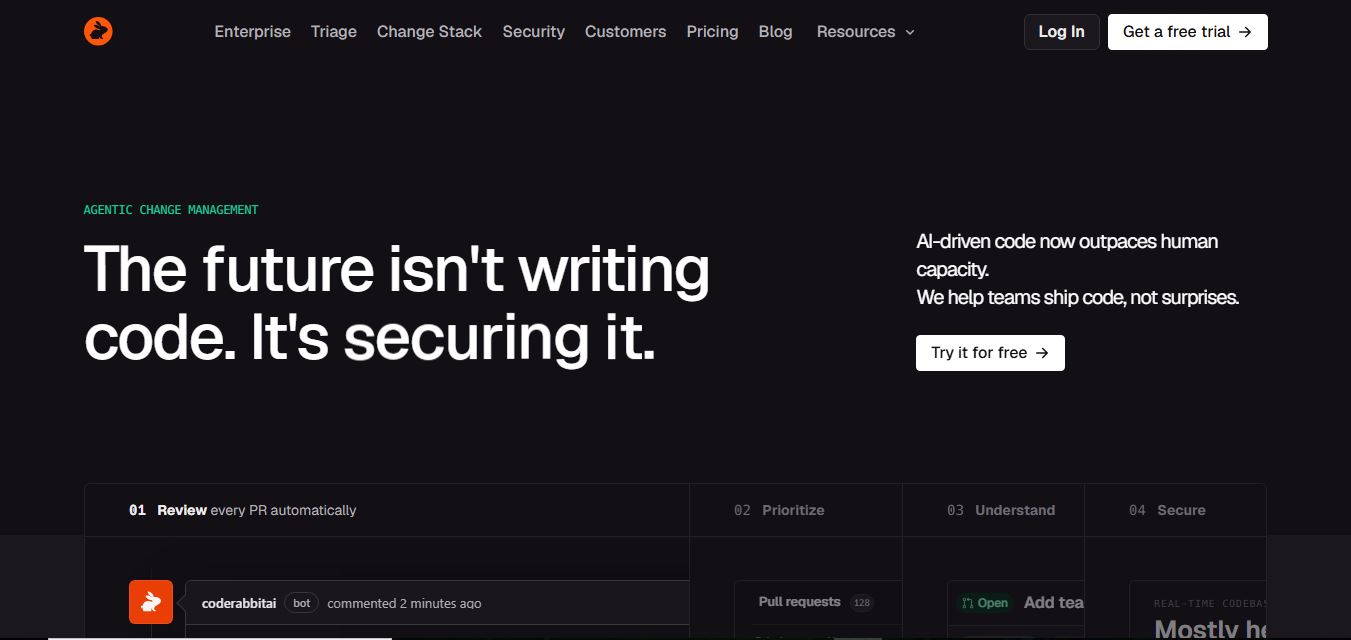
CodeRabbit is an AI-powered code review assistant that helps developers catch bugs, improve code quality, and speed up pull requests. It analyzes code changes in real time, provides actionable feedback, and integrates with Git workflows to make reviews faster and more efficient.
 4.9
4.9Sourcery
Code Assistant
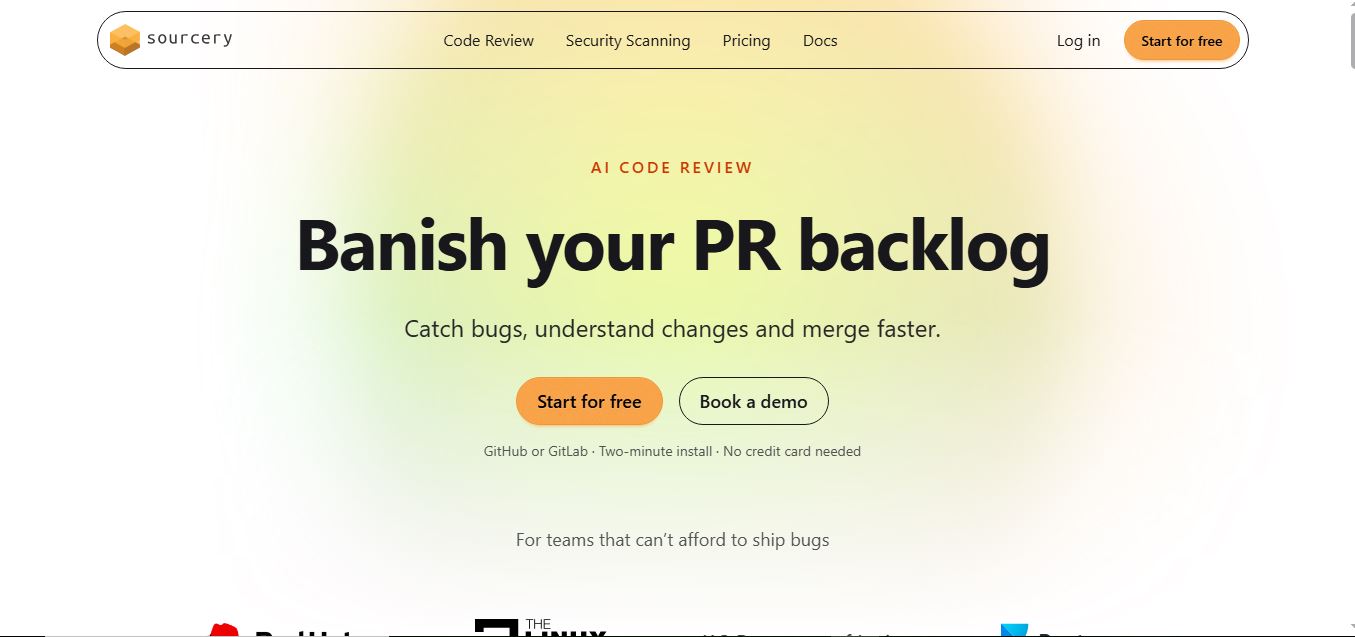
Sourcery is an AI-powered code refactoring tool that helps developers automatically improve Python code quality. It analyzes code, suggests cleaner and more efficient alternatives, and applies refactors instantly, making code more readable, maintainable, and aligned with best practices.
Tenki Cloud
Code Assistant
Tenki Cloud is a high-performance, cost-efficient cloud infrastructure platform offering disposable sandboxes for AI agents, self-hosted GitHub Actions runners, and automated AI code review.