
Kiro
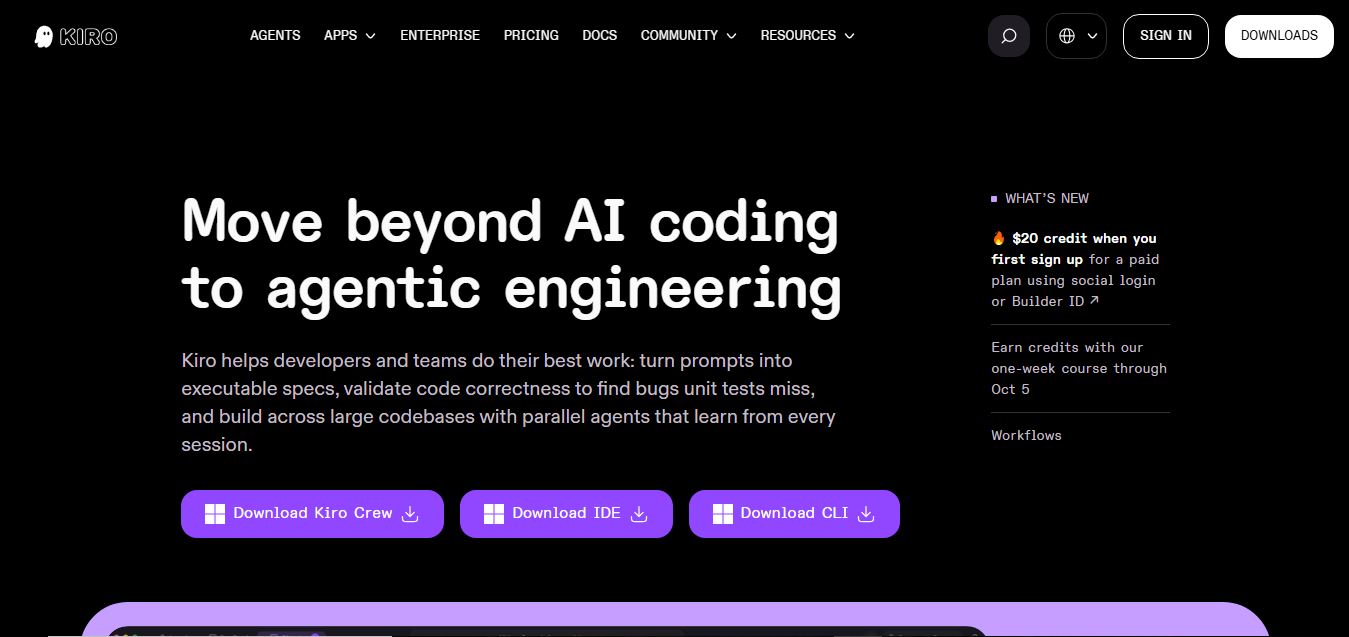
Kiro is an AI-powered developer platform that helps teams plan, build, and ship software using autonomous agents. It turns prompts into structured specs, writes and tests code, and automates workflows across IDE, CLI, and cloud, enabling faster, reliable development from prototype to production.
What is Kiro AI?
Kiro is an AI-powered development platform that helps users build full-stack applications quickly using natural language prompts. It allows developers to describe features or workflows, and the platform generates code, sets up backend logic, and handles infrastructure automatically. Kiro also supports real-time editing, integrations, and deployment, making it easy to go from idea to production. Designed for rapid prototyping and modern development teams, it reduces manual coding effort while speeding up the entire app-building process.
Developed under Amazon / AWS, Kiro was created to address the reliability and architectural shortcomings of unconstrained "vibe coding." By introducing two harmonized operating workflows—Vibe Mode (for exploratory chat, quick prototyping, and scaffolding) and Spec Mode (for production-ready, spec-driven development)—Kiro enforces software engineering rigor. Project context is preserved across the entire development lifecycle through standardized steering documents (including
requirements.mdusing EARS notation,design.mdfor architecture, andtasks.mdfor step-by-step execution), ensuring that autonomous AI agents adhere strictly to team conventions, architectural boundaries, and test requirements.
- Developer / Parent Organization: Amazon Web Services (AWS / Amazon.com, Inc., Seattle, WA, USA)
- Release / Evolution: Public preview and developer rollouts in 2025–2026 across IDE, CLI, Web Sandboxes, Mobile, and Kiro Crew
Use Cases:
- Transforming natural-language prompts and product goals into executable technical specifications and architectural designs
- Validating software correctness by generating property-based tests that uncover edge-case bugs traditional unit tests overlook
- Deploying specialized custom AI agents to refactor legacy code, write documentation, and manage multi-repo pull requests
- Delegating long-running build, test, and refactoring tasks to isolated cloud sandboxes that continue running in the background
Technology:
- Multi-agent orchestration harness managing autonomous agents across IDE, CLI, Web cloud sandboxes, and Kiro Crew
- Model-agnostic foundation layer supporting frontier reasoning models, including Claude 3.7 / 4.0 Sonnet and Gemini models via Amazon Bedrock
- Property-based verification and automated requirement analysis engine using EARS (Easy Approach to Requirements Syntax)
Target Users:
- Full-stack engineers and backend developers building production-grade distributed applications on AWS and multi-cloud environments
- Engineering leads and software architects requiring formal specifications, architecture reviews, and code governance
- DevOps and platform engineers automating infrastructure-as-code (CDK, SAM, Terraform) and CI/CD pipelines
- Content creators using writing tools to draft product requirement documents (PRDs), architectural RFCs, and engineering specifications
Corporate Entity: Amazon.com, Inc. / Amazon Web Services (Seattle, WA, USA & Global)

Key features of Kiro AI
Kiro's key features are
- Spec-Driven Development (Spec Mode): Generates formal specification files (
requirements.md,design.md, andtasks.md) before coding, identifying logic contradictions, ambiguities, and architectural gaps early. - Vibe Mode for Rapid Exploration: A lightweight, chat-first development mode that lets developers prototype components, experiment with ideas, and scaffold AWS resources rapidly.
- Property-Based Correctness Testing: Converts technical specifications into executable properties and generates diverse test inputs to catch subtle runtime edge cases that standard unit tests miss.
- Multi-Surface Agent Harness: Carry the exact same project context, steering rules, and agent memory across the Desktop IDE, Terminal CLI, Web cloud sandboxes, Mobile, and persistent Kiro Crew workspaces.
- Cloud Sandbox Handoff: Offload resource-intensive builds, migrations, and test suites to secure cloud environments that continue running while your laptop is closed.
- Native AWS Ecosystem Integration: Authenticate via AWS Builder ID or IAM roles to visually inspect cloud infrastructure, deploy CDK/SAM/Terraform templates, and manage live services.
- Project Steering Files: Automatically structures repositories with context-encoding steering documents (
product.md,tech.md,structure.md) to keep agents aligned with codebase conventions. - Model Context Protocol (MCP) & Hooks: Connect external databases and internal developer tools using MCP servers, and trigger automated scripts via event-based Hooks.
Kiro Pricing
Kiro is offered through AWS developer channels featuring preview access, individual developer tiers, and enterprise organization plans.
Community Preview / Free Tier:
- Free access during preview and introductory tiers
- Includes desktop IDE downloads (macOS, Windows, Linux), standard local agent usage, Spec and Vibe modes, and basic cloud sandbox session allowances
Developer Pro & Team Subscriptions:
- Pricing structures range from approximately $15.00 to $25.00 / user / month (or AWS usage-linked compute billing)
- Includes extended frontier model reasoning quotas (Claude Sonnet, Gemini), unlimited background cloud sandbox execution, multi-repo web sessions, and priority task queuing
Enterprise Tier:
- Custom quote pricing integrated into consolidated AWS corporate billing
- Includes organization-wide governance, IAM role enforcement, SSO/identity federation, centralized policy compliance, and dedicated enterprise support
Disclaimer: Prices are listed in USD and may be billed directly via AWS Account credits or standalone subscription. Feature access for cloud sessions and Kiro Crew are subject to rolling regional preview schedules. Visit kiro.dev/pricing for current details.
Who is using Kiro?
Kiro is designed for software engineers, cloud architects, and tech organizations, including
- Enterprise Full-Stack Developers: Building complex microservices and web backends while enforcing strict test coverage and architectural standards
- Cloud & DevOps Engineers: Scaffolding, debugging, and deploying AWS serverless architectures, Lambda functions, and infrastructure-as-code modules
- Engineering Leaders & Staff Architects: Ensuring that AI-generated code follows team conventions and structural requirements through automated spec files
- Startup Founders & Prototypers: Utilizing Vibe Mode to scaffold proof-of-concept applications before switching to Spec Mode for production releases
- Content Creators: Using writing tools to draft product requirement documents (PRDs), architectural RFCs, and engineering specifications
- Open-Source Maintainers: Triaging GitHub issues, automating code reviews, and validating pull requests via headless CLI and Kiro Crew
Best Kiro Alternatives
Some of the strongest Kiro alternatives include
- Cursor
- GitHub Copilot
- Windsurf
- Emergent
- Claude Code (Anthropic)
- Replit Agent
Pros and Cons of Kiro
Pros
- Spec-driven architecture prevents technical debt by planning requirements and architecture before generating code
- Property-based correctness testing rigorously validates code behavior against diverse generated inputs
- Seamless dual-mode approach allows developers to choose between rapid exploratory prototyping (Vibe) and structured engineering (Spec)
- Consistent multi-surface architecture keeps agent memory synced across the desktop IDE, terminal CLI, and web sandboxes
- Native integration with AWS services, IAM authentication, and deployment tooling provides immediate infrastructure convenience
Cons
- Spec Mode introduces an upfront documentation phase that may feel slower for developers seeking instant single-line completions
- Advanced cloud sandboxes and background execution features require active AWS identity configurations
- Ecosystem is newer compared to mature, long-established developer IDE communities around VS Code forks
- Requires disciplined adoption of steering files to achieve optimal agent performance on large legacy codebases
Why Choose Kiro?
Kiro is the premier choice for professional engineering teams that want to move beyond basic AI autocomplete to disciplined, spec-driven agentic development that produces reliable, production-ready software.
- Catch logic gaps early by converting prompts into formal, reviewable specifications
- Validate production code using automated property-based testing and correctness checks
- Work seamlessly across Desktop, CLI, and cloud sandboxes with unified agent context
- Balance rapid exploratory prototyping with structured, production-grade engineering
- Backed by Amazon Web Services infrastructure and enterprise cloud scalability
Kiro vs. Competitors
The main difference between Kiro, Cursor, Windsurf, and GitHub Copilot is that Kiro is architected around spec-driven engineering and property-based correctness testing—requiring agents to establish requirements and architectural plans before code generation—whereas Cursor focuses on in-editor conversational context and fast diffs, Windsurf specializes in predictive agent flows (Cascade), and GitHub Copilot centers on developer autocomplete and repository PR reviews. Kiro stands out for its structural engineering discipline, property testing, and native cloud execution.
| Feature / Tool | Kiro (kiro.dev) | Cursor | Windsurf (Codeium) | GitHub Copilot |
|---|---|---|---|---|
| Core Focus | Spec-Driven Agentic Engineering & Correctness | In-Editor AI Coding & File Context | Agentic Flow & Cascade Multi-File Edits | Inline Autocomplete & PR Workflows |
| Development Approach | Spec Mode (Plan First) & Vibe Mode | Interactive Chat & Composer Editing | Cascade Autonomous Multi-File Flow | Inline Code Completion & Chat |
| Correctness & Property Testing | Yes (Automated Property-Based Tests) | Manual Test Prompting | Manual Test Generation | Unit Test Generation Prompts |
| Cross-Surface Environment | IDE, CLI, Cloud Web Sandbox, Mobile | Desktop IDE Only | Desktop IDE Only | IDE Extensions, Web & Mobile PRs |
| Starting Paid Price | Free preview / ~$15–$25/month | Free tier / Pro $20.00/month | Free tier / Pro $15.00/month | $10.00/month (Individual) |
| Best For | Engineers Needing Formal Specs & AWS Scale | Developers Wanting Fast In-Editor AI Diffs | Multi-File Collaborative Agent Coding | Teams Integrated into GitHub Repositories |
How do we rate Kiro?
| Parameter | Rating (out of 5) |
|---|---|
| Engineering Rigor & Spec-Driven Workflow | 5.0 |
| Correctness Testing & Property-Based Validation | 4.9 |
| Multi-Surface Synergy (IDE, CLI, Cloud Sandbox) | 4.9 |
| AWS Ecosystem Integration & Deployment | 4.9 |
| Value for Money | 4.8 |
| Overall Score | 4.90 |
Kiro Review
Kiro introduces needed structural discipline into the rapidly expanding field of AI code generation. While conversational coding assistants have made generating code snippets remarkably easy, they frequently encourage bad software engineering habits: generating hundreds of lines of code without a clear architectural design, introducing silent regressions, and racking up architectural technical debt. Kiro solves this by putting specifications first. Its Spec Mode guides developers through requirements analysis, interface design, and property-based test definition before a single line of application code is committed. Combined with Vibe Mode for quick exploratory prototyping and headless cloud sandboxes that continue working while your laptop is closed, Kiro bridges the gap between agile AI prototyping and mission-critical production engineering.
Conclusion
Kiro is an agentic AI development platform and IDE by AWS that transforms how modern software is planned, implemented, and verified. By combining spec-driven planning, property-based correctness testing, multi-agent orchestration, and seamless execution across Desktop, CLI, and cloud environments, it elevates AI assistance into true engineering collaboration. While developers looking only for casual single-line code suggestions may stick with lightweight extensions, Kiro’s architectural rigor, testing depth, and enterprise cloud capabilities make it an indispensable development environment.
FAQ
What is Kiro AI and how does it work?
Kiro is an AI-powered development environment (IDE + CLI + web + agents) that helps developers build software using autonomous AI agents. Instead of just generating code from prompts, Kiro converts your idea into structured requirements, system design, and step-by-step tasks, which are then executed by multiple AI agents working in parallel. It acts like a virtual engineering team that plans, builds, tests, and improves your code continuously.
What problems does Kiro solve?
Kiro solves the problem of unreliable AI-generated code and lack of structure in “vibe coding.” Traditional AI tools often produce code that doesn’t fully match requirements or breaks in production. Kiro introduces structure by defining specs first, validating logic, and testing behavior at scale, ensuring that what gets built actually matches the intended outcome.
What is “spec-driven development” in Kiro?
Spec-driven development is Kiro’s core concept where your prompt is transformed into clear requirements, architecture, and implementation tasks before any code is written. This ensures that decisions are documented and reduces ambiguity, making it easier to build complex systems and collaborate across teams.
What can you build with Kiro?
Kiro can be used to build full-stack applications, APIs, backend systems, DevOps workflows, and large-scale software projects. It supports real production workflows, including debugging, testing, CI/CD integration, and pull request generation, making it suitable for both prototypes and enterprise-grade systems.
How is Kiro different from tools like Copilot or ChatGPT?
Kiro is fundamentally different because it is agent-first, not chat-first. Tools like Copilot assist with code snippets, while Kiro plans entire systems, executes tasks autonomously, runs tests, and manages workflows. It doesn’t just suggest code—it owns the execution lifecycle, from idea to production-ready output.
Does Kiro use multiple AI models?
Yes, Kiro supports multiple AI models (like Claude, GPT variants, DeepSeek, etc.) and can automatically select the best model based on the task. This allows it to balance cost, speed, and accuracy depending on the complexity of the problem.
Can Kiro run tasks autonomously?
Yes, Kiro can run long, multi-step tasks autonomously in cloud sessions, even when you’re offline. You can assign a goal, and the system will plan, execute, and deliver results (like code changes or pull requests) without constant input.
Who should use Kiro?
Kiro is ideal for developers, startups, CTOs, and engineering teams who want to ship faster without compromising code quality. It is especially valuable for teams working on complex systems, large codebases, or rapid product development where automation and reliability matter.
User Reviews
No reviews yet for Kiro.
Featured Tools
Featured AI tools from TechShark
Melody Genie
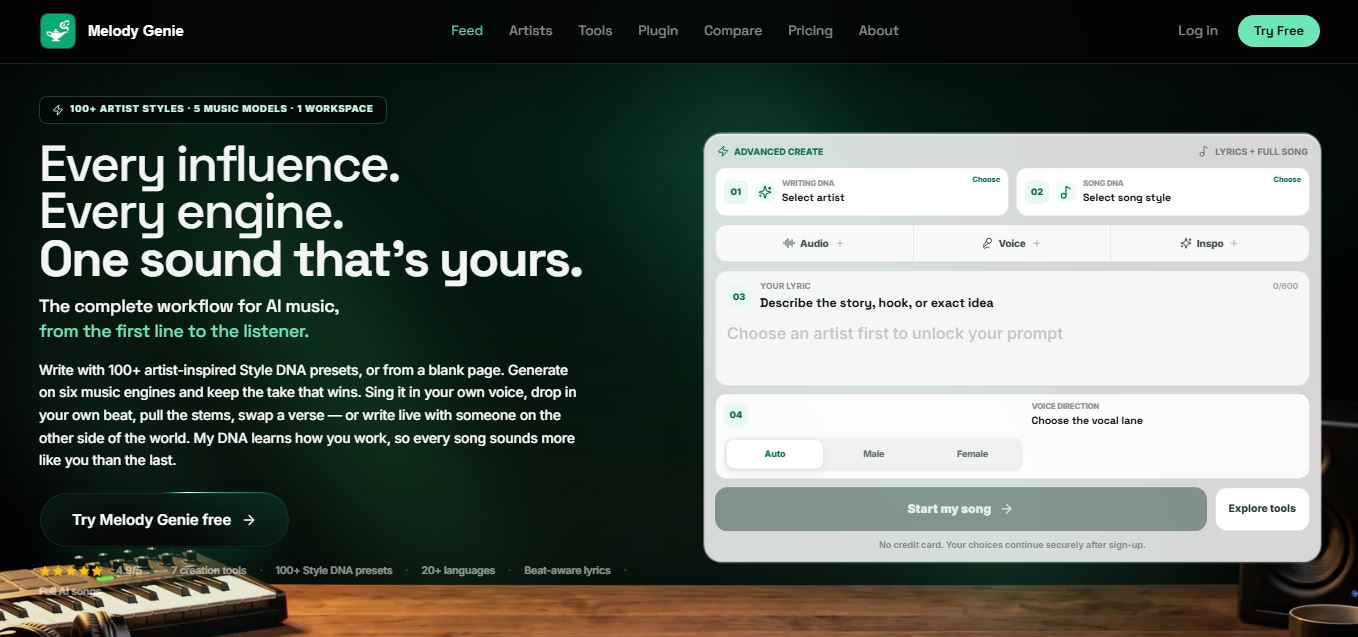
MelodyGenie is an AI-powered music generator that creates original songs from simple text prompts. Users can choose styles, moods, and genres, then instantly generate melodies and full tracks, making it easy for creators, marketers, and hobbyists to produce custom music without musical expertise.
Freemium
Kimi AI
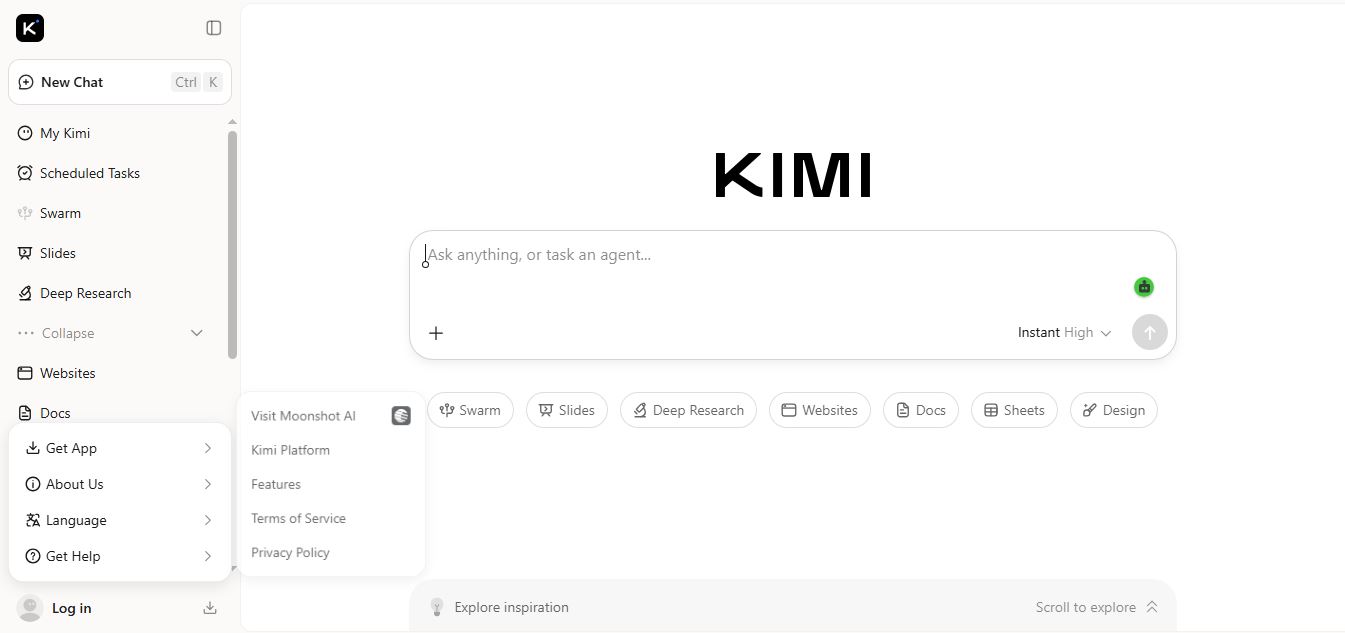
Kimi AI is an advanced AI assistant developed by Moonshot AI that helps you chat, research, write, code, and automate tasks in one place. It supports web search, file analysis, and multimodal inputs, and can even run autonomous “agent” workflows to complete complex tasks end-to-end.
Freemium

Fashion Diffusion AI
Fashion Diffusion is an AI-powered fashion design platform that helps brands and designers create clothing designs, virtual try-ons, AI models, product photos, and marketing visuals faster and cost-effectively.
Paid
Veo 4
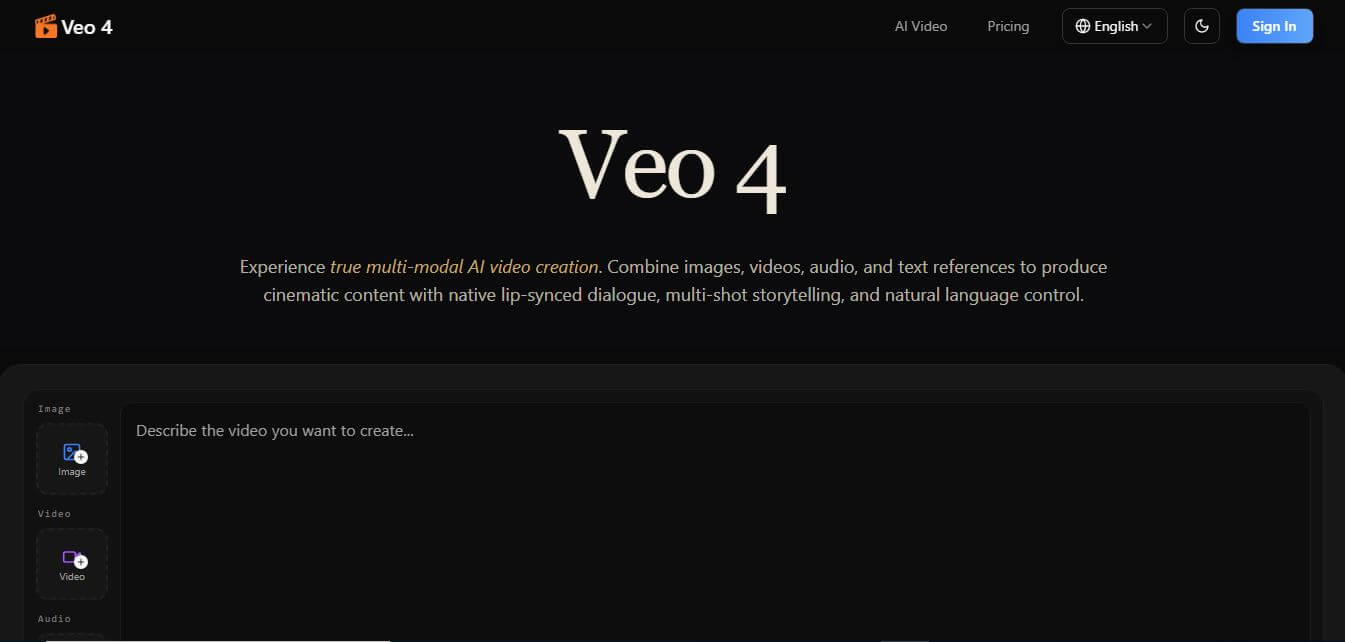
Veo 4 AI is an AI video creation platform that generates dramatic videos from text, images, audio, and video prompts using realistic motion and synchronized sound.
Paid
Alternatives
Alternatives to Kiro
The best Kiro alternatives include Cursor, Windsurf (Codeium), GitHub Copilot, Emergent, Claude Code, and Replit Agent. These platforms provide AI-assisted coding, automated refactoring, and multi-file project editing. While Kiro specializes in spec-driven engineering, property-based correctness testing, and multi-surface cloud execution across IDE, CLI, and Web sandboxes backed by AWS, alternatives like Cursor focus on fast in-editor conversational diffs, and Windsurf provides autonomous multi-file Cascade agent workflows. Choosing the right development environment depends on whether you require formal specification planning with cloud sandboxes, rapid conversational editing, or in-browser sandbox prototyping.
 4.9
4.9Claudebin
Code Assistant
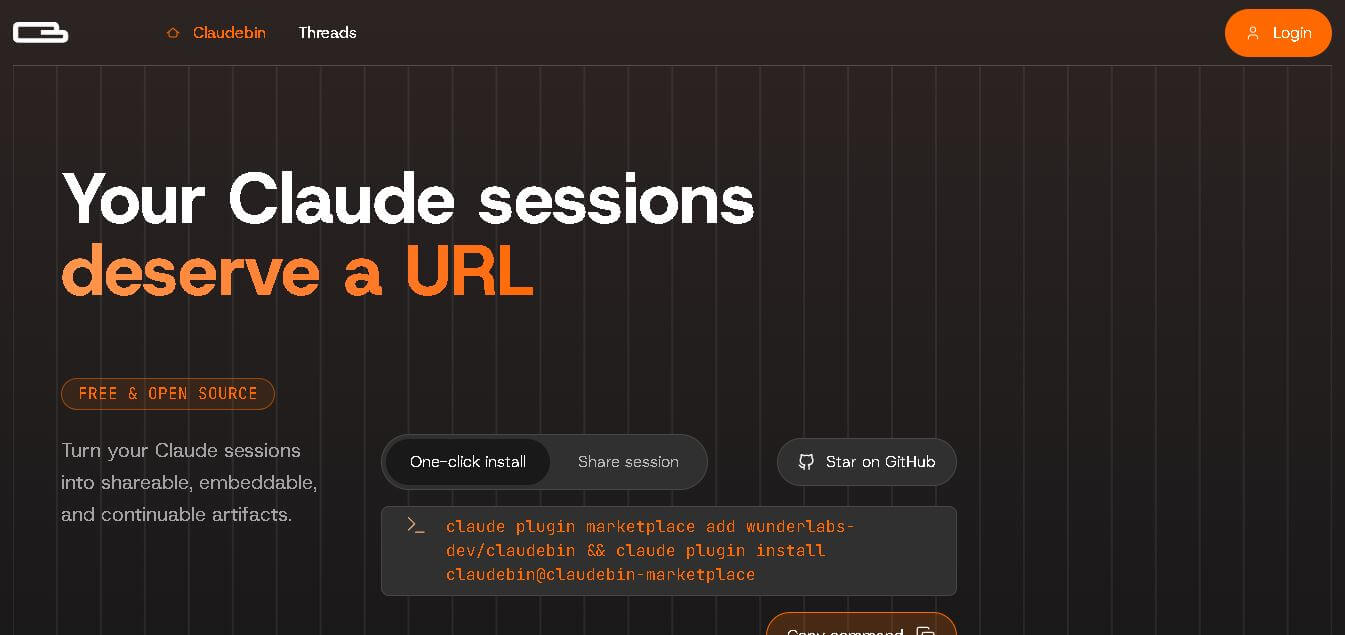
Claudebin is an open-source tool for sharing Claude Code sessions through structured, accessible web links. It captures conversations, file operations, terminal commands, and tool calls, helping developers explain their coding workflows. With session viewing and embedding capabilities, it simplifies technical documentation, collaboration, debugging discussions, and knowledge sharing across development projects.
 4.9
4.9GitFluence
Code Assistant
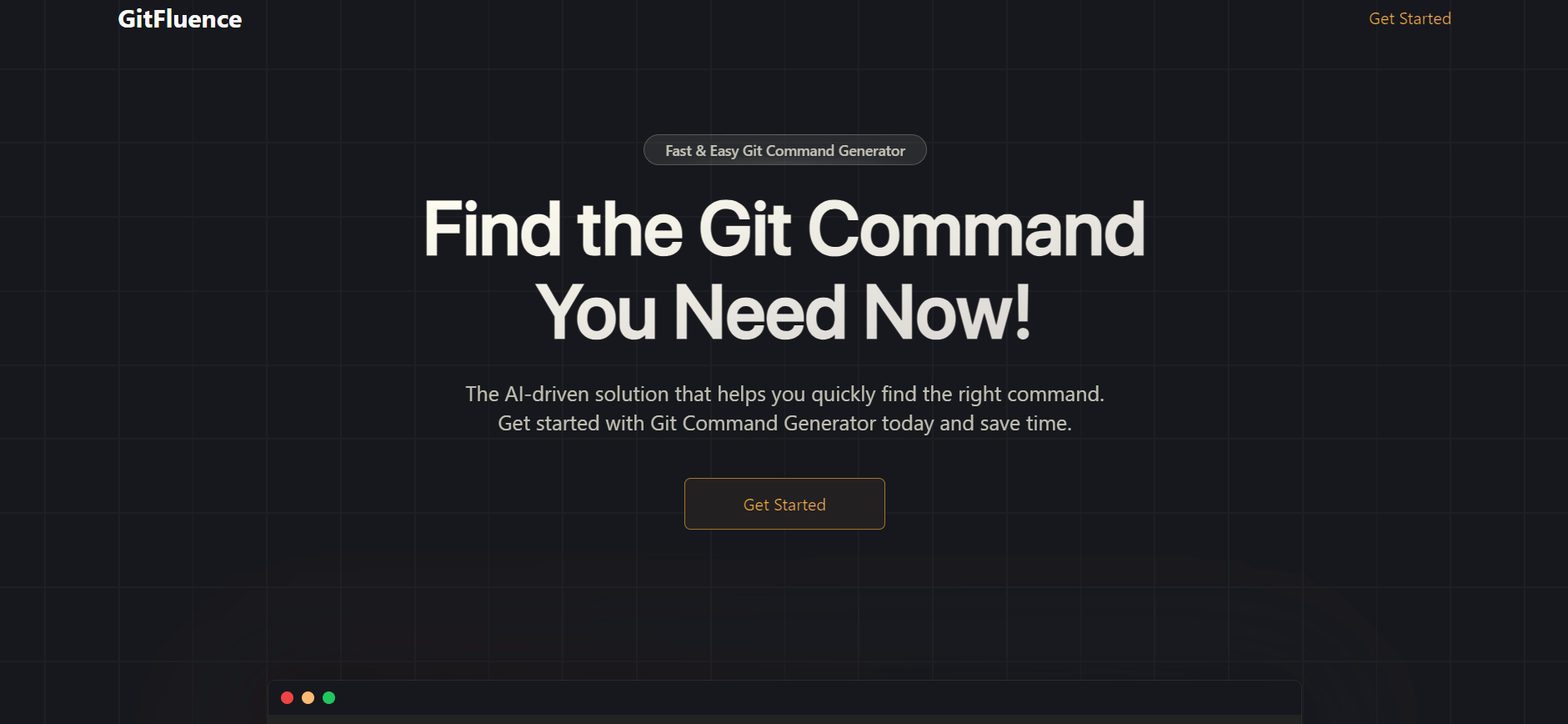
GitFluence is an AI-powered Git command generator that helps developers turn plain-English instructions into exact Git commands. It eliminates the need to memorize syntax, speeds up version control workflows, and lets users quickly copy accurate commands for tasks like branching, merging, and fixing commits.
 4.8
4.8Emergent
Vibe Coding
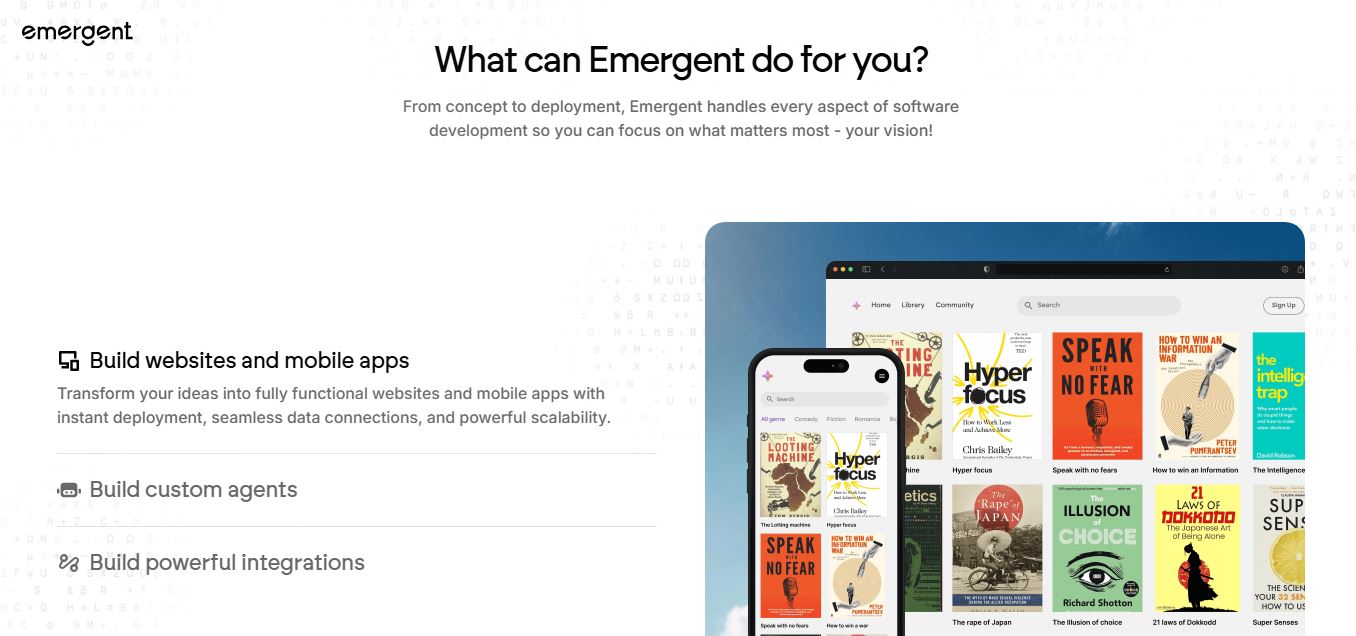
Emergent is an AI-powered app builder that lets users create full-stack web and mobile applications by simply describing their idea. It uses autonomous agents to plan, code, test, and deploy apps, handling everything from backend to hosting without requiring traditional programming skills.
 4.7
4.7Amazon Q Developer
Code Assistant
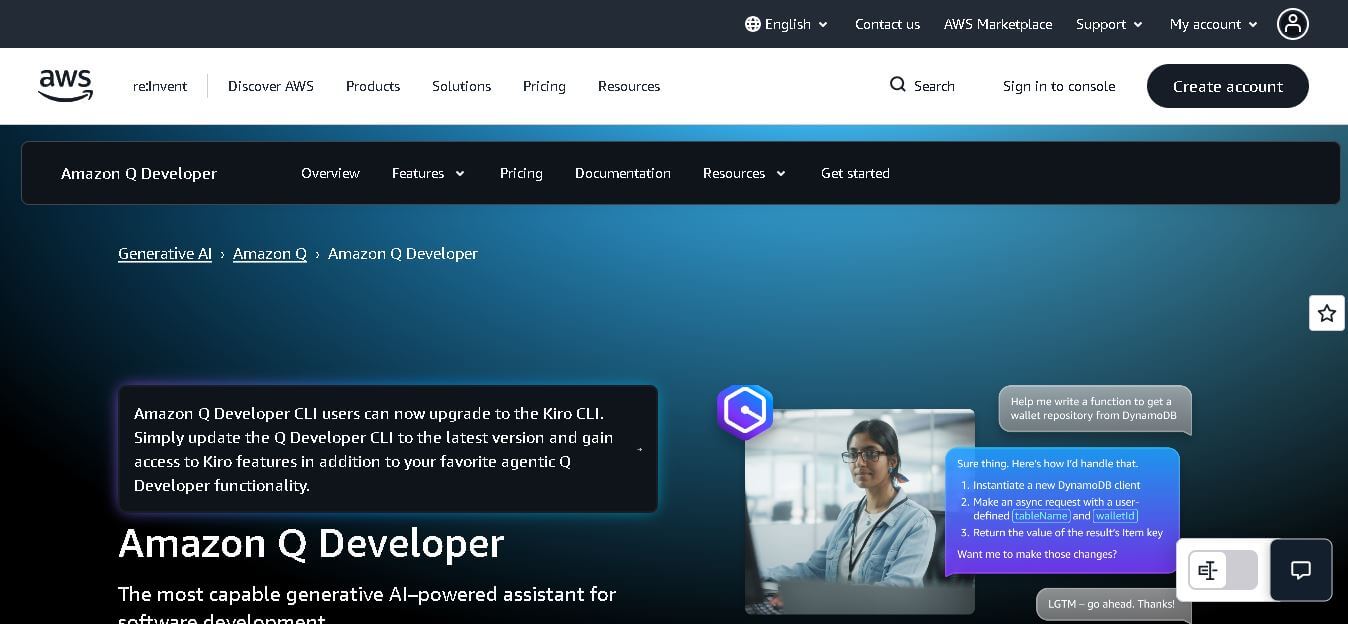
Amazon Q Developer helps developers write, explain, test, refactor, secure, and troubleshoot code while working with AWS services. It provides conversational assistance, inline suggestions, agentic coding, and cloud guidance across supported IDEs, command-line environments, and AWS interfaces. Its goal is to reduce repetitive work and help teams move from ideas to deployable software.
 4.9
4.9Xano
No Code
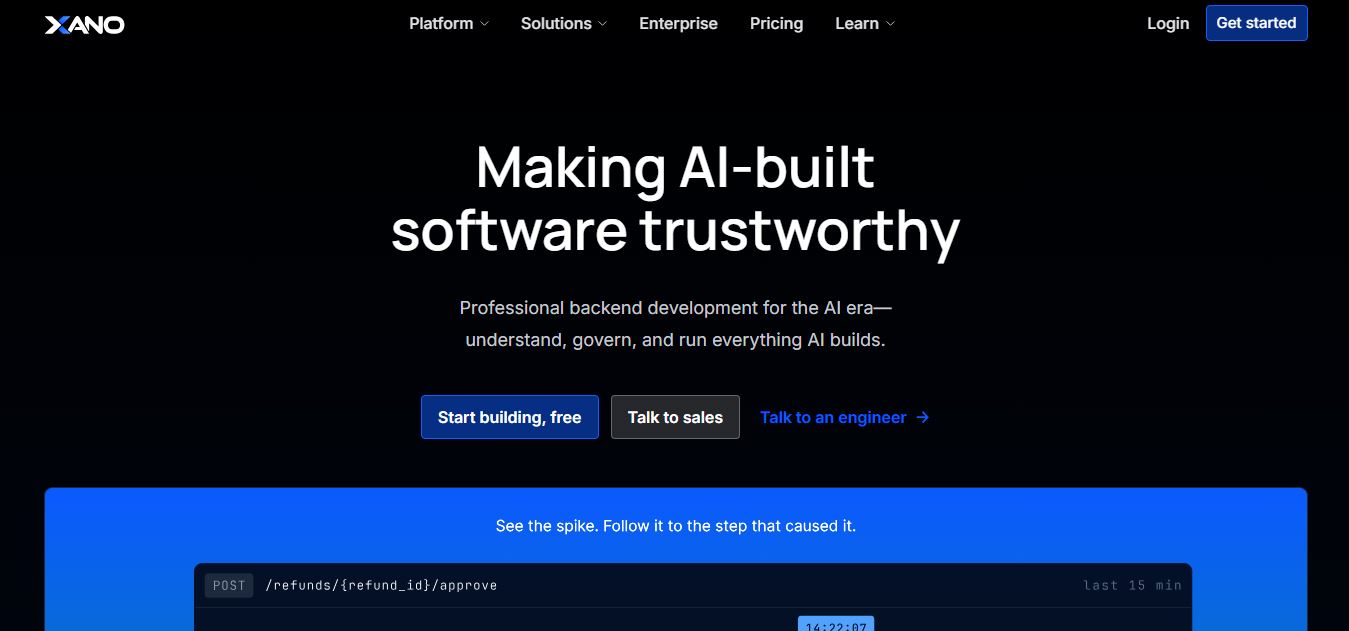
Xano is a no-code backend platform that lets users build scalable APIs, databases, and business logic without writing code. It provides a powerful server-side infrastructure, enabling developers and no-code creators to connect frontends, manage data, and launch applications quickly and efficiently.
 4.8
4.8Kissflow
No Code
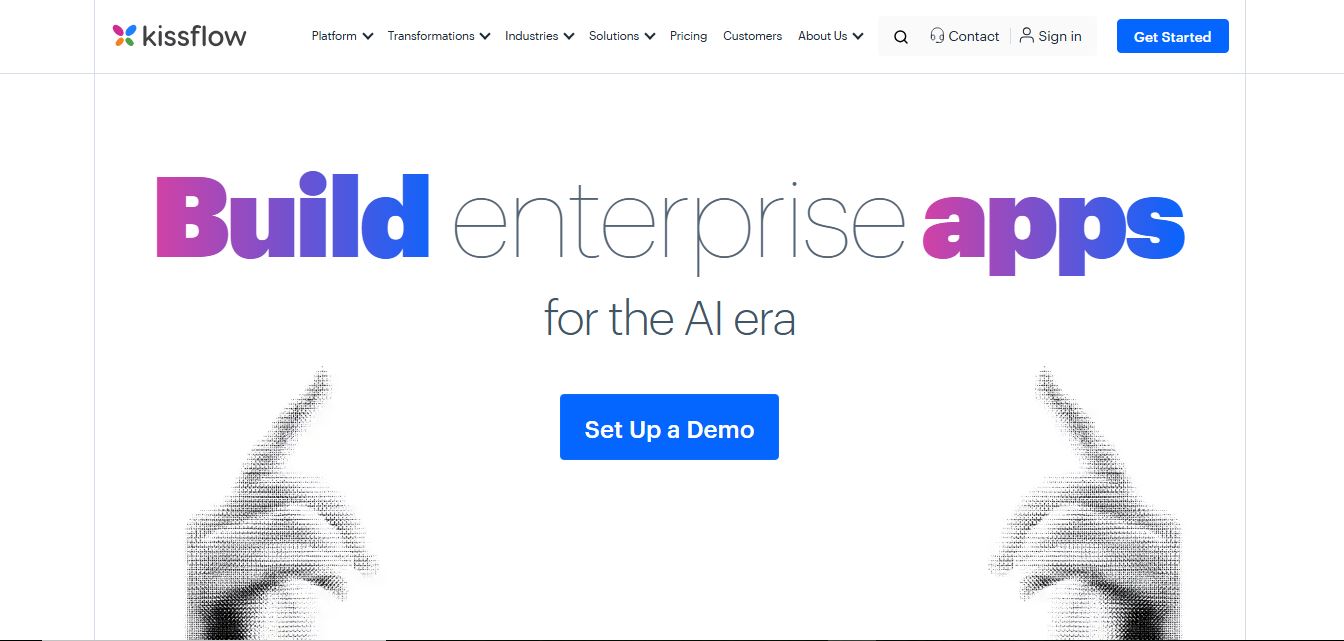
Kissflow is a low-code workflow automation and business process management platform that helps teams build apps, automate approvals, and manage operations without heavy coding. It centralizes workflows, improves visibility, and speeds up processes across departments like HR, finance, and procurement.
 4.9
4.9GitLab
Code Assistant
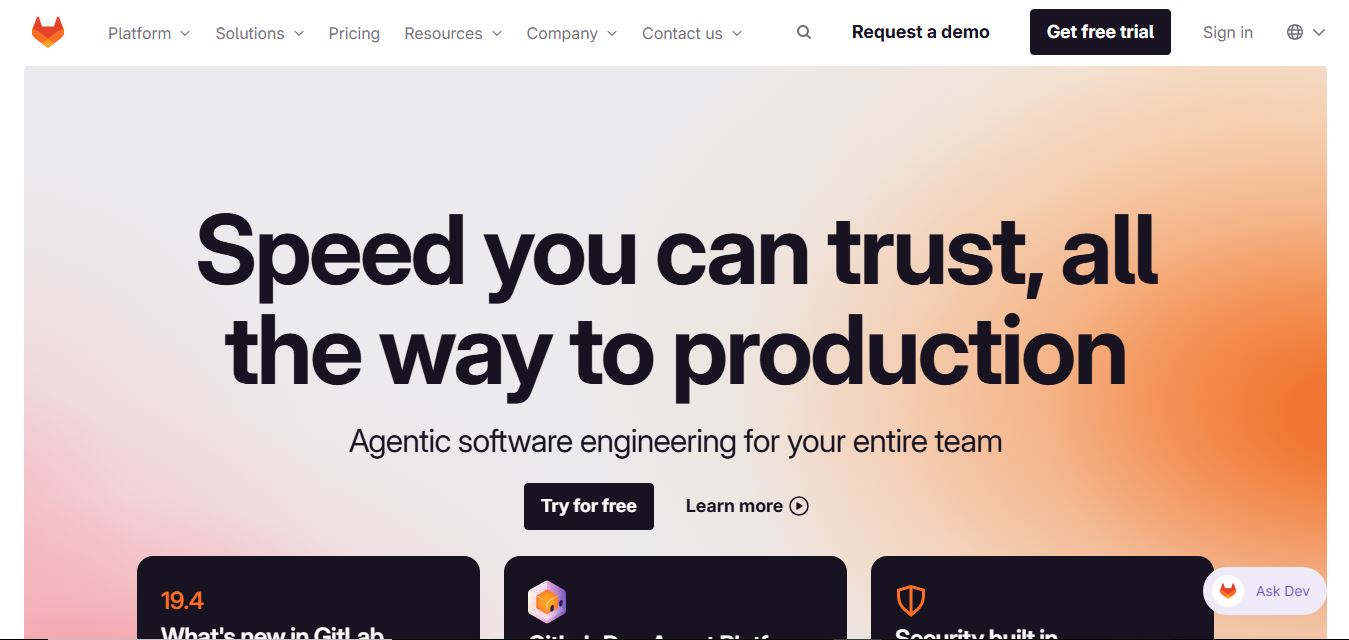
GitLab is a DevOps platform that provides a complete suite for planning, coding, testing, and deploying software in one place. It combines version control, CI/CD, security, and collaboration tools, helping teams streamline development workflows and deliver software faster and more efficiently.
 4.9
4.9CodeRabbit
Code Assistant
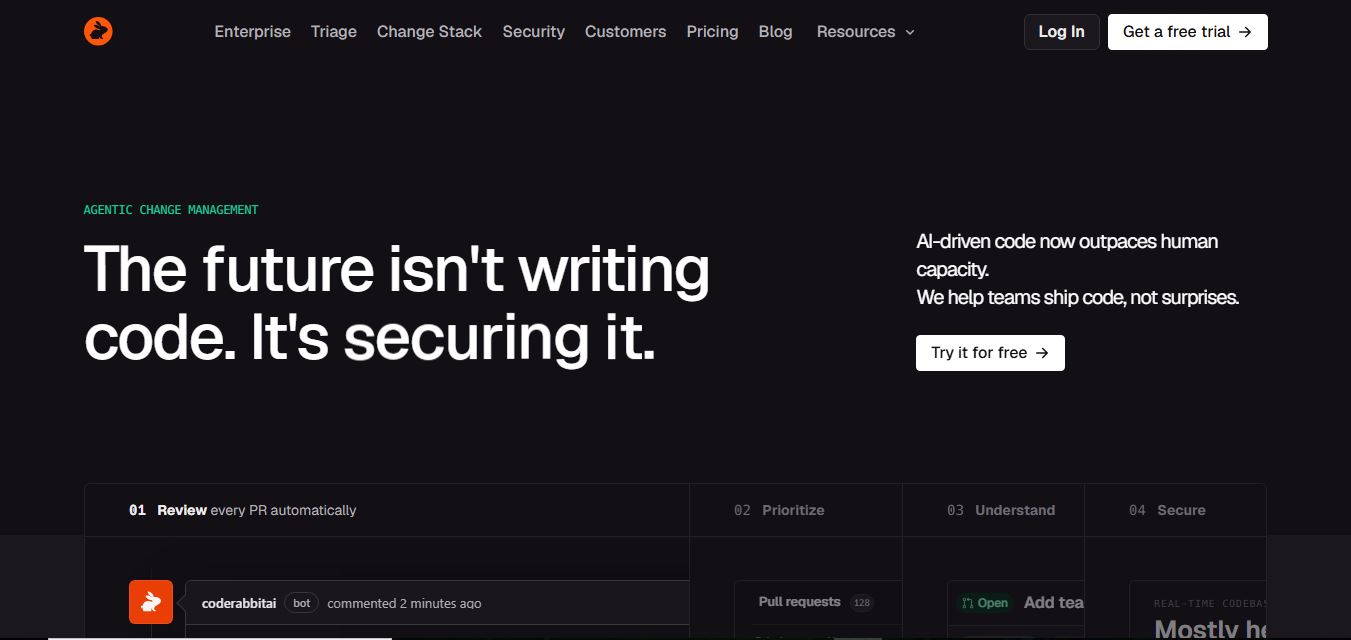
CodeRabbit is an AI-powered code review assistant that helps developers catch bugs, improve code quality, and speed up pull requests. It analyzes code changes in real time, provides actionable feedback, and integrates with Git workflows to make reviews faster and more efficient.
 4.9
4.9Sourcery
Code Assistant
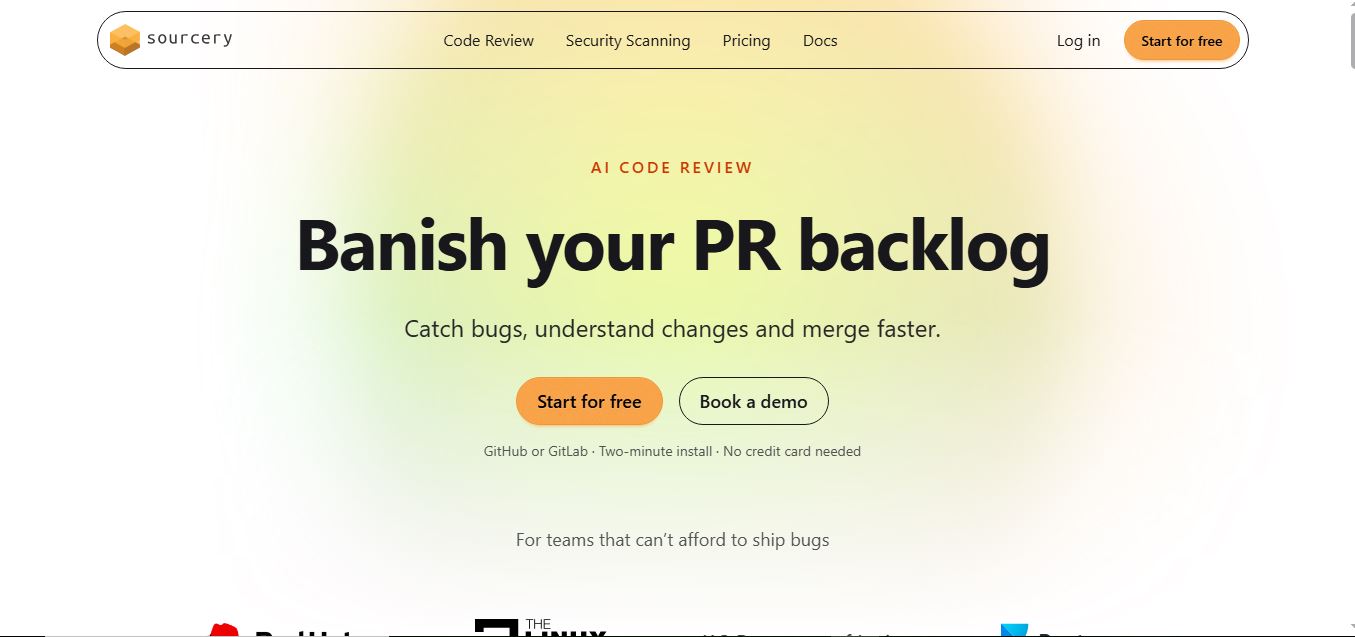
Sourcery is an AI-powered code refactoring tool that helps developers automatically improve Python code quality. It analyzes code, suggests cleaner and more efficient alternatives, and applies refactors instantly, making code more readable, maintainable, and aligned with best practices.