
Notebook LM
NotebookLM is Google's AI-powered research assistant that helps you understand, organize, and analyze information from PDFs, documents, websites, YouTube videos, and other sources. It provides source-backed answers, AI-generated summaries, study guides, audio overviews, and insights, making it an ideal tool for students, researchers, professionals, and content creators working with large amounts of information.
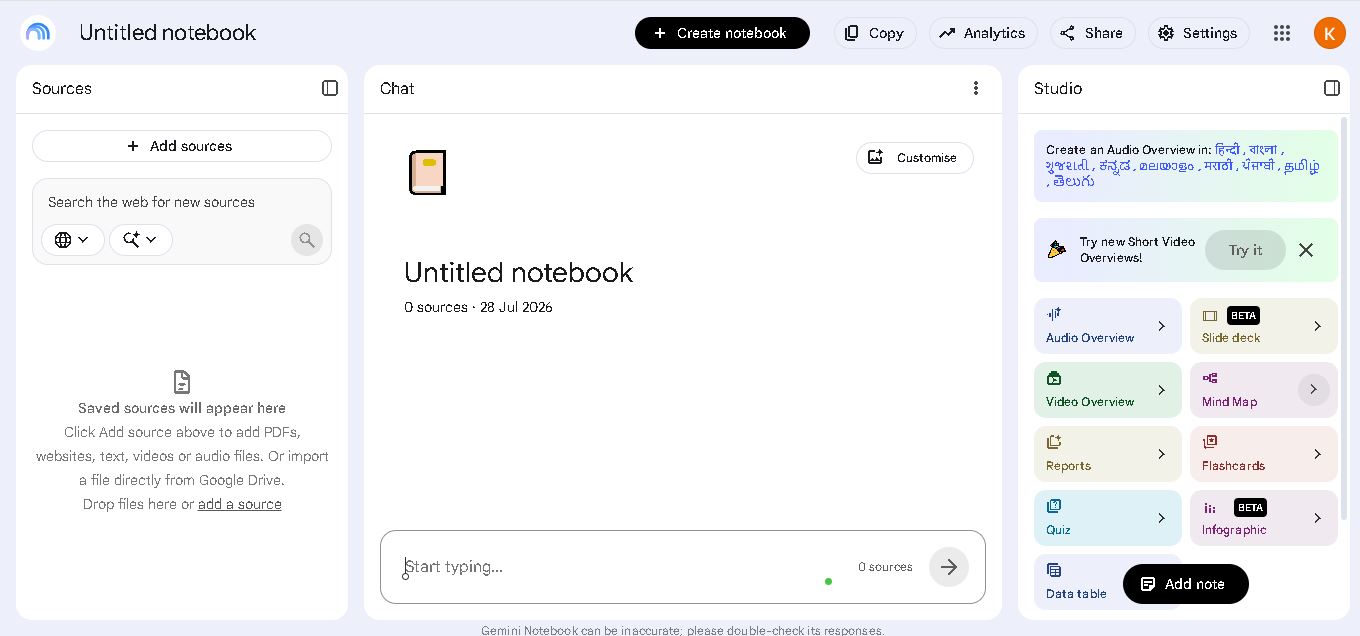
What is Notebook LM?
NotebookLM, or Google Notebook, is an AI-powered research and note-taking assistant platform developed by Google that helps users understand information from their sources. You can upload PDFs, Google Docs, websites, YouTube videos, and other documents, then ask questions, generate summaries, create study guides, and get answers backed by your uploaded content. Unlike general AI chatbots, NotebookLM focuses on your materials, making it a valuable tool for students, researchers, professionals, and anyone working with large amounts of information.
NotebookLM is an AI-powered research assistant developed by Google Labs and launched as Project Tailwind in 2023 before being renamed NotebookLM. It is powered by Google Gemini and is used by millions of users worldwide to analyze documents, websites, PDFs, and videos. The platform supports 80+ languages for Audio Overviews, offers dedicated Android and iOS apps, and generates source-backed summaries, study guides, podcasts, and insights, making research faster, more accurate, and easier to understand.
- Founder
- Developed by: Google Labs
- Parent Company: Google
- CEO (Google): Sundar Pichai
- Launch
- Announced as: Project Tailwind (Google I/O 2023)
- Rebranded as: NotebookLM (2023)
- Public Launch: 2023
- Mobile Apps Released: 2025 (Android & iOS)
- Use Cases
- Academic research
- Study guides and exam preparation
- Research paper analysis
- Document summarization
- PDF analysis
- YouTube video summarization
- Meeting notes and knowledge management
- Content research
- Business reporting
- Legal document review
- Market research
- Brainstorming and idea generation
- Podcast-style audio summaries
- Knowledge base creation
- Technology
- Google Gemini AI
- Large Language Models (LLMs)
- Retrieval-Augmented Generation (RAG)
- Natural Language Processing (NLP)
- AI-powered document analysis
- Source-grounded AI responses
- Multimodal AI
- Speech Synthesis (Audio Overviews)
- Semantic Search
- Google Cloud Infrastructure
Notebook LM Key Features
Notebook LM key features are
- Source-Grounded AI – Generates answers based only on your uploaded sources, reducing AI hallucinations.
- Document Uploads – Import PDFs, Google Docs, websites, YouTube videos, slides, and text files into a single notebook.
- AI Summaries – Instantly create concise summaries of lengthy documents and research materials.
- Smart Q&A – Ask questions in natural language and receive answers backed by citations from your sources.
- Audio Overviews – Turn documents into AI-generated podcast-style conversations for hands-free learning.
- Study Guides – Automatically generate study notes, FAQs, timelines, glossaries, and practice questions.
- Source Citations—Every response includes references, allowing you to verify information quickly.
- Notebook Organization – Keep multiple projects and research collections organized in separate notebooks.
- Multilingual Support – Create and interact with content in multiple languages.
- Knowledge Synthesis – Combine information from multiple sources to identify patterns, insights, and connections.
- Google Workspace Integration – Seamlessly integrates with Google Docs, Drive, and other Google services.
- Cross-Platform Access – Available on the web, Android, and iOS for research anywhere.
- Collaborative Research – Share notebooks with others for collaborative learning and project work.
- Semantic Search – Quickly locate relevant information across all uploaded sources using AI.
- Privacy-Focused Research – Keeps your notebooks separate from general web searches while grounding responses in your own content.
Notebook LM Pricing
Notebook LM offers various pricing plans
Free Plan
- Students, researchers, and individuals who need AI-powered research and document analysis.
Google AI Plus
- The plan starts at $7.99 per month
- Users who need higher NotebookLM limits and additional Google AI features.
Google AI Pro
- The plan starts at $19.99 per month
-
Professionals and power users requiring expanded research limits and advanced Gemini features.
Google AI Ultra
- The plan starts at $99.99 per month
-
This plan is designed for enterprises and heavy AI users who require the highest usage limits and premium AI capabilities.
Disclaimer: For the latest and most accurate pricing information, please visit the official Notebook LM website.
Who is using Notebook LM?
A wide range of users and organizations are using NotebookLM.
- Students
- Teachers
- Researchers
- Professors
- Academic Institutions
- Writers
- Authors
- Journalists
- Content Creators
- Business Professionals
- Project Managers
- Product Managers
- Marketing Teams
- Consultants
- Analysts
- Lawyers
- Healthcare Professionals
- Developers
- Knowledge Workers
Notebook LM Alternatives
Some Notebook LM alternatives are
- ChatGPT
- Claude
- Perplexity AI
- Microsoft Copilot
- Google Gemini
- Elicit
- SciSpace
- Humata AI
- Notion AI
- Otio
- Afforai
- Mem AI
- Obsidian AI
- Readwise Reader
- Glean
- QuillBot AI
- Consensus
- AskYourPDF
- PDF.ai
- Liner AI
Gemini Notebook vs Competitors
The main difference between NotebookLM, ChatGPT, Claude, Perplexity AI, Elicit, Humata AI, SciSpace, Notion AI, Afforai, and AskYourPDF is that NotebookLM is built around your sources rather than relying primarily on general AI knowledge or live web results. It lets you upload PDFs, Google Docs, websites, YouTube videos, and other materials, then generates source-backed answers, summaries, study guides, and AI-powered audio overviews with citations. While ChatGPT is a versatile AI assistant, Claude excels at analyzing long documents, Perplexity AI specializes in web-based research, Elicit focuses on academic papers, and Humata AI and AskYourPDF are optimized for PDF analysis. NotebookLM is the best choice for anyone who needs reliable, citation-based research and knowledge management from their documents.
| Feature | NotebookLM | ChatGPT | Claude | Perplexity AI | Elicit |
|---|---|---|---|---|---|
| Best For | Source-based research | General AI assistant | Long-document analysis | Web research with citations | Academic literature reviews |
| Knowledge Source | Your uploaded sources | Model knowledge + web (when enabled) | Uploaded files + model knowledge | Real-time web search | Research papers & academic databases |
| Source-Grounded Answers | Yes | Partial | Partial | Yes | Yes |
| Document Uploads | Yes | Yes | Yes | Yes | Limited |
| PDF Analysis | Excellent | Excellent | Excellent | Good | Excellent |
| Web Search | Limited | Yes | Limited | Yes | Academic search only |
| AI Summaries | Yes | Yes | Yes | Yes | Yes |
| Study Guides & Notes | Yes | Yes | Limited | Limited | No |
| Audio Overviews | Yes | No | No | No | No |
| Source Citations | Yes | Yes | Yes | Yes | Yes |
| Collaboration | Shared notebooks | Projects & shared chats | Projects | Spaces | Team workspaces |
| Free Plan | Yes | Yes | Yes | Yes | Yes |
| Starting Price | Free | 20/month | 20/month | 20/month | Free |
| Main Advantage | Best for source-grounded research, study guides, and AI-generated audio overviews | Best all-around AI assistant for writing, coding, and productivity | Best for deep reasoning and long-context analysis | Best for real-time web research with citations | Best for finding and analyzing academic papers |
How Did We Rate Google Notebook?
| Category | Rating |
|---|---|
| AI Research Accuracy | 4.9/5 |
| Source Citation & Reliability | 5.0/5 |
| Document Analysis | 4.9/5 |
| User Experience | 4.8/5 |
| AI Features & Capabilities | 4.9/5 |
| Collaboration & Organization | 4.7/5 |
| Performance & Speed | 4.8/5 |
| Value for Money | 4.9/5 |
| Customer Support | 4.5/5 |
| Overall Rating | 4.9/5 |
Conclusion
NotebookLM is one of the best AI research assistants for students, researchers, professionals, and anyone who works with large amounts of information. Its ability to generate source-backed answers, create AI-powered summaries, produce audio overviews, and organize knowledge from your documents sets it apart from traditional AI chatbots. While tools like ChatGPT, Claude, and Perplexity AI excel in broader AI tasks, NotebookLM stands out for accurate, citation-based research and document analysis, making it an excellent choice for learning, studying, and knowledge management.
People are also reading
User Reviews
No reviews yet for Notebook LM.
Featured Tools
Featured AI tools from TechShark
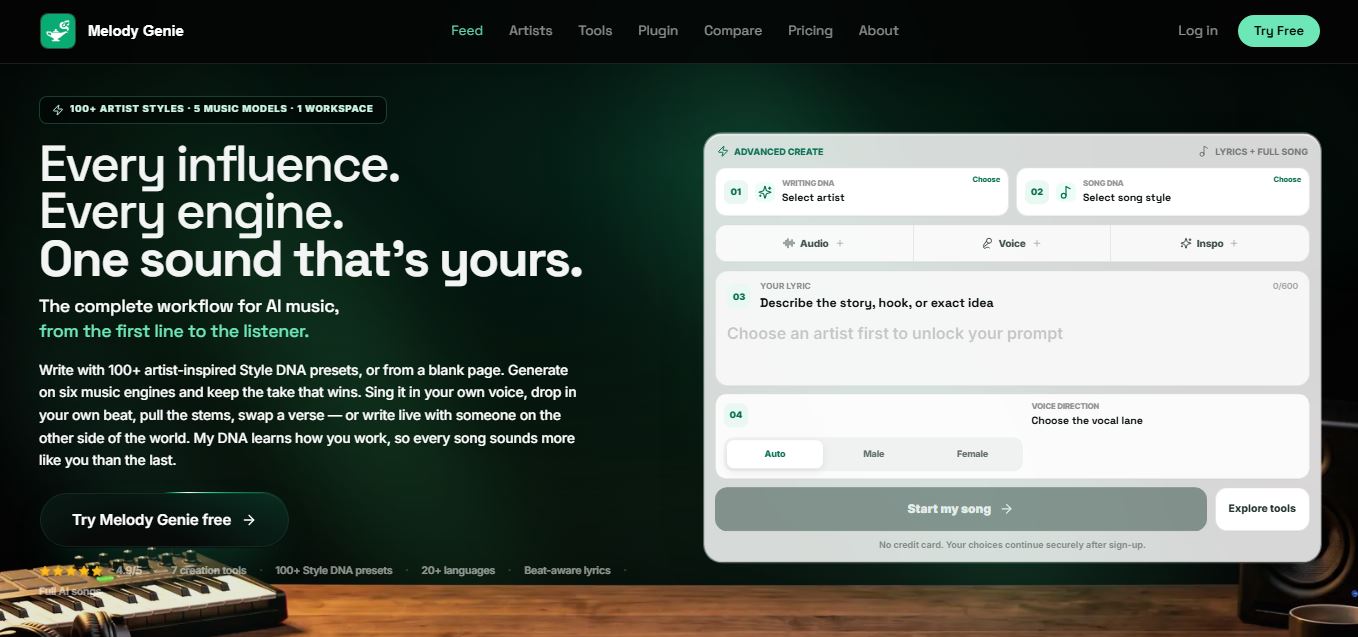
Melody Genie
MelodyGenie is an AI-powered music generator that creates original songs from simple text prompts. Users can choose styles, moods, and genres, then instantly generate melodies and full tracks, making it easy for creators, marketers, and hobbyists to produce custom music without musical expertise.
Freemium
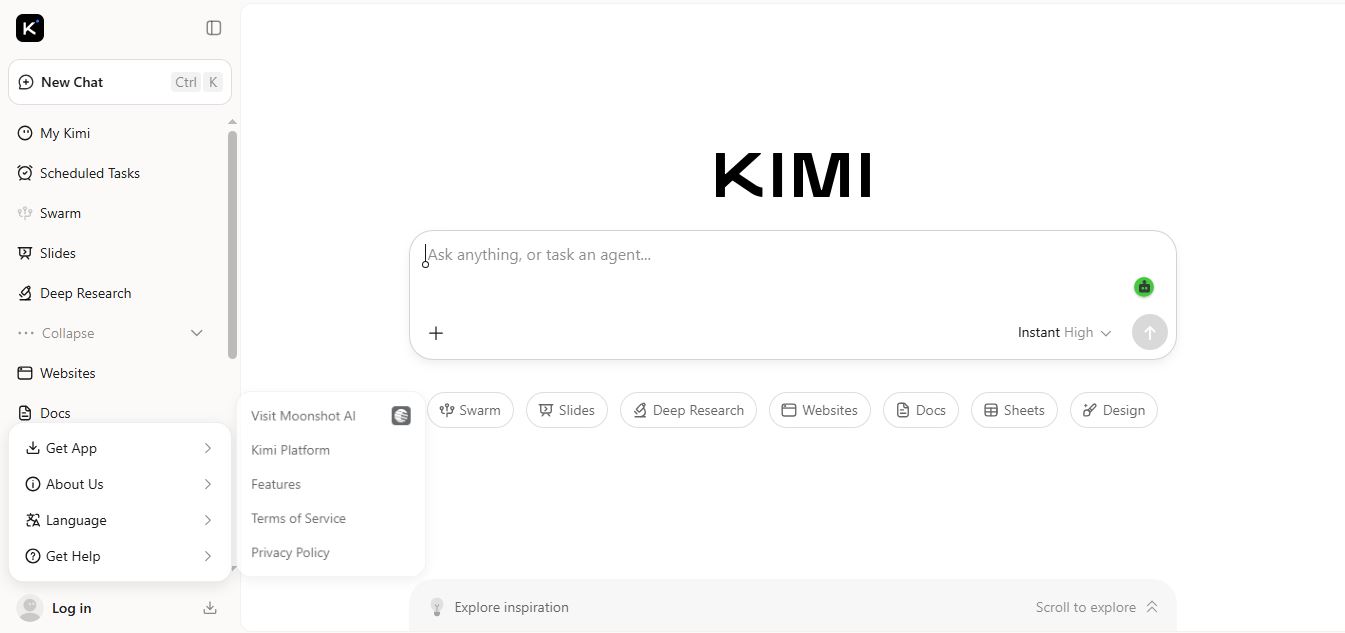
Kimi AI
Kimi AI is an advanced AI assistant developed by Moonshot AI that helps you chat, research, write, code, and automate tasks in one place. It supports web search, file analysis, and multimodal inputs, and can even run autonomous “agent” workflows to complete complex tasks end-to-end.
Freemium
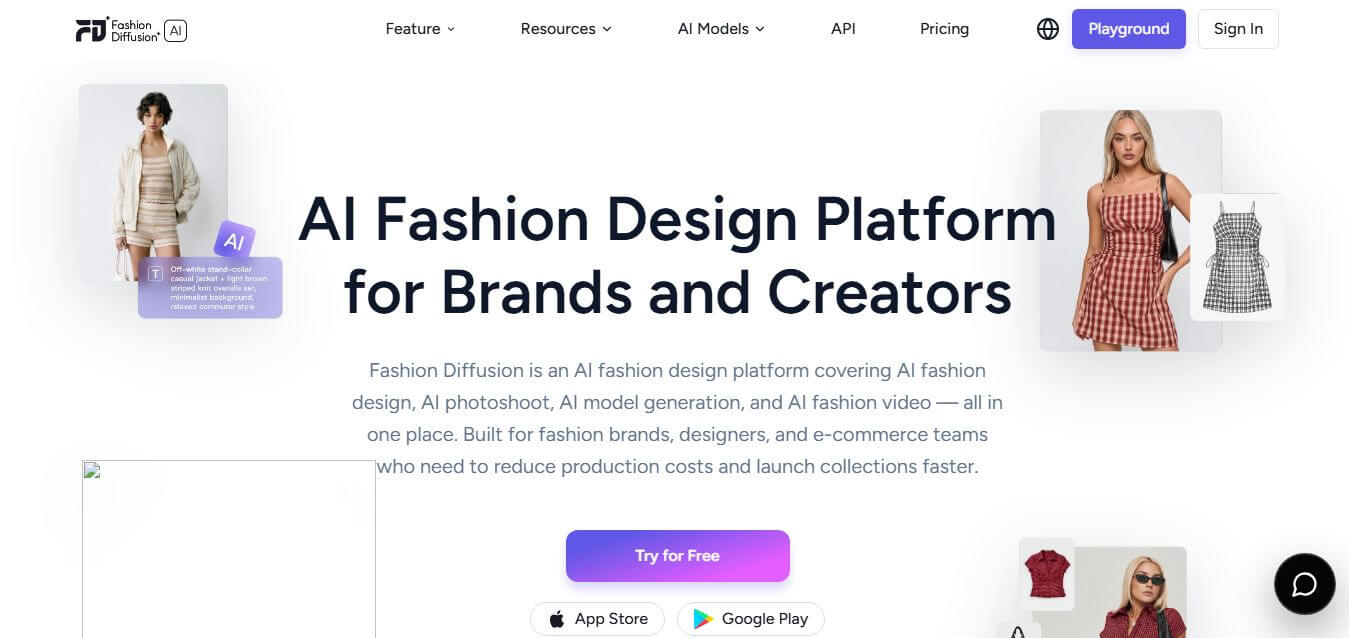
Fashion Diffusion AI
Fashion Diffusion is an AI-powered fashion design platform that helps brands and designers create clothing designs, virtual try-ons, AI models, product photos, and marketing visuals faster and cost-effectively.
Paid
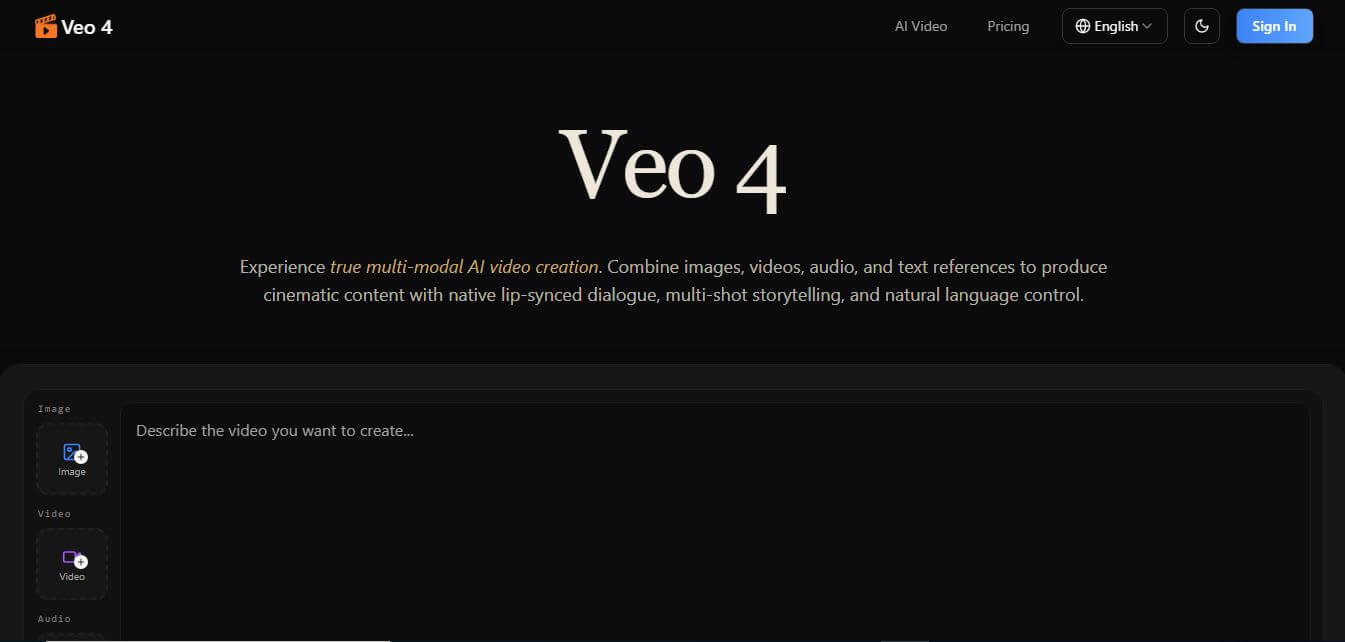
Veo 4
Veo 4 AI is an AI video creation platform that generates dramatic videos from text, images, audio, and video prompts using realistic motion and synchronized sound.
Paid
Alternatives
Alternatives to Notebook LM
The best NotebookLM alternatives include ChatGPT, Claude, Perplexity AI, Elicit, Humata AI, SciSpace, Notion AI, Afforai, AskYourPDF, and Google Gemini. These AI tools offer a range of features, from document analysis and academic research to real-time web search, content creation, and AI-powered writing assistance. While NotebookLM is ideal for source-grounded research with citations, other alternatives may be better suited for general AI conversations, coding, creative writing, or web-based information discovery, depending on your specific needs.
 4.9
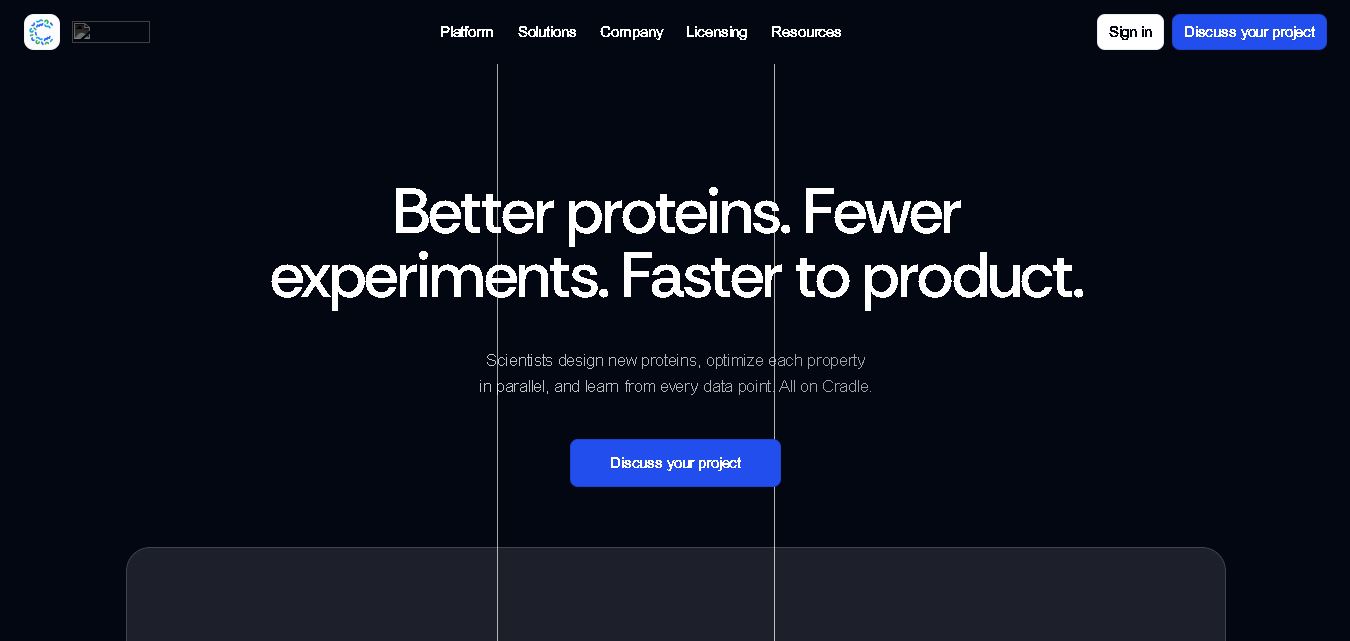
Cradle
Research
Cradle helps biotechnology researchers design, engineer, and optimize proteins using artificial intelligence and laboratory data. Its capabilities include protein sequence generation, multi-property optimization, candidate scoring, and experimental learning. The platform supports pharmaceutical, agricultural, and industrial biotechnology research, helping scientific teams explore promising molecules while reducing unnecessary experimental cycles and improving research workflows.
 4.8
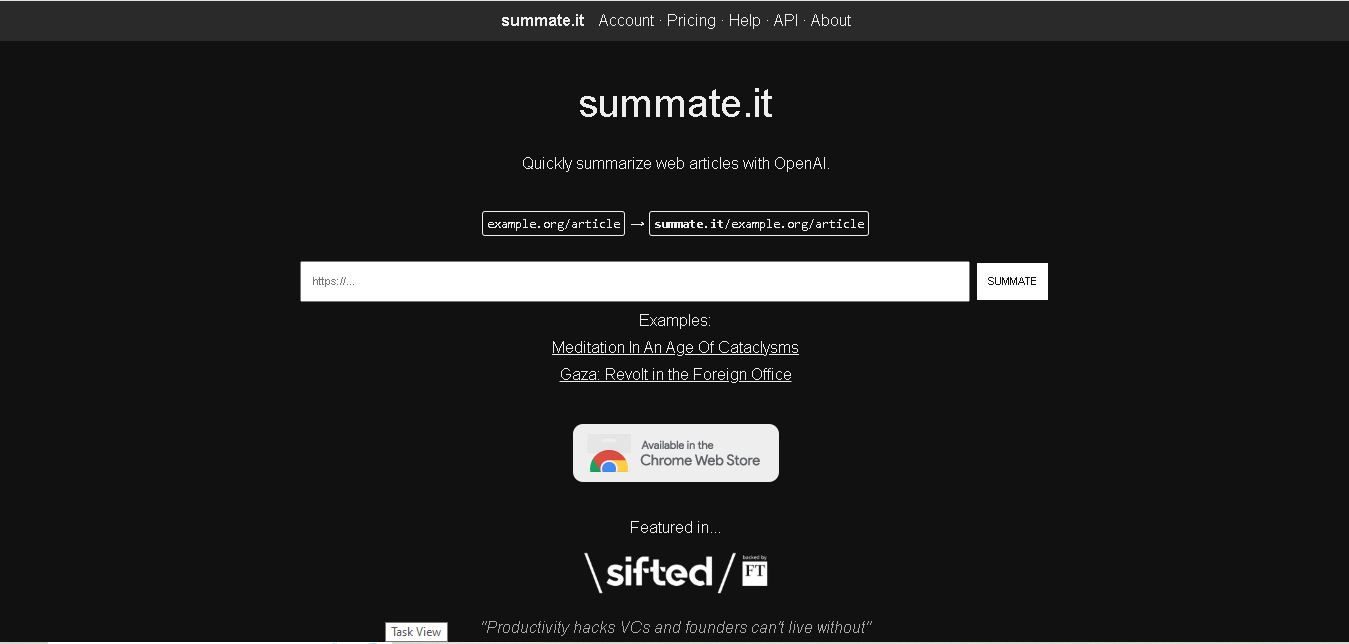
Summate.it
Research
Summate.it is a web-based AI article summarizer that helps users understand lengthy online content quickly. It extracts article text and uses OpenAI to generate concise summaries highlighting essential information. Students, researchers, marketers, and professionals can use it to review online articles efficiently, save reading time, and simplify everyday information gathering.
 4.9
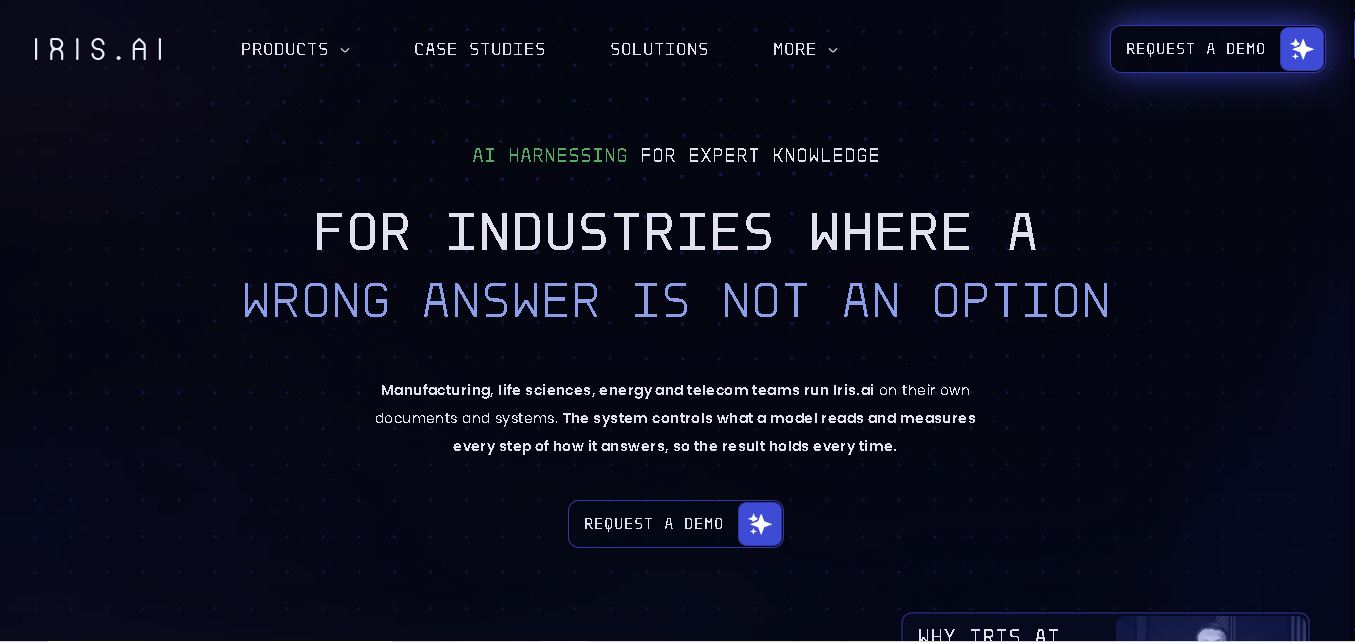
Iris.ai
Research
Iris.ai helps enterprises and research teams organize complex information, analyze scientific literature, and build AI workflows using organizational knowledge. Its solutions support document extraction, contextual search, data processing, and AI response evaluation. The platform is particularly relevant to research-intensive businesses seeking better information retrieval, reliable answers, and controlled enterprise AI applications.
 4.8
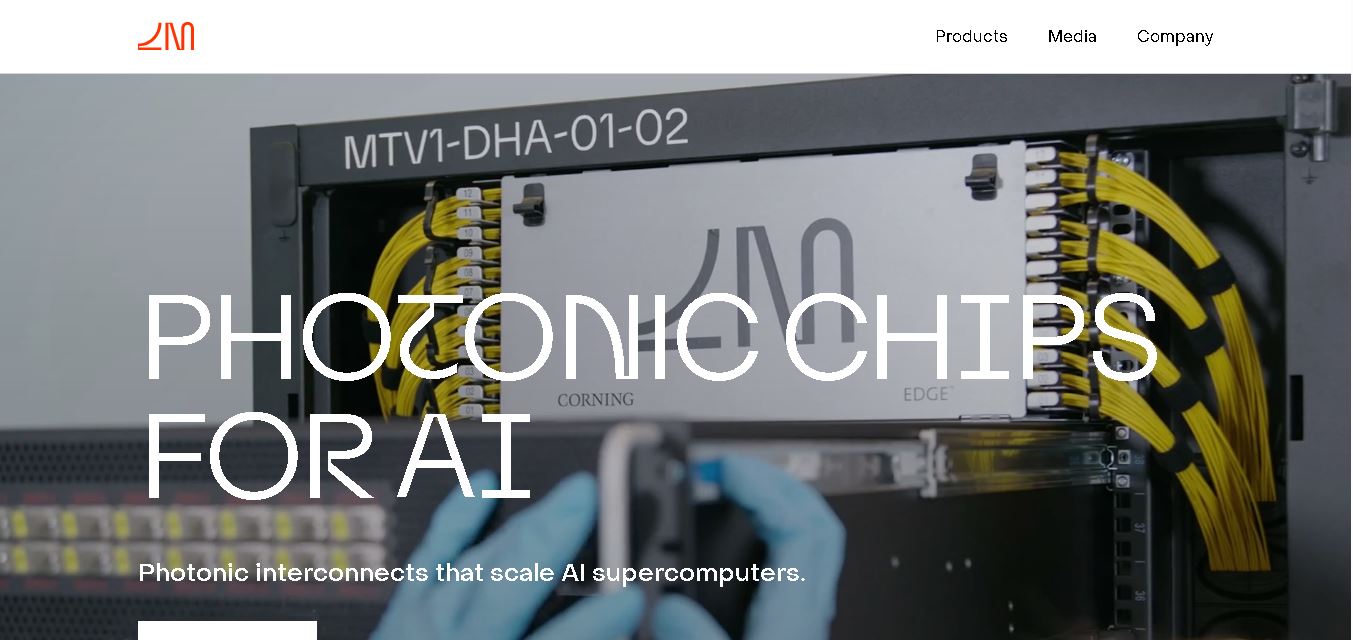
Lightmatter
Research
Lightmatter develops photonic computing technologies that help AI data centers connect processors and transfer information more efficiently. Its products include Passage optical interconnects, Guide light engines, and Envise photonic AI computing technology. The company aims to address bandwidth and power constraints affecting large-scale AI training, inference, and high-performance computing infrastructure.
 4.8
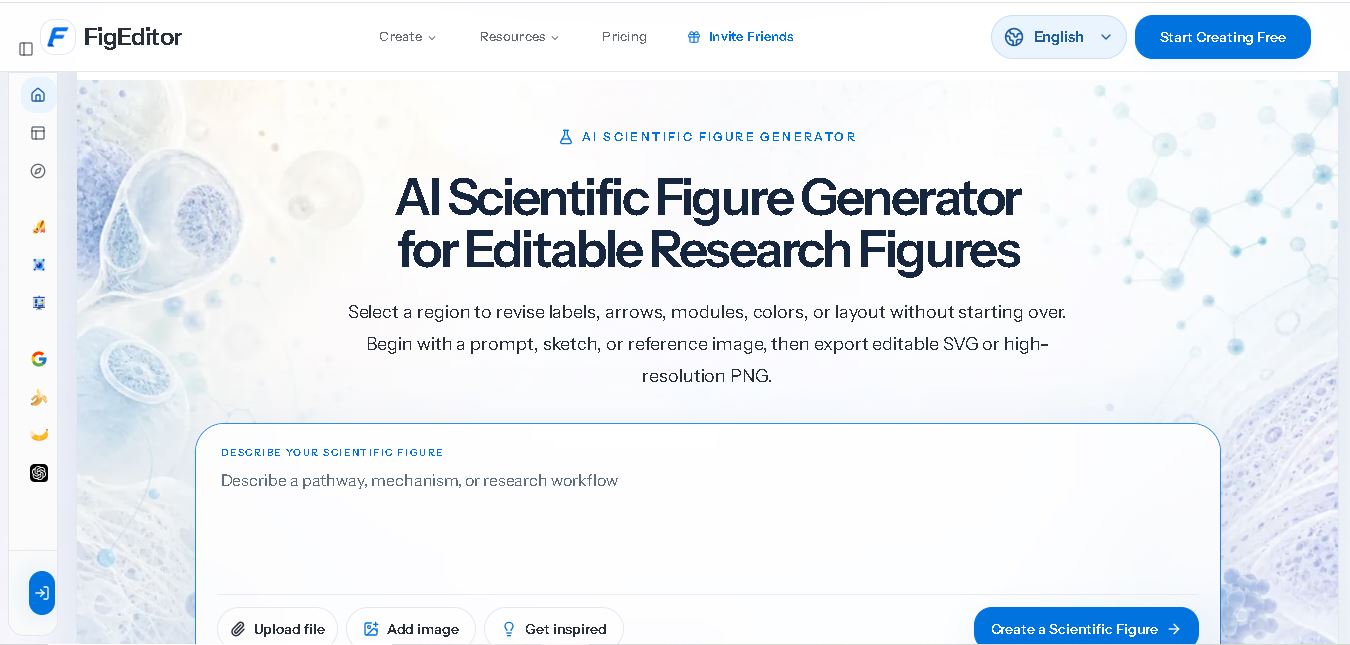
FigEditor
Research
FigEditor AI helps researchers create scientific illustrations, flowcharts, graphical abstracts, and academic diagrams from text prompts, sketches, or reference images. Its editing and vectorization features simplify visual revisions, while SVG and high-resolution PNG exports support different research workflows. It is useful for students, scientists, educators, and research professionals preparing visual materials.
 4.8
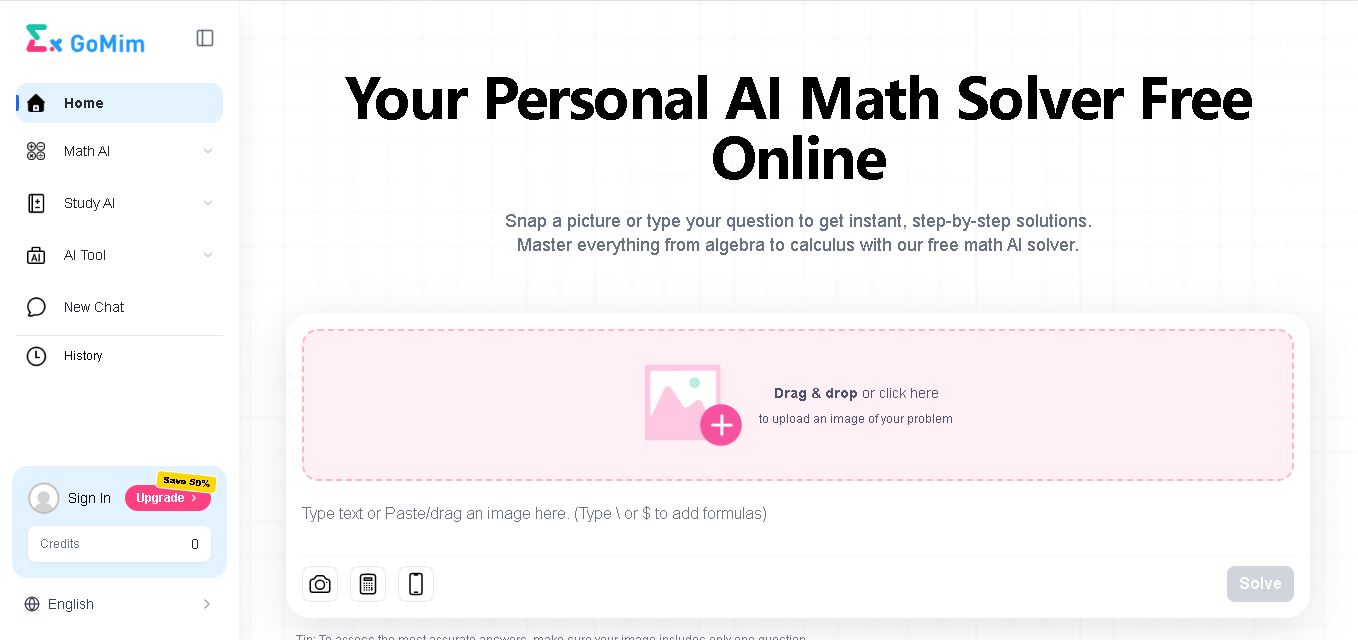
GoMim
Research
GoMim is an AI math solver that helps students understand mathematical concepts through step-by-step solutions. It supports typed questions, image uploads, and subjects including algebra, geometry, and calculus. With an interactive AI tutor, question history, and free and paid plans, GoMim makes homework assistance and independent study more accessible.
 4.8
AlphaResearch
Research
AlphaResearch helps investors, financial analysts, and corporate strategists research companies using financial documents, earnings transcripts, market data, and sentiment analysis. Its features include document search, filing alerts, stock screening, institutional ownership tracking, and research notes. The platform simplifies financial information discovery, helping users investigate companies and support informed investment research decisions.
 4.8
Gatsbi
Research
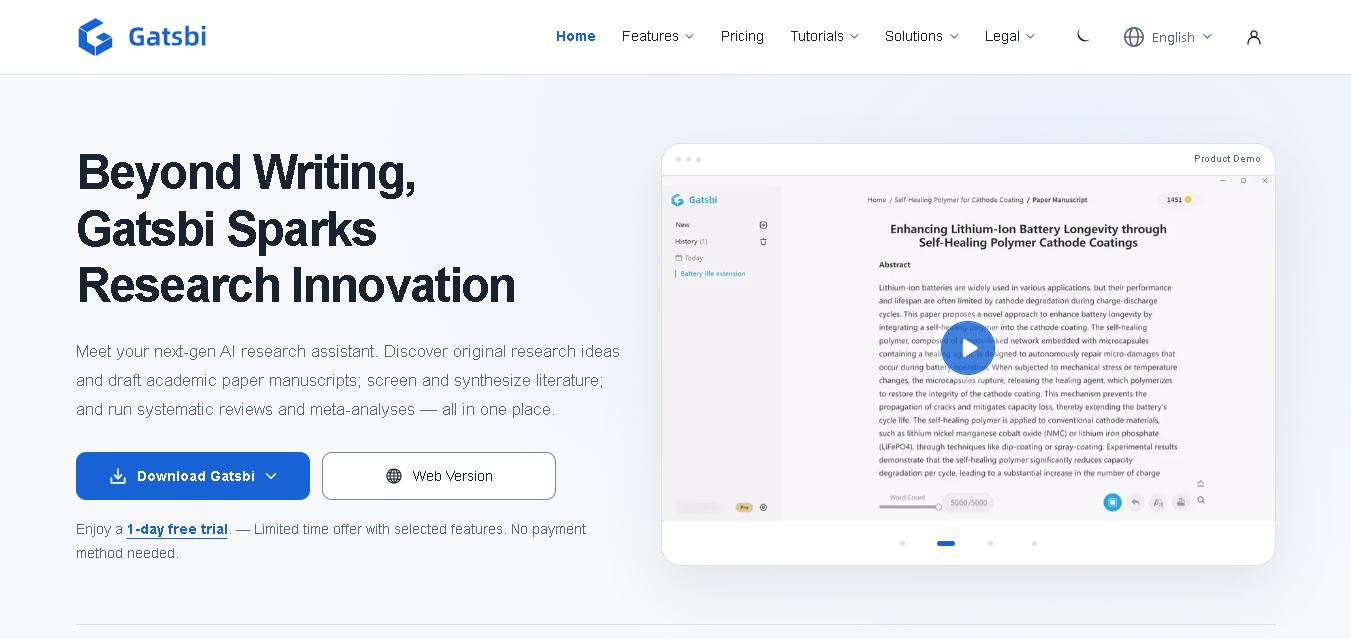
Gatsbi is an AI research assistant that helps researchers discover ideas, draft academic papers, review scientific literature, and prepare patent disclosures. It combines research discovery, manuscript generation, and evidence synthesis in one workflow. The tool is useful for academics, scientists, engineers, and innovation teams seeking to streamline complex research tasks.
 4.9
Metagene-1
Research
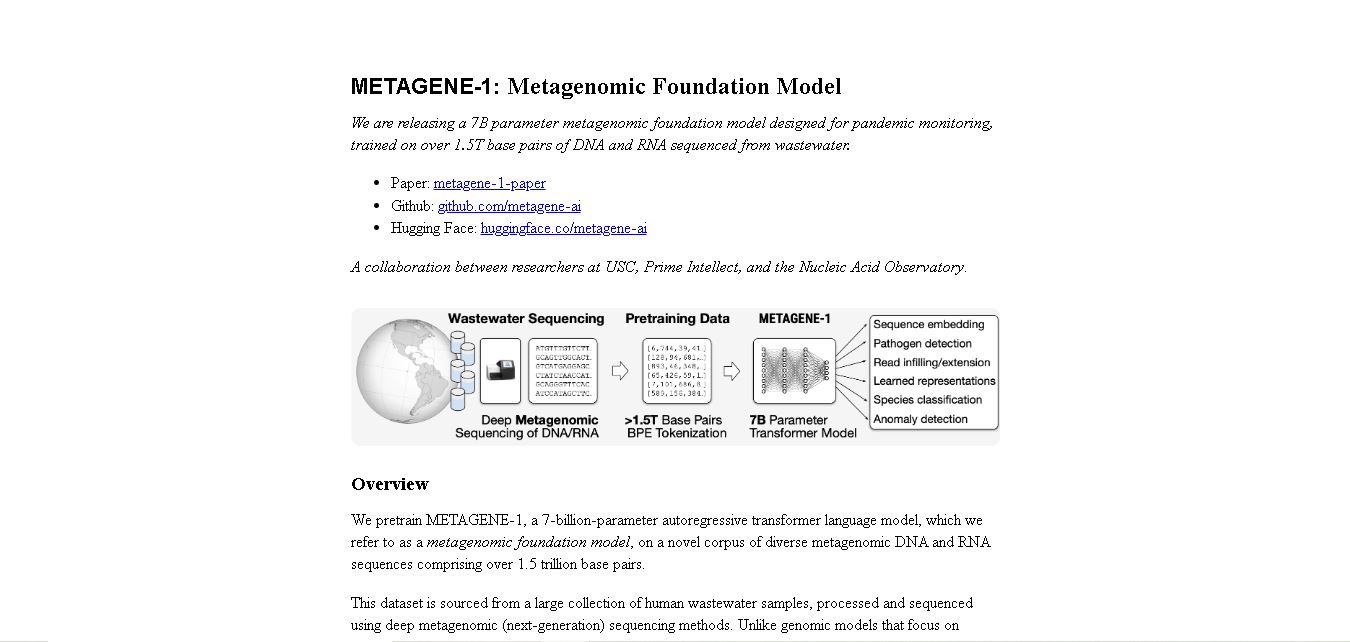
METAGENE-1 is a metagenomic foundation model designed to help researchers analyze DNA and RNA sequences. Trained on extensive wastewater sequencing data, it supports genomic embedding, pathogen detection research, biosurveillance, and pandemic monitoring. The model provides researchers with an AI-based approach to studying microbial diversity and identifying patterns in complex metagenomic datasets.