Hibiki Simple
Hibiki Simple is a browser-based demonstration of Hibiki, a speech translation technology designed to convert spoken French into English in near real time. It can generate translated speech and text, with optional speaker voice preservation. Hosted on Hugging Face Spaces, it offers an accessible way to explore streaming speech translation capabilities.
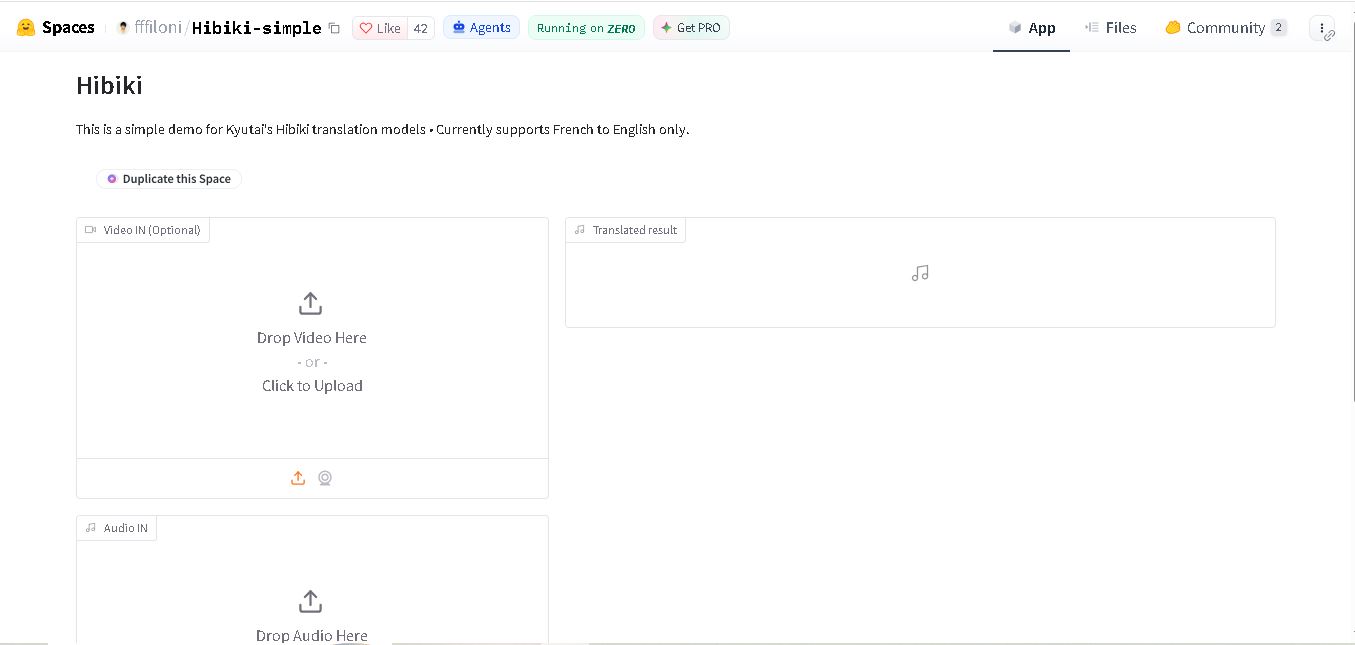
What is Hibiki Simple?
Hibiki Simple is an interactive AI demonstration hosted on Hugging Face Spaces under the creator account fffiloni. It provides a web-based interface for exploring the functionality implemented in its underlying application. Users can visit the project page to inspect available controls and test the demonstration when it is running. Its specific capabilities, supported inputs, and output quality should be verified directly through the live interface before relying on it for professional tasks.
Hibiki is a simultaneous speech translation model developed by Kyutai, designed to translate spoken French into English while generating speech and text. Its architecture processes audio and produces output tokens at 12.5 Hz, supporting continuous translation. The original model family includes 1B and 2B variants, with model sizes described in parameter counts. Training sequences extend up to 120 seconds, with a 40-second context size. No verified accuracy percentage or guaranteed processing speed is published for this specific demonstration.
- Author / Developer: fffiloni (Hugging Face Space maintainer) & Kyutai Labs (Hibiki Model Creator)
- Framework & Hosting: Hugging Face Spaces (ZeroGPU / Gradio Interface)
Use Cases:
- Testing real-time French-to-English speech translation quality and voice preservation before production deployment
- Evaluating low-latency speech-to-speech workflows for live multilingual broadcasting, interviews, and webinars
- Demonstrating speaker fidelity preservation across background noise and varying pitch dynamics
- Exploring Classifier-Free Guidance (CFG) controls to balance translation precision against original accent transfer
Technology:
- Hibiki 1.7B hierarchical Transformer decoder-only model trained on synthetic parallel audio datasets
- Mimi neural audio codec operating at a 12.5Hz token framerate and lightweight 1.1kbps bitrate
- Hugging Face ZeroGPU cloud acceleration with Gradio web interface for interactive inference
Target Users:
- Audio AI researchers and voice developers evaluating real-time speech-to-speech translation engines
- Localization teams and media creators looking for expressive, voice-cloning translation alternatives
- Content creators using writing tools to draft video scripts, transcripts, and multilingual voiceover notes
Corporate / Community Entity: Open-Source Hugging Face Community Space (fffiloni / Kyutai Labs)

Key features of Hibiki Simple
Hibiki Simple's key features are
- Simultaneous Speech-to-Speech Processing: Translates audio input directly into target spoken speech without cascading separate ASR, MT, and TTS models.
- High Speaker Fidelity & Voice Transfer: Replicates the original speaker's vocal pitch, emotion, and prosody in the generated translation.
- Ultra-Low Latency Multistream Tokenization: Powered by the Mimi neural codec running at 12.5Hz framerate, enabling streaming translation with minimal delay.
- Classifier-Free Guidance (CFG) Adjustment: Adjust CFG values to tune the strength of original speaker similarity versus translation fluency.
- Integrated Timestamped Text Translation: Generates synchronized target text transcripts alongside the audio output stream.
- ZeroGPU Hugging Face Hosting: Free interactive web-based execution with zero local hardware or CUDA setup requirements.
Hibiki Simple Pricing
Hibiki Simple is entirely free to use via Hugging Face Spaces, supported by community ZeroGPU hosting and open-source model releases.
Free Hugging Face Space:
- $0 / Free forever
- Unlimited web testing via Hugging Face ZeroGPU queue
Self-Hosted / Open Source (Kyutai Hibiki Model):
- 100% Free / CC-BY Creative Commons License
- Open weights available for local PyTorch execution or cloud GPU deployment (e.g., NVIDIA RTX 4090 / H100)
Disclaimer: Public Hugging Face Spaces share ZeroGPU hardware queues and may require short wait times during high concurrency. For enterprise production streaming, the model weights can be deployed locally or hosted on dedicated GPU instances.
Who is using Hibiki Simple?
Hibiki Simple is designed for audio engineers, researchers, and creators, including
- Voice & Audio AI Engineers: Benchmarking end-to-end simultaneous speech translation against traditional pipeline architectures
- Video Localization Specialists: Testing real-time dubbing quality while maintaining original actor voice characteristics
- Live Event & Webinar Translators: Evaluating low-latency, cross-lingual stream capabilities for French-to-English communication
- Content Creators: Using writing tools to draft multilingual scripts, podcasts, and video dubbing outlines
Best Hibiki Simple Alternatives
Some of the top Hibiki Simple alternatives include
- Meta SeamlessM4T / SeamlessExpressive
- Kyutai Moshi
- ElevenLabs Dubbing & Speech Translator
- OpenAI Whisper + TTS Pipeline
- HeyGen AI Video Translator
- DeepL Voice
Pros and Cons of Hibiki Simple
Pros
- State-of-the-art voice retention that preserves pitch, prosody, and emotion across French-to-English translation
- Eliminates multi-model pipeline latency by processing speech end-to-end with decoder-only architecture
- Zero-cost web accessibility on Hugging Face Spaces via ZeroGPU allocation
- Open-weight model release allowing unrestricted research and custom self-hosted deployment
Cons
- Currently specialized primarily for French-to-English translation (additional language pairs require fine-tuning)
- High Classifier-Free Guidance (CFG) settings can sometimes introduce strong foreign accents into the translated English speech
- Hugging Face Space queue constraints may apply during peak community usage
Why Choose Hibiki Simple?
Hibiki Simple offers a front-row seat to the future of real-time speech-to-speech translation, eliminating the robot-sounding, multi-stage pipelines of the past.
- Preserves authentic speaker voice fidelity and vocal emotion across language boundaries
- Delivers streaming simultaneous translation with sub-second processing latency
- Instant, free browser testing with no hardware setup or API keys required
- Backed by Kyutai's groundbreaking open-weight research model
Hibiki Simple vs. Competitors
The main difference between Hibiki Simple, Meta SeamlessExpressive, ElevenLabs, and Kyutai Moshi is that Hibiki is specifically optimized for simultaneous, real-time French-to-English speech-to-speech translation with direct voice transfer, whereas Meta SeamlessExpressive targets broader multilingual pairs with higher compute requirements, ElevenLabs is a proprietary commercial cloud API, and Moshi is tuned for bidirectional conversational dialogue rather than targeted translation. Hibiki excels at continuous, low-latency translation while keeping the speaker's vocal identity intact.
| Feature / Tool | Hibiki Simple (fffiloni Space) | Meta SeamlessExpressive | ElevenLabs Dubbing | Kyutai Moshi |
|---|---|---|---|---|
| Core Focus | Simultaneous Speech-to-Speech Translation Demo | Multilingual Expressive Translation | Commercial Automated Video/Audio Dubbing | Real-Time Conversational Speech AI |
| Primary Language Direction | French to English | Multilingual (100+ Languages) | Multilingual (30+ Languages) | English / French Full-Duplex |
| Voice & Pitch Transfer | Yes (Controllable via CFG) | Yes (Prosody & Expressiveness) | Yes (Proprietary Voice Matching) | Preset / Dynamic Agent Voices |
| Open License | Yes (CC-BY Model Weights) | Yes (Research License) | No (Proprietary SaaS) | Yes (CC-BY License) |
| Starting Price Range | Free / Open Source Self-Hosting | Free open-source | Free tier / $5–$330+ per month | Free open-source |
| Best For | Low-latency French-English simultaneous speech translation | Expressive research translation across languages | Production video dubbing and media localization | Full-duplex conversational voice agent testing |
How do we rate Hibiki Simple?
| Parameter | Rating (out of 5) |
|---|---|
| Speech Translation Quality & Accuracy | 4.7 |
| Voice Preservation & Pitch Transfer | 4.9 |
| Latency & Real-Time Streaming Speed | 4.8 |
| ZeroGPU Interface Ergonomics | 4.6 |
| Value for Money | 5.0 |
| Overall Score | 4.80 |
Hibiki Simple Review
Hibiki Simple on Hugging Face offers an exceptional demonstration of modern speech translation technology. Kyutai’s underlying 1.7B Hibiki model solves one of the hardest challenges in AI audio: translating spoken language in near real-time while making the output sound like the original speaker rather than a generic text-to-speech voice. Host fffiloni’s clean interface makes it effortless to test microphone recordings or uploaded audio against the model. For developers, localized content creators, and AI enthusiasts eager to see where real-time simultaneous voice translation is heading, Hibiki Simple is a standout open-source benchmark.
Conclusion
Hibiki Simple offers an accessible starting point for exploring simultaneous speech translation through Hugging Face Spaces. Its underlying technology combines incremental speech processing, translated text, generated audio, and optional voice preservation, with documented support for French-to-English translation. Although it can be valuable for experimentation and language-learning workflows, users should verify output accuracy and current demo availability. For professional use, assess privacy, performance, and language requirements before integrating it into everyday communication.
FAQ
What is Hibiki Simple used for?
Hibiki Simple helps users explore speech translation through a web-based demonstration. The underlying Hibiki technology translates spoken French into English while generating translated audio and text. It is useful for testing conversational translation, understanding streaming speech systems, and exploring AI audio research. Actual functionality depends on the available interface and runtime.
How does Hibiki Simple translate speech?
Hibiki processes incoming speech incrementally instead of waiting for an entire recording to finish. Its underlying model generates translated speech and text as sufficient context becomes available. This approach aims to reduce conversational delays while maintaining meaning. Translation quality may vary depending on pronunciation, background noise, speaking speed, and context.
Which languages does Hibiki Simple support?
The original Hibiki model supports French-to-English speech translation. It is not a general-purpose translator for every language pair. If you need translation from Hindi, Spanish, or another language, check the specific model and interface before uploading audio. Language support for this particular Space should not be assumed to exceed the original model's documented capabilities.
Can Hibiki Simple preserve the original speaker's voice?
Yes, the underlying Hibiki technology supports optional voice transfer, helping translated English speech retain characteristics of the original speaker's voice. The degree of similarity can be adjusted through model guidance settings in supported implementations. However, voice similarity is not guaranteed, and stronger guidance can sometimes reduce translation quality. Check whether the demo exposes this option.
Does Hibiki Simple generate translated audio and text?
Hibiki is designed to produce both spoken translations and corresponding text. This combination can help users listen to translated conversations while following the written meaning. It may be useful for demonstrations, language-learning experiments, and communication research. The exact output formats and controls available depend on how the Hugging Face Space implements the model.
Is Hibiki Simple suitable for real-time conversations?
Hibiki is specifically designed for simultaneous speech translation, making it suitable for exploring real-time conversational workflows. It generates translations incrementally rather than relying exclusively on complete recordings. However, actual responsiveness depends on computing resources, network conditions, and the interface's implementation. Test it with short conversations before using it in important meetings or live events.
User Reviews
No reviews yet for Hibiki Simple.
Featured Tools
Featured AI tools from TechShark
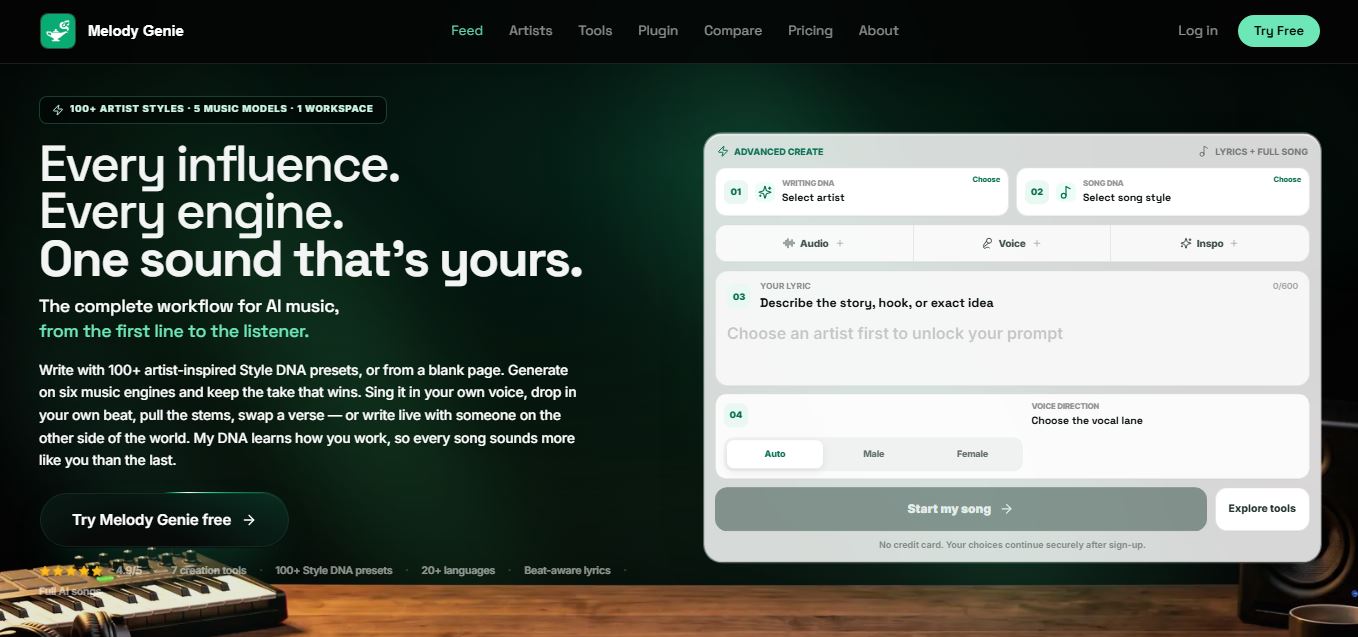
Melody Genie
MelodyGenie is an AI-powered music generator that creates original songs from simple text prompts. Users can choose styles, moods, and genres, then instantly generate melodies and full tracks, making it easy for creators, marketers, and hobbyists to produce custom music without musical expertise.
Freemium
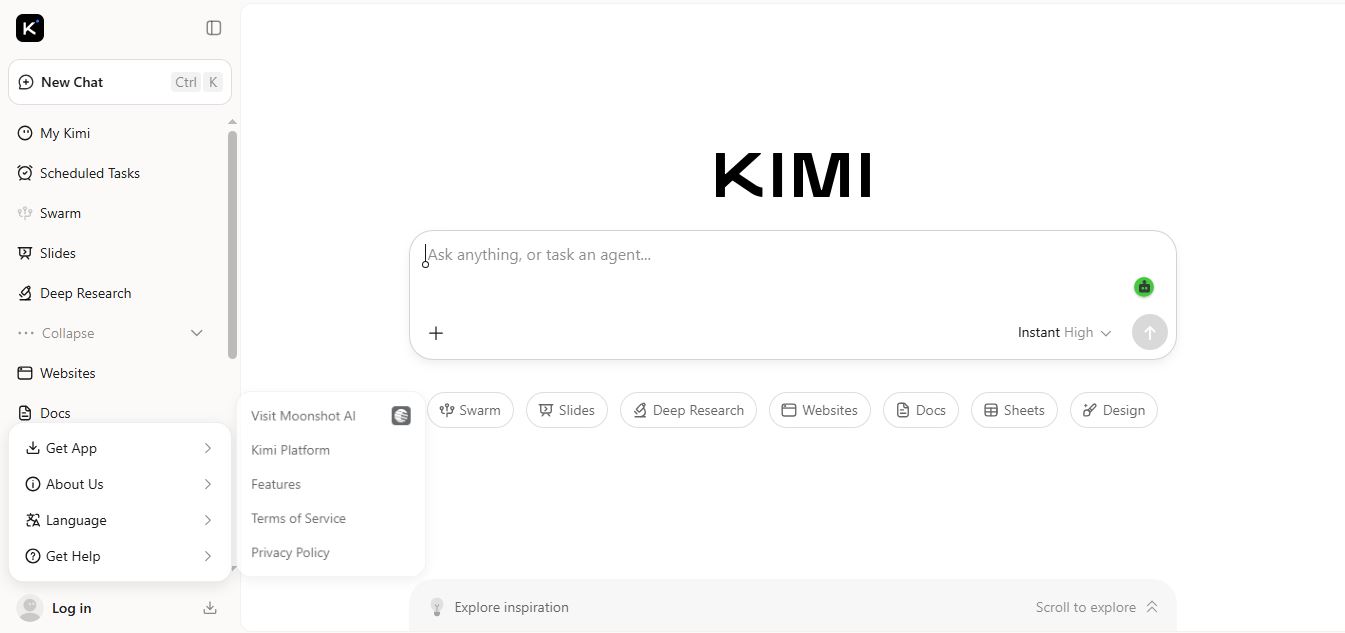
Kimi AI
Kimi AI is an advanced AI assistant developed by Moonshot AI that helps you chat, research, write, code, and automate tasks in one place. It supports web search, file analysis, and multimodal inputs, and can even run autonomous “agent” workflows to complete complex tasks end-to-end.
Freemium
Fashion Diffusion AI
Fashion Diffusion is an AI-powered fashion design platform that helps brands and designers create clothing designs, virtual try-ons, AI models, product photos, and marketing visuals faster and cost-effectively.
Paid
Veo 4
Veo 4 AI is an AI video creation platform that generates dramatic videos from text, images, audio, and video prompts using realistic motion and synchronized sound.
Paid
Alternatives
Alternatives to Hibiki Simple
The best Hibiki Simple alternatives include Meta SeamlessM4T (SeamlessExpressive), Kyutai Moshi, ElevenLabs Dubbing, OpenAI Whisper + TTS pipelines, HeyGen AI Video Translator, and DeepL Voice. These solutions offer real-time speech translation, video dubbing, and voice cloning across research and commercial APIs. While Hibiki Simple focuses on low-latency French-to-English simultaneous speech translation with voice preservation, alternatives like Meta Seamless Expressive support broader multilingual directions, and ElevenLabs delivers proprietary commercial video dubbing.
 4.9
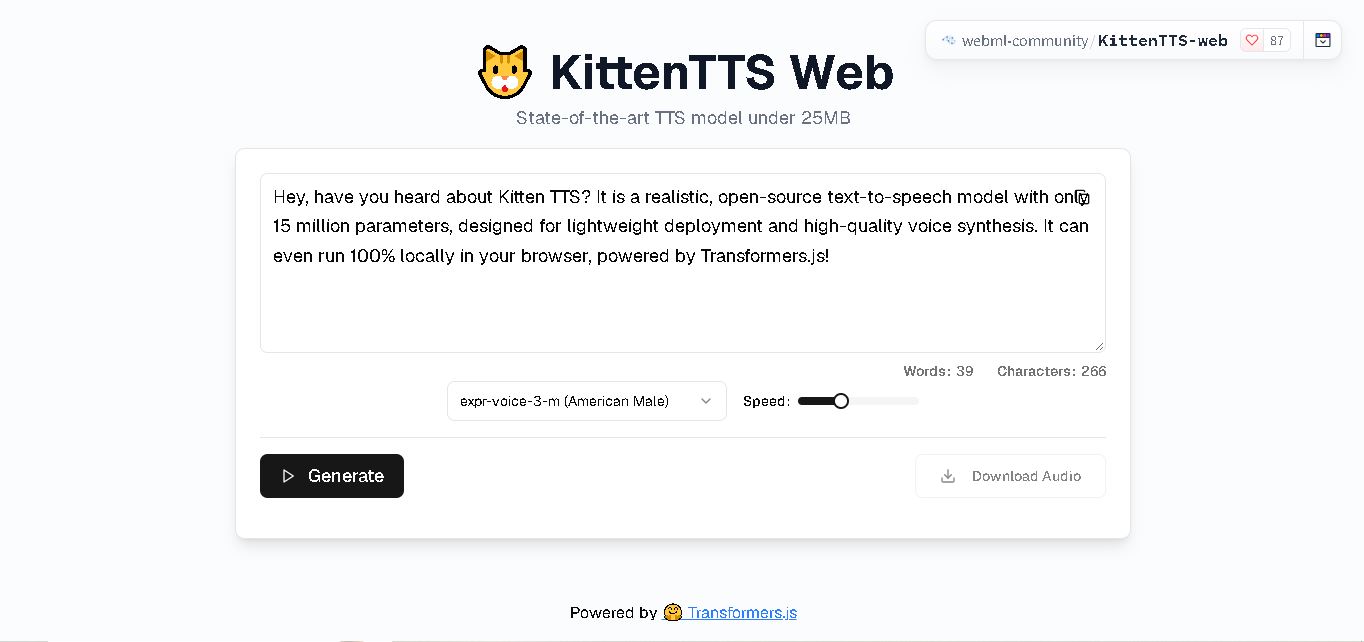
KittenTTS Web
Text-to-Speech
KittenTTS Web is a lightweight text-to-speech demo hosted on Hugging Face Spaces. It helps users explore how written text can be transformed into spoken audio using neural voice synthesis. The project is particularly relevant to developers, content creators, and accessibility-focused users interested in experimenting with compact speech generation technology directly through a web browser.
 4.9
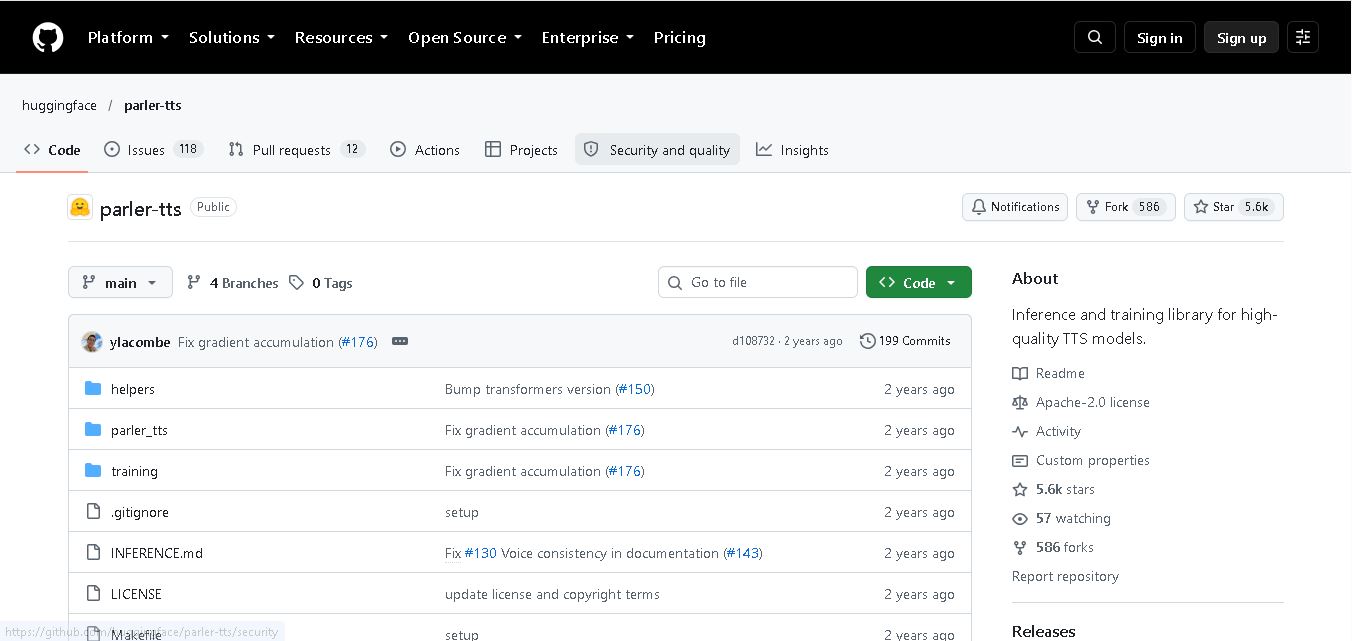
Parler-TTS
Text-to-Speech
Parler-TTS is an open-source text-to-speech tool that transforms written content into natural-sounding audio. It lets developers describe voice characteristics using natural language, including pitch, speaking speed, and recording quality. With publicly available model weights, training resources, and customizable checkpoints, it supports experimentation, research, and tailored speech-generation applications across projects.
 4.9
IMS Toucan
Text-to-Speech
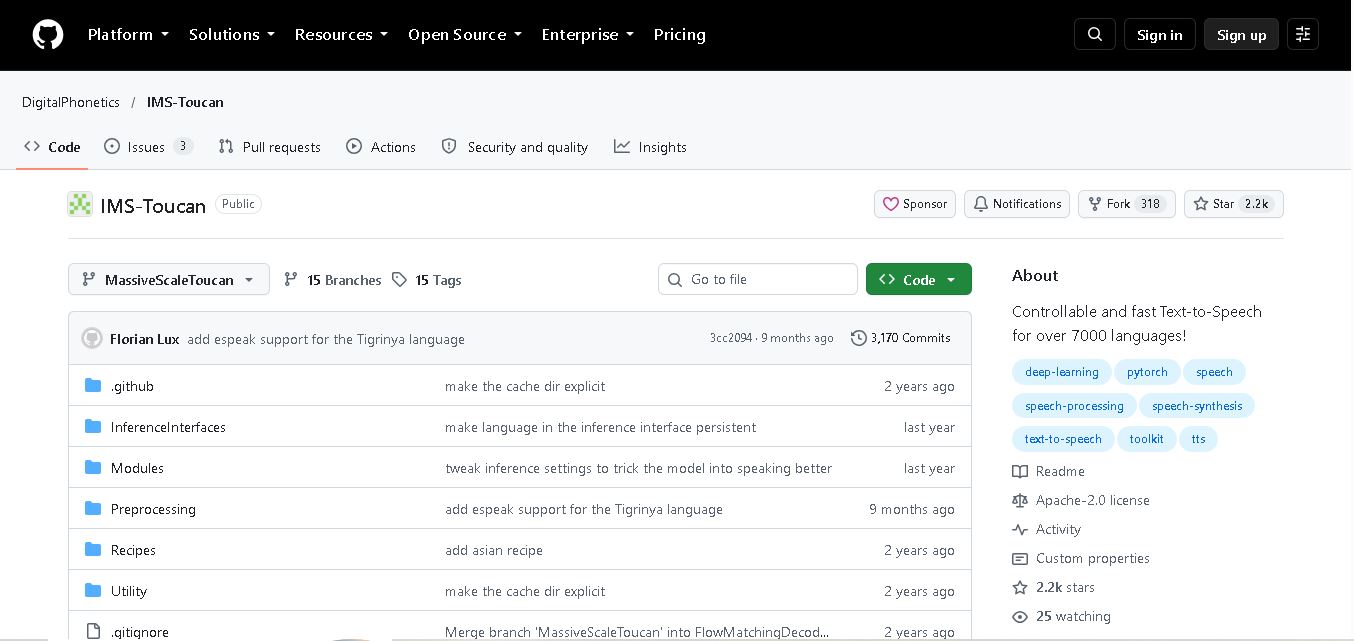
IMS Toucan is an open-source text-to-speech toolkit from the University of Stuttgart designed for multilingual speech generation. It converts text into audio and provides tools for inference, voice and prosody control, and model training. Supporting more than 7,000 languages, it serves developers and researchers exploring technology across linguistic contexts.
 4.8
Verbatik
Text-to-Speech
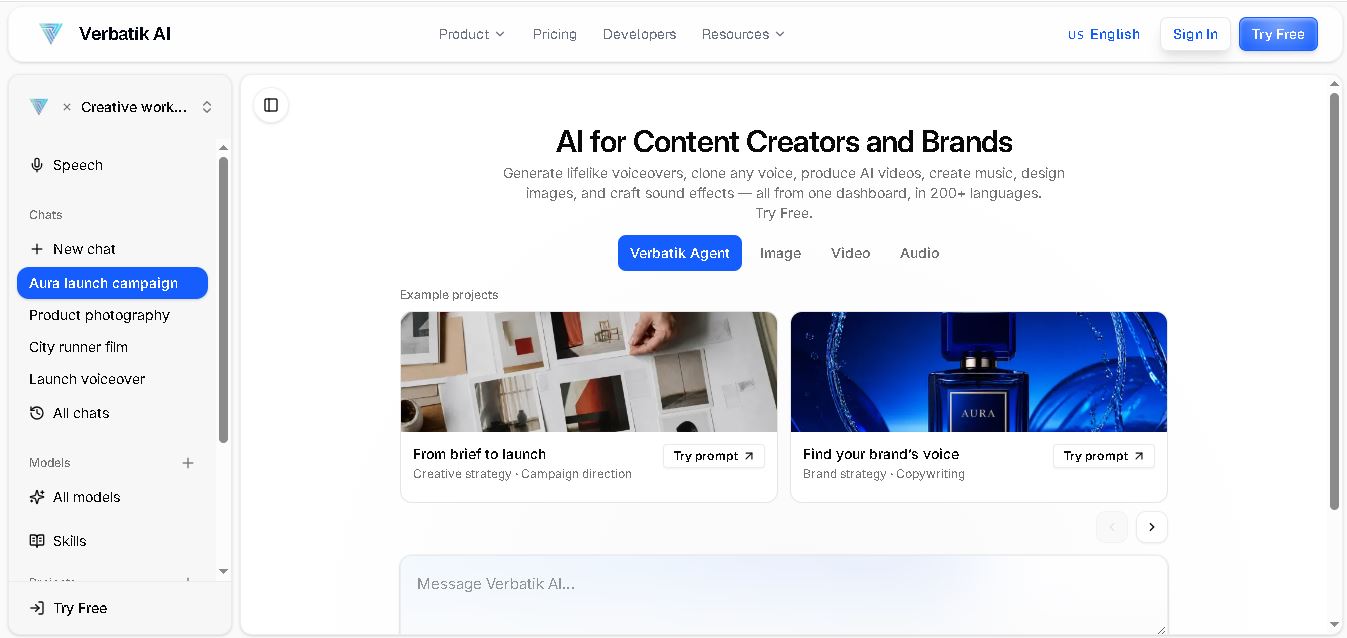
Verbatik AI helps users create realistic voiceovers, clone voices, generate music, and produce multimedia content using artificial intelligence. With multilingual speech, customizable voice settings, and developer APIs, it supports content creators, marketers, educators, and businesses. The platform simplifies audio production, video creation, and content localization from one workspace.
 4.8
Narration Box
Text-to-Speech
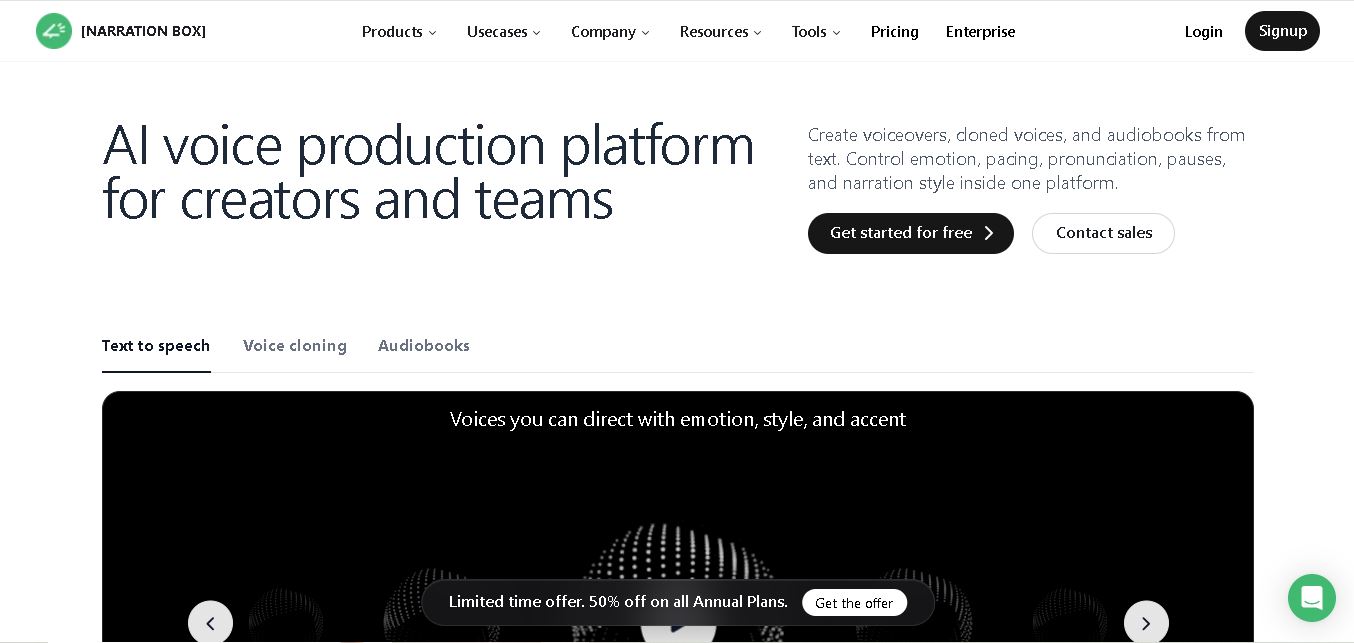
Narration Box is an AI voice generator for creating realistic voiceovers, audiobooks, podcasts, and educational audio from text. It offers over 1,500 AI narrators, 80+ languages and accents, voice cloning, and customizable emotional delivery. Its editing tools help creators produce consistent, multilingual audio content for personal and professional projects.
 4.7
AudioBot
Text-to-Speech
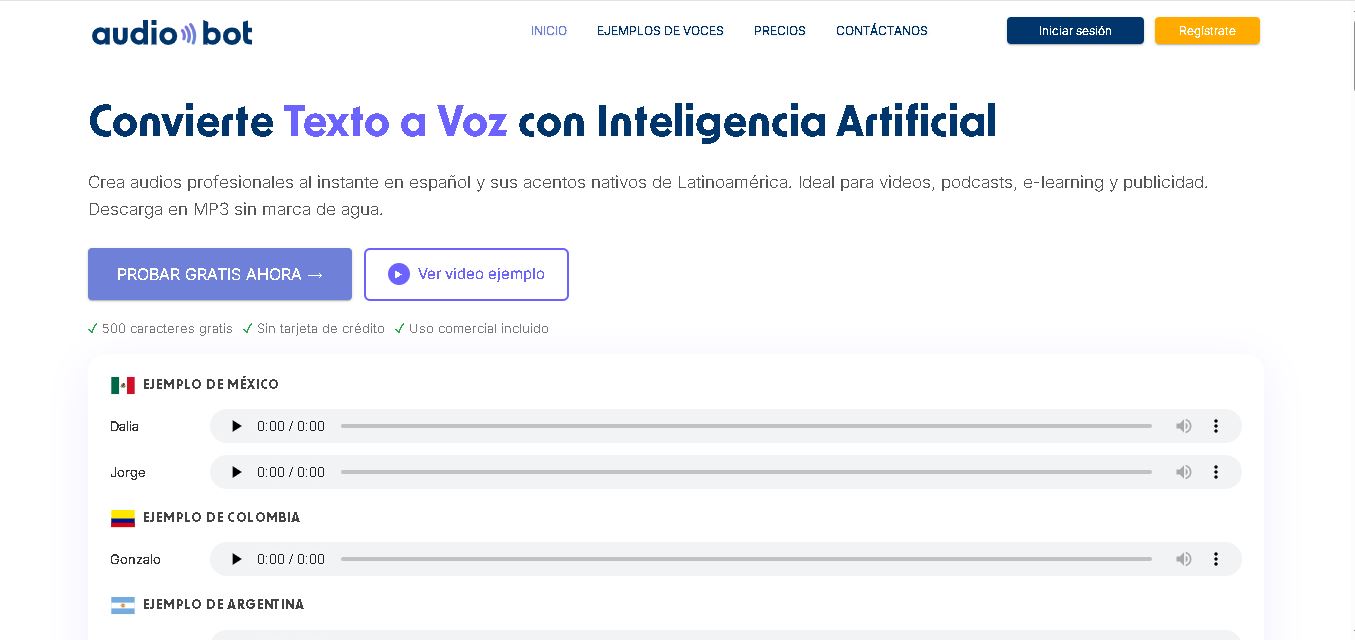
AudioBot converts written text into natural-sounding speech using AI-generated voices. It supports multiple languages and regional accents, making it useful for video voiceovers, presentations, educational materials, and audio content. Users can generate and download audio files, helping simplify narration workflows without requiring traditional recording equipment or voice talent.
 4.7
Audie AI
Text-to-Speech
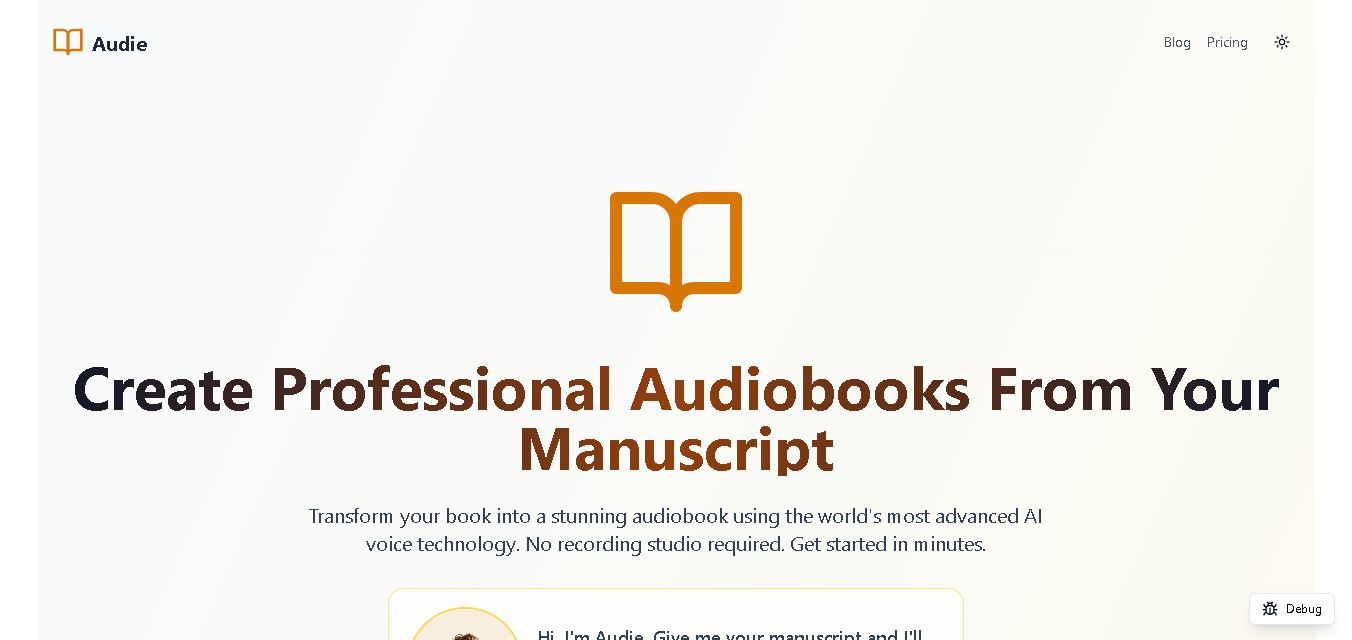
Audie AI is an audiobook creation tool that converts written manuscripts into narrated audio using AI-generated voices. It helps authors and publishers simplify production, explore different narration styles, and reduce reliance on traditional recording studios. With voice selection, advertised voice cloning, and downloadable audio, it supports more accessible audiobook creation for independent creators.
 4.6
Speechelo
Text-to-Speech
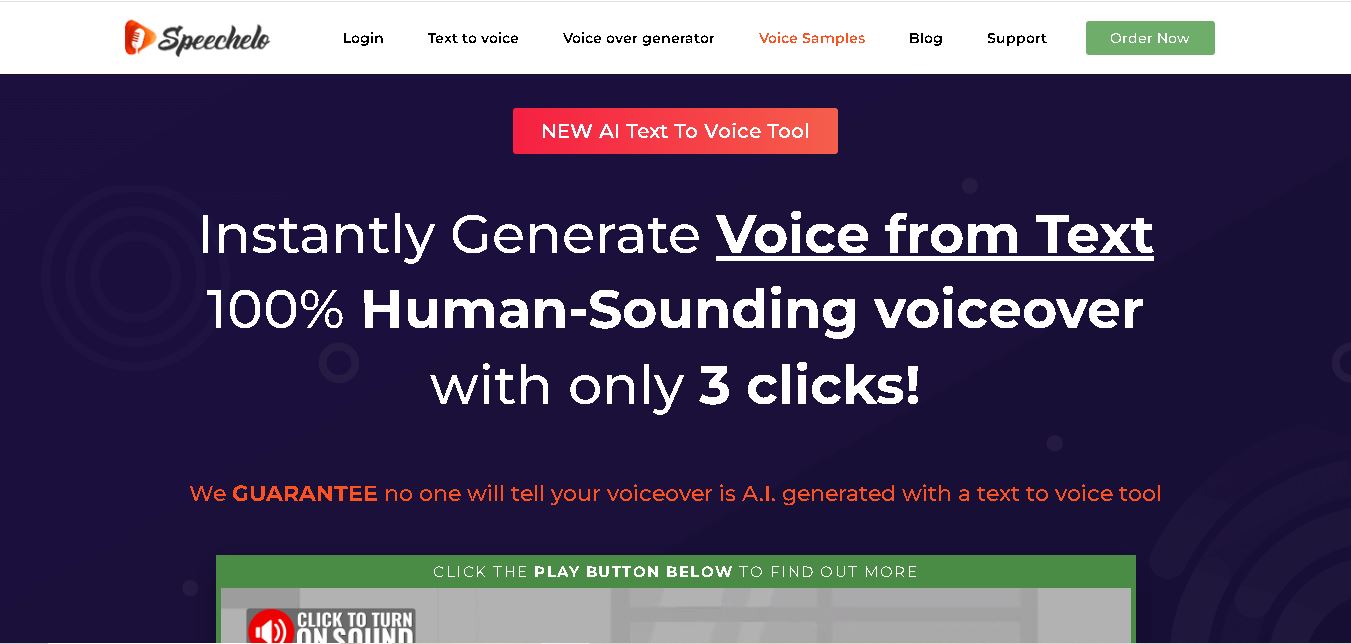
Speechelo is a text-to-speech tool designed to help creators turn written scripts into voiceovers. It offers different voices, languages, tones, and audio adjustments for creating narration. Video creators, educators, marketers, and content teams can use it to produce audio for tutorials, presentations, promotional videos, and other digital content projects.
 4.7
Leelo AI
Text-to-Speech
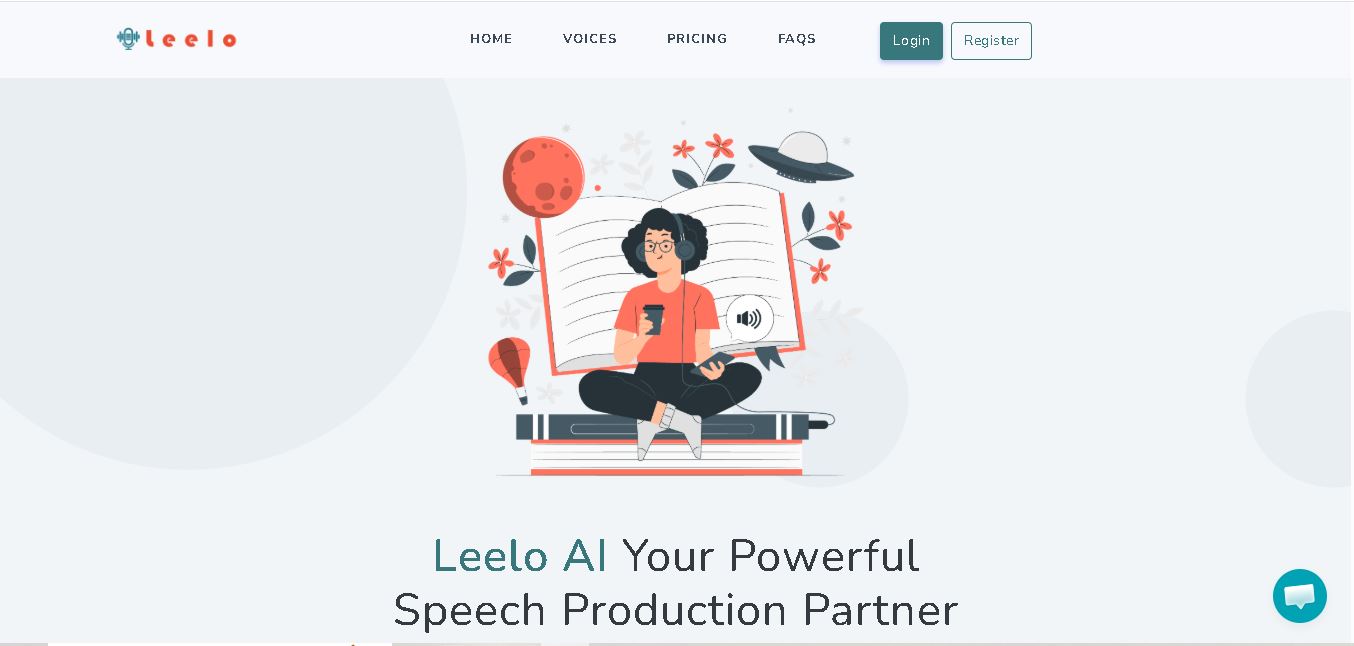
Leelo AI helps you turn written content into natural-sounding speech without recording your own voice. You can choose from 800+ voices across 142 languages and accents, adjust available voice settings, generate audio, store files in the cloud, export recordings, and use generated speech commercially for different content and communication needs.