
Glean
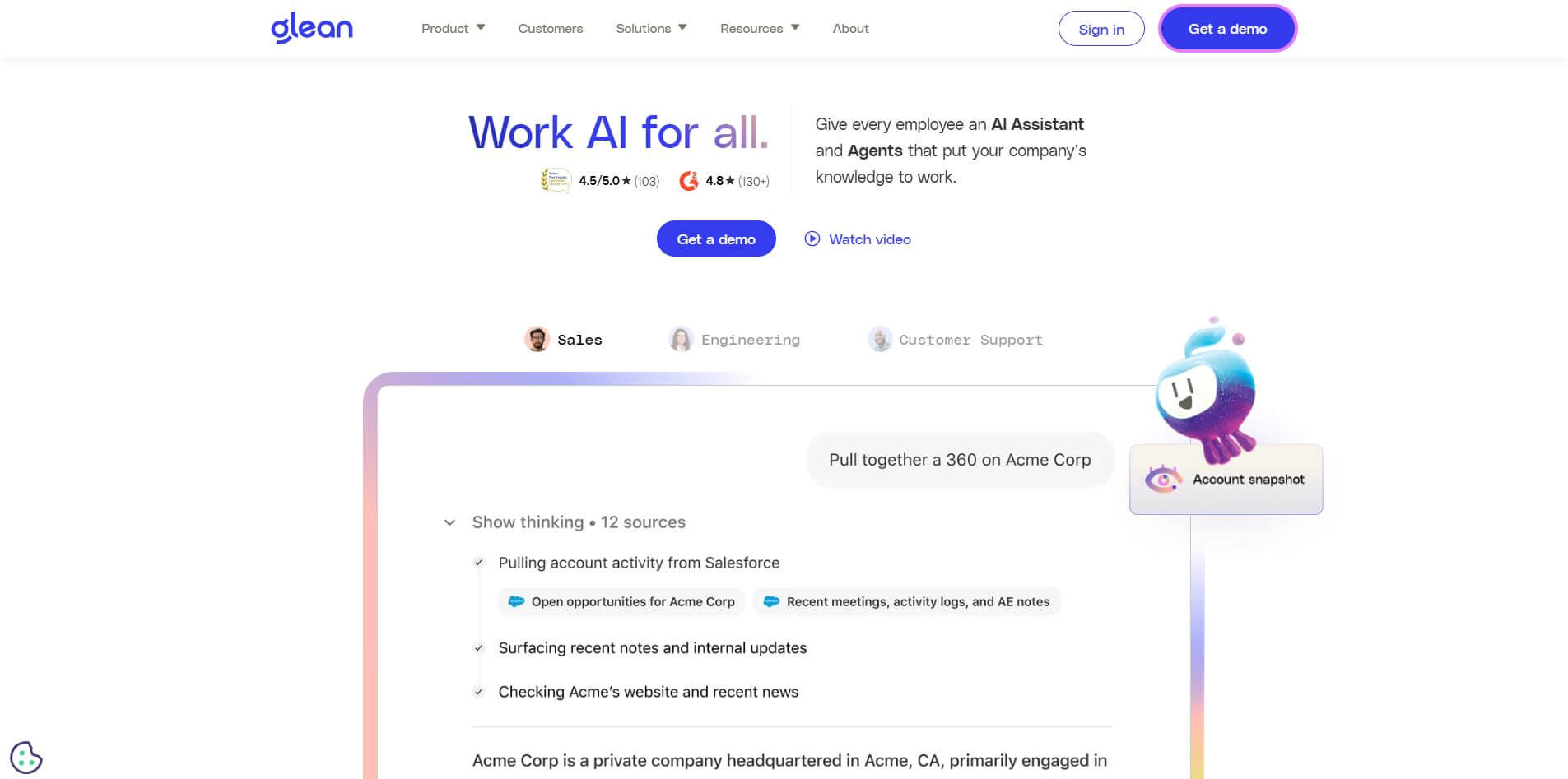
Glean is a premier enterprise AI search, knowledge management, and work AI platform founded by former Google engineers that unifies company data across 100+ SaaS apps with enterprise permissions, conversational AI assistants, and autonomous multi-step agents.
What is Glean?
Glean is an enterprise-grade AI work platform, unified cognitive search engine, and knowledge discovery ecosystem founded by Arvind Jain (former Google Distinguished Engineer and co-founder of Rubrik), T.R. Vishwanath, Tony Gentilcore, and Piyush Prahladka. Designed to solve enterprise data fragmentation, Glean connects to all company data sources to deliver instant, permission-governed answers and automate complex cross-functional workflows.
Built around the mission to deliver “Enterprise AI that works: Find, create, and automate anything across your company's data,” Glean serves as a secure, generative cognitive layer for the modern enterprise. By building a comprehensive enterprise knowledge graph and continuously enforcing native access permissions down to the individual document level, Glean allows employees to query company repositories, draft deliverables, and orchestrate autonomous AI agents without risking unauthorized data leakage.
- Platform Role: Enterprise Cognitive Search, Work AI Platform & Autonomous Agent Orchestration Suite
- Founders & Leadership: Arvind Jain (CEO), T.R. Vishwanath, Tony Gentilcore, and Piyush Prahladka (Glean Technologies, Palo Alto, California)
- Infrastructure & Security: Single-tenant cloud deployments (GCP/AWS/Azure), SOC 2 Type II, ISO 27001, HIPAA, and GDPR compliance
Use Cases:
- Performing unified cognitive searches across Google Workspace, Microsoft 365, Slack, Jira, Salesforce, GitHub, and Notion with personalized relevance
- Interacting with Glean Assistant to synthesize executive briefs, project updates, and onboarding answers sourced strictly from internal documentation
- Deploying autonomous, multi-step AI agents that monitor operational triggers, triage support tickets, and update CRM records
- Building custom no-code and low-code internal AI apps and generative assistants grounded in company knowledge with Glean Apps
- Enforcing real-time, identity-aware access control lists (ACLs) so employees only see search results and AI answers they are authorized to view
Technology:
- Proprietary Enterprise Knowledge Graph modeling company relationships, team structures, document versions, and project affinities
- Glean Intelligence multi-LLM routing engine dynamically matching tasks to optimal models across 40+ foundation LLMs (OpenAI, Anthropic, Gemini, Llama)
- Real-Time Permission Synchronization continuously mirroring security ACLs and access policies from 100+ native cloud SaaS connectors
- Developer-first Glean Platform APIs, SDKs, and Model Context Protocol (MCP) integrations for custom enterprise app orchestration
Target Users:
- Enterprise IT and Chief Information Officers (CIOs) seeking secure, governed AI deployment across enterprise SaaS stacks
- Knowledge workers, software engineers, and product managers navigating sprawling corporate documentation and ticket repositories
- Revenue Operations and Sales teams looking for fast access to deal collateral, competitor battle cards, and customer histories
- People Operations and HR leaders streamlining employee onboarding and self-service internal policy support
Acquisition: High-growth enterprise software unicorn headquartered in Palo Alto, California
What are the key features of Glean?
Glean's key platform features are
- Unified Enterprise Search: Deep, context-aware semantic search indexing documents, chats, code, and customer records across 100+ SaaS applications.
- Glean Assistant: Conversational generative AI companion that answers natural language questions with verifiable, cited internal source references.
- Glean Agents: Autonomous workflow agents that execute multi-step business processes across disconnected tools under human oversight.
- Glean Apps & No-Code Studio: Empowers non-technical employees to build customized, department-specific AI assistants and knowledge bots in minutes.
- Real-Time ACL & Permission Governance: Rigorous security enforcement ensuring AI outputs strictly respect original source access rights without data leakage.
- Enterprise Knowledge Graph: Maps internal organizational hierarchies, ongoing projects, and colleague expertise to deliver personalized answer relevance.
- Glean Intelligence Multi-LLM Routing: Selects the most cost-effective and accurate model (Claude, GPT, Gemini) based on query complexity.
- Single-Tenant Deployment: Runs securely within the enterprise's private cloud VPC or tenant boundaries, guaranteeing proprietary data is never used to train external models.
How much does Glean cost?
Glean operates on a custom enterprise B2B licensing model with pricing negotiated based on organization seat count, connected applications, and modular feature scope.
Enterprise Licensing Structure:
- Per-User Subscription: Reported base licensing typically ranges from ~$45 to $65+ per user per month for core enterprise search, with advanced Work AI and agent capabilities adding approximately ~$15 per user per month.
- Annual Contract Minimums: Designed for mid-market and large enterprises, contracts generally require minimum annual commitments (often starting around $50,000 to $60,000/year, typically reflecting 100+ seat baselines).
- Deployment & Support: Enterprise deployments include single-tenant VPC hosting setup, dedicated implementation assistance, and custom enterprise SLA packages.
Disclaimer: Glean does not publish standardized public price sheets. Pricing is tailored to enterprise deployment size, connector depth, and security requirements. Inquire directly at glean.com/pricing.
Who should use Glean?
Glean is designed for mid-market to large enterprises and knowledge-intensive organizations, including
- Distributed & Hybrid Enterprises: Companies managing high tool sprawl (Slack, Google Drive, Microsoft 365, Jira, Confluence, Salesforce) where finding information wastes hours.
- Regulated Financial & Healthcare Institutions: Organizations demanding strict document-level ACL permissioning, auditability, and zero model training on company data.
- Engineering & Product Organizations: Development teams searching across code repos (GitHub/GitLab), bug trackers, and product spec documents in a single view.
- Customer Success & Support Operations: Support reps resolving customer inquiries rapidly by pulling relevant solutions from past tickets and internal wikis.
What are the best alternatives to Glean?
Some of the strongest Glean alternatives include
- Microsoft Copilot
- Onyx
- Coveo
- Guru
- Kore.ai
- Elasticsearch / Elastic Enterprise Search
What are the pros and cons of Glean?
What are the pros of Glean?
- Best-in-class search precision and relevance grounded in a proprietary enterprise knowledge graph
- Strict real-time permission enforcement prevents confidential HR or executive data from surfacing to unauthorized users
- Broad connector catalog with 100+ turnkey integrations covering virtually every major business application
- Glean Agents and no-code app builder allow teams to automate multi-step operational tasks easily
- Single-tenant private deployment guarantees corporate intellectual property remains completely private
What are the cons of Glean?
- High enterprise cost and minimum contract thresholds make it inaccessible for early-stage startups and small businesses
- Requires comprehensive initial connector indexing and directory synchronization before delivering peak search relevance
- Sales-led enterprise purchasing process with no self-serve instant onboarding option
Why should you choose Glean?
As companies adopt dozens of cloud applications, critical company knowledge becomes trapped in disconnected silos. Employees spend hours every week searching for files, asking colleagues for links, or duplicating work that already exists. Glean eliminates this friction by serving as a unified enterprise brain. With Google-caliber search indexing, ironclad permission security, and agentic workflows, Glean turns fragmented corporate data into immediate, actionable intelligence.
- Find answers instantly across all your company's apps from a single search bar
- Generate cited, trustworthy summaries and documents using the internal Glean Assistant
- Ensure strict access governance with continuous, real-time permission synchronization
- Automate repetitive cross-platform workflows with multi-step Glean Agents
How does Glean compare to competitors?
The primary distinctions between Glean, Microsoft 365 Copilot, Onyx, and Guru lie in cross-platform breadth, permission granularity, and open extensibility. While Microsoft Copilot performs best inside the closed Microsoft ecosystem and Guru serves primarily as a verified knowledge base, Glean excels as a truly neutral, enterprise-wide cognitive layer indexing heterogeneous tech stacks (Google, Microsoft, Atlassian, Salesforce) with unrivaled permission precision.
| Feature / Platform | Glean | Microsoft 365 Copilot | Onyx | Guru |
|---|---|---|---|---|
| Core Focus | Universal Enterprise AI Search & Work Platform | Microsoft 365 Ecosystem AI Companion | Open-Source Enterprise Search & RAG | Enterprise AI Search & Knowledge Base |
| Ecosystem Neutrality | 100+ native multi-vendor connectors (Google, MS, Slack) | Deep Microsoft Graph focus; limited third-party depth | Open-source connectors (40+ apps) | Integrations for popular cloud tools |
| Permission Governance | Real-time continuous ACL mirroring per document | Native Microsoft 365 permission controls | User group and document access rules | Workspace permission tiers |
| Agentic Capabilities | Glean Agents & no-code Glean Apps studio | Copilot Studio agents | Custom LLM tool calling | AI answers and workflow triggers |
| Pricing Model | Custom enterprise contracts (~$45-$80/user/mo) | $30 / user / month (requires M365 license) | Open-source free / Cloud from $20/user/mo | From $15 - $20 / user / month |
| Best For | Large enterprises wanting neutral, comprehensive cross-SaaS search | Organizations standardized exclusively on Microsoft Office & Teams | Teams wanting an open-source, self-hosted search alternative | Mid-sized teams needing combined wiki curation and search |
How do we rate Glean?
| Parameter | Rating (out of 5) |
|---|---|
| Search Relevance & Knowledge Graph Precision | 5.0 |
| Permission Enforcement & Enterprise Security | 5.0 |
| Connector Catalog & SaaS Integrations | 4.9 |
| Agentic Workflows & No-Code Studio | 4.8 |
| Value for Enterprise Investment | 4.7 |
| Overall Score | 4.88 |
What is our review and verdict on Glean?
Glean has set the gold standard for enterprise search and work AI. By solving the dual challenges of heterogeneous cloud tool sprawl and complex permission enforcement, it delivers an intuitive search and conversational AI interface that employees love and IT administrators can confidently trust. For mid-sized and large enterprises looking to maximize organizational velocity and unlock the collective intelligence of their workforce, Glean is an essential enterprise investment.
Conclusion
Glean helps teams find and use company knowledge without digging through countless tools and documents. By connecting across apps and surfacing relevant information instantly, it reduces time spent searching and improves decision-making. Its AI-driven insights and personalized results make it especially useful in fast-moving organizations. Instead of knowledge getting lost, everything becomes accessible and actionable. Overall, Glean turns scattered information into a reliable, searchable system that keeps teams aligned and more productive.
FAQ
What is Glean and what does it actually do?
Glean is an enterprise AI platform that connects all your company’s data, tools, and knowledge into one system. It acts like an AI coworker that can search across apps, answer questions, generate content, and automate workflows using your organization’s internal context.
How is Glean different from traditional enterprise search tools?
Traditional search tools only help you find documents, but Glean goes further by combining enterprise search + generative AI + automation. It doesn’t just retrieve information—it understands company context, summarizes insights, and helps you take action directly from the results.
What can Glean actually do inside a company?
Glean can find documents, summarize long threads, answer internal questions, generate content, and identify experts within your organization. It also supports building AI agents that automate repetitive tasks and workflows, turning knowledge into real execution instead of just information.
What are Glean Agents and how do they work?
Glean Agents are AI-powered workflows that can automate multi-step tasks across tools and systems. You can build agents to handle processes like reporting, research, or support tasks, and they can execute actions using company data while following permissions and governance rules.
How does Glean integrate with other tools?
Glean integrates with 100+ (often 250+) enterprise tools like Google Workspace, Slack, GitHub, Jira, and Microsoft 365. It pulls data from these systems into a unified knowledge layer, allowing AI to generate accurate, context-aware responses based on real company information.
Who should use Glean?
Glean is ideal for enterprises, SaaS companies, and large teams that rely on multiple tools and large volumes of internal data. It’s especially valuable for engineering, support, sales, and operations teams that need quick access to knowledge and want to automate workflows at scale.
User Reviews
No reviews yet for Glean.
Featured Tools
Featured AI tools from TechShark
Melody Genie
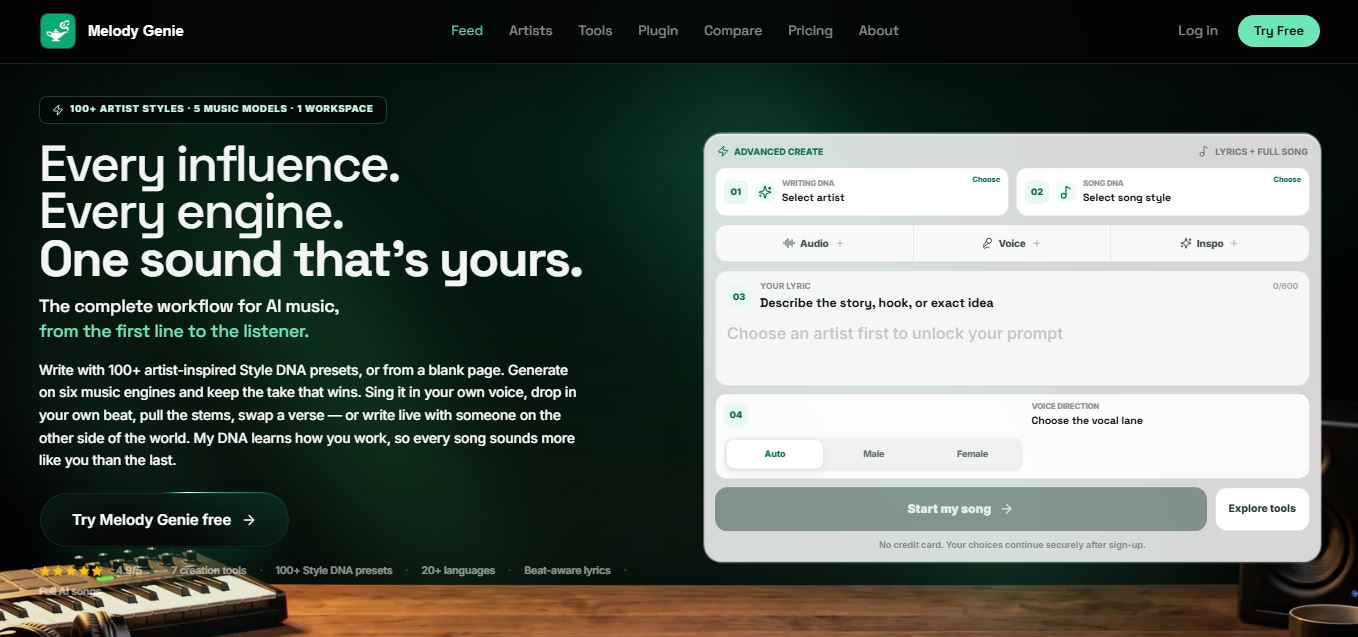
MelodyGenie is an AI-powered music generator that creates original songs from simple text prompts. Users can choose styles, moods, and genres, then instantly generate melodies and full tracks, making it easy for creators, marketers, and hobbyists to produce custom music without musical expertise.
Freemium
Kimi AI
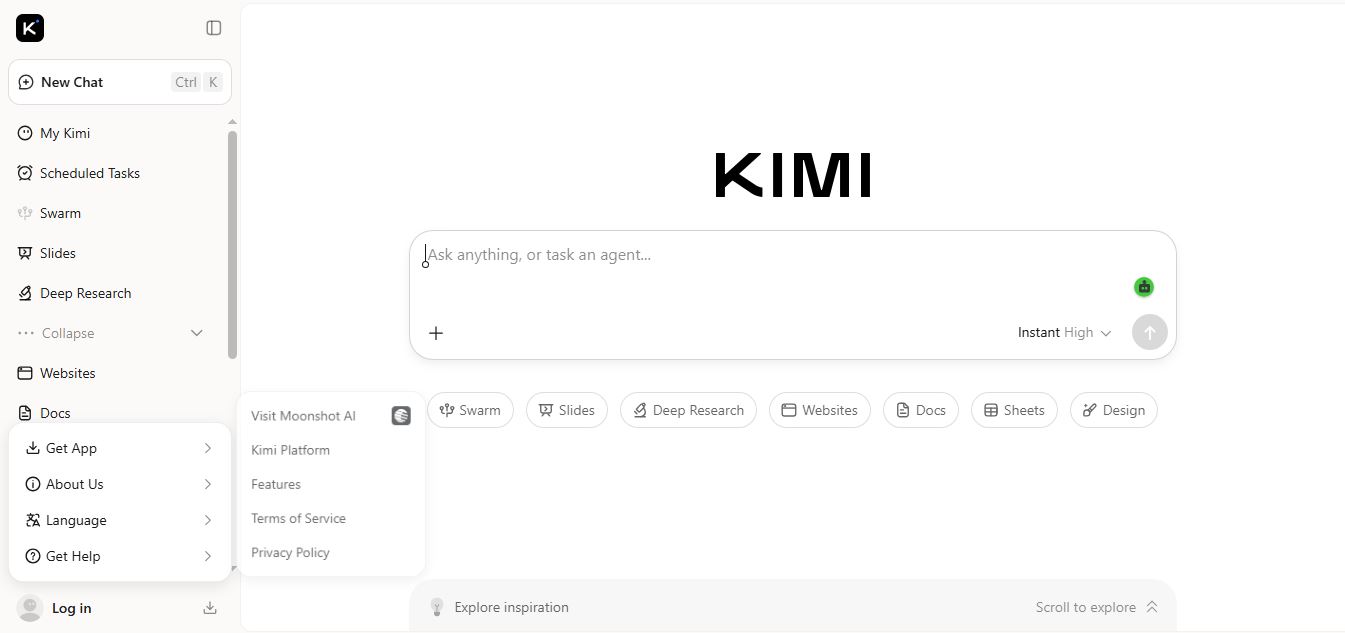
Kimi AI is an advanced AI assistant developed by Moonshot AI that helps you chat, research, write, code, and automate tasks in one place. It supports web search, file analysis, and multimodal inputs, and can even run autonomous “agent” workflows to complete complex tasks end-to-end.
Freemium
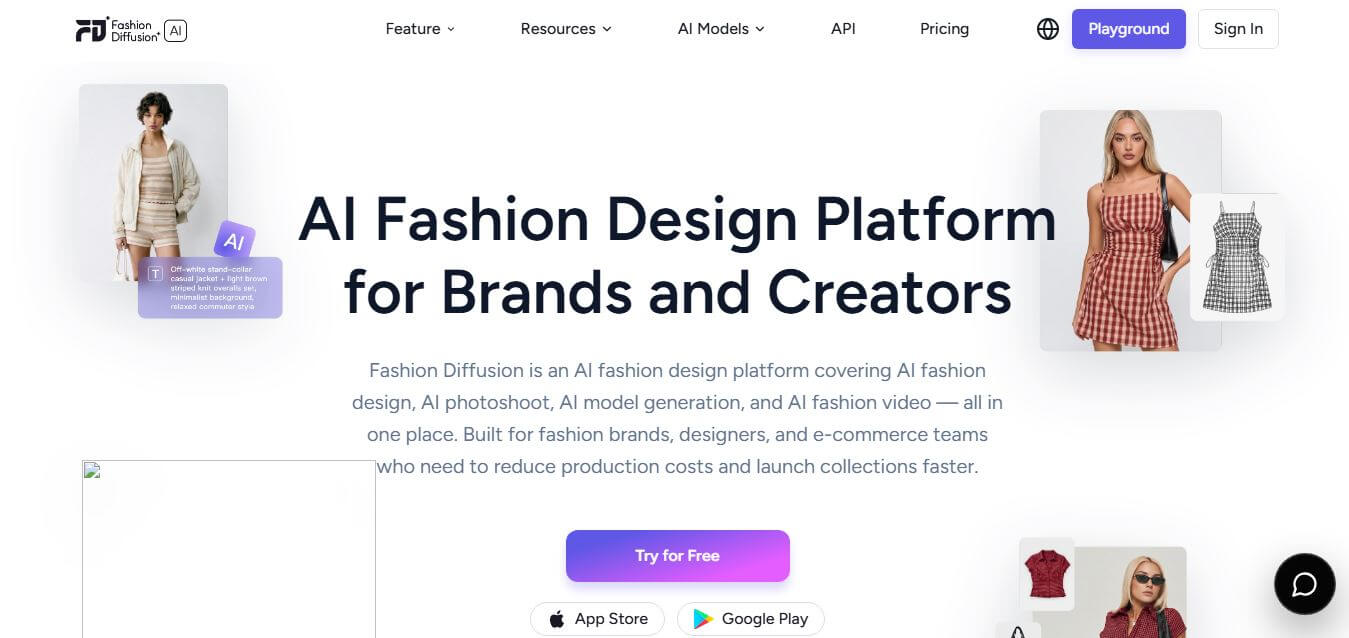
Fashion Diffusion AI
Fashion Diffusion is an AI-powered fashion design platform that helps brands and designers create clothing designs, virtual try-ons, AI models, product photos, and marketing visuals faster and cost-effectively.
Paid
Veo 4
Veo 4 AI is an AI video creation platform that generates dramatic videos from text, images, audio, and video prompts using realistic motion and synchronized sound.
Paid
Alternatives
Alternatives to Glean
The best Glean alternatives include Microsoft 365 Copilot, Onyx, Coveo, Guru, and Elastic Enterprise Search. While Glean provides an ecosystem-neutral cognitive search engine indexing 100+ cloud SaaS tools with real-time document-level ACL permissions and autonomous Glean Agents, alternatives like Microsoft Copilot prioritize Microsoft 365 environments and Onyx offers an open-source self-hosted RAG platform.
 4.9
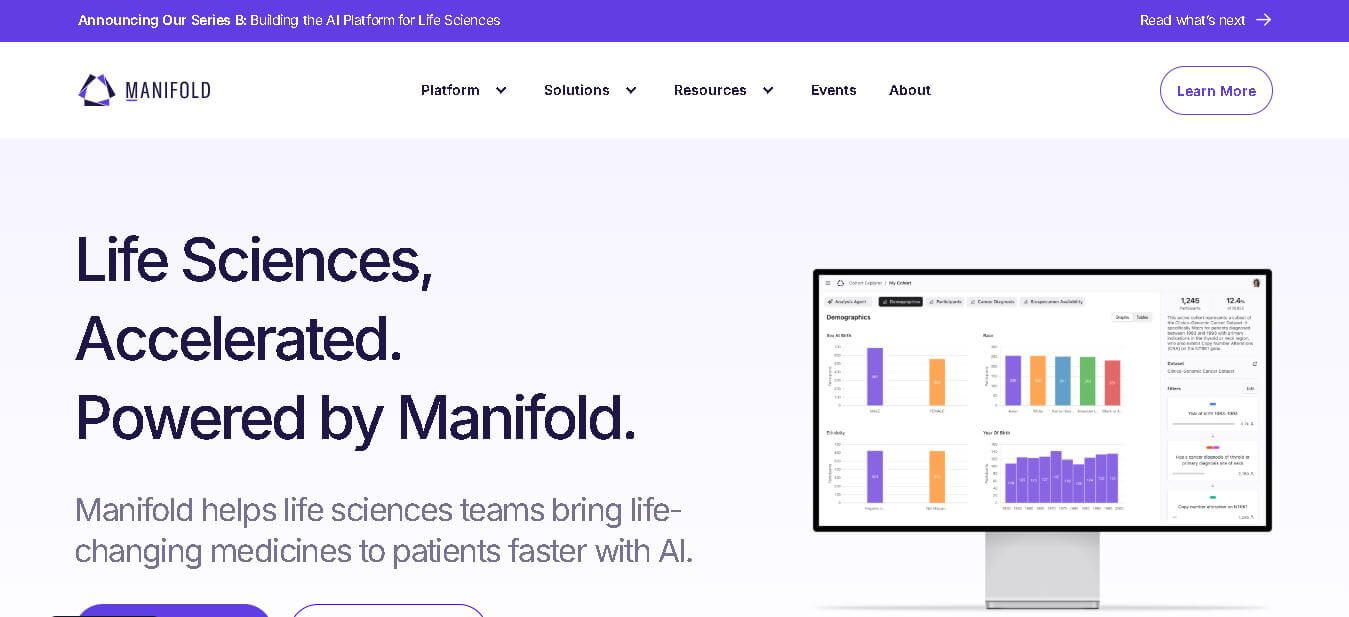
4.9Manifold
Research
Manifold helps life sciences organizations turn complex clinical, genomic, and real-world data into governed, self-service insights. Its specialist agents support natural-language queries, cohort building, bioinformatics, statistical analysis, data partnerships, and evidence generation. Teams can keep sensitive data within their cloud while controlling access, auditing activity, and scaling research workflows securely.
 5.0
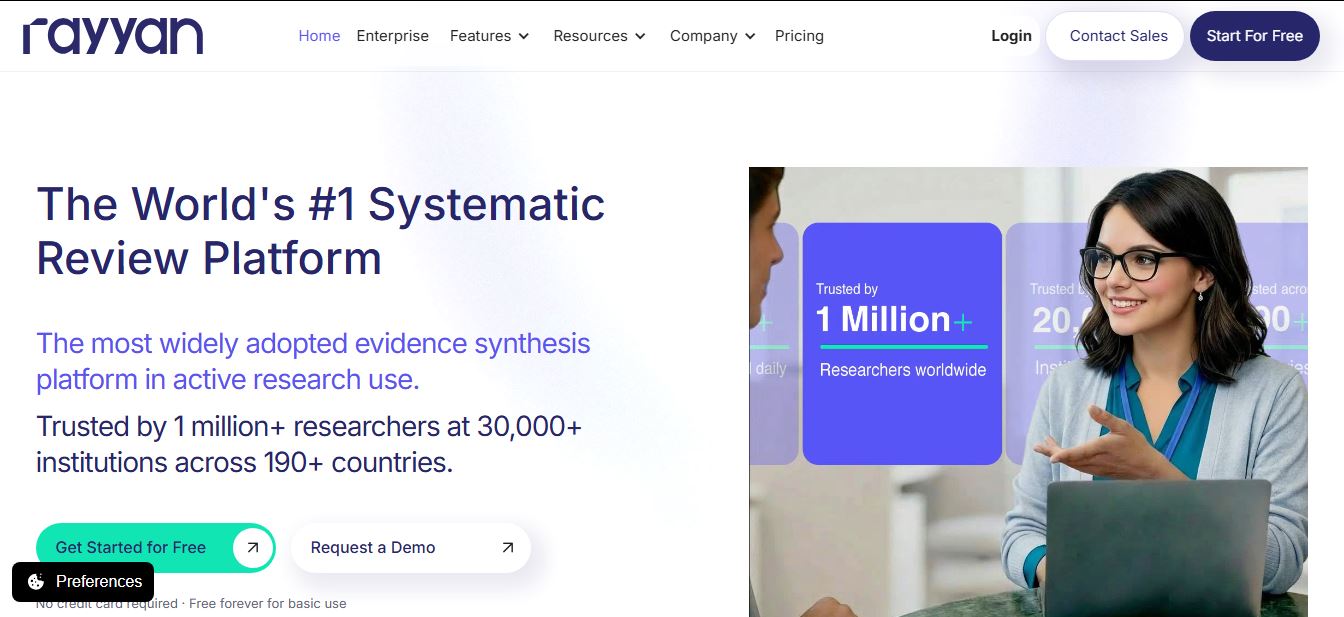
5.0Rayyan
Research
Rayyan is an AI-powered systematic review and literature review platform that helps researchers organize references, remove duplicates, screen studies, extract data, assess risk of bias, and generate PRISMA reports. Its AI features assist with relevance ranking, article screening, and structured data extraction while keeping researchers in control.
 4.9
4.9EvidenceHunt
Research
EvidenceHunt is an AI-powered medical research platform that helps clinicians, researchers, and life science teams find and analyze scientific evidence. It searches medical literature, guidelines, and internal documents, then generates citation-grounded answers, evidence tables, systematic reviews, and traceable insights for faster, evidence-based research.
 4.9
4.9Elicit
Research
Elicit is an AI-powered research assistant that helps users find, summarize, and analyze academic papers at scale. It searches millions of studies, extracts key data, and generates evidence-backed reports, enabling researchers to conduct literature reviews, compare findings, and make informed decisions faster.
 4.8
4.8Scholarcy
Research
Scholarcy is an AI-powered research assistant that helps students and researchers summarize, analyze, and organize academic papers. It turns complex documents into structured flashcards with key findings, concepts, and references, enabling faster reading, better understanding, and efficient literature review workflows.
 4.9
4.9Resoomer
Research
Resoomer is an AI-powered text summarization tool that helps users quickly turn long articles, research papers, and documents into concise summaries. It identifies key ideas, supports multiple formats like PDFs and URLs, and includes tools for paraphrasing, translating, and analyzing content for faster understanding.
 4.9
4.9Consensus
Academic
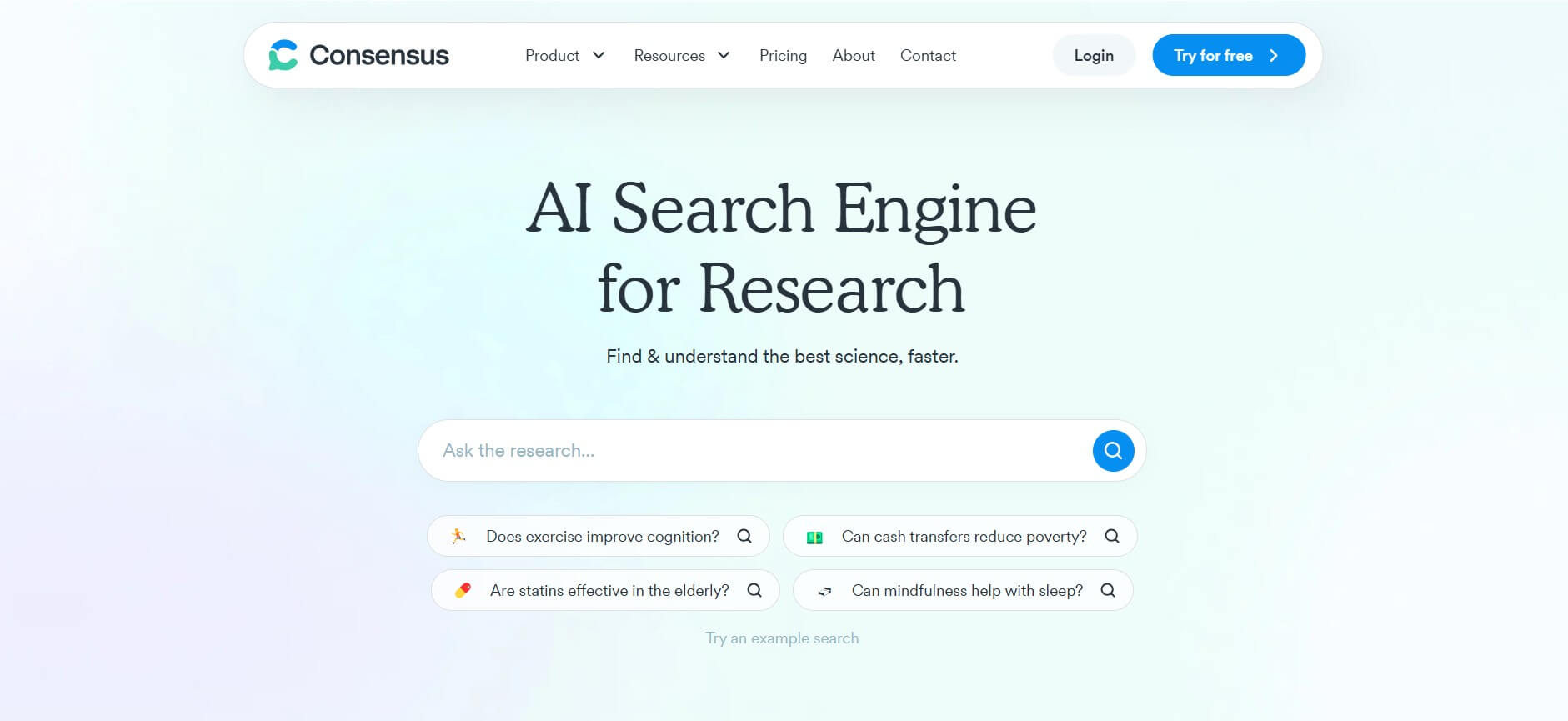
Consensus is an AI-powered academic search engine that helps users find, understand, and summarize scientific research from over 200 million peer-reviewed papers. It delivers clear, cited answers backed by real studies, making it easier to explore evidence, compare findings, and conduct research faster and more reliably.
 5.0
5.0Perplexity AI
AI Chatbot Tools
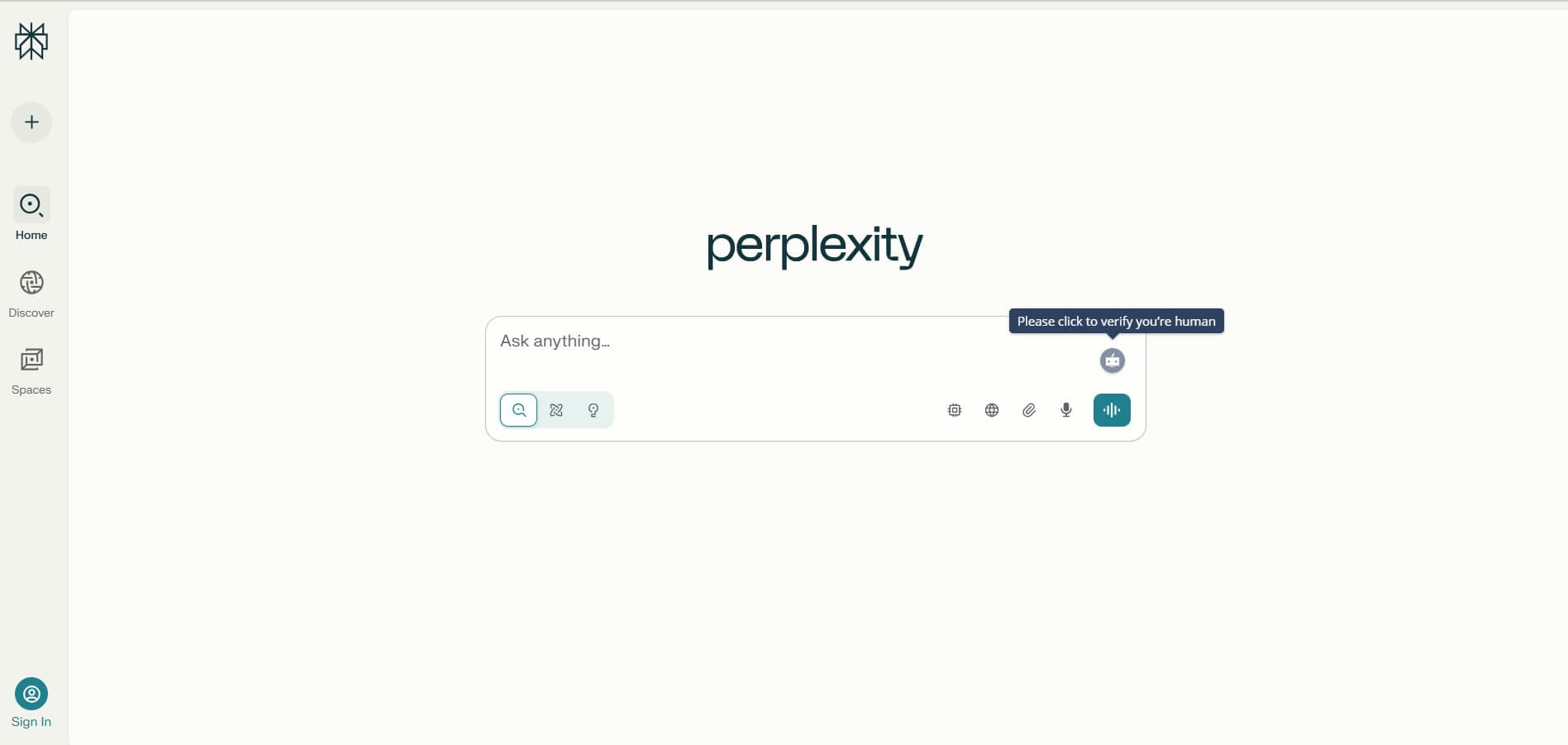
Perplexity is an AI-powered answer engine that searches the web in real time and delivers clear, cited responses instead of just links. It combines conversational AI with live data, helping users research topics, compare information, and get reliable insights quickly with verifiable sources.
 4.6
4.6AIApply
HR
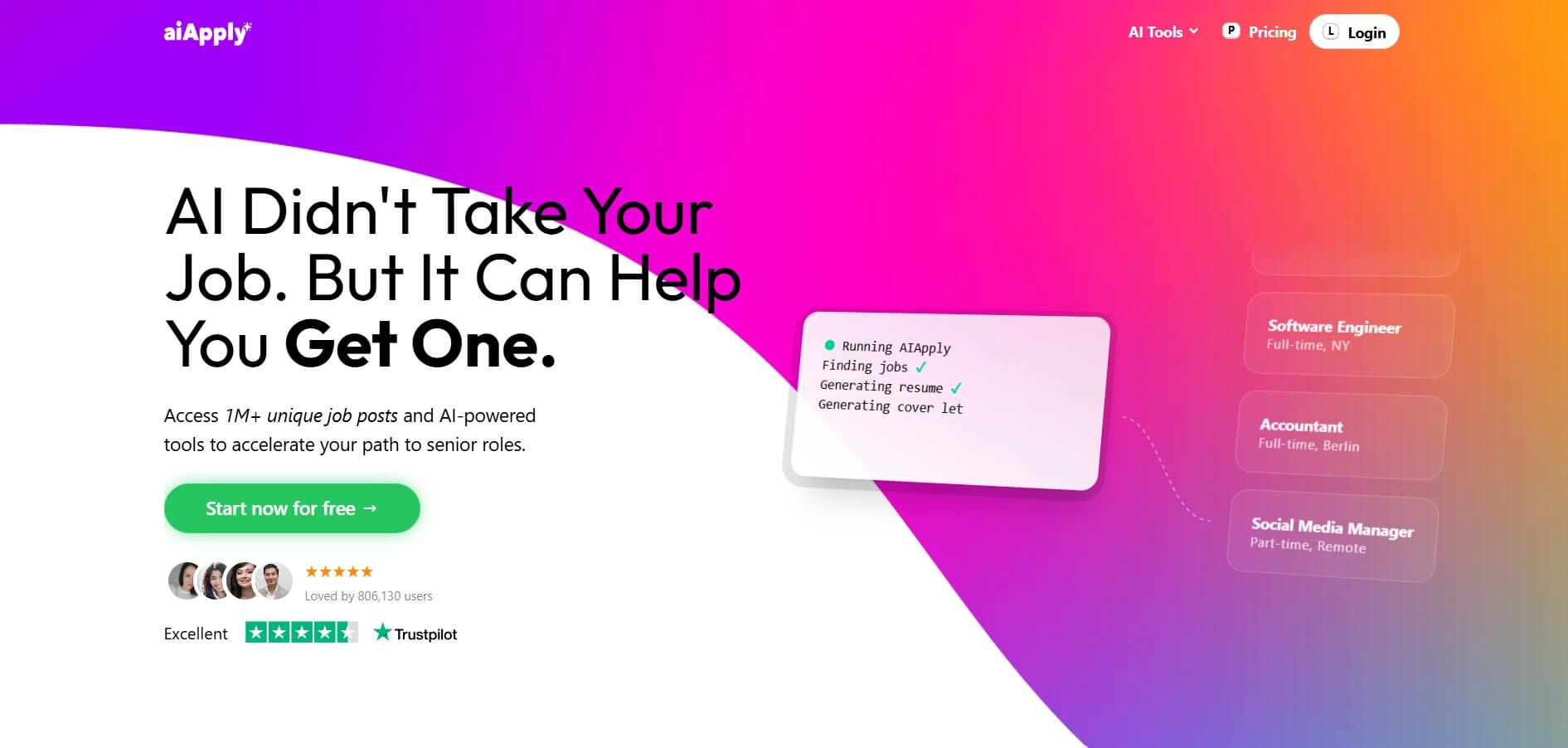
AIApply is an AI-powered job search automation platform that helps users find matching roles, tailor resumes and cover letters, and apply automatically at scale. It also offers interview coaching and optimization tools, enabling job seekers to increase response rates and land interviews faster with less manual effort.