DolphinGemma
DolphinGemma is a ~400M parameter open-weights audio-in, audio-out foundational AI model developed by Google in collaboration with the Wild Dolphin Project and Georgia Tech, trained on decades of Atlantic spotted dolphin vocalizations to analyze sound structures and generate dolphin-like sequences.
What is DolphinGemma?
DolphinGemma is an artificial intelligence research model developed by Google in collaboration with the Wild Dolphin Project and Georgia Institute of Technology to analyze dolphin vocalizations. Built on Google's Gemma research and technology, it processes dolphin sounds, identifies recurring acoustic patterns, and predicts likely sound sequences. Its primary purpose is to help scientists investigate dolphin communication and explore potential meanings in their vocal behavior, rather than directly translating dolphin sounds into human language.
DolphinGemma was announced by Google on April 14, 2025, in collaboration with Georgia Tech and the Wild Dolphin Project. It contains approximately 400 million parameters and uses Google's SoundStream technology to process dolphin vocalizations. The Wild Dolphin Project has studied Atlantic spotted dolphins in the Bahamas since 1985, providing decades of underwater audio and video recordings. The model predicts likely sound sequences rather than translating dolphin communication directly into human language. Its design supports on-device research using Google Pixel smartphones.
- Platform Focus: Interspecies acoustic AI model, cetacean communication analysis, audio sequence generation, and field-deployable mobile machine learning
- Developer / Entity: Google (in partnership with Georgia Tech and the Wild Dolphin Project)
- Launch Year: 2025
Use Cases:
- Analyzing natural dolphin vocalization datasets to uncover recurring sound patterns, clusters, and hidden structural rules
- Generating synthetic dolphin-like sound sequences to test interactive responses and vocabulary associations
- r
- Running in real time on mobile hardware (Google Pixel phones) integrated into underwater CHAT (Cetacean Hearing Augmentation Telemetry) systems
- Adapting and fine-tuning acoustic models for researchers studying other marine mammal species such as bottlenose or spinner dolphins
Technology:
- Compact ~400M parameter model architecture optimized for efficient on-device execution on mobile processors
- Google SoundStream tokenizer for high-fidelity audio compression and discrete representation of marine mammal sounds
- Audio-in, audio-out sequence prediction pipeline modeled after autoregressive language generation principles
Target Users:
- Marine biologists, field researchers, and ethologists studying animal communication and cetacean behavior
- Academic institutions and AI researchers exploring cross-species machine learning and bioacoustics
- Conservation technologists building mobile-deployed field research instruments
Corporate Entity: Operates under Google / blog.google
Key features of DolphinGemma
DolphinGemma's key features are
- Audio-In, Audio-Out Architecture: Ingests raw marine audio sequences and predicts subsequent vocalization patterns in real time.
- Mobile Edge Deployment: Compact ~400M parameter footprint designed to run efficiently on Google Pixel smartphones in ocean field environments.
- SoundStream Audio Tokenization: Efficiently encodes complex biological sounds including signature whistles, squawks, and click buzzes.
- Open-Weights Release: Designed to be shared with the broader scientific community for cross-species fine-tuning and bioacoustic research.
- CHAT System Integration: Enhances underwater two-way communication hardware by anticipating and identifying dolphin mimicry faster.
DolphinGemma Pricing
DolphinGemma is provided as an open-weights model for research and scientific communities.
Open Research Access:
- $0 / Open Weights
- Freely accessible model weights and research resources intended for marine bioacoustic analysis and academic study
Who is using DolphinGemma?
DolphinGemma is utilized by marine science organizations, including
- Wild Dolphin Project (WDP): Deploying models in the Bahamas to analyze decades of Atlantic spotted dolphin field recordings
- Georgia Institute of Technology: Collaborating on underwater CHAT hardware integration and mobile edge computing
- Global Bioacoustic Researchers: Adapting the model architecture for study across other cetacean and animal communication systems
Best DolphinGemma Alternatives
Some of the strongest bioacoustic and specialized AI alternatives include
- Google Gemma
- AudioCraft / EnCodec
- BirdNET / Animal Sound AI tools
- Whisper
- DeepLabCut
Pros and Cons of DolphinGemma
Pros
- Pioneering an open-weight foundational model dedicated specifically to marine bioacoustics and animal communication
- Lightweight ~400M size enables direct, low-latency deployment on consumer mobile devices in the field
- Backed by over 40 years of meticulous field data and behavioral context from the Wild Dolphin Project
- Accelerates the discovery of hidden structural patterns in complex non-human communication
Cons
- Requires species-specific fine-tuning when applied to marine mammals outside of Atlantic spotted dolphins
- Bioacoustic interpretation remains probabilistic and requires rigorous behavioral verification
- Field deployment depends on specialized waterproof underwater hardware enclosures
Why Choose DolphinGemma?
DolphinGemma is the ideal choice for marine researchers and bioacousticians seeking an open, mobile-optimized foundational AI model to decode complex animal vocalizations and explore interspecies communication.
- Trained specifically on multi-decadal wild dolphin acoustic datasets with behavioral ground truth
- Runs locally on mobile devices without requiring heavy cloud computing infrastructure
- Offers open model weights for adaptation across multiple cetacean species
- Bridges advanced sequence modeling with real-world marine field research
DolphinGemma vs. Competitors
The main difference between DolphinGemma, general audio models like Whisper, and standard Gemma models is that DolphinGemma is purpose-built and trained directly on cetacean bioacoustic data with audio-in/audio-out sequence generation for marine communication, whereas Whisper focuses primarily on human speech transcription, and general Gemma models target text and multimodal tasks. DolphinGemma stands out for its specialized focus on animal communication and edge device execution.
| Feature / Tool | DolphinGemma (Google) | Google Gemma | OpenAI Whisper | Meta AudioCraft |
|---|---|---|---|---|
| Core Focus | Marine Bioacoustics & Cetacean Communication Analysis | General Open Lightweight Text & Multimodal AI | Human Speech Recognition & Transcription | Generative Audio & Music Modeling |
| Audio Processing | Audio-In, Audio-Out Sequence Prediction (SoundStream) | Text / Multimodal | Speech-to-Text | Text-to-Audio Generation |
| Deployment | Mobile Edge (Google Pixel) & Field Research | Cloud & Local Hardware | Cloud & Local Execution | Cloud & Local Execution |
| Pricing Model | Open Research Weights ($0) | Open Weights ($0) | Open Source ($0) | Open Source ($0) |
| Best For | Decoding Dolphin Whistles, Bursts & Click Sequences | General Developer NLP Tasks | Transcribing Spoken Human Languages | Sound Effect & Music Generation |
How do we rate DolphinGemma?
| Parameter | Rating (out of 5) |
|---|---|
| Bioacoustic Innovation & Domain Modeling | 4.9 |
| Mobile Edge Efficiency & Field Usability | 4.8 |
| Dataset Grounding (Wild Dolphin Project) | 5.0 |
| Open Science Contribution | 4.8 |
| Value for Money | 5.0 |
| Overall Score | 4.90 |
DolphinGemma Review
DolphinGemma represents a fascinating and highly innovative application of artificial intelligence to marine biology. By combining Google's SoundStream tokenizer and lightweight model architecture with decades of field data from the Wild Dolphin Project, it successfully translates complex cetacean vocalizations into predictable audio sequences. Its ability to operate locally on mobile hardware like Google Pixel phones makes it an exceptionally practical tool for researchers working in the open ocean.
Conclusion
DolphinGemma represents an important development in applying AI to marine biology and animal communication research. Developed by Google with the Wild Dolphin Project and Georgia Tech, it helps scientists identify acoustic patterns and predict dolphin sound sequences. Although it cannot directly translate dolphin vocalizations into human language, it provides valuable research capabilities. Its compact design and potential applications across cetacean studies could support future discoveries about dolphin behavior, communication patterns, and possible methods of interspecies interaction.
FAQ
What is DolphinGemma used for?
DolphinGemma helps researchers analyze dolphin sounds and discover recurring communication patterns. If you're interested in marine biology, this model offers a way to investigate whistles, clicks, and burst pulses using AI. Scientists can study sound sequences, compare vocalizations, and explore potential meanings, supporting research into how dolphins communicate naturally.
Who developed DolphinGemma?
DolphinGemma was developed by Google in collaboration with the Wild Dolphin Project and researchers at Georgia Institute of Technology. Each partner contributes different expertise: Google provides AI technology, Georgia Tech contributes technical research, and the Wild Dolphin Project supplies long-term observations of wild Atlantic spotted dolphins and their vocal behavior.
How does DolphinGemma work?
DolphinGemma processes dolphin audio using Google's SoundStream tokenizer, which represents sounds in a machine-readable format. Its model then analyzes sequences to identify recurring patterns and predict likely subsequent sounds. This approach helps researchers investigate acoustic structure systematically, although predicting sound patterns does not automatically establish what dolphins intend to communicate.
Can DolphinGemma translate dolphin sounds into human language?
No, DolphinGemma does not currently provide a reliable, direct translation of dolphin sounds into human sentences. Its primary function is to recognize acoustic patterns and predict likely sound sequences. Researchers hope these findings will reveal more about dolphin communication, but understanding the precise meaning of individual vocalizations remains an ongoing scientific challenge.
How many parameters does DolphinGemma have?
DolphinGemma contains approximately 400 million parameters, making it relatively compact compared with many large AI models. Its size was designed to support field research on Google Pixel smartphones. For researchers, this efficiency can reduce dependence on larger computing systems and make it easier to analyze dolphin vocalizations during underwater research activities. blog.google
Which dolphin species does DolphinGemma study?
DolphinGemma was trained primarily on recordings of wild Atlantic spotted dolphins (Stenella frontalis) studied by the Wild Dolphin Project in the Bahamas. These recordings include underwater sounds connected with individual dolphins and observed behaviors. Researchers also anticipate that the model could support studies of other cetacean species, potentially requiring additional training.
User Reviews
No reviews yet for DolphinGemma.
Featured Tools
Featured AI tools from TechShark
Klap
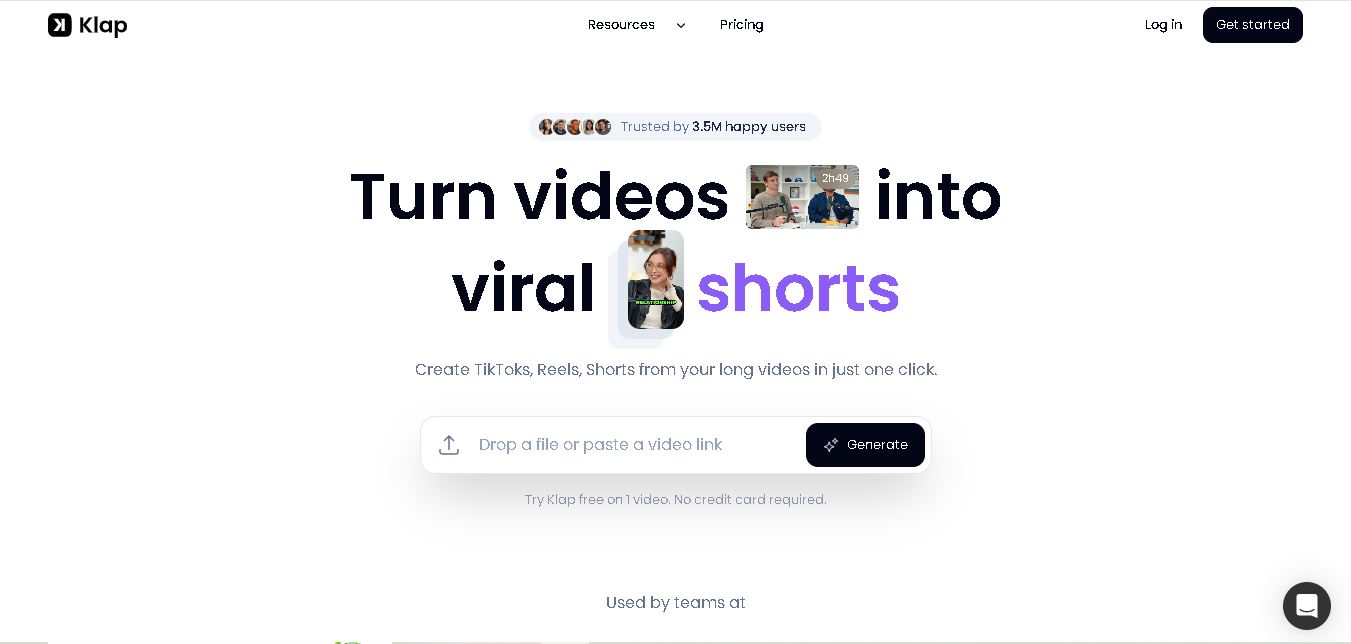
Klap is an AI-powered video editing tool that turns long videos into engaging short clips for TikTok, Instagram Reels, and YouTube Shorts. It automatically finds the best moments, adds captions, and resizes videos, helping creators save time and create more content with less effort.
Free
Melody Genie
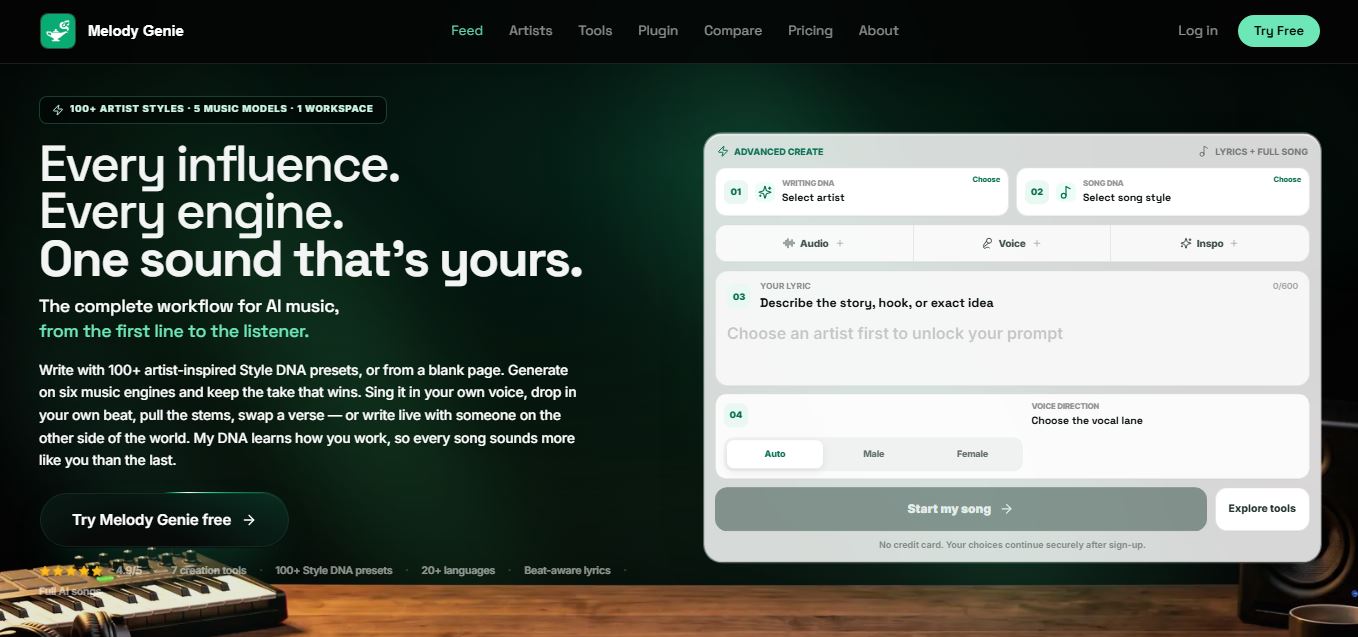
MelodyGenie is an AI-powered music generator that creates original songs from simple text prompts. Users can choose styles, moods, and genres, then instantly generate melodies and full tracks, making it easy for creators, marketers, and hobbyists to produce custom music without musical expertise.
Freemium
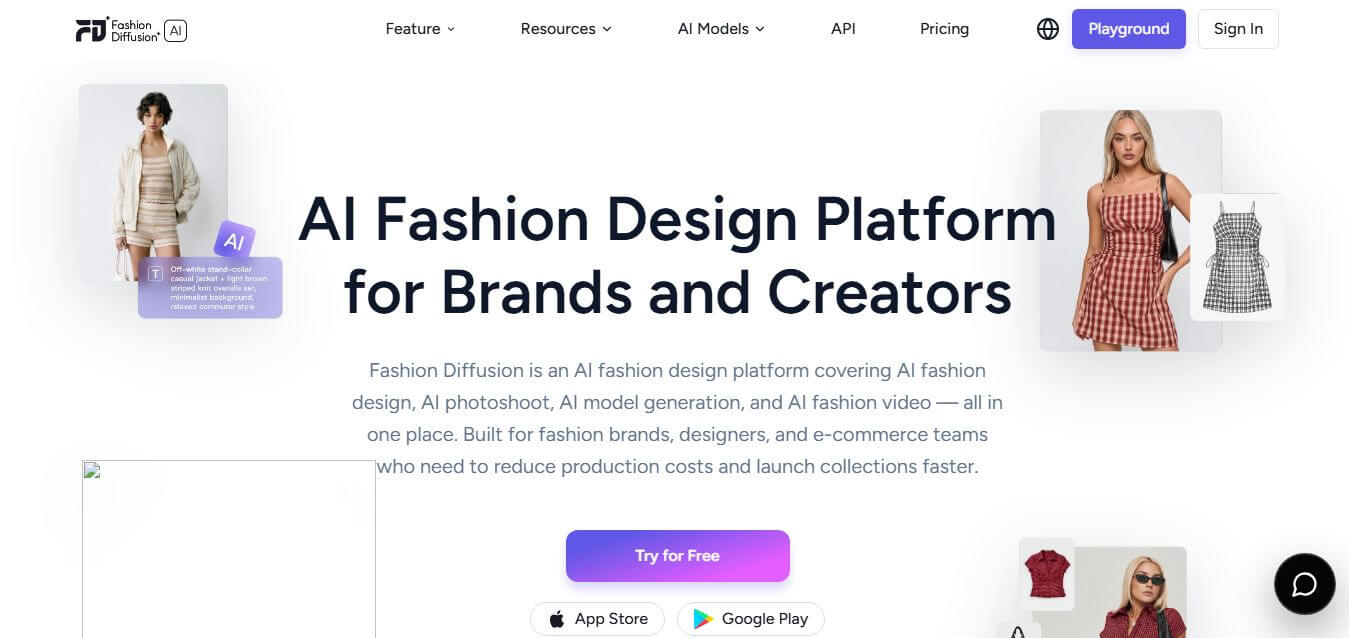
Fashion Diffusion AI
Fashion Diffusion is an AI-powered fashion design platform that helps brands and designers create clothing designs, virtual try-ons, AI models, product photos, and marketing visuals faster and cost-effectively.
Paid
Veo 4
Veo 4 AI is an AI video creation platform that generates dramatic videos from text, images, audio, and video prompts using realistic motion and synchronized sound.
Paid
Alternatives
Alternatives to DolphinGemma
The best DolphinGemma alternatives include Google Gemma, Meta AudioCraft, OpenAI Whisper, and specialized bioacoustic classifiers. These platforms offer audio processing and machine learning capabilities. While DolphinGemma specializes in audio-in, audio-out sequence prediction specifically tailored to cetacean vocalizations and mobile edge deployment, alternatives like Whisper focus on human speech transcription.
 4.8
Summate.it
Research
Summate.it is a web-based AI article summarizer that helps users understand lengthy online content quickly. It extracts article text and uses OpenAI to generate concise summaries highlighting essential information. Students, researchers, marketers, and professionals can use it to review online articles efficiently, save reading time, and simplify everyday information gathering.
 4.9
Cradle
Research
Cradle helps biotechnology researchers design, engineer, and optimize proteins using artificial intelligence and laboratory data. Its capabilities include protein sequence generation, multi-property optimization, candidate scoring, and experimental learning. The platform supports pharmaceutical, agricultural, and industrial biotechnology research, helping scientific teams explore promising molecules while reducing unnecessary experimental cycles and improving research workflows.
 4.9
Iris.ai
Research
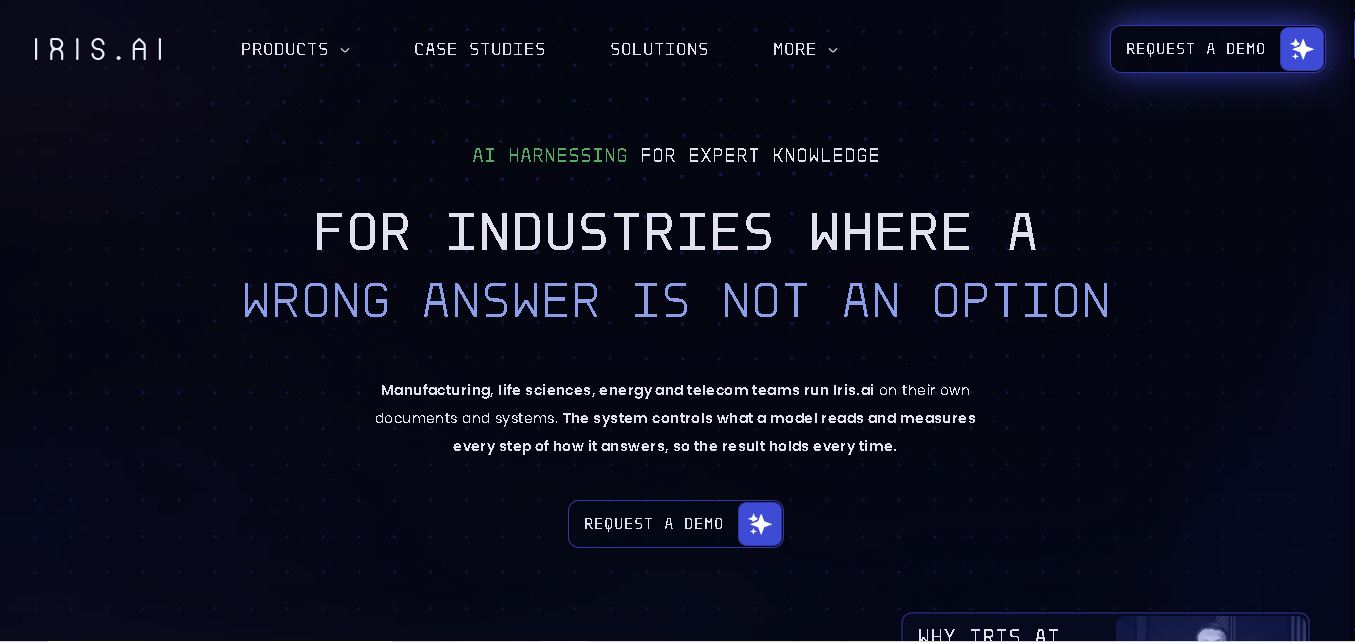
Iris.ai helps enterprises and research teams organize complex information, analyze scientific literature, and build AI workflows using organizational knowledge. Its solutions support document extraction, contextual search, data processing, and AI response evaluation. The platform is particularly relevant to research-intensive businesses seeking better information retrieval, reliable answers, and controlled enterprise AI applications.
 4.8
Lightmatter
Research
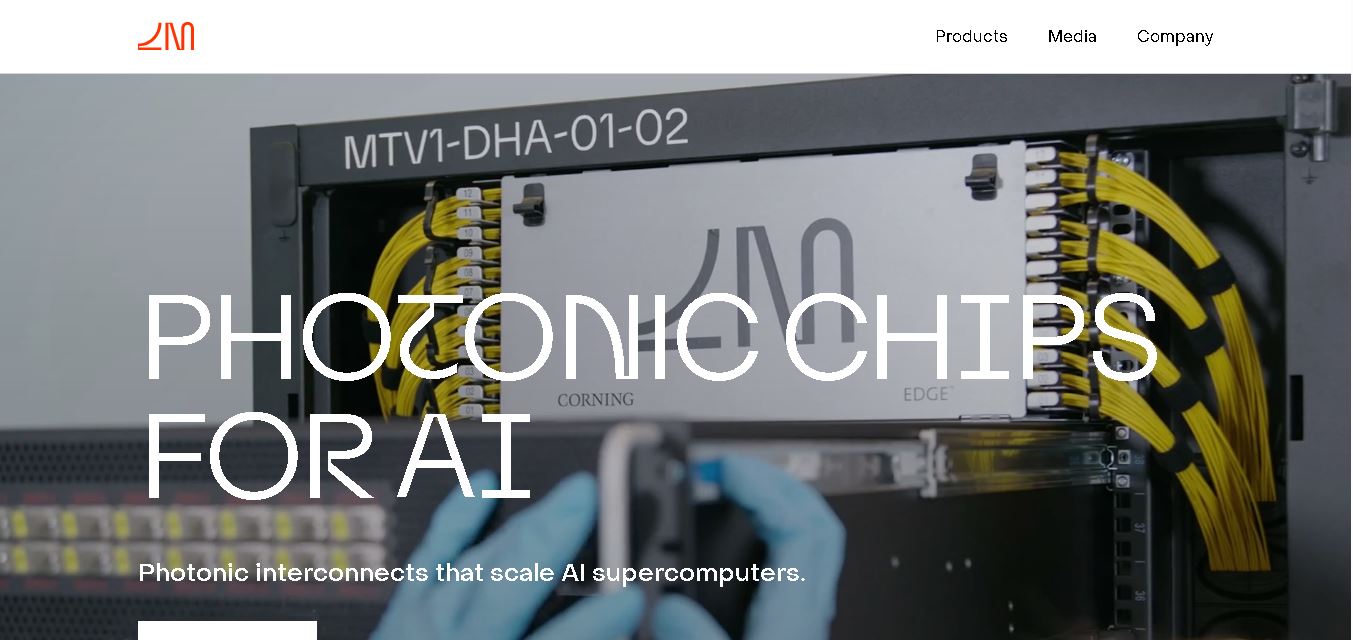
Lightmatter develops photonic computing technologies that help AI data centers connect processors and transfer information more efficiently. Its products include Passage optical interconnects, Guide light engines, and Envise photonic AI computing technology. The company aims to address bandwidth and power constraints affecting large-scale AI training, inference, and high-performance computing infrastructure.
 4.8
FigEditor
Research
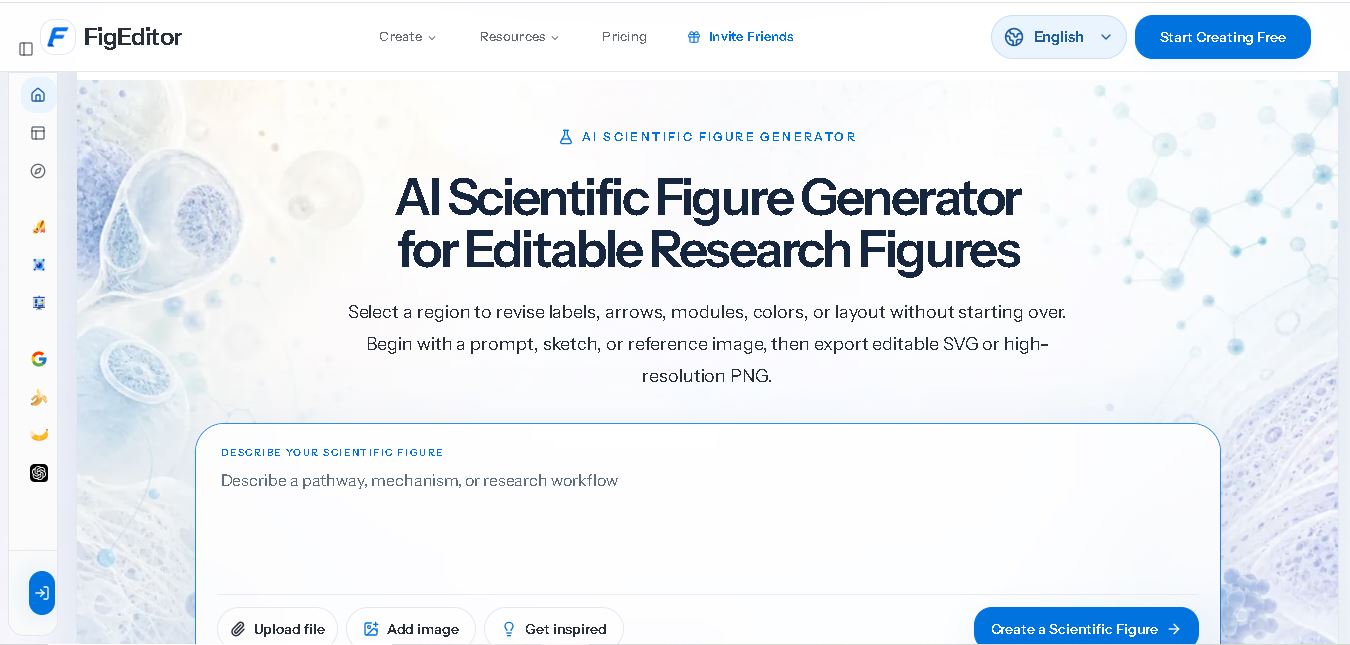
FigEditor AI helps researchers create scientific illustrations, flowcharts, graphical abstracts, and academic diagrams from text prompts, sketches, or reference images. Its editing and vectorization features simplify visual revisions, while SVG and high-resolution PNG exports support different research workflows. It is useful for students, scientists, educators, and research professionals preparing visual materials.
 4.8
GoMim
Research
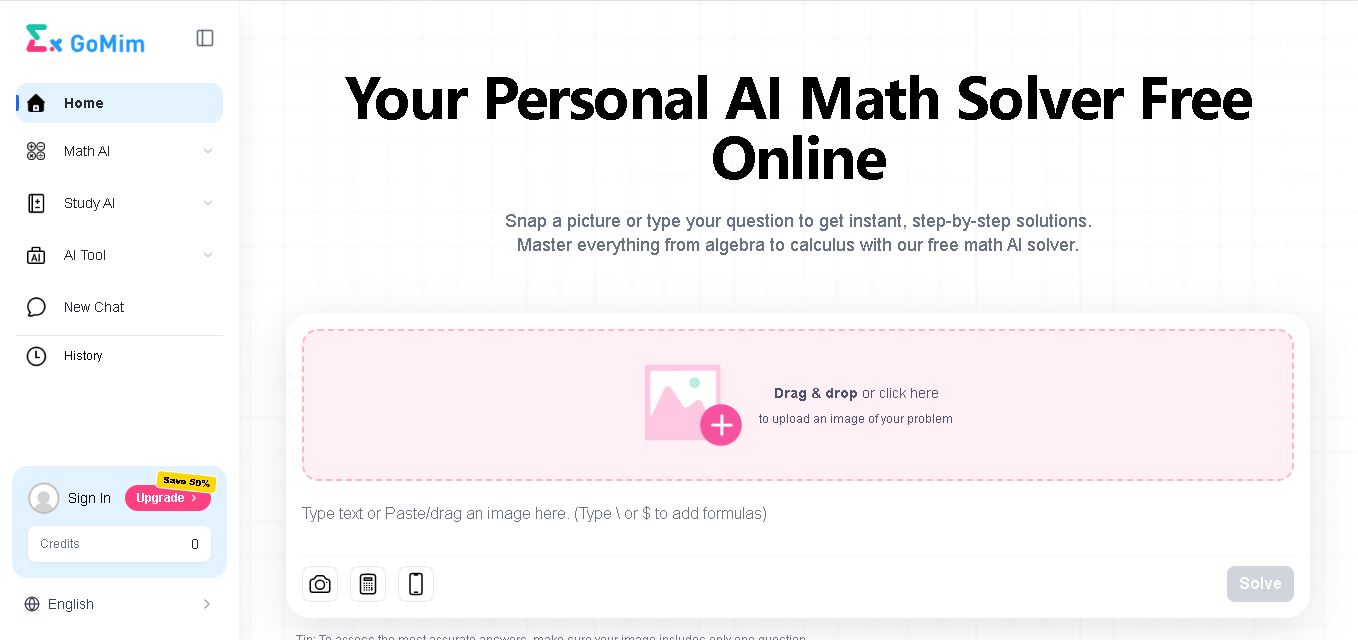
GoMim is an AI math solver that helps students understand mathematical concepts through step-by-step solutions. It supports typed questions, image uploads, and subjects including algebra, geometry, and calculus. With an interactive AI tutor, question history, and free and paid plans, GoMim makes homework assistance and independent study more accessible.
 4.8
AlphaResearch
Research
AlphaResearch helps investors, financial analysts, and corporate strategists research companies using financial documents, earnings transcripts, market data, and sentiment analysis. Its features include document search, filing alerts, stock screening, institutional ownership tracking, and research notes. The platform simplifies financial information discovery, helping users investigate companies and support informed investment research decisions.
 4.8
Gatsbi
Research
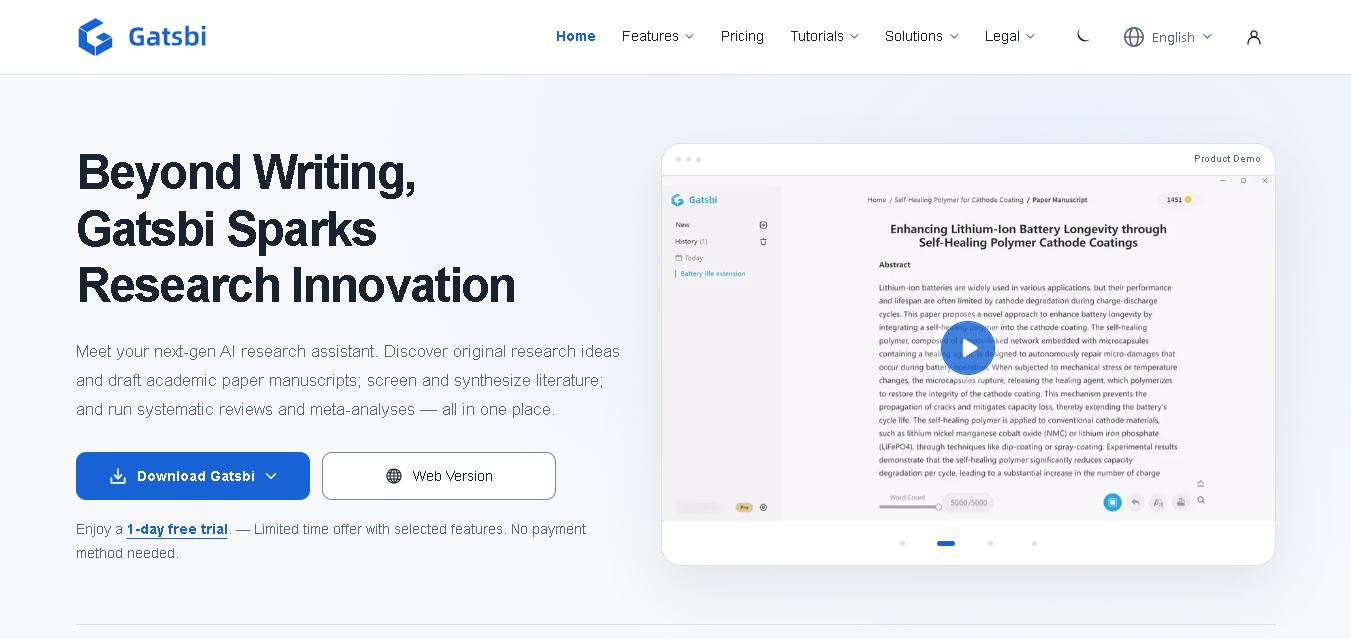
Gatsbi is an AI research assistant that helps researchers discover ideas, draft academic papers, review scientific literature, and prepare patent disclosures. It combines research discovery, manuscript generation, and evidence synthesis in one workflow. The tool is useful for academics, scientists, engineers, and innovation teams seeking to streamline complex research tasks.
 4.9
Metagene-1
Research
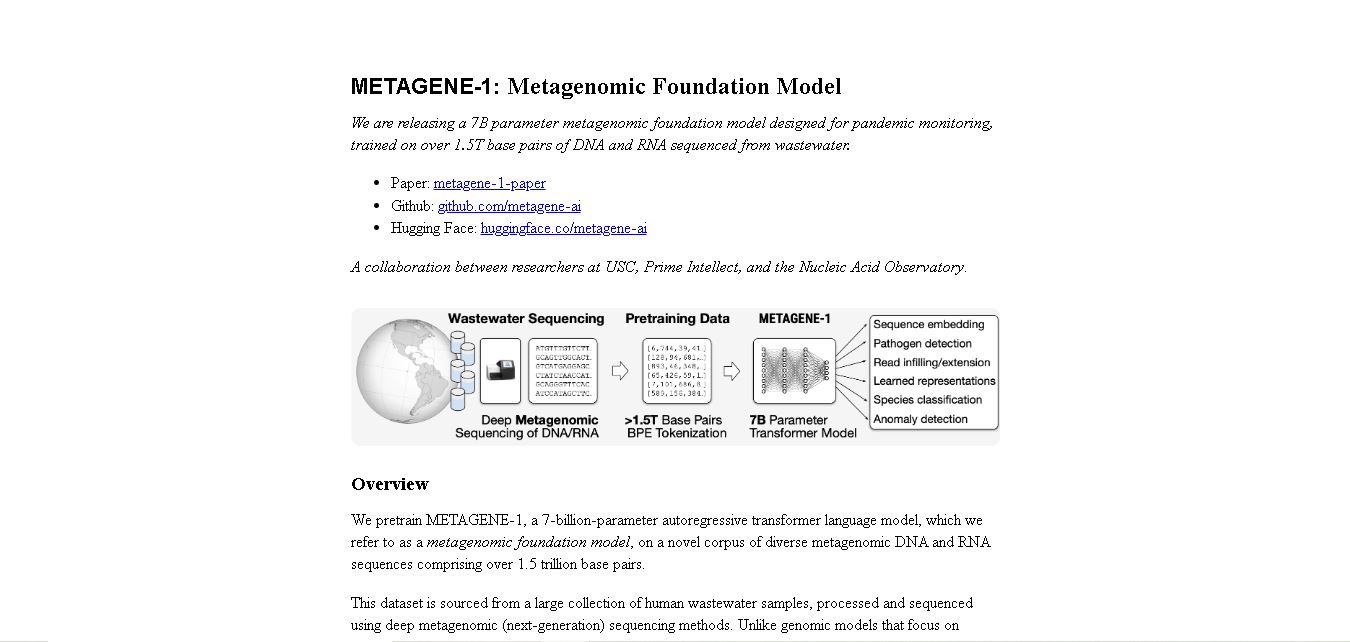
METAGENE-1 is a metagenomic foundation model designed to help researchers analyze DNA and RNA sequences. Trained on extensive wastewater sequencing data, it supports genomic embedding, pathogen detection research, biosurveillance, and pandemic monitoring. The model provides researchers with an AI-based approach to studying microbial diversity and identifying patterns in complex metagenomic datasets.