
Covidence
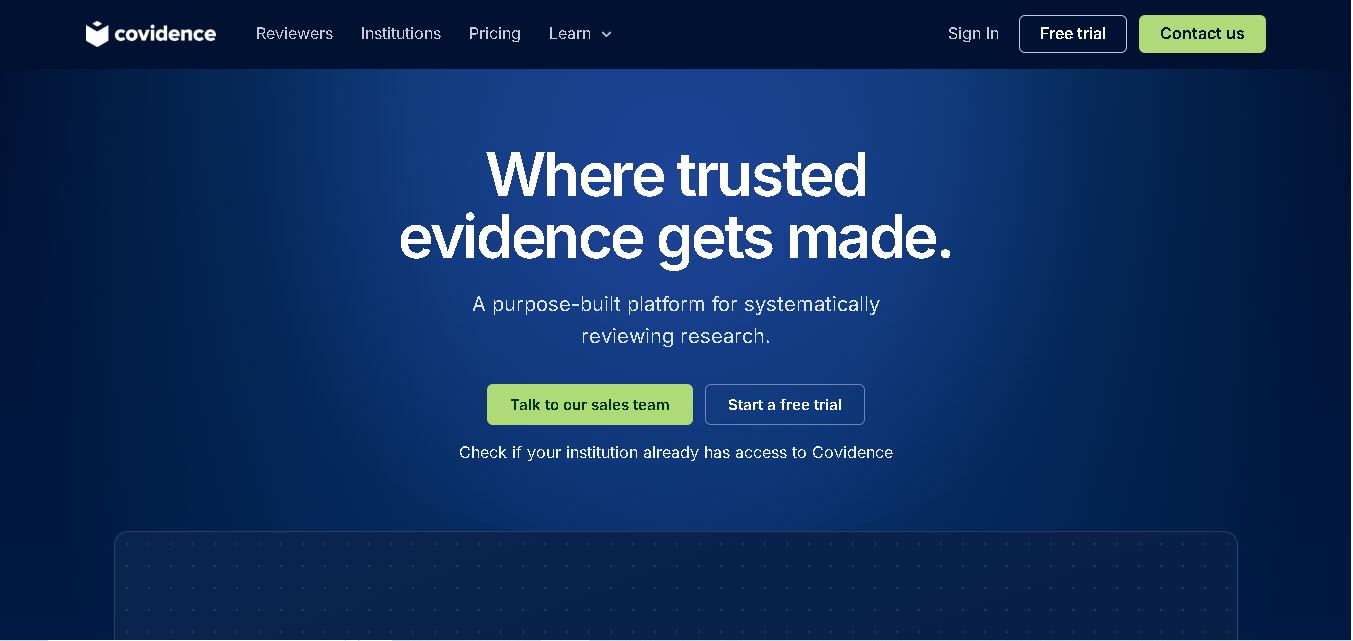
Covidence is a systematic review management tool that helps researchers organize scientific studies, screen references, extract data, and assess research quality. It supports team collaboration, duplicate detection, and evidence synthesis workflows. Designed for universities, healthcare professionals, and research teams, Covidence simplifies literature review management and supports transparent, well-documented research decisions.
What is Covidence?
Covidence is a research management tool designed to help researchers organize, screen, and analyze scientific literature for systematic reviews, scoping reviews, and other evidence synthesis projects. It supports reference importing, duplicate removal, title and abstract screening, full-text assessment, data extraction, and risk-of-bias evaluation. By bringing these research activities into one collaborative workspace, Covidence helps research teams manage evidence systematically, document decisions, and prepare information for scientific publications and evidence-based decision-making.
Covidence was launched in 2014 and is developed by the Future Evidence Foundation, a nonprofit organization. According to its official website, the platform supports more than 800,000 reviewers across 500+ institutions and 180+ countries. Its workflow covers review setup, reference importing, screening, data extraction, quality assessment, and exporting. Covidence reports that 70% of top-ranked universities use the platform. Researchers can begin with a free trial covering 500 records, while paid plans support individual and multi-review projects.
- Platform Focus: Systematic review management, dual-blind screening, risk of bias assessment, data extraction, and PRISMA reporting
- Organization / Developer: Future Evidence Foundation (non-profit SaaS based in Melbourne, Australia)
- Launch Year: 2014
Use Cases:
- Managing primary citation screening and full-text eligibility review across large research teams
- Executing dual-blind title and abstract screening with automated conflict resolution queues
- Conducting formal methodological quality and Risk of Bias (RoB 2) appraisals on clinical studies
- Building custom data extraction forms to collect study outcomes, sample sizes, and intervention parameters
- Generating exportable PRISMA flow diagrams and exporting consensus data directly to RevMan, R, or CSV
Technology:
- Automated citation deduplication engine matching incoming RIS, EndNote, and PubMed library files
- Machine learning Cochrane RCT Classifier automatically identifying and prioritizing randomized controlled trials
- Integrated PDF highlighter and collaborative dual-reviewer consensus environment
Target Users:
- Medical, clinical, and public health researchers preparing Cochrane or peer-reviewed systematic reviews
- Academic faculty, PhD candidates, and university librarians conducting scoping reviews and guidelines
- Health Technology Assessment (HTA) bodies, pharmaceutical companies, and government health agencies
Corporate Entity: Operates as Future Evidence Foundation / Covidence (covidence.org)

Key features of Covidence
Covidence's key features are
- Automated Deduplication: Identifies and removes duplicate records automatically upon importing search files from databases like PubMed, Embase, and Scopus.
- Dual-Blind Title & Abstract Screening: Enables two independent reviewers to vote (Yes, No, Maybe) with hidden decisions to eliminate screening bias.
- Conflict Resolution Workspace: Automatically flags reviewer discrepancies and directs them to a dedicated lead resolve queue.
- Risk of Bias (RoB 2) Tool: Built-in methodological quality assessment with PDF text highlighting and domain-level judgment logging.
- Custom Data Extraction Templates: Design tailored data extraction forms with configurable text, numerical, and matrix field types.
- Automated PRISMA Flow Diagram: Real-time tracking of study counts at every review stage, generating exportable PRISMA flowcharts.
Covidence Pricing
Covidence operates on a per-review or institutional license model rather than per-seat software pricing.
Free Trial:
- $0 / Free Trial
- Includes access to 1 review capped at a maximum of 500 imported records
Single Review Plan:
- ~$339 / year per review
- Includes 1 systematic review, unlimited collaborators per review, unlimited imported records, full data extraction, and PRISMA tools
Multi-Review Pack (3 Reviews):
- ~$907 / year (for 3 reviews)
- Includes 3 review licenses with unlimited team collaborators and full feature access
Institutional / Organizational License:
- Custom site licensing
- Provides unlimited review creation, campus-wide SSO integration, administrative dashboards, and dedicated support for universities and health systems
Who is using Covidence?
Covidence is designed for healthcare, academic, and clinical research teams, including
- Cochrane Authors & Medical Researchers: Conducting high-rigor clinical evidence syntheses and meta-analyses
- University Libraries & Faculty: Supporting campus-wide systematic and scoping review projects
- HTA & Health Policy Organizations: Evaluating drug effectiveness and medical device clinical literature
Best Covidence Alternatives
Some of the strongest Covidence alternatives include
- Rayyan
- DistillerSR
- Paperguide
- EPPI-Reviewer
- RevMan
- Nested Knowledge
Pros and Cons of Covidence
Pros
- Official partner tool endorsed by Cochrane for gold-standard systematic reviews
- Enforces structured, linear review stages preventing protocol deviations and skipped steps
- Unlimited collaborators per review license makes large multi-center team projects straightforward
- Built-in Risk of Bias (RoB 2) appraisal tool with inline PDF text highlighting
Cons
- Per-review pricing (~$339/yr) can be costly for independent researchers or students without institutional access
- Does not include built-in database literature searching—requires manual RIS/BibTeX imports from external databases
- Lacks AI manuscript writing or LLM text generation features found in modern AI writing tools
Why Choose Covidence?
Covidence is the definitive choice for clinical research teams and academic authors who require a Cochrane-endorsed systematic review platform that enforces strict dual-blind screening protocols and automates PRISMA reporting.
- Endorsed by Cochrane for rigorous, publication-ready systematic reviews
- Streamlines dual-blind screening with automated reviewer conflict resolution
- Provides mature Risk of Bias assessment and custom data extraction forms
- Generates exportable PRISMA flow diagrams and integration files for RevMan
Covidence vs. Competitors
The main difference between Covidence, Rayyan, DistillerSR, and Paperguide is that Covidence provides a Cochrane-partnered, fixed-stage systematic review pipeline with per-review pricing and mature RoB 2 tools, whereas Rayyan offers a low-cost or freemium per-seat model ideal for fast screening, DistillerSR targets enterprise-grade regulatory and FDA health tech compliance, and Paperguide integrates literature search, screening, and AI draft writing into one workspace. Covidence stands out for its Cochrane integration and institutional backing.
| Feature / Tool | Covidence (covidence.org) | Rayyan | DistillerSR | Paperguide |
|---|---|---|---|---|
| Core Focus | Cochrane Systematic Review Management | Low-Cost Citation Screening & Reviewing | Enterprise & Regulatory Systematic Reviews | AI Literature Search, Screening & Writing |
| Cochrane Partnership | Yes (Official Partner & RevMan Export) | No | No | No |
| Risk of Bias (RoB 2) Tool | Yes (Integrated with PDF Highlighting) | Limited / Manual Custom Fields | Yes (Enterprise Custom) | Roadmap |
| Pricing Model | Per-Review (~$339/yr per review) | Freemium / ~$5 to $8/seat/mo | Enterprise Commercial Pricing | Freemium / ~$12 to $29/seat/mo |
| Best For | Clinical Systematic Reviews & Institutional Teams | Budget-Conscious Citation Screening | Pharma, Biotech & Regulatory Submissions | All-in-One Research Search, Review & Writing |
How do we rate Covidence?
| Parameter | Rating (out of 5) |
|---|---|
| Methodological Rigor & Blinding Controls | 4.9 |
| Risk of Bias & Data Extraction Tools | 4.8 |
| PRISMA Reporting & Workflow UX | 4.9 |
| Institutional & Cochrane Integration | 5.0 |
| Value for Money | 4.5 |
| Overall Score | 4.82 |
Covidence Review
Covidence is the gold standard platform for managing systematic reviews. By automating citation deduplication, enforcing dual-blind title/abstract screening, and embedding Risk of Bias (RoB 2) assessments alongside automatic PRISMA diagram generation, it eliminates administrative drag for research teams. Supported by over 480 academic and medical institutions worldwide and backed by Cochrane, it remains an essential tool for clinical evidence synthesis.
Conclusion
Covidence is a valuable research management solution for students, academics, clinicians, and organizations conducting systematic reviews. Its reference screening, duplicate detection, data extraction, quality assessment, and collaboration features help researchers manage complex evidence synthesis projects more efficiently. AI-assisted suggestions can further reduce repetitive work while keeping reviewers involved in important decisions. Before choosing Covidence, evaluate its subscription plans, available institutional access, and compatibility with your research methodology to determine whether it suits your project.
FAQ
What is Covidence used for?
Covidence helps you manage systematic reviews and other evidence synthesis projects in one place. You can import research references, screen titles and abstracts, assess full-text articles, extract study data, and evaluate research quality. If you are conducting an academic review, it helps organize decisions and collaborate with other reviewers efficiently.
Is Covidence free to use?
Covidence offers a free trial covering up to 500 records, allowing you to explore its workflow before purchasing a subscription. Paid options include a Single plan for one review and a Package plan for up to three reviews. If your university provides institutional access, you may be able to use Covidence through that subscription.
How much does Covidence cost?
Covidence currently lists its Single plan at $339 USD per year for one review and its Package plan at $907 USD per year for up to three reviews. Both plans allow unlimited collaborators and remain valid for 12 months. Institutional pricing is available on request. Check the official pricing page before purchasing. Covidence
Can Covidence help with systematic literature reviews?
Yes, Covidence supports several stages of a systematic literature review, from importing references to screening studies, extracting information, and assessing research quality. It also records review decisions and helps generate PRISMA flow diagrams. If you are preparing a dissertation, research paper, or evidence-based guideline, it can help organize your workflow.
Does Covidence support team collaboration?
Yes, Covidence enables multiple reviewers to collaborate within the same review project. Team members can screen studies independently, compare decisions, resolve disagreements, and contribute to data extraction. This is particularly useful when your research requires multiple reviewers and documented decisions. You can invite unlimited collaborators under the standard individual and package plans.
Can Covidence automatically remove duplicate research papers?
Yes, Covidence includes automatic duplicate detection when you import references from research databases and reference management tools. This helps reduce repetitive screening and keeps your review library organized. However, you should still check the imported records and confirm that duplicate removal has worked correctly, especially when citations contain inconsistent titles or publication details.
User Reviews
No reviews yet for Covidence.
Featured Tools
Featured AI tools from TechShark

Klap
Klap is an AI-powered video editing tool that turns long videos into engaging short clips for TikTok, Instagram Reels, and YouTube Shorts. It automatically finds the best moments, adds captions, and resizes videos, helping creators save time and create more content with less effort.
Free

Melody Genie
MelodyGenie is an AI-powered music generator that creates original songs from simple text prompts. Users can choose styles, moods, and genres, then instantly generate melodies and full tracks, making it easy for creators, marketers, and hobbyists to produce custom music without musical expertise.
Freemium

Fashion Diffusion AI
Fashion Diffusion is an AI-powered fashion design platform that helps brands and designers create clothing designs, virtual try-ons, AI models, product photos, and marketing visuals faster and cost-effectively.
Paid
Veo 4
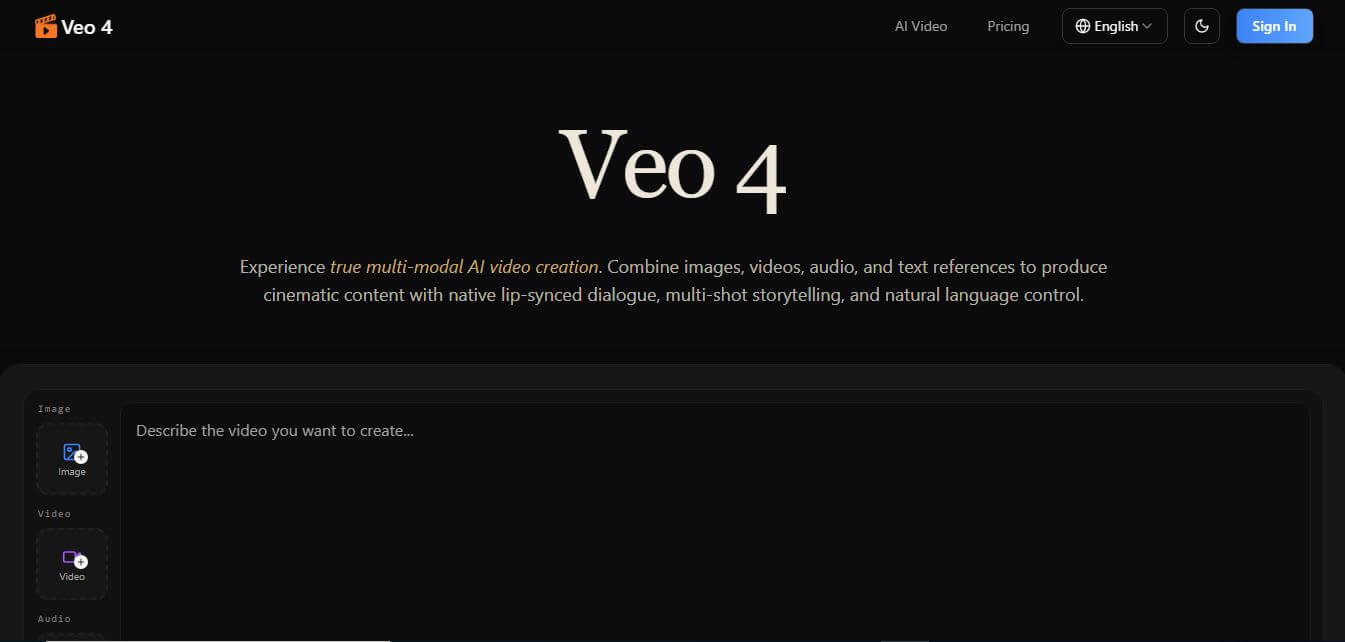
Veo 4 AI is an AI video creation platform that generates dramatic videos from text, images, audio, and video prompts using realistic motion and synchronized sound.
Paid
Alternatives
Alternatives to Covidence
The best Covidence alternatives include Rayyan, DistillerSR, Paperguide, EPPI-Reviewer, RevMan, and Nested Knowledge. These platforms offer systematic review management, title/abstract screening, and evidence synthesis features. While Covidence specializes in Cochrane-partnered fixed-stage systematic review workflows, dual-blind conflict resolution, and RoB 2 tools, alternatives like Rayyan focus on low-cost per-seat screening, and Paperguide provides integrated AI paper search and writing tools.
 4.8
Summate.it
Research
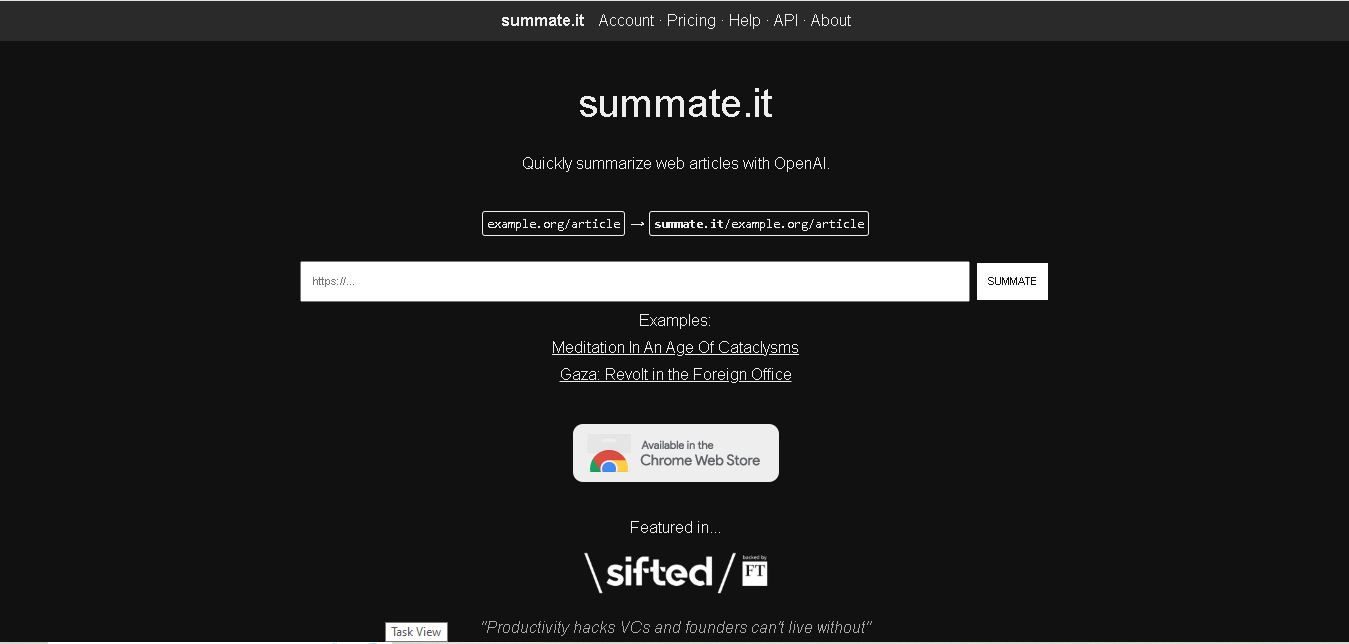
Summate.it is a web-based AI article summarizer that helps users understand lengthy online content quickly. It extracts article text and uses OpenAI to generate concise summaries highlighting essential information. Students, researchers, marketers, and professionals can use it to review online articles efficiently, save reading time, and simplify everyday information gathering.
 4.9
Cradle
Research
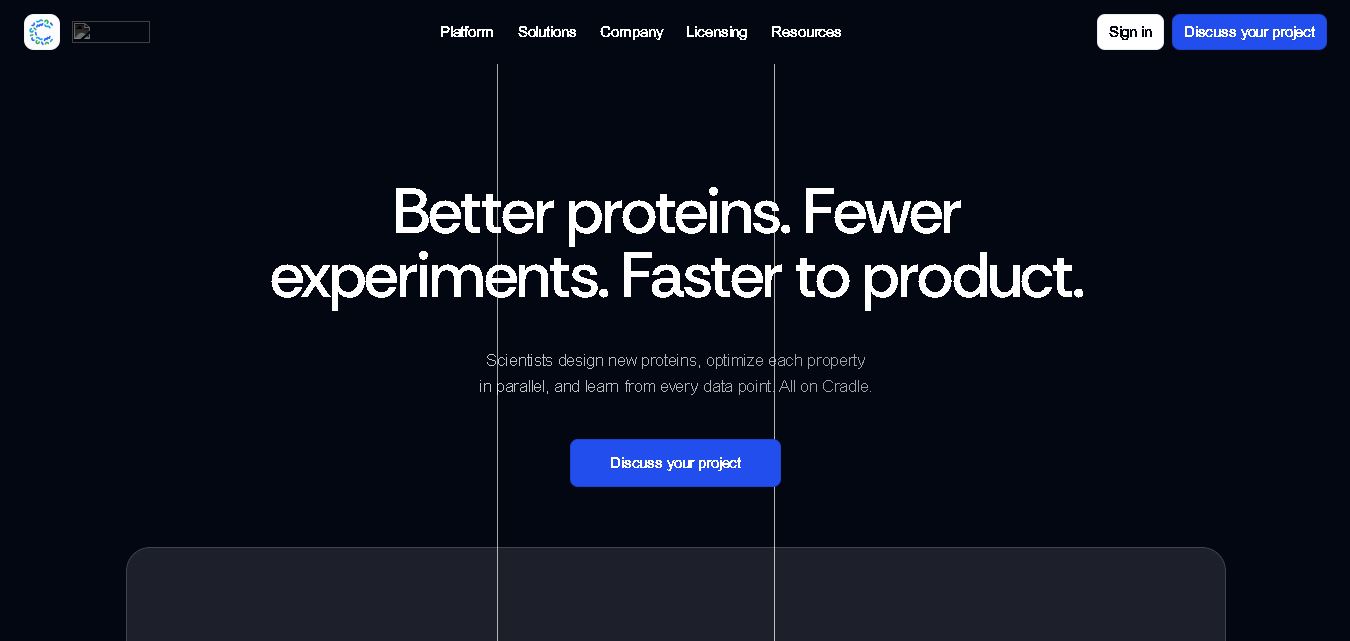
Cradle helps biotechnology researchers design, engineer, and optimize proteins using artificial intelligence and laboratory data. Its capabilities include protein sequence generation, multi-property optimization, candidate scoring, and experimental learning. The platform supports pharmaceutical, agricultural, and industrial biotechnology research, helping scientific teams explore promising molecules while reducing unnecessary experimental cycles and improving research workflows.
 4.9
Iris.ai
Research
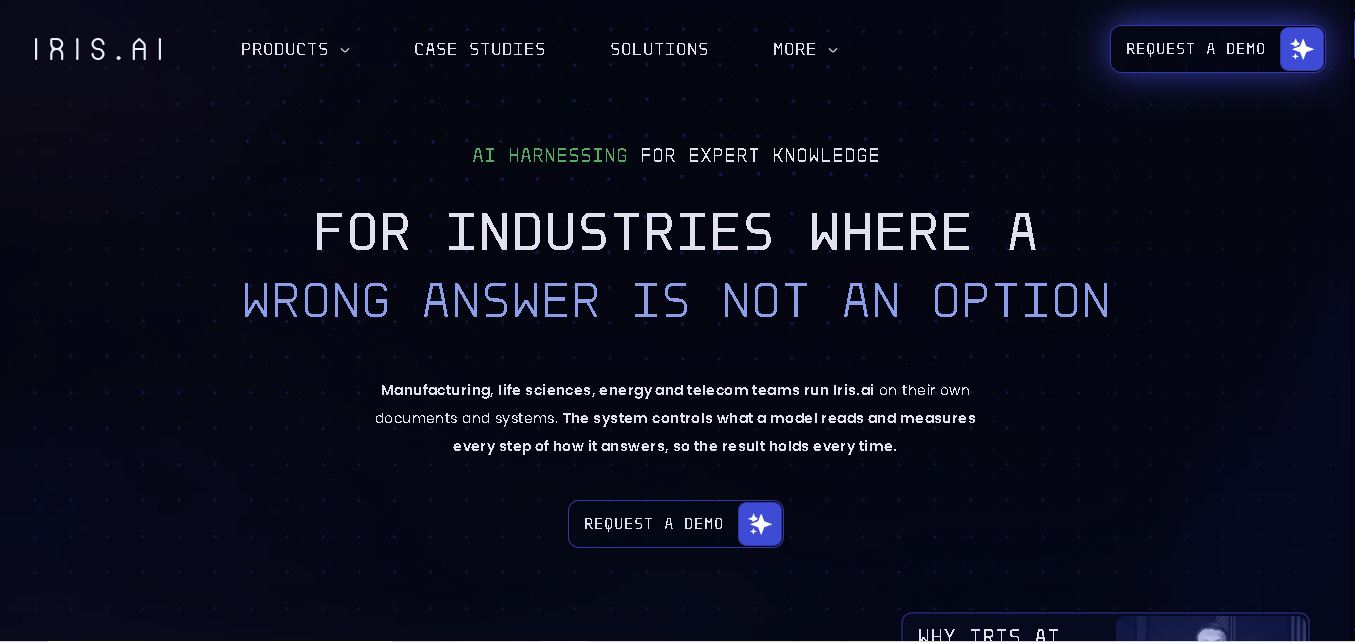
Iris.ai helps enterprises and research teams organize complex information, analyze scientific literature, and build AI workflows using organizational knowledge. Its solutions support document extraction, contextual search, data processing, and AI response evaluation. The platform is particularly relevant to research-intensive businesses seeking better information retrieval, reliable answers, and controlled enterprise AI applications.
 4.8
Lightmatter
Research
Lightmatter develops photonic computing technologies that help AI data centers connect processors and transfer information more efficiently. Its products include Passage optical interconnects, Guide light engines, and Envise photonic AI computing technology. The company aims to address bandwidth and power constraints affecting large-scale AI training, inference, and high-performance computing infrastructure.
 4.8
FigEditor
Research
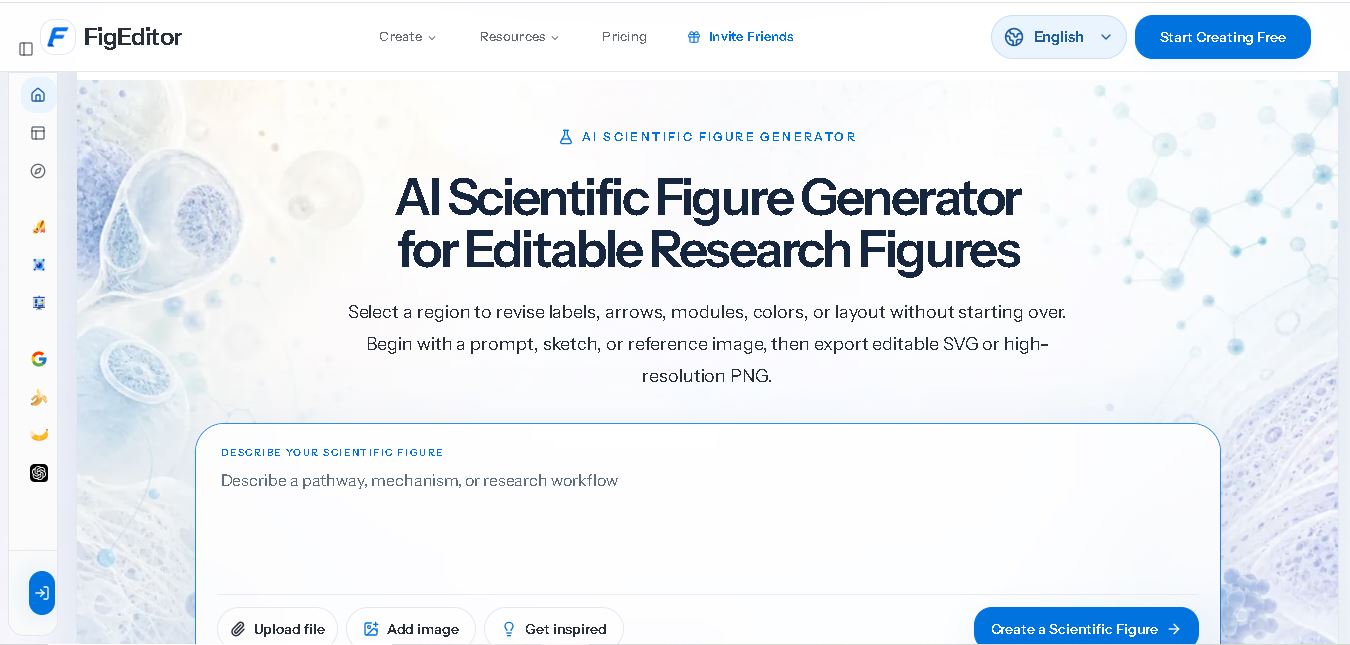
FigEditor AI helps researchers create scientific illustrations, flowcharts, graphical abstracts, and academic diagrams from text prompts, sketches, or reference images. Its editing and vectorization features simplify visual revisions, while SVG and high-resolution PNG exports support different research workflows. It is useful for students, scientists, educators, and research professionals preparing visual materials.
 4.8
GoMim
Research
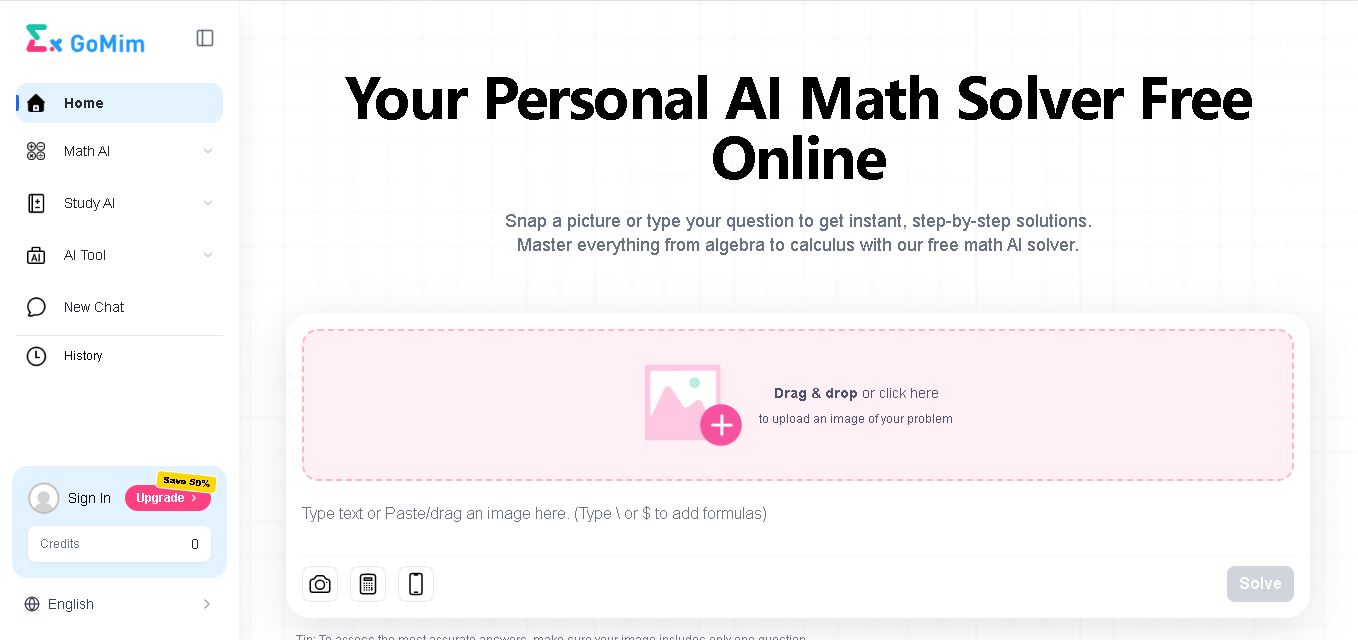
GoMim is an AI math solver that helps students understand mathematical concepts through step-by-step solutions. It supports typed questions, image uploads, and subjects including algebra, geometry, and calculus. With an interactive AI tutor, question history, and free and paid plans, GoMim makes homework assistance and independent study more accessible.
 4.8
AlphaResearch
Research
AlphaResearch helps investors, financial analysts, and corporate strategists research companies using financial documents, earnings transcripts, market data, and sentiment analysis. Its features include document search, filing alerts, stock screening, institutional ownership tracking, and research notes. The platform simplifies financial information discovery, helping users investigate companies and support informed investment research decisions.
 4.8
Gatsbi
Research
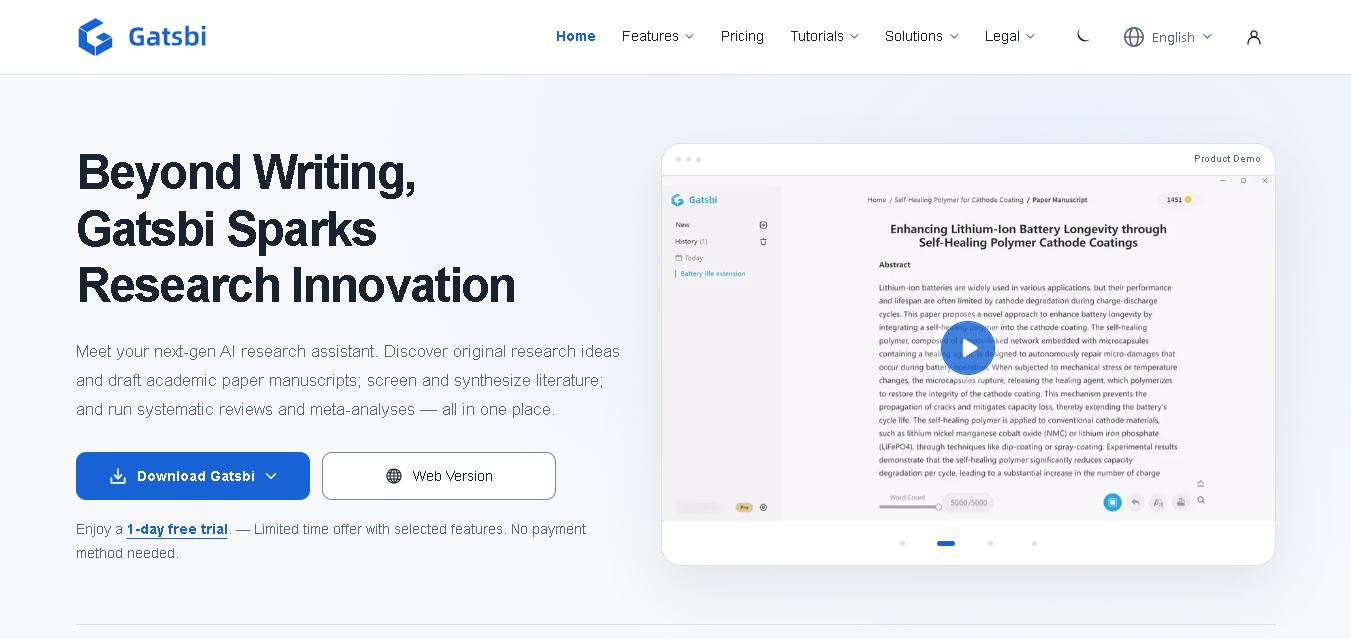
Gatsbi is an AI research assistant that helps researchers discover ideas, draft academic papers, review scientific literature, and prepare patent disclosures. It combines research discovery, manuscript generation, and evidence synthesis in one workflow. The tool is useful for academics, scientists, engineers, and innovation teams seeking to streamline complex research tasks.
 4.9
Metagene-1
Research
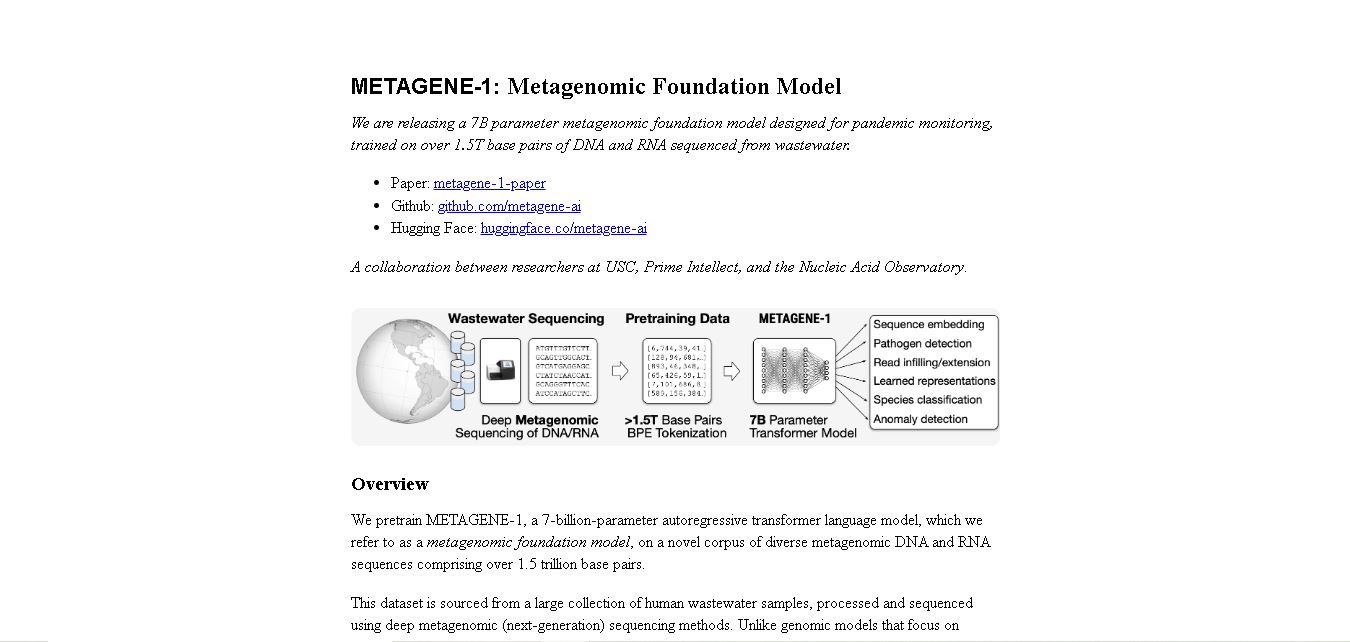
METAGENE-1 is a metagenomic foundation model designed to help researchers analyze DNA and RNA sequences. Trained on extensive wastewater sequencing data, it supports genomic embedding, pathogen detection research, biosurveillance, and pandemic monitoring. The model provides researchers with an AI-based approach to studying microbial diversity and identifying patterns in complex metagenomic datasets.