
Rayyan
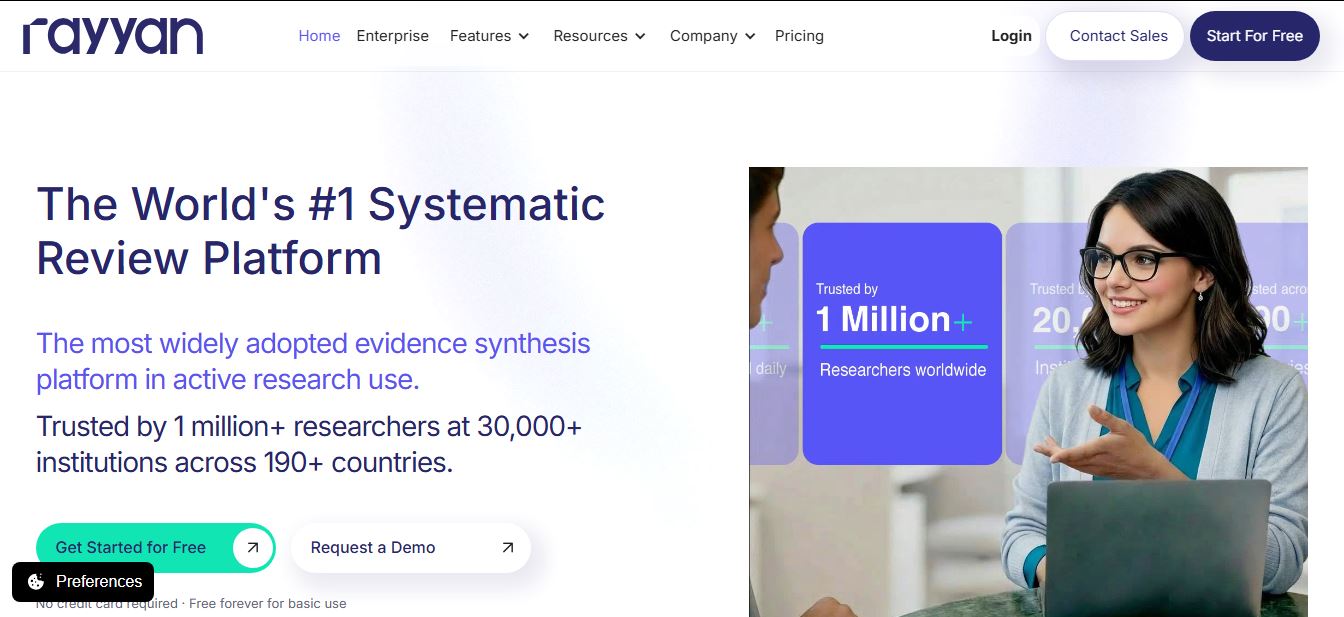
Rayyan is an AI-powered systematic review and literature review platform that helps researchers organize references, remove duplicates, screen studies, extract data, assess risk of bias, and generate PRISMA reports. Its AI features assist with relevance ranking, article screening, and structured data extraction while keeping researchers in control.
What is Rayyan?
Rayyan is an AI-powered systematic review and literature review platform designed for researchers, academics, and healthcare professionals. It helps teams discover, screen, organize, and analyze research papers more efficiently. Rayyan supports study screening, duplicate detection, collaboration, inclusion and exclusion decisions, and AI-assisted research workflows. Its features are useful for systematic reviews, evidence-based research, and academic literature management, helping researchers reduce manual work while keeping the review process organized, transparent, and collaborative.
Originally incubated at the Qatar Computing Research Institute (QCRI) by Mourad Ouzzani, Hossam Hammady, Zbys Fedorowicz, and Ahmed Elmagarmid, Rayyan has grown into an essential standard in global research, trusted by over 500,000 researchers across 180+ countries. The platform pairs AI-driven relevance prediction rankings with deterministic systematic review workflows. Rayyan supports automated duplicate detection and resolution, customizable 15+ facet workbench filters, double-blinded multi-reviewer screening, PRISMA flow diagram generation, structured PICO data extraction, Risk of Bias (RoB) evaluation, and ResearchPilot AI institutional literature pipelines.
- Origin / Leadership: Incubated at QCRI; operated by Rayyan Systems Inc. (Cambridge, MA, USA & Global; founded in 2016)
- Research Standard: Widely cited across thousands of published systematic reviews, meta-analyses, and scoping reviews indexed in PubMed, Cochrane, and Nature
- Evolution / Launch: Evolved from an early web screening tool into an end-to-end evidence synthesis ecosystem featuring native iOS/Android offline screening apps, automated PRISMA diagrams, AI PICO extraction, Risk of Bias (RoB) modules, and institutional ResearchPilot AI through 2024–2026
Use Cases:
- Screening thousands of titles and abstracts rapidly for systematic literature reviews, scoping reviews, and clinical practice guidelines
- Enforcing double-blind screening protocols between multiple independent co-reviewers to eliminate evaluation bias
- Detecting and auto-resolving duplicate citations across PubMed, Embase, Cochrane, Scopus, and Web of Science reference exports
- Extracting structured PICO (Population, Intervention, Comparison, Outcome) data elements and generating publication-ready PRISMA flowcharts
Technology:
- Active learning prediction engine calculating five-star relevance likelihood scores as reviewers make inclusion decisions
- Systematic Auto-Resolver algorithm identifying exact and near-match reference duplicates across multi-database search imports
- Blinded collaborative architecture preventing team members from viewing each other's inclusion labels until blinding is formally turned off
Target Users:
- Biomedical, public health, and clinical researchers conducting formal Cochrane or Campbell systematic reviews
- Academic professors, postdoctoral fellows, and PhD candidates writing dissertations and scoping literature reviews
- Medical librarians and research informationists managing institutional literature search pipelines
- Content creators using writing tools to draft evidence-based medical summaries, clinical literature overviews, and healthcare research guides
Corporate Entity: Operates as Rayyan Systems Inc. (Cambridge, MA, USA & Global)

Key features of Rayyan
Rayyan's key features are
- AI Relevance Predictions: Active learning model learns from your initial inclusion/exclusion decisions and predicts relevance scores (1 to 5 stars) across remaining records.
- Blinded Multi-Reviewer Collaboration: Maintain rigorous methodological standards with blind screening modes, custom inclusion/exclusion labels, and conflict resolution dashboards.
- Systematic Auto-Resolver (Deduplication): Industry-leading duplicate detection engine identifies matching citations and resolves duplicates in bulk.
- Automated PRISMA Flow Diagrams: Generates standardized PRISMA 2020 flowcharts documenting records identified, screened, excluded, and included with one click.
- PICO & Structured Data Extraction: Leverages AI to parse, extract, and categorize Population, Intervention, Comparison, and Outcome frameworks into structured tables.
- Risk of Bias (RoB) Assessment: Standardized modules allowing review teams to assess methodological study bias with consistency and transparency.
- Mobile Screening App (iOS & Android): Dedicated mobile apps with gesture-based swipe controls and offline caching for screening studies anywhere.
- ResearchPilot AI & Enterprise Console: Scalable enterprise platform for universities and hospitals to manage team seats, audit trails, and institutional reviews.
Rayyan Pricing
Rayyan operates on an accessible freemium model offering a free review tier alongside individual Essential and Advanced subscriptions, and customized institutional licenses with ResearchPilot AI.
Free Plan:
- $0 / Free forever
- Includes up to 3 active reviews, invite 2 free reviewers, 1 sample subset, industry-leading duplicate detection, AI relevance predictions, 15+ workbench facets, and limited mobile app access
Essential Plan:
- Annual Billing: $4.99 / seat / month ($59.88 billed annually)
- Quarterly Billing: $8.33 / month ($24.99 billed quarterly)
- Includes all Free features plus automated PRISMA flow diagrams, invite up to 5 free reviewers, systematic auto-resolve duplicates, unlimited mobile app access, bulk actions, and programmable keyboard shortcuts
Advanced Plan (Most Popular):
- Annual Billing: $8.33 / seat / month ($99.99 billed annually – best value)
- Quarterly Billing: $13.33 / month ($39.99 billed quarterly)
- Includes all Essential features plus up to 9 active reviews, invite up to 10 free reviewers, unlimited sampling, AI-driven PICO data extraction, and priority support
Institutional / Enterprise (ResearchPilot AI):
- Starts from $41.67 / license / month billed annually (starting at 5 licenses / $2,500.00 / year) or custom campus-wide agreements
- Includes full platform access with ResearchPilot AI, 50 to unlimited org-wide reviews, invite up to 250 reviewers, team admin consoles, API/Python SDK access, and dedicated onboarding
Disclaimer: Prices are listed in USD and exclude local taxes. Subscriptions renew automatically unless canceled before the renewal date. Free accounts can be created with zero credit card commitment. Visit rayyan.ai/pricing for active plans.
Who is using Rayyan?
Rayyan is designed for researchers, academic institutions, and healthcare teams, including
- Systematic Review Teams & Epidemiologists: Screening tens of thousands of biomedical literature references under strict blinded methodology
- Medical & Life Sciences Students: Conducting graduate dissertations, capstone scoping reviews, and clinical meta-analyses
- Academic Faculty & Research Labs: Dividing screening workloads, resolving inclusion conflicts, and generating PRISMA charts
- Hospital Research Committees & Librarians: Standardizing institutional literature evaluations and managing team seats across departments
- Content Creators: Using writing tools to draft evidence-based medical summaries, clinical literature overviews, and healthcare research guides
- Pharmaceutical & MedTech R&D Teams: Tracking safety signals, regulatory literature reviews, and medical device clinical evaluations
Best Rayyan Alternatives
Some of the strongest Rayyan alternatives include
- Covidence
- DistillerSR
- EvidenceHunt
- Elicit
- EPPI-Reviewer
- Sysrev
Pros and Cons of Rayyan
Pros
- Generous free plan allows up to 3 active reviews and collaborative screening at zero cost
- Active learning AI prediction engine learns reviewer patterns to prioritize high-relevance studies first
- Robust blinding mechanisms ensure methodological rigor and compliance with Cochrane standards
- Native mobile apps with offline synchronization enable screening on smartphones and tablets during commutes
- Significantly more affordable annual plans ($4.99–$8.33/mo) compared to expensive alternatives like Covidence or DistillerSR
Cons
- Automated PRISMA diagram exports and duplicate auto-resolving require at least an Essential subscription ($4.99/mo)
- Full-text PDF screening and advanced data extraction are less automated than specialized extraction engines like DistillerSR
- Free plan limits active reviews to 3 and collaborators to 2 named reviewers
- Requires importing standard reference citation files (RIS, BibTeX, EndNote) rather than running built-in live database discovery internally
Why Choose Rayyan?
Rayyan is the premier choice for research teams, academic institutions, and healthcare professionals who need an accessible, methodologically rigorous systematic review platform that combines blinded screening, active learning AI rankings, deduplication, and mobile access at a fraction of the cost of legacy tools.
- Screen titles and abstracts up to 50% faster using active learning AI relevance predictions
- Enforce double-blind screening to eliminate bias and maintain Cochrane compliance
- Detect and auto-resolve duplicate citations across multiple database imports
- Generate standardized PRISMA 2020 flow diagrams ready for manuscript publication
- Screen on the go using native iOS and Android mobile apps with offline mode
Rayyan vs. Competitors
The main difference between Rayyan, Covidence, DistillerSR, and EvidenceHunt is that Rayyan focuses on fast, collaborative title and abstract screening, deduplication, and blinded workflows with a generous free plan and accessible $4.99–$8.33/mo subscriptions, whereas Covidence charges substantially higher individual/institutional fees (~$240+/yr), DistillerSR focuses on enterprise regulatory compliance, and EvidenceHunt specializes in point-of-care clinical literature search and hospital protocol connections. Rayyan stands out for its high screening velocity, user-friendly mobile apps, and unmatched affordability for academic researchers.
| Feature / Platform | Rayyan (rayyan.ai) | Covidence | DistillerSR | EvidenceHunt (evidencehunt.com) |
|---|---|---|---|---|
| Primary Focus | Collaborative Screening & AI Deduplication | Standardized End-to-End SLR Management | Enterprise Regulatory & Medical Reviews | Clinical Intelligence & Protocol Search |
| Free Review Tier | Yes (3 Active Reviews free forever) | Free trial only (1 review / 500 studies) | No free tier (Enterprise trial only) | Free basic literature queries |
| Mobile Screening Apps | Yes (Native iOS & Android with offline) | Mobile responsive web only | Desktop web portal focused | Web portal focused |
| AI Relevance Predictions | Yes (Active learning 5-star scoring) | Machine learning relevance sorting | AI Screening & DAISY ranking | Biomedical citation retrieval |
| Starting Price | Free tier / Essential $4.99/mo ($59.88/yr) | Starts from ~$240–$280 / review / year | Enterprise pricing (~$1,500+/yr) | Free basic / Pro €16.50/mo (€198/yr) |
| Best For | Academic Labs, Grad Students & Rapid Screening | Cochrane Reviews & Full Data Extraction | Pharma Regulatory Affairs & FDA/MDR Audits | Hospital Clinicians & Point-of-Care Evidence |
How do we rate Rayyan?
| Parameter | Rating (out of 5) |
|---|---|
| Screening Velocity & Active Learning AI | 5.0 |
| Blinded Review & Methodological Rigor | 5.0 |
| Deduplication & PRISMA Diagram Quality | 4.9 |
| Mobile App Usability & Offline Caching | 4.9 |
| Value for Money | 5.0 |
| Overall Score | 4.96 |
Rayyan Review
Rayyan has earned its reputation as the gold standard for title and abstract screening in academic and clinical evidence synthesis. For researchers managing large-scale systematic reviews, manually evaluating tens of thousands of citations in spreadsheets is prone to human error and methodological bias. Rayyan addresses this challenge with a purpose-built workspace: active learning algorithms observe user inclusion decisions and rank remaining citations by relevance, while blind-screening tools ensure co-reviewers evaluate studies independently until conflicts are ready for discussion. With its accessible free tier, mobile apps with offline caching, and automated PRISMA diagrams, Rayyan remains an indispensable platform for evidence synthesis.
Conclusion
Rayyan is an established systematic literature review workbench that streamlines evidence synthesis for researchers and healthcare professionals worldwide. By combining active learning AI relevance predictions, blinded collaboration, auto-deduplication, PRISMA flowchart generation, and cross-platform mobile screening, it transforms time-consuming literature reviews into an efficient, collaborative process. While life sciences organizations conducting complex regulatory audits may consider DistillerSR and clinicians seeking point-of-care guidance will turn to EvidenceHunt, Rayyan’s methodological rigor, screening velocity, and accessible pricing make it an essential research tool.
FAQ
What is Rayyan and how does Rayyan work?
Rayyan is an AI-assisted research platform designed to help researchers conduct systematic reviews, literature reviews, and evidence synthesis more efficiently. Rayyan supports the complete review workflow, including importing references, removing duplicates, screening studies, extracting data, assessing risk of bias, collaborating with reviewers, and generating reports.
What problem does Rayyan solve for researchers?
Rayyan helps reduce the time and manual effort involved in screening and organizing large collections of research papers. Rayyan provides tools for duplicate detection, AI-powered relevance ranking, filtering, blinded collaboration, and structured screening so research teams can focus more on evaluating evidence rather than managing references.
What are the key features of Rayyan?
Rayyan includes reference importing, duplicate detection and resolution, title and abstract screening, full-text screening, inclusion and exclusion criteria, collaboration, blind review mode, AI relevance ranking, PICO highlighting, data extraction, risk-of-bias assessment, PRISMA reporting, sampling, mobile access, and AI-powered ResearchPilot features on eligible plans.
Can Rayyan help with systematic reviews?
Yes, Rayyan is specifically designed to support systematic reviews and can manage multiple stages of the review process. Researchers can import references, remove duplicates, establish screening criteria, screen titles and abstracts, conduct full-text screening, extract data, assess risk of bias, and export review outputs.
Does Rayyan use AI for research screening?
Yes, Rayyan uses AI and machine learning to assist with research screening and prioritization. Rayyan's Relevance Ranking learns from Include and Exclude decisions and assigns ratings to remaining references, helping reviewers prioritize potentially relevant studies. Rayyan also offers additional AI capabilities such as PICO extraction and ResearchPilot features on eligible plans.
Is Rayyan free to use?
Rayyan offers a free plan that can be used to get started with systematic reviews. The Free plan includes features such as creating active reviews, inviting reviewers, duplicate detection, AI relevance predictions, and Workbench facets, while paid plans provide additional capabilities such as PRISMA diagrams, automatic duplicate resolution, expanded review limits, AI-powered PICO extraction, and advanced collaboration features.
Can Rayyan support research teams and collaboration?
Yes, Rayyan supports collaborative research workflows where multiple reviewers can work on the same review. Teams can invite collaborators, assign roles, use Blind Mode to hide individual decisions, compare decisions, resolve conflicts, and organize the screening process through shared workspaces.
Who should use Rayyan?
Rayyan is suitable for researchers, students, librarians, healthcare professionals, academic teams, and organizations conducting literature reviews or evidence-synthesis projects. Rayyan can also be used beyond healthcare, with support for research across areas such as social sciences, engineering, education, business, and policy.
User Reviews
No reviews yet for Rayyan.
Featured Tools
Featured AI tools from TechShark
Melody Genie
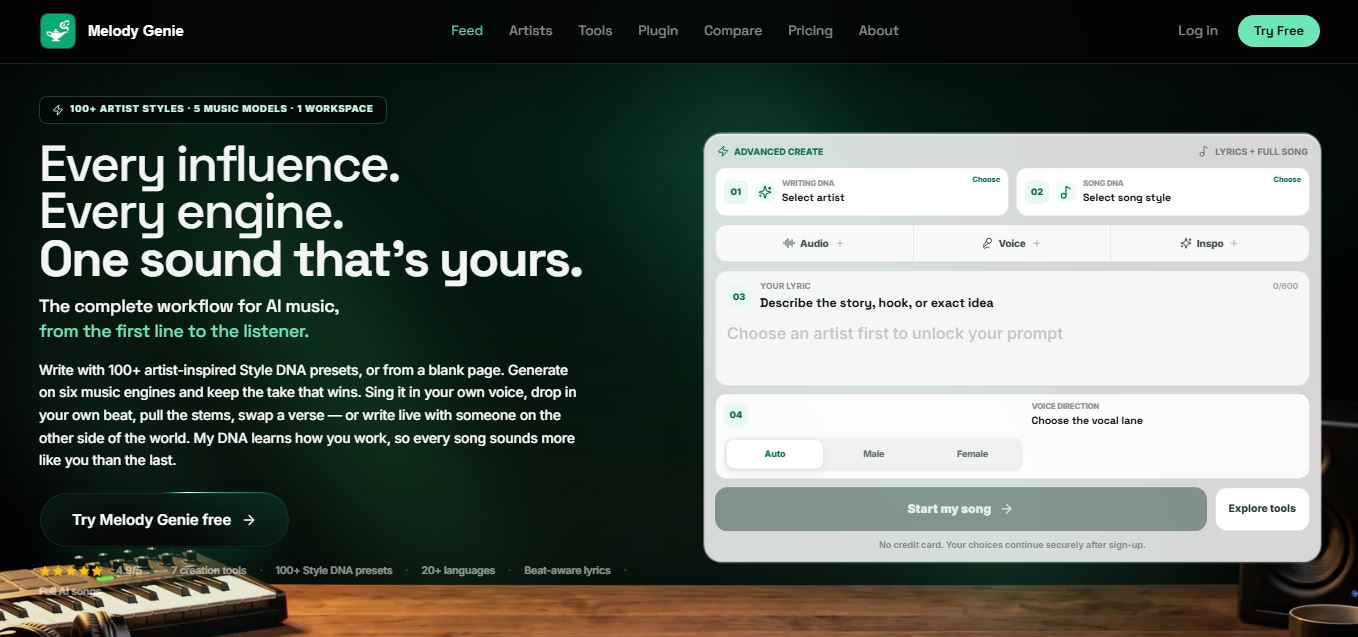
MelodyGenie is an AI-powered music generator that creates original songs from simple text prompts. Users can choose styles, moods, and genres, then instantly generate melodies and full tracks, making it easy for creators, marketers, and hobbyists to produce custom music without musical expertise.
Freemium
Kimi AI
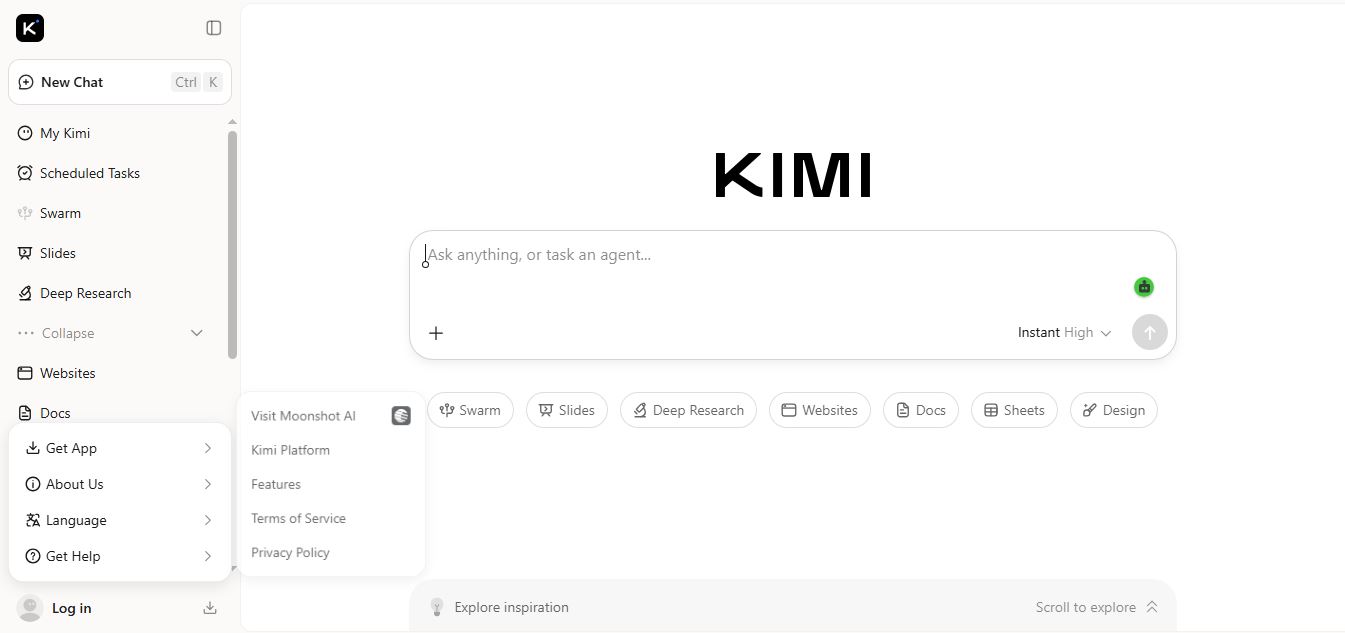
Kimi AI is an advanced AI assistant developed by Moonshot AI that helps you chat, research, write, code, and automate tasks in one place. It supports web search, file analysis, and multimodal inputs, and can even run autonomous “agent” workflows to complete complex tasks end-to-end.
Freemium
Fashion Diffusion AI
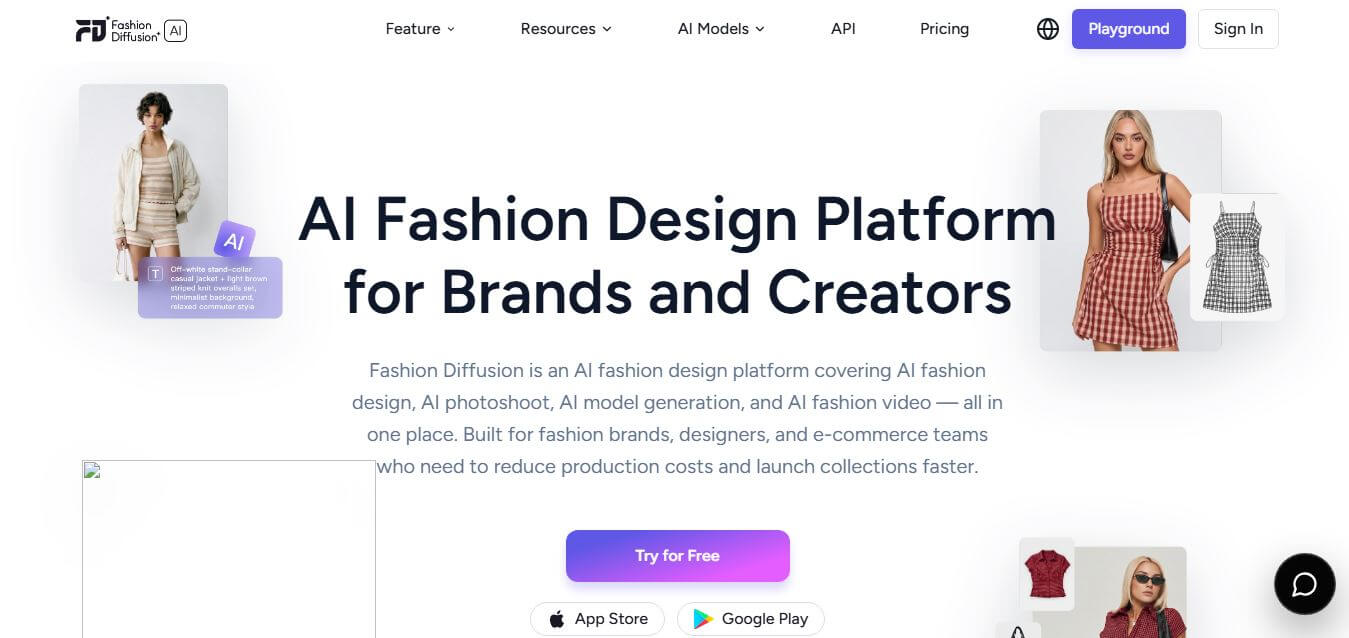
Fashion Diffusion is an AI-powered fashion design platform that helps brands and designers create clothing designs, virtual try-ons, AI models, product photos, and marketing visuals faster and cost-effectively.
Paid
Veo 4
Veo 4 AI is an AI video creation platform that generates dramatic videos from text, images, audio, and video prompts using realistic motion and synchronized sound.
Paid
Alternatives
Alternatives to Rayyan
The best Rayyan alternatives include Covidence, DistillerSR, EvidenceHunt (evidencehunt.com), Elicit, EPPI-Reviewer, and Sysrev. These platforms provide systematic literature review management, title/abstract screening, and academic data extraction. While Rayyan specializes in rapid, blinded screening, active learning AI predictions, duplicate resolution, and mobile screening apps starting from free to $4.99-$8.33/month, alternatives like Covidence provide full-text extraction at a higher price point (~$240+/year), DistillerSR caters to enterprise regulatory compliance, and EvidenceHunt focuses on point-of-care clinical literature search and hospital protocol integrations. Choosing the right tool depends on whether you seek rapid academic literature screening, full-text regulatory audits, or point-of-care clinical intelligence.
 4.9
4.9EvidenceHunt
Research
EvidenceHunt is an AI-powered medical research platform that helps clinicians, researchers, and life science teams find and analyze scientific evidence. It searches medical literature, guidelines, and internal documents, then generates citation-grounded answers, evidence tables, systematic reviews, and traceable insights for faster, evidence-based research.
 4.7
4.7WHOOP
Health
WHOOP is a wearable fitness and health tracker focused on recovery, sleep, strain, stress, and daily performance. Its app turns continuous body data into personalized insights, scores, coaching, and recommendations. In India, WHOOP 5.0 memberships include the device, subscription, charger, and selected band, depending on the plan you choose today.
 4.8
4.8Lindy
AI Agent
Lindy is an AI medical and business workflow automation platform that builds autonomous AI agents ('Lindys') capable of handling inbox management, customer support, lead qualification, medical scribing, and voice operations.
 4.8
4.8Bioscript
Health
Bioscript is an AI-powered personal health intelligence platform that decodes blood lab reports, tracks over 2,000 biomarkers over time, provides nutrition analytics from photos, and delivers grounded answers via an interactive chat assistant.
 4.8
4.8Dr. Muscle
Health
Dr. Muscle is a science-based AI workout and bodybuilding app that automatically applies progressive overload, daily undulating periodization (DUP), and real-time fatigue management to build muscle and strength on autopilot.
 4.9
4.9Heidi Health
Health
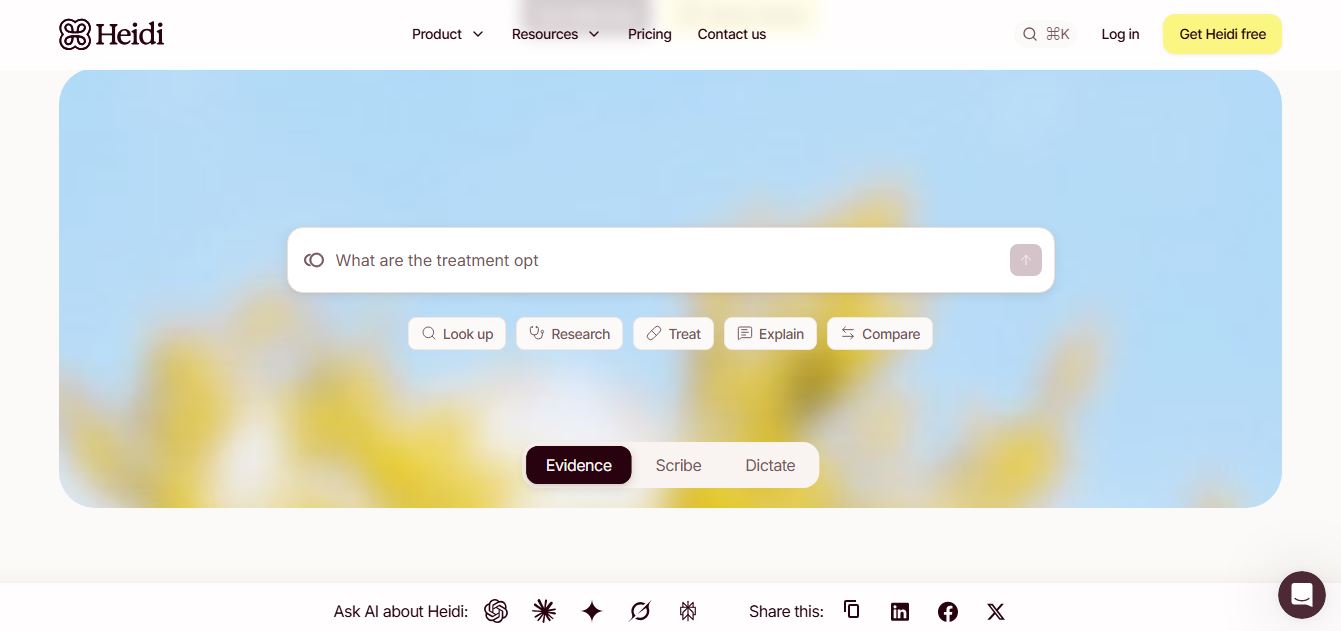
Heidi Health is an AI-powered clinical assistant that automates medical documentation by transcribing patient conversations and generating structured notes, reports, and referrals. It also provides evidence-based insights and workflow support, helping clinicians reduce admin work and focus more on patient care.
 4.9
4.9OpenCall AI
Health
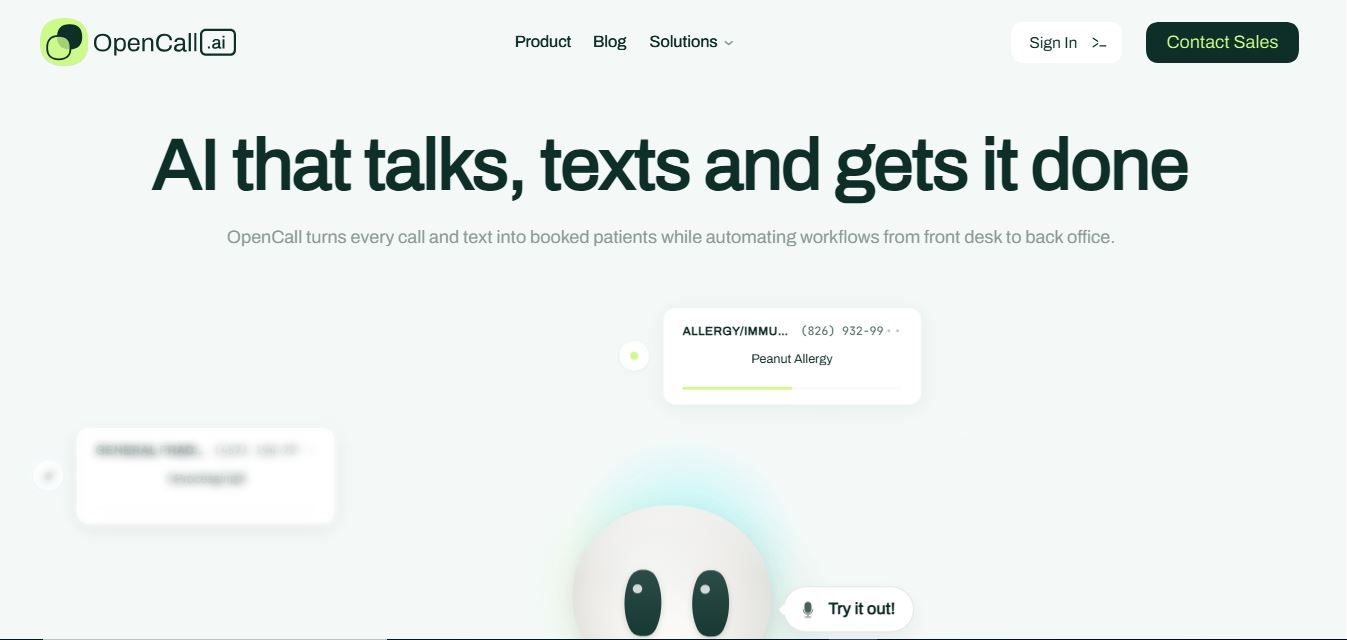
OpenCall AI is an AI-powered call center platform that handles phone calls, texts, and scheduling automatically, helping businesses capture leads, book appointments, and manage workflows without manual effort. It works 24/7, reduces missed calls, and integrates with existing systems to improve efficiency and revenue.
 4.9
4.9Carepatron
Health
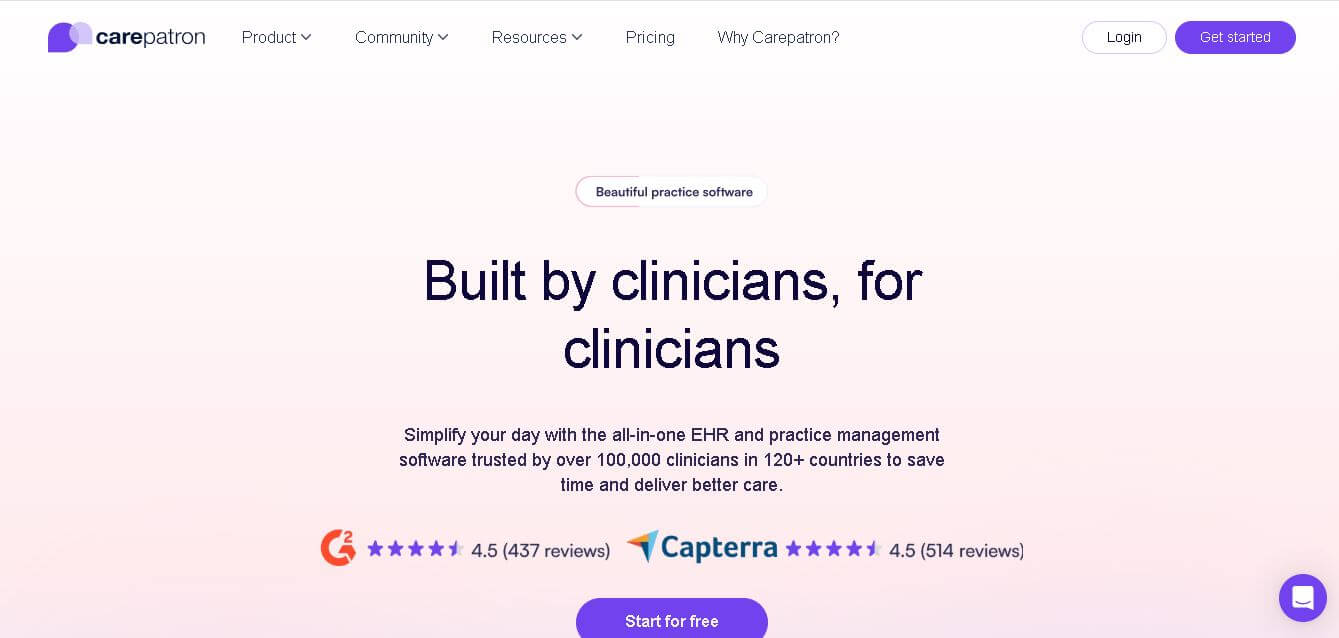
Carepatron is an all-in-one healthcare practice management platform that helps clinicians manage scheduling, telehealth, clinical notes, billing, and client communication in one place. It includes AI-powered documentation tools to automate admin work, allowing healthcare professionals to save time and focus more on patient care.
 4.8
4.8Hyro
Health
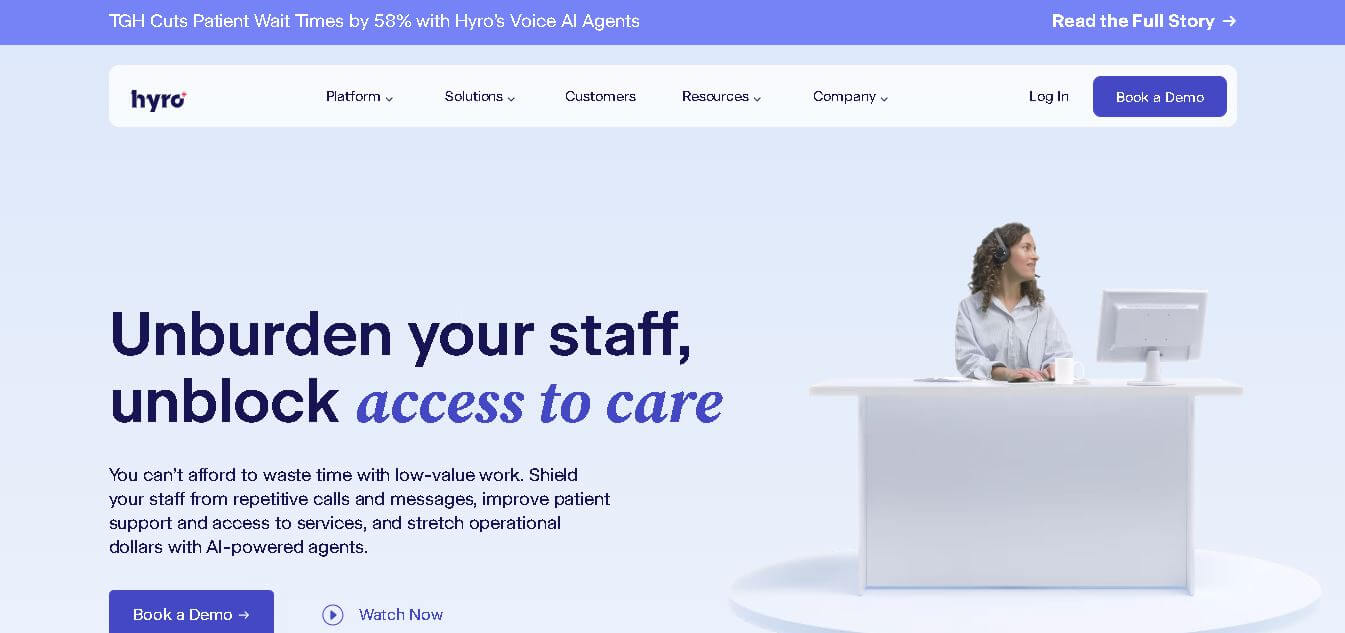
Hyro is a healthcare-focused conversational AI and communications platform providing HIPAA-compliant voice assistants, automated patient scheduling, call deflection, and multi-channel triage integrated with major EHR systems.