
SyncAgents
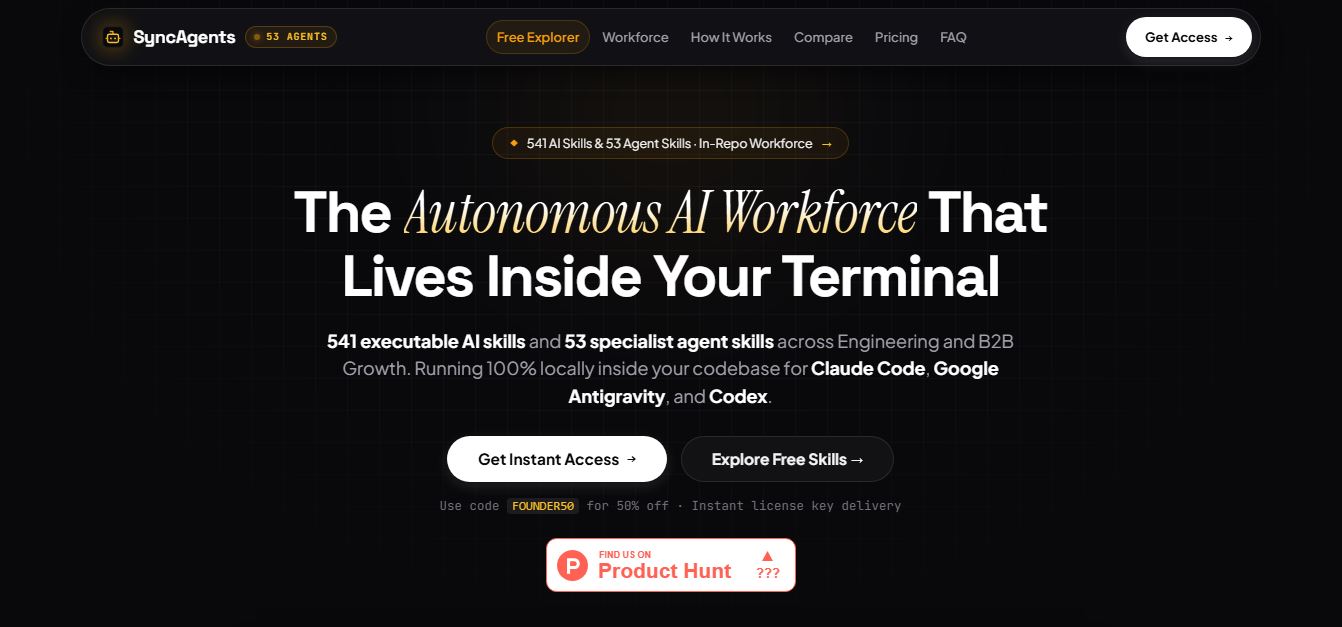
SyncAgents is an advanced AI workflow automation and agent synchronization platform designed to connect data pipelines, manage autonomous LLM workers, and streamline multi-agent operations.
What is SyncAgents?
SyncAgents is an AI-powered platform that helps automate workflows by connecting multiple tools and agents into a unified system. It enables businesses and developers to streamline tasks, coordinate processes, and reduce manual effort through intelligent automation. With a focus on integration and efficiency, SyncAgents makes it easier to manage complex operations, improve productivity, and ensure different systems work together seamlessly.
Positioned as an orchestration engine for multi-agent systems, SyncAgents provides seamless task synchronization, model-agnostic LLM routing, real-time agent monitoring, and automated data pipeline connectors. Operating on a flexible SaaS and developer tier structure, the platform equips users to build, deploy, and scale collaborating AI workers without messy custom glue code.
- Platform Role: AI Agent Orchestration, Multi-Agent Workflow Automation & Pipeline Sync Suite
- Core Capabilities: Agentic Task Synchronization, Multi-Model Routing, Real-Time Logs, and API Connectors
- Ecosystem Accessibility: Web Dashboard, REST API, and Developer SDKs
Use Cases:
- Coordinating multi-step agent workflows where outputs from one LLM worker trigger tasks in another
- Synchronizing unstructured data streams and knowledge bases across autonomous AI agents
- Monitoring agent execution traces, token consumption, and failure recovery points in real time
- Connecting custom internal databases and SaaS tools securely into agent execution loops
Technology:
- Asynchronous message-broker architecture ensuring reliable event delivery between distributed AI agents
- Model-agnostic routing layer supporting seamless switching between Claude, GPT, Gemini, and open-source models
- Encrypted credential and state isolation keeping agent memory secure during execution
Target Users:
- Software engineers and AI developers building complex multi-agent applications
- DevOps and platform teams managing automated AI workflows in production
- Technical product leads seeking centralized visibility over distributed AI tasks
Acquisition: Independent AI workflow platform (SyncAgents / syncagents.app)

What are the key features of SyncAgents?
SyncAgents' key platform features are
- Multi-Agent Orchestration: Easily link multiple specialized AI workers into collaborative sequential or parallel pipelines.
- Model-Agnostic Routing: Route subtasks to the most cost-effective or capable LLM (Claude, GPT, Gemini).
- Real-Time Execution Logs: Inspect agent thought traces, tool calls, and error states instantly.
- Automated Data Sync: Keep agent context refreshed with live triggers from webhooks, databases, and APIs.
- Secure Credential Isolation: Protect API keys and sensitive context within encrypted execution sandboxes.
- Developer API & SDKs: Integrate agent triggers and workflows directly into your existing software stack.
How much does SyncAgents cost?
SyncAgents operates on a tiered SaaS model scaled by execution volume, active agents, and team seats.
Pricing Plans:
- Developer Tier ($0 / mo introductory): Includes basic agent pipelines, community support, and standard monthly execution credits.
- Pro Team Plan (~$49 / mo): Unlocks advanced multi-agent orchestration, higher rate limits, priority model routing, and team collaboration.
- Enterprise Plan (Custom): Tailored for organizations requiring dedicated infrastructure, custom VPC deployment, SLA guarantees, and SSO.
Disclaimer: Pricing plans vary based on active agent runtimes and token volume. For current rates, visit syncagents.app.
Who should use SyncAgents?
SyncAgents is designed for developers and AI engineers, including
- Engineers building multi-agent autonomous systems and automated data pipelines
- Teams looking to monitor and debug complex LLM agent interactions easily
- Organizations scaling automated workflows across multiple AI model providers
What are the best alternatives to SyncAgents?
Some of the strongest SyncAgents alternatives include
- LangGraph
- CrewAI Enterprise
- Flowise
- n8n AI Workflows
- AI Toolbox
What are the pros and cons of SyncAgents?
What are the pros of SyncAgents?
- Simplifies the orchestration and debugging of complex multi-agent workflows
- Model-agnostic design prevents lock-in to any single AI provider
- Provides clear real-time execution logs and thought trace inspection
- Seamless API integration lets you trigger agent pipelines from existing software
What are the cons of SyncAgents?
- Requires technical familiarity with API webhooks and agent workflow concepts
- Advanced multi-branch pipelines require careful error handling configuration
Why should you choose SyncAgents?
Building and maintaining multi-agent AI systems manually often leads to fragile code, lost context, and difficult debugging. SyncAgents provides a robust orchestration layer that handles agent synchronization, model routing, and execution logging out of the box.
- Orchestrate collaborating AI agents without writing custom queuing systems
- Switch effortlessly between frontier LLM models to optimize performance and cost
- Debug agent errors rapidly with comprehensive real-time execution logs
- Scale automated workflows securely with robust API and webhook connectors
How does SyncAgents compare to competitors?
The main difference between SyncAgents, LangGraph, and CrewAI lies in managed cloud orchestration versus open-source code libraries. While frameworks like LangGraph and CrewAI require developers to self-host and manage complex agent loops via code packages, SyncAgents provides a centralized cloud-managed platform with built-in monitoring, model-agnostic routing, and visual workflow synchronization.
|
Feature / Platform |
SyncAgents |
LangGraph |
CrewAI Enterprise |
n8n AI Workflows |
|---|---|---|---|---|
|
Core Focus |
Managed AI Agent Orchestration & Sync |
Code-First Stateful Multi-Agent Framework |
Role-Based Collaborative AI Agents |
Visual Node-Based Workflow Automation |
|
Architecture |
Cloud-managed orchestration platform |
Python / TypeScript developer library |
Framework & enterprise platform |
Self-hosted / cloud workflow engine |
|
Model Flexibility |
Model-agnostic (Claude, GPT, Gemini) |
Fully custom code bindings |
Multi-model support |
Multi-node AI integrations |
|
Starting Price |
Free tier / Pro from ~$49/mo |
Open source library |
Enterprise pricing |
Free self-hosted / Cloud from €20/mo |
|
Best For |
Teams wanting managed multi-agent pipeline sync |
Developers writing custom stateful agent graphs |
Business teams deploying role-based AI crews |
Visualizing automated web service workflows |
How do we rate SyncAgents?
|
Parameter |
Rating (out of 5) |
|---|---|
|
Multi-Agent Orchestration & Sync |
4.8 |
|
Model-Agnostic Routing & Flexibility |
4.9 |
|
Real-Time Execution Logs & Debugging |
4.8 |
|
API & Webhook Integration Ease |
4.7 |
|
Value for Money |
4.7 |
|
Overall Score |
4.78 |
What is our review and verdict on SyncAgents?
SyncAgents offers a powerful, streamlined solution for engineering teams looking to coordinate multi-agent AI workflows without getting bogged down in custom infrastructure code. By providing robust orchestration, model-agnostic LLM routing, and crystal-clear real-time execution logs, it simplifies the complexities of production agent systems. While it requires technical familiarity with APIs and webhooks, SyncAgents delivers exceptional leverage for developers building autonomous workflows.
Conclusion
SyncAgents transforms scattered AI agent scripts into unified, reliable production pipelines. With its flexible routing, comprehensive debugging tools, and managed architecture, SyncAgents equips technical teams to scale multi-agent automation with confidence.
FAQ
What is SyncAgents and what does it actually do?
SyncAgents is a developer-focused tool that keeps instructions, rules, and workflows for AI coding assistants in sync across multiple tools like Claude, Cursor, Copilot, and Gemini. Instead of duplicating configs in different folders, it creates a single source of truth (usually AGENTS.md or .agents/) and automatically distributes it everywhere.
Why do developers need SyncAgents?
When teams use multiple AI coding tools, they often copy-paste the same rules across different configs, which quickly go out of sync. SyncAgents solves this by ensuring that any update made once is reflected across all tools instantly, eliminating configuration drift and reducing maintenance effort.
How does SyncAgents work behind the scenes?
SyncAgents works by maintaining a central directory or file that contains all AI instructions, then generating or linking tool-specific configuration files automatically. It can also use symlinks or managed blocks to keep everything aligned while preserving any custom edits outside controlled sections.
Which AI tools are supported by SyncAgents?
SyncAgents supports a wide range of AI coding assistants including Claude Code, Cursor, GitHub Copilot, Gemini CLI, Windsurf, and others. It generates the correct configuration format for each tool so they all read the same instructions without manual setup.
Can SyncAgents be used across multiple repositories or teams?
Yes, SyncAgents is designed for multi-repo and team environments where shared rules, workflows, and skills need to stay consistent. It can pull shared configurations from external sources, version them using lockfiles, and distribute them safely across projects.
Who should use SyncAgents?
SyncAgents is ideal for developers, AI engineers, and teams that rely on multiple AI coding tools and want consistent behavior across them. It’s especially useful for organizations building AI-assisted workflows where shared rules, standards, and context need to remain synchronized.
User Reviews
No reviews yet for SyncAgents.
Featured Tools
Featured AI tools from TechShark
Melody Genie
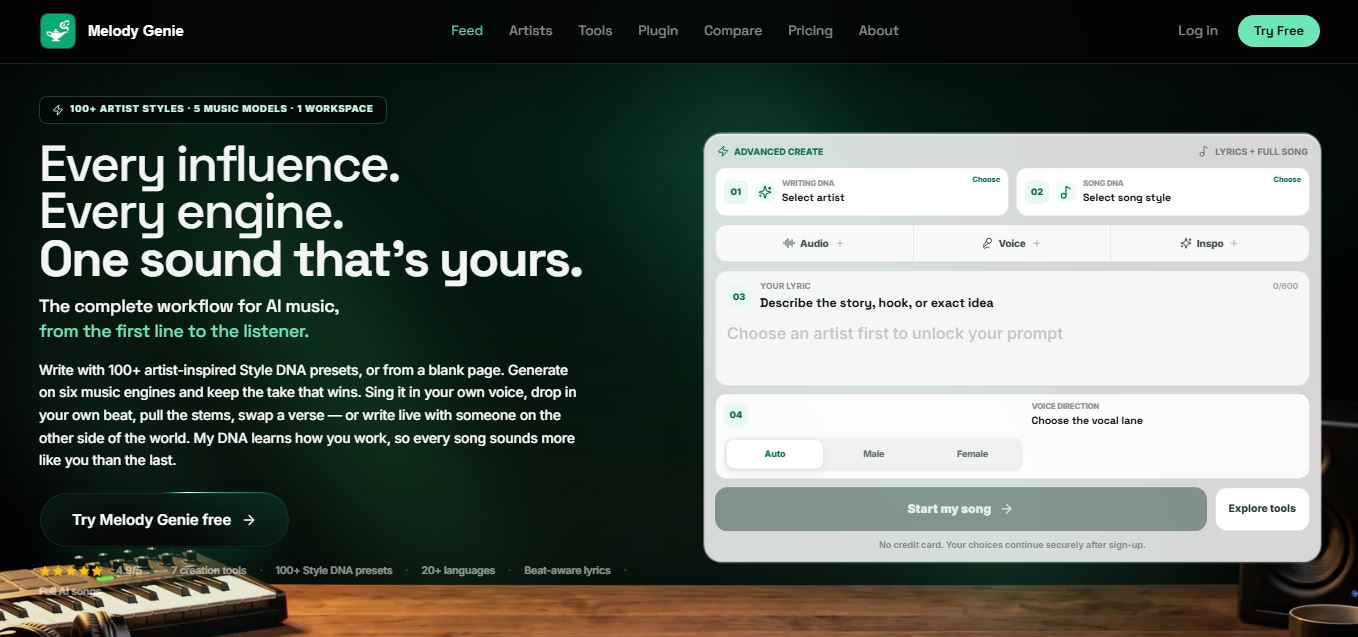
MelodyGenie is an AI-powered music generator that creates original songs from simple text prompts. Users can choose styles, moods, and genres, then instantly generate melodies and full tracks, making it easy for creators, marketers, and hobbyists to produce custom music without musical expertise.
Freemium
Kimi AI
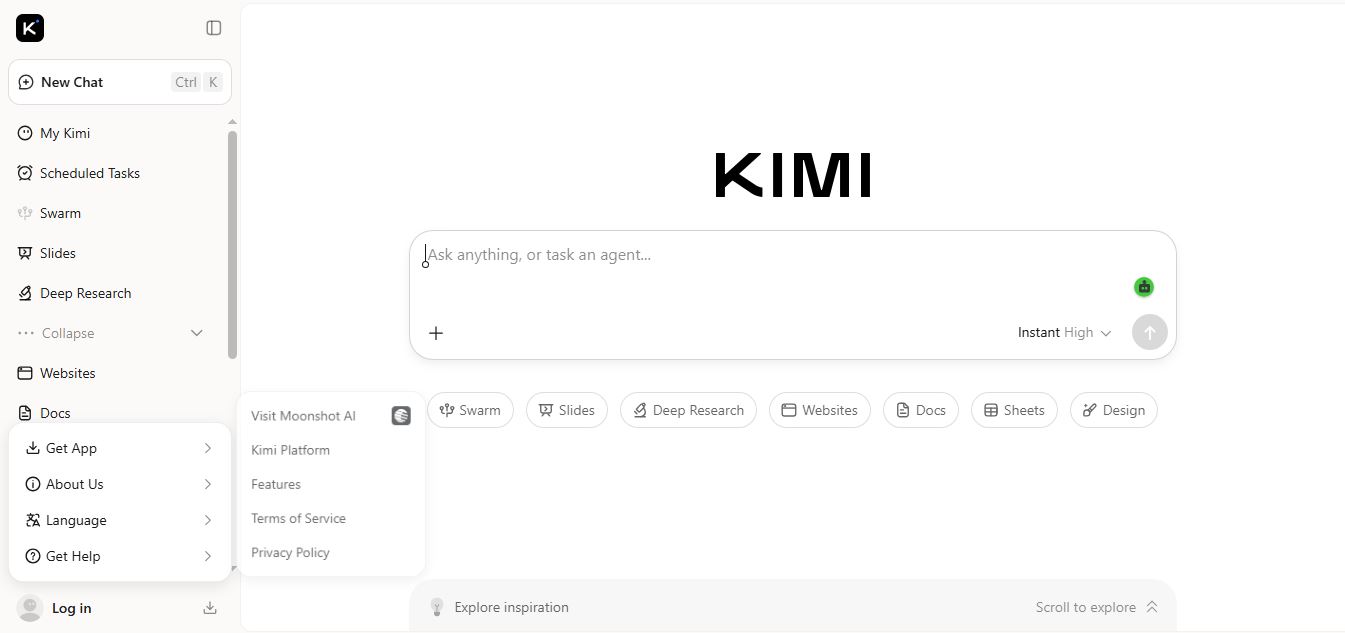
Kimi AI is an advanced AI assistant developed by Moonshot AI that helps you chat, research, write, code, and automate tasks in one place. It supports web search, file analysis, and multimodal inputs, and can even run autonomous “agent” workflows to complete complex tasks end-to-end.
Freemium
Fashion Diffusion AI
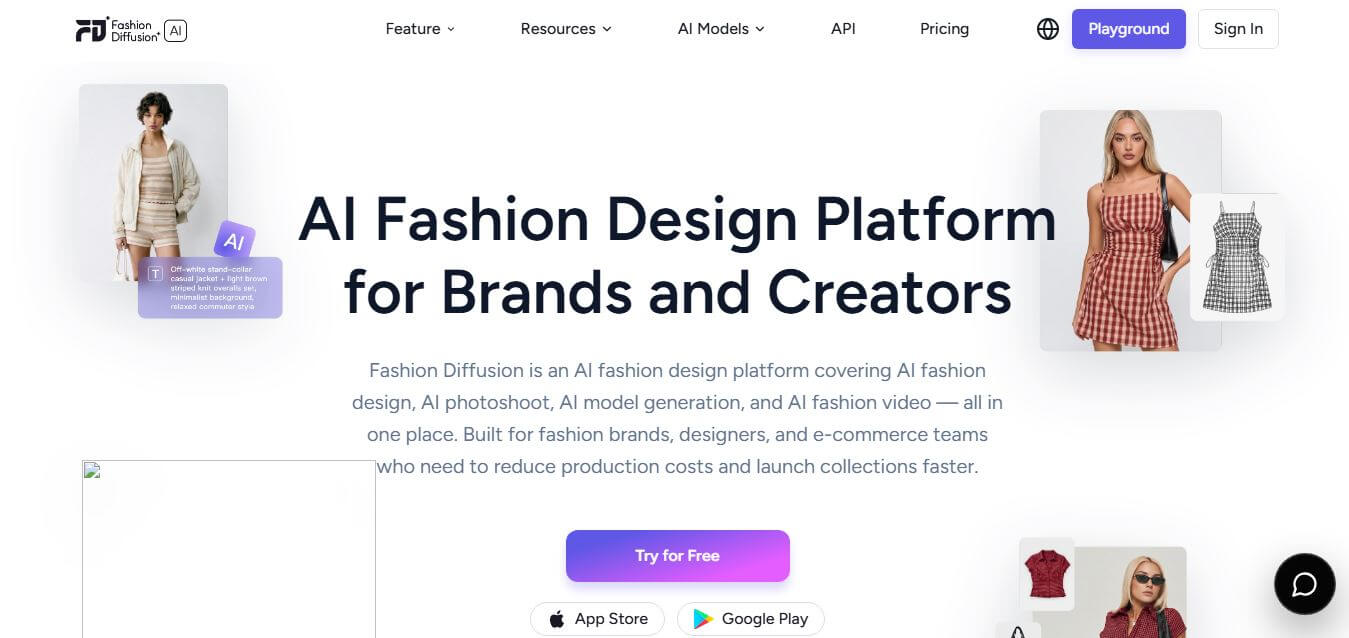
Fashion Diffusion is an AI-powered fashion design platform that helps brands and designers create clothing designs, virtual try-ons, AI models, product photos, and marketing visuals faster and cost-effectively.
Paid
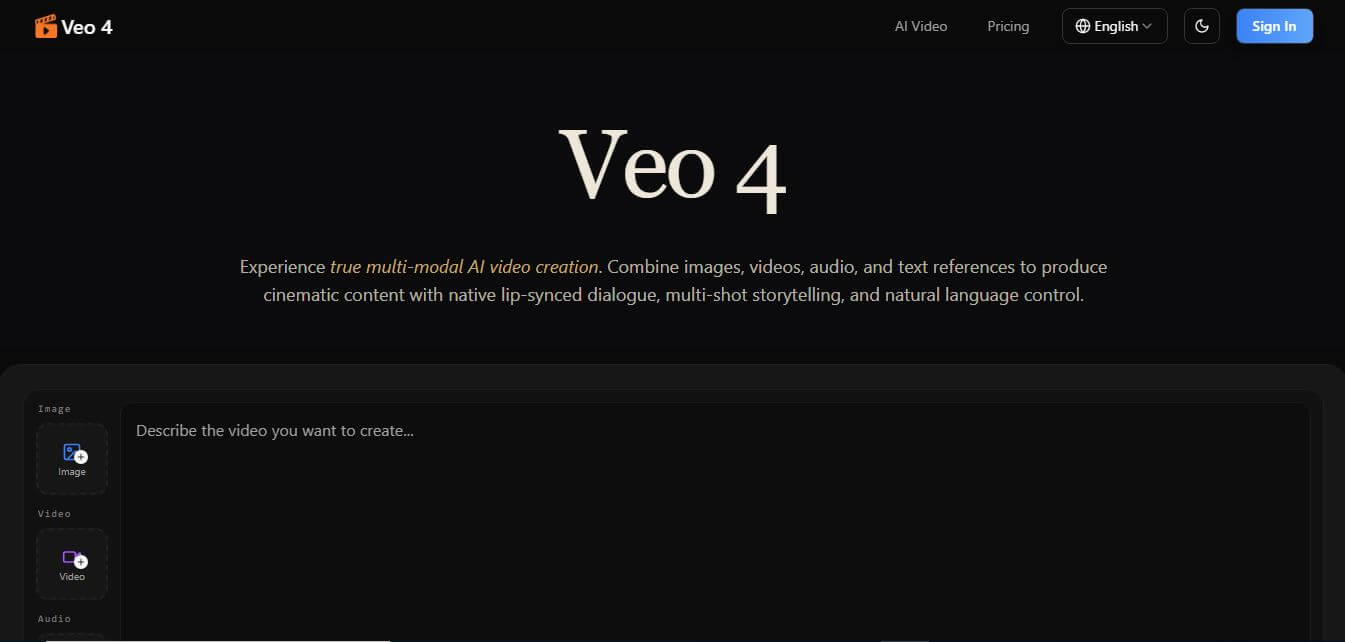
Veo 4
Veo 4 AI is an AI video creation platform that generates dramatic videos from text, images, audio, and video prompts using realistic motion and synchronized sound.
Paid
Alternatives
Alternatives to SyncAgents
The best SyncAgents alternatives include LangGraph, CrewAI Enterprise, Flowise, n8n AI Workflows, and <a href="https://techshark.io/tools/ai-toolbox/" target="_blank">AI Toolbox</a>. These platforms provide AI agent orchestration and workflow automation capabilities. While SyncAgents specializes in a managed cloud platform for synchronizing collaborating AI workers with real-time logs and model-agnostic routing, alternatives like LangGraph focus on code-first stateful agent graphs.
 4.9
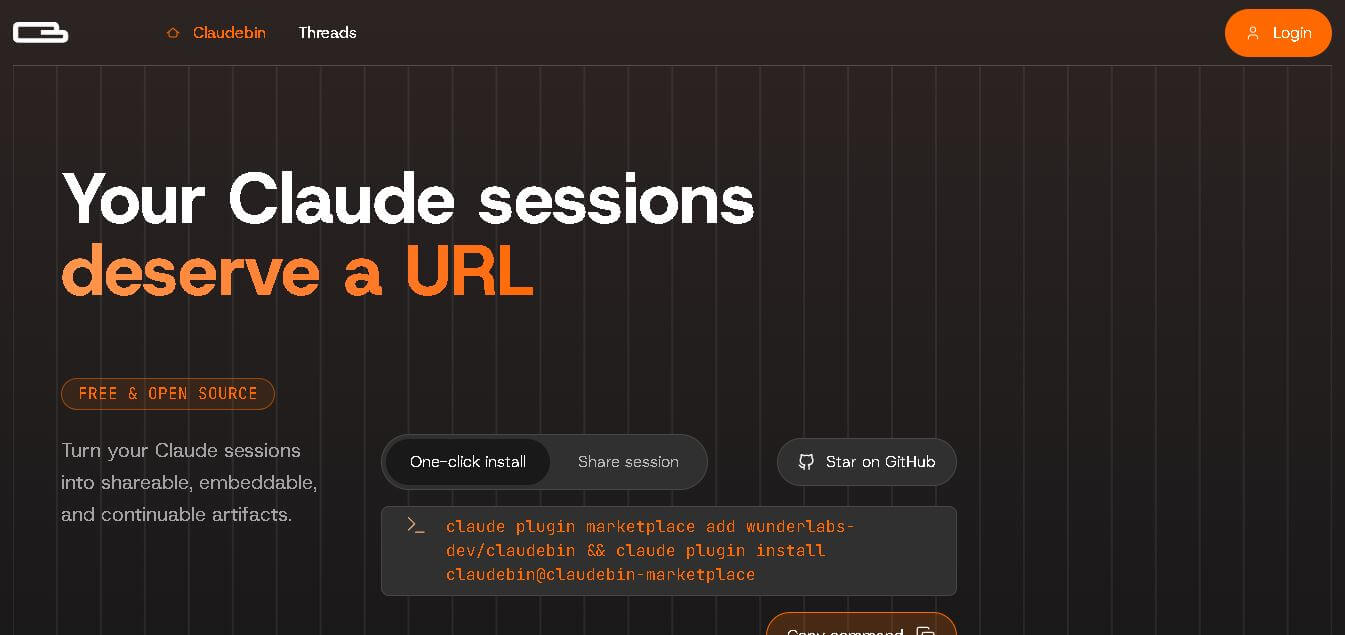
4.9Claudebin
Code Assistant
Claudebin is an open-source tool for sharing Claude Code sessions through structured, accessible web links. It captures conversations, file operations, terminal commands, and tool calls, helping developers explain their coding workflows. With session viewing and embedding capabilities, it simplifies technical documentation, collaboration, debugging discussions, and knowledge sharing across development projects.
 4.9
4.9GitFluence
Code Assistant
GitFluence is an AI-powered Git command generator that helps developers turn plain-English instructions into exact Git commands. It eliminates the need to memorize syntax, speeds up version control workflows, and lets users quickly copy accurate commands for tasks like branching, merging, and fixing commits.
 4.9
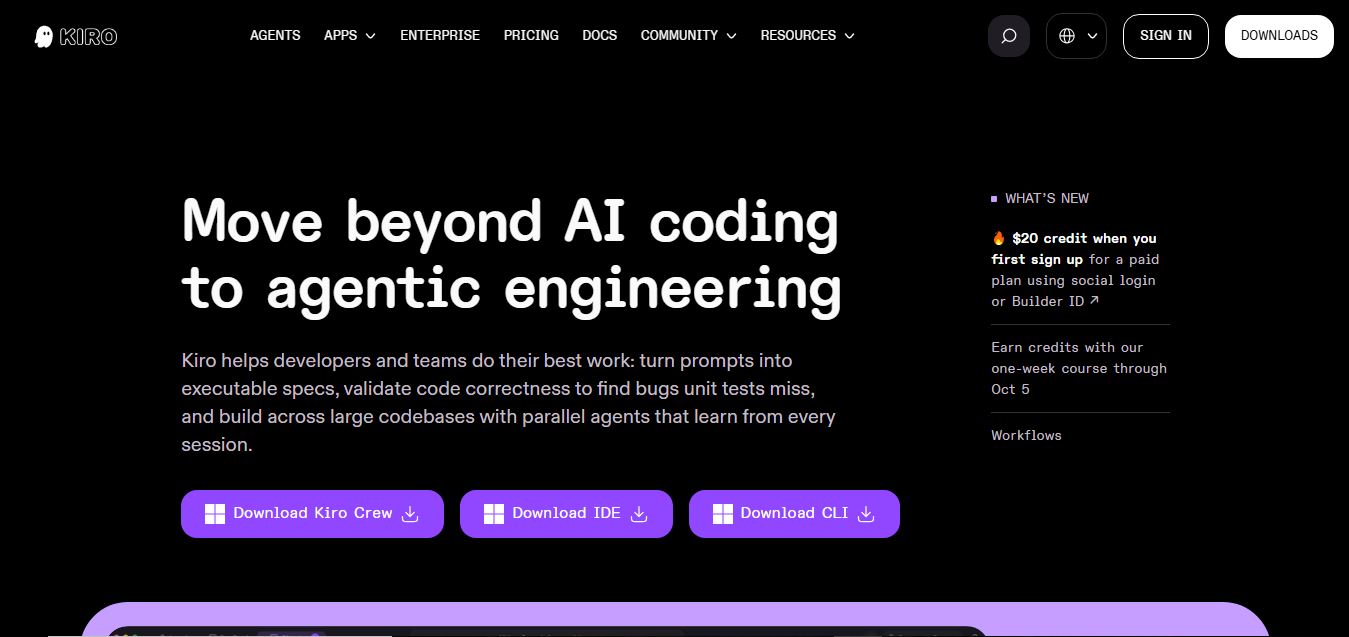
4.9Kiro
Vibe Coding
Kiro is an AI-powered developer platform that helps teams plan, build, and ship software using autonomous agents. It turns prompts into structured specs, writes and tests code, and automates workflows across IDE, CLI, and cloud, enabling faster, reliable development from prototype to production.
 4.8
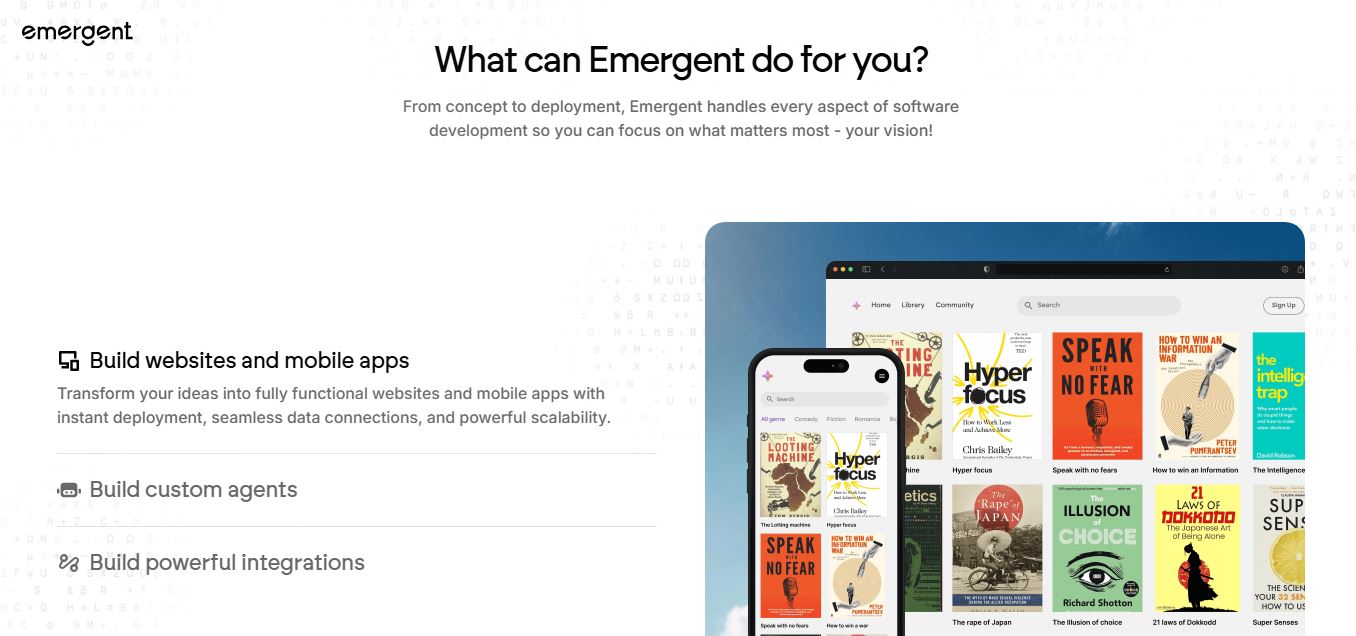
4.8Emergent
Vibe Coding
Emergent is an AI-powered app builder that lets users create full-stack web and mobile applications by simply describing their idea. It uses autonomous agents to plan, code, test, and deploy apps, handling everything from backend to hosting without requiring traditional programming skills.
 4.7
4.7Amazon Q Developer
Code Assistant
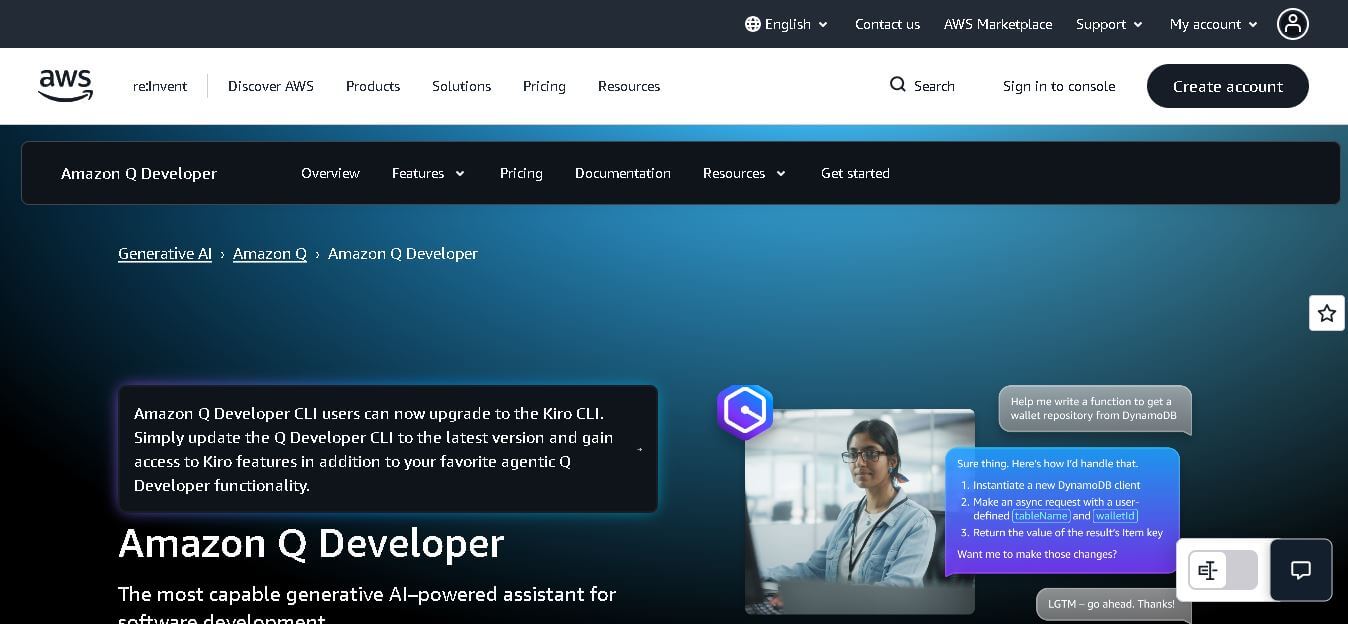
Amazon Q Developer helps developers write, explain, test, refactor, secure, and troubleshoot code while working with AWS services. It provides conversational assistance, inline suggestions, agentic coding, and cloud guidance across supported IDEs, command-line environments, and AWS interfaces. Its goal is to reduce repetitive work and help teams move from ideas to deployable software.
 4.9
4.9GitLab
Code Assistant
GitLab is a DevOps platform that provides a complete suite for planning, coding, testing, and deploying software in one place. It combines version control, CI/CD, security, and collaboration tools, helping teams streamline development workflows and deliver software faster and more efficiently.
 4.9
4.9CodeRabbit
Code Assistant
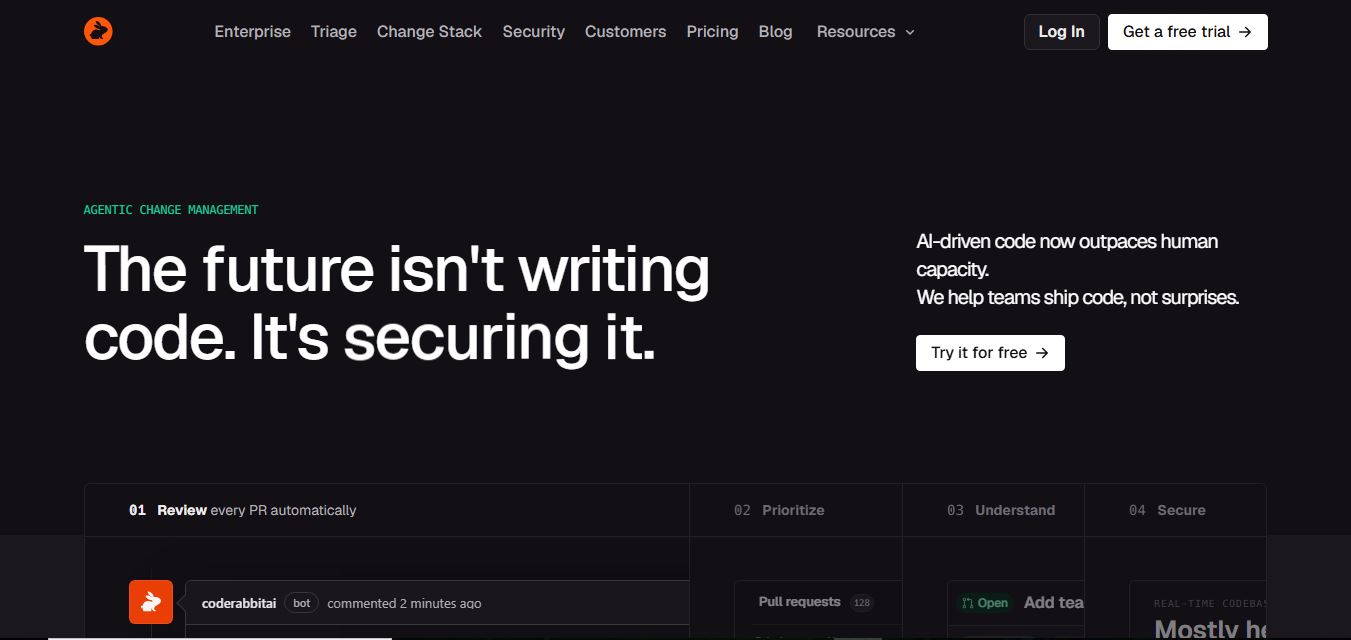
CodeRabbit is an AI-powered code review assistant that helps developers catch bugs, improve code quality, and speed up pull requests. It analyzes code changes in real time, provides actionable feedback, and integrates with Git workflows to make reviews faster and more efficient.
 4.9
4.9Sourcery
Code Assistant
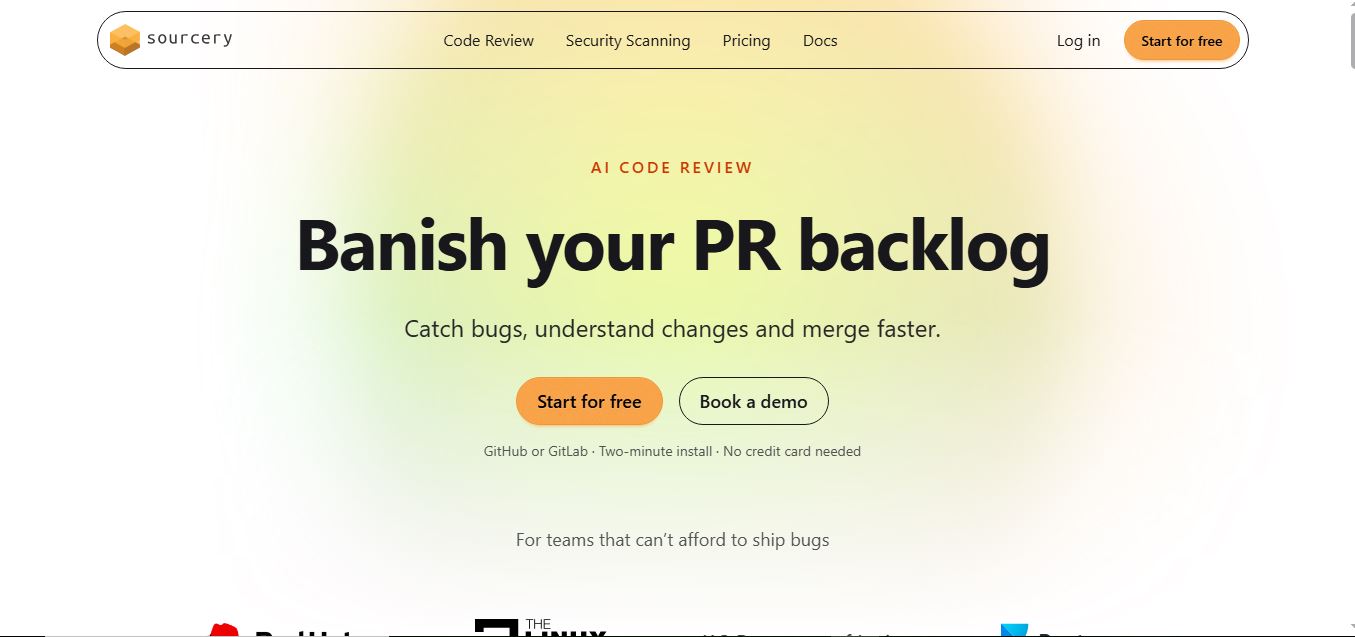
Sourcery is an AI-powered code refactoring tool that helps developers automatically improve Python code quality. It analyzes code, suggests cleaner and more efficient alternatives, and applies refactors instantly, making code more readable, maintainable, and aligned with best practices.
Tenki Cloud
Code Assistant
Tenki Cloud is a high-performance, cost-efficient cloud infrastructure platform offering disposable sandboxes for AI agents, self-hosted GitHub Actions runners, and automated AI code review.