Scratch
Scratch (scratch.mit.edu) is the world's largest free coding community and visual programming language for children, developed by the Lifelong Kindergarten Group at the MIT Media Lab, allowing kids to create interactive stories, games, and animations.
What is Scratch?
Scratch (scratch.mit.edu) is the world’s leading free visual programming language and online creative community designed primarily for children aged 8 to 16. Developed by the Lifelong Kindergarten Group at the MIT Media Lab, Scratch enables young learners to program their own interactive stories, games, and animations by snapping together colorful visual code blocks rather than typing complex syntax.
Traditional computer science education often begins with intimidating text-based syntax that frustrates beginners. Scratch revolutionizes early coding education by making programming as intuitive as building with LEGO bricks. Millions of children worldwide use Scratch to express their creativity, think logically, and collaborate in a vibrant, safe online community.
- Core Focus: Visual Block-Based Coding, Interactive Game Development & Creative Community
- Platform Type: 100% Free Web-Based Programming Environment & Global Online Creator Community
Use Cases:
- Empowering kids and students to design and code custom video games, platformers, and arcade challenges
- Creating interactive digital stories, animated cartoons, and multimedia art projects
- Learning foundational computer science concepts like loops, conditional logic, variables, and event handling
- Sharing creative projects publicly and remixing community-made games and code blocks
Technology:
- Drag-and-drop visual block programming architecture built on HTML5 and JavaScript
- Offline and online editor supporting multi-platform execution across desktop browsers, tablets, and computers
- Robust moderation and safety algorithms protecting young creators within the global online community
Target Users:
- Children and Students aged 8 to 16 learning to code for the first time
- K-12 Computer Science Teachers, Coding Instructors, and Librarians
- Parents and Homeschooling Families seeking free, high-quality STEM education tools
- Content creators using writing tools to draft coding tutorials, curriculum guides, and STEM educational reviews
Corporate Entity: Scratch Foundation (in collaboration with the MIT Media Lab / Cambridge, MA, USA)
Key features of Scratch
Scratch's key features are
- Visual Drag-and-Drop Blocks: Snap together code blocks for motion, looks, sound, events, control, and sensing without syntax errors.
- Global Online Community: Share projects, explore millions of community creations, leave constructive feedback, and remix code.
- Built-in Paint Editor & Sound Recorder: Draw custom characters (sprites), design backgrounds, and record custom audio or music.
- ScratchJr Companion App: Scaled-down visual programming app for younger children aged 5 to 7.
- Educator Accounts & Classrooms: Teachers can manage student accounts, create virtual studios, and track classroom coding progress.
- 100% Free & Open Access: Entirely free platform supported by the non-profit Scratch Foundation and philanthropic partners.
Scratch Pricing
Scratch is completely free for all users worldwide as part of the Scratch Foundation's non-profit mission to make creative computing accessible to every child.
Cost & Access:
- 100% Free: Unlimited access to the online editor, community sharing, educator accounts, and coding tutorials
- No Ads or Paywalls: Completely free forever without commercial advertisements or premium subscriptions
Disclaimer: Scratch is operated by the non-profit Scratch Foundation and is funded through donations and grants. Visit scratch.mit.edu to start coding instantly.
Who is using Scratch?
Scratch is designed for young learners, educators, and creators worldwide, including
- Students & Kids (Ages 8–16): Building games, animations, and interactive stories independently
- K-12 Computer Science Teachers: Teaching foundational programming concepts in classrooms globally
- Coding Camps & After-School Programs: Utilizing Scratch as the baseline introductory curriculum for young programmers
- Content Creators: Using writing tools to draft coding curricula, game design guides, and educational articles
Best Scratch Alternatives
Some of the top Scratch alternatives include
- Tynker
- Code.org (App Lab / Game Lab)
- Blockly (Google)
- Roblox Studio
- Minecraft: Education Edition
- Hopscotch
Pros and Cons of Scratch
Pros
- Completely free, open-access platform with zero subscription fees or advertisements
- Intuitive visual block coding eliminates syntax frustration and lowers the barrier to entry
- Massive global community encourages collaboration, inspiration, and project remixing
- Backed by the prestigious MIT Media Lab and Scratch Foundation educational research
Cons
- Block-based structure eventually requires transitioning to text-based languages (Python, JavaScript) for advanced computer science
- Online community moderation requires ongoing vigilance to maintain safe interactions among millions of young users
- Performance can occasionally lag with extremely complex or graphic-heavy sprite projects
Why Choose Scratch?
Scratch is the definitive choice for introducing children to computer science, offering a joyful, creative, and completely free visual programming environment.
- Fosters computational thinking, problem-solving, and creative expression
- Provides a thriving, moderated global community of young creators
- 100% free and open to everyone, everywhere without ads or paywalls
Scratch vs. Competitors
The main difference between Scratch, Tynker, and Code.org is that Scratch is a 100% free, non-profit open community created by MIT specifically focused on open-ended creative expression and storytelling through block coding, whereas Tynker and Code.org often incorporate gamified paid courses, structured lesson pathways, and commercial add-ons. Scratch stands out for its unmatched community scale and creative freedom.
| Feature / Tool | Scratch (scratch.mit.edu) | Tynker | Code.org | Roblox Studio |
|---|---|---|---|---|
| Core Focus | Visual Block Coding & Creative Community | Gamified Coding Courses & Minecraft Modding | K-12 Computer Science Curriculum & Labs | 3D Game Development & Lua Scripting |
| Pricing | 100% Free (Non-Profit Foundation) | Paid Subscriptions / Free Tiers | 100% Free (Non-Profit) | Free Editor / Monetized Ecosystem |
| Target Age | Ages 8 to 16 | Ages 5 to 18 | K-12 Students & Teachers | Ages 13+ (Advanced Creators) |
| Community Sharing | Yes (Global Public Remix Community) | Platform Community | Classroom Shares | Roblox Marketplace |
| Best For | Kids wanting open-ended game and story creation for free | Structured, gamified coding paths and modding | School districts implementing structured CS curricula | Teens building immersive 3D multiplayer games |
How do we rate Scratch?
| Parameter | Rating (out of 5) |
|---|---|
| Visual Programming & Ease of Use | 5.0 |
| Community & Creative Freedom | 5.0 |
| Educational Impact & Pedagogy | 5.0 |
| Teacher & Classroom Tools | 4.8 |
| Value for Money | 5.0 |
| Overall Score | 4.96 |
Scratch Review
Scratch is a legendary, world-changing educational platform that has introduced tens of millions of children to the joys of computer science and computational thinking. Developed by the MIT Media Lab, its ingenious visual block-based programming removes syntax barriers while empowering young creators to build games, animations, and interactive stories. Backed by a vibrant, safe global community and 100% free non-profit access, Scratch remains the undisputed gold standard for introductory coding. For children, parents, and educators seeking the premier creative programming environment in 2026, Scratch is an absolute masterpiece.
Conclusion
Scratch is the world’s premier free visual programming language and online community for kids. Featuring intuitive drag-and-drop code blocks, multimedia creation tools, and a massive global sharing network, it empowers young learners to think creatively, reason systematically, and work collaboratively. It stands out as an essential educational technology platform in 2026.
User Reviews
No reviews yet for Scratch.
Featured Tools
Featured AI tools from TechShark
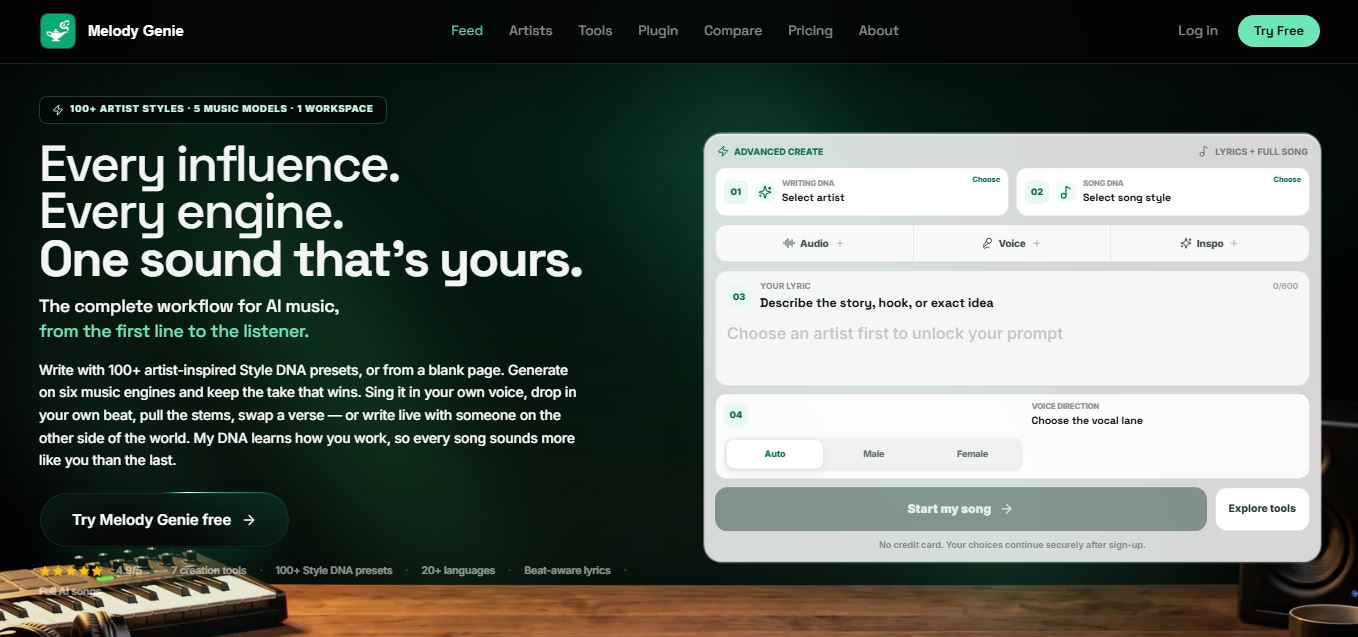
Melody Genie
MelodyGenie is an AI-powered music generator that creates original songs from simple text prompts. Users can choose styles, moods, and genres, then instantly generate melodies and full tracks, making it easy for creators, marketers, and hobbyists to produce custom music without musical expertise.
Freemium
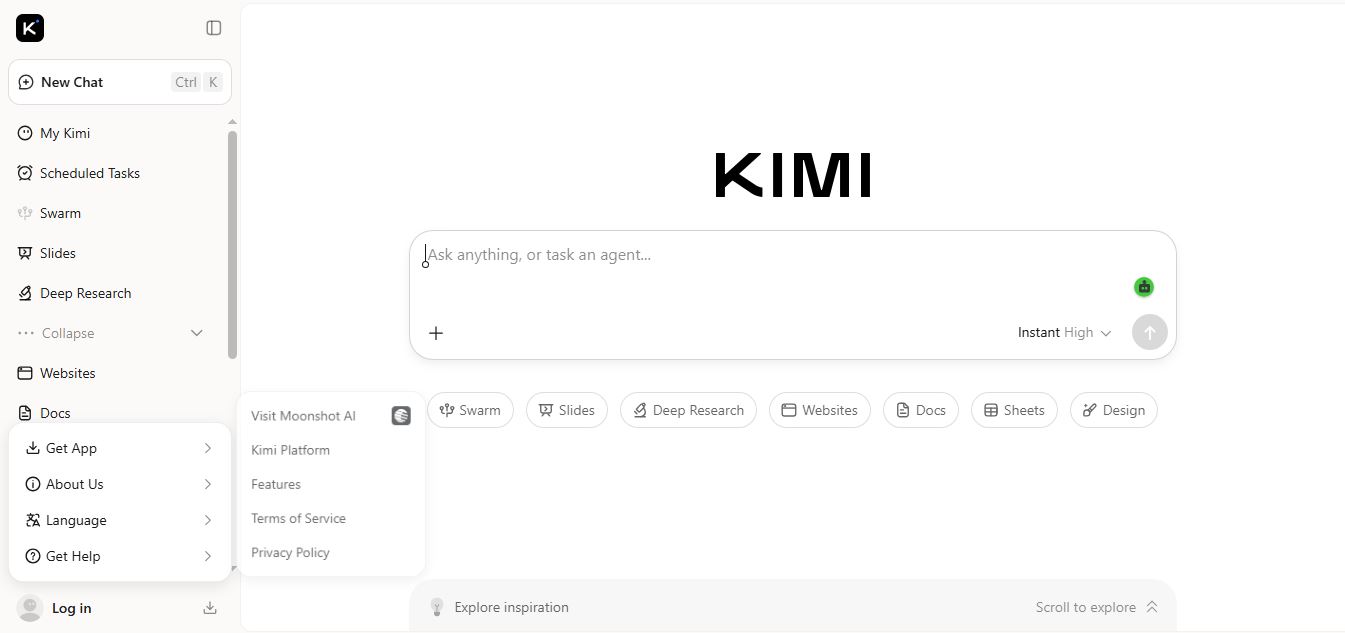
Kimi AI
Kimi AI is an advanced AI assistant developed by Moonshot AI that helps you chat, research, write, code, and automate tasks in one place. It supports web search, file analysis, and multimodal inputs, and can even run autonomous “agent” workflows to complete complex tasks end-to-end.
Freemium
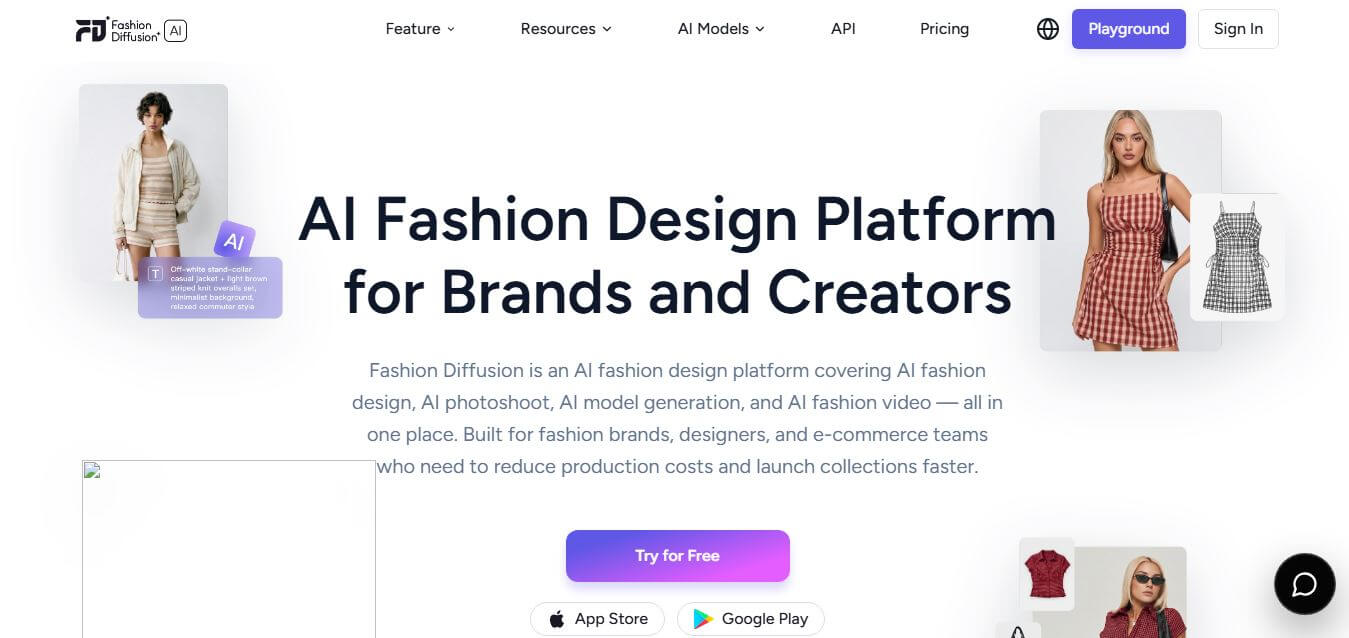
Fashion Diffusion AI
Fashion Diffusion is an AI-powered fashion design platform that helps brands and designers create clothing designs, virtual try-ons, AI models, product photos, and marketing visuals faster and cost-effectively.
Paid
Veo 4
Veo 4 AI is an AI video creation platform that generates dramatic videos from text, images, audio, and video prompts using realistic motion and synchronized sound.
Paid
Alternatives
Alternatives to Scratch
The best Scratch alternatives include Tynker, Code.org, Blockly, Roblox Studio, Minecraft Education, and Hopscotch. These platforms offer coding education and game development tools for youth. While Scratch provides a 100% free open-ended creative programming community designed by MIT, alternatives like Tynker offer structured gamified courses and modding.
 4.8
4.82short.ai
AI Agent
2short.ai (2short.ai) is an AI-powered video repurposing tool designed to automatically extract engaging shorts, reels, and clips from long-form YouTube videos using facial tracking, dynamic subtitles, and smart cropping.
BedtimeStory.ai
AI Agent
BedtimeStory.ai (bedtimestory.ai) is a popular AI-powered children's story generation platform co-founded by Linus Ekenstam that crafts instant, hyper-personalized illustrated bedtime stories featuring your child, family members, and persistent custom characters with choices for genre, art style, and moral lessons.
Oscar Stories
AI Agent
Oscar Stories (oscarstories.com) is an AI-powered personalized children's book generator that creates custom, beautifully illustrated bedtime stories featuring your child as the main hero, tailored to their age, interests, and moral lessons.
MyStorybook
AI Agent
MyStorybook (mystorybook.com) is an intuitive, creative digital storytelling and book-publishing platform designed for children, teachers, and young creators to write, illustrate, and publish their own personalized storybooks online.
Algo.kids
AI Agent
Algo.kids (algo.kids) is an interactive, gamified algorithmic thinking and coding platform designed for children and young learners to master programming logic, data structures, and computational problem-solving through visual puzzles and interactive challenges.
Tinkly AI
AI Agent
Tinkly AI (tinkly.ai) is India's leading gamified AI and coding learning platform for Class 2 to 12+ students (ages 7 to 18), featuring four age-banded learning paths (Spark, Flame, Blaze, and Nova), 500+ interactive quests, AI/ML prompt engineering missions, and free CS mock exams aligned with CBSE, ICSE, IGCSE, and IB curricula.
Launch Kids
AI Agent
Launch Kids (launch.kids) is an innovative, hands-on STEM, coding, and artificial intelligence education platform that empowers children to learn computational thinking, build digital projects, and explore future-ready technology through interactive tools and structured learning paths.
KidsZone
AI Agent
KidsZone (kidszone.org.in) is an interactive Indian AI and coding learning platform designed for children aged 4 to 14, combining phonics, digital logic, 3D AI learning companions, and block-to-Python coding missions.
AI4K12
AI Agent
AI4K12 (ai4k12.org) is a national initiative joint-sponsored by the Association for the Advancement of Artificial Intelligence (AAAI) and the Computer Science Teachers Association (CSTA) that defines national guidelines, progression charts, and the 'Five Big Ideas in AI' framework for K-12 artificial intelligence education.