
Lex Machina
Lex Machina is an AI-powered legal analytics platform that empowers attorneys with data-driven insights, helping them improve case strategy, litigation outcomes, and client services.

What is Lex Machina?
- Founder: Josh Becker
- Launch: 2010
- Use Cases: Litigation strategy, legal research, client advisory, competitive analysis, risk assessment
- Technology: Natural Language Processing (NLP), Data Analytics, Artificial Intelligence
Lex Machina is an AI-powered legal platform that transforms the way attorneys, law firms, and corporate law departments approach litigation through its powerful legal analytics platform. Lex Machina analyzes millions of court cases and docket entries to identify actionable insights that will help litigation professionals predict outcomes, analyze trends, and develop a stronger legal strategy. Originally developed at Stanford Law School, Lex Machina employs cutting-edge natural language processing and artificial intelligence techniques to transform complex legal data into actionable intelligence. One of the main benefits of Lex Machina is its analytics tools, which help judges, law firms, attorneys, and parties to assess performance, spot trends, and anticipate possible actions from opposing lawyers. Businesses utilize Lex Machina to understand their litigation risk, while law firms rely on Lex Machina to attract clients, gauge the strength of a case, and develop a courtroom strategy. For patent litigation, commercial litigation, or securities litigation, Lex Machina is an incredibly deep and rich source of reliable data to help make smarter legal decisions with a greater body of data to rely on, replacing guesswork. Lex Machina enables users to be more proactive and to try to stay ahead of the competition in a more competitive legal landscape.
People are also reading
FAQ
What is Lex Machina used for?
Lex Machina is used to provide legal analytics that improve litigation strategies, predict outcomes, and assist in client advice.
Who can benefit from Lex Machina?
Law firms, attorneys, corporate legal departments, and businesses seeking data-driven legal insights can benefit from Lex Machina.
What type of data does Lex Machina analyze?
It analyzes millions of federal and state court cases, including judges’ rulings, law firm performance, and party litigation history.
How does Lex Machina help in litigation?
It offers statistical data on trends, judges’ past decisions, opposing counsel strategies, and case outcomes to strengthen litigation planning.
Is Lex Machina powered by AI?
Yes, Lex Machina uses artificial intelligence, machine learning, and natural language processing to deliver accurate and actionable legal analytics.
User Reviews
No reviews yet for Lex Machina.
Featured Tools
Featured AI tools from TechShark
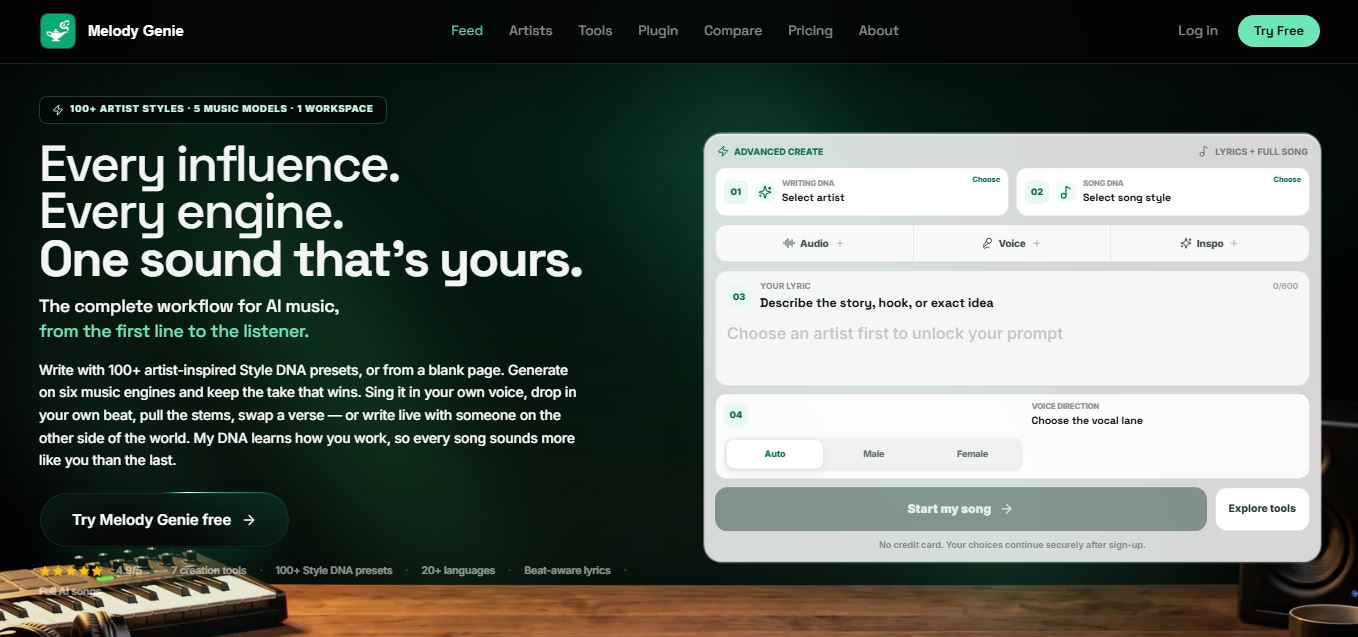
Melody Genie
MelodyGenie is an AI-powered music generator that creates original songs from simple text prompts. Users can choose styles, moods, and genres, then instantly generate melodies and full tracks, making it easy for creators, marketers, and hobbyists to produce custom music without musical expertise.
Freemium
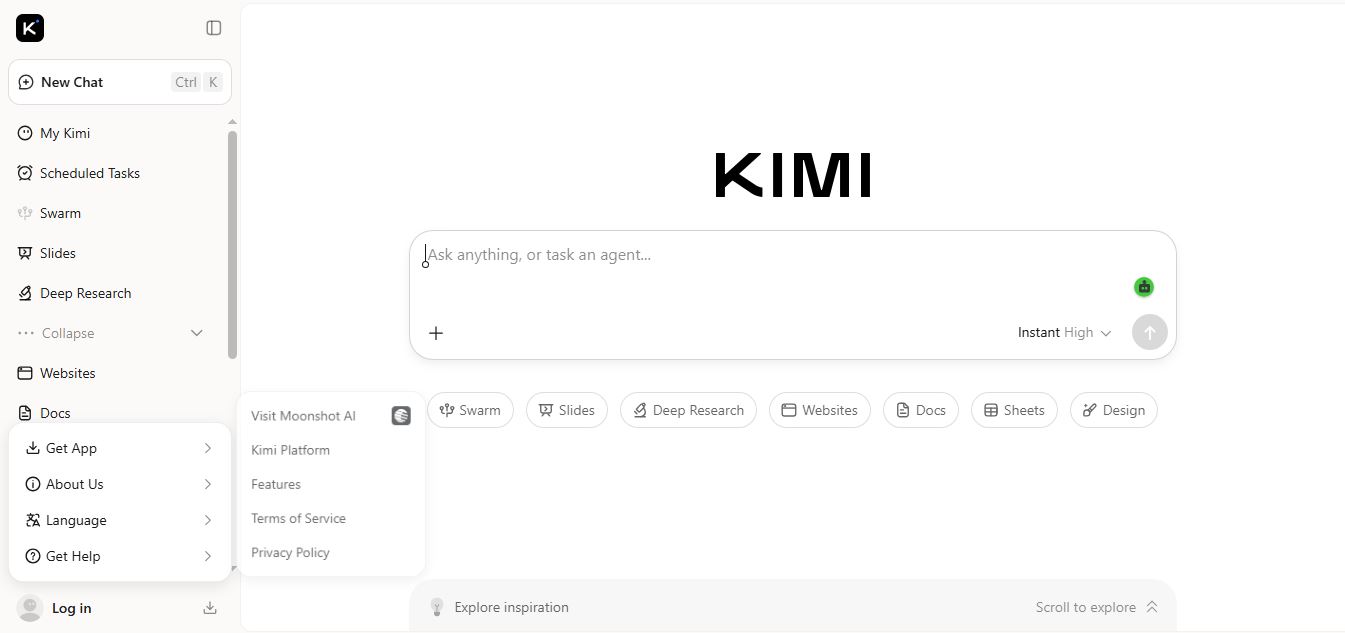
Kimi AI
Kimi AI is an advanced AI assistant developed by Moonshot AI that helps you chat, research, write, code, and automate tasks in one place. It supports web search, file analysis, and multimodal inputs, and can even run autonomous “agent” workflows to complete complex tasks end-to-end.
Freemium

Fashion Diffusion AI
Fashion Diffusion is an AI-powered fashion design platform that helps brands and designers create clothing designs, virtual try-ons, AI models, product photos, and marketing visuals faster and cost-effectively.
Paid
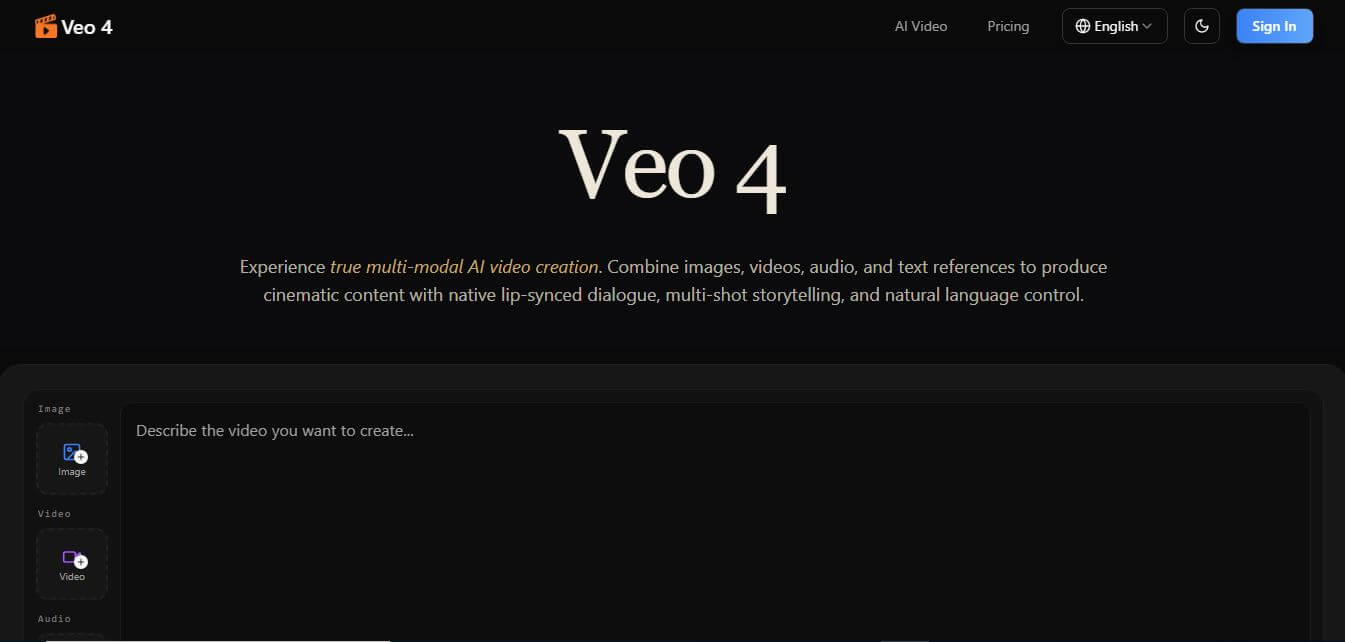
Veo 4
Veo 4 AI is an AI video creation platform that generates dramatic videos from text, images, audio, and video prompts using realistic motion and synchronized sound.
Paid
Alternatives
Alternatives to Lex Machina
Lex Machina is an AI-powered legal platform that provides comprehensive legal analytics by analyzing millions of court cases, enabling law firms and businesses to make informed strategic decisions, anticipate outcomes, and gain a competitive edge in litigation.
 4.9
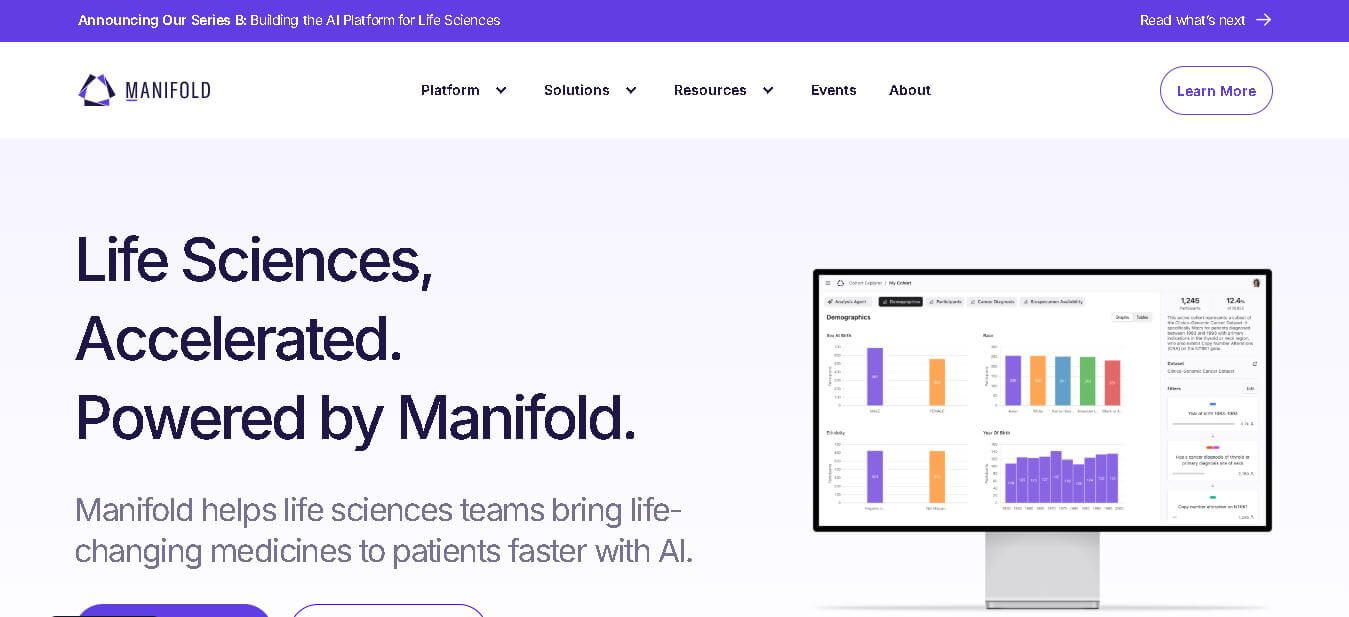
4.9Manifold
Research
Manifold helps life sciences organizations turn complex clinical, genomic, and real-world data into governed, self-service insights. Its specialist agents support natural-language queries, cohort building, bioinformatics, statistical analysis, data partnerships, and evidence generation. Teams can keep sensitive data within their cloud while controlling access, auditing activity, and scaling research workflows securely.
 5.0
5.0Rayyan
Research
Rayyan is an AI-powered systematic review and literature review platform that helps researchers organize references, remove duplicates, screen studies, extract data, assess risk of bias, and generate PRISMA reports. Its AI features assist with relevance ranking, article screening, and structured data extraction while keeping researchers in control.
 4.9
4.9EvidenceHunt
Research
EvidenceHunt is an AI-powered medical research platform that helps clinicians, researchers, and life science teams find and analyze scientific evidence. It searches medical literature, guidelines, and internal documents, then generates citation-grounded answers, evidence tables, systematic reviews, and traceable insights for faster, evidence-based research.
 4.9
4.9Elicit
Research
Elicit is an AI-powered research assistant that helps users find, summarize, and analyze academic papers at scale. It searches millions of studies, extracts key data, and generates evidence-backed reports, enabling researchers to conduct literature reviews, compare findings, and make informed decisions faster.
 4.8
4.8Scholarcy
Research
Scholarcy is an AI-powered research assistant that helps students and researchers summarize, analyze, and organize academic papers. It turns complex documents into structured flashcards with key findings, concepts, and references, enabling faster reading, better understanding, and efficient literature review workflows.
 4.9
4.9Resoomer
Research
Resoomer is an AI-powered text summarization tool that helps users quickly turn long articles, research papers, and documents into concise summaries. It identifies key ideas, supports multiple formats like PDFs and URLs, and includes tools for paraphrasing, translating, and analyzing content for faster understanding.
 4.9
4.9Consensus
Academic
Consensus is an AI-powered academic search engine that helps users find, understand, and summarize scientific research from over 200 million peer-reviewed papers. It delivers clear, cited answers backed by real studies, making it easier to explore evidence, compare findings, and conduct research faster and more reliably.
 5.0
5.0Perplexity AI
AI Chatbot Tools
Perplexity is an AI-powered answer engine that searches the web in real time and delivers clear, cited responses instead of just links. It combines conversational AI with live data, helping users research topics, compare information, and get reliable insights quickly with verifiable sources.
OneSearch.bio
Research
OneSearch.bio is an AI-powered bio link and search aggregation platform designed for creators, brands, and digital marketers to consolidate links, social profiles, monetization tools, and searchable content into a single custom hub.