
Hugging Face
Hugging Face is an AI platform and open-source hub where developers can build, share, and deploy machine learning models—especially for natural language processing, vision, and audio tasks. It offers tools like Transformers, datasets, and APIs to simplify creating AI applications.
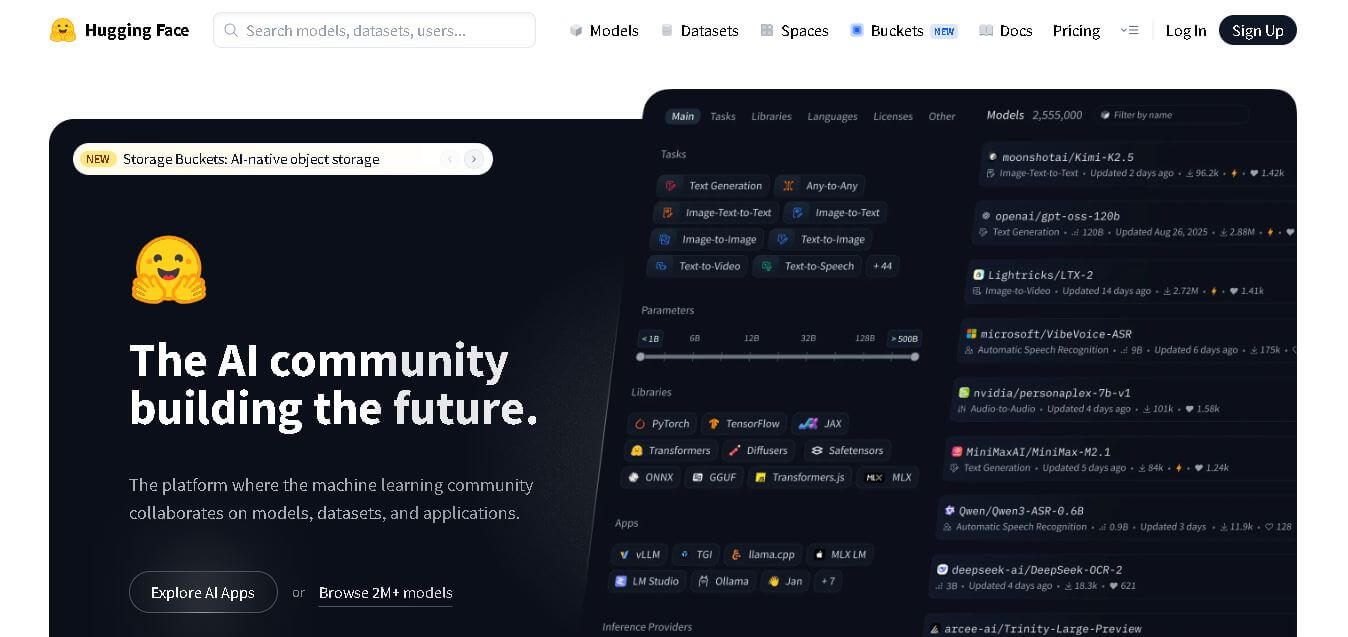
What is Hugging Face?
Hugging Face is an open-source AI platform and community that helps developers build, share, and deploy machine learning models more easily. Often called the “GitHub of AI,” it hosts millions of models, datasets, and demo apps (called Spaces), allowing users to discover, test, and integrate AI into real applications without starting from scratch. Its ecosystem includes popular tools like the Transformers library, along with APIs and infrastructure for training, inference, and collaboration. Designed for researchers, developers, and companies, Hugging Face makes AI development more accessible, collaborative, and scalable across industries.
Founded in 2016 by Clément Delangue, Julien Chaumond, and Thomas Wolf in New York and Paris, Hugging Face has raised over $395M in funding with backing from Salesforce Ventures, Google, Amazon, Nvidia, and Qualcomm, reaching a $4.5B valuation. Hosting more than 1,000,000 open-weights models, 250,000+ datasets, and hundreds of thousands of interactive demo Spaces, Hugging Face underpins the modern open AI movement with iconic libraries like
transformers,diffusers, anddatasets, offering a robust free tier alongside developer Pro plans at $9 per month and scalable compute infrastructure.
- Founders: Clément Delangue (CEO), Julien Chaumond (CTO), and Thomas Wolf (CSO)
- Global Presence: New York City, NY, USA & Paris, France
- Ecosystem Scale: 1M+ Open Models, 250k+ Datasets, and 300k+ Demo Spaces
Use Cases:
- Discovering, downloading, and fine-tuning state-of-the-art open models (Llama, Mistral, Qwen, Stable Diffusion, Whisper)
- Hosting and sharing interactive web demos using Streamlit, Gradio, and Docker via Hugging Face Spaces
- Deploying production-grade low-latency inference endpoints on dedicated cloud GPUs (AWS, GCP, Azure) with autoscaling and scale-to-zero
- Collaborating on proprietary training datasets and private model checkpoints with enterprise team access controls
- Prototyping serverless LLM applications using the unified Inference Providers API and free ZeroGPU compute pools
Technology:
- Industry-standard open-source Python libraries:
transformers,accelerate,peft,datasets,tokenizers, andtgi(Text Generation Inference) - Multi-cloud compute substrate orchestrating GPU workloads across AWS, Google Cloud, and Azure with fractional GPU slicing (ZeroGPU)
- Git-LFS (Large File Storage) backed repository architecture with native dataset viewers and model inspection cards
Target Users:
- AI researchers and ML engineers publishing weights, benchmarks, evaluation suites, and training papers
- Software developers embedding natural language, computer vision, and speech capabilities into web and mobile apps
- Indie hackers building and sharing interactive AI web demos on Gradio and Streamlit
- Enterprise engineering organizations requiring private model registries, SOC 2 compliance, and single sign-on (SSO)
Acquisition: Operates as an independent private artificial intelligence platform (Hugging Face, Inc.)

Key features of Hugging Face
Hugging Face's key platform features are
- Model Hub & Registries: The definitive home for open-weights artificial intelligence, hosting models for text generation, speech recognition, image synthesis, robotics, and embeddings.
- Hugging Face Spaces: Frictionless application hosting for Gradio, Streamlit, and custom Docker containers with free CPU environments and optional hourly GPU accelerators.
- ZeroGPU Compute: Dynamic, shared cluster of cutting-edge GPUs allocating on-demand burst compute to Spaces for interactive demos without paying dedicated hourly fees.
- Inference Endpoints: One-click fully managed production deployment on dedicated cloud GPUs (T4, L4, A100, H100) with custom autoscaling, VPC peering, and scale-to-zero.
- Serverless Inference Providers: A unified OpenAI-compatible API routing calls across 200+ models powered by underlying infrastructure partners (Groq, Together AI, Cerebras, Fireworks).
- Datasets Hub & Viewer: Direct streaming access and in-browser interactive inspection for terabyte-scale training and evaluation datasets.
- AutoTrain Advanced: No-code and low-code automated fine-tuning interface for training vision, NLP, and tabular models directly on cloud GPUs.
- Open LLM Leaderboard: Industry-standard independent benchmark tracking reasoning, math, coding, and factual accuracy across the latest open foundation models.
Hugging Face Pricing
Hugging Face offers a generous free tier for community development alongside paid user subscriptions, team governance tiers, and pay-as-you-go compute hardware.
Free Plan:
- $0 / month: Unlimited public models, datasets, and Spaces
- Free basic CPU hardware for Spaces, community ZeroGPU access, 100 GB private storage, and access to the free Serverless Inference API (rate-limited)
Pro Plan:
- $9.00 / month: Designed for individual researchers, engineers, and creators
- 8x ZeroGPU daily quota boost with top queue priority, 1 TB private storage, Spaces Dev Mode (SSH & VS Code access), Private Dataset Viewer, and $2/month in Inference Provider credits
Team Plan:
- $20.00 / user/month: Designed for collaborative teams and startups
- Includes all Pro benefits for every member, shared organization billing controls, 12 TB base storage, pooled inference credits, and priority technical support
Enterprise Hub:
- Starting at $50.00 / user/month: Enterprise governance with SAML SSO, audit logging, resource groups, fine-grained access control, private VPC deployment, and 99.9% uptime SLAs
Pay-As-You-Go Hardware & Endpoints:
- CPU Instances: Upgraded Spaces CPUs starting from $0.03/hour
- Dedicated GPUs: NVIDIA T4 (~$0.50/hr), NVIDIA L4 (~$0.80/hr), NVIDIA A10G (~$1.00–$1.30/hr), NVIDIA A100 (~$2.50–$4.50/hr), and NVIDIA H100/H200 (~$5.00–$6.00/hr) with per-minute billing and scale-to-zero
Disclaimer: Hardware instance rates vary by underlying cloud provider (AWS, GCP, Azure) and region. For live GPU availability and custom Enterprise Hub agreements, visit huggingface.co/pricing.
Who is using Hugging Face?
Hugging Face is used by millions of AI builders and global enterprises, including
- Frontier AI Research Labs (e.g., Meta, Mistral AI, Google, Microsoft): Distributing open-weight foundation models, model weights, and tokenizer configs to the global developer community
- SaaS Startups & AI Product Teams: Prototyping and deploying dedicated inference endpoints for custom-trained models with scale-to-zero efficiency
- Academic & Independent Researchers: Hosting evaluation benchmarks, leaderboards, and reproducibility papers for open science
- Enterprise Data Science Teams (e.g., Pfizer, Bloomberg, Intel): Collaborating internally on fine-tuned domain models within secure, SSO-governed private organizations
Best Hugging Face Alternatives
Some of the strongest Hugging Face alternatives include
- Replicate
- GitHub Models / Azure AI Studio
- Together AI
- Modal
- RunPod
- Kaggle (Google)
Pros and Cons of Hugging Face
Pros
- The unmatched center of gravity for open-source AI with the largest collection of models and datasets globally
- Seamless integration with standard open-source libraries (
transformers,diffusers,peft) - Hugging Face Spaces and ZeroGPU offer an effortless way to prototype and share live demos with zero cloud config
- Inference Endpoints offer scale-to-zero capabilities, minimizing GPU idle costs for production models
- Extremely developer-friendly free tier and affordable $9/month Pro plan
Cons
- Dedicated high-end GPUs (A100, H100) on Inference Endpoints can accumulate significant costs if not configured with scale-to-zero
- Free Serverless Inference API enforces strict rate limits and cold starts on less popular community models
- The sheer volume of community-uploaded checkpoints requires users to verify licensing and safety cards carefully
Why Choose Hugging Face?
While generic cloud hyper-scalers treat AI models as raw virtual machines and file blobs, Hugging Face provides a purpose-built collaboration platform tailored for the modern machine learning lifecycle.
- Access the latest open-weights innovations within minutes of public release
- Eliminate infrastructure friction when publishing interactive portfolio projects and Gradio demos
- Deploy dedicated production endpoints with autoscaling across your preferred cloud provider in one click
- Build on open-source foundations without proprietary model vendor lock-in
Hugging Face vs. Competitors
The main difference between Hugging Face, Replicate, Together AI, and Kaggle lies in scope and ecosystem ownership. While Replicate focuses on serverless cloud execution for open-source model APIs and Kaggle centers on data science competitions and static notebook kernels, Hugging Face serves as the main registry and collaboration hub, bringing together model discovery, datasets, hosted demo Spaces, open-source libraries, and production inference in one place.
| Feature / Tool | Hugging Face (huggingface.co) | Replicate | Together AI | Kaggle |
|---|---|---|---|---|
| Core Focus | Open AI Hub, Repositories & Spaces | Serverless Model API Deployment | High-Performance Cloud Inference | Data Science Competitions & Notebooks |
| Model Repository Scale | 1,000,000+ open models | Curated hosted models | Curated open foundation models | Community models & datasets |
| Demo Hosting (Spaces) | Yes (Gradio, Streamlit, Docker) | Web playground only | Web playground only | Jupyter Notebooks |
| Dedicated GPU Endpoints | Yes (T4, L4, A100, H100 with scale-to-zero) | Serverless pay-per-second | Dedicated endpoints & token API | Free limited GPU quotas (T4/P100) |
| Starting Price | Free / Pro from $9/month | Pay-per-second usage | Pay-per-token / GPU hours | 100% Free community platform |
| Best For | AI community, model discovery & demo hosting | Web developers running open models via API | High-throughput enterprise LLM inference | Students, competitions & exploratory data science |
How do we rate Hugging Face?
| Parameter | Rating (out of 5) |
|---|---|
| Ecosystem Breadth & Model Catalog (1M+) | 5.0 |
| Developer Experience & Python Toolchain | 5.0 |
| Demo Hosting (Spaces & ZeroGPU) | 4.9 |
| Production Inference Endpoints & Scale | 4.8 |
| Value for Money | 4.9 |
| Overall Score | 4.92 |
Hugging Face Review
Hugging Face is the indispensable cornerstone of the open artificial intelligence ecosystem. By making cutting-edge model weights, standardized dataset schemas, and interactive demo hosting available through Spaces and ZeroGPU, it empowers developers and researchers of all sizes to build without corporate gatekeeping. With production features like scale-to-zero Inference Endpoints, built-in support for modern deep learning libraries, and affordable developer pricing, Hugging Face is the go-to place for collaborative AI engineering.
Conclusion
Hugging Face is the leading open AI platform that enables developers, researchers, and companies to build, share, and deploy machine learning models at scale through a collaborative, Git-like ecosystem. At its core is the Hugging Face Hub, which hosts millions of models, datasets, and interactive apps (Spaces), allowing users to experiment, fine-tune, and deploy AI solutions without starting from scratch. Its biggest strength lies in open collaboration and flexibility—you can access state-of-the-art models across text, image, audio, and video tasks, run them via a unified API, or deploy them in production using managed inference services. With powerful libraries like Transformers, built-in version control, and enterprise-ready infrastructure, it supports the entire AI lifecycle from research to deployment.
FAQ
What is Hugging Face used for?
Hugging Face is used for building, training, and deploying machine learning models, especially for natural language processing, computer vision, and generative AI applications.
Is Hugging Face free to use?
Yes, Hugging Face offers a free plan that includes access to many open-source models and datasets.
What programming languages does Hugging Face support?
It mainly supports Python and integrates with machine learning frameworks like PyTorch and TensorFlow.
What is the Transformers library?
Transformers is Hugging Face’s popular open-source library that provides access to state-of-the-art machine learning models for various AI tasks.
Who can use Hugging Face?
Developers, data scientists, researchers, startups, and enterprises can use Hugging Face to build AI-powered applications.
User Reviews
No reviews yet for Hugging Face.
Featured Tools
Featured AI tools from TechShark
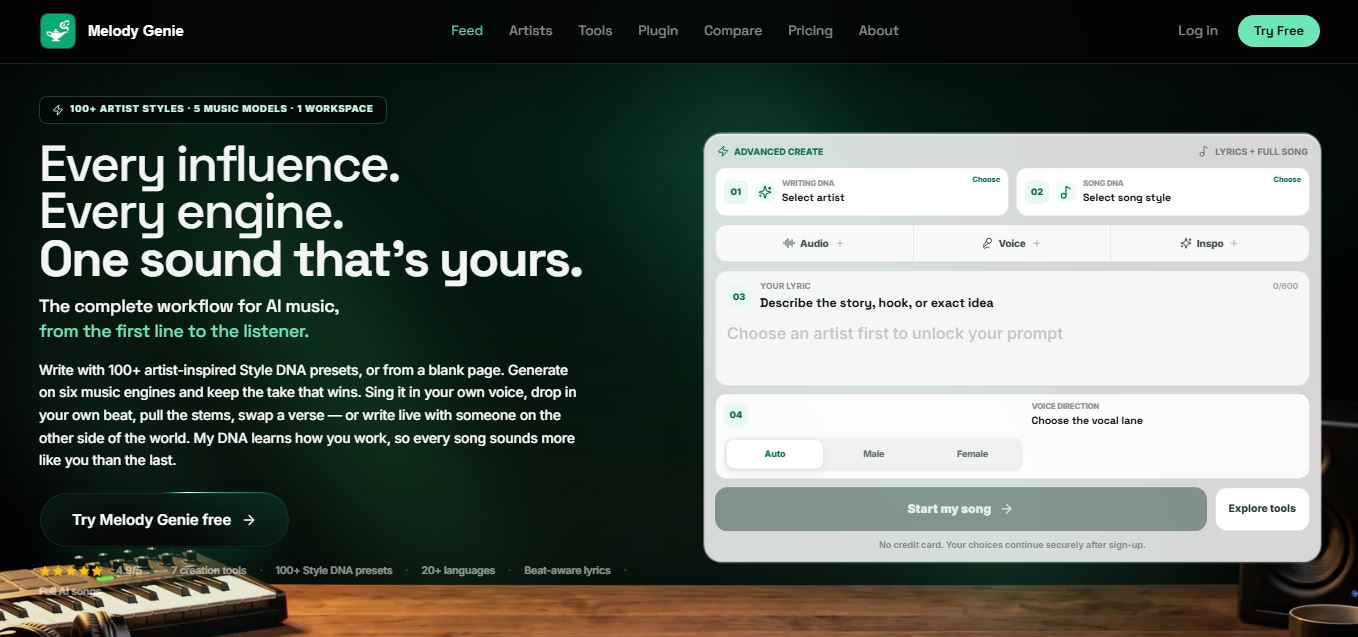
Melody Genie
MelodyGenie is an AI-powered music generator that creates original songs from simple text prompts. Users can choose styles, moods, and genres, then instantly generate melodies and full tracks, making it easy for creators, marketers, and hobbyists to produce custom music without musical expertise.
Freemium
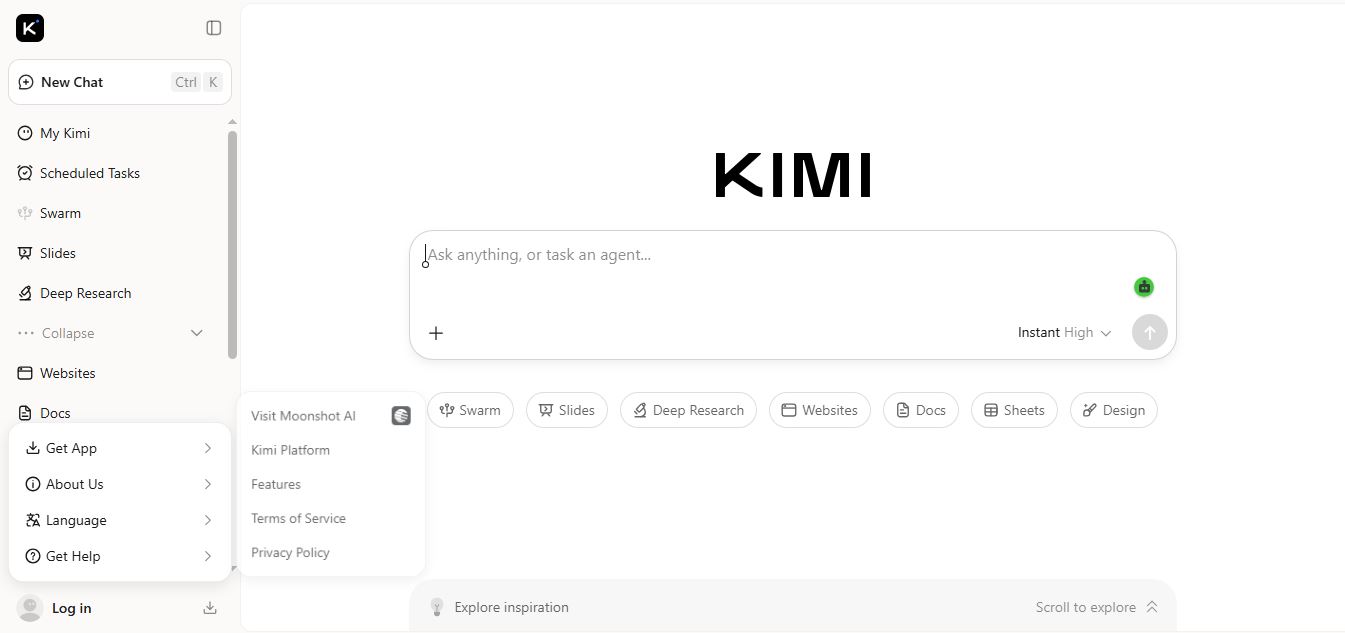
Kimi AI
Kimi AI is an advanced AI assistant developed by Moonshot AI that helps you chat, research, write, code, and automate tasks in one place. It supports web search, file analysis, and multimodal inputs, and can even run autonomous “agent” workflows to complete complex tasks end-to-end.
Freemium
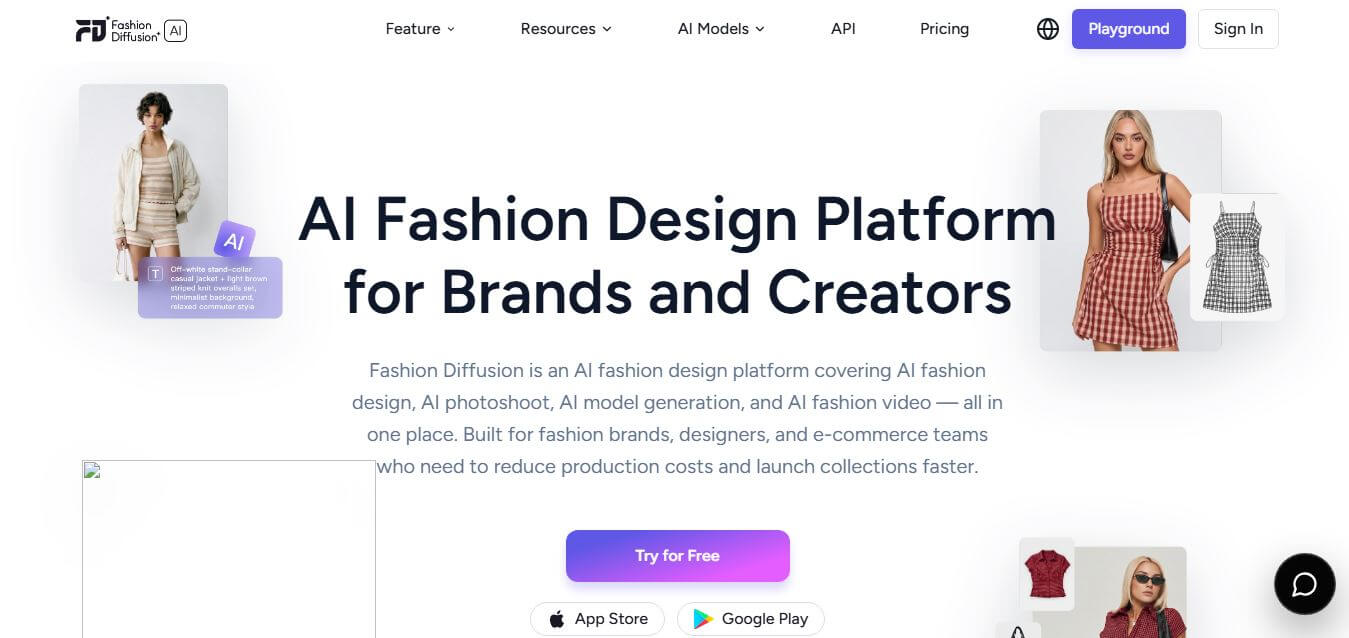
Fashion Diffusion AI
Fashion Diffusion is an AI-powered fashion design platform that helps brands and designers create clothing designs, virtual try-ons, AI models, product photos, and marketing visuals faster and cost-effectively.
Paid
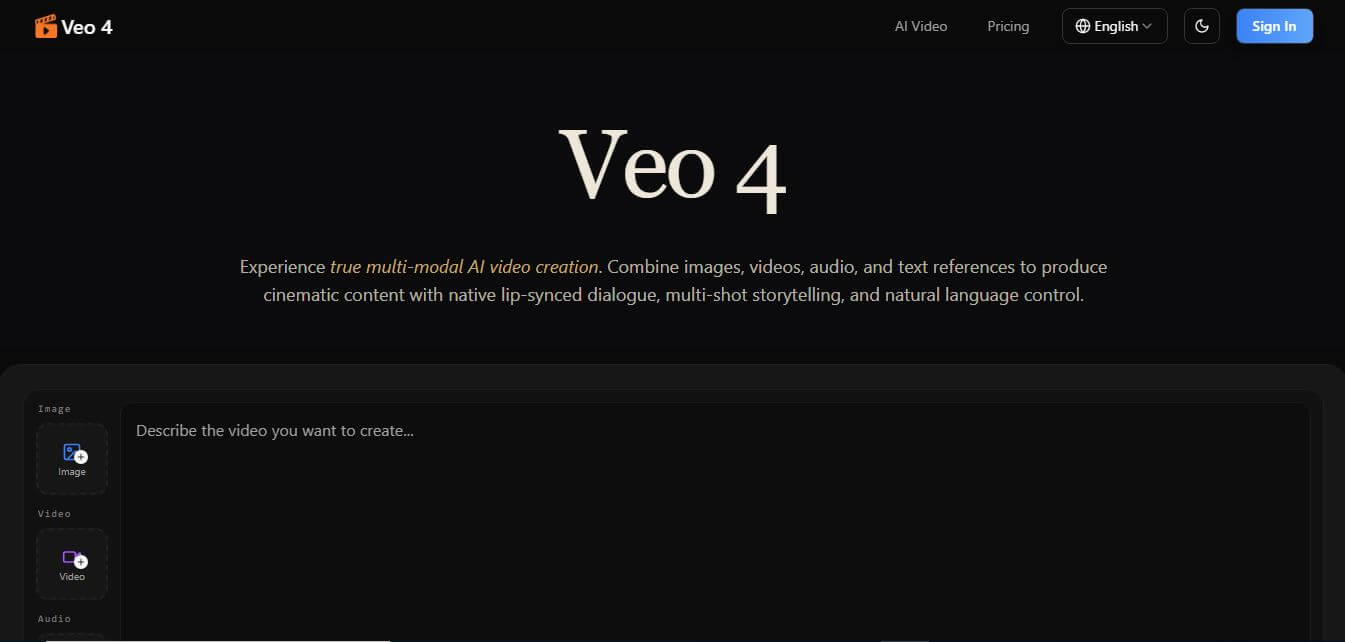
Veo 4
Veo 4 AI is an AI video creation platform that generates dramatic videos from text, images, audio, and video prompts using realistic motion and synchronized sound.
Paid
Alternatives
Alternatives to Hugging Face
The best Hugging Face alternatives include Replicate, GitHub Models, Together AI, Modal, RunPod, and Kaggle. These platforms provide model hosting, GPU compute infrastructure, and machine learning developer environments. While Hugging Face serves as the comprehensive open-source collaboration hub hosting 1M+ models, datasets, interactive Gradio/Streamlit Spaces, and dedicated Inference Endpoints, alternatives like Replicate specialize purely in serverless API model consumption, and RunPod focuses on bare-metal GPU cloud rentals.
 4.7
4.7Quinvio AI
Productivity
Quinvio AI helps you turn ideas, scripts, blogs, or web content into polished video presentations. You can refine messaging, choose branded templates, add AI avatars and voiceovers, and produce shareable visual content without traditional recording or editing workflows. It is especially useful for marketers, educators, trainers, creators, and business teams.
 4.9
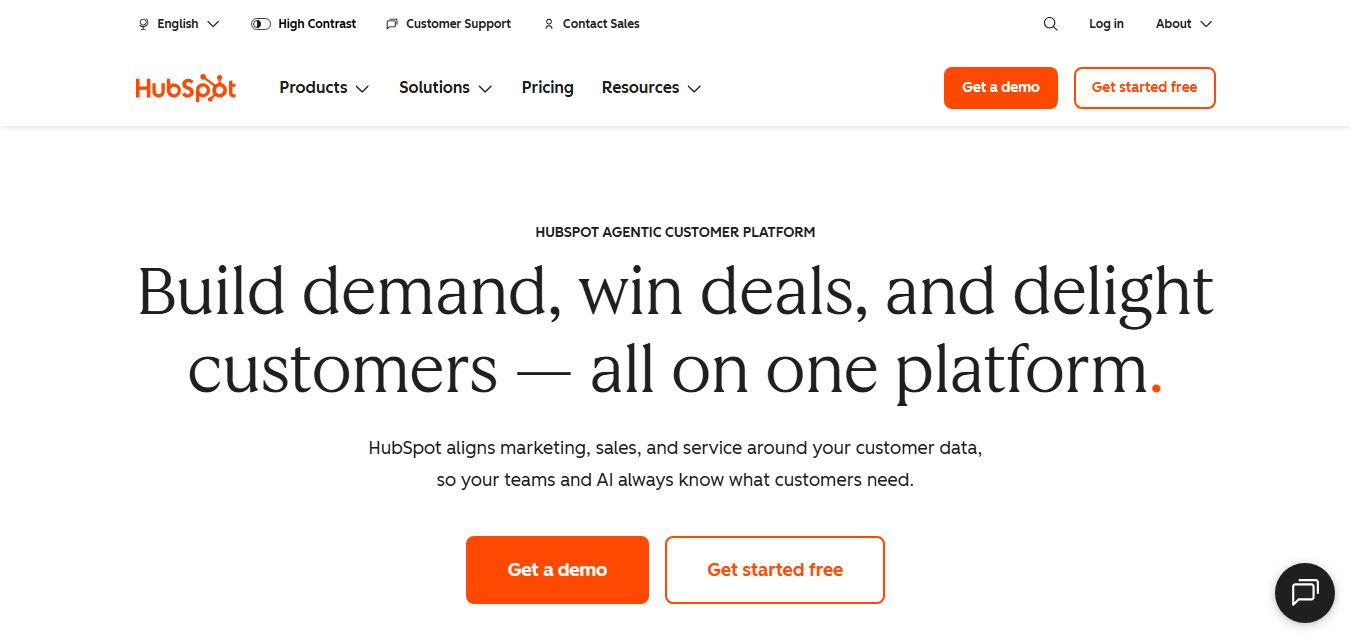
4.9HubSpot
Marketing
HubSpot is an AI-powered customer platform that helps businesses manage marketing, sales, customer service, and content in one place. It offers a free CRM, automation tools, analytics, and AI features, enabling teams to attract leads, close deals, and deliver better customer experiences at scale.
 4.9
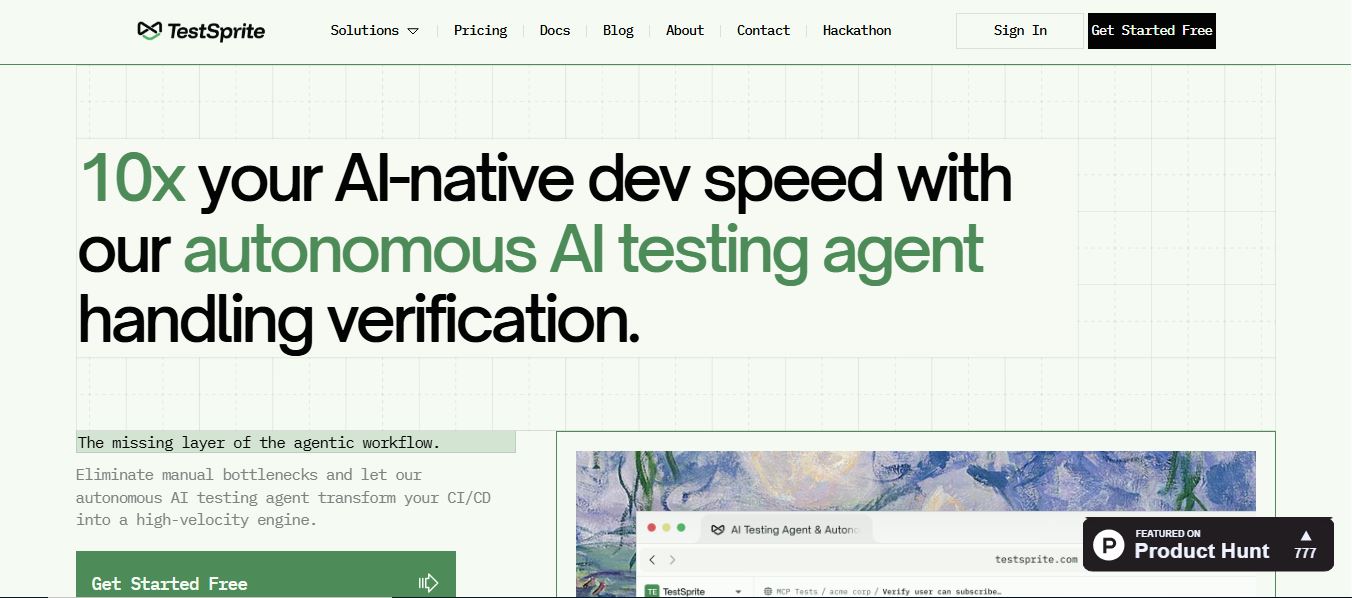
4.9TestSprite
Testing
TestSprite is an AI-powered software testing agent that helps developers automatically generate, run, and fix end-to-end tests for web apps. It simulates real user behavior, detects issues, and provides root-cause insights with suggested fixes, enabling faster releases and more reliable software without manual QA effort.
 4.8
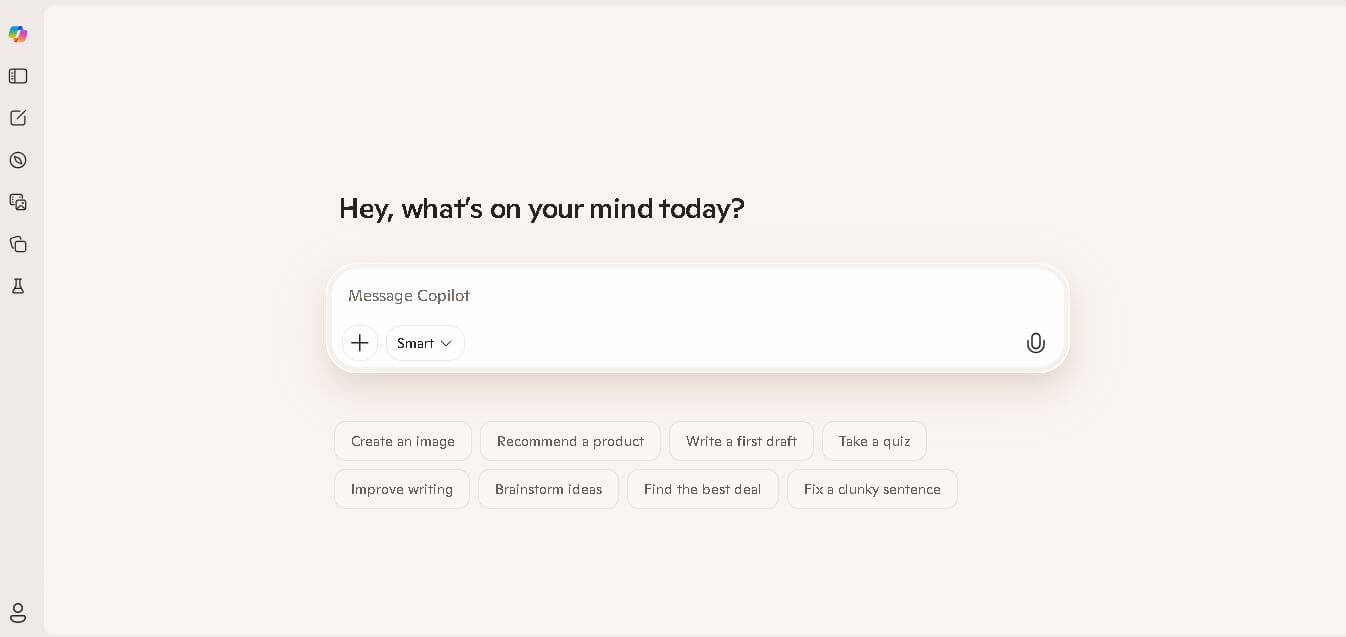
4.8Microsoft Copilot
Productivity
Microsoft Copilot is an AI-powered assistant that helps users write, research, analyze data, and automate tasks across apps like Word, Excel, Outlook, and Teams. It combines large language models with real-time data to generate content, answer questions, and improve productivity across personal and professional workflows.
 4.9
4.9Casablanca AI
Productivity
Casablanca AI is an AI-powered virtual camera that corrects your gaze in real time during video calls, making it appear like you’re maintaining natural eye contact. It works with tools like Zoom and Teams, improving trust, engagement, and communication without needing extra hardware.
 4.9
4.9Granola
Productivity
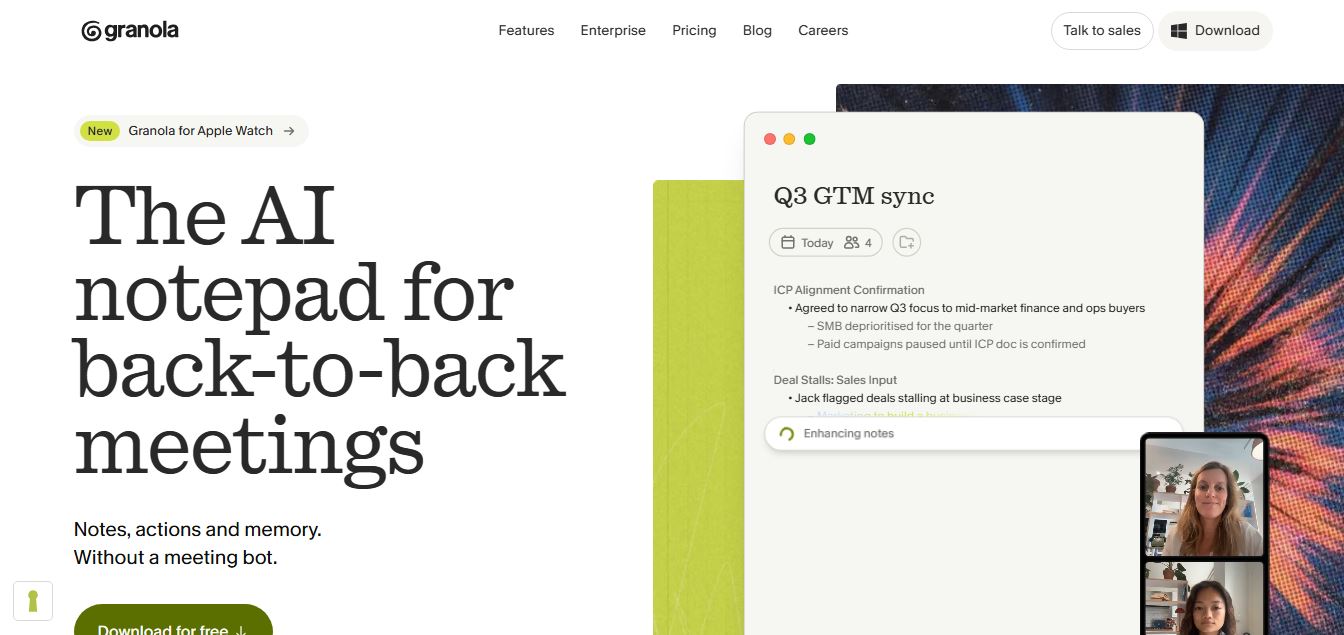
Granola is an AI-powered meeting assistant that helps you capture, organize, and act on conversations without losing focus. It listens to meetings, turns notes into structured summaries, and generates action items and follow-ups automatically—so you stay present while everything important is documented and ready to use.
 4.8
4.8AI Perfect Assistant
Productivity
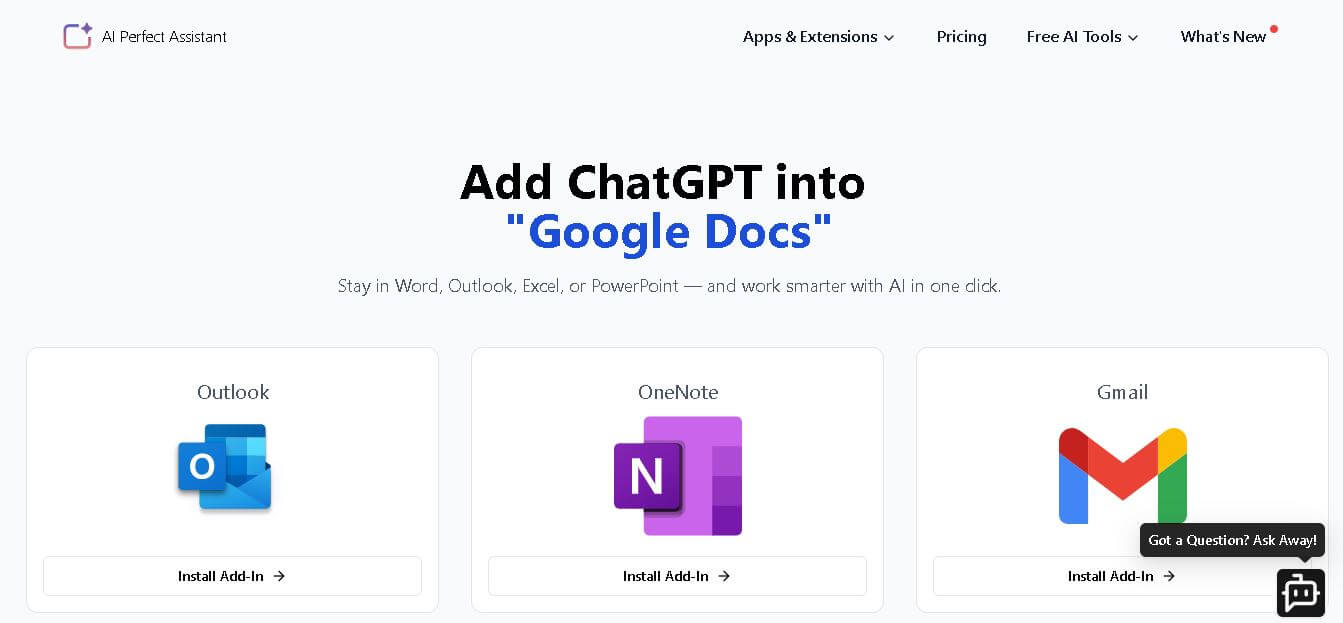
AI Perfect Assistant brings AI assistance directly into everyday work applications. It helps users write emails, improve documents, summarize content, translate text, create presentations, generate SEO content, explain Excel formulas, and handle repetitive tasks through 60+ specialized tools and multiple integrations for everyday professional and business workflows with less effort.
 4.9
4.9Kroolo
Project Management
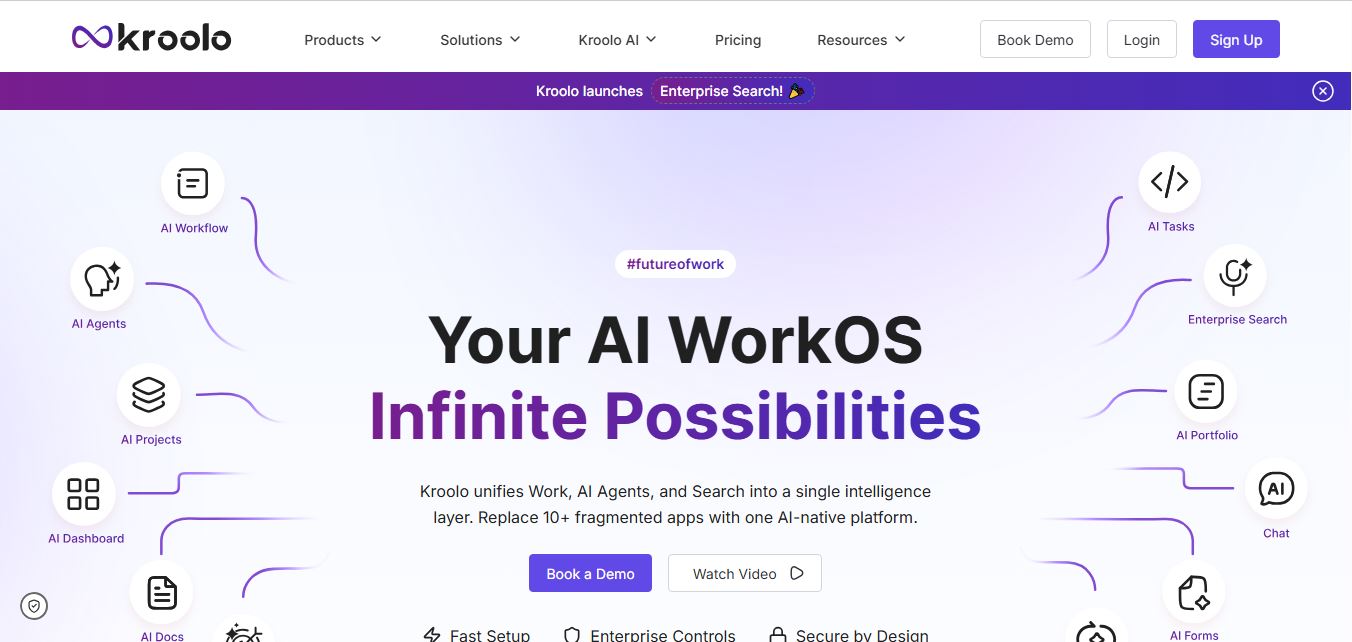
Kroolo is an AI-powered productivity and project management platform that helps teams plan tasks, track progress, and collaborate in one place. It combines project tracking, document management, and AI assistance to streamline workflows, automate routine work, and improve team efficiency across projects.
 4.8
4.8Sunsama
Productivity
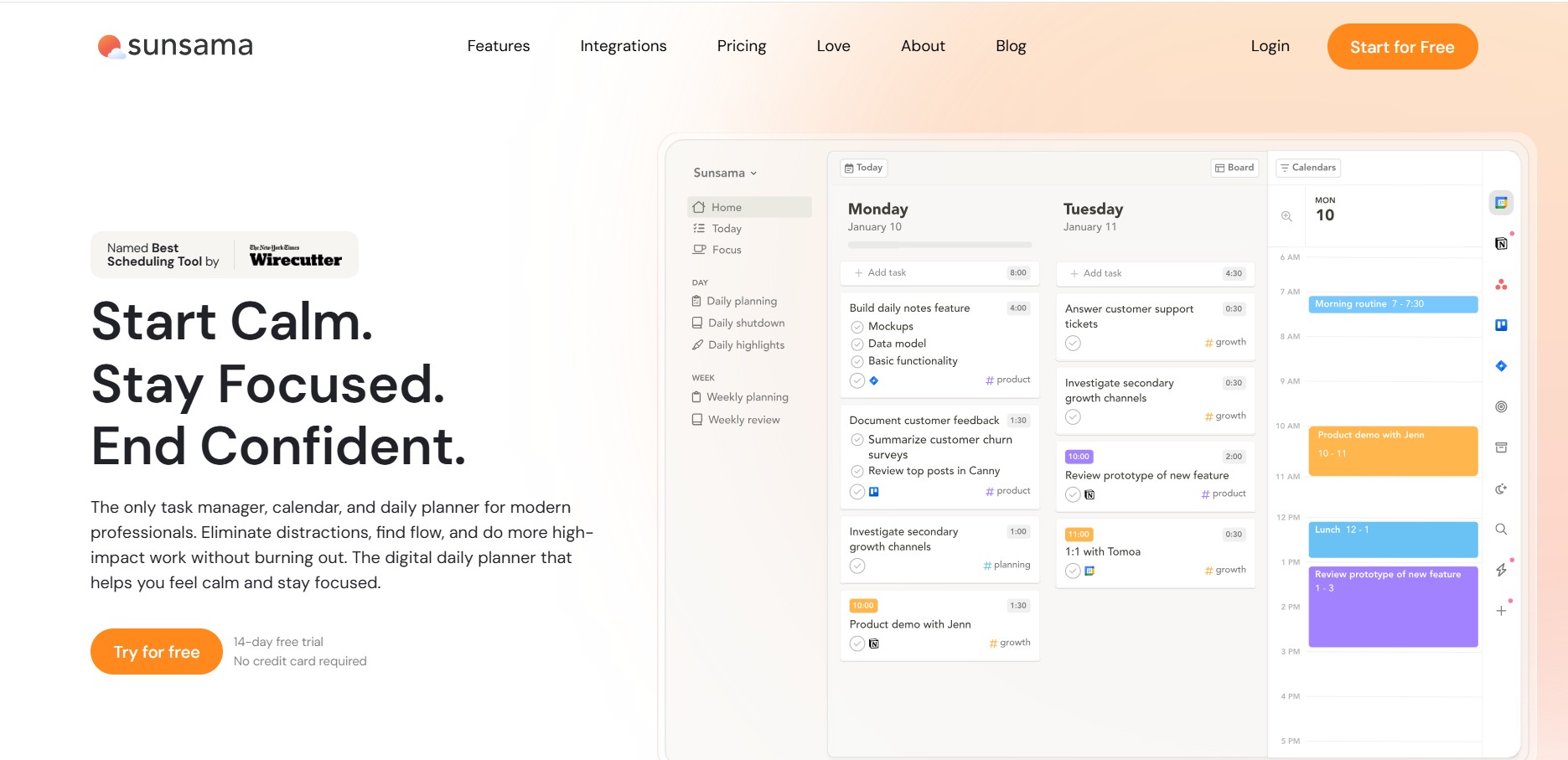
Sunsama is a digital daily planner and time-blocking application designed to cultivate intentional work habits, consolidate tasks across third-party tools, and facilitate guided morning planning and evening reflection rituals.