
HubSpot
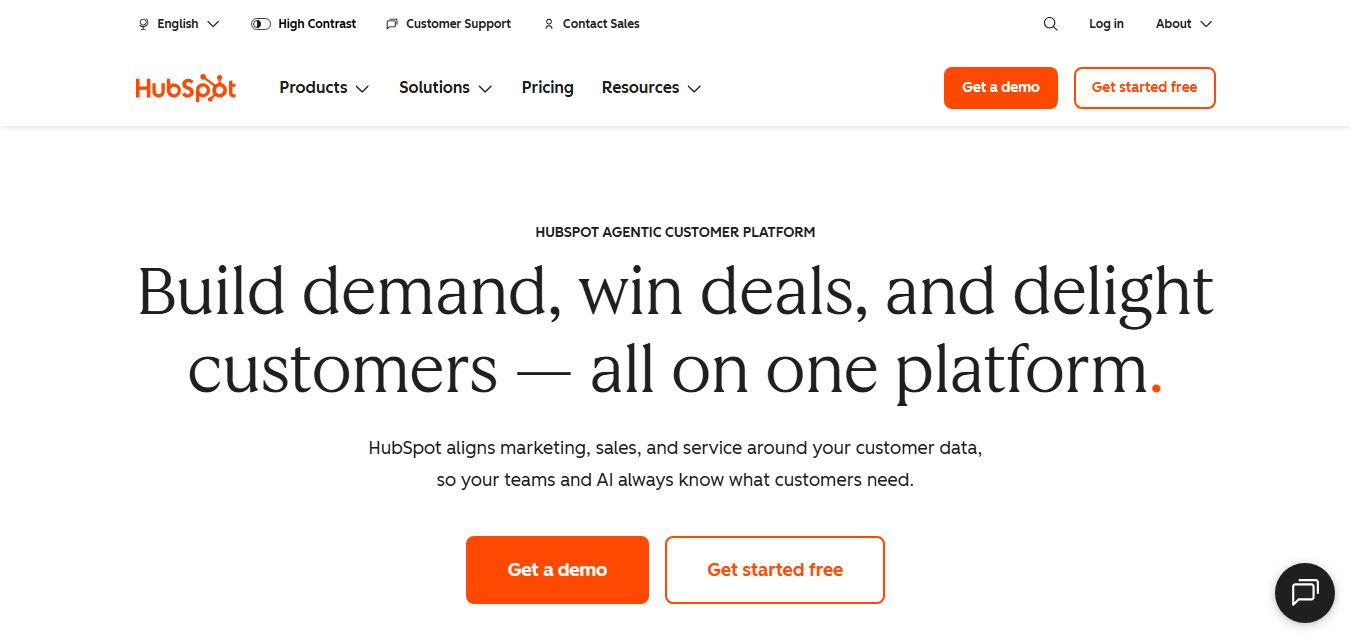
HubSpot is an AI-powered customer platform that helps businesses manage marketing, sales, customer service, and content in one place. It offers a free CRM, automation tools, analytics, and AI features, enabling teams to attract leads, close deals, and deliver better customer experiences at scale.
What is HubSpot?
HubSpot is an all-in-one CRM and marketing platform that helps businesses manage sales, marketing, customer service, and operations in one place. It offers tools for lead generation, email marketing, automation, pipeline management, customer support, and analytics, all built around a centralized CRM. With AI-powered features, integrations, and easy-to-use dashboards, HubSpot enables teams to attract, engage, and convert customers more efficiently. Designed for startups to enterprises, it helps streamline workflows, improve customer relationships, and drive growth.
Founded in 2006 by Brian Halligan and Dharmesh Shah in Cambridge, Massachusetts, and listed on the New York Stock Exchange (NYSE: HUBS), HubSpot powers over 306,000 customers across more than 135 countries. Headquartered in Cambridge with global offices across Europe, Asia-Pacific, and Latin America, the platform has evolved from an inbound marketing software provider into a comprehensive customer platform. HubSpot integrates Smart CRM, Marketing Hub, Sales Hub, Service Hub, Content Hub, Data Hub, Revenue Hub (CPQ & payments), Agent Hub for building and managing autonomous AI agents (Customer Agent, Prospecting Agent, Data Agent), and dedicated Answer Engine Optimization (AEO) tools to measure brand visibility across AI search engines.
- Founders / Leadership: Dharmesh Shah (Co-founder & CTO), Brian Halligan (Co-founder), and Yamini Rangan (CEO); operated by HubSpot, Inc. (Cambridge, MA, USA & Global; founded in 2006; NYSE: HUBS)
- Platform Architecture: Built on a single codebase featuring Smart CRM, the Breeze AI intelligence layer, unified Data Hub governance, and 2,000+ ecosystem app marketplace integrations
- Evolution / Launch: Transformed into an agentic customer platform featuring Agent Hub, autonomous 24/7 Prospecting and Customer Agents, and an AEO (Answer Engine Optimization) suite tracking brand mentions across AI engines like ChatGPT, Gemini, and Perplexity through 2024–2026
Use Cases:
- Capturing and nurturing inbound leads through omnichannel marketing automation, personalized email journeys, and dynamic landing pages
- Deploying autonomous AI customer agents to resolve over 65% of incoming support tickets 24/7 with context-aware CRM handoffs
- Automating B2B outbound prospecting by using AI prospecting agents to monitor buying signals, source contacts, and draft personalized outreach
- Tracking and optimizing brand citations, visibility, and sentiment across generative AI answer engines via HubSpot AEO
Technology:
- Agent Hub orchestration engine deploying autonomous AI agents that read customer CRM records, execute pipeline tasks, and update properties
- Breeze AI intelligence layer powering copilot workflows, automated content rewriting, predictive lead scoring, and smart property generation
- Extensive integration marketplace supporting more than 2,000 native connections, including Gmail, Shopify, Slack, Google Ads, and Salesforce
Target Users:
- B2B sales leaders, SDRs, and account executives managing deal pipelines, meeting booking, and automated prospecting
- Growth marketers and digital agencies running inbound campaigns, lead nurturing, and Answer Engine Optimization (AEO) tracking
- Customer support and customer success directors scaling omnichannel ticketing with autonomous AI agents
- Content creators using writing tools to draft marketing emails, sales battlecards, knowledge base articles, and multi-channel campaign briefs
Corporate Entity: Operates as HubSpot, Inc. (Cambridge, MA, USA; NYSE: HUBS & Global)
Key features of HubSpot
HubSpot's key features are
- Smart CRM Foundation: Centralized contact, company, and deal database tracking customer touchpoints with unified data hygiene and custom objects.
- Agent Hub (Autonomous AI Agents): Deploy and manage specialized AI agents—including Customer Agent (support resolution), Prospecting Agent (lead engagement), and Data Agent (enrichment).
- Answer Engine Optimization (AEO): Dedicated tools to monitor, benchmark, and improve brand visibility and citations inside AI search models (ChatGPT, Gemini, Perplexity).
- Marketing Hub: Omnichannel automation suite covering email marketing, lead capture forms, ad retargeting, social media scheduling, and campaign attribution.
- Sales Hub: Sales acceleration tools featuring pipeline tracking, meeting schedulers, email sequences, call transcription, and predictive deal analytics.
- Service Hub & Help Desk: Unified customer support workspace featuring omnichannel ticketing, SLA management, customer health scoring, and knowledge base portals.
- Content Hub: Content marketing suite with AI website builders, blog management, podcast hosting, brand voice governance, and content remixing.
- Revenue Hub & Commerce: Quote-to-cash CPQ tools, recurring billing management, and digital payment processing integrated into customer records.
HubSpot Pricing
HubSpot operates on a tiered platform model offering free CRM and marketing utilities alongside Starter bundles, Professional editions for scaling teams, and Enterprise plans.
Free Tools Tier:
- $0 / Free forever
- Includes free Smart CRM, contact management, forms, email marketing (up to 2,000 sends/month), live chat, meeting scheduler, and basic ticketing
Small Business & Starter Bundles:
- Starter Customer Platform: Starts from ~$15.00 to $20.00 / seat / month (billed monthly or annually)
- Includes Starter editions of Marketing Hub, Sales Hub, Service Hub, Content Hub, and Data Hub with removed HubSpot branding and basic automated workflows
Professional Editions (Scaling Teams):
- Individual Hubs (Marketing Pro, Sales Pro, Service Pro): Typically start from ~$450.00 to $800.00 / month depending on the hub and marketing contact volume
- Includes advanced omnichannel automation, custom reporting, omnichannel help desks, lead scoring, Breeze AI copilots, and Agent Hub capabilities
Enterprise Platform:
- Starts from ~$1,500.00 to $3,600.00+ / month (plus one-time professional onboarding)
- Includes custom objects, predictive lead scoring, advanced permissions, multi-currency support, sandbox environments, and full enterprise Agent Hub management
Disclaimer: Pricing varies based on required seat tiers, core hub selections, and total marketing contact tiers. Additional usage fees apply for select AI agent token volumes and payment transactions. Visit hubspot.com/pricing for active plans.
Who is using HubSpot?
HubSpot is designed for revenue teams, marketers, and business leaders, including
- B2B Marketing Directors: Building inbound lead generation funnels, automated email journeys, and tracking AI engine citations through AEO
- Sales VPs & Revenue Operations (RevOps): Managing complex deal stages, forecasting revenue, and deploying AI prospecting agents
- Customer Service Leaders: Resolving high-volume inquiries with 24/7 AI customer agents while routing complex issues to support specialists
- Founders & Small Business Owners: Managing operations on a unified platform using the Starter Customer Platform bundle
- Content Creators: Using writing tools to draft marketing emails, sales battlecards, knowledge base articles, and multi-channel campaign briefs
- Global Enterprises: Consolidating global multi-brand marketing, sales, and service operations onto an integrated CRM
Best HubSpot Alternatives
Some of the strongest HubSpot alternatives include
Pros and Cons of HubSpot
Pros
- Unified single-platform architecture eliminates the technical debt of stitching together disparate CRMs and marketing tools
- Agent Hub enables businesses to deploy autonomous AI customer and prospecting agents with CRM data grounding
- Built-in Answer Engine Optimization (AEO) tools help brands monitor and optimize visibility across AI search engines
- Highly intuitive user experience with minimal onboarding friction compared to legacy enterprise CRMs like Salesforce
- The comprehensive free tools tier provides robust CRM, email marketing, and meeting scheduling at zero cost
Cons
- Pricing increases significantly when upgrading from Starter tiers to Professional and Enterprise editions
- Marketing contact tier pricing can become expensive as contact databases grow into tens of thousands
- Mandatory professional onboarding fees apply to higher-tier Professional and enterprise hub purchases
- Deep custom ERP and legacy backend logic can require more developer customization than Salesforce's Force.com platform
Why Choose HubSpot?
HubSpot is the premier choice for organizations that want an intuitive customer platform that combines marketing automation, sales pipeline tracking, customer service, autonomous AI agents, and Answer Engine Optimization (AEO) under a unified CRM.
- Connect marketing, sales, customer service, and billing teams on a single Smart CRM
- Deploy autonomous AI agents via Agent Hub to automate prospecting and 24/7 customer support
- Track and grow your brand presence in AI search engines using built-in AEO tools
- Automate complex email nurture sequences, lead routing, and pipeline reporting
- Integrate with over 2,000 apps across your existing software stack
HubSpot vs. Competitors
The main difference between HubSpot, Salesforce, Zoho CRM, and ActiveCampaign is that HubSpot offers an integrated single-platform codebase designed for rapid adoption and marketing-sales alignment with built-in AEO tracking, whereas Salesforce requires heavy developer customization and administrative overhead, Zoho CRM offers a low-cost modular suite with steeper interface learning curves, and ActiveCampaign focuses primarily on email automation and lightweight sales pipelines. HubSpot stands out for its usability, customer data unification, and native AI agent capabilities.
| Feature / Platform | HubSpot (hubspot.com) | Salesforce (Sales/Service Cloud) | Zoho CRM / Zoho One | ActiveCampaign |
|---|---|---|---|---|
| Primary Focus | Unified Inbound Marketing, Sales & AI Agents | Enterprise Custom CRM & Agentforce Ecosystem | Broad Modular Business Operating Suite | Email Marketing & CX Automation |
| Codebase Architecture | Single unified platform & Smart CRM | Multi-cloud ecosystem (acquisitions + Force.com) | Modular interconnected applications | Focused marketing automation platform |
| Autonomous AI Agents | Agent Hub (Customer, Prospecting, Data) | Agentforce (Autonomous enterprise agents) | Zia AI Assistant | AI Copilot & Generative Email |
| AEO / AI Search Tracking | Yes (Dedicated AEO tools & Grader) | Third-party app integrations required | No native AEO tracking | No native AEO tracking |
| Starting Price | Free tier / Starter ~$15–$20/seat/mo | Starter $25.00/user/mo / Pro $80.00+/user/mo | Standard $14.00/user/mo / Zoho One $37.00/user | Starter ~$15.00/mo / Plus ~$49.00/mo |
| Best For | Growth-Oriented Inbound Revenue & Marketing Teams | Complex Global Enterprises with Dedicated Devs | Budget-Conscious SMBs Needing Broad Apps | E-Commerce & Email Marketing Automations |
How do we rate HubSpot?
| Parameter | Rating (out of 5) |
|---|---|
| Platform Usability & UI Polish | 5.0 |
| Marketing & Sales Pipeline Automation | 5.0 |
| Agent Hub & AI Prospecting/Support Capabilities | 4.9 |
| AEO & Modern Generative Search Tools | 4.9 |
| Value for Money | 4.6 |
| Overall Score | 4.88 |
HubSpot Review
HubSpot continues to set the benchmark for user-friendly, high-velocity customer platforms. While legacy enterprise systems often suffer from clunky navigation and prolonged implementation cycles, HubSpot delivers an intuitive user experience that teams can adopt with minimal overhead. The introduction of Agent Hub represents a notable progression in CRM automation: rather than relying on rigid if-then workflow logic, businesses can deploy autonomous AI customer agents that resolve support queries with full CRM context and AI prospecting agents that engage potential buyers. Coupled with dedicated Answer Engine Optimization (AEO) tracking tools to safeguard and measure brand mentions across AI search platforms, HubSpot remains an adaptable platform for growing businesses.
Conclusion
HubSpot is a comprehensive customer platform that connects marketing, sales, service, and revenue operations around an AI-native CRM. By pairing inbound marketing automation and deal management with autonomous AI agents, Answer Engine Optimization tools, and more than 2,000 app marketplace integrations, it provides a unified hub for scaling revenue teams. While organizations scaling contact lists will need to account for tier upgrades, HubSpot’s usability, single-platform architecture, and AI agent capabilities make it an industry-leading CRM.
FAQ
What is HubSpot and how does HubSpot work?
HubSpot is an all-in-one CRM and marketing platform developed by HubSpot that helps businesses manage marketing, sales, customer service, and operations in one place. It works by centralizing customer data and providing tools for lead generation, email marketing, automation, pipeline management, and customer support, enabling teams to track and optimize the entire customer journey.
What problem does HubSpot solve for businesses?
HubSpot solves the problem of disconnected tools and scattered customer data. Many businesses use separate platforms for marketing, sales, and support, leading to inefficiencies. HubSpot unifies these functions into one system, improving collaboration, visibility, and decision-making.
What are the key features of HubSpot?
HubSpot offers features like CRM, email marketing, marketing automation, landing pages, lead tracking, sales pipeline management, customer support tools, and analytics. It also includes integrations, AI-powered insights, and reporting dashboards to optimize performance.
Is HubSpot free to use?
Yes, HubSpot offers a free CRM with basic features such as contact management, deal tracking, and email tools. Advanced features, automation, and enterprise-level capabilities are available through paid plans across different hubs like Marketing Hub, Sales Hub, and Service Hub.
How does HubSpot help with marketing automation?
HubSpot allows businesses to automate marketing workflows such as email campaigns, lead nurturing, and follow-ups. It uses triggers and user behavior data to send personalized messages at the right time, improving engagement and conversion rates.
Can HubSpot be used for sales and customer support?
Yes, HubSpot includes tools for sales and customer support. Sales teams can manage pipelines, track deals, and automate outreach, while support teams can handle tickets, live chat, and customer queries within the same platform.
Who should use HubSpot?
HubSpot is ideal for startups, small and medium businesses, and enterprises that want a unified platform for managing customer relationships. It is especially useful for marketing teams, sales teams, and customer support teams working together.
How is HubSpot different from other CRM platforms?
HubSpot stands out because of its ease of use, all-in-one ecosystem, and strong focus on inbound marketing. Unlike many CRMs that require complex setups, HubSpot offers an intuitive interface and integrated tools for the entire customer lifecycle.
User Reviews
No reviews yet for HubSpot.
Featured Tools
Featured AI tools from TechShark
Melody Genie
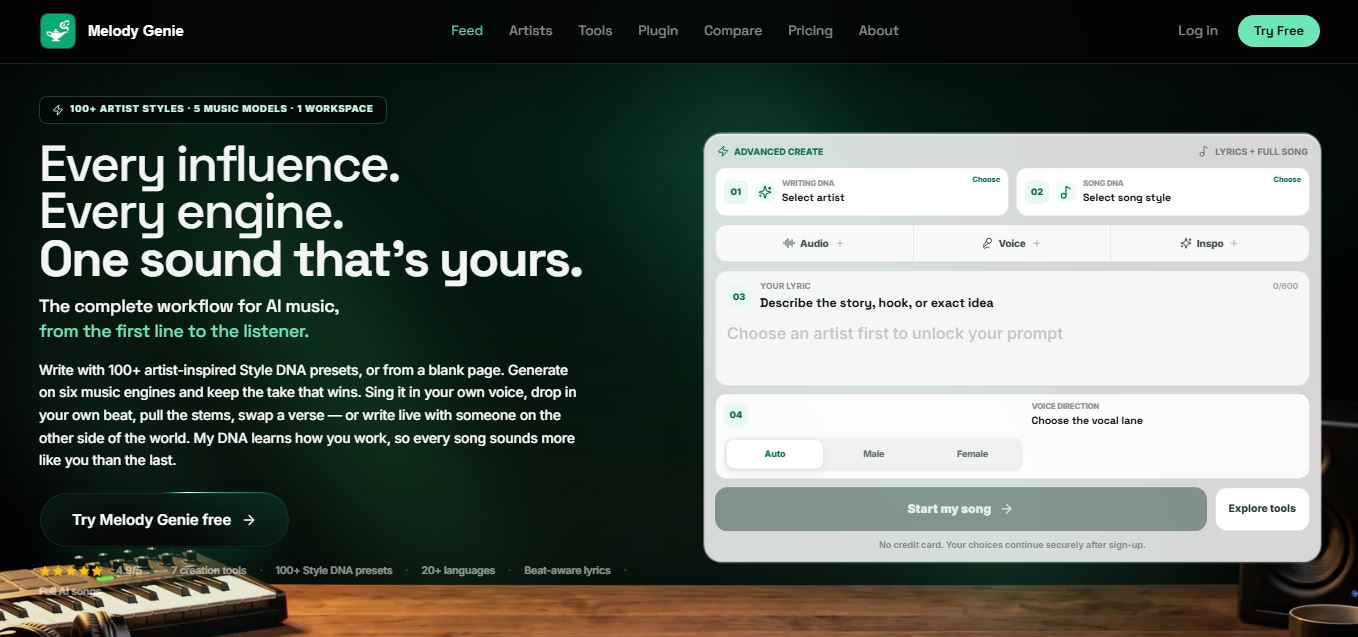
MelodyGenie is an AI-powered music generator that creates original songs from simple text prompts. Users can choose styles, moods, and genres, then instantly generate melodies and full tracks, making it easy for creators, marketers, and hobbyists to produce custom music without musical expertise.
Freemium
Kimi AI
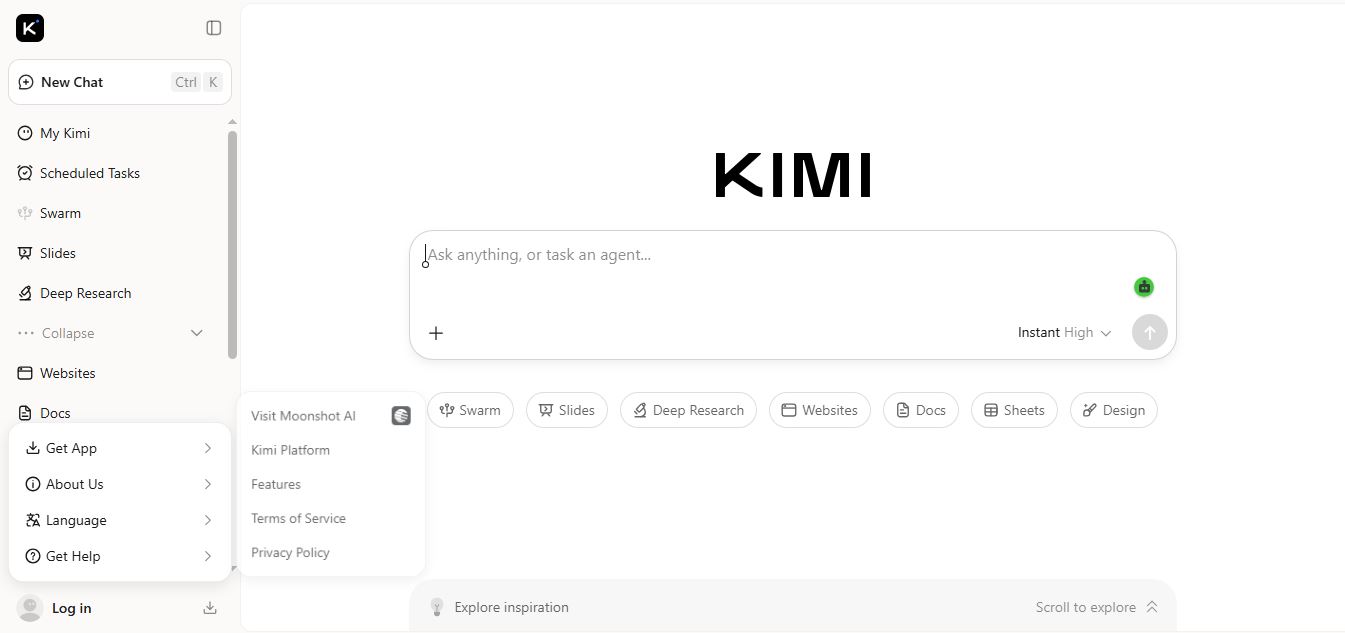
Kimi AI is an advanced AI assistant developed by Moonshot AI that helps you chat, research, write, code, and automate tasks in one place. It supports web search, file analysis, and multimodal inputs, and can even run autonomous “agent” workflows to complete complex tasks end-to-end.
Freemium
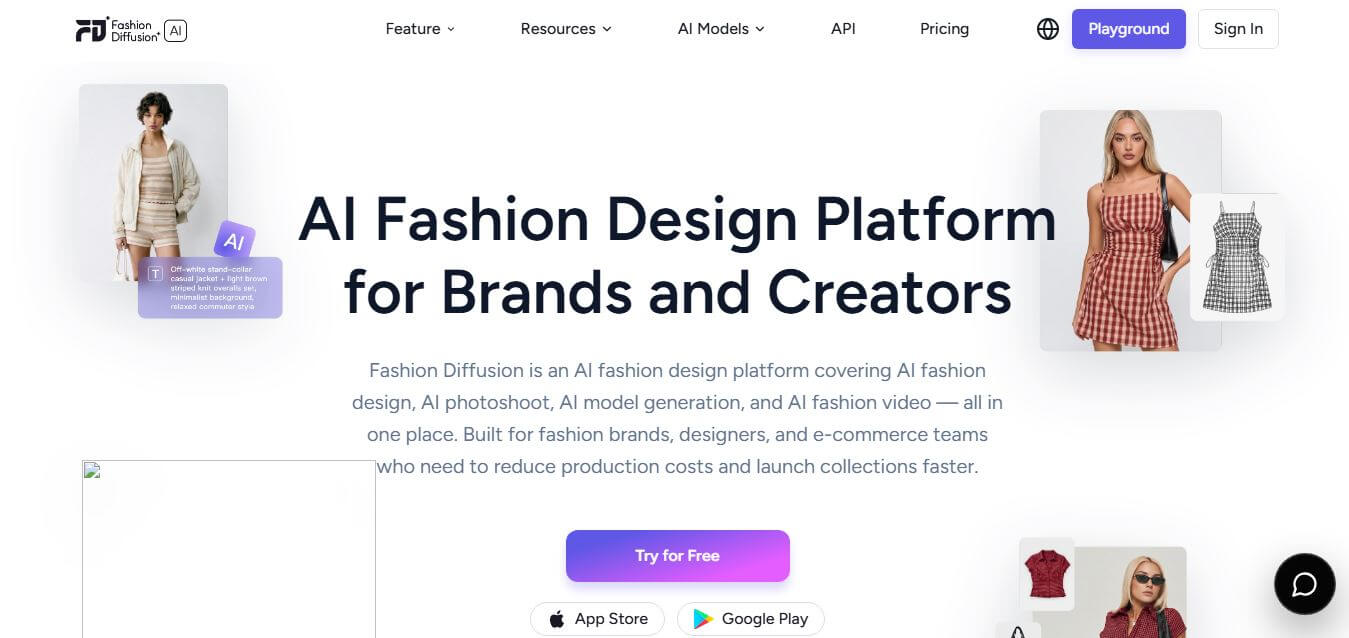
Fashion Diffusion AI
Fashion Diffusion is an AI-powered fashion design platform that helps brands and designers create clothing designs, virtual try-ons, AI models, product photos, and marketing visuals faster and cost-effectively.
Paid
Veo 4
Veo 4 AI is an AI video creation platform that generates dramatic videos from text, images, audio, and video prompts using realistic motion and synchronized sound.
Paid
Alternatives
Alternatives to HubSpot
The best HubSpot alternatives include Salesforce (Sales & Marketing Cloud / Agentforce), Zoho CRM / Zoho One, ActiveCampaign, Pipedrive, Zendesk, and Freshworks (Freshsales). These platforms provide customer relationship management, sales pipeline tracking, and marketing automation. While HubSpot specializes in an all-in-one single codebase customer platform featuring Smart CRM, autonomous Agent Hub agents, and built-in Answer Engine Optimization (AEO) tracking starting from free to ~$15-$20/seat/month, alternatives like Salesforce cater to heavily customized global enterprise architectures, Zoho CRM offers an affordable modular business suite, and ActiveCampaign specializes in email marketing automation. Choosing the right platform depends on whether you seek an intuitive unified inbound marketing and CRM suite, custom enterprise developer architecture, or focused email workflows.
 4.7
4.7B2B Rocket
Sales
B2B Rocket is an AI-powered sales automation tool that helps businesses find prospects, generate B2B leads, personalize outreach, and automate follow-ups. It combines AI sales agents, contact data, and multichannel communication to help sales teams save time, engage potential customers, and build a stronger pipeline.
Text
AI Agent
Text is an AI-powered customer service platform that combines live chat, help desk ticketing, AI agents, and workflow automation. It helps businesses manage customer conversations, automate repetitive support tasks, answer questions, engage website visitors, and turn customer interactions into sales opportunities through a unified communication workspace.
SiteGPT AI
AI Agent
SiteGPT is an AI chatbot platform that helps businesses automate customer support using their website content, documents, and knowledge sources. It answers visitor questions, supports lead generation, and integrates into websites, allowing teams to handle repetitive inquiries, improve customer experiences, and provide assistance around the clock.
 4.7
4.7Quinvio AI
Productivity
Quinvio AI helps you turn ideas, scripts, blogs, or web content into polished video presentations. You can refine messaging, choose branded templates, add AI avatars and voiceovers, and produce shareable visual content without traditional recording or editing workflows. It is especially useful for marketers, educators, trainers, creators, and business teams.
 4.7
4.7Breyta
Customer Support
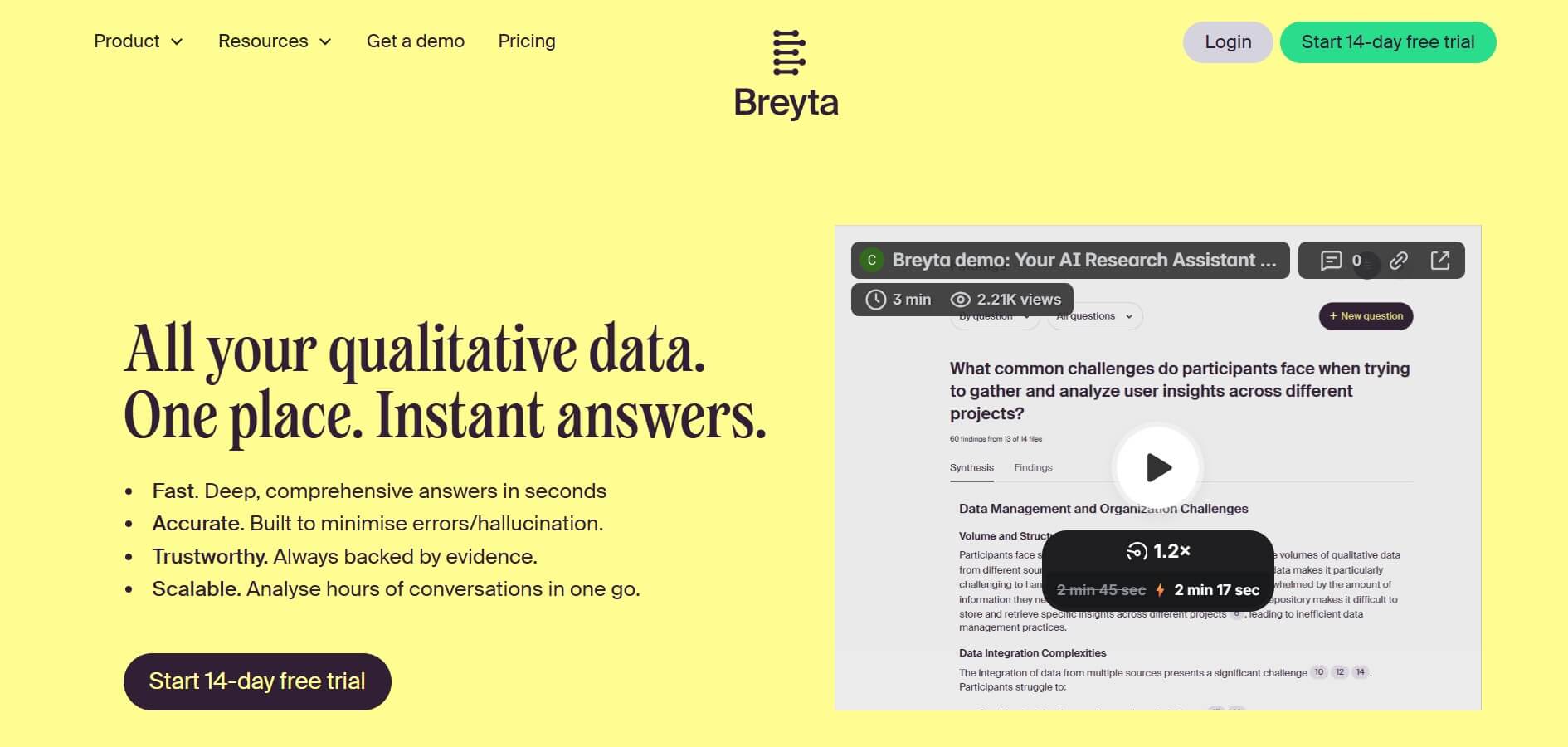
Breyta helps creators and businesses build, automate, package, and sell AI workflows and agents. It supports LLM, HTTP, code, database, storage, webhook, approval, and notification steps. Users can publish workflows as apps, HTTP endpoints, MCP tools, or reusable components while Breyta manages hosting, execution, billing, customer installations, and payouts.
 4.8
4.8Klenty
Sales
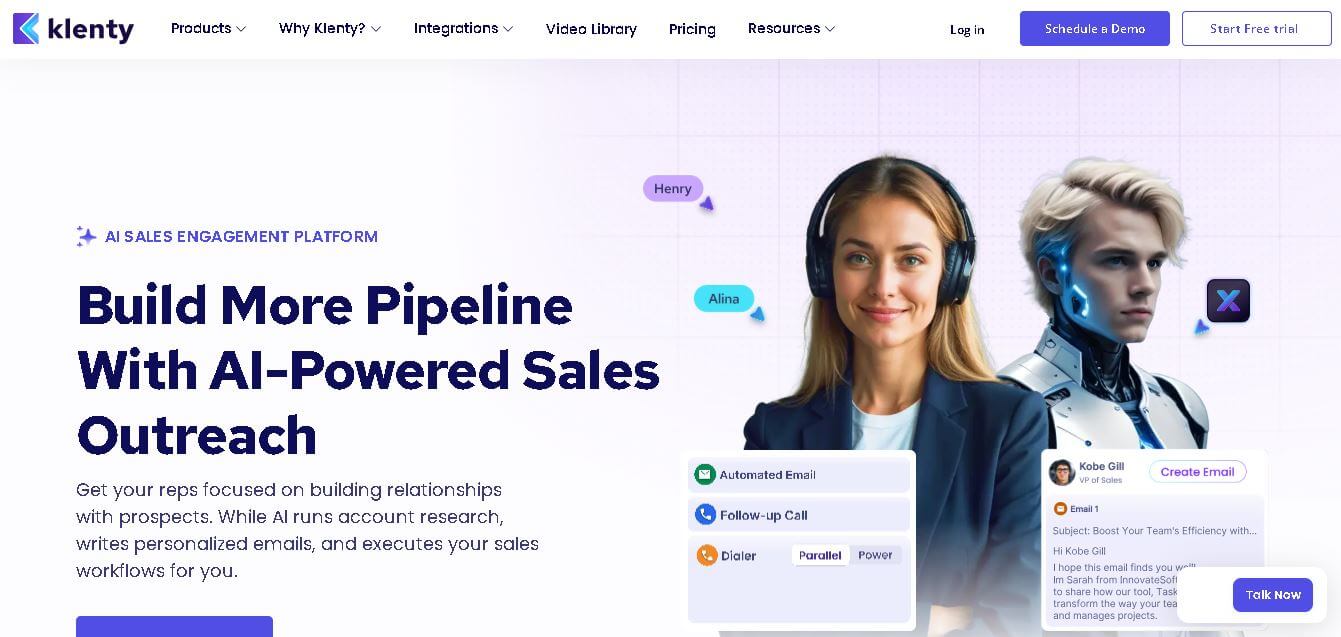
Klenty helps sales teams automate personalized prospecting across email, calls, LinkedIn, SMS, and WhatsApp. It combines multi-channel cadences, AI-assisted research, dialing, CRM integrations, deliverability tools, and analytics, allowing SDRs to spend less time on repetitive tasks and more time having productive conversations with qualified prospects throughout their outbound sales process.
 4.9
4.9TestSprite
Testing
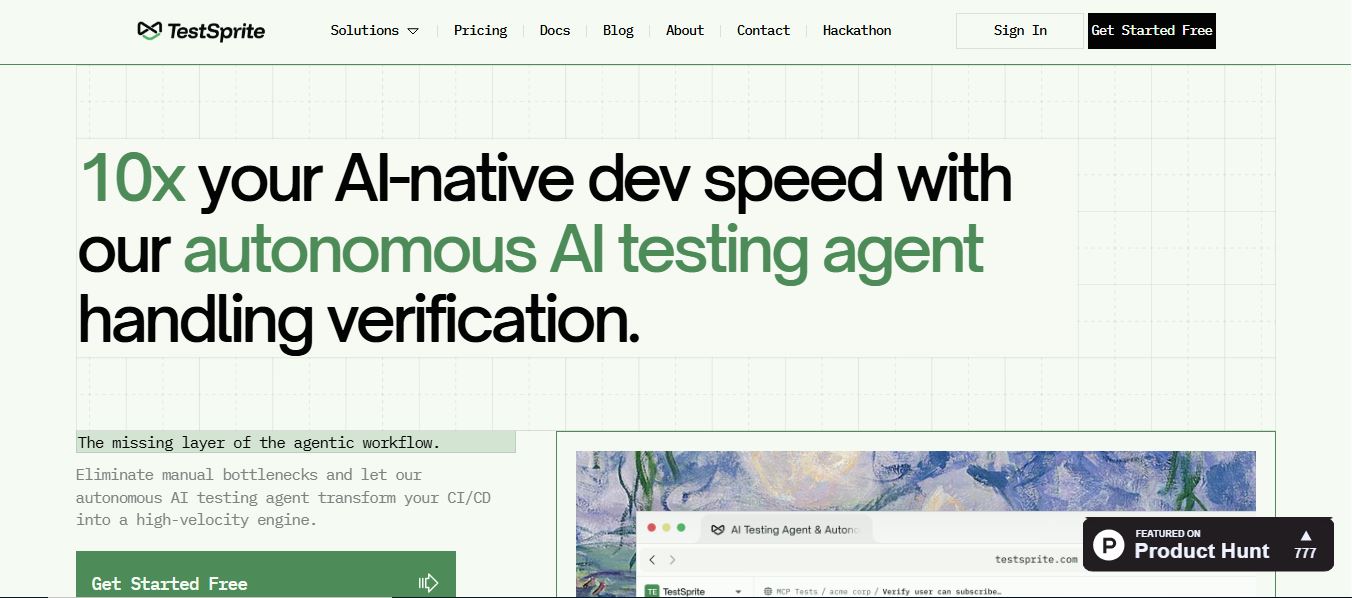
TestSprite is an AI-powered software testing agent that helps developers automatically generate, run, and fix end-to-end tests for web apps. It simulates real user behavior, detects issues, and provides root-cause insights with suggested fixes, enabling faster releases and more reliable software without manual QA effort.
 4.9
4.9Clay
Marketing
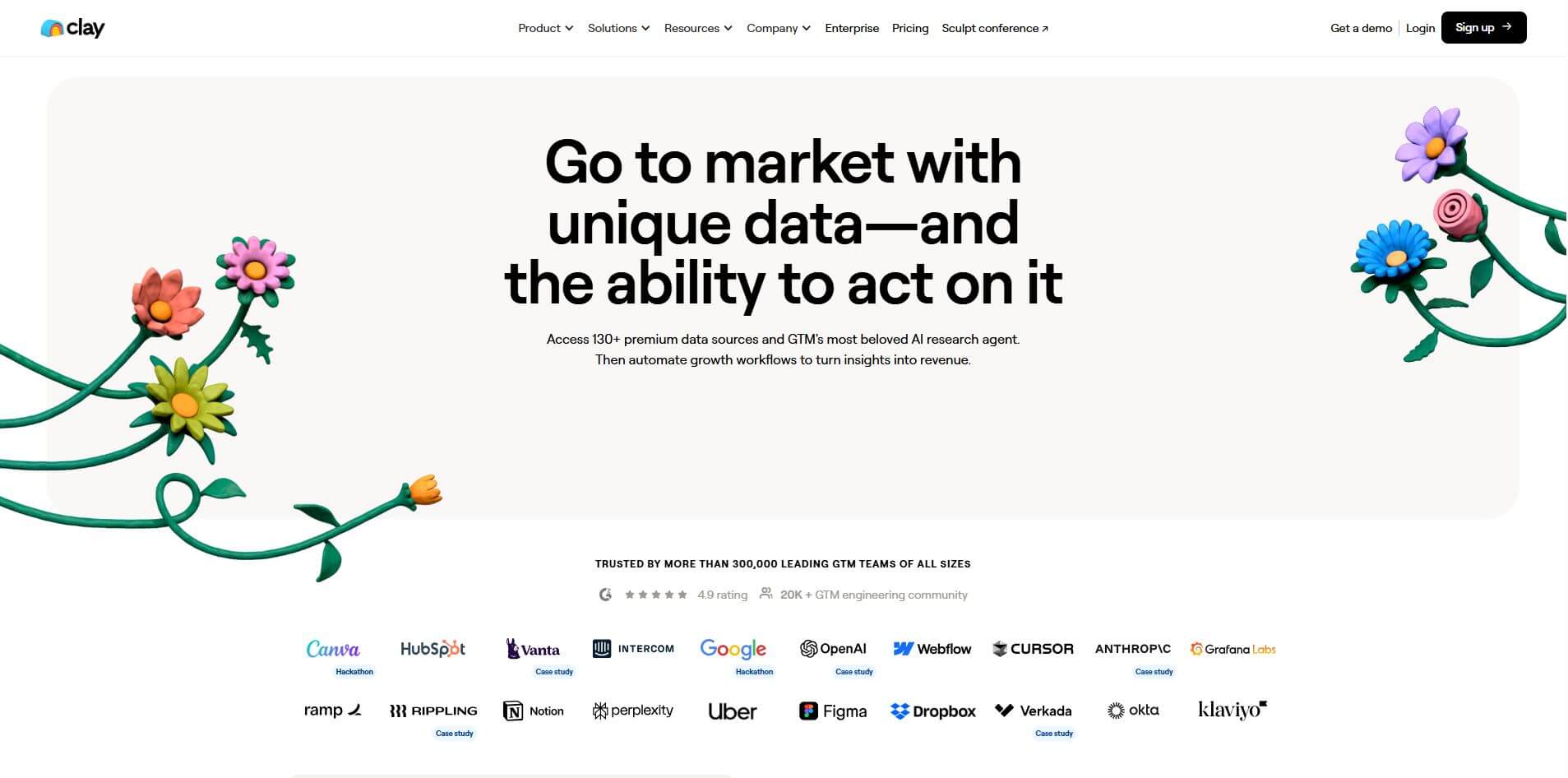
Clay is an AI-powered go-to-market platform that helps teams find, enrich, and convert leads using data and automation. It combines 170+ data sources with AI agents to research prospects, qualify accounts, and generate personalized outreach, enabling faster pipeline growth and more efficient sales workflows.
 4.8
4.8Microsoft Copilot
Productivity
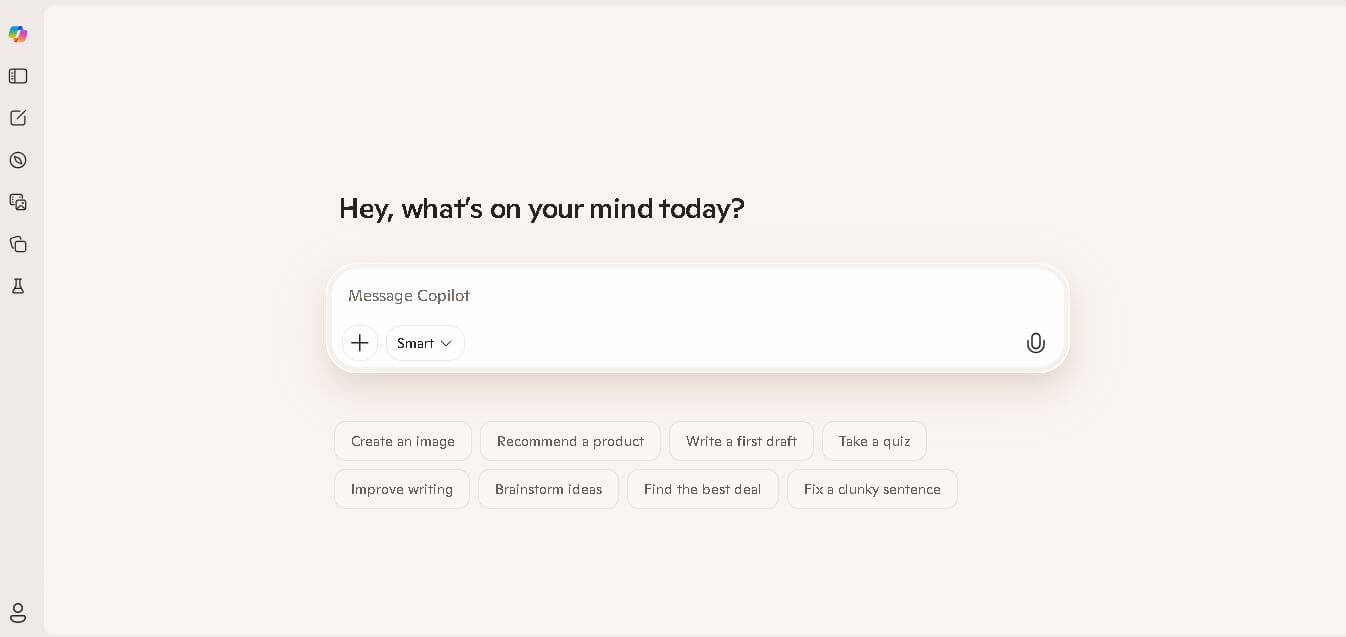
Microsoft Copilot is an AI-powered assistant that helps users write, research, analyze data, and automate tasks across apps like Word, Excel, Outlook, and Teams. It combines large language models with real-time data to generate content, answer questions, and improve productivity across personal and professional workflows.