
Datature
Datature is an AI-powered computer vision platform that helps organizations annotate datasets, train machine learning models, deploy AI applications, and manage end-to-end vision workflows efficiently.

What is Datature AI?
Datature is an AI powered low-code/no-code platform that helps organizations build, train, deploy, and manage computer vision models inside one kind of unified ecosystem. The entire workflow integrates data annotation, dataset management, model training evaluation, deployment, and monitoring, creating a cohesive system rather than a fragmented one. It was designed for AI engineers, researchers, enterprises, and developers, aiming to simplify the complexities of computer vision development in its entirety. It has AI assisted annotation tools, plus scalable infrastructure and the ability to deploy. Together, that means teams can cut down on development time while still improving model performance. Datature centralizes everything from the machine learning lifecycle, enabling teams to create production-ready computer vision applications more quickly and at scale.
Datature supports thousands of AI teams globally and offers dataset management for up to 50,000 images on entry-level plans. The platform includes AI-assisted annotation, automated workflows, cloud deployment, multi-format model exports, and GPU-powered training capabilities. Organizations can accelerate dataset labeling, reduce model development time, and streamline computer vision operations through a unified platform. Datature supports image classification, object detection, segmentation, and pose estimation, making it suitable for enterprise-scale machine learning projects.

- Founder Name: Ivan Lee
- Launch Date: 2020
Use Cases
- Medical image analysis
- Object detection projects
- Image classification systems
- Manufacturing quality inspection
- Smart city surveillance
- Retail inventory monitoring
- Agricultural monitoring
- Traffic management solutions
- Video analytics applications
- AI-powered automation systems
Technology
- Computer Vision
- Artificial Intelligence
- Machine Learning
- Deep Learning
- MLOps
- TensorFlow
- PyTorch
- ONNX
- Cloud Computing
- AI-Assisted Annotation
- Multi-GPU Training
- API Integration
Key Features
Datature AI's key features are
• AI-Assisted Annotation
- Automates image and video labeling processes.
- Reduces manual annotation workload.
- Improves labeling consistency and accuracy.
• Dataset Management
- Centralized storage for training datasets.
- Advanced search and filtering capabilities.
- Version control for datasets.
• Model Training
- Supports object detection, segmentation, and classification.
- Optimized training workflows.
- Hyperparameter tuning support.
• Performance Evaluation
- Detailed analytics dashboards.
- Confusion matrices and performance metrics.
- Model comparison capabilities.
• Model Deployment
-
Deploy models to cloud, edge, and on-premise environments.
- Scalable inference infrastructure.
- Production-ready deployment options.
• Collaboration Tools
- Team-based project management.
- Role-based access controls.
- Shared datasets and workflows.
• Security & Compliance
- Enterprise-grade security.
- Data governance features.
- Compliance-focused infrastructure.
• API & SDK Support
- Developer-friendly integrations.
- Automation capabilities.
- Custom workflow development.
Pricing
• Developer Plan
- Free tier available.
- Suitable for learning and small projects.
- Limited dataset and training resources.
• Startup Plan
- Designed for growing teams.
- Expanded storage and collaboration tools.
- Enhanced training capabilities.
• Professional Plan
- Advanced deployment options.
- Larger datasets supported.
- Priority support.
• Enterprise Plan
- Custom pricing.
- Unlimited scalability.
- Dedicated support and security features.
- On-premise deployment options.
Disclaimer: For the latest and most accurate pricing information, please visit the official Datature AI website.
Who is using it?
A diverse range of users and organizations utilize Datature AI.
- AI Engineers
- Machine Learning Teams
- Computer Vision Researchers
- Healthcare Organizations
- Manufacturing Companies
- Retail Businesses
- Agricultural Technology Firms
- Smart City Projects
- Data Science Teams
- Enterprise AI Departments
Alternatives
Some Datature alternatives are
- Roboflow
- Labelbox
- SuperAnnotate
- CVAT
- V7 Labs
- Scale AI
- Supervisely
- Encord
Tool Comparison
| Feature | Datature | Roboflow | Labelbox | SuperAnnotate | V7 Labs |
|---|---|---|---|---|---|
| AI Annotation | Excellent | Excellent | Good | Excellent | Excellent |
| Dataset Management | Excellent | Good | Excellent | Excellent | Good |
| Model Training | Yes | Limited | No | Limited | Limited |
| Deployment Tools | Yes | Yes | No | Limited | Limited |
| Enterprise Security | Strong | Strong | Strong | Strong | Strong |
| MLOps Features | Advanced | Moderate | Moderate | Moderate | Moderate |
| API Support | Yes | Yes | Yes | Yes | Yes |
| Free Plan | Yes | Yes | Limited | Limited | Limited |
How We Rated Datature
- Creative Accuracy: 9.0/10
- User Experience: 9.1/10
- Tools & Capabilities: 9.4/10
- Speed & Efficiency: 9.2/10
- Creative Freedom: 8.8/10
- Trust & Transparency: 9.0/10
- Help & Community: 8.9/10
- Value for Money: 9.1/10
- Ecosystem Fit: 9.3/10
- Overall Score: 9.1/10
Conclusion
Datature is this powerful computer vision platform that kind of unites data annotation, model training, deployment, and monitoring in one ecosystem. It has AI-assisted labeling tools, scalable infrastructure, and enterprise-minded capabilities, so it’s a solid option for orgs building computer vision apps. Overall, it lowers the messy operational parts while also boosting productivity across the entire machine learning lifecycle. You can use it for startups, research groups, or bigger enterprises, and it still feels like a complete space for developing production-ready AI models. Plus, there are collaboration features that actually work, deployment flexibility, and more detailed analytics, so it stays a competitive solution as the computer vision and MLOps market keeps expanding pretty fast.
People are also reading
FAQ
What is Datature?
Datature is an AI-powered computer vision platform for data annotation, model training, deployment, and monitoring.
Who can use Datature?
AI engineers, researchers, developers, startups, enterprises, and machine learning teams can use Datature.
What AI tasks does Datature support?
It supports image classification, object detection, image segmentation, and pose estimation.
Does Datature offer a free plan?
Yes, Datature offers a free Developer plan for individuals and small projects.
Can Datature deploy AI models?
Yes, models can be deployed to cloud, edge devices, and on-premise environments.
User Reviews
No reviews yet for Datature.
Featured Tools
Featured AI tools from TechShark
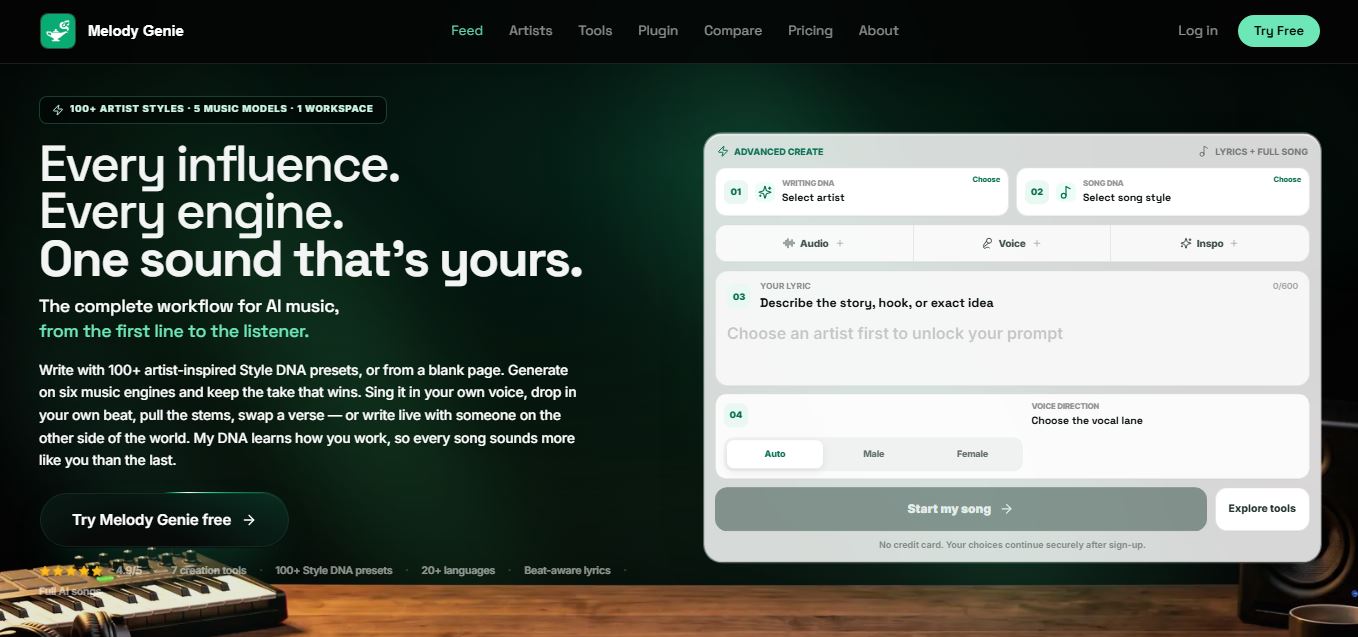
Melody Genie
MelodyGenie is an AI-powered music generator that creates original songs from simple text prompts. Users can choose styles, moods, and genres, then instantly generate melodies and full tracks, making it easy for creators, marketers, and hobbyists to produce custom music without musical expertise.
Freemium
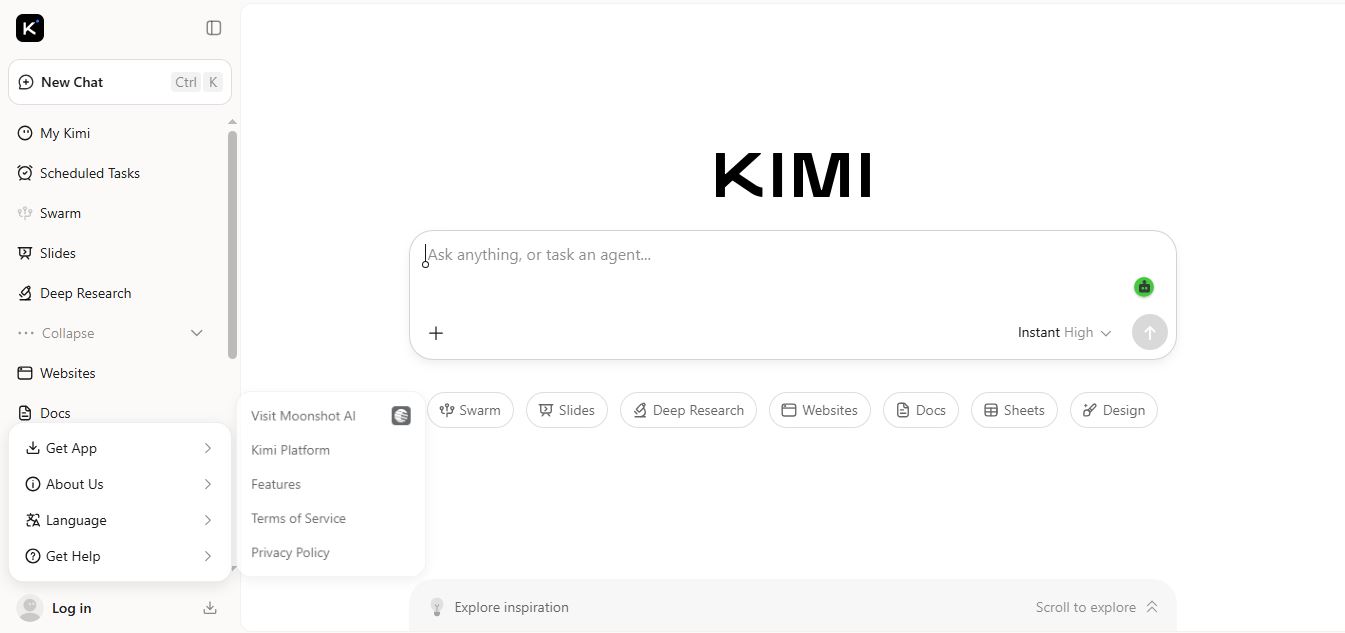
Kimi AI
Kimi AI is an advanced AI assistant developed by Moonshot AI that helps you chat, research, write, code, and automate tasks in one place. It supports web search, file analysis, and multimodal inputs, and can even run autonomous “agent” workflows to complete complex tasks end-to-end.
Freemium
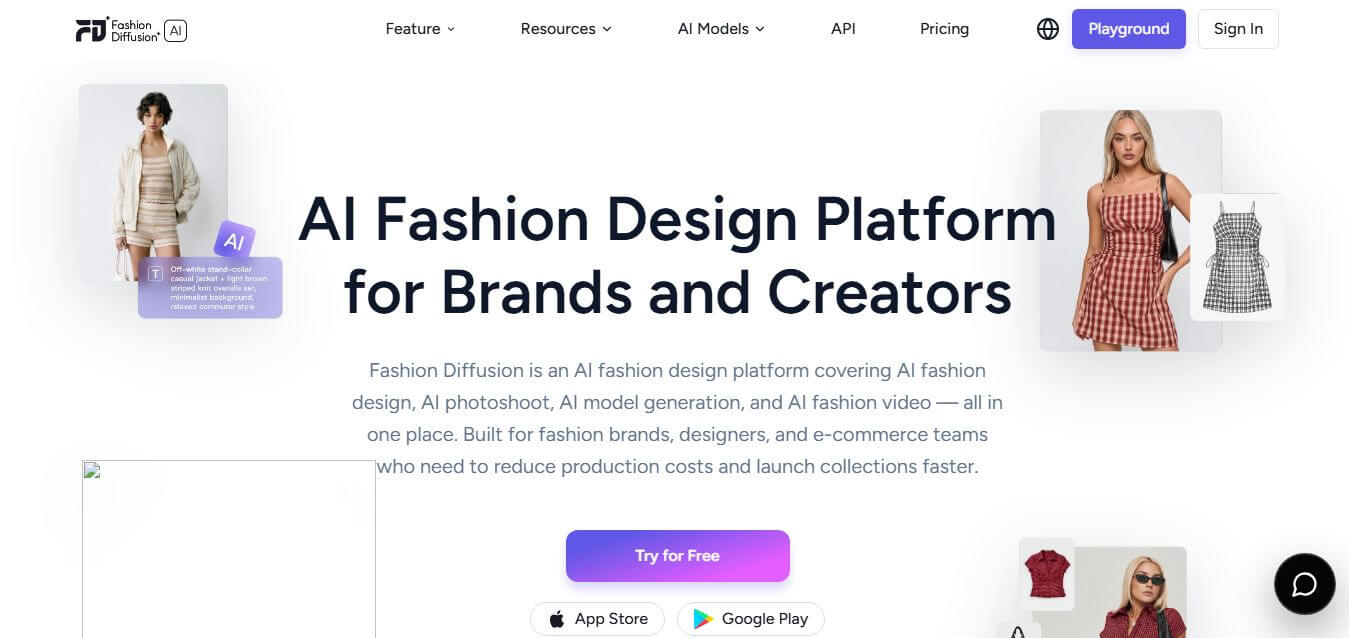
Fashion Diffusion AI
Fashion Diffusion is an AI-powered fashion design platform that helps brands and designers create clothing designs, virtual try-ons, AI models, product photos, and marketing visuals faster and cost-effectively.
Paid
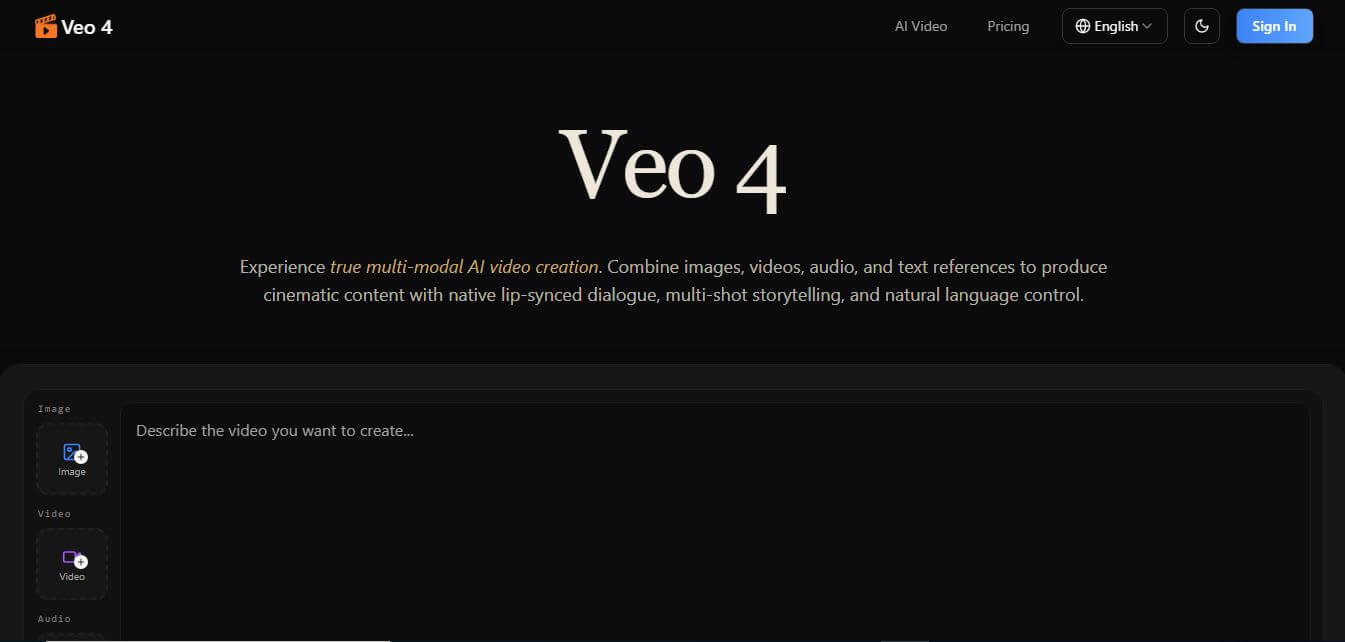
Veo 4
Veo 4 AI is an AI video creation platform that generates dramatic videos from text, images, audio, and video prompts using realistic motion and synchronized sound.
Paid
Alternatives
Alternatives to Datature
Datature AI alternatives include Verisl, Cytora, Shift Technology, Socotra, Earnix, and Guidewire. Datature is a comprehensive AI vision platform designed for developers, researchers, and enterprises. It simplifies data annotation, dataset management, model training, evaluation, deployment, and monitoring. With AI-assisted labeling, scalable infrastructure, and collaboration tools, Datature helps teams build and deploy production-ready computer vision solutions faster.
 4.8
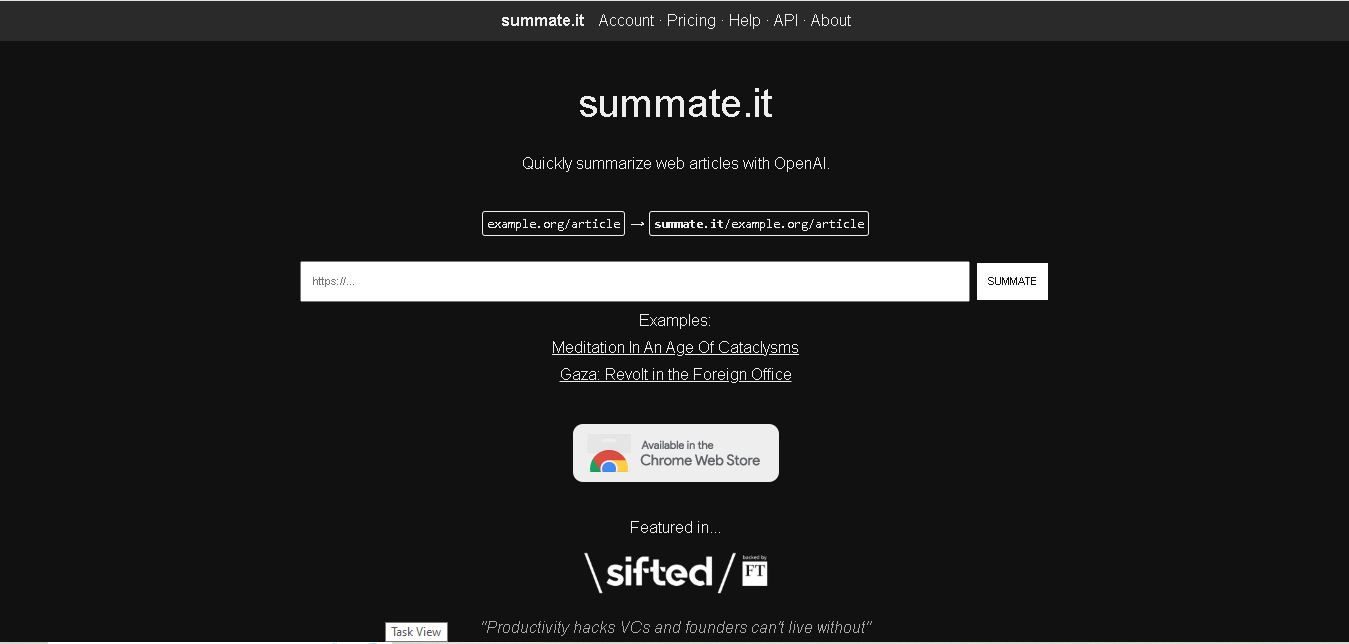
Summate.it
Research
Summate.it is a web-based AI article summarizer that helps users understand lengthy online content quickly. It extracts article text and uses OpenAI to generate concise summaries highlighting essential information. Students, researchers, marketers, and professionals can use it to review online articles efficiently, save reading time, and simplify everyday information gathering.
 4.9
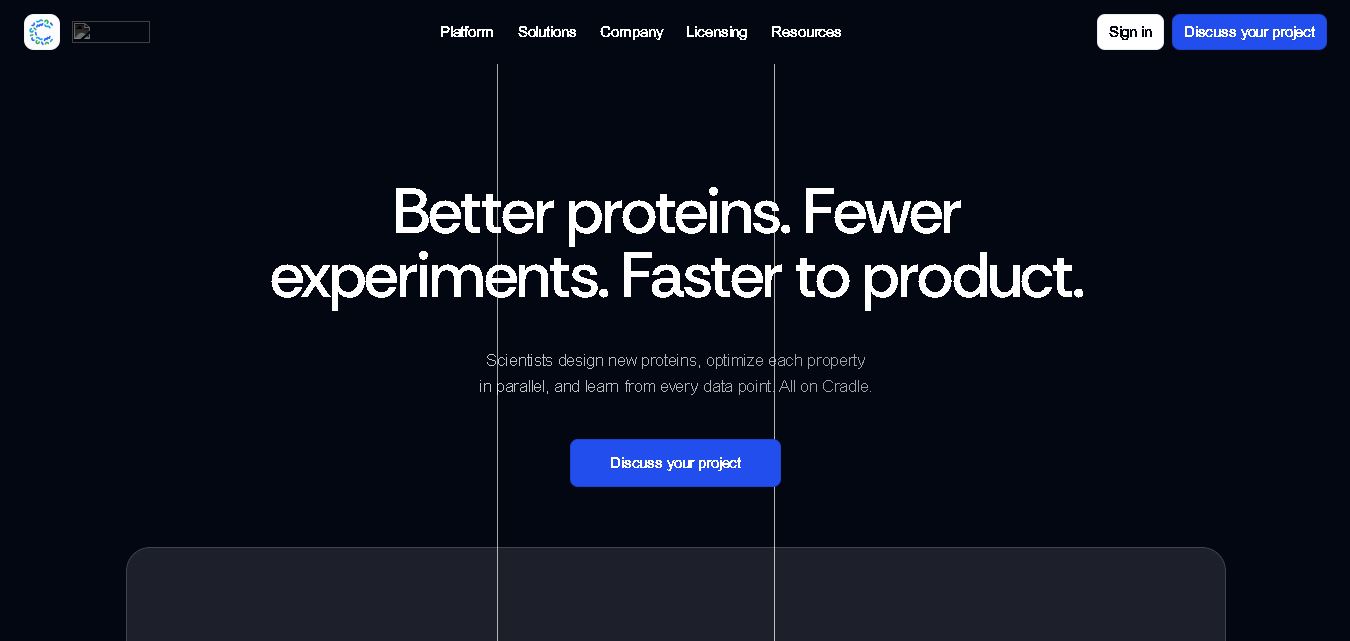
Cradle
Research
Cradle helps biotechnology researchers design, engineer, and optimize proteins using artificial intelligence and laboratory data. Its capabilities include protein sequence generation, multi-property optimization, candidate scoring, and experimental learning. The platform supports pharmaceutical, agricultural, and industrial biotechnology research, helping scientific teams explore promising molecules while reducing unnecessary experimental cycles and improving research workflows.
 4.9
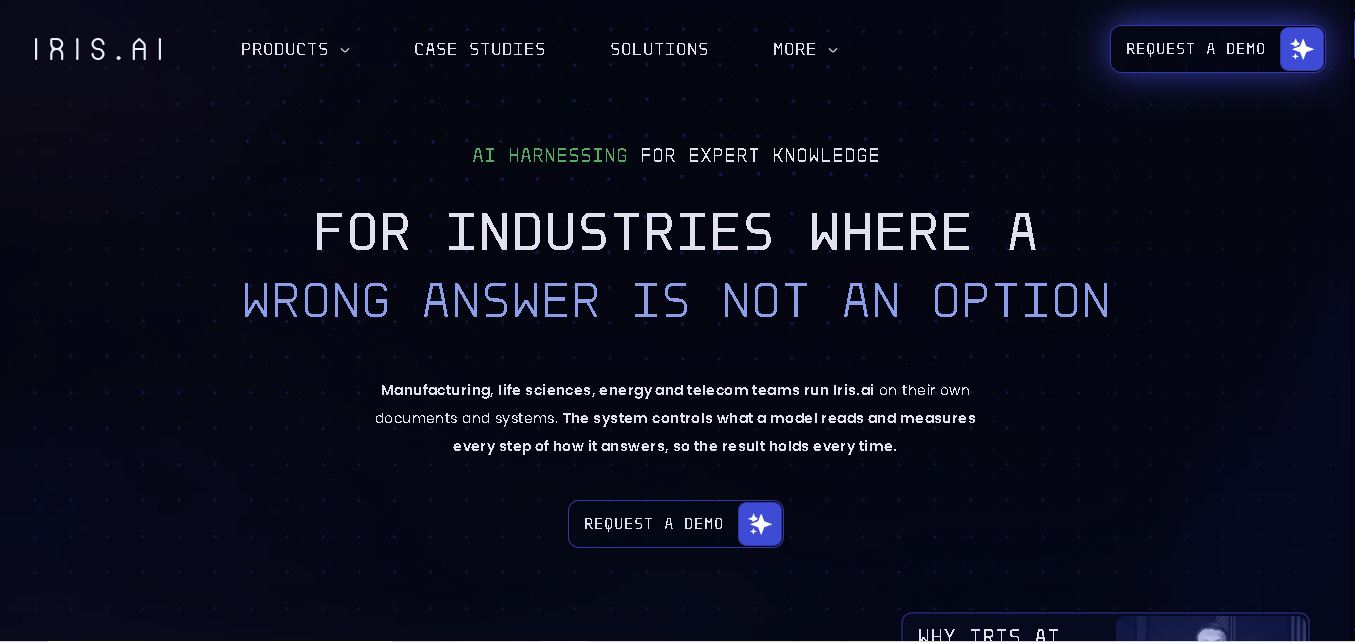
Iris.ai
Research
Iris.ai helps enterprises and research teams organize complex information, analyze scientific literature, and build AI workflows using organizational knowledge. Its solutions support document extraction, contextual search, data processing, and AI response evaluation. The platform is particularly relevant to research-intensive businesses seeking better information retrieval, reliable answers, and controlled enterprise AI applications.
 4.8
Lightmatter
Research
Lightmatter develops photonic computing technologies that help AI data centers connect processors and transfer information more efficiently. Its products include Passage optical interconnects, Guide light engines, and Envise photonic AI computing technology. The company aims to address bandwidth and power constraints affecting large-scale AI training, inference, and high-performance computing infrastructure.
 4.8
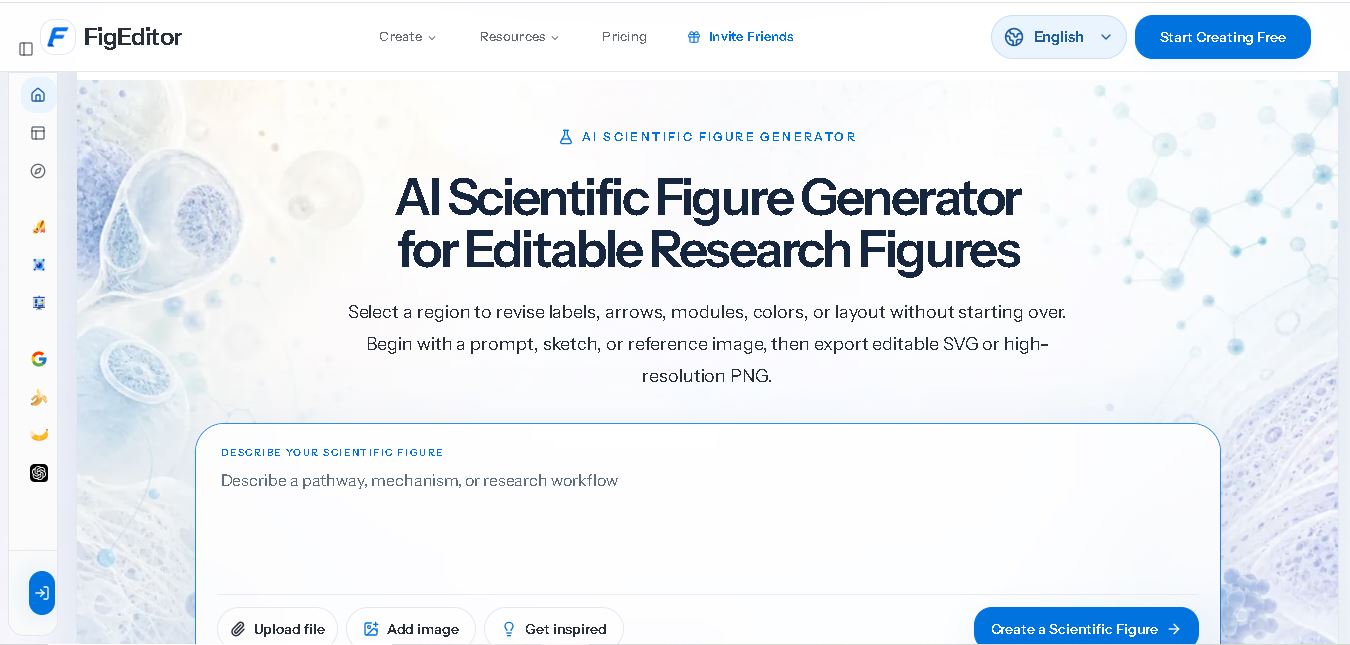
FigEditor
Research
FigEditor AI helps researchers create scientific illustrations, flowcharts, graphical abstracts, and academic diagrams from text prompts, sketches, or reference images. Its editing and vectorization features simplify visual revisions, while SVG and high-resolution PNG exports support different research workflows. It is useful for students, scientists, educators, and research professionals preparing visual materials.
 4.8
GoMim
Research
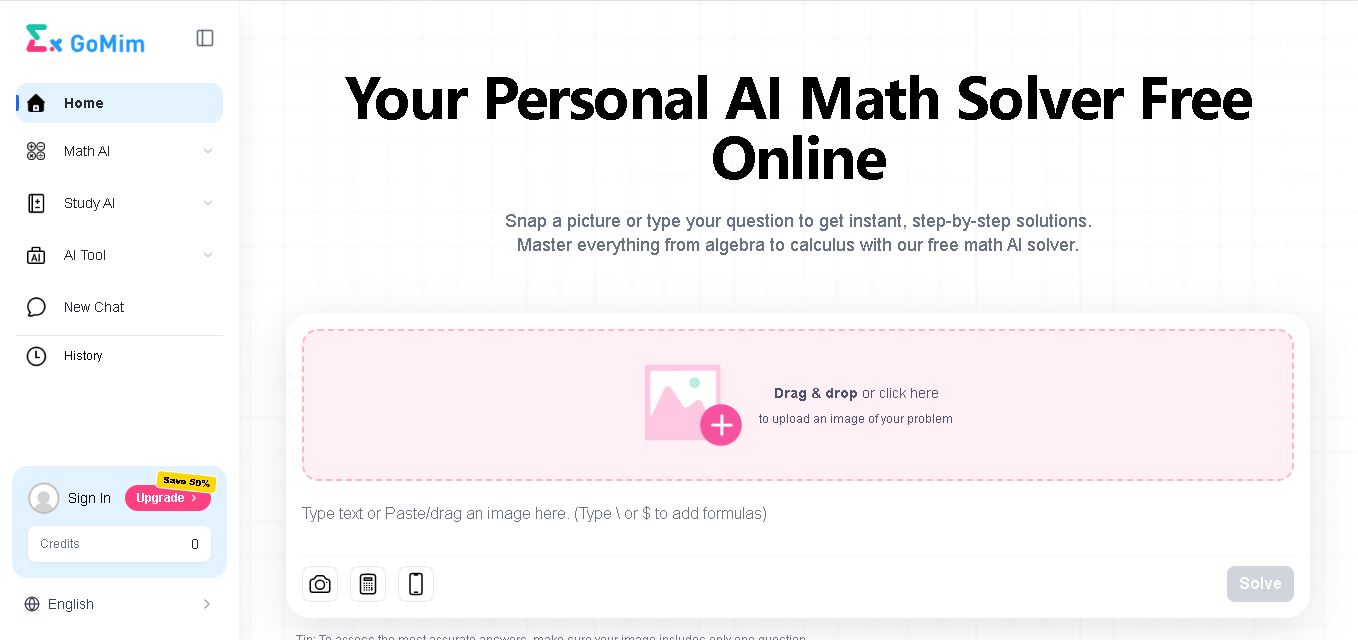
GoMim is an AI math solver that helps students understand mathematical concepts through step-by-step solutions. It supports typed questions, image uploads, and subjects including algebra, geometry, and calculus. With an interactive AI tutor, question history, and free and paid plans, GoMim makes homework assistance and independent study more accessible.
 4.8
AlphaResearch
Research
AlphaResearch helps investors, financial analysts, and corporate strategists research companies using financial documents, earnings transcripts, market data, and sentiment analysis. Its features include document search, filing alerts, stock screening, institutional ownership tracking, and research notes. The platform simplifies financial information discovery, helping users investigate companies and support informed investment research decisions.
 4.8
Gatsbi
Research
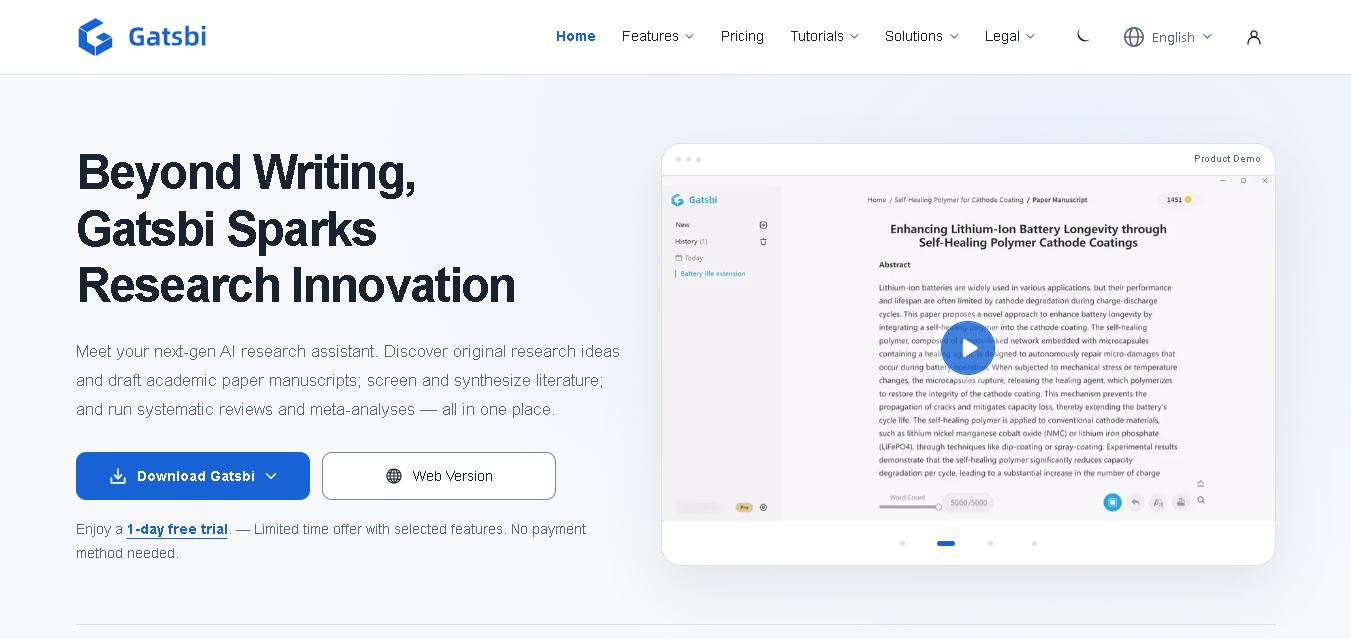
Gatsbi is an AI research assistant that helps researchers discover ideas, draft academic papers, review scientific literature, and prepare patent disclosures. It combines research discovery, manuscript generation, and evidence synthesis in one workflow. The tool is useful for academics, scientists, engineers, and innovation teams seeking to streamline complex research tasks.
 4.9
Metagene-1
Research
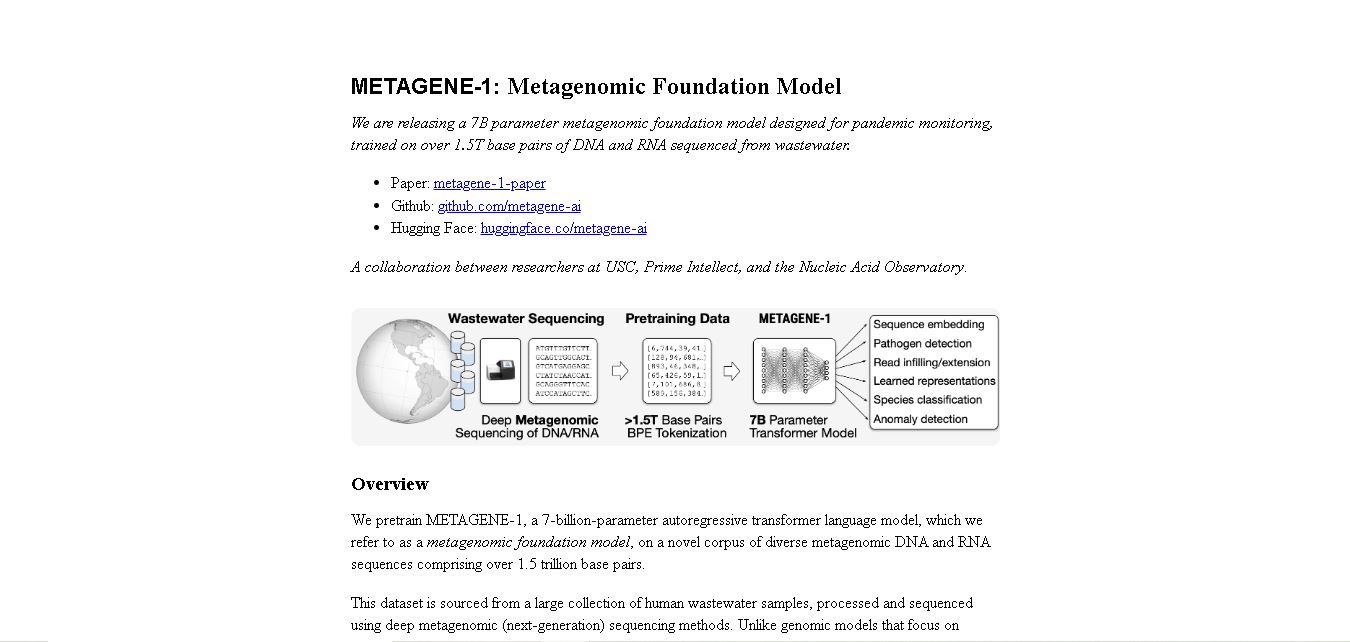
METAGENE-1 is a metagenomic foundation model designed to help researchers analyze DNA and RNA sequences. Trained on extensive wastewater sequencing data, it supports genomic embedding, pathogen detection research, biosurveillance, and pandemic monitoring. The model provides researchers with an AI-based approach to studying microbial diversity and identifying patterns in complex metagenomic datasets.