
AI Coustics
AI Coustics is an AI-powered audio intelligence platform that helps developers improve speech quality for voice AI systems. It enhances, isolates, and analyzes audio in real time, reducing noise and errors, so tools like speech recognition and voice agents perform reliably in real-world conditions.
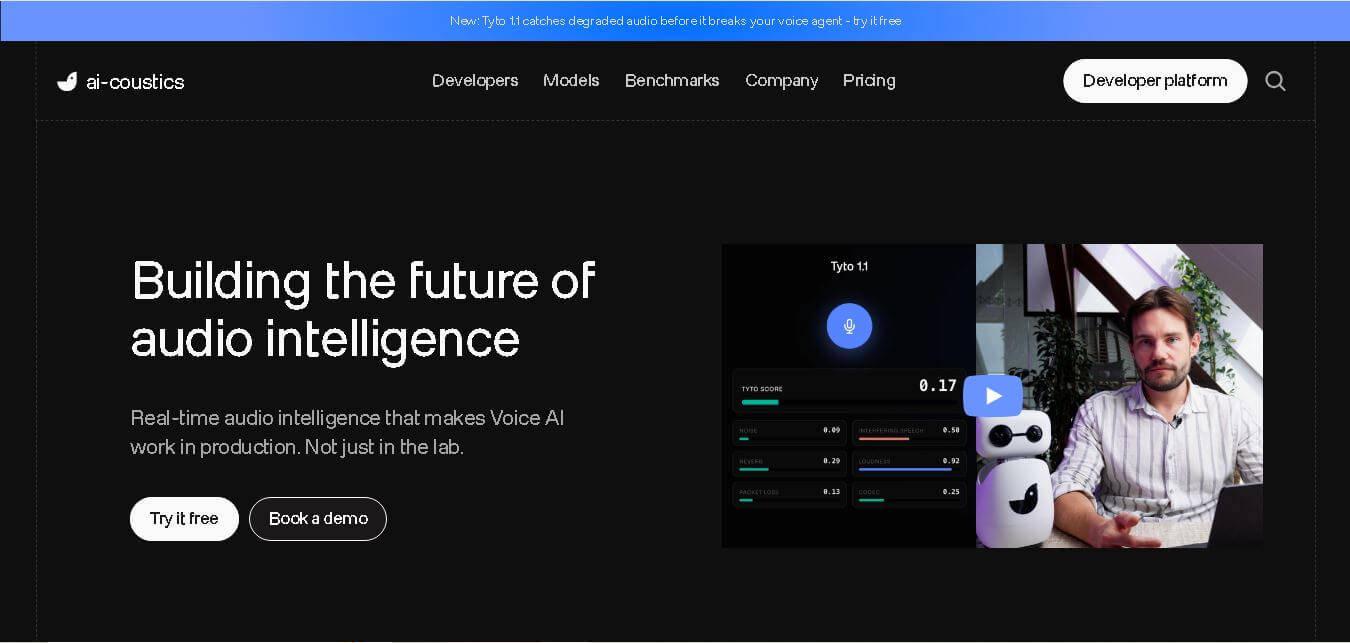
What is AI-coustics?
AI-Coustics is an AI-powered audio enhancement platform that improves sound quality by removing background noise, echo, and distortions from recordings. It uses advanced machine learning models to clean and optimize audio for clarity, making it suitable for podcasts, videos, calls, and professional recordings. Users can upload audio files or integrate the technology via API for real-time processing. Designed for creators, businesses, and developers, it helps deliver studio-quality sound without requiring complex audio editing tools or expertise.
AI-coustics provides real-time audio intelligence for voice AI systems, with processing designed for approximately 30 ms latency and CPU-based deployment. Its models handle 500+ noise types and are trained across more than 1 million acoustic environments. The technology is used across 187 countries and 150+ languages, processing millions of audio minutes weekly. Quail models can reduce word error rate by up to 43%, while PolyAI reported 40% fewer false barge-ins and 30% fewer short-utterance failures across 2,000+ deployments.
- Platform Role: Real-Time Audio Intelligence, AI Speech Enhancement, Voice Activity Detection & Audio Quality Analytics
- Developer & Organization: ai-coustics GmbH (Berlin, Germany)
- Cross-Platform Access: Lightweight SDKs (C/C++, Python, WebAssembly), API access, desktop integrations (VST3, Elgato ecosystem), and developer cloud portal
Use Cases:
- Preprocessing real-time audio for conversational Voice AI agents to reduce Word Error Rates (WER) and prevent false barge-ins
- Isolating foreground speakers and filtering background chatter in customer service and telecommunication call streams
- Enhancing voice quality for AI voice cloning and avatar generation (e.g., Synthesia) to stabilize speaker identity
- Embedding studio-grade noise suppression into hardware creator tools, microphones, and audio software (e.g., Elgato Wave Link/VST3)
- Evaluating incoming audio quality automatically using predictive diagnostic scores to catch degraded speech prior to processing
Technology:
- Proprietary generative audio models trained on over 500 noise types and 1,000,000+ distinct room acoustic profiles
- Ultra-low latency inference engine running at 8 and 16 kHz PCM directly on CPU without GPU or heavy ONNX dependencies
- Specialized deep learning model architectures, including Quail (STT primer & voice isolation), Sparrow (human perception enhancement), and Tyto (audio diagnostics)
- Seamless integrations with popular real-time communication frameworks such as LiveKit, Pipecat, and WebRTC stacks
Target Users:
- Voice AI and Conversational AI developers building real-time voice agents and automated customer support bots
- Telecommunications, VoIP, and video conferencing providers seeking low-latency background noise isolation
- Generative media creators, avatar platforms, and synthetic voice companies requiring clean source audio
- Hardware manufacturers and audio software developers adding real-time AI noise cancellation to local devices
Acquisition: Native software platform developed and operated by ai-coustics GmbH, Berlin, Germany

What are the key features of AI-coustics?
AI-coustics' key platform features are
- Quail Voice Focus & Isolation: Removes background noise, cross-talk, and secondary voices to isolate the main speaker for downstream Voice AI.
- Quail Multi Speaker (STT Primer): Enhances audio specifically for speech-to-text models, reducing Word Error Rates (WER) by up to 43%.
- Robust Voice Activity Detection (VAD): Detects human speech precisely without separate denoising filters, cutting false barge-ins in voice agent pipelines.
- Tyto Audio Insight: Generates automated diagnostic scores for input audio quality, pinpointing clipping, distortion, or excessive reverb instantly.
- Sparrow Perceptual Enhancement: Restores full-bandwidth voice clarity for human listening in telecommunications, streaming, and podcasting.
- Low Latency CPU Execution: Runs real-time inference in 10 ms to 30 ms on edge hardware or server CPUs with minimal power usage.
- Framework SDK Integration: Drop-in SDK compatibility with LiveKit, Pipecat, WebRTC, PyTorch, C/C++, and VST3 plugins.
How much does AI-coustics cost?
AI-Coustics offers a free developer tier for testing and sandbox development, while production deployments scale through usage-based API and enterprise SDK licensing.
Developer & Commercial Tiers:
- Free Developer Portal Tier: Free access for testing models, generating API keys, and building prototypes within the developer platform.
- Pay-As-You-Go / Scaled API: Usage-based pricing billed per audio minute processed for cloud pipelines and API deployments.
- Enterprise & On-Premise SDK: Custom enterprise pricing for local SDK embedding, high-volume production streams, dedicated SLAs, and hardware licensing.
Disclaimer: Developer testing is free via the ai-coustics platform. Production API minutes and embeddable SDKs require commercial enterprise licensing based on processing volume.
Who should use AI-coustics?
AI-Coustics is designed for voice AI teams, audio hardware builders, and communication platforms, including
- Voice AI & LLM Agent Teams: Engineers struggling with high word error rates, background noise interference, or false agent interruptions in production.
- Voice Cloning & Synthetic Media Companies: Platforms needing clean, studio-like voice samples from poor-quality user recordings to train stable voice models.
- Enterprise Call Centers & VoIP Providers: Organizations looking to improve agent audio clarity and call transcript reliability without high GPU costs.
- Audio Hardware & Creator Software Vendors: Manufacturers integrating on-device AI noise suppression into consumer microphones and audio software interfaces.
What are the best alternatives to AI-coustics?
Some of the strongest AI-coustics alternatives include
- Krisp AI
- Dolby.io
- KoSpeech / Picovoice
- Silero VAD
- RNNoise
- Axiom / Deepgram Audio Intelligence
What are the pros and cons of AI-coustics?
What are the pros of AI-coustics?
- Purpose-built for machine understanding (STT/LLMs) as well as human perceptual enhancement
- Extremely low latency (30ms or less) suitable for real-time conversational voice agents
- Efficient CPU-based inference eliminates the requirement for costly GPU infrastructure
- Native SDK support for major Voice AI orchestrators like LiveKit and Pipecat
- Outperforms legacy VAD solutions by reducing false barge-in rates by up to 40%
What are the cons of AI-coustics?
- Requires developer integration compared to simple end-user desktop apps like standard Krisp
- Enterprise SDK deployment pricing requires direct sales consultation for large-scale production
- Extremely low-bitrate or severely destroyed audio source input may still require dedicated hardware replacement
Why should you choose AI-coustics?
Voice AI pipelines often fail in real-world environments because background noise, reverberation, and secondary voices corrupt the input audio before it reaches the speech-to-Text engine. ai-coustics solves this fundamental problem by acting as an invisible audio reliability layer. Running seamlessly on CPUs with sub-30 ms latency, it transforms noisy real-world speech into pristine data streams—ensuring your STT models, VAD triggers, and LLM voice agents perform reliably at scale.
How does AI-coustics compare to competitors?
The main distinction between AI-coustics, Krisp, Dolby.io, and Silero VAD lies in execution architecture and target integration. While Krisp mainly targets end-user desktop applications and Dolby.io provides broad media APIs, AI-coustics delivers an ultra-fast, CPU-native SDK designed specifically to optimize input pipelines for real-time voice AI models and embedded applications.
| Feature / Platform | AI-coustics | Krisp AI | Dolby.io | Silero VAD |
|---|---|---|---|---|
| Primary Focus | Voice AI Input Reliability & Speech SDK | Desktop & Enterprise Noise Cancellation App | Cloud Spatial Audio & Media Processing APIs | Lightweight Voice Activity Detection |
| Real-Time Latency | Ultra-low (<10 ms - 30 ms) | Low (~15 ms - 40 ms) | Variable (Depends on cloud API) | Ultra-low (<30 ms) |
| Infrastructure Footprint | CPU-native (no GPU/ONNX required) | Local CPU/GPU desktop app client | Cloud API platform | Lightweight CPU model |
| STT Optimization Focus | High (Quail models engineered for ASR/WER) | Moderate (Focused on human call quality) | Moderate (Focused on studio playback) | N/A (VAD trigger only) |
| Best For | Voice AI platforms needing reliable speech input for agents | Individual remote workers and call center desktop noise filtering | Media streaming platforms and cloud audio processing | Developers needing basic open-source VAD integration |
How do we rate AI-coustics?
| Parameter | Rating (out of 5) |
|---|---|
| Noise Suppression & Voice Isolation Quality | 4.9 |
| Latency & Real-Time Performance | 4.9 |
| Voice AI & STT Accuracy Enhancement | 4.8 |
| Developer Experience & SDK Flexibility | 4.7 |
| Value for Money & Efficiency | 4.7 |
| Overall Score | 4.80 |
What is our review and verdict on AI-coustics?
AI-coustics is an essential tool for developers shipping Voice AI applications in real-world production environments. By placing an intelligent, lightweight audio enhancement layer at the input level, it effectively solves background chatter, speech distortion, and false barge-ins before they reach the language model. For voice agent builders, audio hardware creators, and real-time communication platforms, AI-coustics offers top-tier reliability and performance.
Conclusion
AI-coustics provides a specialized audio intelligence layer for teams building production-grade voice AI. Its speech enhancement, voice isolation, VAD, and audio analysis capabilities address common problems caused by noisy and unpredictable audio. With low-latency processing, CPU support, 100+ language coverage, and enterprise deployment options, it can strengthen the reliability of voice agents and related applications. For developers focused on improving speech recognition and real-time conversational experiences, AI-coustics is a practical solution worth evaluating.
FAQ
What is AI Coustics used for?
AI Coustics is designed for developers building voice AI systems that need reliable audio input. It can enhance speech, suppress background noise, isolate speakers, improve voice activity detection, and support speech-to-text accuracy. These capabilities are useful for voice agents, communication applications, AI avatars, creator tools, and other real-time audio experiences.
How does ai-coustics improve voice AI?
AI-coustics improves voice AI by processing incoming audio before it reaches components such as speech-to-text, voice activity detection, and language models. Its models can remove unwanted noise, isolate the foreground speaker, and preserve important speech characteristics. Cleaner audio can help downstream voice systems understand conversations more consistently in challenging environments.
Can ai-coustics remove background noise?
Yes, AI-coustics provides speech enhancement and voice isolation models designed to suppress unwanted sounds and competing voices. Quail Voice Focus focuses on isolating the foreground speaker, while other Quail models enhance speech for speech-to-text applications. This makes the technology useful when voice agents operate around conversations, traffic, equipment, or other environmental noise.
Does ai-coustics work in real time?
Yes, AI-coustics is specifically designed for real-time audio processing. Its website states that the SDK can enhance, isolate, and balance speech with low latency, while its current product information lists processing at around 30ms. The SDK is also designed to operate without a GPU, making real-time integration practical for production voice applications.
Does ai-coustics improve speech-to-text accuracy?
Yes, AI-coustics offers Quail Multi Speaker, a speech enhancement model designed to improve speech-to-text performance in difficult acoustic environments. The company states that its Quail models can reduce word error rate by up to 43%. Cleaner speech can give speech recognition systems a more reliable audio signal to process.
Who can benefit from ai-coustics?
AI-coustics is particularly relevant for teams developing voice agents, conversational AI, communication software, AI avatars, voice-cloning products, and creator applications. Developers can use its audio reliability layer to improve incoming speech before downstream AI components process it. Enterprise teams can also access deployment, support, compliance, and customization options through higher-tier plans.
User Reviews
No reviews yet for AI Coustics.
Featured Tools
Featured AI tools from TechShark

Melody Genie
MelodyGenie is an AI-powered music generator that creates original songs from simple text prompts. Users can choose styles, moods, and genres, then instantly generate melodies and full tracks, making it easy for creators, marketers, and hobbyists to produce custom music without musical expertise.
Freemium
Kimi AI
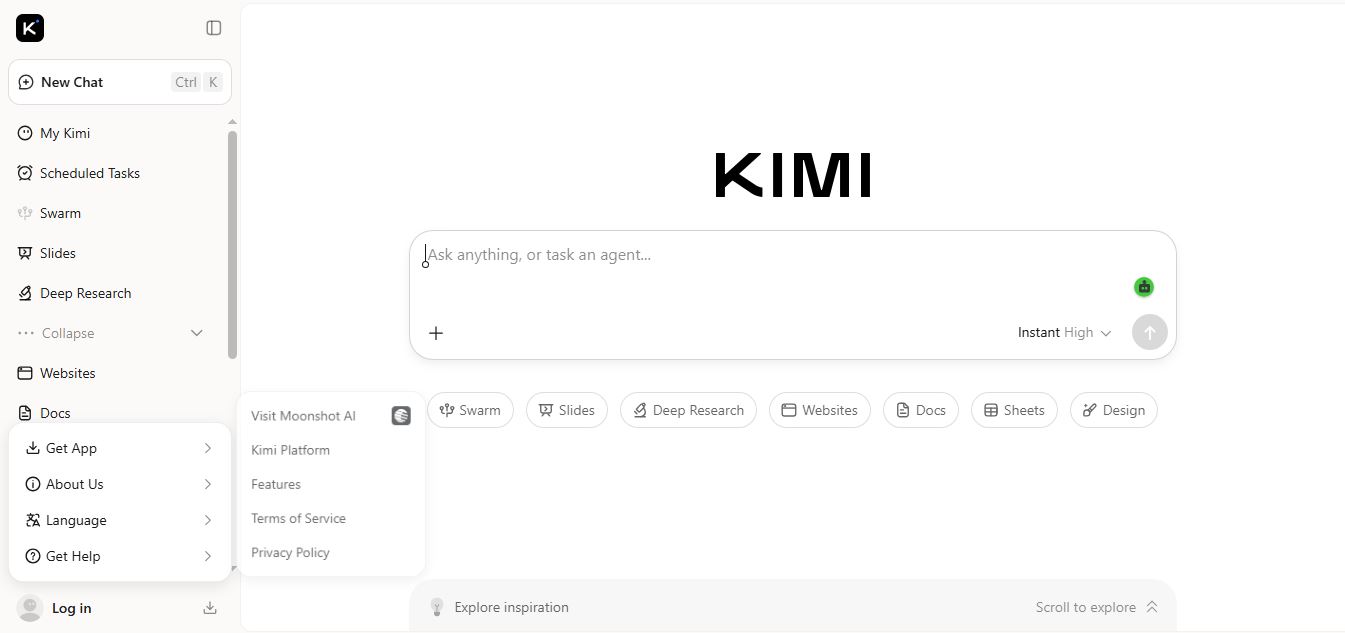
Kimi AI is an advanced AI assistant developed by Moonshot AI that helps you chat, research, write, code, and automate tasks in one place. It supports web search, file analysis, and multimodal inputs, and can even run autonomous “agent” workflows to complete complex tasks end-to-end.
Freemium
Fashion Diffusion AI
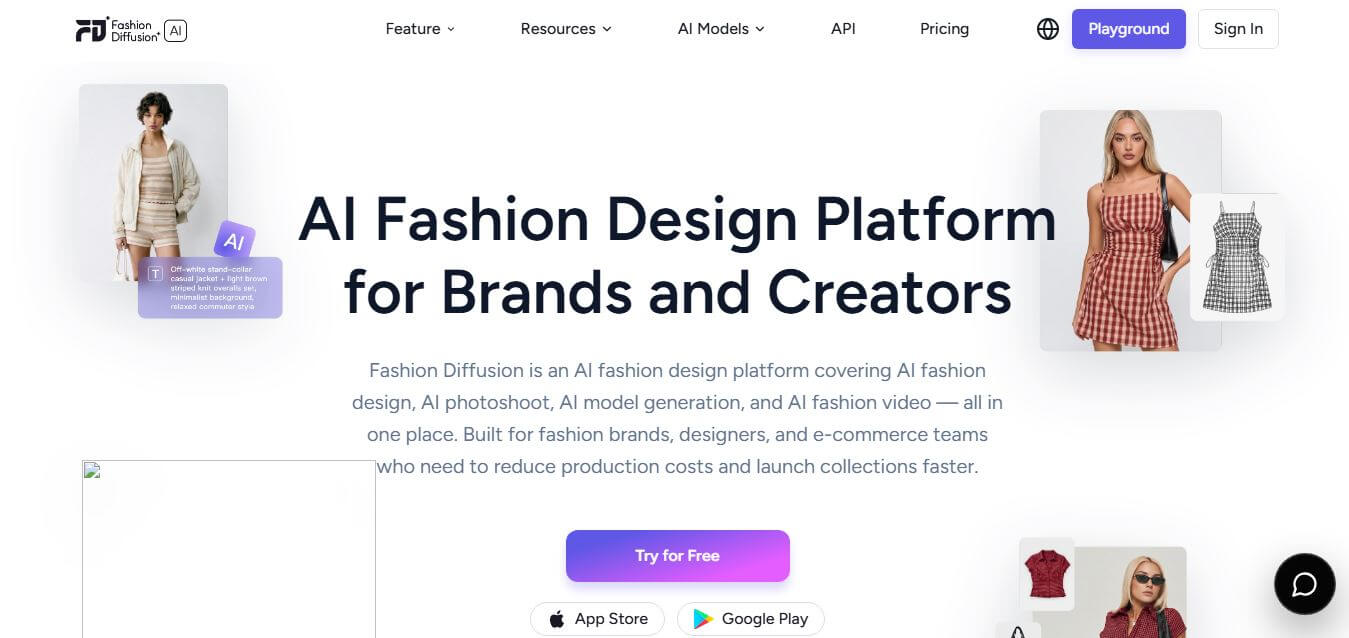
Fashion Diffusion is an AI-powered fashion design platform that helps brands and designers create clothing designs, virtual try-ons, AI models, product photos, and marketing visuals faster and cost-effectively.
Paid
Veo 4
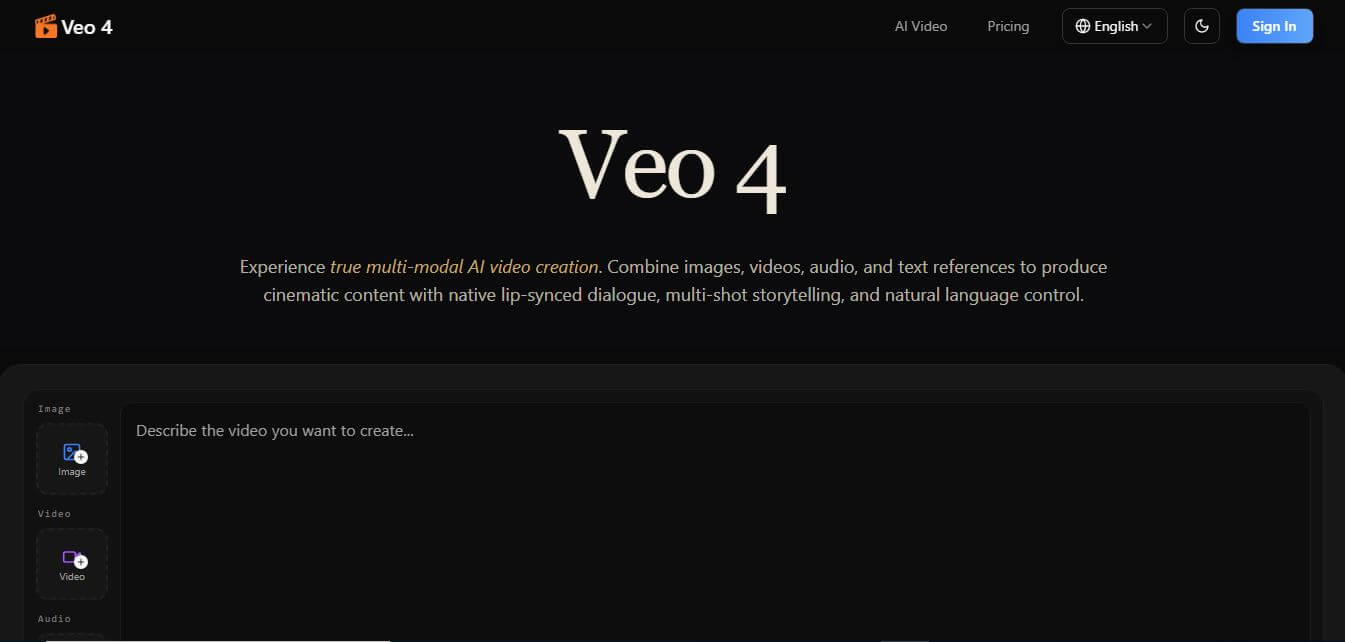
Veo 4 AI is an AI video creation platform that generates dramatic videos from text, images, audio, and video prompts using realistic motion and synchronized sound.
Paid
Alternatives
Alternatives to AI Coustics
The best ai-coustics alternatives include Krisp AI, Dolby.io, Picovoice, and Silero VAD. While ai-coustics delivers a low-latency, CPU-native audio intelligence SDK engineered specifically to clean speech input for Voice AI agents and STT models, alternatives like Krisp specialize in desktop user app noise suppression and Dolby.io provides broader cloud media processing APIs.
 4.8
4.8Trint
Audio Editing
Trint helps professionals turn audio, video, and live conversations into editable, searchable transcripts. It supports multilingual transcription, translation, captions, collaboration, speaker identification, and AI-assisted content discovery. With web, desktop, and mobile workflows, Trint is built for journalists, media teams, businesses, podcasters, researchers, and organizations that need to transform spoken content efficiently.
 4.8
4.8LALAL.AI
Audio Editing
LALAL.AI helps musicians, producers, editors, and creators separate vocals and instruments from existing audio or video recordings. Its tools support stem splitting, vocal removal, voice cleaning, echo reduction, and other audio-processing tasks. Users can work through web, desktop, and mobile applications while choosing different neural networks for separation.
 4.7
4.7FineVoice AI
Audio Editing
FineVoice helps creators turn text and recordings into natural audio using voice generation, cloning, voice changing, enhancement, transcription, music, and sound-effect tools. With support for 154 languages and 1,500+ voices, it can simplify voiceover production for videos, podcasts, education, gaming, marketing, audiobooks, and other digital content.
 4.6
4.6Cleanvoice AI
Audio Editing
Cleanvoice is a podcast and audio editing tool that automatically improves recordings by removing filler words, background noise, mouth sounds, stutters, and long pauses. It also generates transcripts, summaries, and show notes, helping creators, businesses, and agencies produce professional-quality audio and video content with minimal manual editing.
 4.6
4.6AudioCleaner AI
Audio Editing
AudioCleaner AI is an online audio enhancement tool that improves sound quality by removing unwanted background noise, echo, static, mouth clicks, and other distractions from audio and video files. It also offers vocal separation, podcast generation, voice transformation, and text-to-speech features, making audio editing faster, simpler, and more accessible.
 4.6
4.6Fathom
Audio Editing
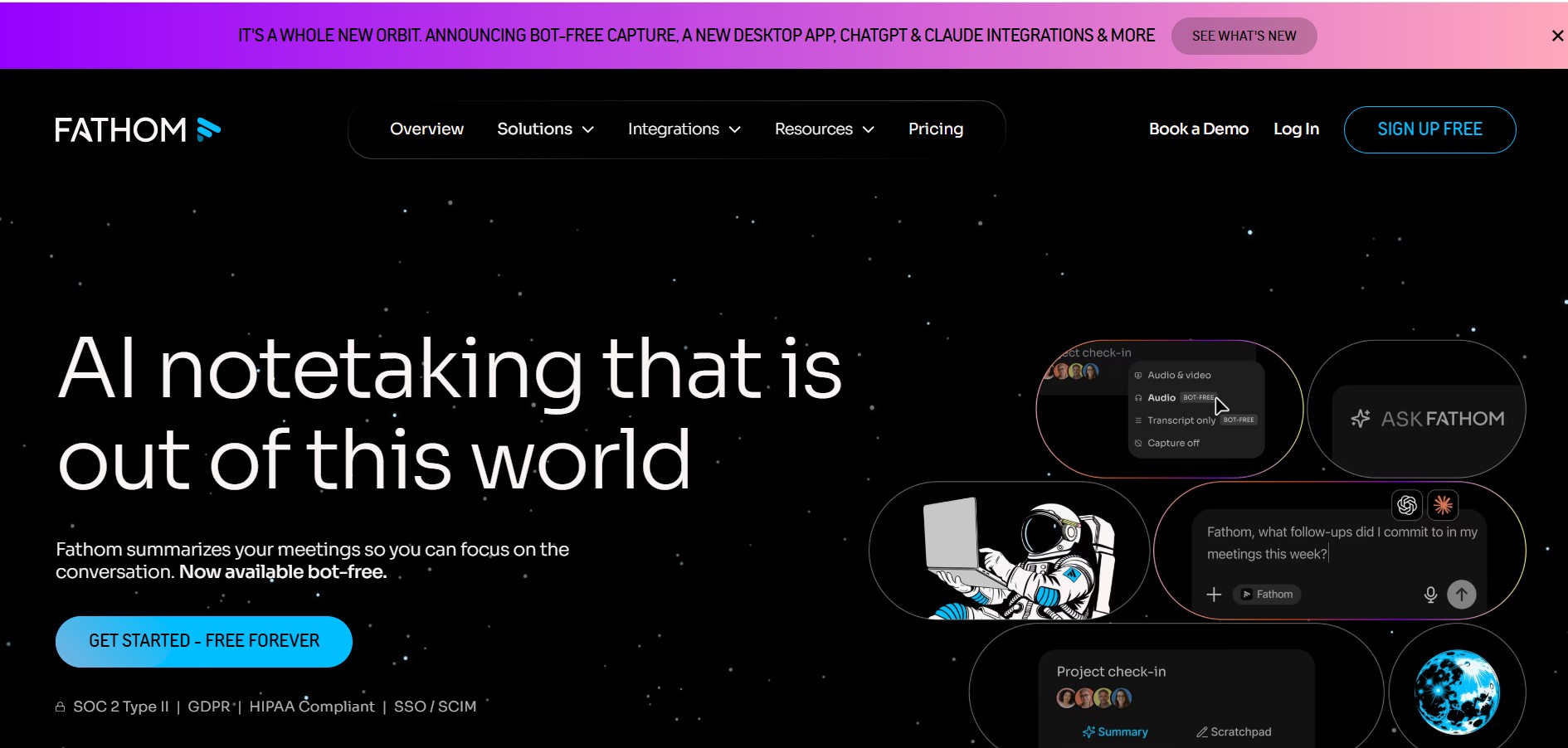
Fathom is an AI-powered notetaker that records, transcribes, highlights, and summarizes meetings instantly, allowing you to stay focused on the conversation rather than taking notes. It integrates with major video conferencing platforms and CRM systems.
 4.8
4.8Speak AI
Transcriber
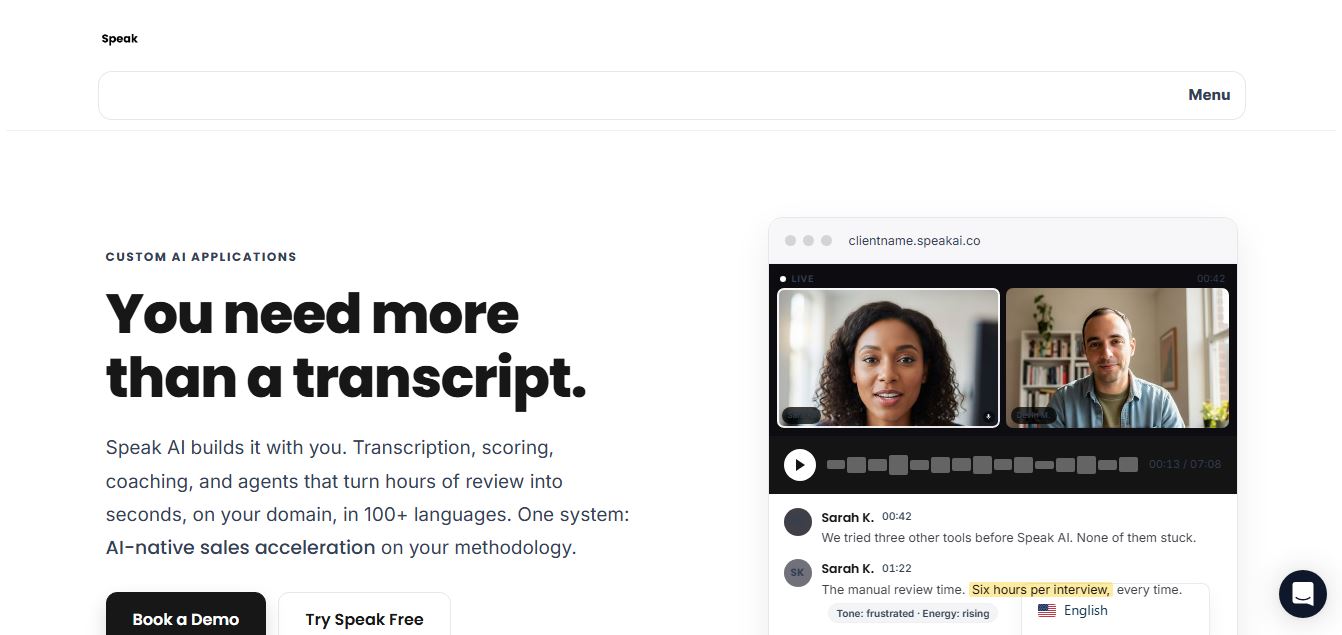
Speak AI is an AI-powered audio transcription, qualitative research, and NLP analysis platform that converts unstructured speech, video recordings, and text into searchable transcripts, sentiment insights, and multi-model AI summaries.
 4.8
4.8Altered AI
Audio Editing
Altered AI (Altered Studio) is a professional Voice AI platform and Speech-to-Speech voice changer that morphs your voice into diverse characters, alters accents, and provides voice cloning, real-time voice skins, and audio cleanup for media production and games.
 4.7
4.7TemPolor
Audio Editing
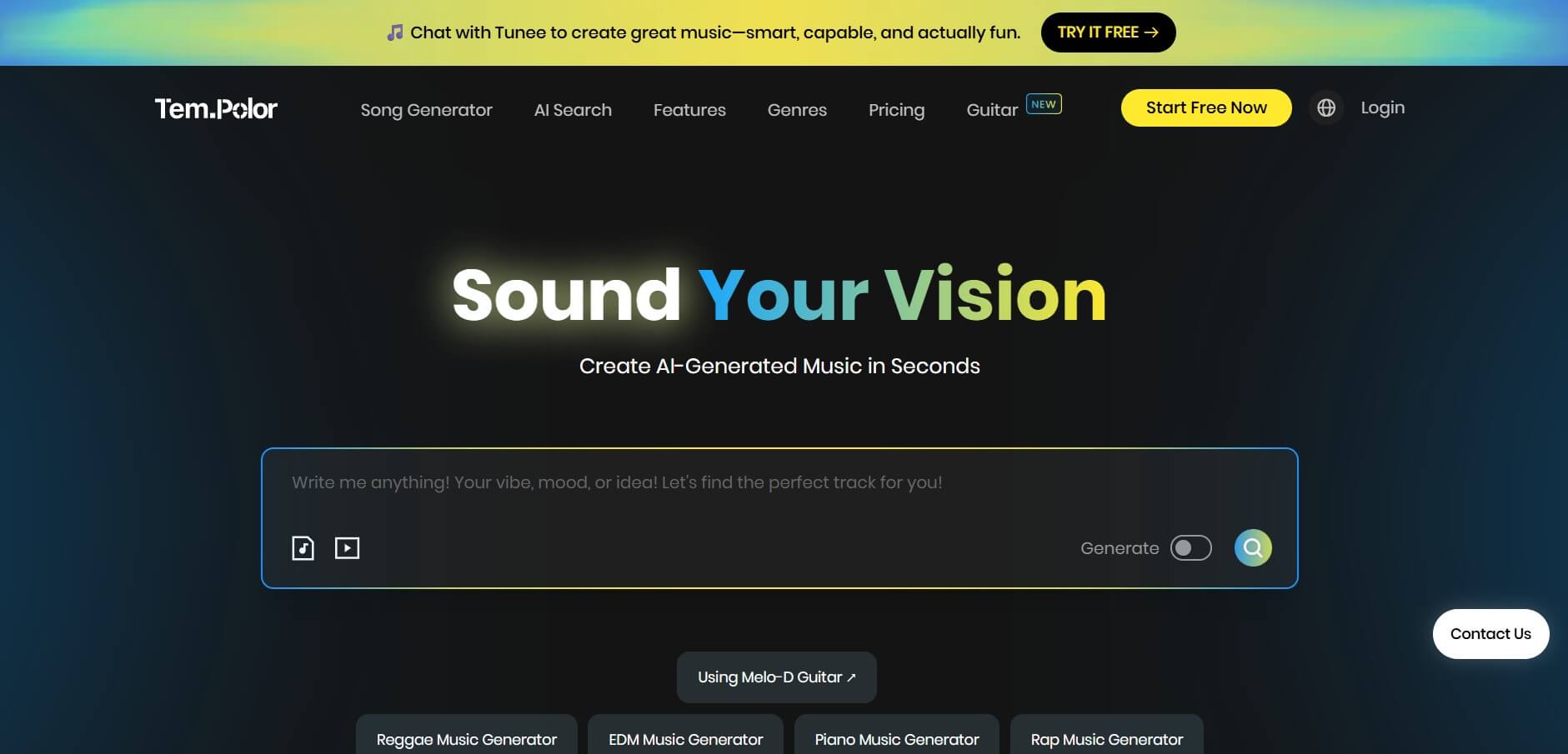
TemPolor is an AI music and song generator that creates professional, royalty-free tracks, lyrics, vocals, and instrumentals in seconds. It provides creators and developers with tools like voice cloning, stem splitting, MIDI arranging, and a scalable AI Music API.