
Unify AI
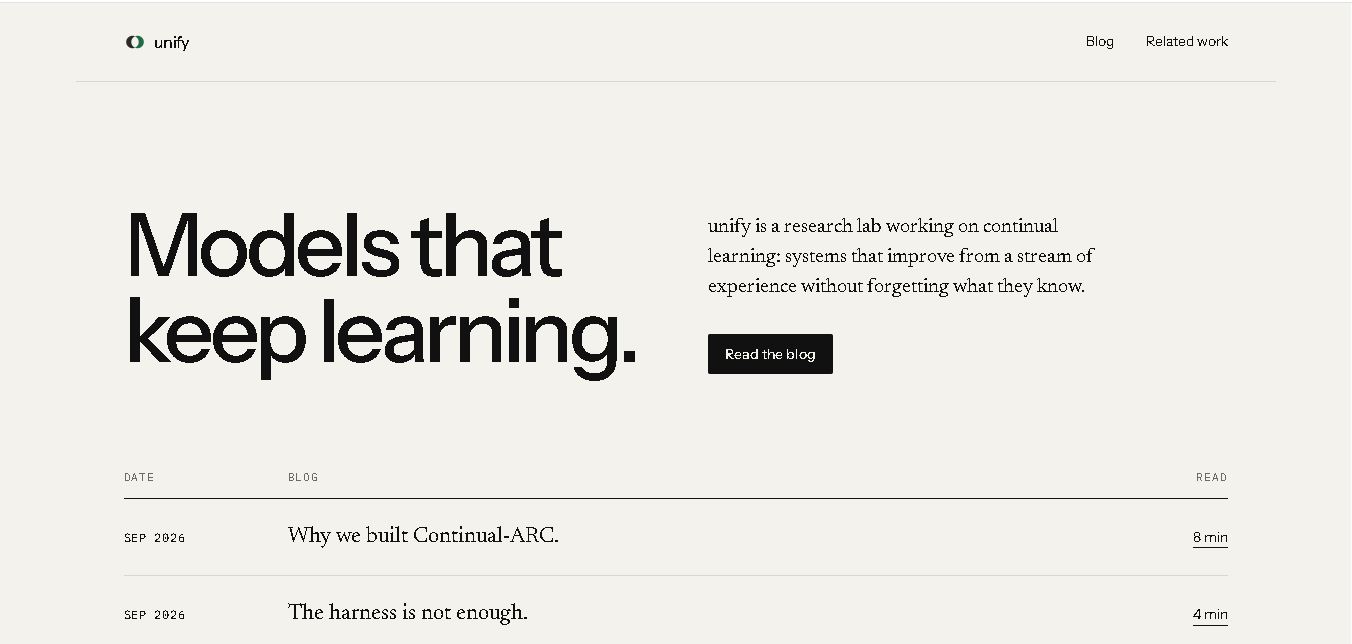
Unify is a research lab exploring continual learning, where AI systems learn continuously from experience instead of remaining fixed after training. Its work covers adaptation, memory, consolidation, plasticity, and evaluation. Unify also develops benchmarks such as Continual-ARC to study whether systems can accumulate skills while retaining previous capabilities over time.
What is Unify AI?
Unify is a research lab focused on continual learning, a field that enables AI systems to learn from ongoing experience while retaining earlier knowledge. Its work examines how models can absorb new data, tasks, and feedback after deployment, emphasizing consolidation, plasticity, memory, and reliable benchmarks for measuring long-term learning. The goal is to make learning persistent, measurable, and useful across changing environments and repeated tasks.
Unify is a research lab focused on continual learning. Its current website says the lab studies systems that learn from streams of experience without forgetting existing knowledge. In September 2026, Unify published work on Continual-ARC and agent learning. Its related-work index currently lists 4,574 papers, covering research from 1991 through 2026, with 761 papers from 2026 alone. The Continual-ARC benchmark can involve 100 tasks over 3,000 instances in its medium configuration, making long-term learning measurable across extended task streams today.
- Platform Role: Continual Learning Research Lab, Dynamic LLM Router & Optimization Hub
- Developer & Organization: Unify AI Team
- Cross-Platform Access: Web Platform, REST APIs, and Python SDK Integrations
Use Cases:
- Deploying dynamic LLM routers that balance latency, cost, and output quality across multiple model endpoints
- Benchmarking model plasticity and consolidation using Continual-ARC frameworks to measure lifelong learning
- Preventing catastrophic forgetting when fine-tuning foundational models on streaming business or domain data
- Optimizing multi-provider API calls to dynamically fallback between proprietary and open-source models
- Conducting advanced research on artificial intelligence memory retention and self-improving agent architectures
Technology:
- Dynamic LLM routing engine evaluating token throughput, cost efficiency, and task-specific accuracy
- Continual learning algorithms designed to balance network plasticity with knowledge consolidation
- Standardized evaluation frameworks (such as Continual-ARC) for measuring catastrophic forgetting in real time
- Unified API layer enabling seamless switching across frontier models like OpenAI, Anthropic, and open-source LLMs
Target Users:
- AI research labs and machine learning engineers studying continual learning and adaptive architectures
- Enterprise development teams seeking cost-optimized, low-latency LLM inference routing
- Developers building autonomous agents that need to update knowledge state continuously post-deployment
- Data science teams evaluating multi-model LLM performance across dynamic tasks
Acquisition: Independent research lab and SaaS technology platform (unify.ai)
What are the key features of Unify AI?
Unify AI's key platform features are
- Continual Learning Framework: Systems engineered to retain past capabilities while continually updating parameters on new data streams.
- Dynamic LLM Router: Automatically routes prompts to the fastest, cheapest, or highest-performing provider based on live performance metrics.
- Continual-ARC Benchmark: custom benchmark harness evaluating whether adaptive systems maintain prior problem-solving capabilities.
- Unified API Access: Single integration entry point to query, compare, and benchmark multiple LLM endpoints simultaneously.
- Quality & Cost Optimization: Granular controls enabling developers to tune quality-per-dollar ratios for deployed AI applications.
- Plasticity & Consolidation Monitoring: Research tools measuring how effectively a model retains historical knowledge as new tasks are learned.
How much does Unify AI cost?
Unify AI offers custom developer tier usage for its routing infrastructure alongside open research access for its benchmarking suites.
Pricing Structure:
- Open Research & Benchmarks: Free open-source access to evaluation datasets, technical papers, and Continual-ARC benchmarks.
- API & Routing Tier: Pay-as-you-go pricing based on model API usage, token throughput, and dynamic routing overhead.
- Enterprise Research Partnership: Custom engagement tiers for enterprises collaborating on continual learning deployment and dedicated LLM infrastructure.
Disclaimer: Pricing models for LLM routing depend on underlying provider token rates. Research publications and evaluation frameworks remain openly accessible.
Who should use Unify AI?
Unify AI is designed for artificial intelligence professionals and teams, including
- AI Engineers & Infrastructure Leads: Teams requiring unified API layers to dynamically route queries across multiple LLM suppliers.
- Continual Learning Researchers: Academics and industrial AI scientists studying knowledge retention and catastrophic forgetting in neural networks.
- Agent Developers: Engineers designing persistent AI agents that must learn from ongoing user interactions without corrupting base model weights.
What are the best alternatives to Unify AI?
Some of the strongest Unify AI alternatives include
- OpenRouter
- Martian LLM Router
- Portkey.ai
- LiteLLM
- RouteLLM
- Anyscale Endpoints
What are the pros and cons of Unify AI?
What are the pros of Unify AI?
- Pioneering focus on continual learning, solving fundamental challenges of model decay and static parameters
- Unified API access simplifies multi-LLM deployment, vendor fallbacks, and cost reduction
- Rigorous evaluation methodologies and benchmarks dedicated to measuring real-world model plasticity
- Streamlined integration process for developers seeking optimization without changing core model architectures
What are the cons of Unify AI?
- A research-centric paradigm may require advanced ML expertise to leverage continual learning modules fully
- Routing performance depends on external model provider uptime and token latency variations
- Niche positioning compared to standard all-in-one commercial AI platforms
Why should you choose Unify AI?
Most commercial AI deployments rely on static models that discard every insight learned after deployment. Unify AI addresses this issue directly by building systems capable of continual, lifelong learning. Whether leveraging their dynamic LLM router to lower API costs or utilizing their continual learning benchmarks to prevent knowledge loss in fine-tuned models, Unify AI provides the foundation for adaptive, self-improving artificial intelligence.
How does Unify AI compare to competitors?
The primary distinction between Unify AI, OpenRouter, Portkey, and LiteLLM lies in scope and underlying research mission. While OpenRouter and LiteLLM function primarily as proxy wrappers and developer gateways, Unify AI combines dynamic inference routing with deep foundational research into continual learning and catastrophic forgetting.
| Feature / Platform | Unify AI | OpenRouter | Portkey.ai | LiteLLM |
|---|---|---|---|---|
| Core Focus | Continual Learning Research & Smart LLM Routing | Unified API Aggregator & Model Marketplace | Enterprise LLMOps Gateway & Observability | Open-Source Lightweight API SDK Wrapper |
| Continual Learning Research | Native Focus (Continual-ARC, Plasticity) | None | None | None |
| Dynamic Routing Engine | Quality, Cost & Latency Auto-Routing | Manual & Basic Fallback Routing | Configurable Gateway Fallbacks | Rule-based Fallbacks |
| Deployment Flexibility | API Gateway / Research Benchmarks | Hosted SaaS API | SaaS & Enterprise Self-Hosted | Self-Hosted / Open Source Proxy |
| Best For | Teams needing adaptive LLM routing and continual learning tools | Developers wanting access to dozens of hosted LLMs via one key | Enterprises needing production logging, guardrails, and analytics | Engineers standardizing multi-provider API calls in Python/Node |
How do we rate Unify AI?
| Parameter | Rating (out of 5) |
|---|---|
| Innovation & Continual Learning Research | 4.9 |
| LLM Routing Efficiency & Optimization | 4.8 |
| API Flexibility & Integration Ease | 4.7 |
| Benchmarking Transparency | 4.9 |
| Developer Experience | 4.6 |
| Overall Score | 4.78 |
What is our review and verdict on Unify AI?
Unify AI stands out as a forward-thinking platform tackling one of artificial intelligence's most persistent bottlenecks: static knowledge constraints. By combining dynamic routing mechanisms that reduce latency and costs with rigorous research into continual learning, Unify AI provides a compelling platform for developers and researchers building next-generation AI systems.
Conclusion
Unify represents a research-focused effort around continual learning rather than a typical AI application. Its work explores how models can acquire skills from experience, preserve existing knowledge, and improve across long task streams. For readers researching adaptive AI, lifelong learning, model memory, or agent development, Unify offers technical research, benchmarks, and an evolving collection of related work to explore.
FAQ
What is Unify?
Unify is a research lab focused on continual learning, a field that enables AI systems to learn from ongoing experience while retaining earlier knowledge. Its work examines how models can absorb new data, tasks, and feedback after deployment, emphasizing consolidation, plasticity, memory, and reliable benchmarks for measuring long-term learning. today in practice.
How does Unify approach continual learning?
Unify investigates ways for models to keep learning throughout their lifetime rather than remaining frozen after initial training. Its research considers how new skills can be consolidated while existing capabilities remain intact. The goal is to create systems that adapt continuously, learn from experience, and reduce catastrophic forgetting across repeated tasks over time.
What problem is Unify trying to solve?
Unify addresses a limitation of conventional AI systems: models are commonly trained once, then their learned parameters remain largely fixed after deployment. New experience may be stored externally rather than becoming durable learning. Unify studies' approaches that let systems incorporate experience directly while preserving previously acquired capabilities across repeated tasks.
What is Continual-ARC?
Continual-ARC is a benchmark developed by Unify to examine whether AI systems can retain and build skills across a stream of tasks. Unlike isolated task evaluations, it emphasizes learning over hundreds of tasks and measuring whether experience improves later performance without simply forgetting earlier abilities during the process over time.
Who is Unify designed for?
Unify is primarily relevant to AI researchers, machine-learning engineers, and teams investigating lifelong or continual learning. Its public work focuses on research, benchmarks, and technical methods rather than a conventional consumer productivity application. People interested in adaptive agents, model memory, personalization, and long-horizon learning may find its research especially relevant.
Does Unify offer a conventional AI productivity tool?
The current Unify website presents the organization as a research lab focused on continual learning, not as a conventional consumer AI productivity service. Its published material centres on research agendas, benchmarks, and experiments involving models that learn continuously. This distinction matters when evaluating Unify against AI applications or workflow tools.
User Reviews
No reviews yet for Unify AI.
Featured Tools
Featured AI tools from TechShark
Melody Genie
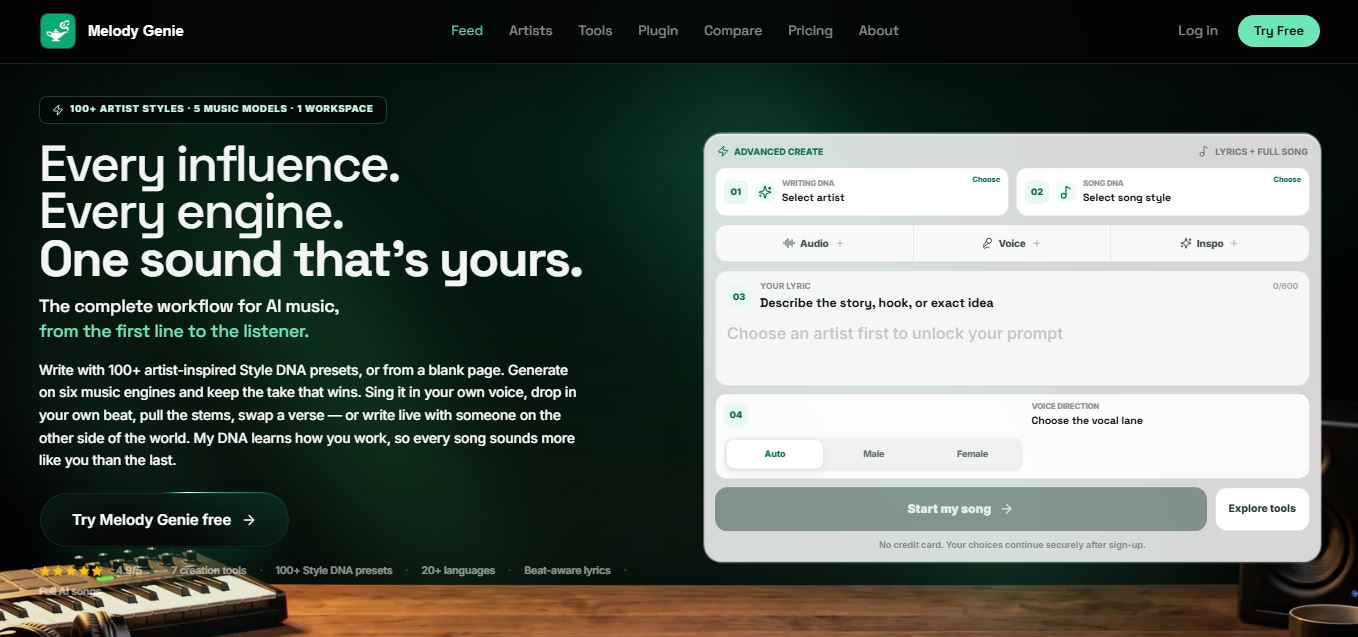
MelodyGenie is an AI-powered music generator that creates original songs from simple text prompts. Users can choose styles, moods, and genres, then instantly generate melodies and full tracks, making it easy for creators, marketers, and hobbyists to produce custom music without musical expertise.
Freemium
Kimi AI
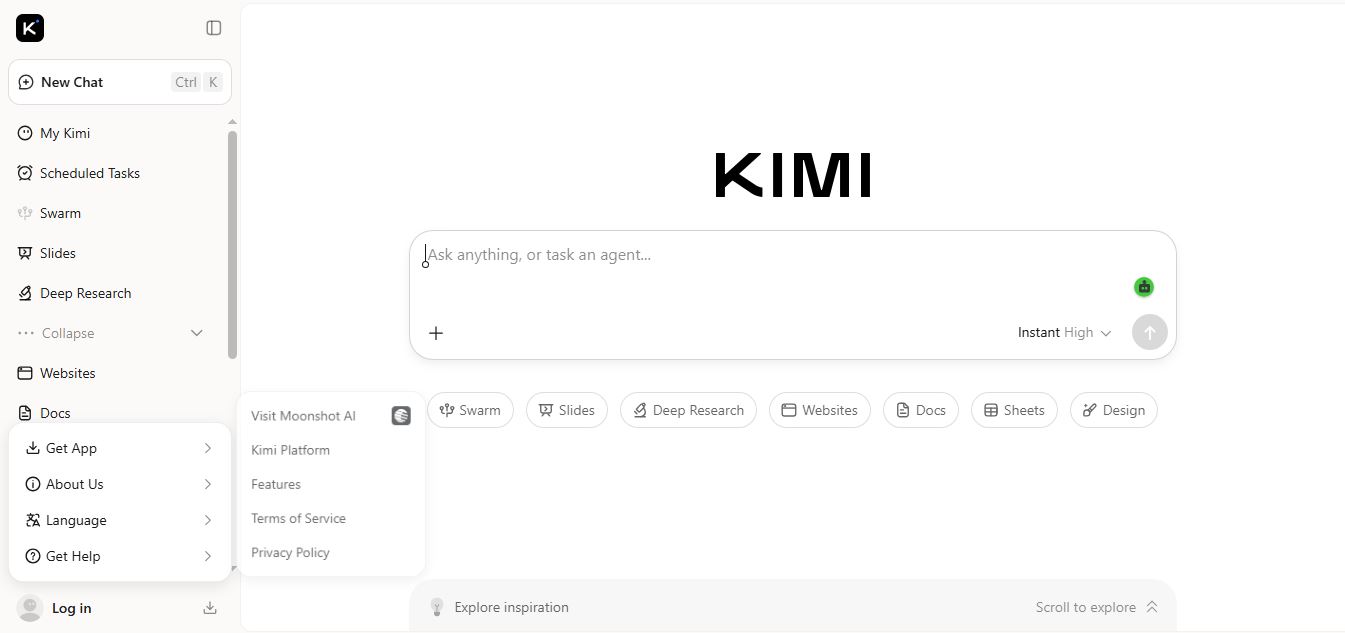
Kimi AI is an advanced AI assistant developed by Moonshot AI that helps you chat, research, write, code, and automate tasks in one place. It supports web search, file analysis, and multimodal inputs, and can even run autonomous “agent” workflows to complete complex tasks end-to-end.
Freemium
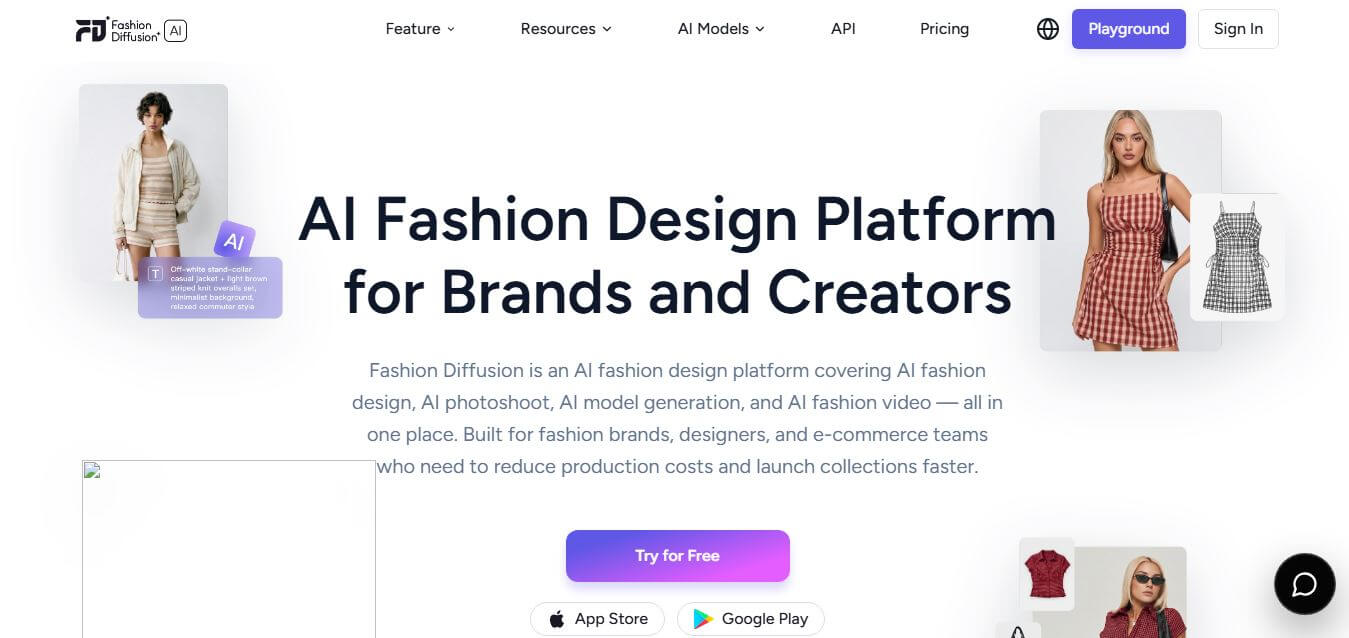
Fashion Diffusion AI
Fashion Diffusion is an AI-powered fashion design platform that helps brands and designers create clothing designs, virtual try-ons, AI models, product photos, and marketing visuals faster and cost-effectively.
Paid
Veo 4
Veo 4 AI is an AI video creation platform that generates dramatic videos from text, images, audio, and video prompts using realistic motion and synchronized sound.
Paid
Alternatives
Alternatives to Unify AI
The best Unify AI alternatives include OpenRouter, Martian LLM Router, Portkey.ai, and LiteLLM. While Unify AI combines smart LLM routing with foundational research into continual learning and plasticity benchmarking, alternatives like OpenRouter offer plug-and-play access to broad LLM marketplaces, and Portkey.ai specializes in enterprise LLMOps observability.
 4.8
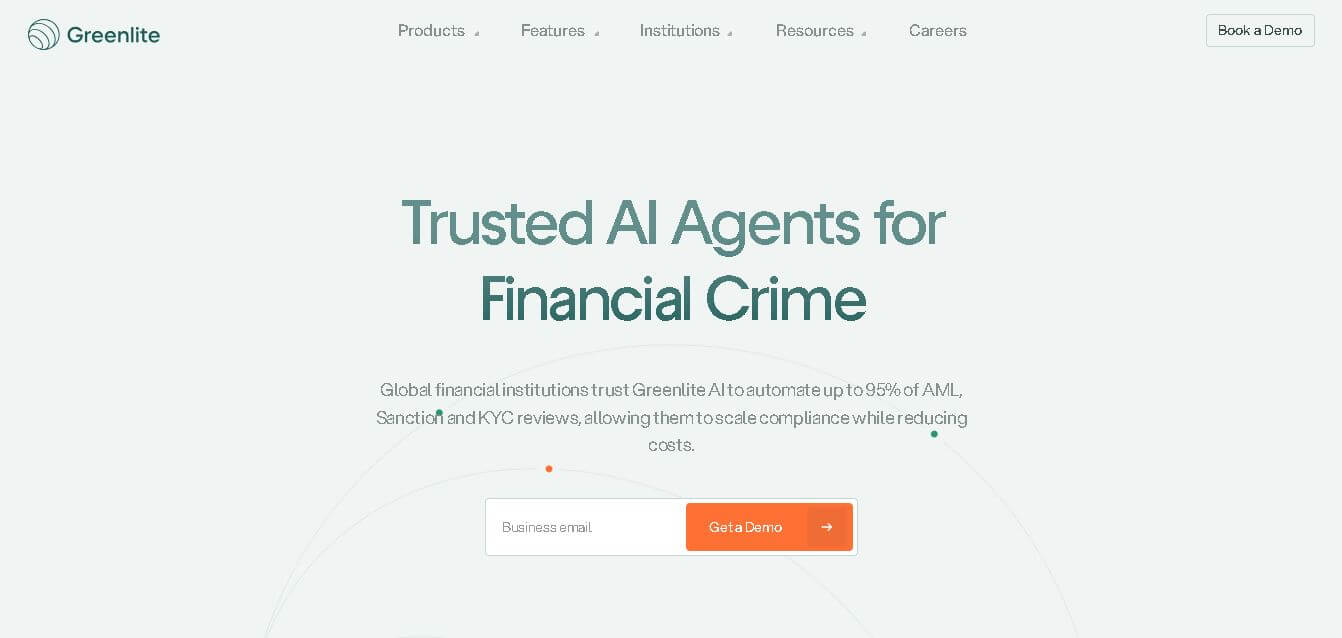
4.8Greenlite
Automation
Greenlite helps financial institutions automate compliance and financial crime workflows using AI. It supports alert handling, AML reviews, due diligence, customer investigations, and documentation while maintaining evidence trails. The solution is designed for regulated organizations that need greater operational efficiency, scalable review capacity, consistent analysis, and audit-ready outputs without relying entirely on additional compliance staff.
 4.7
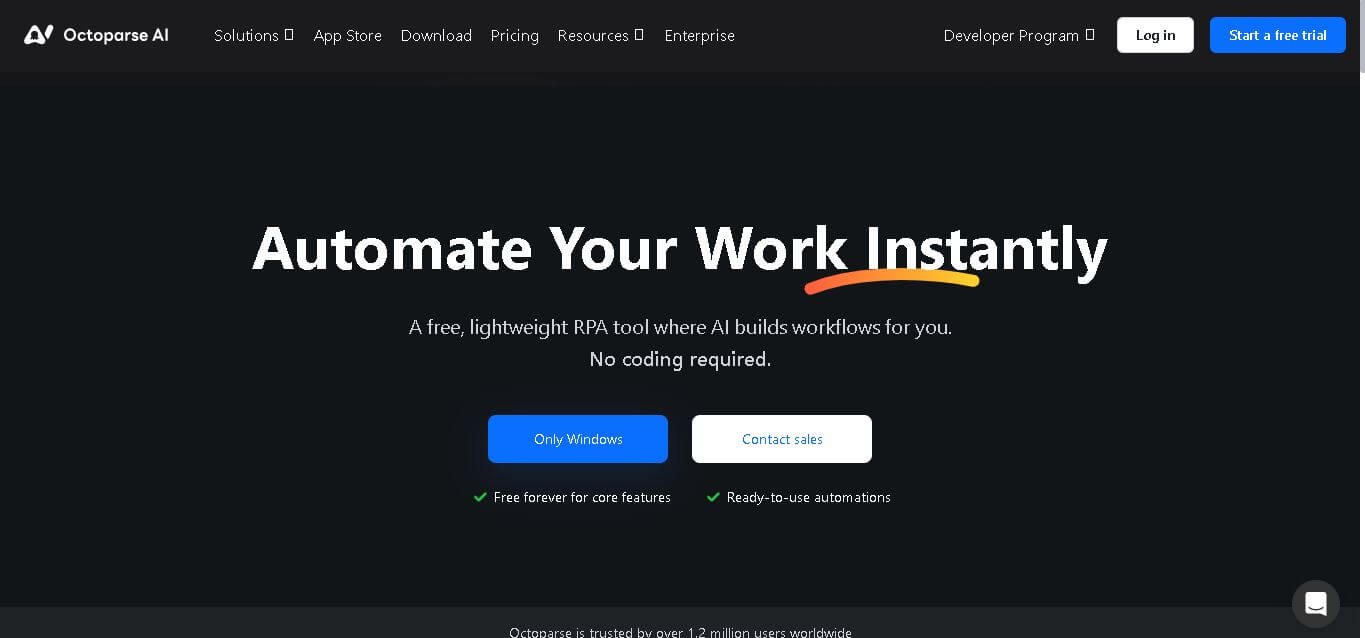
4.7Octoparse AI
Automation
Octoparse AI helps individuals and teams automate repetitive work across websites, Windows apps, Excel, and data files. Its no-code workflow builder, AI Copilot, bots, OCR, and ready-made apps make automation accessible without programming. It is especially useful for data extraction, lead generation, data transfer, productivity, and recurring operational tasks efficiently.
 4.8
4.8Rossum
Automation
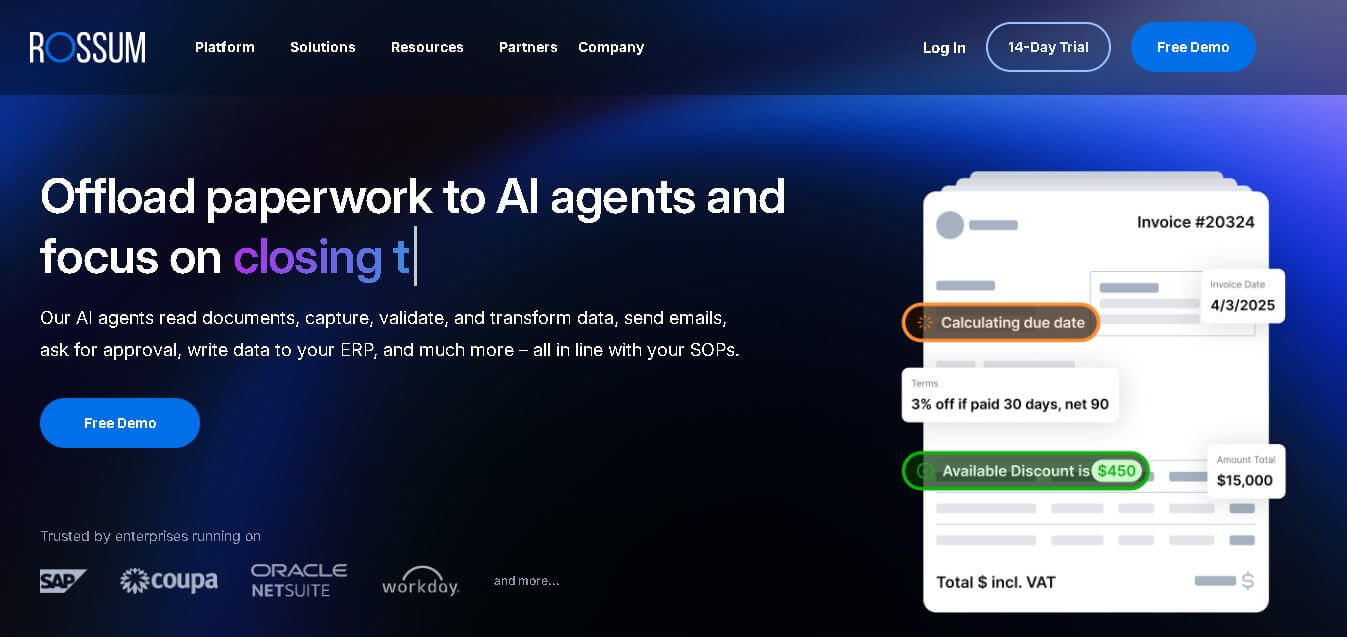
Rossum helps businesses automate transactional document workflows, including invoice and purchase-order processing. It receives documents from multiple channels, extracts and validates data, applies business rules, manages exceptions, and connects with downstream systems. Its AI agents support approvals, communications, and reporting for faster, more consistent business operations with less manual effort.
 4.7
4.7Rocket Sender
Automation
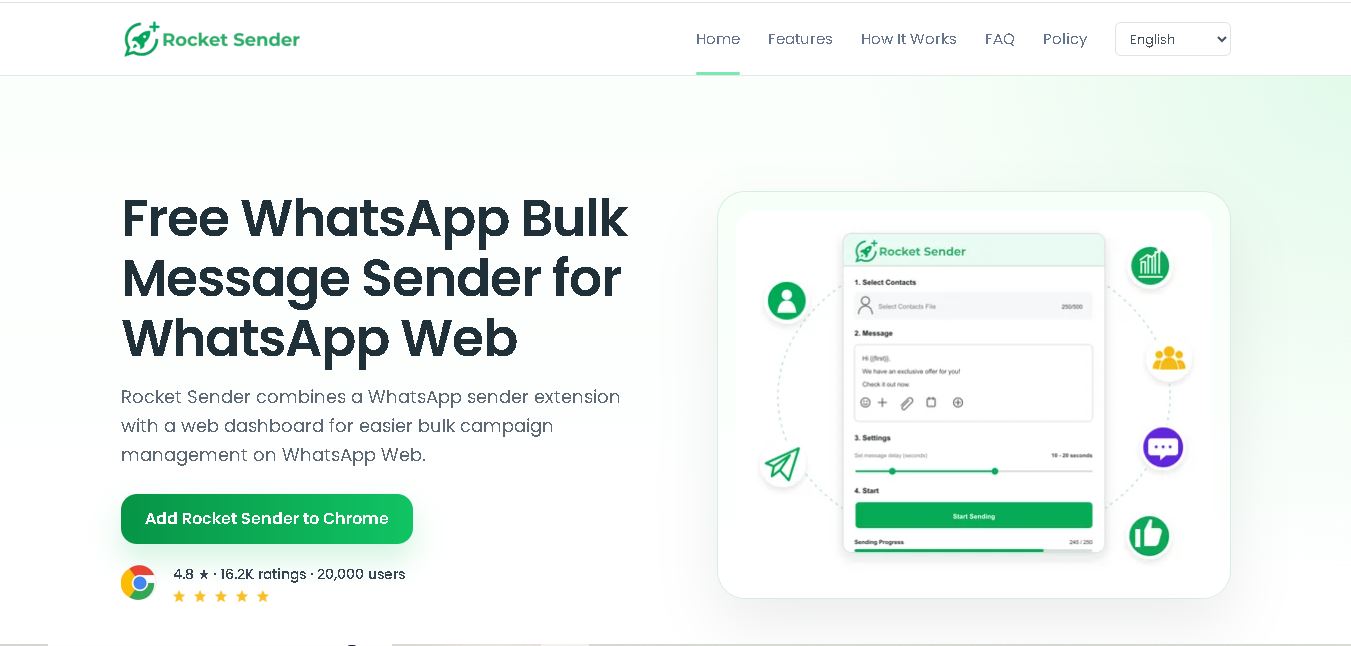
Rocket Sender is a free WhatsApp Web bulk messaging tool for organizing personalized outreach. It supports Excel contact imports, customized messages, attachments, sending intervals, pause and resume controls, and campaign progress tracking, making repetitive WhatsApp communication easier to manage directly through your browser and existing WhatsApp Web workflow.
 4.7
4.7BrowserAct
Automation
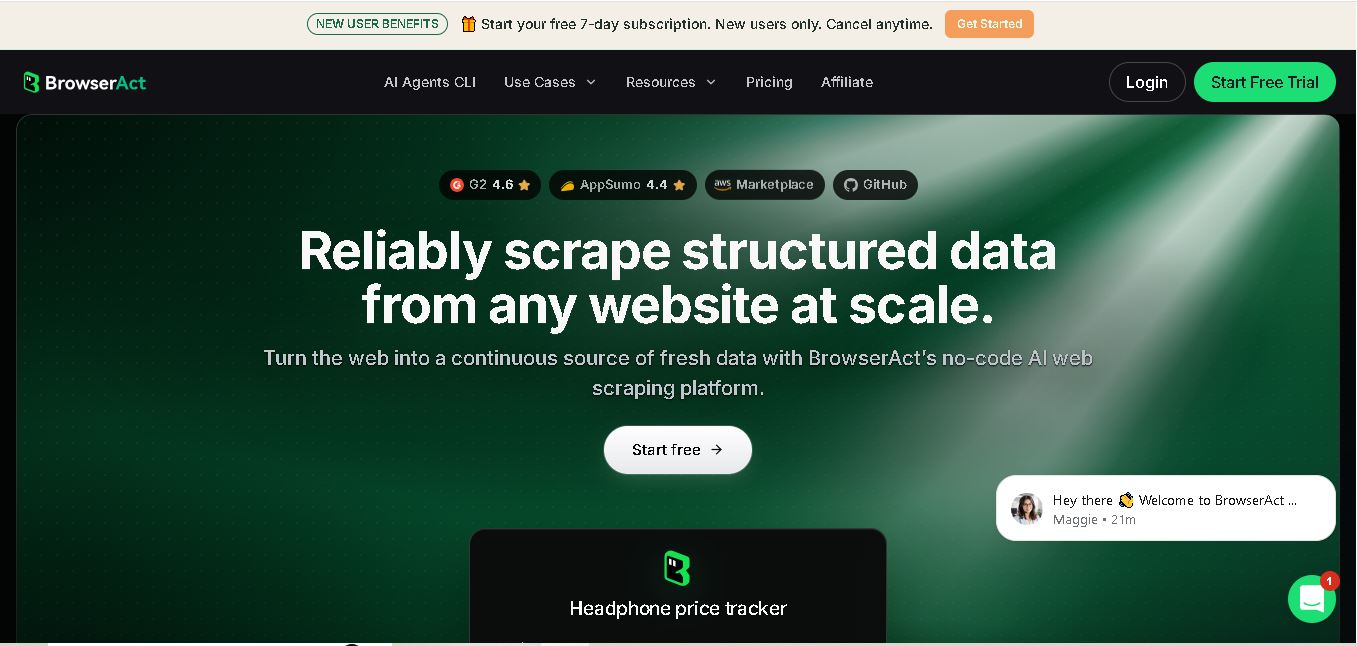
BrowserAct is a no-code web scraping and browser automation tool that turns natural-language instructions into reusable Bots. It helps users collect structured web data, handle dynamic pages and CAPTCHAs, schedule cloud runs, reuse browser sessions, and export results through CSV, JSON, APIs, webhooks, and popular workflow integrations without coding easily.
 4.8
4.8Pairaphrase
Automation
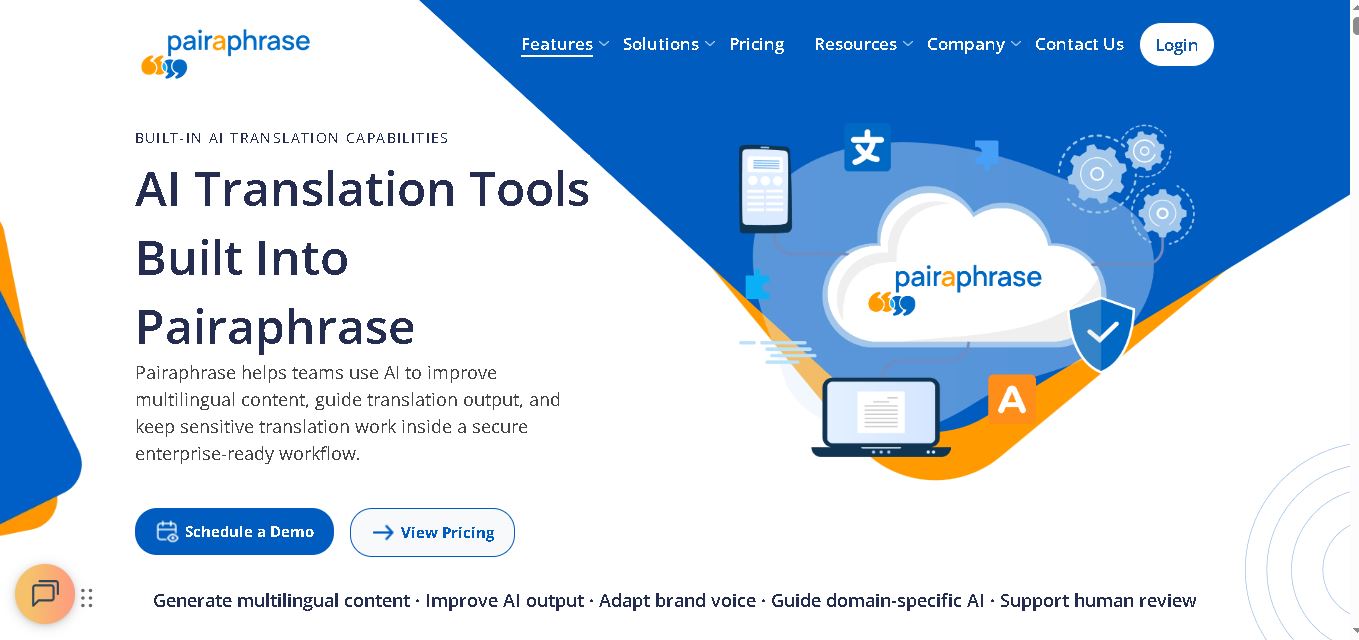
Pairaphrase helps teams translate documents, multimedia, and business content through a secure, centralized workflow. It combines multiple translation engines, formatting preservation, Translation Memory, glossaries, collaboration, and review tools. With support for 160+ languages and numerous file formats, it suits organizations managing recurring, sensitive, or high-volume multilingual translation projects more efficiently.
 4.6
4.6Chatzy AI
Automation
Chatzy AI helps businesses automate sales, customer support, lead qualification, and everyday conversations using intelligent AI agents. Teams can engage customers through WhatsApp, voice, websites, Instagram, Messenger, and other channels from one unified inbox. It also supports business knowledge sources, automation journeys, human handoffs, and multilingual customer interactions.
 4.7
4.7LinkedAPI
Automation
Linked API helps businesses, developers, and AI agents automate LinkedIn workflows without manually performing repetitive activities. Users can search profiles, collect data, send connection requests, manage messaging, and integrate LinkedIn activities into external workflows. It supports API, SDK, CLI, MCP, n8n, Make, and other automation environments for scalable operations.
 4.8
4.8Capgo
Automation
CapGo AI helps AI and SaaS businesses increase organic and AI search visibility through SEO, GEO, programmatic SEO, and content automation. Its spreadsheet-based CapGo Table supports research, large-scale page creation, optimization, and publishing workflows, helping marketing teams transform company data into searchable content for Google and AI assistants more efficiently.