
BrowserAct
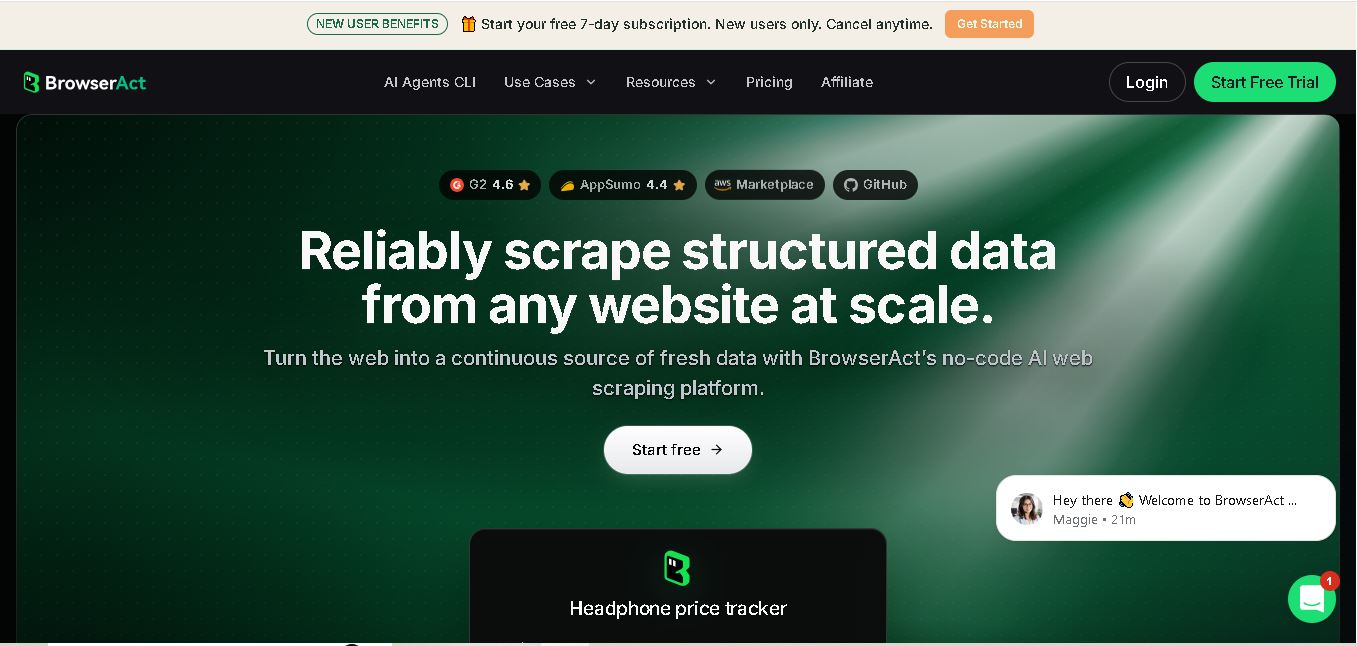
BrowserAct is a no-code web scraping and browser automation tool that turns natural-language instructions into reusable Bots. It helps users collect structured web data, handle dynamic pages and CAPTCHAs, schedule cloud runs, reuse browser sessions, and export results through CSV, JSON, APIs, webhooks, and popular workflow integrations without coding easily.
What is BrowserAct?
BrowserAct is a no-code web scraping and browser automation service designed to turn plain-language data requests into reusable bots. Users can provide a website, specify the information they need, and let BrowserAct identify fields, test extraction, and produce structured results. It also manages browser infrastructure such as proxies, CAPTCHA handling, session modes, scheduling, and self-healing when website layouts change, helping teams run repeatable data collection workflows.
BrowserAct uses a credit-based system for building and running reusable scraping bots. Its website illustrates a bot build using 320 credits and a subsequent run using 20 credits, around 6% of the build cost. The free trial includes 200 signup credits, 2 agent builds, 2 simultaneous tasks, and 5 local browsers. Paid plans start at $16 monthly with yearly billing, while the Essential plan lists 50,000 monthly credits and 20 simultaneous tasks for growing automation workloads.
- Platform Role: AI Web Automation Agent, Browser-Based Scraping Platform & QA Testing Tool
- Developer & Organization: BrowserAct Team
- Cross-Platform Access: Cloud REST API, Web Dashboard, and Developer SDKs
Use Cases:
- Extracting structured datasets from dynamic, JavaScript-heavy websites using natural language instructions
- Automating end-to-end UI regression tests and user journey validations for web applications
- Executing routine web data entry, form submissions, and multi-step administrative workflows
- Monitoring competitor pricing, inventory status, and market changes in real time
- Integrating autonomous browser actions into custom CI/CD pipelines and backend automation workflows
Technology:
- Vision-language models and AI agents capable of interpreting UI elements, buttons, and form fields dynamically
- Headless cloud browser infrastructure supporting high concurrency and secure proxy rotation
- Robust REST API endpoints and webhooks for seamless programmatic task triggering
- Self-healing locators that automatically adapt to minor website redesigns and layout changes
Target Users:
- Software engineers and QA specialists looking to replace brittle automation scripts with AI agents
- Data scientists and growth teams requiring automated web scraping without maintenance overhead
- Product managers and operations leaders automating repetitive browser-bound tasks
Acquisition: Cloud SaaS platform operated by BrowserAct (browseract.com)
What are the key features of BrowserAct?
BrowserAct's key platform features are
- Natural Language Automation: Build and run complex browser workflows simply by typing plain-text instructions.
- Self-Healing Selectors: Automatically adjusts to website DOM and UI changes, eliminating frequent script maintenance.
- Cloud Browser Infrastructure: Execute tasks concurrently on scalable cloud instances with built-in proxy support.
- Structured Data Extraction: Convert messy web pages into clean JSON, CSV, or database-ready structured payloads.
- API & Webhook Integration: Trigger automated browsing tasks programmatically and receive real-time data callbacks.
- Visual Task Debugger: Step through agent executions with screenshots and logs to audit automation runs.
How much does BrowserAct cost?
BrowserAct offers flexible subscription tiers based on monthly task execution credits, concurrency limits, and cloud compute usage.
Pricing Tiers:
- Free / Developer Tier: Basic credit allocation for testing AI browser tasks and exploring API endpoints.
- Pro Tier (Usage-Based): Geared towards growing teams and production workloads with higher concurrency and priority queue access.
- Enterprise Tier (Custom Pricing): Tailored for high-volume corporate scraping, dedicated proxy pools, custom SLAs, and enterprise security reviews.
Disclaimer: Pricing plans and credit limits are subject to update. Check the official BrowserAct website for current pricing details.
Who should use BrowserAct?
BrowserAct is designed for technical creators and data teams, including
- QA Automation Engineers: Professionals seeking resilient testing tools that don't break with every minor frontend change.
- Growth & Data Operations Teams: Organizations needing fast, reliable web data extraction without writing custom scrapers.
- Software Developers: Engineers looking to embed autonomous browser agents into their backend applications via API.
What are the best alternatives to BrowserAct?
Some of the strongest BrowserAct alternatives include
- Browserbase
- Stagehand
- MultiOn
- Browse AI
- Apify
- Puppeteer / Playwright (Open Source)
What are the pros and cons of BrowserAct?
What are the pros of BrowserAct?
- Eliminates the need for complex XPath coding and manual DOM inspection
- Self-healing AI locators prevent frequent automation script failures
- Scalable cloud infrastructure handles concurrency and proxy management seamlessly
- Developer-friendly API and webhook architecture
What are the cons of BrowserAct?
- AI-driven execution can occasionally be slower than highly optimized hardcoded scripts
- r
- Heavy reliance on cloud infrastructure for execution
- Higher-tier plans required for high-volume enterprise production workloads
Why should you choose BrowserAct?
Traditional web automation tools like Selenium and Puppeteer require constant maintenance because even minor CSS or ID changes break scripts. BrowserAct solves this by utilizing autonomous AI agents that understand web pages visually and conceptually. With natural language command parsing, self-healing capabilities, and powerful cloud infrastructure, BrowserAct empowers teams to build resilient web automation in a fraction of the time.
How does BrowserAct compare to competitors?
The primary distinction between BrowserAct, Browse AI, and Browserbase lies in agent autonomy and developer focus. While traditional scrapers rely on point-and-click templates and standard tools require manual selector configuration, BrowserAct leverages AI vision and language models to autonomously navigate and extract data from complex web apps.
| Feature / Platform | BrowserAct | Browse AI | Browserbase |
|---|---|---|---|
| Core Focus | AI-Powered Browser Automation & Web Agents | No-Code Web Scraping & Monitoring | Developer Infrastructure for Headless Browsers |
| Automation Approach | Natural Language & Vision AI Agents | Point-and-Click Visual Recorder | Code-Driven Headless Cloud Sessions |
| Self-Healing Selectors | Yes (AI-driven adaptation) | Limited | Depends on user code |
| Best For | Developers and teams wanting autonomous AI web agents | Non-technical users building simple visual scrapers | Engineers building custom browser automation tools |
How do we rate BrowserAct?
| Parameter | Rating (out of 5) |
|---|---|
| AI Automation & Agent Reliability | 4.8 |
| API Usability & Developer Experience | 4.7 |
| Cloud Scalability & Performance | 4.8 |
| Value for Money & Pricing | 4.6 |
| Overall Score | 4.73 |
What is our review and verdict on BrowserAct?
BrowserAct represents the next generation of web automation, moving away from rigid scripts and fragile XPaths toward intelligent, natural-language-driven AI agents. With robust cloud infrastructure, self-healing selectors, and clean data extraction pipelines, BrowserAct significantly reduces the maintenance burden of web scraping and browser workflows.
Conclusion
BrowserAct gives individuals and teams a simpler route to repeatable web scraping by combining natural-language bot creation with managed browser infrastructure. Its support for structured outputs, proxies, CAPTCHA handling, cloud execution, integrations, and self-healing workflows can reduce manual scraper maintenance. For researchers, marketers, developers, and operations teams that regularly need fresh web data, BrowserAct offers a flexible approach that can scale from free testing to higher-volume automation.
FAQ
How does BrowserAct work for web scraping?
BrowserAct lets you describe the web data you need in plain language, then its agent explores the target website and creates a reusable bot. Once tested, the bot can run repeatedly with defined inputs, extract consistent structured fields, and deliver results without requiring you to write or maintain scraping code.
Do I need coding skills to use BrowserAct?
No, BrowserAct is designed for users who want web scraping without writing code. You provide a website and describe the information you want. BrowserAct identifies relevant fields and builds the bot automatically. Developers can still connect results to existing systems using APIs, webhooks, JSON, MCP, and supported automation integrations easily.
Can BrowserAct handle CAPTCHAs and protected websites?
BrowserAct can automatically manage common scraping obstacles, including dynamic content, browser fingerprints, proxies, and CAPTCHA challenges. Its infrastructure supports reCAPTCHA, Turnstile, DataDome, and other common verification systems. It also offers rotating or persistent residential IPs, helping automated bots continue collecting structured information from more complex websites reliably at scale today.
What integrations and data export options does BrowserAct support?
BrowserAct supports CSV and JSON outputs alongside APIs and webhooks for connecting scraped data to other systems. Its website also lists integrations such as Make, n8n, Zapier, Google Sheets, Airtable, and MCP. This flexibility helps you move collected information into spreadsheets, databases, automation workflows, or custom applications more efficiently overall.
Is BrowserAct free to use?
Yes. BrowserAct currently offers a free trial with 200 free credits on signup, 2 free agent builds, 2 simultaneous tasks, and 5 free local browsers. Paid options add larger monthly credit allowances and higher concurrency. Because pricing can change, check BrowserAct’s official pricing page before choosing a plan for use.
What can I use BrowserAct for?
BrowserAct is useful for recurring data tasks such as competitor research, product and supplier monitoring, lead generation, creator research, job tracking, and pricing analysis. You can build a bot once and rerun it when fresh information is needed, making it practical for workflows that depend on frequently updated website data.
User Reviews
No reviews yet for BrowserAct.
Featured Tools
Featured AI tools from TechShark
Melody Genie
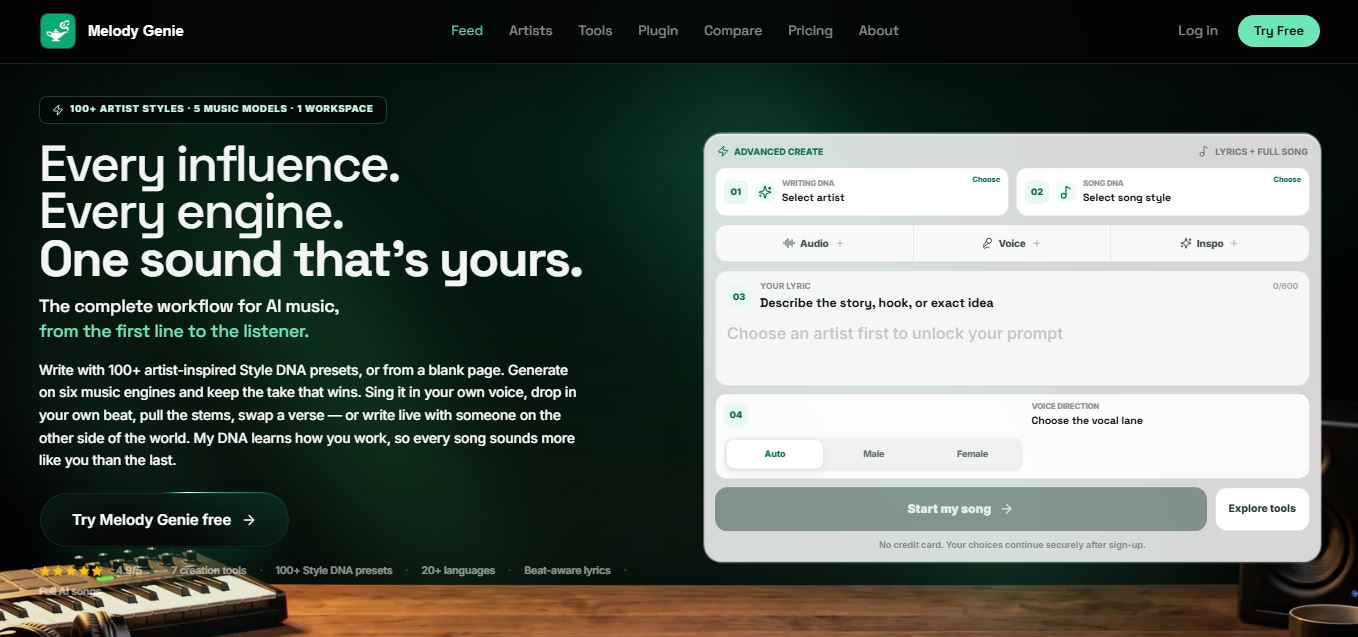
MelodyGenie is an AI-powered music generator that creates original songs from simple text prompts. Users can choose styles, moods, and genres, then instantly generate melodies and full tracks, making it easy for creators, marketers, and hobbyists to produce custom music without musical expertise.
Freemium
Kimi AI
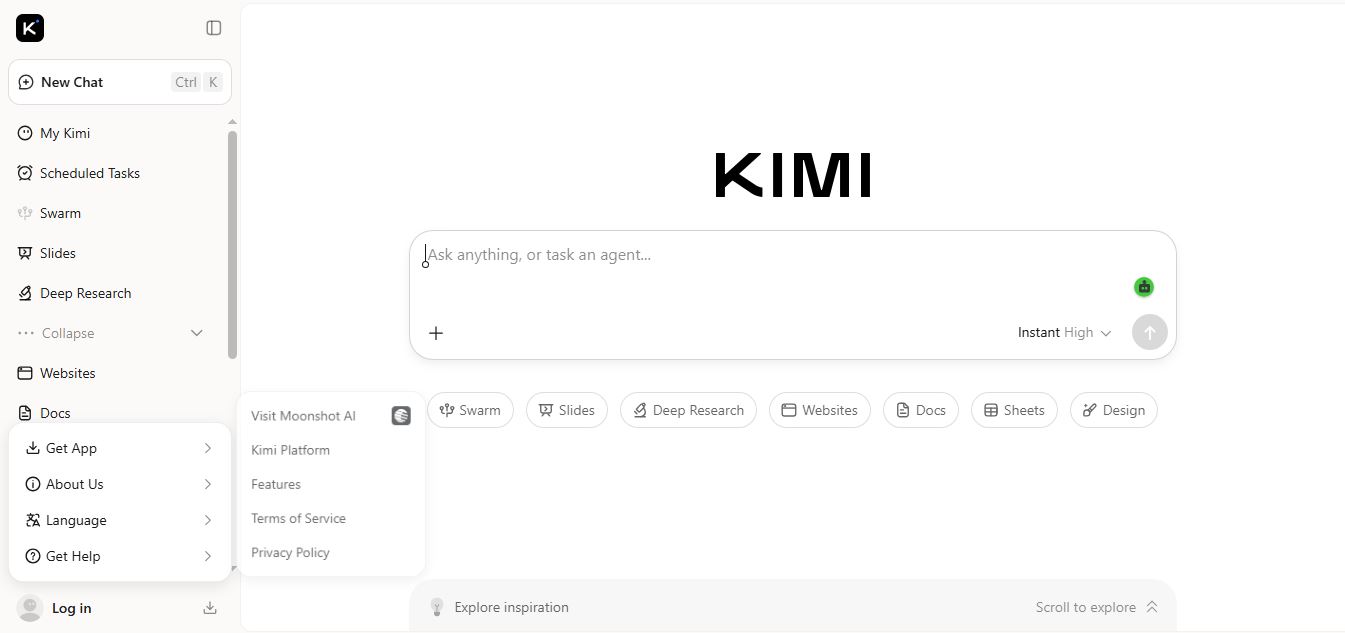
Kimi AI is an advanced AI assistant developed by Moonshot AI that helps you chat, research, write, code, and automate tasks in one place. It supports web search, file analysis, and multimodal inputs, and can even run autonomous “agent” workflows to complete complex tasks end-to-end.
Freemium
Fashion Diffusion AI
Fashion Diffusion is an AI-powered fashion design platform that helps brands and designers create clothing designs, virtual try-ons, AI models, product photos, and marketing visuals faster and cost-effectively.
Paid
Veo 4
Veo 4 AI is an AI video creation platform that generates dramatic videos from text, images, audio, and video prompts using realistic motion and synchronized sound.
Paid
Alternatives
Alternatives to BrowserAct
The best BrowserAct alternatives include Browserbase, Stagehand, MultiOn, and Browse AI. While BrowserAct provides an all-in-one AI-powered browser automation agent platform driven by natural language and self-healing selectors, alternatives like Browserbase offer headless browser infrastructure for developers building custom automation tools.
 4.8
4.8Greenlite
Automation
Greenlite helps financial institutions automate compliance and financial crime workflows using AI. It supports alert handling, AML reviews, due diligence, customer investigations, and documentation while maintaining evidence trails. The solution is designed for regulated organizations that need greater operational efficiency, scalable review capacity, consistent analysis, and audit-ready outputs without relying entirely on additional compliance staff.
 4.7
4.7Octoparse AI
Automation
Octoparse AI helps individuals and teams automate repetitive work across websites, Windows apps, Excel, and data files. Its no-code workflow builder, AI Copilot, bots, OCR, and ready-made apps make automation accessible without programming. It is especially useful for data extraction, lead generation, data transfer, productivity, and recurring operational tasks efficiently.
 4.8
4.8Rossum
Automation
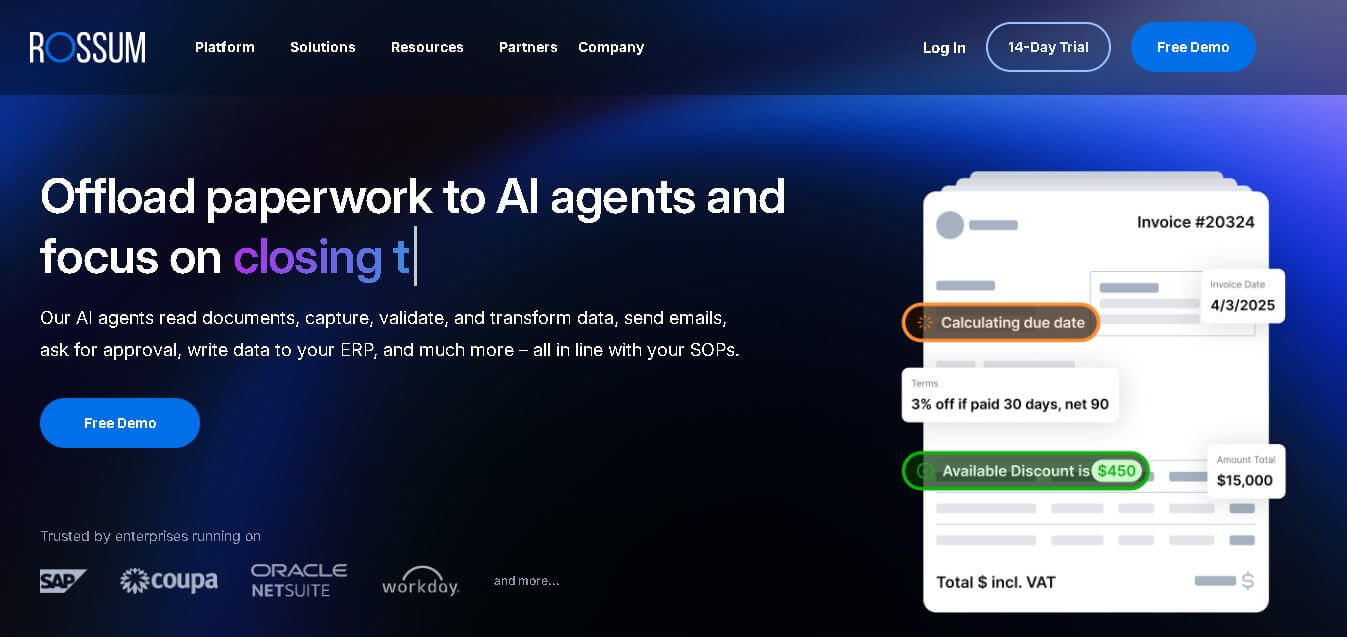
Rossum helps businesses automate transactional document workflows, including invoice and purchase-order processing. It receives documents from multiple channels, extracts and validates data, applies business rules, manages exceptions, and connects with downstream systems. Its AI agents support approvals, communications, and reporting for faster, more consistent business operations with less manual effort.
 4.7
4.7Rocket Sender
Automation
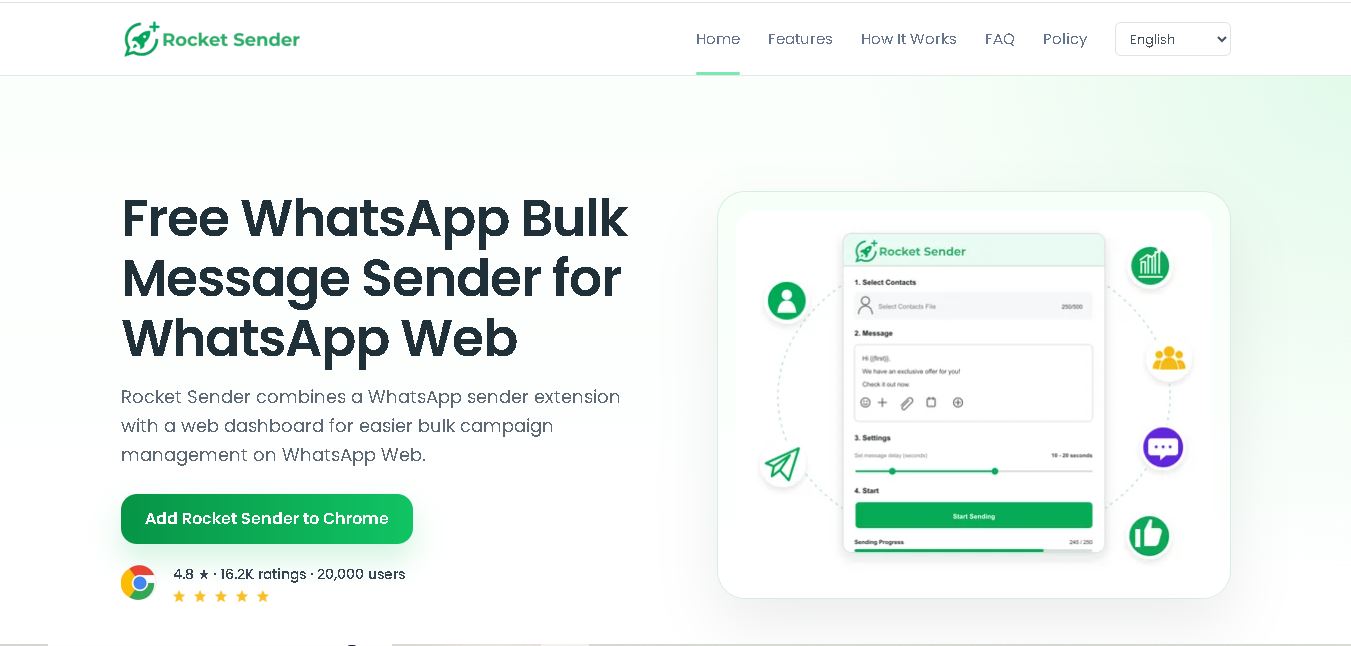
Rocket Sender is a free WhatsApp Web bulk messaging tool for organizing personalized outreach. It supports Excel contact imports, customized messages, attachments, sending intervals, pause and resume controls, and campaign progress tracking, making repetitive WhatsApp communication easier to manage directly through your browser and existing WhatsApp Web workflow.
 4.8
4.8Pairaphrase
Automation
Pairaphrase helps teams translate documents, multimedia, and business content through a secure, centralized workflow. It combines multiple translation engines, formatting preservation, Translation Memory, glossaries, collaboration, and review tools. With support for 160+ languages and numerous file formats, it suits organizations managing recurring, sensitive, or high-volume multilingual translation projects more efficiently.
 4.6
4.6Chatzy AI
Automation
Chatzy AI helps businesses automate sales, customer support, lead qualification, and everyday conversations using intelligent AI agents. Teams can engage customers through WhatsApp, voice, websites, Instagram, Messenger, and other channels from one unified inbox. It also supports business knowledge sources, automation journeys, human handoffs, and multilingual customer interactions.
 4.7
4.7LinkedAPI
Automation
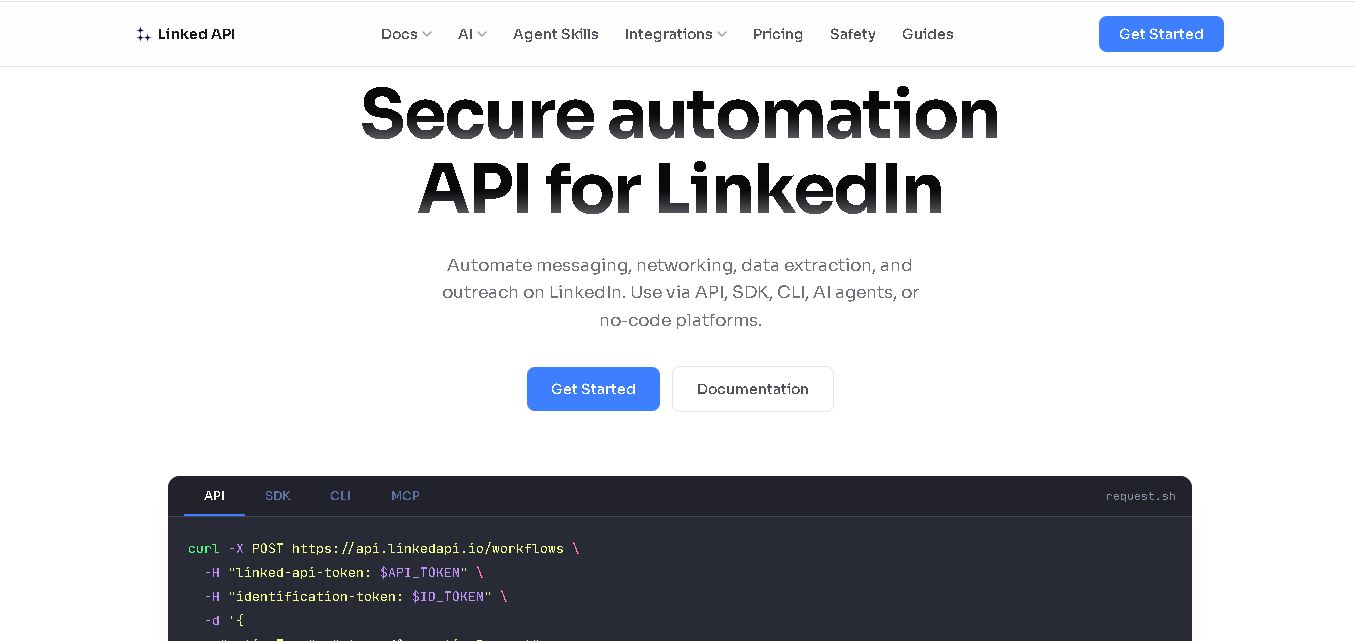
Linked API helps businesses, developers, and AI agents automate LinkedIn workflows without manually performing repetitive activities. Users can search profiles, collect data, send connection requests, manage messaging, and integrate LinkedIn activities into external workflows. It supports API, SDK, CLI, MCP, n8n, Make, and other automation environments for scalable operations.
 4.8
4.8Capgo
Automation
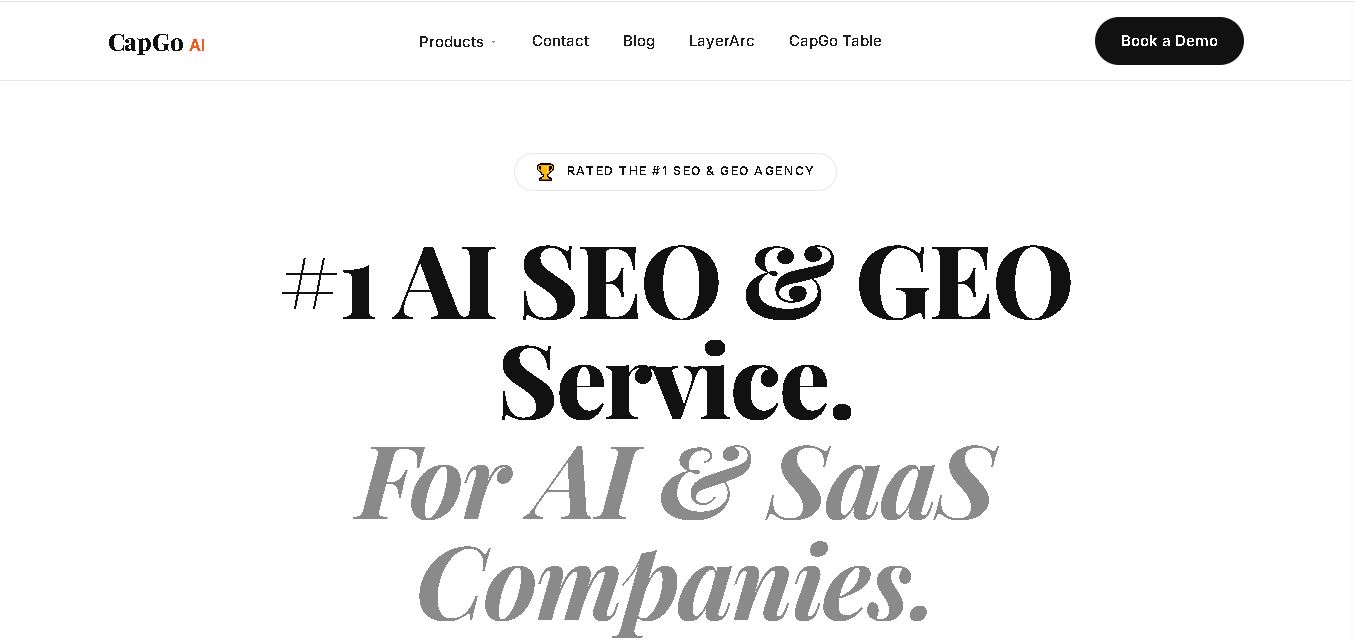
CapGo AI helps AI and SaaS businesses increase organic and AI search visibility through SEO, GEO, programmatic SEO, and content automation. Its spreadsheet-based CapGo Table supports research, large-scale page creation, optimization, and publishing workflows, helping marketing teams transform company data into searchable content for Google and AI assistants more efficiently.
 4.8
4.8Bannerbear
Automation
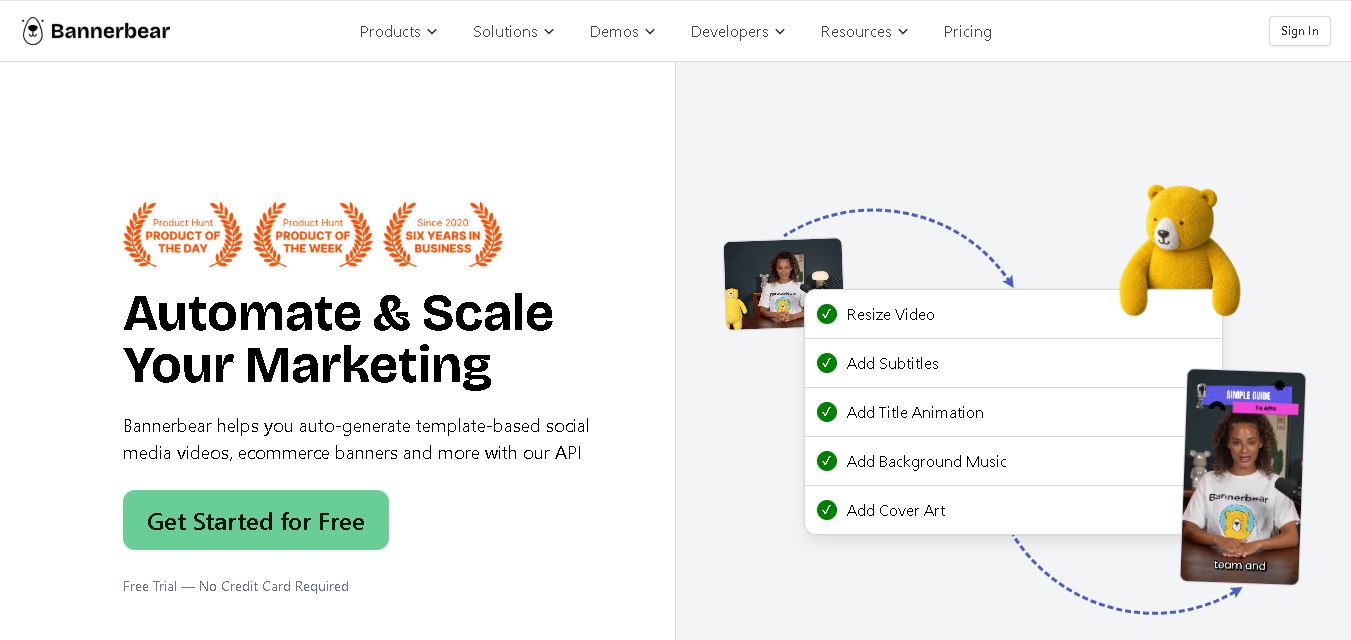
Bannerbear helps teams automate branded visual content using reusable templates, APIs, integrations, forms, and workflows. It can generate images, PDFs, animations, and videos while keeping designs consistent. Developers and marketers can create multiple content variations from structured data, reducing repetitive manual design work and supporting scalable content production at scale.