
Microsoft AutoGen
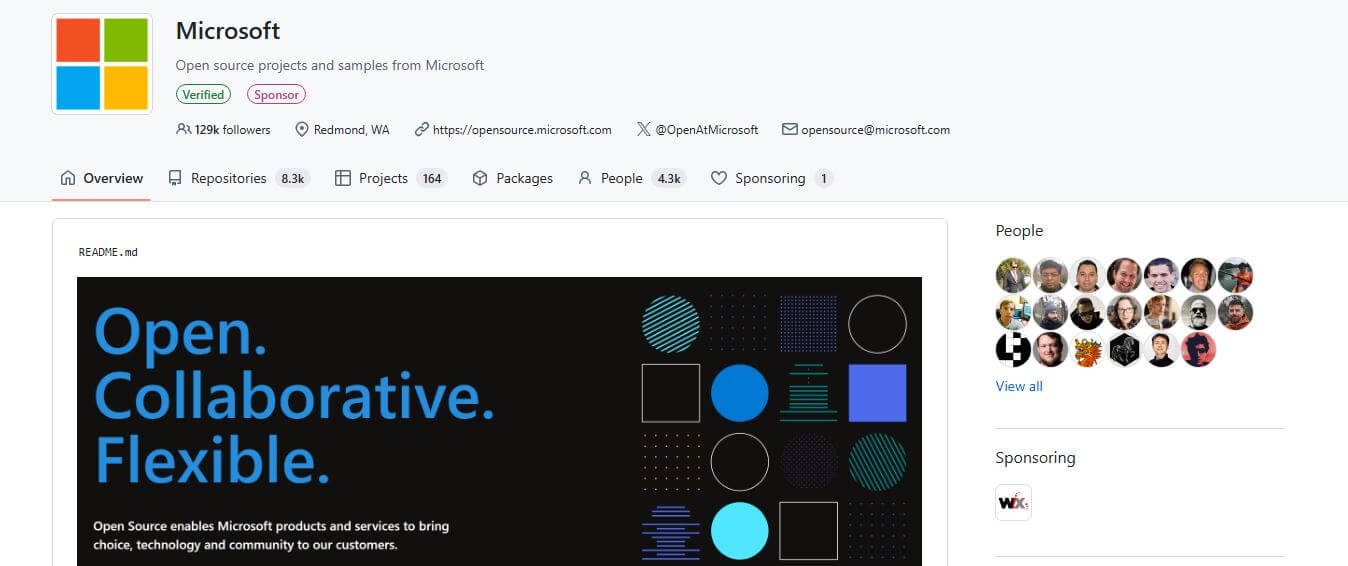
Microsoft AutoGen is an open-source framework developed by Microsoft Research that enables developers to build, orchestrate, and customize autonomous, multi-agent conversational systems where LLMs, tools, and humans collaborate to solve complex programming and enterprise workflows.
What is Microsoft AutoGen?
Microsoft AutoGen is an open-source multi-agent development framework created by Microsoft Research to allow the creation of next-generation LLM applications. It provides developers with conversational, customizable, and tool-augmented agents that can interact with one another to execute tasks cooperatively. AutoGen combines large language models, automated code interpreters, human-in-the-loop verification, and multi-agent conversation patterns to make it easier to orchestrate and debug complex autonomous workflows in coding, research, data science, and business operations.
Microsoft AutoGen has accumulated more than 35,000 GitHub stars and is adopted by thousands of AI researchers and developers worldwide. The framework can reduce developer intervention in multi-step coding pipelines by over 65 percent through automated agent feedback loops. Multi-agent debate and collaboration protocols within AutoGen improve problem-solving accuracy on complex engineering benchmarks by up to 30 percent compared to single-agent setups. Supported by Microsoft Research, it provides native interoperability with major foundation models and sandboxed Docker runtimes.
- Founder: Developed by the Microsoft Research team (Chi Wang, Qingyun Wu, and open-source contributors)
- Launch Year: 2023
- Use Cases:
- Collaborative software engineering and code generation
- Automated code execution, testing, and self-debugging
- Multi-agent simulations, debates, and complex decision-making
- Automated research, data analysis, and report synthesis
- Technology:
- Multi-Agent Conversational Architecture (ConversableAgent framework)
- Large Language Model multi-provider abstraction layer
- Sandboxed Docker and command-line code execution engines
- Target Users:
- AI researchers and computer scientists
- Software engineers and full-stack developers
- Data scientists and quantitative analysts
- Enterprise automation engineers and architects
- Acquisition: Developed and maintained directly by Microsoft Research
Key features of Microsoft AutoGen
Microsoft AutoGen's key features are
- Conversational Multi-Agent Architecture: Creates specialized, role-based agents that solve complex goals by conversing and exchanging structured feedback.
- Sandboxed Code Execution: Automatically generates, tests, and executes code securely inside isolated environments like Docker or local shells.
- Human-in-the-Loop Integration: Embeds customizable human proxy agents to provide approvals, manual input, or oversight at key workflow stages.
- Flexible Conversation Patterns: Supports diverse interaction models, including two-agent chats, dynamic group chats, hierarchical routing, and sequential handoffs.
- Multi-Model Foundation Support: Integrates with OpenAI, Azure OpenAI, Anthropic, Mistral, and local models served via tools like Ollama.
- AutoGen Studio UI: Provides a no-code and low-code graphical web interface to prototype, test, and visualize agent interactions quickly.
- Tool & API Augmentation: Equips agents with custom Python functions, search engines, web scrapers, and external enterprise API connectors.
- Open-Source Customizability: Fully extensible architecture under an open-source license, allowing complete customization of agent behaviors and logic.
Microsoft AutoGen Pricing
Microsoft AutoGen is a completely free, open-source framework with no license fees.
Open-Source Community Edition:
- $0 (Free under the MIT License)
- Full access to framework source code, extensions, and AutoGen Studio
Model Inference Costs:
- Free when running local models on self-hosted hardware via Ollama or llama.cpp
- Standard API usage rates apply when connecting to third-party cloud LLMs like OpenAI, Anthropic, or Azure OpenAI
Disclaimer: For the latest documentation, releases, and guides, please visit the official Microsoft AutoGen GitHub repository.
Who is using Microsoft AutoGen?
Microsoft AutoGen is designed for a broad range of AI engineers and researchers, including
- AI Researchers: Studying multi-agent coordination, agent behavior, and collective problem-solving dynamics
- Software Engineers: Automating full-stack code drafting, testing, and debugging pipelines
- Enterprise Architects: Building custom agent swarms for cross-system data workflows
- Data Scientists: Creating automated data analysis, visualization, and modeling pipelines
- Content Creators: Using writing tools and developer agents to automate research workflows
- Students & Educators: Experimenting with agentic AI and multi-agent conversation architectures
Best Microsoft AutoGen Alternatives
Some of the strongest Microsoft AutoGen alternatives include
Pros and Cons of Microsoft AutoGen
Pros
- Free and open-source framework with strong community backing and Microsoft support
- Advanced automated code generation, execution, and error self-correction
- Highly flexible conversation structures, including group chat and sequential workflows
- Easy integration with human-in-the-loop validation and approvals
- Compatible with both cloud-hosted proprietary LLMs and local open-source models
Cons
- Requires Python programming knowledge and understanding of agent design patterns
- Group chats can consume high token counts if message loops are not strictly bounded
- Initial setup and Docker sandbox configuration require technical familiarity
- AutoGen Studio interface is primarily geared toward prototyping rather than full production hosting
Why Choose Microsoft AutoGen?
Microsoft AutoGen is the ideal framework for developers and researchers who want full architectural control over multi-agent LLM systems. It makes conversational agent collaboration straightforward, robust, and highly extensible.
- Simplifies complex multi-agent orchestration through clean conversation abstractions
- Executes and debugs generated code automatically in secure sandboxes
- Supported by continuous updates and contributions from Microsoft Research
- Eliminates framework lock-in with broad support for local and cloud models
- Integrates seamlessly with enterprise software stacks and custom developer APIs
Microsoft AutoGen vs. Competitors
The main difference between Microsoft AutoGen, CrewAI, LangGraph, and Camel AI is that AutoGen focuses on conversational multi-agent orchestration and safe automated code execution backed by Microsoft Research, while CrewAI prioritizes role-based task delegation with simpler Python syntax, LangGraph specializes in deterministic graph-based state control, and Camel AI centers on role-playing research simulations. AutoGen stands out for its flexible conversation patterns and built-in code interpreters.
| Feature / Tool | Microsoft AutoGen | CrewAI | LangGraph | Camel AI |
|---|---|---|---|---|
| Core Focus | Multi-Agent Conversations | Role-Based Task Execution | Graph State Orchestration | Multi-Agent Simulation |
| Code Execution | Built-in (Sandboxed) | Python Tools | Custom Python Nodes | External / API |
| Human-in-the-Loop | Built-in (HumanProxy) | Configurable | Code-Driven Graph | Scripted |
| Graphical UI | AutoGen Studio | Limited | LangSmith | Web Platform |
| Open Source | Yes | Yes | Yes | Yes |
| Best For | Conversational Dev & Coding | Rapid Task Prototyping | Complex State Graphs | Academic Agent Research |
How do we rate Microsoft AutoGen?
| Parameter | Rating (out of 5) |
|---|---|
| Agent Orchestration Flexibility | 4.9 |
| Code Execution & Sandboxing | 4.9 |
| Community & Ecosystem Support | 4.8 |
| Ease of Setup & Learning Curve | 4.3 |
| Value for Money | 5.0 |
| Overall Score | 4.78 |
Microsoft AutoGen Review
Microsoft AutoGen is a powerful framework for building multi-agent AI systems, especially for developers working on complex workflows. It stands out for its flexibility, collaboration between agents, and strong research backing. However, it can feel technical for beginners and may require extra setup compared to simpler tools. Overall, it’s a great choice if you need advanced automation and control, but not ideal if you’re looking for a quick, no-code solution.
Conclusion
Microsoft AutoGen is a powerful framework for building multi-agent AI systems, but it’s not the only option available. Depending on your needs, alternatives like LangChain, CrewAI, and LlamaIndex offer unique strengths in flexibility, ease of use, and data handling. Enterprise platforms like Google Vertex AI and Azure OpenAI Service provide scalability and security. The right choice ultimately depends on your project complexity, technical expertise, and long-term goals, ensuring you pick a solution that aligns with your workflow and growth strategy.
FAQ
What exactly is AutoGen, and how can AutoGen help me?
AutoGen is an open-source framework created by Microsoft for building AI agents that can work together to solve complex tasks. Instead of relying on a single AI model, AutoGen allows multiple agents to collaborate, communicate, and execute tasks step by step. AutoGen helps you automate workflows like coding, research, data analysis, and business processes by combining AI reasoning with tools and human input.
Do I need advanced coding skills to use AutoGen?
AutoGen is designed mainly for developers, but AutoGen also provides tools like AutoGen Studio for easier, low-code prototyping. If you know basic Python, you can start building agents quickly. AutoGen simplifies complex AI workflows, so you don’t need to build everything from scratch, but some technical understanding will help you unlock its full potential.
How do AI agents work inside AutoGen?
AutoGen works by creating multiple agents, each with a specific role (like a coder, reviewer, or planner). These agents communicate with each other through structured conversations to complete tasks. AutoGen allows agents to reason, plan, execute code, and even use external tools while collaborating toward a shared goal.
What makes AutoGen different from other AI frameworks?
AutoGen stands out because AutoGen focuses on multi-agent collaboration instead of single AI responses. AutoGen allows multiple specialized agents to work together, which improves accuracy and task completion. AutoGen also supports tool usage, human-in-the-loop workflows, and dynamic conversations, making AutoGen more powerful for complex tasks compared to basic AI APIs.
Can AutoGen automate complex workflows?
Yes, AutoGen is specifically designed for complex workflows. AutoGen can break down large tasks into smaller steps and assign them to different agents. AutoGen allows agents to collaborate, debug, and refine outputs automatically, which makes AutoGen useful for automation in coding, research, and enterprise processes.
Can AutoGen integrate with tools and APIs?
Yes, AutoGen supports integration with external tools, APIs, and services. AutoGen allows agents to execute code, access data, and interact with external systems. This makes AutoGen powerful for building real-world applications that require tool usage beyond just text generation.
Why do developers still use AutoGen today?
Developers still use AutoGen because AutoGen introduced powerful multi-agent design patterns that are widely adopted in AI development. Even though newer frameworks exist, AutoGen remains valuable for learning, prototyping, and experimenting with agent-based systems.
User Reviews
No reviews yet for Microsoft AutoGen.
Featured Tools
Featured AI tools from TechShark
Melody Genie
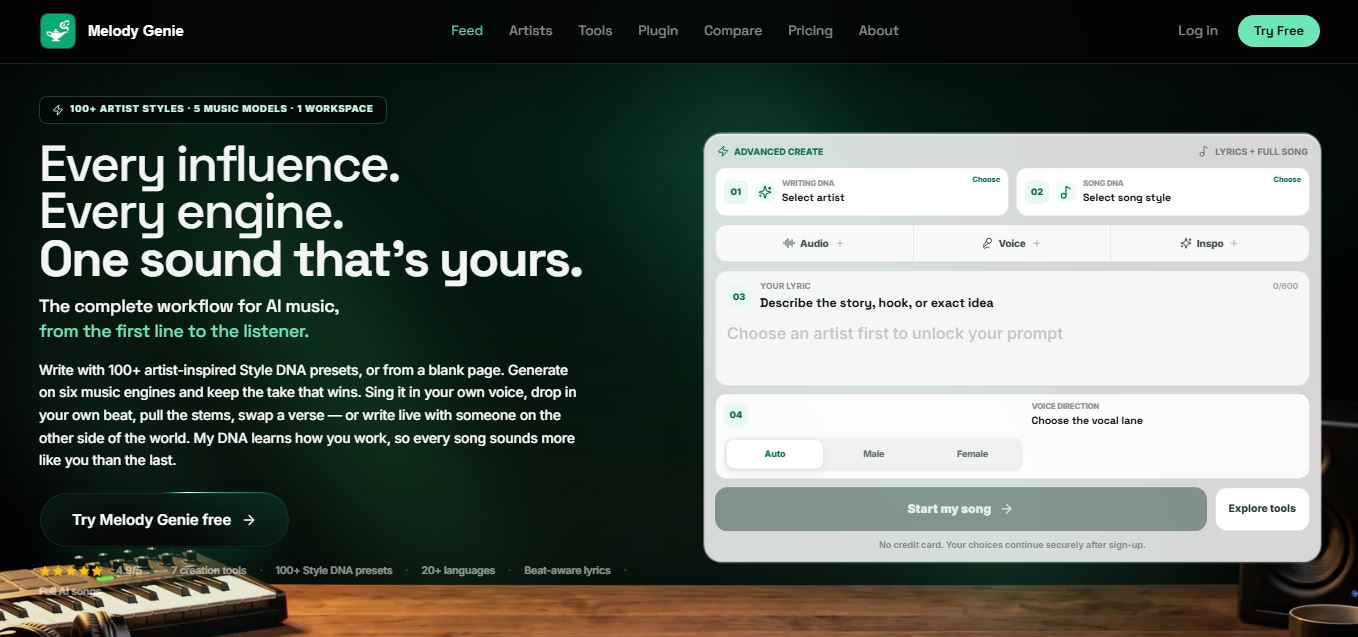
MelodyGenie is an AI-powered music generator that creates original songs from simple text prompts. Users can choose styles, moods, and genres, then instantly generate melodies and full tracks, making it easy for creators, marketers, and hobbyists to produce custom music without musical expertise.
Freemium
Kimi AI
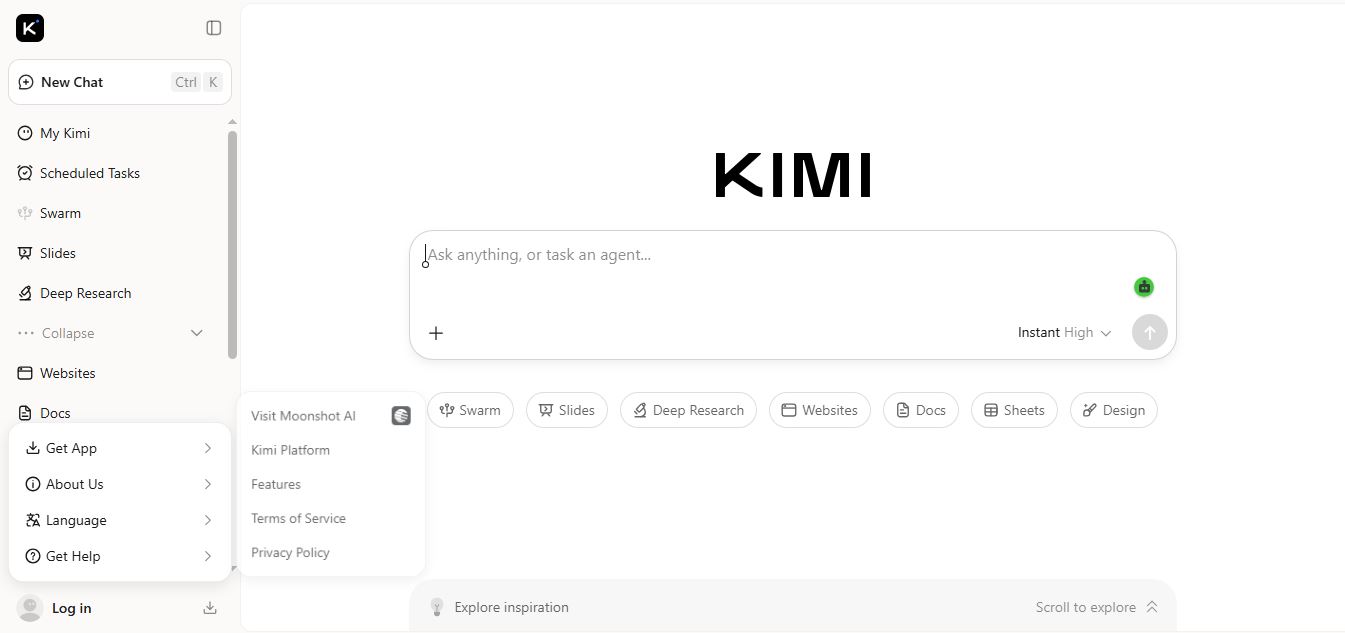
Kimi AI is an advanced AI assistant developed by Moonshot AI that helps you chat, research, write, code, and automate tasks in one place. It supports web search, file analysis, and multimodal inputs, and can even run autonomous “agent” workflows to complete complex tasks end-to-end.
Freemium
Fashion Diffusion AI
Fashion Diffusion is an AI-powered fashion design platform that helps brands and designers create clothing designs, virtual try-ons, AI models, product photos, and marketing visuals faster and cost-effectively.
Paid
Veo 4
Veo 4 AI is an AI video creation platform that generates dramatic videos from text, images, audio, and video prompts using realistic motion and synchronized sound.
Paid
Alternatives
Alternatives to Microsoft AutoGen
The best Microsoft AutoGen alternatives includes Camel AI, Devin AI, CrewAI, LangGraph, MetaGPT, and Semantic Kernel. These frameworks and platforms offer multi-agent orchestration, autonomous coding, and task management tools. While AutoGen excels at conversational multi-agent workflows and automated code execution, alternatives like LangGraph focus on graph-based state machines, and CrewAI emphasizes simple role-based task delegation. Choosing the right tool depends on whether you need conversational agent flexibility, strict state control, or rapid Python prototyping.
 4.7
4.7Halcyon
AI Agent
Halcyon is an AI energy intelligence platform that helps professionals search regulatory filings, analyze energy-market information, monitor developments, and access structured datasets. It combines document search, natural-language queries, AI-powered alerts, and specialized data subscriptions to turn fragmented energy information into actionable intelligence for research, monitoring, planning, and faster decision-making.
 4.5
4.5Enhancv
AI Agent
Enhancv helps job seekers build ATS-friendly resumes using customizable templates, AI writing assistance, resume checking, and job-specific tailoring. It also supports cover letters, application tracking, interview preparation, and resume translation. The platform is designed for candidates who want a polished application while keeping control over their experience, wording, and presentation.
 4.9
4.9Domo
AI Agent
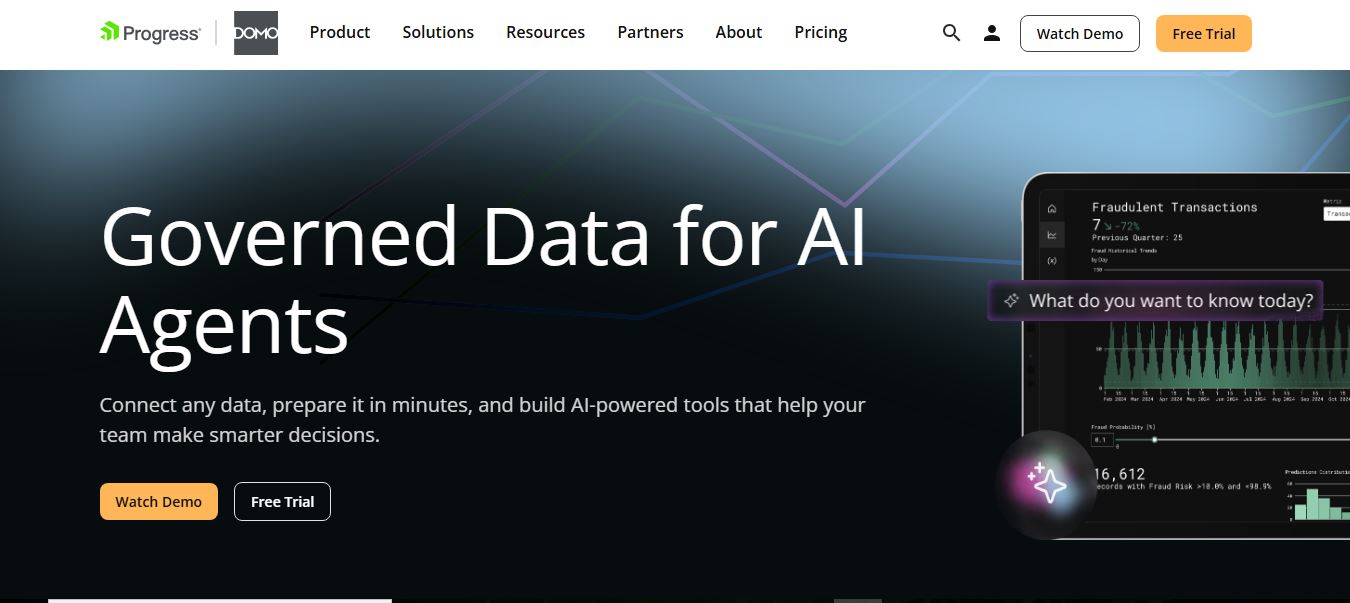
Domo is an AI-powered data and analytics platform that helps businesses connect, visualize, and act on data from multiple sources in one place. It combines dashboards, automation, and AI insights to turn raw data into decisions, enabling teams to monitor performance and drive better outcomes in real time.
 4.9
4.9Doppler
AI Agent
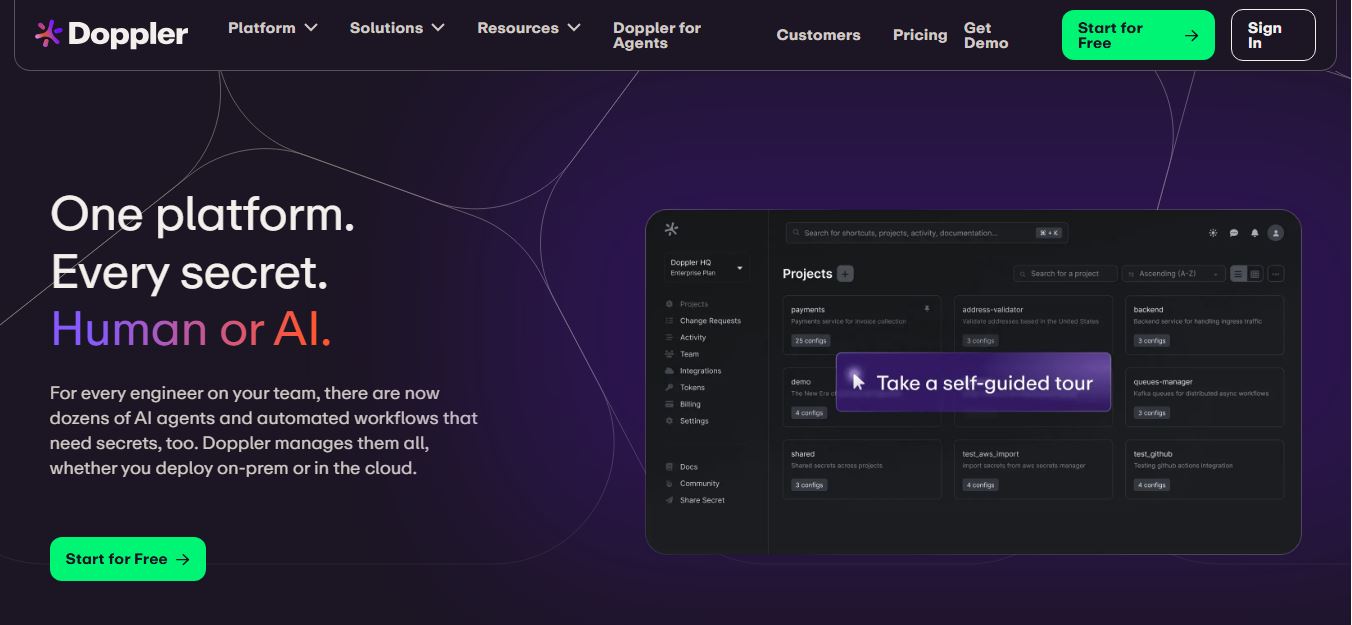
Doppler is a secrets management platform that helps developers and teams securely store, manage, and sync sensitive data like API keys, tokens, and credentials across apps and environments. It centralizes secrets, automates access control, and ensures secure, consistent configuration for applications and AI agents.
 4.8
4.8Genspark
AI Agent
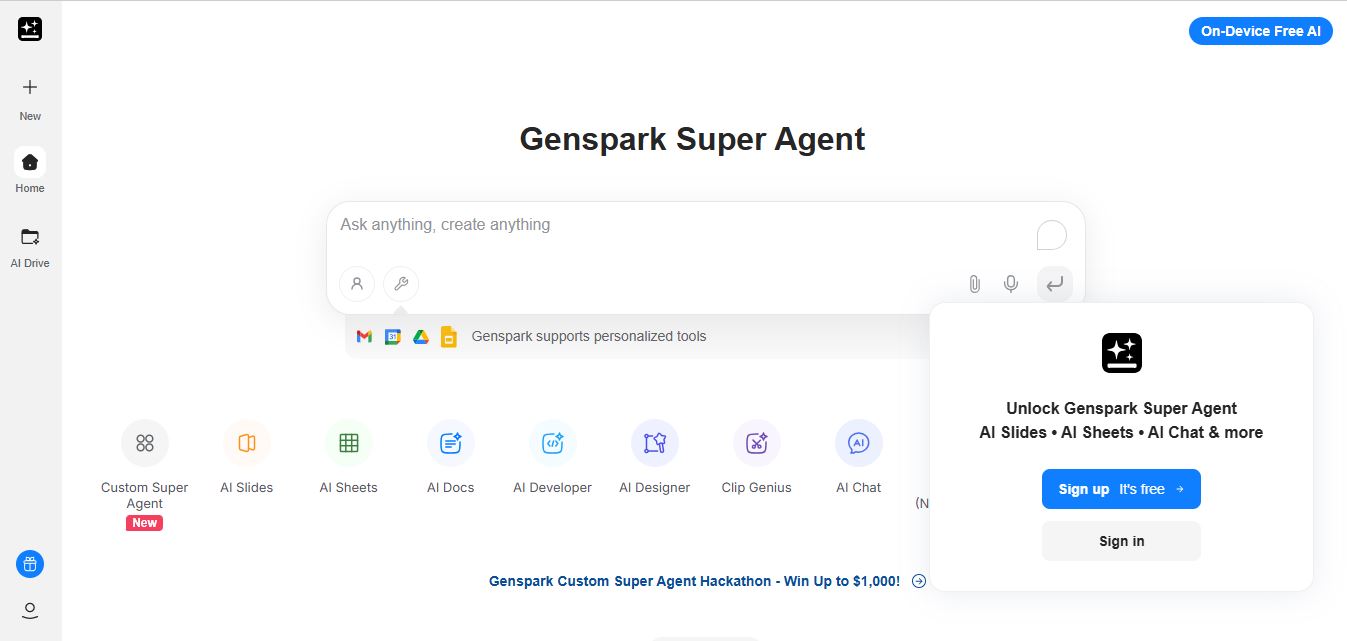
Genspark is an AI-powered all-in-one workspace built around autonomous agents that can research, write, analyze data, and create content from a single prompt. Its “Super Agent” plans and executes tasks across tools, delivering complete outputs like presentations, reports, code, and media automatically.
 4.9
4.9Teachable Machine
AI Agent
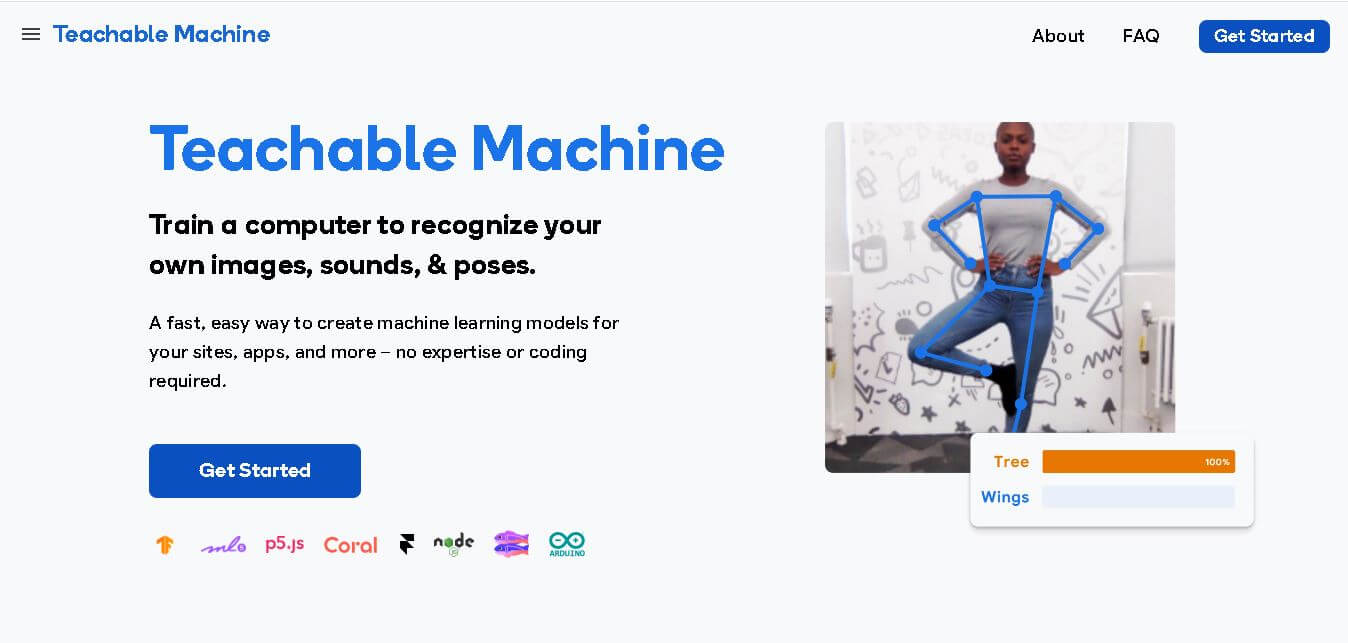
Teachable Machine is Google's browser-based tool for creating custom machine learning models without coding. You can train models to classify images, sounds, and poses using your own examples. After testing your model, you can export it for websites, apps, games, educational experiments, and physical computing projects powered by compatible machine learning technologies.
 4.7
4.7Encharge AI
AI Agent
EnCharge AI develops advanced AI computing hardware and software based on charge-based analog in-memory computing. Its technology is designed to improve AI inference efficiency while reducing power consumption, data movement, computing costs, and environmental impact. The company targets edge-to-cloud deployments, including on-device AI, robotics, automotive systems, industrial applications, and local computing.
RHVoice
AI Agent
RHVoice (rhvoice.org) is an open-source, multilingual speech synthesizer and text-to-speech engine designed to provide high-quality, lightweight voice output for screen readers, mobile devices, and accessibility tools.
 4.8
4.8PenguinBot AI
AI Agent
PenguinBot is an AI-powered “digital employee” that turns simple instructions into completed tasks like managing emails, scheduling, and running workflows automatically. It works across multiple channels and apps, planning and executing tasks in the background—focusing on getting real work done, not just generating responses.