Ollama
Ollama is an open-source framework that allows users to run, manage, and customize large language models locally on macOS, Linux, and Windows.
What is Ollama?
Ollama is an open-source tool designed to simplify running large language models locally on personal computers and servers. It provides a lightweight, easy-to-use command-line interface and API that allows developers and AI enthusiasts to download, run, and fine-tune open-weight models such as Llama, Mistral, Gemma, and DeepSeek. By running models locally, Ollama ensures complete data privacy, offline availability, and zero inference costs from cloud providers. It streamlines model configuration using custom Modelfiles, making it straightforward to tailor system prompts, temperature settings, and context windows for specific development workflows.
Ollama enables developers to run open-source LLMs locally in seconds with simple one-line terminal commands. It supports GPU acceleration across macOS (Metal), NVIDIA CUDA, and AMD ROCm, delivering optimized inference performance. The platform includes a built-in REST API compatible with OpenAI standards, allowing seamless integration with existing AI development tools, frameworks, and web interfaces. Designed for developers and privacy-focused teams, Ollama makes local AI deployment accessible without requiring complex environment setups.
- Founder / Team: Developed by Jeffrey Morgan, Michael Chi, and the open-source community
- Launch: Released in 2023 as an open-source local model runner
Use Cases:
- Local LLM execution and inference
- Private and offline AI coding and development
- Custom model customization using Modelfiles
- Backend API serving for local AI applications and agents
Technology:
- llama.cpp backend for efficient quantized inference
- Cross-platform GPU acceleration (Metal, CUDA, ROCm)
- Built-in RESTful API (OpenAI-compatible endpoints)
Target Users:
- Software developers and engineers
- AI researchers and hobbyists
- Privacy-conscious enterprises and organizations
- Students and educators
Acquisition: Not applicable / Operates as an independent open-source project

Key features of Ollama
Ollama's key features are
- One-Command Model Management: Download, run, and switch between various open-source models (like Llama, Mistral, Gemma, Phi) using simple CLI commands.
- Local & Offline Privacy: All prompts and model inferences remain entirely on your local machine, ensuring full data security and privacy.
- Hardware Acceleration: Automatically detects and utilizes available hardware acceleration, including Apple Silicon Metal, NVIDIA GPUs, and AMD GPUs.
- OpenAI-Compatible REST API: Easily connect local models to frontends, agents, and IDE extensions via standard HTTP API endpoints.
- Custom Modelfiles: Package weights, system prompts, parameters, and context settings into reusable and shareable custom models.
- Broad Ecosystem Integration: Out-of-the-box support for popular frameworks like LangChain, LlamaIndex, Open WebUI, and Continue.dev.
- Multi-Modal Support: Run vision-language models locally to analyze images, documents, and visual prompts alongside text.
- Lightweight & Efficient: Leverages quantized model formats (GGUF) to maximize performance on consumer-grade hardware.
Ollama Pricing
Ollama is an open-source project and is free to download and use locally.
- Open Source / Community Plan: Free ($0)
- Local Execution: No subscription or per-token usage fees; relies entirely on local computer hardware
- Commercial Use: Permitted under open-source licensing (MIT License), subject to individual model licenses (e.g., Llama Community License)
Disclaimer: For the latest information, documentation, and model library updates, please visit the official Ollama website.
Who is using Ollama?
Ollama is designed for a broad range of privacy-conscious and technical users, including
- Developers & Engineers: Building AI-powered applications, local coding assistants, and automated workflows without API costs
- AI Researchers: Testing open-weight LLMs, prompt variations, and quantized model performance in controlled environments
- Privacy-Conscious Organizations: Handling sensitive data in healthcare, finance, or legal sectors where data cannot leave on-premise infrastructure
- Students & Enthusiasts: Learning generative AI concepts and experimenting with LLMs on personal laptops
Best Ollama Alternatives
Some of the strongest Ollama alternatives include
- LM Studio
- vLLM
- LocalAI
- text-generation-webui (Oobabooga)
- llama.cpp
- Jan.ai
Pros and Cons of Ollama
Pros
- Extremely simple installation and CLI experience
- 100% data privacy with on-device local execution
- No subscription fees or per-token API charges
- Automatic GPU acceleration support across platforms
- Easy integration with OpenAI-compatible APIs and third-party UI tools
Cons
- Requires capable hardware (RAM/VRAM) to run larger models smoothly
- No built-in graphical user interface (requires CLI or separate UI like Open WebUI)
- Inference speed depends entirely on host system specifications
- Limited built-in fine-tuning capabilities compared to dedicated training frameworks
Why Choose Ollama?
Ollama is the premier choice for developers and users who want frictionless, private, and local access to large language models. It eliminates the complexity of compiling backends and managing weights manually, wrapping powerful local inference into a clean command-line interface and API.
- Zero Setup Friction: Get modern LLMs running locally with a single command
- Complete Data Privacy: Prompts and responses never leave your machine
- Extensive Model Library: Quick access to top open-source models like Llama, Gemma, and Mistral
- Developer-Ready API: Drop-in replacement endpoints for OpenAI client libraries
- Cross-Platform Compatibility: Native support for macOS, Linux, and Windows
Ollama vs. Competitors
The main difference between Ollama, LM Studio, vLLM, and llama.cpp is that Ollama focuses on seamless CLI management, Modelfile customization, and background API serving. While LM Studio provides an all-in-one desktop GUI, vLLM is optimized for high-throughput enterprise server deployments, and llama.cpp offers raw C++ low-level control. Ollama bridges the gap between simplicity and developer integration.
| Feature / Tool | Ollama | LM Studio | vLLM | llama.cpp |
|---|---|---|---|---|
| Primary Interface | CLI & REST API | Desktop GUI | Python API & Server | CLI / C++ Library |
| Ease of Setup | Very High | Very High | Moderate | Technical |
| Open Source | Yes | No (Free Proprietary) | Yes | Yes |
| API Serving | Built-in | Built-in Local Server | High-Throughput Server | Server Example |
| Best For | Local Dev & API Integration | Desktop Chat & Exploration | Production Serving | Low-level Inference |
How do we rate Ollama?
| Parameter | Rating (out of 5) |
|---|---|
| Ease of Use | 4.9 |
| Features & Capabilities | 4.8 |
| Performance & Speed | 4.7 |
| Integration & API | 4.9 |
| Value for Money | 5.0 |
| Overall Score | 4.86 |
Ollama Review
Ollama has become the standard for local LLM orchestration. By hiding the complexities of quantization formats and hardware acceleration behind intuitive CLI commands, it makes running open-source models accessible to all developers. Its robust OpenAI-compatible API and active community support make it the default backend for local AI development, privacy-focused workflows, and agent experimentation.
Conclusion
Ollama provides an essential tool for developers and organizations wanting to harness open-source AI without cloud dependencies. Its blend of straightforward CLI management, local data privacy, and broad model compatibility makes running large language models on personal hardware effortless.
User Reviews
No reviews yet for Ollama.
Featured Tools
Featured AI tools from TechShark
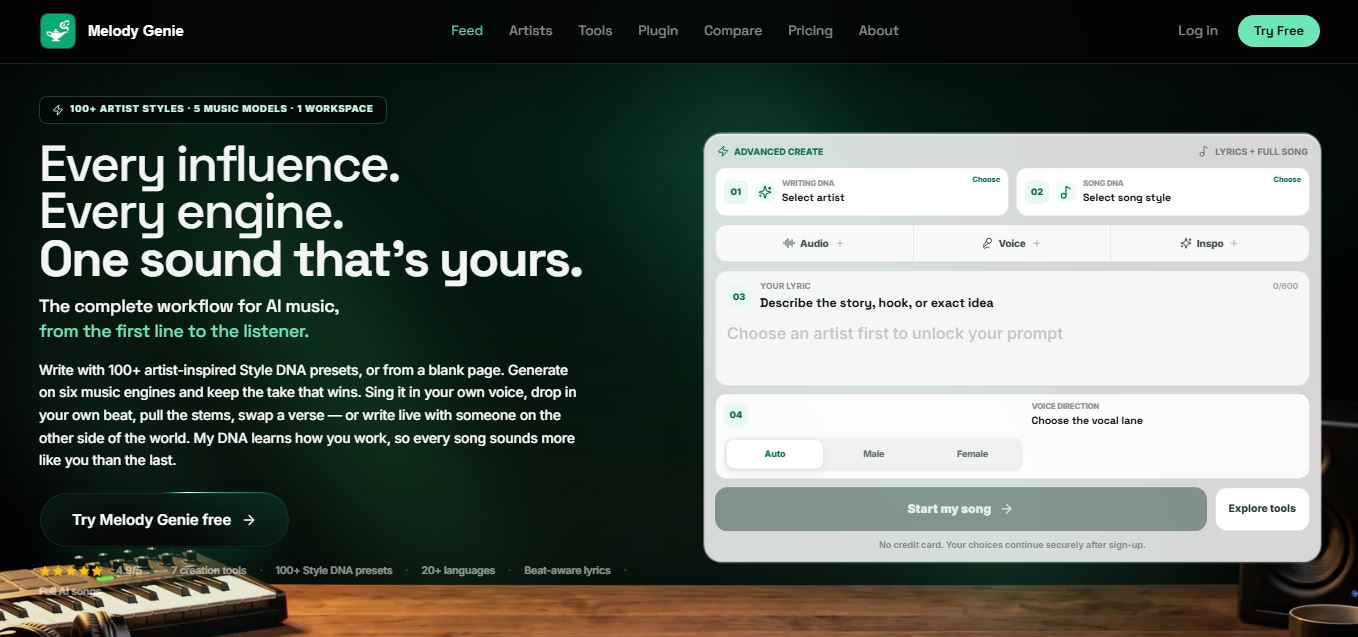
Melody Genie
MelodyGenie is an AI-powered music generator that creates original songs from simple text prompts. Users can choose styles, moods, and genres, then instantly generate melodies and full tracks, making it easy for creators, marketers, and hobbyists to produce custom music without musical expertise.
Freemium
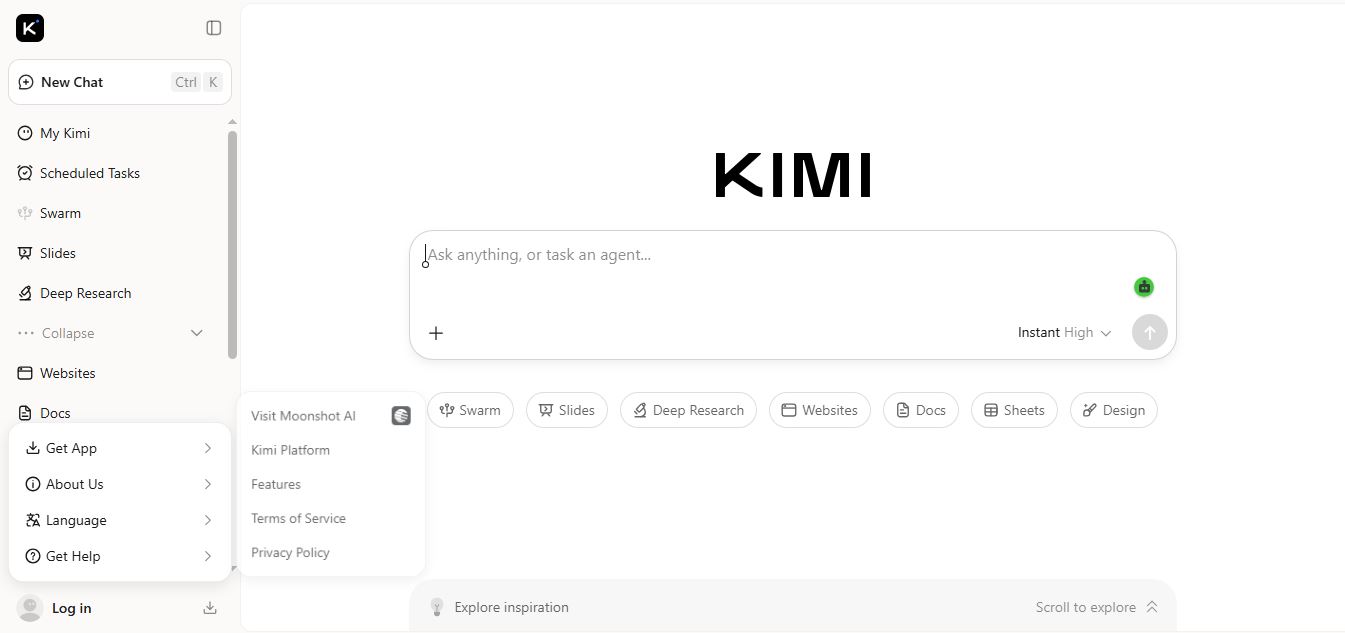
Kimi AI
Kimi AI is an advanced AI assistant developed by Moonshot AI that helps you chat, research, write, code, and automate tasks in one place. It supports web search, file analysis, and multimodal inputs, and can even run autonomous “agent” workflows to complete complex tasks end-to-end.
Freemium
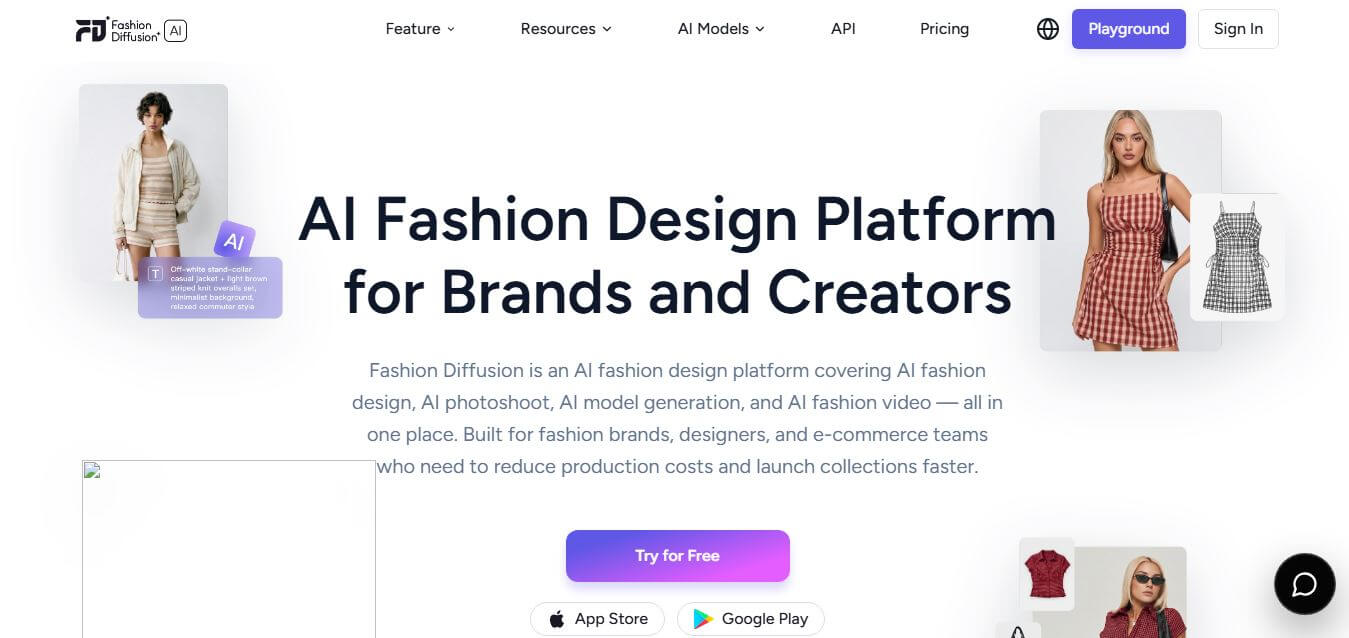
Fashion Diffusion AI
Fashion Diffusion is an AI-powered fashion design platform that helps brands and designers create clothing designs, virtual try-ons, AI models, product photos, and marketing visuals faster and cost-effectively.
Paid
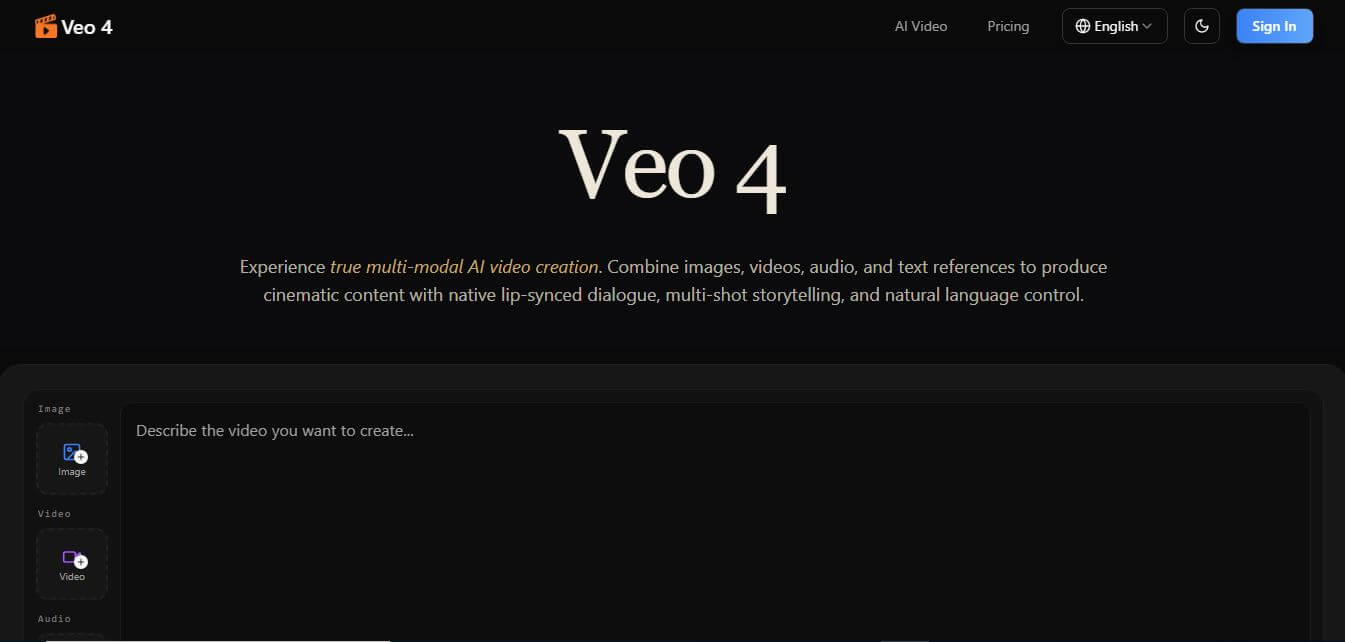
Veo 4
Veo 4 AI is an AI video creation platform that generates dramatic videos from text, images, audio, and video prompts using realistic motion and synchronized sound.
Paid
Alternatives
Alternatives to Ollama
The best Ollama alternatives include LM Studio, vLLM, LocalAI, llama.cpp, and Jan.ai. While Ollama excels at CLI model management and local background API serving, LM Studio and Jan.ai provide complete desktop chat interfaces, and vLLM focuses on high-throughput multi-GPU enterprise production environments.
 4.7
4.7Voicv
AI Agent
Voicv helps you create AI-generated voices, clone voices, convert text into speech, transcribe audio, design custom voices, and produce talking-avatar videos. It is useful for creators, marketers, educators, developers, and businesses that need scalable voice content. You can choose subscription credits or purchase permanent credits for occasional projects and flexible usage.
 4.7
4.7Halcyon
AI Agent
Halcyon is an AI energy intelligence platform that helps professionals search regulatory filings, analyze energy-market information, monitor developments, and access structured datasets. It combines document search, natural-language queries, AI-powered alerts, and specialized data subscriptions to turn fragmented energy information into actionable intelligence for research, monitoring, planning, and faster decision-making.
 4.5
4.5Enhancv
AI Agent
Enhancv helps job seekers build ATS-friendly resumes using customizable templates, AI writing assistance, resume checking, and job-specific tailoring. It also supports cover letters, application tracking, interview preparation, and resume translation. The platform is designed for candidates who want a polished application while keeping control over their experience, wording, and presentation.
 4.9
4.9Domo
AI Agent
Domo is an AI-powered data and analytics platform that helps businesses connect, visualize, and act on data from multiple sources in one place. It combines dashboards, automation, and AI insights to turn raw data into decisions, enabling teams to monitor performance and drive better outcomes in real time.
 4.9
4.9Doppler
AI Agent
Doppler is a secrets management platform that helps developers and teams securely store, manage, and sync sensitive data like API keys, tokens, and credentials across apps and environments. It centralizes secrets, automates access control, and ensures secure, consistent configuration for applications and AI agents.
 4.8
4.8Genspark
AI Agent
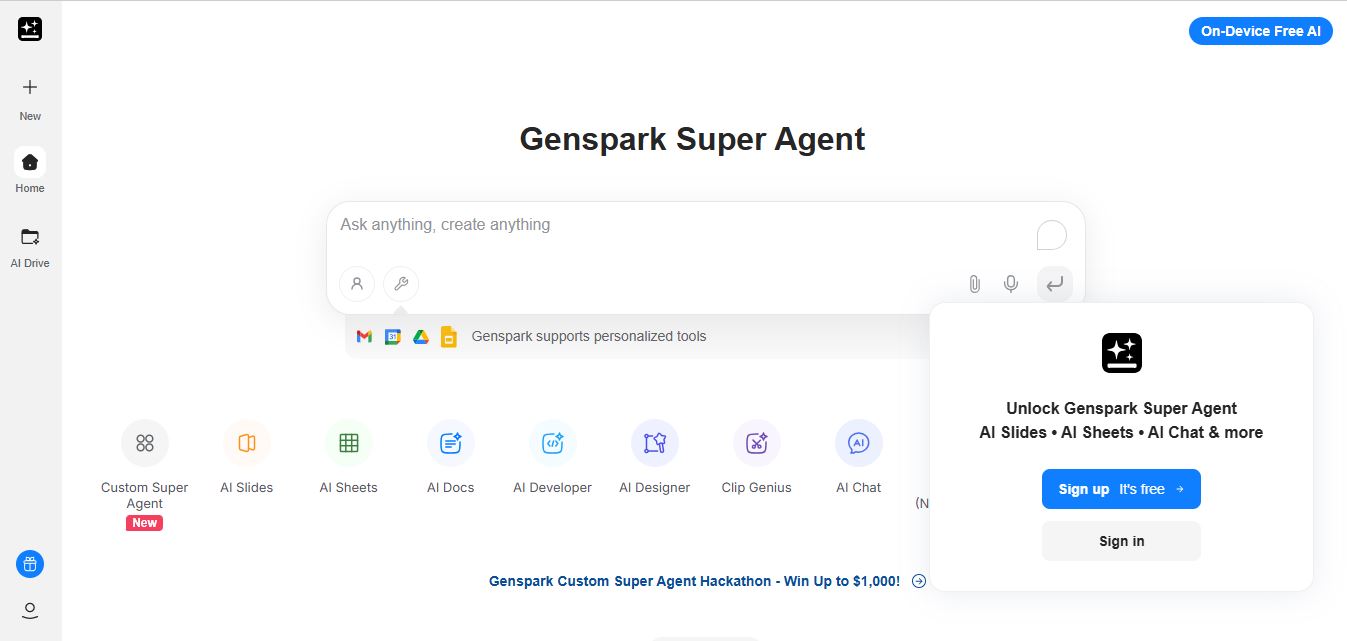
Genspark is an AI-powered all-in-one workspace built around autonomous agents that can research, write, analyze data, and create content from a single prompt. Its “Super Agent” plans and executes tasks across tools, delivering complete outputs like presentations, reports, code, and media automatically.
 4.9
4.9Teachable Machine
AI Agent
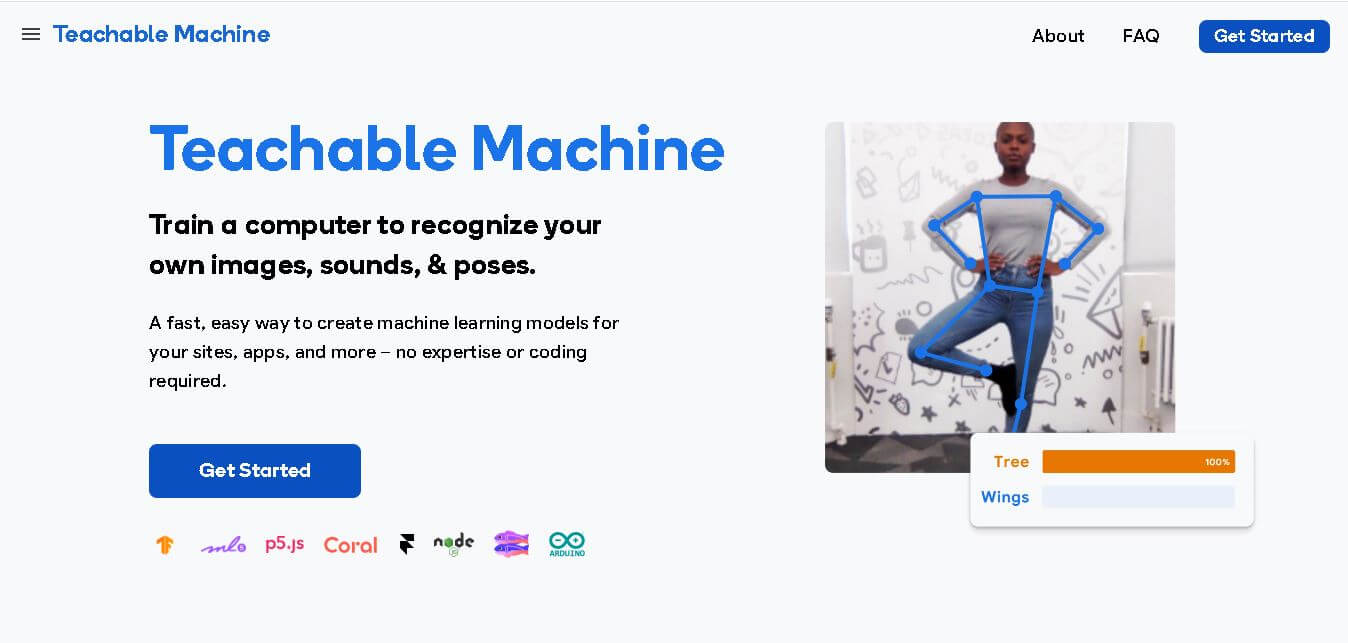
Teachable Machine is Google's browser-based tool for creating custom machine learning models without coding. You can train models to classify images, sounds, and poses using your own examples. After testing your model, you can export it for websites, apps, games, educational experiments, and physical computing projects powered by compatible machine learning technologies.
 4.7
4.7Encharge AI
AI Agent
EnCharge AI develops advanced AI computing hardware and software based on charge-based analog in-memory computing. Its technology is designed to improve AI inference efficiency while reducing power consumption, data movement, computing costs, and environmental impact. The company targets edge-to-cloud deployments, including on-device AI, robotics, automotive systems, industrial applications, and local computing.
RHVoice
AI Agent
RHVoice (rhvoice.org) is an open-source, multilingual speech synthesizer and text-to-speech engine designed to provide high-quality, lightweight voice output for screen readers, mobile devices, and accessibility tools.