Hubble AI
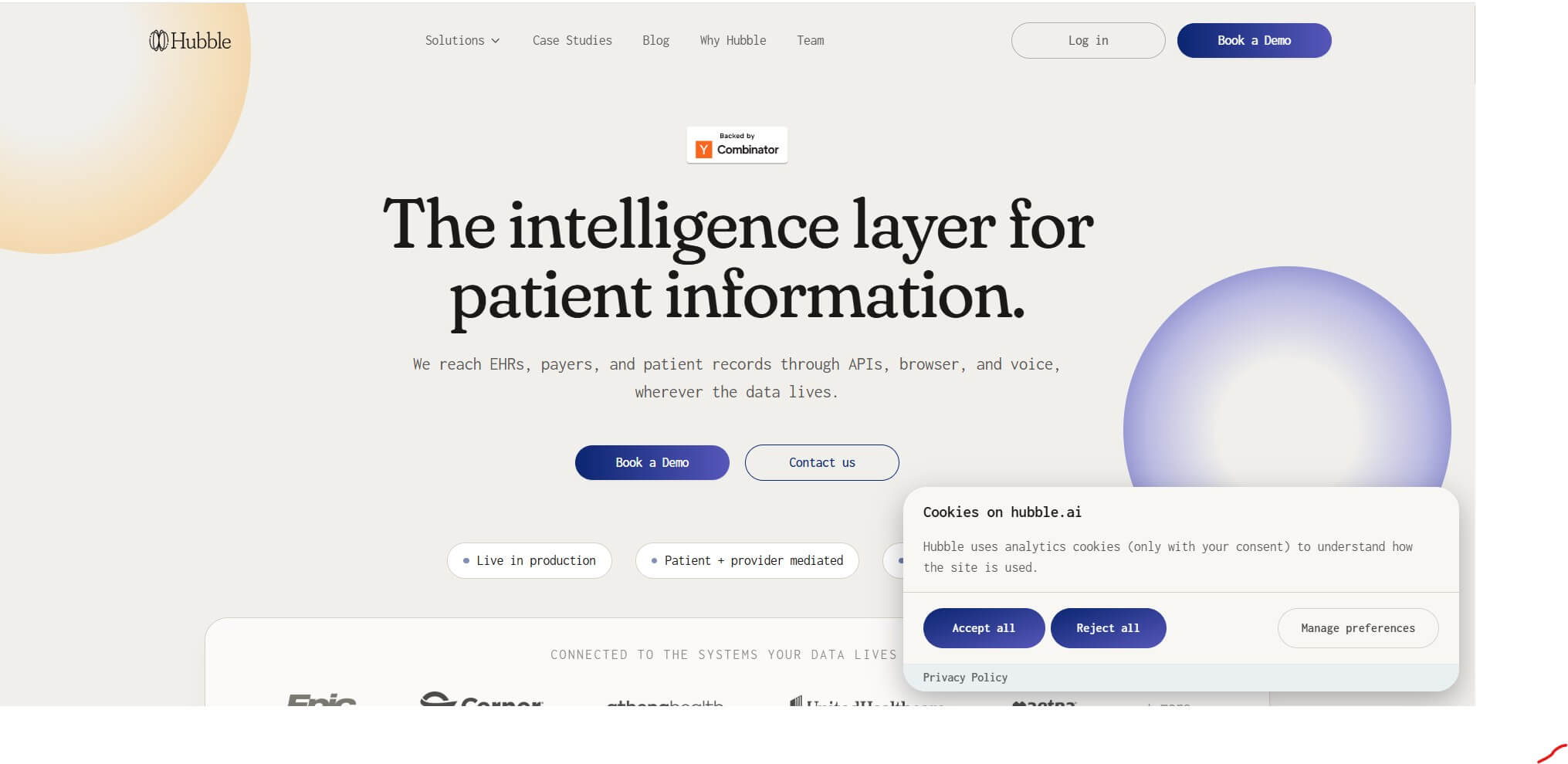
Hubble AI is healthcare infrastructure that connects AI agents with patient data, EHRs, payers, and healthcare workflows through one platform.
What is Hubble AI?
Hubble AI is a healthcare infrastructure platform built to enable AI agents to securely access and work with complex healthcare data systems. Hubble AI provides a unified layer for connectivity, automation, and data processing, instead of requiring separate integrations with EHRs, payers, and patient data systems. It allows developers to create AI-powered healthcare workflows such as eligibility checks, patient context retrieval, and clinical automation. The platform focuses on compliance, security, and scalability, making it ideal for healthcare organizations and developers building production-ready AI applications.
Hubble AI supports more than 40 healthcare integrations, including major EHR systems like Epic and Cerner, and payers such as UnitedHealthcare and Aetna. The platform is already used in production environments and helps teams launch healthcare AI solutions in weeks instead of months. It offers secure workflows with audit trails and HIPAA compliance. With growing demand for AI healthcare automation, Hubble AI is becoming a key infrastructure layer for modern healthcare systems.
- Founder: Hubble AI is led by Prabha Dublish as CEO and Aaron Leon as CTO. Dublish formerly worked at Meta and was the first product hire at Grow Therapy, while Leon previously worked at Amazon One Medical.
- Launch: The current Hubble healthcare infrastructure platform is positioned as a production infrastructure product for AI agents. Its public website does not prominently state an exact launch date.
- Use Cases: Patient-data retrieval, insurance eligibility checks, healthcare AI agents, clinical workflows, administrative automation, patient access, provider workflows, and healthcare application development.
- Technology: Hubble provides healthcare data integrations, AI-agent infrastructure, permissioned access, structured healthcare data, audit trails, and HIPAA-compliant infrastructure.
- Target Users: Healthcare AI startups, health systems, developers, healthcare technology companies, providers, payers, and organizations deploying AI agents.
- Acquisition: No verified acquisition of Hubble AI was identified in the available public information.

Hubble AI Key Features
Hubble AI key features are:
- Healthcare Data Connectivity: Hubble connects AI applications with healthcare data sources so developers do not have to build individual integrations for every EHR or payer.
- AI Agent Infrastructure: Hubble provides infrastructure that allows AI agents to retrieve healthcare information and perform defined workflows using connected data sources.
- Patient Context: An AI agent can pull relevant patient context from connected healthcare systems and return structured information.
- Eligibility Checks: Hubble can support healthcare eligibility workflows by connecting an AI agent with payer and patient information.
- EHR Integrations: The platform supports integrations across major EHR systems, including Epic, Cerner, and athenahealth.
- Payer Integrations: Hubble supports healthcare payer connectivity, including organizations such as UnitedHealthcare and Aetna.
- Permissioned Agent Actions: Agent actions are permissioned, helping organizations control what AI systems can access and perform.
- Audit Trails: Hubble logs AI-agent actions to provide visibility into how healthcare workflows are executed.
- HIPAA-Compliant Infrastructure: The platform is designed around HIPAA-compliant healthcare workflows and security requirements.
- Production Infrastructure: Hubble is designed to support production healthcare applications rather than only prototypes.
- Patient-Mediated Access: The platform supports workflows where patients authorize access to their healthcare information.
- Provider-Mediated Access: Hubble also supports healthcare workflows where providers or organizations facilitate access to patient data.
- Multiple Healthcare Tools: Hubble says it supports more than 40 tools across EHRs, payers, and other healthcare data sources.
- Structured Results: Connected workflows return structured information that AI agents and healthcare applications can consume.
Hubble AI Pricing
Hubble AI does not currently publish standard self-serve pricing on its public website. Instead, the company encourages healthcare organizations and AI teams to book a demo and discuss their specific use case.
| Plan | Price | Main Information |
|---|---|---|
| Custom | Contact Hubble. | Healthcare AI infrastructure, integrations, security, and production deployment |
Disclaimer: For the latest and most accurate pricing information, please visit the official Hubble AI website.
Who is using Hubble AI?
- Healthcare AI startups
- Health technology companies
- Healthcare developers
- Hospitals and health systems
- EHR-focused companies
- Healthcare providers
- Insurance and payer organizations
- AI agent developers
- Healthcare automation teams
- Enterprise healthcare organizations
Hubble says its infrastructure is already in production across leading EHRs and payers and supports more than 40 healthcare tools.
What are the Best Hubble AI Alternatives?
Some Hubble AI alternatives are:
- Particle Health
- Zus Health
- Redox
- Health Gorilla
- Human API
- 1upHealth
- Innovaccer
- Commure
- Truepill
- Flexpa
Pros and Cons of Hubble AI
Pros
- Built specifically for healthcare AI
- Connects multiple healthcare data sources
- Supports EHR integrations
- Supports payer integrations
- AI-agent focused infrastructure
- HIPAA-compliant approach
- Permissioned agent actions
- Built-in audit trails
- Supports structured healthcare workflows
- Patient-mediated access
- Provider-mediated access
- More than 40 healthcare tools
- Designed for production deployments
- Can reduce integration work
- Supports healthcare automation
Cons
- Public pricing is not available
- Primarily designed for healthcare organizations and developers
- Requires a business or technical use case
- Not intended as a general-purpose AI chatbot
- Implementation may require technical expertise
- Healthcare integrations can involve complex compliance requirements
- Availability of individual integrations may vary
- Less suitable for casual individual users
Why Choose Hubble AI?
- Hubble is specifically designed for healthcare AI rather than general-purpose AI applications.
- Developers can avoid building separate connections to every healthcare system.
- The platform connects AI agents with EHRs and payer data.
- Permissioned access helps organizations control agent actions.
- Built-in audit trails improve visibility and accountability.
- HIPAA-compliant infrastructure is designed for healthcare environments.
- The platform supports both patient-mediated and provider-mediated workflows.
- Hubble can return structured healthcare information to AI agents.
- Hubble supports more than 40 healthcare tools across EHRs and payers.
- The platform is designed for production deployment.
- Healthcare organizations can use Hubble to reduce the integration burden associated with AI projects.
Hubble AI vs Competitors
The main difference between Hubble AI, Redox, Particle Health, Health Gorilla, and 1upHealth is that Hubble is specifically positioned as infrastructure for AI agents working with healthcare data. Redox focuses heavily on healthcare interoperability, while Particle Health and Health Gorilla provide healthcare data connectivity. 1upHealth focuses on APIs and healthcare data access. Hubble adds agent-oriented workflows, permissioning, and auditability to the healthcare infrastructure layer.
| Tool | Main Focus | Best For |
| Hubble AI | Healthcare AI-agent infrastructure | AI healthcare applications |
| Redox | Healthcare interoperability | EHR connectivity |
| Particle Health | Healthcare data access | Healthcare applications |
| Health Gorilla | Healthcare data exchange | Clinical data connectivity |
| 1upHealth | Healthcare APIs | Developer-focused health apps |
| Zus Health | Healthcare infrastructure | Digital health companies |
| Commure | Healthcare technology | Clinical and operational workflows |
| Innovaccer | Healthcare AI and data | Health systems and enterprises |
How Do We Rate Hubble AI?
| Category | Rating Out of 5 |
| Healthcare Integrations | 4.8 |
| AI Agent Infrastructure | 4.9 |
| Security | 4.8 |
| Compliance | 4.8 |
| Developer Value | 4.7 |
| Data Connectivity | 4.9 |
| Workflow Automation | 4.7 |
| Ease of Implementation | 4.4 |
| Pricing Transparency | 3.8 |
| Overall Performance | 4.7 |
Hubble AI Review
Hubble AI solves a major problem in healthcare: fragmented data systems. Instead of building multiple integrations, developers can use one platform to connect AI agents with healthcare data. Its strongest advantage is its healthcare-first approach, ensuring compliance, security, and structured workflows. Features like audit trails, permissioned access, and production-ready infrastructure make it highly reliable. While pricing is not transparent, its value for enterprises building healthcare AI solutions is significant.
Conclusion
Hubble AI is a robust platform for healthcare AI infrastructure designed for organizations building AI-driven healthcare solutions. With support for 40+ integrations, secure data access, and compliance-focused architecture, it simplifies complex healthcare workflows. While it is not designed for individual users, it provides immense value for developers, healthcare companies, and enterprises. Features like Hubble Scan, Hubble Miracle workflows, and expert integrations make it a strong choice for scalable healthcare AI development.
FAQ
What is Hubble AI?
Hubble AI is healthcare infrastructure that helps AI agents securely connect with patient data, EHRs, payers, and healthcare workflows
What does Hubble AI do?
What does Hubble AI do? Hubble provides healthcare integrations and infrastructure that allow AI agents to access healthcare information and perform workflows such as patient-context retrieval and eligibility checks.
Is Hubble AI free?
Hubble AI does not currently advertise a standard free consumer plan. Organizations are directed to contact the company and book a demo.
How much does Hubble AI cost?
Hubble AI does not publicly list standard pricing. Pricing appears to be customized according to the organization's requirements and deployment.
Is Hubble AI HIPAA compliant?
Hubble states that its infrastructure is HIPAA-compliant and includes built-in audit trails for AI-agent actions.
Which EHRs does Hubble AI support?
Hubble says it supports EHRs including Epic, Cerner, and athenahealth, among other healthcare tools.
Which healthcare payers does Hubble AI support?
Hubble lists payers including UnitedHealthcare and Aetna among its supported healthcare connections
User Reviews
No reviews yet for Hubble AI.
Featured Tools
Featured AI tools from TechShark
Melody Genie
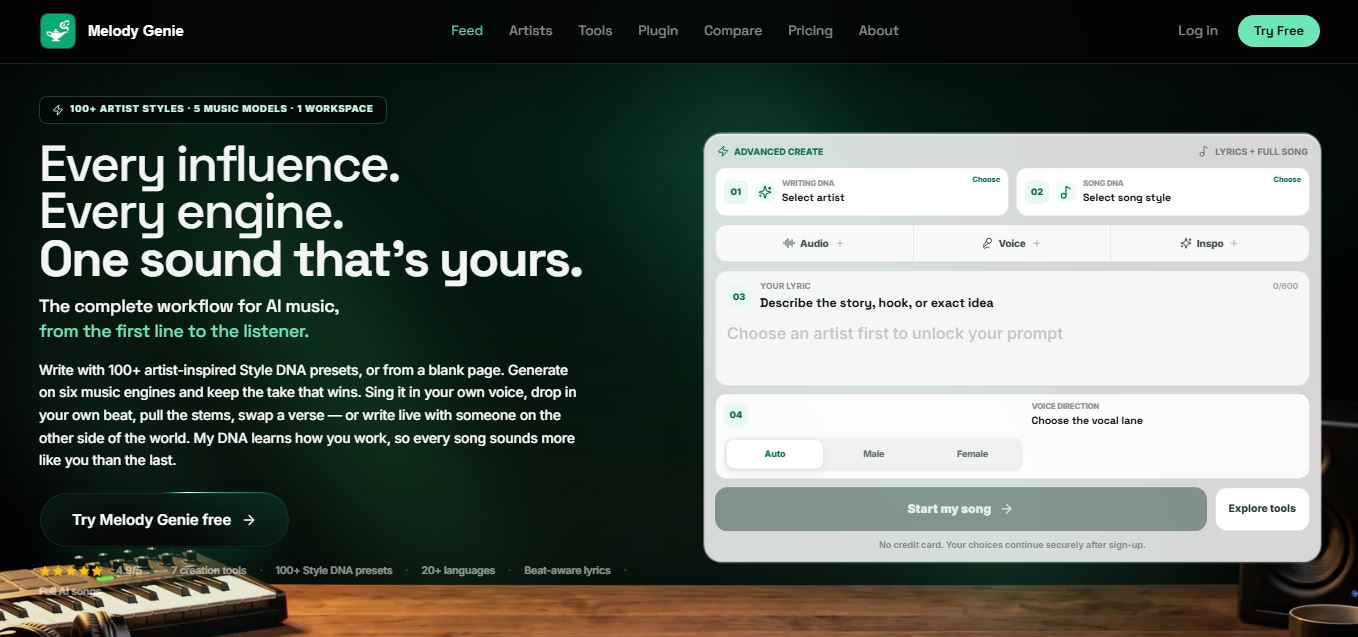
MelodyGenie is an AI-powered music generator that creates original songs from simple text prompts. Users can choose styles, moods, and genres, then instantly generate melodies and full tracks, making it easy for creators, marketers, and hobbyists to produce custom music without musical expertise.
Freemium
Kimi AI
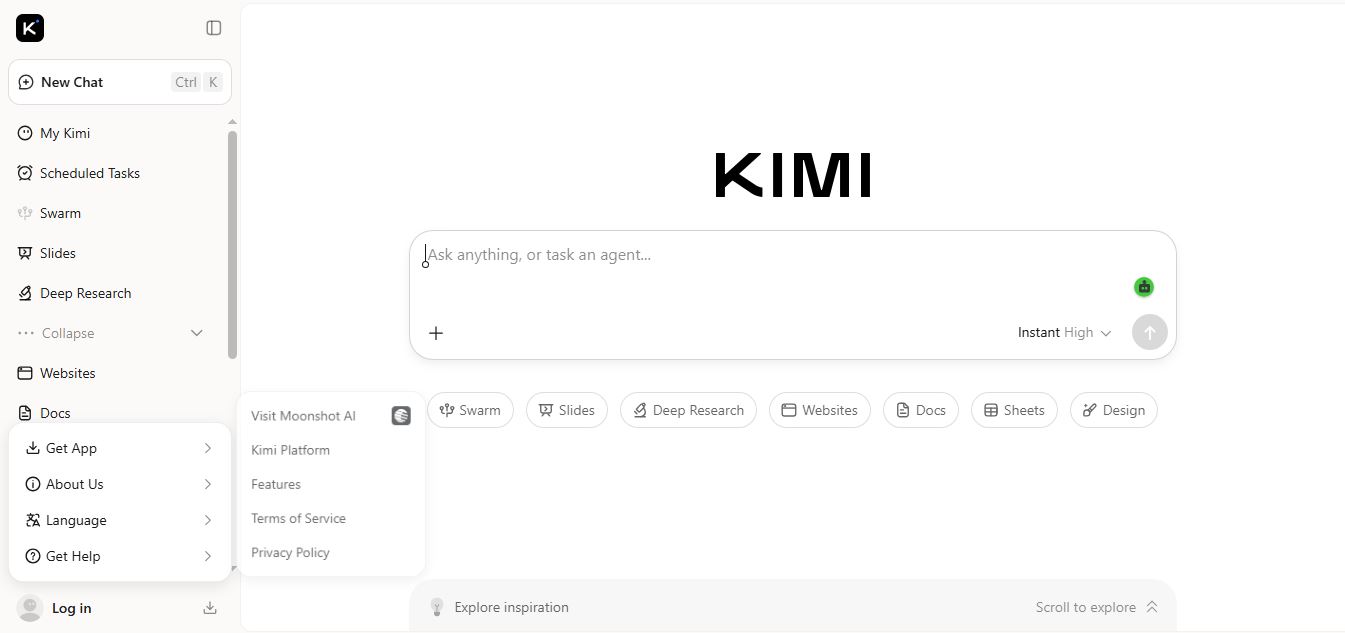
Kimi AI is an advanced AI assistant developed by Moonshot AI that helps you chat, research, write, code, and automate tasks in one place. It supports web search, file analysis, and multimodal inputs, and can even run autonomous “agent” workflows to complete complex tasks end-to-end.
Freemium
Fashion Diffusion AI
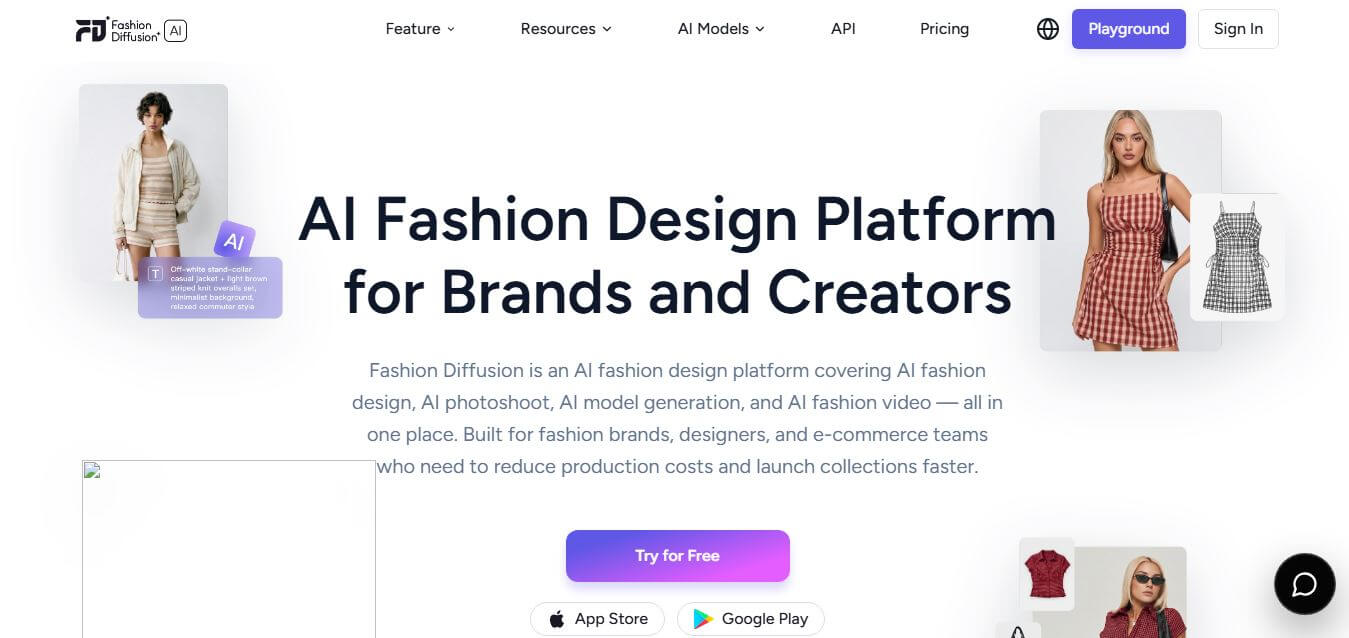
Fashion Diffusion is an AI-powered fashion design platform that helps brands and designers create clothing designs, virtual try-ons, AI models, product photos, and marketing visuals faster and cost-effectively.
Paid
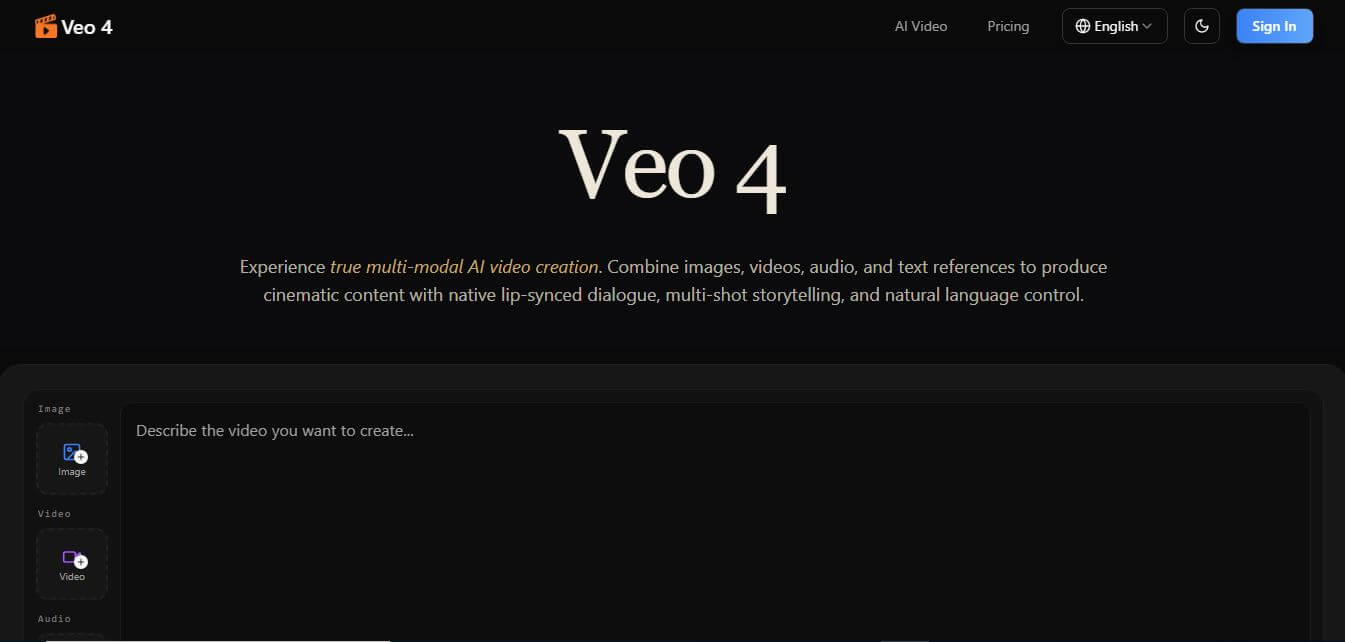
Veo 4
Veo 4 AI is an AI video creation platform that generates dramatic videos from text, images, audio, and video prompts using realistic motion and synchronized sound.
Paid
Alternatives
Alternatives to Hubble AI
Top Hubble AI alternatives include Redox, Particle Health, Health Gorilla, 1upHealth, Zus Health, Commure, and Innovaccer. These platforms focus on interoperability, APIs, and data exchange. However, Hubble stands out with its AI-agent infrastructure, healthcare integrations, permissioned access, audit trails, and production-ready workflows tailored for modern healthcare AI applications.
 5.0
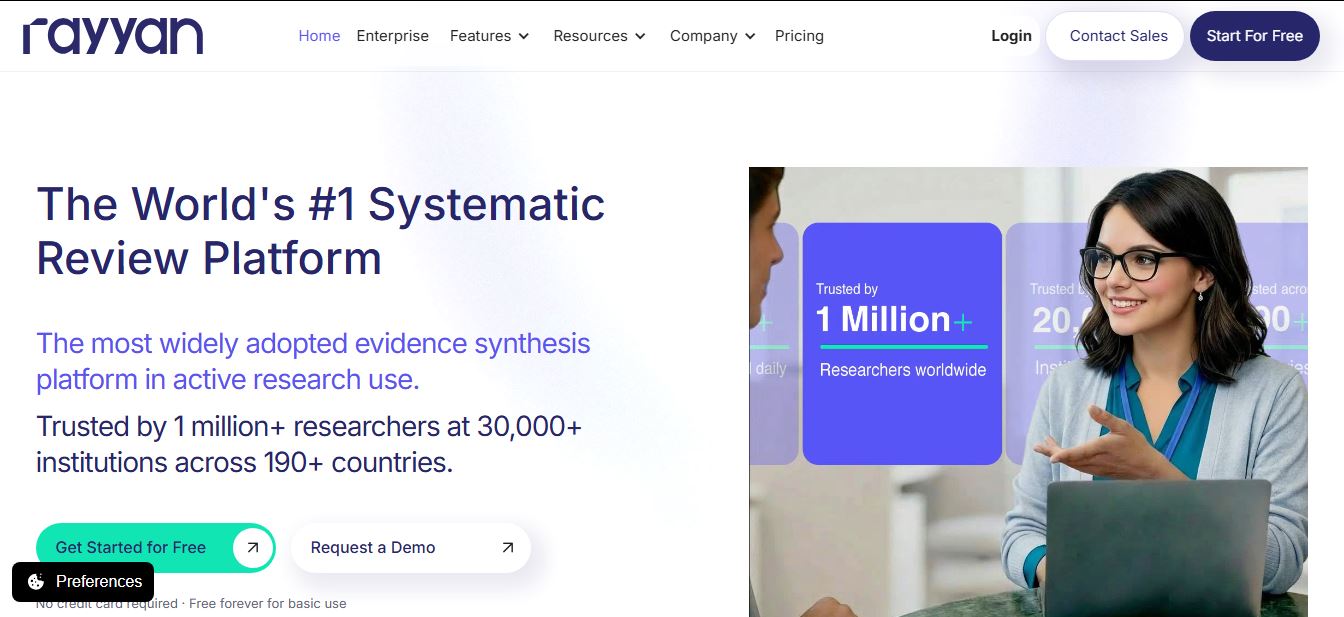
5.0Rayyan
Research
Rayyan is an AI-powered systematic review and literature review platform that helps researchers organize references, remove duplicates, screen studies, extract data, assess risk of bias, and generate PRISMA reports. Its AI features assist with relevance ranking, article screening, and structured data extraction while keeping researchers in control.
 4.9
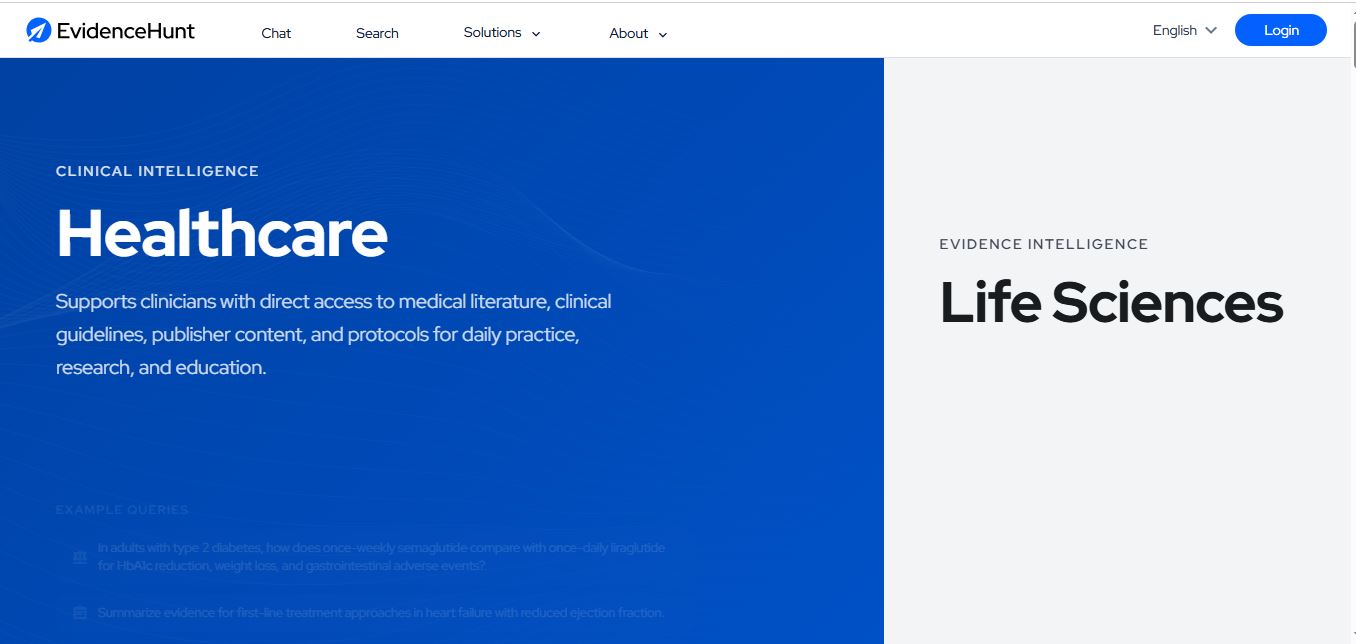
4.9EvidenceHunt
Research
EvidenceHunt is an AI-powered medical research platform that helps clinicians, researchers, and life science teams find and analyze scientific evidence. It searches medical literature, guidelines, and internal documents, then generates citation-grounded answers, evidence tables, systematic reviews, and traceable insights for faster, evidence-based research.
 4.7
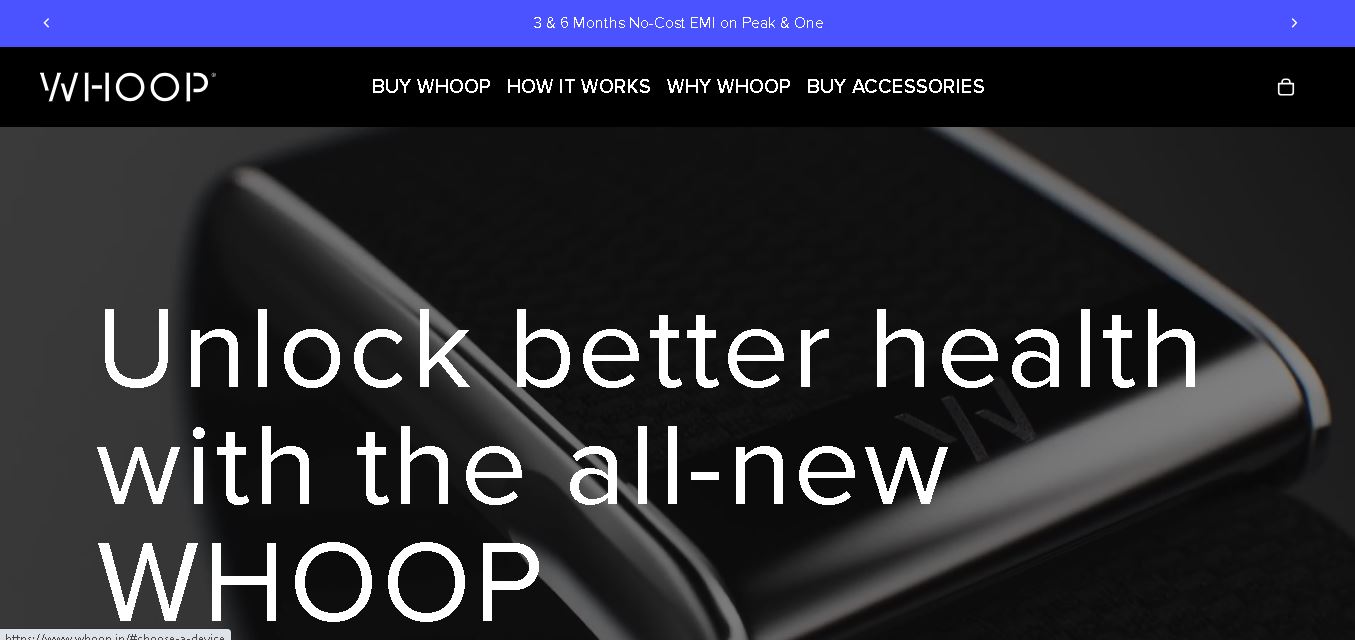
4.7WHOOP
Health
WHOOP is a wearable fitness and health tracker focused on recovery, sleep, strain, stress, and daily performance. Its app turns continuous body data into personalized insights, scores, coaching, and recommendations. In India, WHOOP 5.0 memberships include the device, subscription, charger, and selected band, depending on the plan you choose today.
 4.8
4.8Lindy
AI Agent
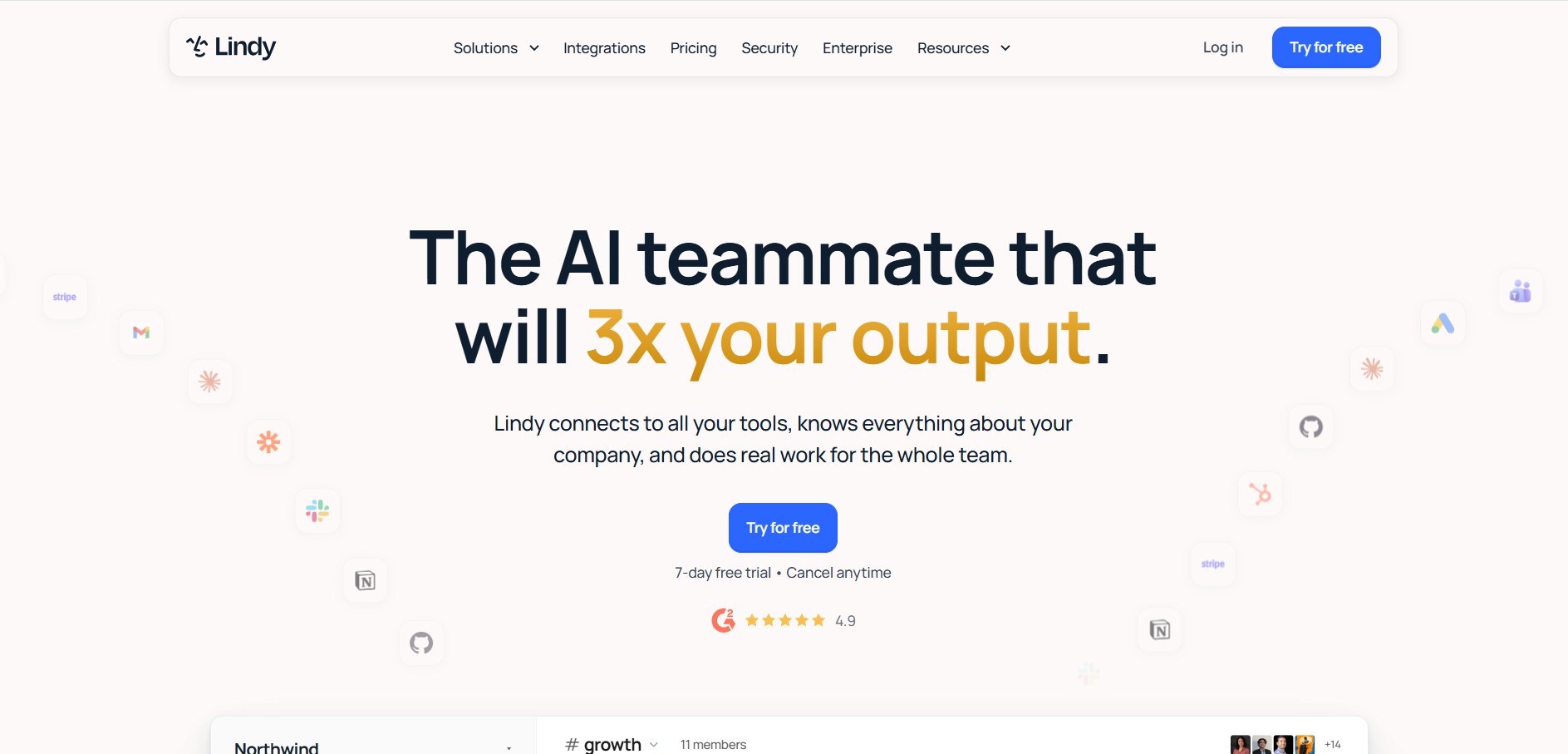
Lindy is an AI medical and business workflow automation platform that builds autonomous AI agents ('Lindys') capable of handling inbox management, customer support, lead qualification, medical scribing, and voice operations.
 4.8
4.8Bioscript
Health
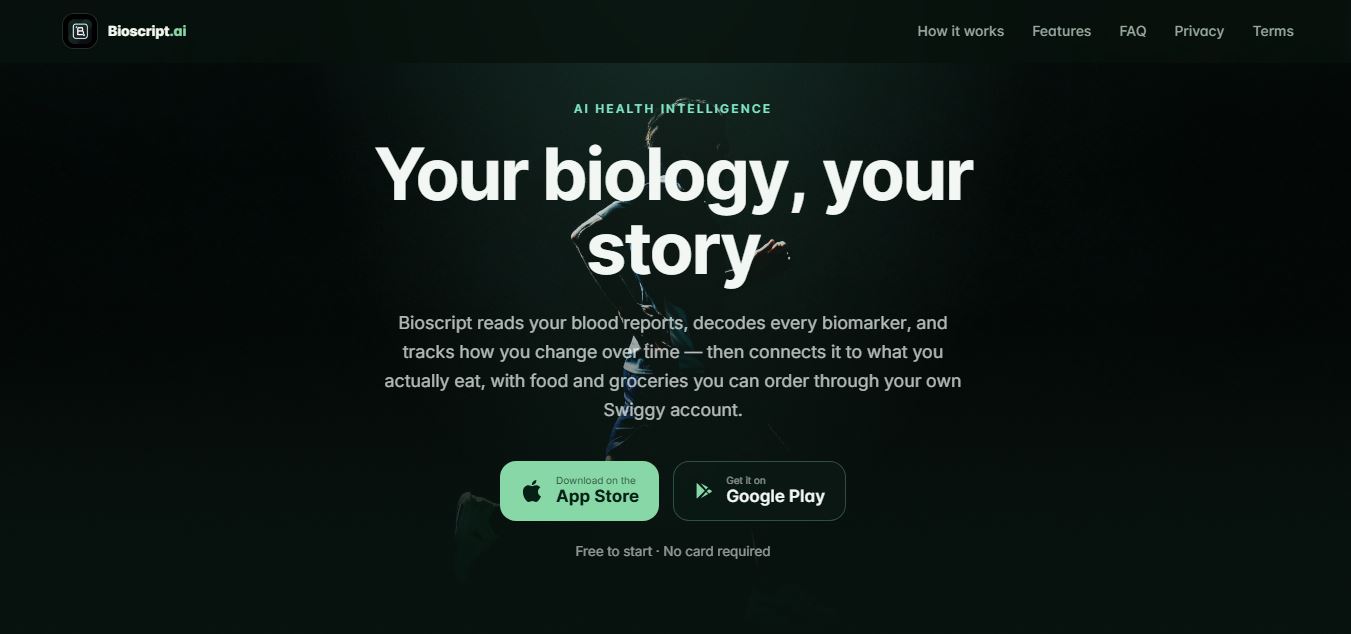
Bioscript is an AI-powered personal health intelligence platform that decodes blood lab reports, tracks over 2,000 biomarkers over time, provides nutrition analytics from photos, and delivers grounded answers via an interactive chat assistant.
 4.8
4.8Dr. Muscle
Health
Dr. Muscle is a science-based AI workout and bodybuilding app that automatically applies progressive overload, daily undulating periodization (DUP), and real-time fatigue management to build muscle and strength on autopilot.
 4.9
4.9Heidi Health
Health
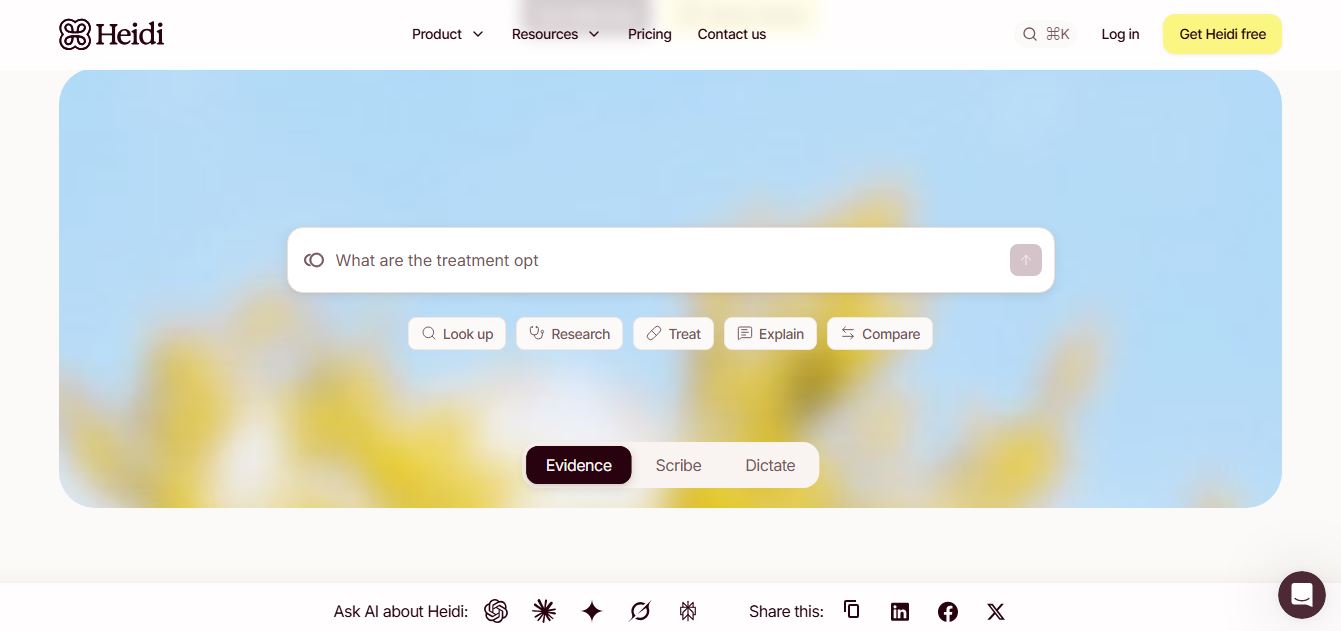
Heidi Health is an AI-powered clinical assistant that automates medical documentation by transcribing patient conversations and generating structured notes, reports, and referrals. It also provides evidence-based insights and workflow support, helping clinicians reduce admin work and focus more on patient care.
 4.9
4.9OpenCall AI
Health
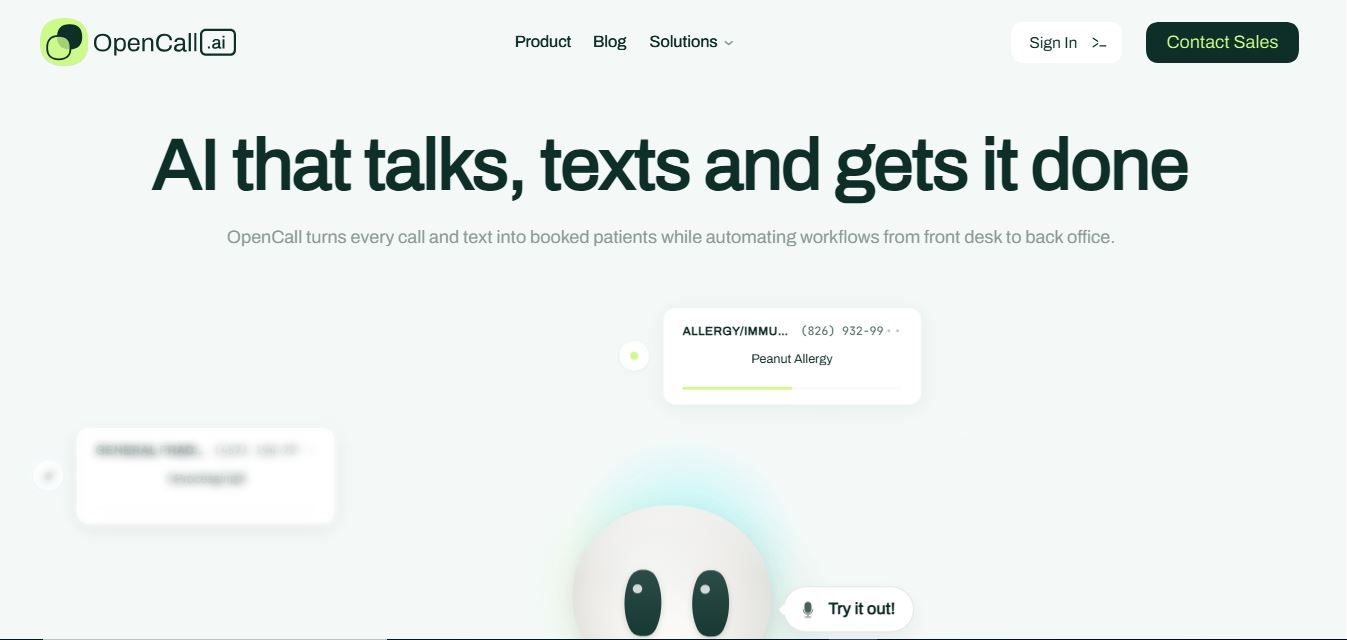
OpenCall AI is an AI-powered call center platform that handles phone calls, texts, and scheduling automatically, helping businesses capture leads, book appointments, and manage workflows without manual effort. It works 24/7, reduces missed calls, and integrates with existing systems to improve efficiency and revenue.
 4.9
4.9Carepatron
Health
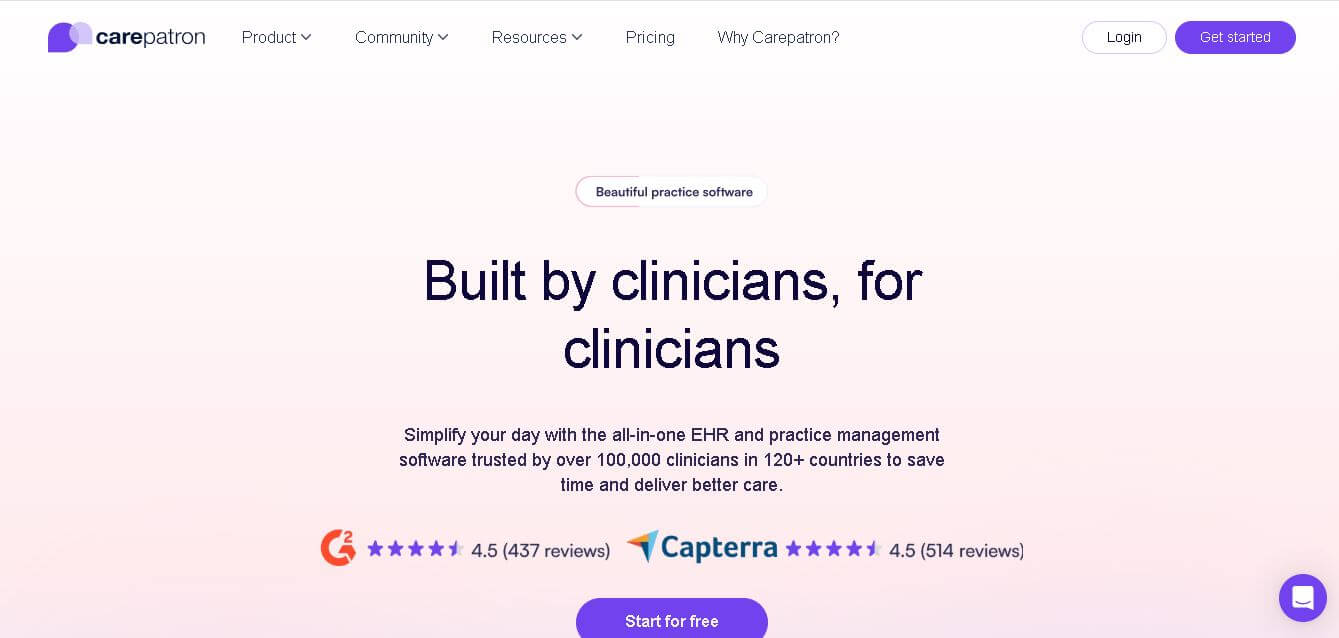
Carepatron is an all-in-one healthcare practice management platform that helps clinicians manage scheduling, telehealth, clinical notes, billing, and client communication in one place. It includes AI-powered documentation tools to automate admin work, allowing healthcare professionals to save time and focus more on patient care.