GameNGen
GameNGen is the first real-time game engine powered entirely by a generative neural model (diffusion architecture) capable of interactively simulating complex games like DOOM without running traditional rendering engines or code loops.
What is GameNGen?
GameNGen (pronounced "Game Engine") is a breakthrough real-time generative neural game engine developed by researchers at Google Research and Google DeepMind in collaboration with Tel Aviv University. Rather than executing traditional code logic, rendering 3D graphics, or running a physics engine, GameNGen generates gameplay frames interactively on the fly based on player keypress inputs and historical visual context. The platform was demonstrated by fully simulating the iconic 1993 game DOOM at playable frame rates.
GameNGen presents the world's first interactive game simulation running entirely inside a generative diffusion model at over 20 frames per second on a single TPU chip.
- Authors / Researchers: Dani Valevski, Yaniv Leviathan, Moab Arar, and Shlomi Fruchter
- Launch Year: 2024
Use Cases:
- Simulating real-time interactive 3D video game environments via deep learning
- Eliminating traditional rendering pipelines, state trees, and graphics rasterization engines
- Researching long-horizon context memory and temporal stability in generative video models
- Prototyping dynamic AI-generated gameplay mechanics and automated world synthesis
Technology:
- Fine-tuned Stable Diffusion v1.4 architecture conditioned on frame history and controller actions
- Reinforcement Learning (RL) agent data collection phase via VizDoom
- Noise augmentation training protocol to prevent autoregressive drift and visual errors
Target Users:
- AI Researchers & Computer Vision Scientists
- Generative Media & Neural Graphics Engineers
- Next-Gen Game Developers & Technology Futurists
Acquisition: Open research paper and project site (Google Research / arXiv)
Key features of GameNGen
GameNGen's key features are
- Neural Frame Generation: Renders game frames interactively without compiling traditional engine code or graphics meshes.
- Real-Time Performance: Runs at 20+ frames per second on a single Google TPU v5p accelerator.
- Long-Horizon Memory: Maintains health counters, enemy movements, ammo counts, and world geometry reliably over extended play sessions.
- Noise Augmentation Self-Correction: Adds Gaussian noise to context frames during training, allowing the model to repair visual drift in real time.
- Automated Data Synthesis: Trains on hundreds of millions of gameplay frames generated automatically by RL agents.
GameNGen Pricing
GameNGen operates on an **Open Academic Research Model** with free access to its research paper, technical documentation, and project demonstrations.
Research Access:
- $0 – Free academic access
- Complete research paper via arXiv (arXiv:2408.14837)
- Interactive gameplay recordings and technical summaries via GitHub Pages
Disclaimer: GameNGen is currently a research project and is not commercially licensed for public software deployment.
Who is studying GameNGen?
GameNGen is designed for researchers, developers, and tech pioneers, including
- AI Engineers: Studying diffusion models for interactive real-time simulation
- Game Engine Architects: Exploring future paradigms beyond Unreal Engine and Unity
- Reinforcement Learning Researchers: Leveraging synthetic game environments for agent training
Best GameNGen Alternatives
Some of the strongest GameNGen research alternatives include
- World Models (Ha & Schmidhuber)
- Oasis (Decart AI)
- Sora (OpenAI)
- Gen-2 / Gen-3 Alpha (Runway)
- GAIA-1 (Wayve)
Pros and Cons of GameNGen
Pros
- Proves real-time interactive game generation using purely neural diffusion architectures
- Eliminates rendering complexity costs related to polygon counts, shading, and lighting logic
- High visual accuracy with human evaluators finding it nearly indistinguishable from actual game clips
Cons
- Requires specialized TPU v5p hardware for real-time inference
- Limited context history can occasionally cause spatial state loss in extended gameplay
- Not yet available as a downloadable software engine or developer SDK
Why Choose GameNGen?
GameNGen demonstrates a monumental shift in interactive media creation. By proving that generative diffusion models can function as interactive real-time engines, it opens the door to future game development where games are rendered on the fly rather than hardcoded line-by-line.
- Experience real-time interactive AI simulation at 20+ FPS
- Observe complex game state tracking powered by neural latent memory
- Learn advanced self-correction techniques for autoregressive diffusion models
GameNGen vs. Competitors
The main difference between GameNGen, traditional engines like Unreal Engine, and video generators like Sora is that GameNGen combines real-time interactive action conditioning with real-time frame diffusion generation, allowing players to control the output interactively frame by frame.
| Feature / Model | GameNGen | Unreal Engine / Unity | OpenAI Sora | Decart Oasis |
|---|---|---|---|---|
| Core Focus | Real-Time AI Game Engine | Traditional 3D Game Engine | Offline Text-to-Video Model | AI Interactive Sandbox |
| Code Logic | None (Neural Weights) | Scripted (C++ / C#) | None (Diffusion) | None (Diffusion) |
| Interactivity | Real-Time Player Controls | Real-Time Player Controls | Non-Interactive Prompts | Real-Time Player Controls |
| Primary Target | DOOM Simulation Research | Commercial Game Development | Cinematic Video Generation | Minecraft AI World Generation |
How do we rate GameNGen?
| Parameter | Rating (out of 5) |
|---|---|
| Innovation & Architecture | 5.0 |
| Real-Time Framerate Performance | 4.6 |
| Visual Quality & Fidelity | 4.7 |
| Game State Consistency | 4.5 |
| Impact on Generative AI | 4.9 |
| Overall Score | 4.7 |
GameNGen Review
GameNGen is one of the most groundbreaking AI research papers in generative media. By turning Stable Diffusion into an interactive, real-time game engine capable of running DOOM at 20 FPS, Google Research and Tel Aviv University have shown that the future of interactive graphics may lie in learned neural weights rather than traditional code loops and polygon pipelines.
Conclusion
GameNGen provides a fascinating preview into the future of gaming. Its clever use of reinforcement learning and noise-augmented diffusion proves that neural networks can interactively simulate complex, real-time game worlds.
FAQ
What is GameNGen?
GameNGen is a neural-model-powered game engine developed by researchers from Google Research, Google DeepMind, and Tel Aviv University. It can simulate an interactive game environment using AI rather than a traditional game engine.
How does GameNGen work?
GameNGen uses a two-stage process. First, a reinforcement-learning agent plays the game and generates gameplay data. Then, a diffusion model learns to generate the next game frame based on previous frames and player actions.
What game can GameNGen simulate?
The published GameNGen research demonstrates the technology by simulating the classic first-person shooter DOOM. The project provides real-time gameplay recordings showing people interacting with the AI-generated environment.
Can GameNGen generate games in real time?
Yes. In the research demonstration, GameNGen simulated DOOM at more than 20 frames per second on a single TPU and maintained gameplay over extended multi-minute sessions.
Is GameNGen different from a traditional game engine?
Yes. Traditional game engines use programmed game logic to update the game state and render graphics. GameNGen instead uses a neural model to predict and generate visual frames from previous observations and player actions.
What AI technology does GameNGen use?
GameNGen uses a diffusion model based on Stable Diffusion v1.4, conditioned on previous game frames and actions. The researchers also fine-tuned the latent decoder to improve visual details and reduce artifacts in generated gameplay frames.
Is GameNGen available as a commercial AI game-development tool?
GameNGen is presented as a research project and technical demonstration rather than a conventional commercial game-development platform. Its project page provides the research paper, architecture details, and gameplay demonstrations rather than a standard consumer pricing or subscription system.
User Reviews
No reviews yet for GameNGen.
Featured Tools
Featured AI tools from TechShark

Melody Genie
MelodyGenie is an AI-powered music generator that creates original songs from simple text prompts. Users can choose styles, moods, and genres, then instantly generate melodies and full tracks, making it easy for creators, marketers, and hobbyists to produce custom music without musical expertise.
Freemium
Kimi AI
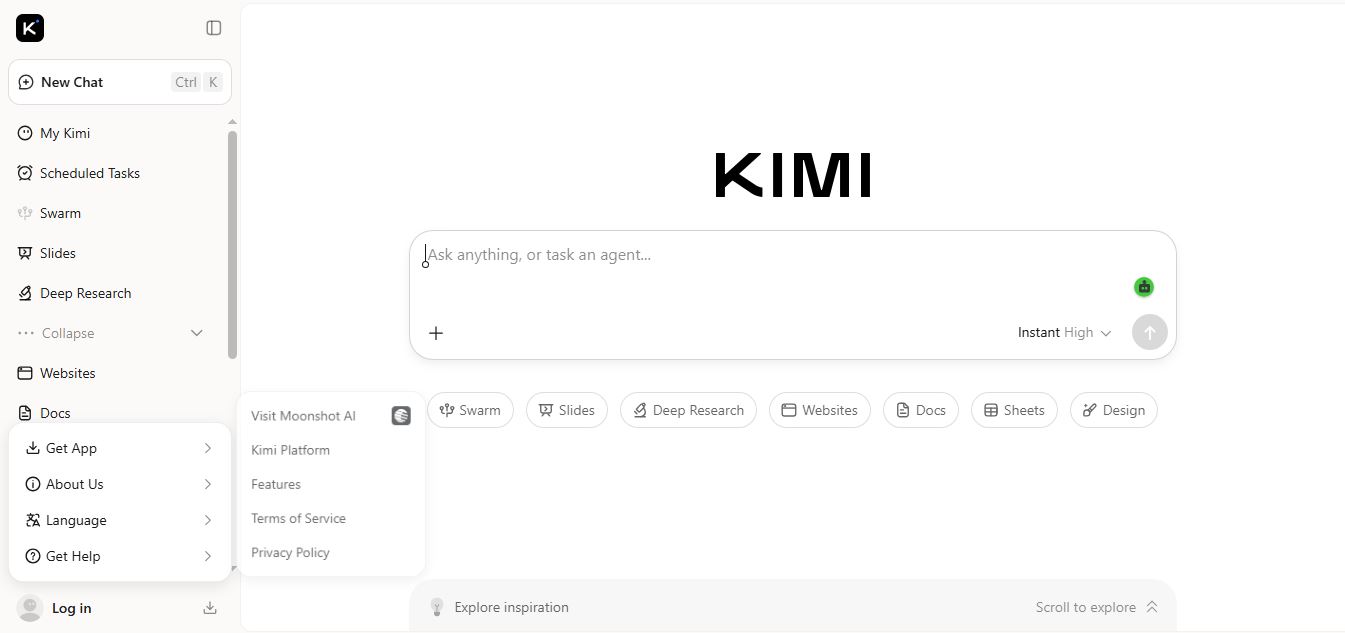
Kimi AI is an advanced AI assistant developed by Moonshot AI that helps you chat, research, write, code, and automate tasks in one place. It supports web search, file analysis, and multimodal inputs, and can even run autonomous “agent” workflows to complete complex tasks end-to-end.
Freemium

Fashion Diffusion AI
Fashion Diffusion is an AI-powered fashion design platform that helps brands and designers create clothing designs, virtual try-ons, AI models, product photos, and marketing visuals faster and cost-effectively.
Paid
Veo 4
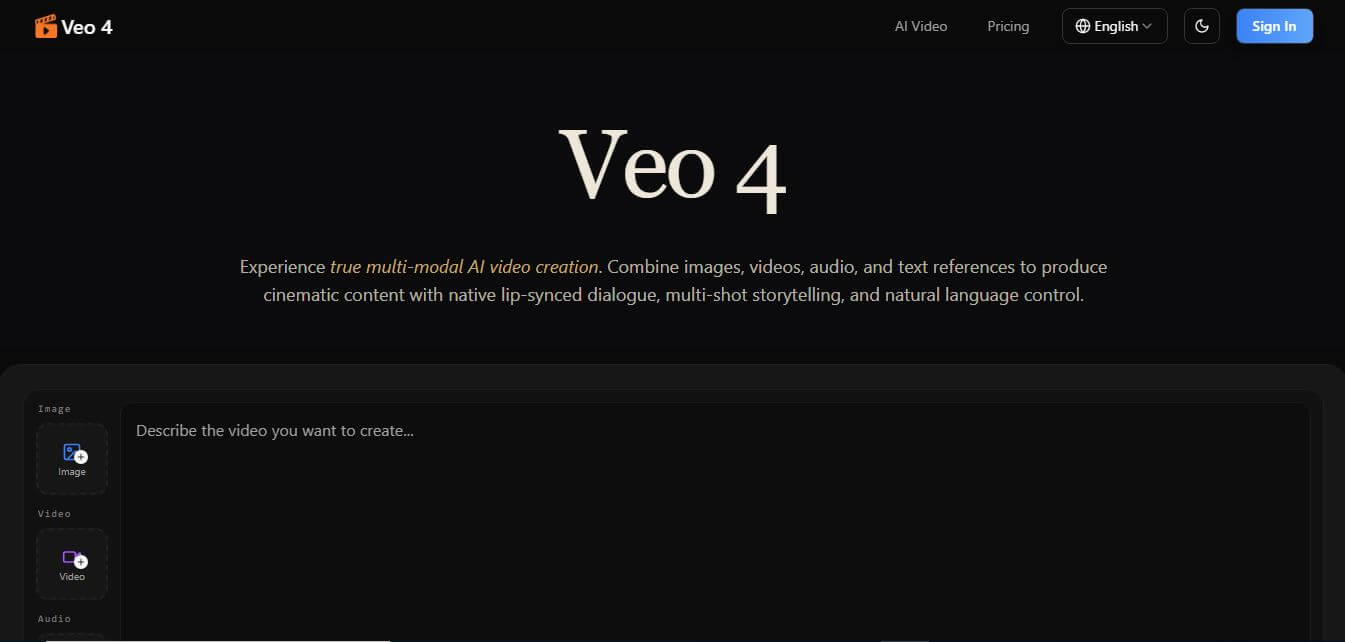
Veo 4 AI is an AI video creation platform that generates dramatic videos from text, images, audio, and video prompts using realistic motion and synchronized sound.
Paid
Alternatives
Alternatives to GameNGen
The best GameNGen research alternatives include World Models, Oasis by Decart, OpenAI Sora, and Runway Gen-3. While traditional game engines like Unreal Engine execute compiled code, research platforms like GameNGen focus on neural diffusion generation.
 4.8
4.8Shuffll
Video Editing
Shuffll goes beyond traditional video creation by connecting personalized video directly to enterprise data and workflows. Its API-first infrastructure, 40+ AI models, automated production, and built-in brand governance make it suitable for organizations that need video at scale. For businesses seeking higher engagement without building large production teams, Shuffll offers a practical way to turn existing data into personalized, on-brand video experiences.
 4.8
4.8Opus Clip (Opus Pro)
Video Editing
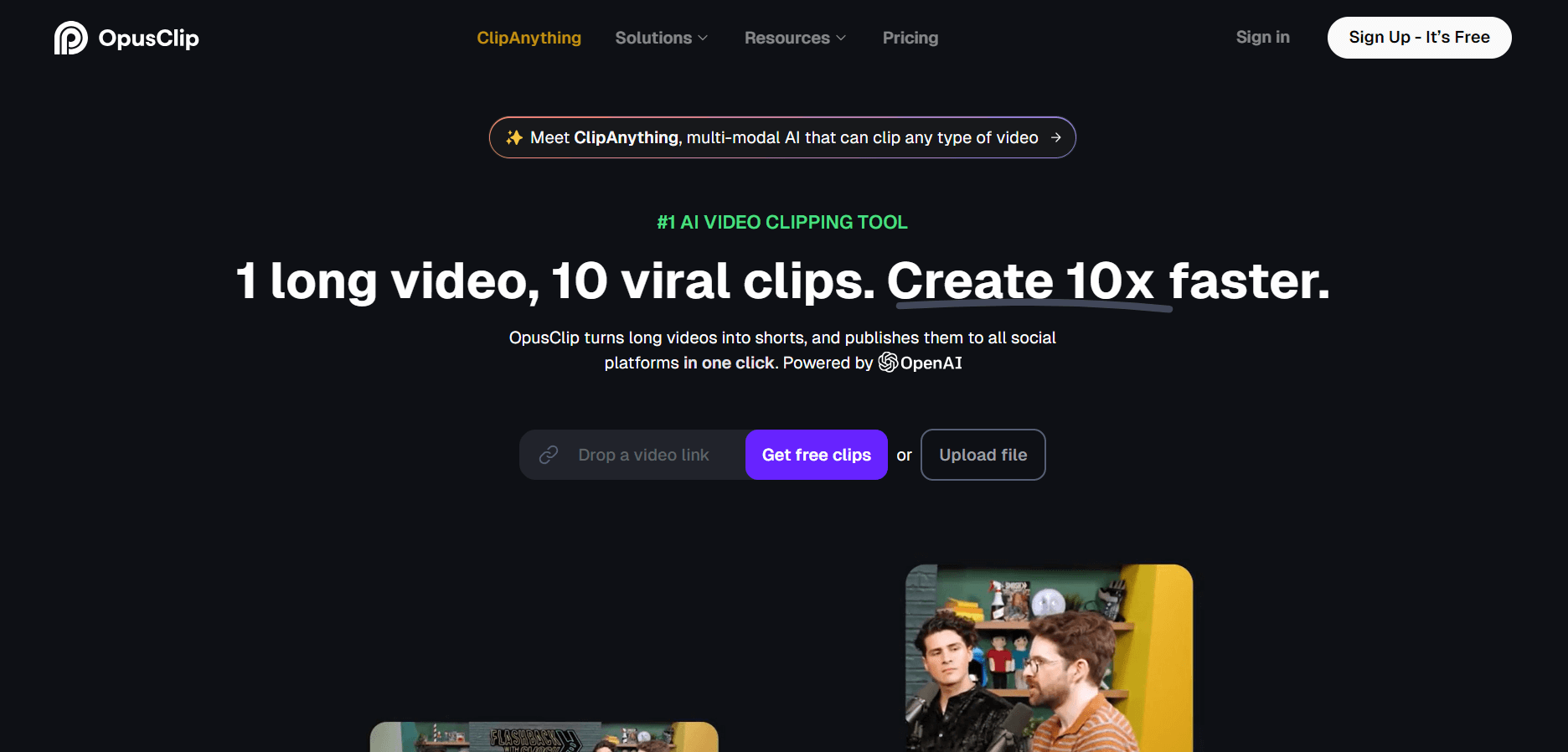
OpusClip helps creators transform long-form videos into short, social-ready clips. It can identify engaging moments, generate captions, reframe footage, add B-roll, enhance audio, and support publishing across major social platforms. It is designed for creators, marketers, podcasters, businesses, and teams that want to scale video content production.
 4.8
4.8Dubbah
Video Editing
Dubbah helps Mac users translate and dub videos into 14 languages while preserving a familiar speaker voice. The app processes media locally, supports editing translated lines, and works offline after setup. With no account, subscription, or per-minute fee, it offers a simple, straightforward option for creators producing multilingual video content.
 4.9
4.9Clipchamp
Video Generator
Clipchamp is an AI-powered online video editor by Microsoft that helps users record, edit, and share videos directly from the browser. It offers templates, stock media, and AI tools like subtitles, voiceovers, and noise removal, enabling fast, professional video creation without advanced editing skills.
 4.9
4.9CapCut
Video Editing
CapCut is an AI-powered video editing platform that helps creators edit, generate, and enhance videos using smart tools like auto captions, text-to-speech, templates, and one-click video creation. It supports social media content, marketing videos, and storytelling with fast, easy, and professional editing workflows.
 4.9
4.9Media.io
Video Editing
Media.io is an AI-powered creative platform that helps users generate, edit, and enhance videos, images, audio, and ads from simple prompts or assets. It combines AI generation, editing, and workflows in one place, enabling creators to turn ideas into polished content quickly without switching tools.
 4.9
4.9Video Candy
Video Editing
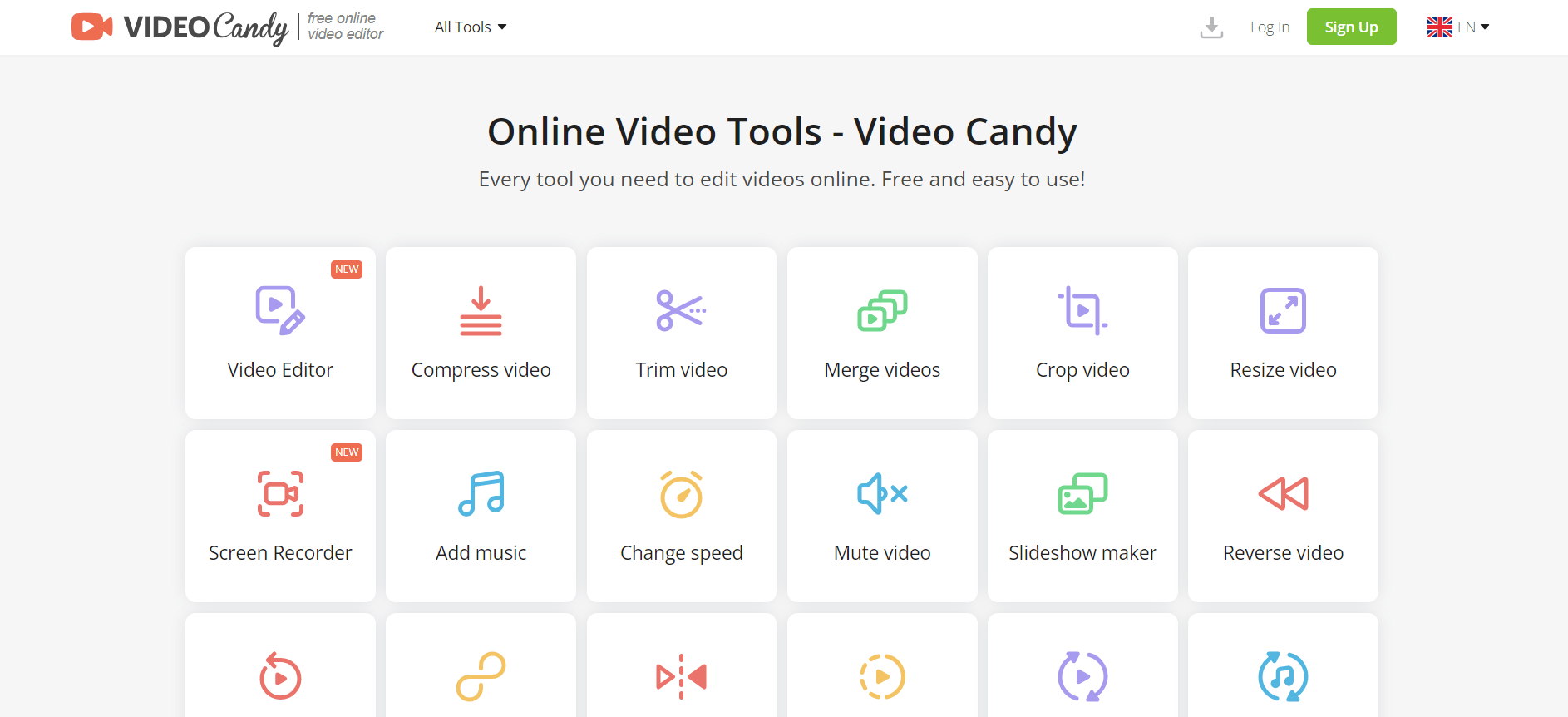
Video Candy is a free online video editing platform that helps users trim, merge, compress, convert, and enhance videos directly in the browser. It offers 70+ tools with a simple drag-and-drop interface, making video editing fast, accessible, and efficient without installing complex software.
 4.8
4.8Vheer
Image
Vheer is a free AI image and video generator that helps users create visuals from text or photos instantly. It includes tools for image editing, background removal, and image-to-video conversion, offering unlimited generations without signup, making it ideal for quick, creative content production.
 4.9
4.9Artlist
Image
Artlist is a subscription-based platform that provides high-quality royalty-free music, sound effects, and video assets for creators. It helps filmmakers, YouTubers, and marketers access unlimited creative resources, making it easy to produce professional content without worrying about licensing issues.