Dreamer 4
Dreamer 4 is a breakthrough world model and model-based reinforcement learning algorithm designed to train intelligent autonomous agents purely inside a scalable, interactive neural world simulation.
What is Dreamer 4?
Dreamer 4 is a flagship model-based reinforcement learning research project led by Danijar Hafner, Wilson Yan, and Timothy Lillicrap at Google DeepMind. It introduces a scalable transformer-based world model capable of learning visual game dynamics and physical interactions from raw pixels. Unlike traditional model-free RL algorithms, Dreamer 4 trains its decision-making agent inside its own internal neural simulation ("imagination"), enabling it to solve long-horizon tasks like obtaining a diamond in Minecraft without live environment interactions.
Dreamer 4 is the first reinforcement learning agent to obtain a diamond in Minecraft purely offline, achieving this milestone using 100× less data than OpenAI's VPT.
- Lead Authors / Researchers: Danijar Hafner, Wilson Yan, Timothy Lillicrap
- Launch Year: 2025
Use Cases:
- Training autonomous RL agents purely inside imagined neural world models
- Solving long-horizon, multi-step tasks in complex visual environments like Minecraft
- Sample-efficient offline reinforcement learning and robot policy learning
- Interactive real-time game world generation and video prediction
Technology:
- Block-Causal Transformer architecture for long-term temporal world modeling
- Causal spatial-temporal tokenizers for compressing video frames into latent representations
- Shortcut Forcing and Flow Matching training objectives for accelerated inference
Target Users:
- Reinforcement Learning & Robotics Researchers
- Autonomous System & Embodied AI Engineers
- Generative AI & World Modeling Computer Scientists
Acquisition: Open academic research project (Google DeepMind / Danijar.com)
Key features of Dreamer 4
Dreamer 4's key features are
- Scalable World Model: Uses a Block-Causal Transformer architecture to accurately predict multi-minute gameplay sequences.
- Offline Diamond Acquisition: Achieves complex 20,000+ step sequential tasks in Minecraft entirely from pre-collected dataset records.
- Extreme Data Efficiency: Requires 100x fewer training trajectories compared to prior video pre-training baselines.
- Imagination Policy Learning: Learns optimal action-value decisions entirely by simulating hypothetical outcomes inside the model.
- Interactive Real-Time Generation: Generates next-frame predictions interactively in response to human controller inputs.
Dreamer 4 Pricing
Dreamer 4 operates on an **Open Academic Research Model** with free access to technical publications and research resources.
Research Access:
- $0 – Free academic access
- Technical paper and algorithm formulation via arXiv
- Interactive visual demos and project overview via Danijar Hafner's project site
Disclaimer: Dreamer 4 is an academic AI research project and is not distributed as a commercial SaaS product.
Who is studying Dreamer 4?
Dreamer 4 is designed for AI researchers, roboticists, and machine learning engineers, including
- Embodied AI Researchers: Training robotics and control agents in simulated latent worlds
- Game AI Developers: Exploring scalable neural world engines for interactive environments
- Reinforcement Learning Specialists: Advancing sample efficiency and offline policy optimization
Best Dreamer 4 Alternatives
Some of the strongest Dreamer 4 research alternatives include
- GameNGen (Google DeepMind)
- Video Pre-Training / VPT (OpenAI)
- Oasis (Decart AI)
- Genie (Google DeepMind)
- World Models (Ha & Schmidhuber)
Pros and Cons of Dreamer 4
Pros
- Unprecedented sample efficiency in offline reinforcement learning
- Sustains long-horizon memory and multi-step reasoning across thousands of frames
- Eliminates safety risks by training agents inside imagined neural worlds rather than real environments
Cons
- High compute requirements during Transformer world model pre-training
- Complex architecture requiring fine-tuning of causal video tokenizers and flow matching modules
- Not currently released as an out-of-the-box commercial API or GUI application
Why Choose Dreamer 4?
Dreamer 4 demonstrates how modern transformer scaling transforms model-based reinforcement learning. By replacing old Recurrent State Space Models (RSSM) with scalable transformers and shortcut forcing, it sets a new benchmark for learning complex behaviors inside learned world simulations.
- Master complex long-horizon tasks purely inside a learned neural simulation
- Achieve state-of-the-art offline RL performance with vastly reduced data footprints
- Explore cutting-edge transformer-based generative world models
Dreamer 4 vs. Competitors
The primary distinction between Dreamer 4, GameNGen, and OpenAI's VPT is that Dreamer 4 uses its neural world model to train an autonomous policy agent via imagined rollouts, whereas GameNGen focuses on neural engine simulation for player controls and VPT uses imitation learning directly on human video datasets.
| Feature / Model | Dreamer 4 | GameNGen | OpenAI VPT | Decart Oasis |
|---|---|---|---|---|
| Core Focus | Model-Based RL & World Modeling | Real-Time AI Game Engine | Imitation Learning from Video | Interactive Neural Sandbox |
| Primary Target | Minecraft Diamond Task | DOOM Engine Simulation | Minecraft Behavioral Agent | Minecraft Interactive World |
| Training Paradigm | Imagination RL inside World Model | Diffusion Next-Frame Prediction | Behavioral Cloning + Fine-Tuning | Diffusion World Model |
| Data Efficiency | Ultra-High (100x fewer frames than VPT) | Medium (RL Agent trajectories) | Low (Requires massive video web-data) | Medium (Video Datasets) |
How do we rate Dreamer 4?
| Parameter | Rating (out of 5) |
|---|---|
| Algorithm Innovation | 5.0 |
| Sample Efficiency | 4.9 |
| Long-Horizon Temporal Memory | 4.8 |
| World Model Stability | 4.7 |
| Impact on Reinforcement Learning | 4.9 |
| Overall Score | 4.86 |
Dreamer 4 Review
Dreamer 4 represents a monumental leap forward for world models and autonomous agents. By replacing recurrent state networks with scalable block-causal transformers, Danijar Hafner and the Google DeepMind team have solved one of reinforcement learning's hardest problems: learning complex multi-step tasks purely from offline visual data without active environment exploration.
Conclusion
Dreamer 4 proves that world models can scale to handle hyper-complex environments and long temporal horizons. Its ability to obtain a diamond in Minecraft purely offline establishes a new paradigm for data-efficient embodied AI and agent training.
FAQ
What is Dreamer 4?
Dreamer 4 is an AI reinforcement-learning system that trains agents inside a learned world model. Instead of repeatedly interacting with the real environment, the agent can practice and learn behaviors through imagined experiences generated by the world model.
How does Dreamer 4 work?
Dreamer 4 learns a world model from visual experience and uses it to predict future observations and interactions. An agent can then perform reinforcement learning inside these imagined trajectories, allowing it to practice actions without needing constant access to the original environment.
Can Dreamer 4 play Minecraft?
Yes. The Dreamer 4 research demonstrates an agent learning Minecraft tasks, including obtaining diamonds. The agent learned this behavior entirely from offline data and had to select sequences involving more than 20,000 mouse and keyboard actions.
What is imagination training in Dreamer 4?
Imagination training is the process of training an AI agent inside its learned world model rather than directly inside the real environment. Dreamer 4 generates simulated experiences and uses them to improve the agent's behavior through reinforcement learning.
Can Dreamer 4 simulate real-world interactions?
Yes. The research also evaluates the world model on robotics data to investigate whether it can represent physical object interactions. The results demonstrate counterfactual interactions in the learned model, indicating potential applications to robotics research.
Does Dreamer 4 work in real time?
The Dreamer 4 world model achieves real-time interactive inference on a single GPU. The research uses this capability to demonstrate interactive Minecraft scenarios and compare generated outcomes with other world models.
Is Dreamer 4 available for developers?
Dreamer 4 is primarily a research project, but community implementations and model releases are available. For example, an open-source PyTorch implementation and model checkpoints have been released for experimentation with Dreamer 4-style world models.
User Reviews
No reviews yet for Dreamer 4.
Featured Tools
Featured AI tools from TechShark
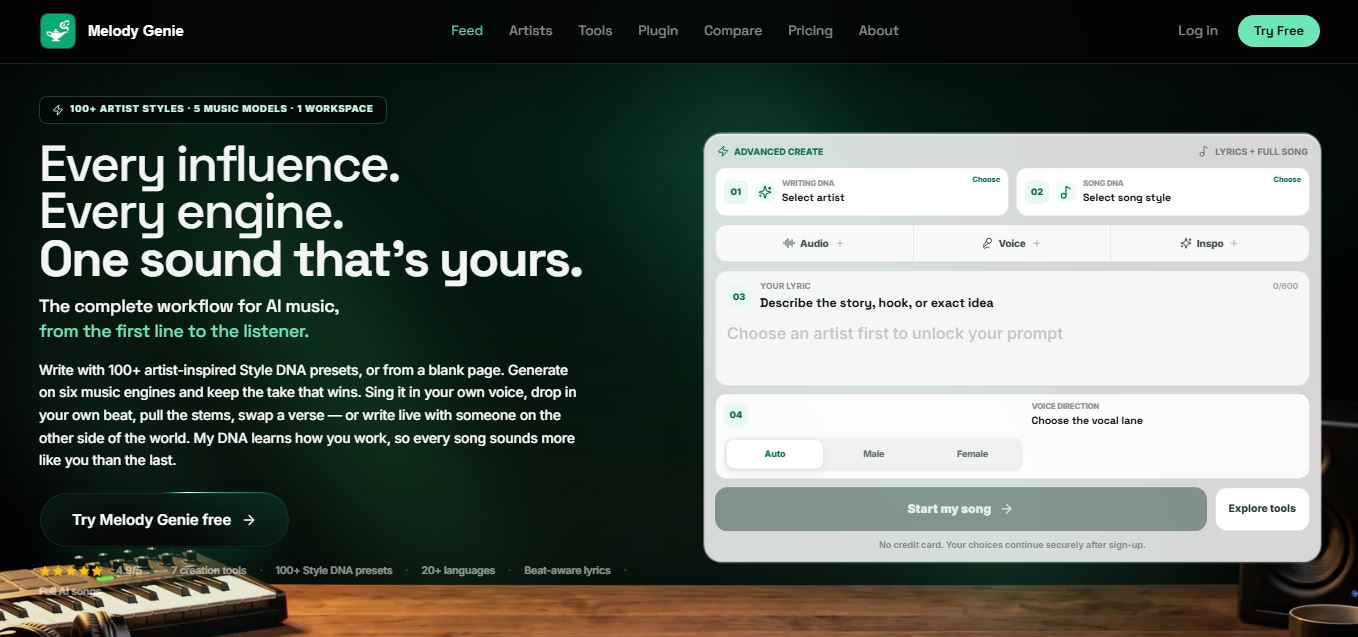
Melody Genie
MelodyGenie is an AI-powered music generator that creates original songs from simple text prompts. Users can choose styles, moods, and genres, then instantly generate melodies and full tracks, making it easy for creators, marketers, and hobbyists to produce custom music without musical expertise.
Freemium
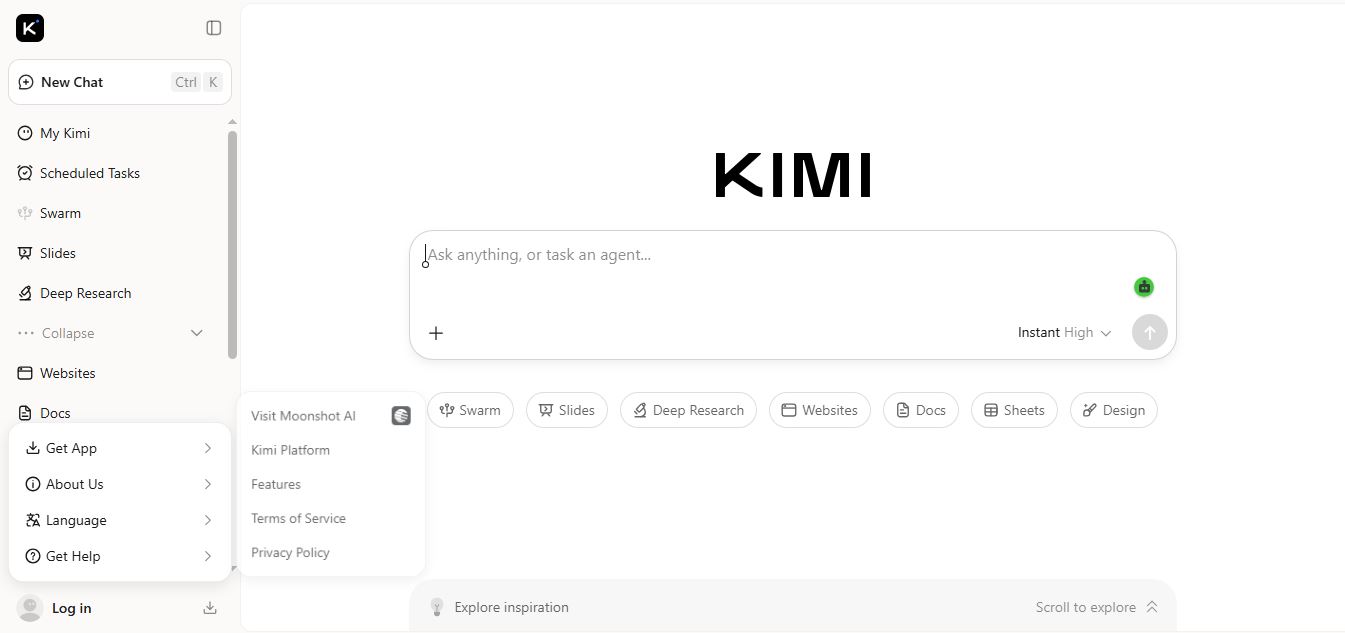
Kimi AI
Kimi AI is an advanced AI assistant developed by Moonshot AI that helps you chat, research, write, code, and automate tasks in one place. It supports web search, file analysis, and multimodal inputs, and can even run autonomous “agent” workflows to complete complex tasks end-to-end.
Freemium
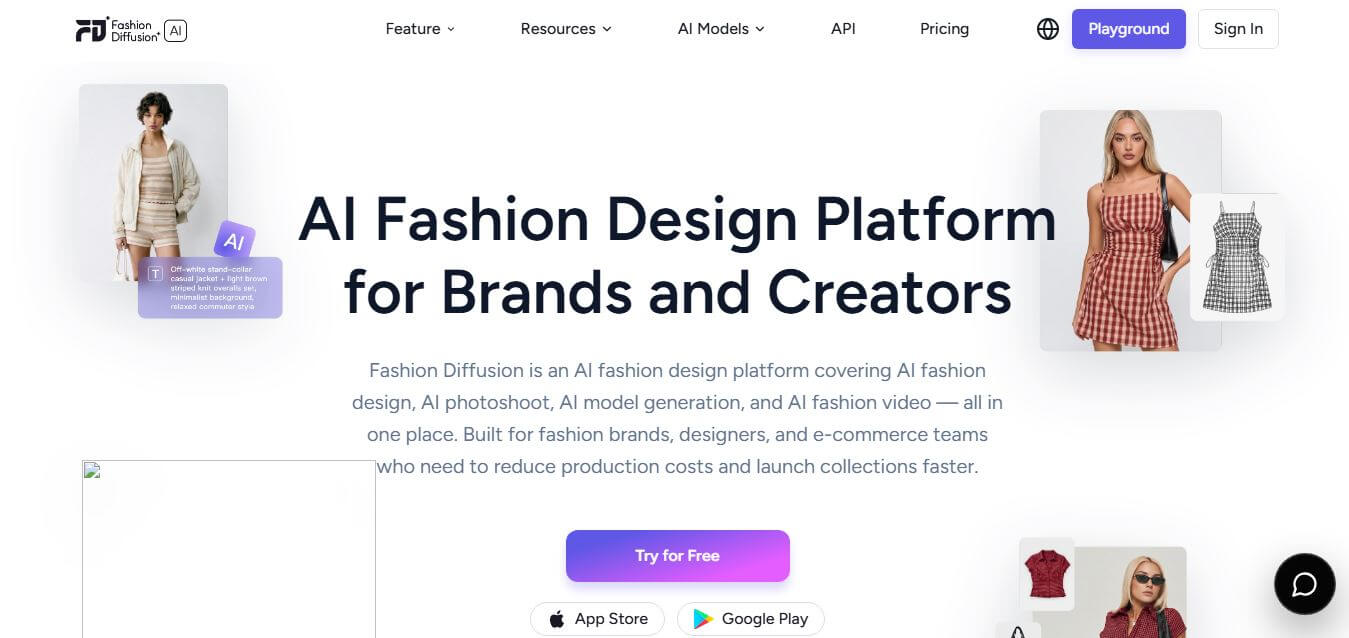
Fashion Diffusion AI
Fashion Diffusion is an AI-powered fashion design platform that helps brands and designers create clothing designs, virtual try-ons, AI models, product photos, and marketing visuals faster and cost-effectively.
Paid
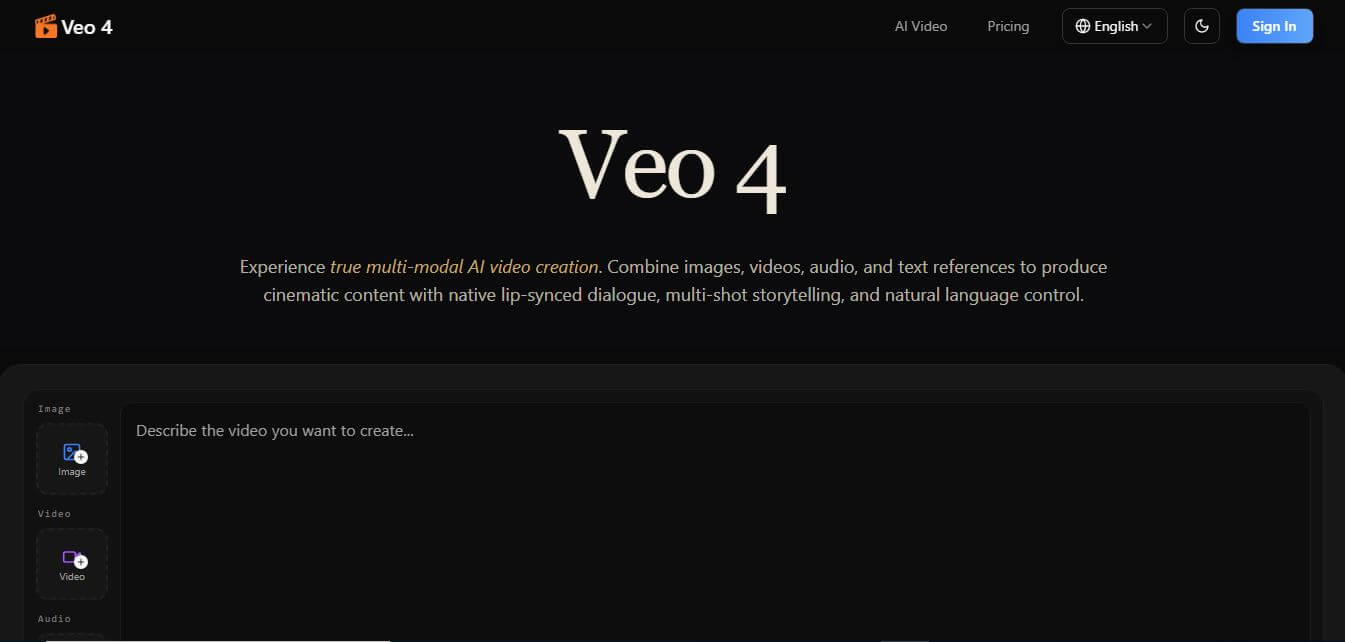
Veo 4
Veo 4 AI is an AI video creation platform that generates dramatic videos from text, images, audio, and video prompts using realistic motion and synchronized sound.
Paid
Alternatives
Alternatives to Dreamer 4
The best Dreamer 4 research alternatives include GameNGen, OpenAI VPT, Decart Oasis, and DeepMind Genie. While VPT relies on large-scale behavioral cloning, Dreamer 4 trains policies inside a scalable transformer world model.
 4.8
4.8Shuffll
Video Editing
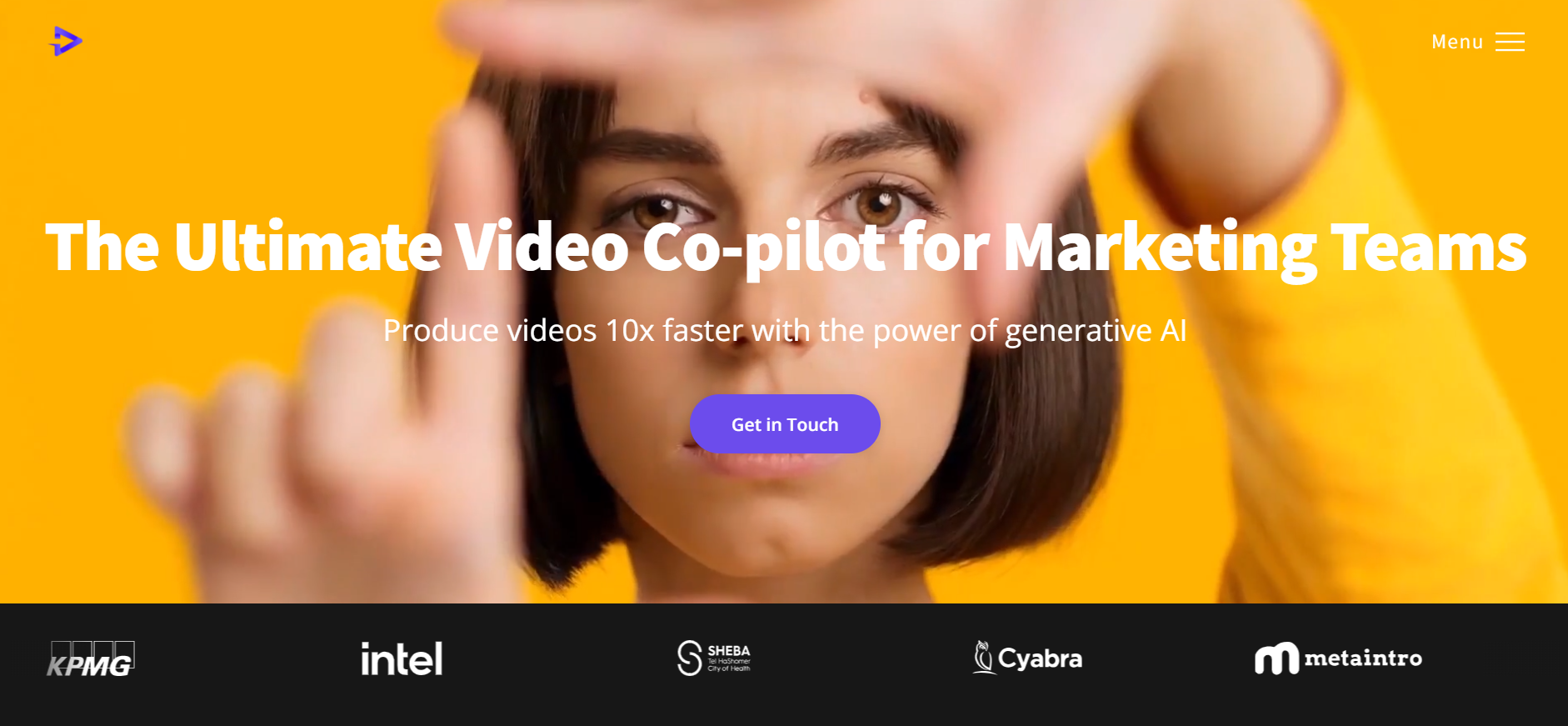
Shuffll goes beyond traditional video creation by connecting personalized video directly to enterprise data and workflows. Its API-first infrastructure, 40+ AI models, automated production, and built-in brand governance make it suitable for organizations that need video at scale. For businesses seeking higher engagement without building large production teams, Shuffll offers a practical way to turn existing data into personalized, on-brand video experiences.
 4.8
4.8Opus Clip (Opus Pro)
Video Editing
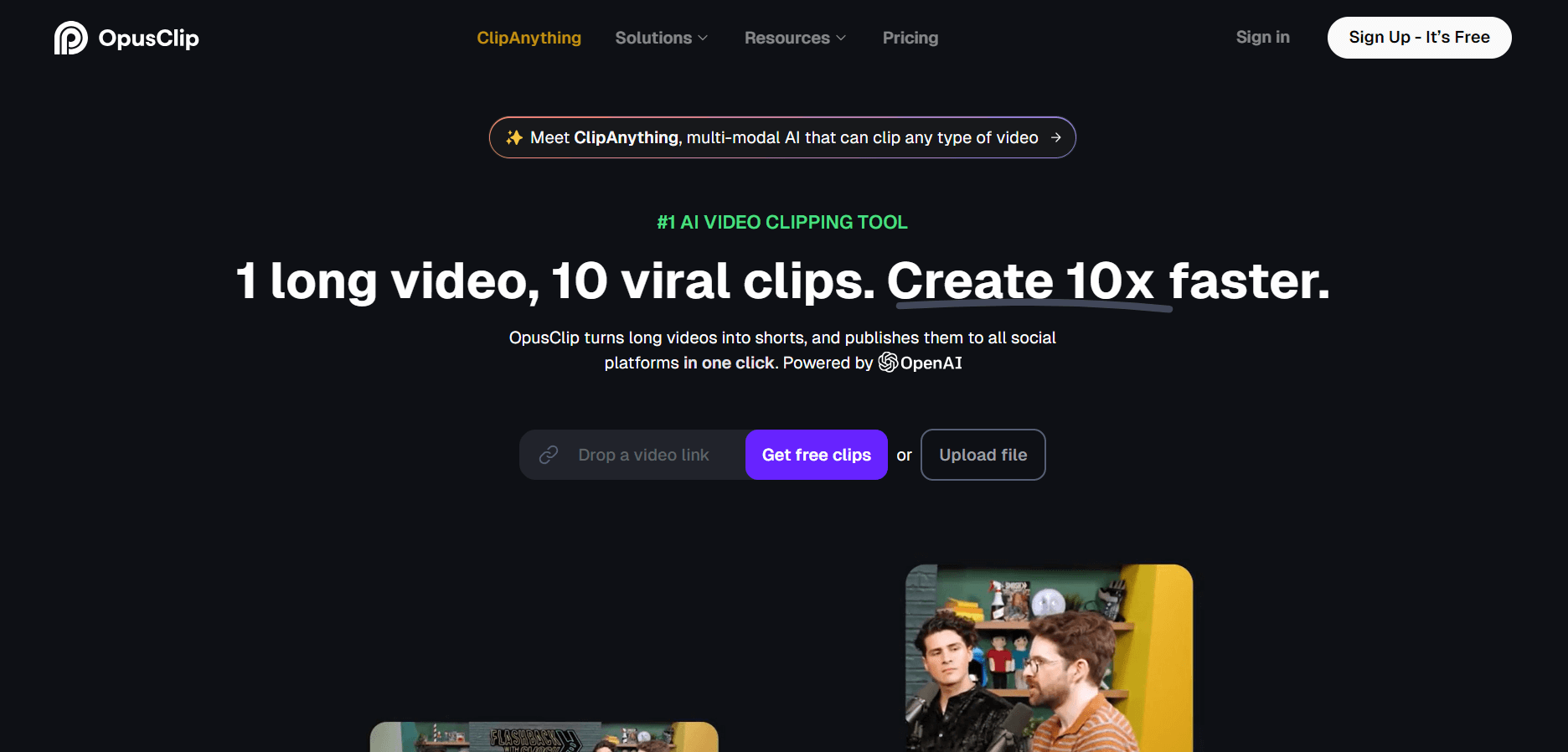
OpusClip helps creators transform long-form videos into short, social-ready clips. It can identify engaging moments, generate captions, reframe footage, add B-roll, enhance audio, and support publishing across major social platforms. It is designed for creators, marketers, podcasters, businesses, and teams that want to scale video content production.
 4.8
4.8Dubbah
Video Editing
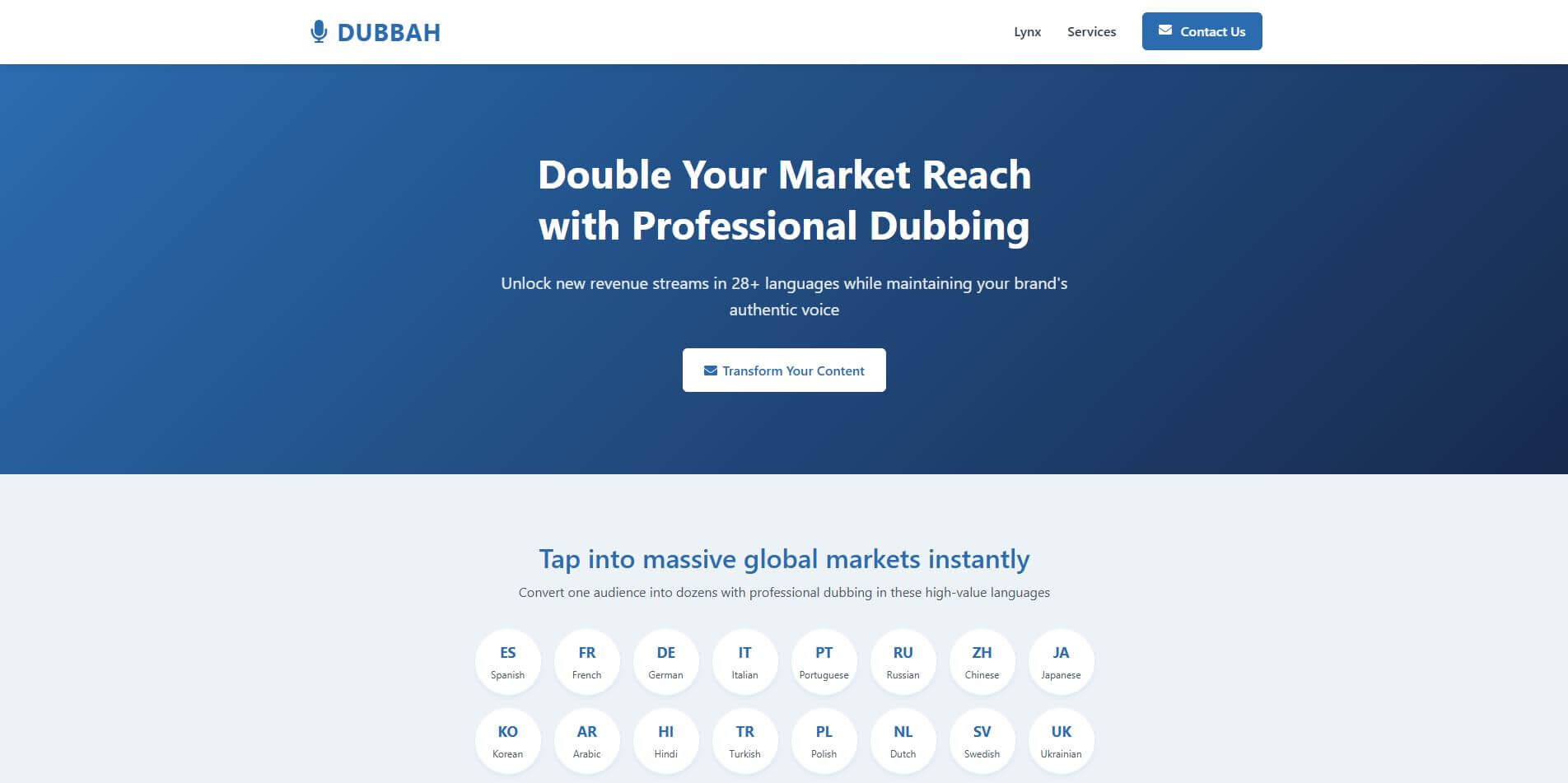
Dubbah helps Mac users translate and dub videos into 14 languages while preserving a familiar speaker voice. The app processes media locally, supports editing translated lines, and works offline after setup. With no account, subscription, or per-minute fee, it offers a simple, straightforward option for creators producing multilingual video content.
 4.9
4.9Clipchamp
Video Generator
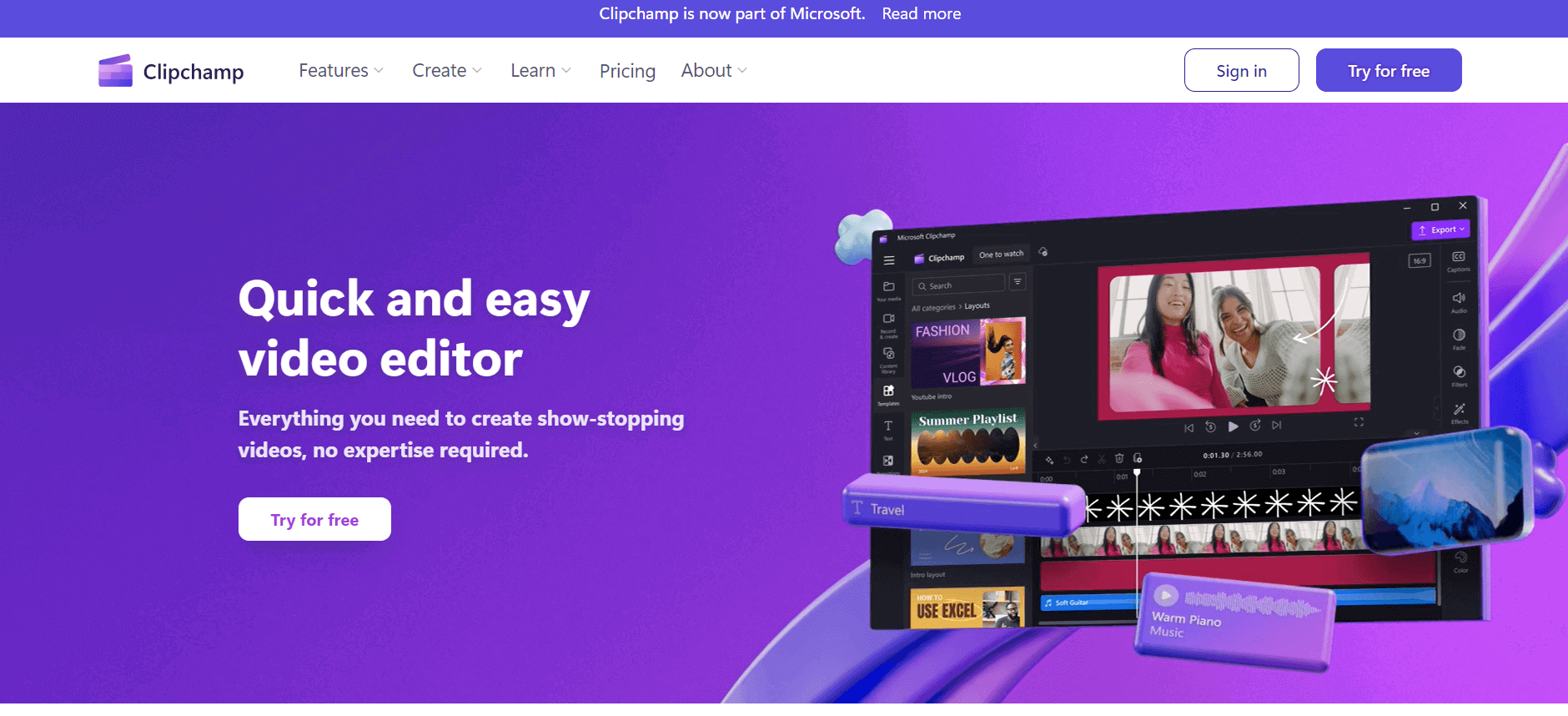
Clipchamp is an AI-powered online video editor by Microsoft that helps users record, edit, and share videos directly from the browser. It offers templates, stock media, and AI tools like subtitles, voiceovers, and noise removal, enabling fast, professional video creation without advanced editing skills.
 4.9
4.9CapCut
Video Editing
CapCut is an AI-powered video editing platform that helps creators edit, generate, and enhance videos using smart tools like auto captions, text-to-speech, templates, and one-click video creation. It supports social media content, marketing videos, and storytelling with fast, easy, and professional editing workflows.
 4.9
4.9Media.io
Video Editing
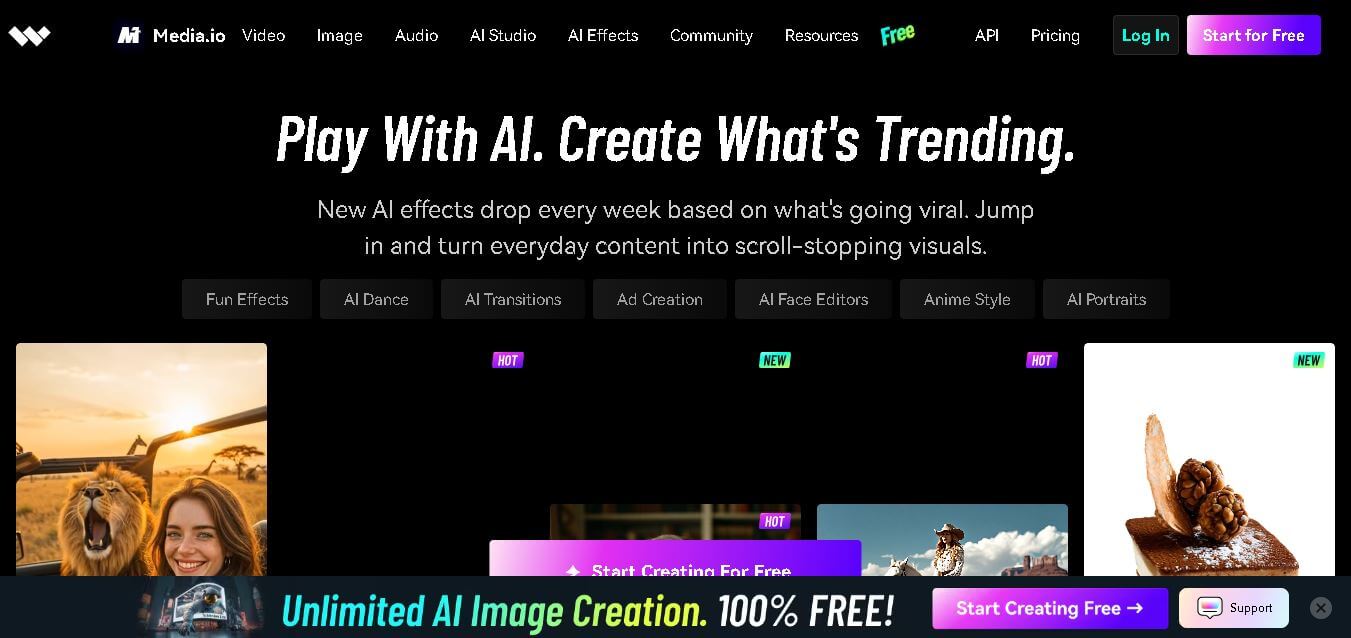
Media.io is an AI-powered creative platform that helps users generate, edit, and enhance videos, images, audio, and ads from simple prompts or assets. It combines AI generation, editing, and workflows in one place, enabling creators to turn ideas into polished content quickly without switching tools.
 4.9
4.9Video Candy
Video Editing
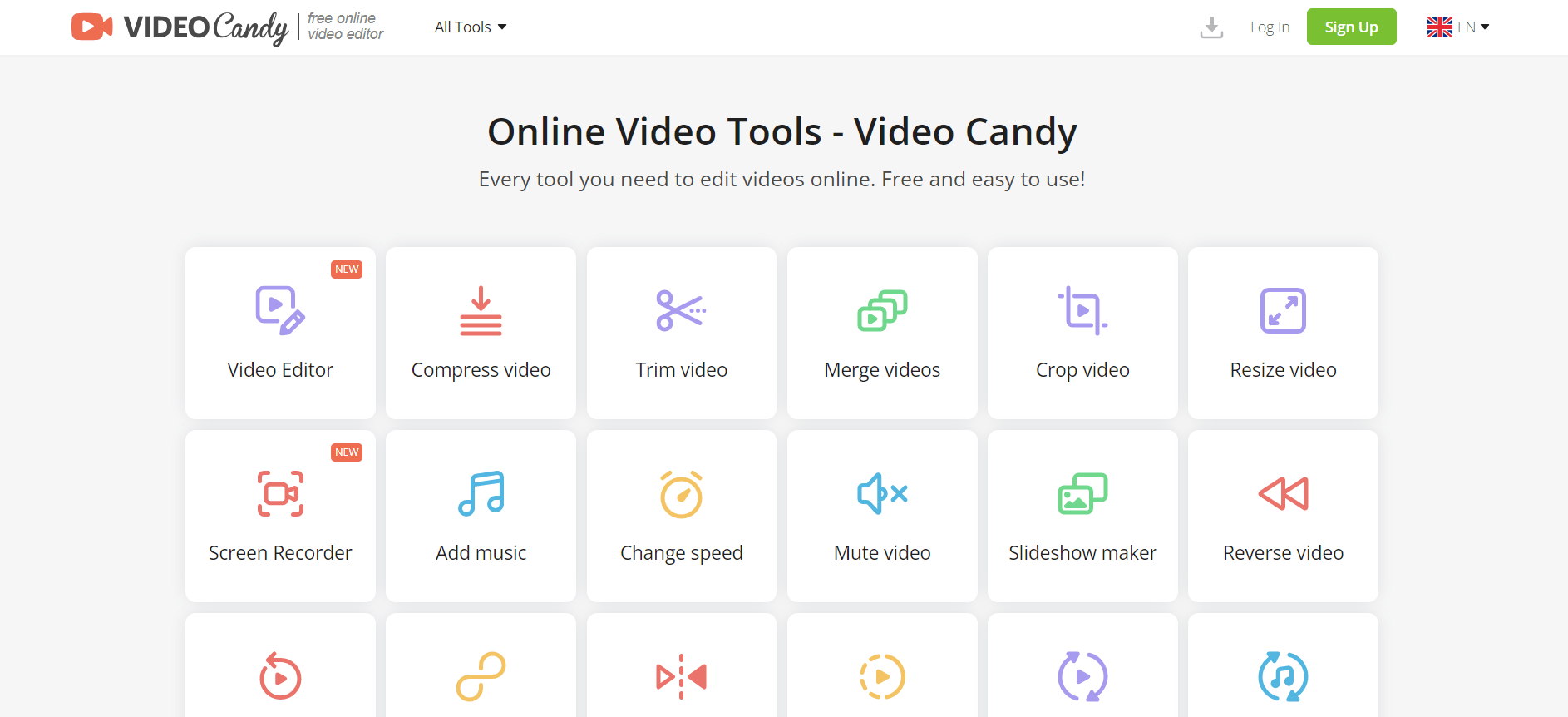
Video Candy is a free online video editing platform that helps users trim, merge, compress, convert, and enhance videos directly in the browser. It offers 70+ tools with a simple drag-and-drop interface, making video editing fast, accessible, and efficient without installing complex software.
 4.8
4.8Vheer
Image
Vheer is a free AI image and video generator that helps users create visuals from text or photos instantly. It includes tools for image editing, background removal, and image-to-video conversion, offering unlimited generations without signup, making it ideal for quick, creative content production.
 4.9
4.9Artlist
Image
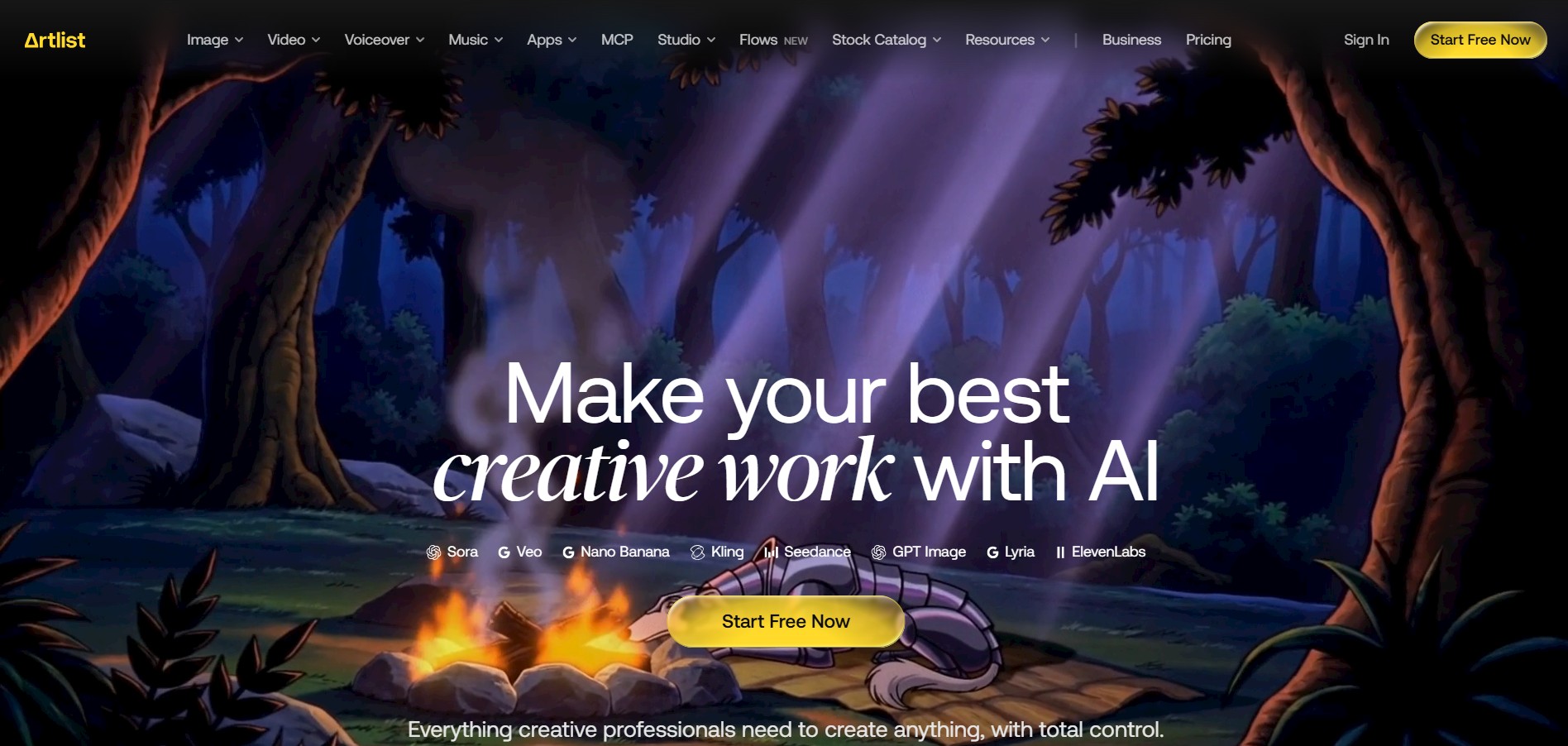
Artlist is a subscription-based platform that provides high-quality royalty-free music, sound effects, and video assets for creators. It helps filmmakers, YouTubers, and marketers access unlimited creative resources, making it easy to produce professional content without worrying about licensing issues.