AgentDock AI
AgentDock is an AI agent platform that helps you build, automate, and manage intelligent workflows across tools and systems. It enables AI agents to handle tasks, interact with software, and streamline operations with minimal manual effort.
What is AgentDock AI?
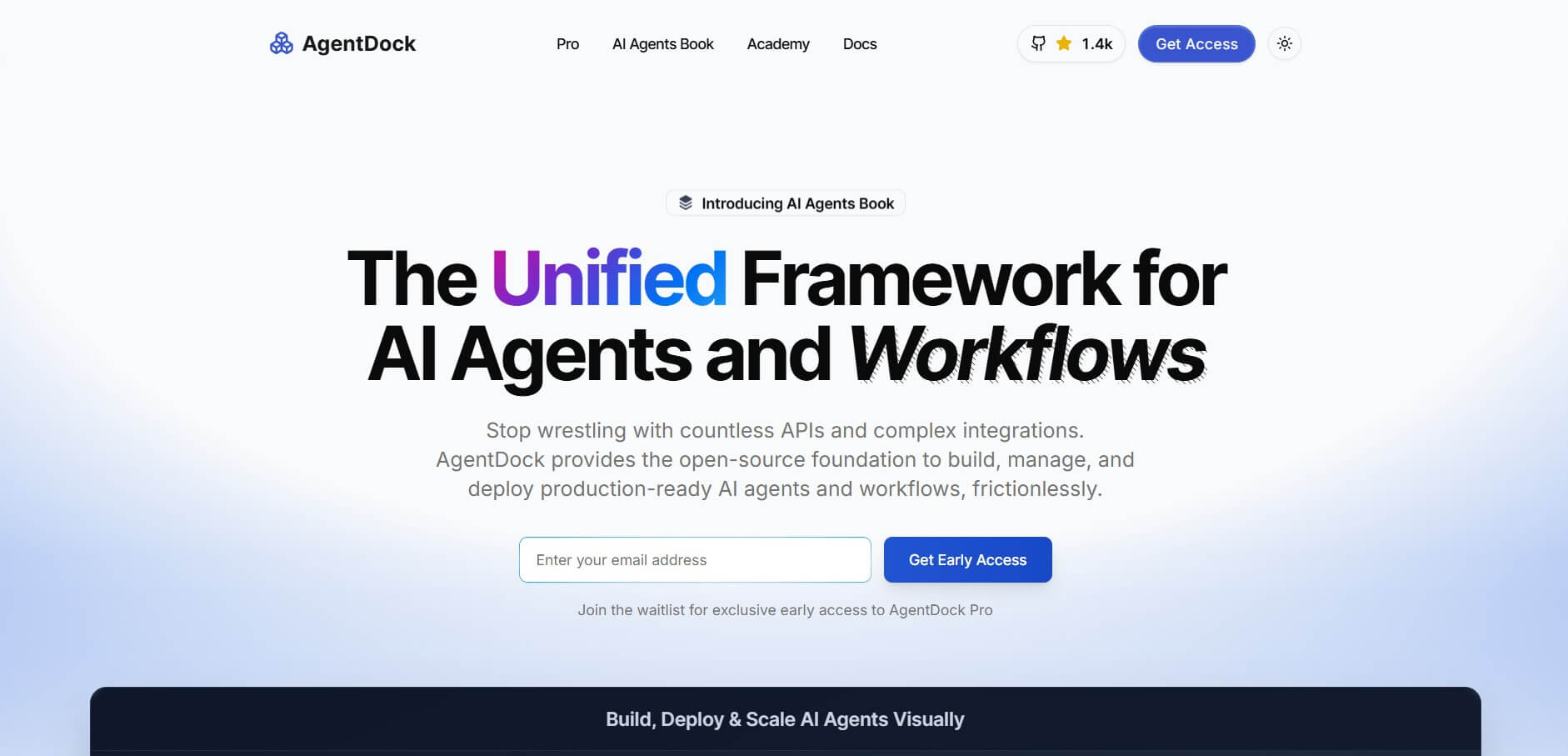
AgentDock is an AI agent platform that allows you to build and run intelligent agents capable of performing tasks across different tools and applications. Instead of only providing responses, it focuses on executing workflows and automating processes. You can create agents that handle repetitive work, interact with software, and improve overall productivity. It is especially useful for teams and businesses that want to reduce manual effort and streamline operations. By combining automation with intelligent decision-making, AgentDock helps users manage tasks more efficiently and get real work done with less time and effort.
- Founders: Not publicly disclosed (developed by the AgentDock team)
- CEO: Not publicly available
- Launch Year: 2023 (approx.)
- Headquarters: Not publicly disclosed
- Company Type: AI agent automation platform
- Use Cases: Workflow automation, task execution, AI agents, productivity improvement
- Technology: Agent-based AI, workflow automation, integrations, natural language task execution
- Target Users: Businesses, developers, product teams, automation-focused users
- Launch / Growth: Emerging AI agent platform gaining traction with automation-focused use cases
AgentDock is an emerging AI agent platform designed for automation and workflow execution, currently in public beta with 500+ active teams and 10,000+ agents managed on the platform. It offers enterprise-grade reliability with 99.9% uptime SLA and supports 100+ integrations via APIs and webhooks for seamless connectivity. From a performance perspective, its AI agents can handle a large portion of tasks autonomously, with examples showing around 77–78% of tasks completed by AI without human intervention and first response times as low as ~6–12 seconds across channels.
Key Features of AgentDock
AgentDock focuses on building powerful AI agents that can automate real tasks and workflows. Here are its core features explained simply:
- AI Agent Builder: Create intelligent agents that can perform tasks and make decisions
- Workflow Automation: Design multi-step workflows for complex processes
- Modular Node System: Build systems using reusable components (nodes)
- Framework Agnostic: Works with any tech stack or backend system
- Tool Integration: Connect with APIs, databases, and external tools easily
- Orchestration Engine: Controls how agents behave based on context and tasks
- Session Management: Maintains state and memory across interactions
- Multi-Step Reasoning: Supports complex chains of actions and decisions
- Security & Control: Includes secure storage and controlled execution of actions
- Natural Language Setup (Pro): Build agents by simply describing what you want
AgentDock Pricing
AgentDock pricing isn’t fixed in one single format—it actually depends on which part of the platform you’re using (AI agents platform, hosting, or writing tool). Here’s a simple breakdown:
1. Writing / Dock Plans
- Free Plan: $0 (limited daily AI actions)
- Unlimited Plan: $39/month or $144/year (~$12/month)
- Includes editor, Chrome extension, and prompt library
2. AI Agent Platform (Developer Plans)
- Free: $0 (basic usage, limited projects/events)
- Pro: $19/month (advanced features, unlimited usage)
- Team: $49/seat/month (team access, enterprise controls)
3. Workflow / Automation Plans
- Starter: ~$49/month (up to 10 agents)
- Professional: ~$149/month (up to 50 agents)
- Enterprise: Custom pricing
AgentDock uses a flexible pricing model based on usage and scale, making it suitable for both individuals and teams.
Disclaimer: For the latest and most accurate pricing information, please visit the official AgentDock website.
Who Is Using AgentDock?
AgentDock is used by a mix of businesses, developers, and teams that want to automate real tasks using AI agents across workflows and systems.
- Businesses & Enterprises: Use it to automate customer support, scheduling, follow-ups, and operations across channels
- Customer Support Teams: Deploy AI agents to handle queries, tickets, and responses automatically
- Developers & Tech Teams: Build, manage, and control AI agents for coding, automation, and system operations
- Product & Operations Teams: Automate workflows, onboarding, and internal processes
- Content & Research Professionals: Use AI agents for writing, research, and document generation
- Sales & Marketing Teams: Automate lead qualification, outreach, and follow-ups
AgentDock Alternatives
Here are some of the best alternatives to AgentDock, especially if you’re looking for AI agents, workflow automation, or developer frameworks:
- LangGraph: Best for building stateful AI agents and complex workflows
- CrewAI: Ideal for multi-agent collaboration and orchestration
- n8n: Popular workflow automation tool with AI integrations
- AutoGen: Open-source framework for building agent-based AI systems
- Flowise AI: Low-code platform to build and manage AI agents
- AWS Bedrock Agents: Enterprise-grade platform for scalable AI agents
- Google Vertex AI Agents: Strong for enterprise AI deployment and automation
- IBM watsonx Agents: Focused on enterprise AI workflows and governance
- Bardeen AI: Great for automating business workflows and repetitive tasks
Why Choose AgentDock?
If your goal is to move beyond basic AI tools and actually automate real work, AgentDock becomes a strong option. It’s built for execution, not just responses.
- Action-Based AI: It doesn’t just answer—it performs tasks across tools and workflows
- End-to-End Automation: Handles multi-step processes without constant manual input
- Flexible & Scalable: Works for individuals, developers, and large teams
- Integration Ready: Connects easily with APIs, apps, and systems you already use
- Custom AI Agents: You can build agents tailored to your specific workflows
- Time & Cost Saving: Reduces repetitive work and improves overall productivity
- Future-Focused: Built around AI agents, which are becoming the next big shift in automation
AgentDock Pros and Cons
AgentDock is powerful for automation and AI agents, but like any tool, it has its strengths and limitations depending on your use case.
Pros
- Action-Based AI: Performs real tasks instead of just generating responses
- Workflow Automation: Handles multi-step processes efficiently
- Highly Flexible: Can be customized for different workflows and industries
- Integration Support: Connects with APIs, tools, and external systems
- Scalable: Works for individuals, teams, and enterprise use cases
- Developer Friendly: Suitable for building complex AI agent systems
Cons
- Learning Curve: Can be complex for beginners or non-technical users
- Limited Public Information: Still an emerging platform with less documentation
- Setup Required: Needs configuration and integration to unlock full potential
- Evolving Product: Features and stability may still be improving
- Not Ideal for Simple Tasks: Overkill if you only need basic AI usage
Real-World Use Cases
AgentDock is best used in situations where there are repetitive, multi-step tasks across tools. It helps automate real work instead of just assisting.
- Customer Support Automation: Handle queries, route tickets, and send responses automatically
- Sales & Lead Management: Qualify leads, update CRMs, and automate follow-ups
- Workflow Automation: Execute multi-step business processes across tools and apps
- Data Processing: Collect, organize, and update data across spreadsheets and databases
- Internal Operations: Automate onboarding, reporting, and team workflows
- Marketing Automation: Run campaigns, schedule content, and track performance
- Developer Automation: Manage APIs, run scripts, and automate backend tasks
- Research & Content Tasks: Gather information, generate reports, and streamline content workflows
AgentDock vs Competitors
| Feature / Tool | AgentDock | LangGraph | CrewAI | n8n |
|---|---|---|---|---|
| Core Focus | AI agents + workflow execution | Stateful AI workflows | Multi-agent teams | Workflow automation |
| Best For | Businesses & automation teams | Developers building complex systems | Structured agent collaboration | Non-developers & ops teams |
| Approach | Action-based AI platform | Graph-based control system | Role-based agents | Visual workflow builder |
| Ease of Use | Moderate | Hard | Moderate | Easy |
| Flexibility | High | Very High | High | Moderate |
| Integration | Strong (APIs, tools) | Code-based integrations | Tool-based integrations | 500+ integrations |
| Learning Curve | Medium | High | Medium | Low |
How We Rate AgentDock
When I rate AgentDock, I focus on how well it actually automates real work, not just how many features it lists. It’s a strong tool, but it’s more suited for users who are comfortable with automation.
| Parameter | Rating (Out of 5) |
|---|---|
| Ease of Use | 4.0 |
| Automation Capability | 4.7 |
| Flexibility | 4.6 |
| Integration & APIs | 4.5 |
| Performance & Reliability | 4.3 |
| Innovation | 4.8 |
| Pricing Value | 4.2 |
| Overall Rating | 4.5 |
AgentDock Review
If I had to describe AgentDock honestly, it feels like a tool built for people who want AI to actually do work, not just talk about it. The biggest thing that stands out is its visual workflow builder—you can create agents and automate tasks without writing heavy code, which makes it much more practical for real-world use. From my experience perspective, it’s quite impressive how quickly you can go from an idea to a working automation. Some users report building a basic agent in under an hour, which shows how efficient the setup can be once you understand the flow.
What I like most is the integration capability (1000+ apps) and the ability to create multi-step workflows. It makes it useful for business tasks like support automation, content workflows, or internal operations. That said, it’s not perfect. Since it’s still evolving, you may face minor setup issues, unclear documentation, or edge-case behavior. Also, in some cases, pricing transparency remains limited.
Overall, AgentDock feels like a promising and powerful platform, especially if you’re ready to experiment a bit and want AI to handle real workflows.
Conclusion
AgentDock offers a comprehensive stack for building, orchestrating, and scaling AI agents, including chatbots and compliance monitors, integrating open-source and enterprise-ready features. Its node-based architecture supports clean modular workflows, and the Pro layer—which includes natural language agent creation, voice and online automation, permanent memory, and unified billing—makes it a strong option for enterprises that want to integrate AI deeply into their operations. AgentDock, with its active community, extensive documentation, and creative roadmap (voice agents, marketplaces, and multi-agent systems), is a strong foundation for deploying next-generation AI at scale.
People are also reading:
FAQ
What exactly does AgentDock do?
AgentDock helps you build AI agents that can perform real tasks like replying to customers, booking appointments, and automating workflows across tools and channels.
Is AgentDock just a chatbot?
No, it’s more than a chatbot. It can take actions like scheduling, follow-ups, and updates, not just respond with text
Do I need coding skills to use AgentDock?
Not necessarily. You can configure agents using a visual interface without coding, especially for business use cases.
Can AgentDock work across multiple tools and platforms?
Yes, it can connect with APIs, apps, and systems to automate workflows across different platforms.
How is it different from traditional automation tools?
Traditional tools follow fixed rules, while AgentDock uses AI to understand context, make decisions, and execute multi-step tasks dynamically.
Can developers use AgentDock?
Yes, developers can use APIs, SDKs, and integrations to build advanced AI systems and automation workflows.
User Reviews
No reviews yet for AgentDock AI.
Featured Tools
Featured AI tools from TechShark
Melody Genie
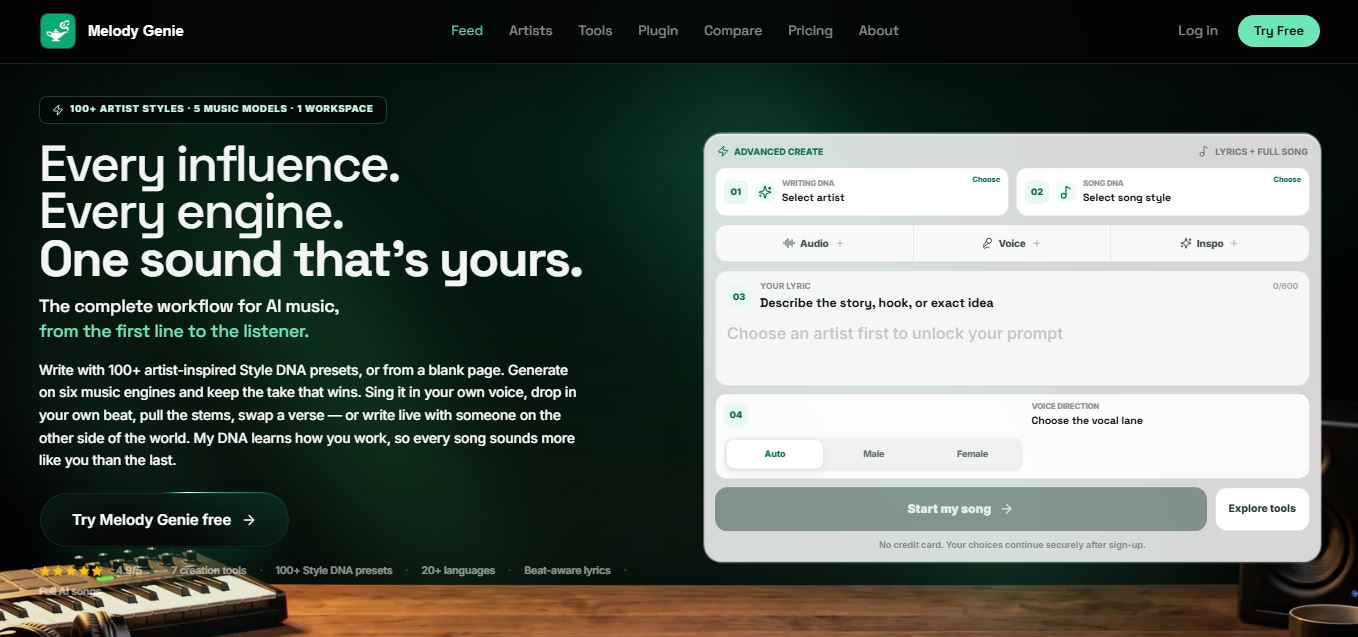
MelodyGenie is an AI-powered music generator that creates original songs from simple text prompts. Users can choose styles, moods, and genres, then instantly generate melodies and full tracks, making it easy for creators, marketers, and hobbyists to produce custom music without musical expertise.
Freemium
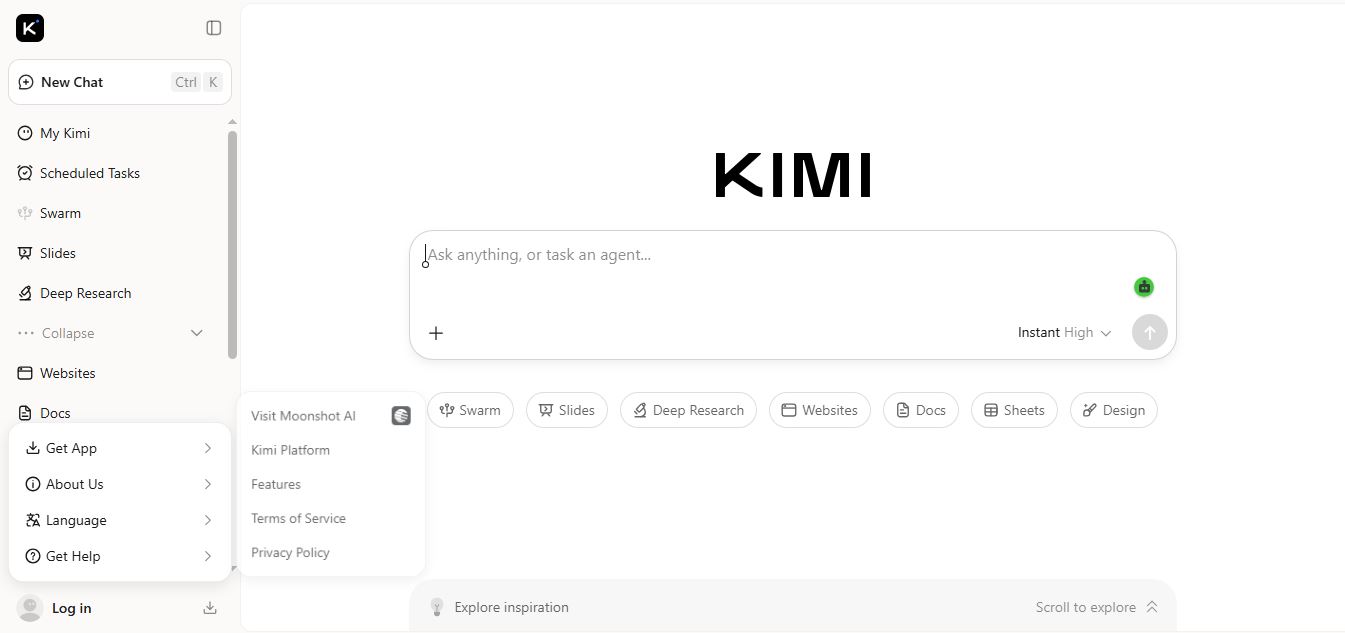
Kimi AI
Kimi AI is an advanced AI assistant developed by Moonshot AI that helps you chat, research, write, code, and automate tasks in one place. It supports web search, file analysis, and multimodal inputs, and can even run autonomous “agent” workflows to complete complex tasks end-to-end.
Freemium
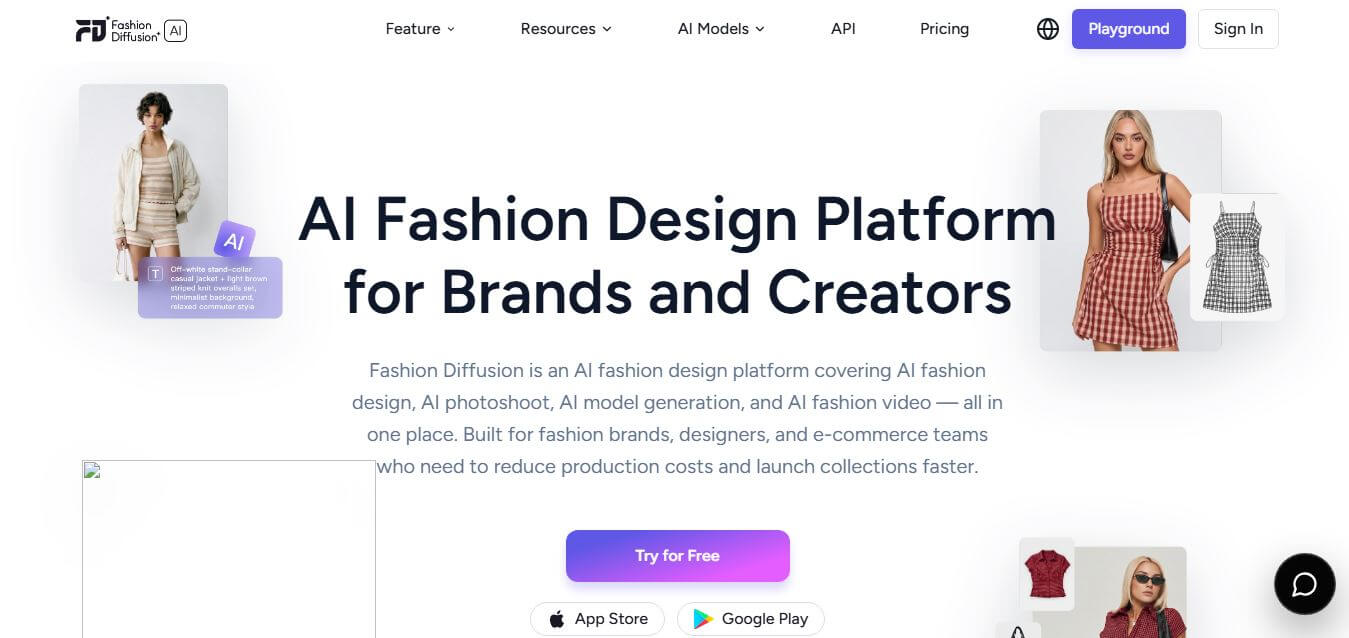
Fashion Diffusion AI
Fashion Diffusion is an AI-powered fashion design platform that helps brands and designers create clothing designs, virtual try-ons, AI models, product photos, and marketing visuals faster and cost-effectively.
Paid
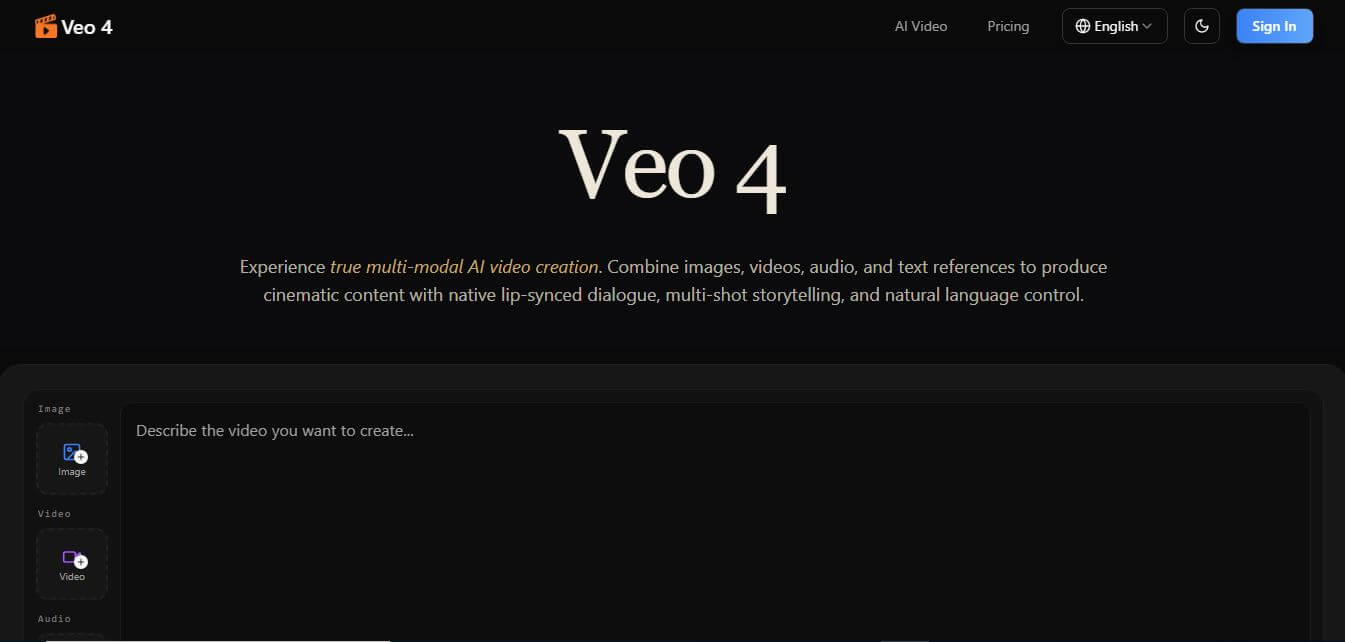
Veo 4
Veo 4 AI is an AI video creation platform that generates dramatic videos from text, images, audio, and video prompts using realistic motion and synchronized sound.
Paid
Alternatives
Alternatives to AgentDock AI
AgentDock alternatives include tools like LangGraph, CrewAI, n8n, AutoGen, and Flowise AI. These platforms help build AI agents, automate workflows, and manage tasks. Some focus on developer control, while others offer no-code automation or multi-agent systems for scalable AI operations.
 4.7
4.7Halcyon
AI Agent
Halcyon is an AI energy intelligence platform that helps professionals search regulatory filings, analyze energy-market information, monitor developments, and access structured datasets. It combines document search, natural-language queries, AI-powered alerts, and specialized data subscriptions to turn fragmented energy information into actionable intelligence for research, monitoring, planning, and faster decision-making.
 4.5
4.5Enhancv
AI Agent
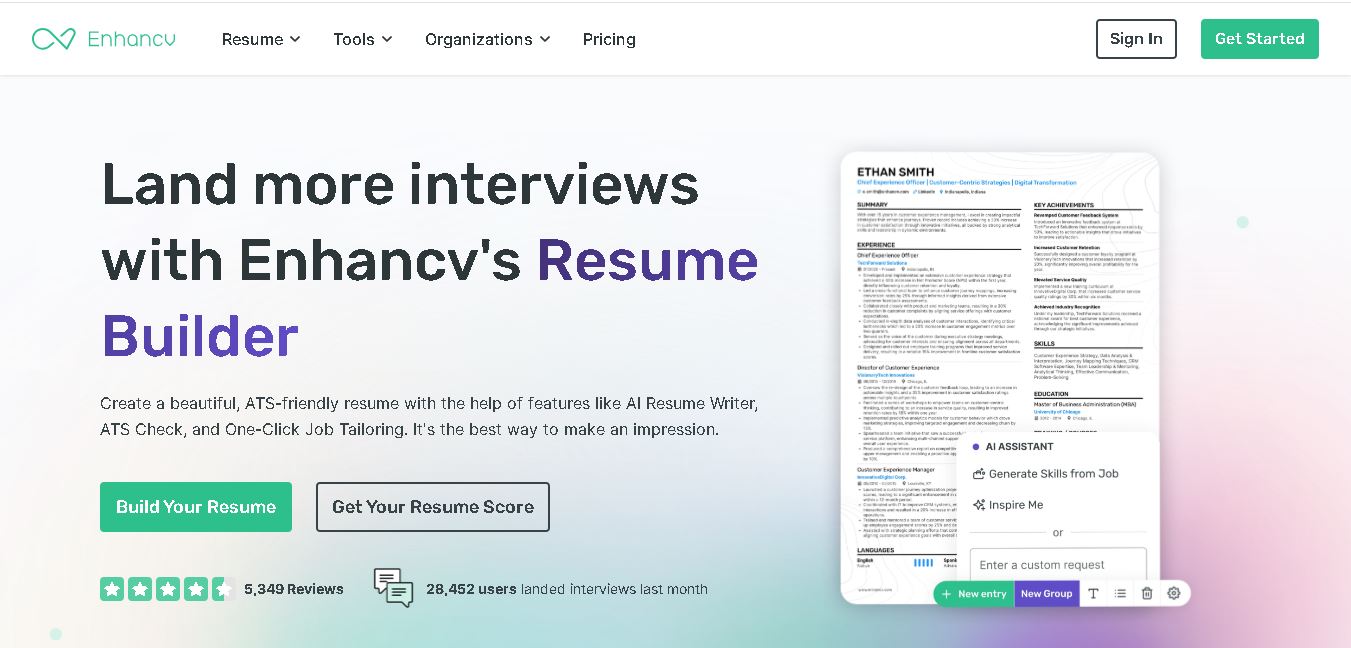
Enhancv helps job seekers build ATS-friendly resumes using customizable templates, AI writing assistance, resume checking, and job-specific tailoring. It also supports cover letters, application tracking, interview preparation, and resume translation. The platform is designed for candidates who want a polished application while keeping control over their experience, wording, and presentation.
 4.9
4.9Domo
AI Agent
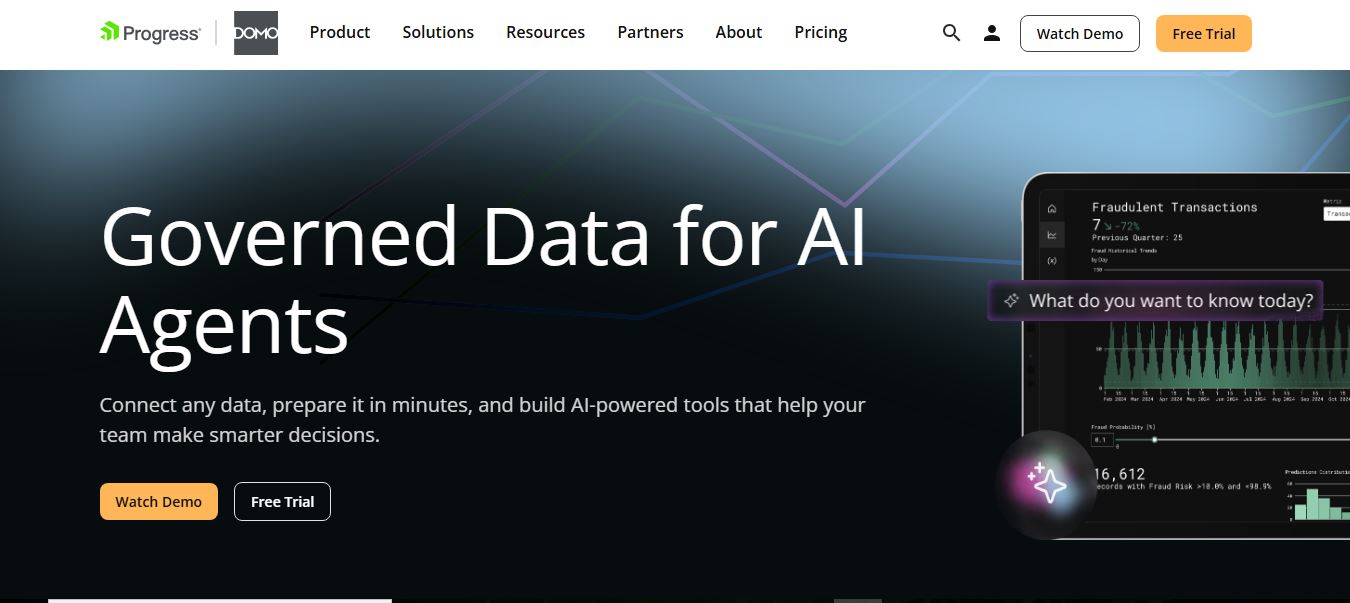
Domo is an AI-powered data and analytics platform that helps businesses connect, visualize, and act on data from multiple sources in one place. It combines dashboards, automation, and AI insights to turn raw data into decisions, enabling teams to monitor performance and drive better outcomes in real time.
 4.9
4.9Doppler
AI Agent
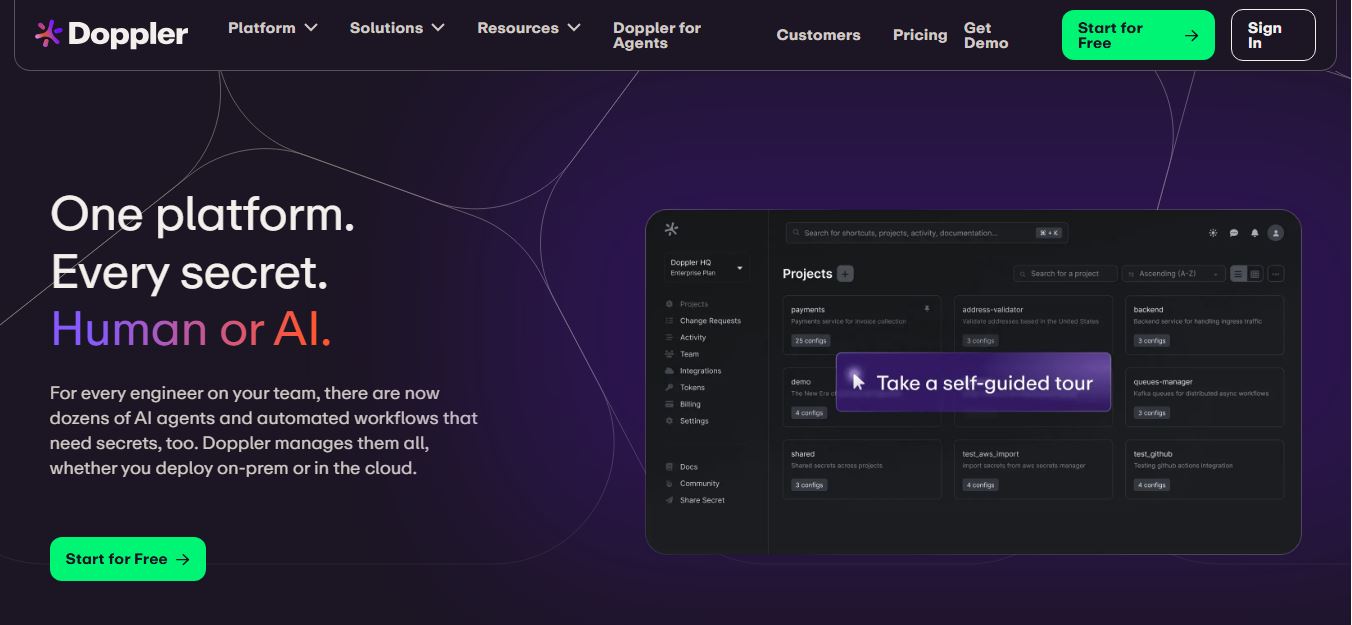
Doppler is a secrets management platform that helps developers and teams securely store, manage, and sync sensitive data like API keys, tokens, and credentials across apps and environments. It centralizes secrets, automates access control, and ensures secure, consistent configuration for applications and AI agents.
 4.8
4.8Genspark
AI Agent
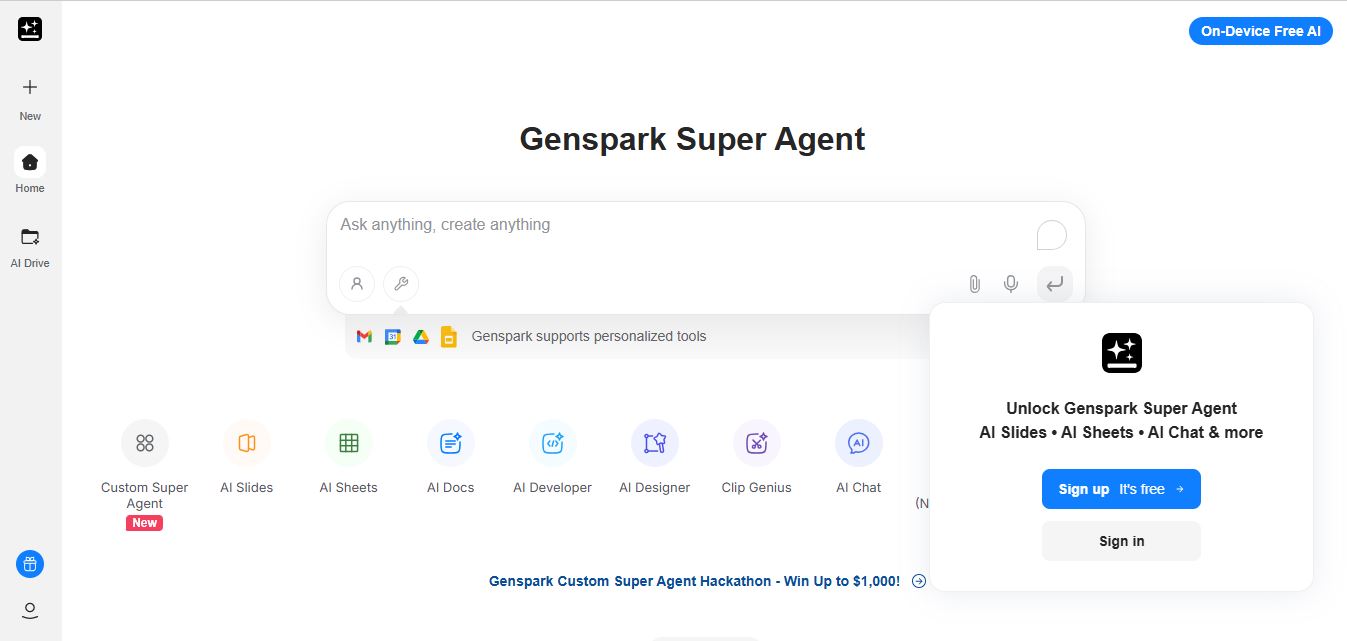
Genspark is an AI-powered all-in-one workspace built around autonomous agents that can research, write, analyze data, and create content from a single prompt. Its “Super Agent” plans and executes tasks across tools, delivering complete outputs like presentations, reports, code, and media automatically.
 4.9
4.9Teachable Machine
AI Agent
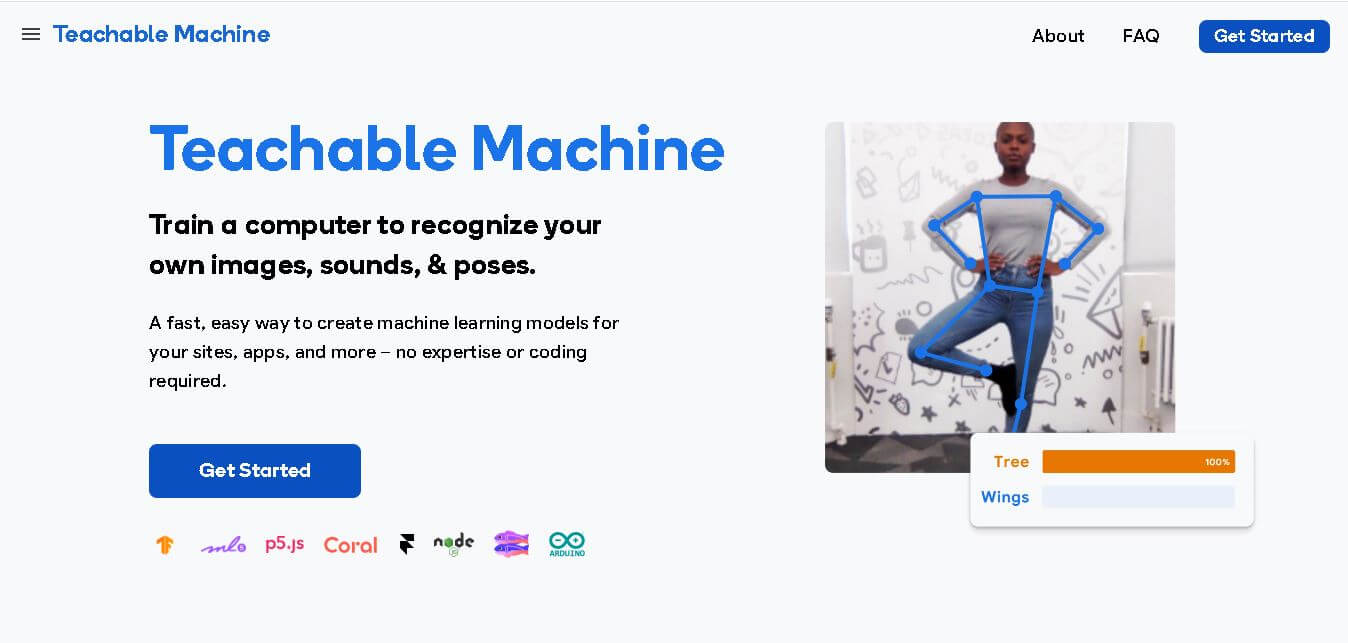
Teachable Machine is Google's browser-based tool for creating custom machine learning models without coding. You can train models to classify images, sounds, and poses using your own examples. After testing your model, you can export it for websites, apps, games, educational experiments, and physical computing projects powered by compatible machine learning technologies.
 4.7
4.7Encharge AI
AI Agent
EnCharge AI develops advanced AI computing hardware and software based on charge-based analog in-memory computing. Its technology is designed to improve AI inference efficiency while reducing power consumption, data movement, computing costs, and environmental impact. The company targets edge-to-cloud deployments, including on-device AI, robotics, automotive systems, industrial applications, and local computing.
RHVoice
AI Agent
RHVoice (rhvoice.org) is an open-source, multilingual speech synthesizer and text-to-speech engine designed to provide high-quality, lightweight voice output for screen readers, mobile devices, and accessibility tools.
 4.8
4.8PenguinBot AI
AI Agent
PenguinBot is an AI-powered “digital employee” that turns simple instructions into completed tasks like managing emails, scheduling, and running workflows automatically. It works across multiple channels and apps, planning and executing tasks in the background—focusing on getting real work done, not just generating responses.