
Text-To-Pokemon
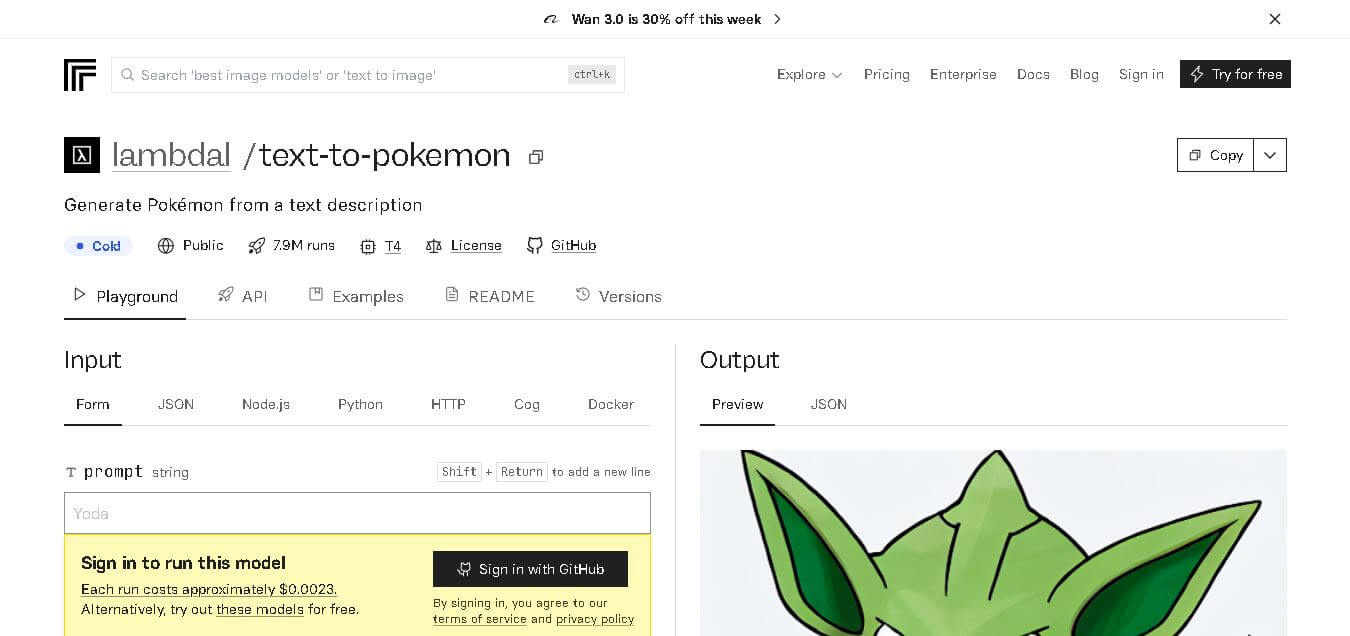
Replicate Text to Pokémon is an AI image generation model that transforms simple text prompts into unique Pokémon-inspired characters. Built on a fine-tuned Stable Diffusion model, it helps artists, developers, gamers, and AI enthusiasts create imaginative creature designs in seconds without requiring prompt engineering or advanced design skills.
What is Text-To-Pokemon?
Text-To-Pokemon is an open-source generative AI model created by Justin Pinkney at Lambda Labs and hosted on the Replicate cloud API platform. Fine-tuned from Stable Diffusion on a dataset of BLIP-captioned Pokémon images, it translates arbitrary text prompts—ranging from celebrity names and animals to abstract concepts—into stylized Pokémon character designs matching the official franchise aesthetic.
Replicate Text to Pokémon has completed more than 7.9 million runs, making it one of the platform's most popular creative AI models. It runs on NVIDIA T4 GPUs, typically generates results in about 11–15 seconds, and costs approximately $0.0023–$0.0027 per generation. The model was trained using 2× NVIDIA A6000 GPUs for around 15,000 training steps over nearly 6 hours, delivering fast, affordable, and high-quality Pokémon-style artwork from simple text prompts.
- Core Focus: AI Character Generation, Pokémon Style Image Diffusion, Text-to-Image AI, and Replicate API Hosting
- Launch Year: 2022
Use Cases:
- Creating custom Pokémon avatars, mascot artwork, and fan-made creature designs
- Prototyping monster and character concepts for indie game developers and illustrators
- Generating fun social media images by turning real-world figures or objects into Pokémon
- Integrating character generation capabilities into web and mobile apps via the Replicate API
Technology:
- Fine-tuned Stable Diffusion checkpoint trained on BLIP-captioned Pokémon image-text pairs
- Lambda GPU Cloud infrastructure and Lambda Diffusers training framework
- Hosted inference on Nvidia T4 and high-performance GPU hardware via Replicate
Target Users:
- Pokémon enthusiasts, digital artists, and fan-art creators
- Indie game designers seeking rapid creature concept ideation
- AI developers looking for accessible open-source model weights and API endpoints
Ecosystem: Replicate web interface, REST/Python/Node.js API libraries, Hugging Face Diffusers format, and Docker local deployment support.
Key features of Text-To-Pokemon
Text-To-Pokemon's key features are
- Prompt-Driven Creation: Generates authentic-looking Pokémon sprites and artwork from natural language descriptions without complex prompt engineering.
- Customizable Inference Controls: Supports adjustable parameters including `num_outputs`, `num_inference_steps`, `guidance_scale`, and seed control.
- Replicate API Integration: Enables seamless integration into third-party software using Python, JavaScript, or cURL requests.
- Open-Source Weights & Code: Model checkpoints in Diffusers format and training scripts are publicly available for self-hosting.
- Flexible Output Quantities: Allows users to generate single images or batch multiple variations in a single run.
Text-To-Pokemon Pricing
Text-To-Pokemon is available through Replicate's usage-based cloud infrastructure alongside free open-source downloads.
Free / Community Access:
- $0 (Free trial runs on Replicate web playground; free local execution via Hugging Face weights)
Pay-As-You-Go Cloud API (Replicate):
- Billed per second of GPU hardware usage (typically ~$0.0002 to $0.001 per second on Nvidia T4 hardware, averaging ~$0.01 - $0.04 per generated image depending on inference steps)
Disclaimer: For the latest and most accurate pricing information, please visit the official Text-to-Pokemon AI website.
Is Text-To-Pokemon Worth It?
Text-To-Pokemon is well worth exploring for creators, fans, and developers wanting specialized monster artwork. Because the model is open source and lightweight to run via Replicate's pay-as-you-go API, users can generate dozens of custom Pokémon variations for pennies without requiring expensive local GPU hardware.
Real-World Use Cases
- Custom Fan Art: Fans input their favorite celebrities, pets, or anime characters to see them transformed into Pokémon.
- Indie Game Development: Game creators generate initial silhouette and color concept art for monster-battling projects.
- Bot & App Integration: Developers build Discord bots or web applications that automatically generate Pokémon based on user inputs.
- AI Fine-Tuning Benchmarking: Machine learning researchers study the model as a case study in fine-tuning diffusion pipelines on small niche datasets.
Who is using Text-To-Pokemon?
Text-To-Pokemon is designed for AI creators and gaming fans, including
- Content Creators & Streamers: Individuals making viral video thumbnails, posts, and avatar art
- Game Developers: Creators needing rapid artistic ideation for creature design
- Software Engineers: Developers leveraging Replicate APIs for custom image tools
Best Text-To-Pokemon Alternatives
Some of the strongest Text-To-Pokemon alternatives include
- Stable Diffusion (Base Model + Custom LoRAs)
- Midjourney
- NovelAI
- DALL-E 3
Pros and Cons of Text-to-Pokemon
Pros
- Accurately captures the iconic official Pokémon art style without lengthy prompts
- Open-source model weights and training code available for complete customization
- Extremely low cost per run hosted on Replicate's cloud API
- Simple input parameters for guidance scale, seed, and denoising steps
- Fast generation speeds, typically completing within seconds
Cons
- Based on early Stable Diffusion architecture (512x512 native resolution)
- Occasional overfitting toward specific Pokémon shapes (such as circular forms) on abstract prompts
- Requires basic API knowledge or a Replicate account for extended batch runs
Why Choose Text-To-Pokemon?
Text-To-Pokemon stands out because it specializes specifically in translating human concepts into the unmistakable aesthetic of the Pokémon universe. Built by Justin Pinkney at Lambda Labs, it demonstrates the power of fine-tuned diffusion models while remaining accessible via simple API endpoints and public code repositories.
- Delivers dedicated Pokémon-style consistency out of the box
- Open-source accessibility with weights hosted on Hugging Face
- Seamless cloud execution via Replicate API
- Cost-effective inference pay-per-run model
How Text-To-Pokemon Works
- 1. Enter Text Prompt: Describe the character, object, or concept you want to transform into a Pokémon.
- 2. Configure Parameters: Adjust optional settings such as guidance scale, inference steps, and seed.
- 3. Cloud Diffusion Inference: Replicate executes the fine-tuned Stable Diffusion pipeline on GPU hardware.
- 4. Output & Download: View, download, or fetch the generated Pokémon image via the Replicate API.
Text-To-Pokemon vs. Competitors
The main difference between Text-To-Pokemon, base Stable Diffusion, and Midjourney is that Text-To-Pokemon is hyper-specialized for creature artwork in the official Pokémon style without requiring custom style prompts. While Midjourney and base Stable Diffusion require complex prompt engineering or LoRAs to achieve this aesthetic, Text-To-Pokemon defaults to it natively.
| Feature | Text-To-Pokemon | Stable Diffusion (Base) | Midjourney |
|---|---|---|---|
| Primary Focus | Pokémon-Style Character Generation | General Text-to-Image Generation | High-Fidelity Artistic Diffusion |
| Native Pokémon Style | Yes (pre-tuned) | Requires LoRA / Style Prompting | Requires Style Prompting |
| API Availability | Yes (via Replicate API) | Yes (self-hosted or cloud) | Limited / Discord-based |
| Open Source Weights | Yes | Yes | No |
| Starting Price | Freemium / Pay-per-run | Free (Self-hosted) | $10.00 per month |
How do we rate Text-To-Pokemon?
| Parameter | Rating (out of 5) |
|---|---|
| Ease of Use | 4.7 |
| Style Accuracy & Quality | 4.6 |
| API & Developer Integration | 4.8 |
| Value for Money | 4.7 |
| Open-Source Availability | 4.9 |
| Overall Score | 4.6 |
Text-To-Pokemon Review
Text-to-Pokemon is a fun and effective demonstration of fine-tuned image diffusion. Created by Lambda Labs and hosted on Replicate, it effortlessly converts text descriptions into recognizable Pokémon creatures. Its open-source nature and cloud API integration make it a great tool for both casual fans and developers looking to integrate specialized AI generation.
Conclusion
Replicate Text to Pokémon is an excellent AI model for anyone who enjoys designing imaginative Pokémon-inspired characters from simple text descriptions. Its rapid generation speed, affordable usage cost, millions of successful runs, and developer-friendly API make it valuable for both creative professionals and hobbyists. Whether you're brainstorming game concepts, creating social media artwork, experimenting with AI-generated characters, or learning about diffusion models, this tool delivers impressive results with minimal effort. Thanks to its specialized Pokémon training, flexible customization options, and open-source availability, Replicate Text to Pokémon remains one of the most accessible and enjoyable AI character generators available today
FAQ
What is Replicate Text to Pokémon?
Replicate Text to Pokémon is an AI-powered image generation model that creates original Pokémon-inspired characters from simple text prompts. Instead of drawing creatures manually, you only need to describe your idea, and the model generates creative artwork within seconds. It is widely used by designers, developers, AI enthusiasts, and Pokémon fans who are keen to explore imaginative creature concepts without advanced artistic skills.
How does Replicate Text to Pokémon work?
The model uses a Stable Diffusion network that has been specially fine-tuned on Pokémon-related images and captions. After entering your prompt, the AI interprets your description and generates one or multiple Pokémon-style images. Users can also adjust settings such as inference steps, guidance scale, random seed, and image count to achieve more consistent or creative results.
Is Replicate Text to Pokémon free to use?
The model operates on Replicate's pay-per-use pricing system instead of a traditional subscription. Each image generation is inexpensive, typically costing only a fraction of a cent, although the exact price depends on your selected settings and computing time. Developers can also run the open-source model locally using Docker or Cog if preferred.
Who should use Replicate Text to Pokémon?
This tool is suitable for game developers, concept artists, content creators, AI hobbyists, educators, and Pokémon fans. It helps generate creative character ideas, visual concepts, social media content, prototypes, and inspiration for games or storytelling. Even beginners with no illustration experience can create unique Pokémon-style artwork simply by describing their ideas in natural language.
Can I customize the generated Pokémon images?
Yes. Replicate Text to Pokémon provides several customization options, including the number of images, guidance scale, inference steps, and random seed. These controls allow you to balance creativity, consistency, and image quality. By experimenting with prompts and settings, you can create highly personalized Pokémon-inspired creatures that match your artistic vision or project requirements.
What makes Replicate Text to Pokémon different from other AI image generators?
Unlike general AI image generators, this model is specifically trained to create Pokémon-inspired creatures. Because it has been fine-tuned on Pokémon-related datasets, it understands the unique visual style, colors, and creature characteristics better than general-purpose models. This specialization helps produce more authentic, imaginative, and game-inspired character designs from straightforward prompts.
User Reviews
No reviews yet for Text-To-Pokemon.
Featured Tools
Featured AI tools from TechShark
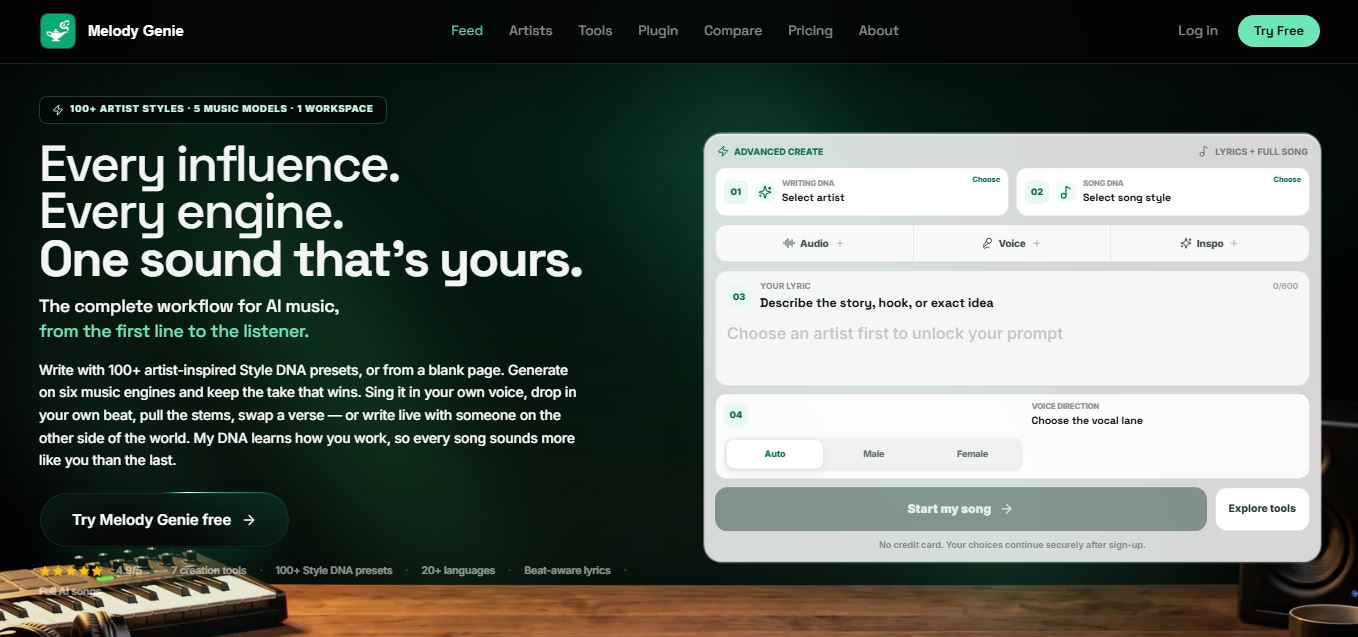
Melody Genie
MelodyGenie is an AI-powered music generator that creates original songs from simple text prompts. Users can choose styles, moods, and genres, then instantly generate melodies and full tracks, making it easy for creators, marketers, and hobbyists to produce custom music without musical expertise.
Freemium
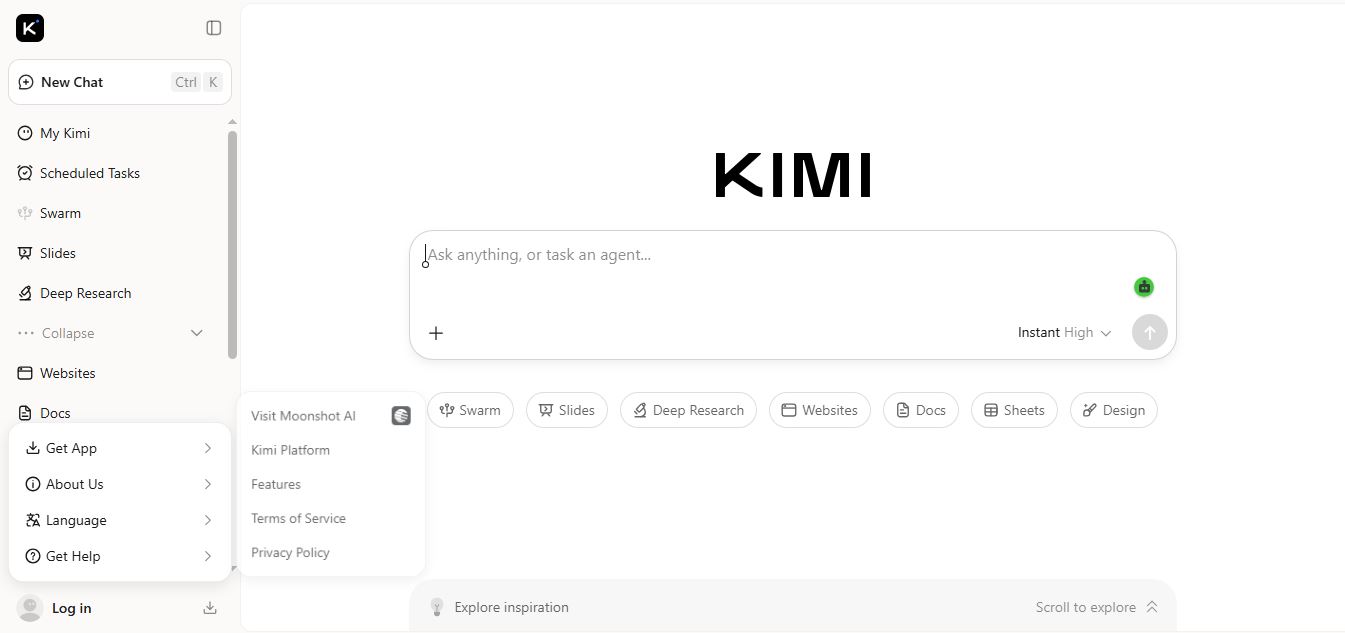
Kimi AI
Kimi AI is an advanced AI assistant developed by Moonshot AI that helps you chat, research, write, code, and automate tasks in one place. It supports web search, file analysis, and multimodal inputs, and can even run autonomous “agent” workflows to complete complex tasks end-to-end.
Freemium
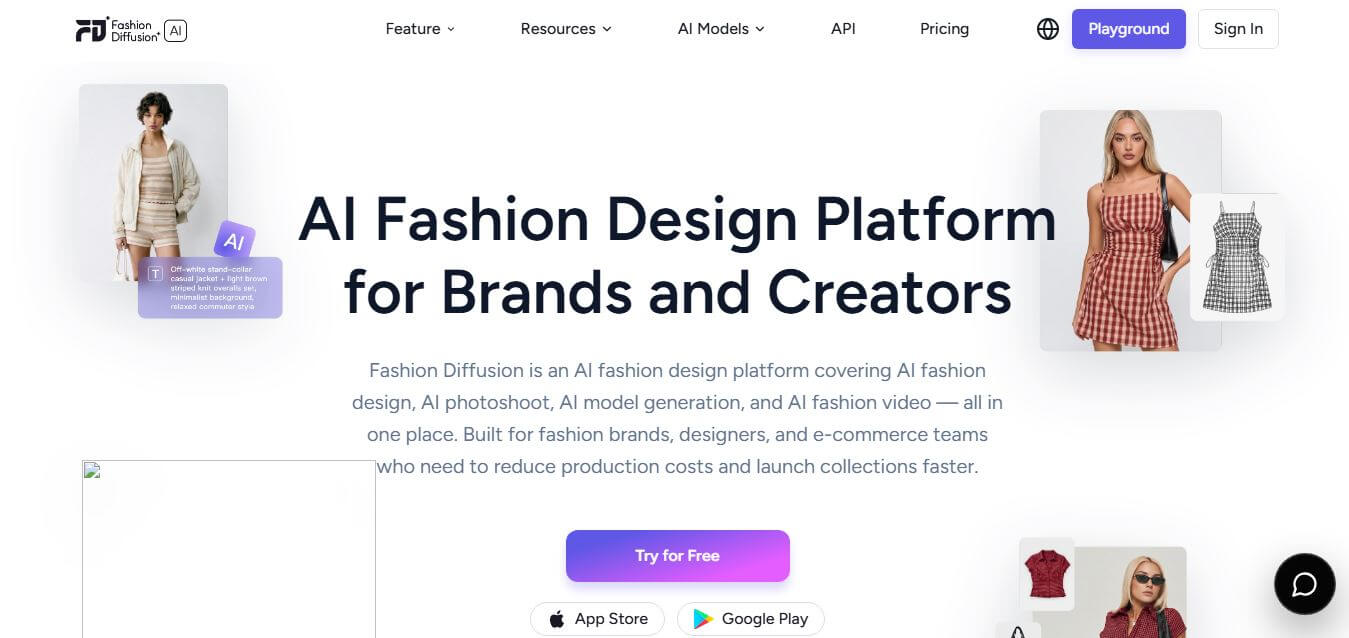
Fashion Diffusion AI
Fashion Diffusion is an AI-powered fashion design platform that helps brands and designers create clothing designs, virtual try-ons, AI models, product photos, and marketing visuals faster and cost-effectively.
Paid
Veo 4
Veo 4 AI is an AI video creation platform that generates dramatic videos from text, images, audio, and video prompts using realistic motion and synchronized sound.
Paid
Alternatives
Alternatives to Text-To-Pokemon
The best Text-To-Pokemon alternatives include Stable Diffusion, Midjourney, NovelAI, and DALL-E 3. Base Stable Diffusion allows fine-tuning via custom LoRA weights. Midjourney offers artistic image diffusion through Discord or web interfaces. NovelAI provides specialized anime and character generation. DALL-E 3 delivers detailed text prompt comprehension for creative artwork.
 4.8
4.8Prisma AI
Image
Prisma AI turns everyday photos into artistic images with stylized filters and creative effects. It offers hundreds of art and portrait styles inspired by famous artists, allowing beginners to create distinctive visuals quickly. Users can capture or upload photos, apply a chosen style, and save or share the finished result.
 4.9
4.9Bria AI
Image
Bria helps businesses and teams generate and edit visual content using controllable generative AI. Its capabilities cover image generation, product visuals, background editing, video workflows, and developer integrations. With licensed training data, attribution, provenance, and enterprise deployment options, Bria is positioned for businesses that need scalable, commercially focused visual AI.
 4.7
4.7Unwatermark
Image
Unwatermark.ai helps creators, marketers, photographers, and businesses remove watermarks, logos, text, people, and unwanted objects from images and videos. Its automatic detection handles quick edits, while the manual brush provides precise control over difficult areas. With browser-based processing, format support, previews, and free usage, it simplifies everyday visual cleanup.
 4.9
4.9invideo Nano Banana
Image
Nano Banana is an AI image generation and editing model by Google (Gemini family) that helps users create, modify, and refine visuals using natural language prompts. It supports 4K outputs, consistent characters, accurate text rendering, and real-time editing, enabling fast, production-ready creative workflows.
 4.8
4.8Banana Nano
Image
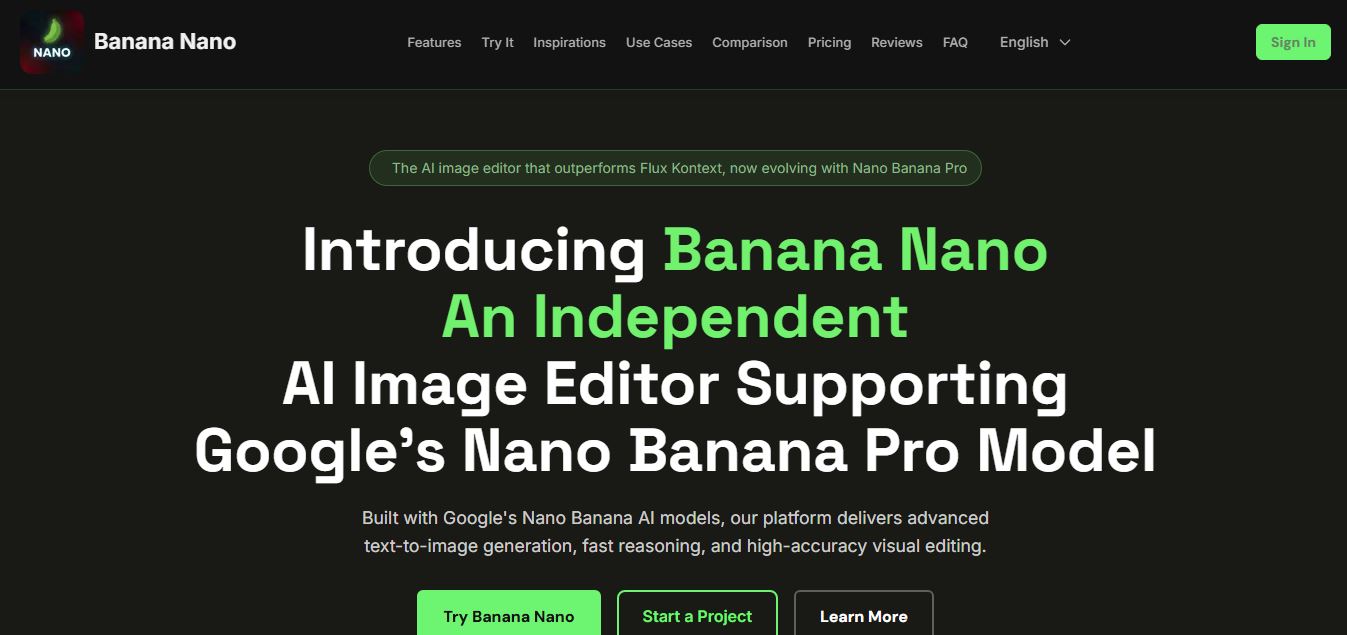
BananaNano (Nano Banana AI) is an AI-powered image generation and editing platform that lets users create visuals from text or edit photos using natural language. It supports multi-image fusion, character consistency, and up to 4K output, enabling fast, flexible visual creation without complex design tools.
 4.8
4.8Vheer
Image
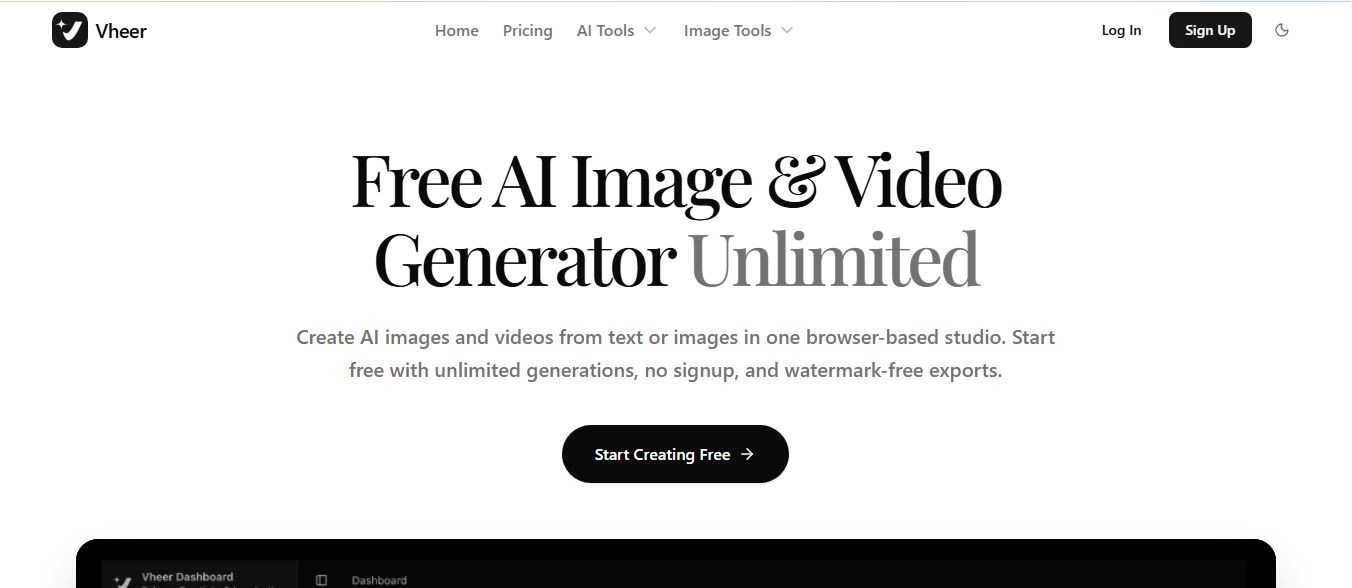
Vheer is a free AI image and video generator that helps users create visuals from text or photos instantly. It includes tools for image editing, background removal, and image-to-video conversion, offering unlimited generations without signup, making it ideal for quick, creative content production.
 4.9
4.9QOVES
Image
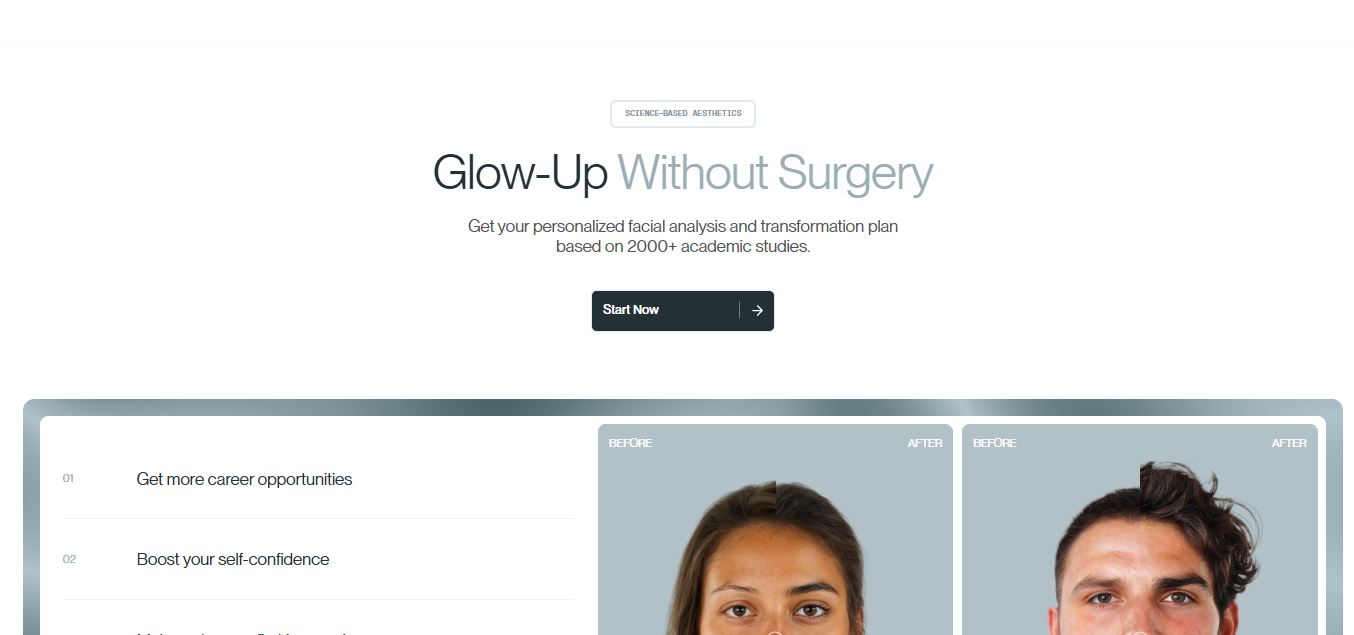
QOVES is an AI-powered facial analysis and beauty consulting platform that helps users understand their facial features and improve appearance through personalized, science-backed recommendations. It analyzes hundreds of facial markers and provides a non-surgical transformation plan, enabling informed decisions about aesthetics, skincare, and overall self-improvement.
 4.8
4.8Airbrush AI
Image
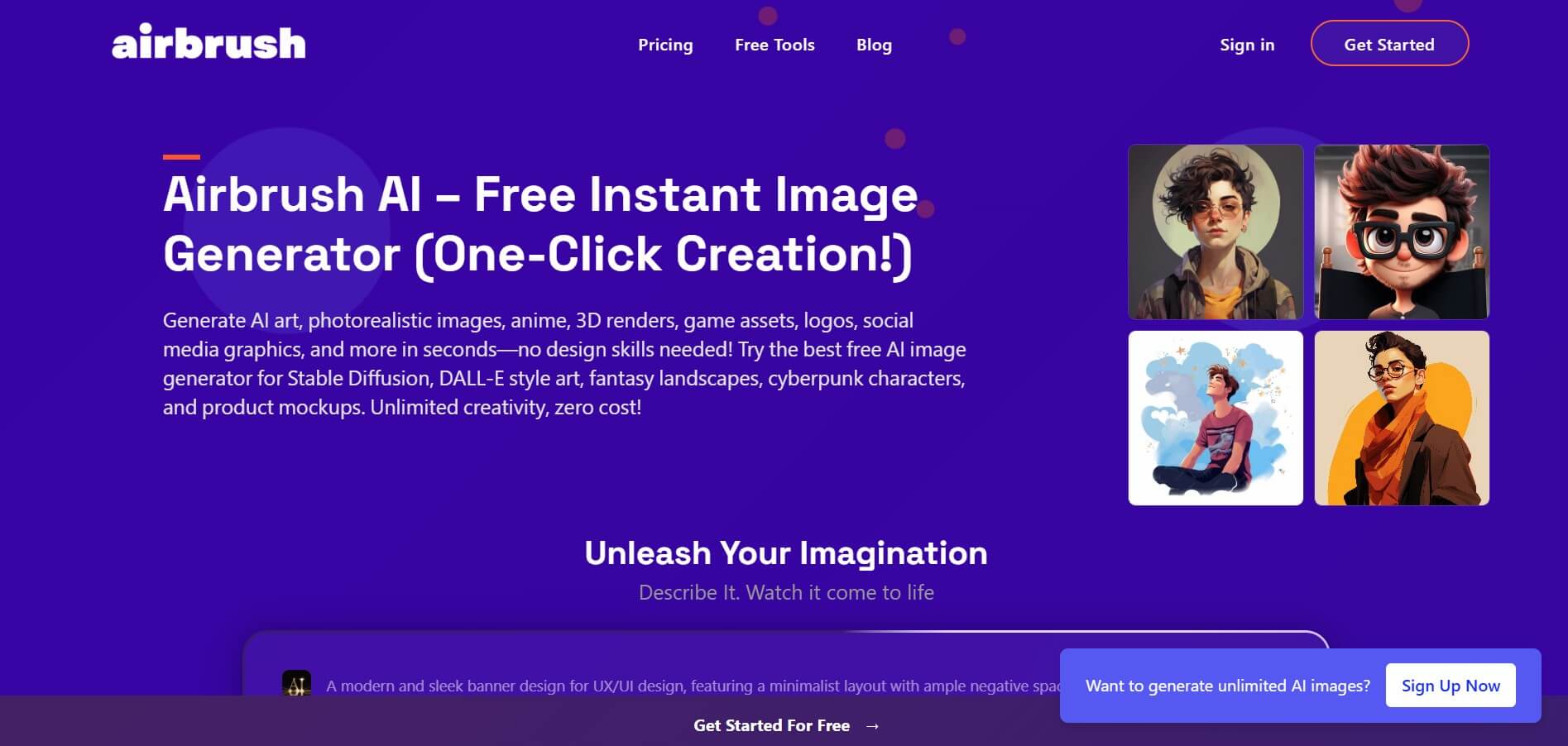
Airbrush is an AI-powered image generation and editing platform that helps users create, enhance, and customize visuals from simple text prompts. It supports multiple AI models and styles, enabling creators to generate artwork, marketing assets, and realistic images quickly without advanced design skills.
 4.7
4.7Palette.fm
Image
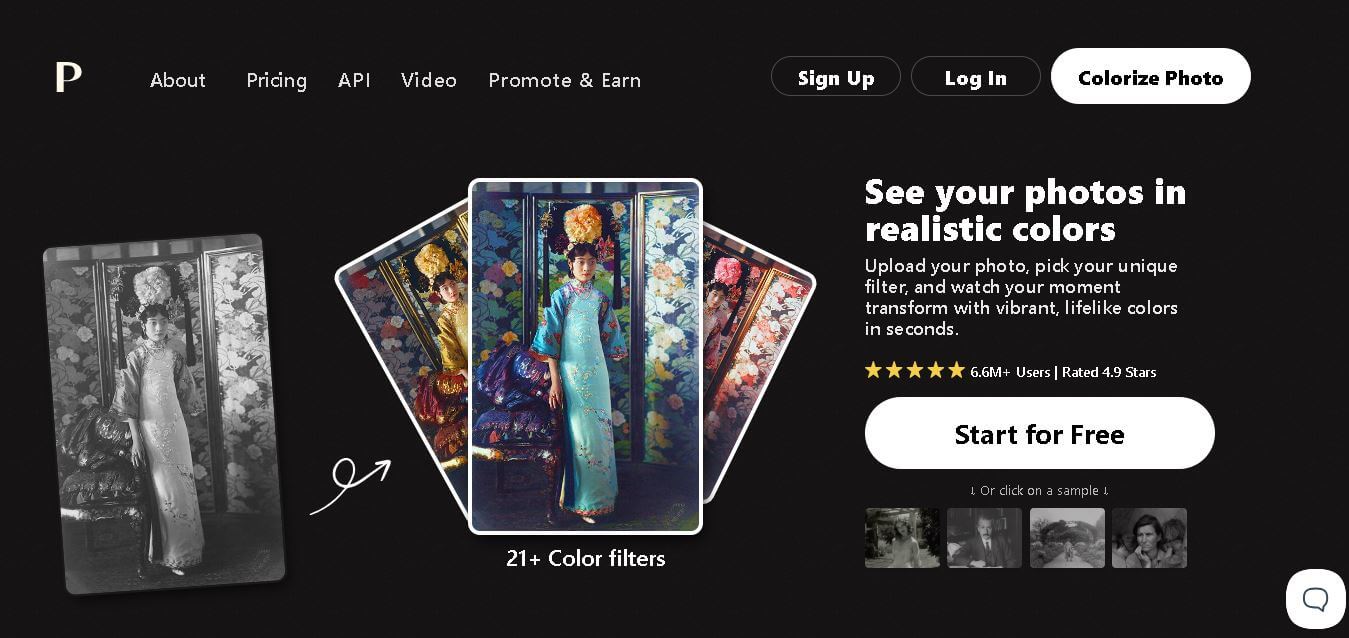
Palette.fm helps turn black-and-white photographs into vivid color images with customizable filters and keyword-based adjustments. You can upload one or multiple photos, preview different looks, and refine the colorization before downloading. The service supports high-resolution outputs for paid credits, making it useful for restoration, creative editing, archives, and photography projects.